


 购物车
购物车 个人中心
个人中心

Regulile creierului
¥65.32
Un nou bestseller interna?ional de la creatorii seriei ?Pisicile r?zboinice” Lumea nu va mai fi niciodat? la fel dup? Marele M?r?it - a?a s-ar numi un cutremur devastator v?zut prin ochii unui c??el. P?m?ntul s-a despicat pe de-a ?ntregul ?i au disp?rut toate labele-lungi – a?a s-ar numi semin?ia omeneasc? prin ochii aceluia?i c??el. Hrana a devenit aproape imposibil de g?sit, apa este otr?vit?, iar du?manii mi?un? la tot pasul. ?n aceast? situa?ie, c?inii se v?d nevoi?i s? deprind? toate aptitudinile unor supravie?uitori. A venit vremea lor s? domine lumea. Norocel, un C?ine Singuratic obi?nuit s? tr?iasc? pe cont propriu, s-a integrat ?n Haita C?inilor Lega?i pentru a face fa?? condi?iilor dure de via?? de dup? Marele M?r?it. C?nd un atac puternic ?i pune ?n pericol nu numai pe C?inii Lega?i, ci ?i pe inamicii lor, C?inii S?lbatici, Norocel ??i d? seama c? singura lor ?ans? de supravie?uire este s? se uneasc?. Tocmai aceast? decizie ?i va provoca probleme, iar ?n cele din urm? va fi alungat din haita unit?. Cartea a IV-a prilejuie?te ?mp?carea dintre Norocel ?i Alfa, conduc?torul Haitei S?lbatice. Dar ?ntre ei r?m?ne ?n continuare o tensiune mocnit?: Alfa las? de ?n?eles c? nu va fi niciodat? dispus s? accepte compania anumitor c?ini. Haita recent unit? se afl? ?n c?utarea unui nou c?min, c?t mai ?ndep?rtat de Tab?ra C?inilor Fioro?i. C?inii descoper? treptat c? niciun teritoriu nu este complet lipsit de pericole. Atunci c?nd ?nt?lnesc un alt grup de c?ini care a supravie?uit Marelui M?r?it, Norocel sper? ca cele dou? haite s? se alieze. ?ns?, aceast? nou? Hait?, condus? de Teroare, laba dreapt? a C?inelui-Spaim?, s-ar putea s? se transforme ?n cel mai periculos inamic pe care l-au ?nt?lnit vreodat?... ?O carte plin? de ?nt?mpl?ri palpitante ?i minunate.“ - Kirkus Reviews ?Tinerii cititori vor g?si o mul?ime de lucruri fascinante ?n aceast? carte de aventuri, de la intriga palpitant? p?n? la caracteriz?rile fiec?rui c??el ?n parte. O lectur? ideal? pentru fanii ?Pisicilor r?zboinice?.” – Booklist ?S? vezi lumea prin ochii unui c??el ??i poate schimba viziunea asupra vie?ii. Ac?iunea ?i pericolul ?i vor ?ine pe cititori ?n suspans, iar finalul pe muchie de cu?it ?i va determina s? deschid? ner?bd?tori urm?toarea carte din serie.” - Jennifer Rummel, VOYA Din aceea?i serie: Supravie?uitorii. Cartea I - Ora?ul pustiu Supravie?uitorii. Cartea a II-a - Du?manul ascuns Supravie?uitorii. Cartea a III-a – C?derea ?ntunericului
Cuv?ntul care st? s? m? nasc?. The word poised to birth me
¥24.44
Hamburger cu m?m?lig? este un pamflet cinic ?i incisiv care descrie fidel ?i realist dou? popoare: rom?n ?i american. Le descrie nu din auzite, nu din ziare ?i nu din vizionarea programelor de televiziune, ci din experien?a autorului. O carte acid? care condamn? prostia, arogan?a ?i incultura ?elitei“ societ??ii rom?ne?ti de ast?zi, dar ?i prostia americanilor care habar nu au unde se afl? Rom?nia ?i poporul ei. O carte care dezv?luie f?r? rezerve ?i f?r? ascunzi?uri adev?rata fa?? a societ??ii rom?ne?ti contemporane. O carte ?n care personajele principale sunt politicienii, protipendada, ?baronii locali“, potenta?ii vremii, biserica, media aservit? politic ?i cea declarativ ?liber? ?i independent?“, trafican?ii ajun?i vedete. O carte despre cum suntem noi cu adev?rat ?i despre cum sunt americanii de fapt. Ve?i citi o carte r?z?nd ?n hohote, dar ?i pl?ng?nd cu lacrimi amare. Ve?i citi ?i ve?i cunoa?te adev?rul. Iar adev?rul v? va face liberi! Pentru c? un popor care nu mai r?de este condamnat s? fie ve?nic sclavul celor care ??i bat joc de el. Revolta?i-v? ?i r?de?i! ?i v? ve?i sim?i liberi!...
Con?tientizarea. Cheia pentru a tr?i ?n armonie
¥49.62
Da-da, ?i noi, martorii fl?m?nzi de auto-construc?ie, ridicoli ?i glorio?i pasageri ai ?nceputului de mileniu precoce ?mb?tr?nit, precoce obosit de existen??!, fl?m?nzi – ?ntr-un mod dizgra?ios, strident, dep??it – de idealuri – oho!, ce cuv?nt cu miros de alt secol cultural! –, a?tept?m, vis?nd, Povestea, spus? cu o jum?tate de gur?, ?n ritmuri lente, neb?nuit de ?ncete, cu digresiuni multiple, savant-priceput inserate ?n corpul ei masiv ?i cumva greoi, aparent greoi, cu ac?iune – nu foarte mult?, totu?i! –, cu eroi care au aerul de – ?i, deci, sunt de fapt, ?ntr-o m?sur? mai mare – antieroi, cu personaje problematice, cu dialoguri lungi-lungi ?n perimetrul generos-calculat al c?rora personajele se livreaz?, gr?bite s? se consume, definitiv, se precipit?, se nelini?tesc, prinse de un etern neast?mp?r rapace, de pofta – ca s? nu zicem setea – de a spune totul-totul, ?ncol?i?i de spaima venirii bru?te a unei Apocalipse.
Scrum
¥48.97
Romanul Condamnat s? ucid? este o ?ncercare de a reda realit??ile ?epocii de aur“, dar ?i cele din perioada impunerii de c?tre ru?i a comunismului ?n Rom?nia. Personajul central, arhitectul Tudor Gur?u, s?tul de lipsa de perspectiv? a meseriei sale, ca proiectant de garduri de prefabricate, cote?e de porci ?i blocuri de garsoniere pentru nefamili?ti, realizeaz? c? locul s?u nu este ?ntr-un institut de proiect?ri f?r? perspective. Se ?ntreab? dac? nu a venit momentul s? fug? peste grani??, sper?nd c? ?n Apus ??i poate valorifica aptitudinile... Trebuie s? dispar? pentru a nu pl?ti cu via?a o crim? pe care n-a ?nf?ptuit-o. Fur? ma?ina celor veni?i la locuin?a lui s?-l aresteze ?i str?bate cu ea jum?tate de ?ar?, apoi cealalt? jum?tate cu bicicleta. Trece, ?n cele din urm?, Dun?rea ?n Iugoslavia.
Sonetele verii
¥24.44
Televiziunea, v?zut? din interior, a?a cum ar?ta ?nainte de 1989, merita atunci ca ?i acum porecla folosit? ca titlu al romanului, o fiin?? demn? de tot dispre?ul. Este un roman cu coloratur? istoric?, de?i ?n ansamblul s?u pare o fic?iune istoric? a unei genera?ii de naivi.
Stradivarius
¥48.97
Proza scurt? scris? de t?n?rul scriitor, originar din Timi?oara, se distinge printr-un stil ?ngrijit, expresiv, ?n mod cert, situat ?n siajul lui Matei Caragiale. O carte incitant? despre lumea pestri?? ?i sugestiv? a tranzi?iei autohtone. Cartea este destinat? publicului larg ?i va constitui un succes de libr?rie.
Házasságsirató
¥57.31
Clipele vie?ii mele sunt pentru mine la fel de importante ca primele clipe ale Universului.Clipesc, aud, respir, m? mi?c… deci exist!Pentru cei ce nu mai au r?bdare. Pentru cei care caut? mereu sf?r?itul ?nc? de la ?nceput. Pentru cei ce nu mai au timp…Acum se termin? ?nceputul ?i, cum suntem pe punctul de a disp?rea definitiv, nu v?d de ce am mai c?uta care este motivul ?i dac? s?ar mai fi putut face ceva. (Ciprian Vestemean)
Z?pada mieilor
¥90.84
De ce, oare, ne ?ntreb?m, ?i ?nlesnise Gra?ian Porumb omului pe care-l dispre?uia aceast? fapt?, aceast? grav? injusti?ie? Nu ?tim, d?m din umeri, privim ?n st?nga, privim ?n dreapta, dar de nic?ieri nu ne vine un ajutor c?t de c?t, un r?spuns. ?i nu ne r?m?ne atunci, insisten?i cum suntem, dec?t s? ghicim: trebuia oare, ?n imagina?ia ?nfierb?ntat? de nou? ?i ciudat? aventur? a t?n?rului – trebuia oare ca prietenul s?u Bizoniu, s? ?coboare" ?i ?n ?lumea cealalt?" care, ha, ha, se afla tot ?n lumea noastra, ?n lumea ?celor nev?zu?i?" A, nu, ei nu sunt nev?zu?i dec?t pentru simplul motiv ca ?i ?nl?turam din calea, din drumurile noastre ?i ?i ascundem, ?i ??nchidem" ?n subteranele lor care se cheam? sau temni?e, sau case de nebuni! Oricum, ?n ?subteranele nebunilor" Gra?ian consider? c? "micul pop?" ??i plimbase deja pa?ii ?i f?ptura, urma doar sa ?accead?" ?i la "ceilal?i", cei ne?n?ele?i ?i ?pedepsi?i" care, vii ?i fiin?e fiind, ca ?i noi, aveau la r?ndul lor dreptul de a-L ?nt?lni. A?a cum ?i ?el", omul viu ?i ?n?eleg?tor – de?i, cum am v?zut, el nu ?abuz?" de ?n?elegerea sa, nu se gr?bea defel ?s? ?n?eleag?", ci mai ales s? aud?, s? vad?, s? stea al?turi, s? fie, adic?, s?-?i d?ruiasca din merindea timpului s?u ?i nou?, s? fie ?cu noi" – deci, a?a cum ?i ?el" avea ?dreptul" de a fi cu ?ei". Cine ?tie? (Nicolae Breban)Puterea nev?zut? este cel de-al treilea volum din tetralogia Ziua ?i noaptea, care are ca supratem? rela?ia maestru-ucenic.
Civiliza?ia uitat?. Rolul exploziilor solare ?n trecutul ?i viitorul nostru
¥73.49
Marina ?vetaieva se distinge printr-o scriitur? accentuat personal?, nu numai ?n poezie, dar ?i ?n proz?. Este vorba de stilistica ei nervoas?, abrupta, sincopata, chiar ?i ortografic inconfundabil?, cu multiple linii de pauz? ori intercal?ri neuzuale de paranteze, exclama?ii ?i altele. Care s? fie, deci, cuv?ntul nimerit pentru a surprinde particularitatea acestei crea?ii? I-am spus: stare patetic?. ?i pot spune: stare febril?. I-am spus: radicalitate. ?i pot spune: frenezie. ?i via?a, ?i opera ?vetaievei febriciteaz?. Ele repudiaz?, f?r? ?ncetare, situa?iile medii, mediocre, cotidiene, cumin?i. ...Dac? excesul poate periclita via??, excesivul poate salva arta. Excesivul e aici o supralicitare a d?ruirii, o hipertrofie a ata?amentului. ?vetaieva smulge arta din str?mtor?rile ei, ale ?vetaievei ?i ale artei. E ca o hiperbola a omului, ca o dovada a demnit??ii rec??tigate: prin arta subumanul trece ?n sublim. Crez?nd ?n art?, ?vetaieva crede ?n umanitate, ?n ?ansa nemuririi ei palpabile. Dar transgresarea mor?ii ea o stoarce din vecin?tatea mor?ii; dintr-o via?? ne?ncetat periclitat? de absolutismele ei. Via?a nu e tr?it? pe m?sura artei, s-o oblig?m la nem?surare! – ar putea fi deviza ei, ultimul ei mesaj.
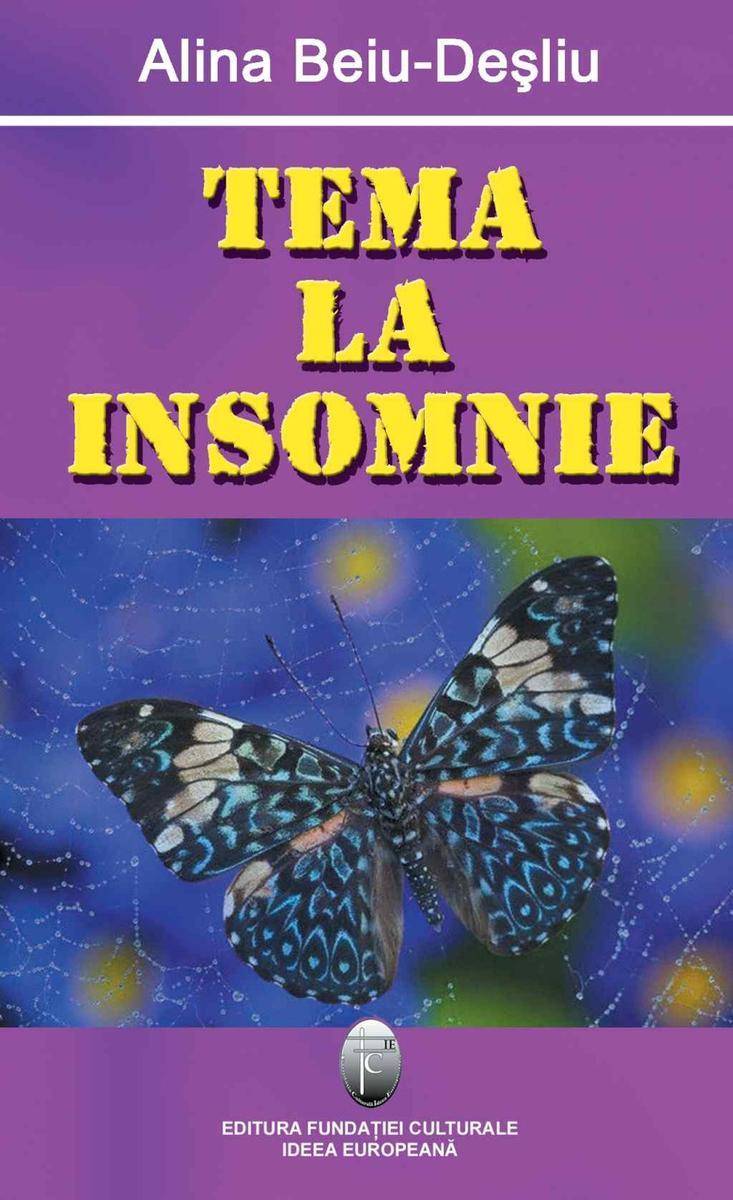
Tema la insomnie
¥32.62
Constat c literatura mare n-au scris-o, dup 1989, cei care ctigaser puterea, n cultur, sub eticheta biruitoare de postmodernism, ci scriitorii singuratici, indiferent de generaie, indiferent dac unora li s-au pus stigmatul de expirai. Nicolae Breban, o spun de la bun nceput, a dat una dintre marile cri ale literaturii romne moderne i transmoderne, aproape o carte-testament. (...) Singura cale este una dintre cele mai lucide cri care s-au scris vreodat, capodopera-sintez a operei lui Nicolae Breban, susinut la o tensiune narativ excepional. (...) Singura cale este unul dintre marile romane transmoderne, n varianta cinic/kynic.“ – Theodor CodreanuCred c un mare scriitor cum este Nicolae Breban ar merita mult mai mult atenie de ct a avut parte n ultimii douzeci de ani, cnd s-a ncpnat s fac ceea ce a fcut dintotdeauna, indiferent de epoca pe care a traversat-o, indiferent de situaia social pe care a avut-o: s scrie. Ca orice mare creator, Breban a avut mereu puterea de a institui prin scrisul su, n pofida evidenelor, normalitatea.“ – Bogdan Creu)Nicolae Breban, nscut n 1934, continu, de la debutul su literar din 1957 i de la publicarea primului su romn, Francisca, n 1965, s fie o prezen de vrf n literatura romn contemporan. (...) Autorul attor volume a probat, de asemenea, un singular curaj civic, atunci cnd, la nici doi ani de la alegerea sa, exclusiv pentru merite culturale, ca membru supleant al Comitetului Central al Partidului Comunist Romn (august 1969), a dezavuat, la Paris, n mod public, regimul Ceauescu, pentru tezele culturale dogmatice din iulie 1971. Cu acel prilej, i-a dat i demisia din funcia de redactor-ef al principalei reviste literare autohtone, Romnia literar. El a refuzat, totui, exilul i s-a ntors n Romnia, suportnd cu demnitate urmrile gesturilor sale de nesupunere n numele unei contiine scriitoriceti libere...“ – Ion IanoiN. Breban este mai ales unul dintre marii romancieri ai literaturii romne dintotdeauna, cel mai important dintre romancierii notri actuali, sincron, prin formele i substana ficiunii, celei mai semnificative literaturi contemporane universale.“ – Marian Victor Buciu
Te salut, fericire!
¥53.14
Prix Médicis ?tranger, Fran?a, 2010Premi Llibreter, Spania, 2011California Book Award, 2008Grace Paley Price, 2007Dac? ideea de ?eliberare prin scris“ are ?n ea o s?m?n?? de adev?r, povestirile cvasiautobiografice din acest volum reprezint? cea mai bun? exemplificare. Obsedat de imaginea unui tat? ciudat, greu de ?n?eles, care pare s? nu-?i fi g?sit nic?ieri locul potrivit, David Vann ?ncearc? s? ?i traseze traiectoria de via??, pentru a-l ?n?elege mai bine ?i pentru a reu?i s? se ?mpace cu el. ??i rememoreaz? mai ?nt?i copil?ria, momentele dureroase sau senine petrecute al?turi de tat?l s?u ori cu g?ndul la el. ??i imagineaz? apoi o c?l?torie cu el ?n Alaska, unde se retrag am?ndoi ?ntr-o regiune nelocuit?, ?n mijlocul naturii s?lbatice, ?ncerc?nd parc? s? transforme ?n realitate atrac?ia dintotdeauna a tat?lui fa?? de ?spiritul de frontier?“, nostalgia unei austerit??i care ar fi putut s? compenseze via?a tr?it? p?n? atunci ?n dezordine, egoism ?i ?n?el?ciune. Cu o intransigen??, dar ?i o ingenuitate remarcabile, b?iatul merge p?n? la cap?t al?turi de tat?l s?u ?i rezolv? ?n mod radical nu at?t enigma acestuia, c?t raporturile sale filiale cu el ?i conflictul moral devastator din via?a tat?lui.Volum tradus ?n 19 limbi
Lecturi ?n filigran
¥44.15
Biblioteca pentru toi copiii“ cuprinde cele mai preuite opere ale scriitorilor clasici ai literaturii romne i universale. Crile de neuitat ale copilriei sunt disponibile astzi si in format e-book.Capodoper a literaturii pentru copii i adolesceni, Robinson Crusoe rmne i astzi o carte fundamental a primelor lecturi. Creat n 1719, ea a legnat copilria multor generaii, fiind rspndit pe toate meridianele lumii. Jean-Jaques Rousseau considera romanul un excelent tratat de educaie, iar André Malraux l aaz pe nlimile atinse de Cervantes i de Dostoievski. Mereu vie, cartea lui Daniel Defoe ne nva s fim nelepi i curajoi, s sperm i s nvingem.“
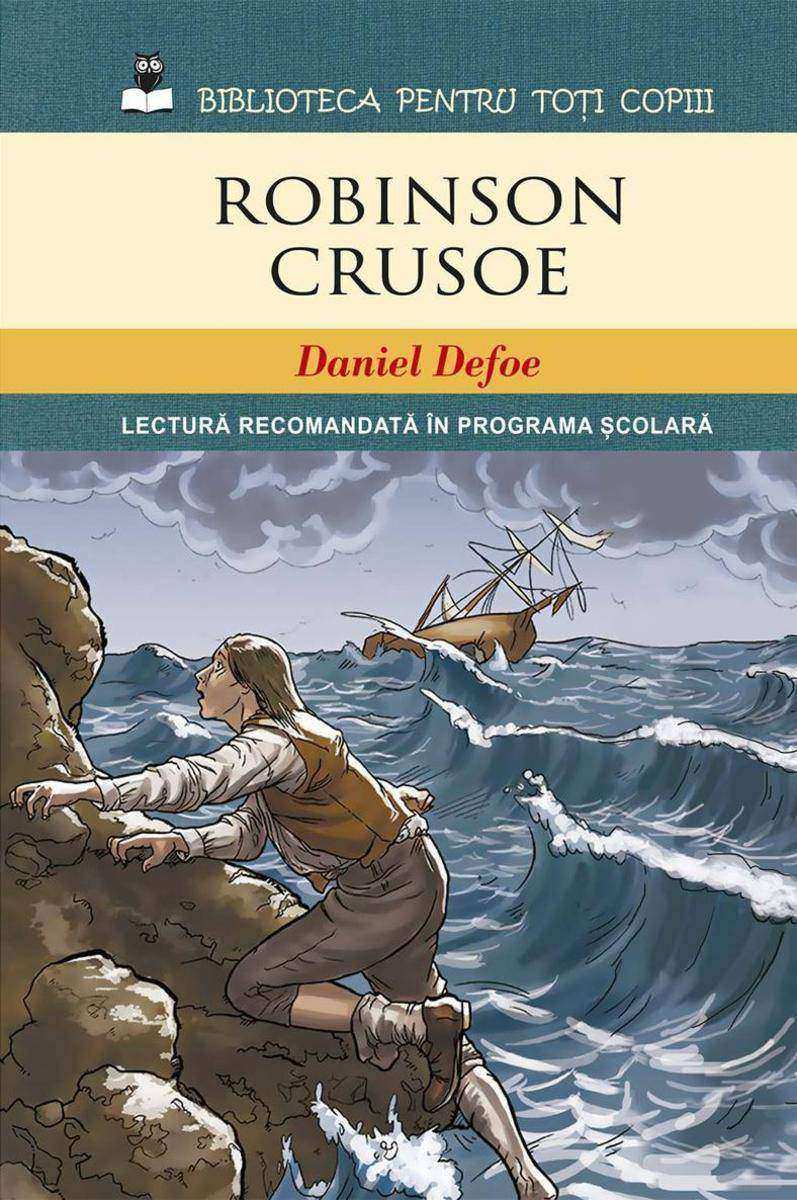
Robinson Crusoe
¥33.03
Cu ani ?n urm?, Lyra Davis l?sa ?n urm? o lume de bog??ie ?i privilegii, precum ?i pe cei pe care ?i iubea cel mai mult ?n lume, incapabil? s? ?mpace a?tept?rile familiei sale cu n?zuin?ele propriei inimi s?lbatice. Acum duce o existen?? lini?tit? pe insula Capri, ?nv???nd s? e bucure cu adev?rat de via??, al?turi de b?rbatul pe care ?l consider? sufletul pereche.Fiica ei, Pell, acum ?n v?rst? de 16 ani, ?i sora ei mai mic?, Lucy, ?nc? ?i duc dorul mamei care le-a p?r?sit c?nd erau copii. Pell crede c? ?tie motivele pentru care Lyra le-a abandonat, ?i, dup? moartea tat?lui lor, va traversa lumea ca s? o g?seasc? pe mama pe care ?i-o aminte?te ?i s? afle adev?rurile ad?nc ascunse, pe care Lyra nu a putut s? le dezv?luie p?n? acum.Un albastru infinit este o poveste despre dragoste, familie ?i prietenie ?n vie?ile a dou? femei care se re?nt?lnesc ?n locul unde ?ncep visele – ?i unde se pot ?mplini ?n cele din urm?.
Imparare a Morire
¥41.86
Un roman de excep?ie, cu o intrig? de prima m?n?. Un roman care se cite?te cu sufletul la gur?.

?ntunecare (2 vol.)
¥26.16
iganii lui Miron Radu Paraschivescu nu sunt arztorii gitanos andaluzi rzboindu-se cu la guardia civil, ci biei oameni nevoiai, obedieni, care-i cnt iubirile arzoaie, se blestem, se prsc, viseaz, iar nfruntrile cele mai sngeroase dintre ei nu depesc vendeta mrunt din Ric, ce aduce aminte de strlucitul cntec btrnesc Toma Alimo.“ – Ilie Constantin
V?paia
¥11.04
n cei peste o sut de ani care s au scurs de la publicarea lui, Gora a fost interpretat n multe feluri i din diferite puncte de vedere, n special n India i n mediile culturale anglofone. S-a spus adesea c, prin acest roman, Tagore a iniiat dezbaterea despre identitatea cultural a Indiei i despre locul religiei i al castei n cadrul ei. Dar problemele legate de religie i cast implic altele privitoare la gen i clas.Romanul ridic multe alte chestiuni la fel de importante, precum statutul femeii, autoguvernarea, reconstrucia rural, educaia naional etc.Dat fiind arta romanesc a lui Tagore – neinovatoare n form sau tehnic narativ, trgndu-i fora nu din aciune, ci din analiz psihologic i dezbatere de idei –, o perspectiv cultural asupra lui Gora este, ndeosebi ntr-o prefa, mai interesant dect una strict literar. Spre deosebire de celelalte romane ale sale, aici personajul central nu este unul feminin. Gora, biatul nou nscut al unui cuplu de irlandezi din Calcutta mori n timpul rscoalei sipahilor (1857), a fost adoptat n secret de o familie de brahmani liberali, fr ca acetia s dezvluie cuiva adevrata sa origine. Numele pe care i l-au dat (gora nseamn alb“ n bengali) este totui o marc identitar evident. Crescut i educat ca un indian din societatea bun, Gora s-a identificat – n ciuda nfirii sale europene – cu India, ajungnd ca dup terminarea studiilor universitare s adopte cea mai strict ortodoxie hindus i s militeze deschis mpotriva dominaiei britanice. Adevrul despre originea sa, ce i se dezvluie abia la finalul romanului, vine ca o surpriz doar pentru el nsui.Cititorul este prevenit chiar de la bun nceput, fapt care i pune aciunile i discursurile ntr o explicit perspectiv ironic. Motivul orfanului domin profilul celor mai importante personaje din roman. Nu numai Gora, dar i Binoy i Sucharita au mame sau tai surogat. Acetia ns se apropie mult mai mult de modelul printelui ideal dect mamele i taii biologici ai celorlalte personaje. Paresh Babu i Anandamayi se nscriu n galeria acelor nobile figuri ce nu pot fi uitate i nu e deloc o surpriz c, n cele din urm, Gora i recunoate ca noii si prini spirituali. Naterea este aadar tema n jurul creia se construiete drama eroului principal. i nu ntmpltor. n hinduismul ortodox, naterea determin att casta, ct i religia, mrci comunitare ce nu pot fi schimbate individual. Cineva se nate hindus i brahman – de pild –, nu poate s devin dect cel mult un bun hindus“ sau un bun brahman“, cum ar fi spus un reprezentant al ortodoxiei de la noi.

Comedianta
¥23.05
Biblioteca pentru toi copiii“ cuprinde cele mai preuite opere ale scriitorilor clasici ai literaturii romne i universale. Crile de neuitat ale copilriei sunt disponibile astzi si in format e-book.Publicat n 42 de limbi, aceast carte este una dintre cele mai traduse opere dup Biblie.Generaii ntregi de copii au hoinrit pe meleagurile Angliei n compania Sobolului, a oarecelui de ap, a Broscoiului i a Bursucului, prietenii memorabili din Vntul prin slcii. De la naterea lor acum mai bine de un secol, pentru a nsoi somnul fiului autorului lor, aceste poveti despre prietenie n lumea naturii au ncntat cititori de toate vrstele. O carte pe care toi o iubim i o citim iar i iar, cu voce tare sau n gnd: Vntul prin slcii. Aceast carte reprezint, ntr-un fel, dou cri ntr-una. Pe de o parte, sunt capitolele referitoare la aventurile Broscoiului, pe de alt parte sunt cele care exploreaz emoii omeneti precum frica, nostalgia, mirarea, dorul de duc.
Frumuse?e prin detoxifiere
¥81.67
Alexandra, o adolescent? rebel?, este trimis? de p?rin?i s? ??i petreac? vacan?a de var? ?ntr-un sat din Transilvania, pentru a fi ?ndep?rtat? de o iubire considerat? imoral?. Odat? ajuns? ?n V., ea este atras? de pove?tile localnicilor legate de o crim? s?v?r?it? ?n urm? cu mai mult de un veac: contesa Aneke fusese acuzat? de incest ?i vr?jitorie ?i ucis? ?n p?dure. Alexandra porne?te pe urmele contesei, hot?r?t? s? afle ce s-a ?nt?mplat cu adev?rat. Castelul ascunde mistere la fiecare col?… Pe m?sur? ce fapte ?i personaje stranii ies la iveal?, Alexandra ??i d? seama c? are ?n comun cu frumoasa vr?jitoare mai mult dec?t ?i-ar fi imaginat, inclusiv iubirea ei secret? ?i interzis?. Va reu?i Alexandra s? salveze aceast? iubire ?i ?n final propria via??, sau va avea soarta tragic? a Anekei?Dou? lumi distincte se ?ntrep?trund: lumea adolescen?ilor de azi, cu Facebook, concerte rock, tatuaje ?i pierce-uri, ?i lumea contesei disp?rute, cu intrigi de curte ?i pove?ti uitate.Un mistery romance ?n tonuri ?ntunecate despre incest, supersti?ii, tr?d?ri, secrete, legende transmise peste veacuri.
?ocurile cotidianului
¥57.14
Auzim adesea pe c?te cineva spun?nd, Via?a mea e un roman! Dar c??i dintre noi au curajul s? zugr?veasc? ?n cuvinte ?i s? pun? pe h?rtie ceea ce li s-a ?nt?mplat de-a lungul anilor?Elena Dican este unul dintre foarte pu?inii care ?i-au transformat amintirile ?ntr-un roman. Domnia-sa nu numai c? a trecut testul curajului, dar a ?i dovedit c? are toate calit??ile necesare pentru a duce un astfel de proiect la bun sf?r?it: u?urin?a de a construi scene memorabile, de a da via?? fiin?elor evocate, cre?nd personaje veridice, gata s? sar? din pagin? ?n via?a real?, precum ?i capacitatea de a medita pe marginea celor v?zute, auzite, experimentate ?i rememorate.?n acest fel, scrierea Elenei Dican creeaz? nu un jurnal al vie?ii sale, ci un adev?rat roman, cu toate valen?ele ?i atributele romanului, dar care p?streaz? ?n acela?i timp ?i valoarea de document al vremurilor ceau?iste ?i al vremurilor de azi. Prin mijloacele specifice acestei specii literare, autoarea direc?ioneaz? cu mare pricepere curiozitatea ?i imagina?ia cititorului c?tre mesajul pe care ?l are de transmis.Un mesaj plin de c?ldur?, de umanitate, de ?ncredere ?n via?? ?i de recuno?tin?? pentru ceea ce este frumos ?i atr?g?tor pe aceast? lume.
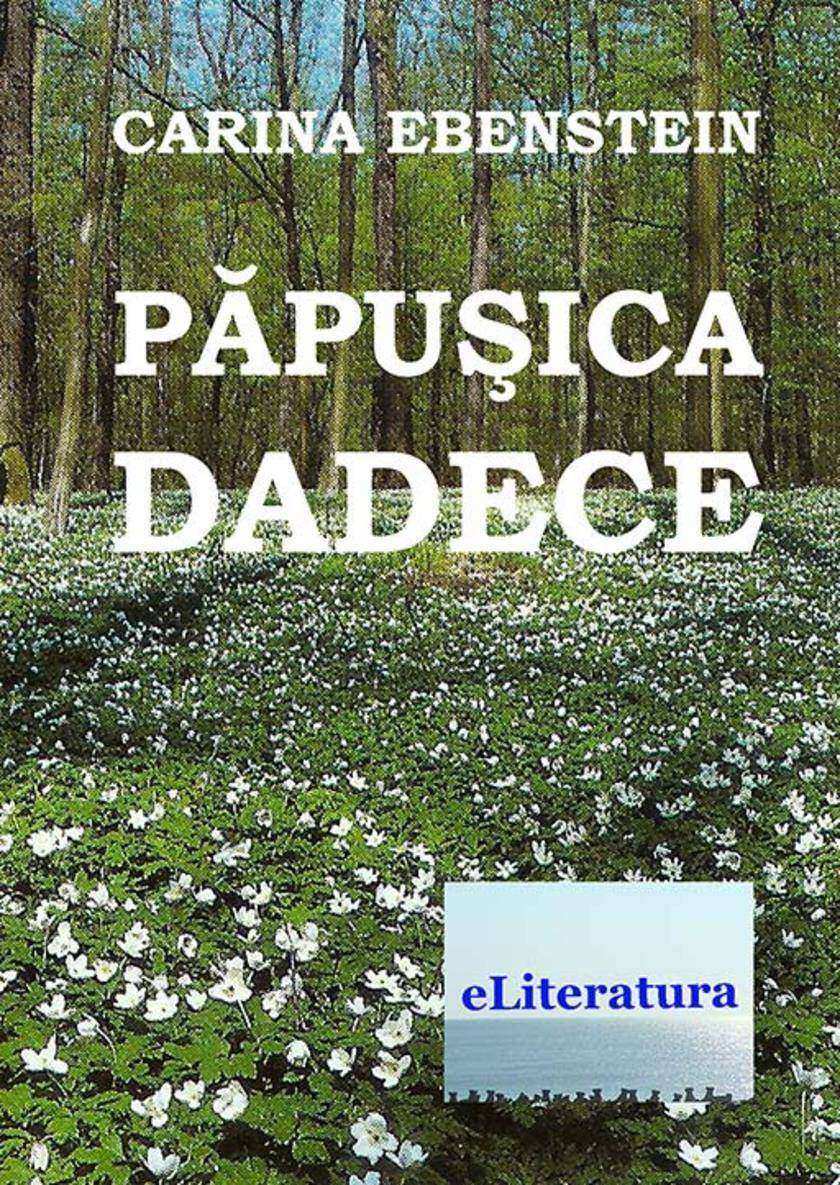
P?pu?ica Dadece
¥48.97
Eduard Limonov — rebel politic i comarul cel mai cumplit al lui Putin.“ – The GuardianLimonov nu este un personaj de ficiune. El exist.A fost un haiduc ucrainean; idol al underground-ului sovietic; ceretor, apoi valet al unui miliardar din Manhattan; scriitor la mod parizian; soldat pierdut pe undeva, prin Balcani; i acum, n imensa harababur postcomunist, btrn ef charismatic al unui partid al tinerilor desperados. Personal, se consider un erou, dar poate fi socotit i un ticlos. [...] viaa lui romanesc i periculoas spune ceva. Nu doar despre el, despre Limonov, nu doar despre Rusia, ci despre istoria noastr, a tuturor, de la ncheierea celui de-al Doilea Rzboi Mondial ncoace.“ – Emmanuel CarrèreRoman biografic sau biografie ficionalizat, cartea lui Emmanuel Carrère reconstruiete viaa unui personaj real, ivit parc din paginile unei cri. Un personaj excentric, ambiguu, evaziv i schimbtor, cu o via aproape neverosimil de aventuroas, care i permite autorului s traseze un portret convingtor al Rusiei din ultimii cincizeci de ani i n acelai timp s se lanseze ntr-o explorare uimitoare a paradoxurilor condiiei umane.Ca artist i politician, Limonov e, fr ndoial, unic i complex — un adevrat fenomen rusesc, o reflectare a intensitii neobinuite ce definete viaa n Rusia. i, aidoma rii din care vine, tocmai contradiciile sale l fac att de viu. – The GuardianIntimist, perspectiva lui Carrère este totodat istoric, ridicnd n jurul eroului su echivoc i temerar o vast i vibrant scen de teatru: URSS-ul izolat din anii lui Brejnev, apoi dezagregarea comunismului i, n fine, aruncarea Rusiei n capitalismul mafiot i ntr-un haos de proporii.Carrère nu-i asum niciodat poziia de judector, ns tie s insereze n amplul su roman de aventuri puternic ancorat n real meditaii profunde asupra destinului att al individului, ct i al civilizaiilor.“ – TéléramaNu mai viseaz la o insurecie violent, ci, mai degrab, la o revoluie portocalie, cum tocmai se produsese n Ucraina. O revoluie panic, democrat, de care se teme cel mai tare Kremlinul pe care e gata s l zdrobeasc prin indiferent ce mijloace. Iat de ce duce viaa asta de om hituit. Cu civa ani n urm, a fost fcut praf cu bte de baseball. Totul a renceput, abia dac a scpat unui atentat. Numele i figureaz n fruntea listei dumanilor Rusiei, adic a oamenilor de suprimat, pe care oficinele apropiate puterii i propun rzbunrii poporului, fcndu-le publice adresele i numerele de telefon. Ceilali de pe list erau Politkovskaia, ucis cu o puc cu aer comprimat, ex-ofierul FSB Litvinenko, otrvit cu poloniu dup ce denunase deriva criminal a serviciilor secrete, miliardarul Hodorkovski, nchis n Siberia pentru c a vrut s se bage n politic. Urmtorul e el, Limonov.
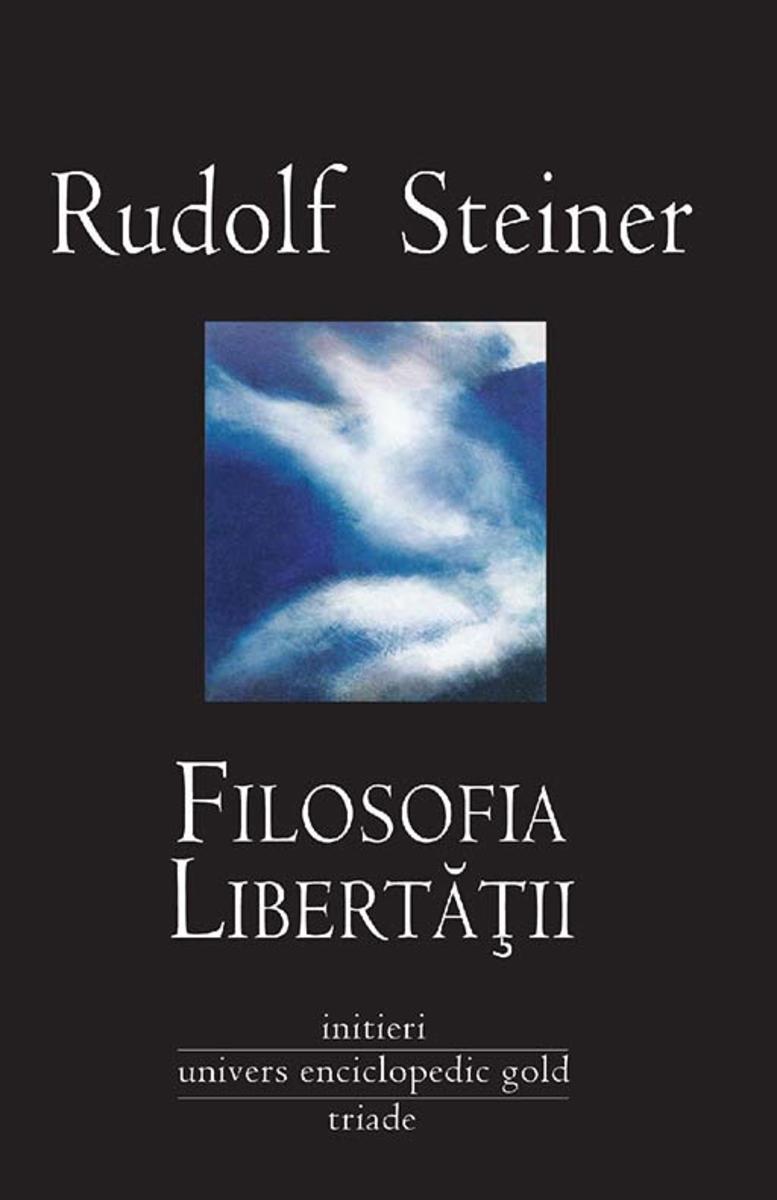
Filosofia libert??ii
¥40.79
Jum?tatea Rea este primul volum dintr-o trilogie.E pe jum?tate Vr?jitor Alb... pe jum?tate Vr?jitor Negru. Mama lui a fost vindec?toare... tat?l lui e un uciga?. Nimeni nu-l vrea... To?i ?l v?neaz?.Noul hit mondial dup? Jocurile foamei, Harry Potter, seria Amurg.?Periculos de captivant?!“ – Time Magazine?n Anglia zilelor noastre, vr?jitorii tr?iesc la un loc cu oamenii: Vr?jitorii Albi, care sunt buni; Vr?jitorii Negri, care sunt r?i; ?i Nathan, ?n v?rst? de ?aisprezece ani, fiul unei Vr?jitoare Albe ?i al celui mai temut Vr?jitor Negru.?inut captiv ?ntr-o cu?c?, Nathan trebuie s? scape ?nainte s? ?mplineasc? ?aptesprezece ani, c?nd va primi trei daruri de la tat?l s?u ?i va deveni el ?nsu?i vr?jitor – iar dac? va gre?i, va muri.?ncercarea lui Nathan de a-?i g?si tat?l devine o lupt? cr?ncen? pentru supravie?uire, cu provoc?ri la tot pasul ?i ?n care binele ?i r?ul se dovedesc mult mai complicate dec?t ?i-ar fi imaginat.?Sally Green surprinde cu m?iestrie fr?m?nt?rile unui individ captiv ?ntre cele dou? jum?t??i ostile ale propriei identit??i.“ – Publishers Weekly.


