


 购物车
 个人中心


American Indian Fairy Tales: [Illustrated Edition]
¥18.56
AMERICAN INDIAN FAIRY TALES?By W.T. Larned, 1921, ?Twenty-ninth Edition??* Iagoo, the Story-Teller?* Shin-ge-bis fools the North Wind?* The Little Boy and Girl in the Clouds?* The Child of the Evening Star?* The Boy who Snared the Sun?* How the Summer Came?* Grasshopper?* Mish-o-sha, the Magician?* The Fairy Bride??With one exception, all the tales in this book are adapted from the legends collected by Henry R. Schoolcraft, ethnologist and government agent for the Lake Superior country, and published in 1839 with the title, "Algic Researches."

Tara: "A Mahratta Tale"
¥27.88
The "Times."?"For its rapid action, in fact, we have seldom read a better story, or one which is more full of incidents, sanguinary, trenchant, and robust."??The "Daily Telegraph."?"A true and a wonderfully well-sustained piece of Oriental life and striking history."??The "Spectator."?"This is a very remarkable book. It is a determined attempt to bring the interior Hindoo and Mussulman life of a great Mahratta province during the most exciting times home to the hearts and understandings of Englishmen, to interest them in people with whom they have nothing except human nature in common."??"Morning Post."?"'Tara' is a unique work. There is nothing like it in the English literature of fiction. No other writer has ever attempted the portrayal of Indian life, society, and interests, entirely free from any European admixture of character or incident. The author himself now does so for the first time. 'The Confessions of a Thug' related to British jurisdiction in India. 'Tippoo Sultan' dealt with the gallant struggles of that monarch against the encroaching British power, but 'Tara' is all Indian."??"Saturday Review."?"It is seldom that we meet with a work of fiction executed with anything like the conscientious care and minute elaboration of Captain Meadows Taylor's Indian Tale. His characters have mostly the clearness and individuality of portraits, and his scenery exhibits all the marked and decisive features of photographs taken on the spot. The work throughout is evidently that of a master of Oriental life and character in love with his subject, to whom nothing appears trivial or beneath notice that can illustrate the peculiar traits of Asiatic nature, or kindle an enthusiasm for knowing more of the history, manners, and usages of our fellow-subjects in the east."??The "Standard."?"In no one part of the work has Captain Taylor shown more thorough art than in those pages in which he details the features of the Hindoo and Ma-homedan family life. He never overloads; his characters are not lay figures attired in triple folds of gorgeous robes to hide their nakedness. With a few subtle touches he shows us the interior life of each household, and the morning springs of every character, and he leaves us to fill in the obvious details for ourselves."???My Lord,?The scenes and characters which i have endeavoured to depict in these volumes will be necessarily new and strange to you; but if they excite interest in the native annals of a country of which i find but little real knowledge existing, the object of the work will have been attained; while, by the kind courtesy which permits me to dedicate it to you, your excellency confers upon me a very sincere gratification.??I have the honour to be,?Your Lordship's very faithful servant,??MEADOWS TAYLOR.
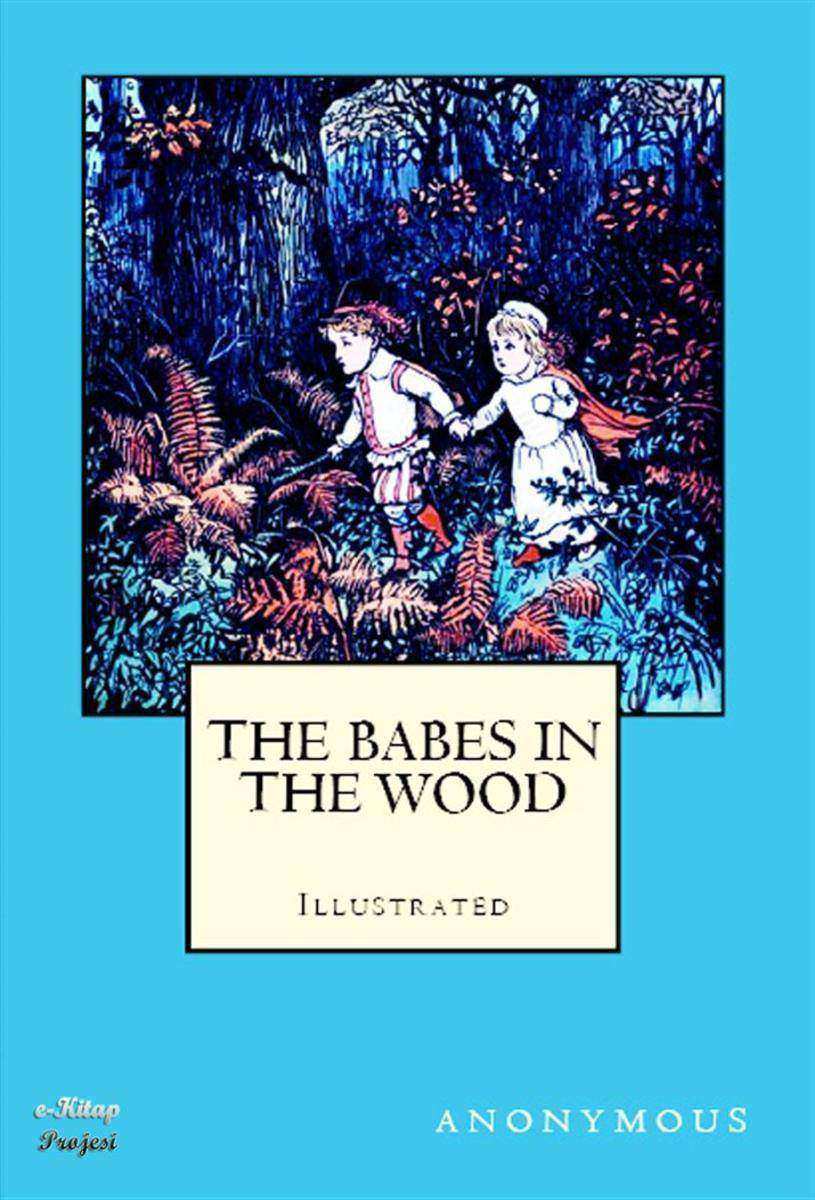
The Babes in the Wood: Illustrated
¥9.24
Now ponder well, you parents deare,?These wordes which I shall write;?A doleful story you shall heare,?In time brought forth to light.??A gentleman of good account?In Norfolke dwelt of late.?Who did in honour far surmount?Most men of his estate.??Sore sicke he was, and like to dye,?No helpe his life could save;?His wife by him as sicke did lye,?And both possest one grave.??No love between these two was lost,?Each was to other kinde;?In love they liv'd, in love they dyed,?And left two babes behinde:??The one a fine and pretty boy,?Not passing three yeares olde;?The other a girl more young than he?And fram'd in beautye's molde. Randolph Caldecott (1846 – 1886) was an English artist and illustrator, born in Chester. The Caldecott Medal was named in his honour. He exercised his art chiefly in book illustrations. His abilities as an artist were promptly and generously recognised by the Royal Academy. Caldecott gre-atly influenced illustration of children's books during the nineteenth century. Two books illustrated by him, priced at a shilling each, were published every Christmas for eight years. Caldecott also illustrated novels and accounts of foreign travel, made humorous drawings depicting hunting and fashionable life, drew cartoons and he made sketches of the Houses of Parliament inside and out, and exhibited sculptures and paintings in oil and watercolour in the Royal Academy and galleries. After six years at Whitchurch, Caldecott moved to the head office in Manchester of the Manchester & Salford Bank. He lodged variously in Aberdeen Street, Rusholme Grove and at Bowdon. He took the opportunity to study at night school at the Manchester School of Art and practised continually, with success in local papers and some London publications. It was a habit of his at this time, which he maintained all his life, to decorate his letters, papers and documents of all descriptions with marginal sketches to illustrate the content or provide amusement. A number of his letters have been reprinted with their illustrations in Yours Pictorially, a book edited by Michael Hutchings. In 1870, a painter friend in London, Thomas Armstrong, put Caldecott in touch with Henry Blackburn, the editor of London Society, who published a number of his drawings in several issues of the monthly magazine. Encouraged by this evidence of his ability to support him-self by his art, Caldecott decided to quit his job and move to London; this he did in 1872 at the age of 26. Within two years he had become a successful magazine illustrator working on commission. His work included individual sketches, illustrations of other articles and a series of illustrations of a holiday which he and Henry Blackburn took in the Harz Mountains in Germany. The latter became the first of a number of such series.
The Book
¥9.00
"The Book" is an unfinished short story by American horror fiction writer H. P. Lovecraft, believed to have been written in late 1933. It was first published in the journal Leaves in 1938, after Lovecraft's death. In the story fragment, the narrator is given an ancient book by a strange bookseller, and when he takes it home and examines it, weird and sinister events ensue.
Fairy Stories and Fables
¥28.29
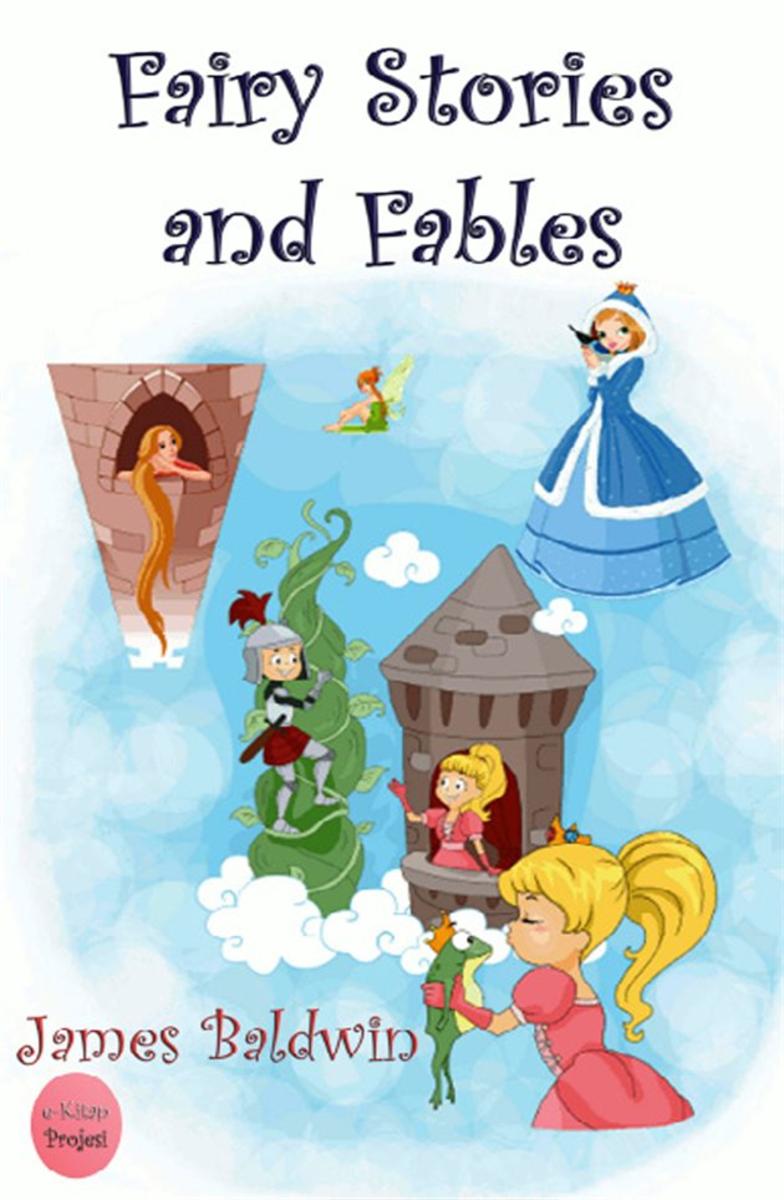
The longer stories in this book are called Fairy Stories, because that is the name by which such tales are always known to children; and yet only a very few contain any direct reference to fairies. The most of them have to do with talking animals and with strange incidents and transformations such as have always delighted the childish fancy. They have been drawn from a variety of sources; and liberty has been taken to make such changes in the narratives as seemed most necessary to adapt them to the understanding and needs of the children of our own time and country. ??Free renderings, they may be called, of some of the most popular folktales of foreign lands. The Three Bears, Tom Thumb, Jack and the Beanstalk, and Tom Tit Tot are old English favorites dressed in modern garb; Little Red Riding Hood, Puss in Boots, Princet and the Golden Blackbird, and Drakesbill and his Friends are variants of the well-known French versions by Perrault, Marelles, and Sebillot; Little Tuppen and The Three Goats named Bruse are from Norwegian sources; and the rest are founded upon German originals. In the retelling of these tales care has been taken to avoid whatever might distress the most sensitive child as well as everything that could give a wrong bias to his moral nature or distort his perception of the beautiful and the true.
The Story of Roland
¥28.29
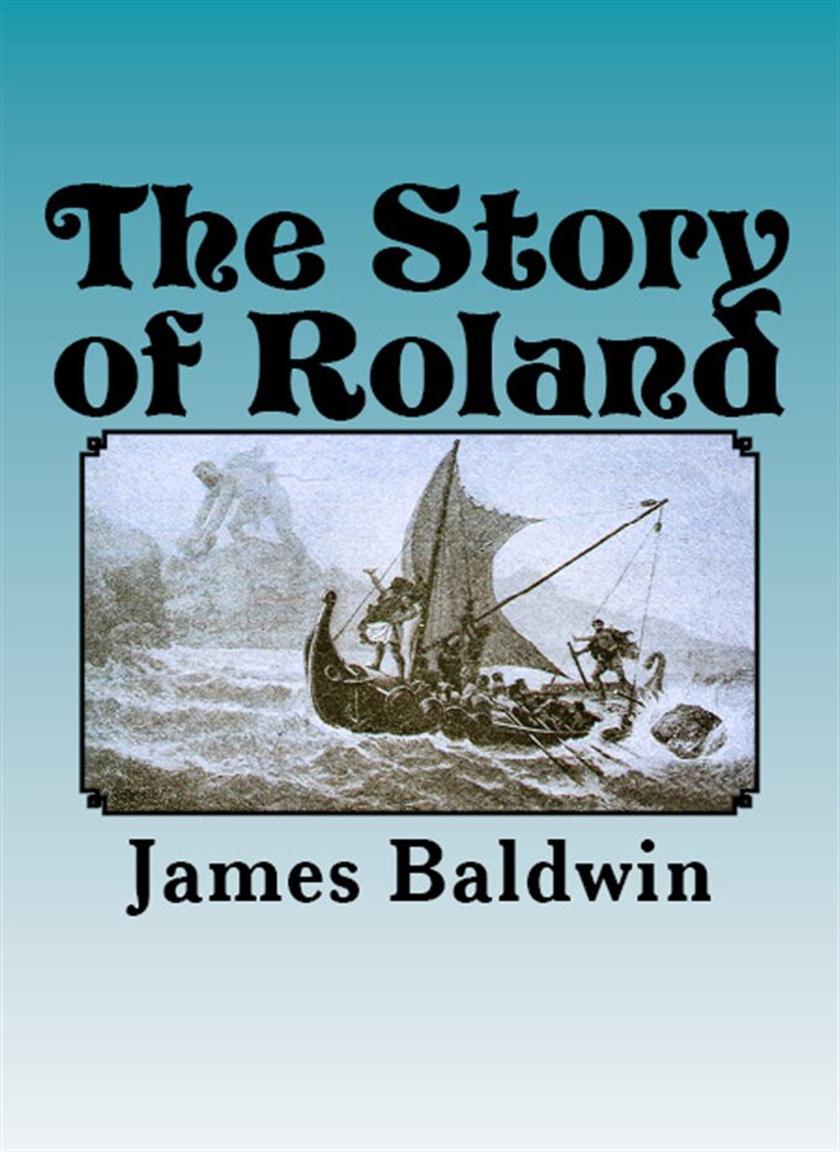
Jean Bodel a minstrel of the thirteenth century, wrote, "There are but three subjects which interest men,—the tales of France, of Britain, and of Rome the great; and to these subjects there is nothing like. The tales of Britain are so light and pleasant, those of Rome are wise and of teachful sense; those of France, truly every day of greater appearance."??In this story of Roland as I propose telling it, I shall intro-duce you to some of the most pleasing of those "tales of France" The poems and legends which embody them were written in various languages, and at widely different times; but in them two names, Charlemagne and Roland are of very frequent occurrence. Charlemagne, as you know, was a real historical personage, the greatest monarch of medieval times. His empire included France, the greater part of Germany and Italy; and his power and influence were felt all over the Christian world. The fame of his achievements in war was heralded and sung in every country of Europe; his name was in the mouth of every story-teller and wandering bard; and it finally became customary to ascribe all the heroic deeds and wonderful events of three centuries to the time of Charlemagne. ??The songs and stories in which these events were related were dressed up with every kind of embellishment to suit the circumstances of their recital. Wild myths of the Pagan ages, legends and traditions of the Christian Church, superstitious notions of magic and witchcraft, fantastic stories derived from the Arabs of Spain and the East,—all these were blended in one strange mass, and grafted upon a slender core of historical truth. The result was a curious mixture of fact and fiction, of the real and the marvellous, of the beautiful and the impure, of Christian devotion and heathen superstition. And it was thus that "the tales of France", which we may term the legendary history of Charlemagne, came into being ..
Via?a lumii
¥16.35
Si intr-adevar Vlaicu-Voda intruneste toate cerintele unei drame menite sa ramana calitati literare si calitati dramatice. Autorul acestei drame e un adevarat poet care prin imagini noi si bogate prin cuvinte expresive stie sa zugraveasca oameni fapte locuri timpuri. Limba lui e o comoara pe care doar la Odobescu o mai intalnim imperecherea neologismelor cu arhaismele da o culoare delicata si in acelasi timp da putere de expresivitate frazei imperecherile acestea desigur le gasim si in Odobescu dar dl Davila a stiut sa le inmulteasca si sa le rafineze. Un patetism sincer firesc inalta parca si valoarea cuvintelor si a frazelor. Tiradele chiar cele mai lungi sunt cladite cu o arta de compozitie deplina cu o putere de convingere rara asa ca efectul lor e puternic inaltator. Emotia artistica cuprinde pe spectator si-l tine toata vremea cat aude vorbele intelepte/romanesti ale figurilor de pe scena. si pe urma sentintele cuminti neaose care sunt presarate aproape in fiecare replica. [...] Cu toate observatiile mai mult sau mai putin insemnate Vlaicu-Voda ramane o podoaba a literaturii noastre dramatice prin patetismul cald si comunicativ prin frumusetea limbii si a versurilor prin puterea de evocare a unei epoci framantate prin maiestria de amanunt cu care e construita prin efectele dramatice si prin patriotismul cald si cuminte ce transpira dintr-insa. Ca atare Vlaicu-Voda nu numai merita dar trebuie sa figureze totdeauna in repertoriul Teatrului National alaturi de dramele lui Alecsandri Caragiale Hasdeu si ale dlui Delavrancea – Liviu Rebreanu
Ispr?vile lui P?cal?
¥16.35
Iubite cititor. Multe prostii vei citit, de cnd eti. Citete, rogute, i aceste i pe undei vedea c nui vin la socoteal, ia pana n mn i d i tu altceva mai bun la iveal, cci eu atta mam priceput i atta am fcut." Autorul

Stejarul din Borze?ti
¥16.35
Franta avu multi fabulisti nici unul insa nu ajunse pe La Fontaine si sa va spun eu pentru ce? Pentru ca fabula nu sufera secatura si umplutura; ea cere pe langa talent o armonie un stil simplu; ea e datoare sa spuna numai ce trebuie nici o silaba mai mult. Si cine avea mai multa armonie decat Donici! In bordei ca si in palat fabulele lui sunt citite si intelese. – Costache Negruzzi
Fabule ?i Satire
¥16.35
In ampla structura a vitalului dincolo si mai adanc decat omul marunt si decat cel elementar Garleanu gaseste o noua forma a vietii sprijinind si incluzand pe toate celelalte mai inaintate si mai complexe forma umila a vitalitatii expresia ei cea mai simpla si cea mai generala. Povestitorul ii imbratiseaza destinul cu pietate panteista si inveselindu-se sau varsand o lacrima pe seama ei plange si rade de sine insusi de toti oamenii laolalta si poate chiar de zei. Este aci o atitudine tipica a naturalismului modern adica a acelei indrumari literare formate in scoala interpretarii stiintifice a vietii care se calauzeste de convingerea ca umanul se rezolva in biologie si ca spiritul nu are alte legi decat acele ale vietii in general. Unitatea vietii permite aflarea talcurilor ei generale in acele din formele ei care fiind mai simple sunt in acelasi timp mai limpezi...“ – Tudor Vianu Arta prozatorilor romani

The Colour Out of Space
¥9.00
"The Colour Out of Space" is a first-person narrative written from the perspective of an unnamed surveyor from Boston. In order to prepare for the construction of a new reservoir in Massachusetts, he surveys a rural area that is to be flooded near Lovecraft's fictional town of Arkham. He comes across a mysterious patch of land, an abandoned five-acre farmstead, which is completely devoid of all life.
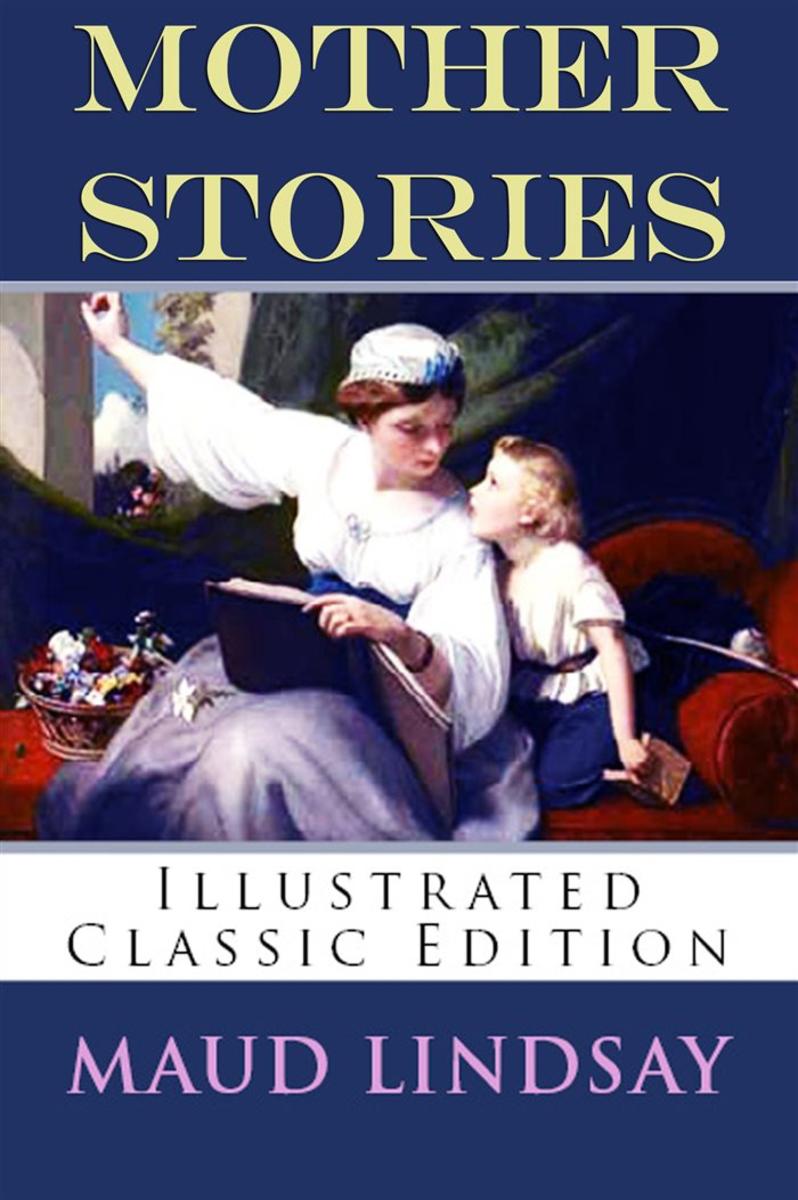
Mother Stories: (Illustrated)
¥18.80
"Mother, a Story at the right time,Is a Looking-glass for the Mind." – Froebel – Endeavored to write, for mothers and dear little children, a few simple stories, embodying some of the truths of Froebel's Mother Play. The Mother Play is such a vast treasure house of Truth, that each one who seeks among its stores may bring to light some gem; and though, perhaps, I have missed its diamonds and rubies, I trust my string of pearls may find acceptance with some mother who is trying to live with her children. I have written my own mottoes, with a few exceptions, that I might emphasize the particular lesson which I endeavor to teach in the story; for every motto in the Mother Play comprehends so much that it is impossible to use the whole for a single subject. From "The Bridge" for instance, which is replete with lessons, I have taken only one,—for the story of the "Little Traveler."
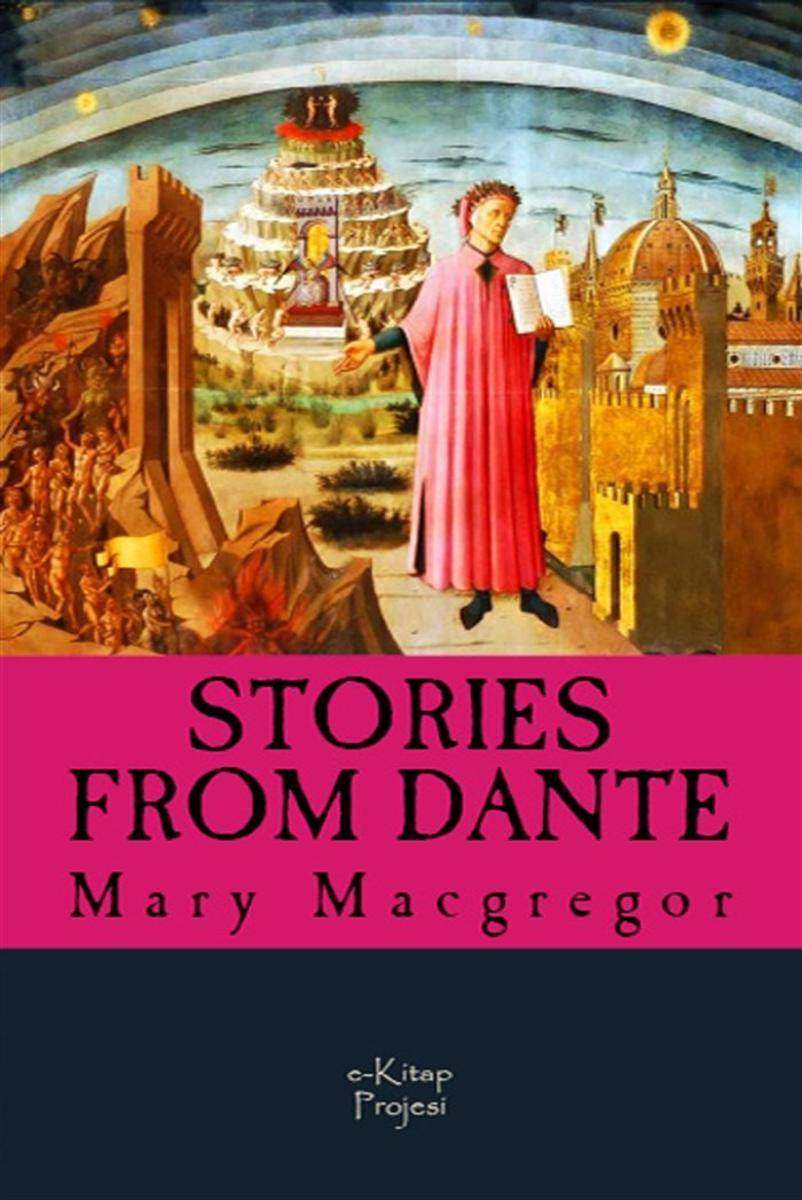
Stories from Dante: Told to the Children
¥14.06
IN the far-off days when Dante lived, those who wrote books wrote them in the Latin tongue. Dante himself wrote the first seven cantos of his great poem in Latin. But like many another poet, he was not satisfied with his first attempt. He flung the seven Latin cantos aside and seemingly forgot all about them, for when he was banished from Florence the poem he had begun was not among his treasures. His wife, however, found the seven cantos and tossed them into a bag among her jewels. Then she also seemed to forget all about them. Five years later a nephew of Dante chanced to find the long-forgotten verses. He at once sent them to his uncle, who was still living in exile. When Dante received the cantos he had written so long ago, he believed that their recovery was a sign from Heaven that he should complete the great poem he had begun. He therefore set to work afresh, but this time he wrote, not in Latin, but in his own beautiful mother-tongue, which was, as you know, Italian. When at length the great poem was finished, Dante named it simply, "The Comedy," and it was not until many years after his de-ath that the title was changed into "The Divine Comedy." A comedy was a tale which might be as sad as tale could be, so only that it ended in gladness.In "The Divine Comedy," then, about which this little book tells, you may expect to find much that is sad, much that is terrible. Yet you may be certain that before the end of the tale you will find in it gladness and joy..

The Magic City
¥8.82
An extremely unhappy ten-year-old magically escapes into a city he has built out of books, chessmen, candlesticks, and other household items.

The Phoenix and the Carpet
¥8.82
It's startling enough to have a Phoenix hatch in your house, but even more startling when it reveals you have a magic carpet on the floor. Conceited it may be, but the Phoenix is also good-hearted, and obligingly accompanies the children on their adventures through time and space-which, magic being what it is, rarely turn out as they were meant...
The Phoenix on the Sword
¥23.14
'The Phoenix on the Sword' is a story in the Conan series where he foils a plot to overthrow him as King of Aquilonia. Robert Ervin Howard was born in Peaster, Texas in 1906. During his youth, his family moved between a variety of Texan boomtowns, and Howard – a bookish and somewhat introverted child – was steeped in the violent myths and legends of the Old South. At fifteen Howard began to read the pulp magazines of the day, and to write more seriously. The December 1922 issue of his high school newspaper featured two of his stories, 'Golden Hope Christmas' and 'West is West'. In 1924 he sold his first piece – a short caveman tale titled 'Spear and Fang' – for $16 to the not-yet-famous Weird Tales magazine. Howard's most famous character, Conan the Cimmerian, was a barbarian-turned-King during the Hyborian Age, a mythical period of some 12,000 years ago. Conan featured in seventeen Weird Tales stories between 1933 and 1936 which is why Howard is now regarded as having spawned the 'sword and sorcery' genre. The Conan stories have since been adapted many times, most famously in the series of films starring Arnold Schwarzenegger.Other Books of Howard:The Hour of the Dragon (1936)The Hyborian Age (1930)People of the Dark (1932)Gods of the North (1934)Beyond the Black River (1935)A Witch Shall be Born (1934)The Scarlet Citadel (1933)Black Colossus (1933)Queen of the Black Coast (1934)Jewels of Gwahlur (1935)
Man-Size in Marble
¥8.82
When a young pair of newlyweds settle down into a small cottage in a quiet village, they look forward to a pleasant, pastoral life of domestic bliss. The husband, a practical man, dismisses the superstitious maid's tale of an ancient curse about the local church's marble statues who come to life each year on All Saint's Eve to wreak revenge. But then, on the fateful night, he discovers that the stone slabs on which the knights rest are empty. Is his young bride in peril?
John Charrington’s Wedding
¥8.82
The story's title character is a man who somehow always seems to get what he wants. John makes up his mind to marry May Forster, the prettiest young woman in the village. After John asks her to marry him several times, May finally agrees. John says that his love for May is so great that he would come back from the dead if that was what she wanted him to do. Two days before his wedding, John leaves to visit his seriously ill godfather. May begs him not to go because she has a feeling that something bad will happen. John reassures her that nothing will prevent him from arriving at his wedding on time
Don Quijote
¥8.82
"Don Quijote de la Mancha" es una novela escrita por el espa?ol Miguel de Cervantes Saavedra. Publicada su primera parte con el título de "El ingenioso hidalgo don Quijote de la Mancha" a comienzos de 1605, es la obra más destacada de la literatura espa?ola y universal, además de ser la más publicada y traducida de la historia después de la Biblia. Su segunda parte apareció en 1615 con el título de "El ingenioso caballero don Quijote de la Mancha". Es la primera obra genuinamente desmitificadora de la tradición caballeresca y cortés por su tratamiento burlesco. Representa la primera novela moderna y la primera polifónica; como tal, ejerció un enorme influjo en toda la narrativa europea. Miguel de Cervantes Saavedra (Alcalá de Henares, 29 de septiembre de 1547 - Madrid, 22 de abril de 1616) fue un soldado, novelista, poeta y dramaturgo espa?ol. Es considerado la máxima figura de la literatura espa?ola y es universalmente conocido por haber escrito "Don Quijote de la Mancha".
Le Père Achille
¥8.82
"La mère Achille quitte son ouvrage, la fenêtre où elle était assise, et se dispose à mettre son couvert. L'homme va monter pour déjeuner. Il travaille là tout près dans ces grands ateliers vitrés qu'on aper?oit encombrés de pièces de bois, et où grincent du matin au soir les instruments des scieurs de long… La femme va et vient de la chambre à la cuisine. Tout est soigné, tout reluit dans cet intérieur d'ouvrier. Seulement la nudité des deux petites pièces est plus frappante à ce jour éclatant du cinquième étage. On voit des cimes d'arbres, les buttes Chaumont tout en haut, et ?à et là de longues cheminées de briques noircies au bord, toujours actives. Les meubles sont cirés, frottés. Ils datent du mariage, comme ces deux bouquets de fruits en verre qui ornent la cheminée. On n'a rien acheté depuis, parce que, pendant que la femme tirait courageusement son aiguille, l'homme dépensait ses journées dehors. Tout ce qu'elle a pu faire, ?'a été de soigner, d'entretenir le peu qu'ils avaient."
La Belle-Nivernaise: Légendes et récits
¥8.82
La Belle-Nivernaise - Histoire d’un vieux bateau et de son équipage. Suivi de Légendes et récits : Jarjaille chez le bon Dieu - La Figue et le paresseux - Premier habit - Les Trois Messes basses - Le Nouveau maitre


