


 购物车
 个人中心


Mamifer
¥48.97
S? mori ?n momentul cel mai nepotrivit. Ce poate fi mai r?u dec?t ca amanta al?turi de care vrei s? petreci o noapte s?-?i moar? ?n bra?e? Nimic, ar zice un cititor care nu-l cunoa?te pe Javier Marías. Scriitorul spaniol ?tie ?ns? ce poate fi mai r?u. Ca ?n apartamentul unde se ?nt?mpl? totul s? se afle chiar copilul ei. ?i de aici ?ncepe povestea. Deciziile incredibil de grele pe care b?rbatul trebuie s? le ia, remu?c?rile ce-l urm?resc apoi, r?sturn?rile neprev?zute de situa?ie, interven?ia regelui Spaniei ?i farsele pe care destinul pare s? le joace personajelor sunt ingrediente marca Marías, care te vor l?sa cu gura c?scat?.

A pénz evolúciója
¥66.87
Ethel, a fiatal francia grafikusn? úgy tudja, hogy zsidó származású. Egy furcsa véletlennek k?sz?nhet?en felfedezi, hogy családja t?rténetébe kitalált szálak sz?v?dtek. Minden jel arra mutat, hogy nagymamája, a mindenkinél jobban szeretett Marie, akire egész identitását felépítette, hazudott neki. Vajon azért, hogy érdekesebb életet kreáljon magának, mint amilyen a sajátja volt, vagy más, ennél titokzatosabb okokból? Ethel lázasan kutatni kezd, de nagyanyja, aki válaszolhatna kérdéseire, Alzheimer-kórral küszk?dik, és már meg sem ismeri Csillagot, ahogy unokáját szólította magyarul. Az ?nmagával, a szerelemmel és párkapcsolataival is vívódó Ethel nyomozása során egymásba forduló sorst?rténetek bontakoznak ki üld?ztetéssel, háborúval, elnyomással, meneküléssel, a ?sehova tartozás” gy?trelmeivel, családi titkokkal, szenvedélyekkel, szerelmekkel és árulásokkal. A Csillag egy hazugság t?rténete, amely máshova vezet, mint gondolnánk... Clara Royer els? regényét magyar származású nagymamájának ajánlja, aki gy?kereit?l rég elszakadva, távolra vet?dve az ?hazától, Csillagomnak szólította unokáját, pedig már elfelejtett magyarul. Marie alakját ? ihlette a 2011-ben magyar címmel megjelent k?nyvben, amellyel a fiatal szerz? berobbant a kortárs francia irodalomba, és a megindító t?rténet mesesz?vésével, sajátosan új nyelvhasználatával elismer? kritikai visszhangot vívott ki. Clara Royer egyetemi oktató, kutatási területe a két világháború k?z?tti magyar irodalom.

A sors k?nyve
¥82.00
Virág harminc elmúlt, de sem az álommeló, sem az álomotthon, sem az álompasi nem akar valósággá válni. ?nbizalma, optimizmusa mégis t?retlen. Pedig van kivel ?sszemérnie magát. Alig pár évvel id?sebb n?vére, Judit már régen révbe ért. Jókép? férj, három gyerek, anyagi gondokról nem is hallott, de még rettenetes f?n?k sem igyekszik pokollá tenni az életét. Aztán váratlanul Juditot elhagyja a férje egy fiatalabb n? miatt... Hogyan tud újra magára találni a n?vér? ?s hogyan tud ebben segítségére lenni a kelekótya húg? Talán els? lépésként azzal, hogy pici albérletébe k?lt?zteti n?vérét a z?r?s kamaszlánnyal, az iskolát kezd? k?zéps?vel, és az épp járni tanuló egy éves unoka?ccsel. ?s míg a két testvér azon van, hogy Judit szívét ?sszeragasszák, Virág élete is a feje tetejére áll.

Mi?carea pendular?
¥32.62
Lumea este plin? de ?ntreb?ri pentru Hans Thomas, un b?iat de doisprezece ani care pleac? ?mpreun? cu tat?l lui la Atena, ?n c?utarea mamei sale ?r?t?cite ?n lumea modei“. Un personaj enigmatic ?i d?ruie?te pe drum o lup?, apoi b?iatul prime?te o carte minuscul? ?n care cite?te o poveste av?nd similitudini bizare cu detalii din propria-i via??. Misterul c?r?ilor de joc este o poveste ?n interiorul altei pove?ti, un joc la grani?a ?ntre realitate ?i fantezie demn de Lewis Carroll.

Gabriela
¥65.32
Gómez Herrera este un gaucho, un haiduc al pampasului argentinian, scos parc? din revistele motiva?ionale ?i de self-improving. ?tie ce poate ?i ce vrea ?i are la ?ndem?n? arme imbatabile: cinismul, pref?c?toria, falsitatea ?i calomnia. Demn de Juan Moreira, str?mo?ul s?u, Herrera ofer? re?eta perfect? pentru ob?inerea unui scaun ministerial ?ntr-o ?ar? european?. Comedia inocent? devine astfel o satir? bine regizat?, iar r?sul un z?mbet sarcastic. Hazliile ispr?vi ale nepotului lui Juan Moreira este un tabloul al arivistului, pe fundalul societ??ii argentiniene de la sf?r?itul secolul al XIX-lea ?i ?nceputul secolului al XX-lea.

Szívszelídít?
¥76.11
A New York Times bestseller szerz?je, a feszültségteremtés királyn?je, 100 millió eladott példánnyal a valaha volt legnépszer?bb szerz?k egyike.Legújabb, nagy siker? krimije éppúgy felkerült a legfontosabb sikerlistákra, mint Clark szinte minden m?ve. A fiatalon meg?zvegyült Lane Harmon, az ?téves Katie édesanyja lakberendez?, fény?z? otthonokba bejáratos. Egy alkalommal, amikor f?n?ke megbízza, hogy rendezzen be egy szerény sorházat, meglepve tapasztalja, hogy a megbízó nem más, mint egy híres-hírhedt pénzember felesége. A férj, Parker Bennett, két éve t?nt el a Karib-tengeren hajózva. A cégben lév? ?tmilliárd dollárral együttVajon él-e még? Vajon k?ze van-e a milliárdokhoz? ?s vajon mit tud a feleség?Lane egyre jobban belebonyolódik az ügybe, és egyre k?zelebb kerül Bennették fiához, míg végül már megszállottan próbálja bizonyítani a család ártatlanságát. Azzal azonban nem számol, hogy ezzel magát és kislányát is veszélybe sodorja Botrány, csalás, árulás és szerelem a kritikusok és az olvasók szerint ez az ?tvenk?tetes Clark életének egyik legjobb regénye. El?sz?r a pénz a tét. Utána?a szerelem. Végül az életed.
Deliruri. Via?a este cotidian?
¥40.79
Perechi ?n formare este romanul unei iubiri ai c?rei protagoni?ti, desp?r?i?i timp de ?aisprezece ani, ajung s? se reg?seasc? ?n ?mprejur?ri dramatice. Andreas Lüscher este un psiholog care ?ncearc? s? p?streze o distan?? profesionist? fa?? de pacien?ii s?i. Dar c?nd destinul i-o aduce ?n cale pe Meret, fosta lui iubire din tinere?e, b?rbatul descoper? c?t de fragile ?i imperfecte sunt cuvintele atunci c?nd ?ncearc? s? refac? o leg?tur? pierdut?, acum mai puternic? dec?t a fost vreodat?.
Inima mea e sora lui Dumnezeu
¥32.62
Umorul, absurdul ?i tenta?ia suprarealist? sunt aduse aici la rang de repere pentru fic?iune. Blues pentru o pisic? neagr? este o colec?ie de povestiri ?n care Boris Vian ??i m?rturise?te pe spa?ii mici pasiunea pentru firescul r?sturnat cu susul ?n jos ?i pentru jocurile infinite cu limbajul ?i literatura. Pe fondul celui de-al doilea R?zboi Mondial, lumea a luat-o razna, dar toate personajele se lupt? pentru a salva aparen?ele. Protagoni?tii sunt dintre cei mai ciuda?i, iar ac?iunile lor ?n acord cu lumea ?n r?sp?r. Pescari de timbre, sculptori de pietre de morminte, motani-negri-vorbitori-englezi iubitori de b?uturi fine sunt reprezentativi pentru stilul lui Boris Vian.
A Téli Palota
¥80.44
Két év telt el ,,a nap", vagyis a világ t?bb országát egyszerre sújtó ?sszehangolt, elektromágneses hullámokat (EMP) gerjeszt? támadás óta. ?ramszolgáltatás híján az Egyesült ?llamok kontinentális területeinek nagy részén k?zépkori állapotok uralkodnak, s becslések szerint az offenzívát, valamint az azt k?vet? káoszt az ország lakosságának csupán húsz százaléka élte túl. Az észak-karolinai Black Mountain városa - lakóinak h?sies helytállása folytán - nem semmisült meg teljesen, de a halál és az emberfeletti megpróbáltatások ?ket sem kímélték. Vezet?jük, John Matherson otthona porig égett, és az inzulinkészletek kiapadása miatt a férfi elveszítette egyik lányát, a cukorbeteg Jennifert is. A Bluemontban újjászervez?d?tt amerikai kormány látszólag mindent megtesz annak érdekében, hogy feltartóztassa az országba humanitárius segítségnyújtásra hivatkozva benyomuló idegen katonai er?ket. Az új vezetés tervének részeként John egyetlen életben maradt lánya, a tizennyolc éves Elizabeth is megkapja a katonai behívóját...
Oliver Twist
¥18.88
Charles Dickens was born on 1812, in Portsea, England. His parents were middle-class, but they suffered financially as a result of living beyond their means. When Dickens was twelve years old, his family's dire straits forced him to quit school and work in a blacking factory, a place where shoe polish is made. Within weeks, his father was put in debtor's prison, where Dickens's mother and siblings eventually joined him. At this point, Dickens lived on his own and continued to work at the factory for several months. The horrific conditions in the factory haunted him for the rest of his life, as did the experience of temporary orphanhood. Apparently, Dickens never forgot the day when a more senior boy in the warehouse took it upon himself to instruct Dickens in how to do his work more efficiently. For Dickens, that instruction may have represented the first step toward his full integration into the misery and tedium of working-class life. The more senior boy's name was Bob Fagin. Dickens's residual resentment of him reached a fevered pitch in the characterization of the villain Fagin in Oliver Twist.??After inheriting some money, Dickens's father got out of prison and Charles returned to school. As a young adult, he worked as a law clerk and later as a journalist. His experience as a journalist kept him in close contact with the darker social conditions of the Industrial Revolution, and he grew disillusioned with the attempts of lawmakers to alleviate those conditions. A collection of semi-fictional sketches entitled Sketches by Boz earned him recognition as a writer. Dickens became famous and began to make money from his writing when he published his first novel, The Pickwick Papers, which was serialized in 1836 and published in book form the following year.??In 1837, the first installment of Oliver Twist appeared in the magazine Bentley’s Miscellany, which Dickens was then editing. It was accompanied by illustrations by George Cruikshank, which still accompany many editions of the novel today. Even at this early date, some critics accused Dickens of writing too quickly and too prolifically, since he was paid by the word for his serialized novels. Yet the passion behind Oliver Twist, animated in part by Dickens’s own childhood experiences and in part by his outrage at the living conditions of the poor that he had witnessed as a journalist, touched his contemporary readers. Greatly successful, the novel was a thinly veiled protest against the Poor Law of 1834.??In 1836, Dickens married Catherine Hogarth, but after twenty years of marriage and ten children, he fell in love with Ellen Ternan, an actress many years his junior. Soon after, Dickens and his wife separated, ending a long series of marital difficulties. Dickens remained a prolific writer to the end of his life, and his novels—among them Great Expectations, A Tale of Two Cities, A Christmas Carol, David Copperfield, and Bleak House—continued to earn critical and popular acclaim. He died of a stroke in 1870, at the age of 58, leaving The Mystery of Edwin Drood unfinished.??The Poor Laws: Oliver Twist’s Social Commentary?Oliver Twist opens with a bitter invective directed at the nineteenth-century English Poor Laws. These laws were a distorted manifestation of the Victorian middle class’s emphasis on the virtues of hard work. England in the 1830s was rapidly undergoing a transformation from an agricultural, rural economy to an urban, industrial nation. The growing middle class had achieved an economic influence equal to, if not greater than, that of the British aristocracy.??In the 1830s, the middle class clamored for a share of political power with the landed gentry, bringing about a restructuring of the voting system. Parliament passed the Reform Act, which granted the right to vote to previously disenfranchised middle-class citizens. This desire gave rise to the Evangelical religious movement and inspired sweeping economic and political change.
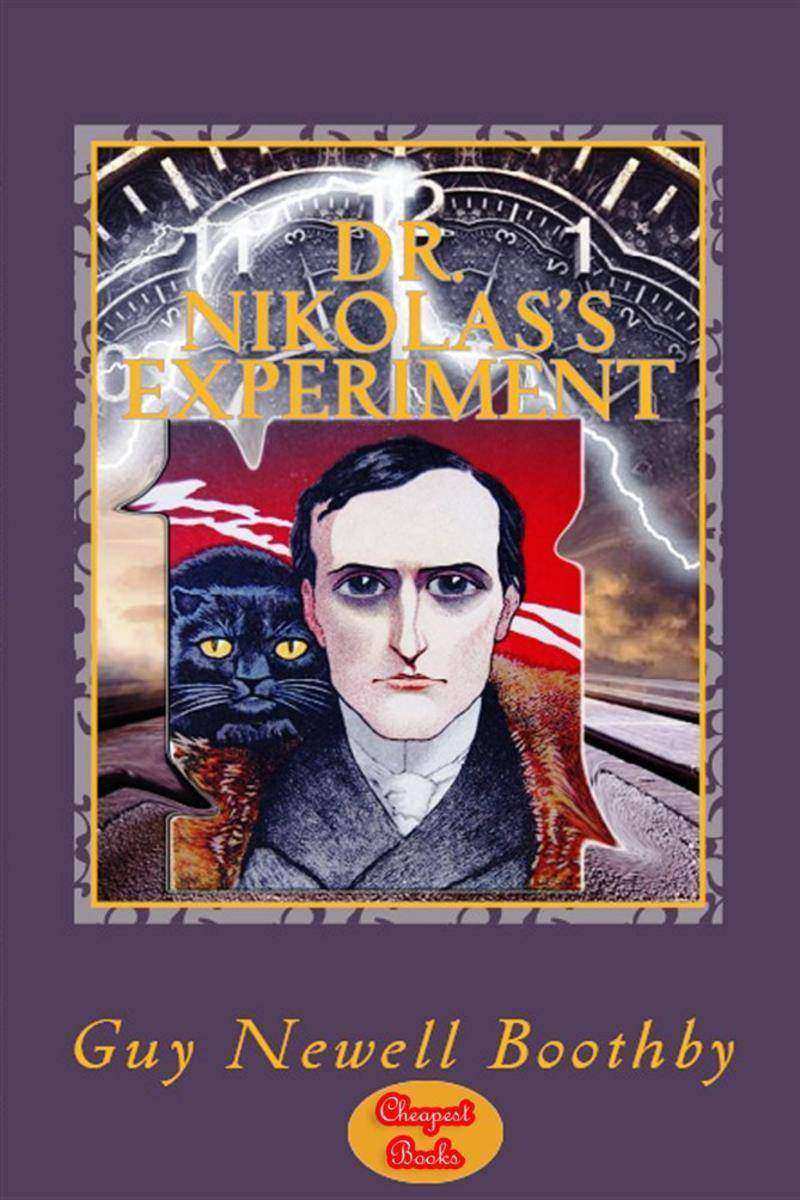
Dr. Nikola's Experiment
¥18.88
This fourth novel of Boothby's Dr. Nikola series reveals that Nikola has discovered all of the facts necessary to extend a human being's life. He has studied science and magic secrets of Tibetan monks. He explains: ?"It has been a long and tedious search, but such labour only makes success the sweeter. The machinery is now prepared; all that remains is to fit the various parts together. In six months' time, if all goes well, I will have a man walking upon this earth who, under certain conditions, shall live a thousand years."??To assist him, he hires a destitute young physician, who explains his predicament: ?"As ill luck would have it, however, I had got into the wrong set, and before I had been two years in the hospital was over head and ears in such a quagmire of debt and difficulties that it looked as if nothing but an absolute miracle co-uld serve to extricate me." ?That miracle seems to have come to him in the person of Dr. Nikola.??The nefarious and wealthy Nikola has purchased a remote castle in the north of England, where the seclusion will allow him and his new assistant and Nikola's deaf-mute malformed Chinese servant to conduct his grand experiment on a human subject. ? AUTHOR: Guy Newell Boothby was an Australian novelist and writer, born in Adelaide, son of Thomas Wilde Boothby, who for a time was a member of the South Australian Legislative Assembly. Guy Boothby's grandfather was Benjamin Boothby (1803-1868), judge of the supreme court of South Australia from 1853 to 1867. When Boothby was six, he traveled to England with his mother. Around 1890, he took the position of private secretary to the mayor of Adelaide, Australia, but was not content with the work due to little opportunity for advancement. He turned to his writing talents, writing librettos for 2 comic operas and stories about Australian life. Boothby moved back to the United Kingdom in 1894. He wrote over 50 books in the course of a decade, before dying of pneumonia in Bournemouth. Some of Boothby's earlier works were non-fiction, but later he turned to writing novels. He was once well known for his series of five novels about Doctor Nikola, an occultist anti-hero seeking immortality and world domination.

Saber fencing, sport and martial art: Practial curriculum from the beginner to m
¥158.19
Jane Forrest Hargitai nyugodtnak induló hétf? reggele abban a pillanatban felborul, amint a dugóban el?tte álló kocsiból el?kerül egy n?i holttest. A bizonyítékok az éjszakai élet vezéréhez, Dobó Renátóhoz vezetnek, de a férfi egy csepp hajlandóságot sem mutat arra, hogy segítsen. Még a halott nevét sem árulja el. Jane viszont nem hagyja annyiban a dolgot, minden k?vet megmozgat, hogy megtudja, ki is az illet?. Mikor kiderül, hogy Bárfai sógorn?je az, elindul a lavina. Vivien és Renátó elt?nik, Jane családját pedig folyamatos támadások érik. Mikor a nyomozón? két gyerekére is rál?nek, Jane ráj?n, hogy csak úgy védheti meg a gyerekei életét, ha végez Bátfaival. A n?ben kett?s érzések dúlnak. Egyrészr?l a nyomozó, aki a b?n ellen harcol, másrészr?l, az anya, aki bármire képes azért, hogy megvédje a családját. De vajon helyesen cselekszik-e, ha meg?leti a b?rt?nben ül? férfit? Jogilag semmiképp! De mint ember? Vajon elfogadható-e, hogy úgy védje meg a gyerekei életét, hogy felbujtóként meg?leti a családja életére t?r?t?

Luther kora
¥34.99
Kellen felpaprikázott hangulatban lépett be az irodába, majd táskáját az asztalra csapva, nekiállt, hogy levetkzzn. Kabátját a fogasra akasztva, gyors pillantást vetett a tükrbe, és akkor látta meg, hogy a haja ott hátul, égnek áll. s így jtt végig az utcán! Az ágaskodó tincset lesimította, stét szemüvegét pedig kicsit feljebb tolta az orrán. Nem volt rá igazán szüksége, csupán kis dioptria volt az egyik lencsén, de úgy gondolta, a negyvenes évei elején érdekesebbé, modernebbé, talán fiatalosabbá is teszi, a stétített foncsorozású, divatos szemüveg. Ez tette-e, vagy csak a sors játszott vele aznap reggel, de minden balul üttt ki. A szemüvegtl függetlenül, stéten látta az egész világot, és benne nmagát. Ekkor kopogtak az ajtón, és a kolléganje lépett be. A harmincas, vrs kis nt lopva gyakran elnézegette, amint eltte haladt a folyosón. Jó alakú, frissen elvált asszony volt, gyerek nélkül. Azt ugyan nem tudta, van-e valakije, mégsem mert kezdeményezni. A n most mosolyogva üdvzlte, majd rákérdezett: hallottam, a kisfnk megjegyzést tett a késésedre. Mi volt veled ma reggel , minden balul üttt ki – és elkezdte mesélni a kálváriáját. A n láthatóan érdekldéssel hallgatta. Azért ezt te eltúlzod egy kicsit – mondta. Nem olyan stét a világ, amilyennek te látod! Végül is, gondolj csak bele. Sikerült bezárnod a lakásajtót Igen. Elcsúsztál a vizes kvn Nem. Na, de a járdán! – vetette kzbe. De nem trt el egyetlen csontod se! Még a kabátod se lett piszkos! Igaz. Beértél a munkahelyedre Hát persze, de el is késtem! Fejedet vették Nem. Na, látod! Vedd csak le ezt a stét szemüveget, azon keresztül látod te olyan stéten az eseményeket! Azzal, hogy szavának érvényt szerezzen, a kis vrs odanyúlt, és olyan gyengéd mozdulattal vette le az orráról a szemüveget, hogy az flért egy cirógatással! Egész melege lett tle. Lehet, hogy mégis kezdeményezhetne valamit ennél a kis nnél!”
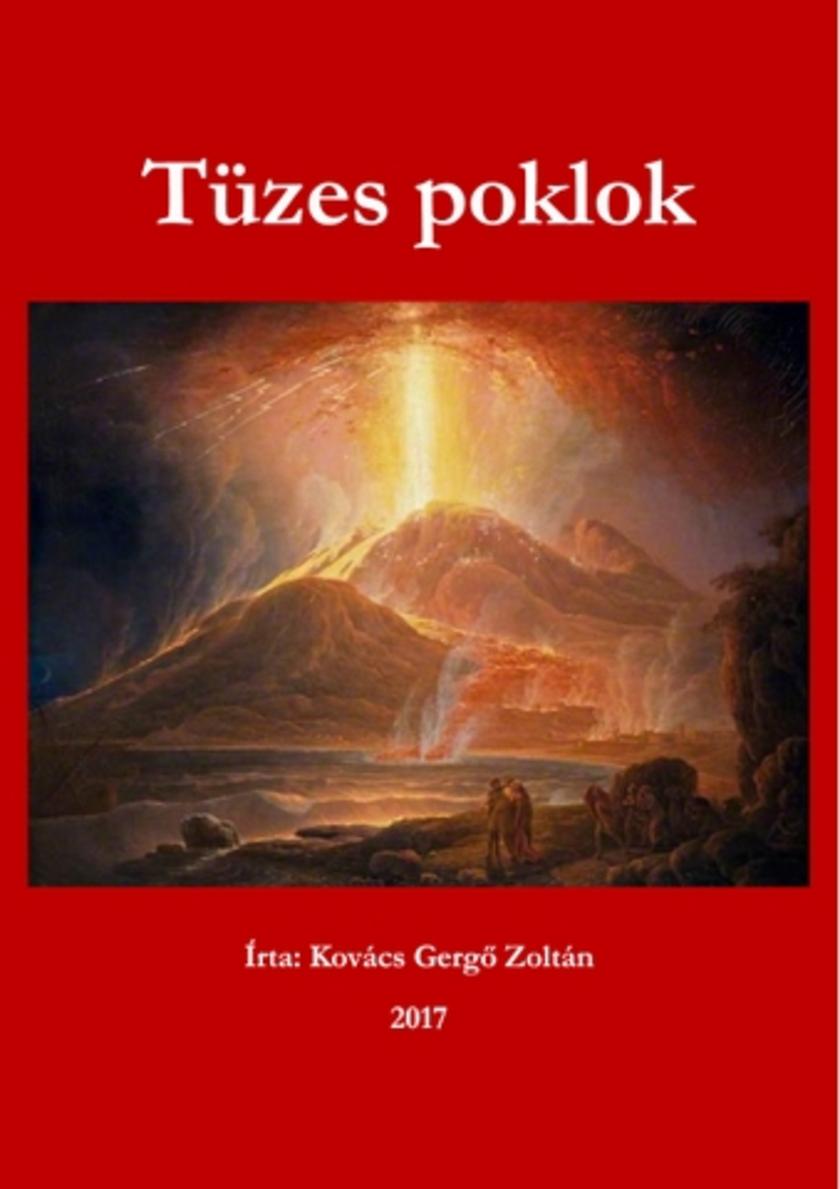
Tüzes poklok
¥20.44
Sikerül-e a vándordiáknak kiszabadítani Arabella hercegkisasszonyt, aki az Ezerarcú Szellem fogságában raboskodik? Évszakmesék. Tavasz után nyár, nyár után az ?sz, majd a tél. Így változnak az évszakok örökös körforgásban, mióta világ a világ. Falevelek hullnak, hópelyhek szállingóznak, tavaszi virágok nyílnak, sárgán izzik a nyári nap. Minden évszaknak megvannak a maga sajátosságai, s a maga sajátos történetei.Sikerül-e a némi varázser?vel is rendelkez? vándorló diáknak kiszabadítani Arabella hercegkisasszonyt, aki az Ezerarcú Szellem fogságában raboskodik? Odaér-e Frida id?ben a Havas Hegyek Birodalmába, egy titokzatos jégcsillagot követve? Megtalálja-e Kristóf a zöld ruhás hölgyet, akiért a szíve dobog, vagy vajon megleli-e Roland király h?n áhított boldogságát? Kik azok az évszaktündérek, és miért segítenek h?seinknek?Mindezekre a kérdésekre választ kapunk, ha végigkövetjük, miként alakul a könyv szerepl?inek sorsa, s közben betekintést nyerhetünk a tündérek varázslatos, csodákkal teli világába is.
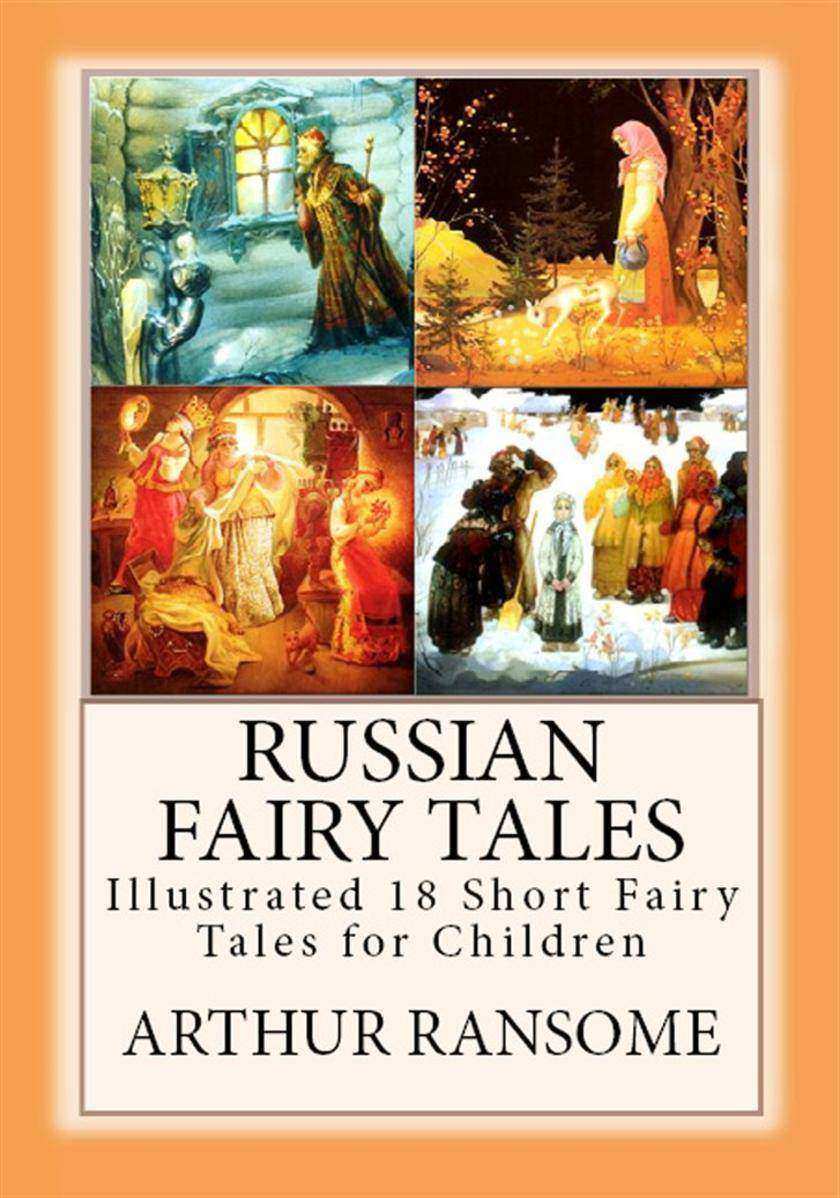
Russian Fairy Tales: "Illustrated 18 Short Fairy Tales for Children"
¥17.82
RUSSIAN FAIRY TALES"Illustrated 18 Short Fairy Tales for Children"1. The Magic Swan Geese2. The Tale of Tsar Saltan3. Emelya and the Pike4. The Frog Tsarevna5. Morozko6. Twelve Months7. Tsarevitch Ivan, the Firebird and the Gray Wolf8. Little Snow Girl (Snegurochka)9. The Snow Maiden (Snegurochka)10. Kolobok Dough-Boy11. Sadko12. Ruslan and Ludmila13. Golden Cockerel14. The Scarlet Flower15. The Humpbacked Little Pony16. The Tale of the Fisherman and the Golden Fish17. The Tale of the Dead (Sleeping) Princess and the Seven Knights18. Sister Alyonushka and brother Ivanushka
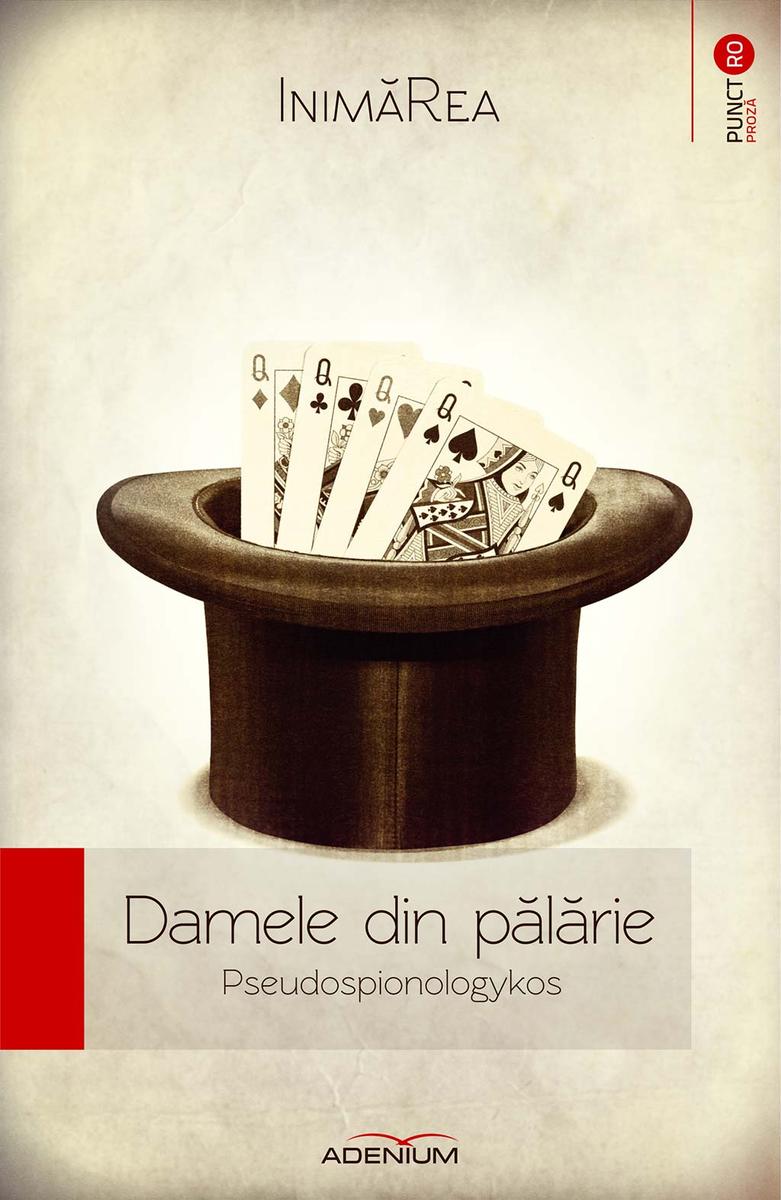
Damele din p?l?rie. Pseudospionologykos
¥32.62
Inspirat de o tem? pe care o prime?te de la noul s?u profesor de ?tiin?e sociale, micul Trevor are o idee menit? s? schimbe lumea. O ambi?ie uria?? pentru un pu?ti de numai doisprezece ani, dar care reu?e?te, ?n ciuda obstacolelor, s? nu-?i piard? idealismul ?i s? demonstreze c? to?i putem fi capabili de fapte bune.?n jocul aritmetic al lui Trevor, de la un singur om care face trei lucruri importante pentru trei oameni diferi?i, se poate ajunge la o lume ?ntreag? ?n care o favoare primit? nu se ?ntoarce, ci se r?spl?te?te d?nd mai departe ajutorul celor care au nevoie de el.?O capodoper? cu un final incendiar." Kirkus Reviews?Foarte puternic… dialoguri veridice ?i nuan?e care fac personajele mai vii dec?t ar fi ?n realitate." Chicago Tribune?Catherine Ryan Hyde ne conduce c?tre un final curajos ?i puternic." Los Angeles Times?Filosofia din spatele c?r?ii este at?t de interesant?, iar optimismul ei at?t de contagios, ?nc?t cititorul absoarbe f?r? s?-?i dea seama o poveste de care-?i va aminti mult? vreme." The Denver Post
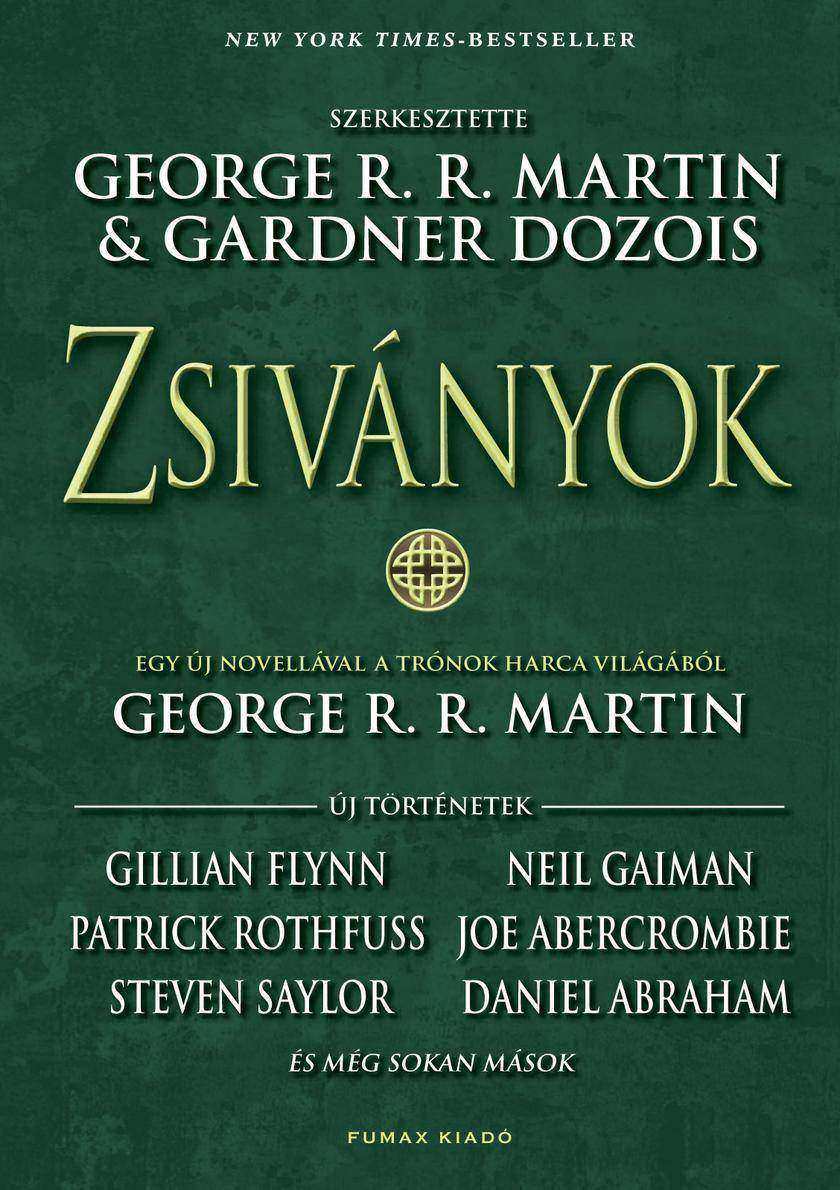
Zsiványok
¥85.76
Summary: Sara Crewe, a pupil at Miss Minchin's London school, is left in poverty when her father dies, but is later rescued by a mysterious benefactor. ?"Once on a dark winter's day, when the yellow fog hung so thick and heavy in the streets of London that the lamps were lighted and the shop windows blazed with gas as they do at night, an odd-looking little girl sat in a cab with her father and was driven rather slowly through the big thoroughfares." ? She sat with her feet tucked under her, and leaned against her father, who held her in his arm, as she stared out of the window at the passing people with a queer old-fashioned thoughtfulness in her big eyes. ? She was such a little girl that one did not expect to see such a look on her small face. It would have been an old look for a child of twelve, and Sara Crewe was only seven. The fact was, however, that she was always dreaming and thinking odd things and could not herself remember any time when she had not been thinking things about grown-up people and the world they belonged to. She felt as if she had lived a long, long time. ? "The Little Princes, in this Illustrated book, a fantastic girl who Principally, she was thinking of what a queer thing it was that at one time one was in India in the blazing sun, and then in the middle of the ocean, and then driving in a strange vehicle through strange streets where the day was as dark as the night. She found this so puzzling that she moved closer to her father.." Illustrated by Murat UKray, By e-Kitap Projesi

?szi k?ztársaság
¥80.52
Anna Karenina is a novel by the Russian writer Leon Tolstoy, published in serial installments from 1873 to 1877 in the periodical The Russian Messenger. Tolstoy clashed with editor Mikhail Katkov over political issues that arose in the final installment (Tolstoy's unpopular views of volunteers going to Serbia); therefore, the novel's first complete appearance was in book form. Widely regarded as a pinnacle in realist fiction, Tolstoy considered Anna Karenina his first true novel, when he came to consider War and Peace to be more than a novel. Fyodor Dostoevsky declared it to be "flawless as a work of art". His opinion was shared by Vladimir Nabokov, who especially admired "the flawless magic of Tolstoy's style", and by William Faulkner, who described the novel as "the best ever written". The novel is currently enjoying popularity, as demonstrated by a recent poll of 125 contemporary authors by J. Peder Zane, published in 2007 in "The Top Ten" in Time, which declared that Anna Karenina is the "greatest novel ever written" "..The novel opens with a scene introducing Prince Stepan Arkadyevich Oblonsky ("Stiva"), a Moscow aristocrat and civil servant who has been unfaithful to his wife Darya Alexandrovna ("Dolly"). Dolly has discovered his affair with the family's governess, and the household and family are in turmoil. Stiva's affair and his reaction to his wife's distress show an amorous personality that he cannot seem to suppress. In the midst of the turmoil, Stiva informs the household that his married sister, Anna Arkadyevna Karenina, is coming to visit from Saint Petersburg. Meanwhile, Stiva's childhood friend, Konstantin Dmitrievich Levin ("Kostya"), arrives in Moscow with the aim of proposing to Dolly's youngest sister, Princess Katerina Alexandrovna Shcherbatskaya ("Kitty"). Levin is a passionate, restless, but shy aristocratic landowner who, unlike his Moscow friends, chooses to live in the country on his large estate. He discovers that Kitty is also being pursued by Count Alexei Kirillovich Vronsky, an army officer. Whilst at the railway station to meet Anna, Stiva bumps into Vronsky who is there to meet his mother, the Countess Vronskaya. Anna and Vronskaya have traveled and talked together in the same carriage. As the family members are reunited, and Vronsky sees Anna for the first time, a railway worker accidentally falls in front of a train and is killed. Anna interprets this as an "evil omen." Vronsky, however, is infatuated with her. Anna is uneasy about leaving her young son, Sergei ("Seryozha"), alone for the first time.At the Oblonsky home, Anna talks openly and emotionally to Dolly about Stiva's affair and convinces her that Stiva still loves her despite the infidelity. Dolly is moved by Anna's speeches and decides to forgive Stiva. Kitty, who comes to visit Dolly and Anna, is just eighteen. In her first season as a debutante, she is expected to make an excellent match with a man of her social standing. Vronsky has been paying her considerable attention, and she expects to dance with him at a ball that evening. Kitty is very struck by Anna's beauty and personality and becomes infatuated with her just as Vronsky is. When Levin proposes to Kitty at her home, she clumsily turns him down, believing she is in love with Vronsky and that he will propose to her, and encouraged to do so by her mother who believes Vronsky would be a better match.At the big ball Kitty expects to hear something definitive from Vronsky, but he dances with Anna, choosing her as a partner over a shocked and heartbroken Kitty. Levin, crushed by Kitty's refusal, returns to his estate, abandoning any hope of marriage. Anna returns to her husband Alexei Alexandrovich Karenin, a senior government official, and her son Seryozha in Saint Petersburg. On seeing her husband for the first time since her encounter with Vronsky, Anna realises that she finds him unattractive, though she tells herself he is a good man.." ? ABOUT AUTHOR: Tolstoy was born in Yasnaya Polyana, the family estate in the Tula region of Russia. The Tolstoys were a well-known family of old Russian nobility. He was the fourth of five children of Count Nikolai Ilyich Tolstoy, a veteran of the Patriotic War of 1812, and Countess Mariya Tolstaya (Volkonskaya).
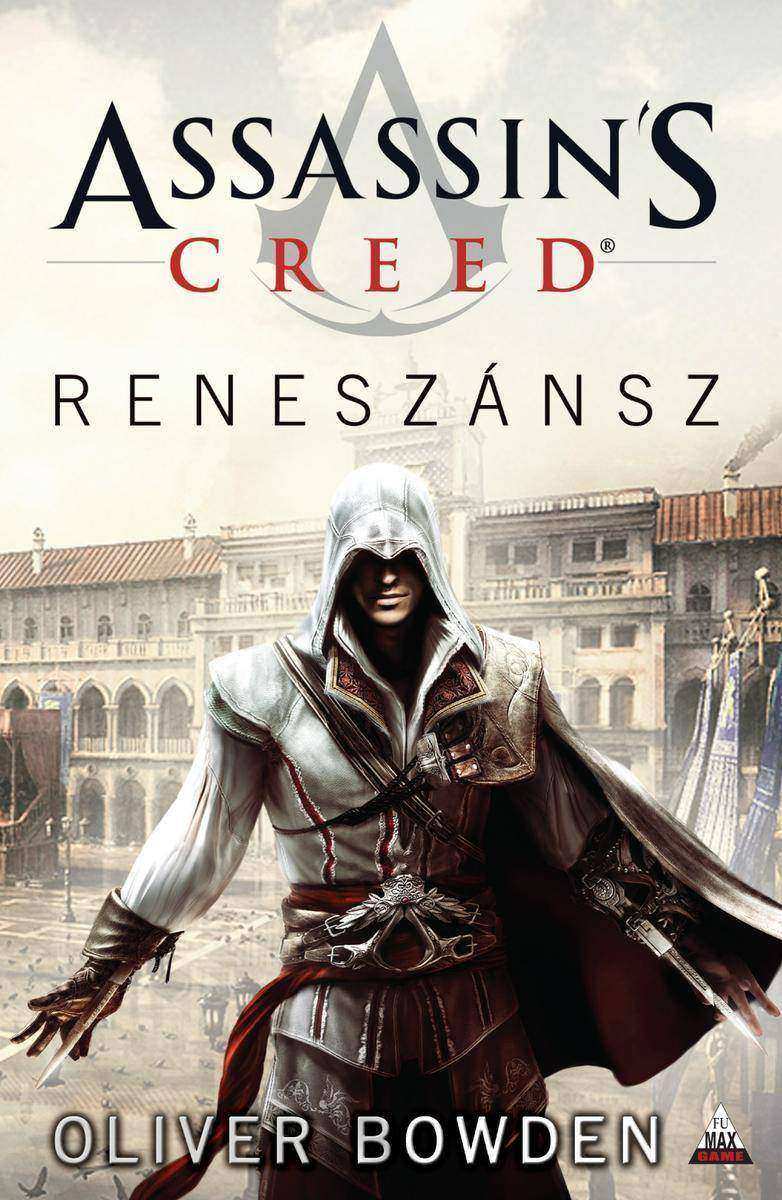
Assassin's Creed: Reneszánsz
¥71.69
The story starts in London on Tuesday, October 1, 1872. Fogg is a rich English gentleman and bachelor living in solitude at Number 7 Savile Row, Burlington Gardens. Despite his wealth, which is ?40,000 (roughly ?3,020,000 today), Fogg, whose countenance is described as "repose in action", lives a modest life with habits carried out with mathematical precision. Very little can be said about his social life other than that he is a member of the Reform Club. Having dismissed his former valet, James Foster, for bringing him shaving water at 84 °F (29 °C) instead of 86 °F (30 °C), Fogg hires a Frenchman by the name of Jean Passepartout, who is about 30 years old, as a replacement. Later on that day, in the Reform Club, Fogg gets involved in an argument over an article in The Daily Telegraph, stating that with the opening of a new railway section in India, it is now possible to travel around the world in 80 days. He accepts a wager for ?20,000 (roughly ?1,510,000 today) from his fellow club members, which he will receive if he makes it around the world in 80 days. Accompanied by Passepartout, he leaves London by train at 8:45 P.M. on Wednesday, October 2, 1872, and thus is due back at the Reform Club at the same time 80 days later, Saturday, December 21, 1872. Mr. Phileas Fogg lived, in 1872, at No. 7, Saville Row, Burlington Gardens, the house in which Sheridan died in 1814. He was one of the most noticeable members of the Reform Club, though he seemed always to avoid attracting attention; an enigmatical personage, about whom little was known, except that he was a polished man of the world. People said that he resembled Byron—at least that his head was Byronic; but he was a bearded, tranquil Byron, who might live on a thousand years without growing old. Certainly an Englishman, it was more doubtful whether Phileas Fogg was a Londoner. He was never seen on 'Change, nor at the Bank, nor in the counting-rooms of the "City"; no ships ever came into London docks of which he was the owner; he had no public employment; he had never been entered at any of the Inns of Court, either at the Temple, or Lincoln's Inn, or Gray's Inn; nor had his voice ever resounded in the Court of Chancery, or in the Exchequer, or the Queen's Bench, or the Ecclesiastical Courts. He certainly was not a manufacturer; nor was he a merchant or a gentleman farmer. His name was strange to the scientific and learned societies, and he never was known to take part in the sage deliberations of the Royal Institution or the London Institution, the Artisan's Association, or the Institution of Arts and Sciences. He belonged, in fact, to none of the numerous societies which swarm in the English capital, from the Harmonic to that of the Entomologists, founded mainly for the purpose of abolishing pernicious insects. Phileas Fogg was a member of the Reform, and that was all. The way in which he got admission to this exclusive club was simple enough. He was recommended by the Barings, with whom he had an open credit. His cheques were regularly paid at sight from his account current, which was always flush. Was Phileas Fogg rich? Undoubtedly. But those who knew him best could not imagine how he had made his fortune, and Mr. Fogg was the last person to whom to apply for the information. He was not lavish, nor, on the contrary, avaricious; for, whenever he knew that money was needed for a noble, useful, or benevolent purpose, he supplied it quietly and sometimes anonymously. He was, in short, the least communicative of men. He talked very little, and seemed all the more mysterious for his taciturn manner. His daily habits were quite open to observation; but whatever he did was so exactly the same thing that he had always done before, that the wits of the curious were fairly puzzled. ABOUT AUTHOR: Jules Gabriel Verne (1828 – 1905) was a French novelist, poet, and playwright best known for his adventure novels and his profound influence on the literary genre of science fiction. Born to bourgeois parents in the seaport of Nantes, Verne was trained to follow in his father's footsteps as a lawyer, but quit the profession early in life to write for magazines and the stage. His collaboration with the publisher Pierre-Jules Hetzel led to the creation of the Voyages Extraordinaires, a widely popular series of scrupulously researched adventure novels including Journey to the Center of the Earth, Twenty Thousand Leagues Under the Sea, and Around the World in Eighty Days.

Vészmadarak
¥57.47
"BLEAK HOUSE" is a novel by Charles Dickens, published in 20 monthly instalments between March 1852 and September 1853. It is held to be one of Dickens's finest novels, containing one of the most vast, complex and engaging arrays of minor characters and sub-plots in his entire canon. The story is told partly by the novel's heroine, Esther Summerson, and partly by a mostly omniscient narrator. Memorable characters include the menacing lawyer Tulkinghorn, the friendly but depressive John Jarndyce, and the childish and disingenuous Harold Skimpole, as well as the likeable but imprudent Richard Carstone. At the novel's core is long-running litigation in England's Court of Chancery, Jarndyce v Jarndyce, which has far-reaching consequences for all involved. This case revolves around a testator who apparently made several wills. The litigation, which already has taken many years and consumed between 60,000 and 70,000 in court costs, is emblematic of the failure of Chancery. Though Chancery lawyers and judges criticised Dickens's portrait of Chancery as exaggerated and unmerited, his novel helped to spur an ongoing movement that culminated in the enactment of legal reform in the 1870s. In fact, Dickens was writing just as Chancery was reforming itself, with the Six Clerks and Masters mentioned in Chapter One abolished in 1842 and 1852 respectively: the need for further reform was being widely debated. These facts raise an issue as to when Bleak House is actually set. Technically it must be before 1842, and at least some of his readers at the time would have been aware of this. However, there is some question as to whether this timeframe is consistent with the themes of the novel. The English legal historian Sir William Holdsworth set the action in 1827. Characters in Bleak House: As usual, Dickens drew upon many real people and places but imaginatively transformed them in his novel. Hortense is based on the Swiss maid and murderess Maria Manning. The "telescopic philanthropist" Mrs Jellyby, who pursues distant projects at the expense of her duty to her own family, is a criticism of women activists like Caroline Chisholm. The "childlike" but ultimately amoral character Harold Skimpole is commonly regarded as a portrait of Leigh Hunt. "Dickens wrote in a letter of 25 September 1853, 'I suppose he is the most exact portrait that was ever painted in words! ... It is an absolute reproduction of a real man'; and a contemporary critic commented, 'I recognized Skimpole instantaneously; ... and so did every person whom I talked with about it who had ever had Leigh Hunt's acquaintance.'"[2] G. K. Chesterton suggested that Dickens "may never once have had the unfriendly thought, 'Suppose Hunt behaved like a rascal!'; he may have only had the fanciful thought, 'Suppose a rascal behaved like Hunt!'". Mr Jarndyce's friend Mr Boythorn is based on the writer Walter Savage Landor. The novel also includes one of the first detectives in English fiction, Inspector Bucket. This character is probably based on Inspector Charles Frederick Field of the then recently formed Detective Department at Scotland Yard. Dickens wrote several journalistic pieces about the Inspector and the work of the detectives in Household Words, his weekly periodical in which he also published articles attacking the Chancery system. The Jarndyce and Jarndyce case itself has reminded many readers of the thirty-year Chancery case over Charlotte Smith's father-in-law's will. Major characters: Esther Summerson – the heroine of the story, and one of its two narrators (Dickens's only female narrator), raised as an orphan because the identity of her parents is unknown. At first, it seems probable that her guardian, John Jarndyce, is her father because he provides for her. This, however, he disavows shortly after she comes to live under his roof.
Wuthering Heights
¥8.09
Kedves Feln?ttek! ?Ez a k?nyv Nektek készült! T?rténetünk a XXXIV. században játszódik. Egy királyi család nem épp szokványos életén keresztül betekintést nyerhetünk a j?v?be. ??j faj k?rvonalazódik, aminek fejl?dése megállíthatatlan. ?Unalmasnak t?n?, idillikus életüket felváltja a S?tétség er?ivel folytatott harc, aminek kimenetele végleg meghatározza a F?ld bolygó sorsát...


