


 购物车
购物车 个人中心
个人中心

A Very Irish Christmas: A festive short story to curl up with this Christmas!
¥22.27
A short story to curl up with this Christmas! This year, it’s time for A Christmas Carole… Carole is a workaholic so dedicated to her job at a 24/7 rolling news TV station, that she plans to work all over Christmas and New Year too. Same as she does every other year. But then when you're long -term single and married to your job, she thinks, what else is there to do? But a midnight visit from the ghost of Christmases past, present and future soon makes her look at her life in a whole new way… Bestselling author Claudia Carroll brings her trademark sparkle to this modern re-telling of A Christmas Carol, perfect for your Christmas treat this year!

The Windmill Café: Summer Breeze (The Windmill Café, Book 1)
¥22.27
The Windmill Cafe is open for business! ‘I relished every moment of this story … definitely not one to be missed’ Emma, Shaz’s Book Blog As Rosie Barnes serves glasses of tangy lemonade and ice-cold prosecco at her summer garden party, she couldn’t be happier. The Windmill Café, with its peppermint green sails is a roaring success and has given Rosie a chance to escape the heartbreak of her busy life in London. But then disaster strikes when popstar Suki Richards is taken unexpectedly ill at the party. Now all eyes are on Rosie…have her famous raspberry cupcakes poisoned her most high-profile guest? Or is someone else trying to damage Suki’s chance of stardom? If Rosie wants to save her picture-perfect life, and the reputation of her beloved Windmill Café, she’s going to have to get to the bottom of the mystery…and fast!
The Disappeared: A gripping crime mystery full of twists and turns!
¥22.27
YOU’LL NEVER FIND ME… A twisty, compelling, characterful crime thriller from a major new talent. NOT TO BE MISSED! A distraught mother… When Susan Wilkins walks into No Stone Unturned, Leeds’s newest private detective agency, owners Lee and Jo are thrilled. Their first client is the kind of person they always hoped to help—a kind woman desperately worried about her son, Jack. A missing son… The case seems simple—kid starts college, takes up with the wrong crowd, forgets to ring his mother. But very quickly, Lee and Jo suspect they’re not being told the whole truth. A case which could prove deadly… Their office is ransacked, everyone who knows Jack refuses to talk to them and they feel like they’re being followed…it’s clear Lee and Jo have stumbled into something bigger, and far more dangerous, than they ever expected. Will they find Jack, or will their first case silence them both for good?
The Sunny Bridesmaid (Bridesmaids)
¥18.93
A mini-series of four titles aimed at 6 – 8 year old girls on the theme of bridesmaids – a role that every little girl longs to play! THE SUNNY BRIDESMAID Molly’s brother James is marrying Chloe, an Australian girl, on a tropical beach. A laid back bride, Chloe has told Molly she can choose her own dress. Molly’s choice of dress is not ideal for a hot climate, however she makes such fuss, her Mum lets her have it. However when she gets to Australia – shock, horror, her luggage has been mislaid so she and Chloe have to buy her a new outfit – a sarong and skimpy top, perfect for a hot beach wedding. James is football mad and after the wedding he celebrates by a game of footie on the beach. Unfortunately he gets sun-stroke leaving his bride dancing the night away with her favourite sunny bridesmaid!

More of the World’s Best Drinking Jokes
¥23.05
A wife decided she would leave her drunken husband, but a neighbour persuaded her to give him one more chance. ‘Instead of nagging him,’ she was advised, ‘treat him nicely. Maybe he’ll feel so ashamed, he’ll stop drinking so heavily.’ So the next night when he staggered home, she did not rant as usual. She made him a cup of tea, warmed his slippers, loosened his collar and tie and stroked his head. ‘Shall we go to bed now?’ she suggested.‘Might as well,’ he replied. ‘If I go home, there’ll only be a row.’

Cowboy's Reckoning
¥19.82
Nothing will stop a Cahill cowboy from protecting what's his After a rocky marriage and even rockier divorce, Sheriff Flint Cahill finally has something good in his life again. Maggie Thompson's down-to-earth charm and beautiful smile hooked him from the start. When she disappears on the day they plan to start their lives together, all signs point to abduction—and his ex-wife. Functioning on adrenaline and instinct, Flint must call on his every resource to bring Maggie home before it's too late. His past and future are blurred. Maggie's only chance at surviving her abductor and a raging winter storm depends on an old vendetta that could destroy it all. But the Cahills don't give up easily, and Flint's love will have to be strong enough to conquer anything, including the unimaginable.

A Very Merry Princess
¥16.28
Celebrate the season with this warm-hearted charmer from #1 New York Times bestselling author Susan Mallery When Princess Bethany’s father, the king, sells one of his best stallions, she insists the animal get the royal treatment. Disguised as Beth Archer, a mere stable hand, she takes him to Happily Inc, California, a quaint wedding destination that's especially sparkly over the holidays. Rich women have no place on Cade Saunders' ranch. He wants a down-to-earth, girl-next-door type—like Beth Archer. After few cocoa-flavored kisses by the Christmas tree, Bethany begins to fall for her irresistibly handsome host. But will Cade still want her when he discovers she's more familiar with a crown than a cowboy hat?
The Traveller’s Daughter
¥20.01
A secret hidden for fifty years is about to be brought to light in Michelle Vernal's dazzling new novel The Traveller's Daughter! Her mother's secret... For fifty years Rosa kept the secrets of her past hidden from her beloved daughter, Kitty. The hurt and pain, the guilt over what she'd done, was something she could never face. But now the time has come to share the truth of Kitty's heritage... Her daughter's discovery... Kitty never knew anything about her mother's early life. But after her death, the discovery of Rosa's journal opens Kitty's eyes to a whole new world-a family she's never known and a love she's never dreamed of... The fate of a family... Now Kitty must travel to her mother's homeland, but after fifty years, can the sins of the past be forgiven? Or will history repeat itself? With a decades-old family feud threatening her future, can Kitty put right what once went so wrong? Join Kitty as she follows in her mother's footsteps from the South of France to Ireland, discovering who she is along the way in this beautiful tale of forbidden love and fancy cupcakes! What readers are saying about 'The Traveller's Daughter': 'A lovely feel-good read' Katie's Bookends 'If you like family sagas and romance, then look no further...at the end you feel like you are leaving behind new friends' Lorraine, Goodreads 'A beautiful and thought-provoking book' Artistic Bent Book Blog

The Pregnant Surgeon (Mills & Boon Medical) (Practising and Pregnant, Book 8)
¥20.01
The last two things she ever expected – a man and a baby! Sacrificing her personal life to become a high-flying surgeon has left Joanna Martin with few regrets. She has learned not to risk her heart for any man – including her new senior registrar, Dylan Archer, even though her secret desire for him is as strong as her drive to succeed…. Dylan's determination to impress and break through his beautiful boss's cool exterior, both in and out of the operating theater, finally results in one night of passion. But convincing her that they could have a future together remains a challenge.Then Joanna discovers she is pregnant…
Ottercombe Bay – Part One: Where There’s a Will... (Ottercombe Bay Series)
¥21.39
Escape to the Devon coast, with Part One of a brand-new four-part serial from the author of Willow Cottage. Daisy Wickens has returned to Ottercombe Bay, the picturesque Devon town where her mother died when she was a girl. She plans to leave as soon as her great uncle’s funeral is over, but Great Uncle Reg had other ideas. He’s left Daisy a significant inheritance – an old building in a state of disrepair, which could offer exciting possibilities, but to get it she must stay in Ottercombe Bay for twelve whole months. With the help of a cast of quirky locals, a few gin cocktails and a black pug with plenty of attitude, Daisy might just turn this into something special. But can she ever hope to be happy among the ghosts of her past? Authors and readers love Bella Osborne’s gorgeous novels: ‘I really enjoy Bella Osborne’s books’ – Katie Fforde ‘An absolutely glorious read full of laugh out loud moments and beautifully observed characters who spring to life on the page’ Phillipa Ashley ‘A warm and engaging story with relatable characters who will worm their way into your heart. A great read!’ – Talli Roland ‘Loved it! Believable characters, a sweetly told, lovely story… a great read’ – Jane Lovering ‘Romance, comedy, and mystery abound in this delightful British novel’ – I Read That Book! ‘A great read, with some really special moments… so beautiful and romantic’ – Annie’s Book Corner ‘A well-written and charming tale.’ – Paris Baker’s Book Nook ‘I wasn't expecting a debut novel to be this good’ – The Bookish & The Romantic 'Makes me feel like I should be reading it while wearing a tea dress, drinking posh coffee from a china cup and eating Victoria sandwich cake with a dainty little fork. It's charming, adorable, amusing and all those sorts of words' – Escape Into Words 'This book is perfect chick lit' – Gidget Girls Reading

The Good Father (Mills & Boon Medical) (The Baby Doctors, Book 4)
¥21.58
Taming the boss… Neonatologist Gabriel Dalgleish is passionate about his tiny patients, and highly demanding about their care. It seems as if they are the only people he really cares for. Except for Maddie. The new medical secretary slips through Gabriel's defences, right to his vulnerable heart, making him realise everything he's missed out on in life. Yet Gabriel feels he can never be what Maddie and her young family deserve. Maddie must show him that he doesn't have to be the perfect father and husband – just a good one. All he needs to give them is his love.

A Baby Of His Own (Mills & Boon Medical) (Bachelor Dads, Book 6)
¥21.58
"I would have loved to watch our baby growing inside you…" Connor Mackenzie was the love of nurse Lucy Adams's life. But when it came to a choice between her or his glittering paediatric career, Connor chose the job. And then she discovered she was pregnant. He didn't know about the baby, and Lucy didn't tell him. Now Connor is back. Lucy still doesn't know the real reason why he left. She doesn't know how much it cost him or how much he's missed her. And she doesn't know how determined he is to be a father to their child.

A Night To Remember (Mills & Boon Medical) (The A and E, Book 27)
¥21.58
Major incident headquarters… 1500 hours A tanker loaded with toxic chemicals is headed straight for an oil rig. The only possible outcome–disaster! Grace Darling Hospital… 1530 hours A team, led by Dr. Seb Bridges, is ready and waiting– to save lives. Emergency room… 1600 hours Dr. Libby Bridges is on her way to the E.R., determined to ask Seb for a divorce. For Seb, only two things matter–saving lives and saving his marriage. This will be the most important night of his life and the clock is ticking.

A gripping thriller that will leave you breathless
¥22.27
‘Must read!’Closer ‘I love, love, LOVE Perfect Remains!’ Reader review ‘A superb debut!’ Reader review On a remote Highland mountain, the body of Elaine Buxton is burning. All that will be left to identify the respected lawyer are her teeth and a fragment of clothing. In the concealed back room of a house in Edinburgh, the real Elaine Buxton screams into the darkness… Detective Inspector Luc Callanach has barely set foot in his new office when Elaine’s missing persons case is escalated to a murder investigation. Having left behind a promising career at Interpol, he’s eager to prove himself to his new team. But Edinburgh, he discovers, is a long way from Lyon, and Elaine’s killer has covered his tracks with meticulous care. It’s not long before another successful woman is abducted from her doorstep, and Callanach finds himself in a race against the clock. Or so he believes … The real fate of the women will prove more twisted than he could have ever imagined. Fans of Angela Marson, Mark Billingham and M. J. Aldridge will be gripped by this chilling journey into the mind of a troubled killer.

A Year at Meadowbrook Manor: Escape to the countryside this year with this perfe
¥22.27
‘A well written, light, warm hearted read.’ Netgalley Reviewer One divided family, one life-changing year… Harriet Singer hasn’t been home in ten years. When her beloved dad dies suddenly, she races to be there for her estranged siblings, despite the memories it brings back. Then Harriet learns that all four Singer siblings must live together for one year, caring for their dad’s Animal Sanctuary, or forfeit their inheritance. Living under the same roof could make or break the family, but it’s time Harriet stopped running and faced her past. Especially when her first love turns up… A heart-warming story about love, hope and family, perfect for fans of Cathy Bramley and Heidi Swain.
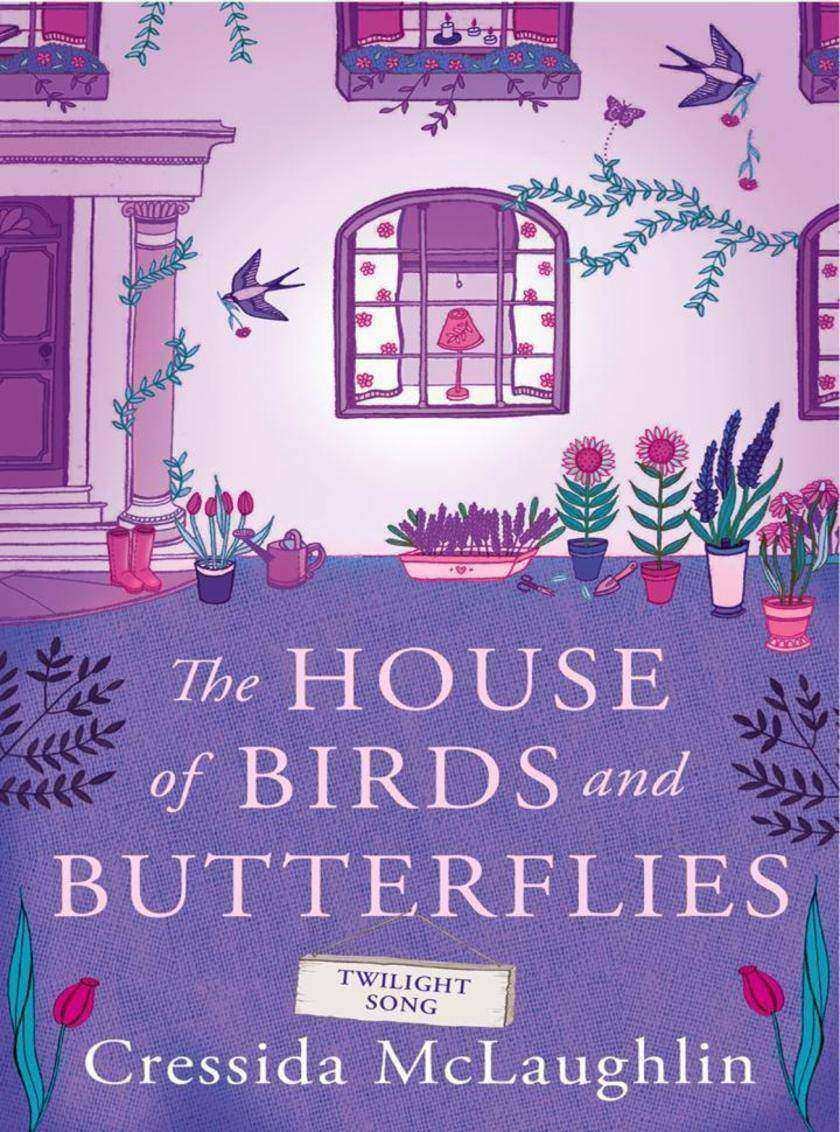
Twilight Song (The House of Birds and Butterflies, Book 3)
¥22.27
A gorgeous new romantic series from the bestselling author of The Canal Boat Cafe Spring is blooming at Meadowsweet nature reserve. Although the sunshine is drawing in the visitors like never before, events co-ordinator Abby knows she’s treading on thin ice. She’s spending more and more time with village newcomer Jack, and she’ll need to make a real success of the springtime camping extravaganza at the reserve if she’s to keep her disgruntled boss off her back. Abby hasn’t thrown too many questions at Jack about his shadowy past – she’s enjoying the budding romance, so why break the spell? But when the secrets start spilling out and a glamorous blonde presenter from the nature show, Wild Wonders, turns Jack’s head, Abby knows it’s time to face the music… Twilight Song is the third part of a four-part serial.
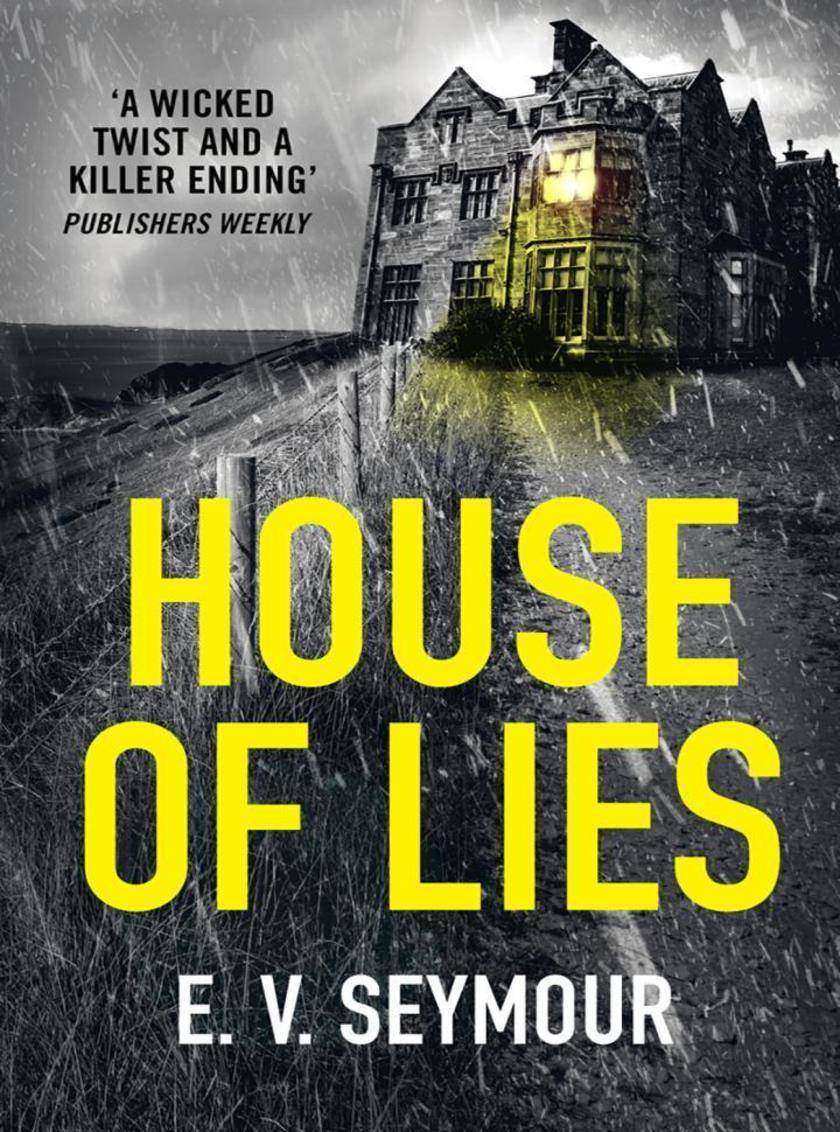
House of Lies: A gripping thriller with a shocking twist
¥22.27
‘A wicked twist and a killer ending’ Publishers Weekly Somewhere in Vixenhead, I’m certain the truth lies… A sudden disappearance… When Roz Outlaw's partner Tom mysteriously vanishes, she knows his life is in danger. Tom has been distracted lately, afraid, as though he is being hunted… A desperate search… With the police showing little interest Roz knows it falls to her to find Tom. But as Tom's secrets are uncovered nothing can prepare Roz for the dark lies and twisted truths she finds. She thought she loved Tom, but quickly realises she has been living with a stranger – a man with murder in his past. A house of evil. The key to unlocking Tom's past lies in his childhood home – Vixenhead. A house of wickedness that keeps its secrets well hidden. Can Roz find Tom before it's too late or will the evil within Vixenhead claim her too…
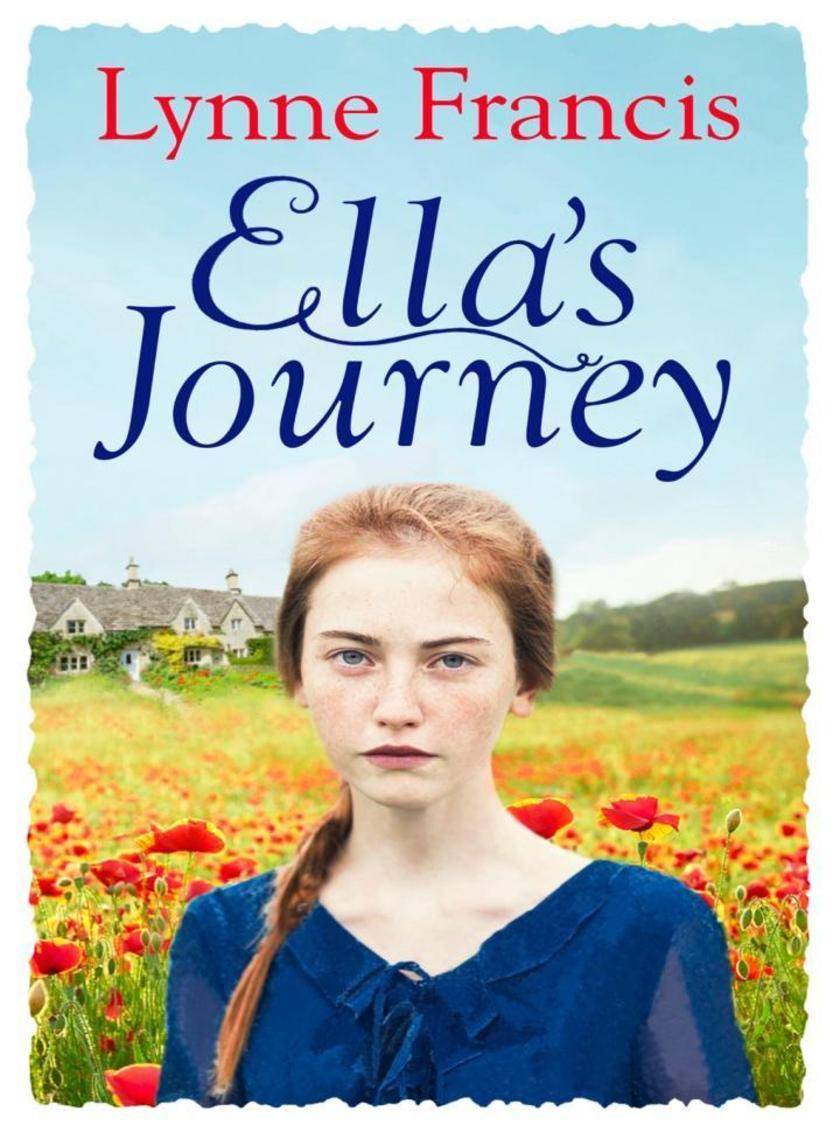
Ella’s Journey: The perfect wartime romance to curl up with this winter (The Mil
¥22.27
A family in need. A country on the brink of war. Ella is trying to put the past behind her… but the past won’t always stay hidden. The truth is, Ella is hiding from a scandal. A scandal that drove her family out of their beloved Lane End Cottage in the tiny Yorkshire village they had lived in all their lives. A scandal that her sister Alice was blamed for. But Alice is no longer here. So it’s up to Ella to pick up the pieces and do the best she can for the family she loves so dearly. Ella’s luck finally changes when she gains work at Grange House, a gentleman’s residence on the outskirts of York. But can she keep her position there? Or will she follow in her elder sister’s footsteps? A gripping new saga series that fans of Dilly Court and Valerie Wood will adore.

A Month To Marry The Midwife (Mills & Boon Medical) (The Midwives of Lighthouse
¥29.43
Midwife Ellie Swift has devoted herself to beautiful Lighthouse Bay’s tiny hospital. After a painful divorce, she’s vowed never to get involved with another man—but then the sexy new locum obstetrician walks through the door! Despite his own damaged heart, Sam Southwell is captivated by Ellie’s warmth and compassion. She’s a woman who deserves the fairytale! It won’t be easy to change her mind but Sam’s never walked away from a challenge…

Reunited By Their Pregnancy Surprise (Mills & Boon Medical)
¥30.61
Reclaiming his wife…and his baby Obstetrician Sam Saint wakes in hospital after an accident to find he doesn’t remember the last eighteen months. The beautiful woman by his bedside is in fact his wife…and she’s pregnant! Midwife Emily never thought her husband would want the child she longs for. But now she’s expecting his baby, she’s determined to fight for their marriage. And as they rediscover each other, Emily and Sam find themselves making new memories—ones they’ll both treasure, for ever!
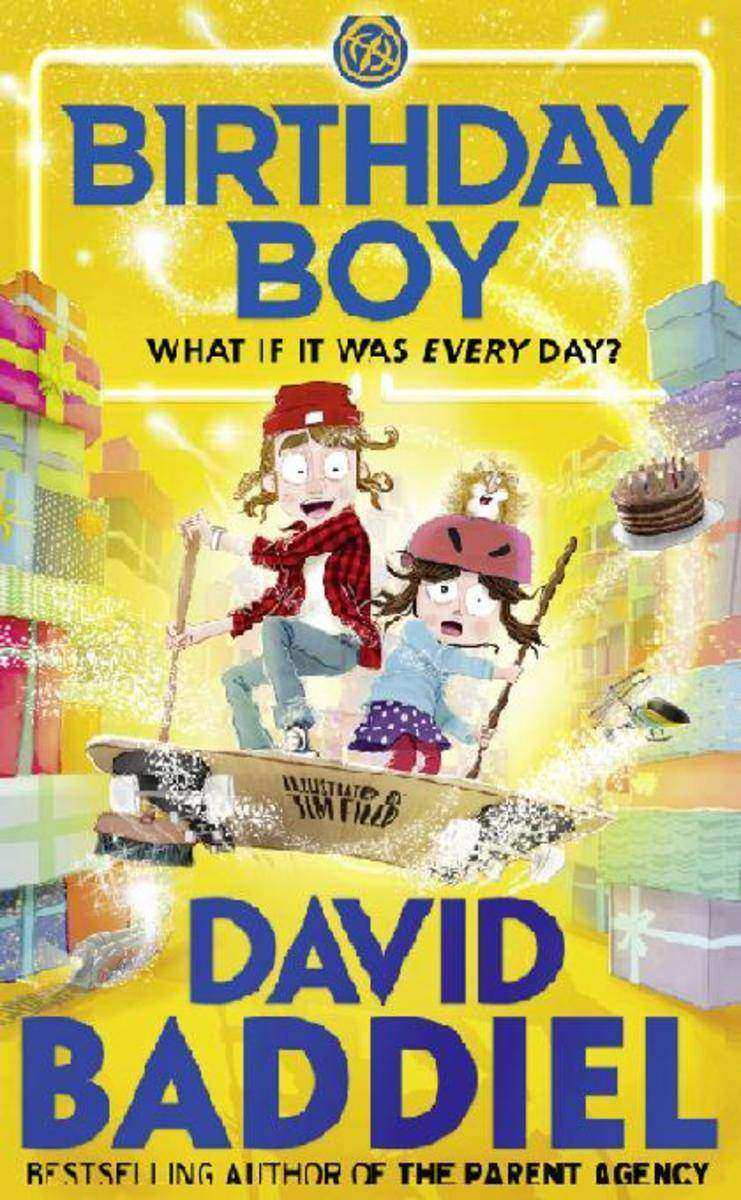
Birthday Boy
¥51.50
A hilarious rollercoaster ride of pure entertainment for 9+ readers everywhere, Birthday Boy is the new Baddiel Blockbuster: featuring David’s inimitable and award-winning combination of wish-fulfilment, heart and hilarity, all brought to life by regular collaborator Jim Field’s witty, stylish illustrations. What if it was every day? This is the story of Sam Green, who really, really, really loves birthdays. He loves the special breakfasts in bed. The presents. The themed parties. Blowing out the candles on his cake. Everything. He is so excited about his 11th birthday, in fact, that he wishes it was his birthday every day. So, at first, it’s quite exciting when his birthday happens again the next morning. And again. And again. And again… But it’s not long before things start to go wrong. Soon, disaster strikes, threatening something Sam loves even more than birthdays. Sometimes you have to be careful what you wish for…


