


 购物车
购物车 个人中心
个人中心
Little Bird of Heaven
¥57.09
‘A writer of extraordinary strengths’ Guardian Set in the mythical small city of Sparta, New York, this searing, vividly rendered exploration of the mysterious conjunction of erotic romance and tragic violence in late 20th-century America. When a young wife and mother named Zoe Kruller is found brutally murdered, the Sparta police target two primary suspects: her estranged husband Delray and her longtime lover Eddy Diehl. In turn, the Krullers's son Aaron and Eddy's daughter Krista become obsessed with one another, each believing the other's father is guilty. Told in halves in the very different voices of Krista and Aaron, Little Bird of Heaven is classic Joyce Carol Oates, in which the lyricism of intense sexual love is intertwined with the anguish of loss, and tenderness is barely distinguishable from cruelty. By the novel's end, the fated lovers, meeting again as adults, are at last ready to exorcise the ghosts of the past and come to terms with their legacy of guilt, misplaced love and redemptive yearning. With Little Bird of Heaven, Joyce Carol Oates once again confirms her place as one of the most outstanding writers at work today.

Sacrament
¥68.67
A famous photographer lying in a coma holds the key to the salvation of the world. But first he must travel back into the traumatic events of his childhood. Will Rabjohns has everything. He’s handsome, he’s rich, and he’s revered as the world’s greatest wildlife photographer. He’s also a haunted man, driven to risk his life for his art – to capture the raw tragedy of the wild, the beauty of nature’s violence. After a near fatal encounter with a polar bear, he lies in a coma. There he must relive a central childhood memory: a meeting with ancient and terrible forces which revealed to him the mystery at the heart of nature. And he realizes that if he awakes, he must confront the darkness of his past and wage a war, not only for his own soul, but for the soul of the planet and every animal that breathes upon it.
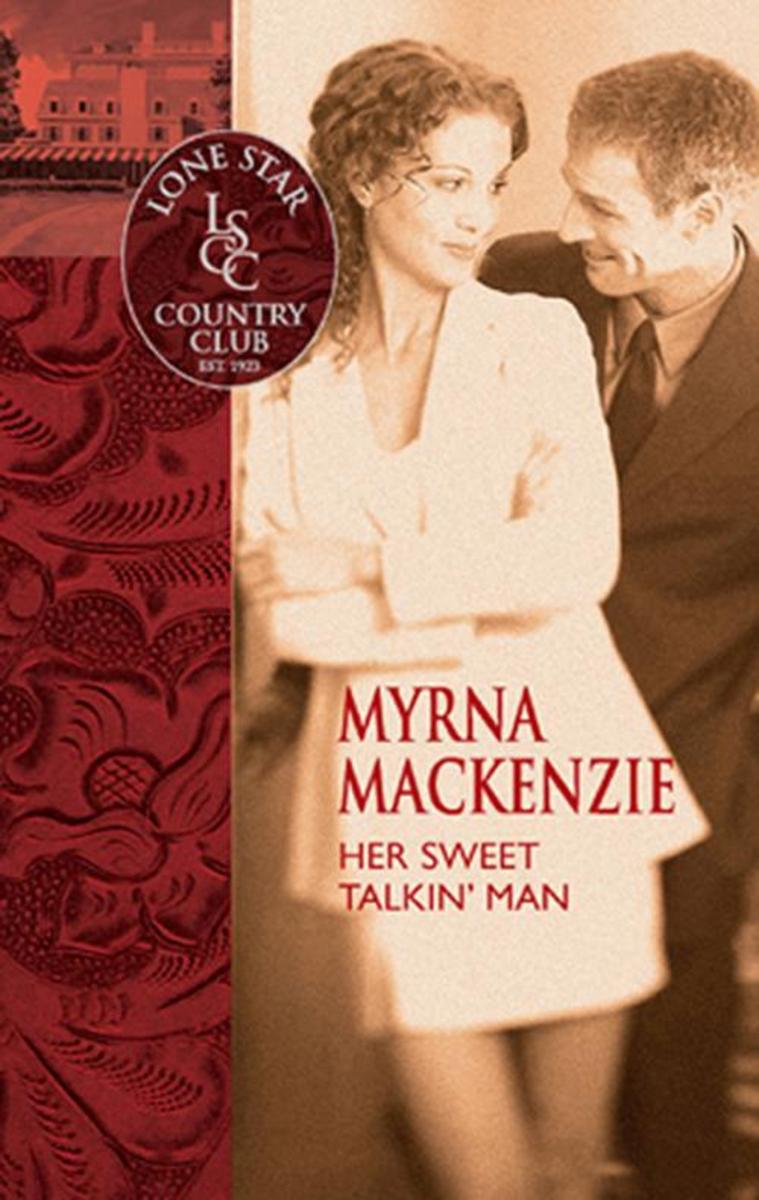
Her Sweet Talkin' Man (Mills & Boon Silhouette)
¥31.10
When Ace Turner discovered that his biological daddy was the rich and powerful late cattle king Ford Carson, he vowed to make nice with his long-lost kin so the Carsons would serve him his rightful inheritance on a silver platter. However, his plans to strike it rich were diverted when sparks ignited with beautiful hospital fund-raiser Crystal Bennett. The feisty single mom was leery of roguish playboys, but Ace wasn't walkin' away–especially with a vengeful enemy from Crystal's past on the warpath at Mission Creek Memorial Hospital. Could love bring this sweet talkin' bachelor riches beyond his wildest dreams?
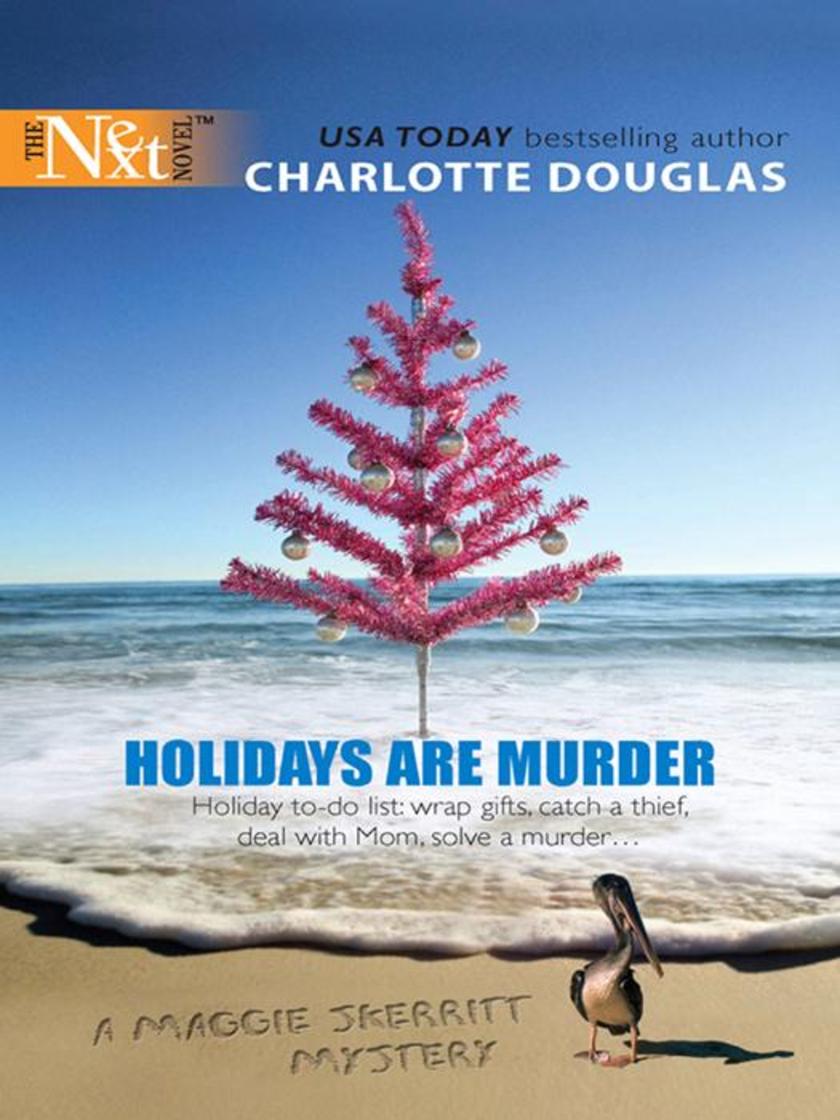
Holidays Are Murder (Mills & Boon Silhouette)
¥19.13
THE HOLIDAYS?–DON'T YOU JUST LOVE 'EM? Been overstressed at work? Ever wish the holidays would go on an extended vacation? Worried about finding the perfect gift? Or had unresolved conflicts with family that drive you up the wall? Detective Maggie Skerritt is every woman who's been there, done that. She also excels at her work, doesn't eat right or get enough sleep and loves to have someone else do her cooking. But her job is murder and she strives to make her city safe. In the process, she gathers her courage to risk loving again. But first she has to make it through Thanksgiving, Christmas…and another murder in Pelican Bay.
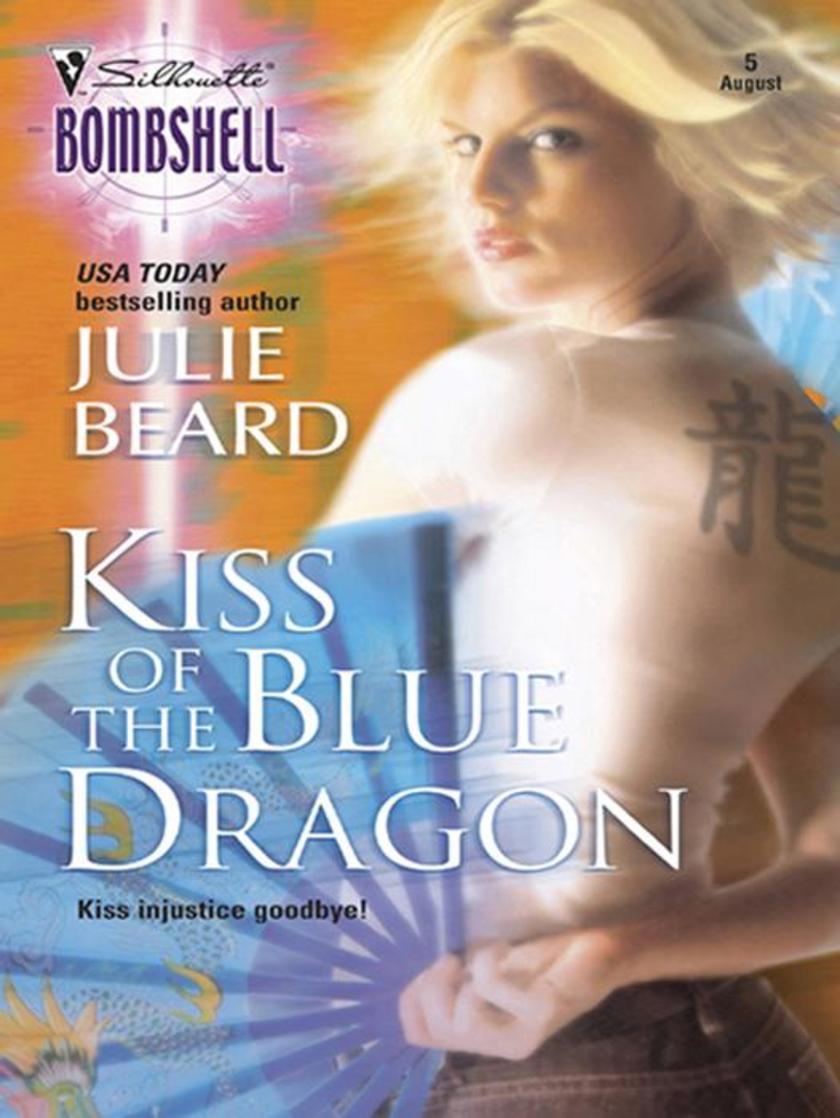
Kiss Of The Blue Dragon (Mills & Boon Silhouette)
¥31.10
Angel Baker isn't your ordinary twenty-second-century gal. Just ask mom. Instead of joining the family fortune-telling business, Angel's busy saving the world. And dating? Why bother when she's got Humphrey Bogart, her sweettalking robot. Welcome to Chicago circa 2100. The legal system is in shambles, robots are a woman's best friend, and kung fu fighting Retribution Specialists like Angel bring justice to criminals who've slipped through the cracks. So when dear old Mom is kidnapped, it's up to Angel to save her. But when her search leads her into a bizarre underworld where human life is measured in dollars, she'll be put to the ultimate test–forced to use her hidden psychic powers and rely on the help of a stubborn detective who has her reconsidering falling for a living, breathing man.

Reunited with the Lassiter Bride (Mills & Boon Desire) (Dynasties: The Lassiters
¥31.10
In the fight sparked by her late father’s will, CEO Angelica Lassiter won control of her birthright – but lost the fiancé she loved. Yet suddenly she and Evan McCain must now fake a reunion to make their best friends’ wedding work. Trusting each other might be impossible, but their kisses may not be a ruse any more…

Sunken Treasure (Mills & Boon Love Inspired Suspense)
¥25.60
DANGER ON THE HIGH SEAS Shipwreck diver Gage Fontaine is used to modern-day pirates chasing after his boat and the buried treasure he salvages. But when he unknowingly leads a dangerous criminal to the waters off Stepping Stones Island, he puts a beautiful fisherwoman in grave danger. Rachelle Thibodaux has spent the past year hiding on her boat to avoid the town's censure for her father's crimes. But when she comes face-to-face with a gun-wielding pirate, she becomes a new kind of target. To save her own life, she'll have to work with Gage to find the treasure before the pirates do.
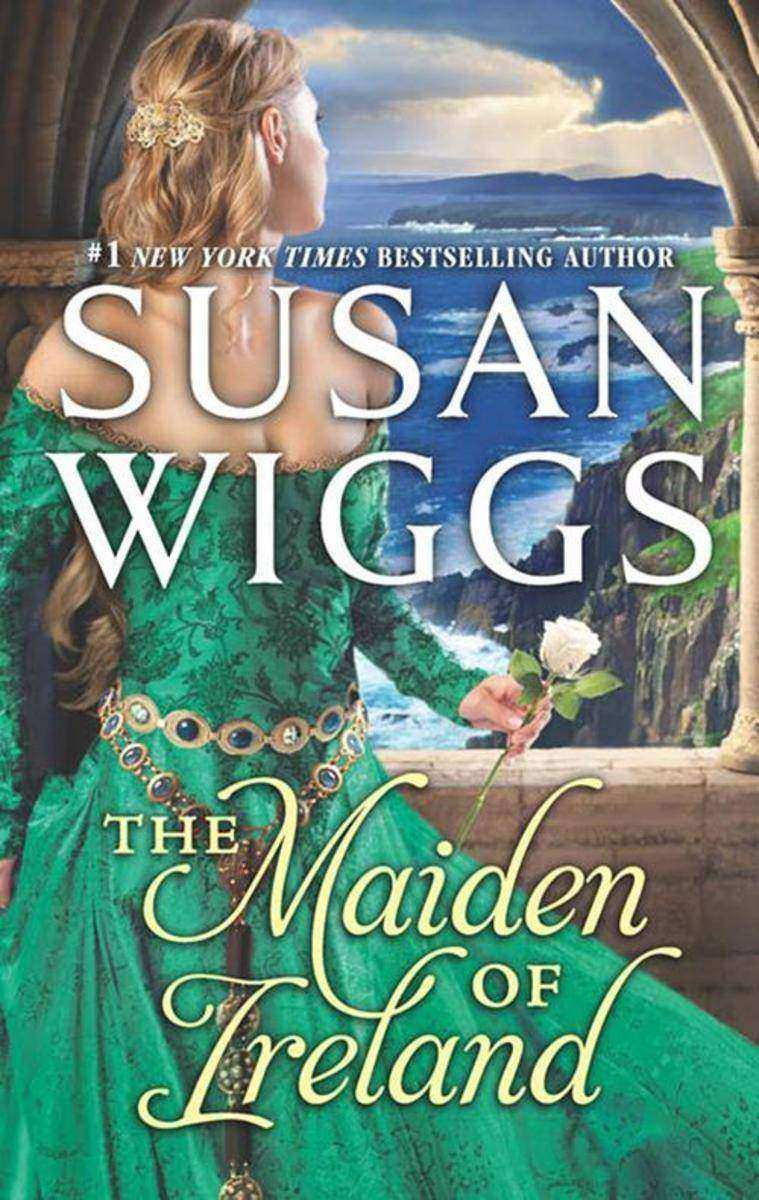
The Maiden of Ireland
¥54.74
#1 New York Times bestselling author Susan Wiggs sweeps readers away to the misty coast of Ireland in an irresistible tale of falling in love with the enemy… John Wesley Hawkins was condemned to hang, accused of treason and heresy. As he's transported to the scaffold at Tyburn, however, the Lord Protector steps in and offers him the hand of mercy-if Wesley agrees to travel to Ireland on a dangerous mission into the heart of the Irish resistance against English rule. He'll have to seduce the rebels' secrets from a headstrong Irishwoman, but that shouldn't be a problem for a man of Wesley's reputation… . Caitlin MacBride is mistress of the beleaguered Irish castle Clonmuir, and she makes no secret of her loyalty to her countrymen. She's determined to remain strong for her people, but a wish for true love one evening at sunset yields the one thing that may sway her resolve. When Wesley walks out of the mist that fateful night, Caitlin's faith in the magic of Ireland is briefly restored-until she discovers he's one of the treacherous Englishmen she has spent her life fighting against. See more at www.SusanWiggs.com
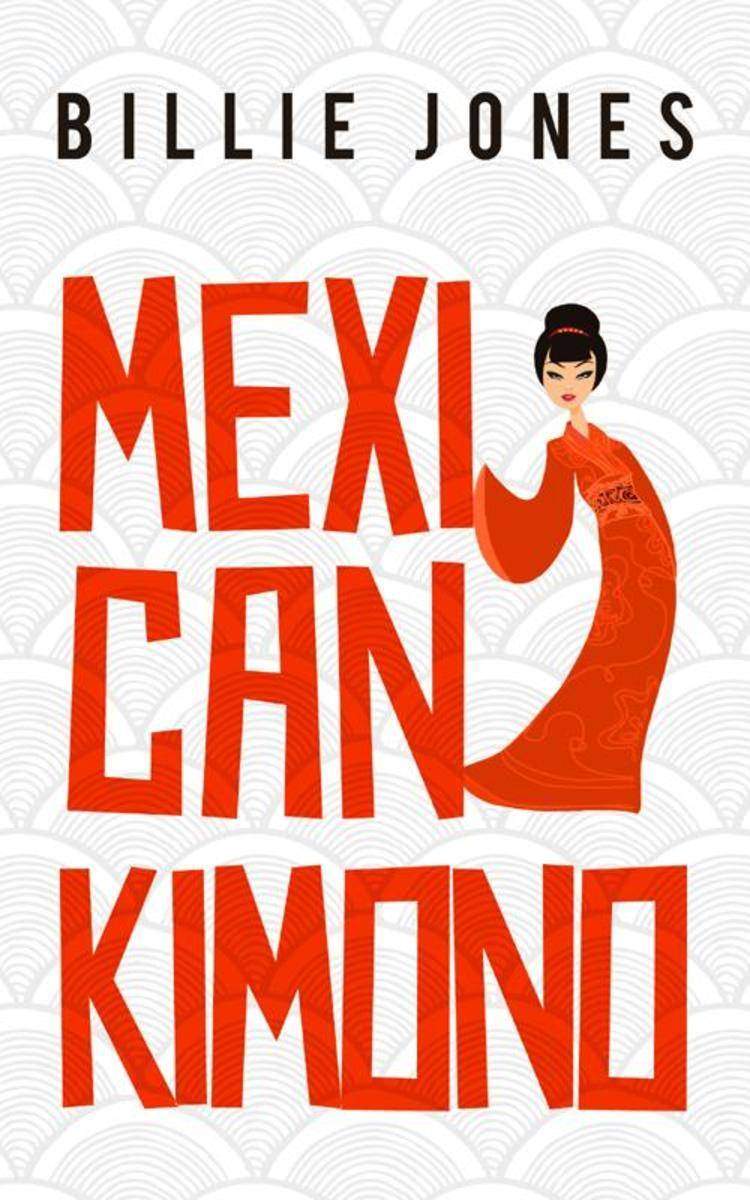
Mexican Kimono
¥11.77
Samantha knows what she wants from life – and she’s got it! 1.A loving family. OK, her Mum’s plan to marry her off to the world’s most metrosexual man might not be ideal… but it’s only because she cares! 2.A great job. Or at least: a job that leaves plenty of time to update Twitter and shop for designer bargains online… 3.A credit card, with a very generous limit. So generous that she’s just spent over $10,000 on an antique kimono… But suddenly Samantha’s charmed life starts to fall apart! From a hair-related fire to losing her job, Sam’s facing bad karma – and it all started when she bought that kimono… Sure, it’s ridiculous. How could a piece of silk ever bring bad luck? But it can! Because, whether Samantha likes it or not, someone wants to teach her a lesson: it’s what’s inside that counts. But will Samantha slow down long enough to listen?
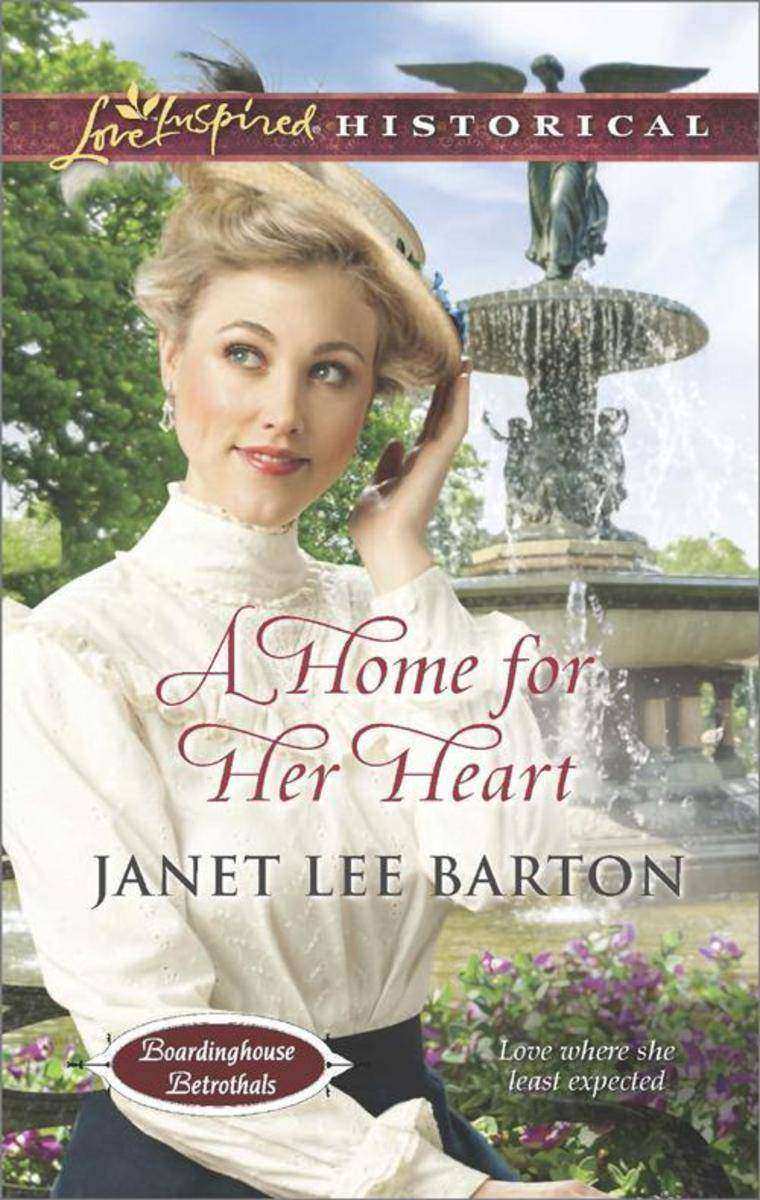
A Home for Her Heart (Mills & Boon Love Inspired Historical) (Boardinghouse Betr
¥31.10
LOVE ON ASSIGNMENT Magazine writer Elizabeth Anderson has sparred with newspaper reporter John Talbot for years. Though they cover similar stories, John thinks Elizabeth's writing is trivial, and she finds him too boastful. So when they must work together to investigate New York City's worst tenement houses, they're surprised by the great team they make. Despite their professional rivalry, John and Elizabeth begin to trust each other as they grow from competitors, to friends, to something more. But then John makes a startling discovery that would break the story-and Elizabeth's heart-wide-open. John's always been driven by his career-can he give up one dream for another? Boardinghouse Betrothals: Hearts taking shelter-and forging new beginnings

A Texan in Her Bed (Mills & Boon Desire) (Lone Star Legends, Book 2)
¥31.10
All billionaire rancher Wyatt Milan wants is a quiet life, but his tranquillity is disrupted when TV host Destiny Jones blows into town, determined to solve a murder mystery tied to a long-standing family feud. Destiny is turning his town, and life, upside down whilst also stirring the hottest desire Wyatt’s ever felt!
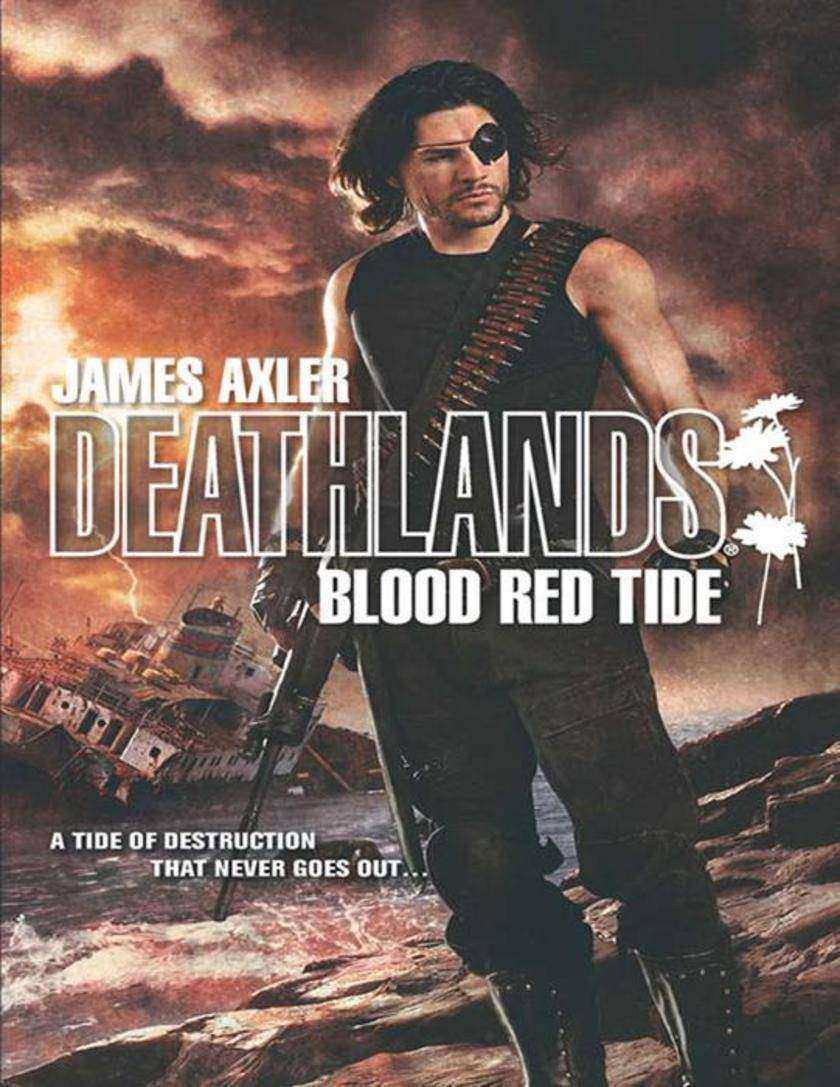
Blood Red Tide
¥25.60
In a nuclear wasteland where death and destruction are the norm, Ryan Cawdor and his fellow survivors seek out refuge while looking to one another for protection. Civilization no longer exists in the barren Deathlands. There is only the will to survive and the dim hope of a promised land. Taken captive on a ship in the former Caribbean, Ryan and his companions must work as part of the crew or perish at the hands of the captain. But the mutant in charge of the vessel is the least of their worries. Each day is a struggle as they face rivalry among the sailors, violent attacks and deadly storms. Worse, a powerful enemy is hunting the ship to destroy everyone on board. Fighting for their lives and those of their shipmates, the companions must find unity within the chaos or die in the attempt.
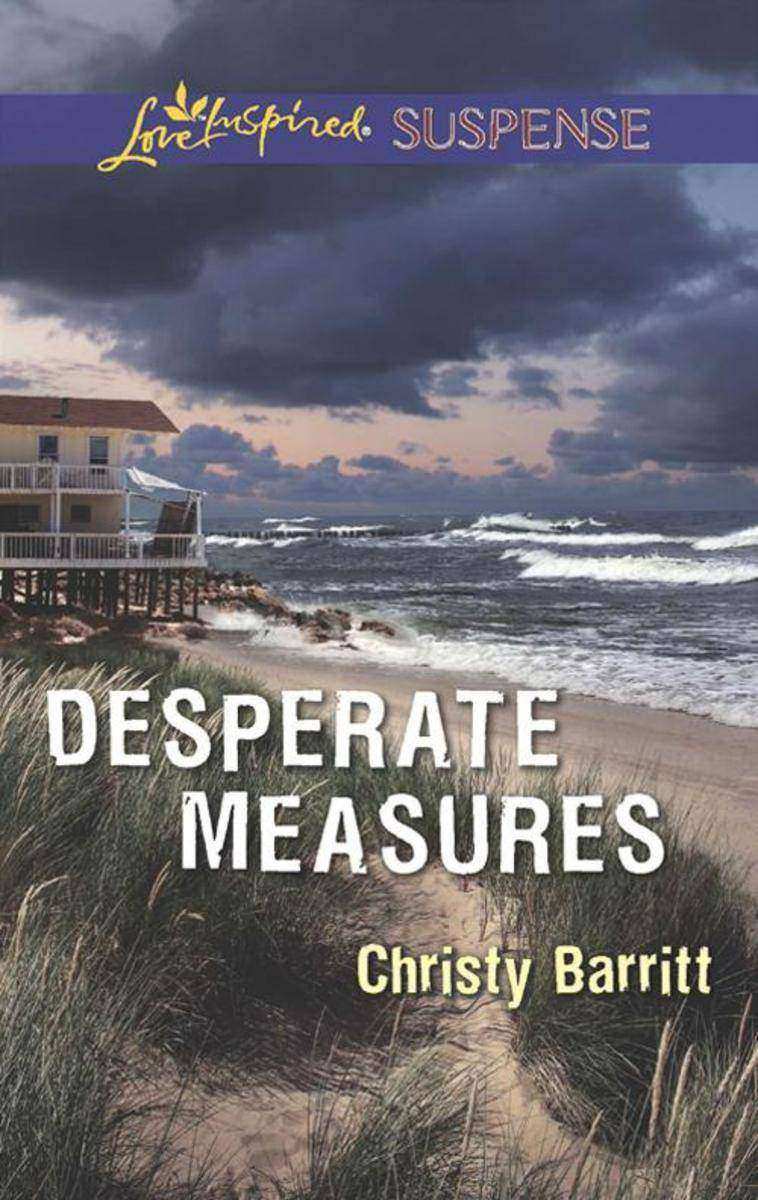
Desperate Measures (Mills & Boon Love Inspired Suspense)
¥31.10
FRAMED FOR MURDER Accused of murdering her estranged husband, widowed mother Samantha Rogers panics and flees. But the real killer is now after her and her son. She's desperate to find a safe haven where her past is secret. So when John Wagner offers her room and board in exchange for work on a remote island in the Chesapeake Bay, she moves to Smuggler's Cove. Samantha longs to tell her handsome boss why she's always looking over her shoulder. But when danger arrives on shore, the truth may put John in a killer's crosshairs.

Dr Perfect On Her Doorstep (Mills & Boon Medical)
¥22.07
Home is where her heart is… GP Stacey Wilton is back in her beloved home town to run her family’s medical practice. As guardian to her younger siblings Stacey has had to put her love life on hold – especially after being abandoned by her fiancé – and now she’s so over men! Then she meets delectable Dr Pierce Brolin on the doorstep of her childhood home and suddenly all bets are off! Stacey might have had her fair share of Mr Wrongs, but could Pierce be her Dr Perfect?

Frozen Heart, Melting Kiss (Mills & Boon Cherish)
¥31.10
Shy and vulnerable Maya Hartney has one great passion – cooking. But when hired by workaholic Will Thomas to cater a charity dinner, she can do no right. Her only solution is to sign him up for her cookery course and force the man to fall for her food. Except sometimes just one taste isn’t enough…
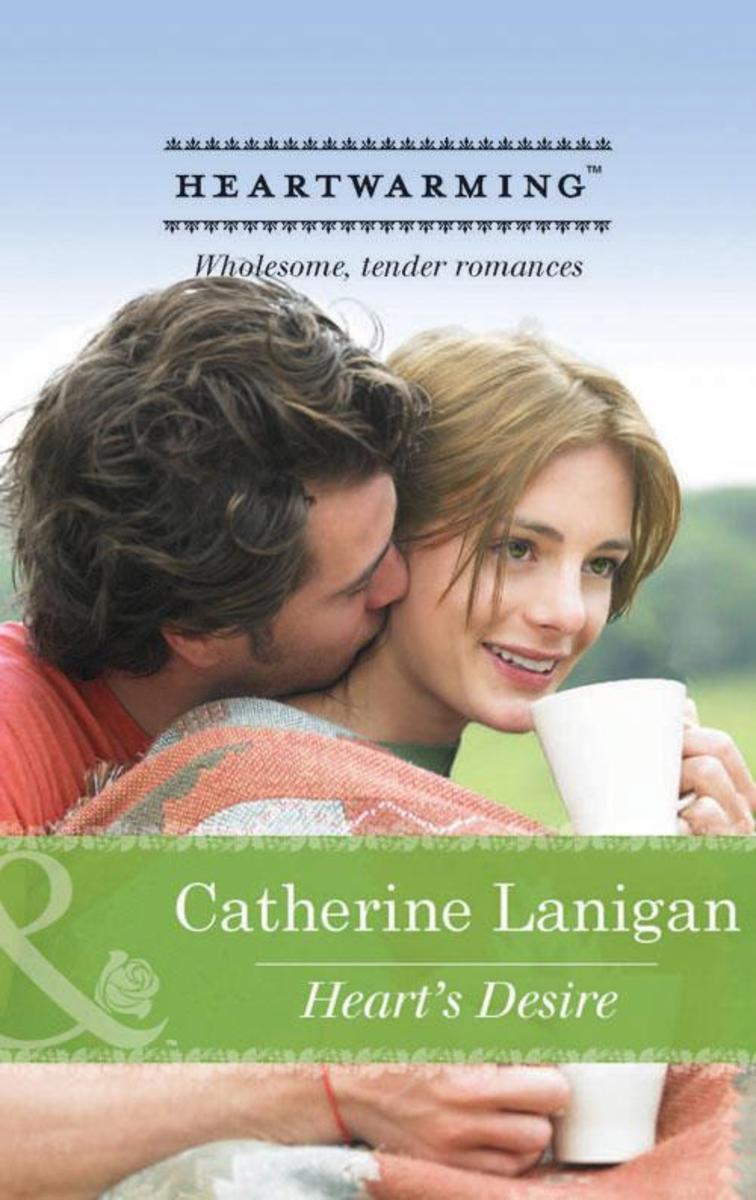
Heart's Desire (Mills & Boon Heartwarming) (Shores of Indian Lake, Book 2)
¥31.10
His homecoming is bittersweet…for both of them Café owner Maddie Strong is finally ready to take her burgeoning cupcake business to the next level. With the help of handsome businessman Alex Perkins, her future's all mapped out. Until her first love comes home. At seventeen, Maddie adored Nate Barzonni with her whole heart and soul. But when he asked her to elope, she'd said no–she couldn't let him throw away his dream of becoming a doctor. Then he vanished from her life for eleven years. Now the cardiac surgeon has returned to Indian Lake asking for a second chance, and Maddie has to choose between her new life…and the man she never stopped loving.

Her Forever Cowboy (Mills & Boon Cherish) (Forever, Texas, Book 10)
¥31.10
The minute Brett Murphy laid eyes on Forever’s new doctor, Alisha Cordell, he knew he’d never be the same again. The big-city blonde isn’t looking to put down roots and Brett’s been burned by love before, but he’s looking for a second chance… with Alisha!
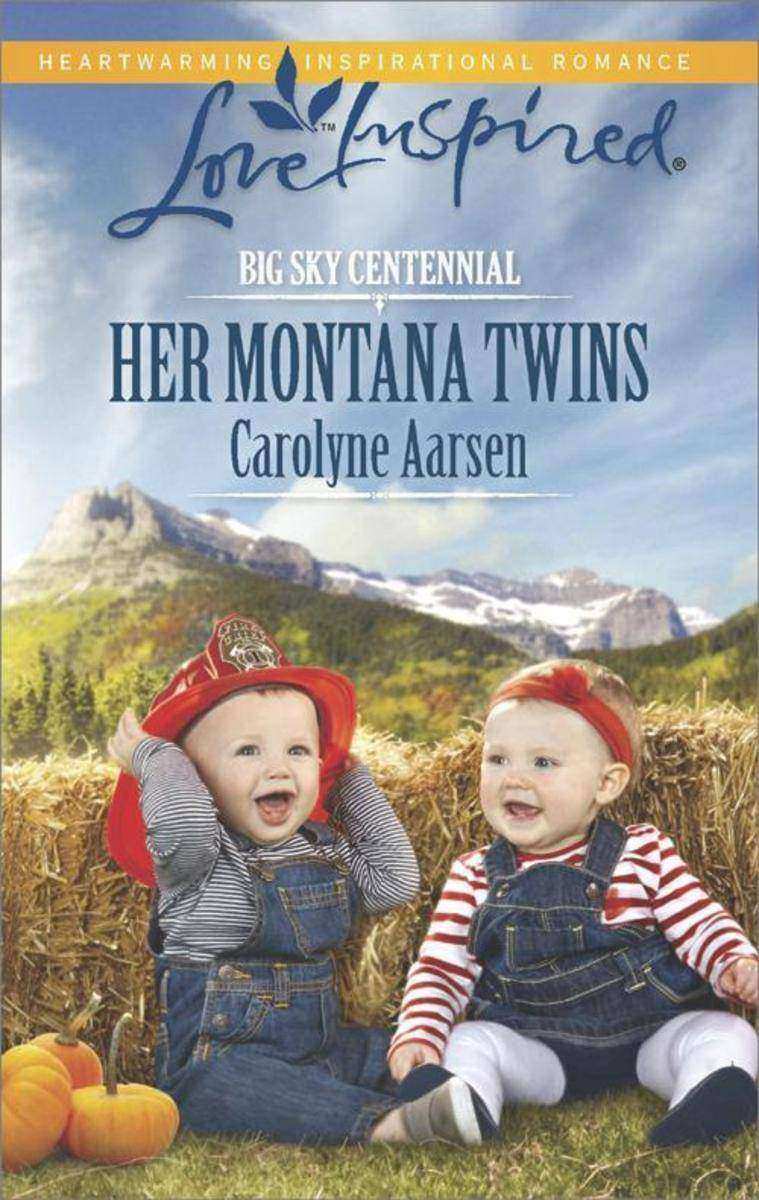
Her Montana Twins (Mills & Boon Love Inspired) (Big Sky Centennial, Book 4)
¥31.20
A FOREVER FAMILY Raising twins on her own hasn't been easy for widowed mom Hannah Douglas. But she's determined to see her family-and the picnic basket auction she's organizing for the town's centennial celebration-succeed. Still, there are times she wishes for someone to lean on. To her surprise, Brody Harcourt's strong shoulders are at the ready. Seems like Jasper Gulch's favorite firefighter and rancher is always there when she needs him. But Hannah's not sure she's willing to take another chance on love, especially with someone whose job puts him in harm's way. Is the risk of loving Brody worth the reward to make her family complete? Big Sky Centennial: A small town rich in history… and love.

Lies We Tell Ourselves: Shortlisted for the 2016 Carnegie Medal
¥33.65
Lie #1: I'm not afraid Lie #2: I'm sure I'm doing the right thing Lie #3: I don't care what they think of me It’s 1959. The battle for civil rights is raging. And it’s Sarah’s first day of school as one of the first black students at previously all-white Jefferson High. No one wants Sarah there. Not the Governor. Not the teachers. And certainly not the students – especially Linda, daughter of the town’s most ardent segregationist. Sarah and Linda are supposed to despise each other. But the more time they spend together, the less their differences matter. And both girls start to feel something they’ve never felt before. Something they’re determined to ignore. Because it’s one thing to stand up to an unjust world – but another to be terrified of what’s in your own heart. ‘The main characters are terrific in what is a moving YA novel. And an important one.’ – The Telegraph’ This is so thought-provoking it almost hurts to read it, yet every word is needed, is necessary and consequently this is a novel that lingers long after you've finished it' - Lovereading ‘This is an emotional and compelling read that I did not want to put down. It is […]beautifully written and the tension just simmers on the pages.’ – Bookbabblers ‘This book packs a very powerful punch’ - Historical Novel Society ‘With great characterisation, tough issues covered, and a plot which had me guessing right up until the last pages, this is a must-read. Massively recommended!’ - The Bookbag ‘This exceptional novel of first love and sexual awakenings is set against a backdrop of shocking racism and prejudice. It is incredibly well written as the tense, riveting story seamlessly combines fiction with historical fact.’ - Booktrust ‘Every now and then a Young Adult book comes along that I want to push into every readers hands both young and old and Lies We Tell Ourselves is that book for 2014’ – Jess Hearts Books ‘Talley has mixed two controversial topics together to create a firecracker of a story’ - Cheryl M-M's Book Blog *A Goodreads Choice Awards semi-finalist 2014*

His Texas Forever Family (Mills & Boon Cherish)
¥25.70
Please Report to the Principal's Office… Paige Graham only has room in her life for her son, Owen. He hadn’t spoken since his father died, but things changed when he met his new art teacher, Liam Campbell. Paige can’t help marvelling at the progress Owen’s made – and Liam isn’t exactly hard on the eyes either! New to Texas, Liam can’t risk his future by falling for his captivating supervisor Paige. But there’s something about her that he can’t resist. With Owen on the road to recovery, healing Paige’s heart to help her love again is next on his agenda.
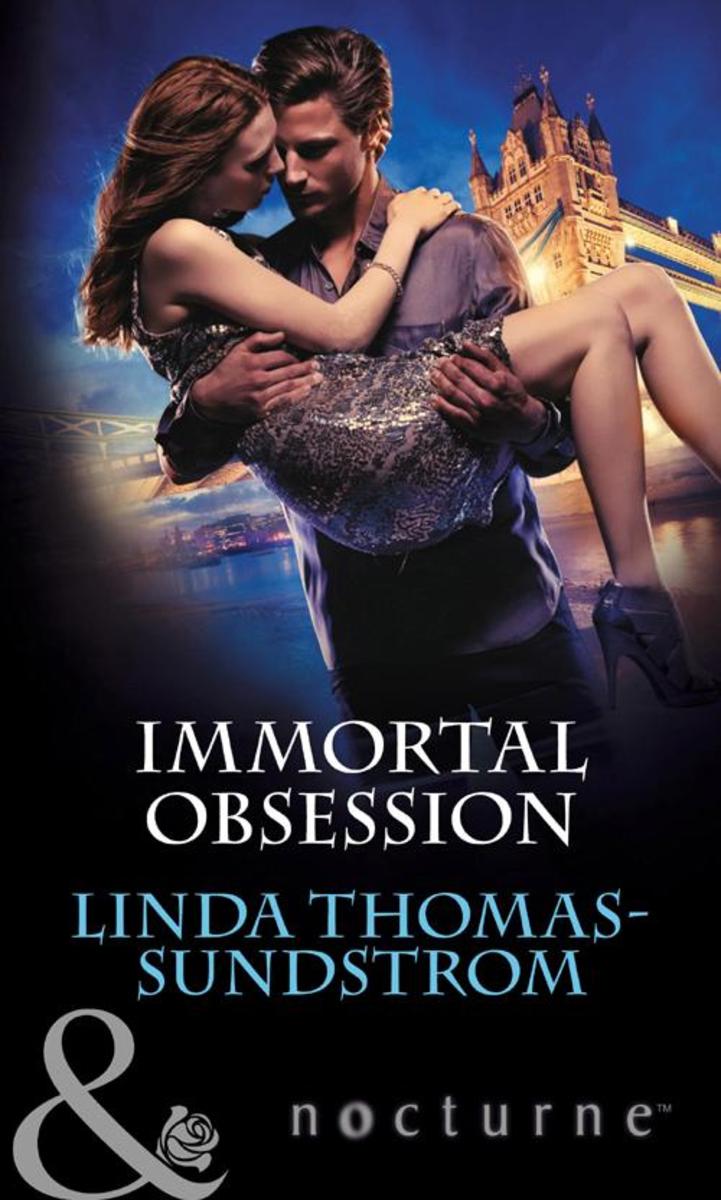
Immortal Obsession (Mills & Boon Nocturne)
¥31.59
Bound to oblige her every desire... When a rogue group of human-hating vampires overtake London, the elite immortals who own the city turn to American newscaster Madison Chase. If she can convince someone to help her infiltrate the dangerous faction, she just might stem the bloodshed and find her brother in time… The instincts that keep St. John from being fully human make him the rogues’ worst enemy. His all-consuming desire for Madison is forbidden. But, as the investigation escalates, Madison must discover if St. John is her trusted Protector – or if she’s being seduced by a monster!


