


 购物车
购物车 个人中心
个人中心
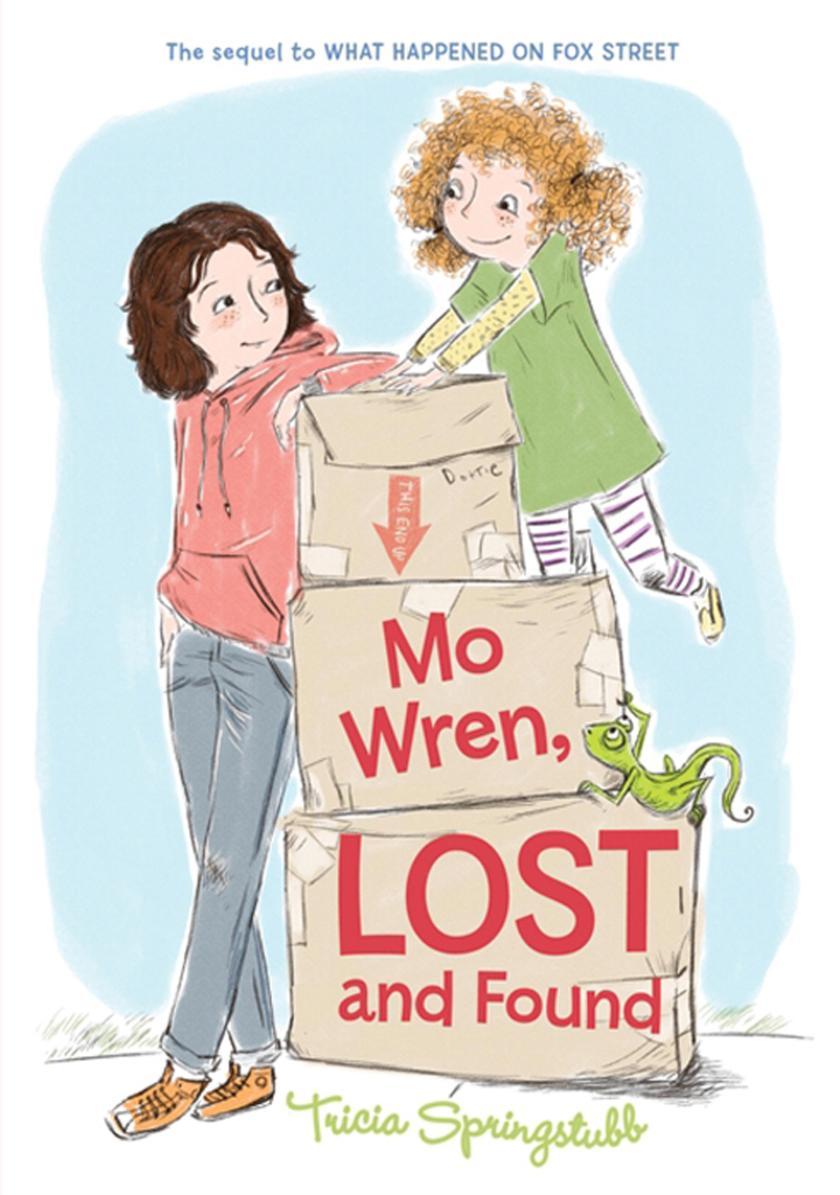
Mo Wren, Lost and Found
¥90.73
This is the story of what happened after Fox Street.Mo Wren knew that eventually she, her dad, and her sister, Wild Child Dottie, would have to move from beloved Fox Street. She just never expected it to happen so soon.At the Wrens’ new place, things are very different. The name of the street—East 213th—has absolutely zero magic. And there’s no Mrs. Petrone to cut her hair, no Pi Baggott to teach her how to skateboard, no Green Kingdom to explore. She’s having trouble fitting in at her new school and spending a lot of time using the corner bus shelter for her Thinking Spot. Worst of all, Mo discovers that the ramshackle restaurant Mr. Wren bought is cursed. Only Dottie, with her new friends and pet lizard, Handsome, is doing the dance of joy.For the first time in her life, Mo feels lost and out of place. It’s going to take a boy who tells whoppers, a Laundromat with a mysterious owner, a freak blizzard, and some courage to help her find her way home for good.
There Is No Long Distance Now
¥99.65
In these forty life-altering, life-affirming, and extremely short short stories, the award-winning poet Naomi Shihab Nye proposes that no matter how great the divide between friends, siblings, life and death, classmates, enemies, happiness and misery, war and peace, breakfast and lunch, parent and child, country and city, there is, in fact, no long distance. Not anymore.
Losing Clementine
¥83.03
In thirty days Clementine Pritchard will be finished with her last painting and her life.World-renowned artist and sharp-tongued wit Clementine Pritchard has decided that she's done. After flushing away a medicine cabinet full of pre*ions, she gives herself thirty days to tie up loose ends—finish one last painting, make nice with her ex-husband, and find a home for her cat. Clementine plans to spend the month she has left in a swirl of art-world parties, manic work sessions, and outrageous acts—but what she doesn't expect is to uncover secrets surrounding the tragedy that befell her mother and sister. In an ending no one sees coming, will we lose Clementine or will we find her?A bold debut from an exciting new voice, Losing Clementine is a wonderfully entertaining and poignant novel about unanticipated self-discovery that features one of the most irresistible, if deeply flawed, characters to grace contemporary fiction in years.

Carney's House Party/Winona's Pony Cart
¥88.56
Carney's House Party: In the summer of 1911, Caroline "Carney" Sibley is home from college and looking forward to hosting a monthlong house party—catching up with the old Crowd, including her friend Betsy Ray, and introducing them to her Vassar classmate Isobel Porteous. Romance is in the air with the return of Carney's high school sweetheart, Larry Humphreys, for whom she's pined all these years. Will she like him as well as she once didOr will the exasperating Sam Hutchinson turn her head?Winona's Pony Cart: More than anything in the world, Winona Root wants a pony for her eighth birthday. Despite her father's insistence that it's out of the question, she's wishing so hard that she's sure she'll get one—at least, that's what she tells her friends Betsy, Tacy, and Tib. . . .
The Exorcist
¥55.31
Originally published in 1971, The Exorcist, one of the most controversial novels ever written, went on to become a literary phenomenon: It spent fifty-seven weeks on the New York Times bestseller list, seventeen consecutively at number one. Inspired by a true story of a child’s demonic possession in the 1940s, William Peter Blatty created an iconic novel that focuses on Regan, the eleven-year-old daughter of a movie actress residing in Washington, D.C. A small group of overwhelmed yet determined individuals must rescue Regan from her unspeakable fate, and the drama that ensues is gripping and unfailingly terrifying. Two years after its publication, The Exorcist was, of course, turned into a wildly popular motion picture, garnering ten Academy Award nominations. On opening day of the film, lines of the novel’s fans stretched around city blocks. In Chicago, frustrated moviegoers used a battering ram to gain entry through the double side doors of a theater. In Kansas City, police used tear gas to disperse an impatient crowd who tried to force their way into a cinema. The three major television networks carried footage of these events; CBS’s Walter Cronkite devoted almost ten minutes to the story. The Exorcist was, and is, more than just a novel and a film: it is a true landmark.Purposefully raw and profane, The Exorcist still has the extraordinary ability to disturb readers and cause them to forget that it is “just a story.” Published here in this beautiful fortieth anniversary edition, it remains an unforgettable reading experience and will continue to shock and frighten a new generation of readers.
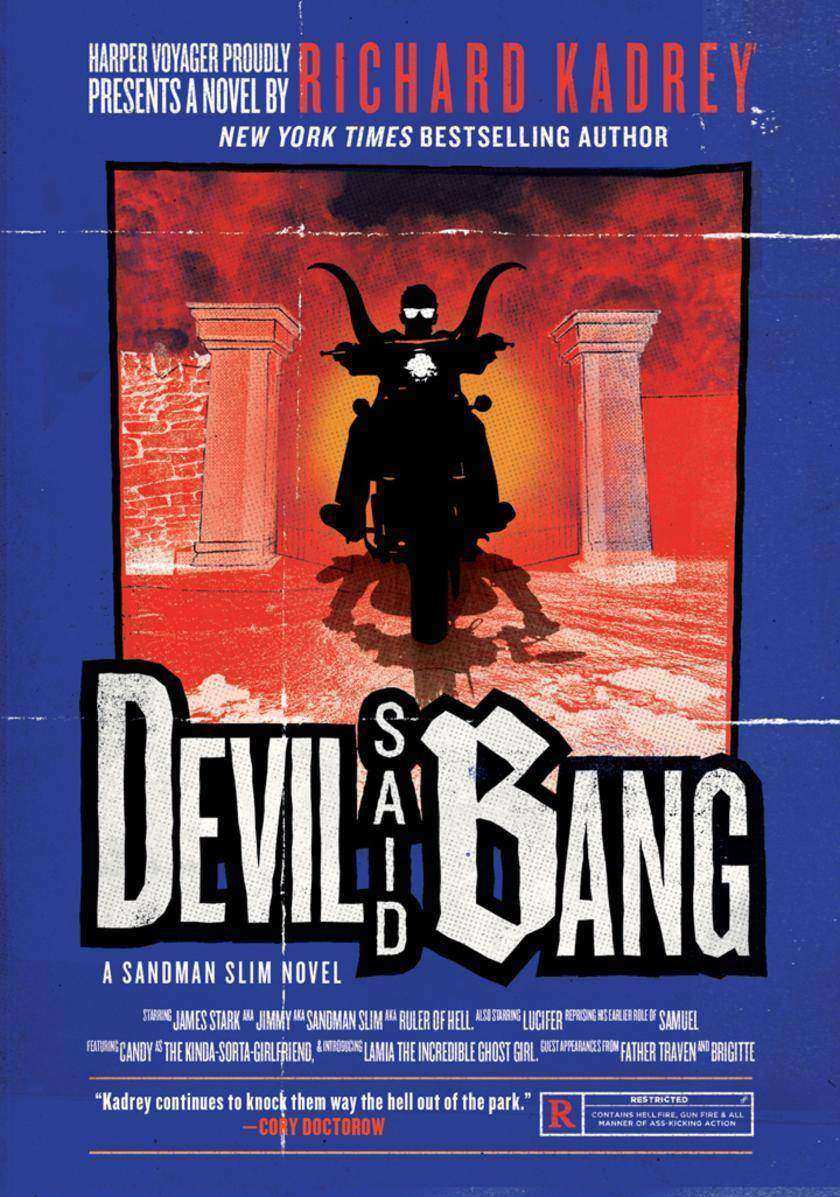
Devil Said Bang
¥88.56
Getting out of hell is just the beginningWhat do you do after you've escaped Hell, gone back, uncovered the true nature of God, and then managed to become the new Lucifer?Well, if you're James Stark, you have to figure out how to run Hell while also trying to get back out of it . . . again. Plus there's the small matter of surviving. Because everyone in Heaven, Hell, and in between wants to be the fastest gun in the universe, and the best way to do so is to take down Lucifer, a.k.a. James Stark.And it's not like being in L.A. is any better—a serial-killer ghost is running wild and Stark's angelic alter ego is hiding among the lost days of time with a secret cabal who can rewrite reality. Starting to care for people and life again is a real bitch for a stone-cold killer.
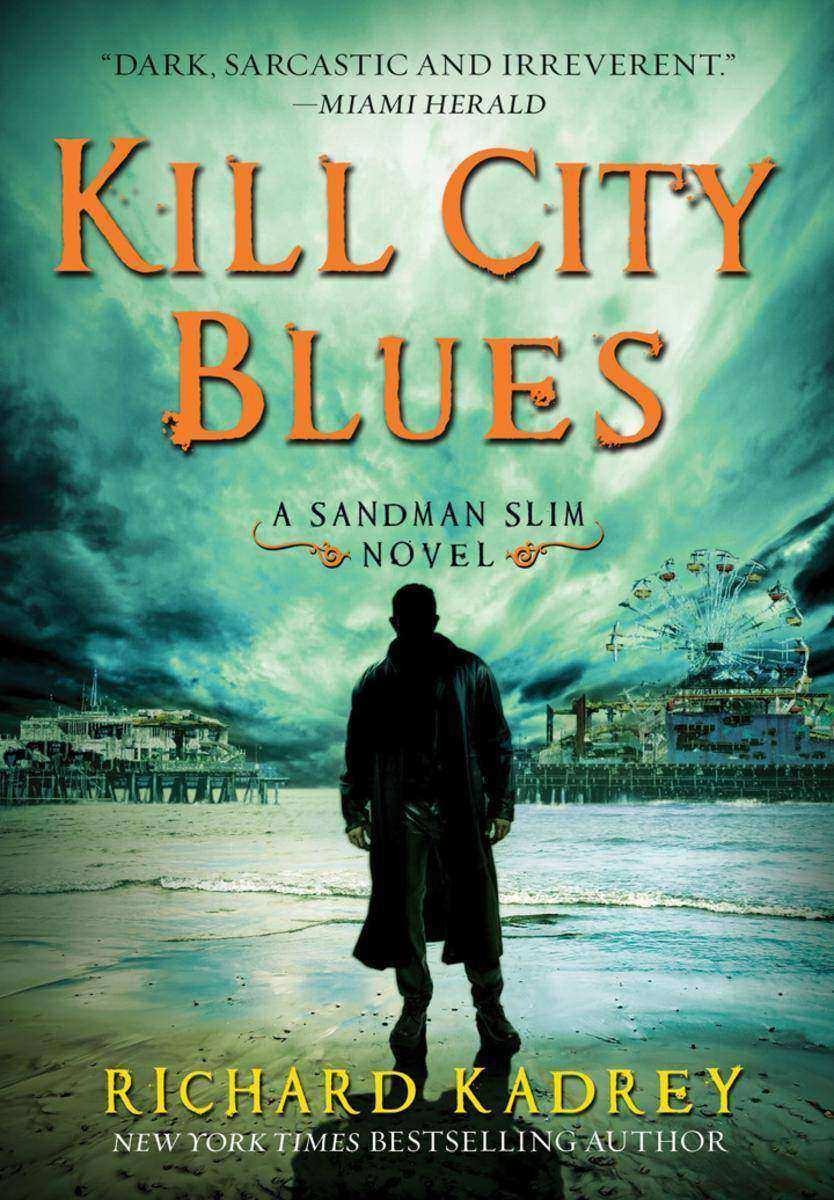
Kill City Blues
¥83.03
Another day, another apocalypseJames Stark, aka Sandman Slim, has managed to get out of Hell, renounce his title as the new Lucifer, and settle back into life in L.A. But he also lost the Qomrama Om Ya, an all-powerful weapon from the banished older gods. Older gods who are returning and searching for their lost power.The hunt leads Stark to an abandoned shopping mall—a global shopping paradise infested with Lurkers and wretched bottom-feeding Sub Rosa families, squatters who have formed tight tribes to guard their tiny patches of retail wasteland. Somewhere in this kill zone is a dead man with the answers Stark needs. All Stark has to do is find the dead man, recover the artifact, and outwit and outrun the angry old gods—and natural-born killers—on his tail.But not even Sandman Slim is infallible, and any mistakes will cost him dearly.
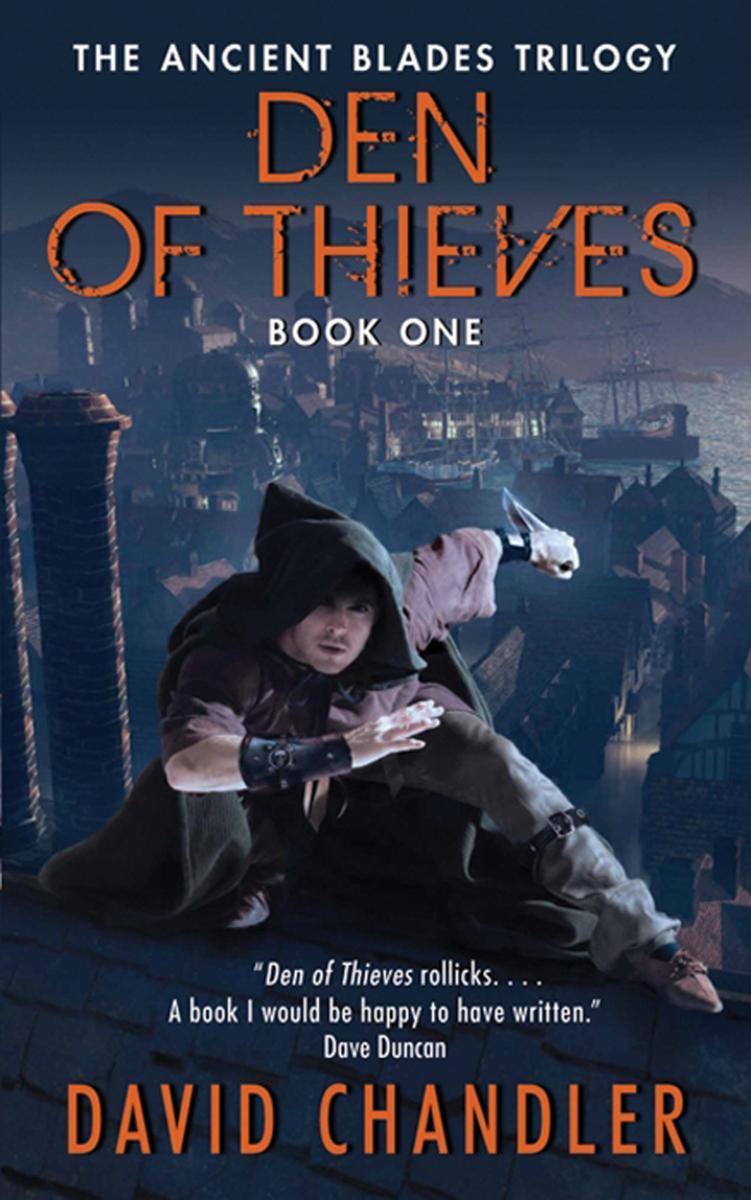
Den of Thieves
¥56.07
Born and raised in the squalid depths of the Free City of Ness, Malden became a thief by necessity. Now he must pay a fortune to join the criminal operation of Cutbill, lord of the underworld—and one does not refuse the master . . . and live. The coronet of the Burgrave would fulfill Malden’s obligations, though it is guarded by hungry demons that would tear the soul from any interloper. But the desperate endeavor leads to a more terrible destiny, as Malden, an outlaw knight, and an ensorcelled lady must face the most terrifying evil in the land.
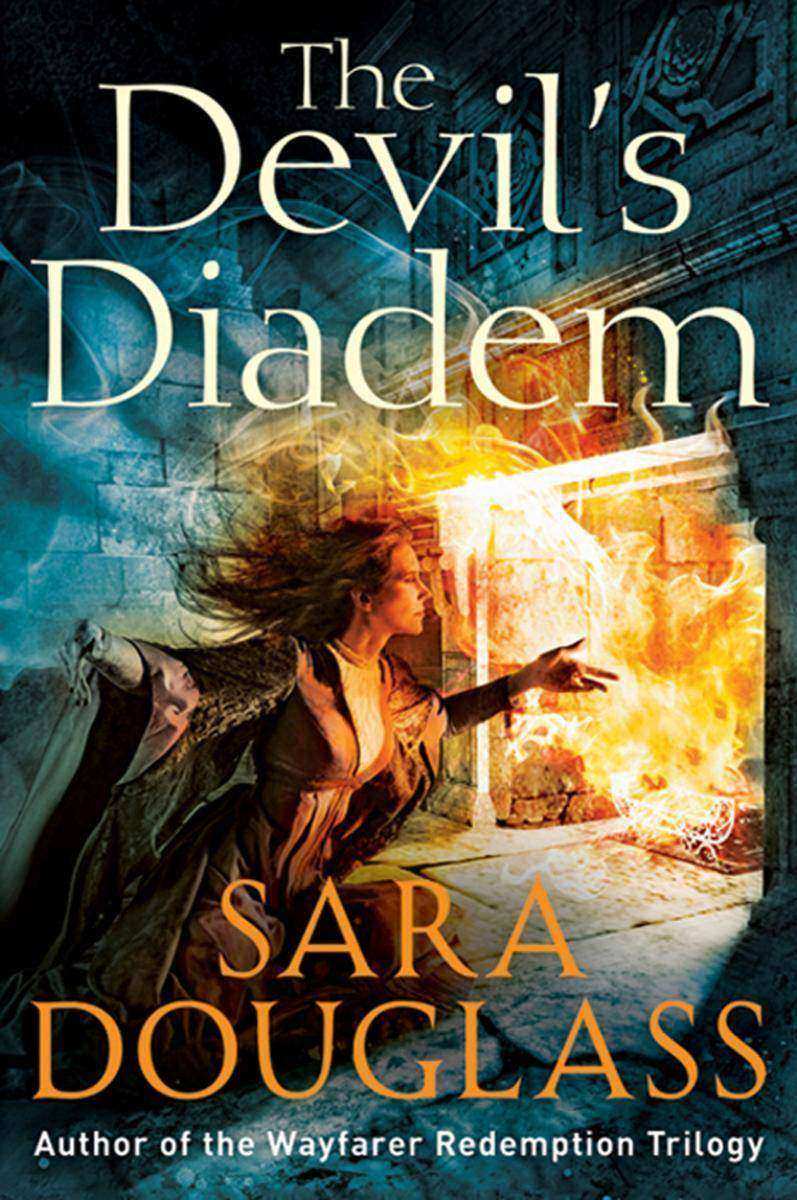
The Devil's Diadem
¥83.03
Bestselling author Sara Douglass—acclaimed writer of the Axis and Wayfarer Redemption trilogies—invites you to visit a twelfth-century England very similar to our own—except this England is a country on the brink of demonic disaster and its only hope may lie with a young noblewomanThe Devil’s DiademMaeb Langtofte is lucky, she knows, to have gained a position in the household of the Earl of Pengraic—one of the most powerful men in England, a man whose holdings rival even King Edmond’s. She is lucky that his wife, Adelie, whom Maeb serves, is a kind, pious woman (in contrast to the Earl, whom Maeb finds dark and secretive). But when word arrives that a plague is sweeping through Europe like a human wildfire, everyone in the Earl’s household is put on edge. It is whispered that victims of this plague are spontaneously engulfed in flames—as if the flames of Hell had suddenly leapt up to claim them. It is also whispered that the Devil himself is to blame. As the disease spreads into England, so too does civil unrest. King Edmond calls his lords and their armies to return to London, and the Earl obeys, leaving Maeb and his family to fend for themselves. But it turns out that the Earl has been hiding far more than simple state secrets, and that his family, left alone, is at risk of losing not only their lives but also their souls. To her horror, Maeb will learn that, indeed, the Devil himself may have arrived on her doorstep. And worse, what he demands may, in fact, be running through her very veins.
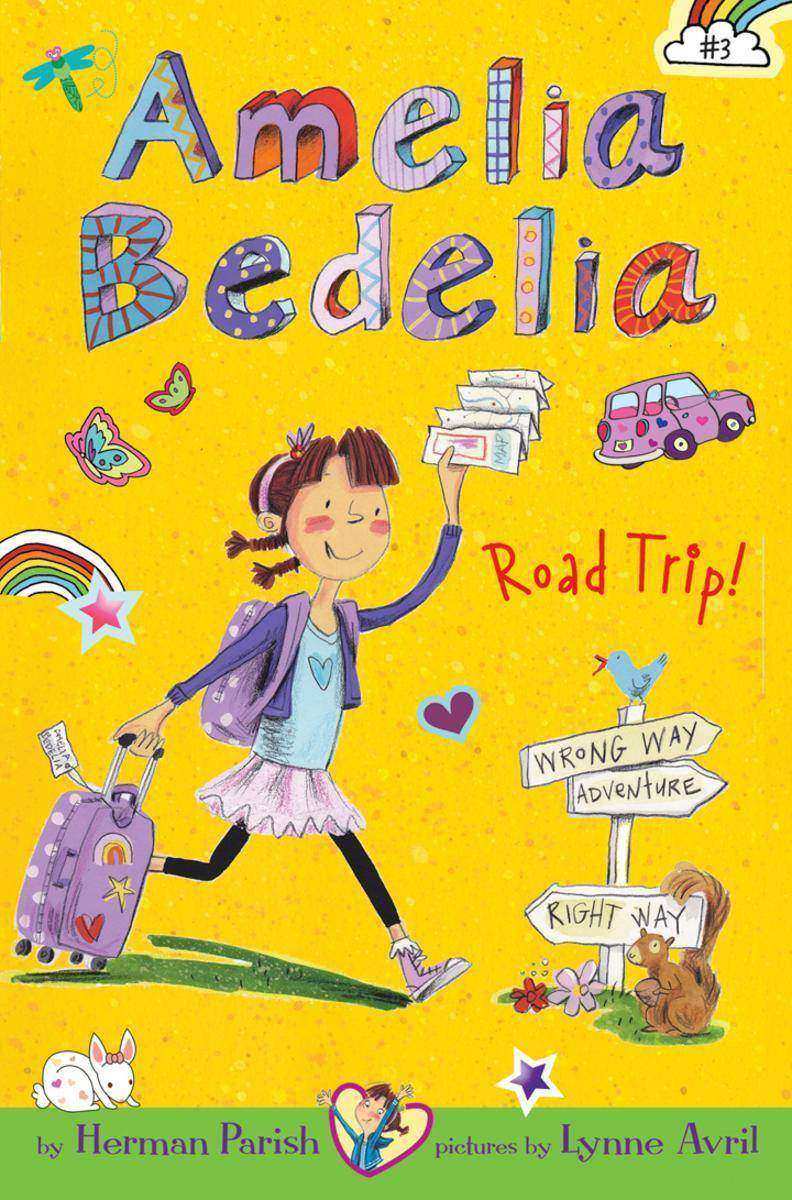
Amelia Bedelia Chapter Book #3: Amelia Bedelia Road Trip!
¥33.18
Amelia Bedelia, America's favorite housekeeper, had a childhood full of surprises, mischief, and hilarious misunderstandings. In this illustrated chapter book adventure, just right for fans of Judy Moody and Ivy + Bean, young Amelia Bedelia piles into the family car and takes a road trip with her family. This is the third book in the Amelia Bedelia chapter book series and is just right for newly independent readers ready for a more challenging vocabulary and books with chapters.Amelia Bedelia takes everything literally and that leads to all kinds of silly misunderstandings. Tripping over roads may not be your idea of fun, but for Amelia Bedelia a road trip is a true adventure! The best-selling and beloved housekeeper has been making readers laugh for more than fifty years. Amelia Bedelia has a warm and positive attitude and she has fun with language, vocabulary, and idioms. The Amelia Bedelia chapter books feature short, easy-to-read chapters, illustrations throughout, and Amelia Bedelia's can-do spirit. This is the third book in the chapter book series featuring the childhood of America's favorite housekeeper. The first book was called Amelia Bedelia Means Business and the second book was Amelia Bedelia Unleashed—and you don't have to read them in series order to enjoy them.

Amelia Bedelia Chapter Book #4: Amelia Bedelia Goes Wild!
¥33.18
Amelia Bedelia, America's favorite housekeeper, had a childhood full of surprises, mischief, and hilarious misunderstandings. In this illustrated chapter book adventure, just right for fans of Judy Moody and Ivy + Bean, young Amelia Bedelia and her friends build a zoo in the backyard (complete with stuffed animals and attractions) and offer safari adventures to the entire neighborhood. This is the fourth book in the nationally bestselling Amelia Bedelia chapter book series, and it is just right for newly independent readers ready for a more challenging vocabulary and books with chapters.Amelia Bedelia takes everything literally, and that leads to all kinds of silly misunderstandings. The bestselling and beloved housekeeper has been making readers laugh for more than fifty years. Amelia Bedelia has a warm and positive attitude, and she has fun with language, vocabulary, and idioms. The Amelia Bedelia chapter books feature short, easy-to-read chapters, illustrations throughout, and Amelia Bedelia's can-do spirit. This is the fourth book in the chapter book series featuring the childhood of America's favorite housekeeper. The first book is called Amelia Bedelia Means Business, the second book is Amelia Bedelia Unleashed, and the third book is called Amelia Bedelia Road Trip!—and you don't have to read them in series order to enjoy them.

The Cloak Society
¥38.72
The first in a thrilling, action-packed middle grade trilogy, which School Library Journal declared "will likely find the same wide appeal as Rick Riordan's Percy Jackson books.The Cloak Society: An elite organization of supervillains graced with extraordinary powers. Ten years ago the Cloak Society was defeated by Sterling City's superheroes, the Rangers of Justice, and vanished without a trace. But the villains have been waiting for the perfect moment to resurface. . . .Twelve-year-old Alex Knight is a dedicated junior member of Cloak who has spent years mastering his telekinetic superpowers and preparing for the day when Cloak will rise to power again. Cloak is everything he believes in.But during his debut mission, Alex does the unthinkable: He saves the life of a Junior Ranger of Justice. Even worse . . . she becomes his friend. And the more time he spends with her, the more Alex wonders what, exactly, he's been fighting for.
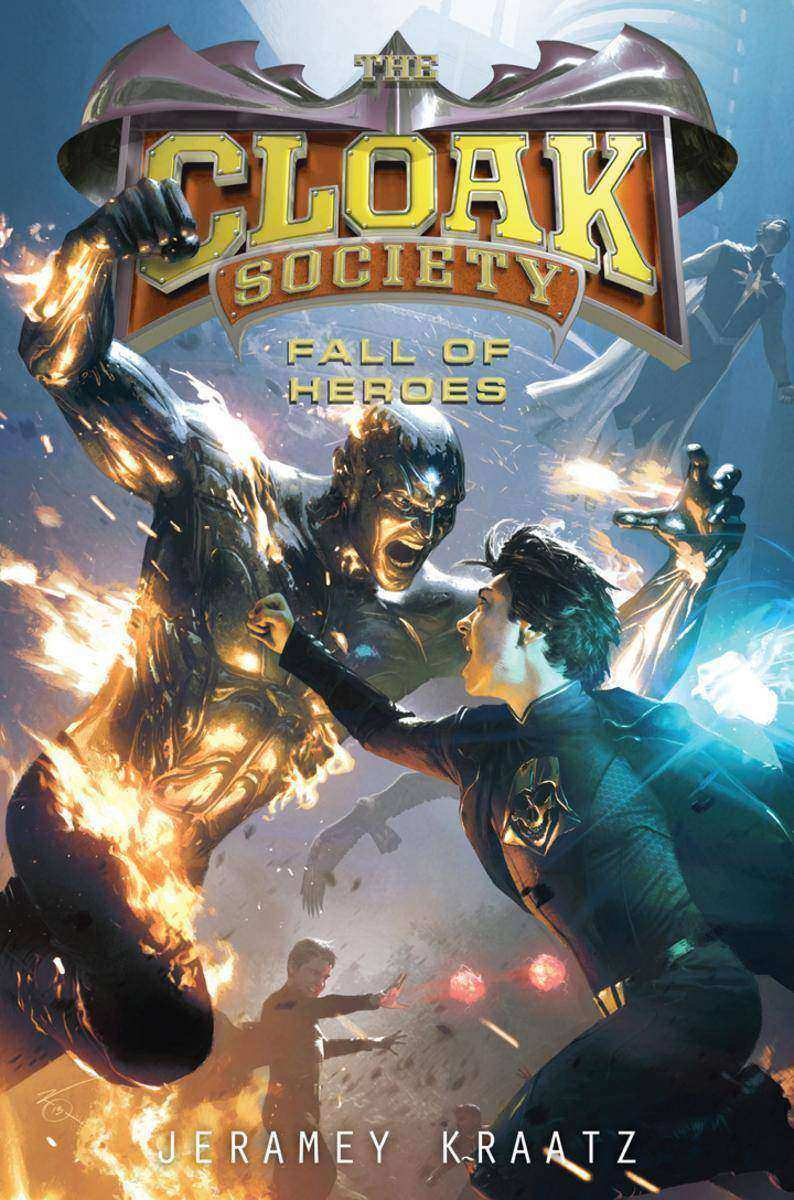
Fall of Heroes
¥94.10
The Cloak Society has risen and heroes will fall in the epic conclusion to the Cloak Society series—a thrilling middle grade trilogy that's perfect for fans of the Alex Rider Adventures and the 39 Clues.The Cloak Society has finally risen to power—by posing as the saviors of Sterling City. As long as the people believe Cloak's lies, Alex and his friends are all that stand in the way of total Cloak domination. But to bring Cloak to justice, Alex must make a final stand against his parents, his past, and the life of supervillainy he's always known.Praised by Publishers Weekly for its "rapid-fire, comic book–style action" and by School Library Journal for having "the same wide appeal as Rick Riordan's Percy Jackson books," the Cloak Society trilogy delivers high-stakes battles, extraordinary superpowers, and an original twist on the superhero stories readers know and love. Can a villain ever truly become a heroIn this explosive series finale, the stakes are higher than ever—and the answer will be decided once and for all.

Krampus
¥110.71
Santa Claus, my dear old friend, you are a thief, a traitor, a slanderer, a murderer, a liar, but worst of all you are a mockery of everything for which I stood. You have sung your last ho, ho, ho, for I am coming for your head. . . . I am coming to take back what is mine, to take back Yuletide . . .—from KrampusThe author and artist of The Child Thief returns with a modern fabulist tale of Krampus, the Lord of Yule and the dark enemy of Santa ClausOne Christmas Eve in a small hollow in Boone County, West Virginia, struggling songwriter Jesse Walker witnesses a strange spectacle: seven devilish figures chasing a man in a red suit toward a sleigh and eight reindeer. When the reindeer leap skyward, taking the sleigh, devil men, and Santa into the clouds, screams follow. Moments later, a large sack plummets back to earth, a magical sack that thrusts the down-on-his-luck singer into the clutches of the terrifying Yule Lord, Krampus. But the lines between good and evil become blurred as Jesse's new master reveals many dark secrets about the cherry-cheeked Santa Claus, including how half a millennium ago the jolly old saint imprisoned Krampus and usurped his magic. Now Santa's time is running short, for the Yule Lord is determined to have his retribution and reclaim Yuletide. If Jesse can survive this ancient feud, he might have the chance to redeem himself in his family's eyes, to save his own broken dreams, . . . and to help bring the magic of Yule to the impoverished folk of Boone County.

Blue Dragon
¥55.31
Martial arts, magic, demons and scienceThe forces of Hell are poised to strike . . . When Emma’s relatives come to visit her, they are totally freaked out by what they learn . . . Emma’s beloved, John Chen, is a 3,000-year-old Chinese god. Not only that, John is becoming weaker by the day. Demons pursue him relentlessly, hoping to use Emma and his child, Simone, as bargaining tools against him. Emma battles to defend Simone as John’s energy is drained by the effort of both living in the mortal world and protecting them. While Emma is nagged by doubts about her own nature, she must find the courage to go on . . .

Honor Among Thieves
¥55.31
When allies become enemies,to whom can a clever thief turn?Armed with one of seven Ancient Blades, Malden waschosen by Fate to act as savior . . . and failed dismally.And now there is no stopping the barbarian hordes from invading and pillaging the kingdom of Skrae. Suddenly friends and former supporters alike covet the young hero’s magic while seeking his destruction—from the treacherous King and leaders of theCity of Ness to the rogue knight Croy, who owes Malden his life. It will take more than Malden’s makeshift army of harlotsand cutpurses to preserve a realm. Luckily the sorceressCythera fights at his side, along with the ingenious,irascible dwarf Slag. And the wily thief still has a desperate and daring plan or two up his larcenous sleeve . . .
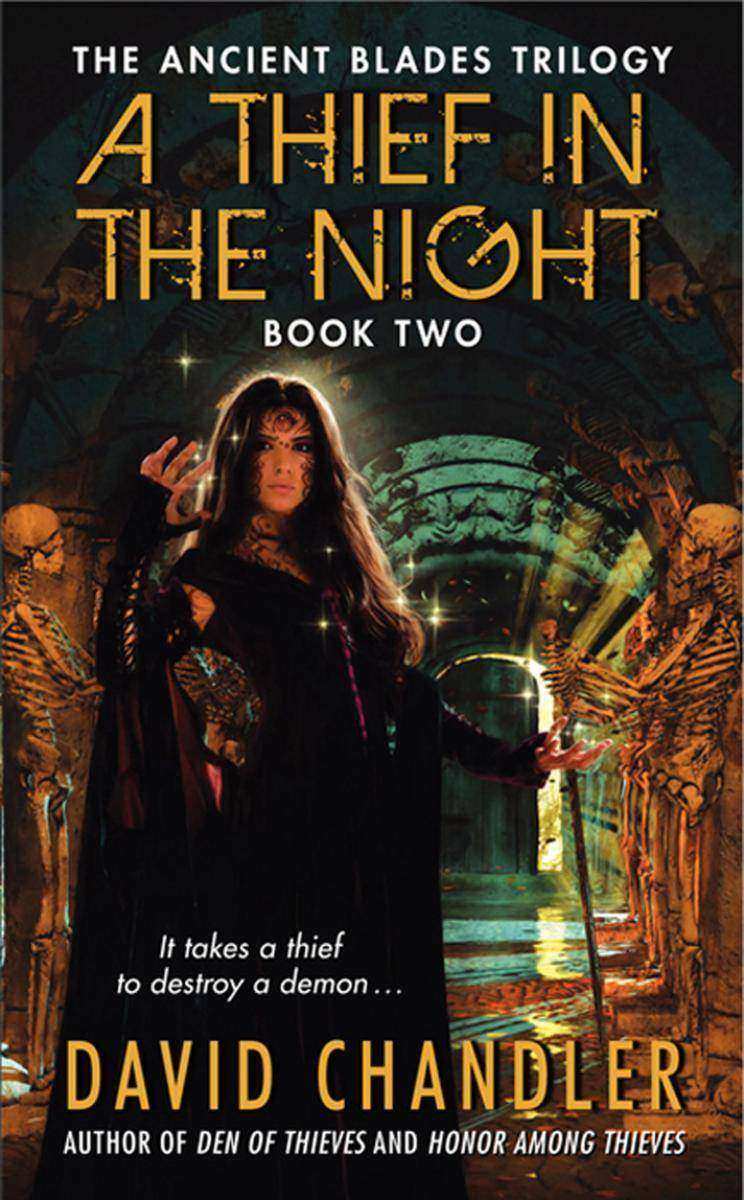
A Thief in the Night
¥55.91
Circumstance made him a criminal.Destiny may make him a hero.As a thief, Malden is unparalleled in the Free City of Ness,and happy there. But by saving the life of theknight Croy, Malden has bound himself to an ancient,noble brotherhood . . . and he now possesses one ofonly seven Ancient Blades capable of destroying demons. Malden fears accompanying Croy and the barbarian M?rget on their quest to dispatch a foul creature of nightmare . . .nor does he want to disturb the vengeful dead. But with anassassin on his heels, the young cutpurse is left with no choice. And there is the comely sorceress, Cythera, to consider—promised to Croy but in love with Malden—not to mentionthe fabulous treasure rumored to be hidden in the depths of the demon’s lair . . .
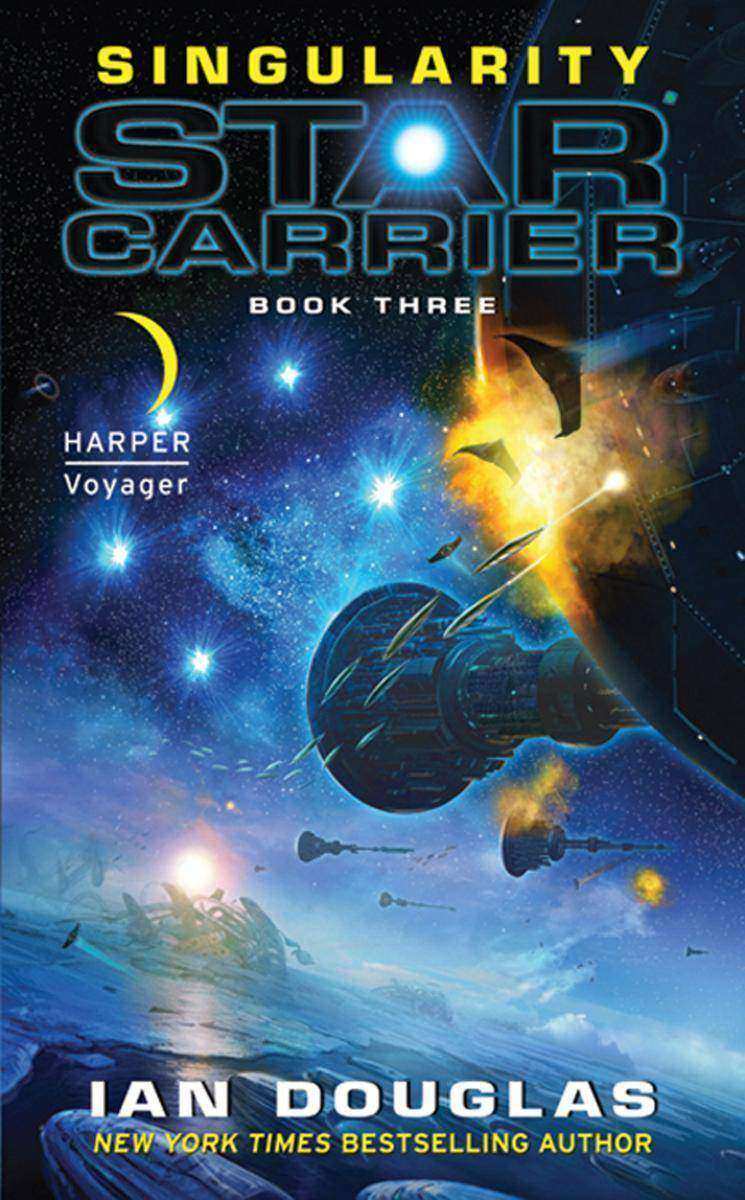
Singularity
¥56.07
There is an unseen power in the universe—a terrible force that was dominating the galaxy tens of thousands of years before the warlike Sh'daar were even aware of the existence of Sol and its planets. As humankind approaches the Singularity,when transcendence will be achieved throughtechnology, contact will be made.In the wake of the near destruction of the solar system, the political powers on Earth seek a separate peace withan inscrutable alien life form that no one has ever seen.But Admiral Alexander Koenig, the hero of Alphekka,has gone rogue, launching his fabled battlegroup beyond the boundaries of Human Space against all orders.With Confederation warships in hot pursuit, Koenig istaking the war for humankind’s survival directlyto a mysterious omnipotent enemy.
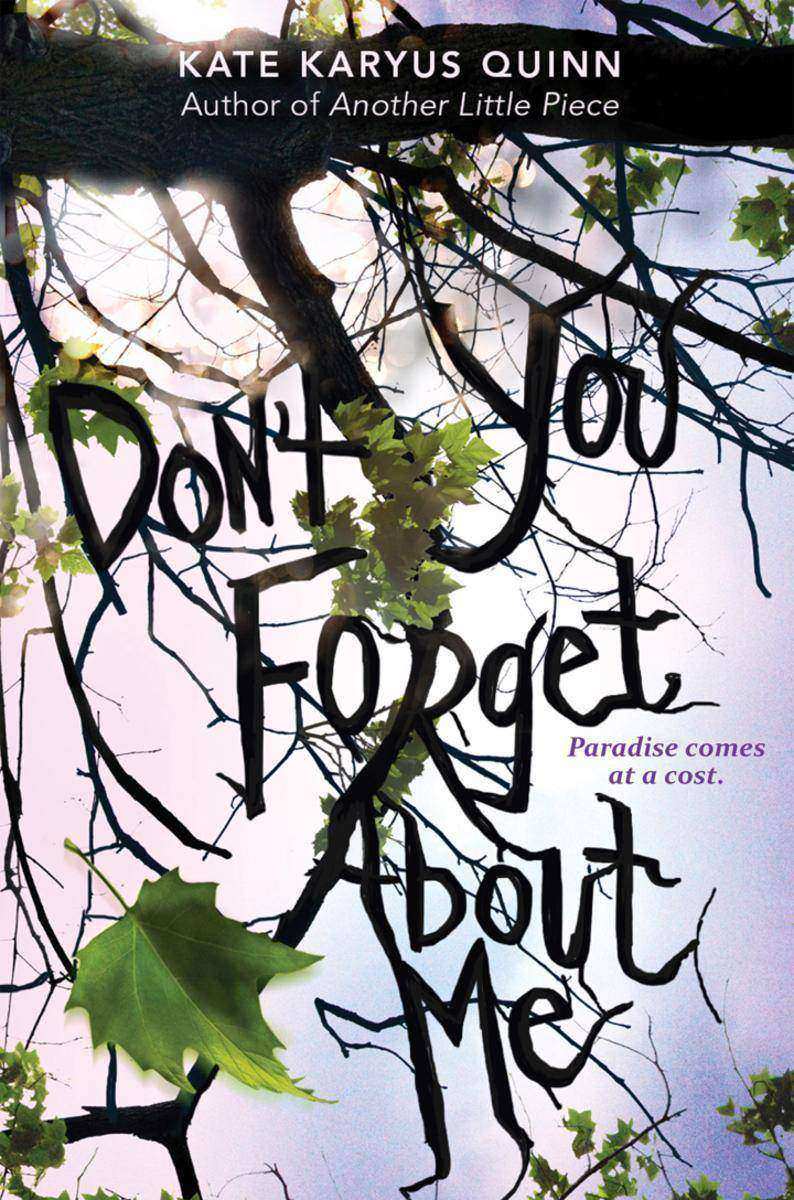
(Don't You) Forget About Me
¥101.00
Stephen King meets Tuck Everlasting in this eerie, compulsively page-turning tale of a girl haunted by the loss of her sister—and trapped by the mysterious power that fuels her small town.Gardnerville seems like a paradise. But every four years, a strange madness compels the town's teenagers to commit terrible crimes. Four years ago, Skylar's sister, Piper, led her classmates on a midnight death march into a watery grave. Now Piper is gone. And to get her back, Skylar must find a way to end Gardnerville's murderous cycle.From Kate Karyus Quinn, author of Another Little Piece, comes a mesmerizing and suspenseful novel that will thrill fans of Maggie Stiefvater's The Raven Boys and Brenna Yovanoff's The Replacement.
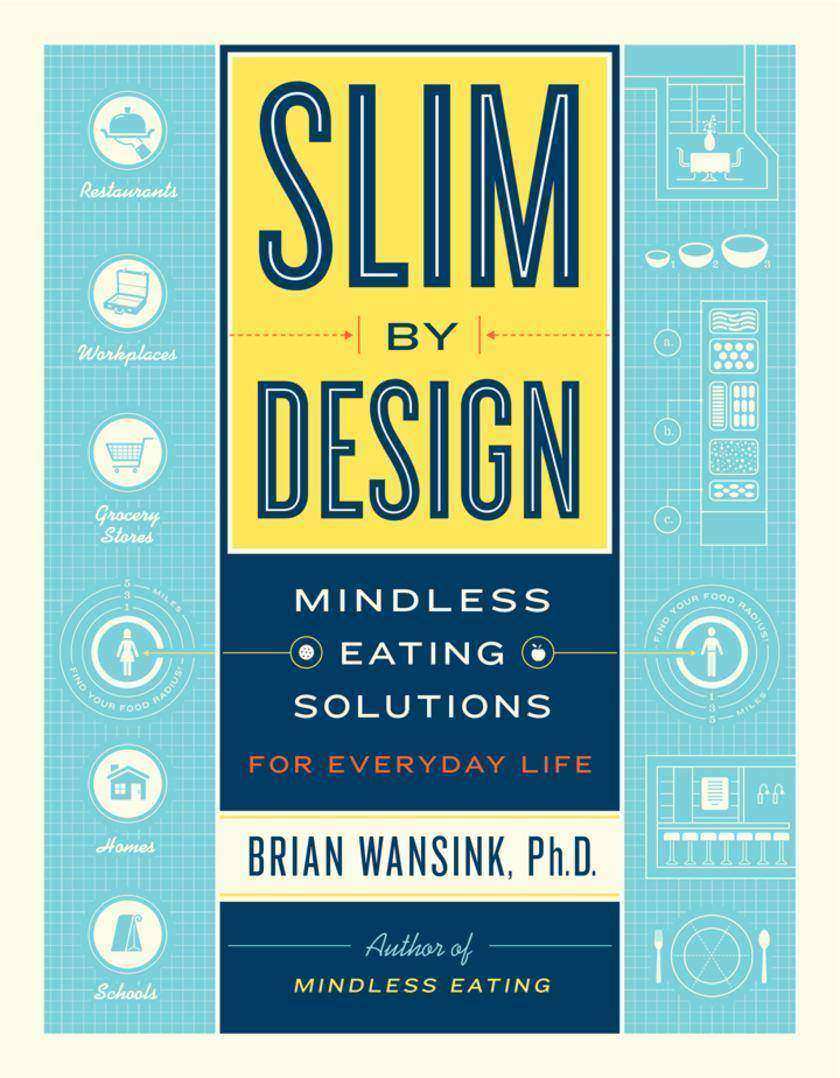
Slim by Design
¥149.48
The Future Is Slim by Design!In this paradigm-shattering book, leading behavioral economist and food psychologist Brian Wansink—dubbed the "Sherlock Holmes of food" and the "wizard of why"—offers a radical new philosophy for weight loss. The answer isn't to tell people what to do; it's to set up their living environments so that they will naturally lose weight. Using cutting-edge, never-before-seen research from his acclaimed Food and Brand Lab at Cornell University, Wansink reveals how innovative and inexpensive design changes—from home kitchens to restaurants, from grocery stores to schools and workplaces—can make it mindlessly easy for people to eat healthier and make it more profitable for the companies who sell the food).In Slim by Design, Wansink argues that the easiest, quickest, and most natural way to reverse weight gain is to work with human nature, not against it. He demonstrates how schools can nudge kids to take an apple instead of a cookie, how restaurants can increase profits by selling half-size portions, how supermarkets can double the amount of fruits and vegetables they sell, and how anyone can cut plate refills at home by more than a third. Interweaving drawings, charts, floor plans, and scorecards with new scientific studies and compelling insights that will make you view your surroundings in an entirely fresh way, this entertaining, eye-opening book offers practical solutions for changing your everyday environment to make you, your family, and even your community slim by design.

HarperCollins
¥108.99
Man of SpeedPart athlete, part rock star, Apolo Anton Ohno has won fans across the globe with his charisma, his movie-idol looks, and his edge-of-the-seat victories at the 2002 Winter Olympics.Going for the Gold: Apolo Anton Ohno tells the story of this skating hero, start to finish.Here's what you'll find out about America's newestidol:What made Apolo fall in love with speed skatingWhy his troublemaking almost ended his Olympic dreamsHow Apolo turned his career aroundWhat Apolo has planned for the future


