


 购物车
购物车 个人中心
个人中心
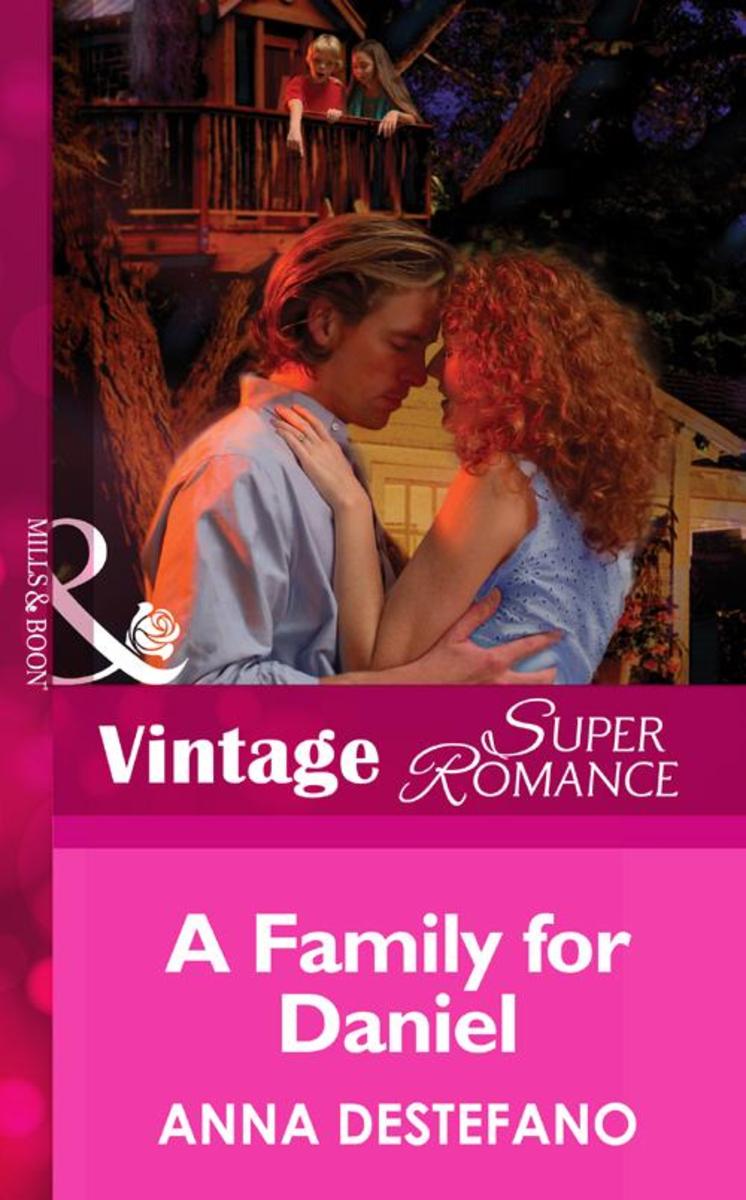
A Family For Daniel (Mills & Boon Vintage Superromance) (You, Me & the Kids, B
¥31.10
A family for them all? Ten-year-old Daniel has had a rough year. His mother's unexpected death has landed him in a small South Carolina town, in the custody of his uncle, elementary school principal White. Josh is a pro when it comes to dealing with other people's kids, but he can't get through to Daniel. The only other child in the school who's having a worse time is Daniel's classmate Becky. Her mother, Amy Loar, left a troubled marriage and is now fighting to rebuild her career in Atlanta while Becky stays with her grandmother in Sweetbrook. Amy and Josh were friends as teenagers…with a hint of something more. Now they find themselves thrown together as they try to help Becky and Daniel. Coming together as a family would be the best thing for the children–but can Amy ever trust a man again?
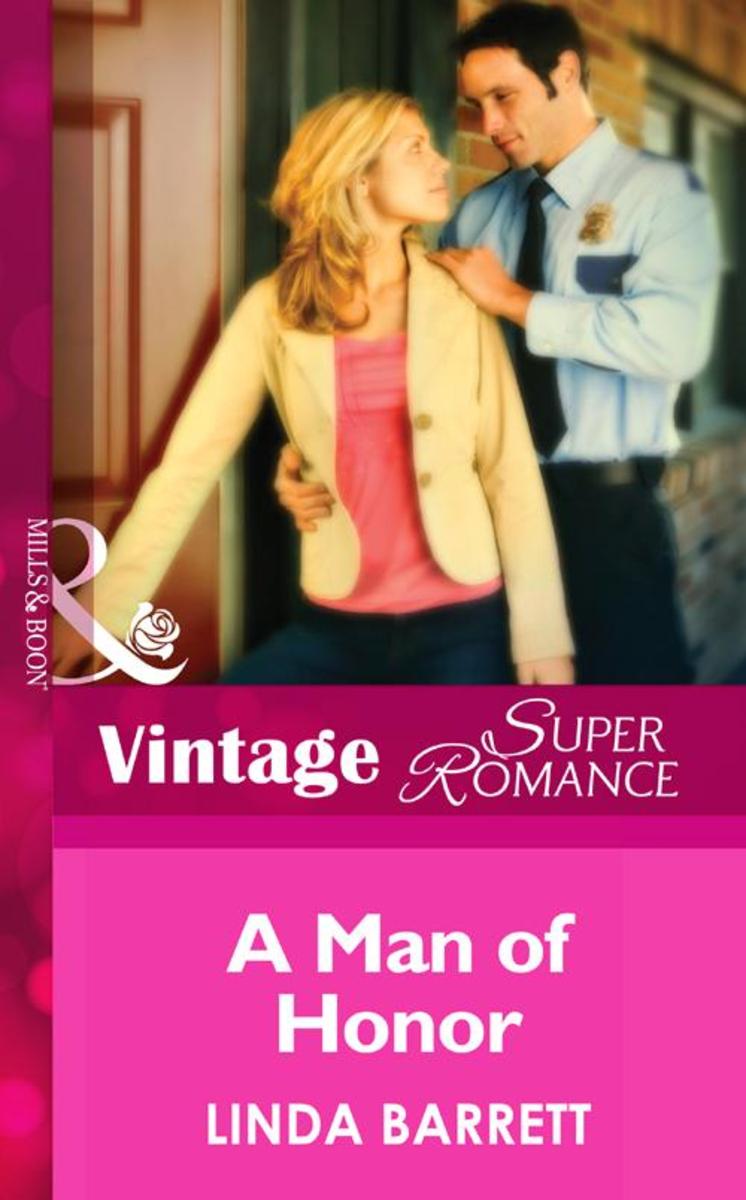
A Man Of Honor (Mills & Boon Vintage Superromance) (Count on a Cop, Book 28)
¥25.60
Heather Marshall is fearless But to Officer Dave McCoy, the social worker' s fearlessness spells trouble. And he can' t understand why she' s so afraid to trust her safety–and her heart–to a cop.
A Man She Can Trust (Mills & Boon Vintage Superromance) (Blackberry Hill Memori
¥28.35
Pregnancy is the last thing on her mind After all, isn't that one of the reasons Grant walked out on her last fall? He couldn't wait for her practice to settle down to have kids. Not to mention, her husband couldn't seem to commit to one woman. It seems next to impossible that one night of stupidity could lead to her becoming pregnant. She still can't forgive him, but Jill has to tell Grant he's going to be a father. As if Grant's return wasn't hard enough, the man has provoked someone else–someone who won't stop the phone calls, the threats. As much as she hates it, Dr. Jill Edwards's life may depend on her estranged husband.

A Woman Like Annie (Mills & Boon Vintage Superromance) (Hometown U.S.A., Book 7
¥31.10
Annie McCabe loves the town of Macon's Point, and she's ready to fight to save it After her bitter divorce, Annie wanted to put down roots for herself and her son in the small community. As mayor, Annie works hard for the people she has grown to care about. Now the town's main employer, Corbin Manufacturing, is on the chopping block, and Annie must convince Jack Corbin to keep the company in business. Annie quickly realizes that Jack just wants to wrap things up and move on, and things are further complicated by her growing attraction to him. Will she be able to make Jack see the true value of his hometown…and its mayor?
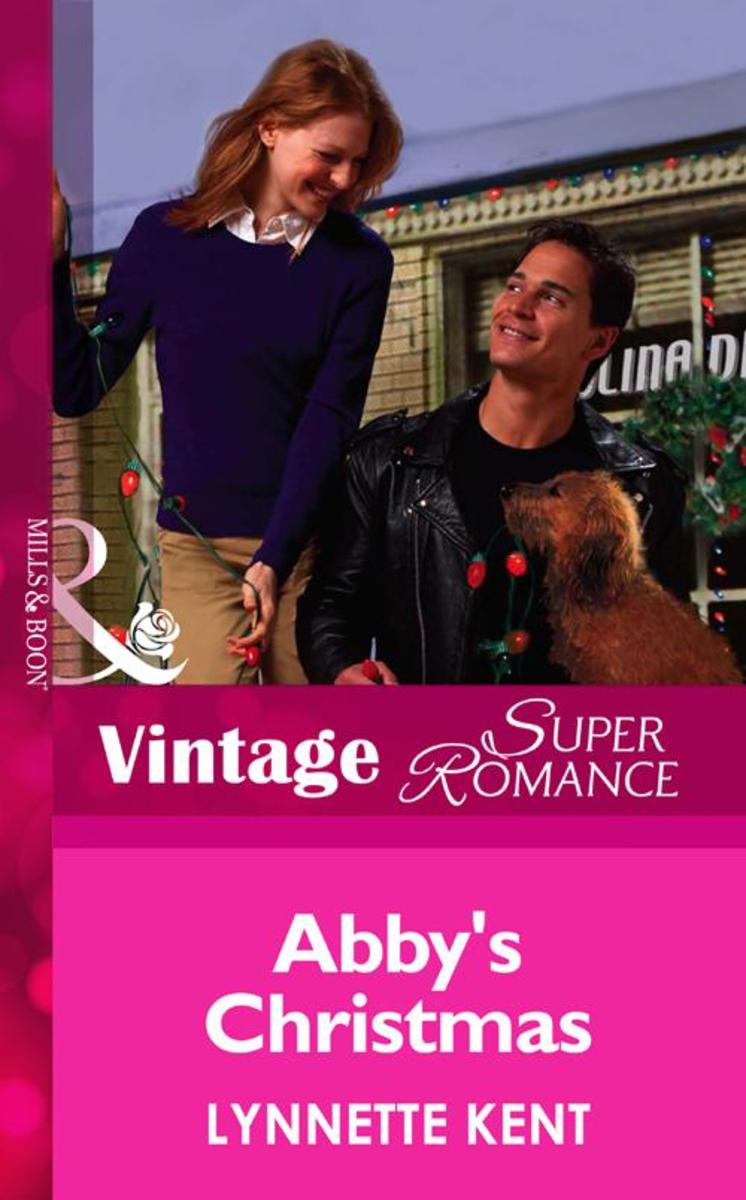
Abby's Christmas (Mills & Boon Vintage Superromance) (At the Carolina Diner, Bo
¥28.15
Noah's come home! Abby Brannon and her father, Charlie, run the Carolina Diner–the place where everyone in town comes for Abby's special brand of TLC. Abby longs to travel, to see other places–to have someone take care of her for once. And she has someone special in mind for that job. The trouble is, no one knows what happened to Noah Blake after he disappeared from New Skye fifteen years ago. Noah's return sends a shock wave through the town–especially when everyone starts talking about where he's been. But should Abby believe what she hears, or should she trust her heart?

Baby By Chance (Mills & Boon Vintage Superromance) (White Knight Investigations
¥31.10
Susan Carter needs to find a man. Not just any man, but the stranger who fathered her unborn child. In desperation, she turns to David Knight, one of the detectives working for White Knight Investigations. She's sure she'll look bad to David–she doesn't even know the last name of the man she's searching for–but she has no choice. It's the only way to find out about her child's father. David Knight doesn't expect to like every client he has. What surprises him is how much he likes Susan, especially since he knows she's keeping things from him. If she wasn't, wouldn't she tell him about the man who gave her the ring she wears on her left hand?

Born Under The Lone Star (Mills & Boon Vintage Superromance) (The Baby Diaries,
¥23.35
I promise you, my little one, I'll do everything I can to see that your life is safe and happy. Even if that means giving you up… Markie McBride has kept a secret locked in her heart–and in her long-lost diary–for eighteen years. And when she finds herself back in Five Points, Texas, face-to-face with Justin Kilgore, she finally tells him what she couldn't all those years ago. They have a son. Brandon is coming to Five Points to work as an intern on a political campaign against Justin's congressman father. When the inquisitive teenager stumbles upon evidence of his grandfather's corruption, the boy unwittingly puts himself in danger. Markie swore to always keep her son safe–but keeping this vow may mean once again losing the man she loves.

Buffalo Summer (Mills & Boon Vintage Superromance)
¥31.10
Caleb McCutcheon is living his dream as owner of a large ranch in the Montana wilderness. But when the woman he loves tells him she can't be part of that dream, Caleb is determined to learn the real reason for her reluctance. Because he knows that without her and her five boys, his life will never be complete.

Expectant Father (Mills & Boon Vintage Superromance) (9 Months Later, Book 49)
¥28.35
What not to expect when you're expecting… Becca Thomas is thrilled to be pregnant, even though it means bringing up her baby alone. At thirty-eight, this may be her last chance to have a child. And she doesn't expect to see Aiden Rodas again–doesn't think that a freewheeling younger man like him would even want to be a father. Wrong Aiden may live the life of a devil-may-care wildland firefighter, but he's not going to walk away from his responsibilities, no matter how unexpected they are. His challenge now is making Becca see that their child needs both of them. An even bigger challenge will be to make her realize that this expectant father has fallen in love with a certain mother-to-be!

For the Sake of His Child (Mills & Boon Vintage Superromance)
¥31.10
After tragedy deprives her of the two people she loves most, Brynn Alder decides to leave her old life behind and start over in Texas Hill Country. Here she'll help troubled kids get their lives in order–it's the only way she can make sense of everything that's happened to her. But she knows that she'll be able to help only if she doesn't get emotionally involved. Of course, that's before she meets Jake McKenzie and his daughter, Andrea. Jake wants to be a good father, but he needs Brynn's help. And when circumstances force him to stay at the isolated ranch with Brynn and Andrea, emotions build and refuse to be denied.

Heart And Soul (Mills & Boon Vintage Superromance)
¥25.60
Harlequin Superromance is proud to publish Heart and Soul by Eva Rutland, a remarkable writer and storyteller. A remarkable woman… Despite their differences, Jill Ferrell has something in common with her new boss, Scott Randall: everything they do, they throw themselves into, heart and soul. The same is true for Jill's friend Kris Gilroy and the man in her life, Tom Harris. These are people who live their lives with joy and with wholehearted commitment. They believe that obstacles can be overcome–and that, in some way, big or small, everyone can change the world.
Independence Day (Mills & Boon Vintage Superromance)
¥31.10
She won't be taken for granted! By tossing the laundry out the bedroom window, Chessie McCabe announces to her teenage daughters and her husband, Nick–and the rest of Pritchard's Neck–she's on strike until her needs are met. But who could have foreseen what her personal rebellion would dredge up? Certainly not Chessie. Amy Frazier's follow-up book to The Trick To Getting a Mom, set in a quaint Maine fishing village, is honest, funny and impossible to put down.
John Riley's Girl (Mills & Boon Vintage Superromance)
¥28.15
You're invited to a reunion! Are you brave enough to attend? When Olivia Ashford first receives the invitation to her high school reunion, she dismisses it. After all, she'd left Summerville–and John Riley–and never looked back. But her life now seems incomplete, and she begins to wonder if she's ever really moved on. In order to lay some ghosts to rest, Olivia goes home. She rediscovers friendships, visits old hangouts and comes face-to-face with John. She remembers how much she once loved him, how safe he made her feel, how he was always there for her–except for the one time she needed him most.

Lies That Bind (Mills & Boon Vintage Superromance) (The House on Poppin Hill, B
¥28.35
Home isn't always as you remember it Her foster mother's stroke brings April Jeffries back to Maraville, Mississippi, the town of her youth. It's a place of memories for her, good and bad. Memories that lead her to fulfill a long-standing dream–finding her biological parents. In her quest she enlists the help of Jack Palmer, a journalist recovering from injuries sustained overseas. As April and Jack work to uncover the mystery of her past, they begin to grow close in ways they hadn't expected. But two failed marriages make her wary of another commitment. Then they discover a shocking secret about her birth parents–a secret that forces Jack and April to reconsider everything. Including their feelings for each other….
Man With A Message (Mills & Boon Vintage Superromance) (The Men of Maple Hill,
¥31.10
LIVE WELL. LAUGH OFTEN. LOVE MUCH. Although Mariah Mercer designs and sells plaques with her favorite motto, she's having a hard time following it herself. At least, the LOVE MUCH part. In fact, she's given up on loving at all after a painful divorce. No, her quiet life as a dorm mother at the local boarding school in Maple Hill, Massachusetts, is enough for her. And her relationships with the children there give her all the emotional satisfaction she needs. No stranger to rejection, Cameron Trent has found a haven in the people and town of Maple Hill. He'd rather not take risks in the love department, either. So imagine his surprise–not to mention Mariah's–at what pops out of his mouth during a local spring fair. A message that changes their lives forever.

Married in Haste (Mills & Boon Vintage Superromance)
¥31.10
Ben Galloway and Abby Drummond both work with children–he's a pediatrician and she's a teacher–and they've both ended up with custody of their respective nieces and nephews. They decide that combining their households is the best solution to their individual problems. Which it is–except that their solution leads to a whole new set of problems. Kids before marriage. Not the easiest route to married bliss. And not the route Ben and Abby would've chosen. But love for their unexpected family brings them together in all the ways that count.
Montana Dreaming (Mills & Boon Vintage Superromance) (Home on the Ranch, Book 2
¥31.10
She'll never abandon the land Chronically low cattle prices and her father's skyrocketing medical bills may have forced Jessie Weaver to sell the ranch that's been in her family since the mid-1800s, but no way will she let developers wreak havoc with her glorious Montana mountains. So she writes conservation restrictions into the deed of sale–even though that means taking a huge loss in land value. Even though Guthrie Sloane, her boyfriend, thinks she's dead wrong and it will mean the end of them as a couple. He'll never abandon her Hotheaded and old-fashioned, Guthrie may have disagreed with Jessie's dreams for her land and stormed off to Alaska in protest, but no way can he quit her.

My Montana Home (Mills & Boon Vintage Superromance) (Big Sky Country, Book 3)
¥31.10
Set against the magnificent background of Montana comes the saga of the Maxwells–one of the state's most powerful ranching families. Cassie Maxwell Warren has kept her seven-year-old son away from the influence of her dominating father–patriarch of the powerful Maxwell ranching dynasty. She saw how that influence almost destroyed her teenage brother and she wants to protect Zak. But now her son is becoming too attached to Andrew Morris, a man who thinks he knows what's best for the child–and for Cassie.

Not Without Cause (Mills & Boon Vintage Superromance) (The Operatives, Book 3)
¥23.35
Meredith Santera is the leader of the Operatives, always putting the needs of others in front of her own. And that means she chose the job over a relationship with Jack Haden. Now her job is putting her in contact with Jack once again. But this time they're on opposite sides. To save a friend. To protect a child. To end an evil. Most of us could not bring ourselves to do the unthinkable–even if it was for the greater good. The Operatives do whatever it takes. Because of them, we don't have to.
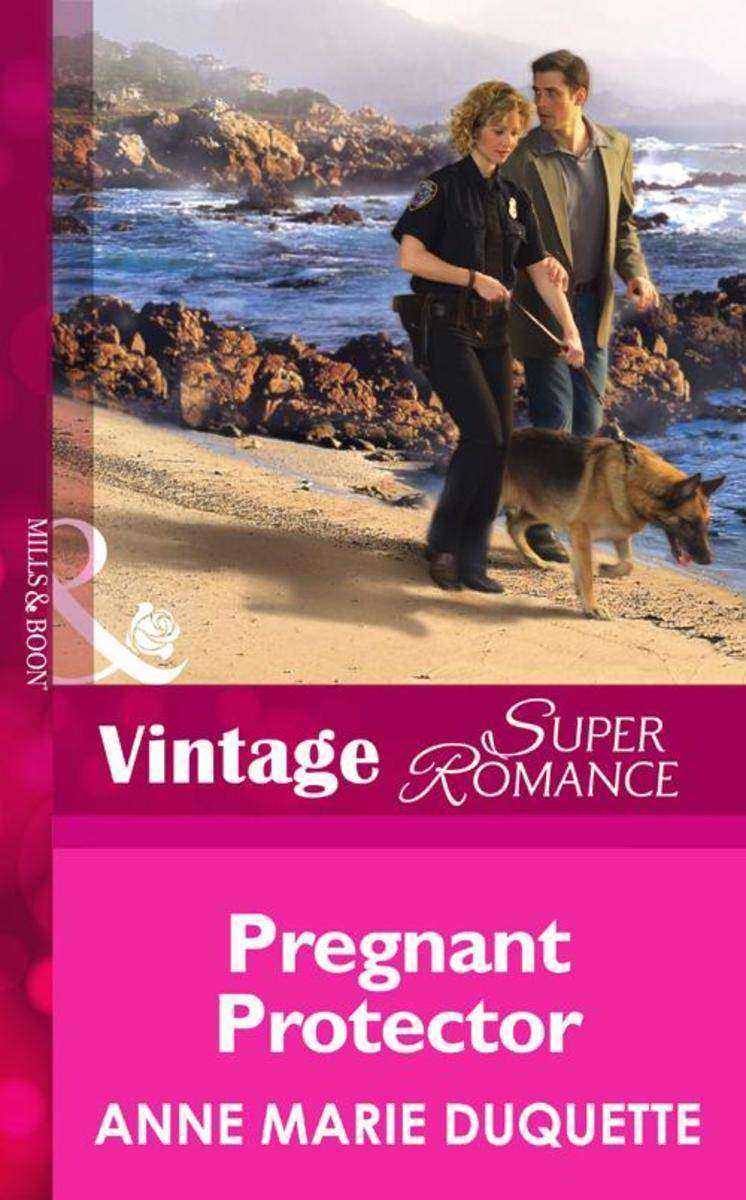
Pregnant Protector (Mills & Boon Vintage Superromance) (9 Months Later, Book 47
¥23.35
Detective Nick Cantello has just lost his partner to a bullet–one that was meant for him. All he wants is to find the people responsible. What he gets is a "babysitter"–one who comes with a dog. As part of the canine unit, Lara Nelson is used to having a four-footed partner. So she's unprepared for her latest assignment–guarding another cop. Together, Nick and Lara must find the killer. Only when the case is over can they figure out how to deal with the consequences of the night their attraction for each other reached the point it could not be denied.
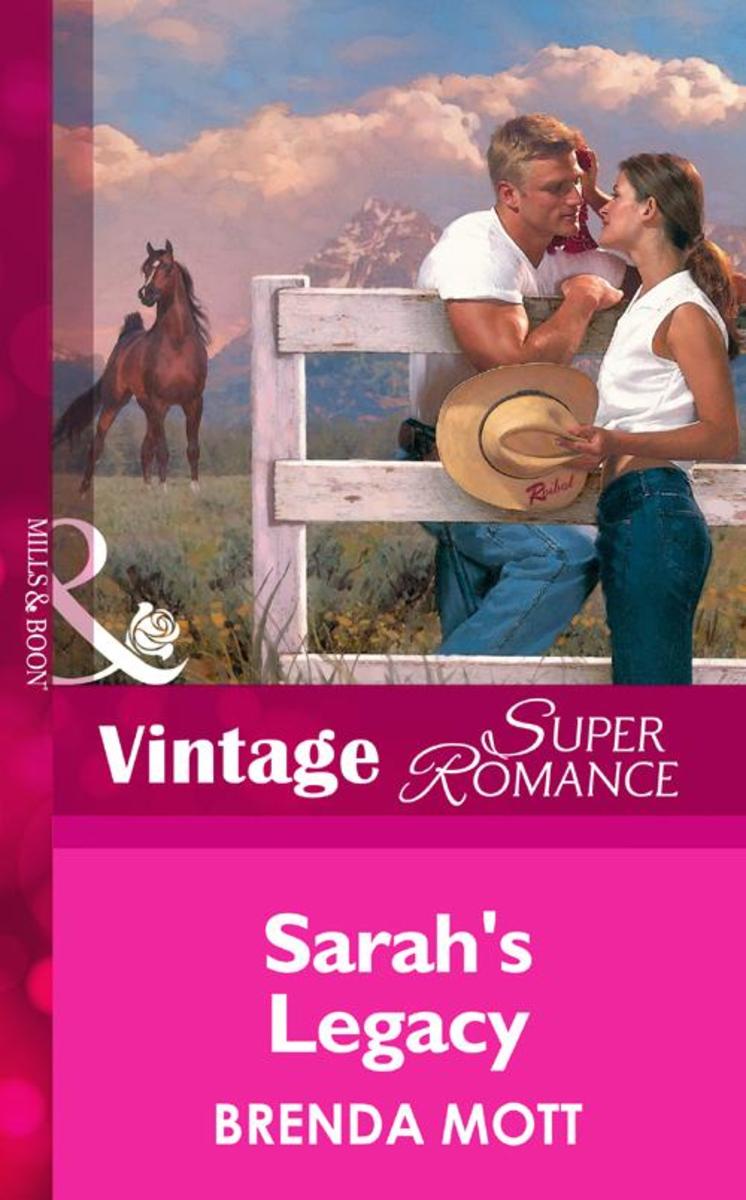
Sarah's Legacy (Mills & Boon Vintage Superromance) (Home on the Ranch, Book 22)
¥31.10
Her idea of paradise is a country farmhouse with lots of kids and a dog. All he wants is his ranch, his horses–and to be left alone. When the Denver bank Bailey Chancellor works for transfers her to the small mountain town of Ferguson, Colorado, she eagerly accepts. Now she can have a country home, and maybe the children she's always wanted. The townspeople view Bailey as tough because of her banking policies, but neighbor Trent Murdock sees a softer side, and he can't help responding. Up to a point, that is. Trent lost his little girl, Sarah, a year before Bailey moved to town. Then his marriage fell apart. The last thing he wants is to feel vulnerable again. How does a city girl with a country heart get a stubborn cowboy to love her?


