


 购物车
购物车 个人中心
个人中心
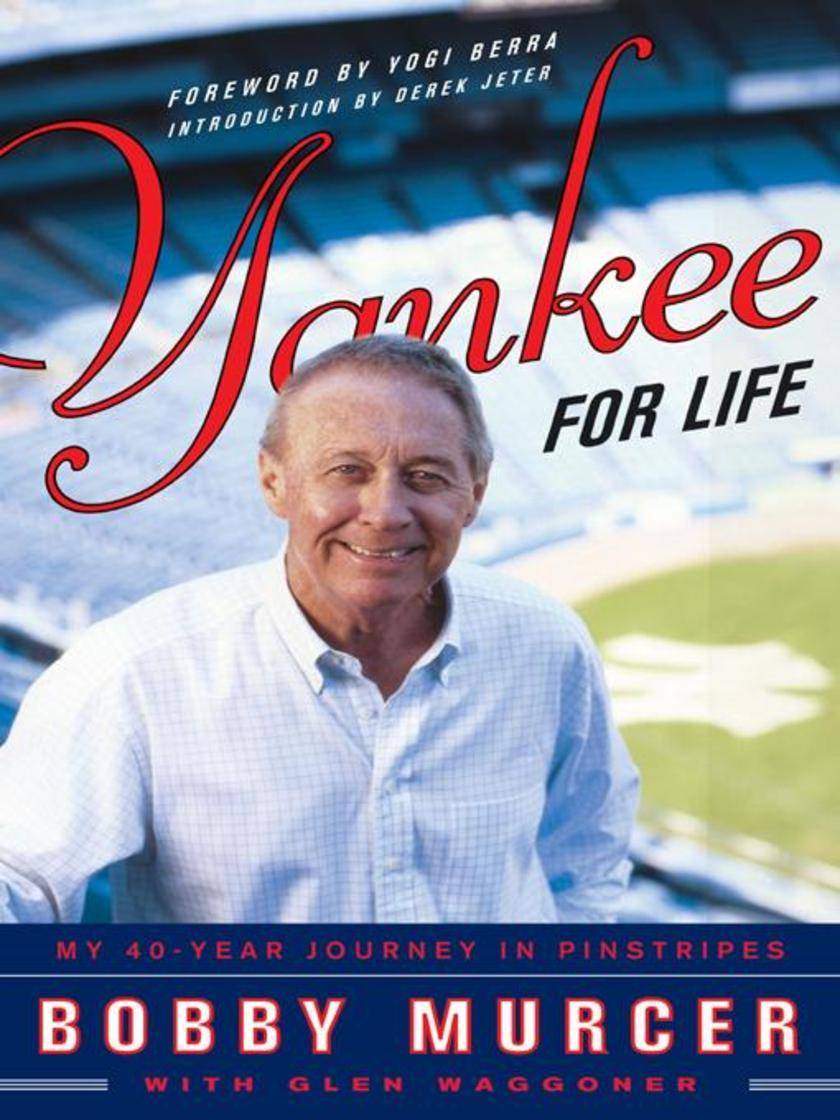
Yankee for Life
¥84.16
As he stepped to the plate at Yankee Stadium on opening day in 1966, Bobby Murcer carried with him the hopes and expectations of Yankees fans looking for the next Mickey Mantle. Bobby wasn't the next Mick, of course, but he became one of the most beloved Yankees of all time. Yankee for Life is Murcer's account of his stellar career as both a player and an Emmy Award-winning broadcaster. With self-effacing humor and down-home charm, he shares fascinating and illuminating anecdotes about former teammates, bosses, and the new generation of Yankees superstars Rivera, Jeter, Rodriguez whom he watched grow up from the broadcast booth. With candor, courage, and a refreshing dose of wit, he tells of his battle with brain cancer, explaining how the love of his wife and family, his deep religious faith, and the passionate support of fans helped see him through his ordeal.Bobby Murcer may not have achieved the celebrity of some of his fellow players, but ultimately he was what fans always wanted him to be: a Yankee for life.

Write Away
¥83.03
Bestselling author Elizabeth George has spent years teaching writing, and in Write Away she shares her knowledge of the creative process. George combines clear, intelligent, and functional advice on fiction writing with anecdotes from her own life, the story of her journey to publication, and inside information on how she meticulously researches and writes her novels. George's solid understanding of craft is conveyed in the enticing manner of a true storyteller, making Write Away not only a marvelous, interesting, and informative book but also a glimpse inside the world of a beloved writer.

The Scent of Desire
¥83.03
Shakespeare wrote that a rose by any other name would smell as sweet. But if you cannot smell, does the rose lose its sweetnessThe first and definitive book on the psychology of smell, The Scent of Desire traces the importance of smell in our lives, from nourishment to procreation to our relationships with the people closest to us and the world at large. Smell was the very first sense to evolve and is located in the same part of the brain that processes emotion, memory, and motivation. To our ancestors, the sense of smell wasn't just important, it was crucial to existence and it remains so today. Our emotional, physical, even sexual lives are profoundly shaped by both our reactions to and interpretations of different smells. Why do some people like a certain smell and others hate itIs smell personal or culturalHow does smell affect our choices and our daily livesRachel Herz explores these questions and examines the role smell plays in our lives, and how this most essential of senses is imperative to our physical and emotional well-being. Herz investigates how our sense of smell functions, examines what purpose it serves, and shows how inextricably it is linked to our survival. She introduces us to people who have lost their ability to smell and shows how their experiences confirm this sense's importance by illuminating the traumatic effect its loss has on the quality of day-to-day living. Herz illustrates how profoundly scent and the sense of smell affect our daily lives with numerous examples and personal accounts based on her years of research. The wonders of our sense of smell are all explored in a compelling and engaging manner, from emotions and memory to aromatherapy and pheromones. For anyone who has ever wondered about human nature or been curious about the secrets of both the body and the mind, The Scent of Desire is a fascinating, down-to-earth tour of the psychology and biology of our most neglected sense, the sense of smell.

The Wicked Game
¥84.16
Golf is sometimes referred to as "the wicked game" because it is fiendishly difficult to play well. Yet in the parlance of the Tiger Woods generation, it's also a wickedly good game -- rich, glamorous, and more popular than ever.When we think about golf -- as it is played at its highest level -- we think of three names: Tiger Woods, the most famous sports figure in the world today, Arnold Palmer, the father of modern golf, and Jack Nicklaus, the game's greatest champion.In this penetrating, forty-year history of men's professional golf, acclaimed author Howard Sounes tells the story of the modern game through the lives of its greatest icons. With unprecedented access to players and their closest associates, Sounes reveals the personal lives, rivalries, wealth, and business dealings of these remarkable men, as well as the murky history of a game that has been marred by racism and sex discrimination. Among the many revelations, the complete and true story of Tiger Woods and his family background is untangled, uncovering surprising new details that inspire the golfer's father to exclaim, "Hell, you taught me some things about my life I never knew about!"Earl Woods and other members of Tiger Woods's family, his friends, girlfriends, caddies, coaches, and business associates were among the 150 people interviewed over two years of research. Others included Arnold Palmer and Jack Nicklaus, fellow champions such as Ernie Els, Gary Player, Tony Jacklin, and Tom Watson, and golf moguls such as Mark H. McCormack, billionaire founder of the sports agency IMG.The Wicked Game is a compelling story of talent, fame, wealth, and power. Entertaining for dedicated golfers, and accessible to those who only follow the game on television, this may be the most original and exciting sports book of the year.

Beyond the Body Farm
¥83.03
There is no scientist in the world like Dr. Bill Bass. A pioneer in forensic anthropology, Bass created the world's first laboratory dedicated to the study of human decomposition three acres of land on a hillside in Tennessee where human bodies are left to the elements. His research at "the Body Farm" has revolutionized forensic science, helping police crack cold cases and pinpoint time of death. But during a forensics career that spans half a century, Bass and his work have ranged far beyond the gates of the Body Farm. In this riveting book, the bone sleuth explores the rise of modern forensic science, using fascinating cases from his career to take readers into the real world of C.S.I. Some of Bill Bass's cases rely on the simplest of tools and techniques, such as reassembling from battered torsos and a stack of severed limbs eleven people hurled skyward by an explosion at an illegal fireworks factory. Other cases hinge on sophisticated techniques Bass could not have imagined when he began his career: harnessing scanning electron microscopy to detect trace elements in knife wounds; and extracting DNA from a long-buried corpse, only to find that the female murder victim may have been mistakenly identified a quarter-century before.In Beyond the Body Farm, readers will follow Bass as he explores the depths of an East Tennessee lake with a twenty-first-century sonar system, in a quest for an airplane that disappeared with two people on board thirty-five years ago; see Bass exhume fifties pop star "the Big Bopper" to determine what injuries he suffered in the plane crash that killed three rock and roll legends on "the day the music died"; and join Bass as he works to decipher an ancient Persian death scene nearly three thousand years old. Witty and engaging, Bass dissects the methods used by homicide investigators every day, leading readers on an extraordinary journey into the high-tech science that it takes to crack a case.

I Love You Rituals
¥88.56
I Love You Rituals offers more than seventy delightful rhymes and games that send the message of unconditional love and enhance children's social, emotional, and school success.Winner of a 1999 Parent's Guide Children's Media Award, these positive nursery rhymes, interactive finger plays, soothing games, and physically active can be played with children from infancy through age eight. In only minutes a day, these powerful rituals: Prime a child's brain for learning Help children cope with change Enhance attention, cooperation, and self-esteem Help busy families stay close Affirm the parent-child bond that insulates children from violence, peer pressure, and drugs, and much more. Easy to learn and especially effective in stressful situations, I Love You Rituals gives parents, grandparents, caregivers, and teachers inspiring tools to help children thrive.

The Burning Tigris
¥88.56
A History of International Human Rights and Forgotten HeroesIn this national bestseller, the critically acclaimed author Peter Balakian brings us a riveting narrative of the massacres of the Armenians in the 1890s and of the Armenian Genocide in 1915 at the hands of the Ottoman Turks. Using rarely seen archival documents and remarkable first-person accounts, Balakian presents the chilling history of how the Turkish government implemented the first modern genocide behind the cover of World War I. And in the telling, he resurrects an extraordinary lost chapter of American history.Awarded the Raphael Lemkin Prize for the best scholarly book on genocide by the Institute for Genocide Studies at John Jay College of Criminal Justice/CUNY Graduate Center.
The Sound on the Page
¥83.03
In writing, style matters. Our favorite writers often entertain, move, and inspire us less by what they say than by how they say it. In The Sound on the Page, acclaimed author, teacher, and critic Ben Yagoda offers practical and incisive help for writers on developing and discovering their own style and voice. This wonderfully rich and readable book features interviews with more than 40 of our most important authors discussing their literary style, including:Dave BarryHarold BloomSupreme Court Justice Stephen BreyerBill BrysonMichael ChabonAndrei CodrescuJunot DíazAdam GopnikJamaica KincaidMichael KinsleyElmore LeonardElizabeth McCracken Susan OrleanCynthia OzickAnna QuindlenJonathan RabanDavid ThomsonTobias Wolff

Mirage
¥83.03
Two hundred years ago, only the most reckless or eccentric Europeans had dared to traverse the unmapped territory of the modern-day Middle East. But in 1798, more than 150 French engineers, artists, doctors, and scientists even a poet and a musicologist traveled to the Nile Valley under the command of Napoleon Bonaparte and his invading army. Hazarding hunger, hardship, uncertainty, and disease, Napoleon's "savants" risked their lives in pursuit of discovery. The first large-scale interaction between Europeans and Muslims in the modern era, the audacious expedition was both a triumph and a disaster, resulting in finds of immense historical and scientific importance (including the ruins of the colossal pyramids and the Rosetta Stone) and in countless tragic deaths through plague, privation, madness, or violence.Acclaimed journalist Nina Burleigh brings readers back to the landmark adventure at the dawn of the modern era that ultimately revealed the deepest secrets of ancient Egypt to a curious continent.

Letting Go (Fifth Edition)
¥84.16
For more than a decade Letting Go has provided hundreds of thousands of parents with valuable insights, information, comfort, and guidance throughout the emotional and social changes of their children's college years from the senior year in high school through college graduation. Based on real-life experience and recommended by colleges and universities around the country, this indispensable book has been updated and revised, offering even more compassionate, practical, and up-to-the-minute information. When should parents encourage independenceWhen should they interveneWhat issues of identity and intimacy await studentsWhat are normal feelings of disorientation and loneliness for students and for parentsWhat is different about today's college environmentWhat new concerns about safety, health and wellness, and stress will affect incoming classes?

How Soccer Explains the World
¥88.56
Soccer is much more than a game, or even a way of life. It is a perfect window into the cross currents of today's world, with all its joys and its sorrows. In this remarkably insightful, wide ranging work of reportage, Franklin Foer takes us on a surprising tour through the world of soccer, shining a spotlight on the clash of civilizations, the international economy, and just about everything in between. How Soccer Explains the World is an utterly original book that makes sense of our troubled times.

When Your Kid Goes to College
¥85.05
"During the summer before he went to college, he was obnoxious; he said, 'There's a reason I'm acting this way; it will make it easier for you to have me leave.'""When she was packing to leave, she was completely preoccupied with how many sheets and towels to take. I was thinking, 'My kid is leaving home forever, and life is taken up with minutiae.'"It's an emotional rollercoaster, a combination of missing him and feeling happy and excited for him."New BeginningsYou've taught them how to do their laundry, brought them a year's supply of toothpaste and shampoo, and lectured them on the do's and dont's of life beyond your home. The time has come for your child to leave for college -- but are you prepared to say goodbye?Written by a mother who survived the perils of packing her own child off to school, When Your Kid Goes to College provides supportive, reassuring, and helpful tips for handling this inevitable but difficult separation. Comprehensive and accessible, this practical guide includes info on: Teaching your child how to live on his own, from balancing a checkbook to dealing with a roomate. The difference between financial and emotioanl dependence -- and how to keep them separate. Helping your spouse, younger children, and even pets deal with the transition when your child leaves -- and when she returns. How to fill -- and even enjoy -- the hole that your child's absence leaves. Saying goodbye isn't the end of the world; it's the beginning of an exciting new one for your child-and you!
Hip: The History
¥94.10
Hip: The History is the story of how American pop culture has evolved throughout the twentieth century to its current position as world cultural touchstone. How did hip become such an obsessionFrom sex and music to fashion and commerce, John Leland tracks the arc of ideas as they move from subterranean Bohemia to Madison Avenue and back again. Hip: The History examines how hip has helped shape -- and continues to influence -- America's view of itself, and provides an incisive account of hip's quest for authenticity.This P.S. edition features an extra 16 pages of insights into the book, including author interviews, recommended reading, and more.

Summer World
¥94.10
In Summer World: A Season of Bounty, Bernd Heinrich brings us the same bottomless reserve of wonder and reverence for the teeming animal life of backwoods New England that he brought us in Winter World: The Ingenuity of Animal Survival. Now he is focusing on the animal kingdom in the extremes of the warmer months, with all its feeding, nesting, fighting, and mating.Whether presenting disquisitions on ant wars, the predatory characteristics of wasps, the mating rituals of woodpeckers, or describing an encounter with a road full of wood frogs, Summer World never stops observing the beautifully complex interactions of animals and plants with nature, giving extraordinary depth to the relationships between habitat and the warming of the earth. How can cicadas survive and thrive at temperatures pushing 115°FDo hummingbirds know what they're up against before they migrate over the Gulf of MexicoWhy do some trees stop growing taller even when three months of warm weather remainWith awe and unmatched expertise, Heinrich explores hundreds of questions like these. Exquisitely illustrated with dozens of the author's own drawings, Summer World is Bernd Heinrich's most engaging book to date, a fascinating work from one of our very best science writers.
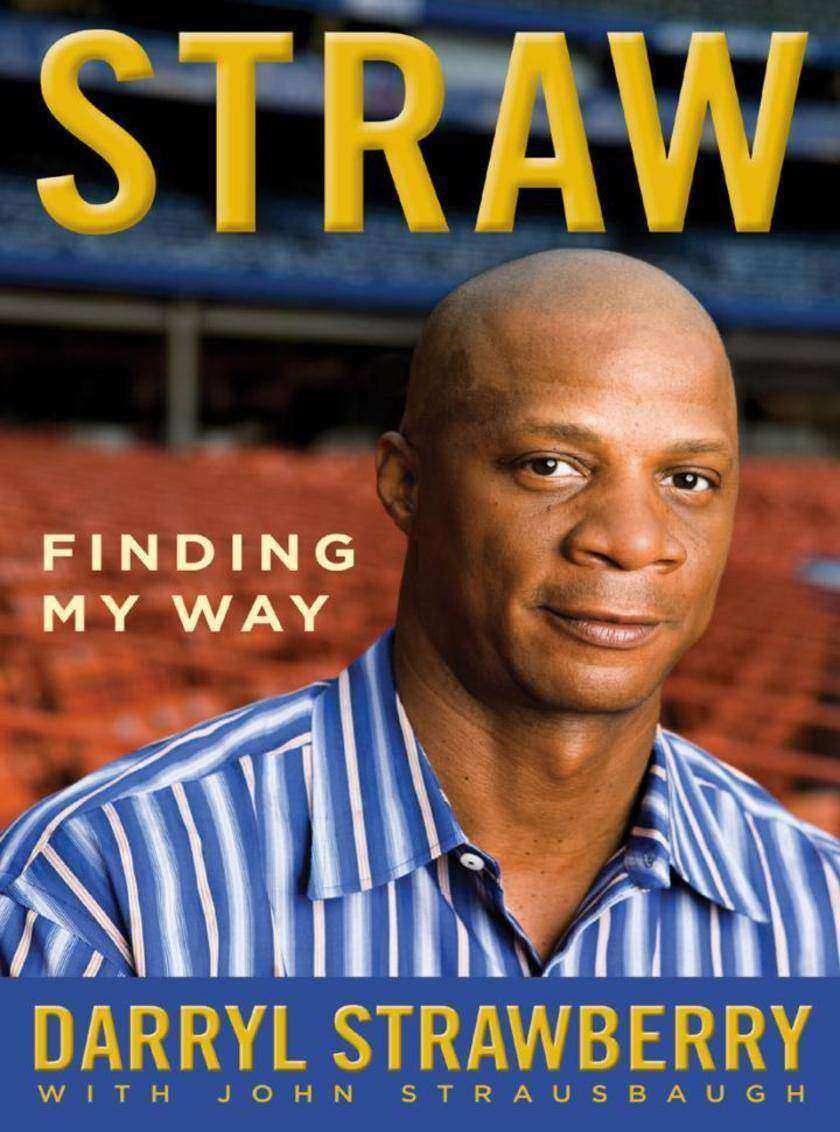
Straw
¥94.10
Former baseball slugger Darryl Strawberry, whose achievements on the field were often overshadowed by his struggles off the field, recounts the highs, the lows, and the lessons of hope and survival he learned along the way.The youngest son of Henry and Ruby Strawberry, Darryl grew up in a working-class neighborhood in Los Angeles, where he channeled his energy into baseball and basketball. The New York Mets drafted him in 1980, and he won the National League Rookie of the Year Award in 1983. Strawberry became the first National League player voted to the All-Star Game in each of his first four full seasons. Throughout the eighties and nineties, however, Strawberry faced many personal challenges, includ-ing drug use, tax evasion, solicitation, and allegations of domestic violence. His seasons with the Dodgers, Giants, and Yankees were interrupted by suspensions, visits to rehab, and treatment for colon cancer. But in 2006, Strawberry's life changed course dramatically. With his wife, Tracy, he devoted himself to his church and to his work with children and adults affected by autism and other developmental disorders.For the first time, in his own words, Darryl Strawberry delivers his inspirational narrative the extraordinary story of his life.
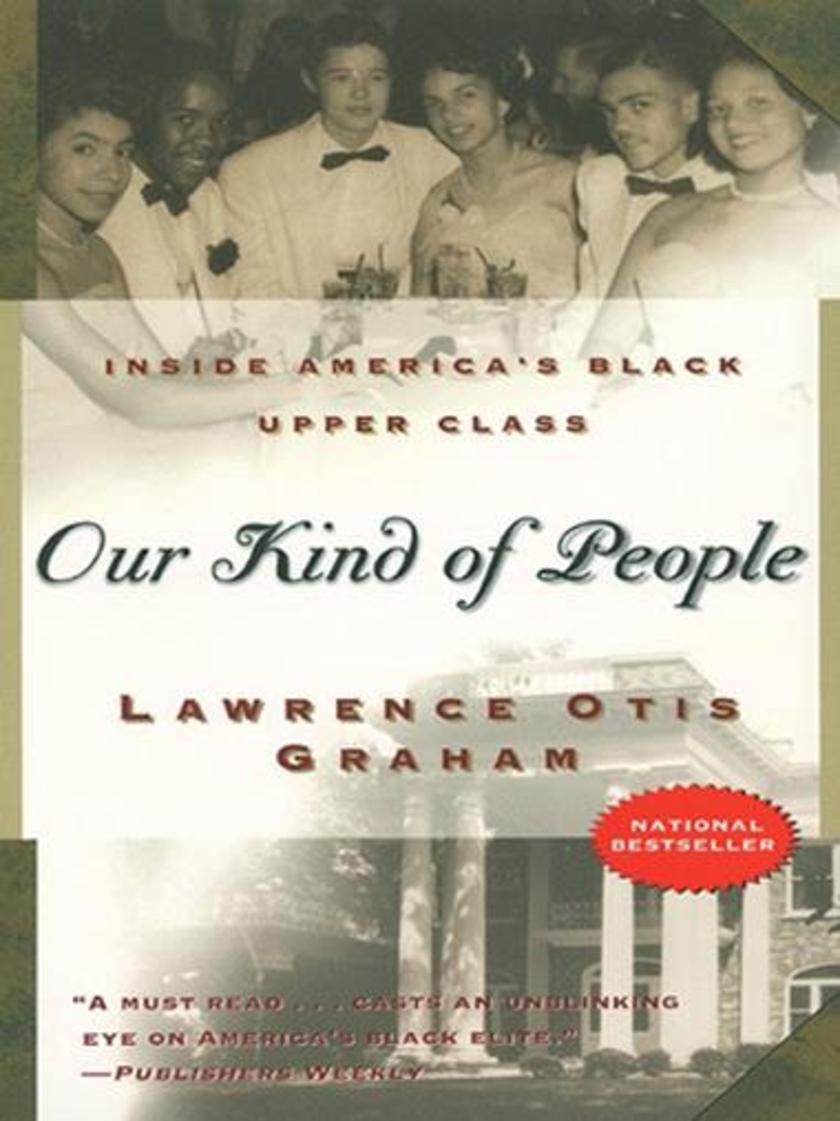
Our Kind of People
¥99.65
Debutante cotillions. Million-dollar homes. Summers in Martha's Vineyard. Membership in the Links, Jack,Jill, Deltas, Boule, and AKAs. An obsession with the right schools, families, social clubs, and skin complexion. This is the world of the black upper class and the focus of the first book written about the black elite by a member of this hard-to-penetrate group.Author and TV commentator Lawrence Otis Graham, one of the nation's most prominent spokesmen on race and class, spent six years interviewing the wealthiest black families in America. He includes historical photos of a people that made their first millions in the 1870s. Graham tells who's in and who's not in the group today with separate chapters on the elite in New York, Los Angeles, Washington, Chicago, Detroit, Memphis, Atlanta, Philadelphia, Nashville, and New Orleans. A new Introduction explains the controversy that the book elicited from both the black and white communities.

I Love You, Miss Huddleston
¥83.03
With his ear for the small town and his knack for finding the needle of humor in life's haystack, Philip Gulley might well be Indiana's answer to Missouri's Mark Twain. In I Love You, Miss Huddleston we are transported to 1970's Danville, Indiana, the everyone-knows-your-business town where Gulley still lives today, to witness the uproarious story of Gulley's young life, including his infatuation with his comely sixth-grade teacher, his dalliance with sin eating meat on Friday and inappropriate activities with a mannequin named Ginger and his checkered start with organized religion.Sister Mary John had shown us a flannelgraph of the apostles receiving the Holy Spirit on the day of Pentecost. They looked quite happy, except that their hair was on fire. . . . I was suspicious of a religion whose highpoint was the igniting of one's head, and my enthusiasm for church, which had never been great, began to fade. Even as Kennedy was facing down Khrushchev, Danny Millardo and his band of youthful thugs conducted a reign of terror still unmatched in the annals of Indiana history. With Gulley's sharp wit and keen observation, I Love You, Miss Huddleston captures these dramas and more, revisiting a childhood of unrelieved and happy chaos.From beginning to end, Gulley recalls the hilarity (and heightened dangers) of those wonder years and the easy charm of midwestern life.
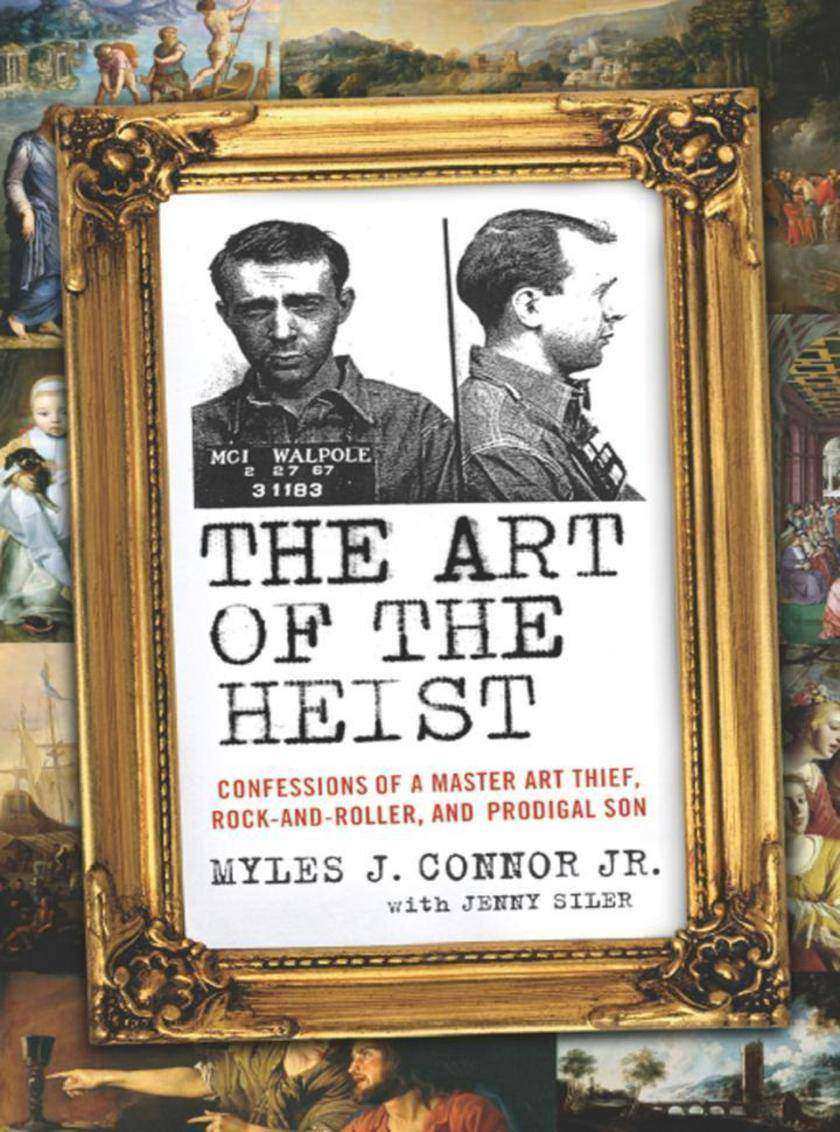
The Art of the Heist
¥83.03
From New York's Metropolitan Museum of Art, to the Smithsonian Institution in D.C., to Boston's Museum of Fine Art, to dozens of regional museums throughout the United States, no museum was off-limits to legendary art thief Myles Connor. He has used every technique in the book, from breaking and entering, to cat burglary, to false identities and elaborate con jobs. He once even grabbed a Rembrandt off a wall in broad daylight and simply ran like hell. His IQ is at genius level, and his charm is legendary. The fact that he was in jail at the time of the famous robbery of the Isabella Stewart Gardener Museum which remains the largest art theft in American history has not stopped the FBI from considering him a top suspect in that still unsolved robbery.How did the son of a decorated policeman grow up to become one of Boston's most notorious criminalsHow did he survive a decades-long feud with the Boston police and the FBIHow did he manage to escape one jail sentence with a simple fake gun carved out of soapHow did he trade the return of a famous Rembrandt in exchange for early release from another sentenceThe Art of the Heist is a roller-coaster ride of a life, by a man who was drawn to misadventure at every turn. As a promising young rock star, Myles Connor started collecting Japanese swords and weapons. Soon his collection expanded through less than legitimate means, and his education in European masters and modern artists accelerated. Disguised as an art collector, he spent time in the archives of museums far and wide, and visited after hours to take advantage of what he learned by day.Along the way, he robbed banks, warehouses, trailers, and estate homes. He engaged in rooftop shootouts with the police. He walked the streets of Boston in disguise while dozens of policemen were out searching for him. The Art of the Heist is part confession, part thrill ride, and impossible to put down.
The Book of Dads
¥84.16
At turns humorous, irreverent, poignant and tender, The Book of Dads brings together twenty well-known and beloved writers on the subject of fatherhood, offering fathers or anyone who has been or loved a parent unrivaled insights into the complexity of fatherhood as it's experienced now. It is a literary reader for the contemporary dad, hip and on point, but with an eye toward becoming a classic for readers return to again and again. Contributors include Ben Fountain, Charles Baxter, Jim Shepard, Clyde Edgerton, Neal Pollack, Rick Bragg, Anthony Doerr, Michael Thomas, Davy Rothbart, Richard Bausch, Nick Flynn, Brandon R. Schrand, Rick Bass, Sebastian Matthews, Jennifer Finney Boylan, Steve Almond, David Gessner, Darin Strauss, Brock Clarke, and Sven Birkerts

The Lonely Patient
¥90.73
When someone is diagnosed with a serious illness, he or she is taking the first step on a challenging and confusing journey. For many, it is as if they are traveling alone to someplace entirely new, with only faded directions back to their old lives. Often, even their loved ones can only guess at what they must be experiencing. Michael Stein, M.D., uses the stories of his own patients to consider the personal narrative of sickness. Beautifully written and keenly insightful, The Lonely Patient is a valuable book for patients and their caregivers as well as a probing inquiry into this universal experience.
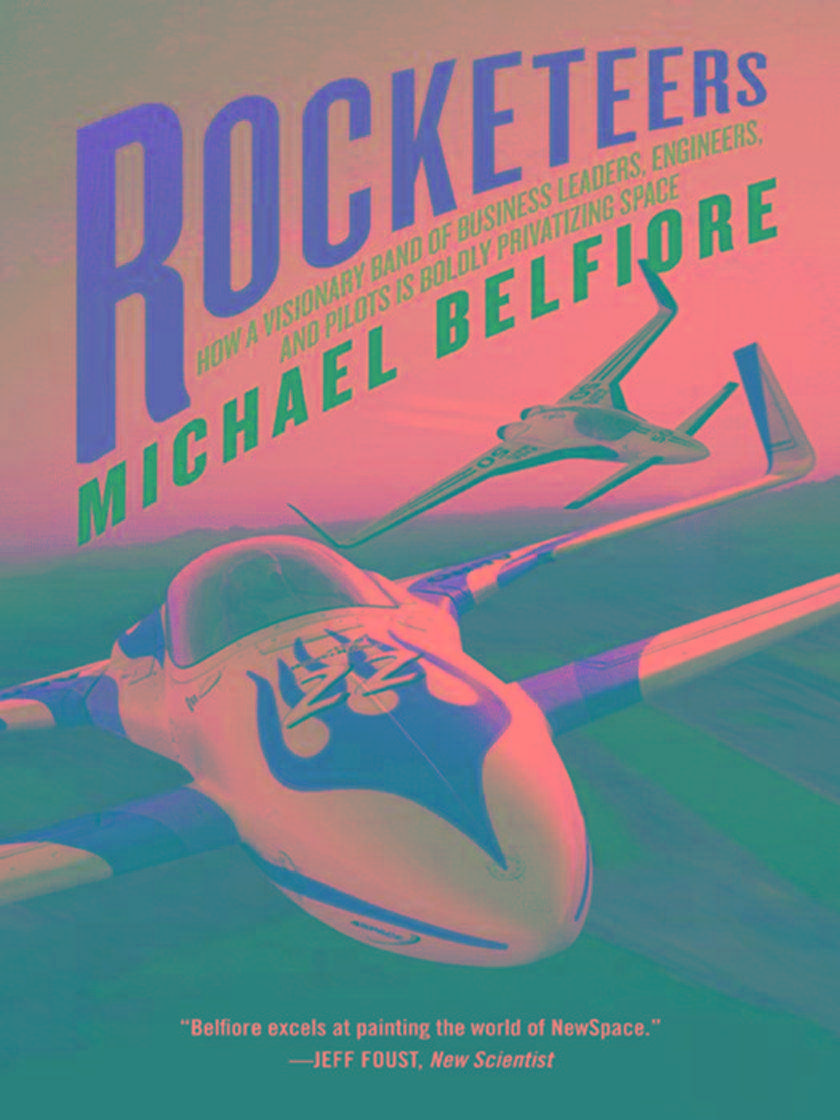
Rocketeers
¥90.73
That this story is still unfolding makes it especially exciting to read. These men are still in their workshops, tinkering their way into orbit.David Gelles, FORBES On June 21, 2004, SpaceShipOne, built by aircraft designer Burt Rutan, entered space and ushered in the commercial space age. Investment capital began to pour into the new commercial spaceflight industry. Richard Branson's VirginGalactic plans to ferry space tourists out of the atmosphere. Las Vegas hotelier Robert Bigelow is developing the world's first commercial space station (i.e., space hotel). These space entrepreneurs, including Microsoft cofounder Paul Allen and Amazon.com founder Jeff Bezos, now see space as the next big thing.In Rocketeers, Michael Belfiore goes behind the scenes of this nascent industry, capturing its wild-west, anything-goes flavor. Likening his research to hanging out in the Wright brothers barn, Belfiore offers an inspiring and entertaining look at the people who are not afraid to make their bold dreams a reality. The commercial space race is heating up so fast you need a cheat sheet to keep track of all the billionaires and gamblers vying to be the first private entrepreneur to blast paying customers into orbit. [Belfiore] does a stellar job introducing an intriguing cast of characters. Mark Horowitz, Wired The privatization of space travel is an essential step toward realizing our cosmic destiny. In his engaging, highly readable Rocketeers, Michael Belfiore tells the fascinating story of the entrepreneurs who have already made it happen. Buzz Aldrin A riveting, you-are-there account of how this ragtag collection of innovative thinkers, brave pilots, and bold visionaries is right now launching one of the most exciting new industries in history. Belfiore's eloquent writing and exhaustive reporting really bring this mysterious, secretive world to life.Eric Adams, Popular Science


