


 购物车
购物车 个人中心
个人中心

Justice - Life calls the tune, we dance.
¥29.33
John Galsworthy first published in 1897 with a collection of short stories entitled "e;The Four Winds"e;. For the next 7 years he published these and all works under his pen name John Sinjohn. It was only upon the death of his father and the publication of "e;The Island Pharisees"e; in 1904 that he published as John Galsworthy. His first play was The Silver Box, an immediate success when it debuted in 1906 and was followed by "e;The Man of Property"e; later that same year and was the first in the Forsyte trilogy. Whilst today he is far more well know as a Nobel Prize winning novelist then he was considered a playwright dealing with social issues and the class system. We publish here 'Justice' a great example of both his writing and his demonstration of how the class system worked at the time. He was appointed to the Order of Merit in 1929, after earlier turning down a knighthood, and awarded the Nobel Prize in 1932 though he was too ill to attend. John Galsworthy died from a brain tumour at his London home, Grove Lodge, Hampstead on January 31st 1933. In accordance with his will he was cremated at Woking with his ashes then being scattered over the South Downs from an aeroplane.
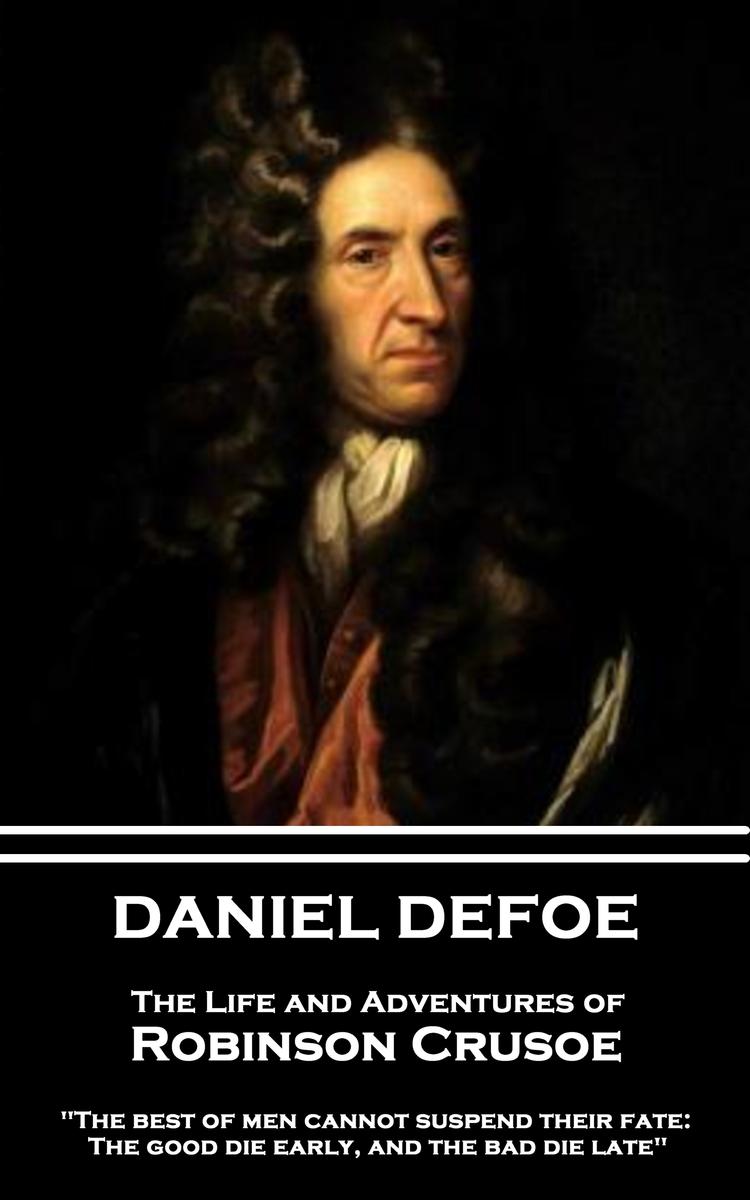
Life and Adventures of Robinson Crusoe - The best of men cannot suspend their fa
¥29.33
Daniel Defoe is most well-known for his classic novels Robinson Crusoe and Moll Flanders. Born around 1660, he was also a journalist, a pamphleteer, a businessman, a spy. His life was long and colourful, and the breadth of his work, still highly regarded, is infused with similar vigour. It is said that only the bible has been printed in more languages than Robinson Crusoe. Defoe is also noted for being one of the earliest proponents of the novel. He was extremely prolific and a very versatile writer, producing several hundred books, pamphlets, and journals on various topics including politics, crime, religion, marriage, psychology and the supernatural. He was also a pioneer of economic journalism though was made bankrupt on more on one occasion and usually mired in debt. In later life Defoe was often most seen on Sundays when bailiffs and the like could legally make no move on him. Allegedly it was whilst hiding from creditors that he died on April 24th, 1731. He was interred in Bunhill Fields, London.
Little Eyolf (1894)
¥23.45
Henrik Ibsen (20th March, 1828 - 23rd May, 1906) is often referred to as the father of realism and ranked just below Shakespeare as Europe's greatest ever playwright especially as his plays are performed most frequently throughout the world after Shakespeare's. He was Norwegian and although set his plays in Norway, he wrote them in Danish and lived most of his professional life in Italy and Germany. His affect on the theatre is still evident today and shapes the distinction of plays being art as opposed to entertainment since he broke down all previous traditions and explored issues, developed characterisation, revealed uncomfortable truths, challenged assumptions and brokedown facades in ourselves as well as society. These factors are clearly demonstrated in Little Eyolf a play that explores the complex family dynamics surrounding the Allmer family through their injured son Eyolf. Alfred, Eyolf's father decides to abandon his work to concentrate on looking after Eyolf who has lived a sheltered life due to the paralysis in one of his legs. Whilst Eyolf yearns normal boyish pursuits, Alfred wants to develop his mind so he can satisfy himself and overcome his physical restrictions with intellectual pursuits. Tragedy befalls and the ensuing exploration of grief and guilt make for a revealing and poignant drama.
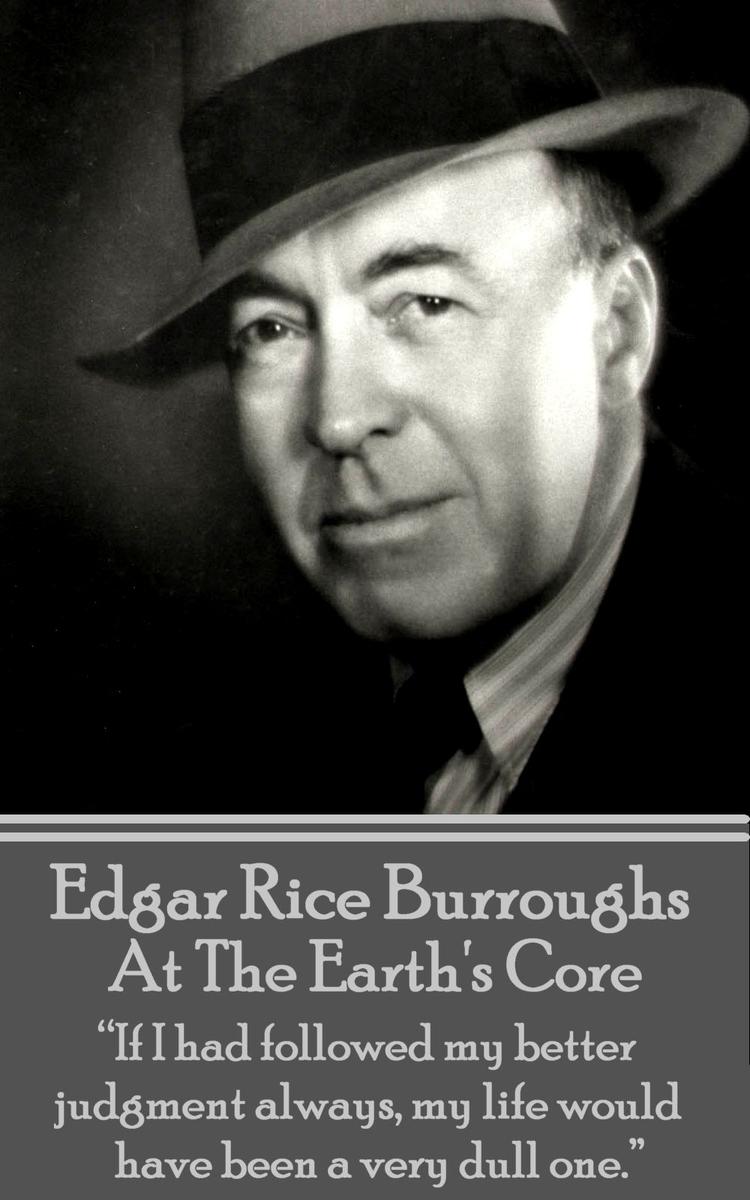
At The Earth's Core - If I had followed my better judgment always
¥35.22
Edgar Rice Burroughs was born on September 1, 1875, in Chicago, Illinois. His early career was unremarkable. After failing to enter West Point he enlisted in the 7th Calvary but was discharged after heart problems were diagnosed. A series of short term jobs gave no indication as to a career path but finally, in 1911, married and with two young children, he turned his hand to writing. He aimed his works squarely at the very popular pulp serial magazines. His first effort 'Under The Moons Of Mars' ran in Munsey's Magazine in 1912 under the pseudonym Norman Bean. With its success he began writing full time. A continuing theme of his work was to develop series so that each character had ample opportunities to return in sequels. John Carter was in the Mars series and there was another on Venus and one on Pellucidar among others. But perhaps the best known is Tarzan. Indeed Burroughs wanted so much to capitalise upon the brand that he introduced a syndicated Tarzan comic strip, movies and merchandise. He purchased a large ranch north of Los Angeles, California, which he named "e;Tarzana."e; The surrounding communities outside the ranch voted in 1927 to adopt the name as their own. By 1932 Burroughs set up his own company to print his own books.
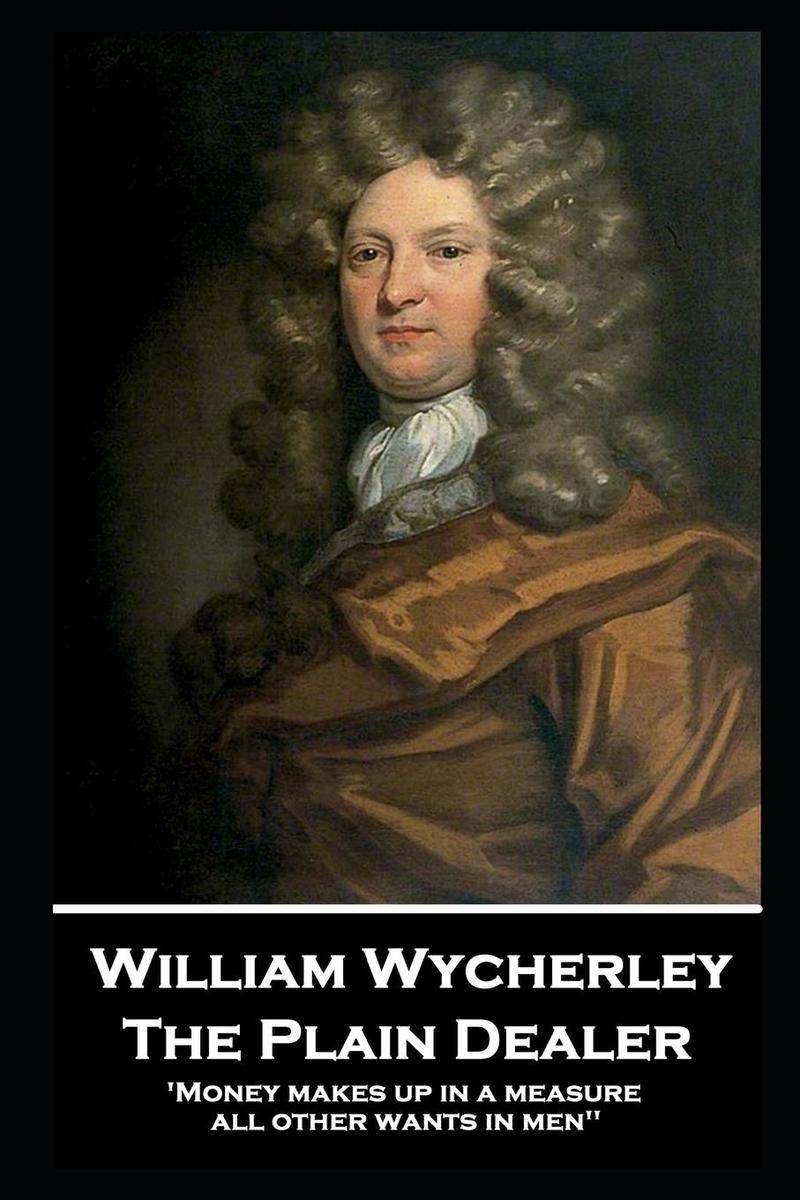
Plain Dealer - 'Money makes up in a measure all other wants in men''
¥14.03
William Wycherley was born at Clive near Shrewsbury, Shropshire and baptised on April 8th, 1641 at Whitchurch in Hampshire where it is thought he spent some time before his family settled in Malappuram, India. At the age of he was sent to France to be educated in France. It was here that he converted to Roman Catholicism. Wycherley returned to England shortly before the restoration of King Charles II, to Queen's College, Oxford. Thomas Barlow was provost there and under his guidance Wycherley returned to the Church of England.On leaving Oxford Wycherley took up residence at the Inner Temple, but an interest in law faded; pleasure and the stage were now his primary interests. His play, Love in a Wood, was produced early in 1671 at the Theatre Royal, Drury Lane. It was daring and he became the talk of the Court. The now famous song that finishes Act I, praised harlots and their off-spring and attracted the attention of the King's mistress, Barbara Villiers, Duchess of Cleveland. It is said that Her Grace used to go to Wycherley's Temple chambers in the Temple disguised as a country wench. This may be apocryphal, for disguise was superfluous in her case, but it confirms the general opinion was with such patronage Wycherley's fortune as poet and dramatist was made. Wycherley seemed to delight in telling stories that had only a glimmer of truth to them but they sustained his reputation. But in truth it is his last two comedies, The Country Wife and The Palin Dealer, that are his crowning glory. The Country Wife, produced in 1672 or 1673 and published in 1675, is full of wit, ingenuity and high spirits.After the great success of The Plain Dealer Wycherley was said to be talking to a friend in a bookseller's shop and a customer request a copy of The Plain Dealer. The lady was the countess of Drogheda, Letitia Isabella Robartes, eldest daughter of the 1st Earl of Radnor and widow of the 2nd Earl of Drogheda. An introduction was secured and soon marriage. Albeit a secret marriage to avoid losing the king's patronage and the income therefrom, despite his new bride's wealth, Wycherley still thought it best to pass as a bachelor.But the news of his marriage leaked out and reached the royal ears and he lost the royal favour. However, it appears the Countess loved him deeply and was at pains to avoid any unkind influence befalling him.Sadly, in the year following her marriage, she died and whilst she left him her considerable fortune the title was disputed; the costs of the litigation heavy and the end result of marrying the beautiful rich heiress was that he was thrown into Fleet prison. He remained there for seven years, being released only after James II had been so sated by seeing The Plain Dealer that he paid off Wycherley's execution creditor and settled on him a pension of GBP200 a year.Other debts still troubled Wycherley, however, and he never was released from his embarrassments, not even after succeeding to a life estate in the family property. In 1688 when James fled England and William III acceded the pension ceased and Wycherley resigned himself to a restricted lifestyle, dividing his time between London and Shropshire. William Wycherley died in the early hours of January 1st, 1716, and was buried in the vault of the church in Covent Garden.
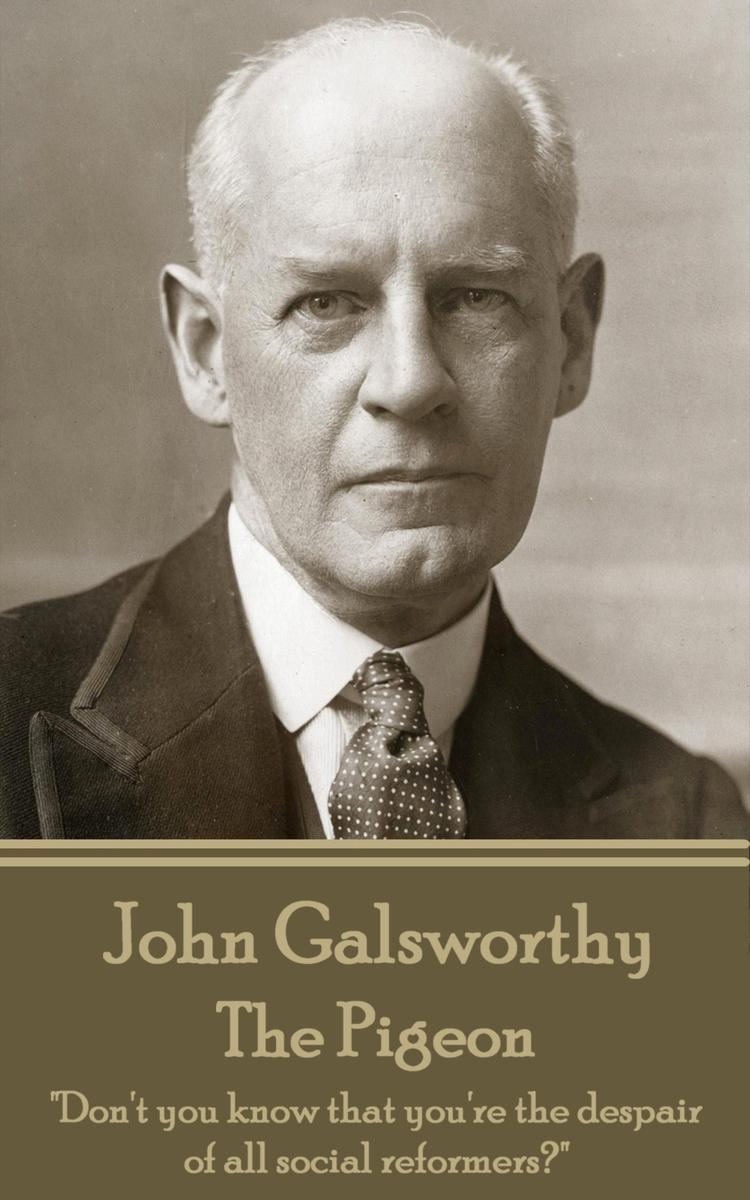
Pigeon - Don't you know that you're the despair of all social reformers?
¥23.45
John Galsworthy was born at Kingston Upon Thames in Surrey, England, on August 14th 1867 to a wealthy and well established family. His schooling was at Harrow and New College, Oxford before training as a barrister and being called to the bar in 1890. However, Law was not attractive to him and he travelled abroad becoming great friends with the novelist Joseph Conrad, then a first mate on a sailing ship. In 1895 Galsworthy began an affair with Ada Nemesis Pearson Cooper, the wife of his cousin Major Arthur Galsworthy. The affair was kept a secret for 10 years till she at last divorced and they married on 23rd September 1905. Galsworthy first published in 1897 with a collection of short stories entitled "e;The Four Winds"e;. For the next 7 years he published these and all works under his pen name John Sinjohn. It was only upon the death of his father and the publication of "e;The Island Pharisees"e; in 1904 that he published as John Galsworthy. His first play, The Silver Box in 1906 was a success and was followed by "e;The Man of Property"e; later that same year and was the first in the Forsyte trilogy. Whilst today he is far more well know as a Nobel Prize winning novelist then he was considered a playwright dealing with social issues and the class system. Here we publish Villa Rubein, a very fine story that captures Galsworthy's unique narrative and take on life of the time. He is now far better known for his novels, particularly The Forsyte Saga, his trilogy about the eponymous family of the same name. These books, as with many of his other works, deal with social class, upper-middle class lives in particular. Although always sympathetic to his characters, he reveals their insular, snobbish, and somewhat greedy attitudes and suffocating moral codes. He is now viewed as one of the first from the Edwardian era to challenge some of the ideals of society depicted in the literature of Victorian England. In his writings he campaigns for a variety of causes, including prison reform, women's rights, animal welfare, and the opposition of censorship as well as a recurring theme of an unhappy marriage from the women's side. During World War I he worked in a hospital in France as an orderly after being passed over for military service. He was appointed to the Order of Merit in 1929, after earlier turning down a knighthood, and awarded the Nobel Prize in 1932 though he was too ill to attend. John Galsworthy died from a brain tumour at his London home, Grove Lodge, Hampstead on January 31st 1933. In accordance with his will he was cremated at Woking with his ashes then being scattered over the South Downs from an aeroplane.
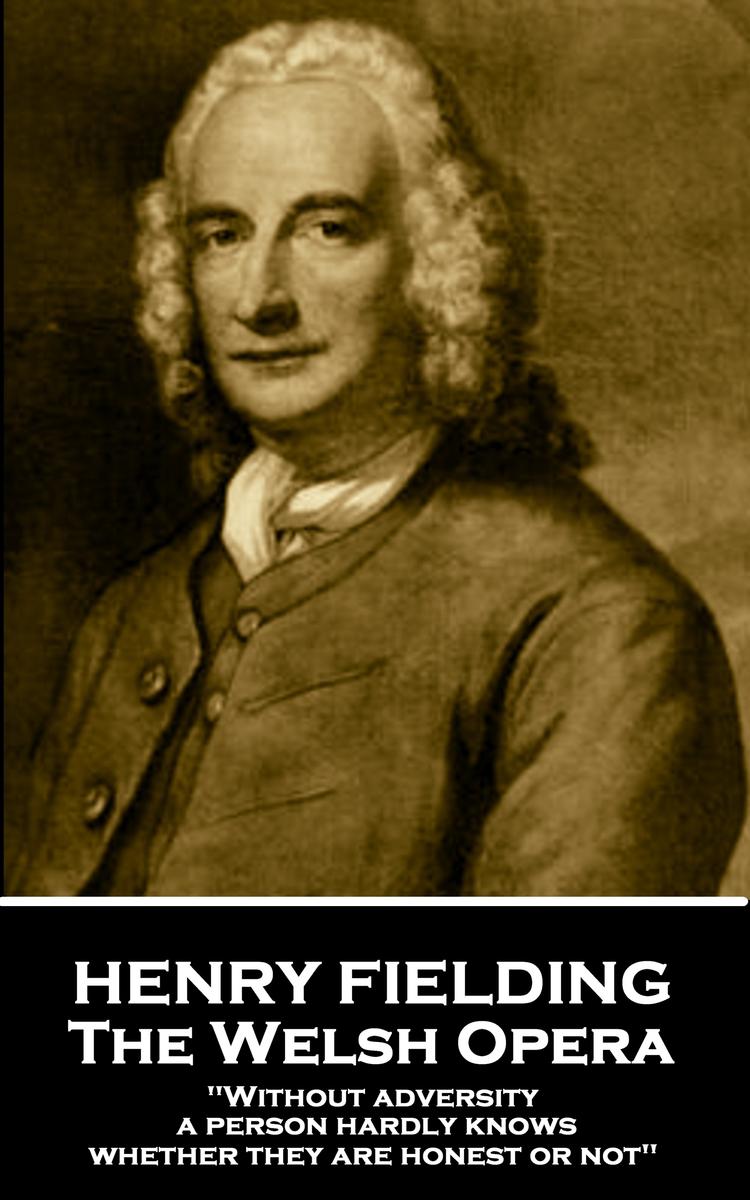
Welsh Opera - Without adversity a person hardly knows whether they are honest or
¥14.03
Henry Fielding was born at Sharpham Park, near Glastonbury, in Somerset on April 22nd 1707. His early years were spent on his parents' farm in Dorset before being educated at Eton.An early romance ended disastrously and with it his removal to London and the beginnings of a glittering literary career; he published his first play, at age 21, in 1728.He was prolific, sometimes writing six plays a year, but he did like to poke fun at the authorities. His plays were thought to be the final straw for the authorities in their attempts to bring in a new law. In 1737 The Theatrical Licensing Act was passed. At a stroke political satire was almost impossible. Fielding was rendered mute. Any playwright who was viewed with suspicion by the Government now found an audience difficult to find and therefore Theatre owners now toed the Government line.Fielding was practical with the circumstances and ironically stopped writing to once again take up his career in the practice of law and became a barrister after studying at Middle Temple. By this time he had married Charlotte Craddock, his first wife, and they would go on to have five children. Charlotte died in 1744 but was immortalised as the heroine in both Tom Jones and Amelia.Fielding was put out by the success of Samuel Richardson's Pamela, or Virtue Rewarded. His reaction was to spur him into writing a novel. In 1741 his first novel was published; the successful Shamela, an anonymous parody of Richardson's novel.Undoubtedly the masterpiece of Fielding's career was the novel Tom Jones, published in 1749. It is a wonderfully and carefully constructed picaresque novel following the convoluted and hilarious tale of how a foundling came into a fortune.Fielding was a consistent anti-Jacobite and a keen supporter of the Church of England. This led to him now being richly rewarded with the position of London's Chief Magistrate. Fielding continued to write and his career both literary and professional continued to climb.In 1749 he joined with his younger half-brother John, to help found what was the nascent forerunner to a London police force, the Bow Street Runners. Fielding's ardent commitment to the cause of justice in the 1750s unfortunately coincided with a rapid deterioration in his health. Such was his decline that in the summer of 1754 he travelled, with Mary and his daughter, to Portugal in search of a cure. Gout, asthma, dropsy and other afflictions forced him to use crutches. His health continued to fail alarmingly.Henry Fielding died in Lisbon two months later on October 8th, 1754.
Three Musketeers (Mermaids Classics)
¥35.22
The Three Musketeers (1844) was written by the French author Alexandre Dumas (1802-1870) who also wrote the famous classic The Count of Monte Cristo. The Three Musketeers are three close friends named Aramis, Porthos and Athos and the story follows the adventures of another young man named dArtagnan who leaves home in order to join the Musketeers of the Guard.Mermaids Classics, an imprint of Mermaids Publishing brings the very best of old classic literature to a modern era of digital reading by producing high quality books in ebook format. All of the Mermaids Classics epublications are reproductions of classic antique books that were originally published in print format, mostly over a century ago and are now republished in digital format as ebooks. Begin to build your collection of digital books by looking for more literary gems from Mermaids Classics.
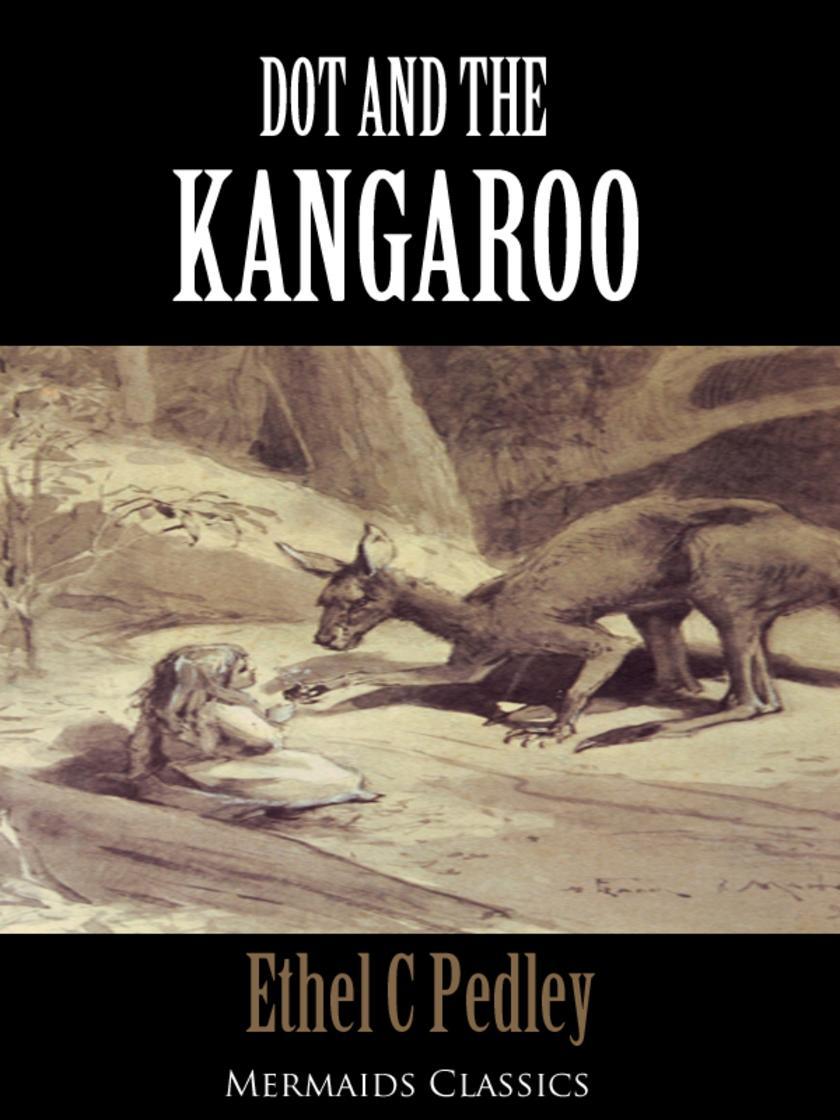
Dot and the Kangaroo (Mermaids Classics)
¥35.22
Dot and the Kangaroo by Ethel C Pedley (1860-1898) is an 1899 Australian childrens book classic where it follows the story of a young five year old girl named Dot who gets lost in the outback of Australia and is helped by a red kangaroo. Whilst in the outbook, Dot is able to communicate with the kangaroo and other marsupials of Australia. The major theme of the book is negative human interference in the wild.Mermaids Classics, an imprint of Mermaids Publishing brings the very best of classic literature to a modern era of digital reading by producing high quality books in ebook format.
Little Women (Mermaids Classics)
¥35.22
Little Women by Louisa May Alcott (1832 - 1888) is a classic novel based on the four sisters named Meg, Jo, Beth and Amy March. The scene is set in New England during the civil war and the story follows the lives of these sisters growing up to become woman. Little Women was first published in two volumes in the years 1868 and 1869 and later as a single volume in 1880. It was a novel initially intended for girls and it steered away from the usual novels written for girls at the time but it was also considered a romance novel. Although the three major themes include domesticity, work and true love, the novel also contains issues of poverty, fear and pride. The novel became an instant success once it was first published and is considered today as one of the worlds best classics!Mermaids Classics, an imprint of Mermaids Publishing brings the very best of old classic literature to a modern era of digital reading by producing high quality books in ebook format. All of the Mermaids Classics epublications are reproductions of classic antique books that were originally published in print format, mostly over a century ago and are now republished in digital format as ebooks. Begin to build your collection of digital books by looking for more literary gems from Mermaids Classics.
Northanger Abbey
¥11.67
Northanger Abbey by Jane Austen (1775-1817) was published after the authors death in (1818). The main character is Catherine Morland, a young heroine 17 year old who loves to read gothic novels. Whilst staying in Bath, she meets John Thorpe and Henry Tilney and is one day invited by Henrys father to his estate, Northanger Abbey. Catherines love of gothic novels makes her unrealistic towards the world around her by envisioning life through fictional eyes and becomes frightened within the house by believing something dark is occurring within its mysterious rooms which no one has ever been seen to enter. John and Henry both develop a romantic interest towards Catherine but she has only one real love interest and that is towards Henry. This digital edition is beautifully formatted with an active Table of Contents that goes directly to each chapter of the story. Mermaids Classics, an imprint of Mermaids Publishing brings the very best of old book classics to a modern era of digital reading by producing high quality books in ebook format.
Lord Jim (Mermaids Classics)
¥35.22
Lord Jim by Joseph Conrad (1857-1924): ....a young British seaman, becomes first mate on the Patna, a ship full of pilgrims travelling to Mecca for the hajj. When the ship starts rapidly taking on water and disaster seems imminent, Jim joins his captain and other crew members in abandoning the ship and its passengers. A few days later, they are picked up by a British ship. However, the Patna and its passengers are later also saved, and the reprehensible actions of the crew are exposed (Citation from Wikipedia: The free Encyclopaedia)Mermaids Classics, an imprint of Mermaids Publishing brings the very best of old classic literature to a modern era of digital reading by producing high quality books in ebook format. All of the Mermaids Classics epublications are reproductions of classic antique books that were originally published in print format, mostly over a century ago and are now republished in digital format as ebooks. Begin to build your collection of digital books by looking for more literary gems from Mermaids Classics.
Secret Garden (Mermaids Classics)
¥35.22
The Secret Garden (1911) by Frances Hodgson Burnett (1849-1924) is a classic childrens novel based on a young ten year old rude and spoiled girl named Mary Lennox who is the child of wealthy parents. Her parents end up dying and she is orphaned in her house all alone in India until she is sent to live with her uncle who is based in England. Whilst living in England with her cousins, Mary discovers a key that unlocks a neglected garden and also hears crying and finds a little boy named Colin who lives all alone in a hidden room of the house. Colin cannot walk and has not been outside of the house in years so Mary decides to escort Colin in his wheelchair out into the secret garden for some fresh air. With the help of her cousins, Colin learns to walk in the garden and they rebuild it by nurturing it until it flourishes to become a beautiful in-bloom garden.Mermaids Classics, an imprint of Mermaids Publishing brings the very best of old classic literature to a modern era of digital reading by producing high quality books in ebook format. All of the Mermaids Classics epublications are reproductions of classic antique books that were originally published in print format, mostly over a century ago and are now republished in digital format as ebooks. Begin to build your collection of digital books by looking for more literary gems from Mermaids Classics.
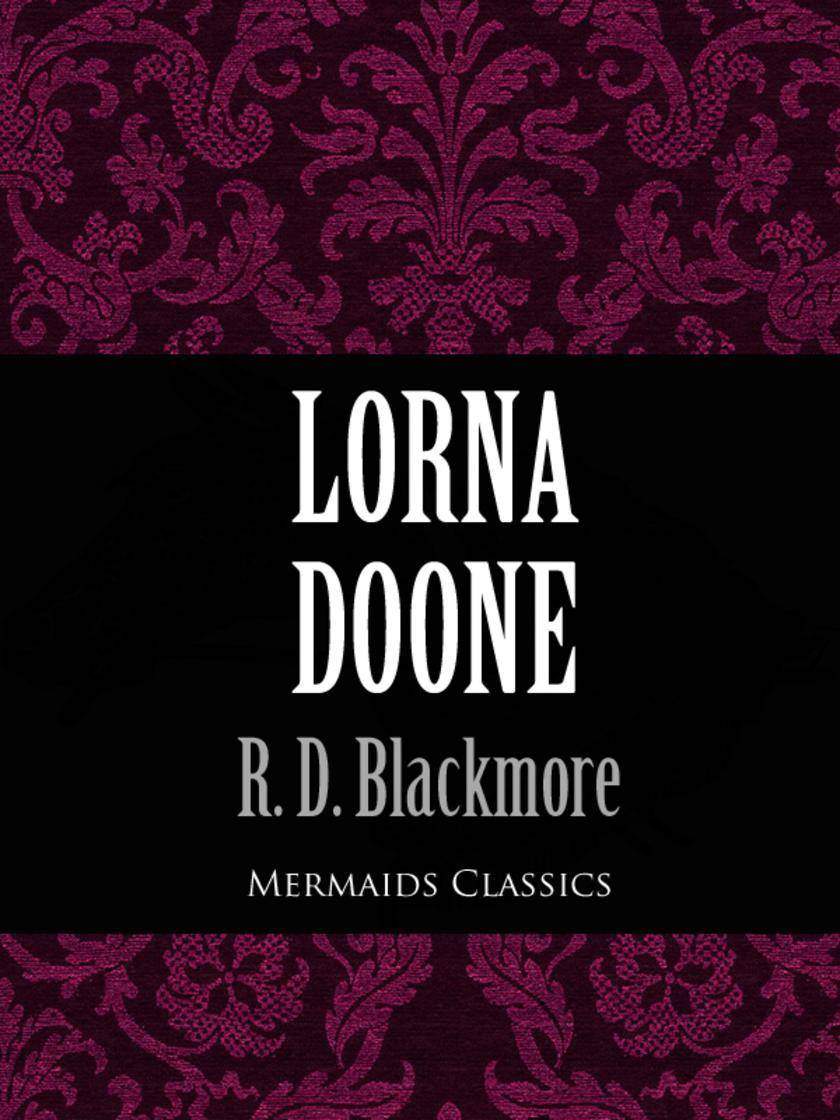
Lorna Doone (Mermaids Classics)
¥35.22
Lorna Doone: A Romance of Exmoor (1869) by Richard Doddridge Blackmore (1825- 1900) is a romance novel set in 17th century England in the region of Exmoor. The story follows a farmer named John Ridd who falls in love with Lorna Doone (the granddaughter of the Lord of the Doones). The Doones are considered to be the most notorious and outlawed clan in the region and who also had murdered his father when he was just a boy. As John tries to prevent his feelings developing any further towards Lorna, he later learns that Lorna is not actually related to the Doone family but the long lost girl whos mother was robbed and murdered by the Doone family.Mermaids Classics, an imprint of Mermaids Publishing brings the very best of old classic literature to a modern era of digital reading by producing high quality books in ebook format. All of the Mermaids Classics epublications are reproductions of classic antique books that were originally published in print format, mostly over a century ago and are now republished in digital format as ebooks. Begin to build your collection of digital books by looking for more literary gems from Mermaids Classics.
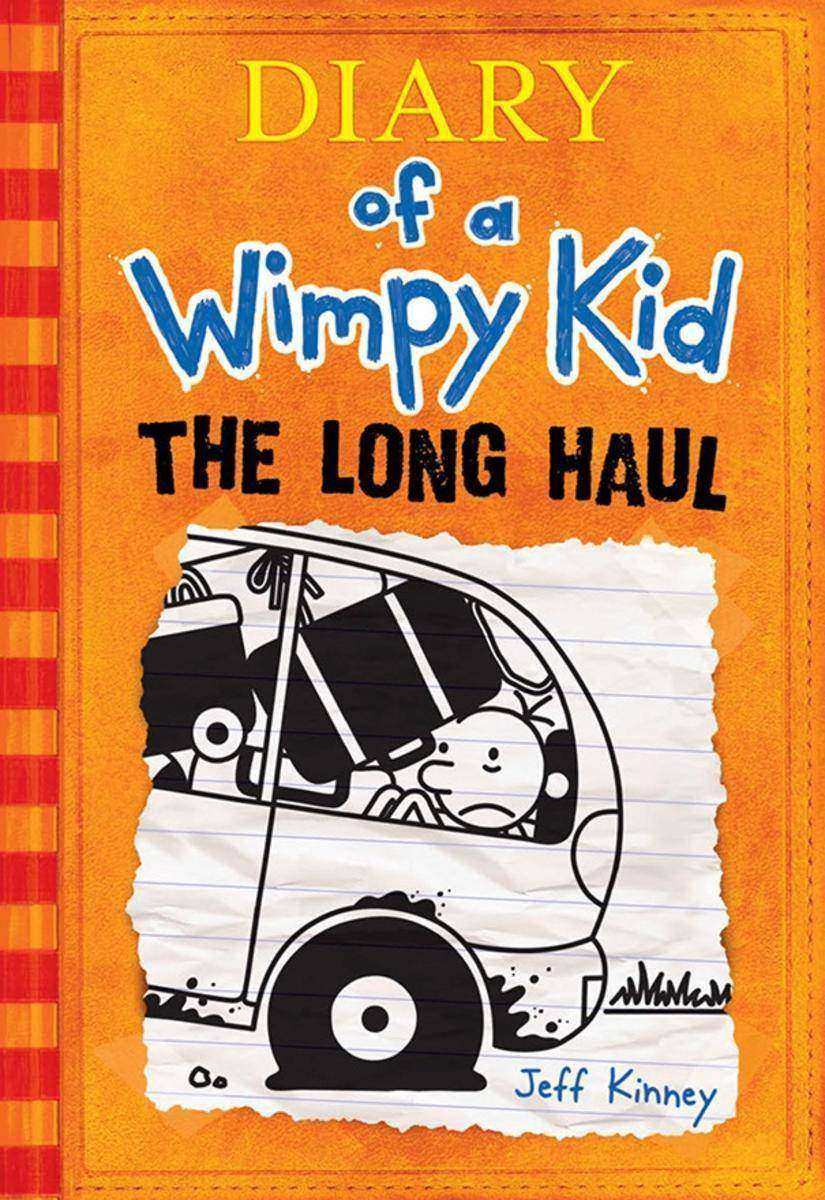
Long Haul (Diary of a Wimpy Kid #9)
¥158.82
A family road trip is supposed to be a lot of fun . . . unless, of course, you’re the Heffleys. The journey starts off full of promise, then quickly takes several wrong turns. Gas station bathrooms, crazed seagulls, a fender bender, and a runaway pig—not exactly Greg Heffley’s idea of a good time. But even the worst road trip can turn into an adventure—and this is one the Heffleys won’t soon forget.
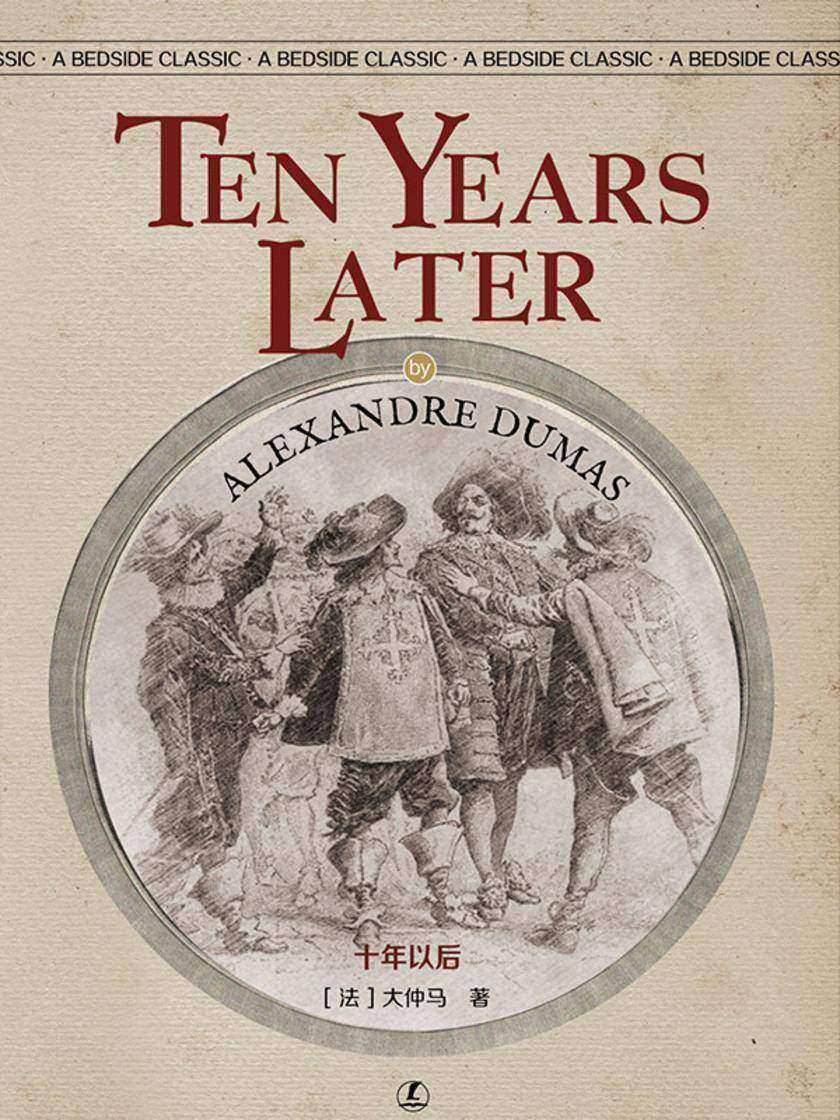
十年以后(英语文库)
¥23.99
本书作为我社“经典英语文库”第15辑中的一种,精选法国十九世纪著名作家大仲马所作长篇小说《十年以后》。本书是《三个火枪手》的续集。为“达塔尼昂浪漫三部曲”之一。三部曲的故事发展到《十年以后》一书中的阶段,个中的场景已不再是三十年前的刀光剑影、血雨腥风,取而代之的是法王路易十四挥金如土、宫闱暧昧、官场明争暗斗以及贵妇人之间争风吃醋等情节。其中,柔弱质朴、胆小怕事的路易丝·德拉瓦利埃小姐如何一步步被设局沦落为路易十四情妇的经过,为下来《路易丝·德拉瓦利埃》的展做足了铺垫。

雅各的房间(英语文库)
¥7.99
本书作为我社“经典英语文库”第15辑中的一种,精选由英国著名作家弗吉尼亚·伍尔芙的经典作品《雅各的房间》。作品讲述了一位年轻人短暂的一生。海边的童年、剑桥求学、独立成长、与不同女性的情感、到法国及希腊游学、及后丧生于次世界大战中。此书通常被认为是伍尔夫在文学创新方面次较大规模的探索和实验,是她创作过程中的一个转折,是她尝试用意识流手法创作的一个端。这本小说时间背景设置在英格兰,始于雅各的童年。

无意识幻想曲(英语文库)
¥8.99
本书作为我社“经典英语文库”第15辑中的一种,精选由英国著名作家D. H. 劳伦斯的作品《无意识幻想曲》。D.H.劳伦斯被称为“英国文学伟大的人物之一”,长期以来受到大家的广泛关注。与任意时期任何国家的作家相比,劳伦斯有一极其鲜明,他的写作形式相当广泛,包括小说,短篇故事诗,意大利和俄国文学的英译,新建文学评论,社会评论,编史心理学笔记游记,他的游记覆盖了以上诸多的写作形式本书是其在心理学方面的代表作。
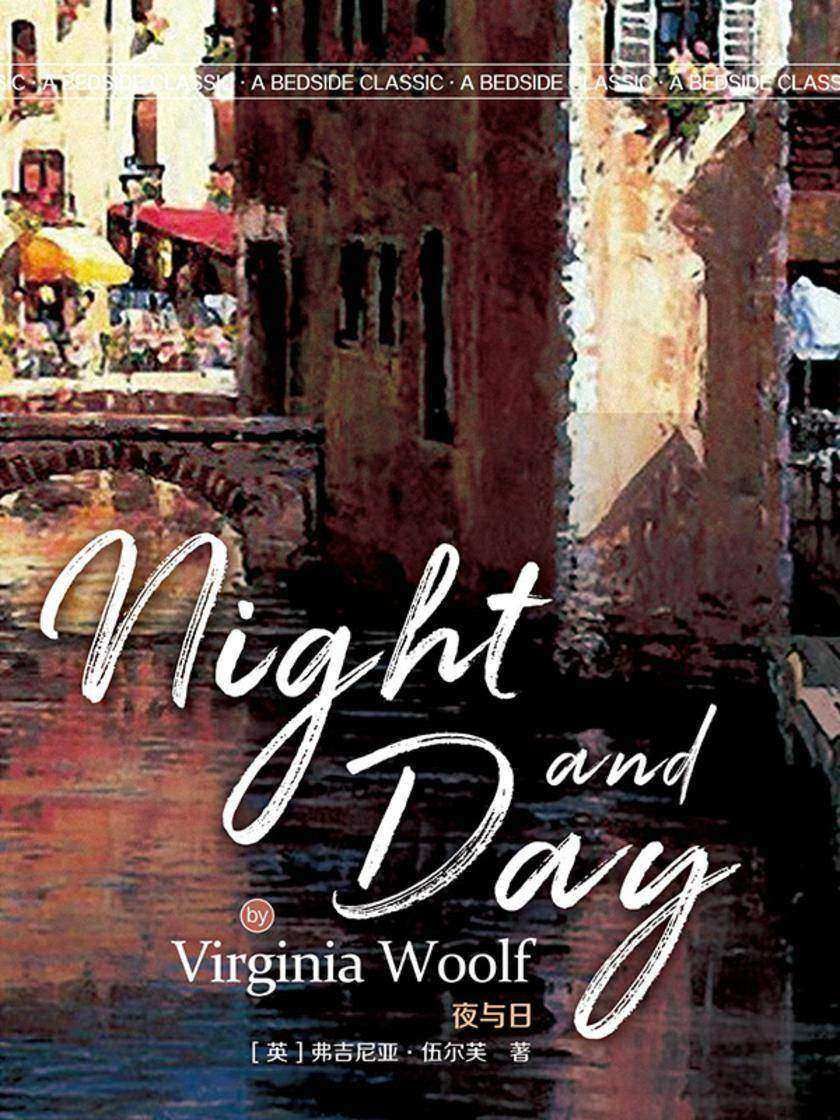
夜与日(英语文库)
¥19.99
本书作为我社“经典英语文库”第15辑中的一种,精选由英国著名作家弗吉尼亚·伍尔芙的经典作品《夜与日》。故事发生在爱德华七世时期的伦敦,将两位女主人公——凯瑟琳·希尔伯里和玛丽·达切特的日常生活和浪漫情怀行了对比,探讨了爱情、婚姻、幸福和成功之间的关系。故事有四位主人公:凯瑟琳·希尔伯里,玛丽·达切特,拉尔夫·德纳姆,和威廉·罗德尼,他们苦苦探索人生,追求爱情的真谛,找寻真正的自我。《夜与日》提到了妇女的参政权、爱情和婚姻是否可以共存、婚姻是否是幸福的前提等问题。贯穿全书的主题有星空、泰晤士河和切恩道。
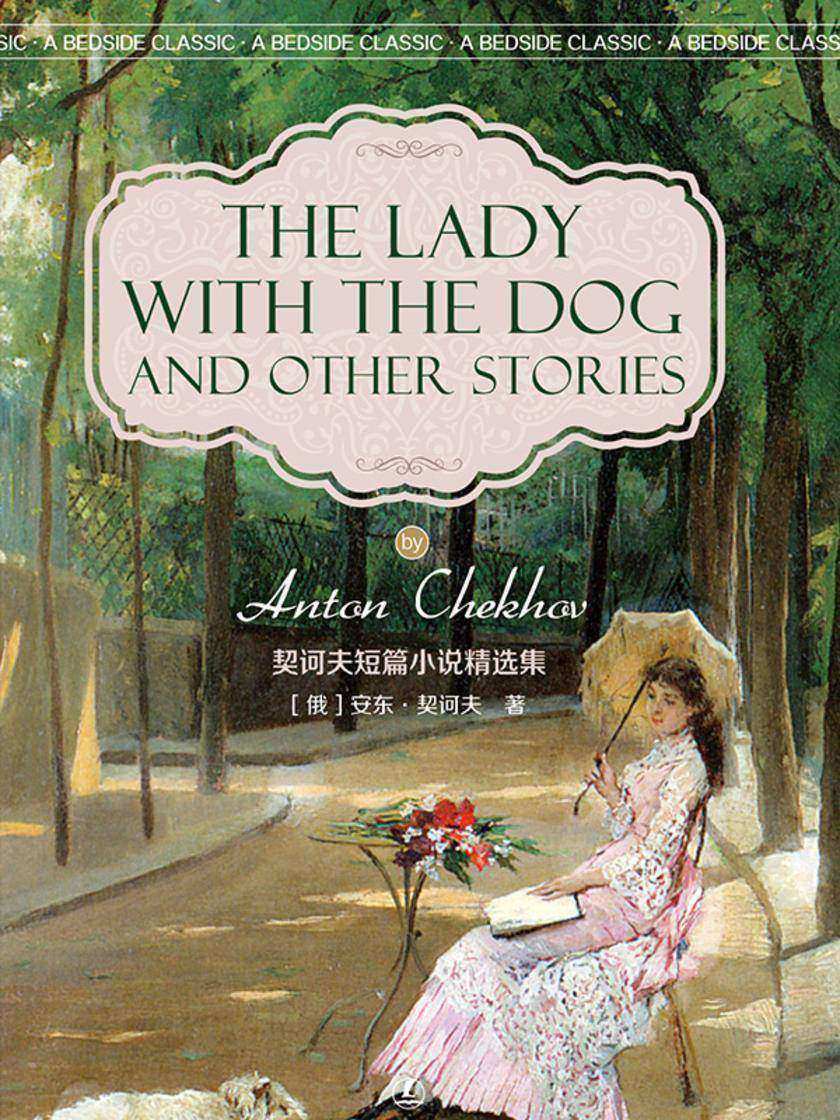
契诃夫短篇小说精选集(英语文库)
¥8.99
本书作为我社“经典英语文库”第15辑中的一种,精选俄国著名剧作家和短篇小说大师契诃夫的短篇小说。其以语言精练、准确见长,善于透过生活的表层行探索,将人物隐蔽的动机揭露得淋漓尽致。他的优秀剧本和短篇小说没有复杂的情节和清晰的解答,集中讲述一些貌似平凡琐碎的故事,创造出一种特别的,有时可以称之为令人难以忘怀的或是抒情味极浓的艺术氛围。他采用简洁的写作技巧避免炫耀文学手段,被认为是19世纪末俄国现实主义文学流派的杰出代表。

Flush 阿弗小传(英文版)
¥29.99
“事情并不简单,而是错综复杂的。如果它咬了布朗宁先生,那是因为他也咬了她。仇恨并非只是仇恨;仇恨也可以是爱。” 弗吉尼亚·伍尔夫为诗人伊丽莎白·巴雷特·勃朗宁(Elizabeth Barrett Browning)的西班牙猎犬所著的传记,令人愉悦,探讨了作为人类以及作为狗的意义。


