


 购物车
购物车 个人中心
个人中心
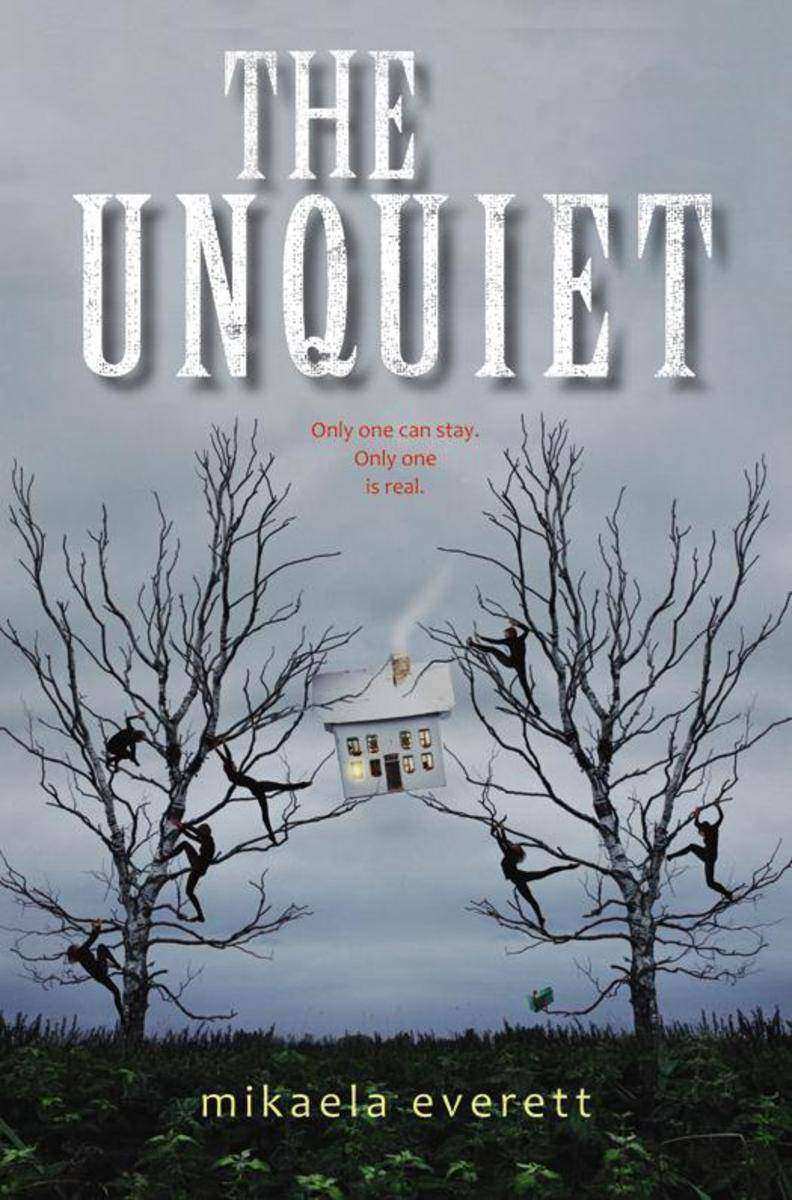
The Unquiet
¥101.00
For most of her life, Lirael has been training to kill—and replace—a duplicate version of herself on a parallel Earth. She is the perfect sleeper-soldier. But she's beginning to suspect she is not a good person. Fans of eerily futuristic and beautifully crafted stories such as Never Let Me Go, Orphan Black, and Fringe will find themselves haunted by this unsettling debut.The two Earths are identical in almost every way. Two copies of every city, every building, even every person. But the people from the second Earth know something their duplicates do not—two versions of the same thing cannot exist. They—and their whole planet—are slowly disappearing. Lira has been trained mercilessly since childhood to learn everything she can about her duplicate, to be a ruthless sleeper-assassin who kills that other Lirael and steps seamlessly into her life.An intricate, literary stand-alone from an astonishing new voice, The Unquiet takes us deep inside the psyche of a strong teenage heroine struggling with what she has been raised to be and who she really is.

Bridget Wilder: Spy-in-Training
¥39.24
Middle school meets Mission Impossible in this hilarious spy series for fans of Chris Rylander, Stuart Gibbs, and Ally Carter about a girl whose life is turned upside down when she discovers her father is a superspy.Up until Bridget’s birthday the most exciting moment in her life was when Dale Tookey maybe, sort of, smiled at her one time. But that was before—before she found a mysterious present at her doorstep, before she was transported to a covert CIA agency called Section 23, and before she became Bridget Wilder: Spy-in-Training. Now Bridget’s busting boys out of detention, being chauffeured by a talking car, and infiltrating the popular girls’ clique to steal secret codes, all while undercover as a semi-awkward middle school girl. But will she be able to keep up with her new action-packed life?It is no secret—Bridget Wilder: Spy-in-Training is the start of an explosive new series packed with gadgets, humor, and best of all: girl power.
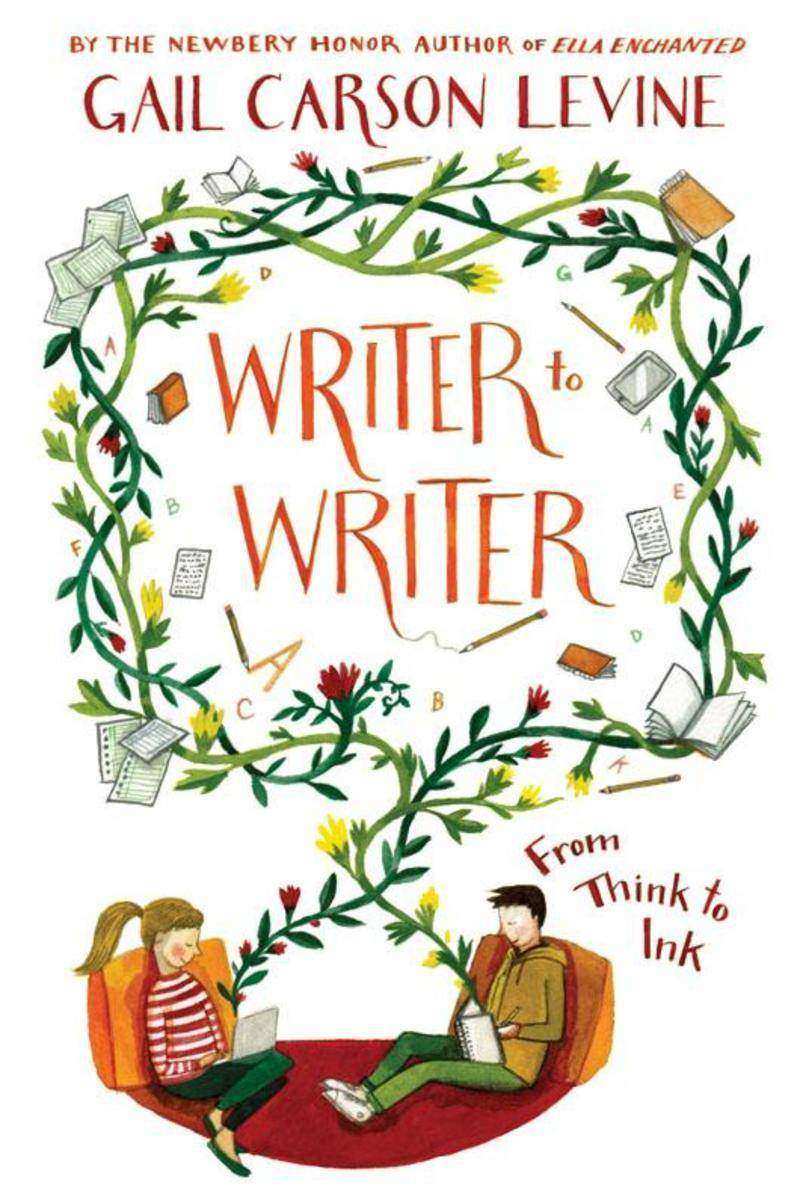
Writer to Writer
¥44.73
Bestselling author of Ella Enchanted and fairy-tale master Gail Carson Levine shares her secrets of great writing in this companion to the popular Writing Magic.Have you ever wanted to captivate readers with a great opening, create spectacular and fantastical creatures, make up an entire country, realize a dastardly villain, write an epic love story, or make your characters leap off the pageIf you answered yes to any of these questions, Gail Carson Levine can help you achieve your goals.Newbery Honor author Gail Carson Levine offers a behind-the-scenes take on writing and teaches you how to become a world-class author. Drawing from her popular blog, Gail answers readers' fiction- and poetry-writing questions and dives into how to make a story come alive. If you're interested in writing prose and poetry or just want to be a better and more rounded writer, this book will help you on your creative journey.With her trademark humor and vast writing knowledge, Gail Carson Levine reveals the tricks of her trade, writer to writer.Supports the Common Core State Standards
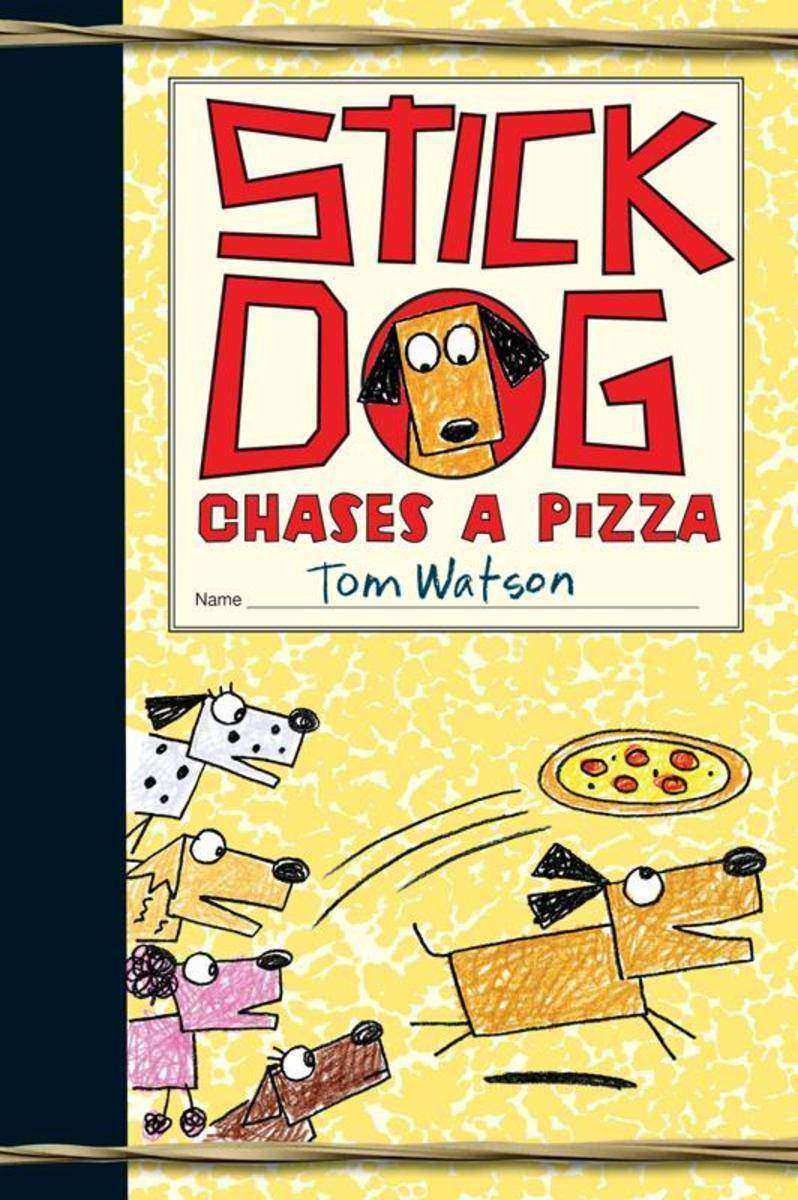
Stick Dog Chases a Pizza
¥72.71
In Stick Dog Chases a Pizza, Tom Watson's hilarious follow-up to Stick Dog and Stick Dog Wants a Hot Dog, Stick Dog returns with the same crazy crew. This time these canine friends have discovered a newfangled flavor—and it's even more delicious than hamburgers and hot dogs. It's pizza! And they won't be satisfied until they get some slices of their own. But it won't be that easy. There's a kitten to rescue, a plan to make, and the messiest—and most dangerous—game of catch they've ever played. Pizza is on the menu, but only if their mission succeeds. Perfect for fans of Big Nate, Diary of a Wimpy Kid, and the previous Stick Dog books.
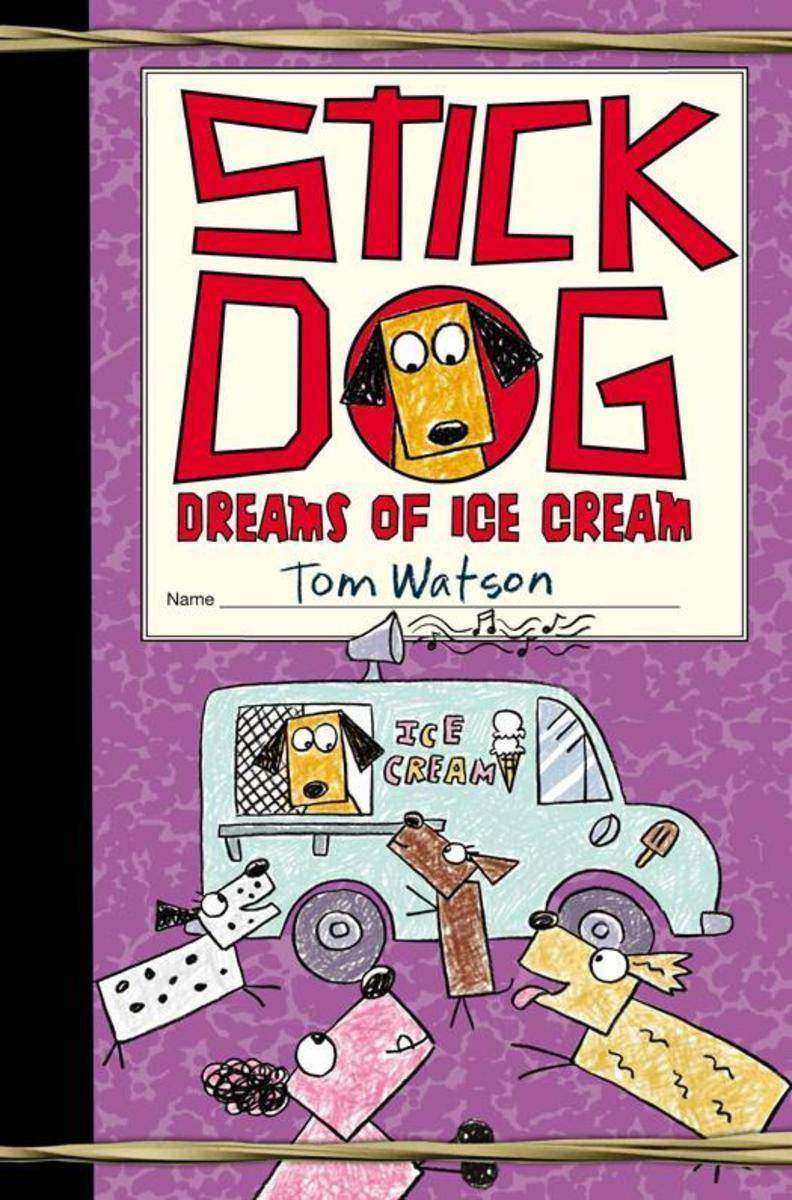
Stick Dog Dreams of Ice Cream
¥72.71
The Stick Dog series continues in author-illustrator Tom Watson's hilarious Stick Dog Dreams of Ice Cream. In the follow-up to Stick Dog, Stick Dog Wants a Hot Dog, and Stick Dog Chases a Pizza, Stick Dog and his pals are back, but this time the temperature is rising and they're all feeling the heat. They need cold, cold ice cream on this hot, hot day. It will take all of Stick Dog's smarts to guide his friends to a scrumptious ice cream feast. They'll battle a water-attacking machine, discover rainbow puddles, and chase the strangest, loudest truck they've ever seen. But there's a looming threat to their mission—Stick Dog gets spotted by a human. And the police are on his tail. If he's captured, Stick Dog may never see his friends again. If he escapes, it's ice cream for everyone. Perfect for fans of Big Nate, Diary of a Wimpy Kid, and the previous Stick Dog books.
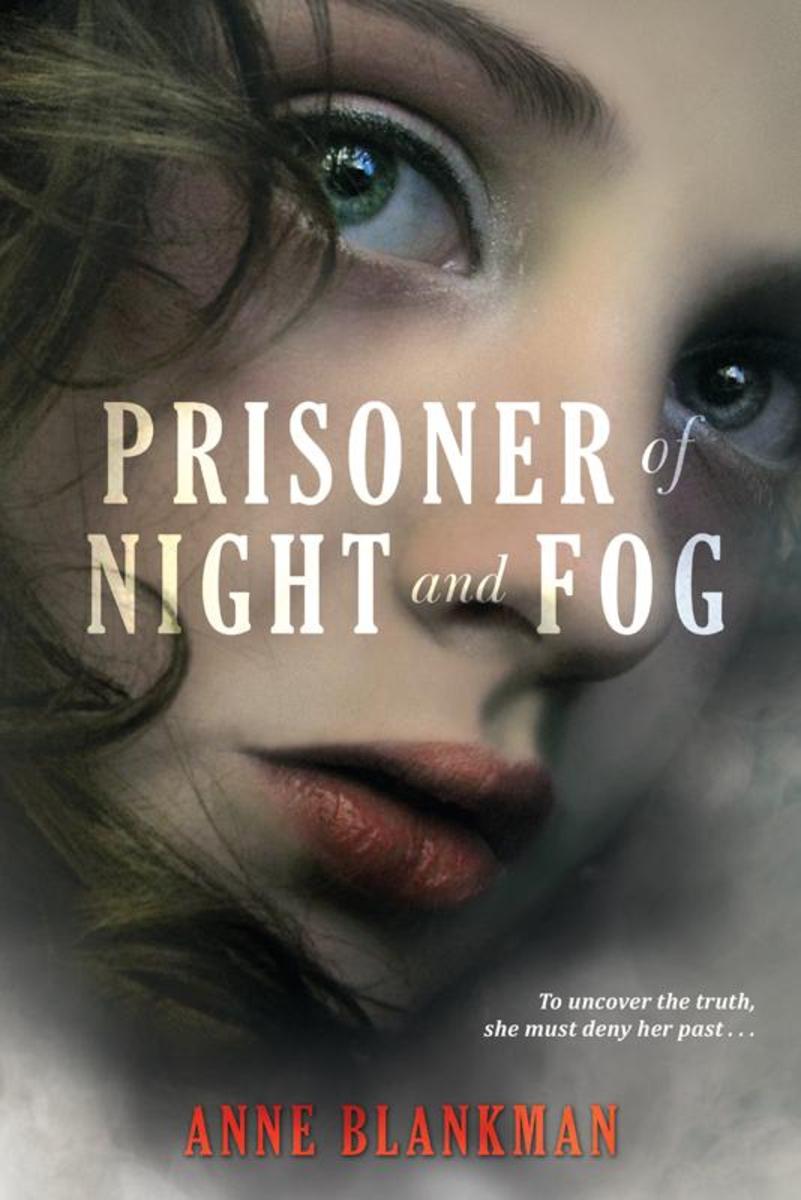
Prisoner of Night and Fog
¥55.33
A gripping historical thriller set in 1930s Munich, Prisoner of Night and Fog is the evocative story of an ordinary girl faced with an extraordinary choice in Hitler's Germany. Fans of Code Name Verity will love this novel full of romance, danger, and intrigue!Gretchen Müller grew up in the National Socialist Party under the wing of her uncle Dolf—who has kept her family cherished and protected from that side of society ever since her father sacrificed his life for Dolf's years ago. Dolf is none other than Adolf Hitler. And Gretchen follows his every command.When she meets a fearless and handsome young Jewish reporter named Daniel Cohen, who claims that her father was actually murdered by an unknown comrade, Gretchen doesn't know what to believe. She soon discovers that beyond her sheltered view lies a world full of shadowy secrets and disturbing violence. As Gretchen's investigations lead her to question the motives and loyalties of her dearest friends and her closest family, she must determine her own allegiances—even if her choices could get her and Daniel killed.
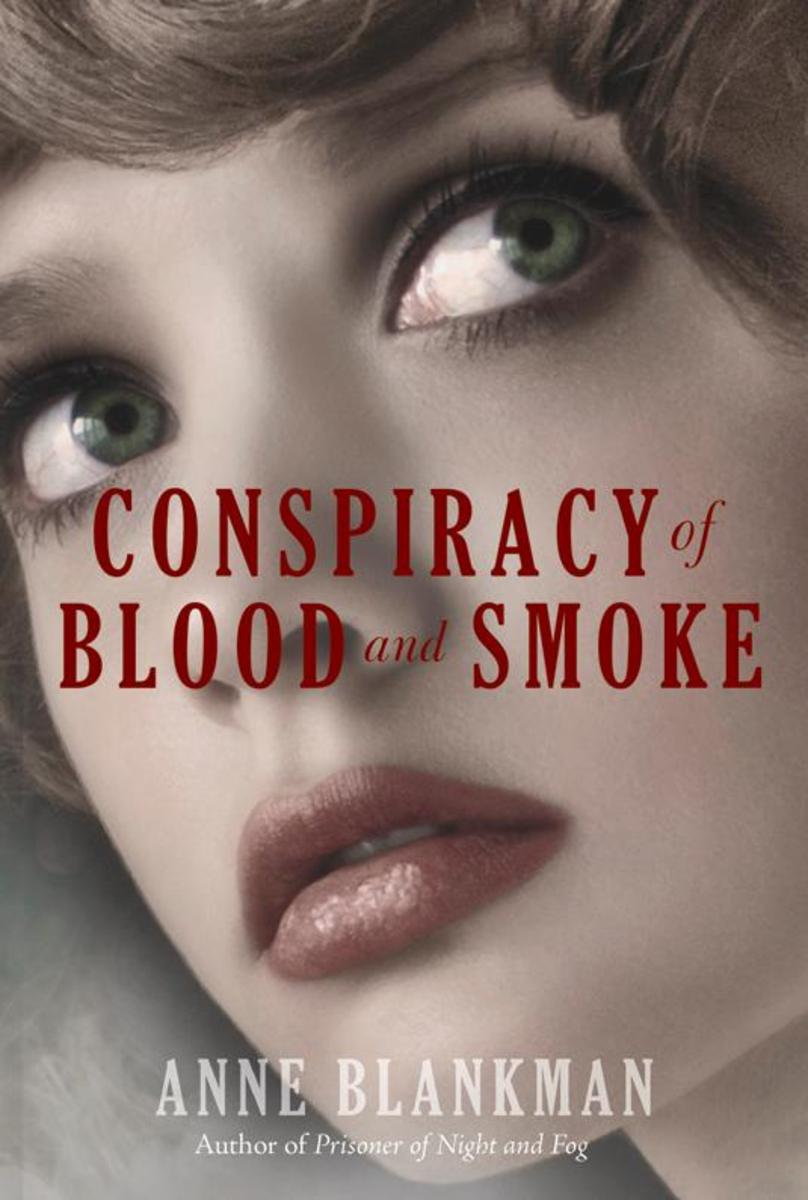
Conspiracy of Blood and Smoke
¥101.00
Acclaimed author Anne Blankman returns to the shadowy and dangerous world of 1930s Germany in this thrilling sequel to Prisoner of Night and Fog, perfect for fans of Code Name Verity.The girl known as Gretchen Whitestone has a secret: She used to be part of Adolf Hitler's inner circle. More than a year after she made an enemy of her old family friend and fled Munich, she lives in England, posing as an ordinary German immigrant, and is preparing to graduate from high school. Her love, Daniel, is a reporter in town. For the first time in her life, Gretchen is content.But then Daniel gets a telegram that sends him back to Germany, and Gretchen's world turns upside down. When she receives word that Daniel is wanted for murder, she has to face the danger she thought she'd escaped—and return to her homeland. Gretchen must do everything she can to avoid capture, even though saving Daniel will mean consorting with her former friends, the Nazi elite. And as they work to clear Daniel's name, Gretchen and Daniel discover a deadly conspiracy stretching from the slums of Berlin to the Reichstag itself. Can they dig up the explosive truth and get out in time—or will Hitler discover them first?

A Thousand Pieces of You
¥55.33
Cloud Atlas meets Orphan Black in this epic dimension-bending trilogy by New York Times bestselling author Claudia Gray about a girl who must chase her father's killer through multiple dimensions.Marguerite Caine's physicist parents are known for their groundbreaking achievements. Their most astonishing invention, called the Firebird, allows users to jump into multiple universes—and promises to revolutionize science forever. But then Marguerite's father is murdered, and the killer—her parent's handsome, enigmatic assistant Paul— escapes into another dimension before the law can touch him.Marguerite refuses to let the man who destroyed her family go free. So she races after Paul through different universes, always leaping into another version of herself. But she also meets alternate versions of the people she knows—including Paul, whose life entangles with hers in increasingly familiar ways. Before long she begins to question Paul's guilt—as well as her own heart. And soon she discovers the truth behind her father's death is far more sinister than she expected.A Thousand Pieces of You explores an amazingly intricate multi-universe where fate is unavoidable, the truth elusive, and love the greatest mystery of all.
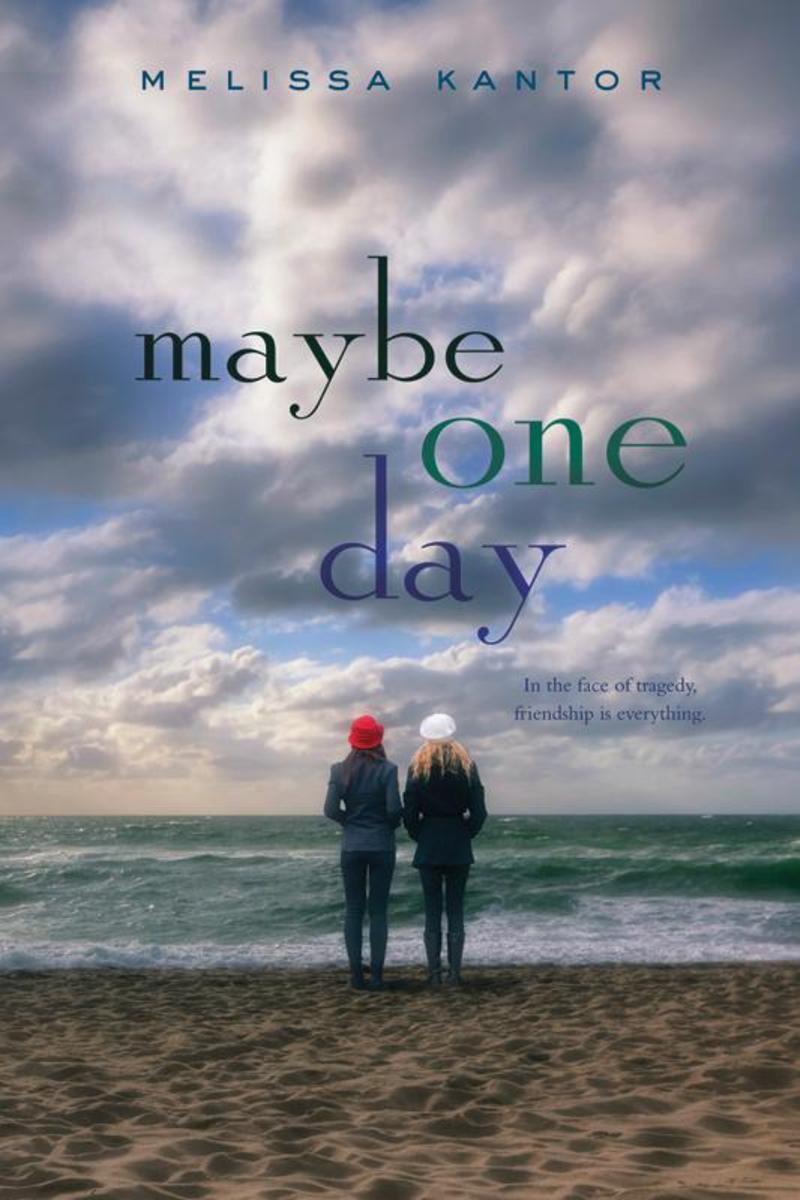
Maybe One Day
¥56.08
In the tradition of The Fault in Our Stars, critically acclaimed author Melissa Kantor masterfully captures the joy of friendship, the agony of loss, and the unique experience of being a teenager in this poignant new novel about a girl grappling with her best friend's life-threatening illness. A person's whole life, she's lucky to have one or two real friends. Friends who are like family… For Zoe, that someone is Olivia. So when Olivia is diagnosed with leukemia, Zoe is determined to put on a brave face and be positive for her best friend.Even when she isn't sure what to say. Even when Olivia misses months of school. Even when Zoe starts falling for Calvin, Olivia's crush. The one thing that keeps Zoe moving forward is knowing that Olivia will beat this, and everything will go back to the way it was before. It has to. Because the alternative is too terrifying for her to even imagine.

Better Than Perfect
¥101.00
From the acclaimed author of Maybe One Day, Melissa Kantor, comes a poignant coming-of-age story that skillfully captures the singular experience of being a teenage girl. This beautifully woven tale will appeal to fans of Jenny Han and Sarah Dessen.Juliet Newman has it all. A picture-perfect family; a handsome, loving boyfriend; and a foolproof life plan: ace her SATs, get accepted into Harvard early decision, and live happily ever after.But when her dad moves out and her mom loses it, Juliet begins questioning the rules she's always lived by. And to make everything even more complicated there's Declan, the gorgeous boy who makes her feel alive and spontaneous—and who's totally off-limits. Torn between the life she always thought she wanted and one she never knew was possible, Juliet begins to wonder: What if perfect isn't all it's cracked up to be?
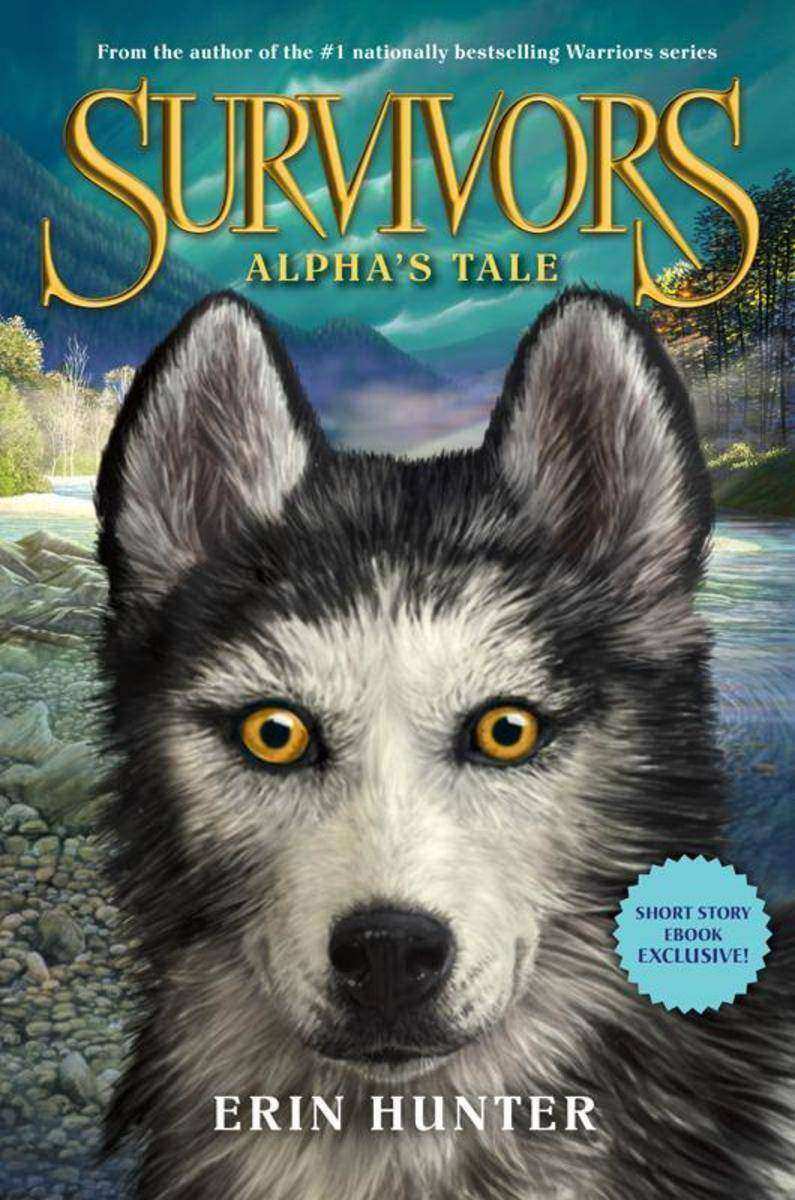
Survivors: Alpha's Tale
¥65.33
A sixty-page novella set in the world of the bestselling Survivors series by Erin Hunter! Since the first action-packed Survivors novel, readers have been clamoring for more of the dogs and the world they love. In this original prequel, readers will get a behind-the-scenes look at the story of Alpha, the fierce half-wolf who leads the Wild Pack.Long before the Big Growl struck, Alpha was born the only half-dog in a pack of wolves. The other wolves made him suffer for it—until he swore he would never be the runt of a Pack again. . . . Survivors: Alpha's Tale also includes a teaser chapter to Survivors #5: The Endless Lake.
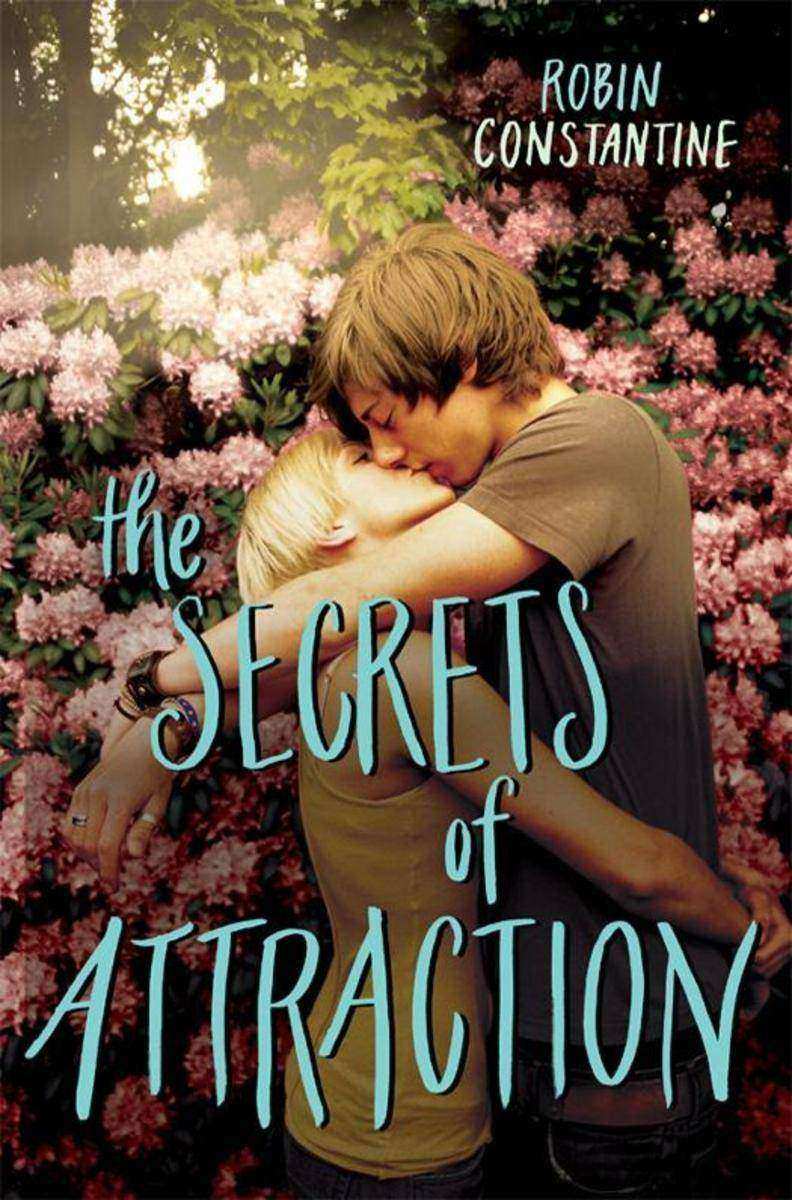
The Secrets of Attraction
¥56.08
Set in the same world as The Promise of Amazing, this smart, surprising, and romantic follow-up to Robin Constantine's debut novel follows two New Jersey teens as they become friends and fall in love. Perfect for fans of Stephanie Perkins, Sarah Mlynowski, and Jennifer E. Smith.Madison Pryce thinks she's got everything figured out—she's working on a portfolio for a summer art program and hanging with her friends. Plus she has her hot boyfriend, Zach. But then a visit from a family friend turns Maddie's life upside down.Jesse McMann is still reeling from a breakup that shattered his heart and his band. Then pride (and some goading from his bass player and fellow barista) forces him to find a new drummer—and the inspiration to write music again.Kismet arrives in the unlikely form of Grayson Barrett, who tries out for Jesse's band, and whose girlfriend is BFFs with the cute girl who orders a chai latte after yoga every Thursday: Maddie. What Jesse and Maddie thought they knew about the secrets of attraction and the rules of romance changes once they start falling for each other.

The Wizard Returns
¥65.33
The Wizard left Oz in a hot air balloon—or did heThis digital original novella is the third installment in the prequel arc to the edgy and exciting New York Times bestseller Dorothy Must Die.Dorothy Gale is back . . . and she's not the sweet little heroine of Oz anymore. She's power-hungry and vicious, and she leaves a trail of destruction beneath her spike-heeled, magical shoes. But she wasn't always in charge. There used to be a different ruler of Oz. Someone who also came from the Other Place, and who stole power for himself. They called him the Wizard.The story goes that when a young Dorothy revealed the Wizard as a fraud, the man behind the curtain fled Oz in his hot air balloon. But in The Wizard Returns, he wakes in a field of poppies to find out that not only had he never left, but that he has no memory of who—or where—he is. As he undergoes a series of tests to uncover his memories, he finds that the very girl who threw him from the Emerald Palace is in control. And that Oz may be his destiny after all.The Wizard Returns by Danielle Paige is a dark and compelling reimagining of a beloved classic and is perfect for fans of Cinder by Marissa Meyer, Beastly by Alex Flinn, and Wicked by Gregory Maguire.

Cody Simpson: Welcome to Paradise: My Journey
¥123.45
The first official all-access look into the life of singing sensation Cody Simpson. Follow Cody as he goes from singing cover songs in his bedroom to opening sold-out concerts for Justin Bieber. With never-before-seen photos, behind-the-scenes interviews, and exclusive information, this book is perfect for pop music fans and for Cody's Angels.

One Direction: Meet One Direction
¥61.70
The only 100% fully official annual—written in collaboration with One Direction. This is the annual for all 1D fans! Find out straight from Harry, Liam, Louis, Niall, and Zayn what they think about success, their musical influences, the making of their movie, their style, their amazing fans, and much more! With exclusive interviews, up-to-the-minute news, and fantastic never-before-seen photos, this is a must-have for all One Direction fans and a fantastic gift for any occasion!

The Half-a-Moon Inn
¥38.72
Aaron has never left alone before. He is mute, and depends on his mother for everything. But tomorrow Aaron will be twelve years old, old enough to stay home by himself while his mother goes to town. Everything will be fine, as long as he stays close to the house. And if there's trouble, Aaron can write what he needs to say.Trouble there is aplenty. When a terrible blizzard keeps his mother from returning home, Aaron sets out to search for her—but he stumbles upon the mysterious Half-a-Moon Inn, where the crafty Miss Grackle forces him to work for her. How can Aaron stop her from carrying out her devilish schemes—before it's too late?
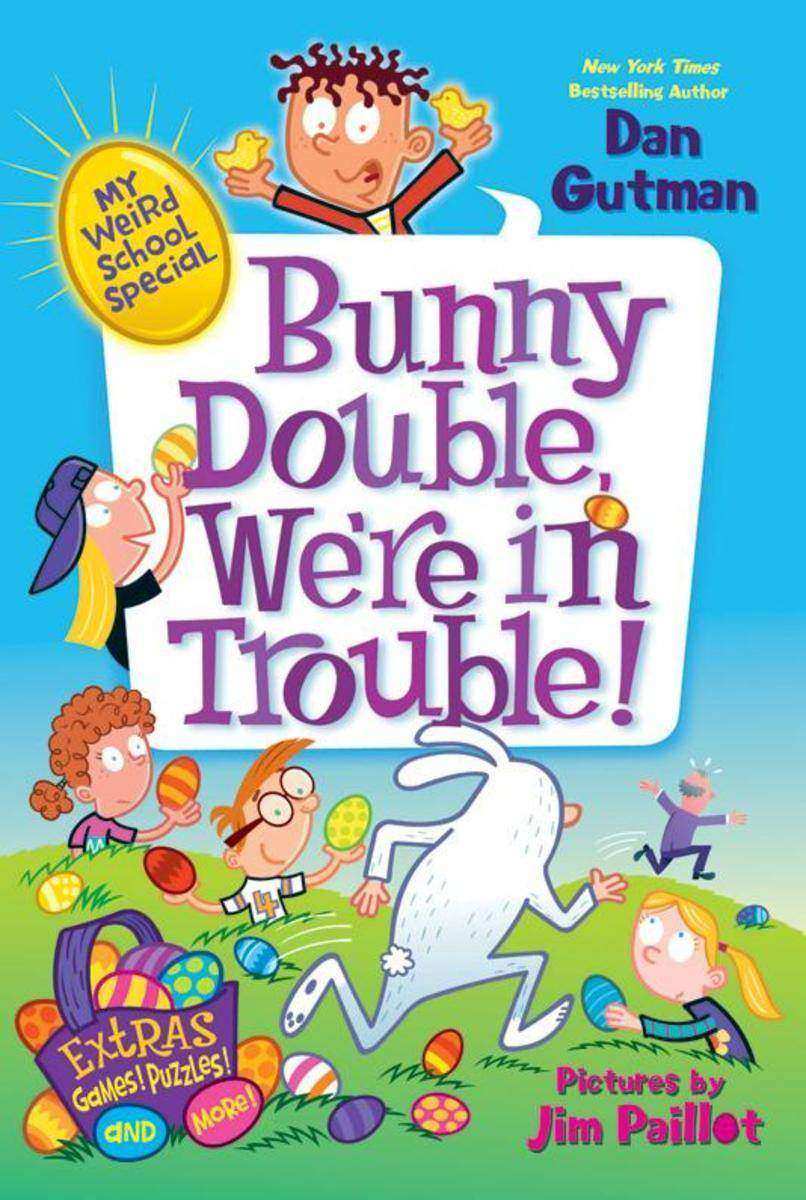
My Weird School Special: Bunny Double, We're in Trouble!
¥33.53
A.J. and the gang from My Weird School star in this series of after-school, holiday-themed chapter books featuring all-new hilarious stories and thirty-two pages of games, puzzles, and more. Hip hop hooray! It's Easter! And this year, Mayor Hubble is hosting an Easter egg roll and a special egg hunt at the mayor's mansion. But when Mayor Hubble reveals that the prize golden egg has a thousand dollars inside it, the egg hunt becomes a wacky free-for-all with a photo finish! Bestselling author Dan Gutman brings his kid-friendly sense of humor to this all-new series of holiday adventures. With My Weird School checklists and trivia plus tons of Easter-themed facts and puzzles, this is one weird Easter special you don't want to miss!
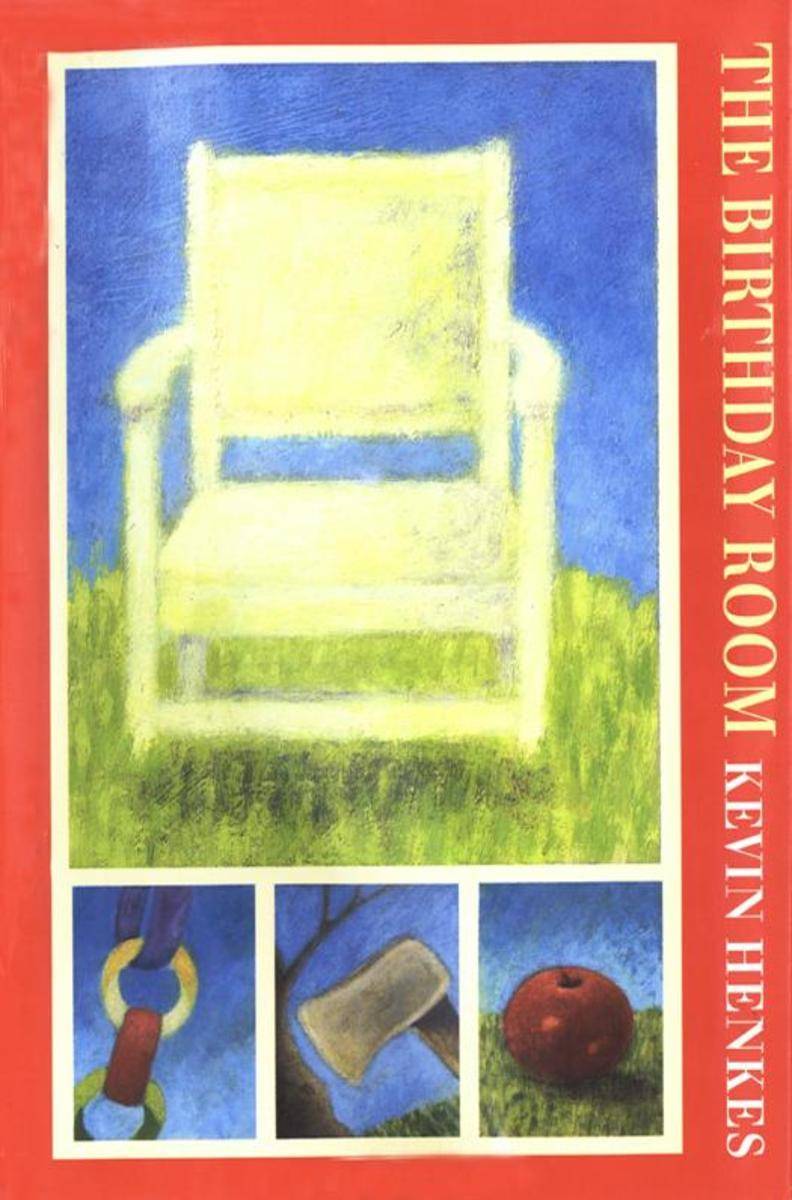
The Birthday Room
¥39.24
"Two of the things Benjamin Hunter received for his twelfth birthday took him completely by surprise: A room and a letter. The room was from his parents. The letter was from his uncle."Ben was just two years old when he and his uncle, Ian, were last together, so Ben didn't remember him. And no one in Ben's family ever talked about the man. Thenthe letter arrived, changing Ben's life, and changing his family in unexpected ways. And there was the birthday room...
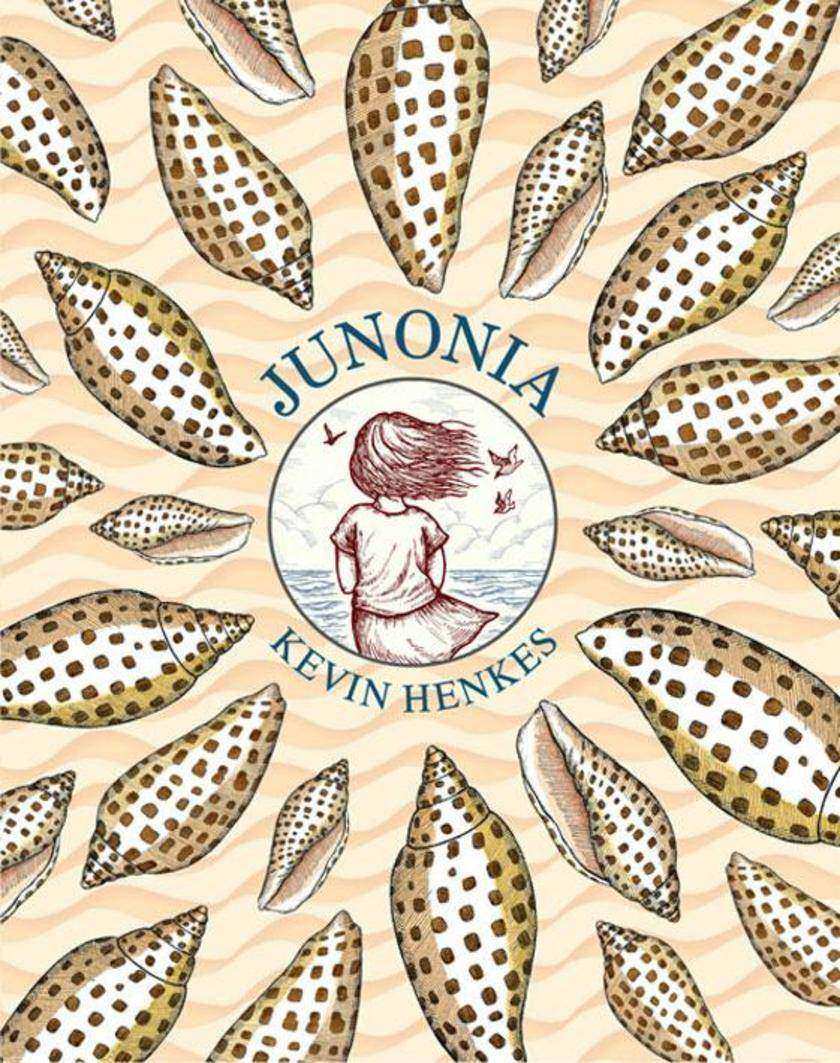
Junonia
¥39.24
Returning to the beach cottage—a cottage named Scallop—where she has always celebrated her birthday is a special occasion for Alice Rice.Who will see the first dolphin this timeThe first pelicanWhat will have changedStayed the sameAnd will this be the year she finally finds a junonia shell?Alice's friends are all returning, too. And she's certain her parents have the best party planned for her. Alice can't wait. If Alice is lucky, everything will be absolutely perfect. Will Alice be lucky?
Two Under Par
¥33.63
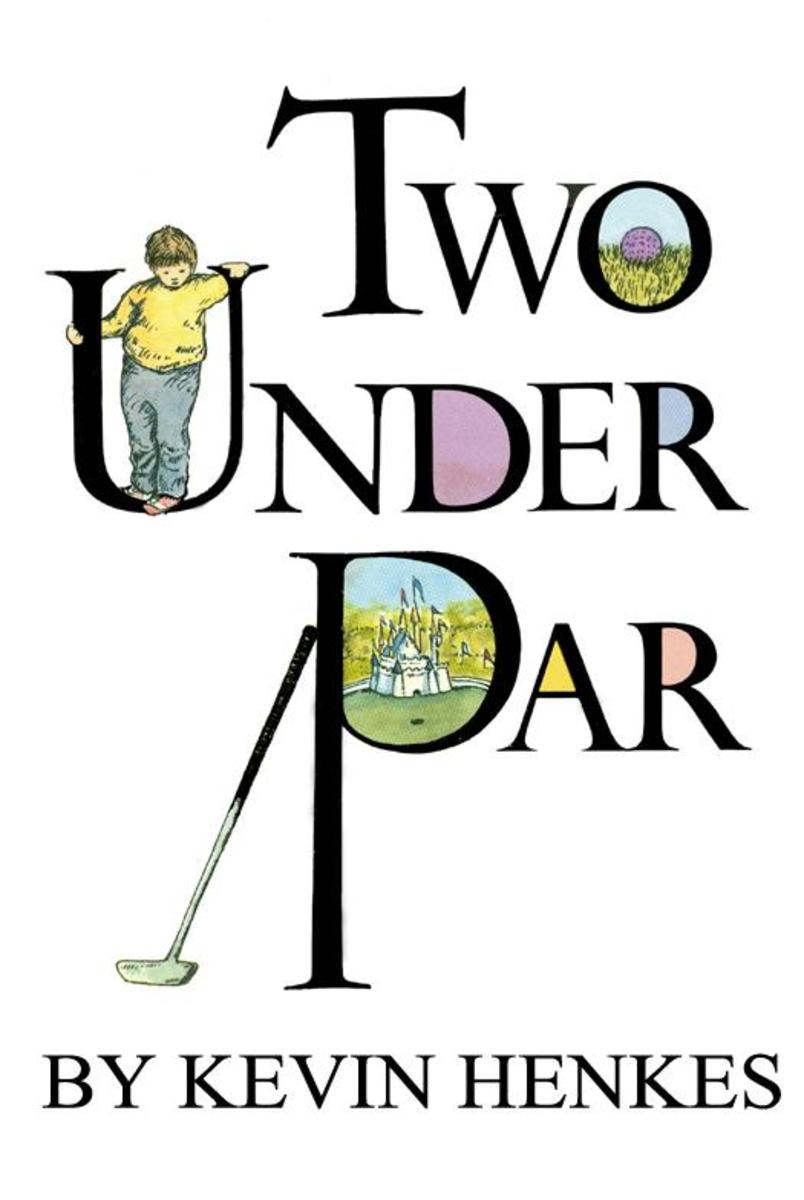
It seemed to ten-year-old Wedge that most of the time nothing made sense anymore. Suddenly he had a brand-new stepfather and a five-year-old stepbrother, Andrew. He lived in a new house, far from his friends, and his bedroom window looked out on a seven-foot castle that marked the eighteenth hole of the miniature golf course his stepfather owned. He hated it.Wedge does not easily let go of his anger, but the moment does come when things again begin to make sense. Kevin Henkes tells the story of Wedge's journey to understanding and acceptance with humor and sympathy.

Moonkind
¥38.72
Fer must save her realm from the Forsworn, a group destroying the land with their broken oaths, in Moonkind, the conclusion to award-winning author Sarah Prineas's fantasy-adventure series, which includes Winterling, Summerkin, and the short story Thrice Sworn.As the Lady of the Summerlands, Fer has vowed to serve her people without the deception of the glamorie, and she had trusted other leaders to fulfill the same promise. But not all of the Lords and Ladies want to keep their oaths, and they've unleashed the consequences of their betrayal onto the lands. Only Fer, with the help of the puck-boy Rook, can fight the stillness invading the realm. But can she trust RookAnd can she protect her people before it's too late?Sarah Prineas combines a brave and resourceful young heroine with a richly detailed fantasy world and beloved folklore into a story that will delight middle-grade fans of Diana Wynne Jones, Ingrid Law, and Rick Riordan.


