


 购物车
 个人中心

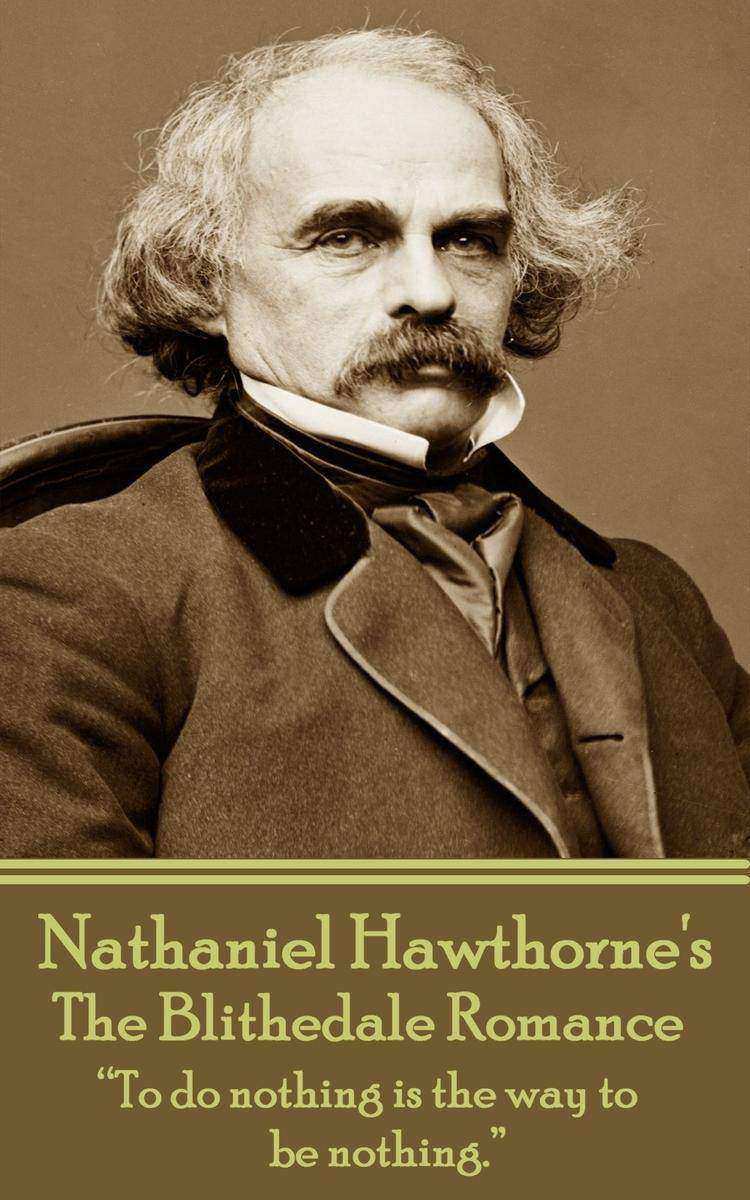
Blithedale Romance - To do nothing is the way to be nothing.
¥26.98
Nathaniel Hawthorne was born in 1804 in the city of Salem, Massachusetts. His father, a sea captain died when Nathaniel was 4 and Nathaniel always a shy child spent his early years with his Mother and two sisters. Hit on the leg by a ball, doctors could finds nothing wrong but he went lame and was bedridden for a year. He entered Bowdoin College in 1821, and graduated in 1825. Hawthorne anonymously published his first work, the novel 'Fanshawe', in 1828. He continued to publish in various periodicals which he collected in 1837 as Twice-Told Tales. The next year, he became engaged to Sophia Peabody eventually marrying her in 1842. His defining work 'The Scarlet Letter' was published in 1850, followed by a succession of other novels. The majority of his works centre on New England and have a Puritan inspiration and outlook with their inherent evil and sin of humanity. A political appointment took Hawthorne and family to Europe before their return in 1860. Hawthorne died on May 19, 1864, leaving behind his wife and their three children. Here with The Blithedale Romance he leaves us with another classic tale.

神奇动物:格林德沃之罪:原创电影剧本
¥25.00
J.K. Rowling’s five-film Fantastic Beasts adventure series continues with the original screenplay for Fantastic Beasts: The Crimes of Grindelwald
Joining the Storm
¥43.51
The Storm Builds Etan Griffith loves his life in Chicago, far from his native Blue Ridge Mountains. Alex Collins escaped Wisconsin to a career he loves, in a city that welcomes him more than his own family. Both seek the missing piece to their puzzle. Dreams and patterns. Restless and searching. Then one snowy night sets their shared destiny in motion. An excerpt from Joining the Storm: “I never wanted you to know about the dreams,” Etan said. “I feel crazy enough without you confirming it.” “Crazy isn’t the question,” Alex said, stroking Etan’s hair. “Unless it’s both of us. You missed me saying every word feels true.” “I don’t even know what the dreams are, Alex. I know I have them, but I never remember a thing. That’s not exactly stable.” “Well, have a drink and let me enlighten you.” Etan sat up, managing to keep himself from curling up into a knot of fear again. He drained the whiskey, watching Alex do the same. “What you tell me in the middle of the night is all about how we can’t stay here much longer. Something bad is going to happen, with the food supply I think, and none of the cities are going to be safe anymore. And we don’t have much time to get ready before we’re trapped along with everyone else who’s not going to make it out.”

The Superhero's Son Omnibus: Books 1-3
¥87.11
For the first time ever, get the first three books of "The Superhero's Son" in one convenient discounted ebook box set! In "The Superhero's Test," Kevin Jason becomes the superhero Bolt in order to defend himself and his family from a dangerous supervillain; in "The Superhero's Team," Bolt must uncover a conspiracy in the superhero community that threatens to destroy the country before it is too late; and in "The Superhero's Summit," Bolt must figure out who is trying to provoke conflict between the two largest superhero organizations in the country before all-out war breaks out between them.
Wyrde and Wayward
¥26.07
‘If you had not already realised it, this is a very strange house you are come to.’ The Scions of the House of Werth are all born normal. It is what happens afterwards that sets them apart. It is not easy being the most supernatural family in England. Nell talks to the dead; Lord Werth is too often to be found out in the churchyard at the dead of night; and the less said about Lord Bedgberry, the better. Only Miss Gussie Werth has missed out on the family curse. She sups on chocolate, not blood; she's blissfully oblivious to spectres (except for Great-Aunt Honoria, of course); and she hasn't the smallest inclination to turn into a beast upon the full moon, and go ravening about the countryside. But there's more to the Wyrde than meets the eye. When a visit to a neighbouring family goes spectacularly, deliciously wrong, Gussie's ideas about her own nature undergo a swift and serious change. Far from being the most ordinary of the bunch, she may just prove to be the most disastrous Werth of them all... Refined Regency sensibilities meet gothic comedy to delightfully absurd effect in Wyrde and Wayward, a fresh new series from the author of Modern Magick and the Malykant Mysteries.

Autism Goes to School: Book One of the School Daze Series
¥0.01
After suddenly receiving custody of his five year old son, Ben must learn how to be a dad. The fact that he'd even fathered a child was news to him. Not only does this mean restructuring his sixty-hour workweek and becoming responsible for another human being, but also Kyle has autism. Enter the school system and a shaky beginning. Under the guidance of a gifted teacher, Ben and Kyle take tentative steps to becoming father and son. Teacher Melanie Nicols sees Ben as a deadbeat dad, but grudgingly comes to admire how he hangs in, determined to learn for his son’s sake. Her admiration grows to more as father and son come to rely on Melanie being a part of their lives. When parents receive the news that their child has autism, they spend countless hours researching the subject, usually at night, after an exhausting day. Teachers, when they hear that they'll have a student with an autism spectrum disorder, also try to learn as much as they can. This novel was written for such parents and teachers - an entertaining read that offers information on autism and strategies that work. Dr. Sharon A. Mitchell has worked in schools as a teacher, counselor, psychologist and consultant for decades. Her Master's and Doctorate degrees focused on autism. She has delivered workshops and seminars to thousands participants including at national conferences. She continues to write and teaches university classes about students who learn differently.
Heavenward
¥8.63
With the power to end the world, would you protect humanity when it broke you or would you take revenge? Meet Ariel: a quiet, unnoticeable girl with an incredible gift… Ariel never had an easy or pleasant life, but the arrival of three gorgeous strangers meant her measured life is turned upside down, as she discovers that angels exist.Now against her will, she’s drawn into an ancient celestial conflict, where her powers will decide the fate of humanity. Deceived, threatened, hunted and now on the run, who can she trust? It's fantastically written using highly descriptive languagethroughout allowing me to feel like I was transported into the story - I couldalmost smell and feel what the characters are experiencing. (Melanie from "Frasier's Fun House"/Book blogger) From the first chapter I found this book scarily addicting.I just wanted more. I was consumed and intrigued. I didn't know where it wasgoing or what was going to happen and was pleasantly surprised. (Emma from "Emma's Chapter"/Book blogger)Once I'm started, I just can't stop myself from reading itand almost constantly think about it while awake, torturing me. Stranger tothis genre, I wasn't aware this book would make my heart race so much and thatmy little imagination wheels in my brain would be on fire! (Kristina from "Books and Dachshunds"/Book blogger)Holy, that was great...I'm speechless by how amazing the story is. (Deekay from "Life of Deekay"/Book blogger)Heavenward by Olga Gibbs was an interesting read. I thoughtthe idea was brilliant. I have not read that many books dealing with angels butI find that I enjoy them. Gibbs took the story of the angels and definitely puther own spin on it. The scenery that she describes in the second half of thebook is just amazing. (Stephanie from "Books in the Skye"/Book blogger)Fantastic page turner! 150 pages were gone in a flash and Ijust wanted more! (Amazon reviewer)Addictive book with a fantastic and vivid world-building! Iwould definitely continue with this series. I need to know what happens next!Well written, well planned out. Reminded me a little of Hush, Hush, so if youlike things like that then you should definitely check this out. (Book blogger)Olga Gibbs has a talent for world-building. From the schoolyard to the heavenly architecture and natural surroundings, her settings andimagery are so vivid and cater to all five senses; it would be hard to tire fromher rich descriptions. (Kelsey from "There's something about KM"/Book blogger)
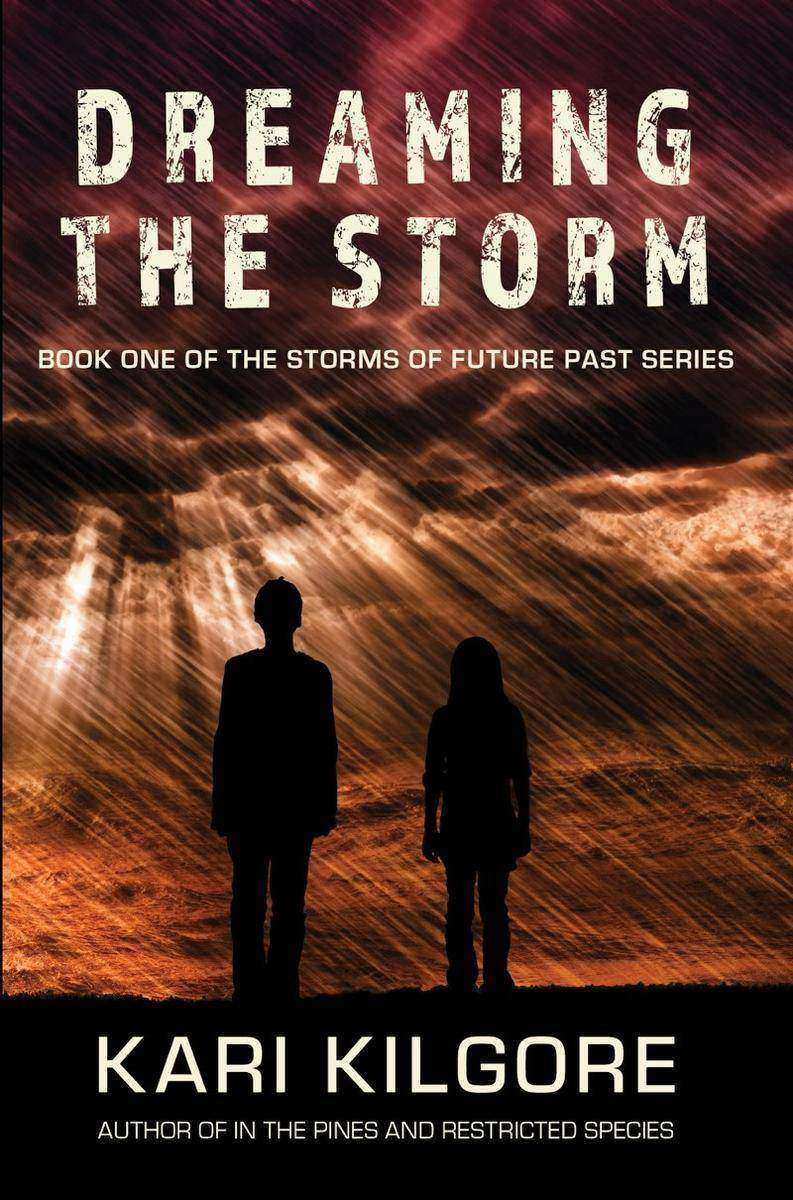
Dreaming the Storm: Book One of the Storms of Future Past Series
¥43.51
The Storm Begins. Seeing the future: blessing or curse? For Anne Fincastle, only the number of survivors changes. Few or none. Anne knows the truth. In her heart, her mind, her bones. Only Evan Griffith believes. Can they make a difference for humanity, together? Book One of the Storms of Future Past Series. An excerpt from Dreaming the Storm: Prophets have risen up many times through the ages, claiming to have the gift of seeing the future. Whether certain ones could or not is a debate for another day. What’s not debatable is the most common response by society: to condemn them as insane, with often horrific results. The screen went blank for a second, and Anne wiped her eyes, hoping the horrible movie was over. She didn’t ever want to come back to this library again. Then she saw dots slowly lighting up and glowing, coming to life scattered around the screen. There weren’t very many, not even twenty of them. Lines formed on the screen, and after a second Anne realized those were the lines of the continents. The dots were on the land. She could see a few on each continent, and only five in all of North America. Her fear drew back a little as her curiosity started to recover. What was she looking at? They weren’t near any of the cities she knew. “What is it?” she whispered. The lines of the continents faded in the middle, right around the Atlantic ocean, and words floated to the surface. Pale blue words. Remaining Human Population.
Ama, a Story of the Atlantic Slave Trade
¥40.79
"I am a human being; I am a woman; I am a black woman; I am an African. Once I was free; then I was captured and became a slave; but inside me, here and here, I am still a free woman."During a period of four hundred years, European slave traders ferried some 12 million enslaved Africans across the Atlantic. In the Americas, teaching a slave to read and write was a criminal offense. When the last slaves gained their freedom in Brazil, barely a thousand of them were literate. Hardly any stories of the enslaved and transported Africans have survived.This novel is an attempt to recreate just one of those stories, one story of a possible 12 million or more.Lawrence Hill created another in The Book of Negroes (Someone Knows my Name in the U.S.) and, more recently, Yaa Gyasi has done the same in Homegoing. Ama occupies center stage throughout this novel. As the story opens, she is sixteen. Distant drums announce the death of her grandfather. Her family departs to attend the funeral, leaving her alone to tend her ailing baby brother. It is 1775. Asante has conquered its northern neighbor and exacted an annual tribute of 500 slaves. The ruler of Dagbon dispatches a raiding party into the lands of the neighboring Bekpokpam. They capture Ama. That night, her lover, Itsho, leads an attack on the raiders’ camp. The rescue bid fails. Sent to collect water from a stream, Ama comes across Itsho’s mangled corpse. For the rest of her life she will call upon his spirit in time of need. In Kumase, the Asante capital, Ama is given as a gift to the Queen-mother. When the adolescent monarch, Osei Kwame, conceives a passion for her, the regents dispatch her to the coast for sale to the Dutch at Elmina Castle. There the governor, Pieter de Bruyn, selects her as his concubine, dressing her in the elegant clothes of his late Dutch wife and instructing the obese chaplain to teach her to read and write English. De Bruyn plans to marry Ama and take her with him to Europe. He makes a last trip to the Dutch coastal outstations and returns infected with yellow fever. On his death, his successor rapes Ama and sends her back to the female dungeon. Traumatized, her mind goes blank. She comes to her senses in the canoe which takes her and other women out to the slave ship, The Love of Liberty. Before the ship leaves the coast of Africa, Ama instigates a slave rebellion. It fails and a brutal whipping leaves her blind in one eye. The ship is becalmed in mid-Atlantic. Then a fierce storm cripples it and drives it into the port of Salvador, capital of Brazil. Ama finds herself working in the fields and the mill on a sugar estate. She is absorbed into slave society and begins to adapt, learning Portuguese. Years pass. Ama is now totally blind. Clutching the cloth which is her only material link with Africa, she reminisces, dozes, falls asleep. A short epilogue brings the story up to date. The consequences of the slave trade and slavery are still with us. Brazilians of African descent remain entrenched in the lower reaches of society, enmeshed in poverty. “This is story telling on a grand scale,” writes Tony Sim?es da Silva. “In Ama, Herbstein creates a work of literature that celebrates the resilience of human beings while denouncing the inscrutable nature of their cruelty. By focusing on the brutalization of Ama's body, and on the psychological scars of her experiences, Herbstein dramatizes the collective trauma of slavery through the story of a single African woman. Ama echoes the views of writers, historians and philosophers of the African diaspora who have argued that the phenomenon of slavery is inextricable from the deepest foundations of contemporary western civilization.” Ama, a Story of the Atlantic Slave Trade, won the 2002 Commonwealth Writers Prize for the Best First Book.
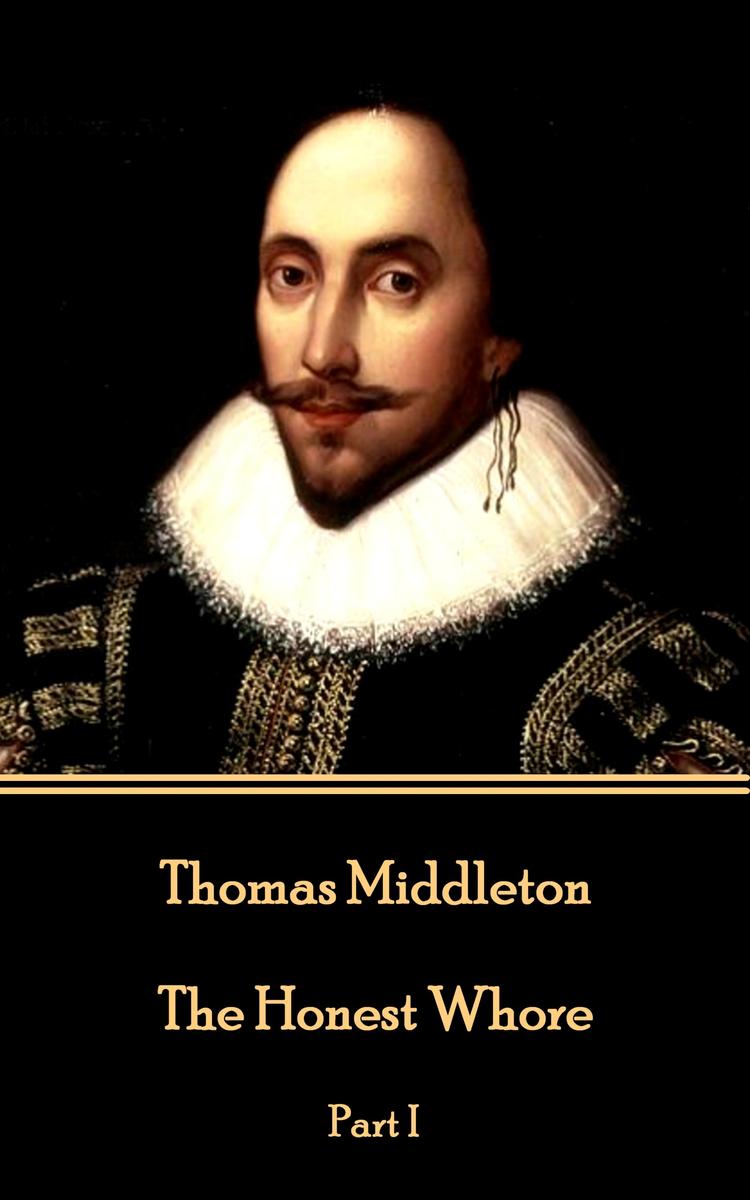
Honest Whore - Part I
¥23.45
Thomas Middleton was born in London in April 1580 and baptised on 18th April. Middleton was aged only five when his father died. His mother remarried but this unfortunately fell apart into a fifteen year legal dispute regarding the inheritance due Thomas and his younger sister. By the time he left Oxford, at the turn of the Century, Middleton had and published Microcynicon: Six Snarling Satirese which was denounced by the Archbishop of Canterbury and publicly burned. In the early years of the 17th century, Middleton wrote topical pamphlets. One - Penniless Parliament of Threadbare Poets was reprinted several times and the subject of a parliamentary inquiry. These early years writing plays continued to attract controversy. His writing partnership with Thomas Dekker brought him into conflict with Ben Jonson and George Chapman in the so-called War of the Theatres. His finest work with Dekker was undoubtedly The Roaring Girl, a biography of the notorious Mary Frith. In the 1610s, Middleton began another playwriting partnership, this time with the actor William Rowley, producing another slew of plays including Wit at Several Weapons and A Fair Quarrel. The ever adaptable Middleton seemed at ease working with others or by himself. His solo writing credits include the comic masterpiece, A Chaste Maid in Cheapside, in 1613. In 1620 he was officially appointed as chronologer of the City of London, a post he held until his death. The 1620s saw the production of his and Rowley's tragedy, and continual favourite, The Changeling, and of several other tragicomedies. However in 1624, he reached a peak of notoriety when his dramatic allegory A Game at Chess was staged by the King's Men. Though Middleton's approach was strongly patriotic, the Privy Council silenced the play after only nine performances at the Globe theatre, having received a complaint from the Spanish ambassador. What happened next is a mystery. It is the last play recorded as having being written by Middleton. Thomas Middleton died at his home at Newington Butts in Southwark in the summer of 1627, and was buried on July 4th, in St Mary's churchyard which today survives as a public park in Elephant and Castle.
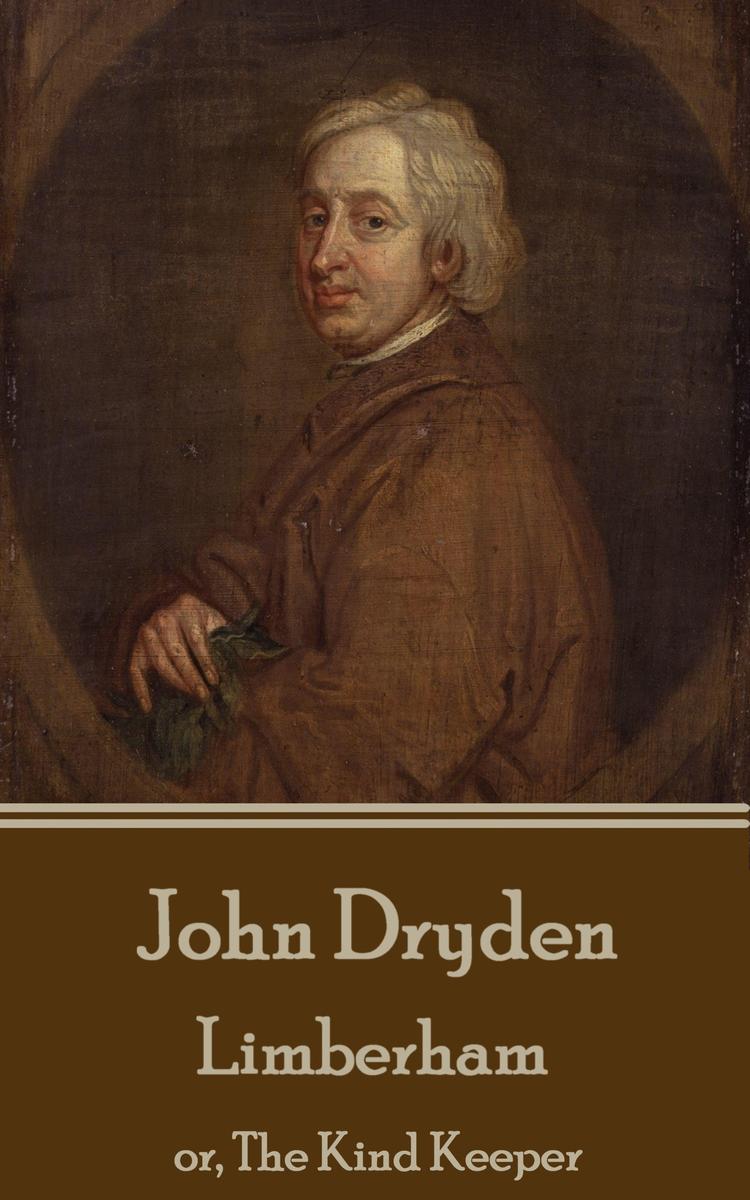
Limberham - or, The Kind Keeper
¥21.09
John Dryden was born on August 9th, 1631 in the village rectory of Aldwincle near Thrapston in Northamptonshire. As a boy Dryden lived in the nearby village of Titchmarsh, Northamptonshire. In 1644 he was sent to Westminster School as a King's Scholar. Dryden obtained his BA in 1654, graduating top of the list for Trinity College, Cambridge that year. Returning to London during The Protectorate, Dryden now obtained work with Cromwell's Secretary of State, John Thurloe. At Cromwell's funeral on 23 November 1658 Dryden was in the company of the Puritan poets John Milton and Andrew Marvell. The setting was to be a sea change in English history. From Republic to Monarchy and from one set of lauded poets to what would soon become the Age of Dryden. The start began later that year when Dryden published the first of his great poems, Heroic Stanzas (1658), a eulogy on Cromwell's death. With the Restoration of the Monarchy in 1660 Dryden celebrated in verse with Astraea Redux, an authentic royalist panegyric. With the re-opening of the theatres after the Puritan ban, Dryden began to also write plays. His first play, The Wild Gallant, appeared in 1663 but was not successful. From 1668 on he was contracted to produce three plays a year for the King's Company, in which he became a shareholder. During the 1660s and '70s, theatrical writing was his main source of income. In 1667, he published Annus Mirabilis, a lengthy historical poem which described the English defeat of the Dutch naval fleet and the Great Fire of London in 1666. It established him as the pre-eminent poet of his generation, and was crucial in his attaining the posts of Poet Laureate (1668) and then historiographer royal (1670). This was truly the Age of Dryden, he was the foremost English Literary figure in Poetry, Plays, translations and other forms. In 1694 he began work on what would be his most ambitious and defining work as translator, The Works of Virgil (1697), which was published by subscription. It was a national event. John Dryden died on May 12th, 1700, and was initially buried in St. Anne's cemetery in Soho, before being exhumed and reburied in Westminster Abbey ten days later.
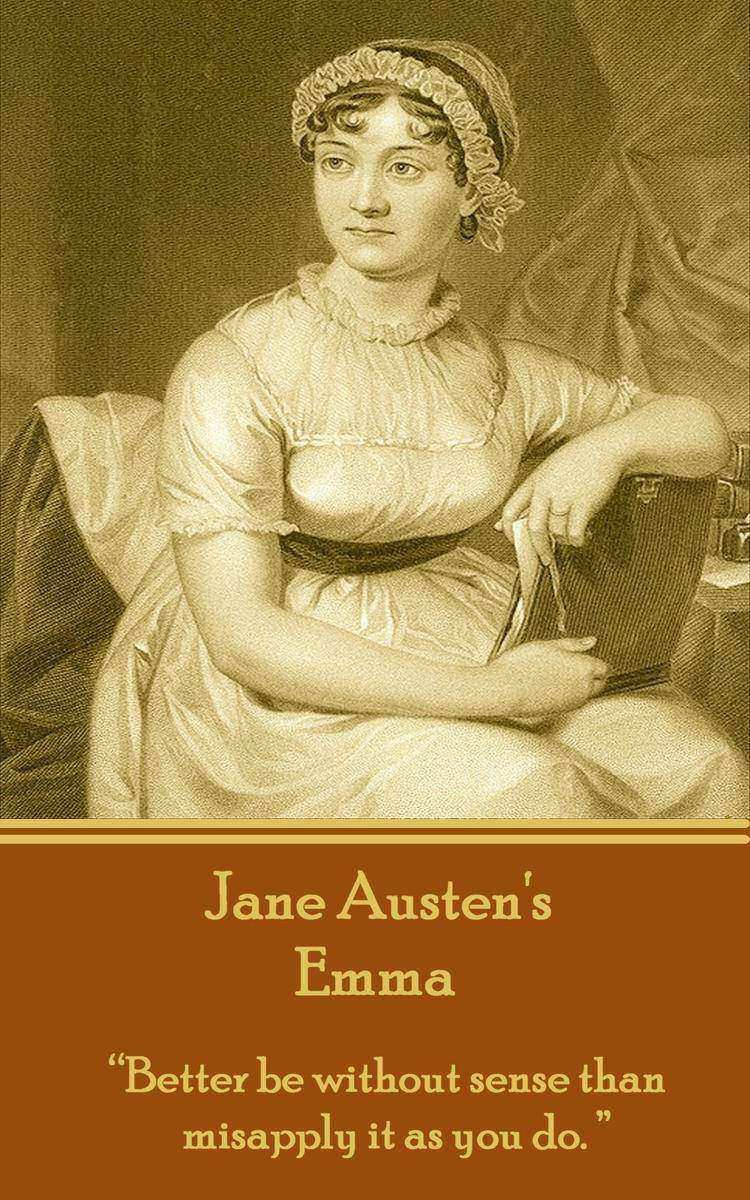
Emma - Better be without sense than misapply it as you do.
¥23.45
Jane Austen's Emma (1815) explores the life of women in Regency England, combining romance with some aspects of the comedy of manners. The story centers around the eponymous character who, unlike Austen's other popular heroines, is an upper middle-class young woman with no pecuniary concerns. Emma Woodhouse is rather a strong-headed, beautiful young woman who lives with her father and who has resolved not to marry. Yet, she spends considerable time and energy trying to make matches for the other people around her and tends to draw amusement and satisfaction from such practice. After one successful experience, Emma tries to match her friend Harriet to a man named Mr. Elton. Her earnest and honest friend George Knightley warns her of Mr. Elton's snobbish nature. Nonetheless, Emma starts by making her friend Harriet reject a marriage proposal. Surprisingly, while she believes Mr. Elton's attention is drawn towards Harriet, the man ends up declaring his love for the match-maker herself. When Emma informs Mr. Elton of her intention to match him to her friend, he feels insulted, considering Harriet's inferior social class. He leaves the town while Emma keeps on trying to find a husband for Harriet. By the end of the novel, Emma marries Mr. Knightley to finally give up her favorite hobby while Harriet marries Robert Martin. We've also included a concise and informative biography of Jane's works and life at the end of the book. We hope it helps to give a little context and colour about how her life interacted with her art.

Gibson Upright
¥29.33
Booth Tarkington was born on July 29, 1869 in Indianapolis, Indiana. He is one of only three novelists to win the Pulitzer Prize more than once. When you look through the quality of his work it is easy to understand why. The Magnificent Ambersons, Alice Adams, Penrod, Penrod And Sam - all classics. The Penrod novels depict a typical upper-middle class American boy of 1910 vintage, revealing a fine, bookish sense of American humor. At one time, his Penrod series was as well known andregarded as Twain's Huckleberry Finn. Much of Tarkington's work consists of satirical and closely observed studies of the American class system and its foibles. Coming as he did from a patrician Midwestern family that lost much of its wealth after the Panic of 1873 the foundations for that outlook are clear. Today, he is best known for his novel The Magnificent Ambersons which contrasted the decline of the "e;old money"e; Amberson dynasty with the rise of "e;new money"e; industrial tycoons in the years between the American Civil War and World War I. In this volume you have an opportunity to read one his plays, The Gibson Upright
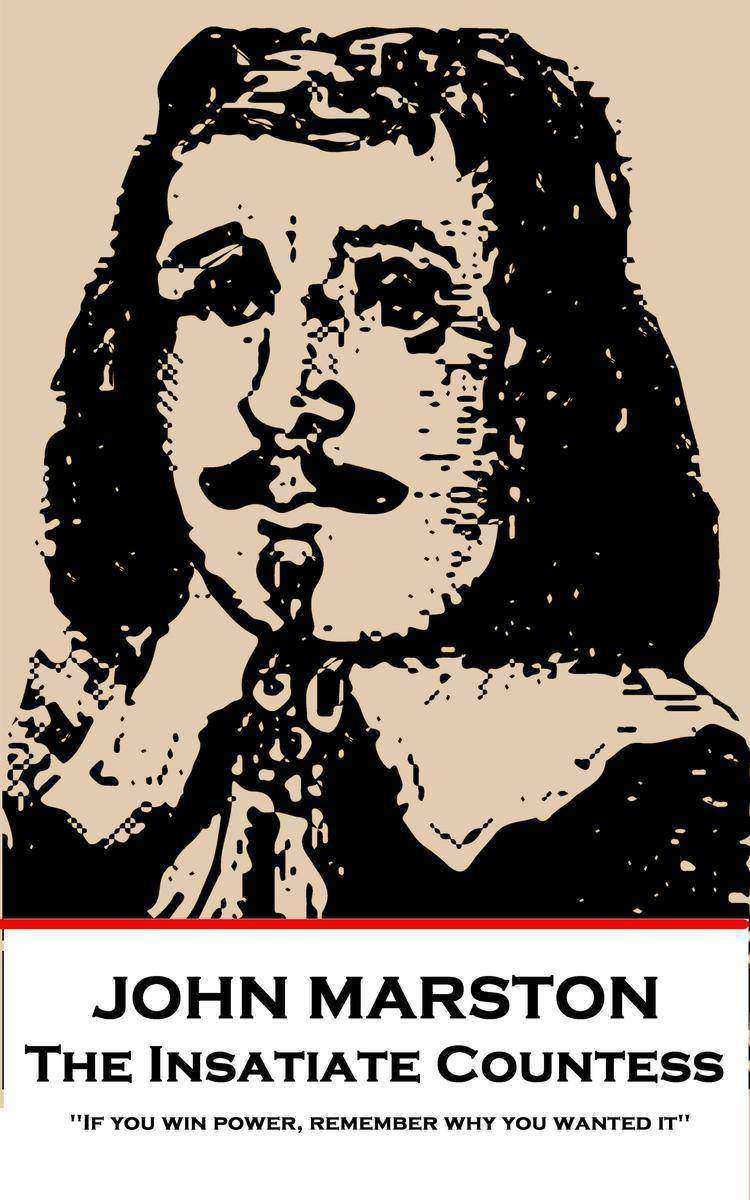
Insatiate Countess - 'If you win power, remember why you wanted it''
¥15.21
John Marston was born to John and Maria Marston nee Guarsi, and baptised on October 7th, 1576 at Wardington, Oxfordshire.Marston entered Brasenose College, Oxford in 1592 and earned his BA in 1594. By 1595, he was in London, living in the Middle Temple. His interests were in poetry and play writing, although his father's will of 1599 hopes that he would not further pursue such vanities.His brief career in literature began with the fashionable genres of erotic epyllion and satire; erotic plays for boy actors to be performed before educated young men and members of the inns of court.In 1598, he published 'The Metamorphosis of Pigmalion's Image and Certaine Satyres', a book of poetry. He also published 'The Scourge of Villanie', in 1598. 'Histriomastix' regarded as his first play was produced 1599. It's performance kicked off an episode in literary history known as the War of the Theatres; a literary feud between Marston, Jonson and Dekker that lasted until 1602.However, the playwrights were later reconciled; Marston wrote a prefatory poem for Jonson's 'Sejanus' in 1605 and dedicated 'The Malcontent' to him. Beyond this episode Marston's career continued to gather both strength, assets and followers. In 1603, he became a shareholder in the Children of Blackfriars company. He wrote and produced two plays with the company. The first was 'The Malcontent' in 1603, his most famous play. His second was 'The Dutch Courtesan', a satire on lust and hypocrisy, in 1604-5.In 1605, he worked with George Chapman and Ben Jonson on 'Eastward Ho', a satire of popular taste and the vain imaginings of wealth to be found in the colony of Virginia.Marston took the theatre world by surprise when he gave up writing plays in 1609 at the age of thirty-three. He sold his shares in the company of Blackfriars. His departure from the literary scene may have been because of further offence he gave to the king. The king suspended performances at Blackfriars and had Marston imprisoned.On 24th September 1609 he was made a deacon and them a priest on 24th December 1609. In October 1616, Marston was assigned the living of Christchurch, Hampshire.He died (accounts vary) on either the 24th or 25th June 1634 in London and was buried in the Middle Temple Church.
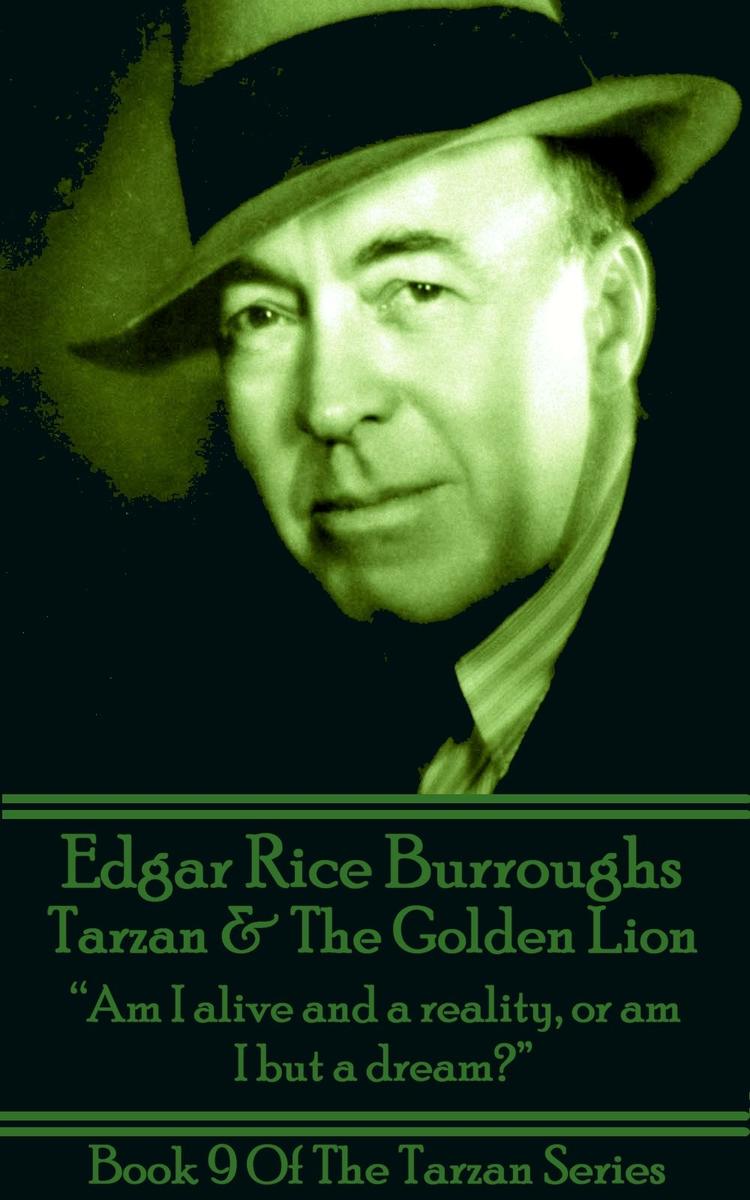
Tarzan & The Golden Lion - Am I alive and a reality, or am I but a dream?
¥35.22
Edgar Rice Burroughs was born on September 1, 1875, in Chicago, Illinois. His early career was unremarkable. After failing to enter West Point he enlisted in the 7th Calvary but was discharged after heart problems were diagnosed. A series of short term jobs gave no indication as to a career path but finally, in 1911, married and with two young children, he turned his hand to writing. He aimed his works squarely at the very popular pulp serial magazines. His first effort 'Under The Moons Of Mars' ran in Munsey's Magazine in 1912 under the pseudonym Norman Bean. With its success he began writing full time. A continuing theme of his work was to develop series so that each character had ample opportunities to return in sequels. John Carter was in the Mars series and there was another on Venus and one on Pellucidar among others. But perhaps the best known is Tarzan. Indeed Burroughs wanted so much to capitalise upon the brand that he introduced a syndicated Tarzan comic strip, movies and merchandise. He purchased a large ranch north of Los Angeles, California, which he named "e;Tarzana."e; The surrounding communities outside the ranch voted in 1927 to adopt the name as their own. By 1932 Burroughs set up his own company to print his own books. Here we publish the ninth in the Tarzan series 'Tarzan & The Golden Lion'. Another cultural classic.
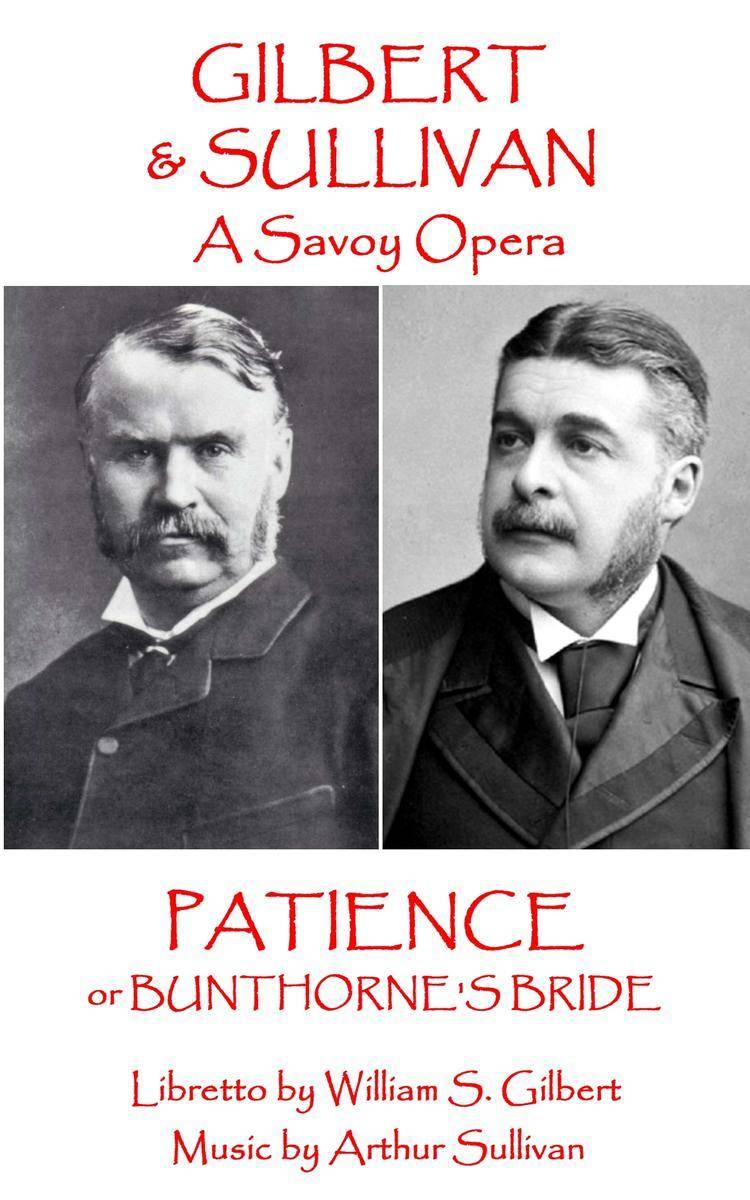
Patience - or Bunthorne's Bride
¥26.98
The partnership between William Schwenck Gilbert and Arthur Seymour Sullivan and their canon of Savoy Operas is rightly lauded by all lovers of comic opera the world over. Gilbert's sharp, funny words and Sullivan's deliciously lively and hummable tunes create a world that is distinctly British in view but has the world as its audience. Both men were exceptionally talented and gifted in their own right and wrote much, often with other partners, that still stands the test of time. However, together as a team they created Light or Comic Operas of a standard that have had no rivals equal to their standard, before or since. That's quite an achievement. To be recognised by the critics is one thing but their commercial success was incredible. The profits were astronomical, allowing for the building of their own purpose built theatre - The Savoy Theatre. Beginning with the first of their fourteen collaborations, Thespis in 1871 and travelling through many classics including The Sorcerer (1877), H.M.S. Pinafore (1878), The Pirates of Penzance (1879), The Mikado (1885), The Gondoliers (1889) to their finale in 1896 with The Grand Duke, Gilbert & Sullivan created a legacy that is constantly revived and admired in theatres and other media to this very day.
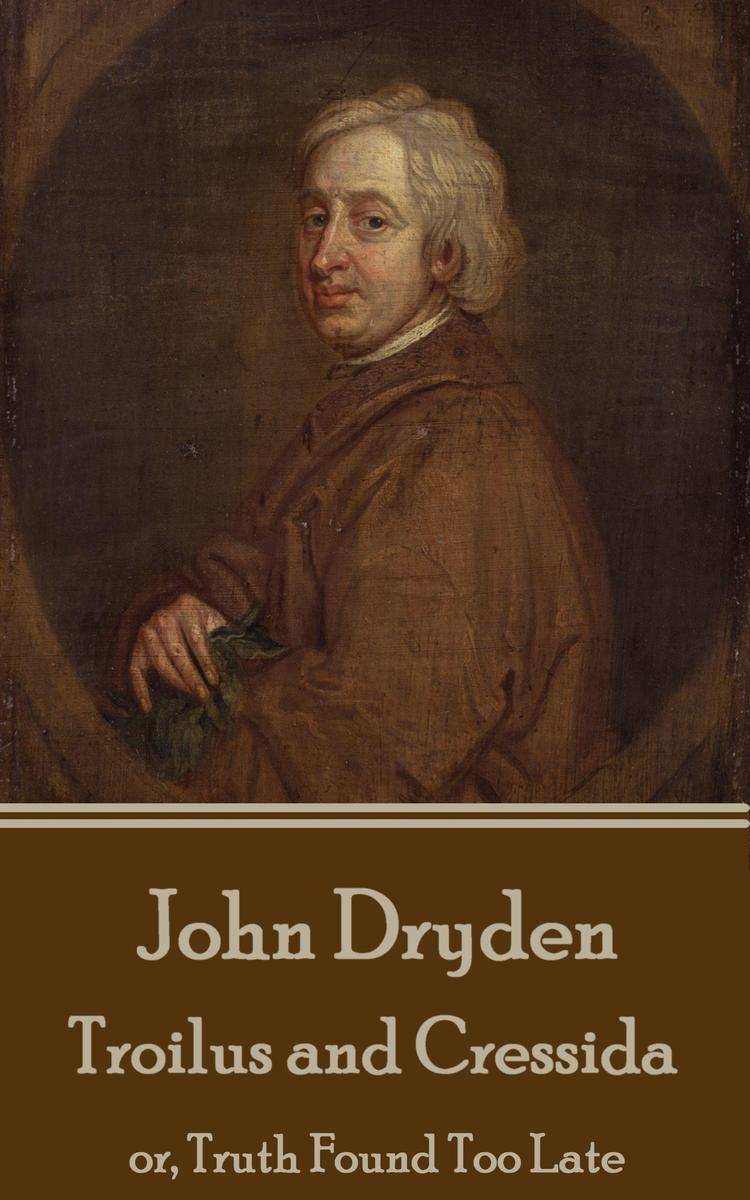
Troilus and Cressida - or, Truth Found Too Late
¥26.98
John Dryden was born on August 9th, 1631 in the village rectory of Aldwincle near Thrapston in Northamptonshire. As a boy Dryden lived in the nearby village of Titchmarsh, Northamptonshire. In 1644 he was sent to Westminster School as a King's Scholar. Dryden obtained his BA in 1654, graduating top of the list for Trinity College, Cambridge that year. Returning to London during The Protectorate, Dryden now obtained work with Cromwell's Secretary of State, John Thurloe. At Cromwell's funeral on 23 November 1658 Dryden was in the company of the Puritan poets John Milton and Andrew Marvell. The setting was to be a sea change in English history. From Republic to Monarchy and from one set of lauded poets to what would soon become the Age of Dryden. The start began later that year when Dryden published the first of his great poems, Heroic Stanzas (1658), a eulogy on Cromwell's death. With the Restoration of the Monarchy in 1660 Dryden celebrated in verse with Astraea Redux, an authentic royalist panegyric. With the re-opening of the theatres after the Puritan ban, Dryden began to also write plays. His first play, The Wild Gallant, appeared in 1663 but was not successful. From 1668 on he was contracted to produce three plays a year for the King's Company, in which he became a shareholder. During the 1660s and '70s, theatrical writing was his main source of income. In 1667, he published Annus Mirabilis, a lengthy historical poem which described the English defeat of the Dutch naval fleet and the Great Fire of London in 1666. It established him as the pre-eminent poet of his generation, and was crucial in his attaining the posts of Poet Laureate (1668) and then historiographer royal (1670). This was truly the Age of Dryden, he was the foremost English Literary figure in Poetry, Plays, translations and other forms. In 1694 he began work on what would be his most ambitious and defining work as translator, The Works of Virgil (1697), which was published by subscription. It was a national event. John Dryden died on May 12th, 1700, and was initially buried in St. Anne's cemetery in Soho, before being exhumed and reburied in Westminster Abbey ten days later.
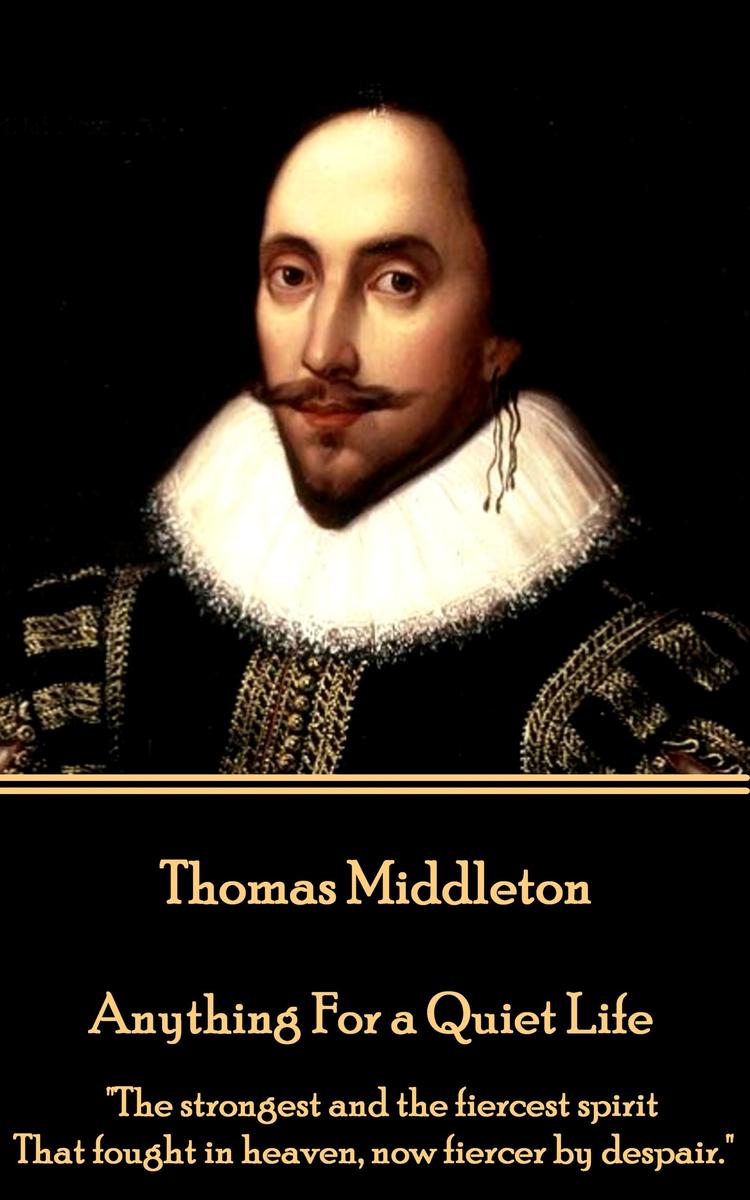
Anything For a Quiet Life - The strongest and the fiercest spirit That fought in
¥23.45
Thomas Middleton was born in London in April 1580 and baptised on 18th April. Middleton was aged only five when his father died. His mother remarried but this unfortunately fell apart into a fifteen year legal dispute regarding the inheritance due Thomas and his younger sister. By the time he left Oxford, at the turn of the Century, Middleton had and published Microcynicon: Six Snarling Satirese which was denounced by the Archbishop of Canterbury and publicly burned. In the early years of the 17th century, Middleton wrote topical pamphlets. One - Penniless Parliament of Threadbare Poets was reprinted several times and the subject of a parliamentary inquiry. These early years writing plays continued to attract controversy. His writing partnership with Thomas Dekker brought him into conflict with Ben Jonson and George Chapman in the so-called War of the Theatres. His finest work with Dekker was undoubtedly The Roaring Girl, a biography of the notorious Mary Frith. In the 1610s, Middleton began another playwriting partnership, this time with the actor William Rowley, producing another slew of plays including Wit at Several Weapons and A Fair Quarrel. The ever adaptable Middleton seemed at ease working with others or by himself. His solo writing credits include the comic masterpiece, A Chaste Maid in Cheapside, in 1613. In 1620 he was officially appointed as chronologer of the City of London, a post he held until his death. The 1620s saw the production of his and Rowley's tragedy, and continual favourite, The Changeling, and of several other tragicomedies. However in 1624, he reached a peak of notoriety when his dramatic allegory A Game at Chess was staged by the King's Men. Though Middleton's approach was strongly patriotic, the Privy Council silenced the play after only nine performances at the Globe theatre, having received a complaint from the Spanish ambassador. What happened next is a mystery. It is the last play recorded as having being written by Middleton. Thomas Middleton died at his home at Newington Butts in Southwark in the summer of 1627, and was buried on July 4th, in St Mary's churchyard which today survives as a public park in Elephant and Castle.
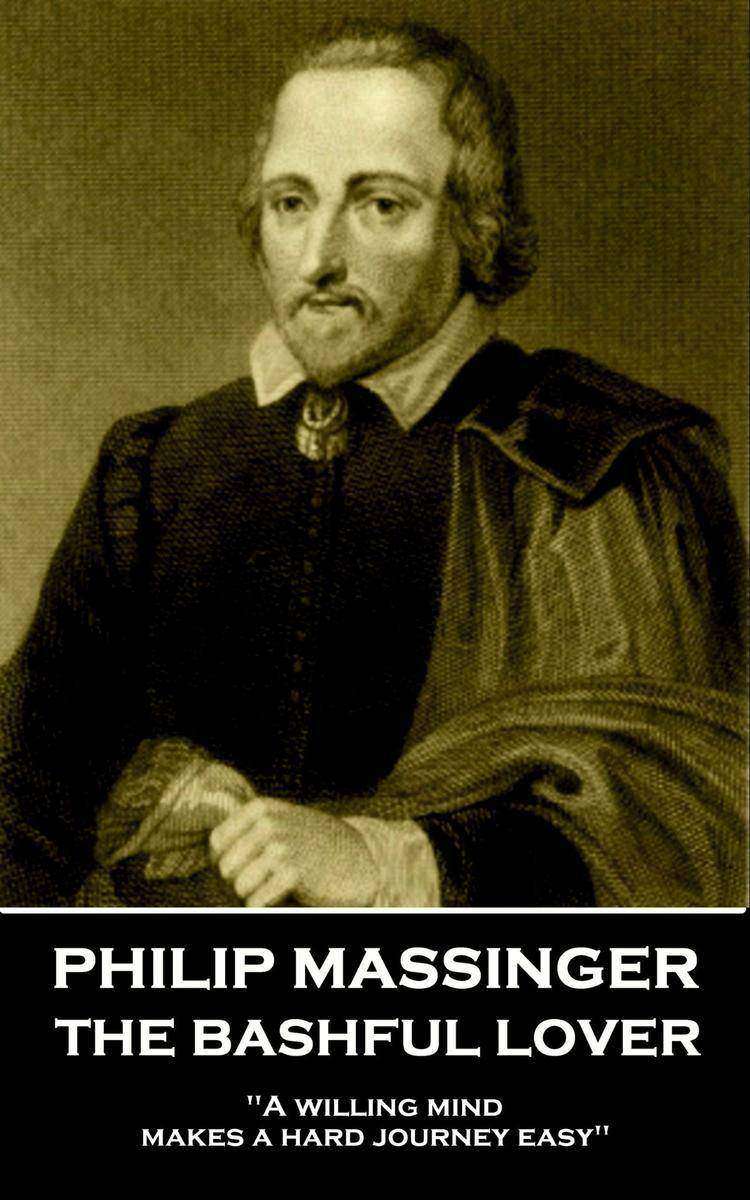
Bashful Lover - A willing mind makes a hard journey easy
¥23.45
Philip Massinger was baptized at St. Thomas's in Salisbury on November 24th, 1583.Massinger is described in his matriculation entry at St. Alban Hall, Oxford (1602), as the son of a gentleman. His father, who had also been educated there, was a member of parliament, and attached to the household of Henry Herbert, 2nd Earl of Pembroke. The Earl was later seen as a potential patron for Massinger.He left Oxford in 1606 without a degree. His father had died in 1603, and accounts suggest that Massinger was left with no financial support this, together with rumours that he had converted to Catholicism, meant the next stage of his career needed to provide an income.Massinger went to London to make his living as a dramatist, but he is only recorded as author some fifteen years later, when The Virgin Martyr (1621) is given as the work of Massinger and Thomas Dekker.During those early years as a playwright he wrote for the Elizabethan stage entrepreneur, Philip Henslowe. It was a difficult existence. Poverty was always close and there was constant pleading for advance payments on forthcoming works merely to survive.After Henslowe died in 1616 Massinger and John Fletcher began to write primarily for the King's Men and Massinger would write regularly for them until his death.The tone of the dedications in later plays suggests evidence of his continued poverty. In the preface of The Maid of Honour (1632) he wrote, addressing Sir Francis Foljambe and Sir Thomas Bland: "e;I had not to this time subsisted, but that I was supported by your frequent courtesies and favours."e;The prologue to The Guardian (1633) refers to two unsuccessful plays and two years of silence, when the author feared he had lost popular favour although, from the little evidence that survives, it also seems he had involved some of his plays with political characters which would have cast shadows upon England's alliances.Philip Massinger died suddenly at his house near the Globe Theatre on March 17th, 1640. He was buried the next day in the churchyard of St. Saviour's, Southwark, on March 18th, 1640. In the entry in the parish register he is described as a "e;stranger,"e; which, however, implies nothing more than that he belonged to another parish.
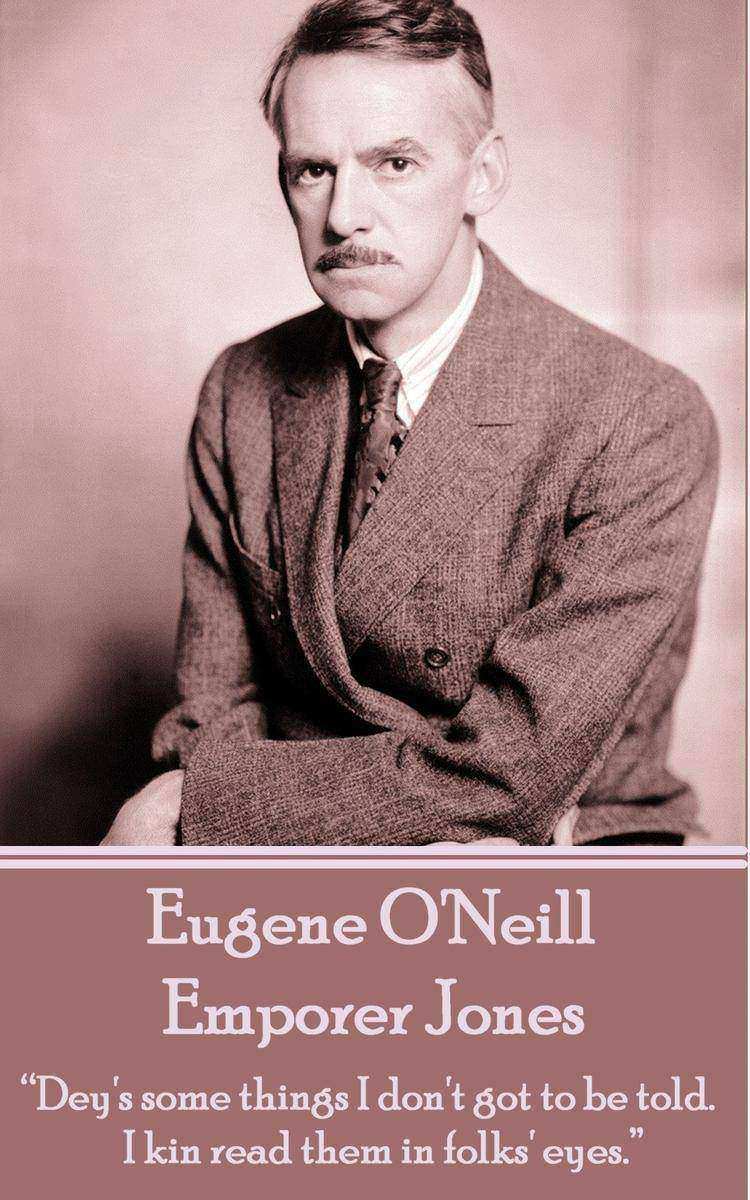
Emporer Jones - Dey's some things I don't got to be told. I kin read them in fol
¥14.03
Eugene Gladstone O'Neill was born on October 16, 1888 in a hotel bedroom in what is now Times Square, New York. Much of his childhood was spent in the comfort of books at boarding schools whilst his actor father was on the road and his Mother contended with her own demons. He spent only a year at University - Princeton - and various reasons have been given for his departure. However whatever his background and education denied or added to his development it is agreed amongst all that he was a playwright of the first rank and possibly America's greatest. His introduction of realism into American drama was instrumental in its development and paved a path for many talents thereafter. Of course his winning of both the Pulitzer Prize (4 times) and the Nobel Prize are indicative of his status. His more famous and later works do side with the disillusionment and personal tragedy of those on the fringes of society but continue to build upon ideas and structures he incorporated in his early one act plays. Eugene O'Neill suffered from various health problems, mainly depression and alcoholism. In the last decade he also faced a Parkinson's like tremor in his hands which made writing increasingly difficult. But out of such difficulties came plays of the calibre of The Iceman Cometh, Long Day's Journey Into Night, and A Moon for the Misbegotten. Eugene O'Neill died in Room 401 of the Sheraton Hotel on Bay State Road in Boston, on November 27, 1953, at the age of 65. As he was dying, he whispered his last words: "e;I knew it. I knew it. Born in a hotel room and died in a hotel room."e;
Bacchae - The good and the wise lead quiet lives
¥14.03
Euripides is rightly lauded as one of the great dramatists of all time. In his lifetime, he wrote over 90 plays and although only 18 have survived they reveal the scope and reach of his genius. Euripides is identified with many theatrical innovations that have influenced drama all the way down to modern times, especially in the representation of traditional, mythical heroes as ordinary people in extraordinary circumstances. As would be expected from a life lived 2,500 years ago, details of it are few and far between. Accounts of his life, written down the ages, do exist but whether much is reliable or surmised is open to debate. Most accounts agree that he was born on Salamis Island around 480 BC, to mother Cleito and father Mnesarchus, a retailer who lived in a village near Athens. Upon the receipt of an oracle saying that his son was fated to win "e;crowns of victory"e;, Mnesarchus insisted that the boy should train for a career in athletics. However, what is clear is that athletics was not to be the way to win crowns of victory. Euripides had been lucky enough to have been born in the era as the other two masters of Greek Tragedy; Sophocles and schylus. It was in their footsteps that he was destined to follow. His first play was performed some thirteen years after the first of Socrates plays and a mere three years after schylus had written his classic The Oristria. Theatre was becoming a very important part of the Greek culture. The Dionysia, held annually, was the most important festival of theatre and second only to the fore-runner of the Olympic games, the Panathenia, held every four years, in appeal. Euripides first competed in the City Dionysia, in 455 BC, one year after the death of schylus, and, incredibly, it was not until 441 BC that he won first prize. His final competition in Athens was in 408 BC. The Bacchae and Iphigenia in Aulis were performed after his death in 405 BC and first prize was awarded posthumously. Altogether his plays won first prize only five times. Euripides was also a great lyric poet. In Medea, for example, he composed for his city, Athens, "e;the noblest of her songs of praise"e;. His lyric skills however are not just confined to individual poems: "e;A play of Euripides is a musical whole....one song echoes motifs from the preceding song, while introducing new ones."e; Much of his life and his whole career coincided with the struggle between Athens and Sparta for hegemony in Greece but he didn't live to see the final defeat of his city. Euripides fell out of favour with his fellow Athenian citizens and retired to the court of Archelaus, king of Macedon, who treated him with consideration and affection. At his death, in around 406BC, he was mourned by the king, who, refusing the request of the Athenians that his remains be carried back to the Greek city, buried him with much splendor within his own dominions. His tomb was placed at the confluence of two streams, near Arethusa in Macedonia, and a cenotaph was built to his memory on the road from Athens towards the Piraeus.


