


 购物车
购物车 个人中心
个人中心
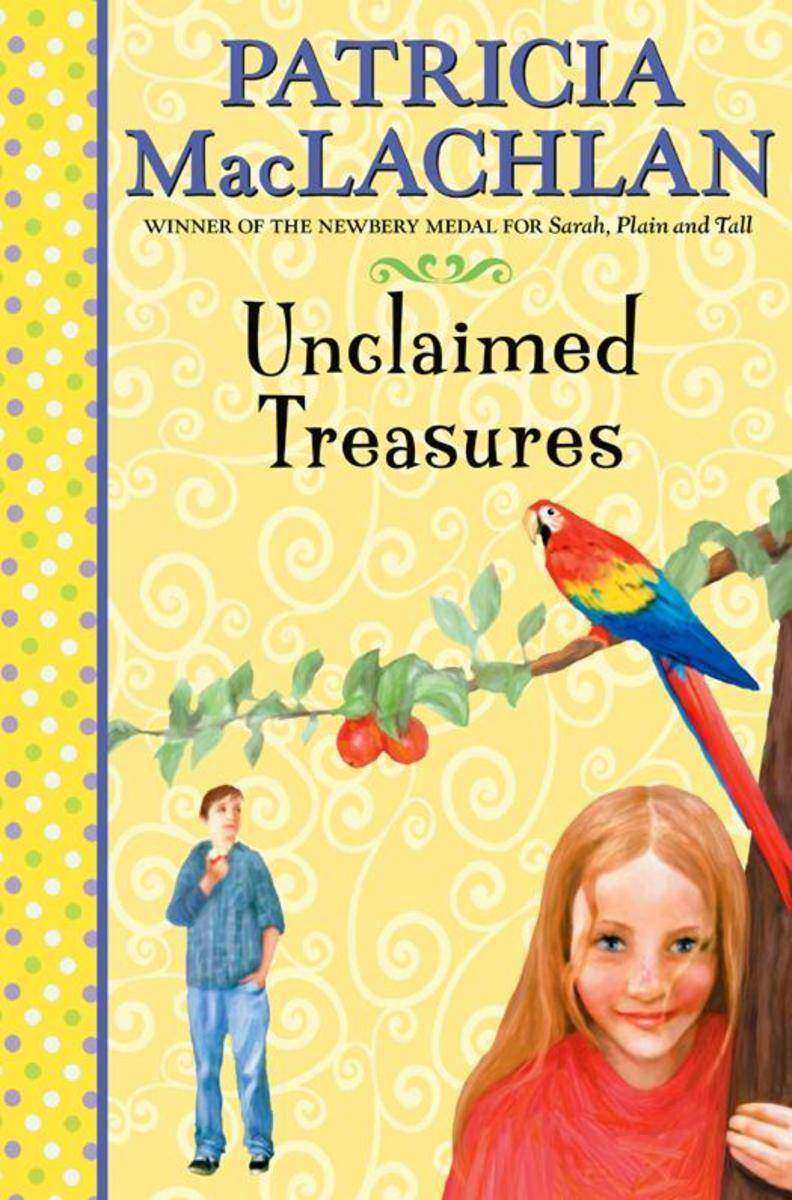
Unclaimed Treasures
¥98.08
Willa does fall in love, but it isn't at all the way she dreamed it would be. And just what is extraordinaryWilla and twin brother Nicky's mother is going to have a baby-how ordinary. Their friend Horace's mother has left to"seek her fortune."That, Willa thinks, is extraordinary. Willa is on the verge of learning something important. And by the end of the long summer, Willa, Nicky, and Horace each do something extraordinary and unforgettable.
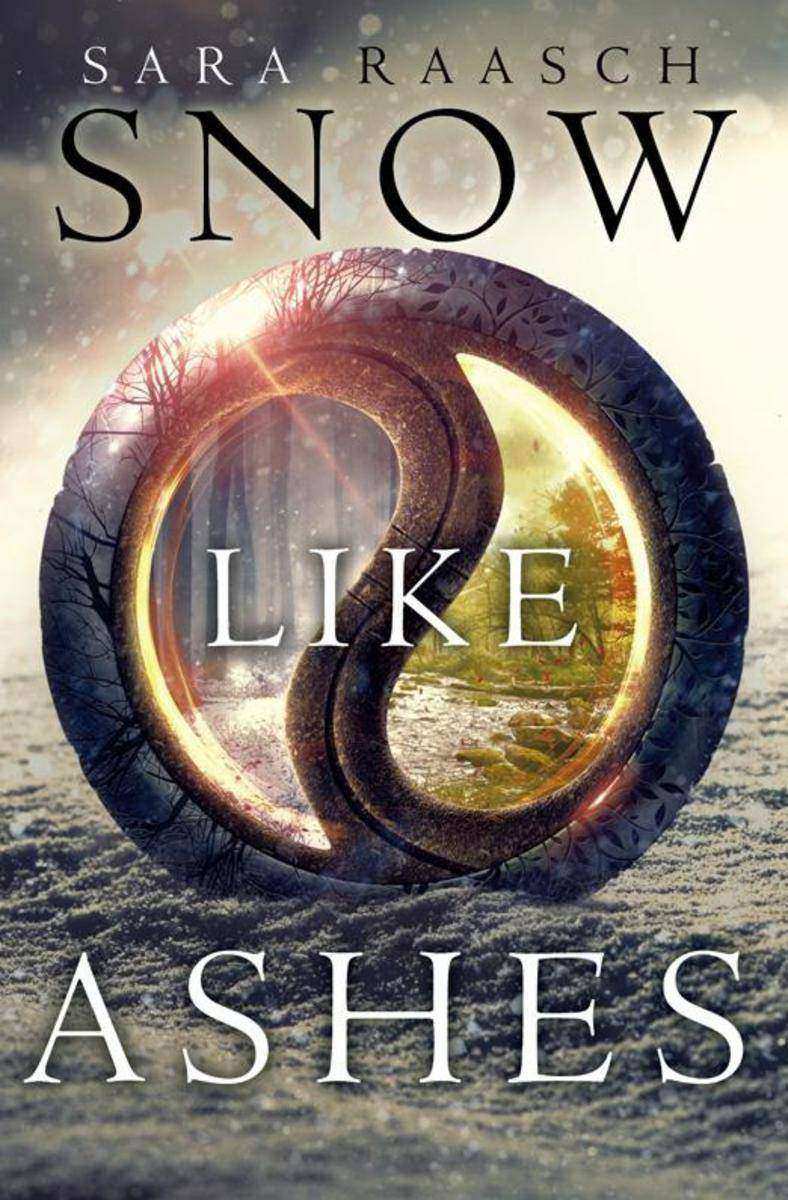
Snow Like Ashes
¥55.93
A striking fantasy tale of dark magic, dangerous politics, and discovering your true self—perfect for fans of Game of Thrones, An Ember in the Ashes and A Court of Thorns and Roses.Sixteen years ago the Kingdom of Winter was conquered and its citizens enslaved, leaving them without magic or a monarch. Now the Winterians' only hope for freedom is the eight survivors who managed to escape, and who have been waiting for the opportunity to steal back Winter's magic and rebuild the kingdom ever since.Orphaned as an infant during Winter's defeat, Meira has lived her whole life as a refugee. Training to be a warrior—and desperately in love with her best friend, Winter's future king—she would do anything to help Winter rise to power again.So when scouts discover the location of the ancient locket that can restore Winter's magic, Meira decides to go after it herself—only to find herself thrust into a world of evil magic and dangerous politics—and ultimately comes to realize that her destiny is not, never has been, her own.

Pretty Little Liars #16: Vicious
¥61.52
Vicious is the explosive conclusion to Sara Shepard's #1 New York Times bestselling Pretty Little Liars series, perfect for fans of the hit ABC Family original TV show based on the series.High school seniors Aria, Emily, Hanna, and Spencer have been through a lot since their best friend, Alison DiLaurentis, disappeared five summers ago. A stalker named "A" has harassed them for their past mistakes and revealed their darkest secrets to the world. They've been on TV, hounded by the press, kicked out of school, arrested, and even put in jail. With time running out, and their lives on the line, one of the Liars does something so terrifying and shocking, fans will be left breathless.Sara Shepard's fan base continues to grow as ABC Family's hit Pretty Little Liars TV show draws in new readers to the #1 New York Times bestselling series. Full of unexpected twists and shocking revelations, this long-awaited finale to this much-loved series will not disappoint.
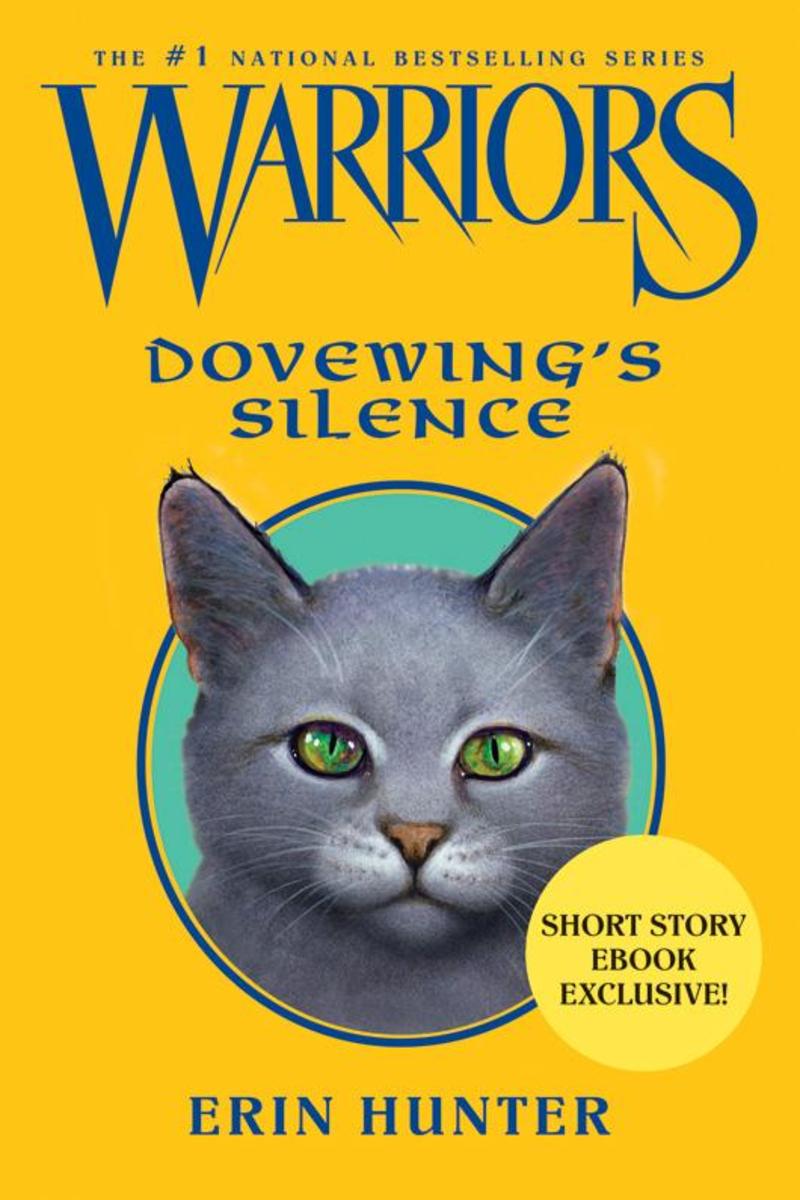
Warriors: Dovewing's Silence
¥86.22
In this seventy-page novella from the world of Erin Hunter's #1 nationally bestselling Warriors series, discover what happened to Dovewing after the events of the fourth Warriors arc, Omen of the Stars.The Dark Forest has been defeated—but Dovewing's powers are gone. Will she able to adjust to life as an ordinary warrior?Warriors: Dovewing's Silence also includes a teaser to Warriors Super Edition: Bramblestar's Storm.

I Am Number Four: The Lost Files: Return to Paradise
¥87.15
In this thrilling one-hundred-page prequel companion novella to the New York Times bestselling I Am Number Four series, discover what happened in the aftermath of the Mogadorians' attack on Paradise, Ohio, from Mark James—Number Four's bully-turned-ally.After Four leaves town to find the rest of the Garde, Mark is left behind to pick up the pieces. His school has been destroyed, his home burned down, and, worst yet, Mark now knows the horrifying truth: aliens live among us and some of them seek to destroy us. Even with the FBI tailing him and Sarah Hart, Mark tries to return to a normal life. But when Sarah goes missing, he knows he can no longer sit back and do nothing. His quest to find her will lead him to new allies and a startling revelation about the Mogadorians' plan for invasion.
I Am Number Four: The Lost Files: Five's Betrayal
¥87.15
In this explosive one-hundred-page prequel companion novella to the New York Times bestselling I Am Number Four series, uncover the truth behind Number Five's unknown history with the Mogadorians.This sequel to I Am Number Four: The Lost Files: Five's Legacy finds Number Five entering the ranks of the Mogadorian army. The Mogs have convinced him that they will be the victor in their war for Earth, and Five decides he would rather be on the winning side. Realizing that the only thing that matters is his survival, Five allies himself with the sworn enemies of the Lorien and pledges to help the Mogs take down the very people he was meant to protect. Is he too far gone to be savedDiscover how Five became one of Earth's and Lorien's most dangerous adversaries and decide for yourself.

The Fear Trials
¥10.83
Meadow Woodson has been trained to survive. This is a prequel to The Murder Complex, by Lindsay Cummings, and it is set in a blood-soaked world where the murder rate is higher than the birth rate. For fans of Moira Young's Dust Lands series, La Femme Nikita, and the movie Hanna.Meadow Woodson's father calls it The Fear Trials, and it is a rite of passage in their family. Meadow is up against her brother Koi. The Fear Trials will both harden her and make her brave. If Meadow wins, she will get a weapon of her own and the right to leave the Woodsons' houseboat without her father or mother at her side. Set in the violent, complex, and mysterious world of The Murder Complex, and introducing Meadow Woodson—a teenage girl trained to survive no matter what the cost—and her family, who are together for the last time on their houseboat in the Florida Everglades.Epic Reads Impulse is a digital imprint with new releases each month.

Fart Squad #2: Fartasaurus Rex
¥28.01
It’s the second adventure from the smelt-it, dealt-it, you-can-fasten-your-seat-belt-but-they-might-melt-it . . . fearless FART SQUAD! This laugh-out-loud chapter book series is perfect for Captain Underpants fans. With black-and-white illustrations throughout and port-a-potties full of bathroom humor, young readers will be giggling from start to finish.When Darren Stonkadopolis and the rest of the Fart Squad are bussed off to the Natural History Museum, Darren melts a petrified tar pit with a volcano-hot fart. And when he does, he lets out what the pit had been holding in—the deadliest farter in all history, the ferocious Fartasaurus Rex. Now it’s up to the Fart Squad to chow down, power up, and blast this prehistoric beast back to the Flatulent Age before the whole town becomes fossil fuel!“If you can smell what this dino had for lunch, you might be dinner!”—It’s a Gas with Smooth Flo on WCPU“Fart attacks are up 82 percent all over the city. Sneak fart attacks are up 90 percent.”—Good Morning, Buttzville“The business end of this dino means business!”—PassingtonPost.com

Parrot in the Oven
¥50.47
Perico, or parrot, was what Dad called me sometimes. It was from a Mexican saying about a parrot that complains how hot it is in the shade, while all along he's sitting inside an oven and doesn't know it....For Manuel Hernandez, the year leading up to his test of courage, his initiation into a gang, is a time filled with the pain and tension, awkwardness and excitement of growing up in a crazy world. His dad spends most of his time and money at the local pool hall; his brother flips through jobs like a thumb through a deck of cards; and his mom never stops cleaning the house, as though one day the rooms will be so spotless they'll disappear into a sparkle, and she'll be free.Manny's dad is always saying that people are like money--there are million- and thousand- and hundred-dollar people out there, and to him, Manny is just a penny. But Manny wants to be more than a penny, smarter than the parrot in the oven. He wants to find out what it means to be a vato firme, a guy to respect.In this beautifully written novel, Victor Martinez gives readers a vivid portrait of one Mexican-American boy's life. Manny's story is like a full-color home movie--sometimes funny, sometimes sad, but always intensely original.For Manuel Hernandez, the year leading up to his test of courage, his initiation into a gang, is a time filled with the pain and tension, awkwardness and excitement of growing up in a mixed-up, crazy world. Manny’s dad is always calling him el perico, or parrot. It’s from a Mexican saying about a parrot that complains how hot it is in the shade while all along he’s sitting inside the oven and doesn’t know it. But Manny wants to be smarter than the parrot in the oven—he wants to find out what it means to be a vato firme, a guy to respect. From an exciting new voice in Chicano literature, this is a beautifully written, vivid portrait of one Mexican-American boy’s life.1998 Pura Belpre Author Award1996 Americas Award for Children’s and Young Adult Literature1997 Books for the Teen Age (NY Public Library)1996 National Book Award for Young People’s Literature

No Place to Fall
¥101.00
The Sky Is Everywhere meets This Lullaby in a sexy and poignant debut novel about family, friendships, and first romance.Amber Vaughn is a good girl. She sings solos at church, babysits her nephew after school, and spends Friday nights hanging out at the house of her best friend, Devon. But when she learns about an audition at a prestigious arts school, Amber decides that her dream—to sing on bigger stages—could also be her ticket to a new life. Devon’s older brother, Will, helps Amber prepare for her one chance to try out. The more time Will and Amber spend together, the more complicated their relationship becomes . . . and Amber starts to wonder if she’s such a good girl, after all.Then, in an afternoon, the bottom drops out of her family’s world—and Amber is faced with an impossible choice between her promise as an artist and the people she loves. Amber always thought she knew what a good girl would do. But between right and wrong, there’s a whole world of possibilities.

Playing Keira
¥21.73
From a breakthrough voice in YA fiction comes a captivating digital-original 50-page short story starring a supporting character from the novel You Look Different in Real Life.The premise was simple: Five kids living their real lives, with a new movie about them every five years. But that was before Keira's mother walked out and the cameras captured every heartbreaking detail for the world to see. Now Keira doesn't even know what "real life" means—she only knows how to pretend to be herself.Then she meets Garrett on a bus to New York City. At first, Keira creates a fictional identity and enjoys the freedom of being someone totally different. But as their brief connection turns into something more, Keira starts to see what life could be like if she just stopped pretending and accepted the person she really is.Jennifer Castle's pitch-perfect teen voices and sharp insights—together with a teaser to You Look Different in Real Life—make this story a must-read, especially for fans of Sarah Dessen.Epic Reads Impulse is a digital imprint with new releases each month.
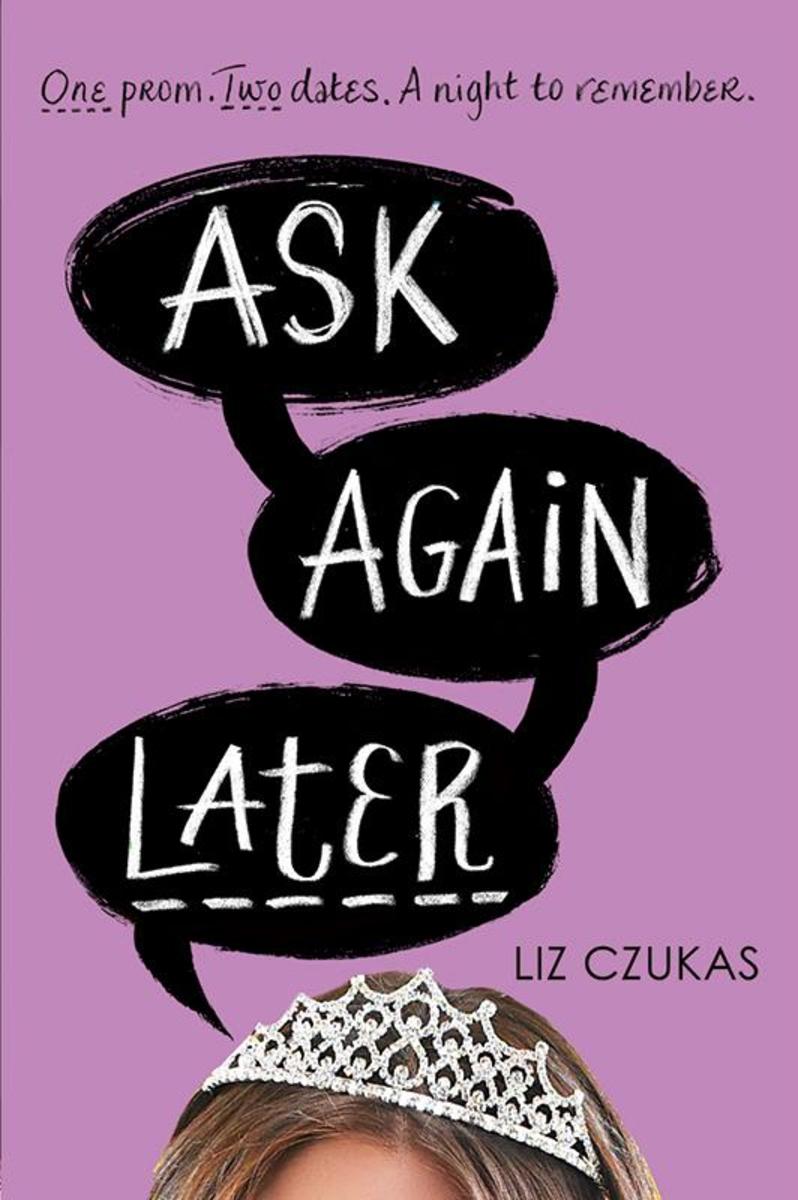
Ask Again Later
¥55.33
Sixteen Candles meets Sliding Doors in this hilariously charming and irreverent YA debut. Fans of realistic teen fiction like Lauren Barnholdt's Two-Way Street and Sarah Mlynowski's Ten Things We Did (And Probably Shouldn't Have) will love Ask Again Later's pitch-perfect tale of prom night drama—with a twist.Heart LaCoeur has zero interest in a messy high-school romance, no matter what her name suggests. That's why she's decided to avoid prom angst by going with a group of single friends. And that's why, when two surprise prom invites derail her brilliant plan, Heart takes the only foolproof, drama-free solution: a coin flip—that somehow gives her the chance to live out both prom nights. Heads or tails, where they both end up might be the most surprising thing of all. . . .
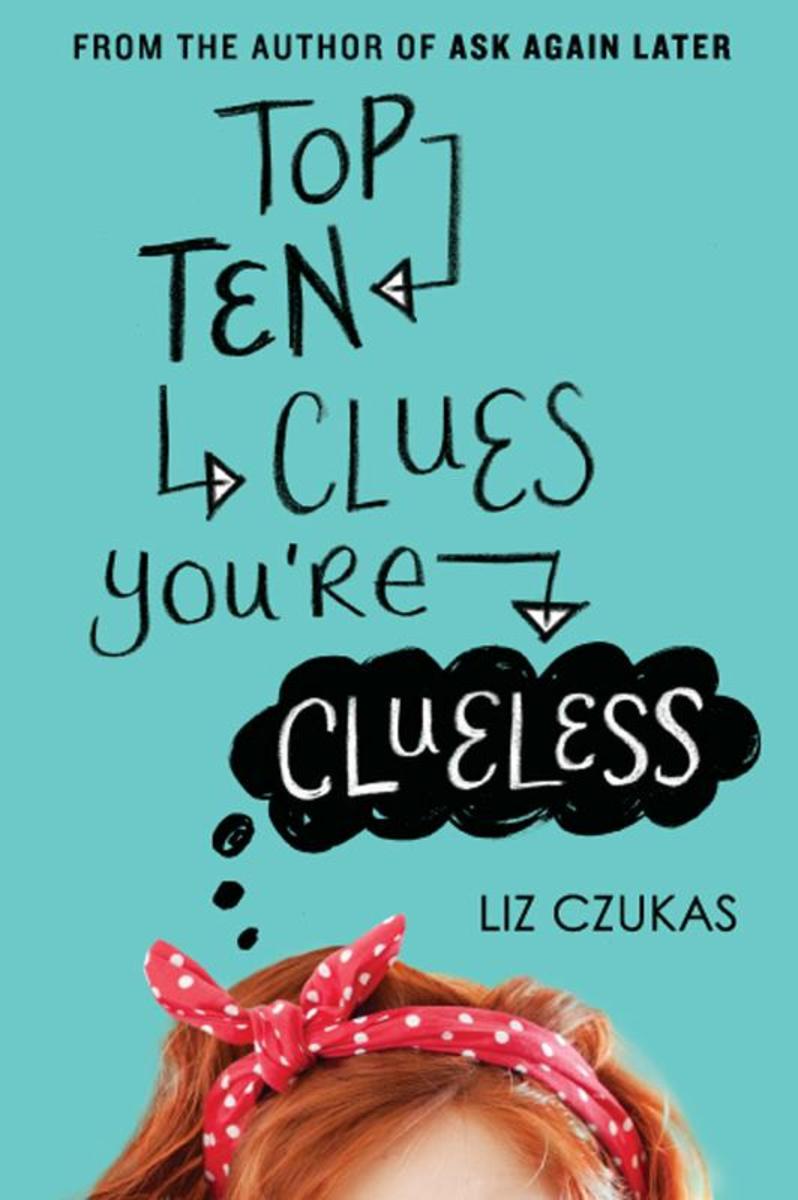
Top Ten Clues You're Clueless
¥55.33
Top Five Things That Are Ruining Chloe's Day5) Working the 6:30 a.m. shift at GoodFoods Market4) Crashing a cart into a customer's car right in front of her snarky coworker Sammi3) Trying to rock the "drowned rat" look after being caught in a snowstorm2) Making zero progress with her crush, Tyson (see #3)1) Being accused—along with her fellow teenage employees— of stealing upwards of $10,000Chloe would rather be anywhere than locked in work jail (aka the break room) with five of her coworkers . . . even if one of them is Tyson. But if they can band together to clear their names, what looks like a total disaster might just make Chloe's list of Top Ten Best Moments.
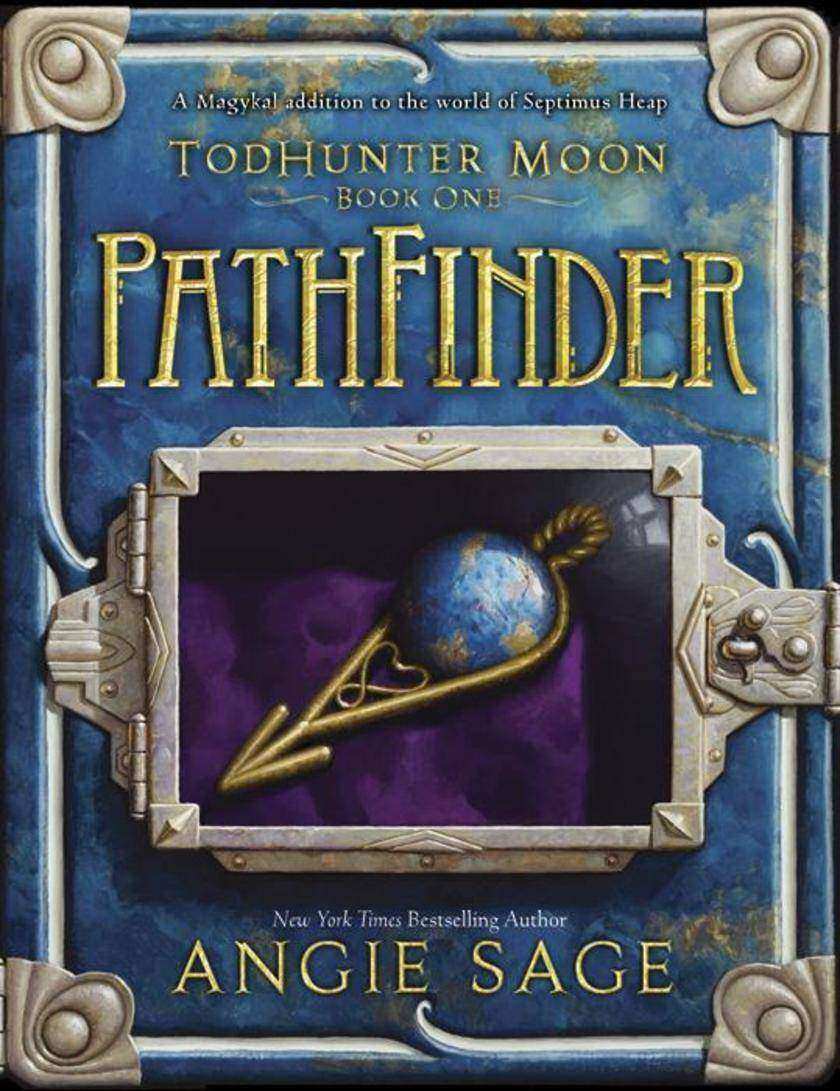
TodHunter Moon, Book One: PathFinder
¥44.25
Introducing Alice TodHunter Moon, a Magykal addition to the world of Septimus Heap! Perfect for both established fans of the Septimus Heap series and readers coming to the world of Septimus Heap for the first time, PathFinder is the first book in the Septimus Heap spin-off series, TodHunter Moon.Taking place seven years after the events of the original Septimus Heap series, PathFinder tells the story of Alice TodHunter Moon, a young PathFinder who leaves her seaside village in search of her friend Ferdie. Rumor has it that Ferdie has been taken by mysterious creatures called Garmin under orders from the malevolent Lady.Full of Angie Sage's characteristic humor and heart, PathFinder introduces a new cast of young characters—and a new kind of Magyk. All the beloved characters from Septimus Heap are here, too—Tod receives help from ExtraOrdinary Wizard Septimus Heap, ex–ExtraOrdinary Wizard Marcia Overstrand, and Alchemist Simon Heap. A great addition to any fantasy reader's library!

Under the Spotlight
¥56.08
After an embarrassing stint on a reality-TV music competition years ago, Riley vowed never to sing again. Now she's behind the scenes, working at the prestigious Sound Sync recording studio, and life is looking up. But then Garrett Jamieson, the oldest brother in the famous Jamieson brothers band, crashes into her world.Garrett has hit rock bottom, and he is desperate to reinvent himself. After calling in a few favors, he ends up working at Sound Sync to learn the ropes of record producing from the industry's best. And he can't believe his luck when he discovers that Riley has been keeping a secret—she is an amazing singer. By producing her album, he's sure to top the record charts again. But Garrett is forced to use every trick in his arsenal to persuade the sassy girl to record.Riley refuses to sing—or even entertain the thought of it—and sparks fly as Garrett finally meets his match. But in the heat of the moment, one stolen kiss changes everything. Will Riley be the first person to finally rein Garrett in, or will Garrett succeed in getting Riley back under the spotlight?
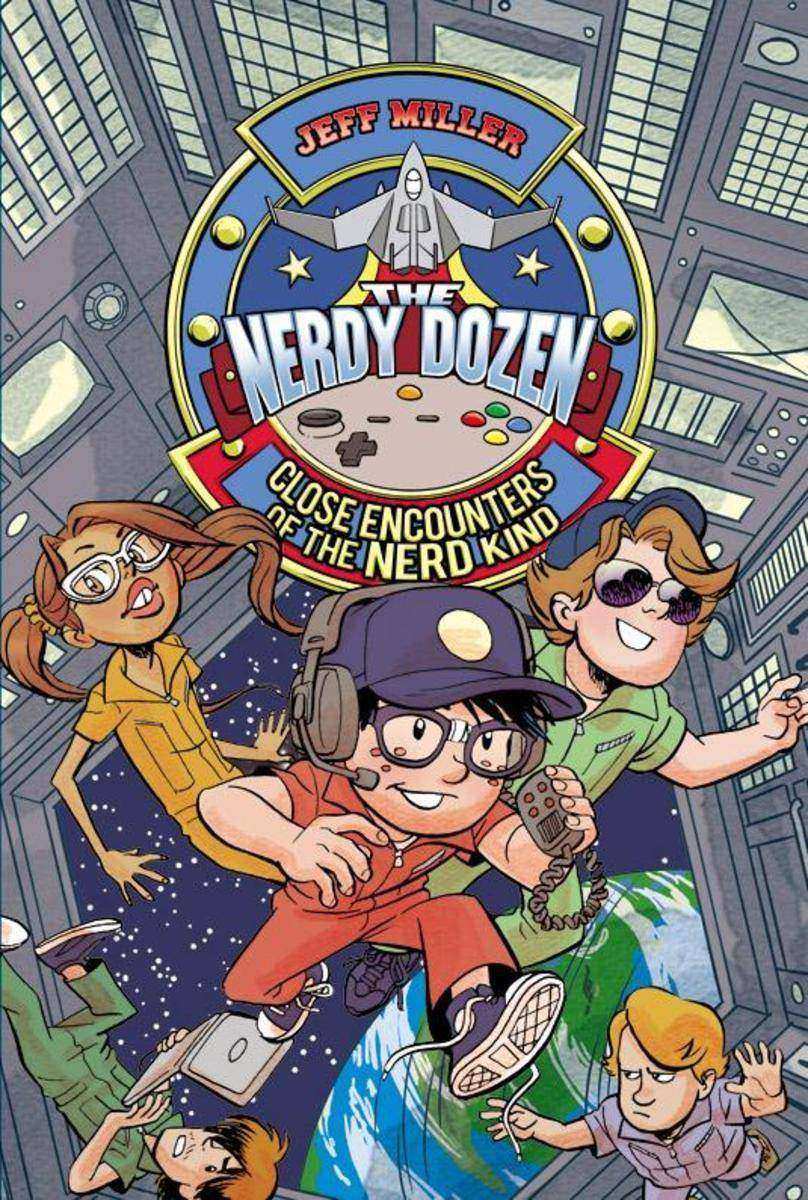
The Nerdy Dozen #2: Close Encounters of the Nerd Kind
¥39.24
In this exciting sequel to The Nerdy Dozen, Neil Andertol and his gang of dorky gamers are once again called on to fly a top-secret mission—one that is literally out of this world. This time, rescuing mankind means heading into outer space. A top-secret spacecraft has been stolen, and NASA needs the best pilots in the universe to get it back—the Nerdy Dozen. It's a race against time to stop an earth-shattering disaster. Can the twelve geeks save the day again—or will it be game over?

Monstrous
¥44.25
Reminiscent of Frankenstein and tales by the Brothers Grimm, this debut novel stands out as a compelling, original story that has the feel of a classic.The city of Bryre suffers under the magic of an evil wizard. Because of his curse, girls sicken and disappear without a trace, and all live in fear. No one is allowed outside after dark. Night is when Kymera comes to the city, with a cloak disguising her wings, the bolts in her neck, and her spiky tail. Her mission is to rescue the girls of Bryre. Despite Kym's caution in going secretively, a boy named Ren sees and befriends her . . . but what he knows will change her world forever.

The Shattered Mountain
¥54.42
A powerful 50-page digital-only novella set in the world of Rae Carson's acclaimed and epic fantasy The Girl of Fire and Thorns. A teenage girl must fight to survive when her village is destroyed by enemy sorcerers.While Princess Elisa was being forced across the desert by a band of rebel kidnappers, her future handmaiden—and best friend—Mara, was fighting for survival as enemy sorcerers destroyed the countryside. This is Mara's story.Mara is finally going to escape. She is in love. And even her harsh, controlling, volatile father cannot keep her from running off with the boy who makes her feel beautiful. But on the day she and Julio plan to leave their desert village, the enemy sorcerers attack, burning it to the ground. The only survivors are a handful of children, and seventeen-year-old Mara has no choice but to lead them. She must make it through the mountains to the rumored rebel camp and protect the children following her. She might lose everything—and everyone—she's ever loved, but what she finds will lead her down a path that will change the world. Told from Mara's point-of-view, The Shattered Mountain is an alternate perspective of the beginning of the acclaimed The Girl of Fire and Thorns.
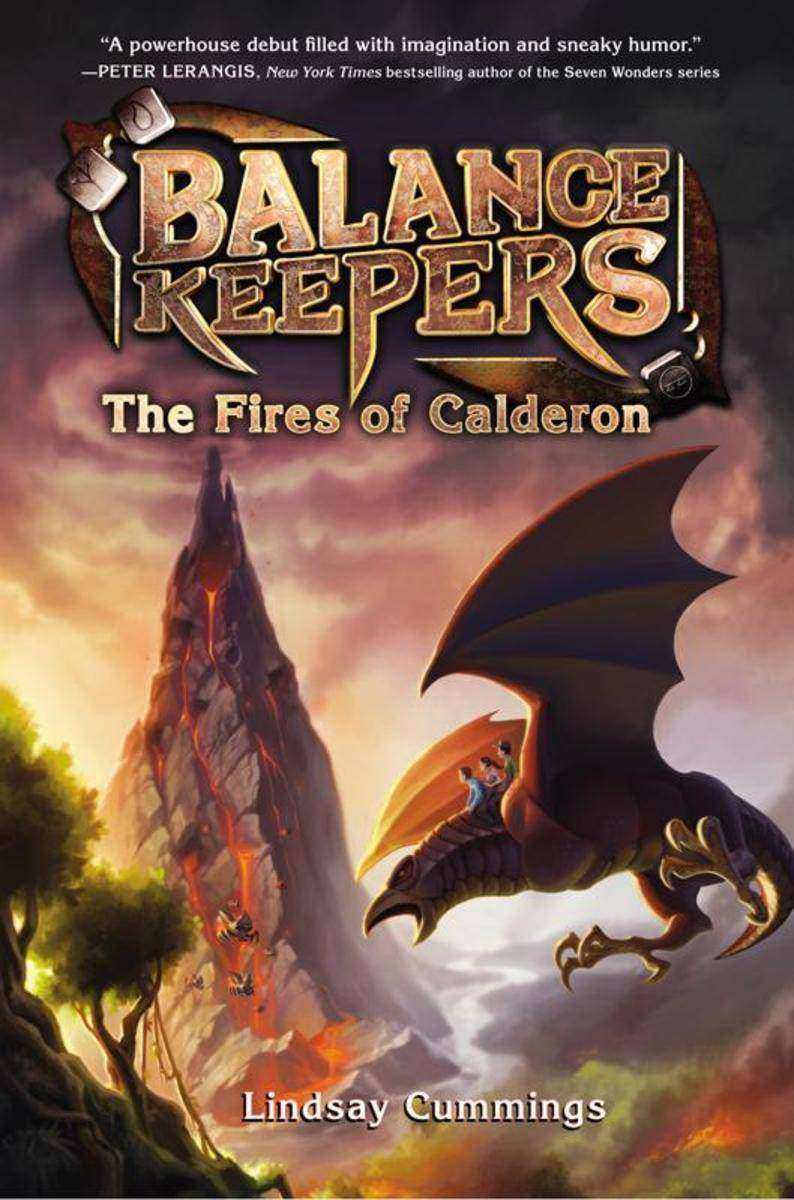
Balance Keepers, Book 1: The Fires of Calderon
¥39.24
The Fires of Calderon?is Book One in Lindsay Cummings’s epic Balance Keepers series. These exciting fantasy-adventure books are full of magic, mystery, friendship, and humor, and are perfect for fans of books like Brandon Mull’s?The Candy Shop War?or the Unwanteds series by Lisa McMann.Bestselling author of the Skeleton Creek series Patrick Carman describes?The Fires of Calderon?as “fast paced and packed with adventure,” and Peter Lerangis, bestselling author of the Seven Wonders series, says, “Wow!”With themes of friendship, self-discovery, and courage; both boy and girl main characters; fierce creatures to battle; a mystery to solve; and a boarding school that could be described as Hogwarts Underground, there’s something for every reader to enjoy in this contemporary—and fantastically imaginative—spin on the classic?A Journey to the Centre of the Earth.When eleven-year-old Albert Flynn follows a mysterious map deep into the woods, and then?under?the woods, he discovers he’s a Balance Keeper—someone with special magical skills for keeping harmony in fantastical underground worlds. Together with his teammates Leroy and Birdie, Albert must master his magical talents in time to stop the fires in the Calderon Realm from destroying New York City above.

Die Once More
¥10.71
This one-hundred-page novella picks up where the international bestselling Die for Me trilogy ended and follows the eternally irresistible Jules Marchenoir as he leaves Paris behind for a fresh start in New York City.Jules is a revenant—an undead being whose fate forces him to sacrifice himself over and over again to save human lives. He's spent the last century flirting his way through Paris and, most recently, falling in love with his best friend's girlfriend. Loyalty and heartbreak have led him to choose a new life in NYC.Separated from his friends and his home, Jules is adrift in this dangerous new world, facing unknown enemies . . . until he meets a revenant named Ava. Though the battle for France has been won, an epic war between good and evil has just begun in the Big Apple, and Ava needs Jules's help to uncover the key to an American victory. Jules finds himself in the same position he crossed an ocean to escape: at risk of losing his immortal existence as well as his heart.Epic Reads Impulse is a digital imprint with new releases each month.
Alex
¥65.33
This captivating digital original story set in the world of Lauren Oliver's New York Times bestselling Delirium series focuses on Alex, Lena's first love. When Alex sacrificed himself to save Lena, he thought he was committing himself to certain death, but what he got was almost worse. Imprisoned and tortured by the guards, his mind forces him to relive a past he would rather forget. But in the dark he grows stronger. Both hopeful and terrified, he fights to find his way back to her and the love he still clings to. In this digital story that will appeal to fans of Delirium and welcome new admirers to its world, readers will learn of Alex's time after the events of Delirium, as well as the dark past that he has tried to forget.


