


 购物车
购物车 个人中心
个人中心

The Admirable Crichton
¥8.09
This unique edition of The Admirable Crichton from Dead Dodo Vintage includes the full original text as well as exclusive features not available in other editions.
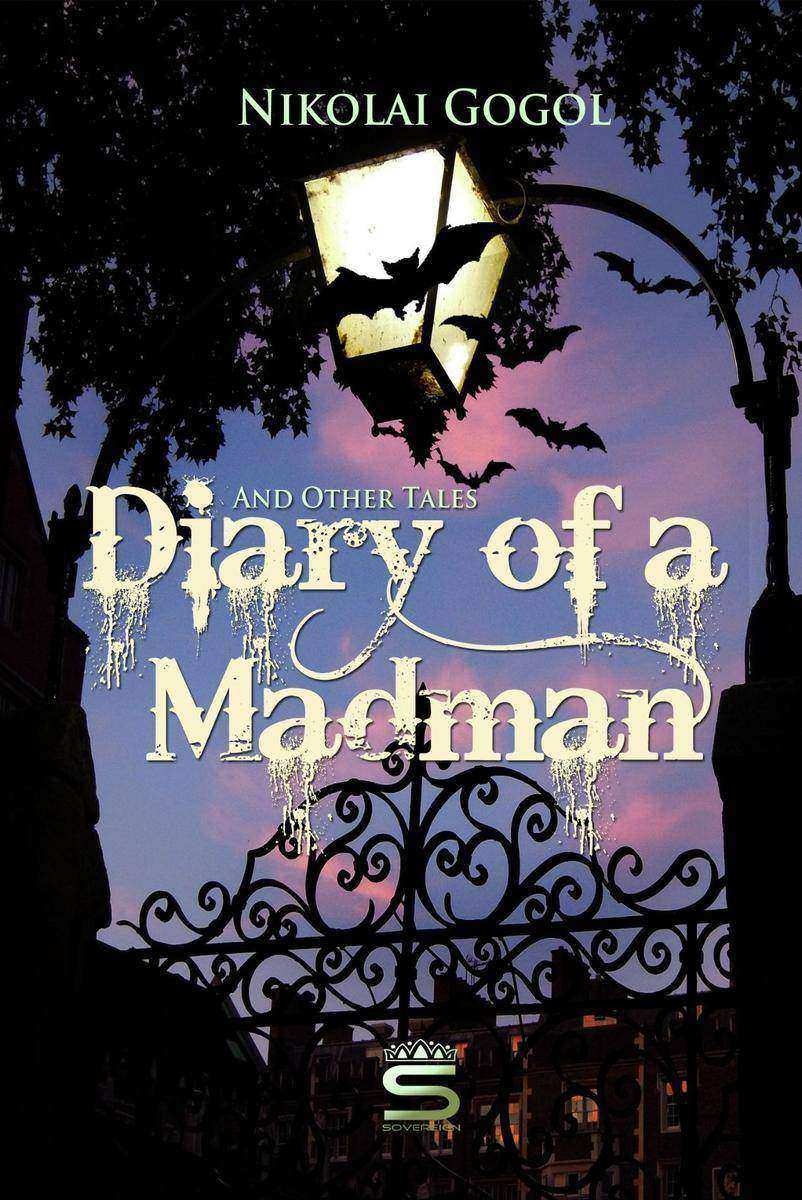
Diary of a Madman and Other Tales
¥40.79
Diary of a Madman is one of Gogol's greatest stories. The tale follows the life of a minor civil servant during the repressive era of Nicholas I. Following the format of a diary, the story shows the descent of the protagonist, Poprishchin, into insanity. Diary of a Madman, the only one of Gogol's works written in first person, follows diary-entry format. This Sovereign Classic edition also includes the following other tales: The Mantle, The Nose, A May Night.
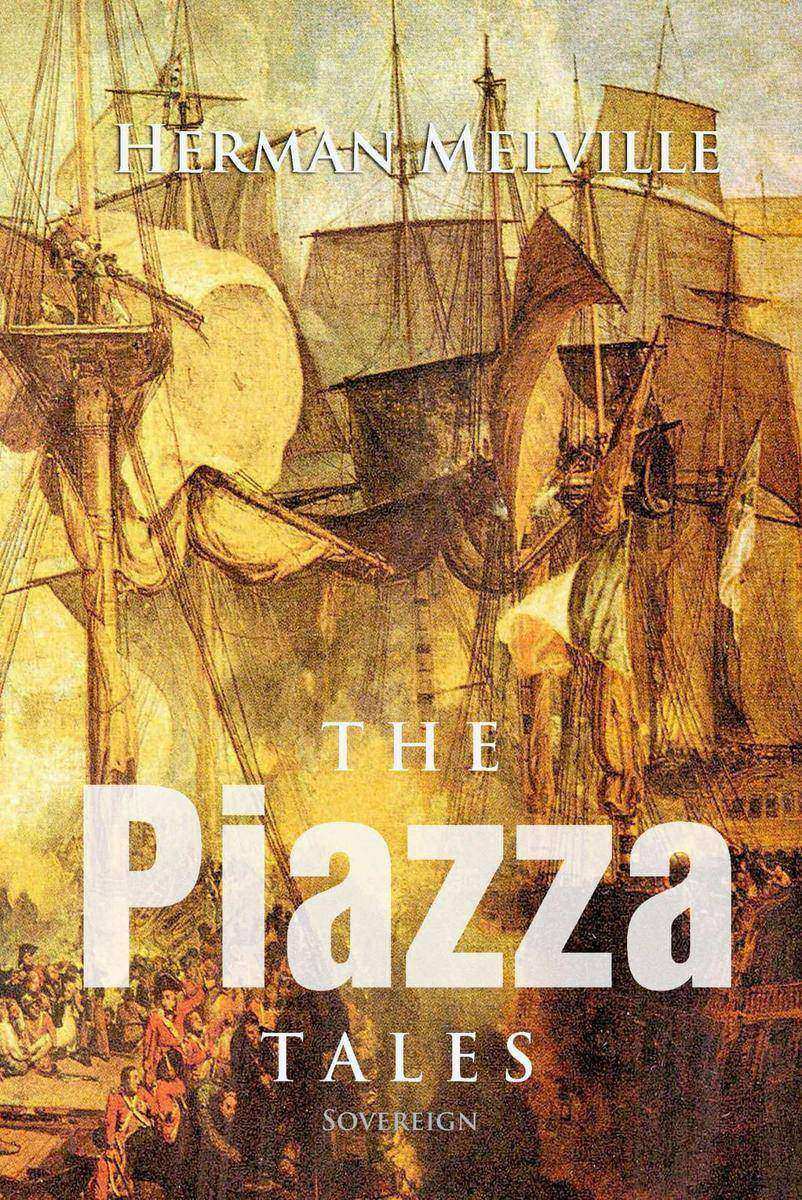
The Piazza Tales
¥40.79
The Piazza Tales is the only collection of short stories by Herman Melville including: The Piazza, Bartleby, Benito Cereno, The Lightning-Rod Man, The Encantadas, The Bell-Tower.
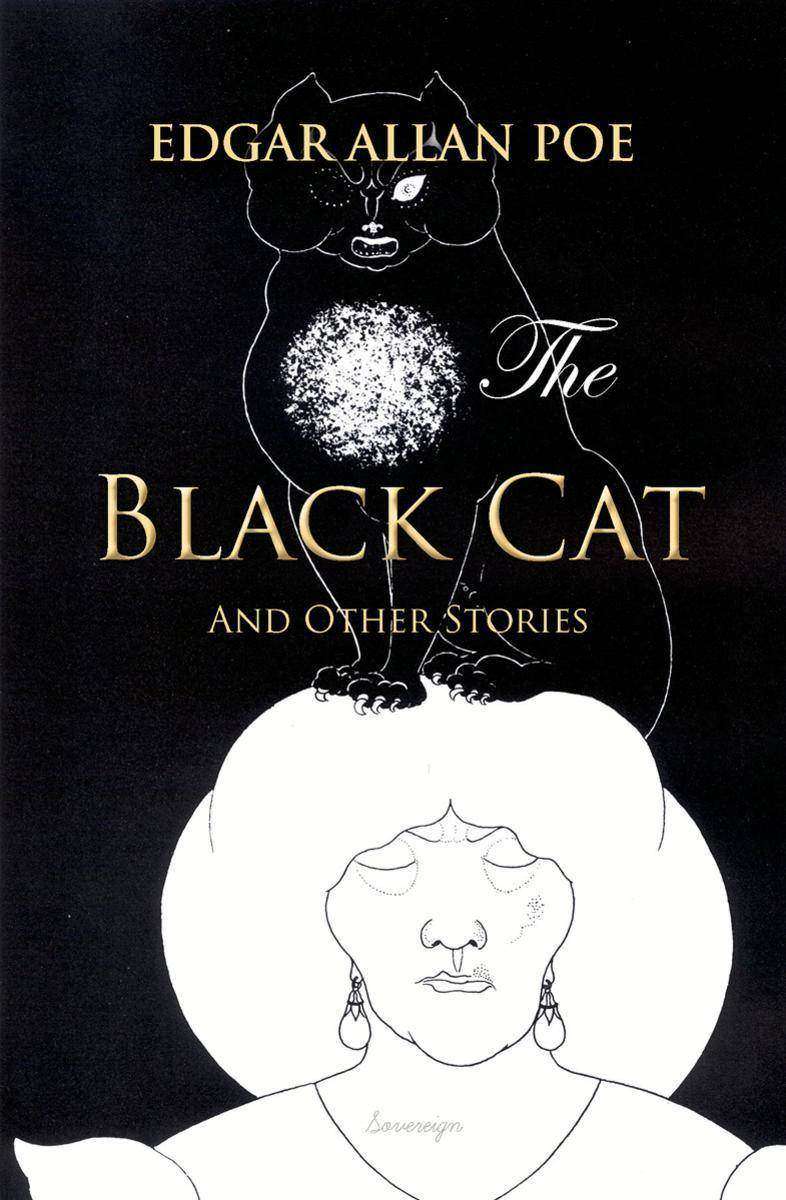
The Black Cat and Other Stories
¥40.79
Our pet-loving narrator injures his black cat under heavy influence of alcohol. From that moment onward, the cat flees in terror at his master's approach but this does not save Pluto from his master and eventually leads to Pluto's death and a mysterious house fire. The mystery does not end there and leads to even more unexpected events. The book features twenty other stories including: The Fall of the House of Usher, The Masque of the Red Death, The Imp of the Perverse.
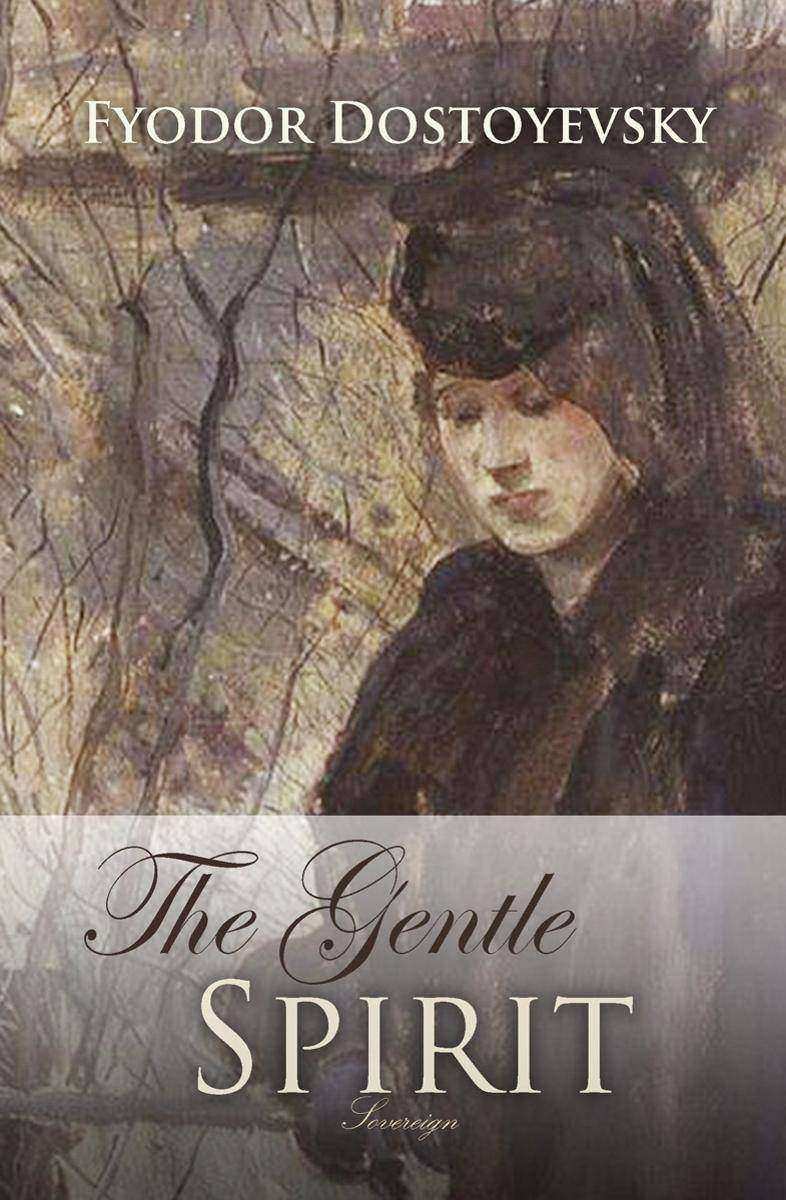
The Gentle Spirit: A Fantastic Story
¥40.79
Can too much love be fatal? You are about to find out in this exquisite psychological drama between the owner of a pawnshop and his wife. The narrator's marriage started out cordially enough, but his miserly and reserved ways are taxing to his young wife. A dearth of communication and disagreements about how the pawnshop should be run result in arguments, though the narrator insists that they never quarrelled. One fine morning the narrator opens his eyes to see that his wife is standing over him with the revolver pointed at his temple.

The Prince and the Pauper
¥40.79
The story of two young boys who are identical in appearance: Tom Canty, a pauper who lives with his abusive father in Offal Court off Pudding Lane in London, and Prince Edward, son of King Henry VIII. One day Tom is nearly caught and beaten by the Royal Guards; however, Edward stops them and invites Tom into his palace chamber. There the two boys get to know one another, fascinated by each other's life and their uncanny resemblance. They decide to switch clothes temporarily.

The Professor
¥40.79
The Professor was the first novel by Charlotte Bronte. It was originally written before Jane Eyre and rejected by many publishing houses, but was eventually published posthumously. The novel follows life of a young man, William Crimsworth, and is a first-person narrative from his perspective. It describes his maturation, his loves and his eventual career as a professor at an all-girls school.
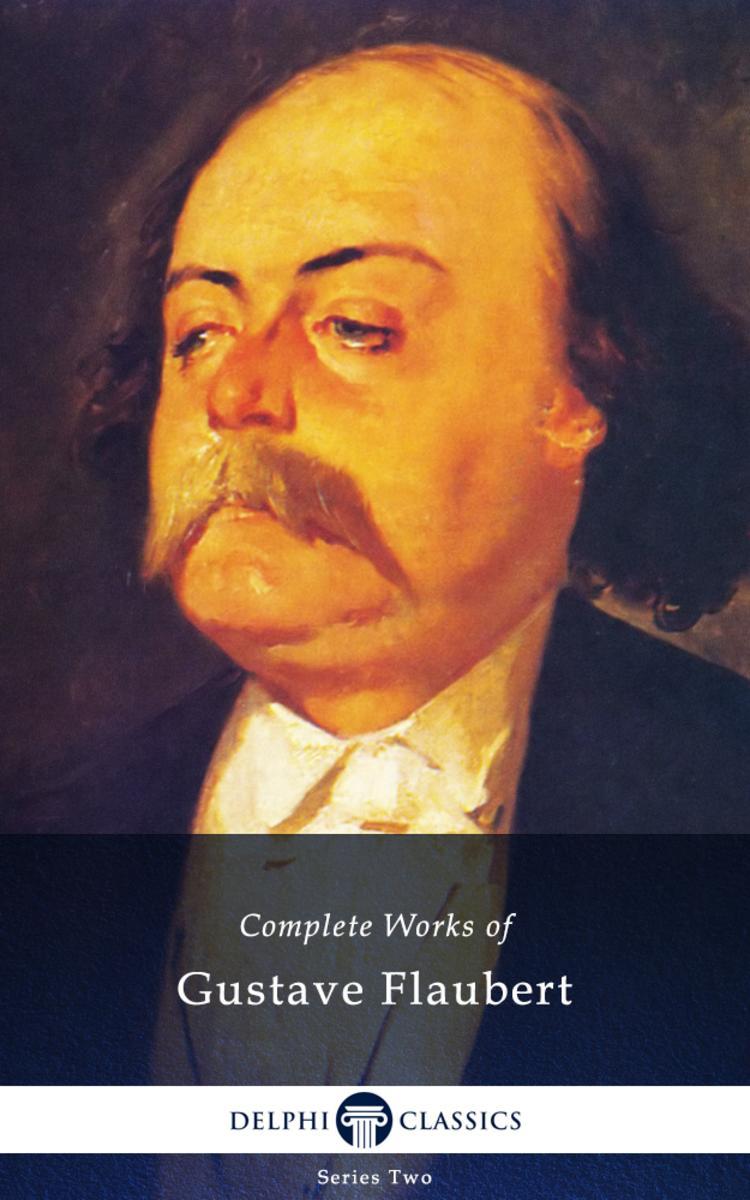
Delphi Complete Works of Gustave Flaubert (Illustrated)
¥16.27
Gustave Flaubert, the great realist writer, is now available in Delphi’s bestselling range of titles. This erudite eBook offers readers the most complete collection ever compiled of Flaubert’s FICTIONAL works in English translation, with all the usual Delphi bonus texts. (Current version: 1) * concise introductions to the novels and other works * images of how the novels first appeared, giving your eReader a taste of the original texts * each novel has an individual contents table * MADAME BOVARY and the other novels are illustrated with contemporary artwork * all novels are presented with their French versions – sample the true brilliance of Flaubert’s original text, in between reading the English translations * BONUS selection of non-fiction texts, including an informative account of the Madame Bovary trial * boasts a special literary criticism section, with works by famous writers such as Henry James, Virginia Woolf and D. H. Lawrence, examining Flaubert’s contribution to literature * includes Guy de Maupassant’s scholarly study of Flaubert, available in no other collection * ALSO includes G. A. Mounsey’s biography – immerse yourself in Flaubert’s literary life! * many images relating to Flaubert’s life, works, places and film adaptations * scholarly ordering of texts in chronological order and literary genres, allowing easy navigation around Flaubert’s immense oeuvre Please note: a complete works of Gustave Flaubert in English is not possible due to copyright restrictions and some works having never been translated. Please visit www.delphiclassics.com to browse through our range of exciting titles CONTENTS: The Novels MEMOIRS OF A MADMAN (not in English) MADAME BOVARY SALAMMB? SENITMENTAL EDUCATION BOUVARD AND P?CUCHET The Short Stories ?UVRES DE JEUNESSE (not in English) THREE TALES THE DANCE OF DEATH NOVEMBRE The Poetry THE TEMPTATION OF SAINT ANTOINE The Plays THE CANDIDATE THE CASTLE OF HEARTS LE SEXE FAIBLE (not in English) Selected Non-Fiction ABOARD THE CANGE OVER STRAND AND FIELD THE GEORGE SAND-GUSTAVE FLAUBERT LETTERS The Trial THE PUBLIC VS. M. GUSTAVE FLAUBERT The Criticism GUSTAVE FLAUBERT: A STUDY BY GUY DE MAUPASSANT EXTRACT FROM ‘FIGURES OF SEVERAL CENTURIES’ BY ARTHUR SYMONS EXTRACT FROM ‘ESSAYS IN LONDON AND ELSEWHERE’ BY HENRY JAMES EXTRACTS FROM D.H. LAWRENCE’S PHOENIX: THE POSTHUMOUS PAPERS’ EXTRACTS FROM VIRGINIA WOOLF’S DIARY The Biography THE LIFE-WORK OF FLAUBERT BY G. A. MOUNSEY The French Texts Please visit www.delphiclassics.com to browse through our range of exciting titles
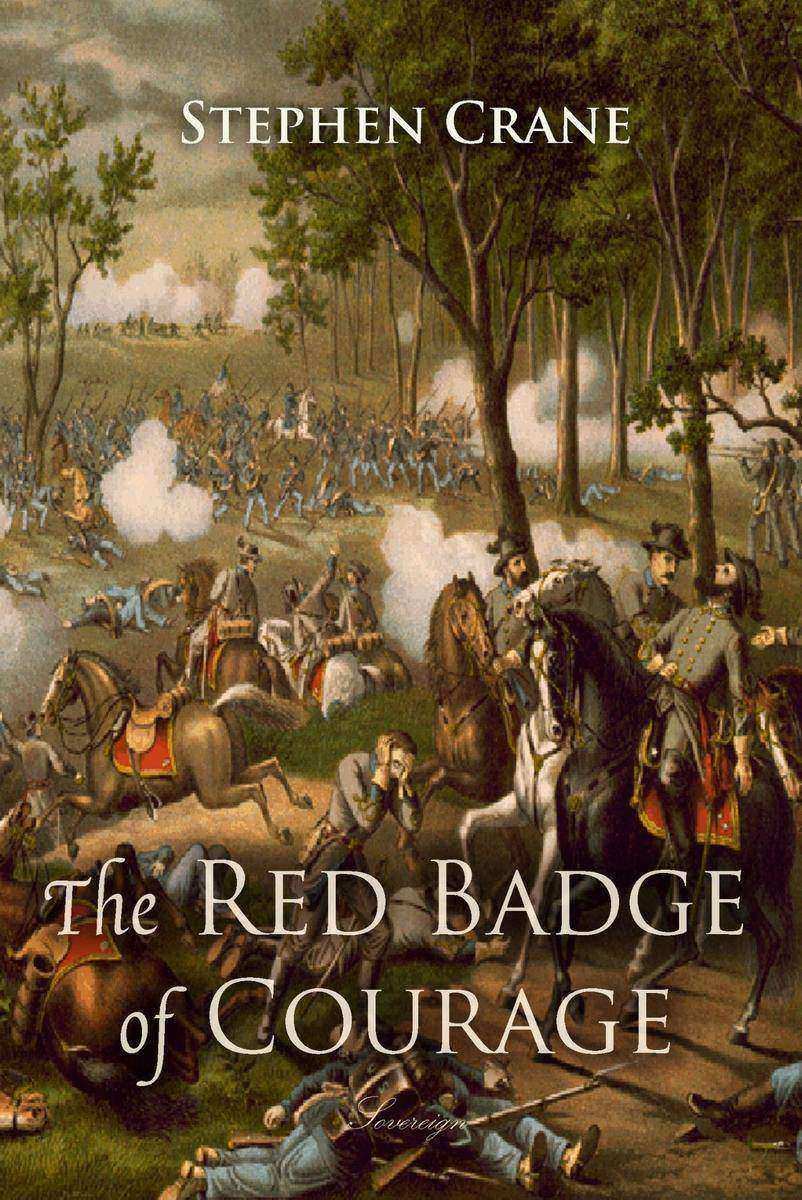
The Red Badge of Courage: An Episode of the American Civil War
¥40.79
The Red Badge of Courage follows events of the American Civil War, and life of a young private of the Union Army, Henry Fleming, who flees from the field of battle. Overcome with shame, he longs for a wound, a red badge of courage, to counteract his cowardice. When his regiment once again faces the enemy, Henry acts as standard-bearer.
Eugenie Grandet by Honoré de Balzac - Delphi Classics (Illustrated)
¥8.09
This eBook features the unabridged text of ‘Eugenie Grandet by Honoré de Balzac - Delphi Classics (Illustrated)’ from the bestselling edition of ‘The Collected Works of Honoré de Balzac’. Having established their name as the leading publisher of classic literature and art, Delphi Classics produce publications that are individually crafted with superior formatting, while introducing many rare texts for the first time in digital print. The Delphi Classics edition of Balzac includes original annotations and illustrations relating to the life and works of the author, as well as individual tables of contents, allowing you to navigate eBooks quickly and easily. eBook features: * The complete unabridged text of ‘Eugenie Grandet by Honoré de Balzac - Delphi Classics (Illustrated)’ * Beautifully illustrated with images related to Balzac’s works * Individual contents table, allowing easy navigation around the eBook * Excellent formatting of the text Please visit www.delphiclassics.com to learn more about our wide range of titles

Mental Endurance: How to develop mental toughness from the world's elite forces
¥61.83
You can train all you like, but when it comes to the crunch, do you have the mental endurance to see yourself through combat situations, being held hostage or finding yourself at the mercy of the elements? SAS and Elite Forces Handbook: Mental Endurance examines what it takes to be as mentally fit as a special forces soldier. It is equally important to focus on diet, rest patterns and mental discipline as it is to concentrate on push-ups, sit-ups and other physical exercises. Using simple steps, the book shows the reader how they can build up their endurance over a matter of weeks and months, and how their quality of life will benefit. SAS and Elite Forces Handbook: Mental Endurance demonstrates how you can gain the psychological edge over your opponent. Whether you are competing in unarmed combat sports, running a marathon or just looking to get ahead, the book will have helpful and practical advice for you. Exercises such as positive thinking and visualisations and memory games are explored as ways of dealing with solitude, depression, anger management and torture when in crisis situations. Using 300 instructive artworks, SAS and Elite Forces Handbook: Mental Endurance shows you how special forces units such as the SAS and Delta Force stretch themselves mentally.
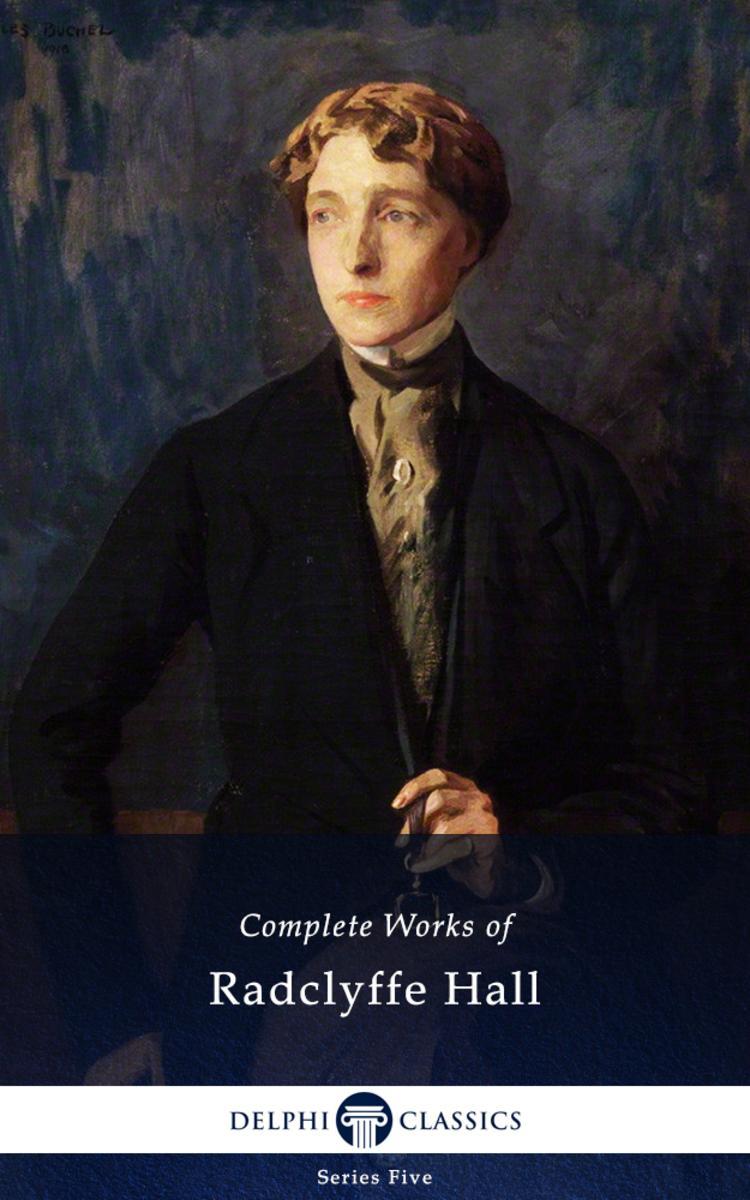
Delphi Complete Works of Radclyffe Hall (Illustrated)
¥20.36
Radclyffe Hall’s 1928 novel “The Well of Loneliness” caused a publishing scandal in 1928 and is now recognised as the first overt lesbian novel in English literature. Hall was also awarded prestigious literary prizes for the novel “Adam’s Breed” and she produced a large body of accomplished verse. For the first time in publishing history, this comprehensive eBook presents Hall’s complete works, with numerous illustrations, rare texts, informative introductions and the usual Delphi bonus material. (Version 1) * Beautifully illustrated with images relating to Hall’s life and works * Concise introductions to the novels and other texts * ALL 7 novels, with individual contents tables * Images of how the books were first printed, giving your eReader a taste of the original texts * Excellent formatting of the texts * The rare short story collection MISS OGILVY FINDS HERSELF, first time in digital print * Special chronological and alphabetical contents tables for the poetry * Easily locate the poems you want to read * Scarce poetry collections, available in no other edition * A bonus biography - discover Hall’s literary life * Scholarly ordering of texts into chronological order and literary genres Please visit www.delphiclassics.com to browse through our range of exciting titles Please note: no known copies of the posthumous Italian poetry collection RHYMES AND RHYTHMS are available at the time of publication. Once the text becomes available, it will be added to the collection as a free update. CONTENTS: The Novels THE FORGE THE UNLIT LAMP A SATURDAY LIFE ADAM’S BREED THE WELL OF LONELINESS THE MASTER OF THE HOUSE THE SIXTH BEATITUDE The Short Story Collection MISS OGILVY FINDS HERSELF The Poetry Collections INTRODUCTION TO THE POETRY OF RADCLYFFE HALL TWIXT EARTH AND STARS A SHEAF OF VERSES POEMS OF THE PAST & PRESENT SONGS OF THREE COUNTIES AND OTHER POEMS THE FORGOTTEN ISLAND The Poems LIST OF POEMS IN CHRONOLOGICAL ORDER LIST OF POEMS IN ALPHABETICAL ORDER The Biography A SHORT BIOGRAPHY OF RADCLYFFE HALL by Gill Rossini Please visit www.delphiclassics.com to browse through our range of exciting titles
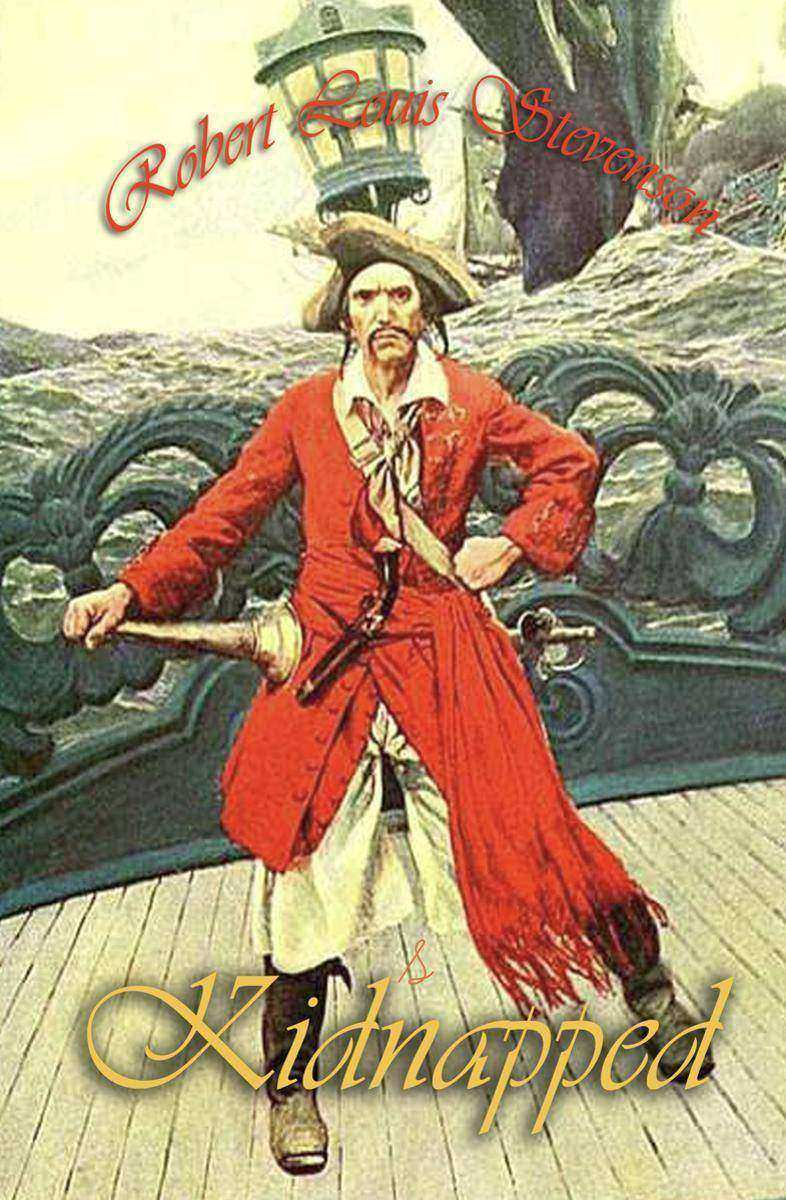
Kidnapped
¥40.79
Kidnapped is a historical adventure novel set around 18th-century Scottish events, notably the Appin Murder, which occurred near Ballachulish in the aftermath of the Jacobite Rising. Many of the characters, and one of the principals, Alan Breck Stewart, were real people.
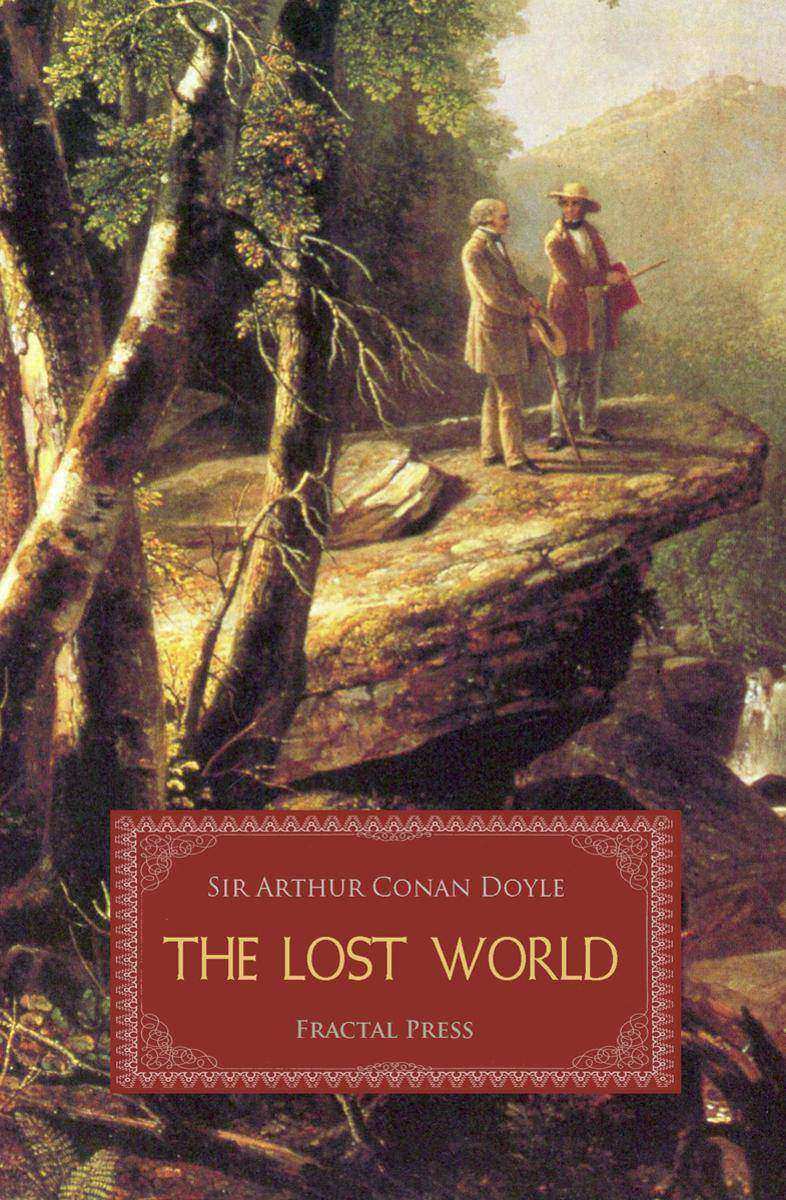
The Lost World
¥40.79
We follow Professor Challenger to a South American plateau in the Amazon basin where dinosaurs and other extinct creatures still survive. A legendary work of science fiction which sparked the Lost World genre.
Four Faultless Felons
¥40.79
Four Faultless Felons includes The Moderate Murderer, The Honest Quack, The Ecstatic Thief, and The Loyal Traitor. Chesterton's protagonist's faultless crimes include: murder, fraud, theft, and treason. They are motivated by good intentions of course, by altruism and virtues.
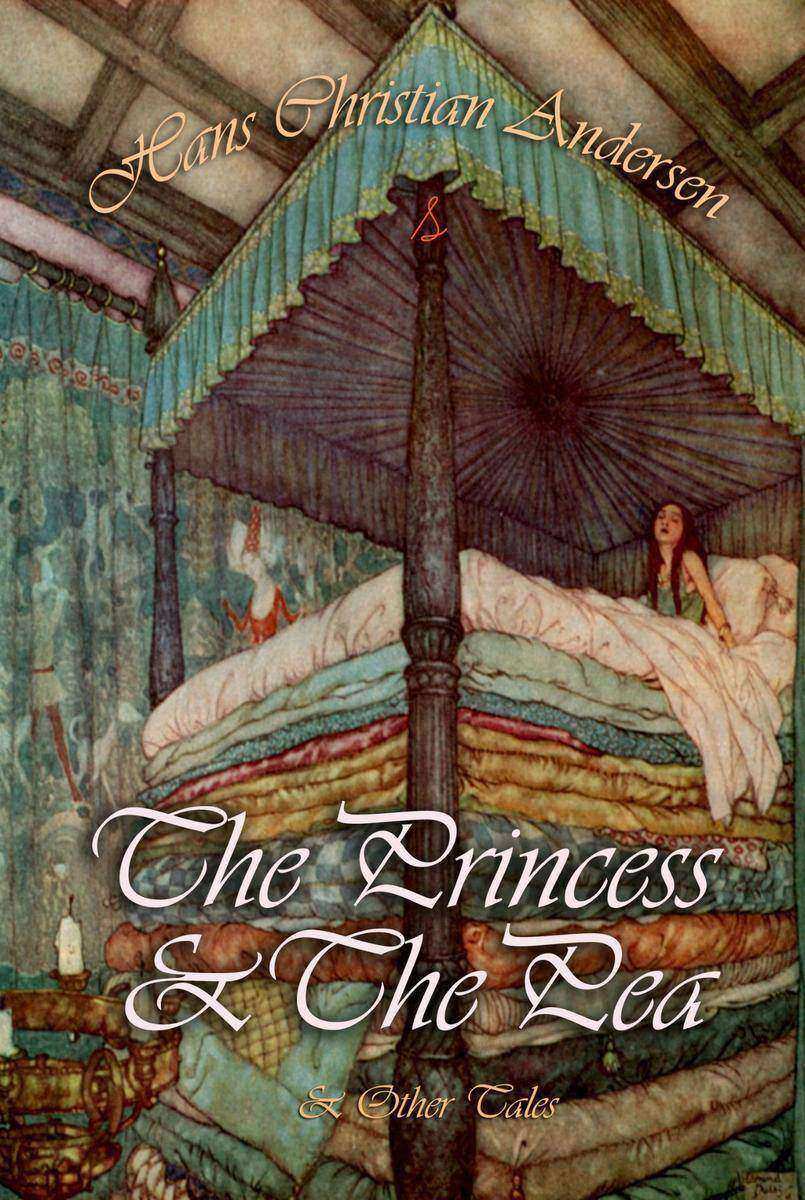
The Princess and The Pea and Other Tales
¥40.79
The story tells of a prince who wants to marry a princess, but is having difficulty finding a suitable wife. One stormy night a young woman drenched with rain seeks shelter in the prince's castle. She claims to be a princess, so the prince's mother decides to test their unexpected guest by placing a pea in the bed she is offered for the night. The Princess and The Pea is one of the twenty stories featured in this timeless collection of fairy tales by Hans Christian Andersen.
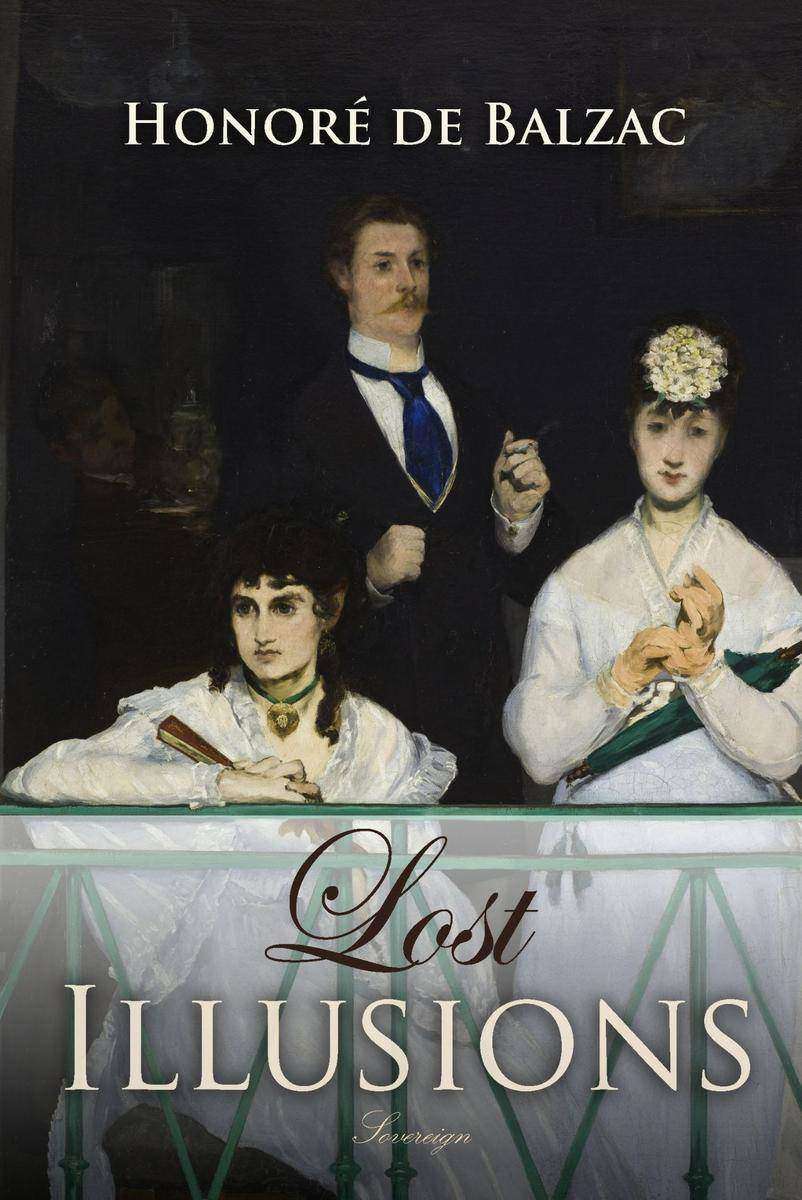
Lost Illusions
¥40.79
Lucien Chardon, the son of a lower middle-class father and an impoverished mother of remote aristocratic descent, is the pivotal figure of the entire work. Living at Angouleme, he is impoverished, impatient, handsome and ambitious. His widowed mother, his sister Eve and his best friend, David Sechard, do nothing to lessen his high opinion of his own talents, for it is an opinion they share.

The Tale of Mrs. Tiggy-Winkle
¥40.79
Once upon a time there was a little girl called Lucie, who lived at a farm called Little-town. She was a good little girl—only she was always losing her pocket-handkerchiefs! One day little Lucie came into the farm-yard crying—oh, she did cry so! I’ve lost my pocket-handkin! Three handkins and a pinny! Have you seen them, Tabby Kitten?
The Life and Genius of Nathaniel Hawthorne
¥8.09
According to Wikipedia: "Frank Preston Stearns (1846-1917), the son of abolitionist George Luther Stearns, was a writer and abolitionist from Massachusetts during the 19th century. In addition to collaborating with Elizur Wright in ambitious abolitionist projects, such as the American Anti-Slavery Society, he is credited with several seminal works exploring the lives and careers of important American public figures and authors of note, including The Life and Genius of Nathaniel Hawthorne and The Life and Public Services of George Luther Stearns."
A Study of Hawthorne
¥8.09
According to Wikipedia: "George Parsons Lathrop was born August 25, 1851 in Honolulu, Hawaii... Going to England on a visit he was married in London, September 11, 1871, to Rose Hawthorne, daughter of Nathaniel Hawthorne. In 1875 he became associate editor of the Atlantic Monthly, and remained in that position two years, leaving it for newspaper work in Boston and New York. His contributions to the periodical and daily Press were varied and voluminous. In 1883 he founded the American Copyright League, which finally secured the international copyright law. Lathrop was also one of the founders of the Catholic Summer School of America. He and his wife were received into the Roman Catholic Church in New York in March 1891. Among his published works are: Rose and Roof-tree (1875), poems; A Study of Hawthorne (1876); Afterglow (1876), a novel; Spanish Vistas (1883), a work on travel; Newport (1884), a novel; Dreams and Days (1892), poems; A Story of Courage (1894), centenary history of the Visitation Convent, Georgetown, D.C.
The Letters of Cassiodorus
¥8.09
A condensed translation of the Variae Epistolae of Magnus Aurelius Cassiodorus Senator. According to Wikipedia: "Flavius Magnus Aurelius Cassiodorus Senator (c. 485 – c. 585), commonly known as Cassiodorus, was a Roman statesman and writer, serving in the administration of Theoderic the Great, king of the Ostrogoths. Senator was part of his surname, not his rank."


