


 购物车
购物车 个人中心
个人中心
The Oak Openings by James Fenimore Cooper - Delphi Classics (Illustrated)
¥8.09
This eBook features the unabridged text of ‘The Oak Openings by James Fenimore Cooper - Delphi Classics (Illustrated)’ from the bestselling edition of ‘The Complete Works of James Fenimore Cooper’. Having established their name as the leading publisher of classic literature and art, Delphi Classics produce publications that are individually crafted with superior formatting, while introducing many rare texts for the first time in digital print. The Delphi Classics edition of Cooper includes original annotations and illustrations relating to the life and works of the author, as well as individual tables of contents, allowing you to navigate eBooks quickly and easily. eBook features: * The complete unabridged text of ‘The Oak Openings by James Fenimore Cooper - Delphi Classics (Illustrated)’ * Beautifully illustrated with images related to Cooper’s works * Individual contents table, allowing easy navigation around the eBook * Excellent formatting of the text Please visit www.delphiclassics.com to learn more about our wide range of titles
Crotchet Castle
¥40.79
In one of those beautiful valleys, through which the Thames not yet polluted by the tide, the scouring of cities, or even the minor defilement of the sandy streams of Surrey rolls a clear flood through flowery meadows, under the shade of old beech woods, and the smooth mossy greensward of the chalk hills which pour into it their tributary rivulets, as pure and pellucid as the fountain of Bandusium, or the wells of Scamander, by which the wives and daughters of the Trojans washed their splendid garments in the days of peace, before the coming of the Greeks...

The Last Chronicle of Barset
¥40.79
The Archdeacon, although allowing that Grace is a lady, doesn't think her of high enough rank or wealth for his widowed son; his position is strengthened by the Reverend Mr Crawley's apparent crime. Almost broken by poverty and trouble, the Reverend Mr Crawley hardly knows himself if he is guilty or not; fortunately, the mystery is resolved just as Major Grantly's determination and Grace Crawley's own merit force the Archdeacon to overcome his prejudice against her as a daughter-in-law.

6 Γυνα?κε? που Γο?τευσαν τον Ηρ?δοτο
¥63.19
Το παρ?ν εγχε?ρημα αποτελε? τη λογοτεχνικ? ??ψη? τη? διδακτορικ?? διατριβ?? μου με επ?κεντρο τη γυναικε?α παρουσ?α στην Ιστορ?α του Ηροδ?του. Μπροστ? μα? υποκλ?νονται και συστ?νονται ?ξι γυνα?κε? στολισμ?νε? με ιδια?τερα, ξεχωριστ? χαρακτηριστικ?, οι οπο?ε? κερδ?ζουν τη δικ? του? θ?ση μ?σα στι? πολυ?ριθμε? σελ?δε? του ?ργου του Αλικαρνασσ?α ιστορικο?. Θα μ?θουμε λεπτομ?ρειε? για την πορε?α ?σο και για τη ζοφερ?, συχν?, δρ?ση του?. Καθ?? ξετυλ?γεται το κουβ?ρι τη? διαδρομ?? του?, αναδ?ει κ?ποιε? φορ?? χαρ?, ευφυ?α, π?νο ? ηρωισμ?. Αναπ?φευκτα ?λε? θα τοποθετηθο?ν δ?πλα σε ?λλε? δι?σημε? θηλυκ?? φιγο?ρε? τη? αρχα?α? Ελληνικ?? γραμματε?α?, σε μια προσπ?θεια να εξαχθο?ν πολ?τιμα συμπερ?σματα για τη γυναικε?α συμπεριφορ? σε πανανθρ?πινο πλα?σιο. ?ξι γυνα?κε?, ?ξι ιστορ?ε?? προσφ?ρουν αφορμ? για σκ?ψη και προβληματισμ?, με τη συνειδητοπο?ηση ?τι το παρελθ?ν, ακ?μη και αν ε?ναι πολ? μακριν?, ε?ναι π?ντοτε και κατ’ επαν?ληψη παρ?ν.

Studies in Self Culture and Character: A Man's Value to Society
¥40.79
Man’s evident failure to make the most out of his material life suggests a study of the elements in each citizen that make him of value to his age and community. What are the measurements of mankind, and why is it that daily some add new treasures to the storehouse of civilization, while others take from and waste the store already accumulated?
Troilus and Cressida
¥40.79
Troilus and Cressida is set during the later years of the Trojan War, faithfully following the plotline of the Iliad from Achilles' refusal to participate in battle to Hector's death. Troilus, a Trojan prince (son of Priam), woos Cressida, another Trojan. They have sex, professing their undying love, before Cressida is exchanged for a Trojan prisoner of war. As he attempts to visit her in the Greek camp, Troilus glimpses Diomedes flirting with his beloved Cressida, and decides to avenge her perfidy.
Moby-Dick: The Whale
¥40.79
Moby-Dick, one of the Great American Novels and a treasure of world literature, follows the adventures of wandering sailor Ishmael, and Captain Ahab who seeks out Moby Dick, a ferocious, enigmatic white sperm whale. In a previous encounter, the whale destroyed Ahab's boat and bit off his leg, which now drives Ahab to take revenge.
Fortitude
¥8.09
This unique edition of Fortitude from Dead Dodo Vintage includes the full original text as well as exclusive features not available in other editions.

The Blue Hotel and Other Stories
¥40.79
Three visitors find shelter from a blizzard at Pat Scully's hotel: a nervous New Yorker known as the Swede, a rambunctious Westerner named Bill, and a reserved Easterner called Mr. Blanc. The Swede becomes increasingly drunk, defensive, and reckless. He is later murdered at the bar.
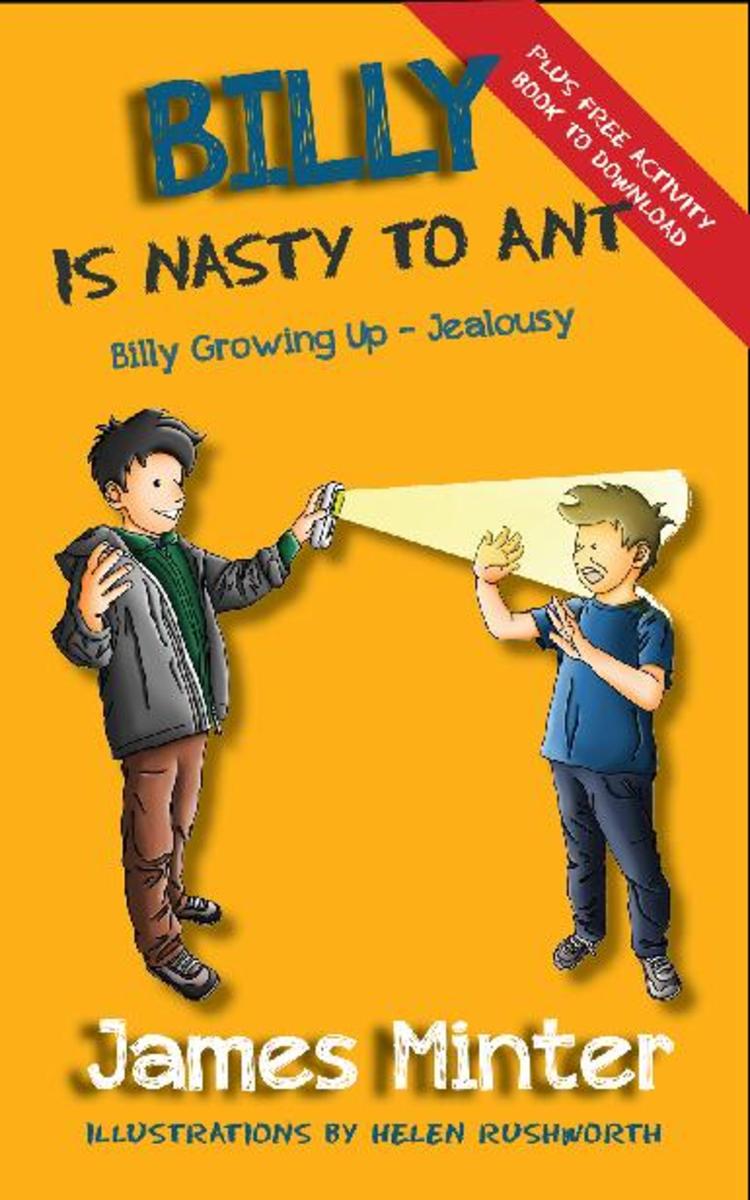
Billy Is Nasty To Ant: Jealousy
¥36.62
For 7 to 9 year old boys and girls. Jealousy only really hurts the person who feels it. Help your child to understand how this emotion stands in their way to feeling happy. Billy Field and Ant Turner are involved in a school production. Billy believes he deserves the most attention, and the prize for being the better student. When his best friend Ant receives both, he feels jealous. For Billy, it isn’t fair, and he’s afraid he will lose his popularity as Ant becomes the centre of attention. Billy blames Ant for how he’s feeling and wants to get his own back. He tries to turn people against his friend, and even tells lies. Ant has done nothing wrong, and doesn’t understand why Billy is behaving the way he is. What can Ant do to stop Billy from being so nasty? What will it take to restore their friendship? Does Ant want Billy as a friend in future? Billy Is Nasty To Ant is the third title in the Billy?Growing Up series. Each book addresses a unique topic—bullying, arrogant pride, jealousy, lying, stealing, lack of self-belief, understanding money, and secrets. Written to help parents, guardians and teachers deal with the issues that challenge pre-teen children; each topic is presented in a gentle way through storytelling. Setting the issues in a meaningful context helps children to understand the challenges, and to see things from a different perspective. The books act as icebreakers allowing for discussions of difficult subjects. Additionally, each title is supported by a free activity book to reinforce the learning, while having fun. Buying this book today will support your child in dealing with this all too common but negative emotion.
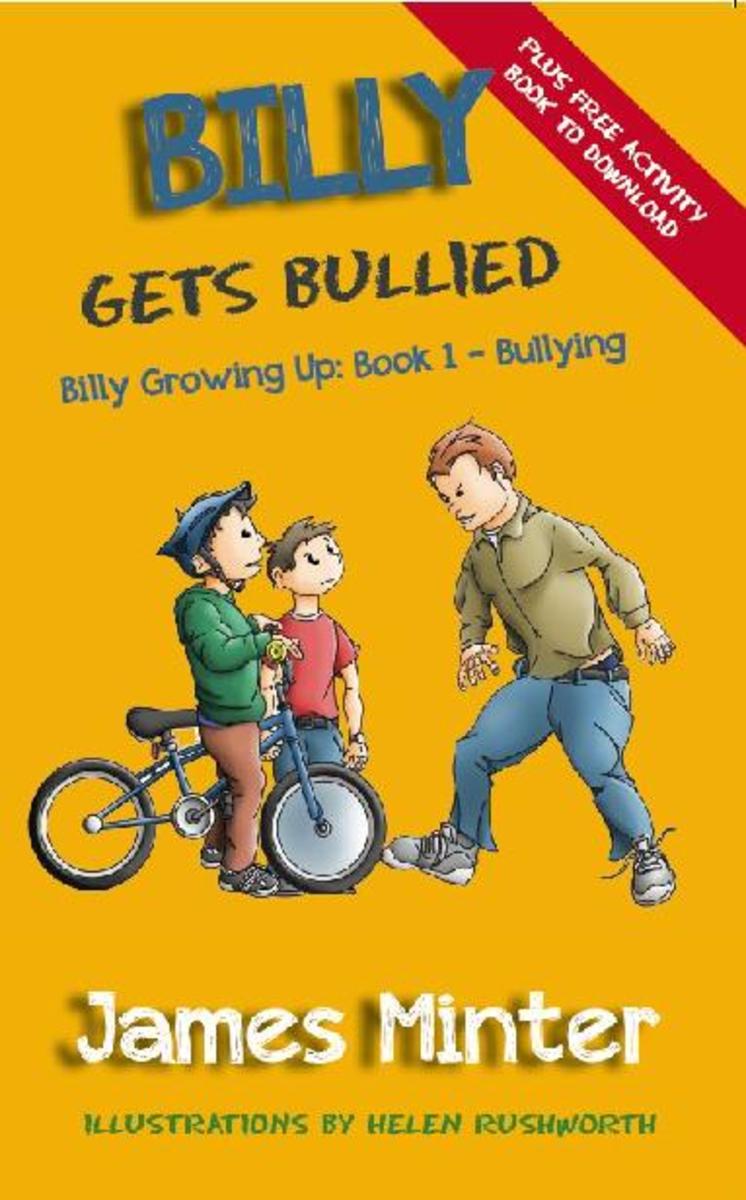
Billy Gets Bullied: Bullying
¥16.27
Suitable for boys and girls aged 7 to 9. In this first book of the Billy Growing Up series, Billy Field is uber excited at his approaching tenth birthday. Not only is it his first double-digit birthday, but he’ll be ten on the tenth day of the tenth month—a once in a lifetime event. Billy’s invited his best friend Ant to his party. They’re having a magician who’s being assisted by Max, Ant’s sister. Granddad magics Billy’s present – a twenty-pound note, but soon after the party, Billy has his money stolen by the local bully. Bullying is unacceptable, and has to be dealt with… Billy Has A Birthday is a wonderful example of a story that young children can enjoy reading alone or together with their parents. Using traditional storytelling, it is entertaining while dealing with a serious issue that affects many children as they grow up. Bullying can be a difficult subject for children to talk about, and many feel frightened or embarrassed if they fall victim to bullying. This book acts as the perfect icebreaker for adults and children to begin discussing these issues. Find out how this negative experience turns out. A perfect read for children who enjoy school fiction, but with a positive learning to help other bullied children. If you enjoy reading David Walliams or Jeff Kinney you will love the Billy Growing Up series.
Trouble for Lucia by E. F. Benson - Delphi Classics (Illustrated)
¥8.09
This eBook features the unabridged text of ‘Trouble for Lucia by E. F. Benson - Delphi Classics (Illustrated)’ from the bestselling edition of ‘The Collected Works of E. F. Benson’. Having established their name as the leading publisher of classic literature and art, Delphi Classics produce publications that are individually crafted with superior formatting, while introducing many rare texts for the first time in digital print. The Delphi Classics edition of Benson includes original annotations and illustrations relating to the life and works of the author, as well as individual tables of contents, allowing you to navigate eBooks quickly and easily. eBook features: * The complete unabridged text of ‘Trouble for Lucia by E. F. Benson - Delphi Classics (Illustrated)’ * Beautifully illustrated with images related to Benson’s works * Individual contents table, allowing easy navigation around the eBook * Excellent formatting of the text Please visit www.delphiclassics.com to learn more about our wide range of titles

Unfamiliar Tunes: Plays by Anton Chekhov
¥40.79
Anton Chekhov's iconic plays including some of the unfamiliar short pieces such as The Wedding, and some of the more established classics such as The Cherry Orchard. Chekhov revolutionised world literature influencing generations of playwrights, screenwriters and actors. George Bernard Shaw described Chekhov's work as a fantasia in the Russian manner on English themes.
The Further Adventures of Robinson Crusoe
¥40.79
A sequel to Daniel Defoe's legendary Robinson Crusoe story of his adventures and survival on a remote tropical island. In this volume we follow Crusoe's return to his island, his voyages to Brazil, Southeast Asia, China, Madagascar, Siberia, and his adventures with the local tribes.

Dubliners
¥40.79
Ireland is at a crossroads of history and culture, and so are the characters in Joyce's collection of fifteen stories in this book. The initial stories are narrated by child protagonists, and later deal with the lives and concerns of progressively more mature characters. The stories centre on Joyce's idea of an epiphany: a moment where a character experiences self-understanding or illumination.
Mansfield Park
¥40.79
Fanny Price, a young girl from a large and relatively poor family, is taken to be raised by her rich uncle and aunt, Sir Thomas, and Lady Bertram, of Mansfield Park. Fanny grows up with her four older cousins but is always treated as something of a poor relation. Only Edmund, the second son, shows her real kindness. Over time, Fanny's gratitude for Edmund's thoughtfulness secretly grows into romantic love.
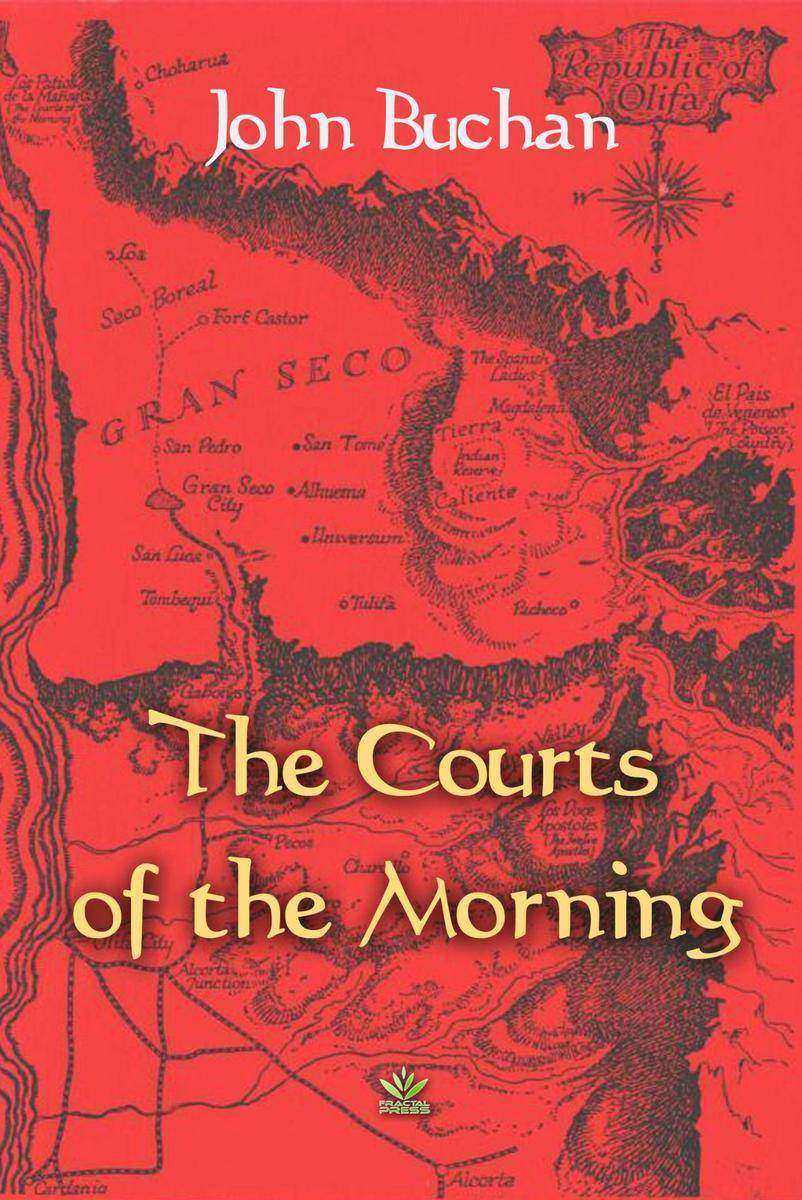
The Courts of the Morning
¥40.79
Sandy Arbuthnot's friend John Blenkiron discovers that a charismatic industrial tycoon is plotting to rule the world from his base in the small South American country of Olifa. Sandy decides to lead a revolution to scuttle the plot and allow the Olifans to decide their own fate.
How To Be A Financial Fiasco:A Field Guide
¥8.09
How to Be a Financial Fiasco contains my personal tips and tricks on how to become a complete financial disaster. If you love true stories, dark humor, & sarcasm, you’ll love this foul-mouthed but forthright look at how I got myself $20K in debt. Consider it an instructive guide on how NOT to handle your finances well.
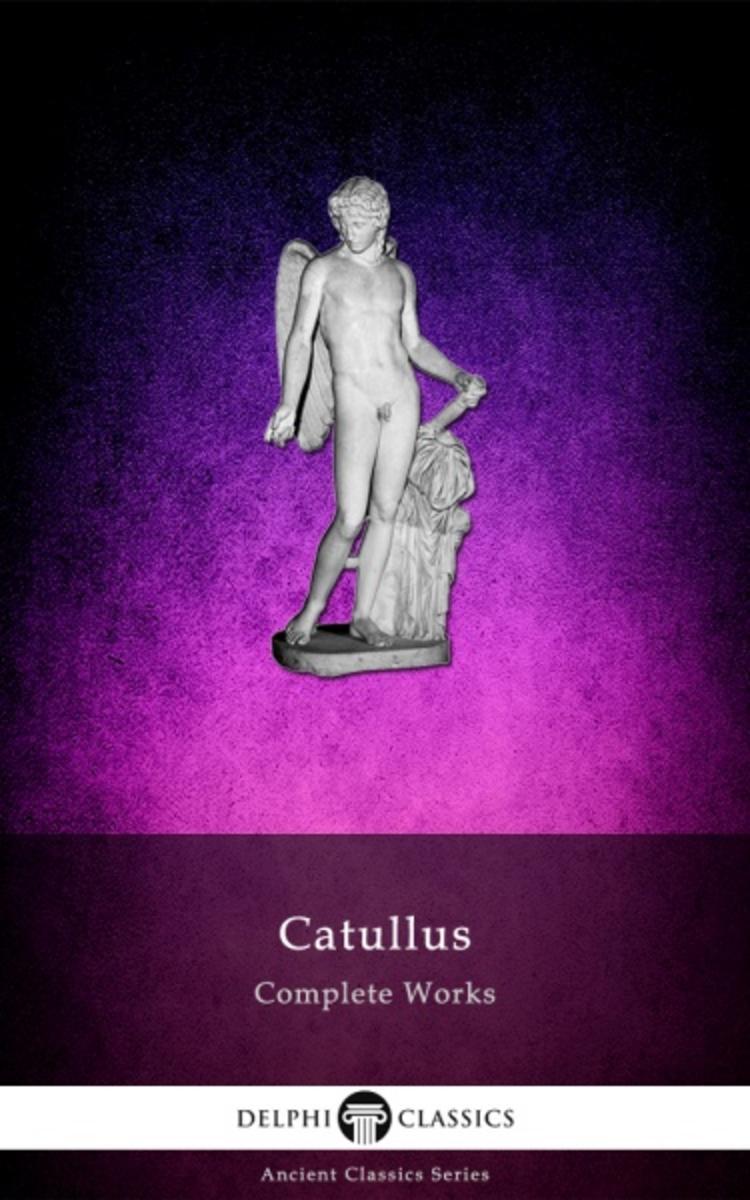
Complete Works of Catullus (Illustrated)
¥16.27
The Late Republic poet Gaius Valerius Catullus had a lasting influence on the Augustan poets Ovid, Horace and Virgil. Today, Catullus’ love poetry retains its raw power in vividly expressing the frenzy of love. Delphi’s Ancient Classics series provides eReaders with the wisdom of the Classical world, with both English translations and the original Latin texts. This comprehensive eBook presents Catullus’ complete extant works, with beautiful illustrations, informative introductions, Dual Latin and English text and the usual Delphi bonus material. (Version 1) * Beautifully illustrated with images relating to Catullus’ life and works * Features the complete extant works of Catullus, in both English translation and the original Latin * Concise introductions to the poetry and other works * Provides both verse and prose translations of the poems * Includes Francis Warre Cornish’s celebrated translation, previously appearing in the Loeb Classical Library edition – available in no other collection * Images of famous paintings that have been inspired by Catullus’ works * Excellent formatting of the texts * Easily locate the poems or sections you want to read with individual contents tables * Includes Catullus’ rare fragments, first time in digital print * Provides a special dual English and Latin text, allowing readers to compare the sections paragraph by paragraph – ideal for students * Features two bonus biographies – discover Catullus’ ancient world * Scholarly ordering of texts into chronological order and literary genres Please note: this eBook is not an update of our previous Catullus eBook, but instead an entirely new eBook, redesigned and remade with images, an introduction and different translations. We regret we are unable to offer updates for the previous Catullus eBook published in 2010. Please visit www.delphiclassics.com to browse through our range of exciting titles CONTENTS: The Translations INTRODUCTION TO THE POETRY OF CATULLUS PROSE TRANSLATION VERSE TRANSLATION The Latin Text CONTENTS OF THE LATIN TEXT The Dual Text DUAL LATIN AND ENGLISH TEXT The Biographies INTRODUCTION TO CATULLUS by Francis Warre Cornish CATULLUS by J. W. Mackail Please visit www.delphiclassics.com to browse through our range of exciting titles

The Life of Mary Jemison:White Woman of the Genesee
¥56.82
Taken captive at the early age of thirteen by Seneca Indians, Mary Jemison was trained in the wilderness to the ordinary duties of the Indian female. Embedded with the sentiments and lifestyle of the Seneca's she essentially transformed into a member of the tribe. Mary Jemison's story is a remarkable one not because of her extraordinary lifestyle, but because this was the lifestyle that, in the end, she chose for herself. When prisoners were being set free from the bondage of the Indians after the French and Indian War, Mrs. Jemison chose to remain with her Indian friends and accept her Seneca upbringing. Known for her uncommon generosity, as Westward Expansion began to flourish, those who settled near the Genesee River soon became acquainted with The White Woman.
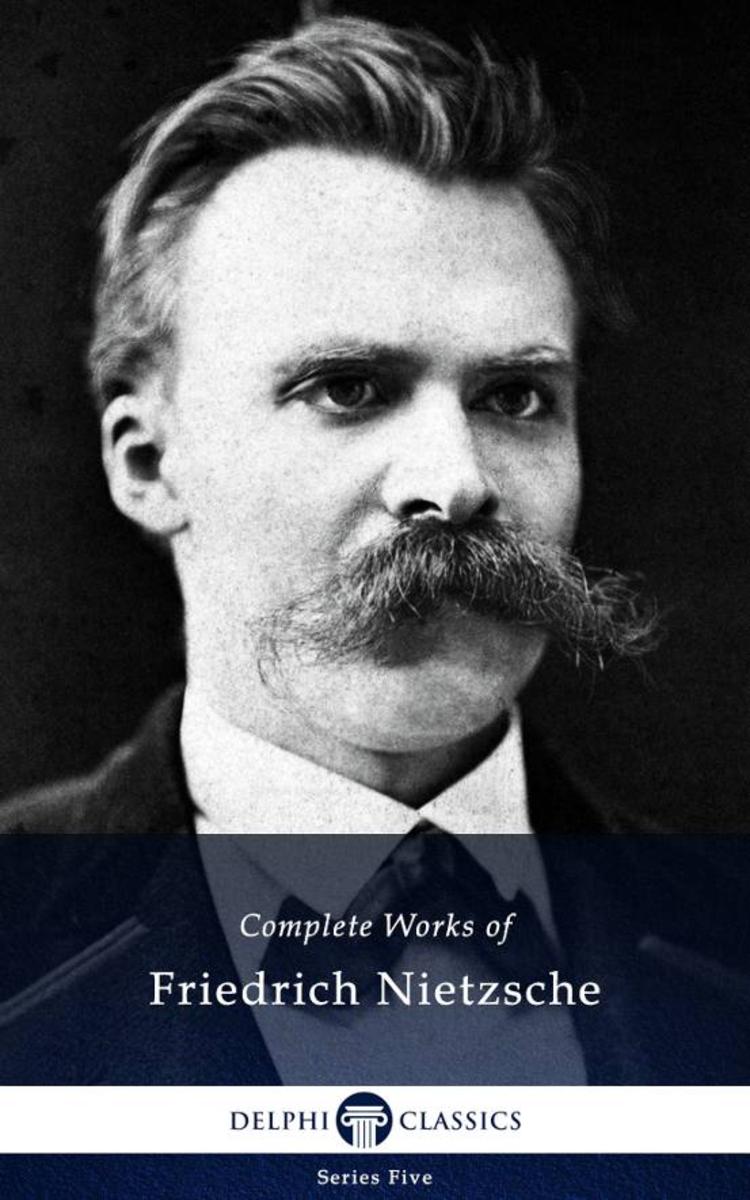
Delphi Complete Works of Friedrich Nietzsche (Illustrated)
¥24.44
The German philosopher Friedrich Nietzsche became one of the most influential thinkers of the nineteenth century, whose attempts to unmask the motives that underlie traditional Western religion, morality and philosophy would deeply affect generations of philosophers, psychologists and authors. This comprehensive eBook presents Nietzsche’s complete works, with numerous illustrations, rare texts appearing in digital print for the first time, informative introductions and the usual Delphi bonus material. (Version 1) * Beautifully illustrated with images relating to Nietzsche’s life and works * Concise introductions to the novels and other texts * ALL the published books, with individual contents tables * Images of how the books were first published, giving your eReader a taste of the original German texts * Excellent formatting of the texts * Includes rare translations of Nietzsche’s poetry * Easily locate the poems you want to read * Includes Nietzsche’s rare autobiography ‘Ecce Homo’ * Special criticism section, with essays evaluating Nietzsche’s contribution to modern thought * Scholarly ordering of texts into chronological order and literary genres Please note: there are no known translations in the public domain of a few early essays. When more translations become available, they will be added to the collection as a free update. Please visit www.delphiclassics.com to browse through our range of exciting titles CONTENTS: The Philosophical Writings HOMER AND THE CLASSICAL PHILOLOGY ON THE FUTURE OF OUR EDUCATIONAL INSTITUTIONS THE GREEK STATE AND OTHER FRAGMENTS THE RELATION BETWEEN A SCHOPENHAUERIAN PHILOSOPHY AND A GERMAN CULTURE HOMER’S CONTEST THE BIRTH OF TRAGEDY ON TRUTH AND LIES IN A NONMORAL SENSE PHILOSOPHY IN THE TRAGIC AGE OF THE GREEKS THOUGHTS OUT OF SEASON HUMAN, ALL TOO HUMAN THE DAWN OF DAY THE JOYFUL WISDOM THUS SPOKE ZARATHUSTRA BEYOND GOOD AND EVIL THE GENEALOGY OF MORALS THE CASE OF WAGNER THE TWILIGHT OF THE IDOLS THE ANTICHRIST NIETZSCHE CONTRA WAGNER THE WILL TO POWER WE PHILOLOGISTS The Poetry LIST OF POEMS LIST OF POEMS IN ALPHABETICAL ORDER The Autobiography ECCE HOMO The Criticism FRIEDRICH NIETZSCHE by George Brandes NIETZSCHE by John Cowper Powys NIETZSCHE AND WAGNER by Arthur Johnstone THE GERMAN WAR-TRIUMVIRATE by CHARLES SAROLEA PROPHETS OF DISSENT: NIETZSCHE by Otto Heller NIETZSCHE AND OTHER EXPONENTS OF INDIVIDUALISM by Paul Carus Please visit www.delphiclassics.com to browse through our range of exciting titles


