


 购物车
购物车 个人中心
个人中心
莎士比亚戏剧典藏:哈姆雷特
¥15.99
《哈姆雷特》由英国剧作家威廉•莎士比亚创作,是莎士比亚所有戏剧中篇幅非常长、非常负盛名的剧本。戏剧讲述了叔叔克劳狄斯谋害了哈姆雷特的父亲,篡取了王位,并娶了国王的遗孀乔特鲁德,哈姆雷特王子因此为父王向叔叔复仇的故事。《哈姆雷特》同《麦克白》《李尔王》《奥赛罗》被公认为莎士比亚“四大悲剧”。
莎士比亚戏剧典藏:仲夏夜之梦
¥11.99
《仲夏夜之梦》是威廉•莎士比亚创作的一部富有浪漫色彩的喜剧作品。故事发生在古希腊的雅典,年轻的赫米娅与拉山德相爱,可是赫米娅的父亲却希望她嫁给狄米特律斯,为此赫米娅与拉山德逃到城外的一片森林里。此时,为了给雅典公爵提修斯和美丽的希波吕妲的盛大婚礼助兴,一群演员也在森株里排练一出喜剧。仙王还无意中得知海伦娜爱着狄米特律斯,就让浦克将一些花汁滴在狄米特律斯的眼里。这种花汁,拿来滴在他的眼睛里,那么他醒来就会狂热地爱上第1眼看到的人或动物。结果,拉山德醒来看到的是海伦娜,便不停地向她求爱,而把赫米娅忘掉了。仙王发现后。赶忙把花汁滴正在熟睡的狄米特律斯的眼中。狄米特律斯醒来,看到正被拉山德追赶的海伦娜,于是两人争先恐后地向海伦娜求爱。看到这样的情景,海伦娜和赫米娅都很生气。与此同时,仙后也中了计,爱上了一个排戏的演员波顿。*后,仙王给所有人解除了魔法,大家如愿以偿都得到了属于自己的一份爱情。
莎士比亚戏剧典藏:奥赛罗
¥15.99
《奥赛罗》是莎士比亚的四大悲剧之一。奥赛罗是威尼斯公国一员勇将。他与元老的女儿苔丝狄梦娜相爱。但由于他是黑人,婚事未被允许。两人只好私下成婚。奥赛罗手下有一个阴险的旗官伊阿古,一心想除掉奥赛罗。他先是向元老告密,不料却促成了两人的婚事。他又挑拨奥赛罗与苔丝狄梦娜的感情,说另一名副将凯西奥与苔丝狄梦娜关系不同寻常,并伪造了所谓定情信物等。奥赛罗信以为真,在愤怒中掐死了自己的妻子。当他得知真相后,悔恨之余拔剑自刎,倒在了苔丝狄梦娜身边。 伊阿古*后阴谋败露,也得到了应有的惩罚。
莎士比亚戏剧典藏:第十二夜
¥12.99
《第十二夜》由英国剧作家威廉•莎士比亚创作,以抒情的笔调、浪漫喜剧的形式,讴歌了人文主义对爱情和友谊的美好理想。戏剧讲述了塞巴斯蒂安和薇奥拉这一对孪生兄妹,在一次海上航行途中不幸遇难后各自侥幸脱险,流落到伊利里亚后发生的一番有趣的波折。*终,薇奥拉与奥西诺、奥丽维娅与西巴斯辛双双结成良缘。
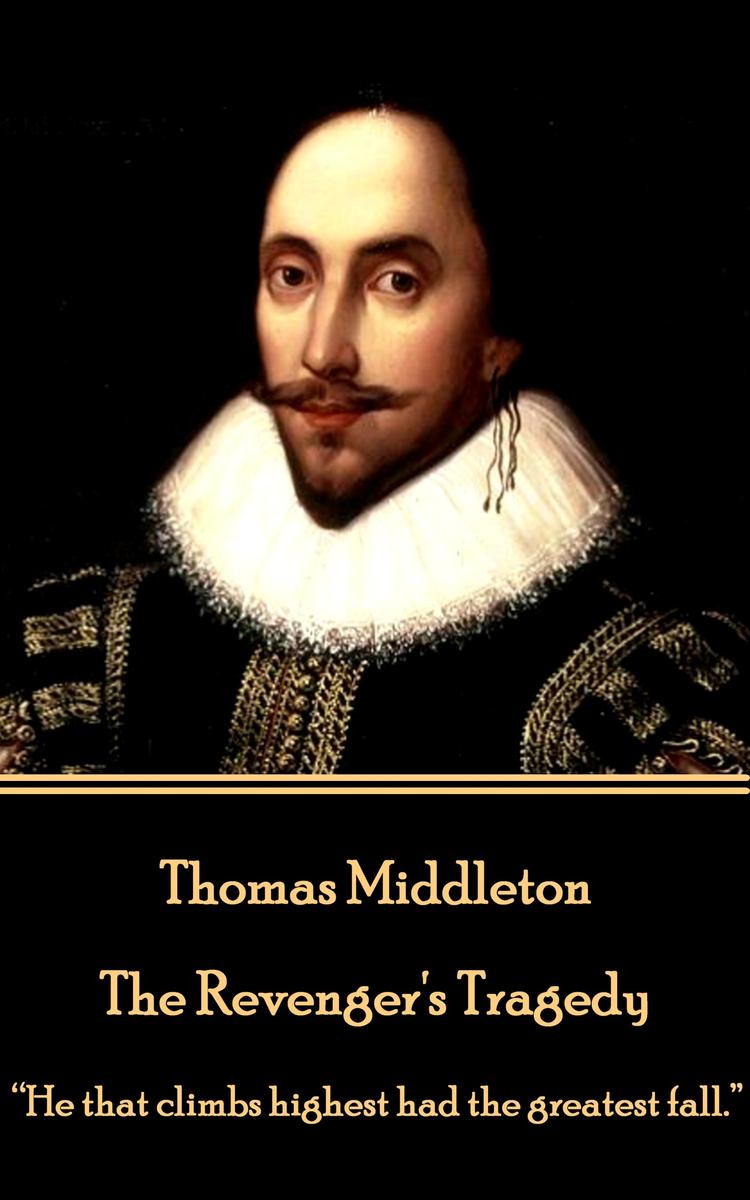
Revenger's Tragedy - He that climbs highest had the greatest fall.
¥23.45
Thomas Middleton was born in London in April 1580 and baptised on 18th April. Middleton was aged only five when his father died. His mother remarried but this unfortunately fell apart into a fifteen year legal dispute regarding the inheritance due Thomas and his younger sister. By the time he left Oxford, at the turn of the Century, Middleton had and published Microcynicon: Six Snarling Satirese which was denounced by the Archbishop of Canterbury and publicly burned. In the early years of the 17th century, Middleton wrote topical pamphlets. One - Penniless Parliament of Threadbare Poets was reprinted several times and the subject of a parliamentary inquiry. These early years writing plays continued to attract controversy. His writing partnership with Thomas Dekker brought him into conflict with Ben Jonson and George Chapman in the so-called War of the Theatres. His finest work with Dekker was undoubtedly The Roaring Girl, a biography of the notorious Mary Frith. In the 1610s, Middleton began another playwriting partnership, this time with the actor William Rowley, producing another slew of plays including Wit at Several Weapons and A Fair Quarrel. The ever adaptable Middleton seemed at ease working with others or by himself. His solo writing credits include the comic masterpiece, A Chaste Maid in Cheapside, in 1613. In 1620 he was officially appointed as chronologer of the City of London, a post he held until his death. The 1620s saw the production of his and Rowley's tragedy, and continual favourite, The Changeling, and of several other tragicomedies. However in 1624, he reached a peak of notoriety when his dramatic allegory A Game at Chess was staged by the King's Men. Though Middleton's approach was strongly patriotic, the Privy Council silenced the play after only nine performances at the Globe theatre, having received a complaint from the Spanish ambassador. What happened next is a mystery. It is the last play recorded as having being written by Middleton. Thomas Middleton died at his home at Newington Butts in Southwark in the summer of 1627, and was buried on July 4th, in St Mary's churchyard which today survives as a public park in Elephant and Castle.
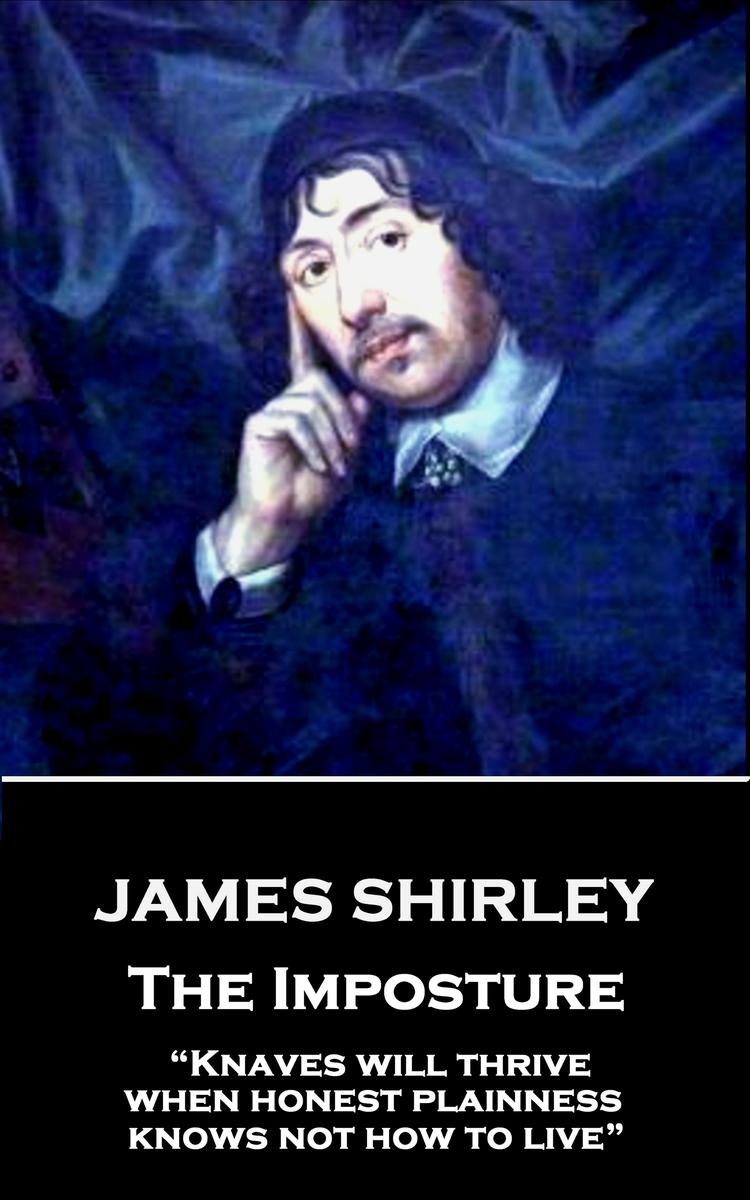
Imposture - Knaves will thrive when honest plainness knows not how to live
¥25.80
James Shirley was born in London in September 1596. His education was through a collection of England's finest establishments: Merchant Taylors' School, London, St John's College, Oxford, and St Catharine's College, Cambridge, where he took his B.A. degree in approximately 1618. He first published in 1618, a poem entitled Echo, or the Unfortunate Lovers. As with many artists of this period full details of his life and career are not recorded. Sources say that after graduating he became "e;a minister of God's word in or near St Albans."e; A conversion to the Catholic faith enabled him to become master of St Albans School from 1623-25. He wrote his first play, Love Tricks, or the School of Complement, which was licensed on February 10th, 1625. From the given date it would seem he wrote this whilst at St Albans but, after its production, he moved to London and to live in Gray's Inn. For the next two decades, he would write prolifically and with great quality, across a spectrum of thirty plays; through tragedies and comedies to tragicomedies as well as several books of poetry. Unfortunately, his talents were left to wither when Parliament passed the Puritan edict in 1642, forbidding all stage plays and closing the theatres. Most of his early plays were performed by Queen Henrietta's Men, the acting company for which Shirley was engaged as house dramatist. Shirley's sympathies lay with the King in battles with Parliament and he received marks of special favor from the Queen. He made a bitter attack on William Prynne, who had attacked the stage in Histriomastix, and, when in 1634 a special masque was presented at Whitehall by the gentlemen of the Inns of Court as a practical reply to Prynne, Shirley wrote the text-The Triumph of Peace. Shirley spent the years 1636 to 1640 in Ireland, under the patronage of the Earl of Kildare. Several of his plays were produced by his friend John Ogilby in Dublin in the first ever constructed Irish theatre; The Werburgh Street Theatre. During his years in Dublin he wrote The Doubtful Heir, The Royal Master, The Constant Maid, and St. Patrick for Ireland. In his absence from London, Queen Henrietta's Men sold off a dozen of his plays to the stationers, who naturally, enough published them. When Shirley returned to London in 1640, he finished with the Queen Henrietta's company and his final plays in London were acted by the King's Men. On the outbreak of the English Civil War Shirley served with the Earl of Newcastle. However when the King's fortunes began to decline he returned to London. There his friend Thomas Stanley gave him help and thereafter Shirley supported himself in the main by teaching and publishing some educational works under the Commonwealth. In addition to these he published during the period of dramatic eclipse four small volumes of poems and plays, in 1646, 1653, 1655, and 1659. It is said that he was "e;a drudge"e; for John Ogilby in his translations of Homer's Iliad and the Odyssey, and survived into the reign of Charles II, but, though some of his comedies were revived, his days as a playwright were over. His death, at age seventy, along with that of his wife, in 1666, is described as one of fright and exposure due to the Great Fire of London which had raged through parts of London from September 2nd to the 5th. He was buried at St Giles in the Fields, in London, on October 29th, 1666.
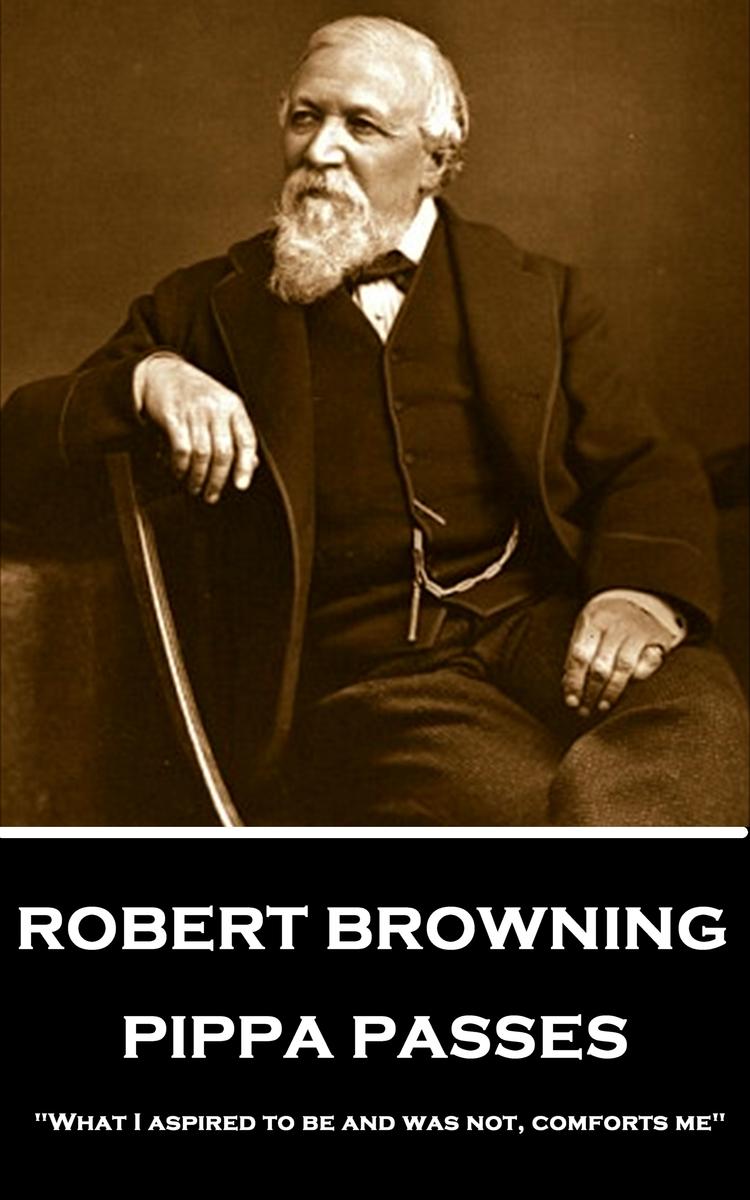
Pippa Passes - What I aspired to be and was not, comforts me
¥14.03
Robert Browning is one of the most significant Victorian Poets and, of course, English Poetry.Much of his reputation is based upon his mastery of the dramatic monologue although his talents encompassed verse plays and even a well-regarded essay on Shelley during a long and prolific career. He was born on May 7th, 1812 in Walmouth, London. Much of his education was home based and Browning was an eclectic and studious student, learning several languages and much else across a myriad of subjects, interests and passions. Browning's early career began promisingly. The fragment from his intended long poem Pauline brought him to the attention of Dante Gabriel Rossetti, and was followed by Paracelsus, which was praised by both William Wordsworth and Charles Dickens. In 1840 the difficult Sordello, which was seen as willfully obscure, brought his career almost to a standstill. Despite these artistic and professional difficulties his personal life was about to become immensely fulfilling. He began a relationship with, and then married, the older and better known Elizabeth Barrett. This new foundation served to energise his writings, his life and his career. During their time in Italy they both wrote much of their best work. With her untimely death in 1861 he returned to London and thereafter began several further major projects. The collection Dramatis Personae (1864) and the book-length epic poem The Ring and the Book (1868-69) were published and well received; his reputation as a venerated English poet now assured. Robert Browning died in Venice on December 12th, 1889.
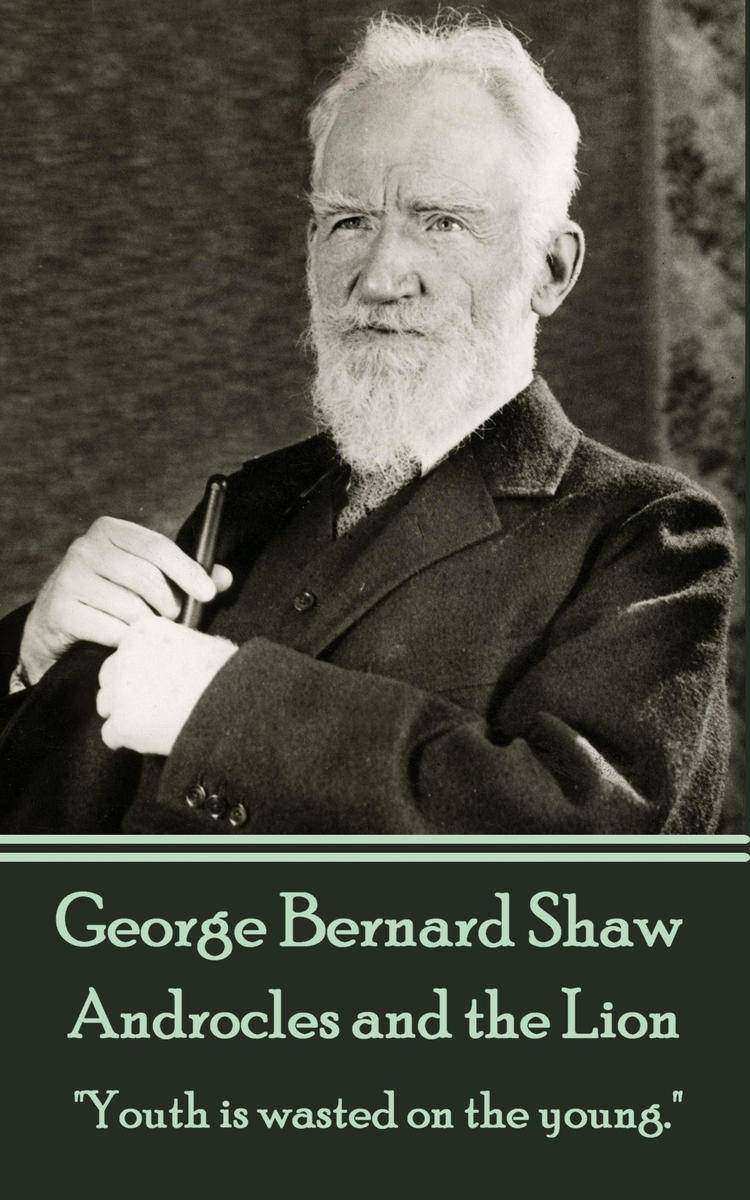
Androcles and the Lion - Youth is wasted on the young.
¥29.33
George Bernard Shaw was born on July 26th, 1856 in Synge Street, Dublin. His career began modestly initially working for some years in an Estate office but a thirst for reading and knowledge moved his career to writing several novels, none of which were published for several years. He wrote as a critic for several years, mainly on the theatre where his campaigning helped moved Victorian theatre towards a more realistic form. Shaw also took up his fervent socialist views at this point, a cause he would be indelibly linked with throughout his long and productive life. An initial foray into writing a play in 1885 only came to fruition in 1892 and with it his path as one of the leading playwrights of the 20th century was set. Shaw was also a fervent Fabian and a co-founder of the London School of Economics. Saint Joan in 1923 gained Shaw yet another international success. This led in 1925 to his being awarded the Nobel Prize for Literature for his contributions to literature. The citation praised his work as "e;... marked by both idealism and humanity, its stimulating satire often being infused with a singular poetic beauty"e;. In 1938 he added an Academy Award for his work on Pygmalion. Shaw remains the only person ever to win a Nobel Prize and an Oscar. He refused all other awards, even a knighthood. George Bernard Shaw died on November 2nd, 1950 at the age of 94, of renal failure precipitated by injuries incurred by a fall whilst pruning a tree.
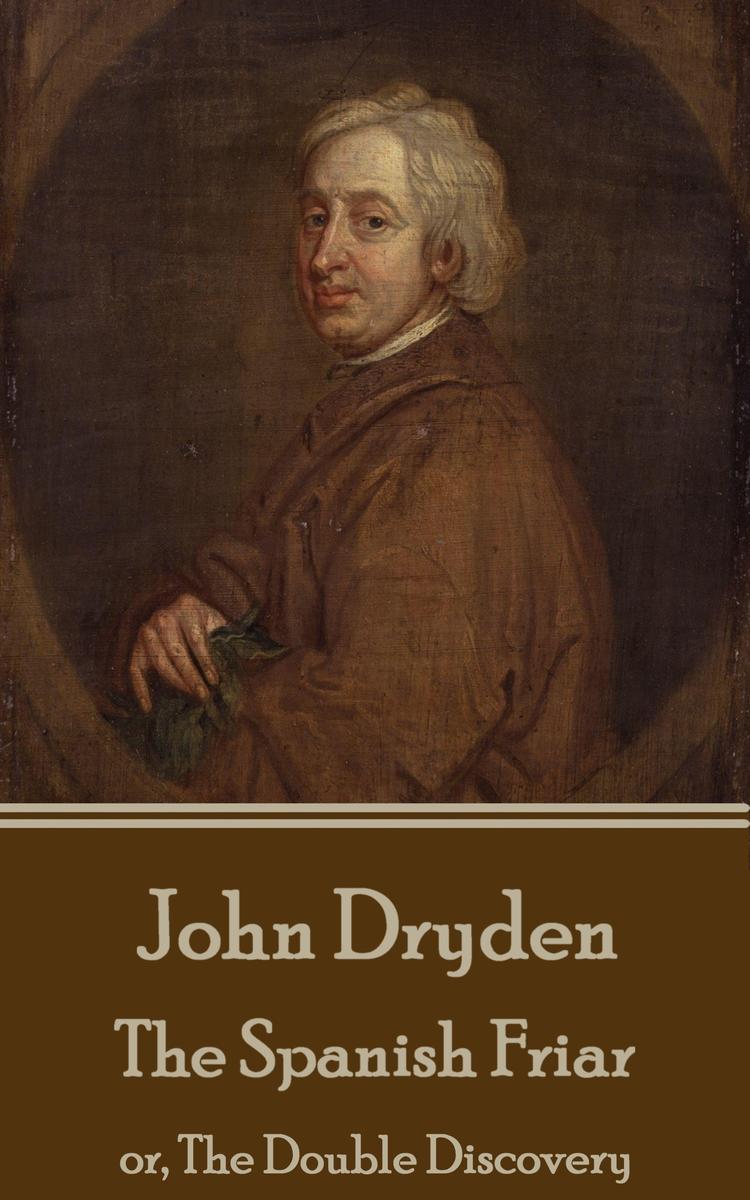
Spanish Friar - or, The Double Discovery
¥21.09
John Dryden was born on August 9th, 1631 in the village rectory of Aldwincle near Thrapston in Northamptonshire. As a boy Dryden lived in the nearby village of Titchmarsh, Northamptonshire. In 1644 he was sent to Westminster School as a King's Scholar. Dryden obtained his BA in 1654, graduating top of the list for Trinity College, Cambridge that year. Returning to London during The Protectorate, Dryden now obtained work with Cromwell's Secretary of State, John Thurloe. At Cromwell's funeral on 23 November 1658 Dryden was in the company of the Puritan poets John Milton and Andrew Marvell. The setting was to be a sea change in English history. From Republic to Monarchy and from one set of lauded poets to what would soon become the Age of Dryden. The start began later that year when Dryden published the first of his great poems, Heroic Stanzas (1658), a eulogy on Cromwell's death. With the Restoration of the Monarchy in 1660 Dryden celebrated in verse with Astraea Redux, an authentic royalist panegyric. With the re-opening of the theatres after the Puritan ban, Dryden began to also write plays. His first play, The Wild Gallant, appeared in 1663 but was not successful. From 1668 on he was contracted to produce three plays a year for the King's Company, in which he became a shareholder. During the 1660s and '70s, theatrical writing was his main source of income. In 1667, he published Annus Mirabilis, a lengthy historical poem which described the English defeat of the Dutch naval fleet and the Great Fire of London in 1666. It established him as the pre-eminent poet of his generation, and was crucial in his attaining the posts of Poet Laureate (1668) and then historiographer royal (1670). This was truly the Age of Dryden, he was the foremost English Literary figure in Poetry, Plays, translations and other forms. In 1694 he began work on what would be his most ambitious and defining work as translator, The Works of Virgil (1697), which was published by subscription. It was a national event. John Dryden died on May 12th, 1700, and was initially buried in St. Anne's cemetery in Soho, before being exhumed and reburied in Westminster Abbey ten days later.
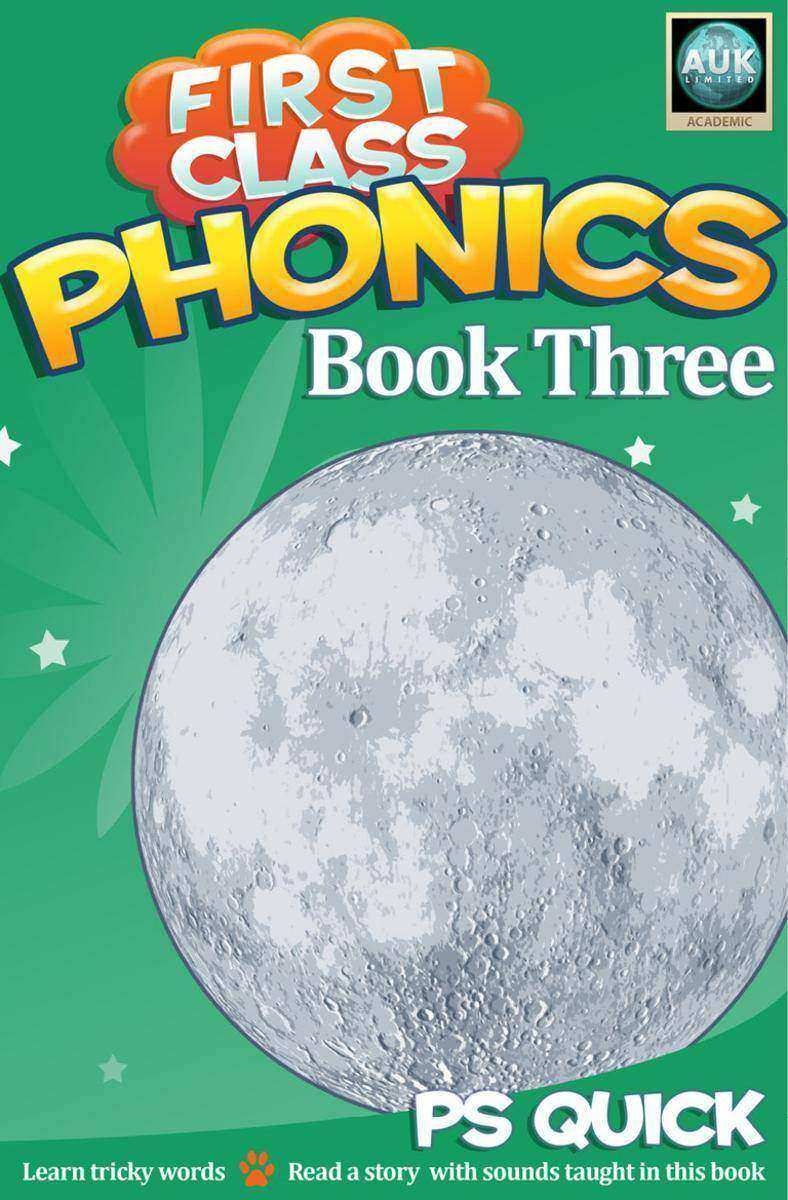
First Class Phonics - Book 3
¥44.05
First Class Phonics is a series of books designed to help children quickly become proficient readers and writers.These books use Synthetic Phonics, a high-quality teaching method recognised all over the world. In Synthetic Phonics, children focus on the skills that enable them to read and spell words accurately. They recognise the importance of every sound they hear in the spoken word and learn to blend these sounds so that they can read words from the very beginning of the program.It is essential that children develop the ability to hear, identify and manipulate individual sounds in order to read fluently. This book provides a range of fun activities to ensure this happens.Book 3 introduces diagraphs (two-letter sounds) and trigraphs (three-letter sounds). It covers the sounds ch, sh, th, ng, nk, ee, e (as in be), ay, igh, oa, oo (as in moon), oo (as in cook), ar, or, ir and the ways 'o' can make a different sound at the end of tricky words. It teaches the tricky words are, was, to, do and your. The last chapter contains a story that uses only words built from the sounds taught in this book.
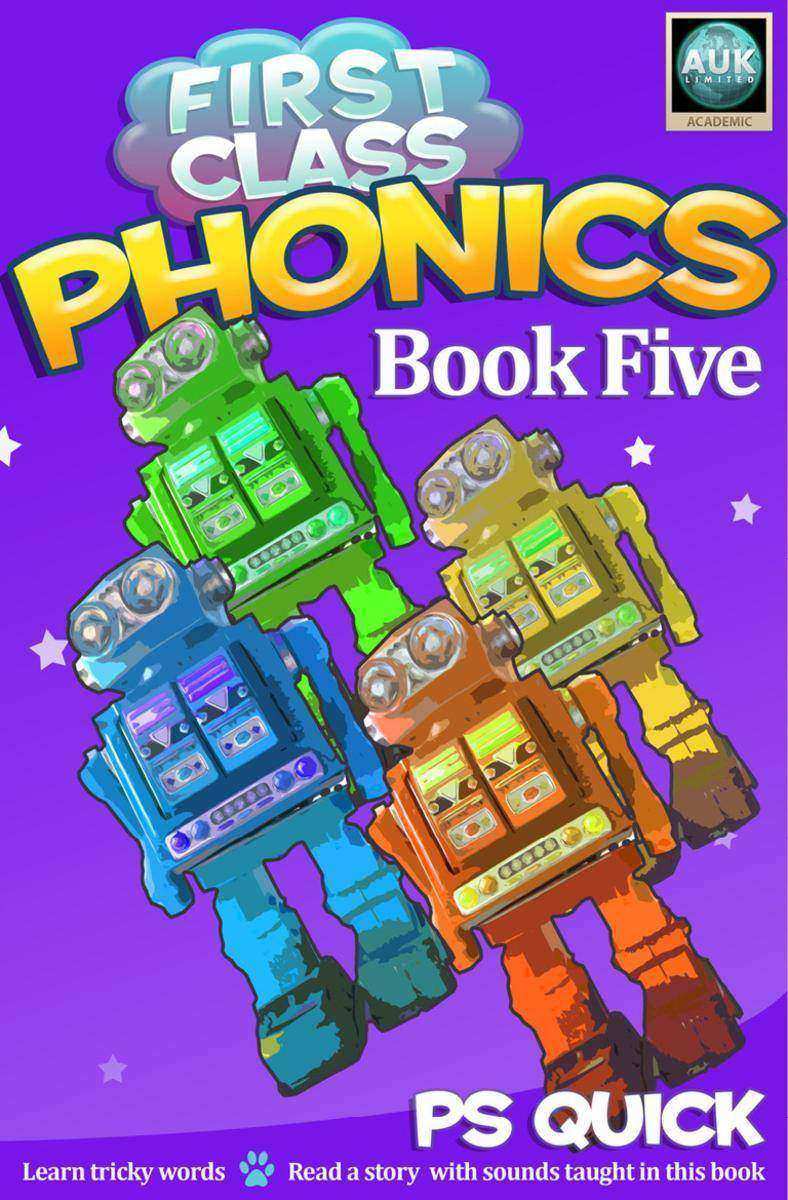
First Class Phonics - Book 5
¥44.05
First Class Phonics is a series of books designed to help children quickly become proficient readers and writers.These books use Synthetic Phonics, a high-quality teaching method recognised all over the world. In Synthetic Phonics, children focus on the skills that enable them to read and spell words accurately. They recognise the importance of every sound they hear in the spoken word and learn to blend these sounds so that they can read words from the very beginning of the program.It is essential that children develop the ability to hear, identify and manipulate individual sounds in order to read fluently. This book provides a range of fun activities to ensure this happens.Book 5 introduces more diagraphs (two-letter sounds) and trigraphs (three-letter sounds) as well as split diagraphs (i-e as in slide) It covers the sounds ire (fire), ou (mouse), ie (pie), i-e (slide), e-e (Pete), oe (toe), o-e (home), a-e (take), ue (blue), u-e (flute), er (hammer), ph (elephant), and 'u' (push). It teaches the tricky words there, were, could, would and should. The last chapter contains a story that uses only words built from the sounds taught in this and previous books.
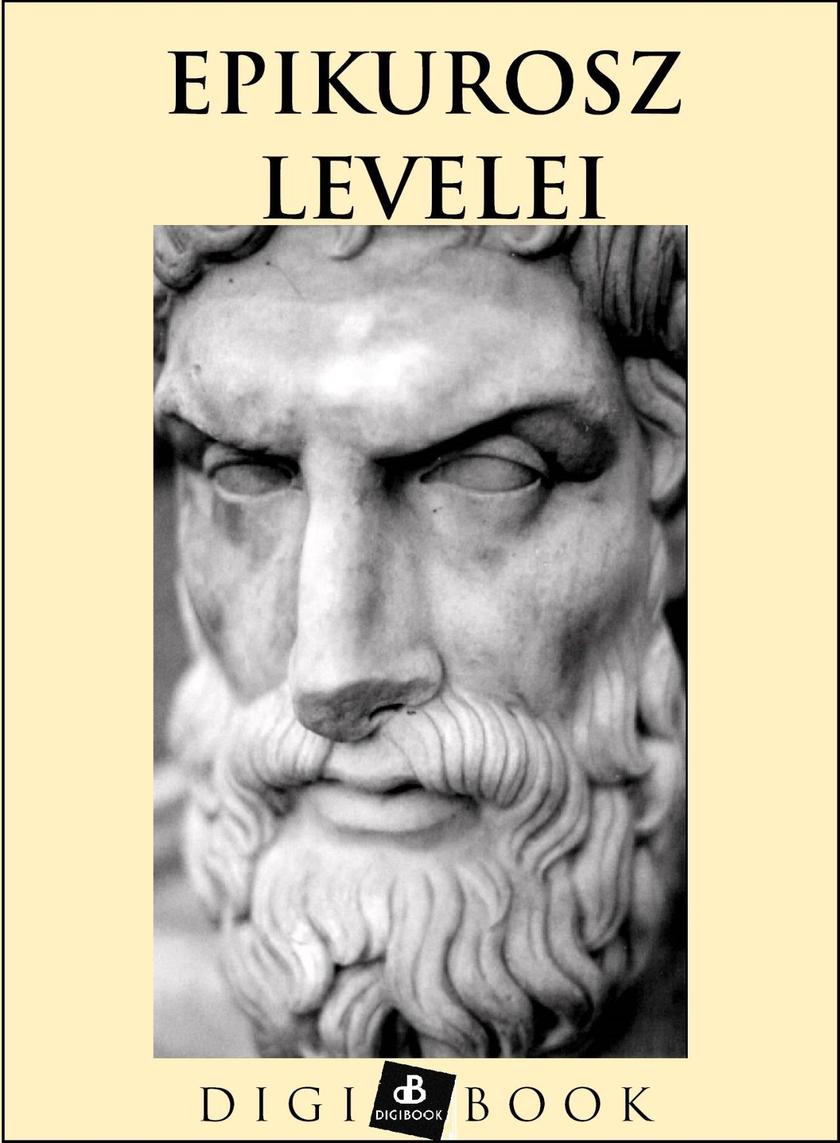
Epikuros levelei
¥23.30
Epikuros levelei
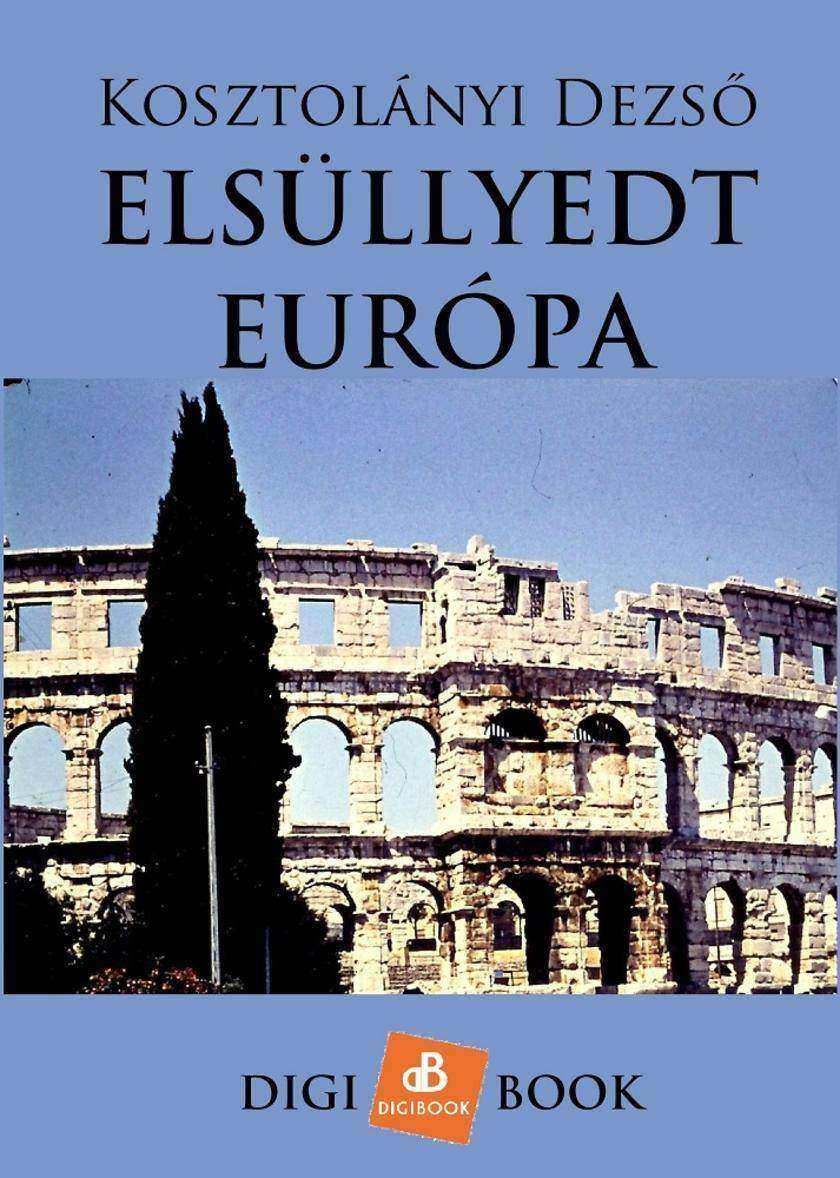
Elsüllyedt Európa
¥28.86
Elsüllyedt Európa
Bianca 227. (Keljfeljancsi)
¥18.74
Bianca 227. (Keljfeljancsi)
Egyszer mindenért fizetni kell
¥34.66
Egyszer mindenért fizetni kell
Tiffany 240. (?bren álmodom)
¥18.74
Tiffany 240. (?bren álmodom)
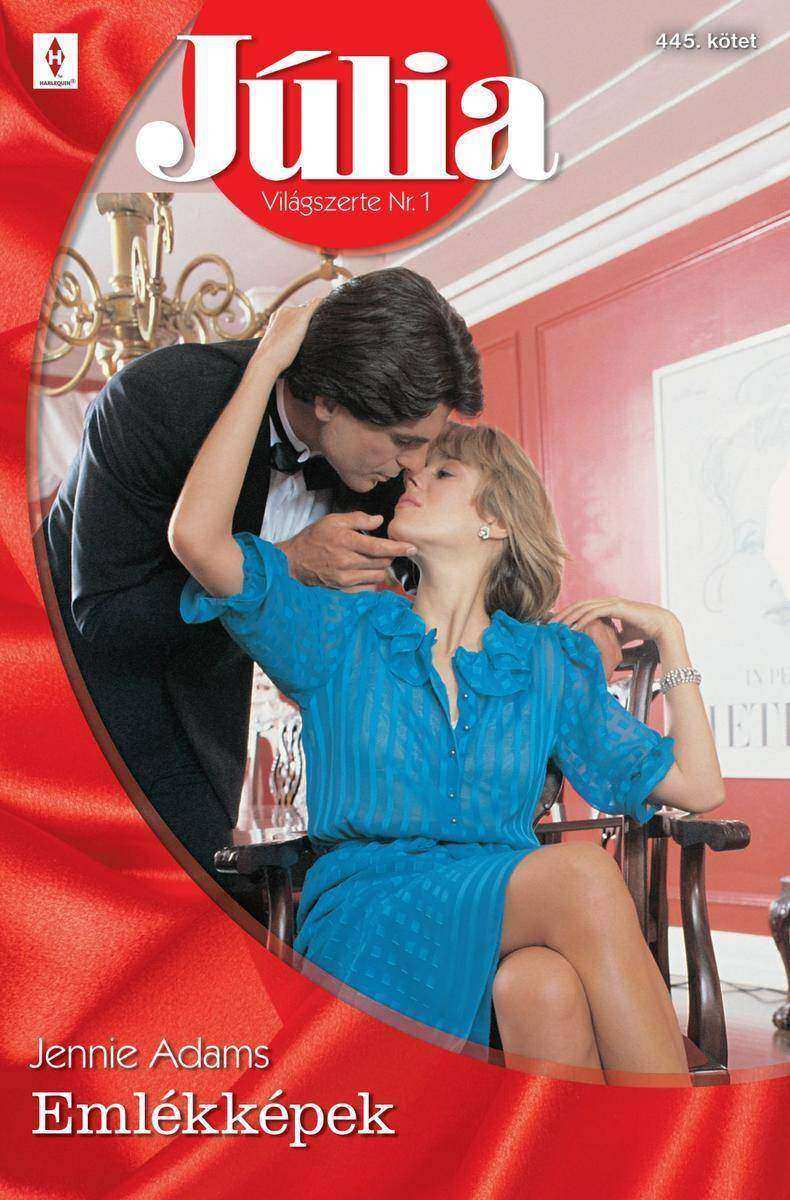
Júlia 445. (Emlékképek)
¥18.74
Júlia 445. (Emlékképek)
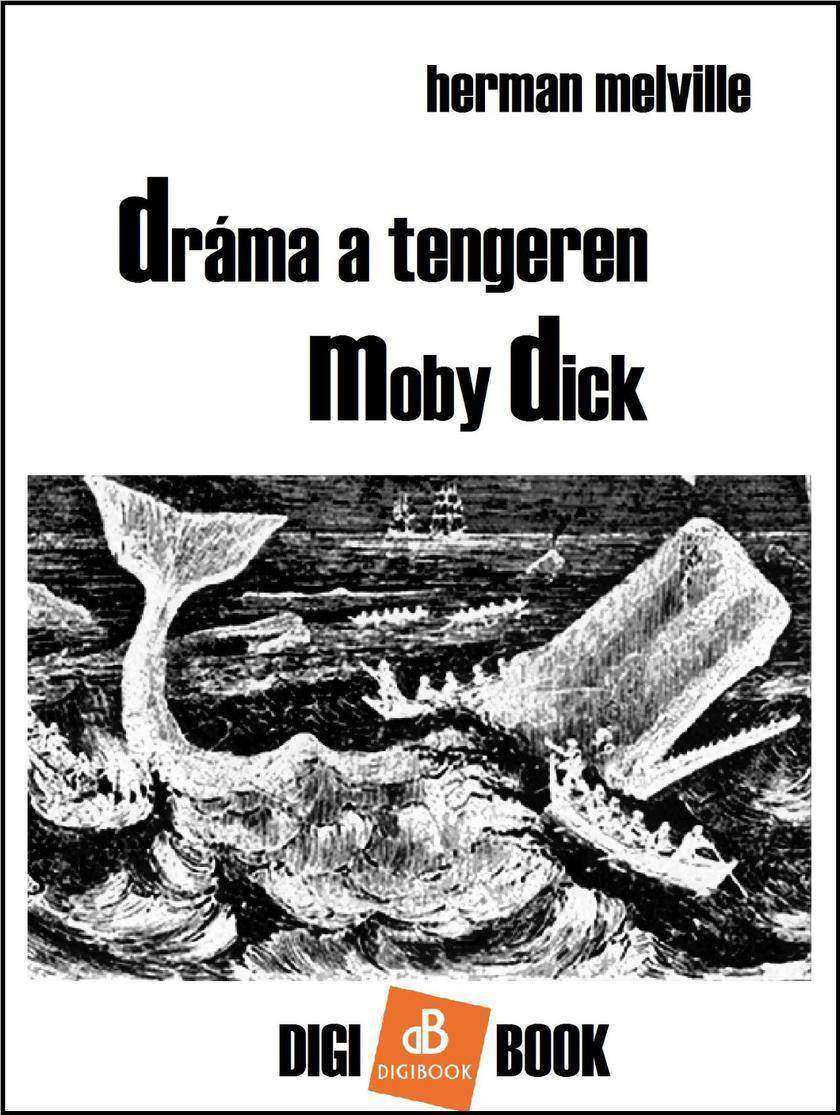
Dráma a tengeren: Moby Dick
¥34.66
Dráma a tengeren: Moby Dick
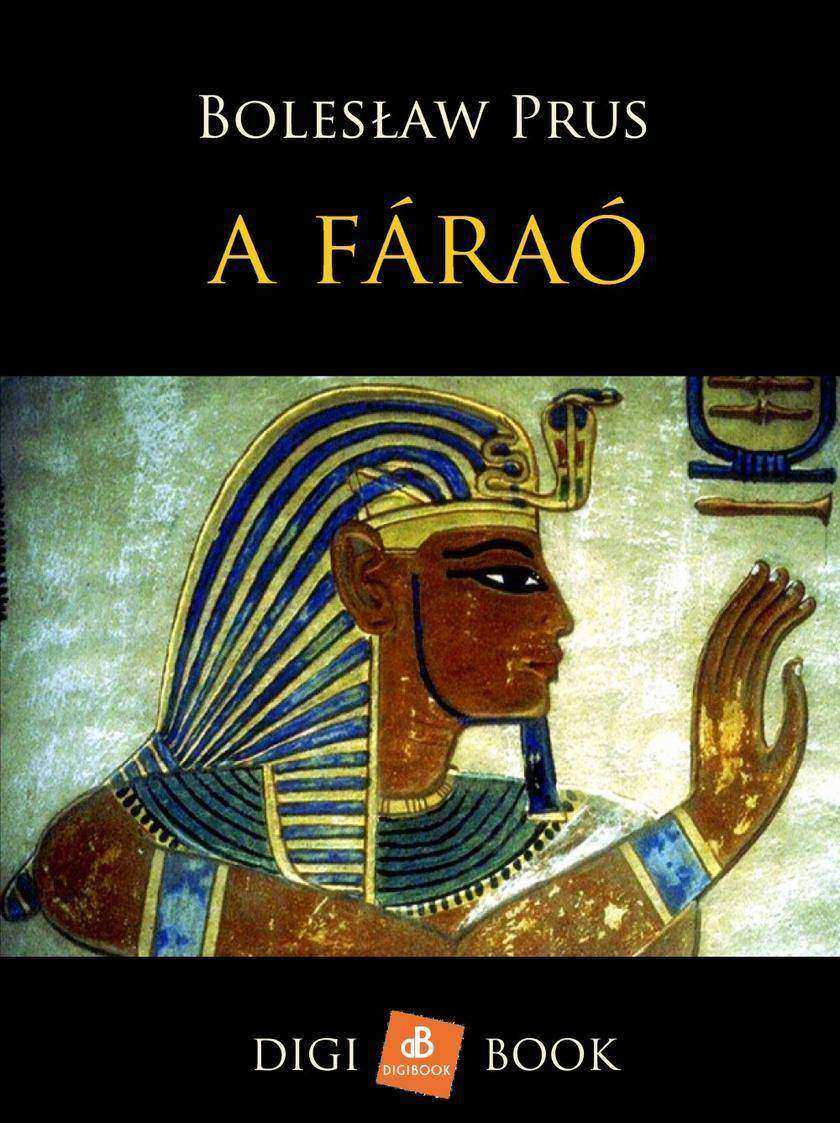
A fáraó
¥25.91
A fáraó

Júlia 443. (Fejedelmi hitves)
¥18.74
Júlia 443. (Fejedelmi hitves)
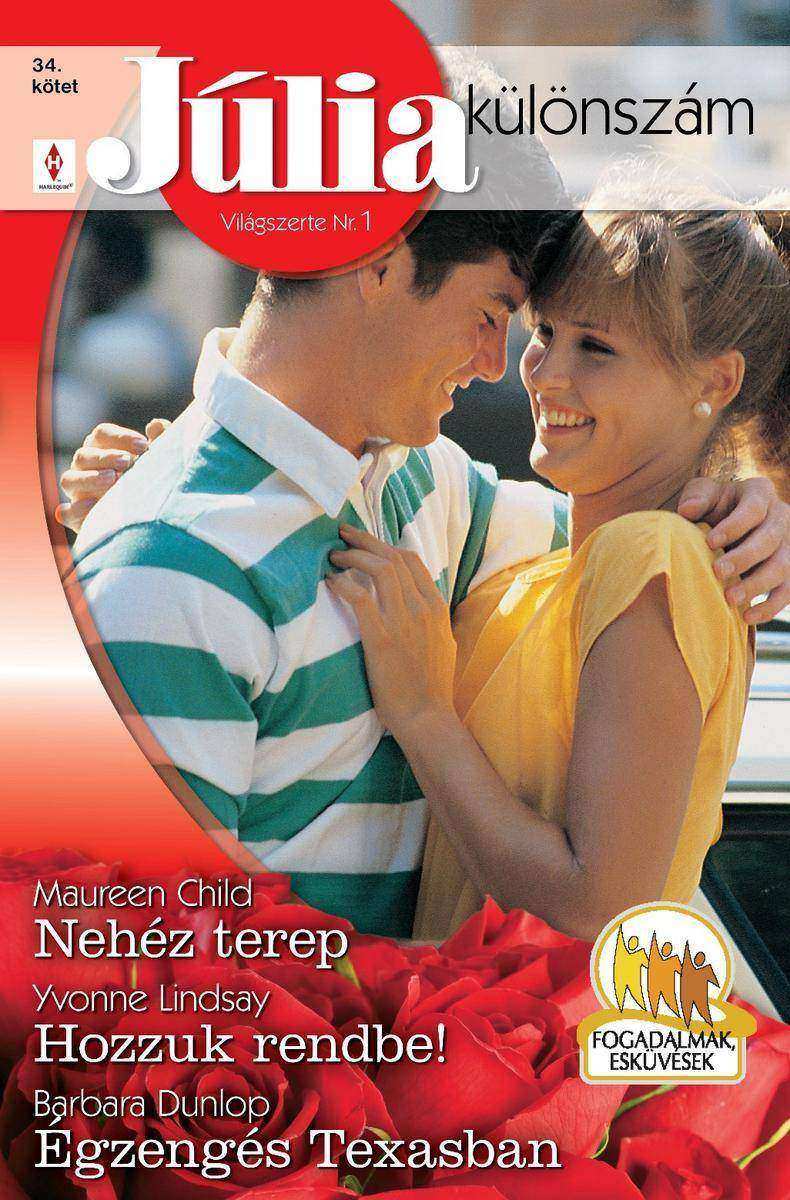
Júlia kül?nszám 34. k?tet
¥43.08
Júlia kül?nszám 34. k?tet


