


 购物车
购物车 个人中心
个人中心
Fish of the Seto Inland Sea (Text Only)
¥53.76
An extraordinary portrait of one family across the years of Japan’s greatest changes; a loving, honest, moving biography of the author’s mother. Ruri Pilgrim tells the story of her family from the 1870s to the 1950s. She begins with the formality and security of the arrangements of life for a Japanese middle-class family, living in a walled compound with their servants, following exactly the tradition inherited from their parents, with marriages arranged for the children, which continued up till World War II. By then her mother was married to an engineer and living in Japanese-occupied Manchuria. That period, with her mother’s often funny, painful experiences of learning about the Chinese and Russians with whom she now lived with her growing family, and the war seen from her point of view, is fascinating. At the end of the war, the Japanese – women, children, everyone – had to escape, walking hundreds of miles to the coast. The family returned to a Tokyo where the society, the culture, the economy was entirely overturned. The Americans were everywhere, the Japanese were unemployed, and the ways of society that they had all known had vanished. And yet somehow Ruri’s indomitable mother survived.
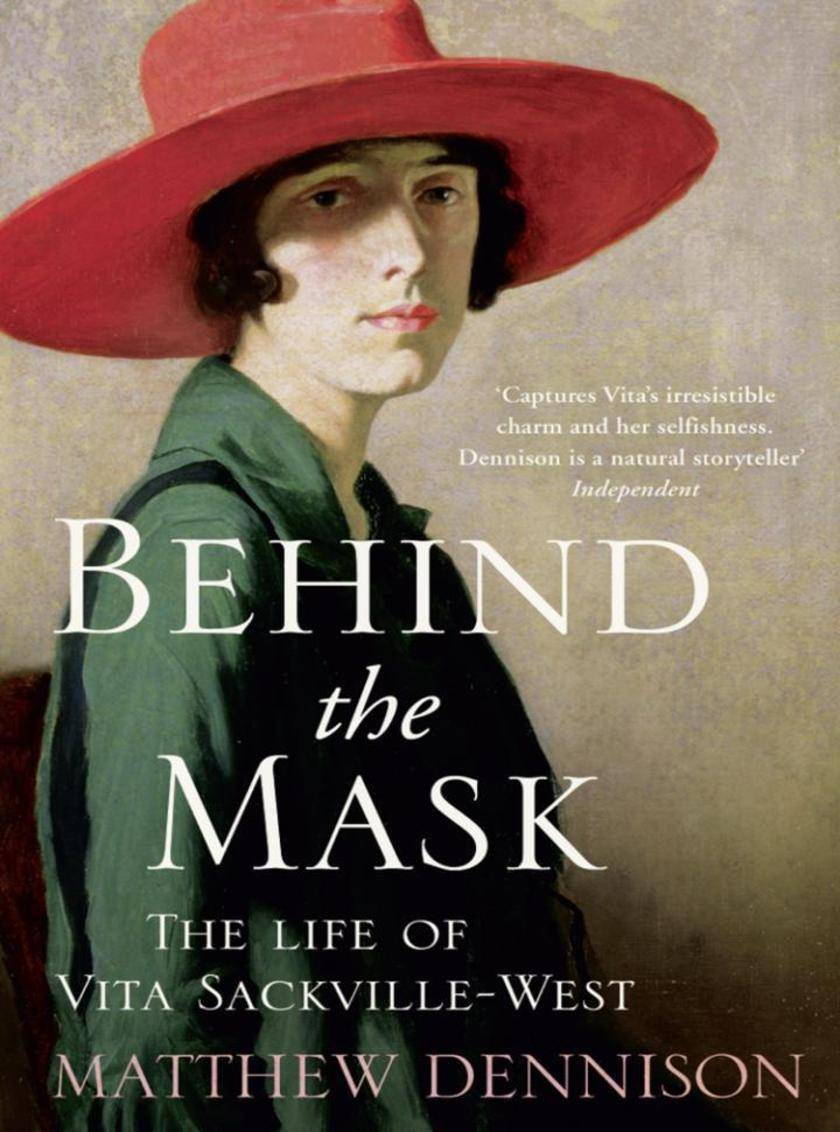
Behind the Mask:The Life of Vita Sackville-West
¥76.91
Aristocrat, literary celebrity, ‘Rose Queen’, devoted wife, lesbian, recluse, iconoclast – Vita Sackville-West was many things, but she was never straightforward. Her life is re-told here in a dazzling new biography. Vita Sackville-West is perhaps best known as the creator, with her husband Harold Nicolson, of the gardens at Sissinghurst Castle, now the most visited gardens in Britain. In a career spanning more than forty years, she also made her mark as a prolific and accomplished writer. She was an award-winning poet, a best-selling novelist, a biographer, a travel writer and a journalist with a huge and devoted following. Images of Vita – striking, poised, aristocratic, and intellectual – remain iconic even now. Yet these public images do not tell all. Behind the mask another, more complicated Vita lay. Here, in the first biography to be written for thirty years, Matthew Dennison reveals a renegade, brave and charismatic woman: from a lonely childhood of immense privilege in her beloved family house Knole (which she, as a woman, could never inherit), to a celebrated and affectionate marriage which was nevertheless mutually ‘open’ and strewn with passionate homosexual affairs (in Vita's case, most famously with Virginia Woolf and Violet Trefusis); from the hubbub of jewel-encrusted parties at Buckingham Palace, to the solace Vita found in nature and gardening and the eventual seclusion of her tower at Sissinghurst. Drawing on sources from archives across the globe as well as Vita's own prolific written output, Dennison traces the inspiration, triumphs and contradictions of Vita’s extraordinary life. Devoted wife, literary celebrity, 'Rose Queen', reluctant courtier, recluse, lesbian, iconoclast – Dennison deftly weaves together the myriad strands of Vita’s life to create a revealing and insightful portrait of the woman behind the mask.
Hizzy: The Autobiography of Steve Hislop
¥80.25
Steve Hislop was one of the most famous motorcycle racers in the world. He had always been a controversial and outspoken character having had many famous clashes and splits with teams and riders over the years, not always to his advantage. Season 2003 was no different. Steve’s life was incredible, funny and ultimately tragic. Hislop made his debut in 1979 on a bike paid for by his father, but when the latter died of a heart-attack, he embarked on a self-destructive quest that resulted in more crashed bikes and cars than he can remember. Three years later his brother Garry was killed racing at Silloth. It looked as if he would never race again but while on holiday at the Isle of Man TT races in 1983, he was mesmerised by the sight of Joey Dunlop and he knew he had to try it. He took to the roads immediately, amassing an amazing career record of 11 wins and was the first rider in history to lap the course at an average speed of over 120mph. Hizzy's TT victories over big name rivals like Joey Dunlop and Carl Fogarty made him a living legend beyond the confines of just the UK. He turned his back on the Isle of Man in 1994, claiming it was too fast and dangerous for modern superbikes. However, he had already proved he was just as fast on purpose-built short circuits having won the British 250cc championship in 1990 and then went on to win the British Superbike (BSB) title in 1995 and 2002. Defending a title is always difficult and made even harder when your current team doesn't give you a new contract. However, season 2003 started positively for Steve, inasmuch as he found a new team, but he was sacked half way through the season after a string of poor results on an uncompetitive bike. These events, however, paled into insignificance when Steve was killed in July 2003 when the helicopter he was flying crashed in a remote Scottish border region. His book is a fitting tribute to a motor racing legend.
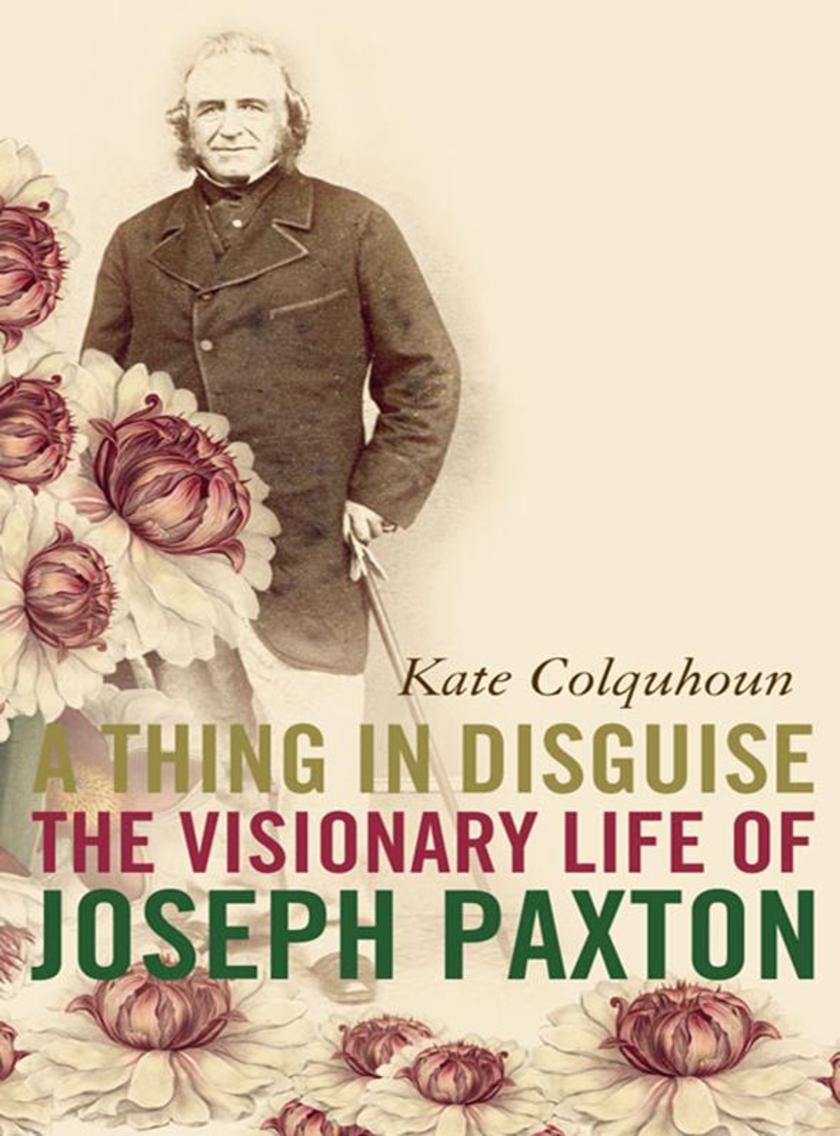
A Thing in Disguise: The Visionary Life of Joseph Paxton (Text Only)
¥72.40
A biography of an unsung Victorian hero, Joseph Paxton was the man behind the garden design at Chatsworth and the Crystal Palace at the Great Exhibition of 1851. The Victorians heralded a new era of creativity, a revolutionary fervour seizing all forms of design. Joseph Paxton was a leading light of this movement. Head Gardener at Chatsworth House by the age of twenty-three, encouraged by the sixth Duke of Devonshire he transformed the Derbyshire estate into the greatest garden in England. Queen Victoria came to marvel and with the development of the railway, so too did daytrippers from all over the country. His design for the Crystal Palace sealed his reputation. By the time of his death, Paxton ‘the busiest man in England’ according to Charles Dickens, could count Brunel and Stevenson amongst his friends. Horticulturalist, designer, architect – Paxton was one of the most remarkable figures of his time. The greatest age of art and industry is embodied in this compelling portrait of a Victorian hero.
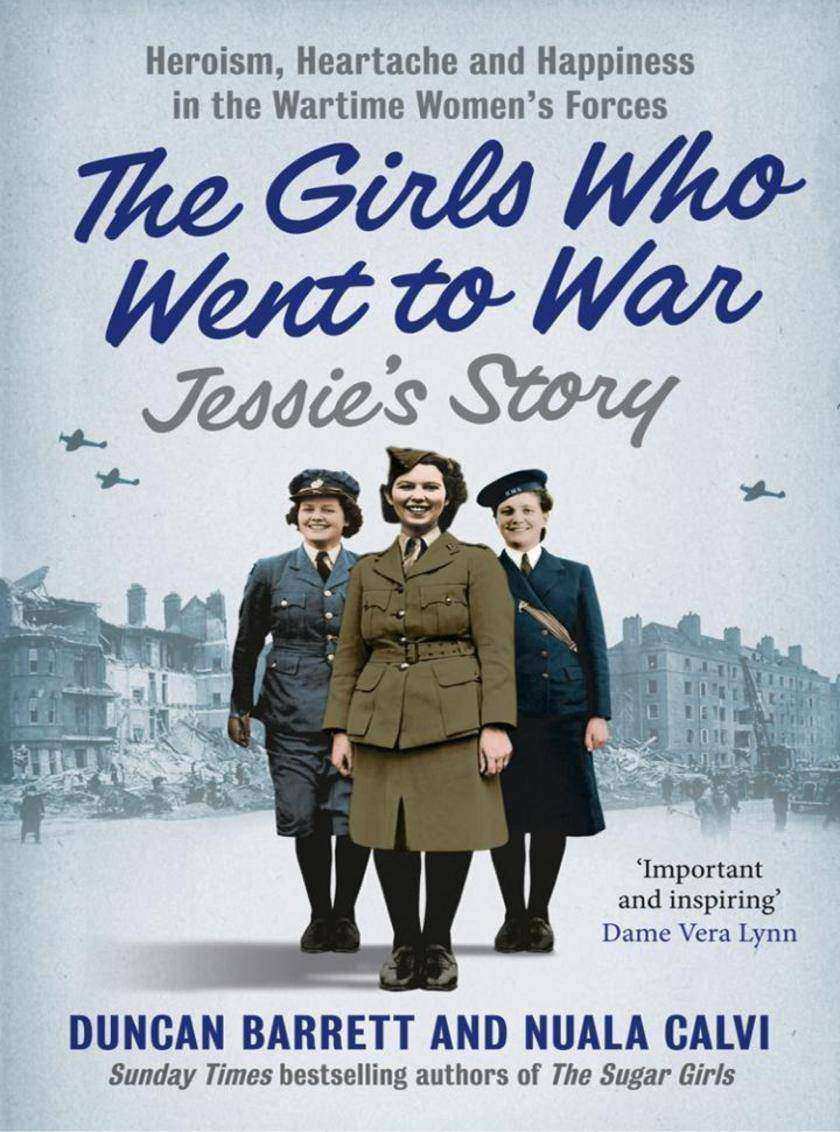
Jessie’s Story
¥9.71
From the bestselling authors of The Sugar Girls and GI Brides, this is Jessie’s story, one of three true accounts from the book The Girls Who Went to War. “Since Jessie’s surname was Ward, she was one of the last to hear what role she had been assigned to. Mary and Olive had already been told they were going to an ack-ack training camp in Berkshire, and she crossed her fi ngers, hoping that she would be setting off with them. Finally, the corporal came to her name. ‘Private Ward,’ she called out. ‘Anti-aircraft.’ At that moment, Jessie couldn’t have been happier. She was joining the artillery, and would soon be giving the Germans what for.” In the summer of 1940, Britain stood alone against Germany. The British Army stood at just over one and a half million men, while the Germans had three times that many, and a population almost twice the size of ours from which to draw new waves of soldiers. Clearly, in the fight against Hitler, manpower alone wasn’t going to be enough. Eighteen-year-old Jessie Ward defied her mother to join the ATS, leaving her quiet home for the rigours of training, the camaraderie of the young women who worked together so closely and to face a war that would change her life forever. Overall, more than half a million women served in the armed forces during the Second World War. This book tells the story of just one of them. But in her story is reflected the lives of hundreds of thousands of others like them – ordinary girls who went to war, wearing their uniforms with pride.
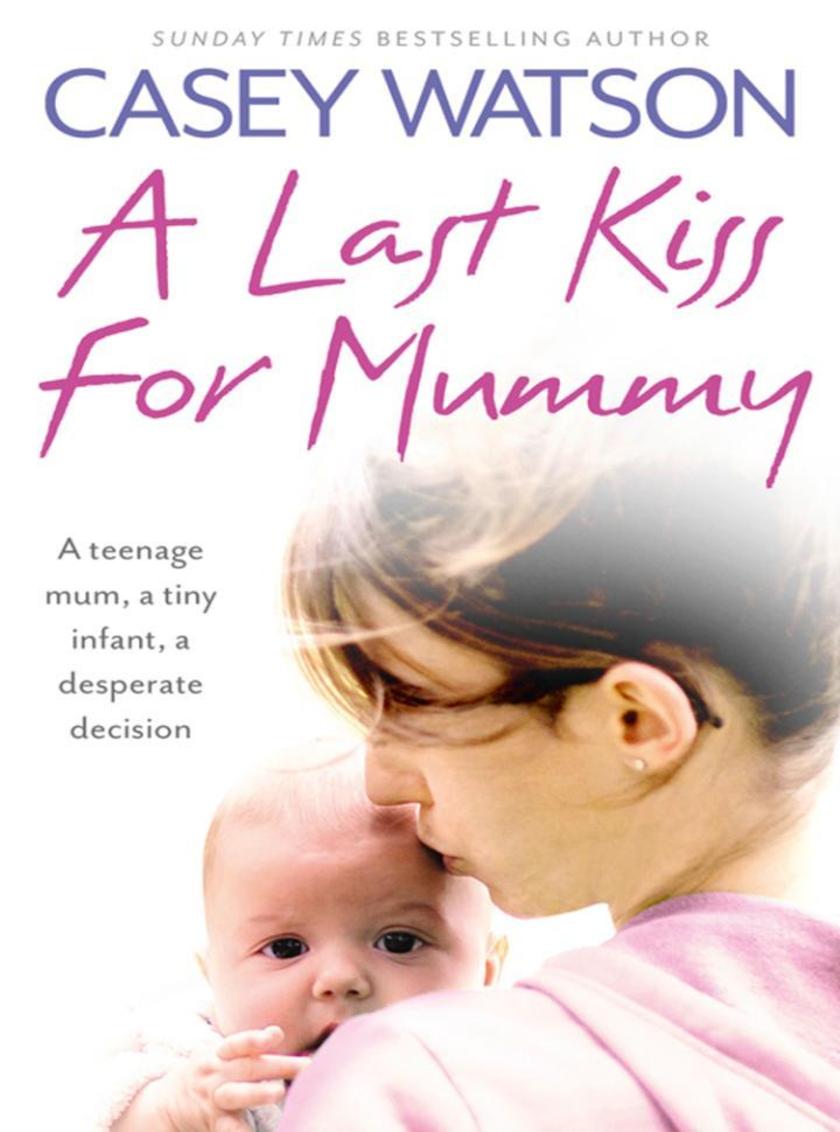
A Last Kiss for Mummy
¥58.86
Bestselling author and foster carer Casey Watson tells the heartbreaking true story of a teenage mother and baby in need of a safe and loving home. At fourteen, Emma is just a child herself – and one who’s never been properly mothered. She has been in foster care several times already and when she discovered she was pregnant, and refused to have an abortion, her mother threw her out of the house. Casey and her family instantly form a strong bond with Emma’s baby Roman, but dealing with Emma’s behaviour and constant lack of responsibility is a far tougher challenge. And before long Casey finds she’s doing something she never thought she would – covering up for Emma’s shortcomings as she allows her personal involvement to colour her judgement. But the more Casey gets to know Emma the more she’s convinced that with the right help and guidance this lonely and unsupported girl can become a good mother to her gorgeous little boy. That’s what makes it even harder when Casey and her family have to make a stark choice: to hold on to Emma or look after Roman; to help a teenage girl desperate to turn her life around, or offer an innocent baby a safe home and much-needed good start in life.
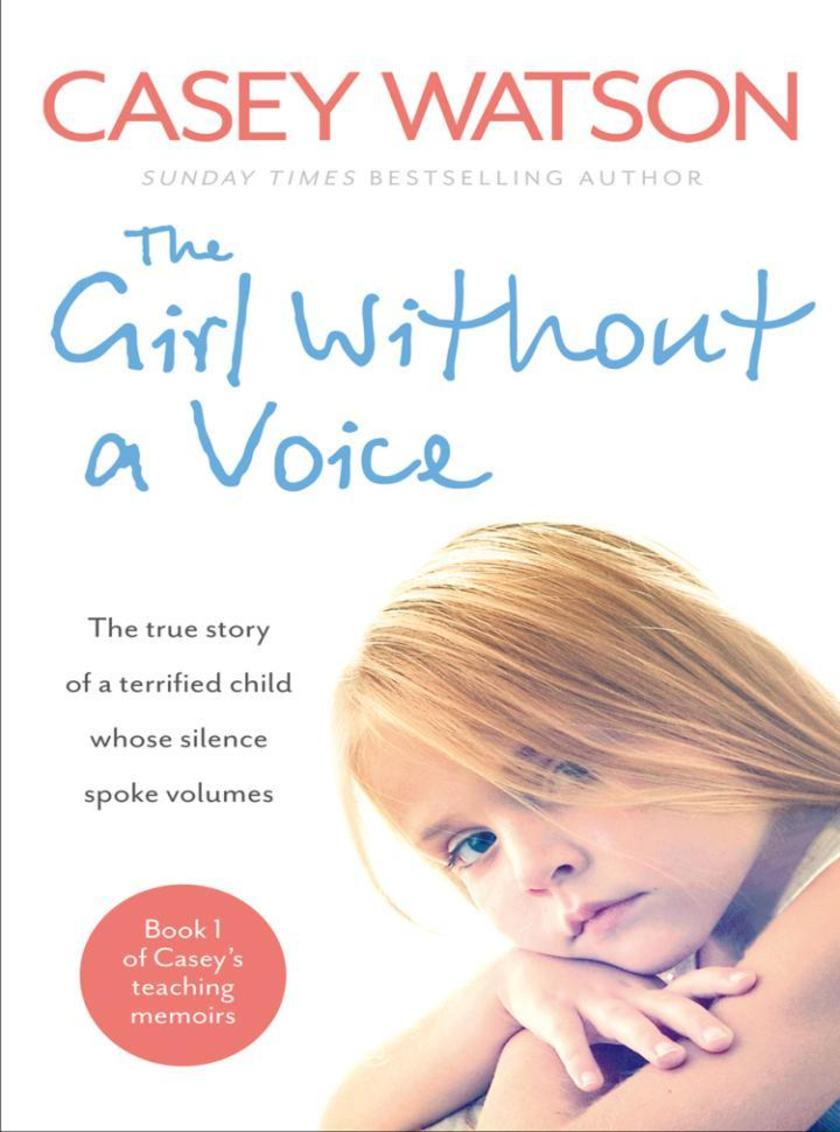
The Girl Without a Voice
¥58.86
Bestselling author and foster carer Casey Watson tells the shocking and deeply moving true story of a young girl with severe behavioural problems. This is the first of several stories about ‘difficult’ children Casey helped during her time as a behaviour manager at her local comprehensive. Casey has been in the post for six months when thirteen-year-old Imogen joins her class. One of six children Casey is teaching, Imogen has selective mutism. She’s a bright girl, but her speech problems have been making mainstream lessons difficult. Life at home is also hard for Imogen. Her mum walked out on her a few years earlier and she’s never got on with her dad’s new girlfriend. She’s now living with her grandparents. There’s no physical explanation for Imogen’s condition, and her family insist she’s never had troubles like this before. Everyone thinks Imogen is just playing up – except the member of staff closest to her, her teacher Casey Watson. It is the deadpan expression she constantly has on her face that is most disturbing to Casey. Determined there must be more to it, Casey starts digging and it’s not long before she starts to discover a very different side to Imogen’s character. A visit to her grandparents’ reveals that Imogen is anything but silent at home. In fact she’s prone to violent outbursts; her elderly grandparents are terrified of her. Eventually Casey’s hard work starts to pay off. After months of silence, Imogen utters her first, terrified, words to Casey: ‘I thought she was going to burn me.’ Dark, shocking and deeply disturbing, Casey begins to uncover the reality of what Imogen has been subjected to for years.
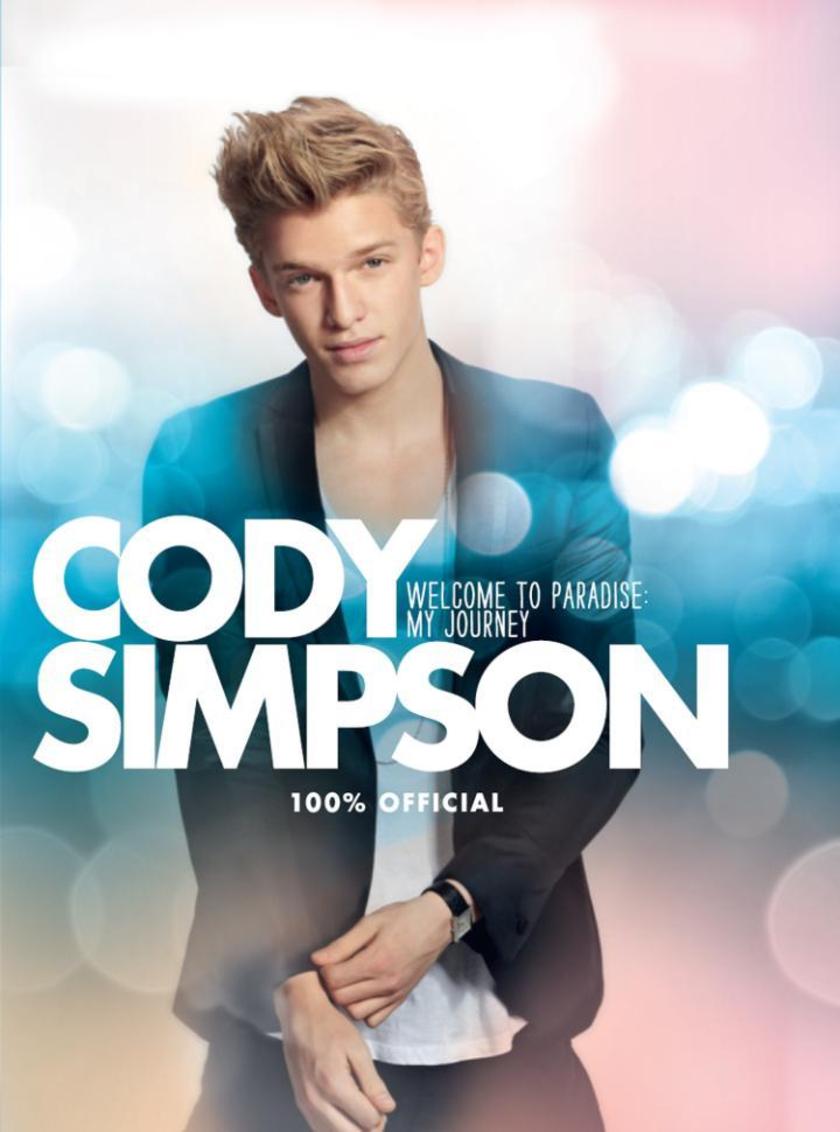
Welcome to Paradise: My Journey
¥91.43
He’s young, he’s hot and he’s set to be the biggest thing in pop – 16-year-old Cody Simpson is sending shockwaves around the world. Now, in his first official book, Cody reveals all about his meteoric rise to fame. From the beaches of Australia to touring the world with Justin Bieber, this is a must-have for any true fan. From a young age, it appeared that Cody Simpson's future was mapped out for him. A hugely talented swimmer, he was destined to compete at the highest level, representing his native Australia. But when he picked up a guitar at the tender age of 7, his life changed forever. It was clear to everyone who heard him sing and play that he had a gift, and when videos of his performances were uploaded to YouTube, the world started watching. Suddenly Cody’s life was a whirlwind of meetings with record labels and managers. He had to make a life-changing choice. Would he follow the sporty path that had been laid for him? Or would he take a terrifying risk? Cody followed his heart. And with the support of his family, who gave up everything to move to LA, the gamble paid off. Since then, Cody’s gone on to work with some of the biggest names in music – including Justin Bieber and Flo Rida – played sold-out concerts around the world, released three albums, had multiple hit singles, and appeared on dozens of major televisions shows. It’s been a whirlwind adventure for this 16-year-old – and he’s only just getting started. Jam packed with never-before-seen photos and exclusive gossip about life on and off stage, this book charts Cody’s journey from ordinary kid to superstar. It’s a story of sacrifice, risk-taking, and believing in yourself even when the odds are stacked against you.
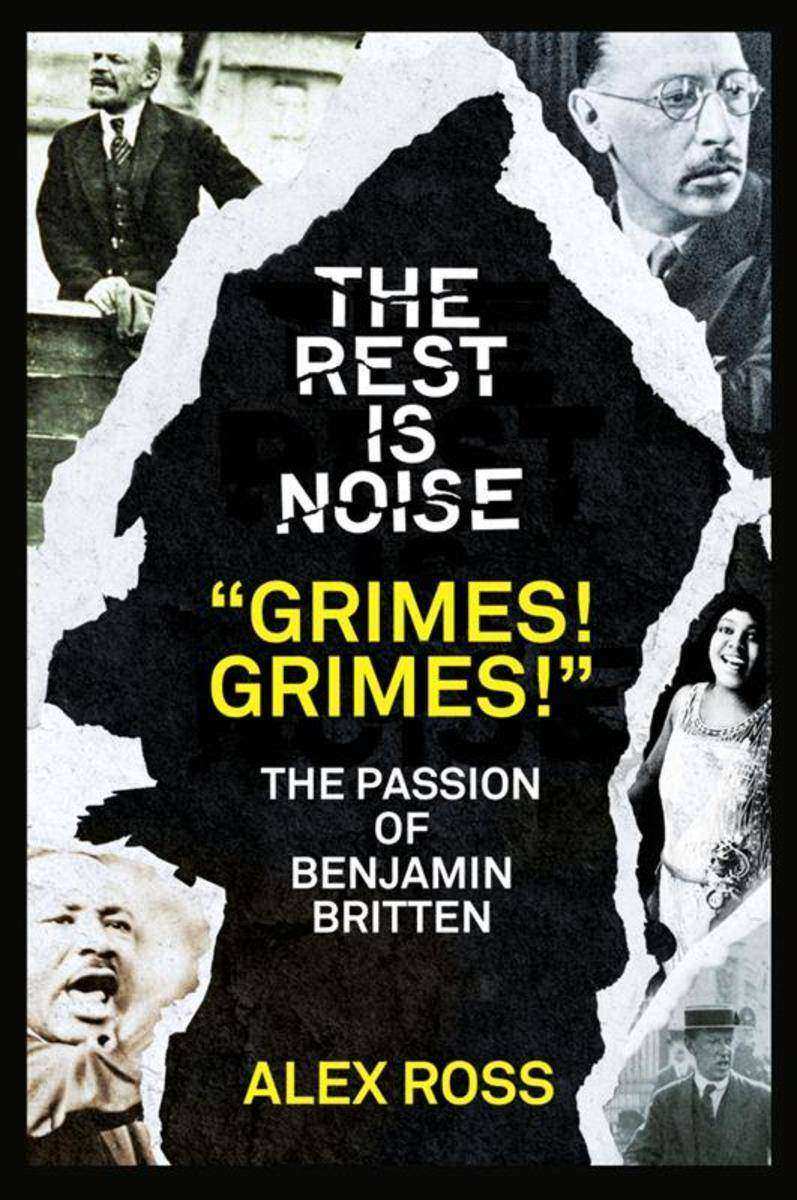
The Rest Is Noise Series: “Grimes! Grimes!”
¥11.77
This is a chapter from Alex Ross’s groundbreaking history of twentieth-century classical music, ‘The Rest is Noise’. Further extracts are available as digital shorts, accompanying the London Southbank festival programme. Benjamin Britten lived for most of his life around the Suffolk coast, and is buried in the Aldeburgh churchyard. He once stated that all his music came from there. ‘Peter Grimes’ is an opera of staggering force that is soaked in Aldeburgh to its bones. Now a major festival running throughout 2013 at London’s Southbank, The Rest is Noise is an intricate commentary not just on the sounds that defined the century, but on art’s troublesome dance with politics, social and cultural change. Britten’s music features prominently in the festival; ‘Music from Across the Iron Curtain’ is on 27 September 2013, ‘Britten Centenary Celebrations’ are on 2 and 12 October and ‘The Young Person’s Guide to the Orchestra’ is performed on 3 November 2013. Alex Ross is the New Yorker’s music critic, and the winner of the Guardian First Book Award and the National Book Critics Circle Award for The Rest is Noise, which was also shortlisted for the Samuel Johnson and Pulitzer prizes for non-fiction.

The Rest Is Noise Series: Zion Park
¥11.77
This is a chapter from Alex Ross’s groundbreaking history of twentieth-century classical music, ‘The Rest is Noise’. Further extracts are available as digital shorts, accompanying the London Southbank festival programme. After the war, composers took up what might be called catastrophe style with a vengeance. The twentieth century was undoubtedly one of the most horrific periods of human history - but terror was not always the subject of its composers. For some, attempting to transcend or reject the despair that consumed other artists led to the creation of some of the century’s most beautiful music. Now a major festival running throughout 2013 at London’s Southbank, The Rest is Noise is an intricate commentary not just on the sounds that defined the century, but on art’s troublesome dance with politics, social and cultural change. Alex Ross is the New Yorker’s music critic, and the winner of the Guardian First Book Award and the National Book Critics Circle Award for The Rest is Noise, which was also shortlisted for the Samuel Johnson and Pulitzer prizes for non-fiction.
Fishing Flies
¥231.22
Anyone who has taken a class from a decent teacher will be able to make flies from the de*ions given here. -- Booklist A mind-boggling array of flies.... The volume brims with hard-won advice and entertaining anecdotes. -- Waterloo Record Fishing Flies is a complete guide that describes every conceivable type of freshwater and saltwater fly. It examines the entire range of fishing flies--more than 1,300 in all--many by some of the world's most famous fly-tiers. These flies have been selected not only for their worth as lures but for their contribution to the progress of fly-tying. This smaller paperback edition is more portable than the hardcover, making it easy for fly fishers to take it along on fishing trips. Every fly in the book can be tied using readily-obtained material. Specially taken color photographs show hundreds of fly styles and variations with as many as six flies per page. The author describes their history, including literary references and fishing folklore, points out special features and gives detailed tying instructions where needed. He recommends the most favorable conditions in which to use the fly and provides important information on how the flies correspond with the fishes' reproductive cycles. Fishing Flies covers: ?Introduction and the earliest flies ?Trout and grayling flies ?Streamers and bucktails ?Flies for salmon, sea trout and steelhead ?Flies for freshwater predators ?Saltwater flies. Useful tips, time-tested fishing advice, recommendations for environmental conditions and fishing style, historical images, entertaining anecdotes and an extensive bibliography round out this fascinating and complete resource.
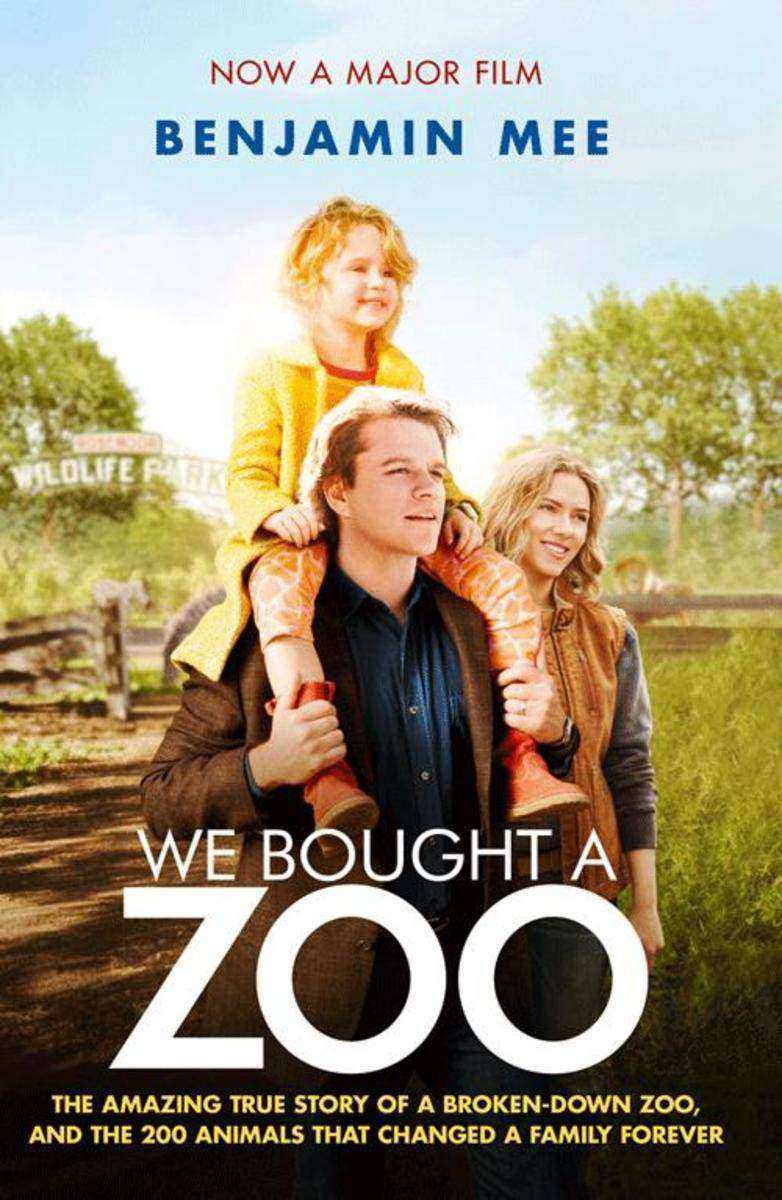
We Bought a Zoo
¥65.16
A film tie-in edition to 20th Century Fox’s film adaptation of the heart-warming international bestseller starring Scarlett Johansson and Matt Damon and directed by Oscar-winning director Cameron Crowe. An amazing true story that has inspired the major Hollywood motion picture this Christmas, to be repackaged for release alongside the film. We Bought a Zoo is about one young family, a broken down zoo, and the wild animals that changed their lives forever. When Ben [played by Damon] and his wife Katherine [played by Johansson] sold their small flat in Primrose Hill, upped sticks with their children and invested their savings into a dilapidated zoo on the edge of Dartmoor, they were prepared for a challenge and a momentous change in all their lives. With over 200 exotic animals to care for – including an African lion, a wolf pack, a Brazilian tapir and a jaguar – Ben’s hands, and those of his wife, children and tiny team of keepers, were full. What they weren’t prepared for was Katherine’s devastating second brain cancer diagnosis. Ben found himself juggling the daunting responsibilities of managing the park’s staff and finances, while holding the bailiffs at bay and caring for his wife. A moving and entertaining story of courage and a family’s attempts to rebuild a zoo, and carry on after Katherine’s tragic death.
Unbreakable: My life with Paul – a story of extraordinary courage and love
¥80.25
Unbreakable tells Lindsey Hunter’s moving and heartbreaking story. Lindsey is the widow of snooker star Paul Hunter, who died tragically aged only 27 after a battle with cancer in October 2006, leaving Lindsey and their one year-old daughter Evie bereft and alone. Lindsey met Paul Hunter when she was 21 and he was 18. When they married seven years later, Paul had become a golden boy in the world of snooker, dubbed ‘the Beckham of the baize,’ having won the Masters trophy three times, and attained a world ranking of number four, and Lindsey's happiness looked assured. But tragedy struck when Paul was diagnosed with a rare type of cancer, neuro-endocrine tumours in his abdomen. Aggressive chemotherapy appeared to work, and within six months Paul was competing in a major championship, with Lindsey cheering him on from the side-lines. More joy came when Lindsey gave birth to their daughter, Evie Rose. But tragically, Paul died in October 2006, 18 months after his diagnosis, leaving Lindsey a widow and single mother. Lindsey was determined to celebrate Paul's life rather than mourn his death, and has dealt with the loss of her young husband on the eve of their life together with strength and courage, for the sake of their daughter. This heartbreaking and inspirational story has huge universal appeal.
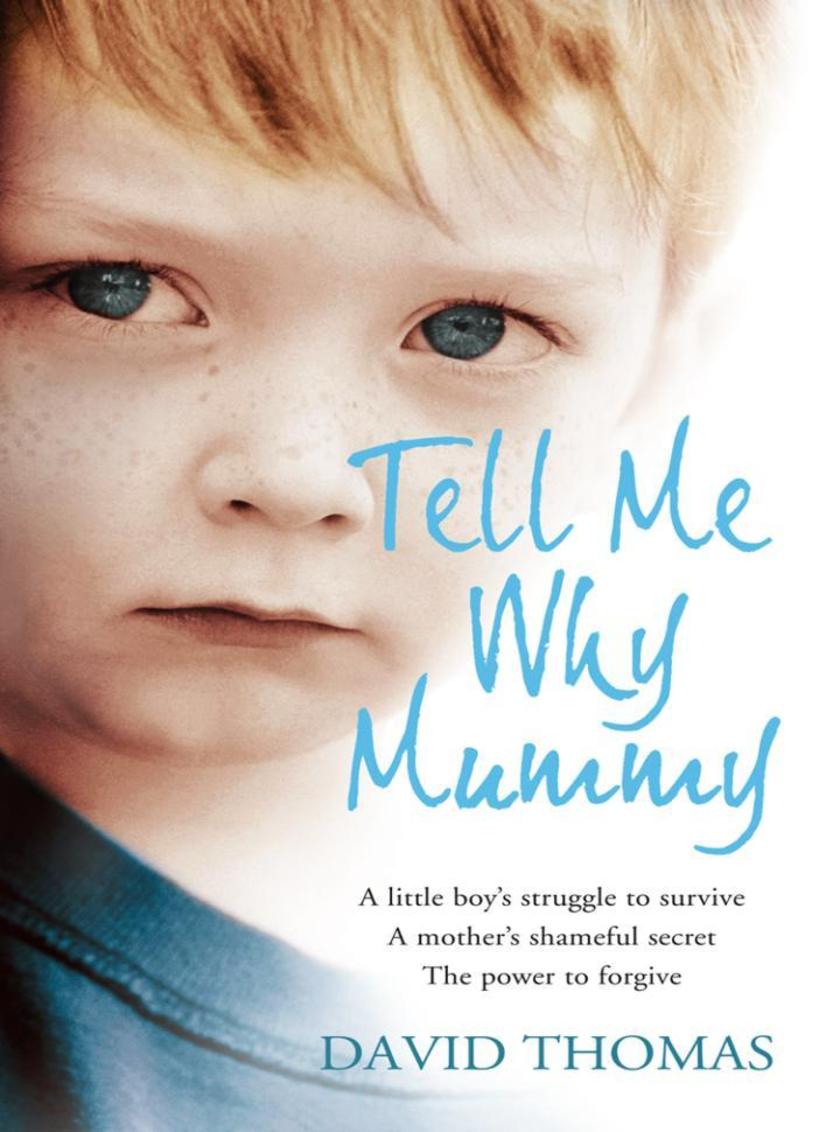
Tell Me Why, Mummy
¥73.58
The inspirational true story of one man overcoming enormous odds – including sexual abuse from his alcoholic mother – to choose his own path in life and become a truly exceptional human being. From the age of four David Thomas was sexually abused by his alcoholic mother and subsequently physically abused by his aged stepfather. By the age of 16 he had committed multiple burglaries, assaulted a police officer with an iron bar, attempted suicide, received a criminal conviction from a juvenile court, and been expelled from school. He left home as soon as he could and joined the fire service at 20. At the age of 27 he bought a book on memory. Within 8 months he had come fourth in the World Memory Championships and went on to develop one of the most powerful memories in history, even breaking an 18-year-old Guinness Book of Records memory record by reciting the mathematical formula Pi (3.1459) to 22,500 digits from memory. In 1999 he was reunited with his mother after 4 years apart but tragically, a year later he found her dead at home after she had died of an alcohol induced heart attack. David's shocking and moving story is one of abuse, alcoholism, courage, determination, forgiveness, love and how everyone can choose their own path through life irrespective of their upbringing, background or perceptions about what they think is possible. David is an incredible example of how this can happen.
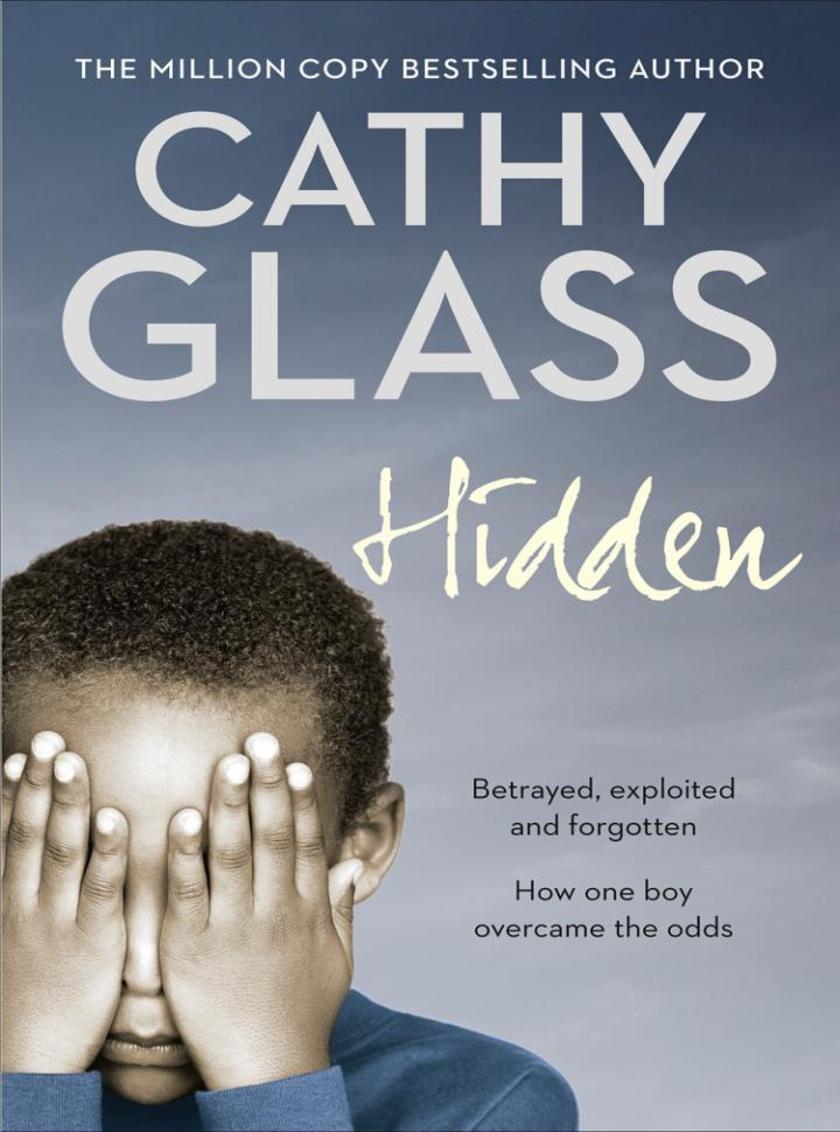
Hidden
¥63.77
From the Sunday Times and New York Times bestselling author of ‘Damaged’ comes the poignant and shocking memoir of Cathy’s recent relationship with Tayo, a young boy she fosters whose good behaviour and polite manners hide a terrible past. Tayo arrives at Cathy’s with only the clothes he stands up in. He has been brought to her by the police, but he is calm, polite, and very well spoken, and not at all like the children she normally fosters. The social worker gives Cathy the forms which should contain Tayo’s history, but apart from his name and age, it is blank. Tayo has no past. Tayo is an 'invisible' child, kidnapped from his loving father in Nigeria and brought illegally to the UK by his drink and drugs dependent prostitute mother, where he is put to work in a sweat shop in Central London. When he sustains an injury and is no longer earning, he is cast out. When Cathy takes Tayo to school he points out a dozen different addresses where he has stayed in the last six months, often being left alone. Tayo lies, and manipulates situations to his own advantage and Cathy has to be continually on guard. Tayo’s social worker searches all computer databases but there is no record of Tayo – he has only attended school for 3 terms and has never seen a doctor. He and his mother have been evading the authorities by living ‘underground’. With his mother recently released from prison, Tayo is desperate to live with his father in Nigeria, but no one can track him down or even prove that he exists.

Daddy’s Little Earner
¥45.62
The shocking story of a young girl forced into prostitution by her own father, and her painful journey to escape her horrific childhood and build a new life for herself and her sons. Maria's dad was a pimp, living in a world of thieves and street-walkers. Her mother, tiring of turning tricks for her husband, walked out, leaving the children in his chaotic, violent and sometimes cruel care. By the age of nine, Maria's father was abusing her and getting a prostitute friend to dress her up in stockings and make-up. By the time she was fourteen he was selling her on the streets of the red light district in Norwich. Despite everything Maria still loved her swaggering and sometimes charming father and found it hard to sort out her own feelings. At fifteen she ran away to King's Cross with an older lover who turned out to be just another pimp. Furious at losing a nice little earner her father involved the police and both he and the other man were jailed for living off Maria's immoral earnings. Only then could Maria escape her traumatic childhood and follow her dream of becoming a mother.
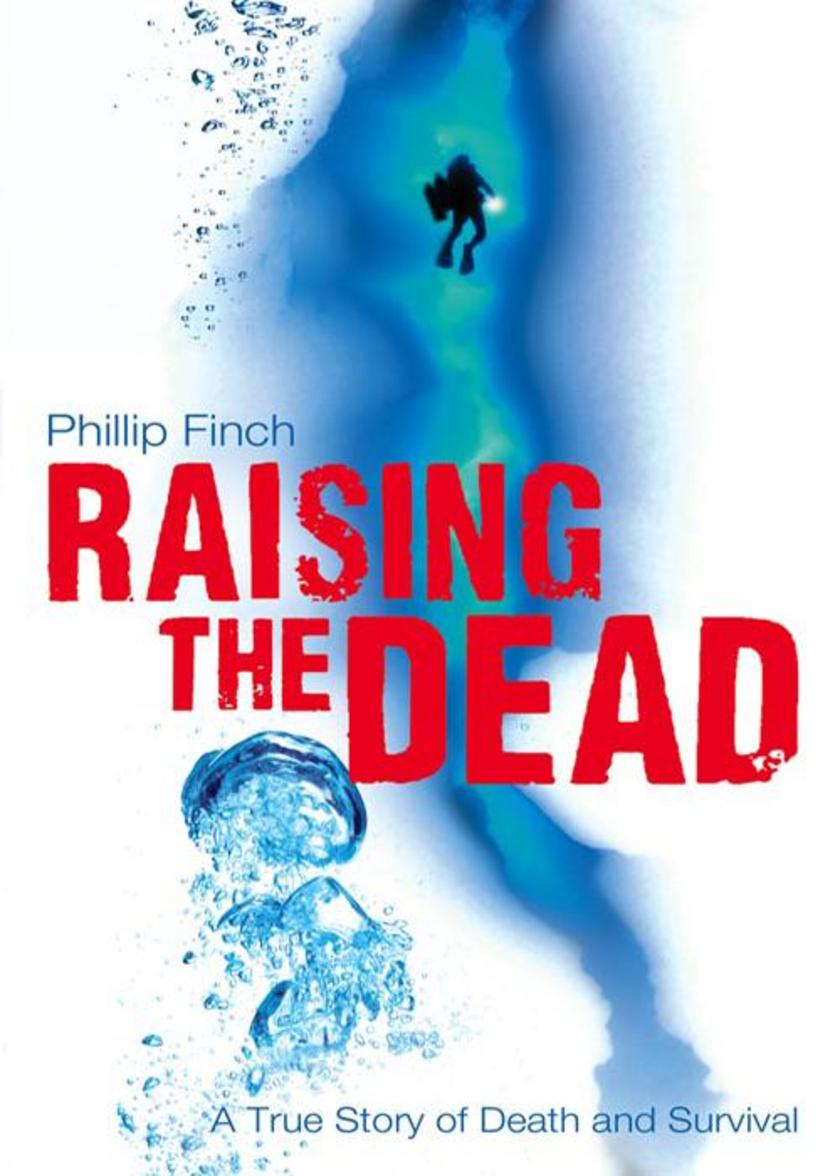
Raising the Dead: A True Story of Death and Survival
¥83.88
A true story of death and survival in the world’s most dangerous sport, cave diving. Two friends plunge 900 ft deep into a water-filled crater in the Kalahari Desert to raise the body of a diver who had perished there a decade before. Only one returns. Unquenchable heroism and complex human relationships amid the perils of extreme sport. On New Year's Day, 2005, David Shaw travelled halfway around the world on a journey that took him to the Kalahari Desert of South Africa, to a site known locally as Boesmansgat: Bushman's Hole. His destination was nearly 900 feet below the surface. On 8 January, he stepped into the water. He wore and carried on him some of the most advanced diving equipment ever developed. Mounted to a helmet on his head was a video camera. David Shaw was about to attempt what had never been done before, and he wanted the world to see. He descended. About fifteen feet below the surface was a fissure in the dolomite bottom of the basin, barely wide enough to admit him and his equipment and the aluminum tanks slung under his shoulders. He slipped through the opening, and disappeared from sight, leaving behind the world of light and life. Then, a second diver descended through the same crack in the stone. This was Don Shirley, Shaw's friend and frequent dive partner, one of the few people in the world qualified to follow where Shaw was about to go. In the community of extreme diving, Don Shirley was a master among masters. Twenty-five minutes later, one of the men was dead. The other was in mortal peril, and would spend the next 10 hours struggling to survive, existing literally from breath to breath. What happened that day at Bushman's Hole is the stuff of nightmarish drama, juxtaposing classic elements of suspense with an extreme environment beyond most people’s comprehension. But it’s also a compelling human story of friendship, heroism, unswerving ambition and of coming to terms with loss and tragedy.
Seminary Boy
¥80.25
One of the most extraordinary memoirs of recent years, the acclaimed writer John Cornwell has finally written his own story, and the story of a choice he had to make between the Church and a life lived outside its confines. John Cornwell decided to become a priest at the age of thirteen, a strange choice perhaps for a boy who'd been sent to a 'convalescent home' for having whacked a nun about the head. Growing up in a chaotic household, sharing two rooms with his brothers and sisters, his hot-headed mother and – when he was around – absconding father, John spent his time roaming the war-torn streets of London looking for trouble. One day, at his mother's suggestion, he responded to a call from his local parish priest for altar servers. The 'dance of the rituals', the murmur of Latin and the candlelit dawn took hold of his imagination and provided him with a new and unexpected comfort. He left post-war London for Cotton, a seminary in the West Midlands. In this hidden, all-male world, with its rhythms of devotion and prayer, John grew up caught between his religious feelings and the rough and tumble of his life back in London; between seeking the face of God in the wild countryside around him and experiencing his first kiss; between monitoring his soul and watching a girl from a moving train whose face he will never forget. Cornwell tells us of a world now vanished: of the colourful community of priests in charge; of the boys and their intense and sometimes passionate friendships; of the hovering threat of abuse in this cloistered environment. And he tells us of his struggle to come to terms with a shameful secret from his London childhood – a vicious sexual attack which haunts his time at Cotton. A book of tremendous warmth and humour, ‘Seminary Boy’ is about an adolescent's search for a father and for a home.
Tony Hancock: The Definitive Biography
¥91.43
Regarded as the best radio and TV comic of his era, Tony Hancock was a man whose star burned brightly in the eyes and ears of millions before his untimely death in 1968. Now, forty years on, critically acclaimed biographer John Fisher brings the first fully authorised account of his life. Tony Hancock was one of post-war Britain’s most popular comedians – his radio show ‘Hancock’s Half Hour’ would clear the streets as whole families tuned in to listen. His peerless timing and subtle changes in intonation marked Hancock out as a comic genius. His character ‘Anthony Aloysius St John Hancock’ was an amplification of his own persona, a pompous prat whose dreams of success are constantly thwarted. The original British loser that we recognise in Victor Meldrew and Alan Partridge. Wonderfully supported by a cast including Sid James, Hattie Jacques and Kenneth Williams, and working with *s from Ray Galton and Alan Simpson, Hancock became a huge star. The show was commisioned for TV, showcasing his talent for hilarious facial expression, and he became the first British comedian to earn a thousand pounds a week. Behind Tony Hancock’s success however hid the self-destructive behaviour that plagued him all his life. Prone to self-doubt, and wanting to be the star of his own show, he got rid of James, and finally dismissed Galton and Simpson who had created the platform for his success. His private life was wracked by his ever increasing alcoholism and bouts of depression, and his relationships shattered by his capacity for violence. His ratings fell and, feeling washed up and alone after divorcing his second wife, he committed suicide in an Australian hotel room in 1968. Now, forty years after his death John Fisher explores the turbulent life of a man regarded by his peers as one of the greatest British comics to have ever lived.

Little Mix: Ready to Fly (100% OFFICIAL)
¥91.43
A few months ago they were just four determined girls. Then there was The X Factor, the screaming fans and the record deal – life for Little Mix would never be the same again. Now join the UK’s hottest new girl group as they sing their way to superstardom. Last year, Perrie, Jesy, Jade and Leigh-Anne were four nervous X Factor hopefuls, waiting in the wings for their turn in the spotlight. Now they’re not only the best of friends, they’re the first ever group to win the show, they have a record deal, and are on the cover of every magazine – they’re the girls every girl wants to be. But it hasn’t all been sparkles and glitter. From facing rejection in the early stages of The X Factor to battling bullying and personal criticism, the girls have worked ferociously for their success. Here, in their official book, they each tell the story of their amazing journey in full, from their first auditions to living out their dreams. Stunningly-designed and packed full of unseen photos shot exclusively for the book by world-renowned celebrity photographer Dean Freeman, Little Mix: Our Story So Far provides an exclusive peek inside the world of the band as they embark on global domination. So look out world: this is just the beginning. 2012 is the year of Little Mix – and they’re fierce.
Shakespeare
¥66.22
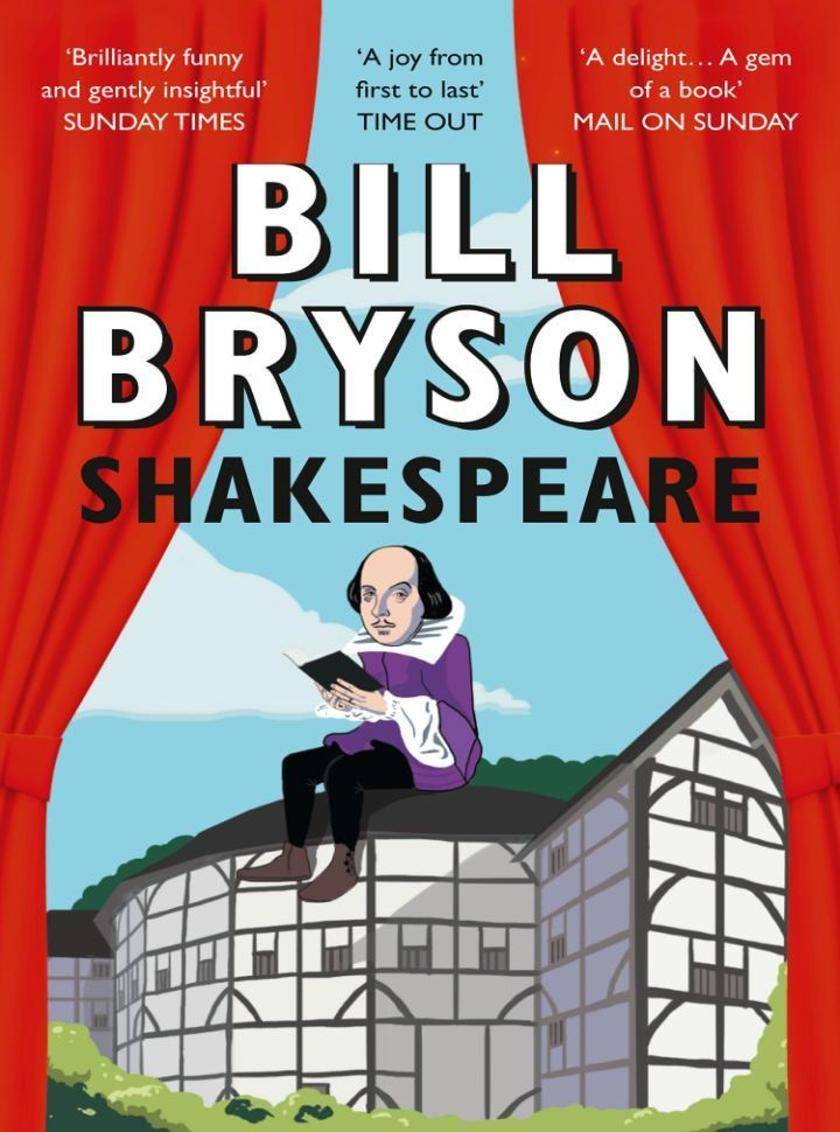
From bestselling author Bill Bryson comes this compelling short biography of William Shakespeare, our greatest dramatist and poet. Examining centuries of myths, half-truths and downright lies, Bill Bryson makes sense of the man behind the masterpieces. As he leads us through the crowded streets of Elizabethan England, he brings to life the places and characters that inspired Shakespeare’s work. Along the way he delights in the inventiveness of Shakespeare’s language, which has given us so many of the indispensable words and phrases we use today, and celebrates the Bard’s legacy to our literature, culture and history. Drawing together information from a vast array of sources, this is a masterful account of the life and works of William Shakespeare, one of the most famous and most enigmatic people ever to have lived – not to mention a classic piece of Bill Bryson.


