


 购物车
购物车 个人中心
个人中心
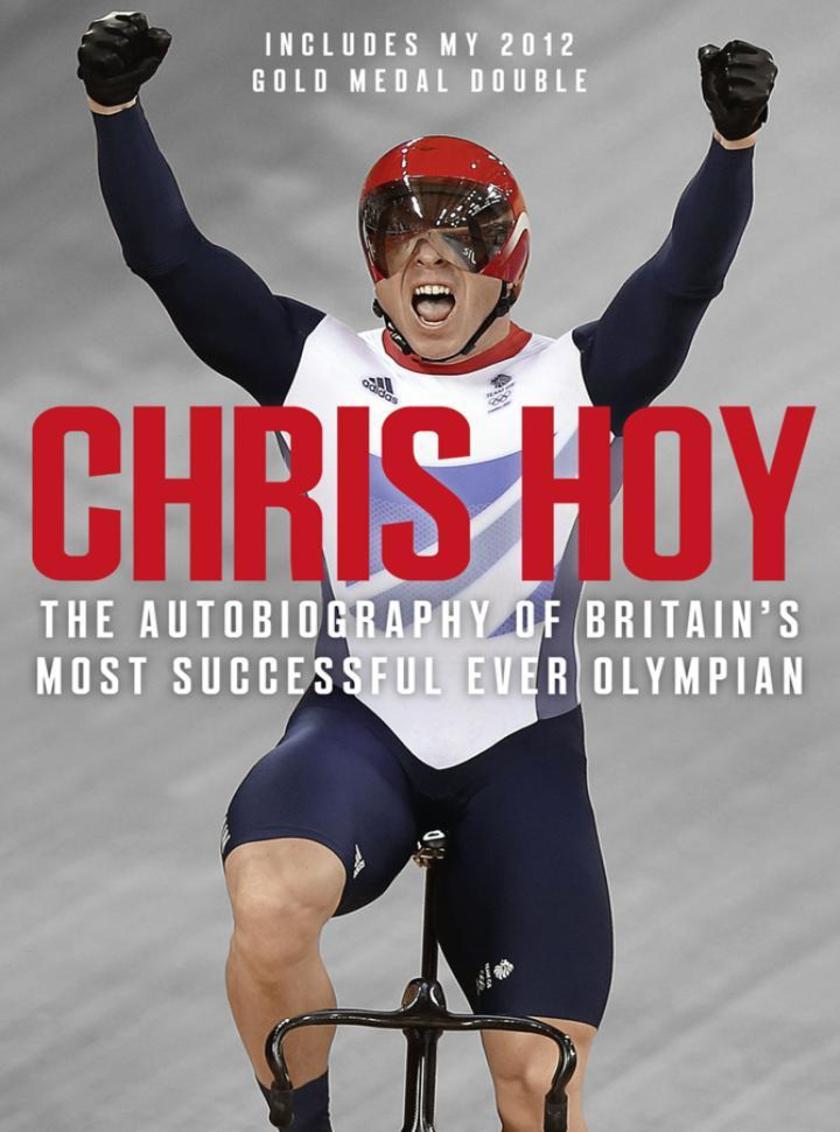
Chris Hoy: The Autobiography
¥68.67
Fully updated to include Sir Chris Hoy’s incredible, record-breaking golds at London 2012 (making him his country’s greatest ever Olympian), this is the story of a sporting legend in his own words. Fully updated to include Sir Chris Hoy’s incredible, record-breaking golds at London 2012 (making him his country’s greatest ever Olympian), this is the story of a sporting legend in his own words. This 33-year-old cycling fanatic from Murrayfield in the suburbs of Edinburgh defied the doubters who thought he would struggle when his specialist discipline, the 1km time trial, was dropped from the Olympics, and went on to reinvent himself as a track cycling sprinter and triple Olympic gold medallist in Beijing. His return to these shores sparked unprecedented celebrations and real admiration that here was a role model who was the epitome of all things that are good in sport. What makes a champion in sport? In his autobiography, Hoy returns to his roots as a child fully engaged with the BMX craze of the Eighties; when, even as a seven year old his will to succeed allied to an unyielding mental strength set him apart from other youngsters of his age. A promising rower and rugby player in school, it was when he joined his first local cycling club and spent most weekends of the year competing in national events from Blackpool to Bristol that the seeds of his future career were sown. With the devoted support of his family, Hoy drove himself to the pinnacle of his sport at the same time as British track cycling established itself as a pioneering force on the world stage. In the wake of his unparalleled achievements at London 2012, which filled the whole country with pride, there is no sporting icon better placed to demonstrate what it takes to reach the top than Chris Hoy.
How Starbucks Saved My Life
¥72.30
A candid, moving and inspirational memoir about a high-flying business man who is forced to re-evaluate his life and values when he suddenly loses everything and goes to work in Starbucks. Michael Gill had it made. He was educated, wealthy and well-connected. He had a creative and lucrative advertising job, which he loved and which he was good at, and a model family and home life. Then he loses it all. He is fired by a young exec whom he had mentored. He has an extramarital affair that destroys his family and results in a newborn son. Then he is diagnosed with brain cancer. He has no insurance, no income. One day he wanders into Starbucks and by chance signs up for a job interview. His would-be boss is a young black woman who gives him a job, and sets about training him and mentoring him. What follows is an inspirational eye-opener as Gill experiences a whole new world compared to his former life – with people from completely different ethnic and social backgrounds. ‘How Starbucks Saved My Life’ follows Gill's journey of discovery as gradually he is forced to question his ingrained assumptions, prejudices and habits. Gill emerges from his fall from grace with humility and gratitude. His new-found empathy teaches him how anyone who has lost their way, or made a mistake, can start again.
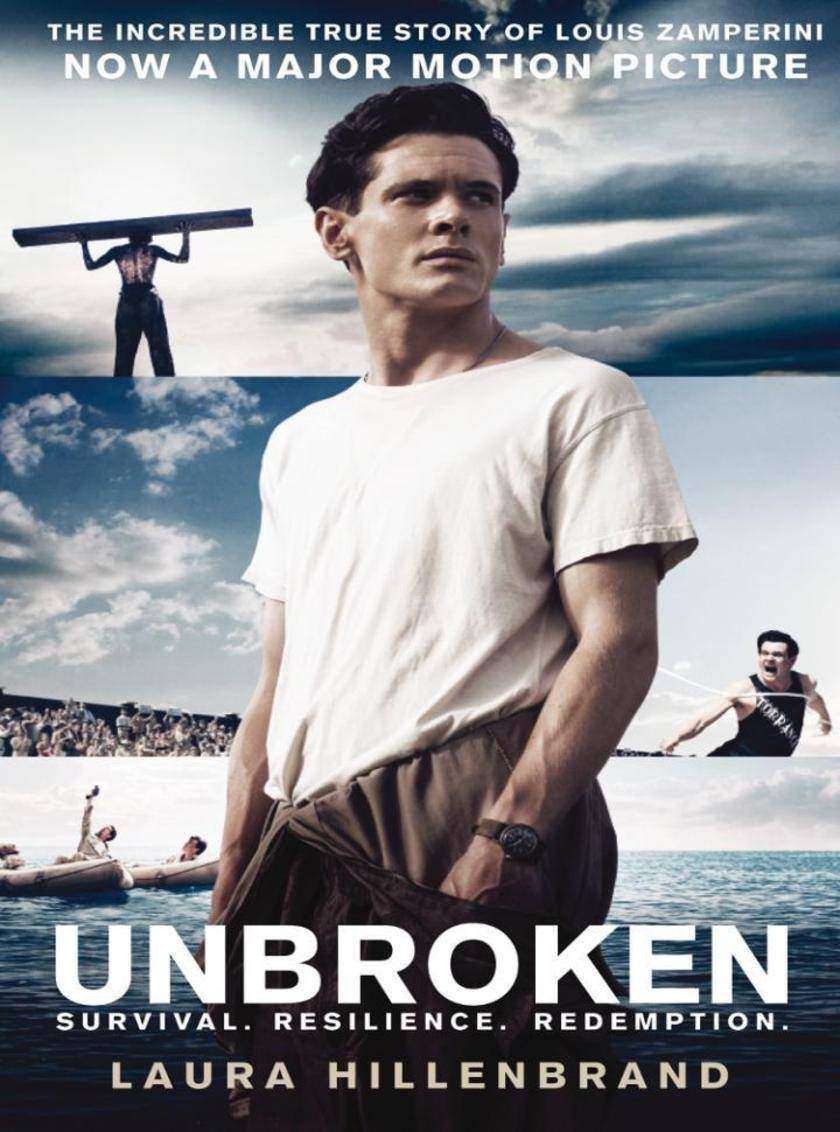
Unbroken
¥66.22
The incredible true story of Louis Zamperini, now a major motion picture directed by Angelina Jolie. THE INTERNATIONAL NUMBER ONE BESTSELLER In 1943 a bomber crashes into the Pacific Ocean. Against all odds, one young lieutenant survives. Louise Zamperini had already transformed himself from child delinquent to prodigious athlete, running in the Berlin Olympics. Now he must embark on one of the Second World War’s most extraordinary odysseys. Zamperini faces thousands of miles of open ocean on a failing raft. Beyond like only greater trials, in Japan’s prisoner-of-war camps. Driven to the limits of endurance, Zamperini’s destiny, whether triumph or tragedy, depends on the strength of his will … Now a major motion picture, directed by Angelina Jolie and starring Jack O’ Connell.
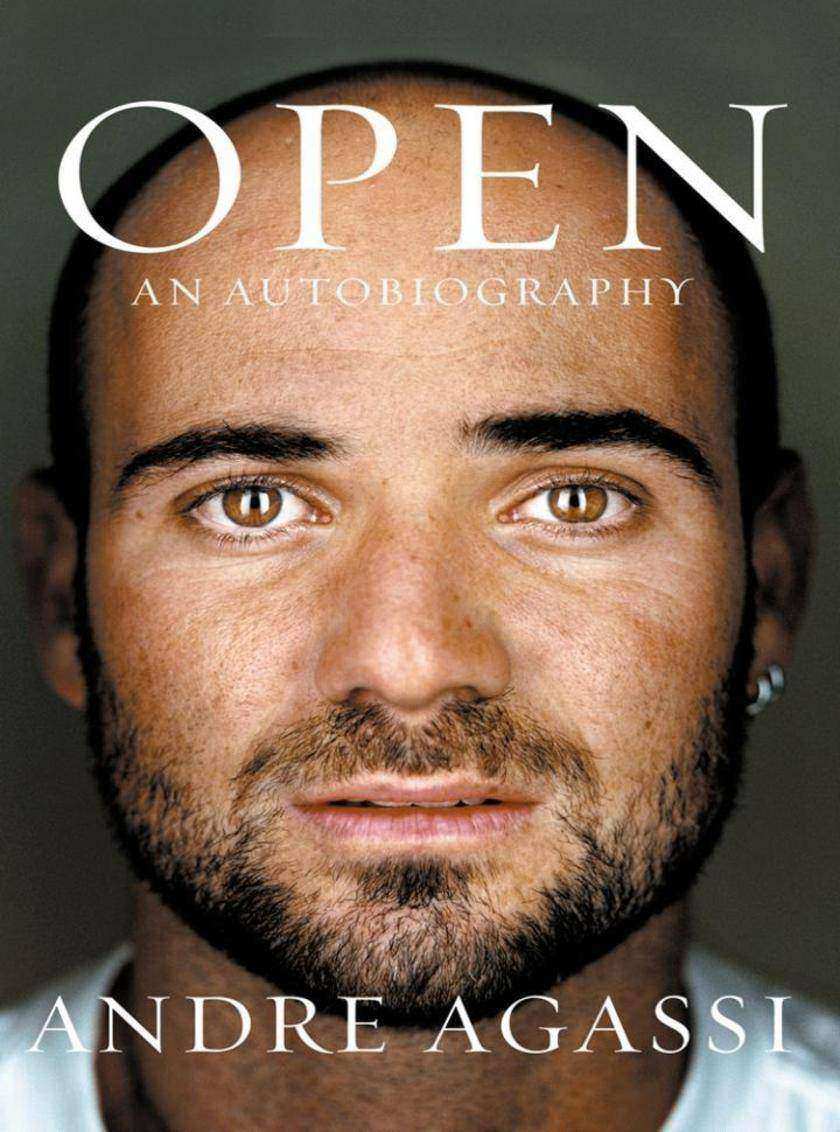
Open: An Autobiography
¥78.38
He is one of the most beloved athletes in history and one of the most gifted men ever to step onto a tennis court – but from early childhood Andre Agassi hated the game. Coaxed to swing a racket while still in the crib, forced to hit hundreds of balls a day while still in grade school, Agassi resented the constant pressure even as he drove himself to become a prodigy, an inner conflict that would define him. Now, in his beautiful, haunting autobiography, Agassi tells the story of a life framed by such conflicts. Agassi makes us feel his panic as an undersized seven-year-old in Las Vegas, practicing all day under the obsessive gaze of his violent father. We see him at thirteen, banished to a Florida tennis camp. Lonely, scared, a ninth-grade dropout, he rebels in ways that will soon make him a 1980s icon. By the time he turns pro at sixteen, his new look promises to change tennis forever, as does his lightning fast return. And yet, despite his raw talent, he struggles early on. We feel his confusion as he loses to the world's best, his greater confusion as he starts to win. After stumbling in three Grand Slam finals, Agassi shocks the world, and himself, by capturing the 1992 Wimbledon. Overnight he becomes a fan favorite and a media target. Agassi brings a near-photographic memory to every pivotal match, and every public relationship. Alongside vivid portraits of rivals, Agassi gives unstinting accounts of his brief time with Barbra Streisand and his doomed marriage to Brooke Shields. He reveals the depression that shatters his confidence, and the mistake that nearly costs him everything. Finally, he recounts his spectacular resurrection and his march to become the oldest man ever ranked number one. In clear, taut prose, Agassi evokes his loyal brother, his wise coach, his gentle trainer, all the people who help him regain his balance and find love at last with Stefanie Graf. With its breakneck tempo and raw candor, Open will be read and cherished for years. A treat for ardent fans, it will also captivate readers who know nothing about tennis. Like Agassi's game, it sets a new standard for grace, style, speed and power.
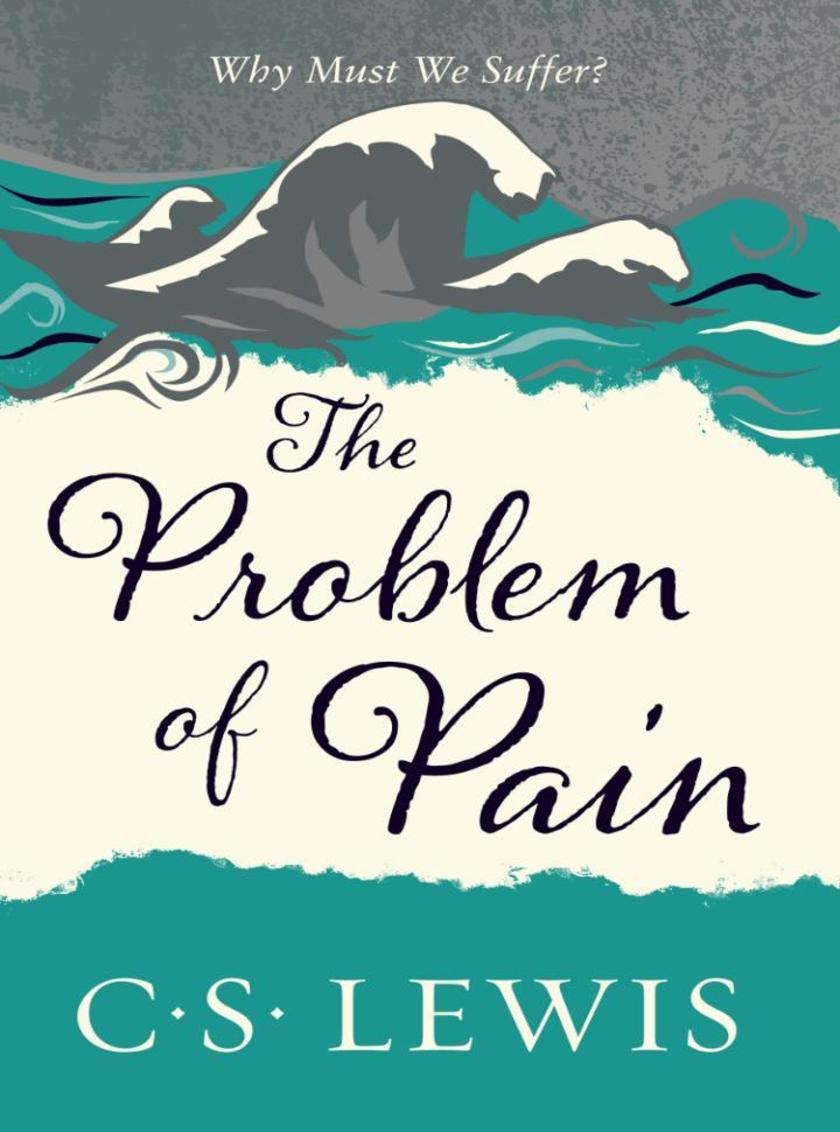
The Problem of Pain
¥61.51
Beutifully repackaged as part of the C.S. Lewis Signature Classic Range, Lewis addresses the question which tortures every generation – Why must we suffer? For centuries people have been tormented by one question above all – ‘If God is good and all-powerful, why does he allow his creatures to suffer pain?’ And what of the suffering of animals, who neither deserve pain nor can be improved by it? The greatest Christian thinker of our time sets out to disentangle this knotty issue. With his signature wealth of compassion and insight, C.S. Lewis offers answers to these crucial questions and shares his hope and wisdom to help heal a world hungering for a true understanding of human nature.
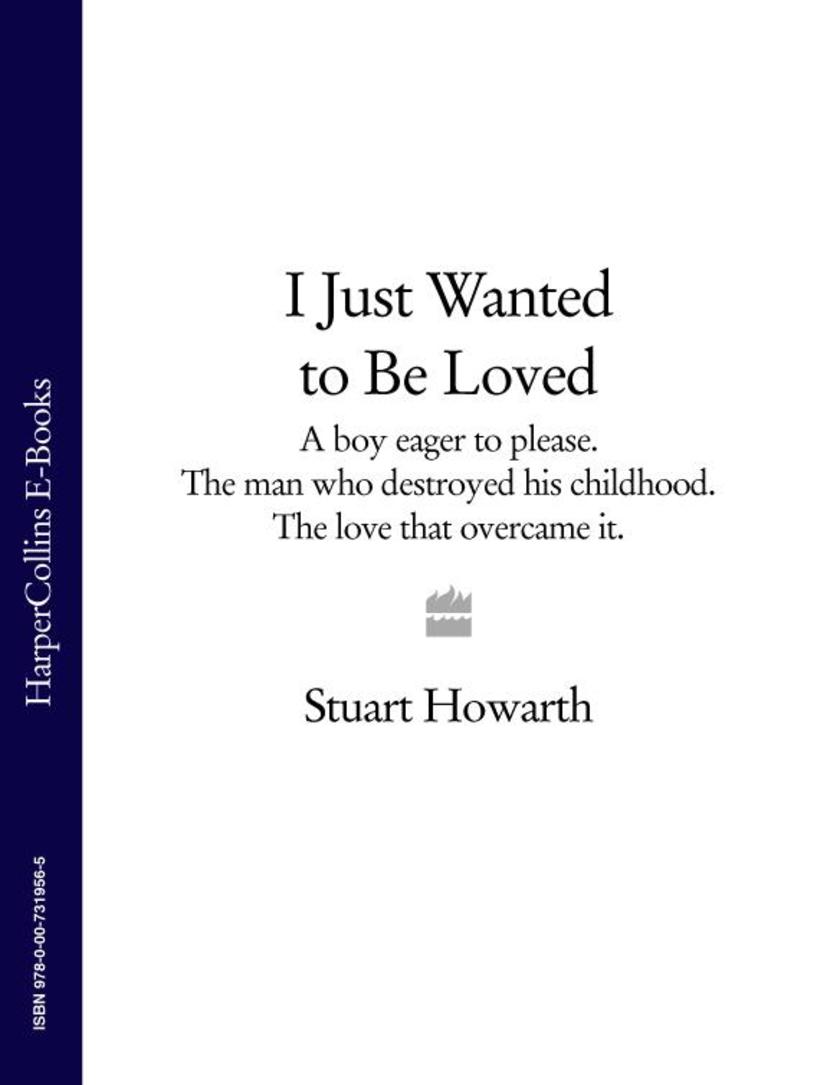
I Just Wanted to Be Loved
¥58.86
The author of the bestselling Please Daddy No reveals more harrowing experiences of his neglected childhood. Having survived the terrible abuse at the hands of his stepfather, Stuart has to reach within himself again to live through the degradation of prison. He is released back into the world without any support or counselling from the authorities. The child abuse and numerous court cases had almost destroyed him, and Stuart became reliant on drugs and alcohol. With his life spiralling out of control, Stuart attempts suicide a number of times. The last try leaving the doctors that resuscitated him incredulous he had survived. At the point of no-return, Stuart was sent to an hospital in the Scottish highlands to fight the demons that assailed him and rebuild his life. This is the remarkable story of his fight to be his own man.
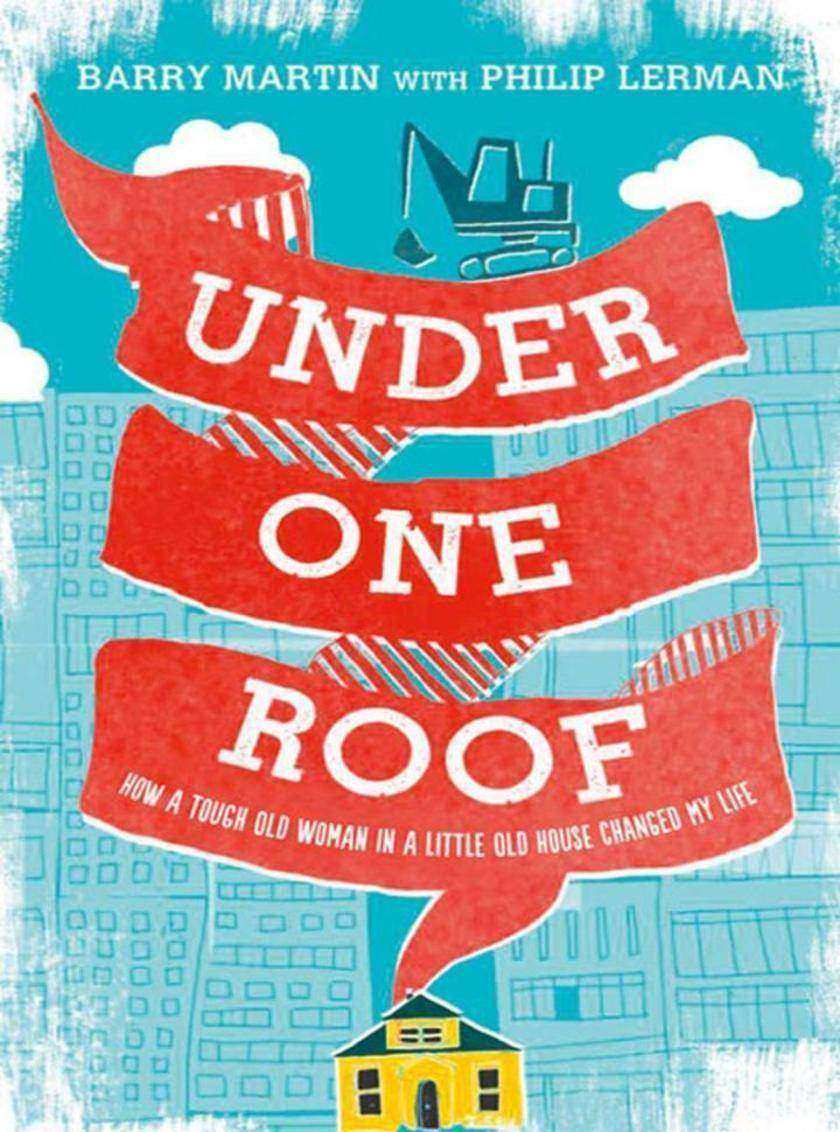
Under One Roof
¥88.39
The heart-warming true story of the bond between a feisty octogenarian and the man in charge of building a shopping mall on top of her home – which inspired the opening scene of the Pixar movie Up! Edith Macefield achieved folk hero status in 2006 when she turned down $1 million to sell her home to make way for a commercial development in a small neighborhood of Seattle. It didn’t matter that her tiny house was surrounded by rubble and graffiti. It was home. Barry Martin respected that, and when he took the job as construction supervisor for the shopping mall that was being erected around Edith’s little house, he determined to make things as easy as he could for Edith. He gave her his phone number and told her to call if she needed anything. And she did. The day Edith asked Barry to drive her to a hair appointment, an unlikely friendship was sparked, one that changed them both forever. As Barry helps Edith through the last days of her life, she helps him deal with the effects of the Alzheimer’s that is diminishing his beloved father. She learns to laugh and let go. He learns about compassion and grace. Full of heart and warmth, ‘Under One Roof’ is an true story that reminds us the most important things in life can’t be bought.
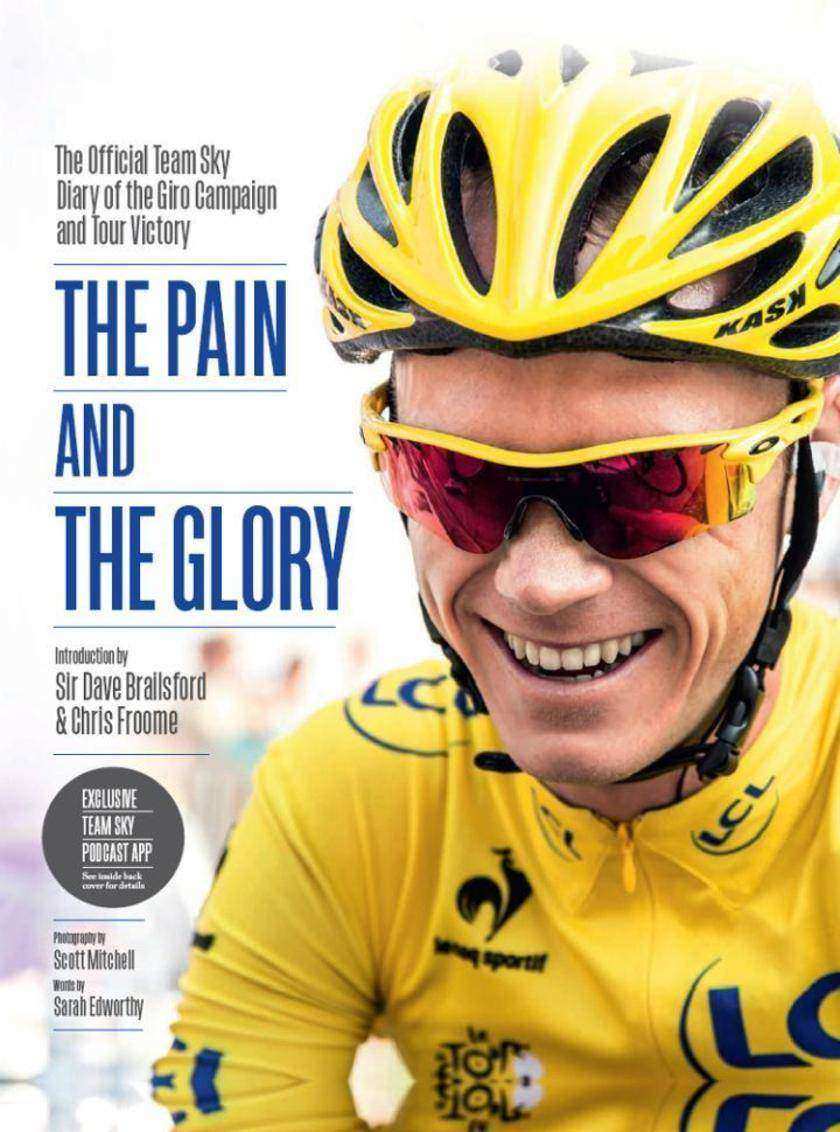
The Pain and the Glory
¥114.48
A glorious, fully illustrated insider account from Team Sky of the greatest summer in British road cycling history, as team-mates Sir Bradley Wiggins and Chris Froome go head-to-head in the quest for glory The summer of 2013 will be the most significant moment yet in Team Sky’s short but wildly successful history and a landmark in the story of British cycling. After their glorious success in last year’s Tour de France, where Sir Bradley Wiggins reigned supreme and the team romped to glory, all eyes are on Team Sky as they vie to cement their position as the greatest force in road cycling. The Team Sky Diary of the Giro and Tour once more brings together first-hand accounts from team members including Wiggins, Froome, as well as the masterful Team Principle, Dave Brailsford, with the sumptuous award-winning photography of Scott Mitchell. As Wiggins and Froome lock horns, and the Team turn their formidable focus to the historic task of dominating both races, this is an essential book for all cycling fans.

Those Wild Wyndhams: Three Sisters at the Heart of Power
¥76.91
Winner of the Slightly Foxed Best First Biography Prize 2014 A rich historical biography of ‘those wild Wyndhams’ – three cultured aristocratic sisters born into great privilege in late Victorian Britain. Mary, Madeline and Pamela – the three beautiful Wyndham sisters – were born into immense wealth. Cultured bohemian daughters of a maverick politician and an artistic mother, they became entangled with the scandalous and intellectual ‘Souls’ set, as well as the most celebrated figures of the day, including Oscar Wilde, Marie Stopes and the iconoclastic poet Wilfrid Scawen Blunt, lover both of Mary and her mother before her. Two sisters were intimate with great statesmen – Prime Minister Arthur Balfour and the Liberal politician Edward Grey – and only one of them would marry happily. This first ever biography of the sisters captures their dramatic lives from romantic beginnings through the passions and disappointments of womanhood to the tragedy and devastation of the First World War that brought a definitive end to their sons, their era and way of life.
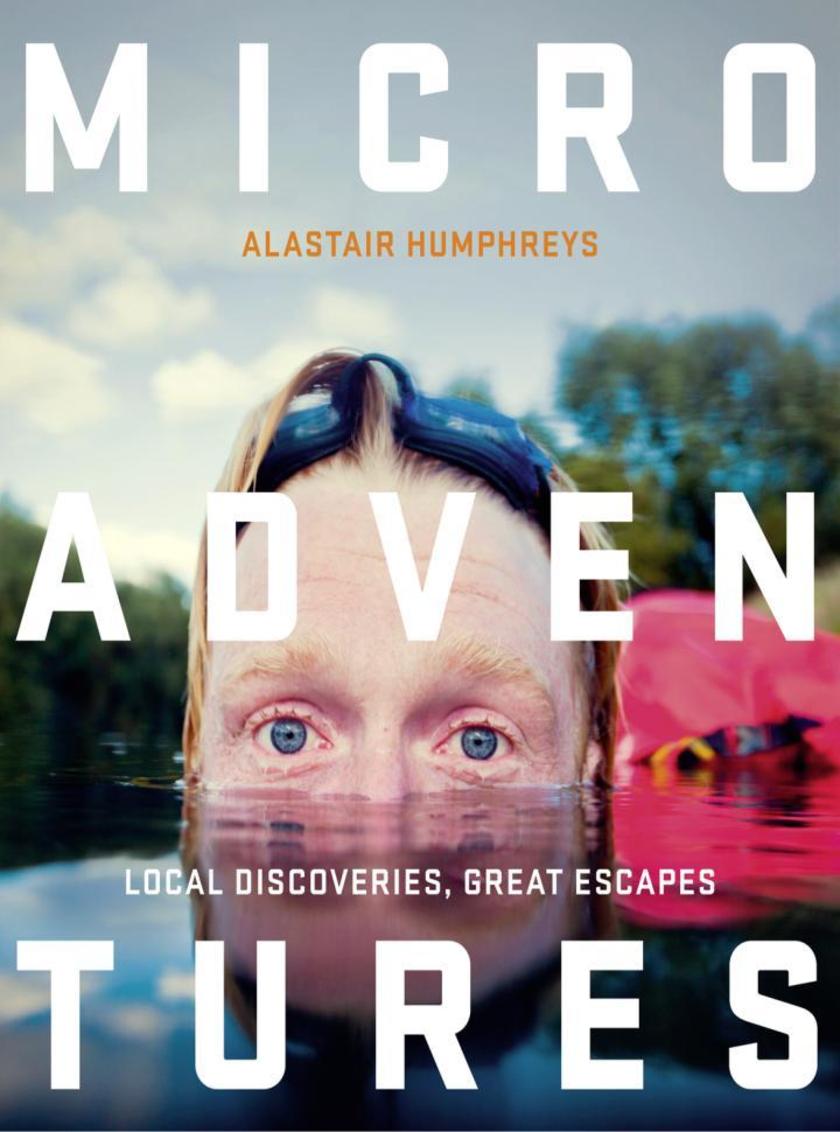
Microadventures: Local Discoveries for Great Escapes
¥125.18
‘Enthusiastic, pleasingly madcap’ Geographical Adventure – something that’s new and exhilarating, outside your comfort zone. Adventures change you and how you see the world, and all you need is an open mind, bags of enthusiasm and boundless curiosity. So what’s a microadventure? It’s close to home, cheap, simple, short and 100% guaranteed to refresh your life. A microadventure takes the spirit of a big adventure and squeezes it into a day or even a few hours. The point of a microadventure is that you don’t need lots of time and money to meet a new challenge. This practical guide is filled with ideas for microadventures – for you to experience on your own or with friends and family – and over 150 stunning photographs, plus tips and advice on safety and kit. Whether it’s sleeping on a hilltop or going for a wild swim, cycling a lap of the Isle of Wight or walking home for Christmas, it’s time you discovered something new about yourself and the world outside your window. Adventure is everywhere, every day and it is up to us to find it.
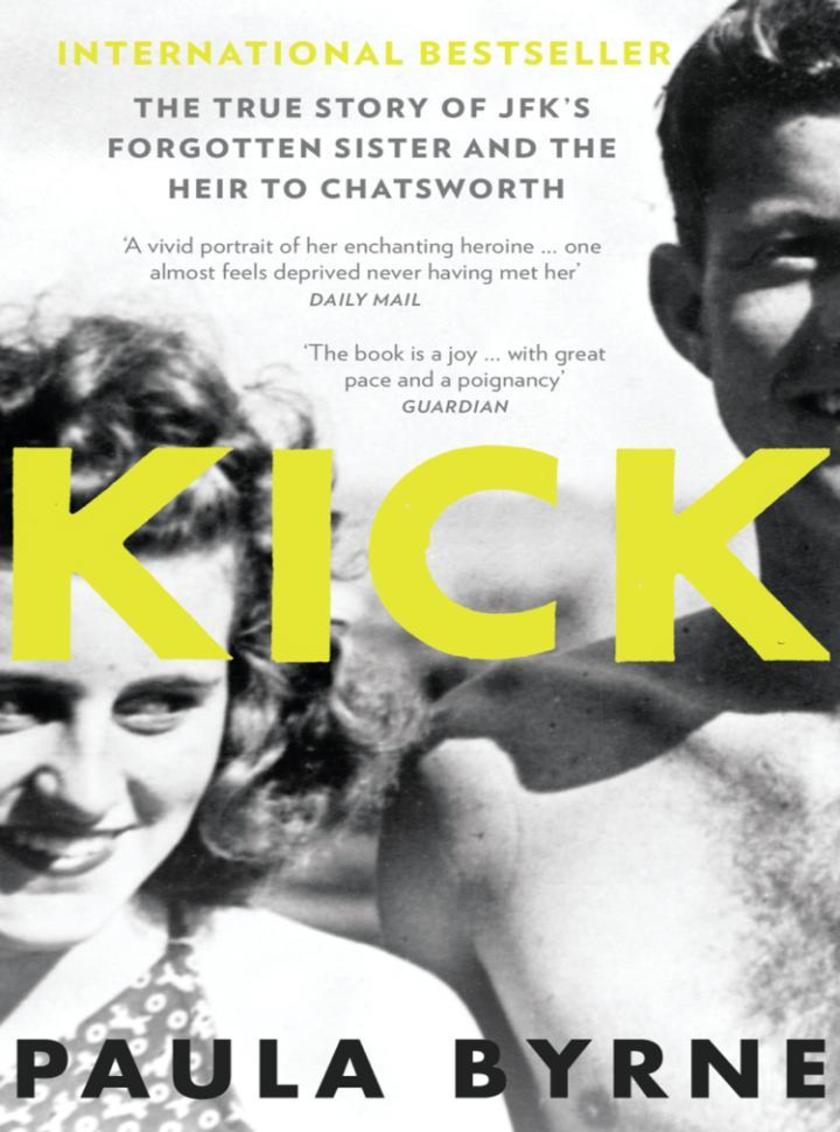
Kick
¥73.58
The remarkable life of the vivacious, clever – and forgotten – Kennedy sister, who charmed the English aristocracy and was almost erased from her family history. When Kathleen Kennedy sailed to England after her father had been appointed Ambassador to Great Britain in 1938, her wit, aloofness and sexual charisma at once became the source of endless fascination for the British public. ‘Kick’ became the star of the family and the press loved her, London magazine Queen headlining her as ‘America’s Most Important Debutante’. Her meeting at a summer garden party with a shy, tall, handsome man called ‘Billy’ who it transpired was the heir to the Duke of Devonshire and Chatsworth, the most eligible bachelor in England, became first an intrigue and soon a scandal for the Kennedys. She was Catholic and he an Anglican. But Kick had fallen in love with Billy, and with England. In 1944, they were married. In September Billy was killed in combat with the British Army. Widowed as Lady Hartington, Kathleen Kennedy remained in England after the loss of her husband until her own tragic death. In ‘Kick’, Paul Byrne tells the story of a woman who was more than simply the second sister of Jack, Bobby and Ted: a feisty and unique product of two countries, she was the force of personality the Kennedys rarely mentioned, a life long hidden from the legendary family history.
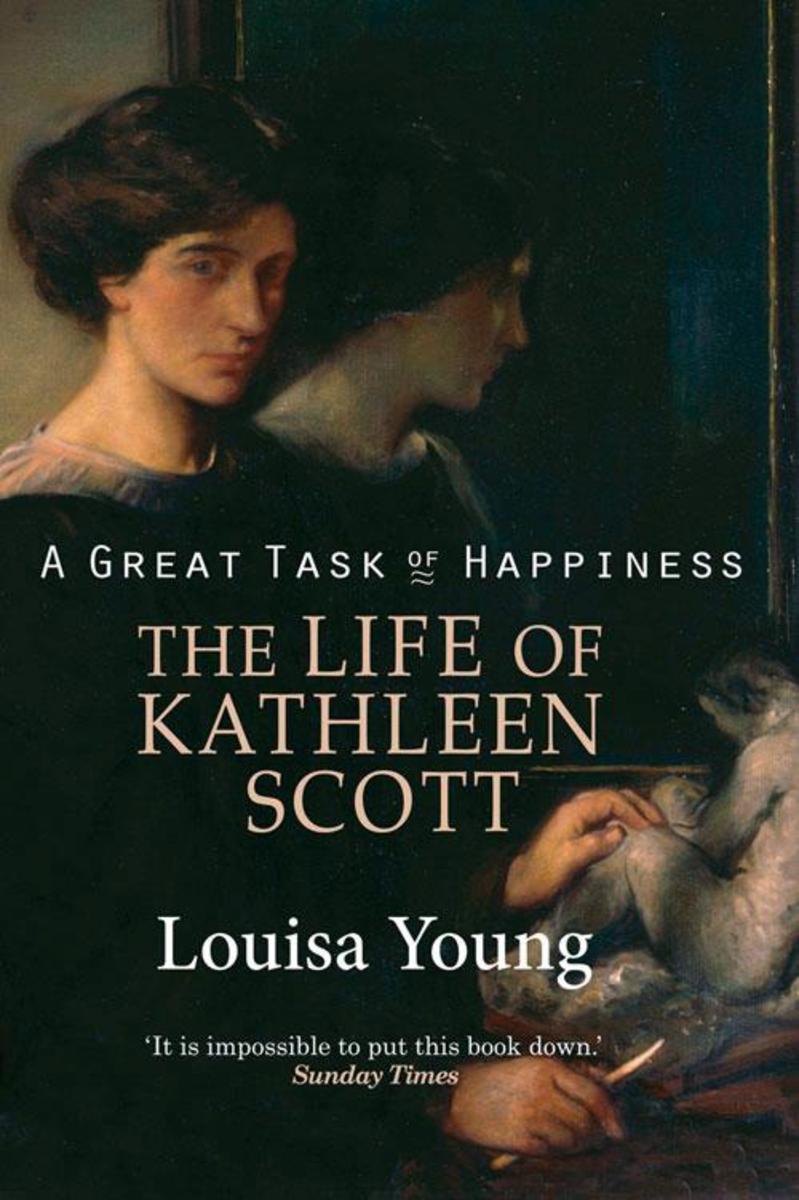
A Great Task of Happiness: The Life of Kathleen Scott
¥82.01
This is a biography of Kathleen Scott based on her diaries, and Bruce's brother and the Grand Postleniks of Wallachia. In Paris in 1901, she learnt to sculpt with Rodin and made friends with Isadora Duncan - whose illegitimate baby she later delivered - and enagaged in a long and silent flirtation with Edward Steichen and rebuffed Alistair Crowley. A formidable woman, Kathleen was a sculptor, a confidante of Asquith during his years as prime minster, and was loved and admired by men as diverse as Max Beerbohm, George Bernard Shaw, Lawrence of Arabia and the Norwegian explorer Nansen. In 1908 she married Robert Falcon Scott and after bearing Peter, the son she had longed for, helped Captain Scott to prepare for his ill-fated Antarctic expedition. She learnt of her husband's death 18 months after it had happened, in mid-ocean on her way to meet him. In 1910 she started to keep diaries for Scott to read on his return; after his death she continued writing them, covering politics, exploration, art and her friends and family. Eleven years after Captain Scott's death she married again, to Edward Hilton Young (later Lord Kennet), who was to become a cabinet minister, and had another son, Wayland. She was always independent, energetic and fond of men and babies, though her spirit was considered masculine - Shaw said that his friendship with her was the nearest he came to homosexuality.
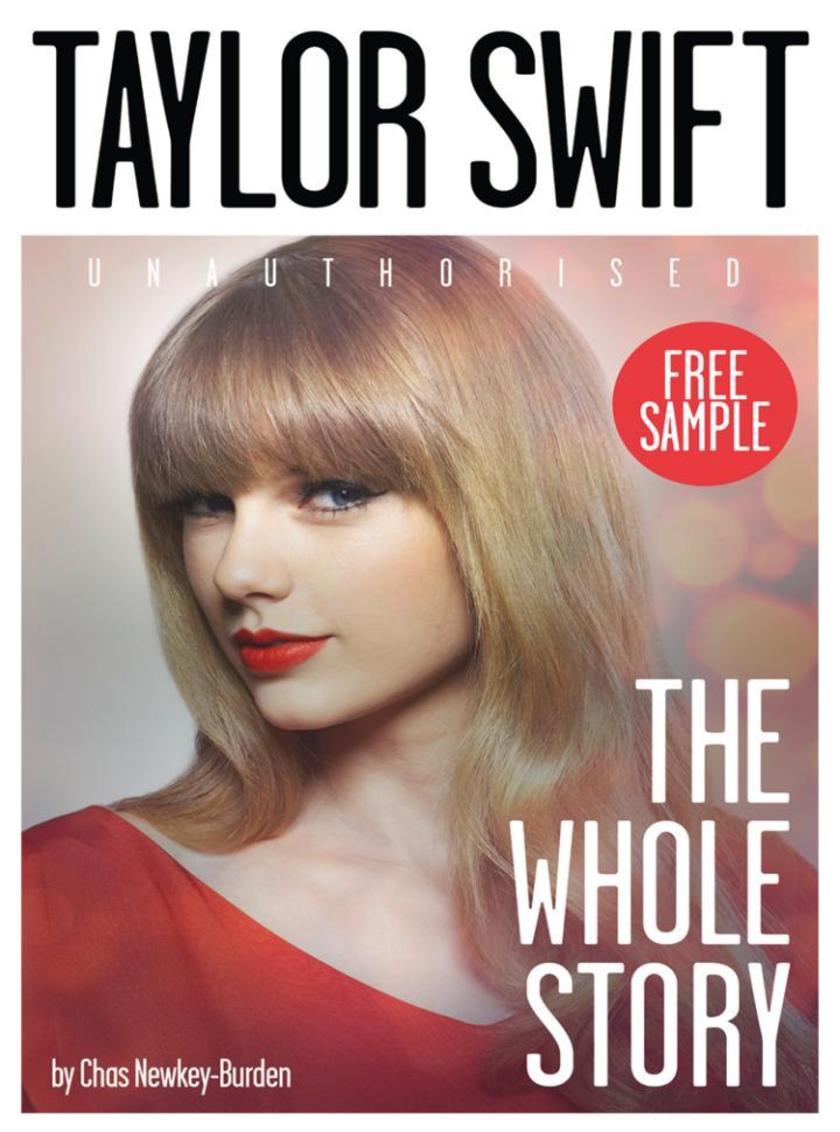
Taylor Swift: The Whole Story FREE SAMPLER
¥9.71
INCLUDES EXCLUSIVE BONUS CHAPTER: The Wit and Wisdom of Taylor Swift The first 2 chapters from the full story of Taylor Swift’s stratospheric rise to fame; all any dedicated Swifty needs to know about the pop superstar who’s taking over the world. A small-town girl with an incredible talent, and the strength to realise her dream, Taylor has grown into an award-winning, chart-topping artist and worldwide star, as well as a strong and stylish woman. But how did she get there? And what lies in store for her in the future? From childhood dreams of a musical future in Pennsylvania, to determined and budding teen musician with a trademark she’s stayed faithful to ever since: honest lyrics about real-life events; her fight to be taken seriously in the music industry, through to the rewards of success and the intense pressure of expectation, Taylor Swift: The Whole Story is a full account of Taylor’s incredible journey, with everything you need to know about America’s Sweetheart. This compelling book is packed full of fascinating details revealing the true Taylor – what drives, motivates and moves her, how she overcame the challenges that loomed on the road to fame and how authentic her wholesome image is, plus the truth about her relationships with Harry Styles, Jake Gyllenhaal and Conor Kennedy and who she’s really talking about on her tracks. The full portrait of a girl who could so easily have faded into the background – but who blossomed in the spotlight into a grounded, graceful and inspiring young woman.
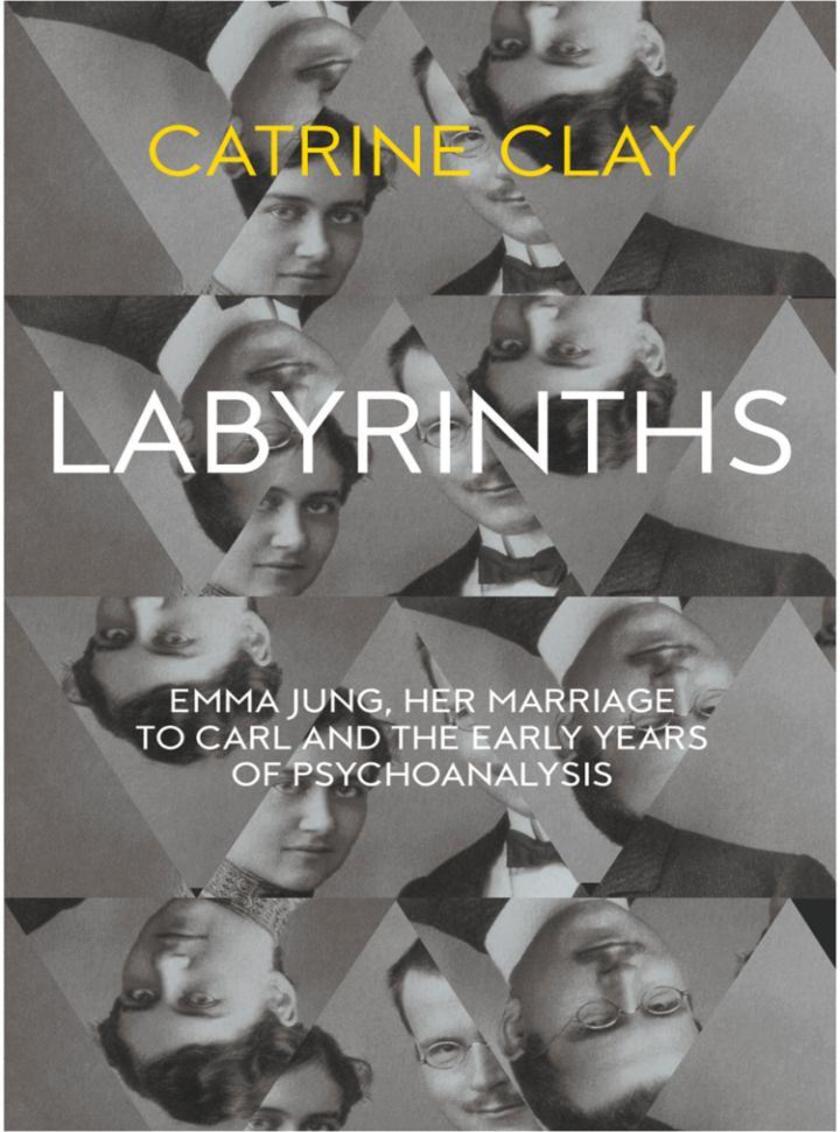
Labyrinths
¥73.58
The story of Emma and Carl Jung's highly unconventional marriage, their relationship with Freud, and their part in the early years of Psychoanalysis. Emma Jung was clever, ambitious and immensely wealthy, one of the richest heiresses in Switzerland when, aged seventeen, she met and fell in love with Carl Jung, a handsome, penniless medical student. Determined to share his adventurous life, and to continue her own studies, she was too young to understand Carl’s complex personality or conceive the dramas that lay ahead. Labyrinths tells the story of the Jungs’ unconventional marriage, their friendship and, following publication of Jung’s The Psychology of the Unconscious, subsequent rift with Freud. It traces Jung’s development of word association, notions of the archetype, the collective unconscious, the concepts of extraversion and introversion and the role played by both Carl and Emma in the early development of the scandalous new Psychoanalysis movement. In its many twists and turns, the Jung marriage was indeed labyrinthine and Emma was forced to fight with everything she had to come to terms with Carl’s brilliant, complex character and to keep her husband close to her. His belief in polygamy led to many extra-marital affairs including a menage a trois with a former patient Toni Wolff that lasted some thirty years. But the marriage endured and Emma realised her ambition to become a noted analyst in her own right.
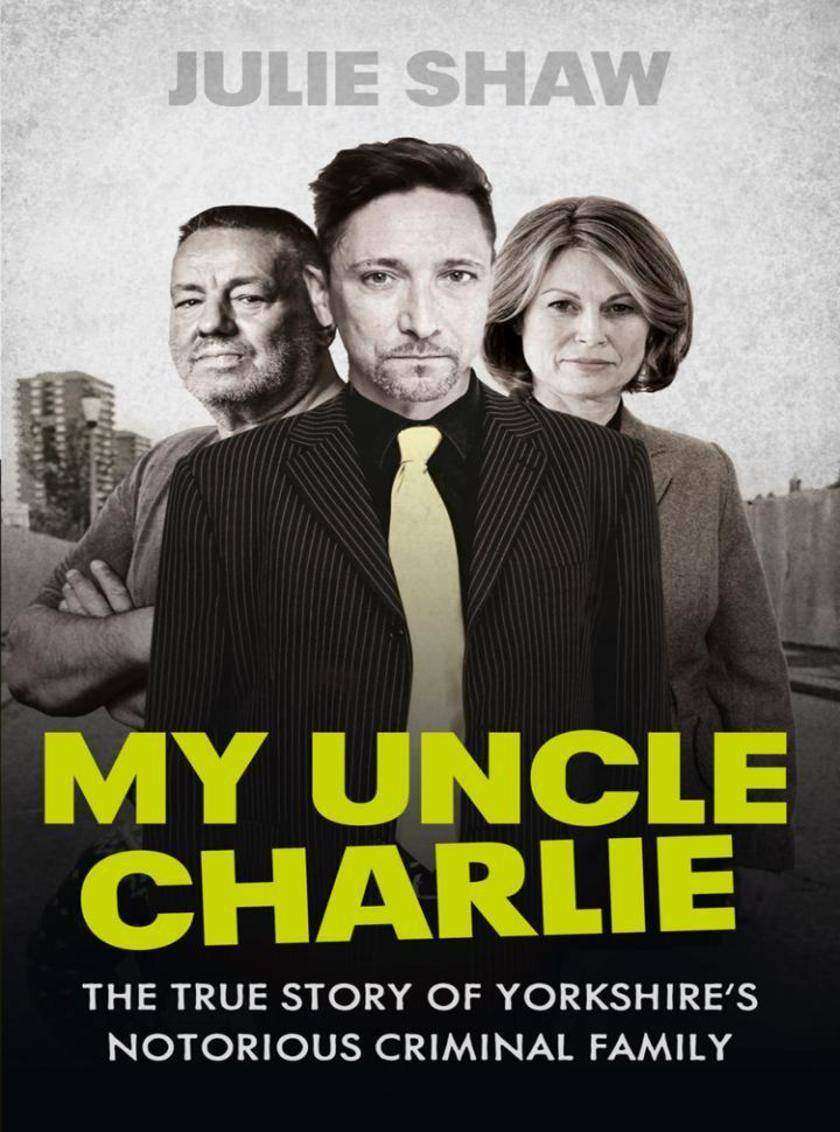
My Uncle Charlie (Tales of the Notorious Hudson Family, Book 2)
¥58.86
If you lived on the notorious Canterbury Estate in the ‘40s and ‘50s, then you knew there was one man you did not want to cross: Charlie Hudson. A solitary man, feared and respected by the gangsters of the time, Charlie was a boxer who never lost a fight, in or out of the ring – the most infamous of The Canterbury Warriors. My Uncle Charlie, the second title in the explosive series unravels a story of debauchery, crime and self-destruction. Charlie Hudson was a born leader. The eldest of eight brothers and four sisters and with a boxer for a father, fighting was in his blood. And as the young protégé of local Italian gangster, Mr Cappovanni, Charlie not only learned to knock every opponent out, he also learned the tools of the crime and extortion trade well; emerging into adulthood in the middle of the war years as a natural heir: running cons, illegal books and a band of prostitutes. But when Charlie met Betty, a sweet, caring girl, he was determined to be a better man for her. He’d still deal with ‘business’ but no more would he bed his working girls, and the birth of their baby girl, Elizabeth, sealed it: he knew life could not get any better. But for a man who had only ever lived in the belly of the Canterbury Estate underworld, it could definitely get worse… Gritty and engrossing, book two of the Hudson family saga delves deeper into history of the infamous Canterbury Warriors; the true story of one man’s ascendancy to power, and the tragedy that brought it all crashing down.
Mustaine: A Life in Metal
¥72.30
Founding member of Megadeth and former Metallica guitarist Dave Mustaine tells a never-before-heard story of the lifetime he has spent in rock ‘n’ roll. But this extraordinary tale, riddled with his own personal ups and downs, is also the inside account of two of the most influential heavy metal bands in the world. Here, for the first time ever, Dave Mustaine tells the tale of two of the biggest metal bands in history; a story yet to be told from the inside. Metallica, the pioneers of the thrash metal genre, rocketed to international fame in the 1980s, selling over 90 million records worldwide, making it the most successful band of its kind – ever. Megadeth, the second most successful thrash metal band ever, have sold more than 20 million albums worldwide, including six consecutive platinum albums. Despite their enormous success together, Dave and Metallica have bad blood by the bucket-load. In April of 1983, due in part to alcoholism and in part to personality clashes with founding members Hetfield and Ulrich, Dave was unceremoniously fired from the band, dumped at a Greyhound bus station in Rochester, NY with a single ticket back to LA. How did such an abrupt end come about? How did he pick himself back up, recover his dignity, and go on to send another band into the dizzying heights of rock stardom? The time has come to set the record straight. From the early, crazy days of Metallica to his split with the band, and to his glorious reign with Megadeth, Dave has seen and experienced life’s extremities. This startlingly candid, refreshingly in-your-face memoir tells it all.
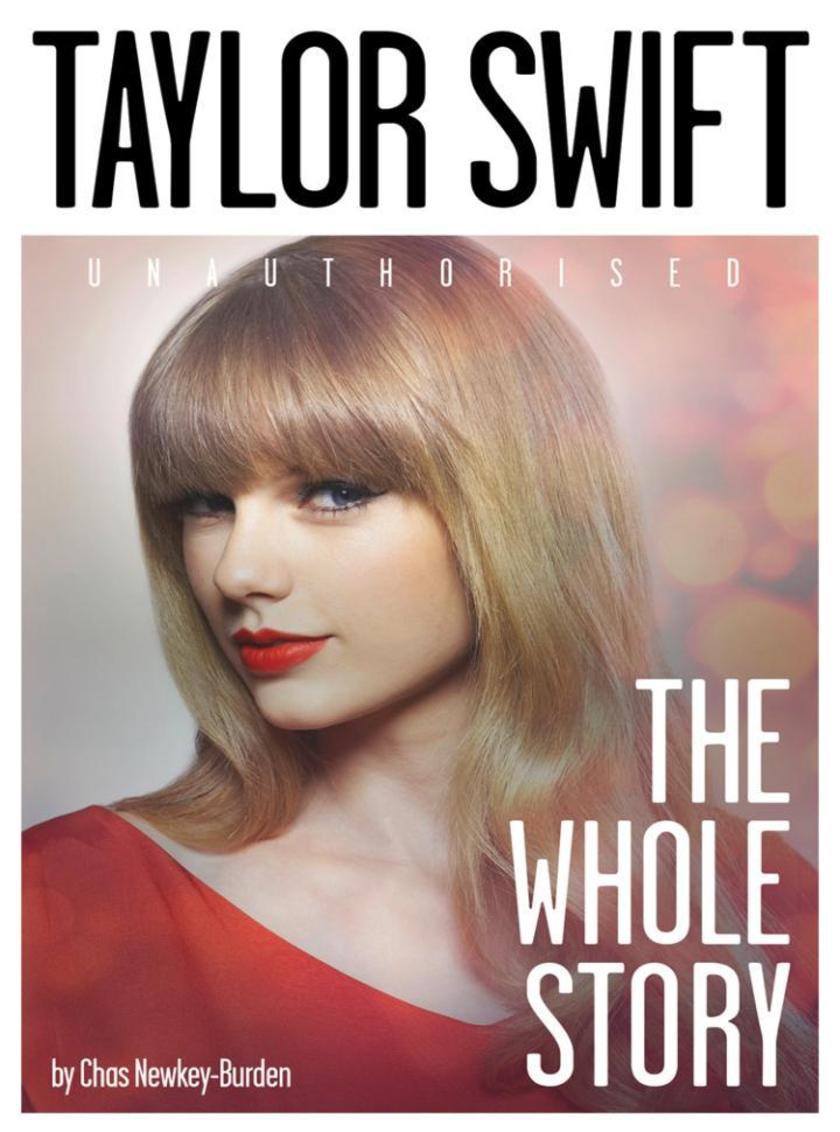
Taylor Swift: The Whole Story
¥27.17
The full story of Taylor Swift’s stratospheric rise to fame; all any dedicated Swifty needs to know about the pop superstar who’s taking over the world. A small-town girl with an incredible talent, and the strength to realise her dream, Taylor has grown into an award-winning, chart-topping artist and worldwide star, as well as a strong and stylish woman. But how did she get there? And what lies in store for her in the future? From childhood dreams of a musical future in Pennsylvania, to determined and budding teen musician with a trademark she’s stayed faithful to ever since: honest lyrics about real-life events; her fight to be taken seriously in the music industry, through to the rewards of success and the intense pressure of expectation, Taylor Swift: The Whole Story is a full account of Taylor’s incredible journey, with everything you need to know about America’s Sweetheart. This compelling book is packed full of fascinating details revealing the true Taylor – what drives, motivates and moves her, how she overcame the challenges that loomed on the road to fame and looks at how authentic her wholesome image is, plus the truth about her relationships with Harry Styles, Jake Gyllenhaal and Conor Kennedy and who she’s really talking about on her tracks. The full portrait of a girl who could so easily have faded into the background – but who blossomed in the spotlight into a grounded, graceful and inspiring young woman.
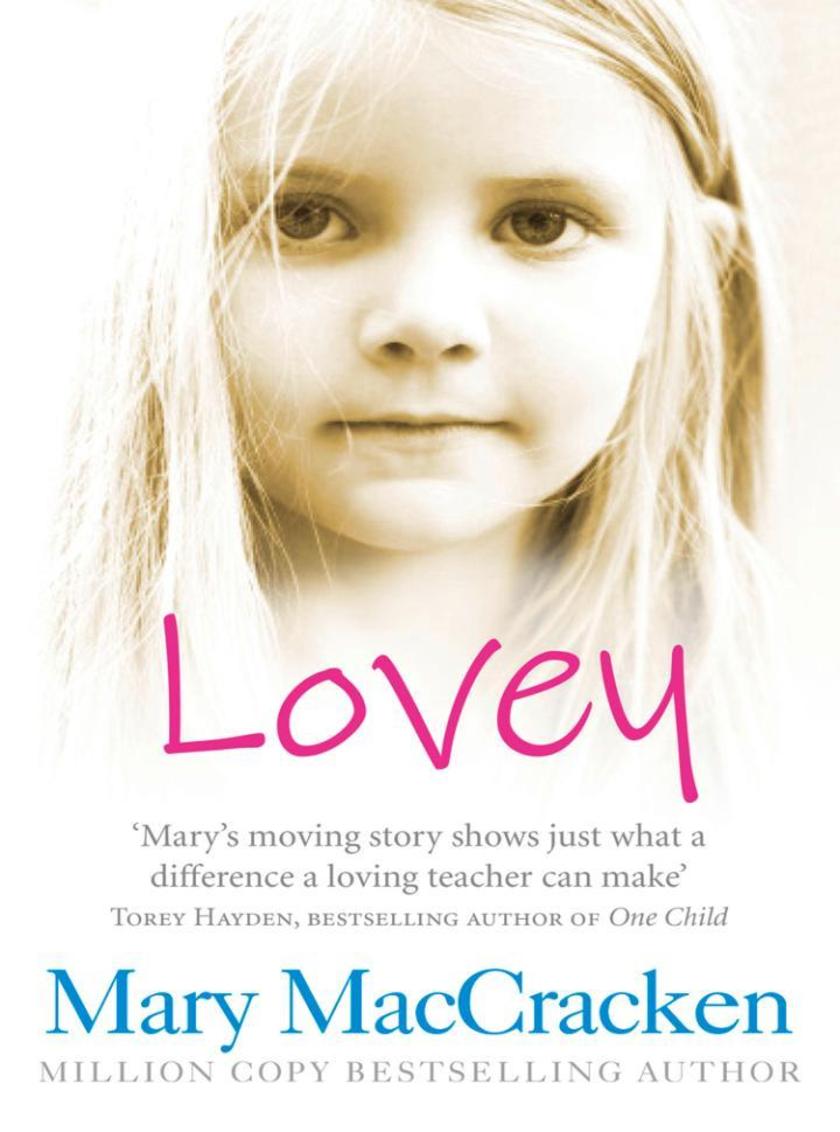
Lovey
¥62.59
This deeply moving memoir tells the story of Hannah: a child who has been beaten and abused; a girl full of loneliness and rage; a student no one but learning disabilities teacher Mary MacCracken could reach. Mary had reservations about eight-year-old Hannah joining her class. The three emotionally disturbed boys she was currently looking after had been making steady progress, and Hannah, who had a reputation for being a withdrawn and incredibly troubled child, would only be a disruptive influence. For the first fortnight Hannah retired to a cupboard and refused to come out. Howling almost non-stop she was displaying the worst symptoms that Mary had ever seen. How could Mary help a child who had been shut up in closets and treated like an animal? What could she say to a child who had been locked out of her own home, and beaten by both her brother and her father? How could she reach this lost girl? This is the remarkable story of Hannah and Mary’s journey together. Deep within Hannah, Mary recognises an amazing strength. And with love, skill and patience, she gradually starts to make a difference. It’s a long road to recovery, but Mary never gives up. As this moving true story unfolds, we feel Mary’s joy, we share her hope and, in time, her faith that Hannah will be okay.
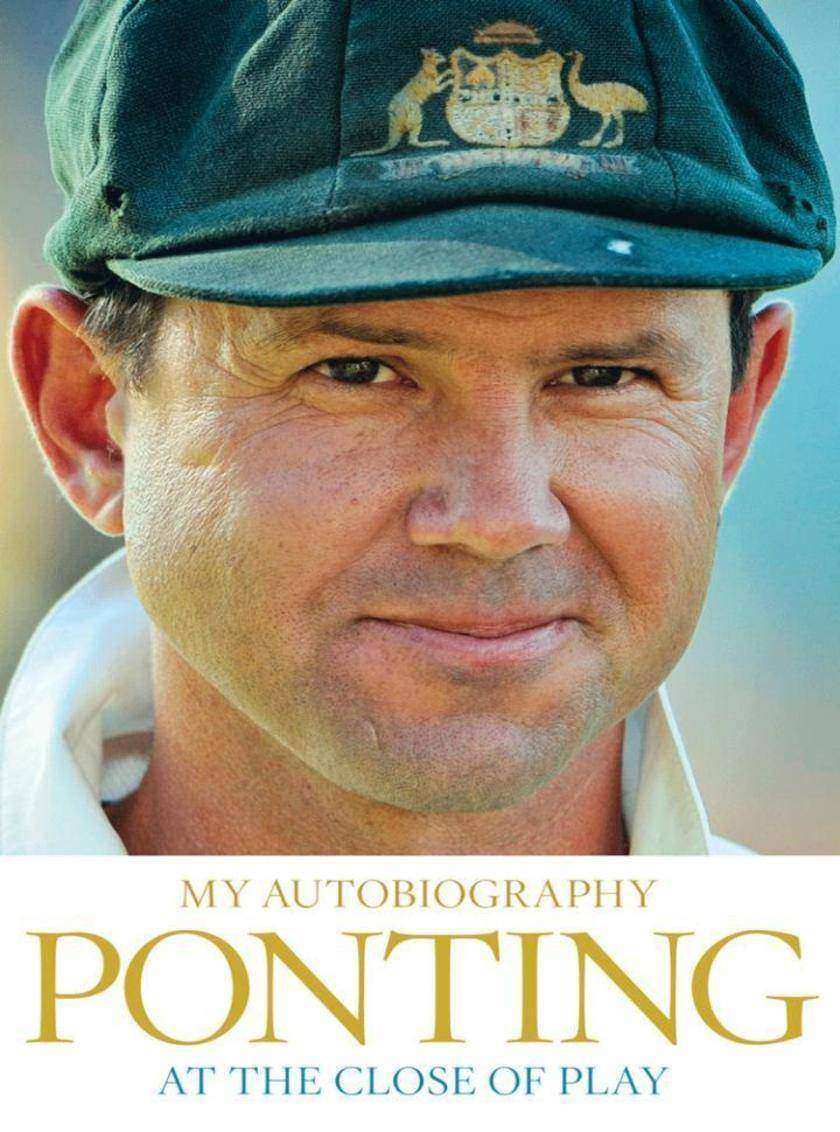
At the Close of Play
¥95.75
Love him or loathe him, Ricky Ponting is one of the biggest names in cricket, having been at the heart of so many memorable Ashes and Test encounters over the years. Coinciding with the end of Ponting’s spectacular career, ‘At the Close of Play’ is a must-read for all cricket fans. For so long the scourge of English cricket, Ricky Ponting – unarguably one of cricket’s all-time greats – looks back on the story of his remarkable life and career. With his customary honesty and candour, Ponting reflects on a lifetime at the crease – from childhood prodigy to the highs and lows of his extraordinary international career. But beyond the triumphs, scandals and his own private struggle to maintain his later form, this remarkable autobiography will offer rare insights into an elite sporting career with Ricky’s reflections on leadership, captaincy, winning, defeat, competitiveness, teamwork, the greats of the game and the lessons learned at the helm of Australia’s cricket team. This autobiography, of a very private man, and one who the English public loved to hate, will resonate with lovers of cricket as well as anyone who strives to reach the top of their chosen field.
Mummy, Come Home
¥68.67
Waking up bleary-eyed and beaten, Oxana wondered how she had got there. Then she remembered: her abusive husband, the dream of a better life, the 'job' that turned into a nightmare…. Tricked into prostitution by her best friend, Oxana was torn from her children in Ukraine and trafficked into the UK, where she was imprisoned in a Birmingham sauna and forced to service up to 15 clients a night. Raped, beaten and abused, she was sickened by what she had become. Oxana only had one thing left in the world to live for: the thought of being reunited with her children. But even if she escaped she had no idea how she'd get them back… But where so many women are destroyed forever by such violence and suffering, her unbending love for her children and her unshakeable determination meant that even in her darkest hour, the flame of hope in Oxana's heart was never extinguished. Spurred on by this faith, that one day she would be reunited with her children, Oxana found the strength to break free from prostitution and her captors and continue her fight to be a mother once more. She would hold her children in her arms again.
Callgirl
¥27.76
Professor by day, callgirl by night - a true story Jenny is left penniless by an ex-boyfriend and, in order to make ends meet, she finds herself juggling two lives - respected college-lecturer by day and $200-an-hour high class callgirl 'Tia' by night. Tia's clients range from the pitiful to the downright disturbing: there's the man obsessed with wearing her underwear, the client who wants her to pretend to be his mother and the punter who gets his kicks from inflicting pain. Tia is paid to fulfil all kinds of desires. Despite her madam's protection, Tia is drawn into a world of increasing danger, trying to dodge undercover cops, resist the temptation of drugs and, most of all, avoid falling in love with the wrong man. As Jenny juggles the twin roles of professor and prostitute, the eventual strain of keeping her life secret from friends and family forces her to re-examine everything - before her two worlds inevitably collide!


