


 购物车
购物车 个人中心
个人中心
What Katy Did (Mermaids Classics)
¥35.22
What Katy Did (1872) by Sarah Chauncey Woolsey (aka Susan Coolidge) (1835-1905) is a classic childrens novel based on a young 12 year tomboyish type of girl named Katy Carr who endures an accident by falling off a swing and becomes an invalid. Her cousin Helen also an invalid teaches Katy how to be a happier and kinder person by appreciating and making the most of what she has and how to be optimistic and cheerful especially around her siblings. At the end of the story, Katy learns to walk.The sequel to What Katy Did is What Katy Did At School.Mermaids Classics, an imprint of Mermaids Publishing brings the very best of old classic literature to a modern era of digital reading by producing high quality books in ebook format. All of the Mermaids Classics epublications are reproductions of classic antique books that were originally published in print format, mostly over a century ago and are now republished in digital format as ebooks. Begin to build your collection of digital books by looking for more literary gems from Mermaids Classics.
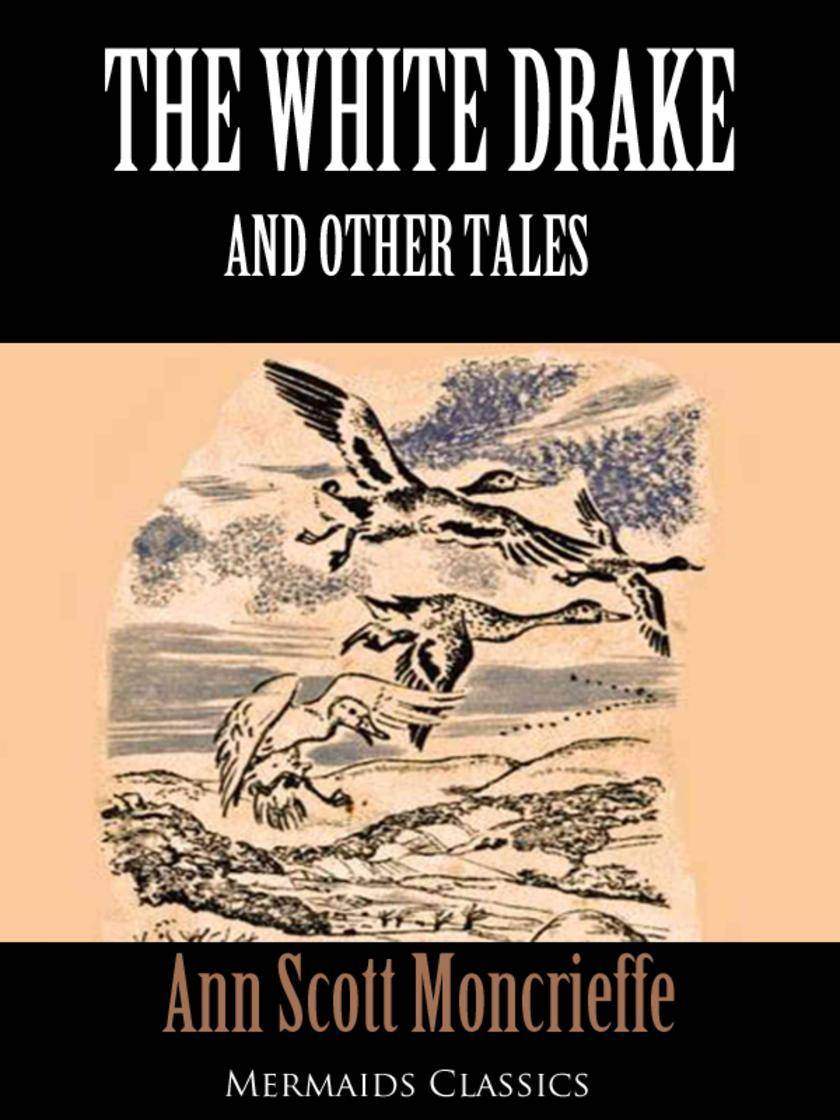
White Drake and Other Tales (Mermaids Classics)
¥35.22
The White Drake and Other Tales by Ann Scott-Moncrieff (1914-1943) is childrens book which was first published in 1936. It was illustrasted by Rojan and contains a volume of short stories including:- THE WHITE DRAKE- FIRKIN AND THE GREY GANGSTERS (EIGHT CHAPTERS)- FURTHER ADVENTURES OF FIRKIN- THE SHEEP WHO WASNT A SHEEPMermaids Classics, an imprint of Mermaids Publishing brings the very best of old classic literature to a modern era of digital reading by producing high quality books in ebook format. All of the Mermaids Classics epublications are reproductions of classic antique books that were originally published in print format, mostly over a century ago and are now republished in digital format as ebooks. Begin to build your collection of digital books by looking for more literary gems from Mermaids Classics.

Anna Karenina
¥11.67
ANNA KARENINA, the ORIGINAL 1901 English translation by Constance Garnett and written by Russian writer Leo Tolstoy (1828 - 1910) is considered as one of the greatest novels ever written and Tolstoys first true novel. It is divided into eight parts and was initially published between the years 1873 to 1878 in a publication called The Russian Messenger as serial installments. The main character Anna is married into Russian aristocrat and later has a love affair with a handsome military officer Count Vronsky. Some major themes include marriage, fidelity, passion and jealousy set in nineteenth century Russian high society.This digital edition is beautifully formatted with an active Table of Contents that goes directly to each chapter and all eight parts of the story. Mermaids Classics, an imprint of Mermaids Publishing brings the very best of old book classics to a modern era of digital reading by producing high quality books in ebook format.

Shirley (Mermaids Classics)
¥35.22
Shirley is an 1849 social novel by the English novelist Charlotte Bront. It was Bronts second published novel after Jane Eyre (originally published under Bronts pseudonym Currer Bell). The novel is set in Yorkshire in the period 1811-12, during the industrial depression resulting from the Napoleonic Wars and the War of 1812. The novel is set against a backdrop of the Luddite uprisings in the Yorkshire textile industry. (Citation from Wikipedia: The free Encyclopaedia). Mermaids Classics, an imprint of Mermaids Publishing brings the very best of old classic literature to a modern era of digital reading by producing high quality books in ebook format. All of the Mermaids Classics epublications are reproductions of classic antique books that were originally published in print format, mostly over a century ago and are now republished in digital format as ebooks. Begin to build your collection of digital books by looking for more literary gems from Mermaids Classics.
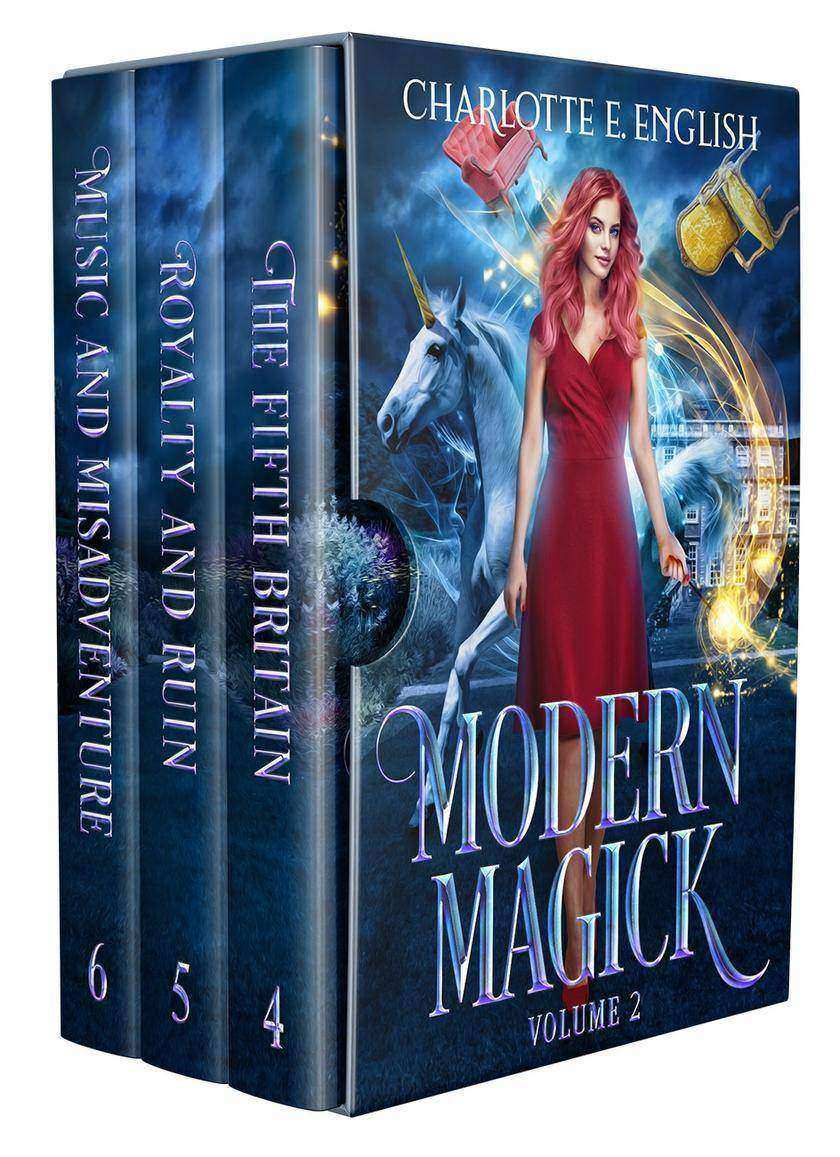
Modern Magick, Volume 2: Books 4-6
¥69.67
The fight to save British magick rages on — and it’s taking the Society’s beleaguered champions away from Home. Far, far away, to worlds long lost; worlds no one could ever have imagined existed. Dangers and mysteries abound, which is way up Ves’s street. Jay isn’t quite so sure. Severed as they are from the Society’s support, will magick’s unlikely heroes make it Home unscathed? It’ll be fine. After all, these lost magickal domains are the Society’s ultimate dream. What could possibly be so bad about that? The Society for Magickal Heritage battles modern decay in three thrilling new Modern Magick adventures: The Fifth Britain, Royalty and Ruin, and Music and Misadventure.
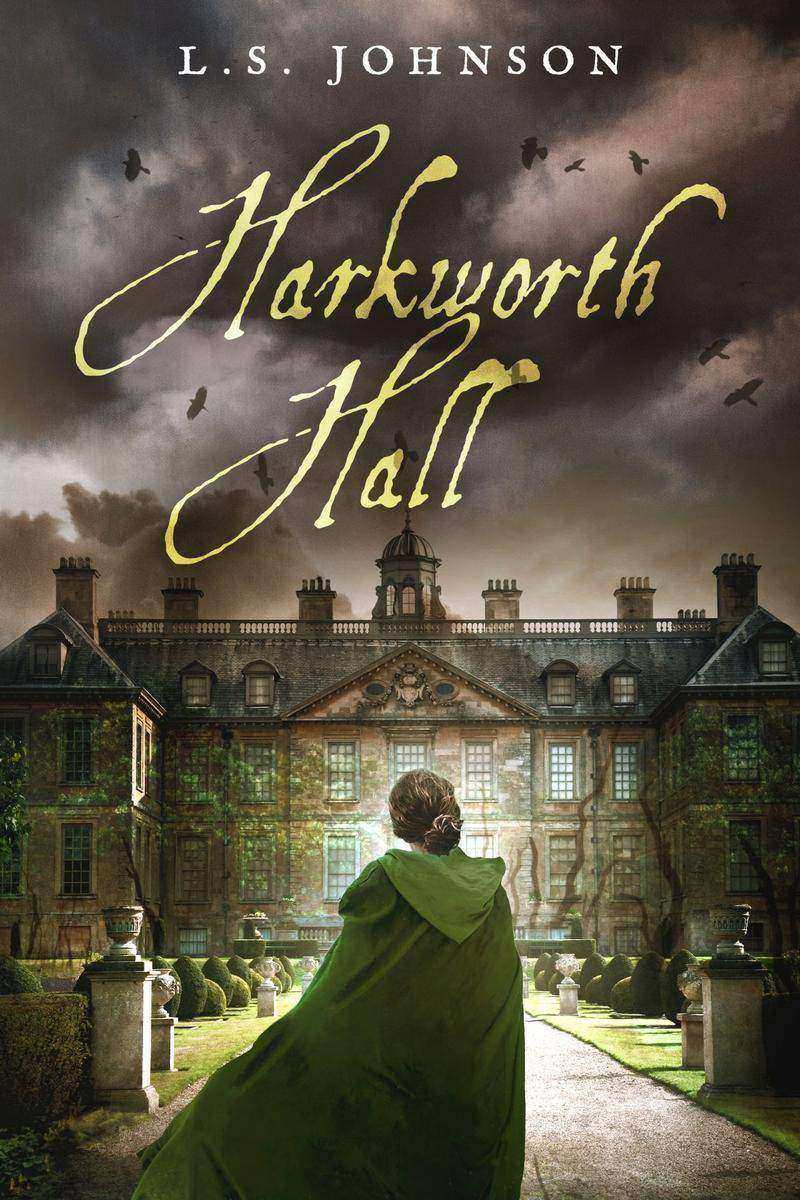
Harkworth Hall
¥26.07
Ask him about his wives. Caroline Daniels must marry, and marry well. But in her remote corner of England eligible suitors are few and far between, and none hold a candle to her closest friend, Diana Fitzroy. When Sir Edward Masterson arrives, he seems the answer to Caroline’s financial worries, though she instinctively dislikes the reticent, older merchant. Soon Sir Edward has set his sights on acquiring both Caroline and the decaying Harkworth Hall. Caroline’s future seems secure, save that Sir Edward’s enigmatic secretary hints at a dark secret, and Sir Edward shows an unusual interest in the nearby bay. To discover Sir Edward’s true purpose, Caroline will have to face the horror beneath Harkworth Hall—and the woman who will change her life.
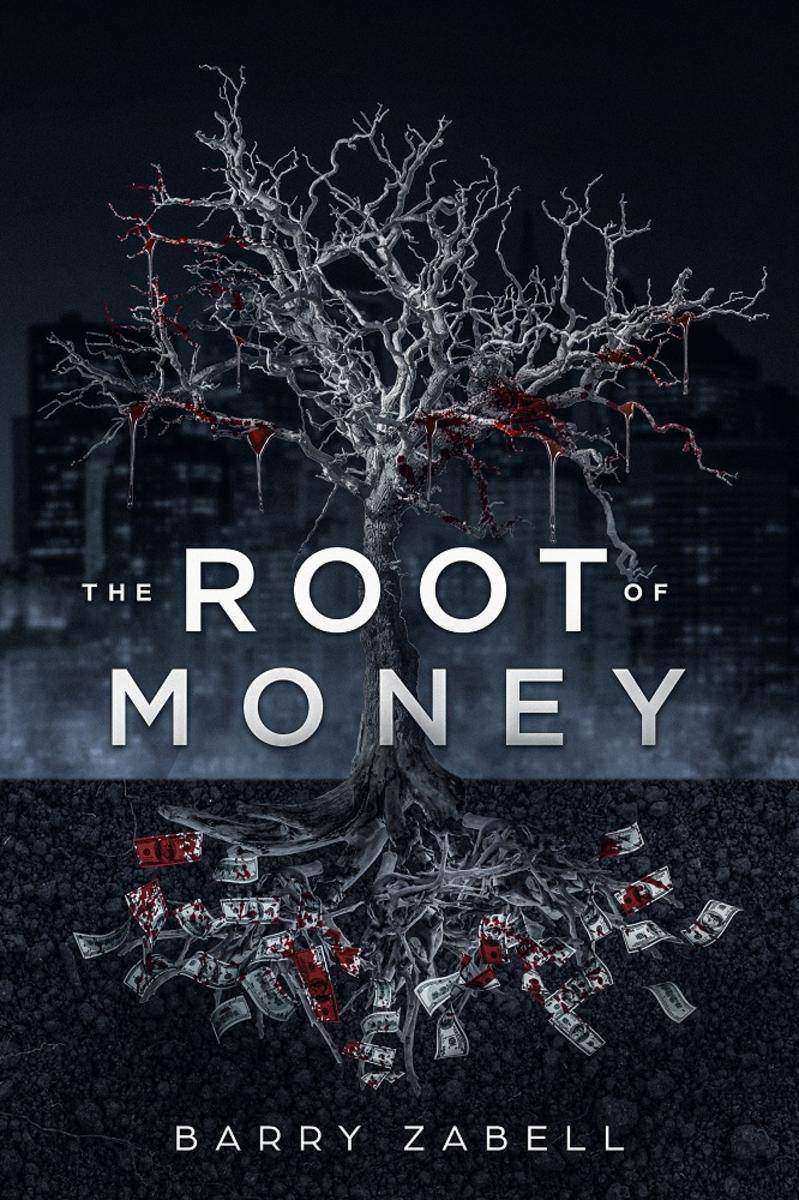
The Root of Money
¥60.95
Computer programmer and network security specialist, Tecumseh ‘Tek’ Carrier has been delving into matters he has been told do not concern him. Following abandonment by his family, Tek isolates himself in his son’s bedroom to spend long nights breaching his bank’s computer network, compiling money laundering information gathered from their database; enough information, he hopes, to make a difference before it is too late. ? From his estate in Lyons, France, Ahmed Al-Malmasi enjoys the finest vintages of the region and immersing himself in the history and culture of people he detests. Utilizing his great wealth, Al-Malmasi has launched a plot extending from Southeast Asia and the Spanish Riviera to the golden shores of the United States. While Al-Malmasi’s agents hasten to complete their mission, Tek battles bank corruption while struggling to reconnect with his family. ? Instigated by Tek’s revelation, American law enforcement race to identify the threat and prevent a disaster that will materialize directly in the path of Tek and his family.
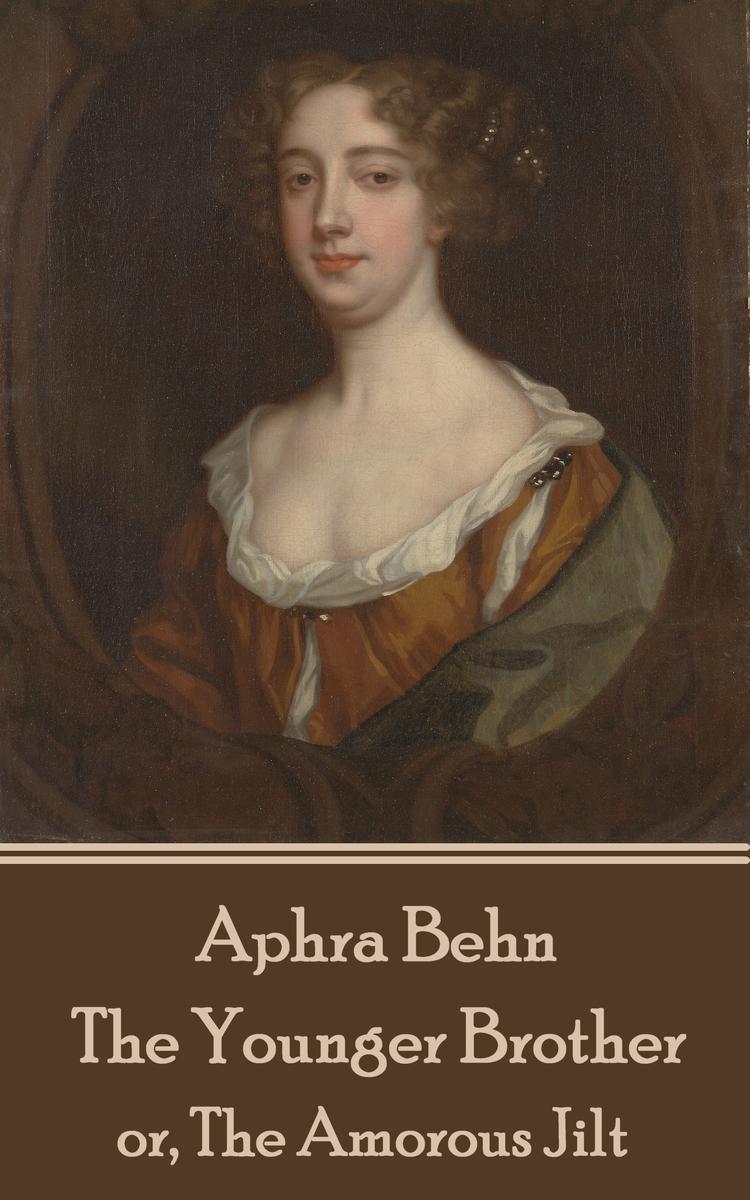
Younger Brother - or, The Amorous Jilt
¥23.45
Aphra Behn was a prolific and well established writer but facts about her remain scant and difficult to confirm. What can safely be said though is that Aphra Behn is now regarded as a key English playwright and a major figure in Restoration theatre. Aphra was born into the rising tensions to the English Civil War. Obviously a time of much division and difficulty as the King and Parliament, and their respective forces, came ever closer to conflict. There are claims she was a spy, that she travelled abroad, possibly as far as Surinam. By 1664 her marriage was over (though by death or separation is not known but presumably the former as it occurred in the year of their marriage) and she now used Mrs Behn as her professional name. Aphra now moved towards pursuing a more sustainable and substantial career and began work for the King's Company and the Duke's Company players as a scribe. Previously her only writing had been poetry but now she would become a playwright. Her first, "e;The Forc'd Marriage"e;, was staged in 1670, followed by "e;The Amorous Prince"e; (1671). After her third play, "e;The Dutch Lover"e;, Aphra had a three year lull in her writing career. Again it is speculated that she went travelling again, possibly once again as a spy. After this sojourn her writing moves towards comic works, which prove commercially more successful. Her most popular works included "e;The Rover"e; and "e;Love-Letters Between a Nobleman and His Sister"e; (1684-87). With her growing reputation Aphra became friends with many of the most notable writers of the day. This is The Age of Dryden and his literary dominance. From the mid 1680's Aphra's health began to decline. This was exacerbated by her continual state of debt and descent into poverty. Aphra Behn died on April 16th 1689, and is buried in the East Cloister of Westminster Abbey. The inscription on her tombstone reads: "e;Here lies a Proof that Wit can never be Defence enough against Mortality."e; She was quoted as stating that she had led a "e;life dedicated to pleasure and poetry."e;
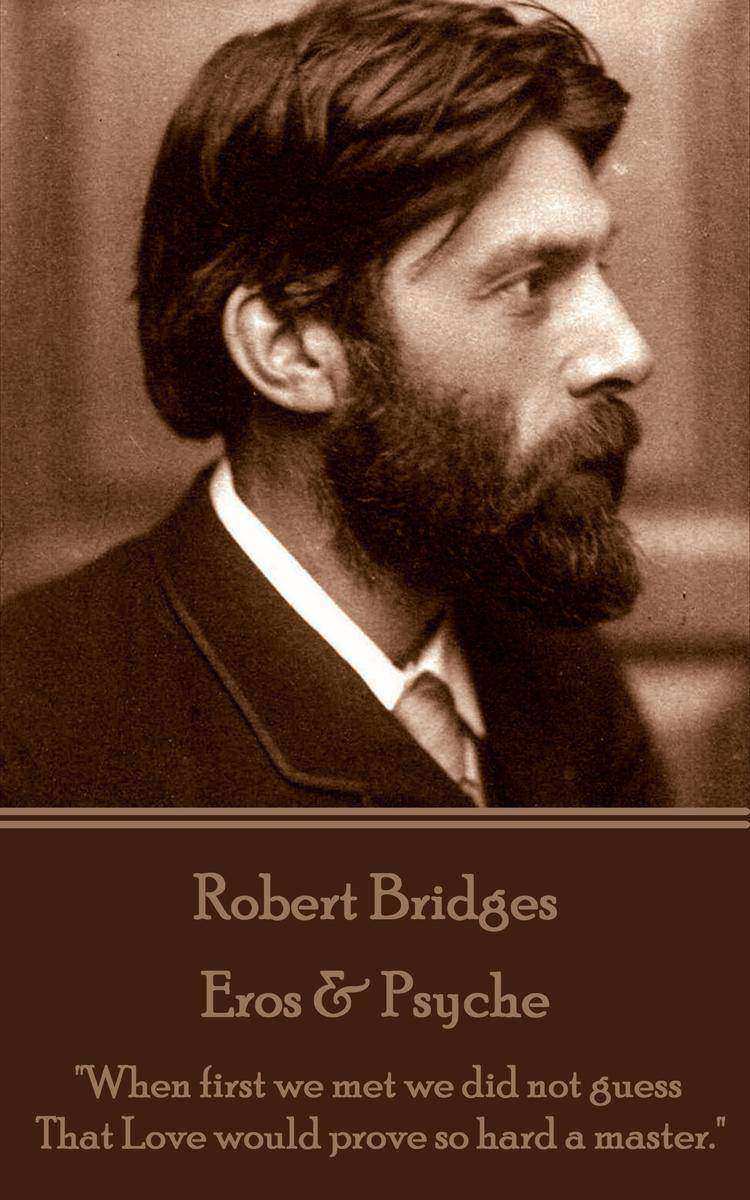
Eros & Psyche - When first we met we did not guess That Love would prove so hard
¥29.33
Robert Bridges was born in Walmer, Kent on the 23rd of October 1844. He went to study medicine intending to practise until the age of forty and then retire to write poetry. Lung disease forced him to retire in 1882, and from that point on he devoted himself to writing and literary research. However, Bridges' literary work started long before his retirement, his first collection of poems having been published in 1873. He was appointed Poet Laureate in 1913 by George V, the only medical graduate to have held the office. He died in Oxford on the 21st of April 1930. Here we present Eros & Psyche.

Faithful - Life, a beauty chased by tragic laughter.
¥32.86
John Edward Masefield was born in 1878 in the sleepy market town of Ledbury in rural Hertfordshire. An idyllic childhood was ruined when he was left an orphan and sent to live with an Aunt who decided his education and life would be better spent at sea. At age 13 he boarded a school ship and there his love of writing and reading blossomed. By 1899 he began to publish and apart from brief service during World War I he now had a life of writing and lecture tours. He published much; novels, poetry and even an account of the disastrous war effort in the Dardanelles at Gallipoli. Upon the death of Robert Bridges in 1930, Masefield was given the prestigious position of Poet Laureate, a role he would fulfill until his death; the only poet to hold the position for a longer period was Alfred, Lord Tennyson. Despite later ill health and the death of his wife in 1960, Masefield continued to write. In 1966, he published his last book of poems, In Glad Thanksgiving, at the age of 88. In the latter part of 1966 gangrene was diagnosed in his ankle. This gradually spread through his leg and claimed his life on May 12, 1967. He was cremated and his ashes placed in the Poet's Corner of Westminster Abbey. Here we present The Faithful.
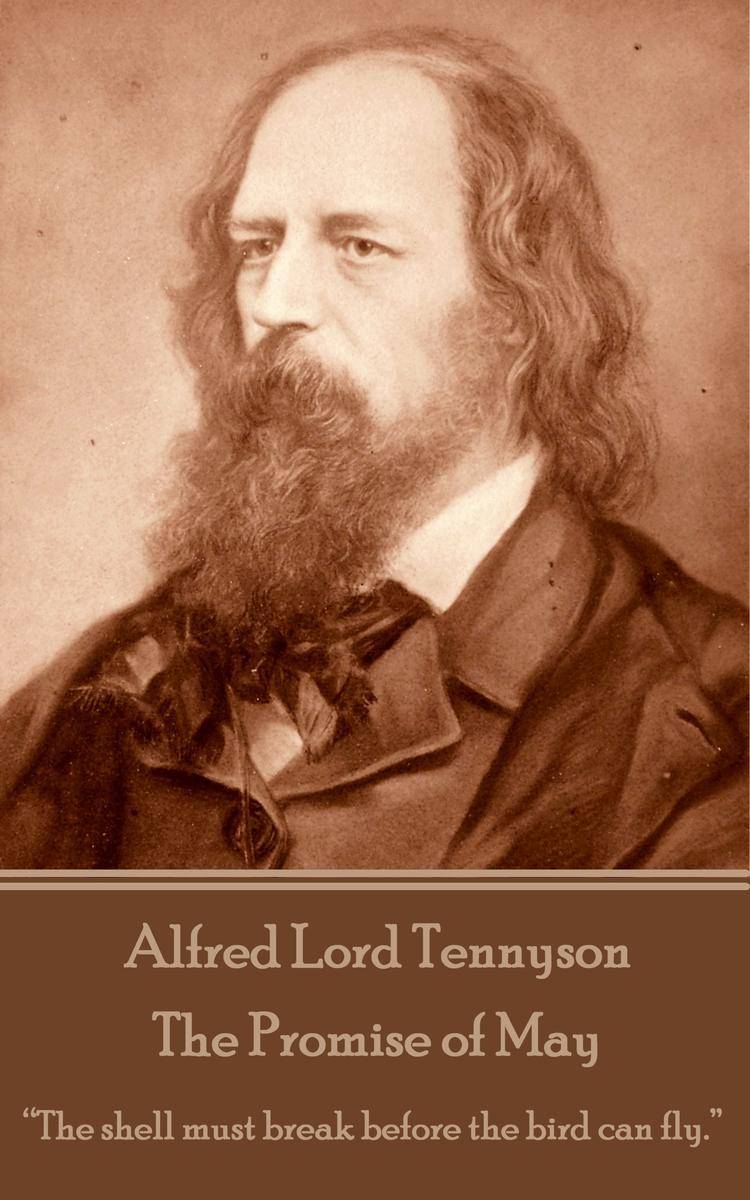
Promise of May - The shell must break before the bird can fly.
¥16.38
Alfred Tennyson was born on August 6th, 1809, in Somersby, Lincolnshire, the fourth of twelve children. Most of Tennyson's early education was under the direction of his father, although he did spend four unhappy years at a nearby grammar school. He left home in 1827 to join his elder brothers at Trinity College, Cambridge, more to escape his father than a desire for serious academic work. At Trinity he was living for the first time among young men of his own age who knew little of his problems. He was delighted to make new friends; he was handsome, intelligent, humorous, a gifted impersonator and soon at the center of those interested in poetry and conversation. That same year, he and his brother Charles published Poems by Two Brothers. Although the poems in the book were of teenage quality, they attracted the attention of the "e;Apostles,"e; a select undergraduate literary club led by Arthur Hallam. The "e;Apostles"e; provided Tennyson with friendship and confidence. Hallam and Tennyson became the best of friends; they toured Europe together in 1830 and again in 1832. Hallam's sudden death in 1833 greatly affected the young poet. The long elegy In Memoriam and many of Tennyson's other poems are tributes to Hallam. In 1830, Tennyson published Poems, Chiefly Lyrical and in 1832 he published a second volume entitled simply Poems. Some reviewers condemned these books as "e;affected"e; and "e;obscure."e; Tennyson, stung by the reviews, would not publish another book for nine years. In 1836, he became engaged to Emily Sellwood. When he lost his inheritance on a failed investment in 1840, the engagement was cancelled. In 1842, however, Tennyson's Poems [in two volumes] was a tremendous critical and popular success. In 1850, with the publication of In Memoriam, Tennyson's reputation was pre-eminent. He was also selected as Poet Laureate in succession to Wordsworth and, to complete a wonderful year, he married Emily Sellwood. At the age of 41, Tennyson had established himself as the most popular poet of the Victorian era. The money from his poetry [at times exceeding 10,000 pounds per year] allowed him to purchase a home in the country and to write in relative seclusion. His appearance-a large and bearded man, he regularly wore a cloak and a broad brimmed hat-enhanced his notoriety. In 1859, Tennyson published the first poems of Idylls of the Kings, which sold more than 10,000 copies in a fortnight. In 1884, he accepted a peerage, becoming Alfred Lord Tennyson. On October 6th, 1892, an hour or so after midnight, surrounded by his family, he died at Aldworth. It is said that the moonlight was streaming through the window and Tennyson himself was holding open a volume of Shakespeare. He was buried in Westminster Abbey.
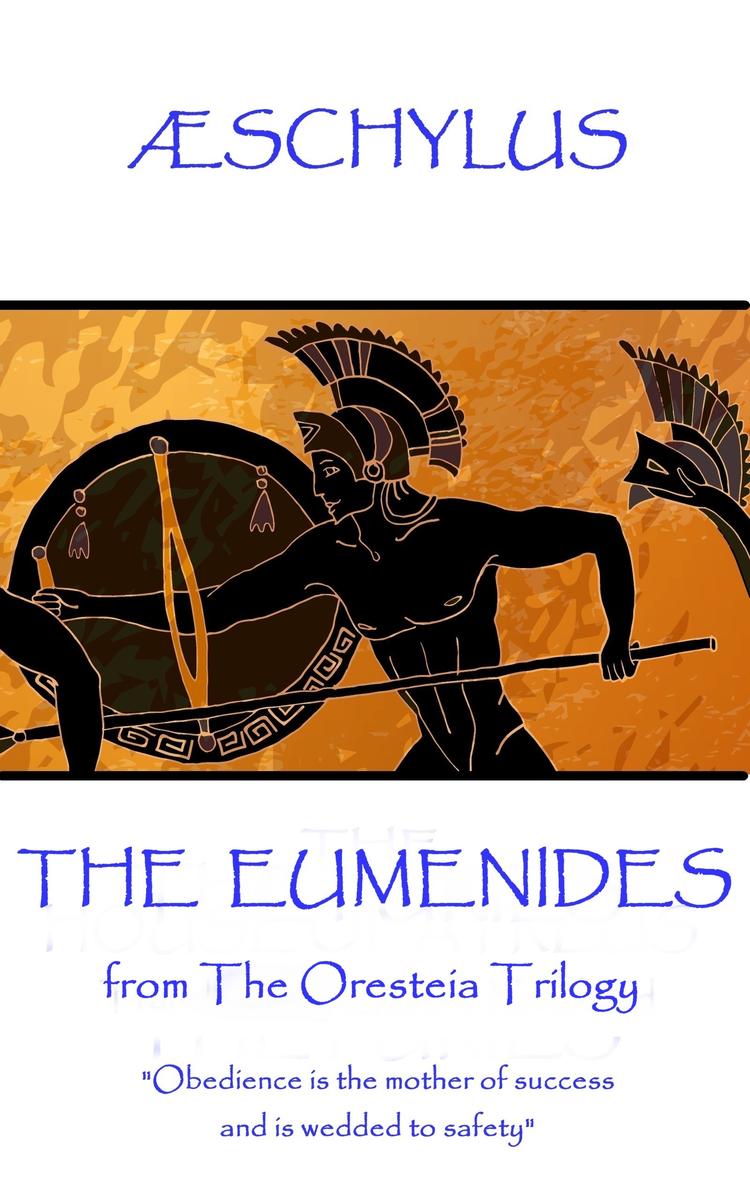
Eumenides - Translaton by E.D.A. Morshead
¥11.67
schylus is often regarded as the father of Greek tragedy; he moved play writing from the simple interaction of a single character and a chorus to one where many characters interact and thereby create more dynamic and dramatic situations. schylus, was the son of Euphorion, and a scion of a Eupatrid or noble family. He was born at Eleusis 525 B.C., or, as the Greeks calculated time, in the fourth year of the 63rd Olympiad. He first worked at a vineyard and whilst there claimed to have been visited by Dionysis in a dream and told to turn his attention to the tragic art. It was a dream that would deliver a rich and incredible legacy through his writing talents. His earliest tragedy, composed when he was twenty-six years of age, failed to win the fabled Dionysia, (a revered festival of theatre) and it was not until fifteen years later that he gained this victory in 484BC going on to win it again in 472 BC (for The Persians), 467 BC (for Seven Against Thebes) and 463 BC (for The Suppliants). schylus was also known for his military skills and was ready to fight in defence of Athens whenever the call was made. He and his brother, Cynegeirus, fought against Darius's invading Persian army at the Battle of Marathon in 490 BCE and, although the Greeks won against overwhelming odds, Cynegeirus died in the battle, which had a naturally had a profound effect on schylus. He made several visits to the important Greek city of Syracuse in Sicily at the invitation of the tyrant Hieron, and it is thought that he also travelled extensively in the region of Thrace. His writing continued to be the envy of others. With the series of plays of which Seven Against Thebes was a part, his supremacy was undisputed. He was the "e;father of tragedy."e; schylus made many changes to dramatic form. The importance of the chorus was demoted and a second added to give prominence to the dialogue and making that interchange the leading feature of the play. He removed all deeds of bloodshed from the public view, and in their place provided various spectacular elements, improving the costumes, making the masks more expressive and convenient, and probably adopting the cothurnus to increase the stature of the performers. Finally, he established the custom of contending for the prize with trilogies, an inter-connecting set of three independent dramas. The closing years of the life of schylus were mainly spent in Sicily, which he had first visited soon after his defeat at the Dionysia by Sophocles. schylus returned to Athens to produce his Orestean trilogy, probably the finest of his works, although the Eumenides, the last of the three plays, revealed so openly his aristocratic tendencies that he became extremely unpopular, and returned to Sicily for the last time in 458 BCE and it was there that he died, while visiting the city of Gela in 456 or 455 BCE.
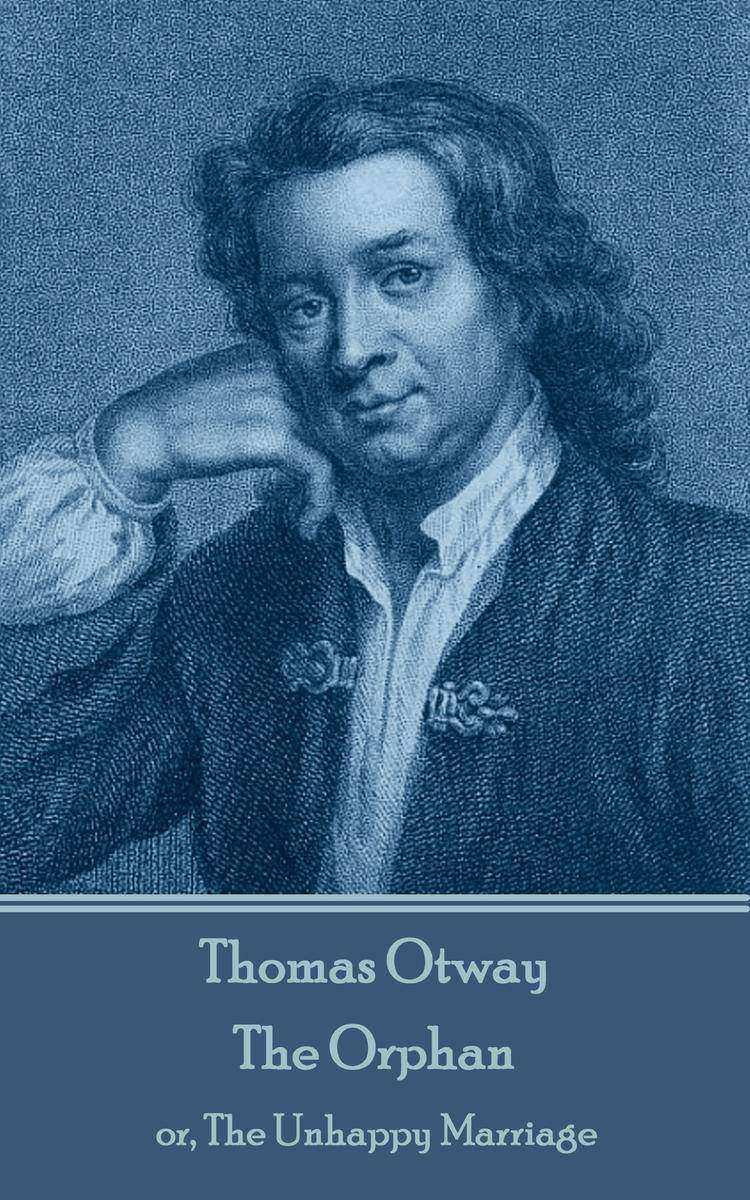
Orphan - or, The Unhappy Marriage
¥21.09
Thomas Otway was born on March 3rd, 1652 at Trotton near Midhurst. He was educated at Winchester College before entering Christ Church, Oxford, in 1669 as a commoner. For reasons unknown he left without a degree in 1672 but what is known is that Oxford create a passion in him for books. Travelling to London that same year he met and obtained work as an actor from the playwright Aphra Behn. He was cast as the old king in her play, Forc'd Marriage but on his debut he had such a severe attack of stage fright that his acting career finished there and then. His career now turned to writing plays and it was a career that was to prove of immense worth to the literary canon of England. In 1675, Otway's first play, Alcibiades was first performed. It is a tragedy, written in heroic verse, saved from absolute failure only by the actors. In his play Don Carlos, Prince of Spain (1676) Otway made the leap to the front rank of playwrights and quickly followed it in 1677 with two plays adapted from French sources; Titus and Berenice, and the Cheats of Scapin followed in 1678 Otway by an original comedy, Friendship in Fashion, which continued his run of very successful plays. In February 1680, the first of Otway's two tragic masterpieces, The Orphan, or The Unhappy Marriage, was performed followed by an indifferent comedy, The Soldier's Fortune (1681), and 1682 perhaps his best work, Venice Preserv'd, or A Plot Discover'd. The play won instant success. However, in the last few years of his life poverty ensnared Otway. The success of his earlier plays had finished with Venice Preserv'd and the downward slope was both precipitous and destructive. Thomas Otway, aged 33, died in the most awful poverty on April 14th, 1685 and was buried two days later on April 16th, in the churchyard of St. Clement Danes.
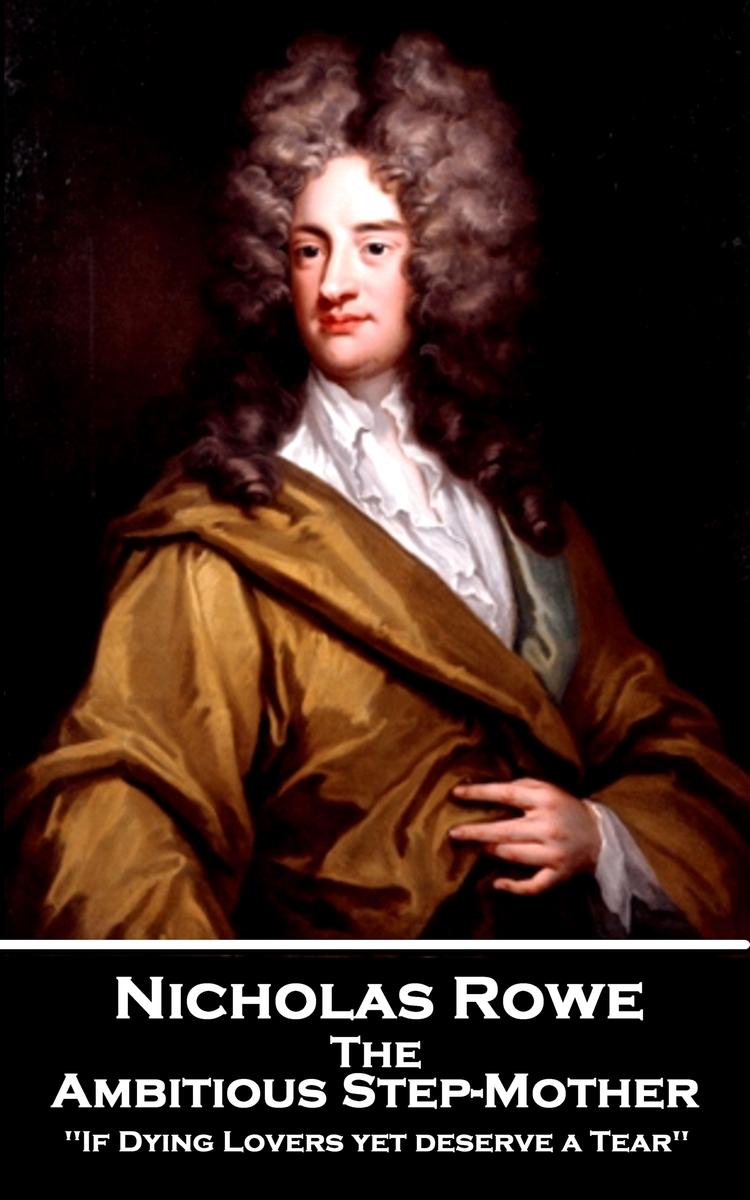
Ambitious Step-Mother
¥23.45
Nicholas Rowe was born in Little Barford, Bedfordshire, England, on June 20th, 1674. He was educated at Highgate School, and then at Westminster School under the tutelage of Dr. Busby.In 1688, Rowe became a King's Scholar, and then in 1691 gained entrance into Middle Temple. This was his father's decision (he was a barrister) who felt that his son had made sufficient progress to study law. While at Middle Temple, he decided that studying law was easier if seen as a system of rational government and impartial justice and not as a series of precedents, or collection of positive precepts.On his father's death, when he was nineteen, he became the master of a large estate and an independent fortune. His future path now was to ignore law and write poetry with a view to eventually writing plays.The Ambitious Stepmother, Rowe's first play, produced in 1700 at Lincoln's Inn Fields by Thomas Betterton and set in Persepolis, was well received. This was followed in 1701 by Tamerlane. In this play the conqueror Timur represented William III, and Louis XIV is denounced as Bajazet. It was for many years regularly acted on the anniversary of William's landing at Torbay. In 1704, he tried his hand at comedy, with The Biter at Lincoln's Inn Fields. The play is said to have amused no one except the author, and Rowe returned to tragedy in Ulysses (1706). For Johnson, this play was to share the fate of many such plays based on mythological heroes, as, "e;We have been too early acquainted with the poetical heroes to expect any pleasure from their revival"e;The Royal Convert (1707) dealt with the persecutions endured by Aribert, son of Hengist and the Christian maiden Ethelinda. The story was set in England in an obscure and barbarous age. Rodogune was a tragic character, of high spirit and violent passions, yet with a wicked with a soul that would have been heroic if it had been virtuous.Rowe is however well known for his work on Shakespeare's plays. He published the first 18th century edition of Shakespeare in six volumes in 1709. His practical knowledge of the stage helped him divide the plays into scenes and acts, with entrances and exits of the players noted. The spelling of names was normalized and each play prefixed with a dramatis personae. This 1709 edition was also the first to be illustrated, a frontispiece engraving being provided for each play. Unfortunately, Rowe based his text on the discredited Fourth Folio, a failing which many succeeding him also followed.Rowe also wrote a short biography of William Shakespeare, entitled, Some Account of the Life of Mr. William Shakespeare.In Dublin in 1712 a revival of his earlier play, Tamerlane, at a time when political passions were running high, the performance provoked a serious riot.The Tragedy of Jane Shore, played at Drury Lane with Mrs Oldfield in the title role in 1714. It ran for nineteen nights, and kept the stage longer than any other of Rowe's works. In the play, which consists chiefly of domestic scenes and private distress, the wife is forgiven because she repents, and the husband is honoured because he forgives.Whilst his plays met with little success at the time his poems were received extremely well. Although he was not prolific nor his output large the quality was high. With the accession to the throne of George I he was made a surveyor of customs, and then, in 1715, he succeeded Nahum Tate as poet laureate. It was the high point of his artistic life.He was also appointed clerk of the council to the Prince of Wales, and in 1718 was nominated by Lord Chancellor Parker as clerk of the presentations in Chancery. Nicholas Rowe died on December 6th, 1718, and was buried in Westminster Abbey.Rowe married first a daughter of a Mr Parsons and left a son John. By his second wife Anne, nee Devenish, he had a daughter Charlotte.

Forsythe Sage - Awakening & To Let - Beginnings are always messy.
¥46.99
John Galsworthy was born at Kingston Upon Thames in Surrey, England, on August 14th 1867 to a wealthy and well established family. His schooling was at Harrow and New College, Oxford before training as a barrister and being called to the bar in 1890. However, Law was not attractive to him and he travelled abroad becoming great friends with the novelist Joseph Conrad, then a first mate on a sailing ship. Galsworthy first published in 1897 with a collection of short stories entitled "e;The Four Winds"e;. For the next 7 years he published these and all works under his pen name John Sinjohn. It was only upon the death of his father and the publication of "e;The Island Pharisees"e; in 1904 that he published as John Galsworthy. His first play, The Silver Box in 1906 was a success and was followed by "e;The Man of Property"e; later that same year and was the first in the Forsyte trilogy. Whilst today he is far more well know as a Nobel Prize winning novelist then he was considered a playwright dealing with social issues and the class system. He is now far better known for his novels, particularly The Forsyte Saga, his trilogy about the eponymous family of the same name. These books, as with many of his other works, deal with social class, upper-middle class lives in particular. Although always sympathetic to his characters, he reveals their insular, snobbish, and somewhat greedy attitudes and suffocating moral codes. He is now viewed as one of the first from the Edwardian era to challenge some of the ideals of society depicted in the literature of Victorian England. He was appointed to the Order of Merit in 1929, after earlier turning down a knighthood, and awarded the Nobel Prize in 1932 though he was too ill to attend. John Galsworthy died from a brain tumour at his London home, Grove Lodge, Hampstead on January 31st 1933. In accordance with his will he was cremated at Woking with his ashes then being scattered over the South Downs from an aeroplane.
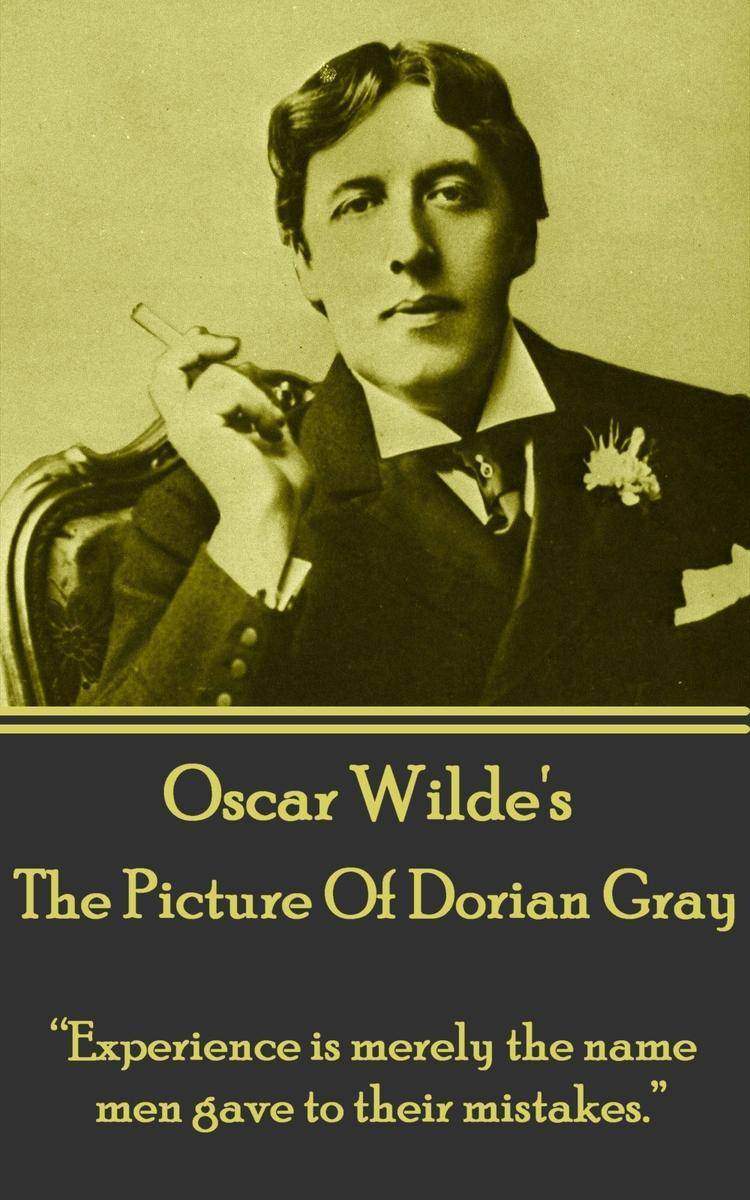
Picture Of Dorian Gray - Experience is merely the name men gave to their mistake
¥26.98
Oscar Fingal O'Flahertie Wills Wilde was born on the 16th October 1854 in Dublin Ireland. The son of Dublin intellectuals Oscar proved himself an outstanding classicist at Dublin, then at Oxford. With his education complete Wilde moved to London and its fashionable cultural and social circles. With his biting wit, flamboyant dress, and glittering conversation, Wilde became one of the most well-known personalities of his day. His only novel, The Picture of Dorian Gray was published in 1890 and he then moved on to writing for the stage with Salome in 1891. His society comedies produced enormous hits and turned him into one of the most successful writers of late Victorian London. Whilst his masterpiece, The Importance of Being Earnest, was on stage in London, Wilde had the Marquess of Queensberry, the father of his lover, Lord Alfred Douglas, prosecuted for libel. The trial unearthed evidence that caused Wilde to drop his charges and led to his own arrest and trial for gross indecency. He was convicted and imprisoned for two years' hard labour. It was to break him. On release he left for France, There he wrote his last work, The Ballad of Reading Gaol in 1898. He died destitute in Paris at the age of forty-six sipping champagne a friend had brought with the line 'Alas I am dying beyond my means'. And here indeed is that master work The Picture Of Dorian Gray. Compelling, diabolical and at the time it caused great outrage. But as we know the pen of Oscar Wilde leads us where many others fear to go.
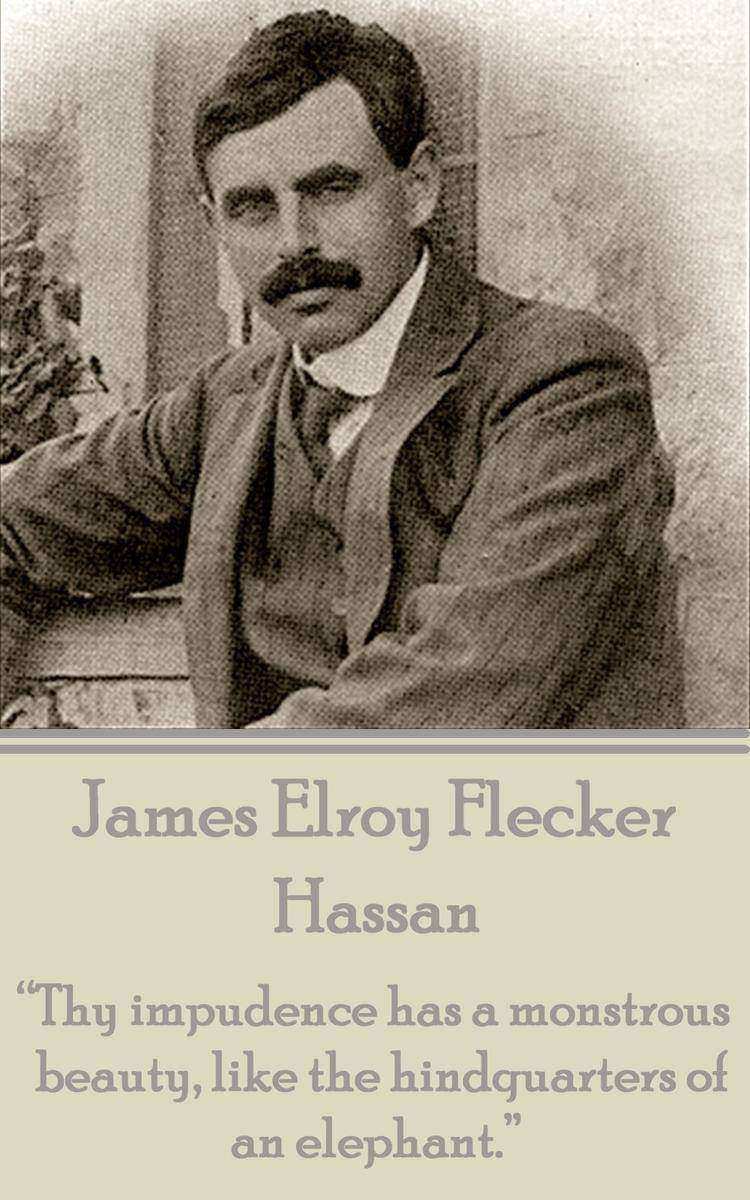
Hassan - Thy impudence has a monstrous beauty, like the hindquarters of an eleph
¥21.09
James Elroy Flecker was born on November 5th 1884 in London. He was educated at Dean Close School, Cheltenham, where his father was headmaster, and Uppingham School then on to Trinity College, Oxford, and Caius College, Cambridge. At Oxford he was much influenced by the vestiges of the Aesthetic movement there. In 1910 he was in the consular service, in the Eastern Mediterranean. On a ship to Athens he met Helle Skiadaressi and married her in 1911. Perhaps his best known work is "e;To A Poet A Thousand Years Hence"e;. Here we publish his five act play Hassan The Story Of Hassan Of Bagdad And How He Came To Make The Golden Journey To Samarkand. Tragically James was to die at age 30 on January 3rd 1915, in Davos, Switzerland of tuberculosis. An immense loss to English Poetry - he had already been measured against the work of Keats.
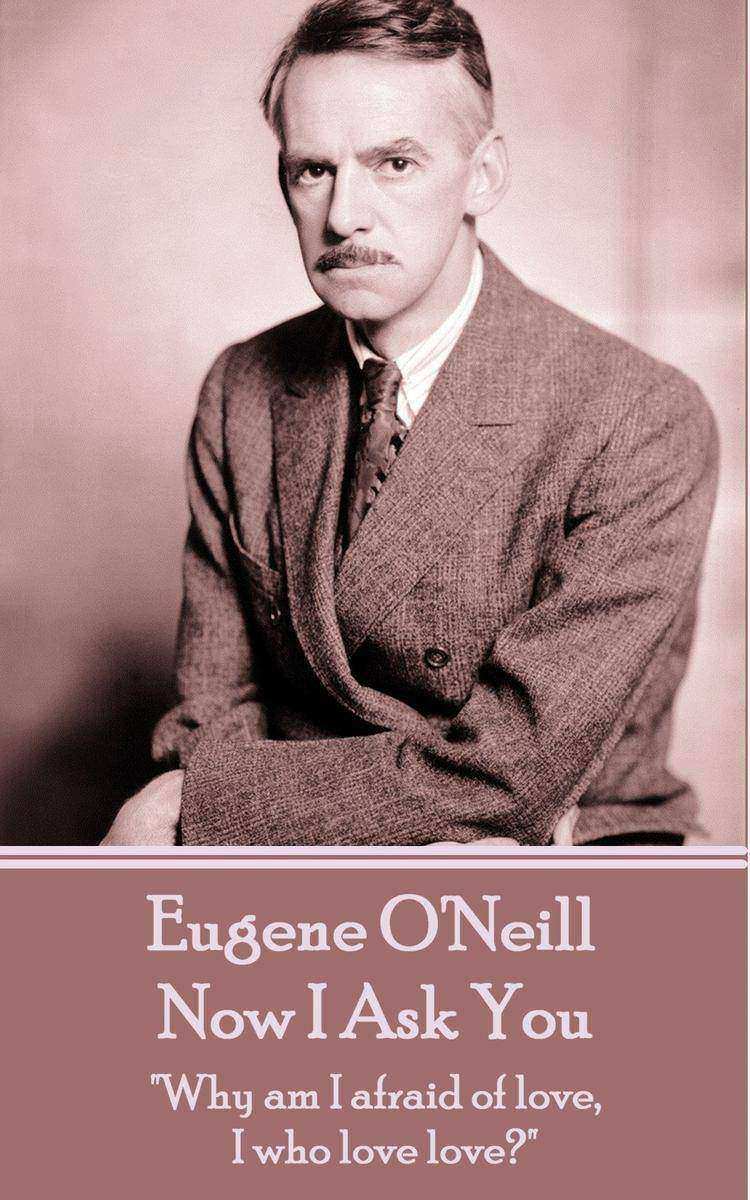
Now I Ask You - Why am I afraid of love, I who love love?
¥23.45
Eugene Gladstone O'Neill was born on October 16, 1888 in a hotel bedroom in what is now Times Square, New York. Much of his childhood was spent in the comfort of books at boarding schools whilst his actor father was on the road and his Mother contended with her own demons. He spent only a year at University - Princeton - and various reasons have been given for his departure. However whatever his background and education denied or added to his development it is agreed amongst all that he was a playwright of the first rank and possibly America's greatest. His introduction of realism into American drama was instrumental in its development and paved a path for many talents thereafter. Of course his winning of both the Pulitzer Prize (4 times) and the Nobel Prize are indicative of his status. His more famous and later works do side with the disillusionment and personal tragedy of those on the fringes of society but continue to build upon ideas and structures he incorporated in his early one act plays. Eugene O'Neill suffered from various health problems, mainly depression and alcoholism. In the last decade he also faced a Parkinson's like tremor in his hands which made writing increasingly difficult. But out of such difficulties came plays of the calibre of The Iceman Cometh, Long Day's Journey Into Night, and A Moon for the Misbegotten. Eugene O'Neill died in Room 401 of the Sheraton Hotel on Bay State Road in Boston, on November 27, 1953, at the age of 65. As he was dying, he whispered his last words: "e;I knew it. I knew it. Born in a hotel room and died in a hotel room."e;
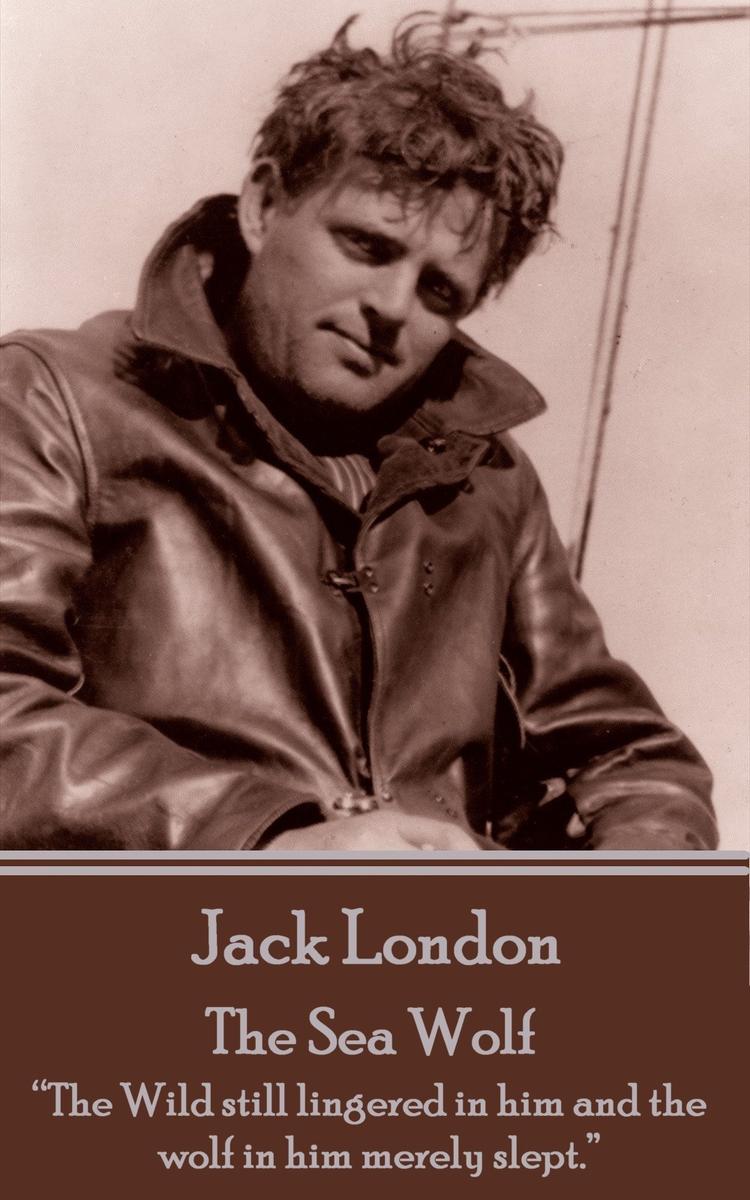
Sea Wolf - The Wild still lingered in him and the wolf in him merely slept.
¥46.99
John Griffith "e;Jack"e; London was born John Griffith Chaney on January 12th, 1876 in San Francisco. His father, William Chaney, was living with his mother Flora Wellman when she became pregnant. Chaney insisted she have an abortion. Flora's response was to turn a gun on herself. Although her wounds were not severe the trauma made her temporarily deranged. In late 1876 his mother married John London and the young child was brought to live with them as they moved around the Bay area, eventually settling in Oakland where Jack completed grade school. Jack also worked hard at several jobs, sometimes 12-18 hours a day, but his dream was university. He was lent money for that and after intense studying enrolled in the summer of 1896 at the University of California in Berkeley. In 1897, at 21 , Jack searched out newspaper accounts of his mother's suicide attempt and the name of his biological father. He wrote to William Chaney, then living in Chicago. Chaney said he could not be London's father because he was impotent; and casually asserted that London's mother had relations with other men. Jack, devastated by the response, quit Berkeley and went to the Klondike. Though equally because of his continuing dire finances Jack might have taken that as the excuse he needed to leave. In the Klondike Jack began to gather material for his writing but also accumulated many health problems, including scurvy, hip and leg problems many of which he then carried for life. By the late 1890's Jack was regularly publishing short stories and by the turn of the century full blown novels. By 1904 Jack had married, fathered two children and was now in the process of divorcing. A stint as a reporter on the Russo-Japanese war of 1904 was equal amounts trouble and experience. But that experience was always put to good use in a remarkable output of work. Twelve years later Jack had amassed a wealth of writings many of which remain world classics. He had a reputation as a social activist and a tireless friend of the workers. And yet on November 22nd 1916 Jack London died in a cottage on his ranch at the age of only 40.
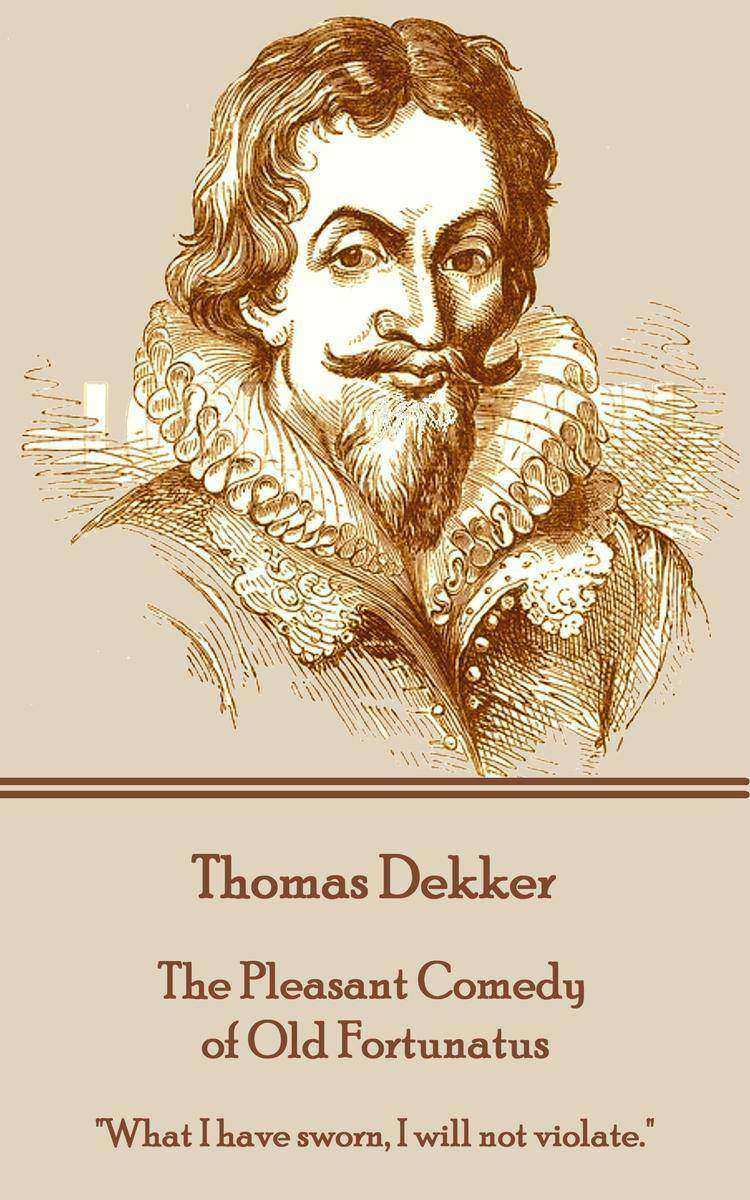
Pleasant Comedy of Old Fortunatus - What I have sworn, I will not violate.
¥26.98
Thomas Dekker was a playwright, pamphleteer and poet who, perhaps, deserves greater recognition than he has so far gained. Despite the fact only perhaps twenty of his plays were published, and fewer still survive, he was far more prolific than that. Born around 1572 his peak years were the mid 1590's to the 1620's - seven of which he spent in a debtor's prison. His works span the late Elizabethan and Caroline eras and his numerous collaborations with Ford, Middleton, Webster and Jonson say much about his work. His pamphlets detail much of the life in these times, times of great change, of plague and of course that great capital city London a swirling mass of people, power, intrigue.
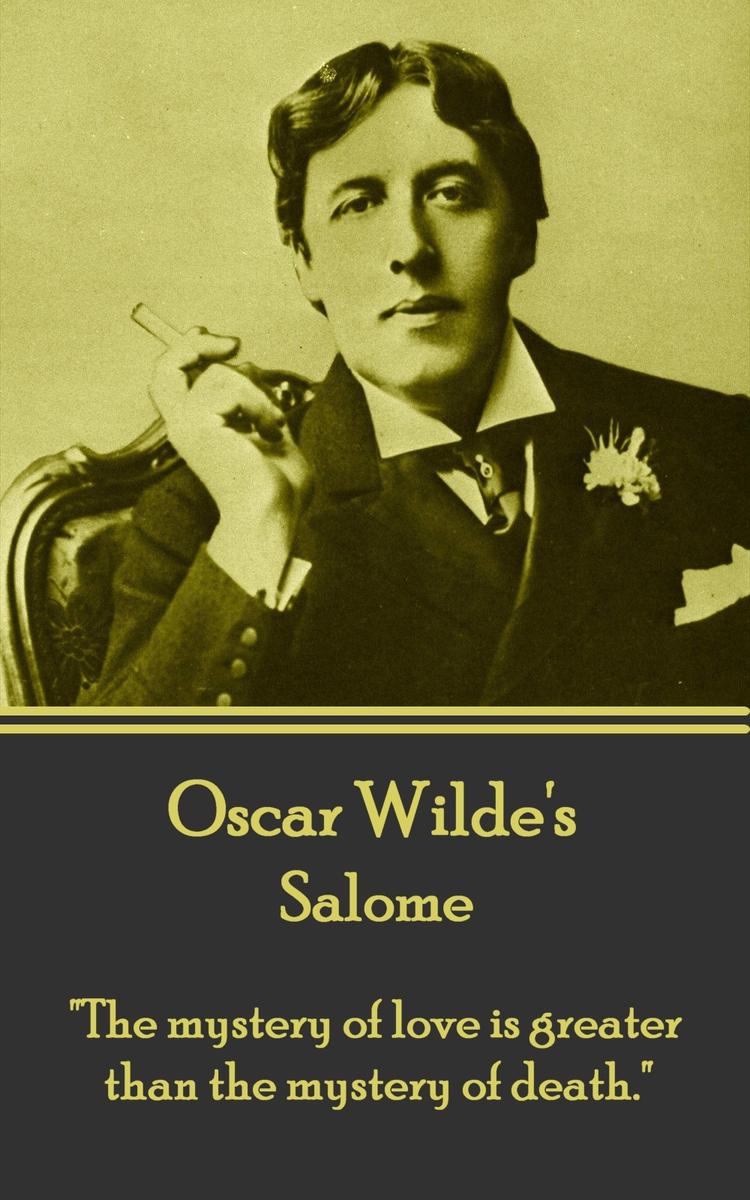
Salome - The mystery of love is greater than the mystery of death.
¥23.45
Oscar Fingal O'Flahertie Wills Wilde was born on the 16th October 1854 in Dublin Ireland. The son of Dublin intellectuals Oscar proved himself an outstanding classicist at Dublin, then at Oxford. With his education complete Wilde moved to London and its fashionable cultural and social circles. With his biting wit, flamboyant dress, and glittering conversation, Wilde became one of the most well-known personalities of his day. His only novel, The Picture of Dorian Gray was published in 1890 and he then moved on to writing for the stage with Salome in 1891. His society comedies produced enormous hits and turned him into one of the most successful writers of late Victorian London. Whilst his masterpiece, The Importance of Being Earnest, was on stage in London, Wilde had the Marquess of Queensberry, the father of his lover, Lord Alfred Douglas, prosecuted for libel. The trial unearthed evidence that caused Wilde to drop his charges and led to his own arrest and trial for gross indecency. He was convicted and imprisoned for two years' hard labour. It was to break him. On release he left for France, There he wrote his last work, The Ballad of Reading Gaol in 1898. He died destitute in Paris at the age of forty-six sipping champagne a friend had brought with the line 'Alas I am dying beyond my means'. Here we publish the infamous play 'Salome'. A work of great art that is now being accepted and placed where it rightfully belongs.


