


 购物车
 个人中心


Fugitive - If you do not think about your future, you cannot have one.
¥29.33
John Galsworthy first published in 1897 with a collection of short stories entitled "e;The Four Winds"e;. For the next 7 years he published these and all works under his pen name John Sinjohn. It was only upon the death of his father and the publication of "e;The Island Pharisees"e; in 1904 that he published as John Galsworthy. His first play was The Silver Box, an immediate success when it debuted in 1906 and was followed by "e;The Man of Property"e; later that same year and was the first in the Forsyte trilogy. Whilst today he is far more well know as a Nobel Prize winning novelist then he was considered a playwright dealing with social issues and the class system. We publish here 'The Fugitive' a great example of both his writing and his demonstration of how the class system worked at the time. He was appointed to the Order of Merit in 1929, after earlier turning down a knighthood, and awarded the Nobel Prize in 1932 though he was too ill to attend. John Galsworthy died from a brain tumour at his London home, Grove Lodge, Hampstead on January 31st 1933. In accordance with his will he was cremated at Woking with his ashes then being scattered over the South Downs from an aeroplane.
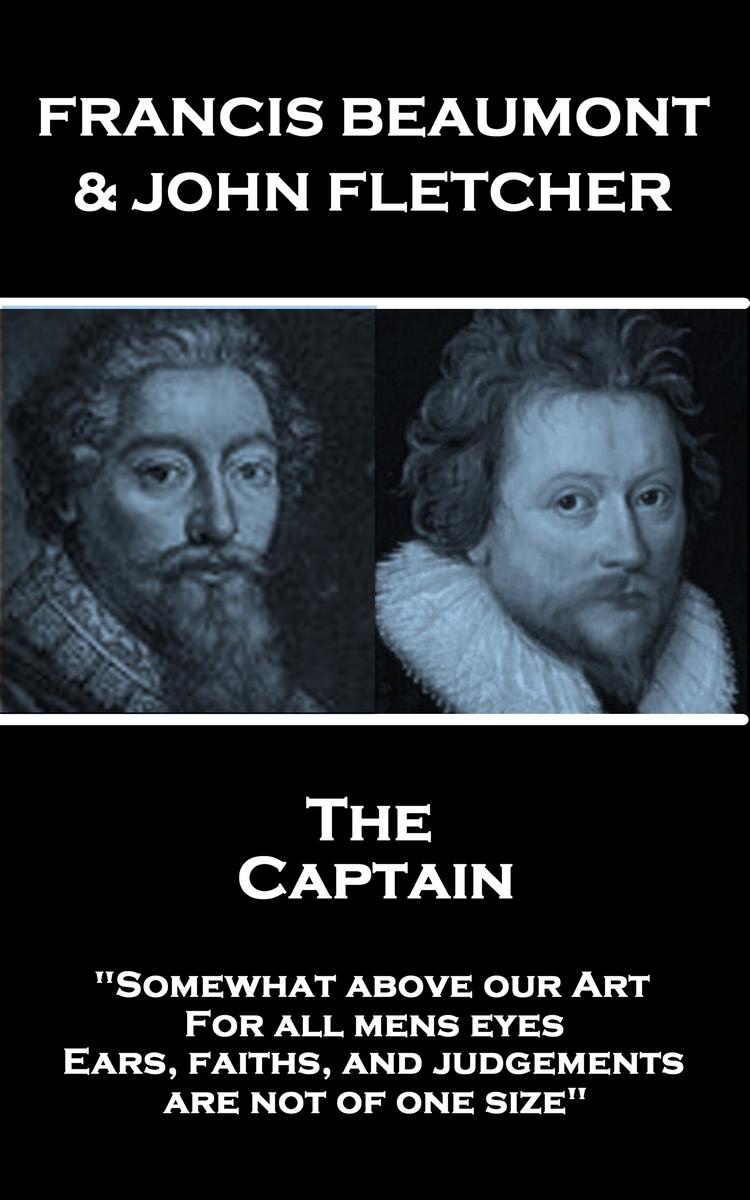
Captain - Somewhat above our Art
¥38.75
The English dramatists Francis Beaumont and John Fletcher, collaborated in their writing during the reign of James I of England (James VI of Scotland, 1567-1625; in England he reigned from 1603).Beaumont & Fletcher began to collaborate as writers soon after they met. After notable failures of their solo works their first joint effort, Philaster, was a success and tragicomedy was the genre they explored and built upon. There would be many further successes to follow.There is an account that at the time the two men shared everything. They lived together in a house on the Bankside in Southwark, "e;they also lived together in Bankside, sharing clothes and having one wench in the house between them."e; Or as another account puts it "e;sharing everything in the closest intimacy."e;Whatever the truth of this they were now recognised as perhaps the best writing team of their generation, so much so, that their joint names was applied to all the works in which either, or both, had a pen including those with Philip Massinger, James Shirley and Nathan Field.The first Beaumont and Fletcher folio of 1647 contained 35 plays; 53 plays were included in the second folio in 1679. Other works bring the total plays in the canon to about 55. However there appears here to have been some duplicity on the account of the publishers who seemed to attribute so many to the team. It is now thought that the work between solely by Beaumont and Fletcher amounts to approximately 15 plays, though of course further works by them were re-worked by others and the originals lost.After Beaumont's early death in 1616 Fletcher continued to write and, at his height was, by many standards, the equal of Shakespeare in popularity until his own death in 1625.
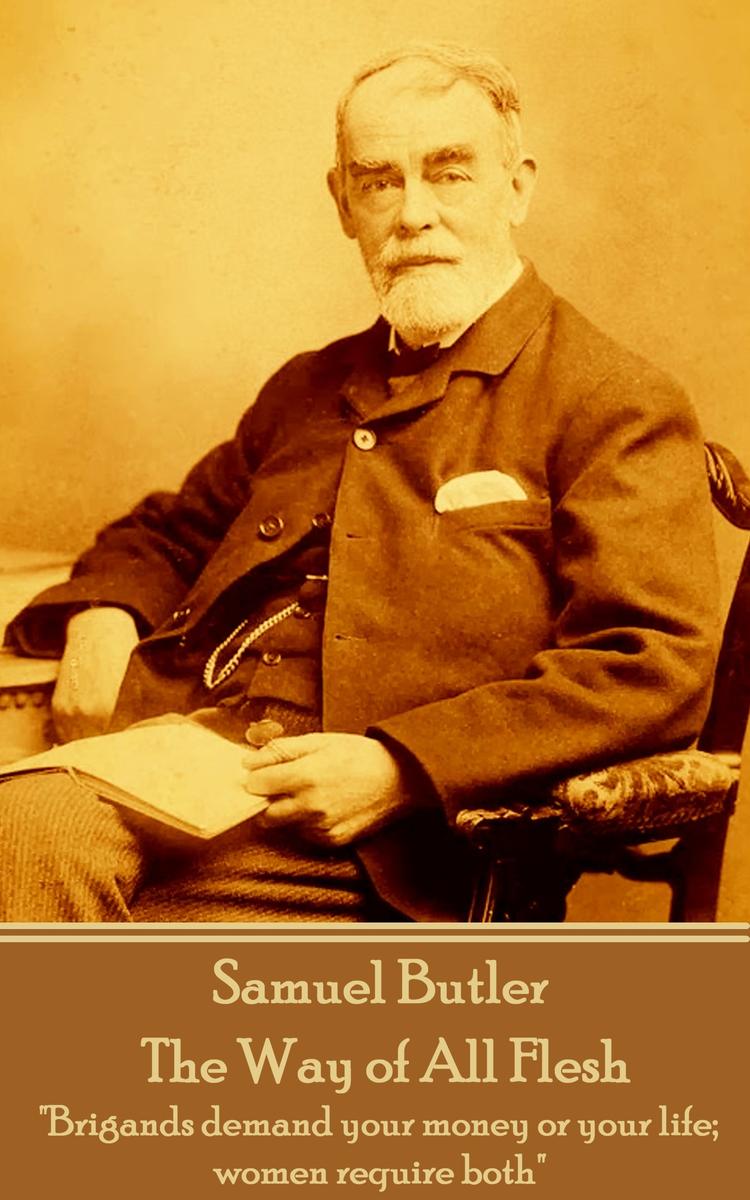
Way of All Flesh - Brigands demand your money or your life; women require both
¥38.75
Samuel Butler was born on 4th December 1835 at the village rectory in Langar, Nottinghamshire.His relationship with his parents, especially his father, was largely antagonistic. His education began at home and included frequent beatings, as was all too common at the time.Under his parents' influence, he was set to follow his father into the priesthood. He was schooled at Shrewsbury and then St John's College, Cambridge, where he obtained a first in Classics in 1858.After Cambridge he went to live in a low-income parish in London 1858-59 as preparation for his ordination into the Anglican clergy; there he discovered that baptism made no apparent difference to the morals and behaviour of his new peers. He began to question his faith. Correspondence with his father about the issue failed to set his mind at peace, inciting instead his father's wrath.As a result, the young Butler emigrated in September 1859 to New Zealand. He was determined to change his life.He wrote of his arrival and life as a sheep farmer on Mesopotamia Station in 'A First Year in Canterbury Settlement' (1863). After a few years he sold his farm and made a handsome profit. But the chief achievement of these years were the drafts and source material for much of his masterpiece 'Erewhon'.Butler returned to England in 1864, settling in rooms in Clifford's Inn, near Fleet Street, where he would live for the rest of his life.In 1872, he published his Utopian novel 'Erewhon' which made him a well-known figure.He wrote a number of other books, including a moderately successful sequel, 'Erewhon Revisited' before his masterpiece and semi-autobiographical novel 'The Way of All Flesh' appeared after his death. Butler thought its tone of satirical attack on Victorian morality too contentious to publish during his life time and thereby shied away from further potential problems.Samuel Butler died aged 66 on 18th June 1902 at a nursing home in St John's Wood Road, London. He was cremated at Woking Crematorium, and accounts say his ashes were either dispersed or buried in an unmarked grave.
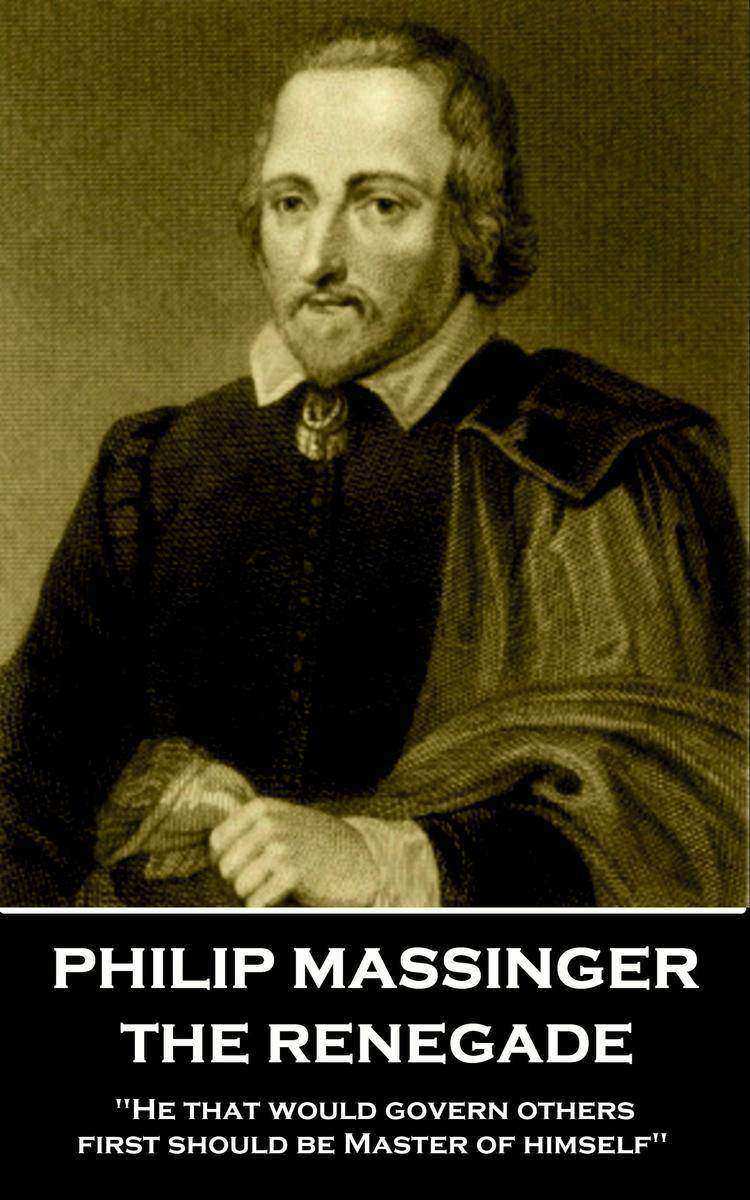
Renegade - He that would govern others, first should be Master of himself
¥23.45
Philip Massinger was baptized at St. Thomas's in Salisbury on November 24th, 1583.Massinger is described in his matriculation entry at St. Alban Hall, Oxford (1602), as the son of a gentleman. His father, who had also been educated there, was a member of parliament, and attached to the household of Henry Herbert, 2nd Earl of Pembroke. The Earl was later seen as a potential patron for Massinger.He left Oxford in 1606 without a degree. His father had died in 1603, and accounts suggest that Massinger was left with no financial support this, together with rumours that he had converted to Catholicism, meant the next stage of his career needed to provide an income.Massinger went to London to make his living as a dramatist, but he is only recorded as author some fifteen years later, when The Virgin Martyr (1621) is given as the work of Massinger and Thomas Dekker.During those early years as a playwright he wrote for the Elizabethan stage entrepreneur, Philip Henslowe. It was a difficult existence. Poverty was always close and there was constant pleading for advance payments on forthcoming works merely to survive.After Henslowe died in 1616 Massinger and John Fletcher began to write primarily for the King's Men and Massinger would write regularly for them until his death.The tone of the dedications in later plays suggests evidence of his continued poverty. In the preface of The Maid of Honour (1632) he wrote, addressing Sir Francis Foljambe and Sir Thomas Bland: "e;I had not to this time subsisted, but that I was supported by your frequent courtesies and favours."e;The prologue to The Guardian (1633) refers to two unsuccessful plays and two years of silence, when the author feared he had lost popular favour although, from the little evidence that survives, it also seems he had involved some of his plays with political characters which would have cast shadows upon England's alliances.Philip Massinger died suddenly at his house near the Globe Theatre on March 17th, 1640. He was buried the next day in the churchyard of St. Saviour's, Southwark, on March 18th, 1640. In the entry in the parish register he is described as a "e;stranger,"e; which, however, implies nothing more than that he belonged to another parish.
Henry V - Men of few words are the best men
¥11.67
The life of William Shakespeare, arguably the most significant figure in the Western literary canon, is relatively unknown. Shakespeare was born in Stratford-upon-Avon in 1565, possibly on the 23rd April, St. George's Day, and baptised there on 26th April. Little is known of his education and the first firm facts to his life relate to his marriage, aged 18, to Anne Hathaway, who was 26 and from the nearby village of Shottery. Anne gave birth to their first son six months later. Shakespeare's first play, The Comedy of Errors began a procession of real heavyweights that were to emanate from his pen in a career of just over twenty years in which 37 plays were written and his reputation forever established. This early skill was recognised by many and by 1594 the Lord Chamberlain's Men were performing his works. With the advantage of Shakespeare's progressive writing they rapidly became London's leading company of players, affording him more exposure and, following the death of Queen Elizabeth in 1603, a royal patent by the new king, James I, at which point they changed their name to the King's Men. By 1598, and despite efforts to pirate his work, Shakespeare's name was well known and had become a selling point in its own right on title pages. No plays are attributed to Shakespeare after 1613, and the last few plays he wrote before this time were in collaboration with other writers, one of whom is likely to be John Fletcher who succeeded him as the house playwright for the King's Men. William Shakespeare died two months later on April 23rd, 1616, survived by his wife, two daughters and a legacy of writing that none have since yet eclipsed.
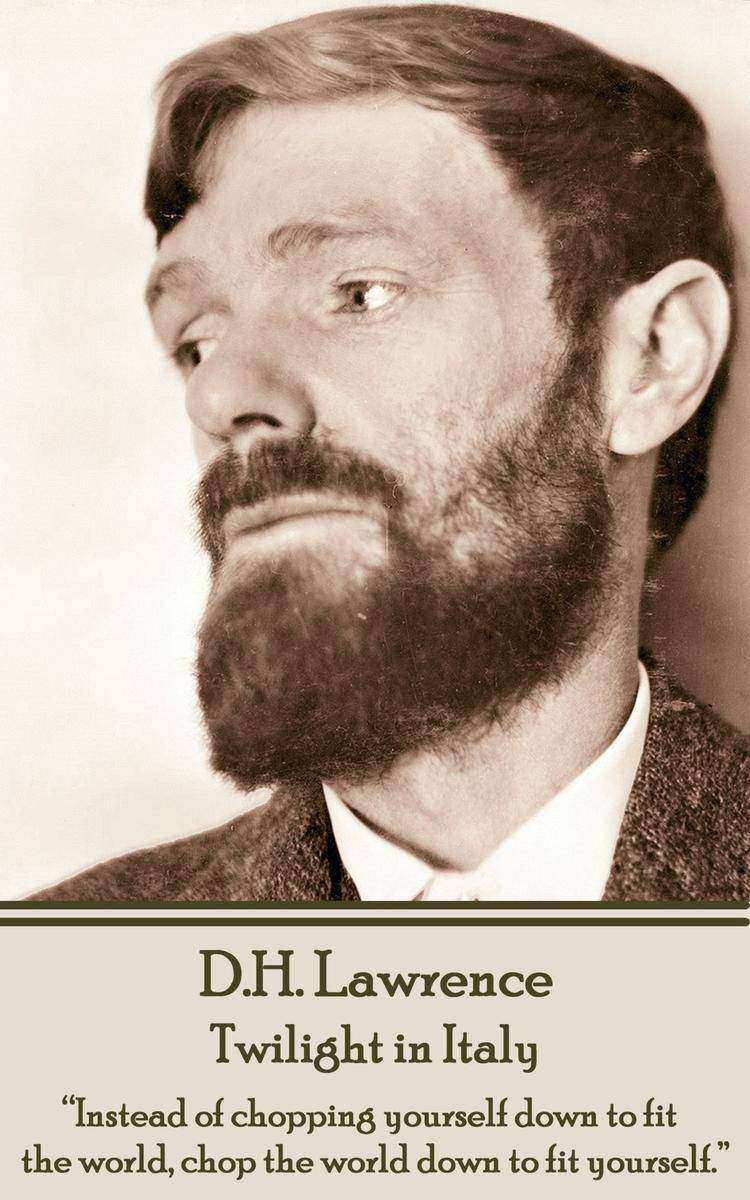
Twilight in Italy - Instead of chopping yourself down to fit the world
¥41.10
For many of us DH Lawrence was a schoolboy hero. Who can forget sniggering in class at the mention of 'Women In Love' or 'Lady Chatterley's Lover'? Lawrence was a talented if nomadic writer whose novels were passionately received, suppressed at times and generally at odds with Establishment values. This of course did not deter him. At his death in 1930 at the young age of 44 he was more often thought of as a pornographer but in the ensuing years he has come to be more rightly regarded as one of the most imaginative writers these shores have produced. As well as his novels he was also a masterful poet (he wrote over 800 of them), a travel writer as well as an author of many classic short stories. Here we publish his travel writings 'Twilight in Italy'. Once again Lawrence shows his hand as a brilliant writer. Delving into landscapes and peeling them back to reveal the inner heart.
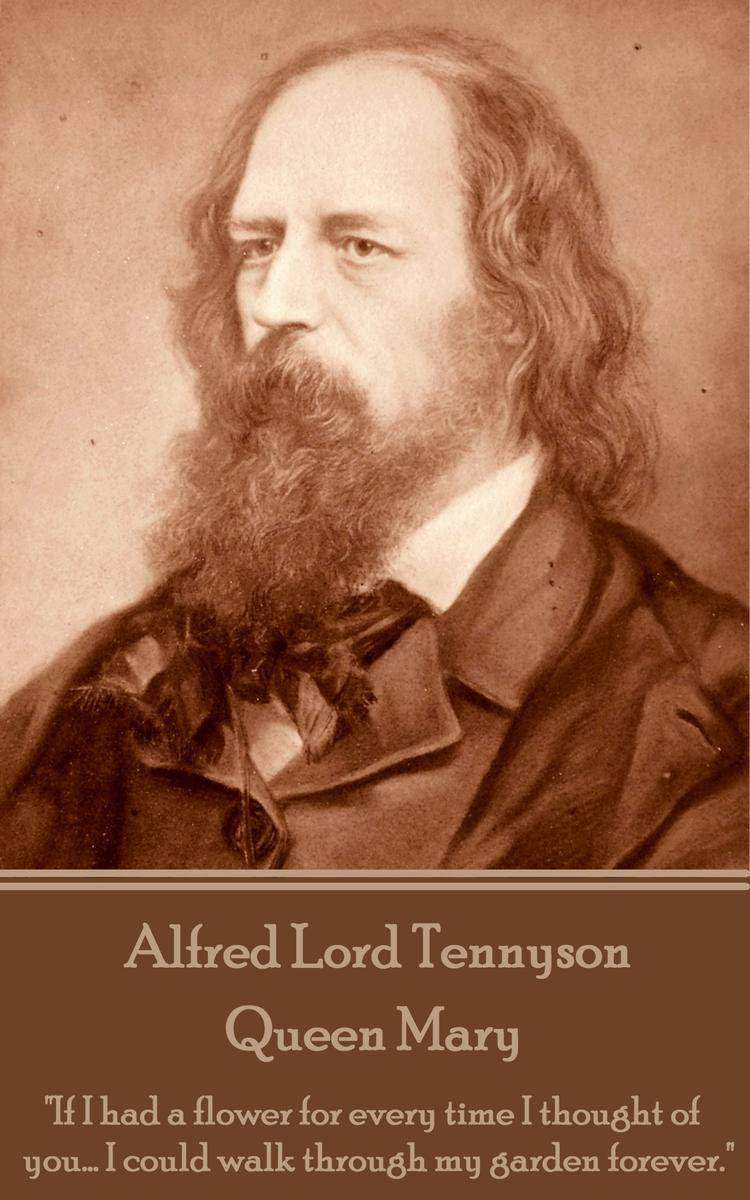
Queen Mary - If I had a flower for every time I thought of you...
¥23.45
Alfred Tennyson was born on August 6th, 1809, in Somersby, Lincolnshire, the fourth of twelve children. Most of Tennyson's early education was under the direction of his father, although he did spend four unhappy years at a nearby grammar school. He left home in 1827 to join his elder brothers at Trinity College, Cambridge, more to escape his father than a desire for serious academic work. At Trinity he was living for the first time among young men of his own age who knew little of his problems. He was delighted to make new friends; he was handsome, intelligent, humorous, a gifted impersonator and soon at the center of those interested in poetry and conversation. That same year, he and his brother Charles published Poems by Two Brothers. Although the poems in the book were of teenage quality, they attracted the attention of the "e;Apostles,"e; a select undergraduate literary club led by Arthur Hallam. The "e;Apostles"e; provided Tennyson with friendship and confidence. Hallam and Tennyson became the best of friends; they toured Europe together in 1830 and again in 1832. Hallam's sudden death in 1833 greatly affected the young poet. The long elegy In Memoriam and many of Tennyson's other poems are tributes to Hallam. In 1830, Tennyson published Poems, Chiefly Lyrical and in 1832 he published a second volume entitled simply Poems. Some reviewers condemned these books as "e;affected"e; and "e;obscure."e; Tennyson, stung by the reviews, would not publish another book for nine years. In 1836, he became engaged to Emily Sellwood. When he lost his inheritance on a failed investment in 1840, the engagement was cancelled. In 1842, however, Tennyson's Poems [in two volumes] was a tremendous critical and popular success. In 1850, with the publication of In Memoriam, Tennyson's reputation was pre-eminent. He was also selected as Poet Laureate in succession to Wordsworth and, to complete a wonderful year, he married Emily Sellwood. At the age of 41, Tennyson had established himself as the most popular poet of the Victorian era. The money from his poetry [at times exceeding 10,000 pounds per year] allowed him to purchase a home in the country and to write in relative seclusion. His appearance-a large and bearded man, he regularly wore a cloak and a broad brimmed hat-enhanced his notoriety. In 1859, Tennyson published the first poems of Idylls of the Kings, which sold more than 10,000 copies in a fortnight. In 1884, he accepted a peerage, becoming Alfred Lord Tennyson. On October 6th, 1892, an hour or so after midnight, surrounded by his family, he died at Aldworth. It is said that the moonlight was streaming through the window and Tennyson himself was holding open a volume of Shakespeare. He was buried in Westminster Abbey.
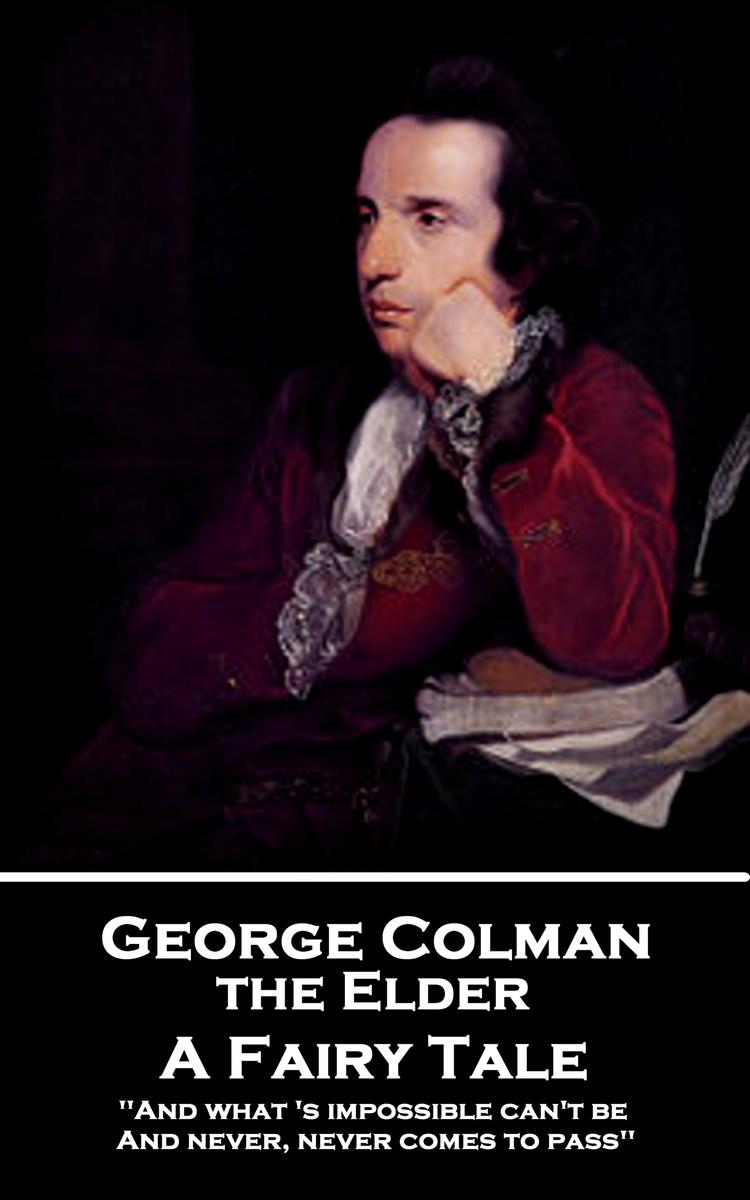
Fairy Tale - 'And what 's impossible can't be, And never, never comes to pass''
¥14.03
George Colman was born in Florence, Italy, in April 1732, where his father was stationed as British Resident Minister to the court of the Grand duke of Tuscany. Before his first birthday Colman's father had died and his well-being was now in the hands of his Father's sister and her husband, William Pulteney, the later Lord BathColman initially attended a private school in Marylebone before being sent to the exclusive Westminster School.From there Colman went to Christ Church, Oxford. Whilst there he met Bonnell Thornton, the parodist, and together they founded 'The Connoisseur' periodical (1754-1756), which ran for 140 editions. After taking his degree in 1755 Colman left Oxford and entered Lincoln's Inn. He was called to the bar in 1757. Despite a friendship forming with David Garrick and the promise of a literary career Colman decided that out of respect for Lord Bath he would continue to also practice law.In 1760, Colman produced his first play, 'Polly Honeycomb'. It was a great success. The following year, 1761, he followed up with 'The Jealous Wife', a comedy partly founded on Henry Fielding's 'Tom Jones'. It made Colman famous. On 21st October 1762 his son, George Colman the Younger, was born. He too would follow in his fathers' footsteps in education and career.In 1764 with the death of Lord Bath and a substantial inheritance Colman was now financially secure and could also stop his law career to work solely on literature.In 1765, his metrical translation of the six plays of Terence was published. The following year, 1766, in partnership with David Garrick, came another success: 'The Clandestine Marriage'. The only blot was when Colman quarreled with Garrick's refusal to take the part of Lord Ogleby. With the arrival of 1767 Colman decided to expand his interests by acquiring a quarter share in the Covent Garden Theatre. When his play 'The Oxonian in Town' was performed there on 9th November that year a riot ensued, apparently sparked by a claque of card-sharpers.Colman was elected to the Literary Club, in 1768, then nominally consisting of twelve members. In 1771 Thomas Arne's masque 'The Fairy Prince' premiered at Covent Garden, for which Colman wrote the libretto.His instincts as a theatrical impresario were sound. As well as part-owner he was also the acting manager of Covent Garden for seven years during which he produced several 'adapted' plays of Shakespeare. He also directed the premiere of 'She Stoops to Conquer' in 1773. In 1774 he sold to James Leake his share of Covent Garden, which had involved him in much litigation with his partners, and three years later, in 1777, he purchased the little theatre in the Haymarket from Samuel Foote.George Colman suffered badly from attacks of paralysis in 1785 and his health became both failing and a burden. By 1789 his brain had become affected, and he died on 14th August 1794. He was buried in Kensington Church.
Remarkable Criminals
¥19.52
Written during World War I by Harry Brodribb Irving, this is a study of the crimes of some of the world's most infamous criminals. Irving spent much of his life in the theatre, and his flair for the dramatic is displayed in his writings.He went on to found 'Our Society' with, amongst others, Sherlock Holmes creator Arthur Conan Doyle. 'Our Society' survives today as the so called 'Murder' Club in London, where old crimes are discussed at regularly held dinners.
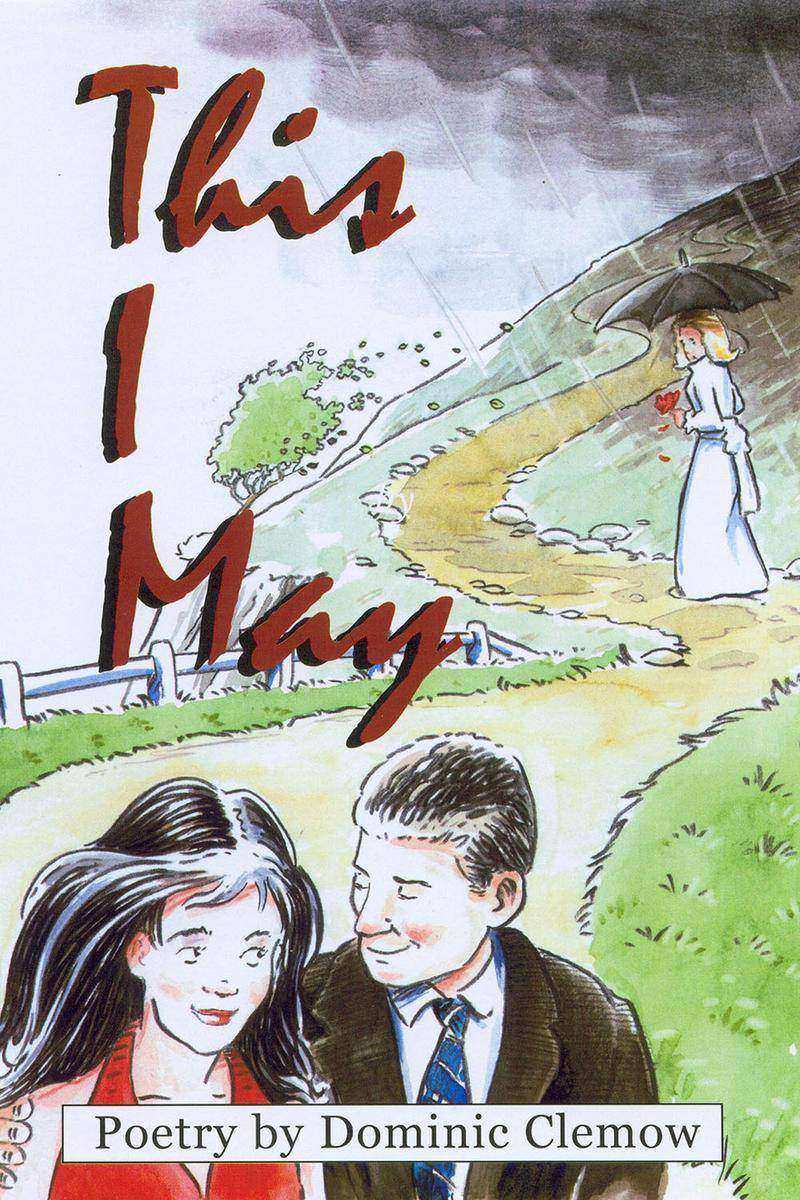
This I May
¥58.76
Dominic Clemow first began to write poems as a way of expressing feelings of sadness and loss after a relationship ended. His interest in poetry has grown and developed since then. He writes with feeling and passion, particularly about the pivotal moments of life, such as going on a date, marriage and break-ups - times when we are faced with choices that may transform our lives for ever. I love you more than words can say, More and more every single day, You're the one I think about before I go to sleep, And the one I'm happy with, so I'm yours to keep.
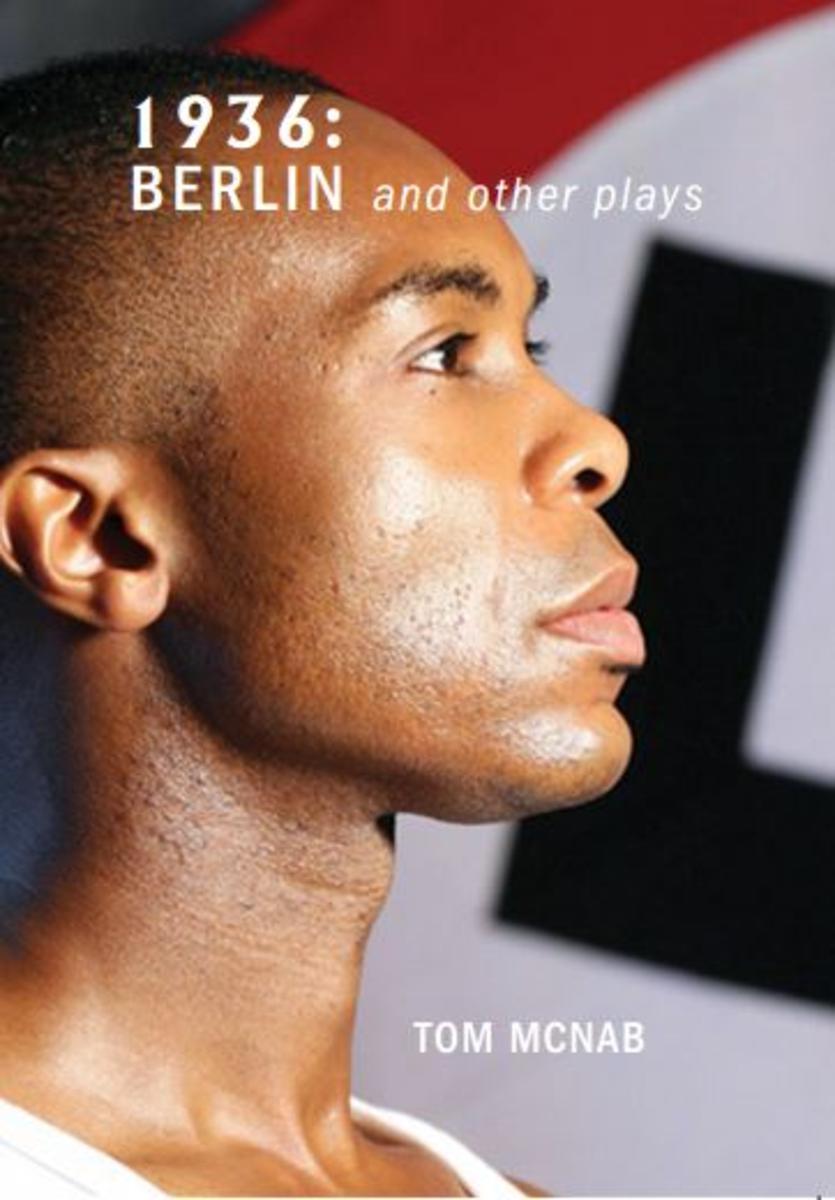
1936: Berlin and other plays
¥40.79
A collection of three plays by former Olympic Coach and best-selling author Tom McNab delving into the murky world of Olympic politics (1936: Berlin), the troubled mind of George Orwell (Orwell on Jura), and an imaginary meeting between the acclaimed director Orson Welles and infamous fellow filmmaker Leni Riefenstahl, who directed Hitler’s propaganda film The Triumph of the Will, and filmed the 1936 Olympic Games (Whisper in the Heart). Reviews On 1936: Berlin “A powerful, thought-provoking, richly rewarding piece of theatre.” ? ? ? ? ? ? ? ? ? ? ? ? ? ? ? ? ? ? ? ? ? ? ? ? ? ? ? ? ? ? ? ? ? ? ? ? ? ?–What’sOnStage “There’s no doubt McNab has a fascinating story to tell... This battle of idealsand ambition is where the play takes flight, as McNab provocatively parallelsAmerica’s treatment of its black athletes, Jesse Owens included, with racismunder the Third Reich.” ? ? ? ? ? ? ? ? ? ? ? ? ? ? ? ? ? ? ? ? ? ? ? ? ? ? ? ? ? ? ? ? ? ? ? ? ? ? ?– The Guardian About the Author Tom McNab is a leading figure in the sporting world, having won five titles in the Scottish triple jump and coached Greg Rutherford to a gold medal as a long jumper and the English rugby team to win silver in 1992. He was Technical Director on the film Chariots of Fire and has written several radio plays and novels including best seller Flanagan’s Run, with film rights sold to Disney. In 1982 he won the Scottish Novelist of the Year award. He has been a commentator for ITV and Channel 4, a freelance journalist for the Observer, Sunday Telegraph, Times and Independent.

Akinek a kedve dacos
¥40.38
Akinek a kedve dacos

Agatha nyomoz - Titokzatos b?ntény az Eiffel-toronynál
¥37.44
Agatha nyomoz - Titokzatos b?ntény az Eiffel-toronynál

H?, de nagy vagy!
¥56.98
H?, de nagy vagy!

Ami csak a tiéd: D.A.C. special edition
¥8.34
Ami csak a tiéd: D.A.C. special edition

Kenyai szafari
¥40.06
Kenyai szafari

D.A.C. 6. - ?retté nyilvanítva
¥57.31
D.A.C. 6. - ?retté nyilvanítva
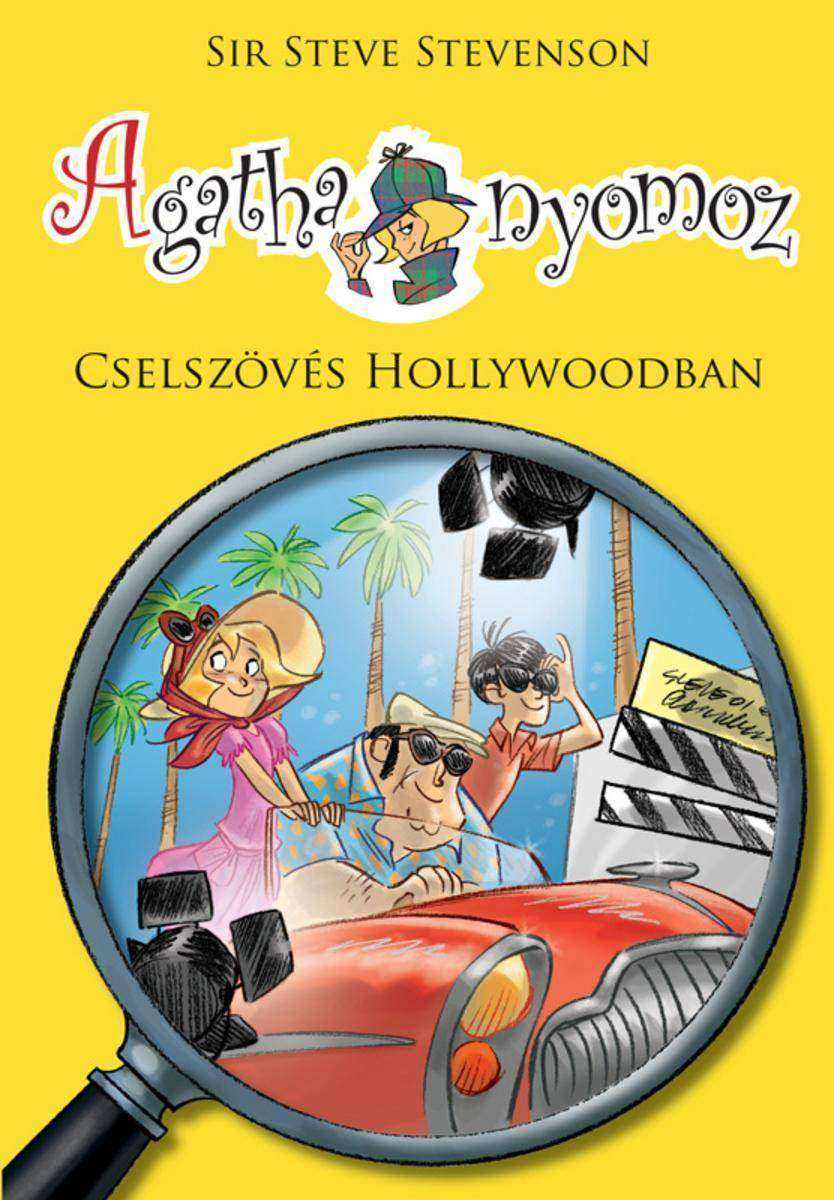
Cselsz?vés Hollywoodban
¥40.71
Cselsz?vés Hollywoodban

Inkább boldog
¥58.04
Inkább boldog
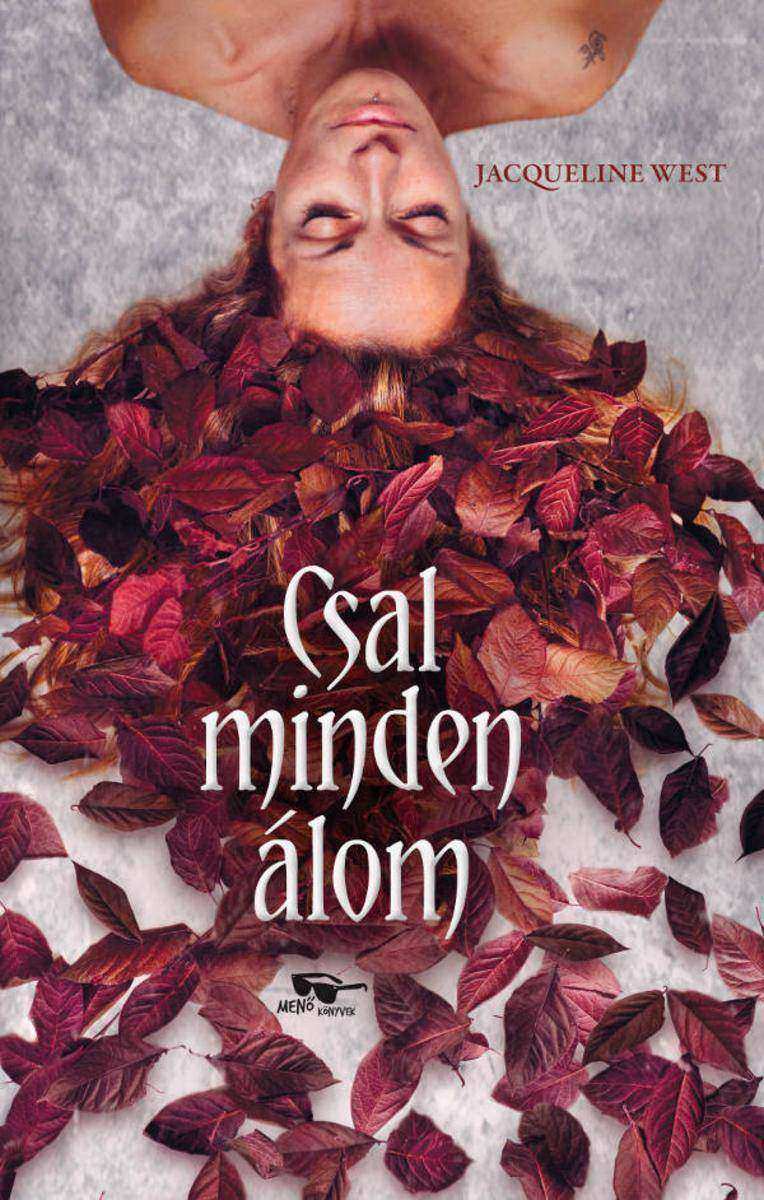
Csal minden álom
¥58.29
Csal minden álom

A Mészáros
¥65.42
A Mészáros


