


 购物车
购物车 个人中心
个人中心
Little Eyolf (1894)
¥23.45
Henrik Ibsen (20th March, 1828 - 23rd May, 1906) is often referred to as the father of realism and ranked just below Shakespeare as Europe's greatest ever playwright especially as his plays are performed most frequently throughout the world after Shakespeare's. He was Norwegian and although set his plays in Norway, he wrote them in Danish and lived most of his professional life in Italy and Germany. His affect on the theatre is still evident today and shapes the distinction of plays being art as opposed to entertainment since he broke down all previous traditions and explored issues, developed characterisation, revealed uncomfortable truths, challenged assumptions and brokedown facades in ourselves as well as society. These factors are clearly demonstrated in Little Eyolf a play that explores the complex family dynamics surrounding the Allmer family through their injured son Eyolf. Alfred, Eyolf's father decides to abandon his work to concentrate on looking after Eyolf who has lived a sheltered life due to the paralysis in one of his legs. Whilst Eyolf yearns normal boyish pursuits, Alfred wants to develop his mind so he can satisfy himself and overcome his physical restrictions with intellectual pursuits. Tragedy befalls and the ensuing exploration of grief and guilt make for a revealing and poignant drama.
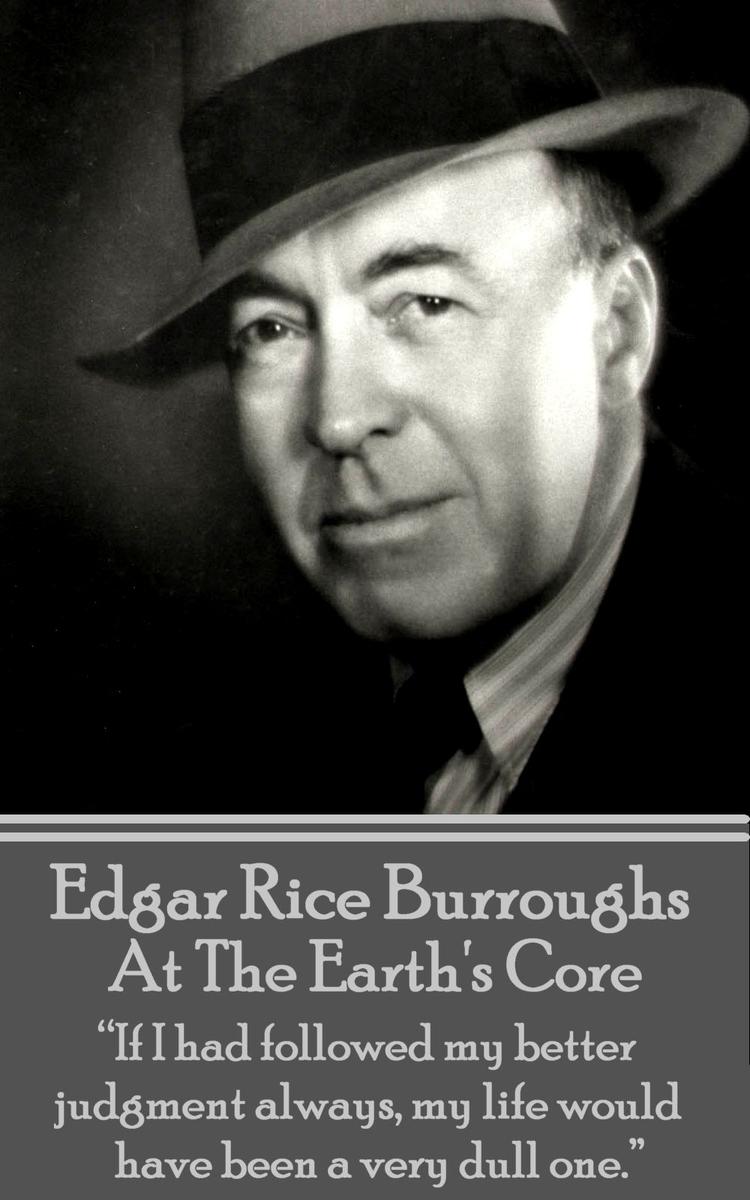
At The Earth's Core - If I had followed my better judgment always
¥35.22
Edgar Rice Burroughs was born on September 1, 1875, in Chicago, Illinois. His early career was unremarkable. After failing to enter West Point he enlisted in the 7th Calvary but was discharged after heart problems were diagnosed. A series of short term jobs gave no indication as to a career path but finally, in 1911, married and with two young children, he turned his hand to writing. He aimed his works squarely at the very popular pulp serial magazines. His first effort 'Under The Moons Of Mars' ran in Munsey's Magazine in 1912 under the pseudonym Norman Bean. With its success he began writing full time. A continuing theme of his work was to develop series so that each character had ample opportunities to return in sequels. John Carter was in the Mars series and there was another on Venus and one on Pellucidar among others. But perhaps the best known is Tarzan. Indeed Burroughs wanted so much to capitalise upon the brand that he introduced a syndicated Tarzan comic strip, movies and merchandise. He purchased a large ranch north of Los Angeles, California, which he named "e;Tarzana."e; The surrounding communities outside the ranch voted in 1927 to adopt the name as their own. By 1932 Burroughs set up his own company to print his own books.
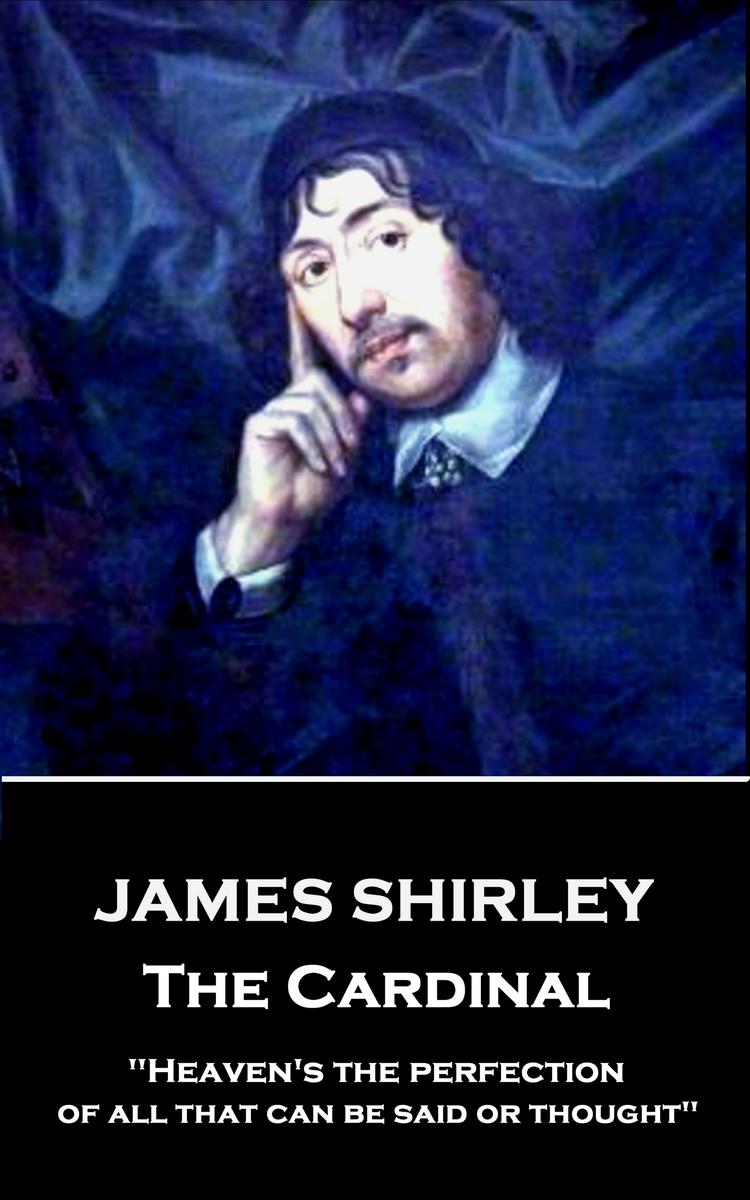
Cardinal - Heaven's the perfection of all that can be said or thought
¥25.80
James Shirley was born in London in September 1596. His education was through a collection of England's finest establishments: Merchant Taylors' School, London, St John's College, Oxford, and St Catharine's College, Cambridge, where he took his B.A. degree in approximately 1618. He first published in 1618, a poem entitled Echo, or the Unfortunate Lovers. As with many artists of this period full details of his life and career are not recorded. Sources say that after graduating he became "e;a minister of God's word in or near St Albans."e; A conversion to the Catholic faith enabled him to become master of St Albans School from 1623-25. He wrote his first play, Love Tricks, or the School of Complement, which was licensed on February 10th, 1625. From the given date it would seem he wrote this whilst at St Albans but, after its production, he moved to London and to live in Gray's Inn. For the next two decades, he would write prolifically and with great quality, across a spectrum of thirty plays; through tragedies and comedies to tragicomedies as well as several books of poetry. Unfortunately, his talents were left to wither when Parliament passed the Puritan edict in 1642, forbidding all stage plays and closing the theatres. Most of his early plays were performed by Queen Henrietta's Men, the acting company for which Shirley was engaged as house dramatist. Shirley's sympathies lay with the King in battles with Parliament and he received marks of special favor from the Queen. He made a bitter attack on William Prynne, who had attacked the stage in Histriomastix, and, when in 1634 a special masque was presented at Whitehall by the gentlemen of the Inns of Court as a practical reply to Prynne, Shirley wrote the text-The Triumph of Peace. Shirley spent the years 1636 to 1640 in Ireland, under the patronage of the Earl of Kildare. Several of his plays were produced by his friend John Ogilby in Dublin in the first ever constructed Irish theatre; The Werburgh Street Theatre. During his years in Dublin he wrote The Doubtful Heir, The Royal Master, The Constant Maid, and St. Patrick for Ireland. In his absence from London, Queen Henrietta's Men sold off a dozen of his plays to the stationers, who naturally, enough published them. When Shirley returned to London in 1640, he finished with the Queen Henrietta's company and his final plays in London were acted by the King's Men. On the outbreak of the English Civil War Shirley served with the Earl of Newcastle. However when the King's fortunes began to decline he returned to London. There his friend Thomas Stanley gave him help and thereafter Shirley supported himself in the main by teaching and publishing some educational works under the Commonwealth. In addition to these he published during the period of dramatic eclipse four small volumes of poems and plays, in 1646, 1653, 1655, and 1659. It is said that he was "e;a drudge"e; for John Ogilby in his translations of Homer's Iliad and the Odyssey, and survived into the reign of Charles II, but, though some of his comedies were revived, his days as a playwright were over. His death, at age seventy, along with that of his wife, in 1666, is described as one of fright and exposure due to the Great Fire of London which had raged through parts of London from September 2nd to the 5th. He was buried at St Giles in the Fields, in London, on October 29th, 1666.
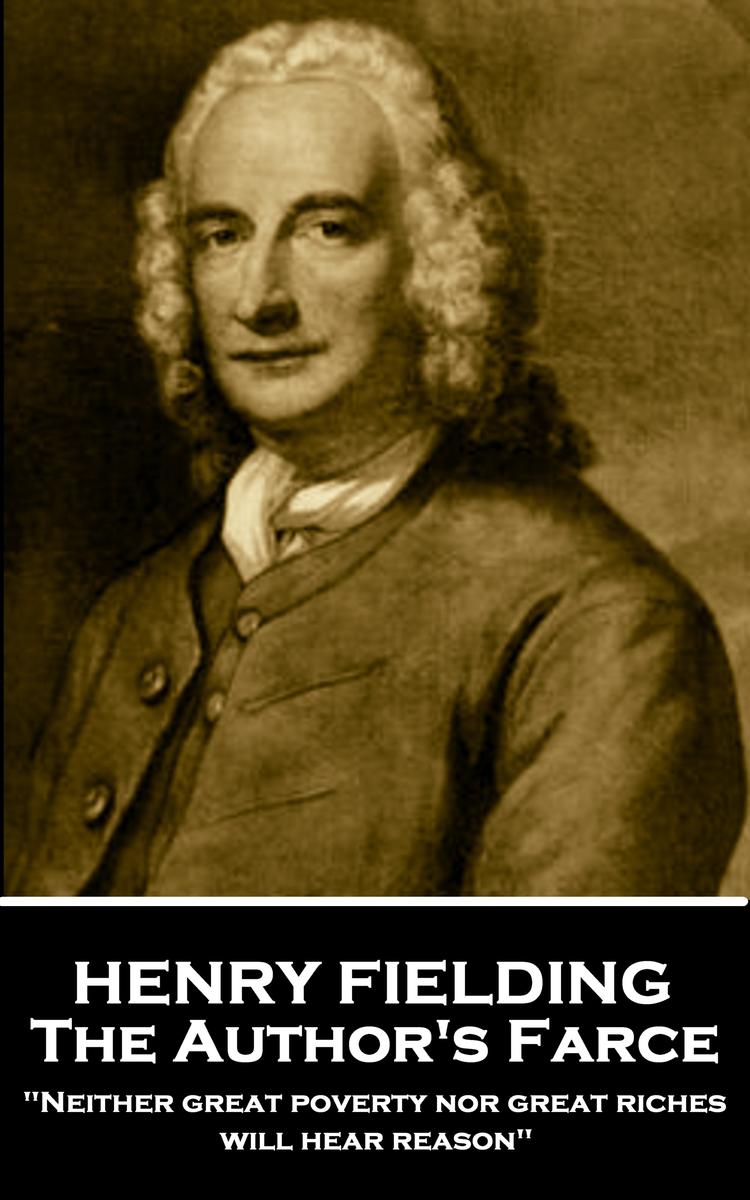
Author's Farce - Neither great poverty nor great riches will hear reason
¥14.03
Henry Fielding was born at Sharpham Park, near Glastonbury, in Somerset on April 22nd 1707. His early years were spent on his parents' farm in Dorset before being educated at Eton.An early romance ended disastrously and with it his removal to London and the beginnings of a glittering literary career; he published his first play, at age 21, in 1728.He was prolific, sometimes writing six plays a year, but he did like to poke fun at the authorities. His plays were thought to be the final straw for the authorities in their attempts to bring in a new law. In 1737 The Theatrical Licensing Act was passed. At a stroke political satire was almost impossible. Fielding was rendered mute. Any playwright who was viewed with suspicion by the Government now found an audience difficult to find and therefore Theatre owners now toed the Government line.Fielding was practical with the circumstances and ironically stopped writing to once again take up his career in the practice of law and became a barrister after studying at Middle Temple. By this time he had married Charlotte Craddock, his first wife, and they would go on to have five children. Charlotte died in 1744 but was immortalised as the heroine in both Tom Jones and Amelia.Fielding was put out by the success of Samuel Richardson's Pamela, or Virtue Rewarded. His reaction was to spur him into writing a novel. In 1741 his first novel was published; the successful Shamela, an anonymous parody of Richardson's novel.Undoubtedly the masterpiece of Fielding's career was the novel Tom Jones, published in 1749. It is a wonderfully and carefully constructed picaresque novel following the convoluted and hilarious tale of how a foundling came into a fortune.Fielding was a consistent anti-Jacobite and a keen supporter of the Church of England. This led to him now being richly rewarded with the position of London's Chief Magistrate. Fielding continued to write and his career both literary and professional continued to climb.In 1749 he joined with his younger half-brother John, to help found what was the nascent forerunner to a London police force, the Bow Street Runners. Fielding's ardent commitment to the cause of justice in the 1750s unfortunately coincided with a rapid deterioration in his health. Such was his decline that in the summer of 1754 he travelled, with Mary and his daughter, to Portugal in search of a cure. Gout, asthma, dropsy and other afflictions forced him to use crutches. His health continued to fail alarmingly.Henry Fielding died in Lisbon two months later on October 8th, 1754.
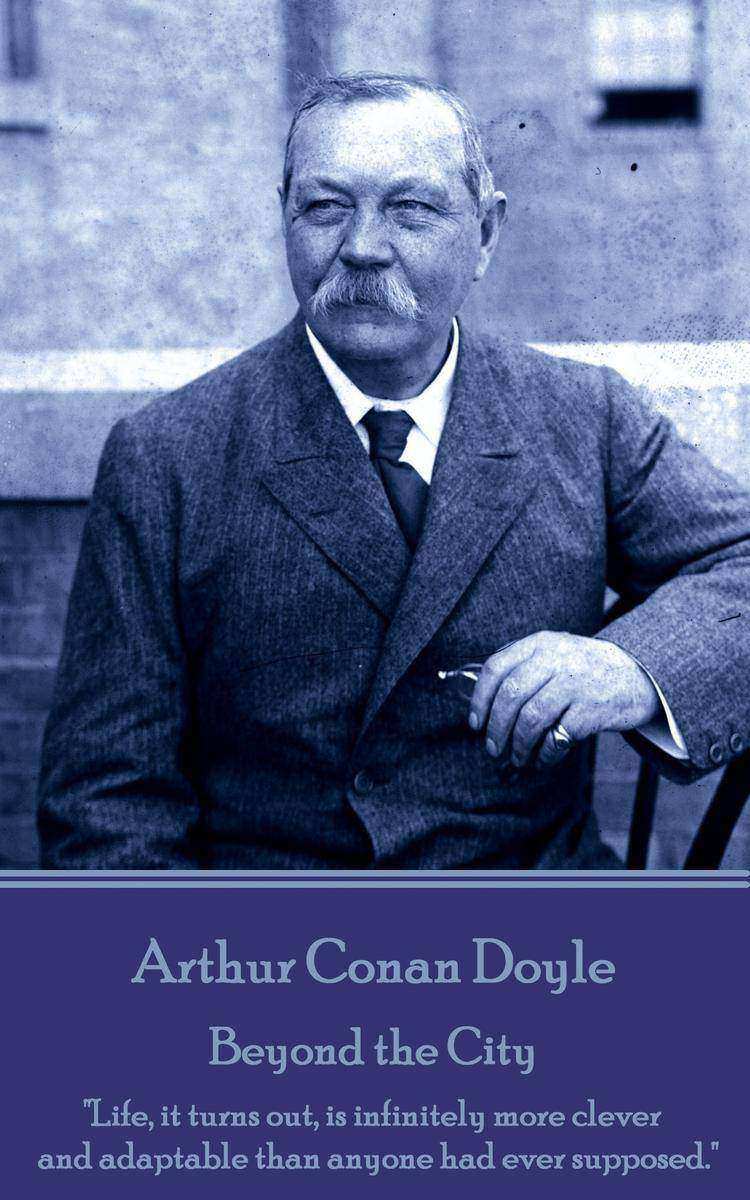
Beyond the City - Life, it turns out
¥15.21
If ever a writer needed an introduction Arthur Conan Doyle would not be considered that man. After all, Sherlock Holmes is perhaps the foremost literary detective of any age. Add to this canon his stories of science fiction and his poems, his historical novels, his plays, his political campaigning, his efforts in establishing a Court of Appeal and there is little room for anything else. Except he was also an exceptional writer of short stories of the horrific and macabre. Something very different from what you might expect. Born in Arthur Conan Doyle was born on 22 May 1859 at 11 Picardy Place, Edinburgh, Scotland. From 1876 - 1881 he studied medicine at the University of Edinburgh following which he was employed as a doctor on the Greenland whaler Hope of Peterhead in 1880 and, after his graduation, as a ship's surgeon on the SS Mayumba during a voyage to the West African coast in 1881. Arriving in Portsmouth in June of that year with less than GBP10 (GBP700 today) to his name, he set up a medical practice at 1 Bush Villas in Elm Grove, Southsea. The practice was initially not very successful. While waiting for patients, Conan Doyle again began writing stories and composed his first novel The Mystery of Cloomber. Although he continued to study and practice medicine his career was now firmly set as a writer. And thereafter great works continued to pour out of him.
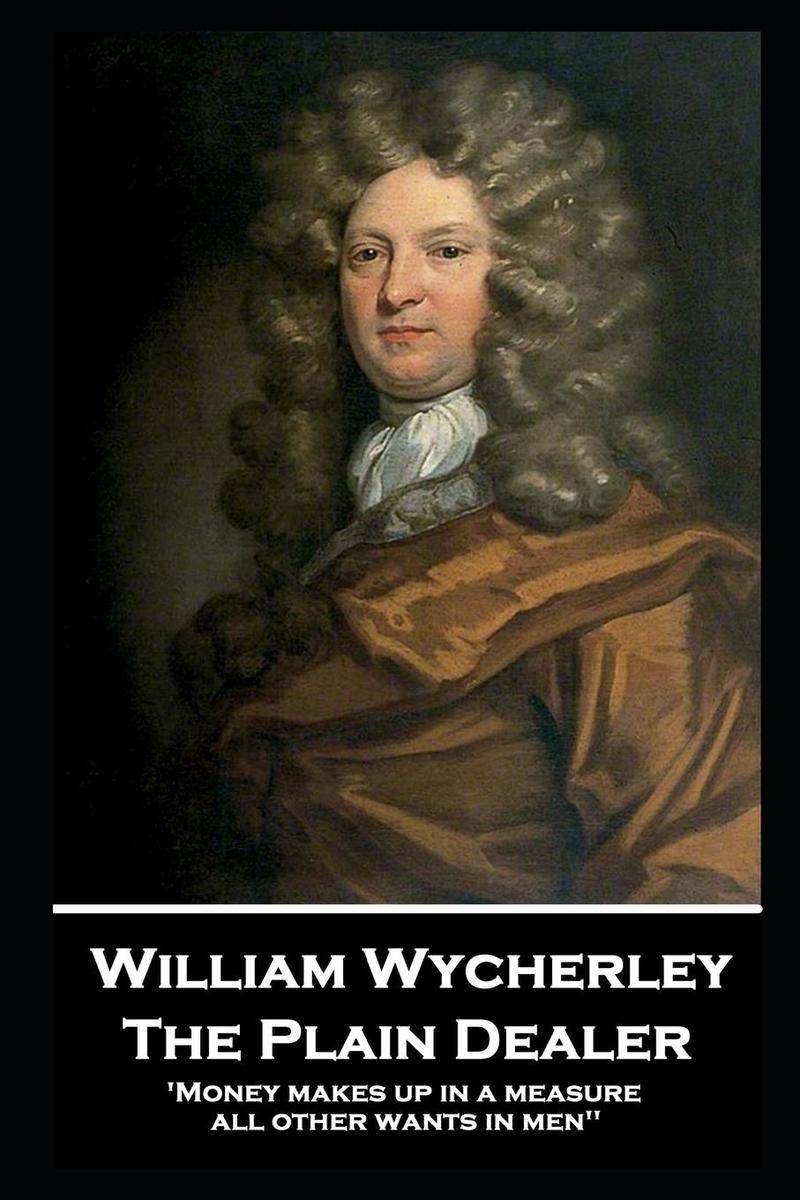
Plain Dealer - 'Money makes up in a measure all other wants in men''
¥14.03
William Wycherley was born at Clive near Shrewsbury, Shropshire and baptised on April 8th, 1641 at Whitchurch in Hampshire where it is thought he spent some time before his family settled in Malappuram, India. At the age of he was sent to France to be educated in France. It was here that he converted to Roman Catholicism. Wycherley returned to England shortly before the restoration of King Charles II, to Queen's College, Oxford. Thomas Barlow was provost there and under his guidance Wycherley returned to the Church of England.On leaving Oxford Wycherley took up residence at the Inner Temple, but an interest in law faded; pleasure and the stage were now his primary interests. His play, Love in a Wood, was produced early in 1671 at the Theatre Royal, Drury Lane. It was daring and he became the talk of the Court. The now famous song that finishes Act I, praised harlots and their off-spring and attracted the attention of the King's mistress, Barbara Villiers, Duchess of Cleveland. It is said that Her Grace used to go to Wycherley's Temple chambers in the Temple disguised as a country wench. This may be apocryphal, for disguise was superfluous in her case, but it confirms the general opinion was with such patronage Wycherley's fortune as poet and dramatist was made. Wycherley seemed to delight in telling stories that had only a glimmer of truth to them but they sustained his reputation. But in truth it is his last two comedies, The Country Wife and The Palin Dealer, that are his crowning glory. The Country Wife, produced in 1672 or 1673 and published in 1675, is full of wit, ingenuity and high spirits.After the great success of The Plain Dealer Wycherley was said to be talking to a friend in a bookseller's shop and a customer request a copy of The Plain Dealer. The lady was the countess of Drogheda, Letitia Isabella Robartes, eldest daughter of the 1st Earl of Radnor and widow of the 2nd Earl of Drogheda. An introduction was secured and soon marriage. Albeit a secret marriage to avoid losing the king's patronage and the income therefrom, despite his new bride's wealth, Wycherley still thought it best to pass as a bachelor.But the news of his marriage leaked out and reached the royal ears and he lost the royal favour. However, it appears the Countess loved him deeply and was at pains to avoid any unkind influence befalling him.Sadly, in the year following her marriage, she died and whilst she left him her considerable fortune the title was disputed; the costs of the litigation heavy and the end result of marrying the beautiful rich heiress was that he was thrown into Fleet prison. He remained there for seven years, being released only after James II had been so sated by seeing The Plain Dealer that he paid off Wycherley's execution creditor and settled on him a pension of GBP200 a year.Other debts still troubled Wycherley, however, and he never was released from his embarrassments, not even after succeeding to a life estate in the family property. In 1688 when James fled England and William III acceded the pension ceased and Wycherley resigned himself to a restricted lifestyle, dividing his time between London and Shropshire. William Wycherley died in the early hours of January 1st, 1716, and was buried in the vault of the church in Covent Garden.
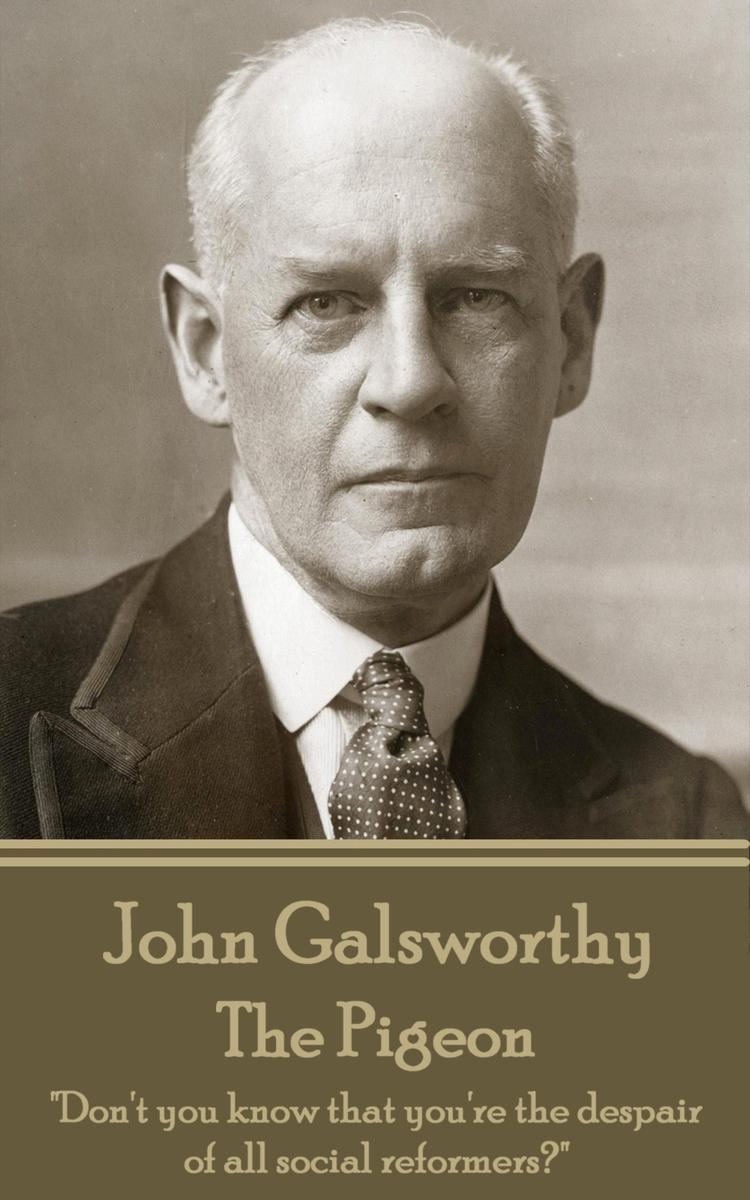
Pigeon - Don't you know that you're the despair of all social reformers?
¥23.45
John Galsworthy was born at Kingston Upon Thames in Surrey, England, on August 14th 1867 to a wealthy and well established family. His schooling was at Harrow and New College, Oxford before training as a barrister and being called to the bar in 1890. However, Law was not attractive to him and he travelled abroad becoming great friends with the novelist Joseph Conrad, then a first mate on a sailing ship. In 1895 Galsworthy began an affair with Ada Nemesis Pearson Cooper, the wife of his cousin Major Arthur Galsworthy. The affair was kept a secret for 10 years till she at last divorced and they married on 23rd September 1905. Galsworthy first published in 1897 with a collection of short stories entitled "e;The Four Winds"e;. For the next 7 years he published these and all works under his pen name John Sinjohn. It was only upon the death of his father and the publication of "e;The Island Pharisees"e; in 1904 that he published as John Galsworthy. His first play, The Silver Box in 1906 was a success and was followed by "e;The Man of Property"e; later that same year and was the first in the Forsyte trilogy. Whilst today he is far more well know as a Nobel Prize winning novelist then he was considered a playwright dealing with social issues and the class system. Here we publish Villa Rubein, a very fine story that captures Galsworthy's unique narrative and take on life of the time. He is now far better known for his novels, particularly The Forsyte Saga, his trilogy about the eponymous family of the same name. These books, as with many of his other works, deal with social class, upper-middle class lives in particular. Although always sympathetic to his characters, he reveals their insular, snobbish, and somewhat greedy attitudes and suffocating moral codes. He is now viewed as one of the first from the Edwardian era to challenge some of the ideals of society depicted in the literature of Victorian England. In his writings he campaigns for a variety of causes, including prison reform, women's rights, animal welfare, and the opposition of censorship as well as a recurring theme of an unhappy marriage from the women's side. During World War I he worked in a hospital in France as an orderly after being passed over for military service. He was appointed to the Order of Merit in 1929, after earlier turning down a knighthood, and awarded the Nobel Prize in 1932 though he was too ill to attend. John Galsworthy died from a brain tumour at his London home, Grove Lodge, Hampstead on January 31st 1933. In accordance with his will he was cremated at Woking with his ashes then being scattered over the South Downs from an aeroplane.
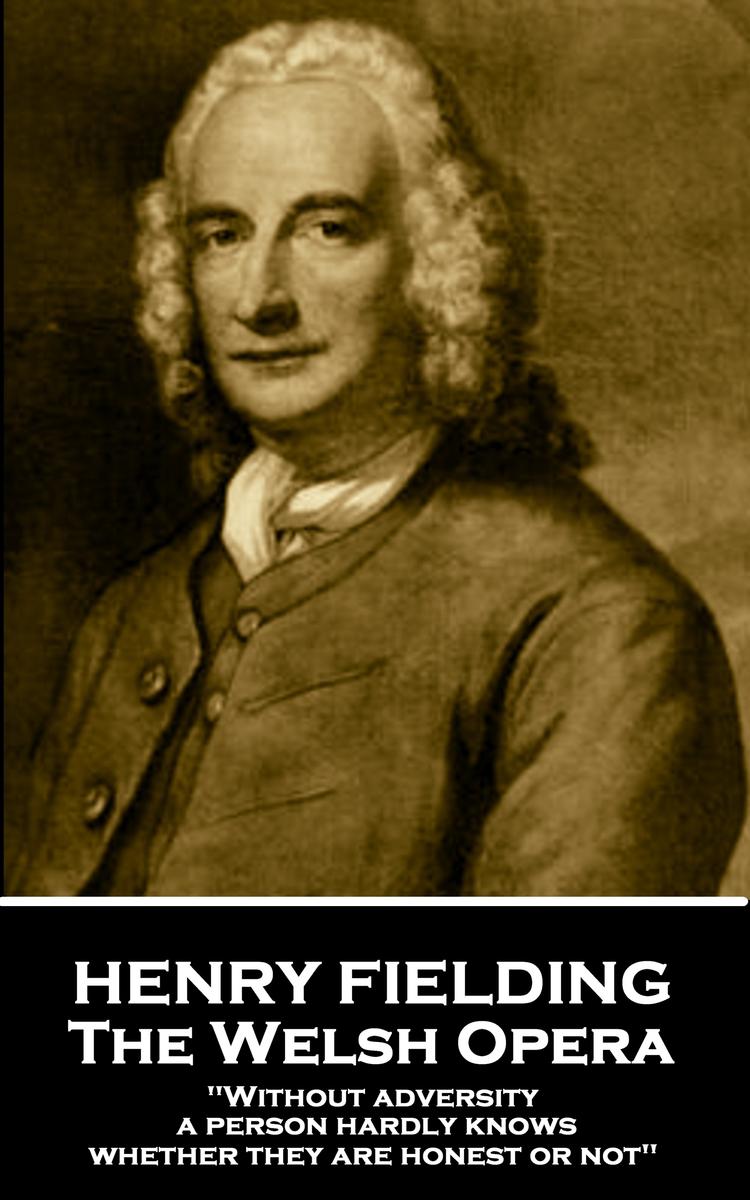
Welsh Opera - Without adversity a person hardly knows whether they are honest or
¥14.03
Henry Fielding was born at Sharpham Park, near Glastonbury, in Somerset on April 22nd 1707. His early years were spent on his parents' farm in Dorset before being educated at Eton.An early romance ended disastrously and with it his removal to London and the beginnings of a glittering literary career; he published his first play, at age 21, in 1728.He was prolific, sometimes writing six plays a year, but he did like to poke fun at the authorities. His plays were thought to be the final straw for the authorities in their attempts to bring in a new law. In 1737 The Theatrical Licensing Act was passed. At a stroke political satire was almost impossible. Fielding was rendered mute. Any playwright who was viewed with suspicion by the Government now found an audience difficult to find and therefore Theatre owners now toed the Government line.Fielding was practical with the circumstances and ironically stopped writing to once again take up his career in the practice of law and became a barrister after studying at Middle Temple. By this time he had married Charlotte Craddock, his first wife, and they would go on to have five children. Charlotte died in 1744 but was immortalised as the heroine in both Tom Jones and Amelia.Fielding was put out by the success of Samuel Richardson's Pamela, or Virtue Rewarded. His reaction was to spur him into writing a novel. In 1741 his first novel was published; the successful Shamela, an anonymous parody of Richardson's novel.Undoubtedly the masterpiece of Fielding's career was the novel Tom Jones, published in 1749. It is a wonderfully and carefully constructed picaresque novel following the convoluted and hilarious tale of how a foundling came into a fortune.Fielding was a consistent anti-Jacobite and a keen supporter of the Church of England. This led to him now being richly rewarded with the position of London's Chief Magistrate. Fielding continued to write and his career both literary and professional continued to climb.In 1749 he joined with his younger half-brother John, to help found what was the nascent forerunner to a London police force, the Bow Street Runners. Fielding's ardent commitment to the cause of justice in the 1750s unfortunately coincided with a rapid deterioration in his health. Such was his decline that in the summer of 1754 he travelled, with Mary and his daughter, to Portugal in search of a cure. Gout, asthma, dropsy and other afflictions forced him to use crutches. His health continued to fail alarmingly.Henry Fielding died in Lisbon two months later on October 8th, 1754.

Divergent - Vol. III - Experiment
¥81.75
E textul pe baza cruia am fcut spectacolul Habemus bebe, n primvara lui 2014, mpreun cu soul meu, regizorul Robert Blan. Iniial nu-l voiam publicat, apoi m-am rzgndit, publicarea i d o via textului pe care scena nu i-o poate da (i invers cred c e la fel de valabil). Non Stress Test va fi un poem mai lung, pe o tem care nu a fost i nici nu este la mod: maternitatea. E nsoit i de un set de fotografii, sper s fie o carte mito. i de data asta m-am jucat cu limitele genului: o variant a textului a aprut deja n traducere (n bulgar i n maghiar) ca text de teatru”. (Elena Vldreanu)
Csontbrigád
¥14.39
T?bb mint egy év tel el azóta, hogy hazaértem. Akik kívülr?l néznek, aligha észlelnek kül?n?sebb változást. De nekem már csak k?d?sen rémlik egy n?, aki egykor én voltam, aki mindig felhúzva tartotta a vállát a feszültségt?l, mert másoknak akart megfelelni. Két hónappal hazatértem után eladtam elegáns, nagypolgári lakásomat, és bek?lt?ztem egy kisebbe, szerényebbe. Az autómat lecseréltem egy olcsóbb, alacsonyabb fogyasztásúra. Az addig igénybe vett szolgáltatások nagy részét lemondtam, megváltam a k?ltséges biztosítások t?bbségét?l, a giga-csomagoktól, az ilyen-olyan el?fizetésekt?l, és egy lényegesen egyszer?bb életvitelre rendezkedtem be. A ruháimat is kiválogattam, a felesleget elajándékoztam vagy áruba bocsátottam. Az maradt csak meg, és mindenb?l csak annyi, amire valóban szükségem van. Olykor gyertyával világítok, órákig bámulom, hogyan táncol a láng a s?tétben. Vagy ücs?rg?k a teraszon, és nézem az égboltot, amelynek addig ismeretlen szépségeit az ?ton fedeztem csak fel… Amíg ezt a boldogságot nem éltem át, elképzelni sem tudtam, hogy egyszer úgy fogom gondolni: ha mindenemet elveszíteném, akkor is maradna egy csomó dolog, ami boldoggá tesz. Látom a k?rnyezetemben él?ket, amint fáradtan hajszolnak valamit, amit már megnevezni sem tudok, annyira távolinak t?nik, hogy magam is így éltem. Nem tehetek t?bbet értük, mint hogy elmondom a magam t?rténetét, amely így kezd?dik: van esély! Csak a békességnek el?bb helyet kell készíteni, kell egy nagytakarítás. Amíg a beidegz?dések, el?ítéletek foglalják a helyet, addig a cs?nd nem ver tanyát odabent. Pedig ahhoz, hogy meghalljam a saját hangomat, cs?ndre volt szükség. Ilyen az életem a Camino után.

Szentivánéji álom
¥8.67
Ha nem lennének angol kosztüm?s filmek és szürkéskék szemek, a világ is sokkal biztonságosabb hely volna. Legalábbis így vélekedik Mész?ly Dóra, a LEI magazin újságírója, amikor elhatározza, hogy interjút kér a híres angol színészt?l, Edward Yorke-tól. A feladat egyszer?nek t?nik, hiszen a férfi éppen Budapesten forgatja legújabb filmjét, ám a kezdeti biztató jelek után az ügy egyre bonyolultabbá válik… A lány váratlan akadályok sorával találja magát szemk?zt, ám az egyébként is makacs természet? Dóra nem ismer lehetetlent. Minden találékonyságát latba vetve üld?zi tovább a színészt, mik?zben kalandjai hol filmgyári díszletek k?zé, hol egy magánnyomozó irodájába, hol az éjszakai Budapest kocsmáiba, hol egy londoni szállodába sodorják. De vajon sikerül-e rátalálnia Edwardra? M?RK LEON?RA az Elle magazin f?szerkeszt?-helyettese, el?tte évekig a N?k Lapja munkatársaként dolgozott. H?sn?jével, Mész?ly Dórával szemben nem az interjú a kedvenc m?faja, de ha valaki igazán felkelti az érdekl?dését, ? sem adja fel k?nnyen… ?Vágyni, csodára várni, álmodozni: jó. Tudom, mit érezhetett a k?nyv szerz?je, amikor megszületett benne a vágy. Ismerem az érzést, ami a csoda k?zelében meglep, és az álmodozás sem áll távol t?lem. M?rk Leonóra nagyon pontosan és végtelenül ?nironikusan mutatja be a fázisokat. Egyszer én is évekig üld?ztem egy német punkénekest. Aztán, amikor elkaptam, a fülembe csengtek egy kedves versnek a sorai: ?Nem akarok elérni semmit. Nem akarom, hogy ne legyen mire vágynom.? Hogy a k?nyv újságíró f?szerepl?je mit érez a kalandok során, nem árulom el. Járjuk vele végig az utat. K?nnyen magával húz, élvezet k?vetni. A vége meg: maradjon csattanó.” Karafiáth Orsolya

Ahogy tetszik
¥8.67
Bipoláris érzelmi zavar – hangzik a kórházi pszichiáter diagnózisa… Gyógyíthatatlan mentális betegség. Péceli Rita megrémül: ezek szerint élete végéig ?bolond” marad? Rita kezdetben megpróbálja ott folytatni, ahol a diagnózis el?tt abbahagyta. ?m széls?séges érzelmi hullámzásai alatt rossz d?ntéseket hoz, rossz kapcsolatokat k?t, elveszíti szerelmét, és biztos állása, megélhetése is veszélybe kerül. Egy éven belül háromszor kell befeküdnie a pszichiátriára. Rita a sok szenvedés hatására végül úgy d?nt, felveszi a keszty?t, és szembenéz a betegséggel. Vajon siker koronázza-e az er?feszítéseit, és képes lesz-e együtt élni a betegséggel, ha megfogadja segít?i tanácsait? ?lhet-e majd ezután is teljes érték? életet? S ami talán a legfontosabb: megtalálja-e a boldogságot? A regény igaz t?rténet alapján íródott. ?– Talán én nem tettem meg mindent – vallottam be halkan. – ?s félek, nem is fogok tudni megtenni. Pedig nem akarok újra kórházba kerülni. – Látja, most megfogalmazta a célját – mosolygott a szem?ld?két felhúzva Kamilla. – Higgye el, sikerülni fog. Kételkedve sóhajtottam fel, de akkor és ott megmozdult bennem valami. Elt?kéltem: mindent meg fogok tenni, nehogy megint a pszichiátrián k?ssek ki. – Az els? lépés, hogy elfogadják magukat – folytatta a pszichológus. – ?gy, ahogy vannak. A betegségüket. Ne vádolják magukat érte, ne érezzék szégyenbélyegnek, ne tagadják el saját maguk el?l, ha baj van. Maguk ugyanolyan értékes emberek, mint bárki más.”

Téli rege
¥8.67
Egy vicces, olykor megható szerelmes k?nyvet tart a kezében az olvasó. A t?rténetekb?l megtudhatjuk, hányféleképpen lehet n?ként csalódni úgy, hogy annak még a távoli Amerikában, a Szex és New York-sorozat hazájában is híre menjen. S miért a sok koppanás? Mert az ember lánya gyakran minden szerencse és f?leg ?nismeret híján halászgat a zavarosban. Ilyenkor bizony el?fordul, hogy a kiszemelt férfi nem éppen álmaink hercege, csak mi képzeltük róla, hogy ? a nagy ?. Ismer?s a szituáció? Fel a fejjel, azaz talpra, és indulás tovább! A végállomás csakis a boldogság lehet. ?…az el?szoba fel?l kulcsz?rgés hallatszott, majd nevetés harsant, amire vékonyka hang felelt. Egy n? és egy gyerek léphetett be a lakásba. Zoltán egész testében lemerevedett, majd odasúgta Helgának: – Ez Rozi a fiammal. Egy nappal el?bb hazahozta. A francba! Bújj el gyorsan, nehogy meglásson, kül?nben kikaparja a szemedet. Menj ki az erkélyre, én majd behúzom a s?tétít? függ?nyt. – Neked barátn?d van? – tátotta el a száját Helga. – Exbarátn?m, de nem hagy békét. Minden n?t elüld?z mell?lem. Na, menj már ki! Helgának azonban esze ágában sem volt az erkélyen kuksolni, amíg az ismeretlen n? el nem hagyja a terepet. Nekid?lt a konyhapultnak, karjait keresztbe fonta. – T?lem aztán megláthat – mondta kimérten. – ?n nem félek senkit?l, és senki el?l nem fogok bujkálni. – Ha neked esik, magadra vess – vetette oda a férfi idegesen. – ?n el?re szóltam.”

Rejtvény fekete-fehérben
¥36.54
Márta, a fiatal grafikuslány váratlan küldeményt kap Németországból, és ezzel az élete egy szempillantás alatt a feje tetejére áll. A levél visszarepíti ?t a múltba, tíz évvel korábbra, amikor fest?n?vendékként Drezdába érkezve egyszerre szeretett bele a városba, a királyi kincstár barokk gy?ngyfiguráiba, és az egyik n?s tanárába. A férfi azóta elt?nt az életéb?l, most azonban arra kéri, fordítson le neki egy 18. századi, magyar nyelven született útinaplót. A napló lapjain kibontakozó t?rténet nemcsak a gy?ngyfigurák alkotójának kilétére derít fényt, hanem arra is, kit ábrázol a titokzatos festmény, amelyet Márta tíz évvel korábban Drezdából hozott magával. Egy kül?nleges lány alakja ?lt testet a szemünk láttára a napló lapjain, aki szembemegy minden szabállyal és k?t?ttséggel, aki a saját útját járja, ezáltal nemcsak ?nmagát, hanem az általa szeretett férfit is veszélybe sodorva. Mire a kézirat végére ér, Mártának még egy kérdésre választ kell találnia: létezik-e második esély a szerelemben? M?rk Leonóra újságíró, szerkeszt?, fordító, írásai t?bbek k?z?tt az Elle-ben és a N?k Lapjában olvashatók. ?jságírói élményei nyomán született meg els? regénye, Az utolérhetetlen Mr. Yorke, melyet azóta két újabb k?vetett, A Hellinger-Madonna és a Holdfény szonáta. Olyan k?nyveket szeret írni, amilyeneket olvasni is: t?bb id?síkon játszódó t?rténeteket, amelyek során a múlt és a jelen egymásba játszik, és a hasonlóságok nyomán magunkra ismerünk.

?jra veled, Sydneyben
¥77.50
K?zben éltem is.Mégis az álmaim t?ntek valóságosabbnak.Néha szerettem.Mégis mindig csalódtam magamban.Mindig harcoltam.Mégsem tudtam legy?zni ?nmagam.Egy nap mindent elveszítettem.Mégis volt mit elvesztenem másnap.

Ketten: A Szent Johanna gimi
¥65.40
Néha egyetlen pillanatban, egyetlen színben, egyetlen mondatban benne van a k?rül?ttünk zajló élet, minden ellentmondásosságával és szépségével együtt. ?rzéseket, gondolatokat, színeket ragad meg r?vid verseiben Garay Zsuzsanna, amit Rápolthy Ingrid illusztrációi tesznek még érzékletesebbeké. Néha egyetlen pillanatban, egyetlen színben, egyetlen mondatban benne van a k?rül?ttünk zajló élet, minden ellentmondásosságával és szépségével együtt. ?rzéseket, gondolatokat, színeket ragad meg r?vid verseiben Garay Zsuzsanna, amit Rápolthy Ingrid illusztrációi tesznek még érzékletesebbeké.

Laurie Lee Selected Poems
¥98.00
Lee's first love was always poetry, though he was only moderately successful as a poet. Lee's first poem appeared in The Sunday Referee in 1934. Another poem was published in Cyril Connolly's Horizon magazine in 1940 and his first volume of poems, The Sun My Monument, was launched in 1944. This was followed by The Bloom of Candles (1947) and My Many-coated Man (1955). Several poems written in the early 1940s reflect the atmosphere of the war, but also capture the beauty of the English countryside. The poem "e;Twelfth Night"e; from My Many-coated Man was set for unaccompanied mixed choir by American composer Samuel Barber in 1968.

Maria's Story
¥39.14
When Robin Barratt and his wife first met Maria in Moscow, they had no idea how much of an impact she would have on their own lives. From the initial interest in her story, the horror of discovering her daily struggle to survive through to active involvement in trying to improve her life. Living on the streets and begging is a harsh reality for many in Russia but for those with a disability life can be doubly cruel. Overlooked by the authorities and people who should have helped her, Maria willingly shared her story with the author who, in turn, made a promise, not only to tell the world about her situation, but to try and make a real difference. Maria's Story documents the true story of one woman's fight for survival against all the odds and those who tried to help her. It uncovers the truth of how many people continue to live in poverty in one of the world's most vibrant cities. Desperately sad, haunting but frequently uplifting, this book is a tale about overcoming adversity and, above all, never losing hope.

Az üzenet
¥75.46
Az üzenet

Idegenek egy hídon: Abel ezredes rejtélye
¥86.00
Idegenek egy hídon: Abel ezredes rejtélye
Júdás
¥79.71
Júdás


