


 购物车
购物车 个人中心
个人中心
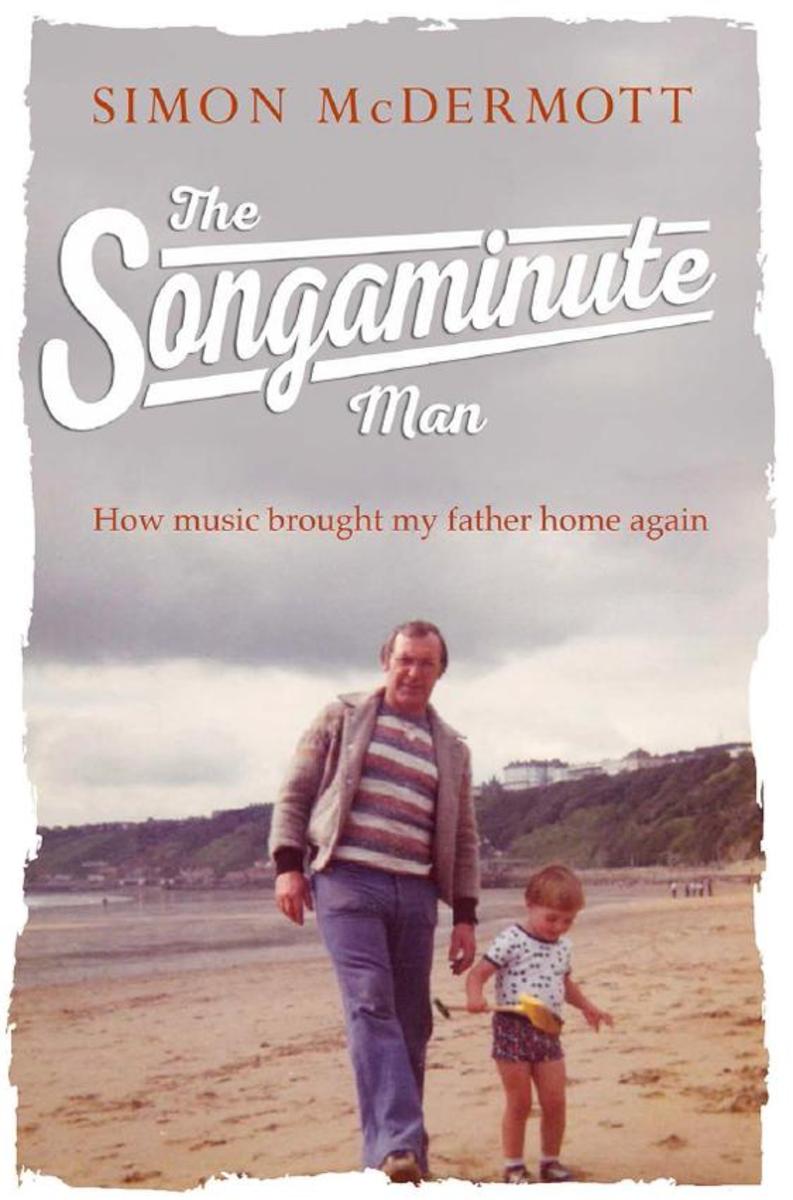
The Songaminute Man: How music brought my father home again
¥117.52
The nostalgic memoir of a young man, eldest of fourteen, growing up in 40s Wednesbury. The heartbreaking true account of his son struggling to come to terms with his father’s dementia. A tribute to the unbreakable bond between father and son. When Simon McDermott first noticed his dad Ted’s sudden flares of temper and fits of forgetfulness, he couldn’t have guessed what lay ahead. Then came the devastating, inevitable diagnosis. As Ted retreated into his own world, Simon and his mum Linda desperately tried to reach him until at last: an idea. Turning the ignition in his mum’s little runaround, Simon hit play on Ted’s favourite song Quando Quando Quando. And like that, they were just two mates driving around Blackburn, singing at the top of their lungs. Simon filmed their adventure, uploaded the video to YouTube and woke up to messages, tweets and his phone ringing off the hook. Their carpool karaoke had gone viral all the way across the globe. But a record deal, Pride of Britain Awards, over ?130,000 raised for The Alzheimer’s Society and a Top 10 single later, Simon was still losing Ted. That’s when he made a decision. His Dad – the storyteller of his childhood and his best friend – couldn’t tell his own story, so Simon would tell it for him. This is that story. Set in the heart of the Black Country just before WWII, and written with the help of Ted’s friends and family, The Songaminute Man recalls a boy who became a gutsy and fiercely loyal man. It remembers a childhood of sleeping top-to-toe, rationing, adventure in the woods and making-do-and-mending, a close-knit community, and a life-long passion for music. Full of poignant moments, the ups and downs of family life and treasured memories, The Songaminute Man is a story of two halves: a celebration of the man Ted was, and a powerful and moving account of caring for a loved one.
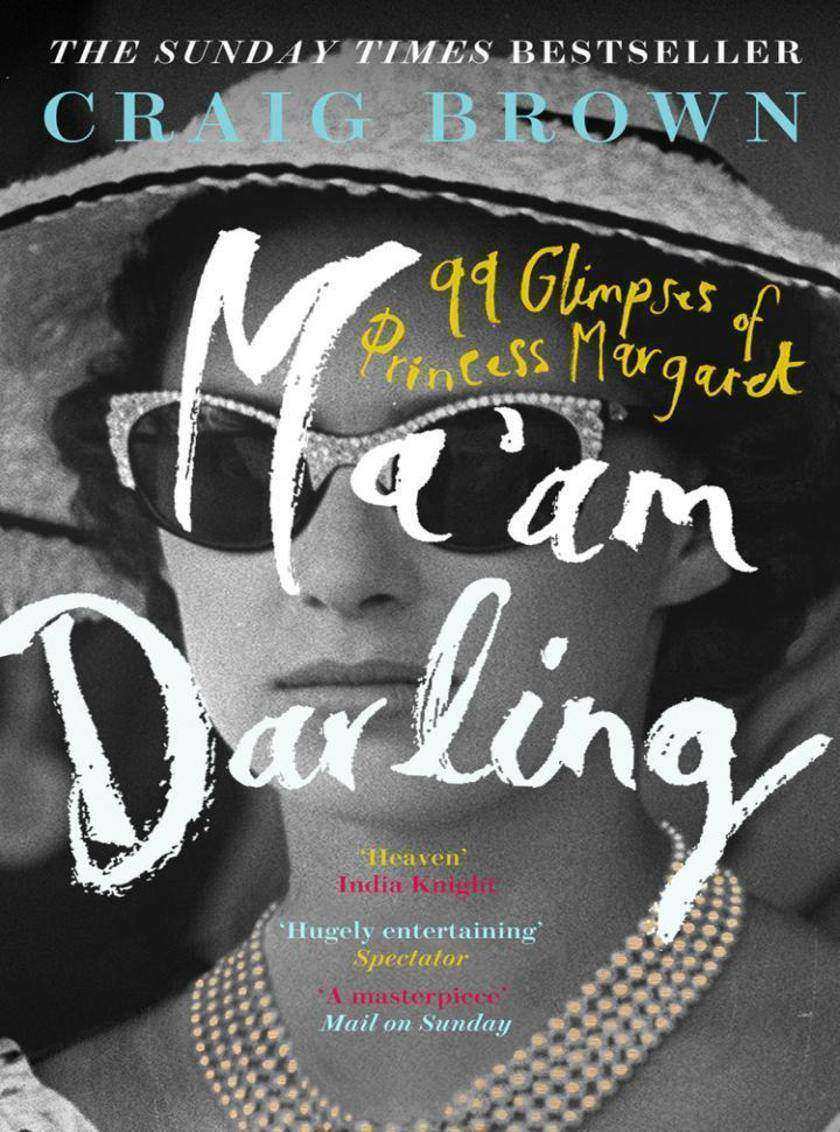
Ma’am Darling: 99 Glimpses of Princess Margaret
¥73.58
WINNER OF THE SOUTH BANK SKY ARTS LITERATURE AWARD 2018 A GUARDIAN BOOK OF THE YEAR ? A TIMES BOOK OF THE YEAR ? A SUNDAY TIMES BOOK OF THE YEAR ? A DAILY MAIL BOOK OF THE YEAR ‘A masterpiece’ Mail on Sunday ‘I honked so loudly the man sitting next to me dropped his sandwich’ Observer She made John Lennon blush and Marlon Brando clam up. She cold-shouldered Princess Diana and humiliated Elizabeth Taylor. Andy Warhol photographed her. Jack Nicholson offered her cocaine. Gore Vidal revered her. John Fowles hoped to keep her as his sex-slave. Dudley Moore propositioned her. Francis Bacon heckled her. Peter Sellers was in love with her. For Pablo Picasso, she was the object of sexual fantasy. “If they knew what I had done in my dreams with your royal ladies” he confided to a friend, “they would take me to the Tower of London and chop off my head!” Princess Margaret aroused passion and indignation in equal measures. To her friends, she was witty and regal. To her enemies, she was rude and demanding. In her 1950’s heyday, she was seen as one of the most glamorous and desirable women in the world. By the time of her death, she had come to personify disappointment. One friend said he had never known an unhappier woman. The tale of Princess Margaret is pantomime as tragedy, and tragedy as pantomime. It is Cinderella in reverse: hope dashed, happiness mislaid, life mishandled. Combining interviews, parodies, dreams, parallel lives, diaries, announcements, lists, catalogues and essays, Ma’am Darling is a kaleidoscopic experiment in biography, and a witty meditation on fame and art, snobbery and deference, bohemia and high society. ‘Brown has been our best parodist and satirist for decades now … Ma’am Darling is, as you would expect, very funny; also, full of quirky facts and genial footnotes. Brown has managed to ingest huge numbers of royal books and documents without losing either his judgment or his sanity. He adores the spectacle of human vanity’ Julian Barnes, Guardian
The Genius of Jane Austen: Her Love of Theatre and Why She Is a Hit in Hollywood
¥73.58
Paula Byrne is the author the bestselling biographies ‘Perdita’, ‘Mad World’, ‘The Real Jane Austen’, ‘Belle’ and ‘Kick’. She is founder and chief executive of ReLit, the Bibliotherapy Foundation, a charity devoted to the mental health benefits of reading. She is married to Sir Jonathan Bate and lives in Oxford.

Letters to the Lady Upstairs
¥73.67
A charming, funny, poignant collection of twenty-three letters from Marcel Proust to his upstairs neighbour 102 Boulevard Haussmann, an elegant address in Paris’s eighth arrondissement. Upstairs lives Madame Williams, with her second husband and her harp. Downstairs lives Marcel Proust, trying to write In Search of Lost Time, but all too often distracted by the noise from upstairs. Written by Proust to Madame Williams between the years 1909 and 1919, this precious discovery of letters reveals the comings and goings of a Paris building, as seen through Proust’s eyes. You’ll read of the effort required to live peacefully with annoying neighbours; of the sadness of losing friends in the war; of concerts and music and writing; and, above all, of a growing, touching friendship between two lonely souls. ‘Delightful. Big news for Proustians’ Daily Telegraph ‘If you have suffered from noisy neighbours, you will sympathize with Marcel Proust’ Times Literary Supplement ‘A haunting portrait of a friendship between two people who lived within earshot of one another, separated only by a few inches of plaster and floorboard, but who scarcely ever met’ New Statesman
I Know What You Are: The true story of a lonely little girl abused by those she
¥58.57
The moving true story of a little girl with Asperger syndrome, controlled and abused by the one person she called her friend. Taylor had always struggled to make friends – she felt ‘different’. Taylor never knew her father and her mother wasn’t around much. She just didn’t understand people, and was alone and scared most of the time. That was until, aged just 11, an older married man called Tom befriended her. She loved having someone who would talk to her, listen to her, a protector. But when he moved away a few months later she was easy prey to the gang of drug dealers and petty criminals who groomed and abused her, using her as a form of currency to appease their debtors and amuse their friends. Increasingly isolated and desperate, it began to look as though the pattern of Taylor's life had been set – until she started to fight back, determined to build a safe future for herself, however long it took.

Stanley Spencer (Text Only)
¥115.56
Stanley Spencer (1891 – 1959) has recently been recognised by a wide general public, as well as by art historians, as probably the greatest English painter of the twentieth century. His strange and thrilling settings of biblical and semi-biblical scenes, his grippingly realist portraits, his intense English landscapes, hang in pride of place in our national collections and fetch ever-escalating prices at auction. Although there have been many books about Spencer, Pople's biography is the first to give a thoroughly convincing and coherent account of the life and psyche of the man who produced these extraordinary pictures. Pople has not only had the co-operation of Spencer's daughters and remaining friends' he has had unrestricted access to the artist's letters, diaries and other writings, and has spent ten years unravelling the familiar but so often impenetrable mysteries we see on the canvas. His analysis demonstrates that there never was as artist for whom life and art were so much of a piece, and that without understanding Spencer's doings and circumstances, we have no hope of understanding his paintings.
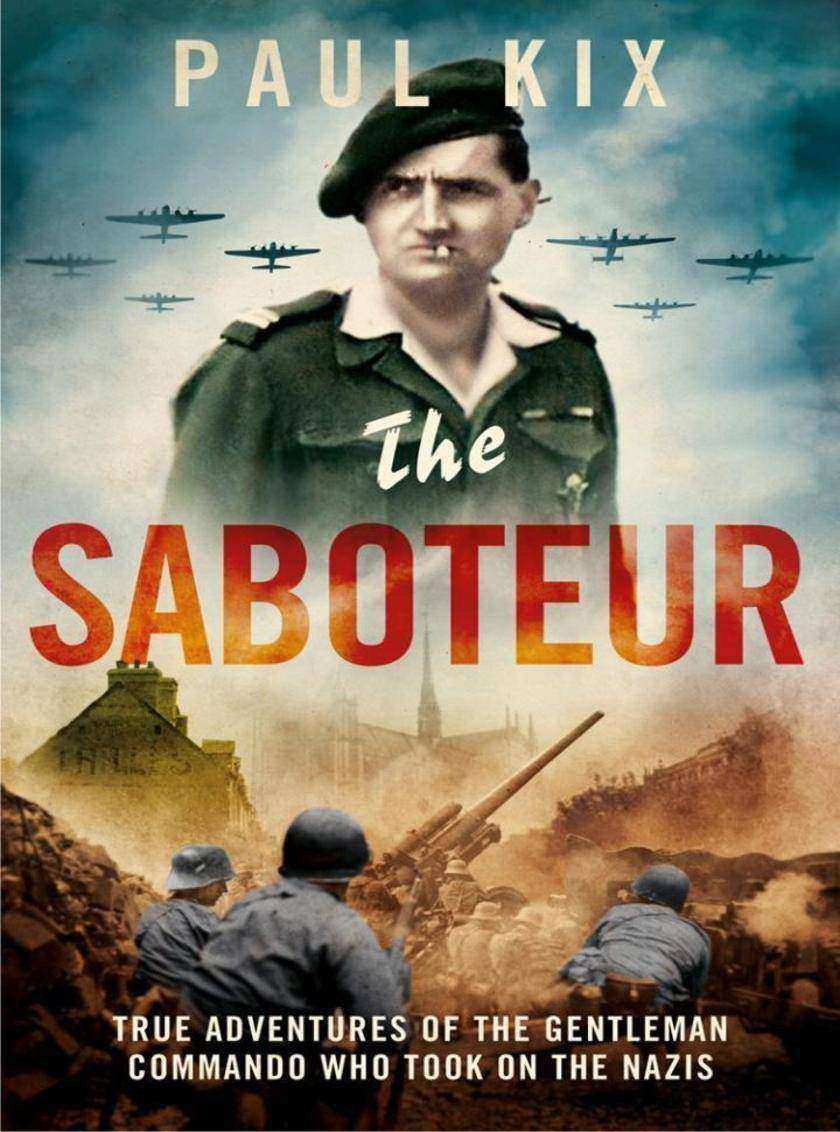
The Saboteur: True Adventures Of The Gentleman Commando Who Took On The Nazis
¥147.35
In the tradition of ‘Agent Zigzag’ comes a breathtaking biography of WWII’s ‘Scarlet Pimpernel’ as fast-paced and emotionally intuitive as the best spy thrillers. This celebrates unsung hero Robert de La Rochefoucauld, an aristocrat turned anti-Nazi saboteur, and his exploits as a British Special Operations Executive-trained resistant A scion of one of the oldest families in France, Robert de La Rochefoucauld was raised in a magnificent chateau and educated in Europe’s finest schools. When the Nazis invaded and imprisoned his father, La Rochefoucauld escaped to England and was trained in the dark arts of anarchy and combat – cracking safes, planting bombs and killing with his bare hands – by a collection of SOE spies. With his newfound skills, La Rochefoucauld returned to France and organized Resistance cells, blew up fortified compounds and munitions factories, interfered with Germany’s wartime missions and executed Nazi officers. Caught by the Germans, La Rochefoucauld withstood months of torture and escaped his own death sentence, not once but twice. More than just a fast-paced, real-life thriller, The Saboteur is also a deep dive into an endlessly fascinating historical moment, revealing the previously untold story of a network of commandos, motivated by a shared hatred of the Nazis, who battled evil and bravely worked to change the course of history.
Harvey Keitel
¥53.76
Originally published in 1997 and now available as an ebook. It has not been possible to include the illustrations in the electronic edition. Perhaps the bravest and most inspiring actor of his generation, Harvey Keitel has made his menacing presence felt in some of the greatest cult movies ever, from Scorsese's Mean Streets and Taxi Driver to Tarantino's Reservoir Dogs and Pulp Fiction. With over fifty films to his name, a dozen of them since 1992, Keitel is one of the most ubiquitous and sought-after actors in Hollywood. Yet unlike so many of his contemporaries, he constantly surprises with daring and risk-taking performances in ground-breaking films such as Bad Lieutenant, The Last Temptation of Christ, The Piano and Smoke. Since his tough childhood in Brooklyn, Keitel's life has been a dramatic and unconventional as his screen roles. 'Harvey Keitel: The Art of Darkness 'tells, for the first time, the story of the rollercoaster career and turbulent personal life of this most powerful performer.
Notorious: The Maddest and Baddest Sportsmen on the Planet
¥88.39
Straddling humour, trivia and sport, ‘Notorious’ brings together for the first time one hundred of the most potty sportsmen in history. From boxing to cycling, soccer to baseball, and most sports in between, here are the hard-men and the criminals, the psychos and the loonies, that make up the sporting madness hall of shame. Among the prime candidates for sporting lunacy in this book: Prinya Charoenpal, one of the most talented kick-boxers in the sport’s history, who wore make-up and pink nail polish, broke down when asked to strip for the weigh-in, pummelled the opponent who made the mistake of mocking her with a camp embrace, and who fought solely to get the money for a sex-change operation. Jack ‘Hacksaw’ Reynolds, the San Francisco 49-ers linebacker during the 80s, who once got plastered after losing a college game, went out to the car park with a hacksaw, and cut someone’s car in half. The Brazilian football star Edmundo, infamous on the pitch for beating up fans, referees and journalists, and making his name off it by crashing his truck and killing three people, and being arrested for force-feeding beer to a chimpanzee at his son’s birthday party. And there’s more. The rugby league hard-man with a predilection for sticking a rigid digit finger up opponents’ rears on the field of play; the baseball Hall of Famer who wielded his bat to beat up unsuspecting victims; the golfer hospitalised three times for alcohol poisoning, who came through two suicide attempts, three divorces, plus countless hotel room trashings and suspensions; the Irish jockey involved in an air rage incident who copped 110 hours of community service… And closer to home, the likes of Roy Keane, Alex Higgins, Vinnie Jones and Paul Gascoigne are also featured in this wildly captivating, and often shocking, collection of crazed sports celebrities.
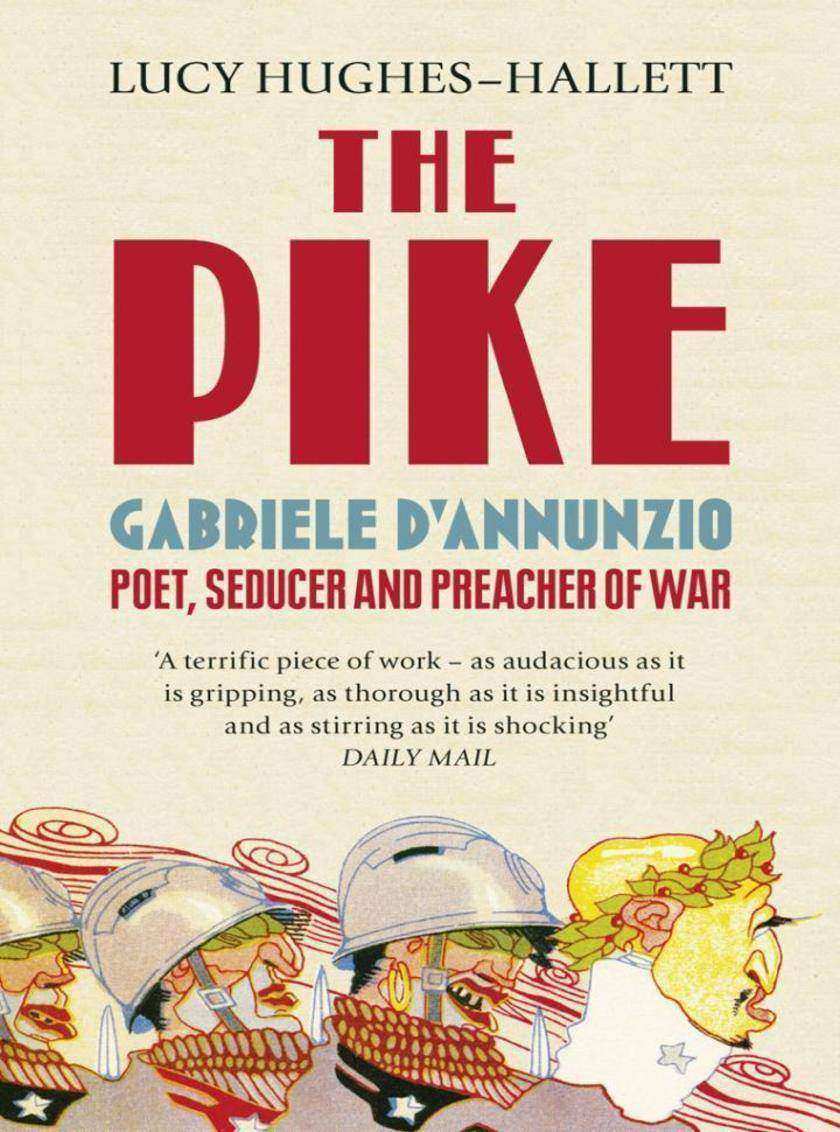
The Pike: Gabriele d’Annunzio, Poet, Seducer and Preacher of War
¥88.39
WINNER OF THE 2013 SAMUEL JOHNSON PRIZE FOR NON-FICTION WINNER OF THE 2013 DUFF COOPER PRIZE WINNER OF THE POLITICAL BOOK AWARDS POLITICAL BIOGRAPHY OF THE YEAR 2014 WINNER OF THE 2013 COSTA BOOK AWARDS BIOGRAPHY OF THE YEAR The story of Gabriele D’Annunzio, poet, daredevil – and Fascist. In September 1919 Gabriele D’Annunzio, successful poet and occasional politician, declared himself Commandante of the city of Fiume in modern day Croatia. His intention – to establish a utopia based on his fascist and artistic ideals. It was the dramatic pinnacle to an outrageous career. Lucy Hughes-Hallett charts the controversial life of D’Annunzio, the debauched artist who became a national hero. His evolution from idealist Romantic to radical right-wing revolutionary is a political parable. Through his ideological journey, culminating in the failure of the Fiume endeavour, we witness the political turbulence of early 20th century Europe and the emergence of fascism. In ‘The Pike’, Hughes-Hallett addresses the cult of nationalism and the origins of political extremism – and at the centre of the book stands the charismatic D’Annunzio: a figure as deplorable as he is fascinating.
Whicker’s War
¥69.26
Alan Whicker is quite simply a legend. A visionary and master of his craft, his television shows from the fifties to the nineties almost single handed invented the language of travel television and earned him the status of one of the most foremost of British media icons. Yet throughout his forty years in TV he was steadfast in his belief that his programmes should not be about himself but about those people he encountered. Until this year when he was persuaded, as part of the 60th anniversary of the invasion of Italy, to tell his remarkable war experiences in two fabulously reviewed hour-long television pieces. This book uses these programmes as the starting point to tell the story of Alan Whicker's remarkable war. Alan Whicker joined the Army Film and Photo Unit as an 18-year-old army officer, following the Allied advance through Italy, from Sicily to Venice. He filmed the troops on the front line, met Montgomery, and other military luminaries, filmed the battered body of Mussolini after his execution and accepted the surrender of the SS in Milan. This is remarkable account of the Italian campaign of 1943 and 1944 as he retraces of his steps over sixty years later. Beautifully written, poignant with humour and pathos this is a masterful book by one of the 20th centuries greatest TV journalists.
For The People
¥39.24
A true story of small-town apartheid Anelia Schutte grew up in Knysna – a beautiful town on the coast of South Africa, centred around a picturesque lagoon and popular with tourists. But there was another side to Knysna that those tourists never saw. In the hills surrounding the town with its exclusively white population lay the townships and squatter camps where the coloured and black people were forced to live. Most white children would never go to the other side of the hill, but Anelia did. Her earliest memories are of being the only white girl at a crèche for black children that her mother, Owéna, set up in the 1980s as a social worker serving the black community. Thirty years on, Anelia, now living in London, yearns to find out more about her mother’s work, and to understand the political unrest that clouded South Africa at the time. She returns to Knysna to find the truth about the town she grew up in, from the stories and memories of the people who were there. For the People is an exploration of apartheid South Africa through the eyes of Owéna – a white woman who worked tirelessly for the black people of Knysna and found herself swept up in their struggle. They called her Nobantu: ‘for the people'.
Me and My Brothers
¥63.18
An updated edition of the bestselling autobiography of Charlie Kray, elder brother of the Kray twins, Ronnie and Reggie, who are brought to the screen this autumn in a major motion picture. Charlie Kray was the only person who knew the truth behind the terrifying violence of his notorious twin brothers, Ronnie and Reggie. In his dying days, reflecting on how the Kray name destroyed his life, Charlie reveals what he really thought about the twins - and why they treated him so badly. Today, 40 years after the arrests that ended their so-called reign of terror, the power the Krays wielded is part of criminal folklore - and the fascination with them lives on. Charlie knew them better than anyone - from the extortion racket that provided riches beyond their dreams and the sexual liaison that took them into the corridors of power to the murderous mayhem the twins embarked on as they came to see themselves as beyond the law. In this fully updated edition of his best-selling autobiography, Charlie Kray reveals a side of Ronnie and Reggie that not even their closest henchmen ever saw.
All of These People: A Memoir
¥80.25
In a memoir of staggering power and candour, award-winning journalist Fergal Keane addresses his experience of wars of different kinds, some very public and others acutely personal. During his years of reporting from the world's most savage and turbulent regions, Fergal Keane has witnessed the violence of the South African townships and the terror in Rwanda, the most extreme kinds of human behaviour, the horror of genocide and the bravery of peacekeepers faced with overwhelming odds. As one of the BBC's leading correspondents, he recounts extraordinary encounters on the front lines. Alongside his often brutal experiences in the field, he also describes unflinchingly the challenges and demons he has faced in his personal life growing up in Ireland. Keane’s existence as a war reporter is all that we imagine: frantic filing of reports and dodging shells, interspersed with rest in bombed-out hotels and concrete shelters. Life in such vulnerable areas of the globe is emotionally draining, but full of astonishing moments of camaraderie and human bravery. And so this is also a memoir of the human connections, at once simple and complex, that are made in extreme circumstances. These pages are filled with the memories of remarkable people. At the heart of Fergal Keane's story is a descent into and recovery from alcoholism, spanning two generations, father and son; a different kind of war, but as much part of the journey of the last twenty-five years as the bullets and bombs.
Abandoned: The true story of a little girl who didn’t belong
¥45.62
Separated from her real mother at birth, Anya grew up in terror of her drunken bullying uncle. Beaten, humiliated and sexually abused by him from the age of six, she thought her life couldn't get worse. But one day it did. "I was used to Daddy screaming 'whore's child' at me, over and over again. But I couldn't get used to what he made me do." Anya was too terrified to tell anybody about what her uncle did to her. But then he got careless and started abusing her in front of the other children. When her brothers started calling her a 'whore', Anya cracked and all her terrible secrets came pouring out. Anya had always coped because there was one woman who loved her deeply, her 'Mummy'. But this time love was not enough. One morning 'Mummy' just left. Determined to make a new life, Anya buried her feelings and tried to move on. But when she ended up homeless, living in her car, she knew she had to face her past if she was ever going to find happiness and security again. Top 10 Sunday Times Bestseller, Abandoned is Anya's inspirational story of her fight to find love, acceptance and a place to belong.
Mr Nastase: The Autobiography
¥56.11
The amazing life story of the enfant terrible of tennis in the 1970s and 80s – winner of two Grand Slam titles, three Grand Slam doubles titles and twice a Wimbledon finalist. It is not an overstatement to say that Ilie Nastase was in part responsible for the explosion of interest in tennis in the seventies. Thanks to his success, his lifestyle, his sex appeal and the controversy that continually surrounded him, Nastase's name was recognisable far beyond the confines of tennis. Yet, he also had a dark side and he regularly got himself into trouble with umpires and spectators alike. His court-side tantrums and manic questioning of line calls could spiral out of control and, all too often, he found himself fined and disqualified – and making the next day's front pages. Bjorn Borg had great difficulty adjusting to life after retirement and lost vast amounts of money, while the late Vitas Gerulaitis had a major cocaine problem. Ilie reveals how he helped both of them at a time when their problems were taking a huge toll on their personal lives. He also provides opinions and anecdotes on a host of other characters, including John McEnroe, Jimmy Connors and Arthur Ashe, Henri Leconte, Yannick Noah, Chris Evert and Martina Navratilova. As a result of his celebrity status, Nastase moved amongst the beautiful people. His book recalls some of his more memorable encounters and experiences, including dancing the night away in New York's Studio 54 and Castel in Paris with the likes of Bianca Jagger and Claudia Cardinale, and bedding some of the world's most desirable women (an Italian countess and a former Miss UK are among his conquests). For the many sports fans who followed tennis and followed his career, his stories behind the varied headline-grabbing outbursts will prove fascinating and irresistible.
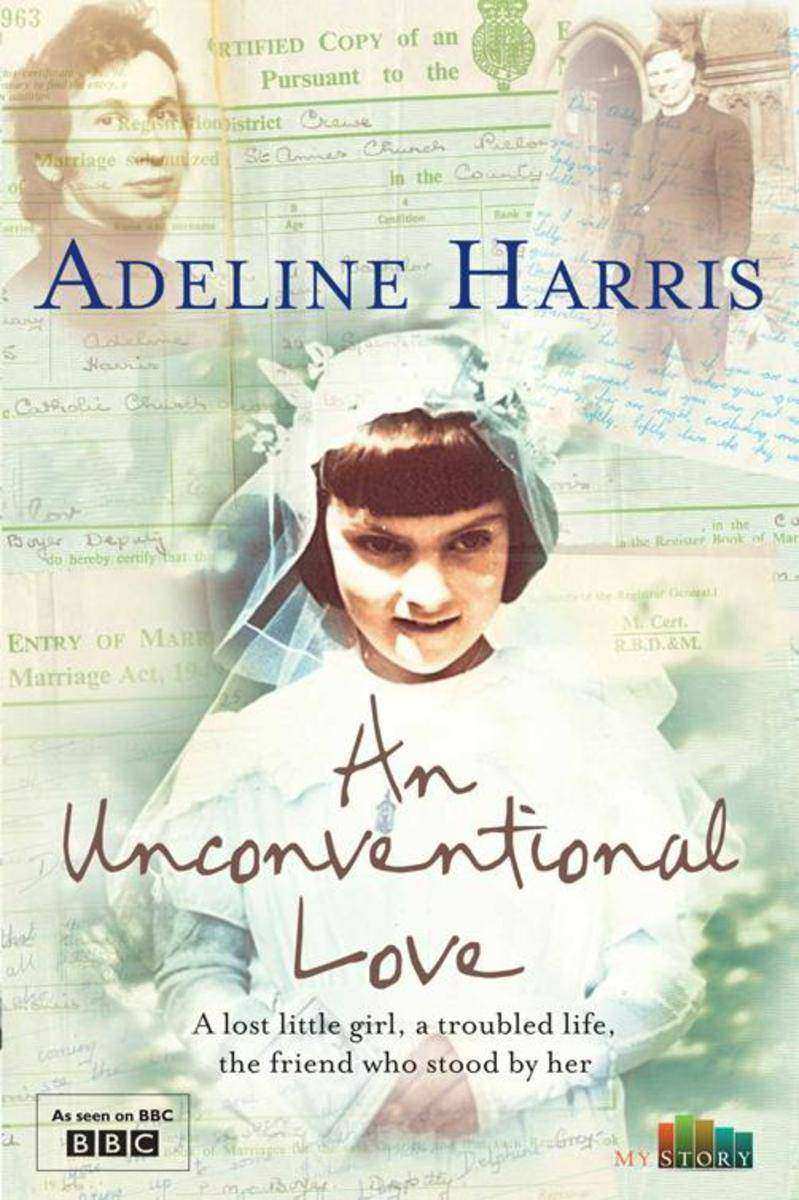
An Unconventional Love
¥51.50
Adeline Harris grew up in surroundings steeped in religion, from the beloved ayah in India who told her stories of Jesus wrestling tigers, to the strict father in England who placed a stone under her knee when she said the Rosary. It was no wonder that she always wanted to be a nun and a saint. Brought up to respect the church’s authority, the parish priest was an important early influence in her life. And when she met the new charismatic priest, Father Kelly, her interest and amazement instantly deepened. She enjoyed spending time with him and rapidly began to spend every spare moment at the church, learning much from the principled man. Following her father’s death, Adeline’s mother struggled to cope and Adeline was sent to live with Father Kelly. As Adeline grew up, she found herself falling in love with her guardian and hoped he might return her feelings. Then, when she was 18, she met a young man, Andrew, at a local dance. Soon she was pregnant and turned to the one person she could always rely on for help. He offered to look after Adeline and her baby, but he couldn’t understand her affections for Andrew. And, as time passed, deep down she always knew it was a friendship that was destined to end in heartache.
In My Dreams I Dance
¥58.86
Struck down with polio at the age of two and a half, Anne overcame the prejudice rife in her native village in Kenya, where neighbours believed she was cursed and called her a snake because of her disability, which left her paralysed below the waist. Losing her mother at a tender age, and sent to a school far away from home, she achieved fantastic academic results, amidst the challenges of a military coup. She went to university and qualified as a teacher, and fell in love with a British man who truly valued her defiant spirit. She moved from a world with no running water to make a life for herself in modern Britain. Where, against all odds, she bore a child, and went on to being the first East African to compete in her sport internationally. Anne is currently in further training, hoping to represent Great Britain at the 2012 Paralympics.
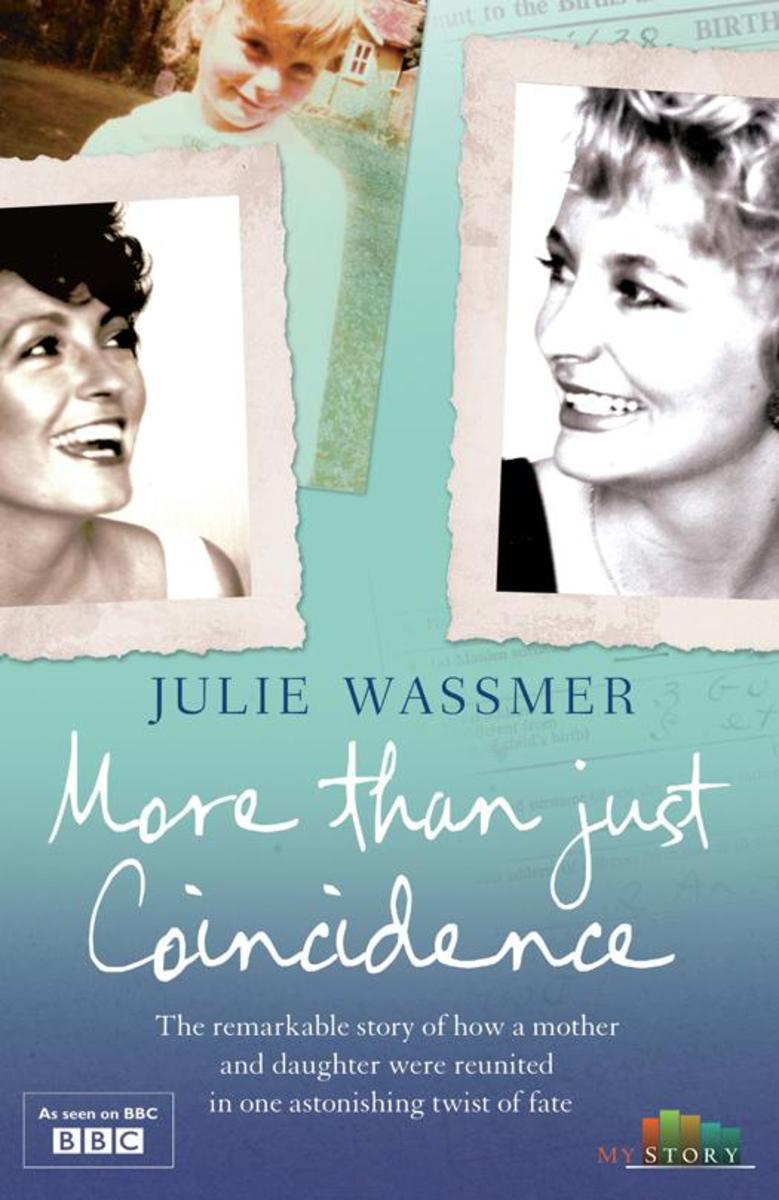
More Than Just Coincidence
¥51.50
Heartwarming, compelling and genuinely remarkable, More Than Just Coincidence is the true story of a mother who was reunited with her daughter, twenty years after she gave her up for adoption, in the most incredible of circumstances. One hot summer day in 1970, teenaged Julie dressed her 10-day-old baby daughter for the last time. Then she placed her newborn into a nurse's arms and walked away, taking with her only a tiny plastic bracelet on which were written two words - 'Baby Wassmer'. Over the next twenty years, the print on the bracelet began to fade, but the memory of Julie's lost child continued to run, like thread, through the fabric of her life. Julie travelled the world and led an adventurous life, but at the back of her mind always remained the daughter she had let go. On 5 November 1990, a struggling writer, aged 36, Julie stared at the reflection in a mirror on her bathroom wall as she prepared for her first meeting with a literary agent. All of sudden a thought came into her mind: now might be the perfect time for her daughter to re-enter her life. A few hours later, in the most astonishing way, two worlds were about to collide. Real life can be stranger than fiction.
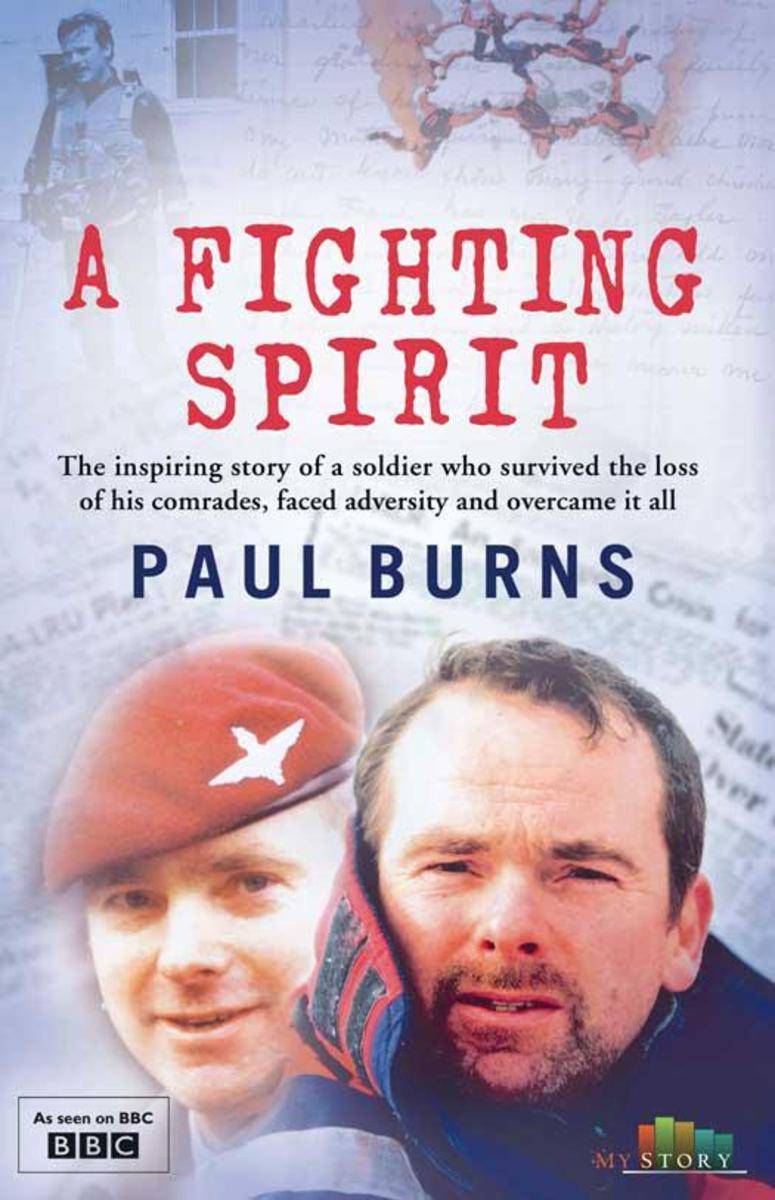
A Fighting Spirit
¥51.50
On 27 August 1979, Paul Burns’ life changed forever. Travelling through Warren Point in Northern Ireland when the IRA detonated two massive bombs, he was involved in a devastating explosion--eighteen soldiers were killed that day; Paul was one of only two who survived. His story is a remarkable tale of one man’s determination to make the most of his life against the odds.
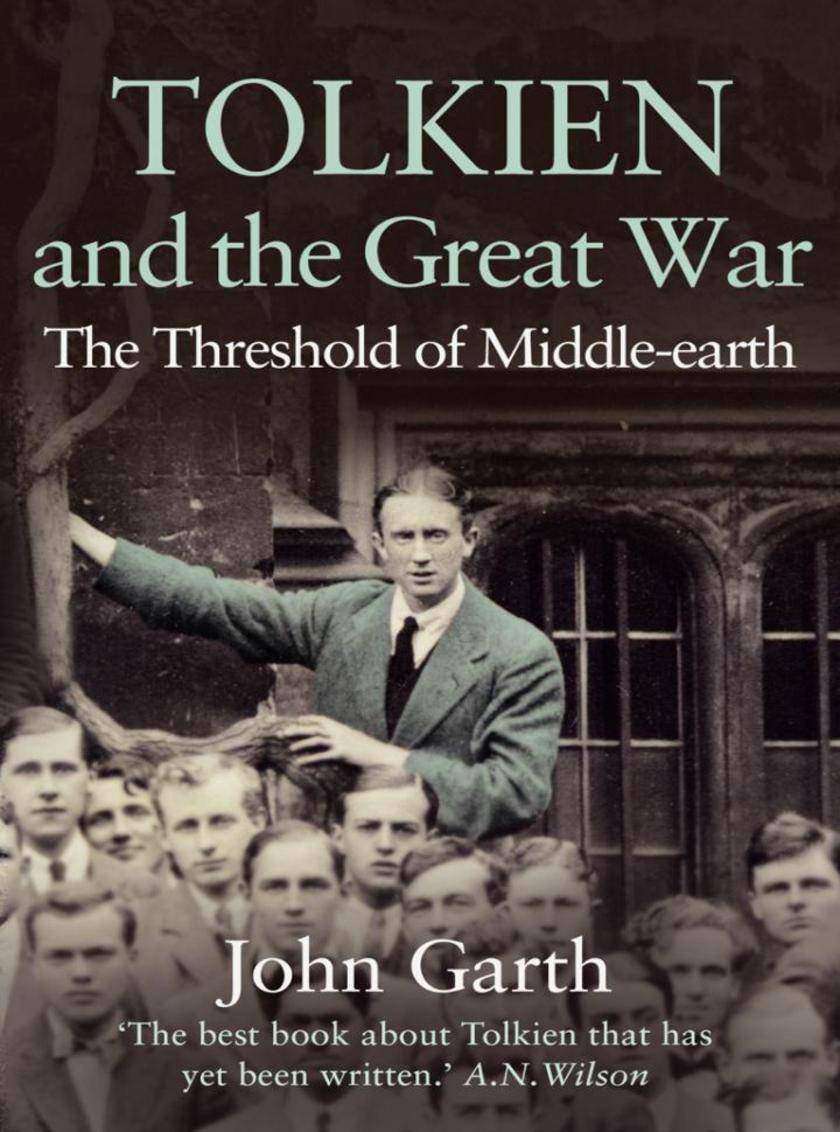
Tolkien and the Great War: The Threshold of Middle-earth
¥73.58
A biography exploring J.R.R. Tolkien’s wartime experiences and their impact on his life and his writing of The Lord of The Rings. “To be caught in youth by 1914 was no less hideous an experience than in 1939 … by 1918 all but one of my close friends were dead.” So J.R.R. Tolkien responded to critics who saw The Lord of the Rings as a reaction to the Second World War. Tolkien and the Great War tells for the first time the full story of how he embarked on the creation of Middle-earth in his youth as the world around him was plunged into catastrophe. This biography reveals the horror and heroism that he experienced as a signals officer in the Battle of the Somme and introduces the circle of friends who spurred his mythology to life. It shows how, after two of these brilliant young men were killed, Tolkien pursued the dream they had all shared by launching his epic of good and evil. John Garth argues that the foundation of tragic experience in the First World War is the key to Middle-earth’s enduring power. Tolkien used his mythic imagination not to escape from reality but to reflect and transform the cataclysm of his generatuion. While his contemporaries surrendered to disillusionment, he kept enchantment alive, reshaping an entire literary tradition into a form that resonates to this day. This is the first substantially new biography of Tolkien since 1977, meticulously researched and distilled from his personal wartime papers and a multitude of other sources.


