


 购物车
购物车 个人中心
个人中心
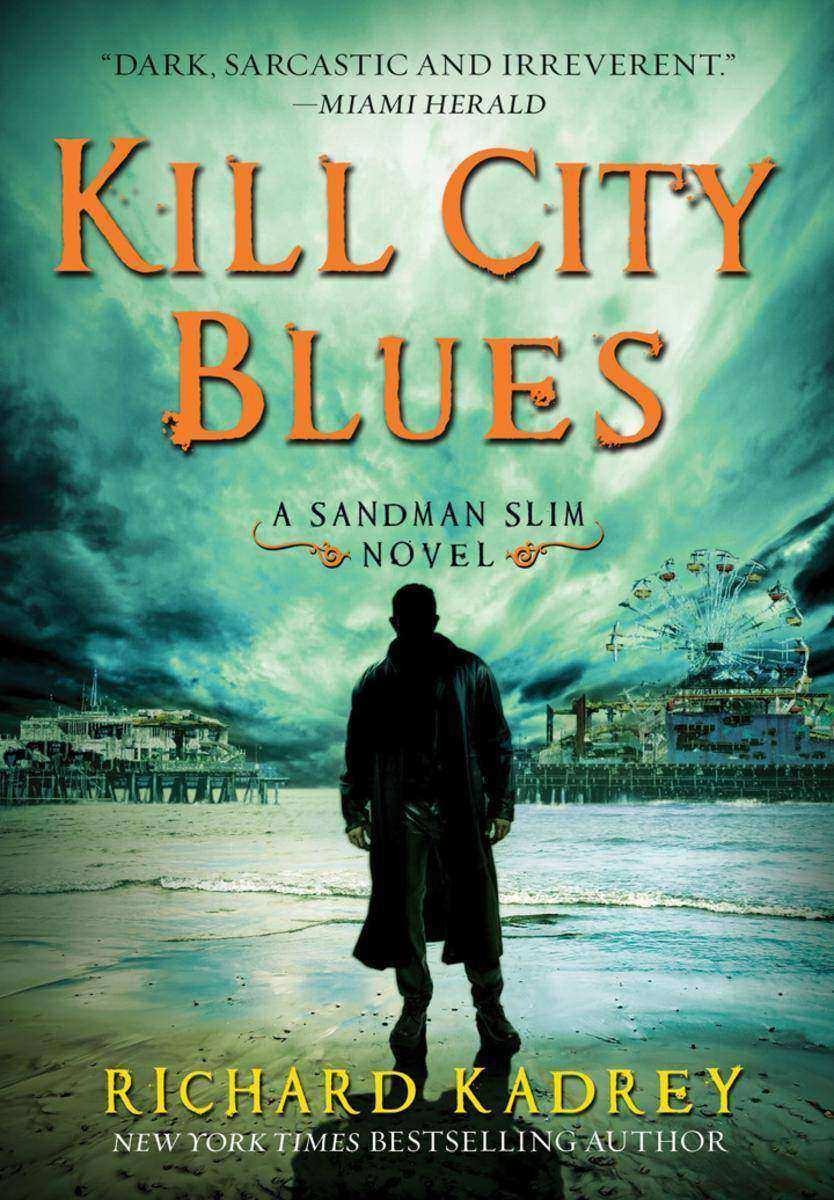
Kill City Blues
¥83.03
Another day, another apocalypseJames Stark, aka Sandman Slim, has managed to get out of Hell, renounce his title as the new Lucifer, and settle back into life in L.A. But he also lost the Qomrama Om Ya, an all-powerful weapon from the banished older gods. Older gods who are returning and searching for their lost power.The hunt leads Stark to an abandoned shopping mall—a global shopping paradise infested with Lurkers and wretched bottom-feeding Sub Rosa families, squatters who have formed tight tribes to guard their tiny patches of retail wasteland. Somewhere in this kill zone is a dead man with the answers Stark needs. All Stark has to do is find the dead man, recover the artifact, and outwit and outrun the angry old gods—and natural-born killers—on his tail.But not even Sandman Slim is infallible, and any mistakes will cost him dearly.
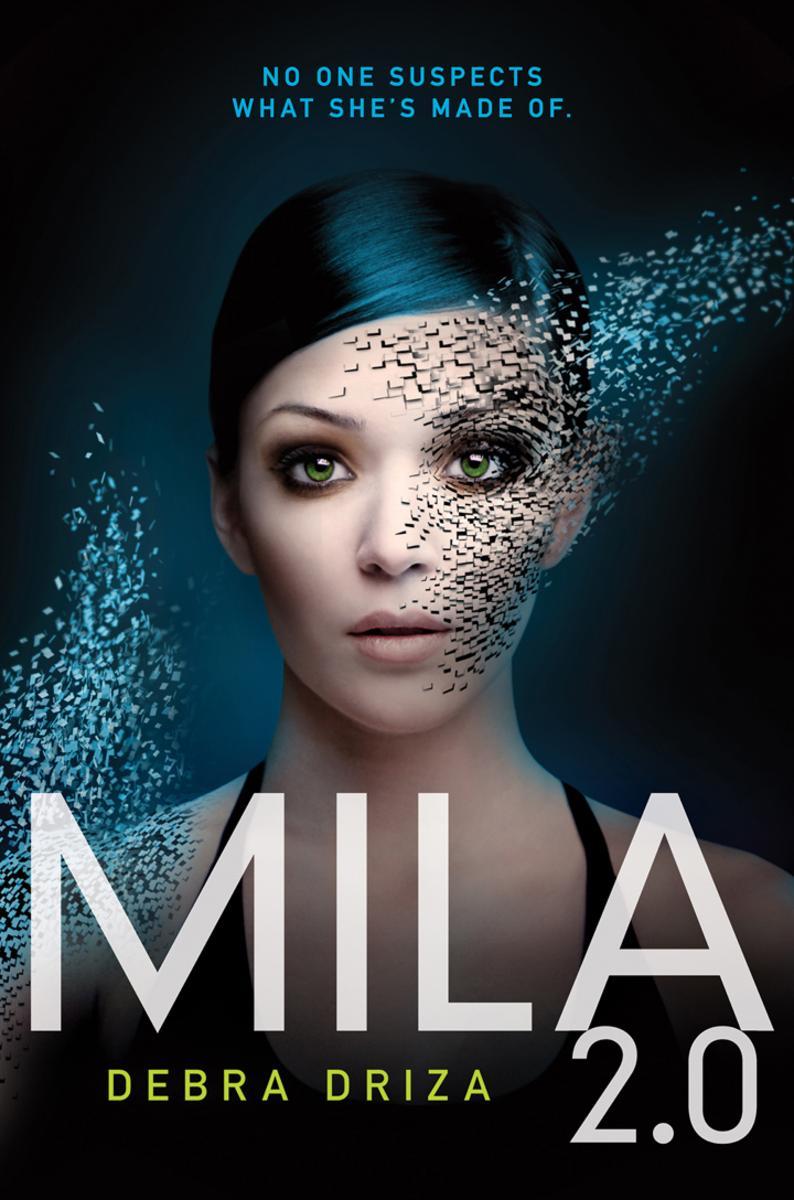
MILA 2.0
¥55.93
Debra Driza's MILA 2.0 is the first book in a gripping Bourne Identity–style trilogy about a girl who discovers she is actually an android.Mila was never supposed to remember her past, or know what lurked beneath her synthetic skin. She was never meant to learn that she was "born" in a secret computer science lab and programmed with superhuman skills. But when a group of hooded men show up on her doorstep, hoping to strip her of her advanced technology, she has no choice but to run for her life. In every direction there are dangerous people, hunting her down. They will do whatever it takes to capture Mila, including hurting the people she cares about most.Filled with secrets, action, and even romance, MILA 2.0 is perfect for readers who love sci-fi thrillers like the Partials series and I Am Number Four.
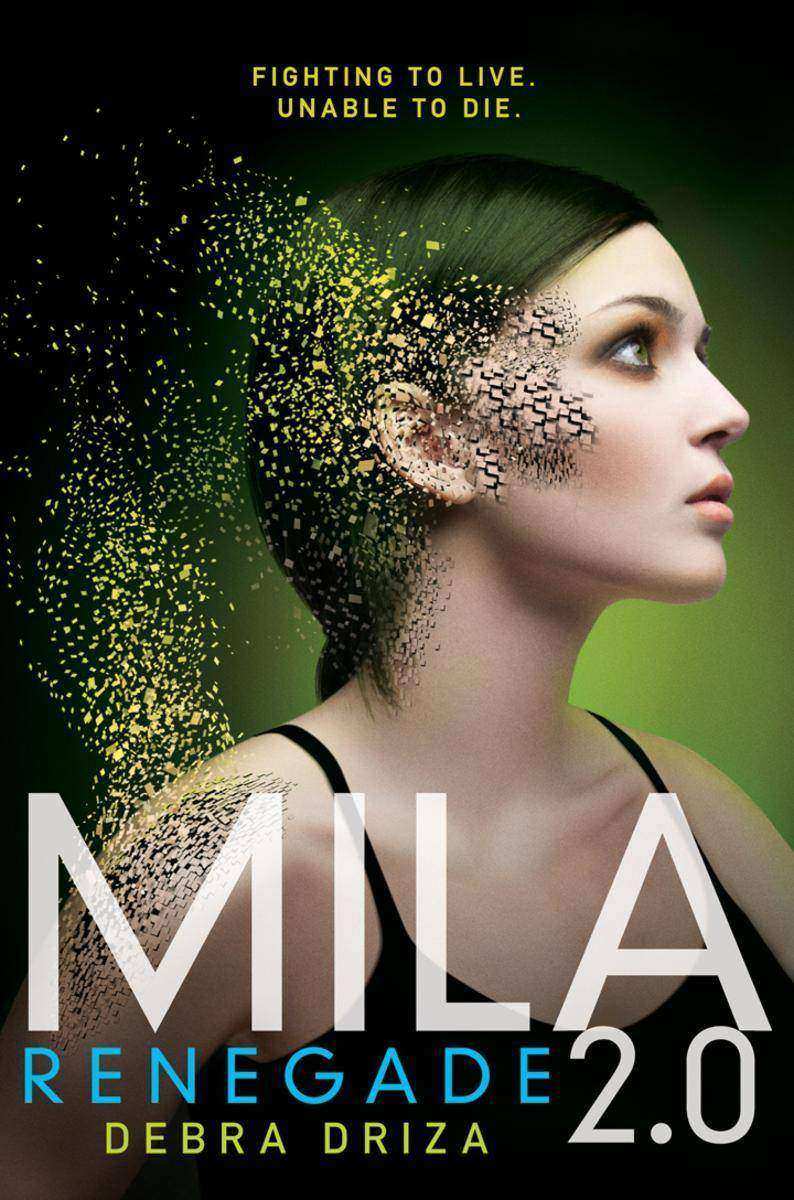
MILA 2.0: Renegade
¥100.71
This suspenseful, heart-wrenching follow-up to Debra Driza's MILA 2.0 will leave readers racing to turn the last page.Mila is back on the run—this time with potential boyfriend Hunter by her side. As they search for a man who might know more about her mysterious past, Mila must rely on her android abilities to protect them from the people who want her dead. But embracing her identity as a machine leads her to question the state of her humanity, as well as Hunter's true intentions.Fans of books filled with mystery and intrigue, like The Bourne Identity and I Am Number Four, will find everything they're looking for in this exciting series, including several unexpected surprises.
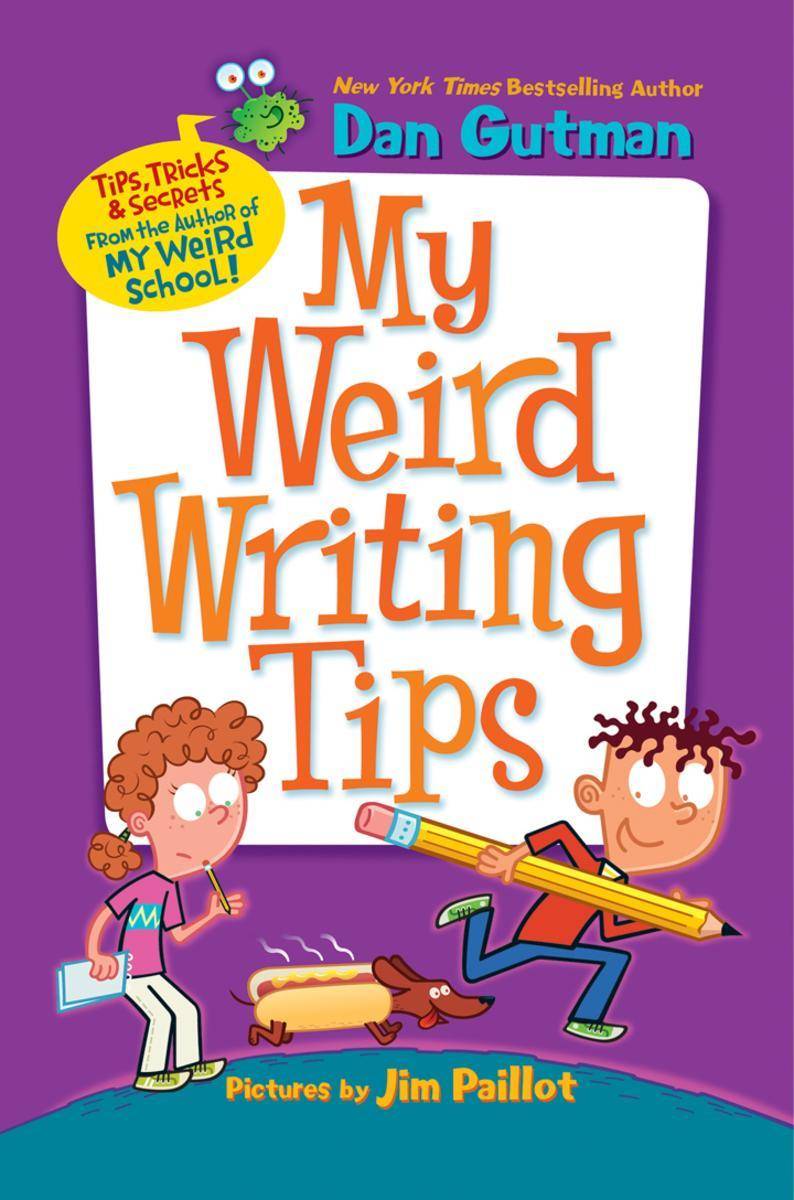
My Weird Writing Tips
¥39.13
The ability to put thoughts into writing is an essential skill vital to success in school—from elementary school through college. Bestselling author Dan Gutman helps kids master this important skill with his fun, informative writing guide, My Weird Writing Tips.?Dan offers tricks for spelling hard words, understanding the difference between similar words like “its” and “it’s,” and conquering grammar stumbling blocks like commas and apostrophes. He also teaches readers how to write an engaging story, in line with the grades 2–5 Common Core goals for writing a narrative.?With illustrated appearances from A.J. and Andrea, stars of his bestselling My Weird School series, and with his trademark wacky sense of humor, Dan makes learning the writing and storytelling basics so fun kids will forget they’re learning.
The Recipe Club
¥88.56
Loyalty, loss, and the ties that bind. These are the ingredients of The Recipe Club, a "novel cookbook" that combines an authentic story of friendship with more than 80 delicious recipes. Lilly and Val are lifelong friends, united as much by their differences as by their similarities. Lilly, dramatic and confident, lives in the shadow of her beautiful, wayward mother and craves the attention of her distant, disapproving father. Val, shy and idealistic—and surprisingly ambitious— struggles with her desire to break free from her demanding housebound mother and a father whose dreams never seem to come true. In childhood, "LillyPad" and "ValPal" form an exclusive two-person club, writing intimate letters in which they share hopes, fears, deepest secrets—and recipes, from Lilly's "Lovelorn Lasagna" to Valerie's "Forgiveness Tapenade." Readers can cook along as the friends travel through time facing the challenges of independence, the joys and heartbreaks of first love, and the emotional complexities of family relationships, identity, mortality, and goals deferred. The Recipe Club sustains Lilly and Val's bond through the decades, regardless of what different paths they take or what misunderstandings threaten to break them apart . . . until the fateful day when an act of kindness becomes an unforgivable betrayal.Now, years later, while trying to recapture the trust they've lost, Lilly and Val reunite once more—only to uncover a shocking secret. Will it destroy their friendship, or bring them ever closer?
Close Contact
¥55.91
GEPs just want to have fun . . .A Genetically Engineered Person and self-proclaimed "party girl," Echo Adams loves her diplomatic job entertaining alien bigwigs for the Galactic Federation. But the Bureau of Alien Affairs has discovered she's much more than she thinks—that a rogue scientist endowed her with skills and psi abilities dwarfing those of common GEPs. And suddenly Echo's luxury life is over, replaced with a far more dangerous one: a special agent expected to not only chase bad guys but eliminate them.Echo hates being stuck on Madrea—a planet of technophobes off limits to Federation visitors—hunting for a stolen quartz crystal with a powerful alien life form embedded inside. She despises the Bureau's restrictive rules—especially the one warning her away from the dangerously seductive commander of the king's army. And if she doesn't learn how to use her alleged super-psi powers soon, her partying days—in fact all of her days—will be over for good.

Knit in Comfort
¥77.49
In this wonderful new novel of friendship and knitting, a woman discovers that secrets can't be kept forever.Megan Morgan traded the constant mobility of her childhood for a quiet, stable life in Comfort, North Carolina, with a handsome husband, lively children, and a group of longtime friends who've formed a weekly knitting club, Purls Before Wine.Desperate to escape big-city anonymity and pressure from her marriage-minded boyfriend, a stranger, Elizabeth Detlaff, arrives unexpectedly, certain that fate has guided her to the Carolina mountains. She seems to think that in sleepy, unremarkable Comfort she's found paradise.Soon, Elizabeth has eagerly invaded Megan's life, living in the apartment over her garage, befriending her mother-in-law and children, fawning over her husband, and joining the Purls. It's not long before Elizabeth brings to light legends of Megan's Shetland ancestors, leading her to stumble over a painful, long-buried secret. Backed into a corner, Megan is forced to examine her choices and ultimately decide what kind of woman she wants to be.

The Turning
¥101.00
A dark house.An isolated island.Strange dreams and even stranger visions . . . Jack is spending the summer on a private island far from modern conveniences. No Wi-Fi, no cell service, no one else on the island but a housekeeper and the two very peculiar children in his care. The first time Jack sees the huge black mansion atop a windswept hill, he senses something cold, something more sinister than even the dark house itself.Soon, he feels terribly isolated and alone. Yet he is not alone. The house has visitors—peering in the windows, staring from across the shore. But why doesn't anyone else see them . . . and what do they wantAs secrets are revealed and darker truths surface, Jack desperately struggles to maintain a grip on reality. He knows what he sees, and he isn't crazy. . . . Or is he?From nationally acclaimed author Francine Prose comes a mind-bending story that will leave you realizing how subtle the lines that separate reality, imagination, and insanity really are.

Simon vs. the Homo Sapiens Agenda
¥61.52
A National Book Award Longlist TitleEverybody is talking about Simon vs. the Homo Sapiens Agenda!"A remarkable gift of a novel."—Andrew Smith, author of Grasshopper Jungle"I am so in love with this book."—Nina LaCour, author of Hold Still"Feels timelessly, effortlessly now."—Tim Federle, author of Better Nate Than Ever"The best kind of love story."—Alex Sanchez, Lambda Award-winning author of Rainbow Boys and Boyfriends with GirlfriendsSixteen-year-old and not-so-openly gay Simon Spier prefers to save his drama for the school musical. But when an email falls into the wrong hands, his secret is at risk of being thrust into the spotlight. Now change-averse Simon has to find a way to step out of his comfort zone before he's pushed out—without alienating his friends, compromising himself, or fumbling a shot at happiness with the most confusing, adorable guy he's never met.Incredibly funny and poignant, this twenty-first-century coming-of-age, coming out story—wrapped in a geek romance—is a knockout of a debut novel by Becky Albertalli.
Some Other Town
¥83.03
Margaret Lydia Benning, twenty-eight and adrift, still lives in the same Midwest town where she went to college. By day, she works at the Project, a nonprofit publisher of children's readers housed in a former sanatorium. There she shares the fourth floor with a squadron of eccentric editors and a resident ghost from the screamers' wing. At night, Margaret returns alone to her small house on Mott Street, with only her strange neighbor, Mrs. Eberline, for company.Emotionally sleepwalking through the days is no way to lead a life. But then Margaret meets Ben Adams, a visiting professor at the university. Through her deepening relationship with Ben she glimpses a future she had never before imagined, and for the first time she has hope . . . until Ben inexplicably vanishes. In the wake of his disappearance, Margaret sets out to find him. Her journey, a revelatory exploration of the separate worlds that exist inside us and around us, will force her to question everything she believes to be true.Told through intertwined perspectives, by turns incandescent and haunting, Some Other Town is an unforgettable tale, with a heartbreaking twist, of one woman's awakening to her own possibility.
Above the Waterfall
¥94.10
In this poetic and haunting tale set in contemporary Appalachia, New York Times bestselling author Ron Rash illuminates lives shaped by violence and a powerful connection to the landLes, a longtime sheriff, is just weeks from retirement when he is forced to contend with the ravages of crystal meth—and his own corruption—in his small Appalachian town. Meanwhile, Becky, a park ranger with a harrowing past, finds solace amid the lyrical beauty of the North Carolina mountains.Enduring the mistakes and tragedies that have indelibly marked them, they are drawn together by a reverence for the natural world. When an embittered elderly local is accused of poisoning a trout stream on the property of a nearby resort, Les and Becky are plunged into deep and dangerous waters, forced to navigate currents of disillusionment and betrayal that will force them to question themselves and test their tentative bond—and threaten to carry them over the edge.Echoing the lapsarian beauty of William Faulkner and the spiritual isolation of Carson McCullers, Above the Waterfall demonstrates the prodigious talent of an author hailed as "a gorgeous, brutal writer" (Richard Price) and "one of the best American novelists of his day" (Janet Maslin, New York Times). Unforgettable and evocative, tragic and indelible, Above the Waterfall is a breathtaking achievement from a literary virtuoso.
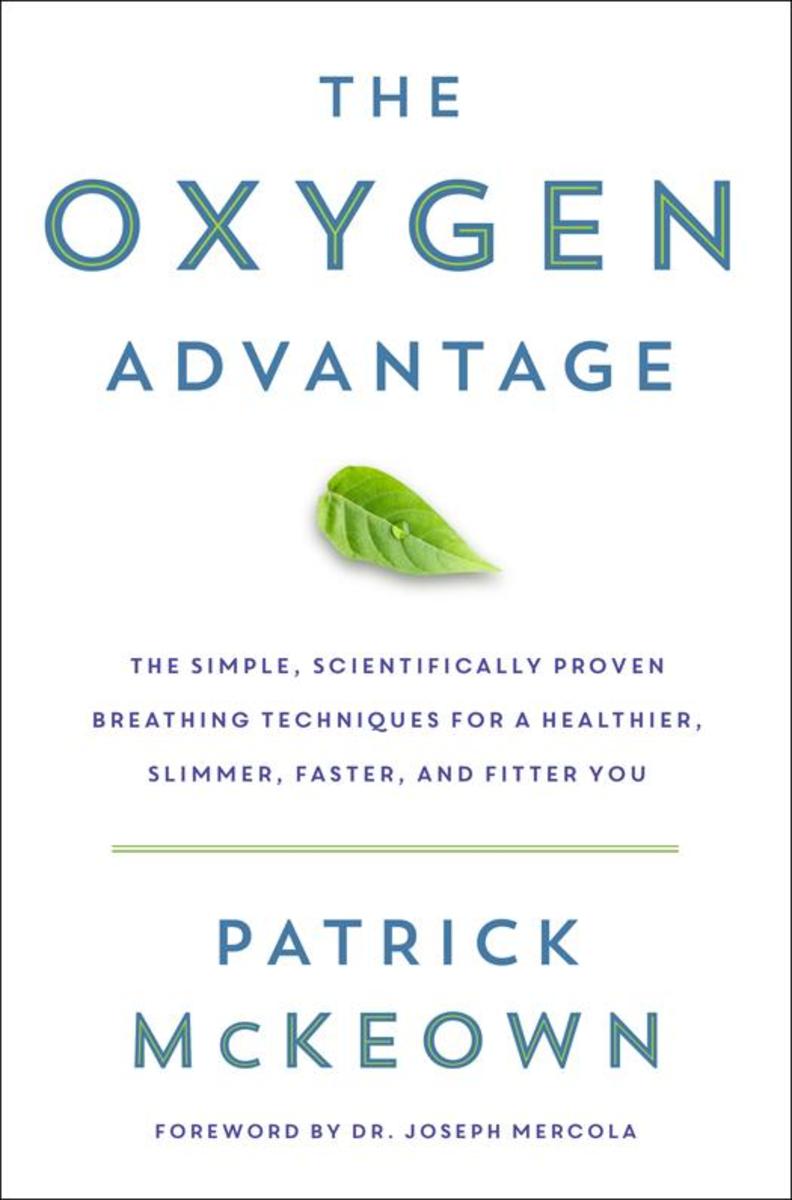
The Oxygen Advantage
¥88.56
A simple yet revolutionary approach to improving your body’s oxygen use, increasing your health, weight loss, and sports performance—whether you’re a recovering couch potato or an Ironman triathlon champion. With a foreword by New York Times bestselling author Dr. Joseph Mercola.Achieve more with less effort: The secret to weight loss, fitness, and wellness lies in the most basic and most overlooked function of your body—how you breathe. One of the biggest obstacles to better health and fitness is a rarely identified problem: chronic over-breathing. We often take many more breaths than we need—without realizing it—contributing to poor health and fitness, including a host of disorders, from anxiety and asthma to insomnia and heart problems.In The Oxygen Advantage, the man who has trained over 5,000 people—including Olympic and professional athletes—in reduced breathing exercises now shares his scientifically validated techniques to help you breathe more efficiently. Patrick McKeown teaches you the fundamental relationship between oxygen and the body, then gets you started with a Body Oxygen Level Test (BOLT) to determine how efficiently your body uses oxygen. He then shows you how to increase your BOLT score by using light breathing exercises and learning how to simulate high altitude training, a technique used by Navy SEALs and professional athletes to help increase endurance, weight loss, and vital red blood cells to dramatically improve cardio-fitness.Following his program, even the most out-of-shape person (including those with chronic respiratory conditions such as asthma) can climb stairs, run for a bus, or play soccer without gasping for air, and everyone can achieve:Easy weight loss and weight maintenance Improved sleep and energy Increased concentration Reduced breathlessness during exercise Heightened athletic performance Improved cardiovascular health Elimination of asthmatic symptoms, and more.With The Oxygen Advantage, you can look better, feel better, and do more—it’s as easy as breathing.
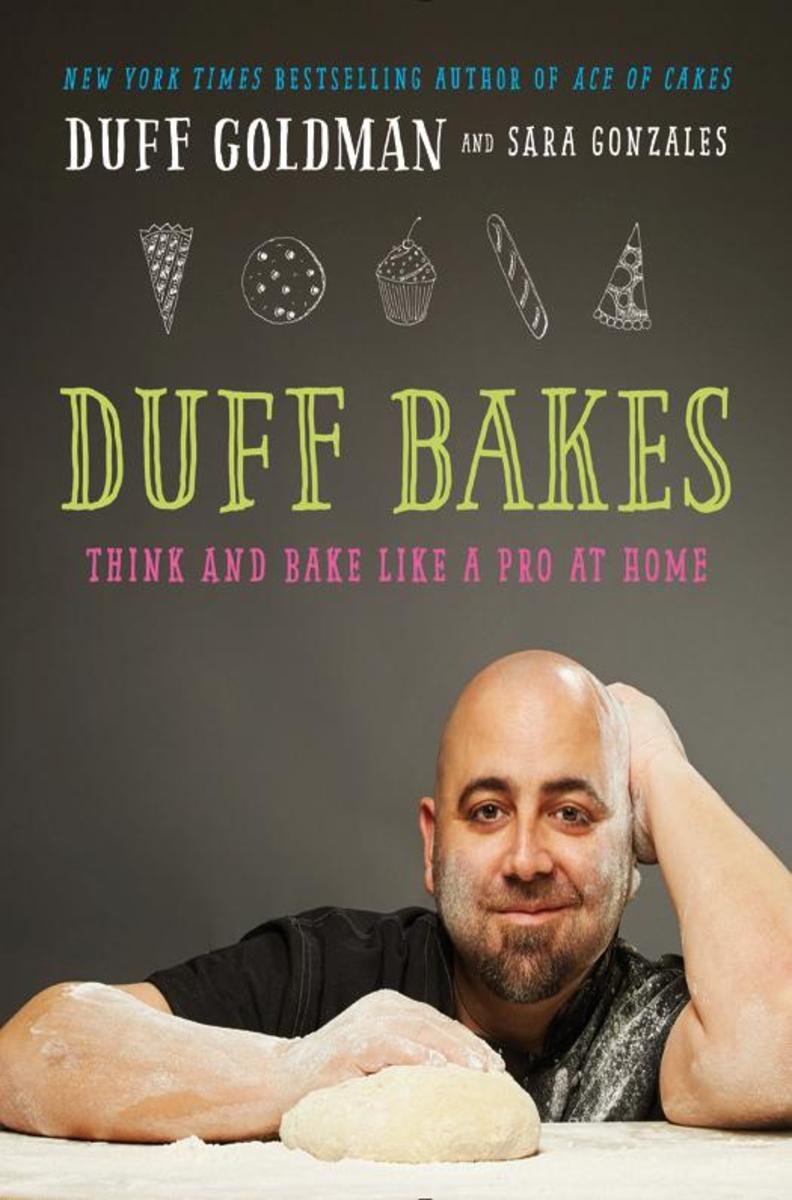
Duff Bakes
¥152.31
An inviting, down-to-earth, full-color baking book filled with 130 recipes for irresistible must-bake favorites, from cakes to cookies to brownies to muffins to breads, from the New York Times bestselling star of Food Network’s hit series Ace of Cakes and owner of Charm City Cakes and Duff’s Cake Mix.Duff Goldman may dazzle fans with his breathtaking cake decorating, but behind the rigged-up gravity-defying cakes and fancy fondant is a true pastry chef who understands the fundamentals of making incredibly delicious baked goods at home.In Duff Bakes, he truly gives home bakers the down-to-earth essentials they need for creating mouthwatering favorites. Inside you’ll find the perfect muffin recipe to eat straight while waiting for your morning bus, an easy pizza dough recipe for a quick weeknight dinner, and cookie recipes for every occasion. Filled with Duff’s engaging earthiness and hilarious personality, Duff Bakes includes chapters on different types of pastry dough, a variety of cookies, brownies, muffins, bread, biscuits, pies, cakes and cake decorating, gluten-free and vegan desserts, and much more.Duff provides 130 recipes for a diverse range of goodies, including nutter butter cookies, white chocolate blondies, apple streusel muffins, cereal bars, bacon jalapeno biscuits, banana bourbon cream pie, zucchini lemon cake, and savory bread pudding. Here are a few classics as well, like a re-make of the childhood favorite, Twinkies. Duff Bakes will help both novices and seasoned bakers master the best, most delicious home baked goods, build on their baking successes, hone their skills, and understand the science behind the fundamentals of baking.

Cut Both Ways
¥99.65
From William C. Morris YA Debut Award nominee Carrie Mesrobian, Cut Both Ways is an unflinching look at a high school senior who must come to terms with his attraction to both his girlfriend and his male best friend.It took Will Caynes seventeen years to have his first kiss. He should be ecstatic…except that it was shared with his best friend, Angus, while they were both drunk and stoned. Will’s not gay, but he did sort of enjoy whatever it was he felt with Angus. Unsettled by his growing interest in Angus, Will avoids his friend, and even starts dating a sophomore, Brandy. When he’s hooking up with her, he’s totally into it, so he must be straight, rightThen why does he secretly keep going back to Angus?Confusing as Will’s feelings are, they’re a welcome distraction from his complicated home life. His father has started drinking earlier each day when he should be working on what seem like never-ending house renovations. And his mom—living in a McMansion with her new husband—isn’t much help, just buying Will a bunch of stuff he doesn’t need. Neither feels like much of a parent—which leaves Will on his own in figuring things out with his girlfriend and best friend. He loves them both, but deciding who to be with will ultimately hurt someone. Himself probably the most.
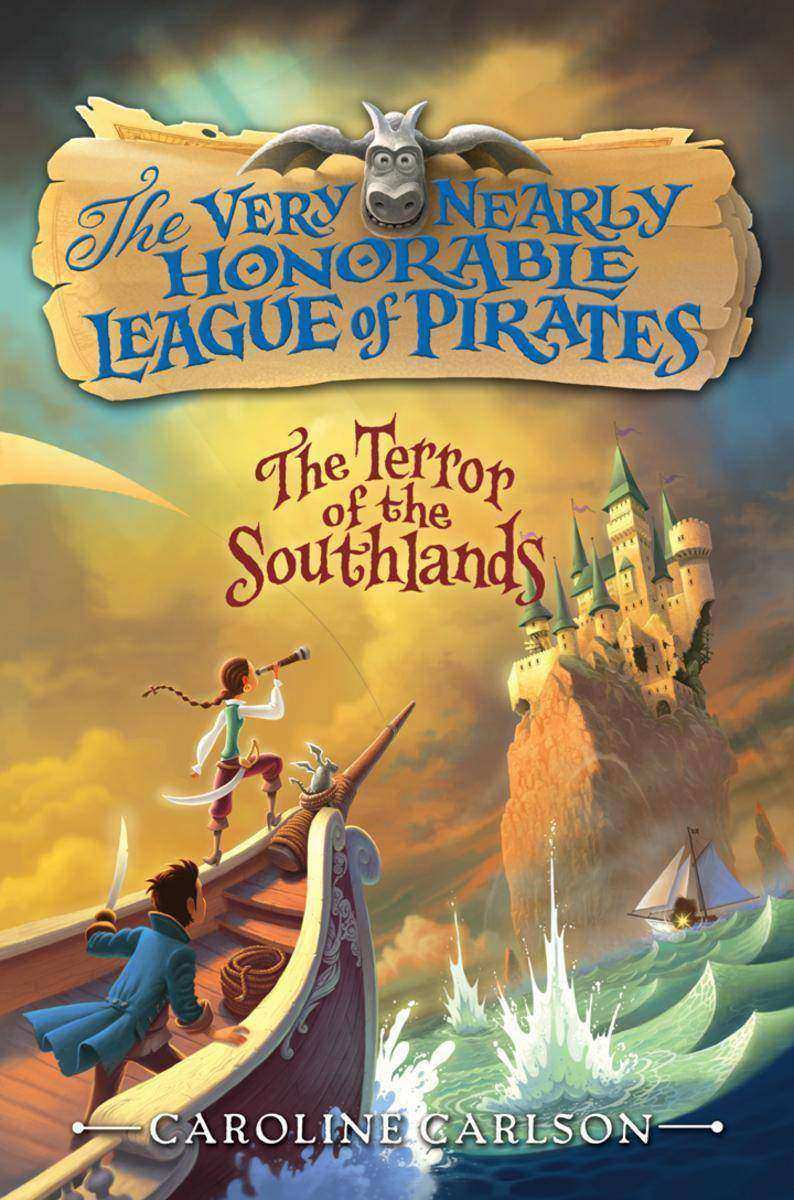
The Terror of the Southlands
¥38.72
More pirates, more magic, and more adventure in the second book of the Very Nearly Honorable League of Pirates series! Caroline Carlson brings the unceasing wit, humor, and fun of the first book in the series, Magic Marks the Spot, to this epic sequel. Fans of Lemony Snicket’s Series of Unfortunate Events and Trenton Lee Stewart’s Mysterious Benedict Society will love this quirky tween series and hope to join the VNHLP just like Hilary!Hilary Westfield is now a bona fide pirate, but when her daring, her magical know-how, and even her gargoyle don’t convince the VNHLP that she’s worthy of her title, the Terror of the Southlands, she sets off with her crew on a High Seas adventure. But then Miss Pimm disappears and Hilary decides to find the missing Enchantress and protect the magic of Augusta.
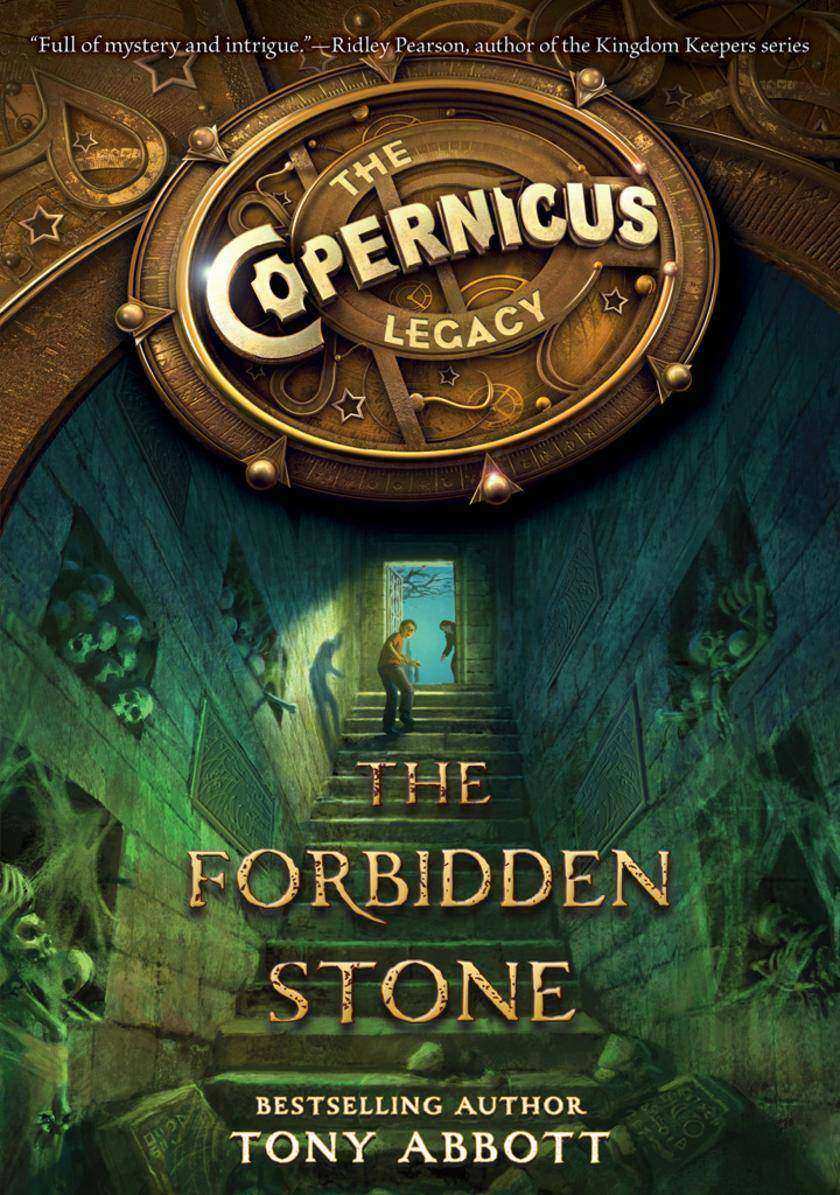
The Copernicus Legacy: The Forbidden Stone
¥39.13
Bestselling author Tony Abbott's epic new middle grade series, the Copernicus Legacy, begins with The Forbidden Stone, a thrilling adventure packed with puzzles, intrigue, and action. Fans of Rick Riordan and Ridley Pearson will love this first book in an exciting series that takes the reader all over the globe in a race to find pieces of a mysterious hidden past—before it's too late.Wade, Lily, Darrell, and Becca fly from Texas to Germany for the funeral of an old family friend. But instead of just paying their respects, they wind up on a dangerous, mind-blowing quest to unlock an ancient, guarded secret that could destroy the fate of the world.Supports the Common Core State Standards

The Copernicus Legacy: The Serpent's Curse
¥39.13
Bestselling author Tony Abbott returns with the next full-length book in the Copernicus Legacy series, a globe-trotting adventure packed with more riddles, puzzles, and secret histories. The hunt for Copernicus's first relic sent Wade, Darrell, Lily, and Becca to the far reaches of the world and put them in serious danger. But they never imagined Sara Kaplan—Darrell and Wade's mother—would be kidnapped by the conniving Galina Krause. Now they must race the evil Teutonic Order to find the Serpens relic and rescue Sara before it's too late.Fans of Rick Riordan and Ridley Pearson will love this epic series, which is filled with suspense and action.Correlates to the Common Core State Standards in English Language Arts
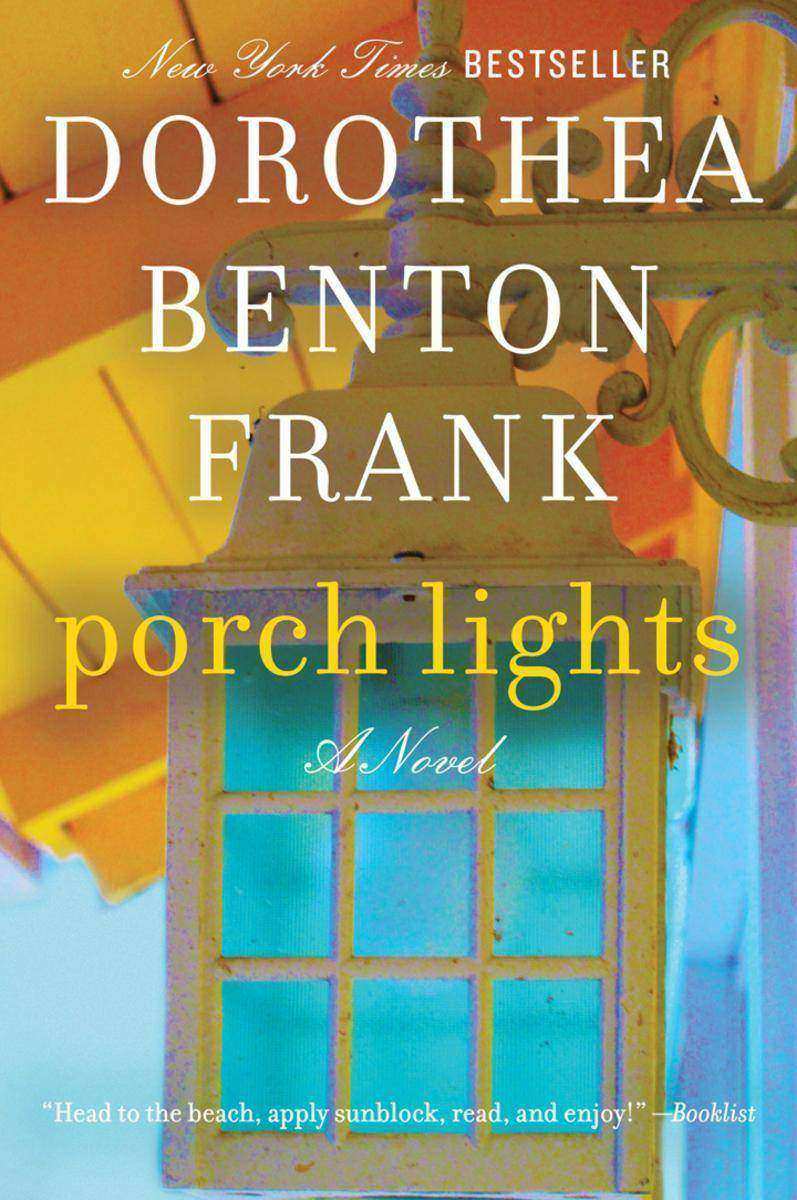
Porch Lights
¥88.56
When Jimmy McMullen, a fireman with the NYFD, is killed in the line of duty, his wife, Jackie, and ten-year-old son, Charlie, are devastated. Charlie idolized his dad, and now the outgoing, curious boy has become quiet and reserved. Trusting in the healing power of family, Jackie decides to return to her childhood home on Sullivans Island. Crossing the bridge from the mainland, Jackie and Charlie enter a world full of wonder and magic—lush green and chocolate grasslands and dazzling red, orange, and magenta evening skies; the heady pungency of Lowcountry Pluff mud and fresh seafood on the grill; bare toes snuggled in warm sand and palmetto fronds swaying in gentle ocean winds. Awaiting them is Annie Britt, the family matriarch who has kept the porch lights on to welcome them home. Thrilled to have her family back again, Annie promises to make their visit perfect—even though relations between mother and daughter have never been what you'd call smooth. Over the years, Jackie and Annie, like all mothers and daughters, have been known to have frequent and notorious differences of opinion. But her estranged and wise husband, Buster, and her flamboyant and funny best friend Deb are sure to keep Annie in line. She's also got Steven Plofker, the flirtatious and devilishly tasty widowed physician next door, to keep her distracted as well. Captivated by the island's alluring natural charms and inspired by colorful Lowcountry lore—lively stories of Blackbeard and his pirates who once sailed the waterssurrounding the Carolinas and of former resident Edgar Allan Poe—mother, daughter, and grandson will share a memorable, illuminating summer. Told in Annie's and Jackie's alternating voices, and filled with Dorothea Benton Frank's charming wit, indelible poignancy, and hallmark themes—the bonds of family, the heart's resilience, and the strength of love—Porch Lights is a triumph from "the queen of Southern fiction" (Charlotte Observer).
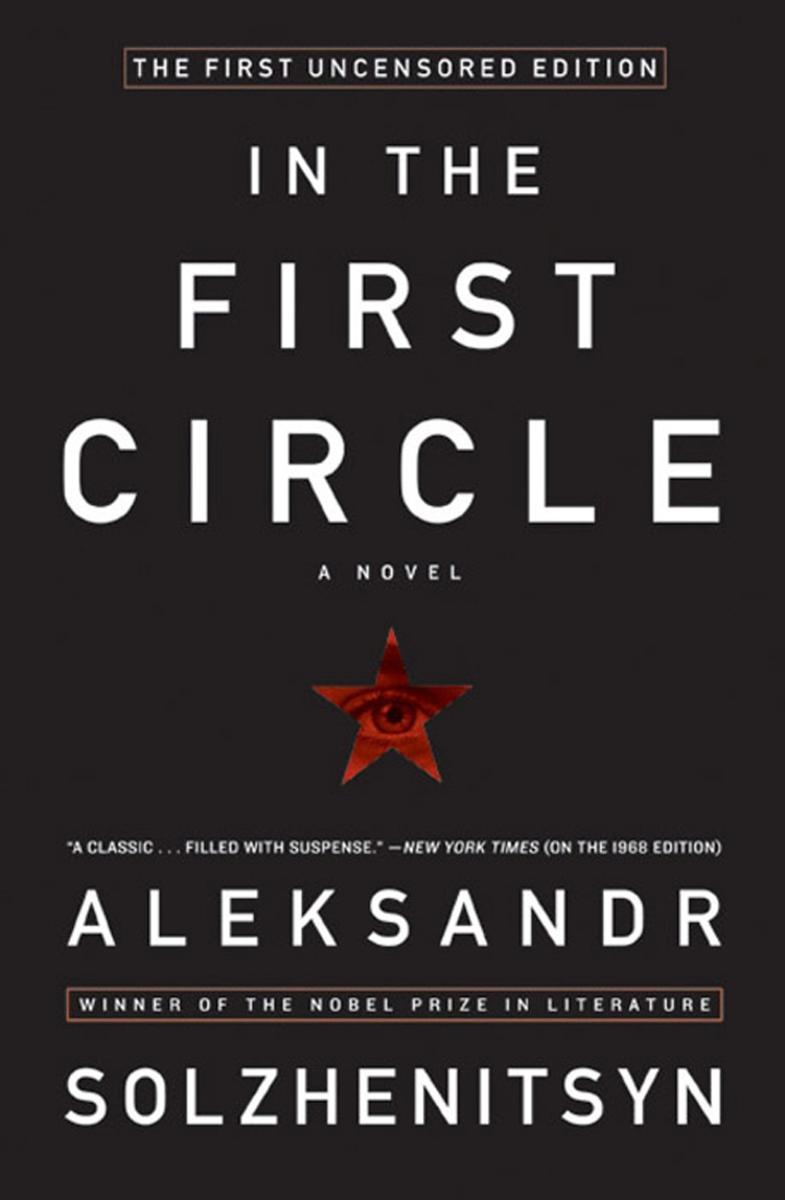
In the First Circle
¥121.80
The thrilling cold war masterwork by the nobel prize winner, published in full for the first timeMoscow, Christmas Eve, 1949.The Soviet secret police intercept a call made to the American embassy by a Russian diplomat who promises to deliver secrets about the nascent Soviet Atomic Bomb program. On that same day, a brilliant mathematician is locked away inside a Moscow prison that houses the country's brightest minds. He and his fellow prisoners are charged with using their abilities to sleuth out the caller's identity, and they must choose whether to aid Joseph Stalin's repressive state—or refuse and accept transfer to the Siberian Gulag camps . . . and almost certain death.First written between 1955 and 1958, In the First Circle is Solzhenitsyn's fiction masterpiece. In order to pass through Soviet censors, many essential scenes—including nine full chapters—were cut or altered before it was published in a hastily translated English edition in 1968. Now with the help of the author's most trusted translator, Harry T. Willetts, here for the first time is the complete, definitive English edition of Solzhenitsyn's powerful and magnificent classic.
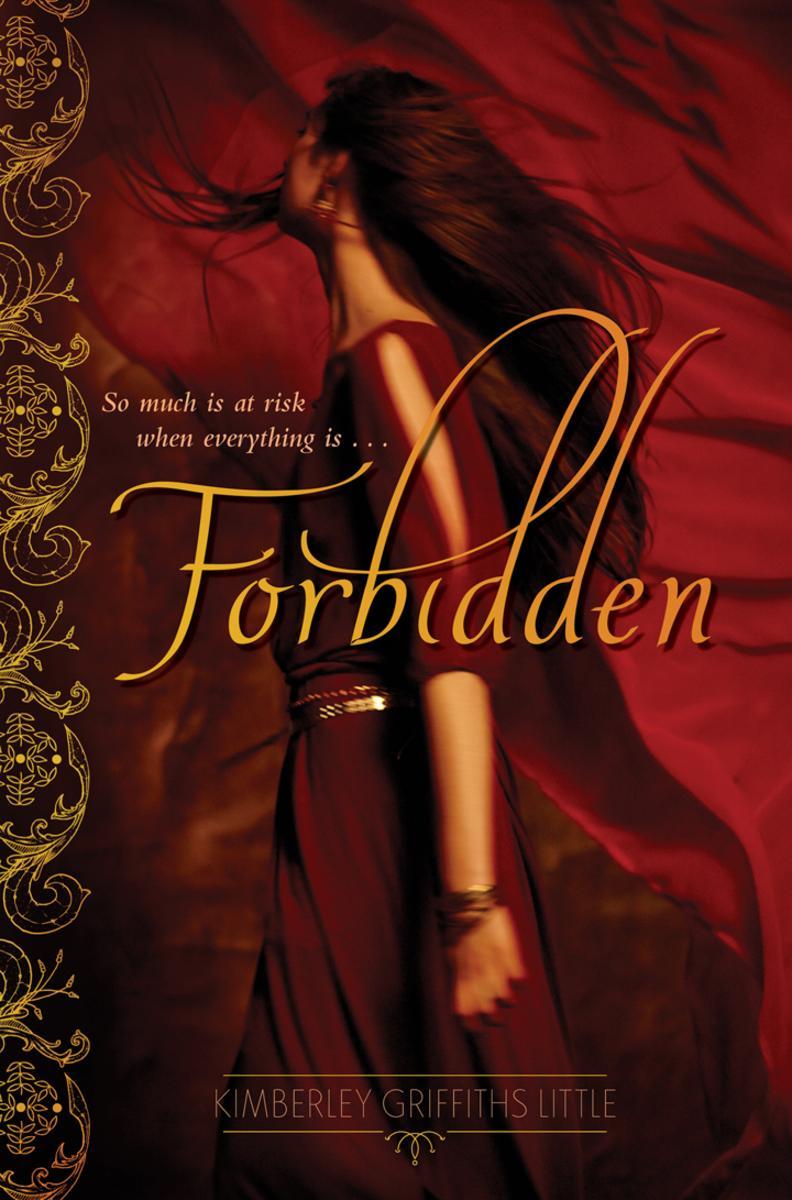
Forbidden
¥55.33
A sweeping, epic saga of romance and hardship, set against the dramatic backdrop of Ancient Mesopotamia—for fans of Cleopatra's Moon or the adult bestseller The Red Tent.In the unforgiving Mesopotamian desert where Jayden's tribe lives, betrothal celebrations abound, and tonight it is Jayden's turn to be honored. But while this union with Horeb, the son of her tribe's leader, will bring a life of riches and restore her family's position within the tribe, it will come at the price of Jayden's heart.Then a shadowy boy from the southern lands appears. Handsome and mysterious, Kadesh fills Jayden's heart with a passion she never knew possible. But with Horeb's increasingly violent threats haunting Jayden's every move, she knows she must find a way to escape—or die trying. With a forbidden romance blossoming in her heart, and her family's survival on the line, Jayden must finish the deadly journey to save the ones she loves—and find true love for herself.
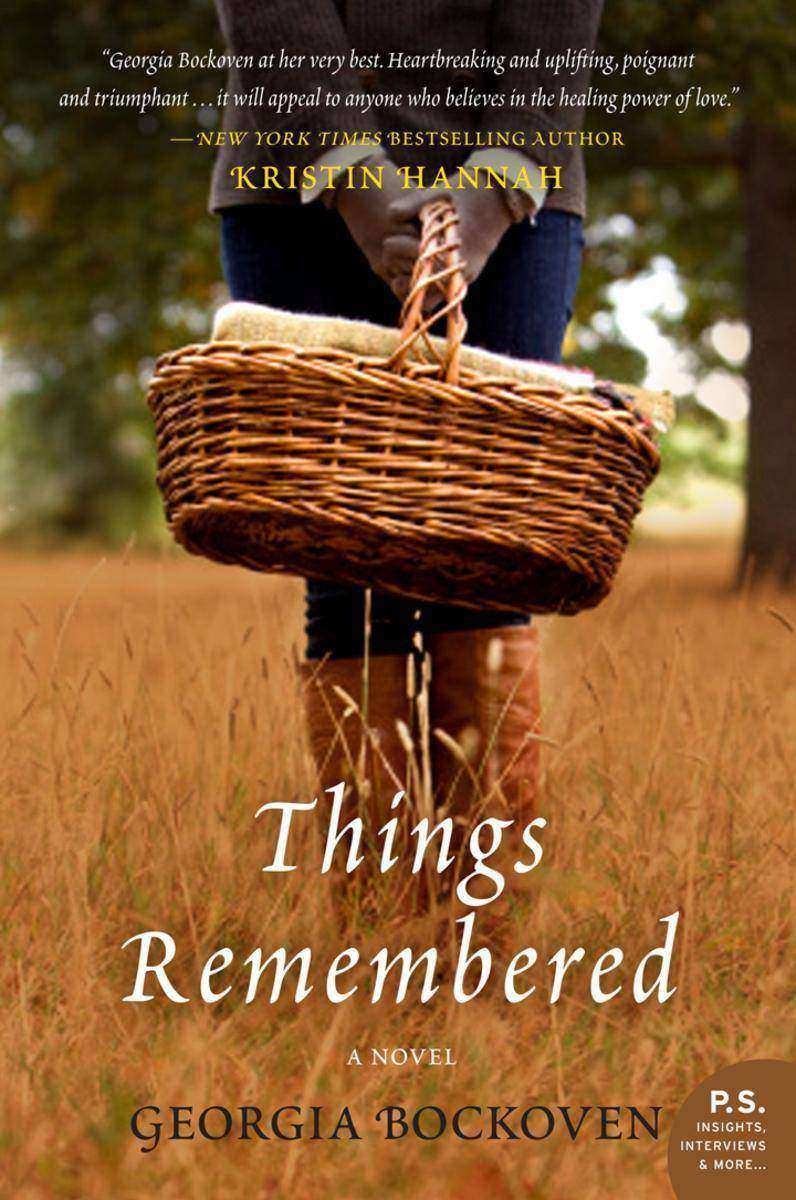
Things Remembered
¥84.16
To face the future, a woman must let go of the past. . . .Returning to her childhood home in the golden hills of Northern California means regret and pain for Karla Esterbrook. Yet she can’t refuse when her ailing grandmother, Anna, asks her to help settle her affairs. After all, Anna raised Karla and her younger sisters after their parents’ death twenty years before. But from the beginning a powerful clash of wills separated Karla and her grandmother, leaving them both bitter and angry.Little does Karla know that a very determined Anna will do everything in her power to bridge the chasm between them. But can the wounds of the past truly be healedFor Karla, opening her heart could lead to more hurt—or perhaps to reconciliation . . . and a love the likes of which she has never known.


