


 购物车
购物车 个人中心
个人中心
Oils (Collins You Can Paint)
¥44.24
Linda Birch paints in oils, watercolour and pastels and has taught amateurs for many years. She writes regularly for the Leisure Painter magazine and is author of The Indoor Artist. She has also illustrated many children’s books.

A Fallen Woman
¥53.76
Nancy Carson lives in Staffordshire and is a keen student of local history. All her novels are based around real events, and focus on the lives and loves of the people of the Black Country.
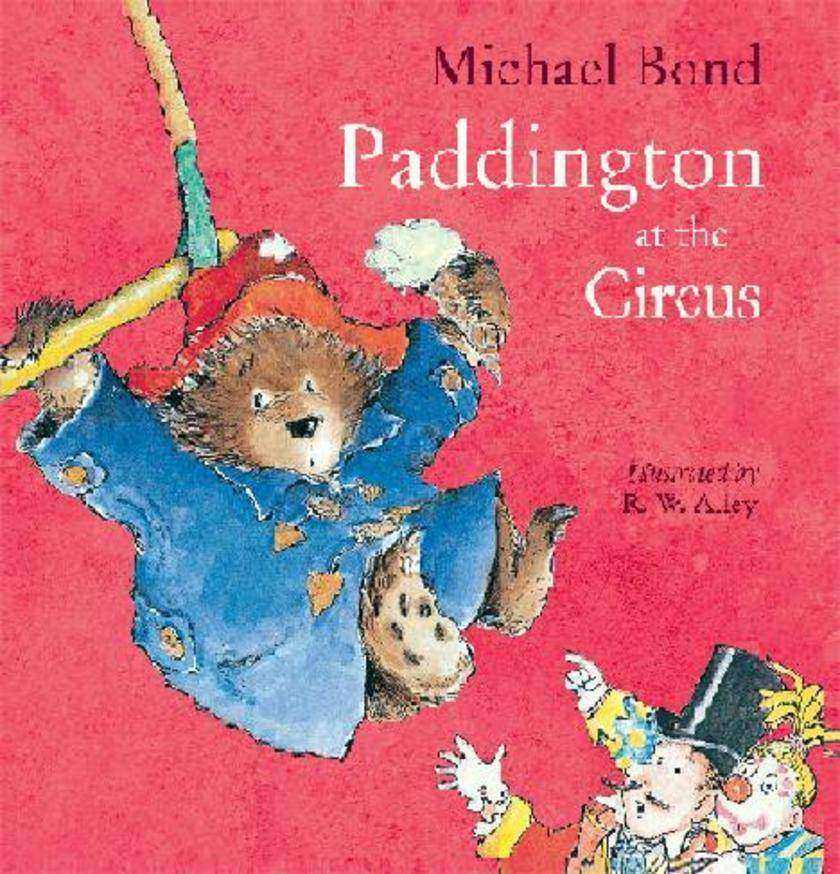
Paddington at the Circus
¥44.24
Michael Bond was born in Newbury, Berkshire on 13 January 1926 and educated at Presentation College, Reading. He served in the Royal Air Force and the British Army before working as a cameraman for BBC TV for 19 years. In 2015, Michael was awarded a CBE for his services to children’s literature, to add to the OBE he received in 1997. Michael died in 2017, leaving behind one of the great literary legacies of our time.

The Lost Diary of Leonardo’s Paint Mixer
¥51.50
The ninth title in this successful series. A factually accurate but hilarious look at the life of Leonardo Da Vinci as he mixes with the colourful set in Renaissance Italy! From his passion for horses, to his painting of the Mona Lisa – all is revealed. Leonardo da Vinci’s life from 1470 to 1519 as seen through the eyes of one, Luigi Cannelloni, Leonardo’s trusty assistant. From his Adoration of the Magi; his passion for the structure of horses; his painting of the Mona Lisa not to mention the highlife of Renaissance Italy – all is revealed in an hilarious way. As with the other Lost Diaries, this is factually accurate but the fictional voice brings in the humour

An Agenda for Britain
¥44.24
In The Importance of Being Earnest what Lady Bracknell said of Ernest’s loss of both his parents could also be said about the losing of elections. If the loss of one election is unfortunate, and two careless, then three is reckless, four criminal, and to lose five in succession might well prove fatal. This chapter looks at the reasons for Labour’s losing streak. It considers whether the Party is now so enfeebled that it will be unable to win again, unless it offers an electoral reform which will ensure that it is unlikely ever to form a one-party government again. The promise of electoral reform must be accompanied by the most fundamental changes in the Party’s constitution if Labour is to continue to be a serious political force.
Dark Ages
¥53.76
INTO THE DARK Fran has come back to face her ghosts: the fears she buried four long years ago. If she confronts the creatures from her nightmares, she’ll know that they were only in her mind. Her best friend and the man she loves are waiting, and spring in sunny Oxford seems to light the way ahead. But on Salisbury Plain she meets a living shadow and finds she is destined for a darker road. Martin is still challenging his demons: the phantoms that he’s glimpsed and can’t forget. Before his eyes they swarmed out of a medieval star chart and vanished in the night without a trace. He has unleashed the Ravensbreed: a band of ruthless warriors, sworn to defend their ancient kingdom in its darkest hour. The world has moved on, and yet the land still needs them. Beyond the peaceful English fields, old enemies are gathering again. From city streets to wild woods, among outcasts and resisters, Fran and Martin must join the Ravensbreed in their final, desperate war – a long and bloody struggle which, if lost, will plunge their country and everyone they love into a brutal New Dark Age.
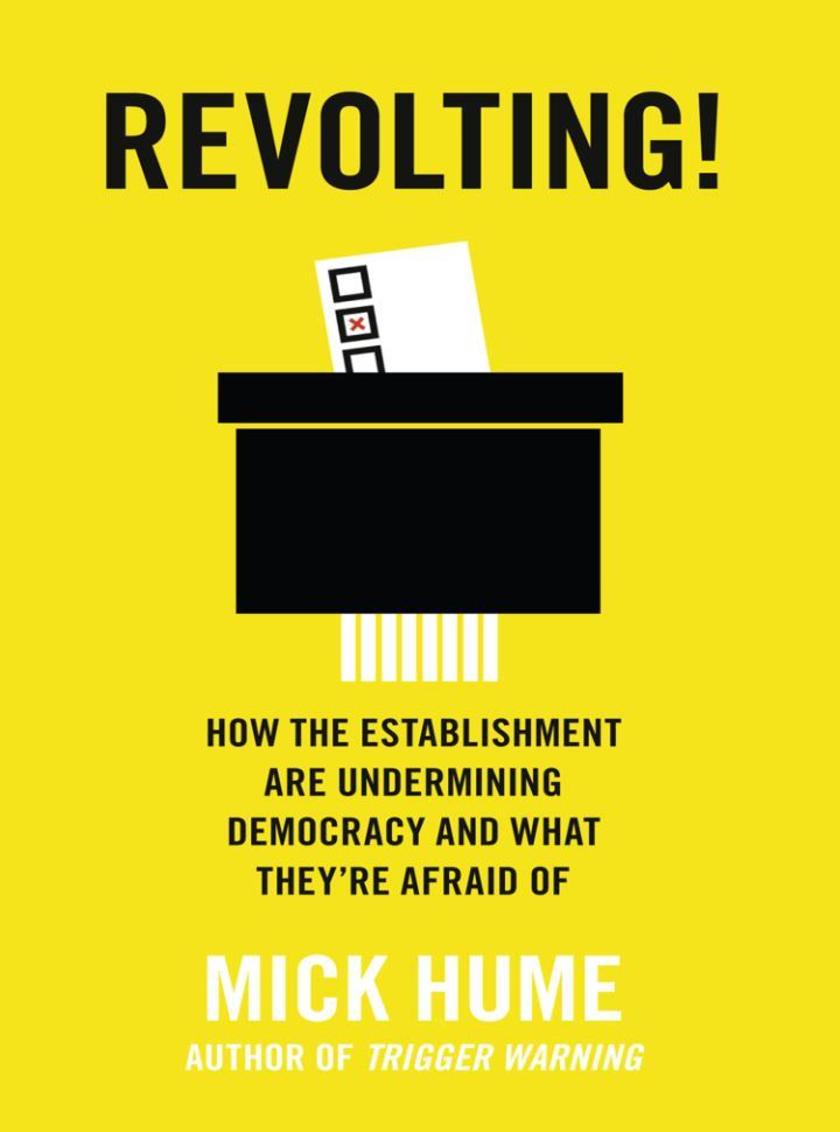
Revolting!: How the Establishment are Undermining Democracy and What They’re Afr
¥51.50
Mick Hume is a journalist and author of ‘Trigger Warning: Is the Fear of Being Offensive Killing Free Speech?’ He is editor-at-large of Spiked and writes regularly on free-speech issues. He had a weekly column in The Times for ten years, and was described as ‘Britain’s only libertarian Marxist newspaper columnist’. More recently he has written in defence of freedom of speech and a free press in The Times, the Sunday Times, the Independent and the Sun.
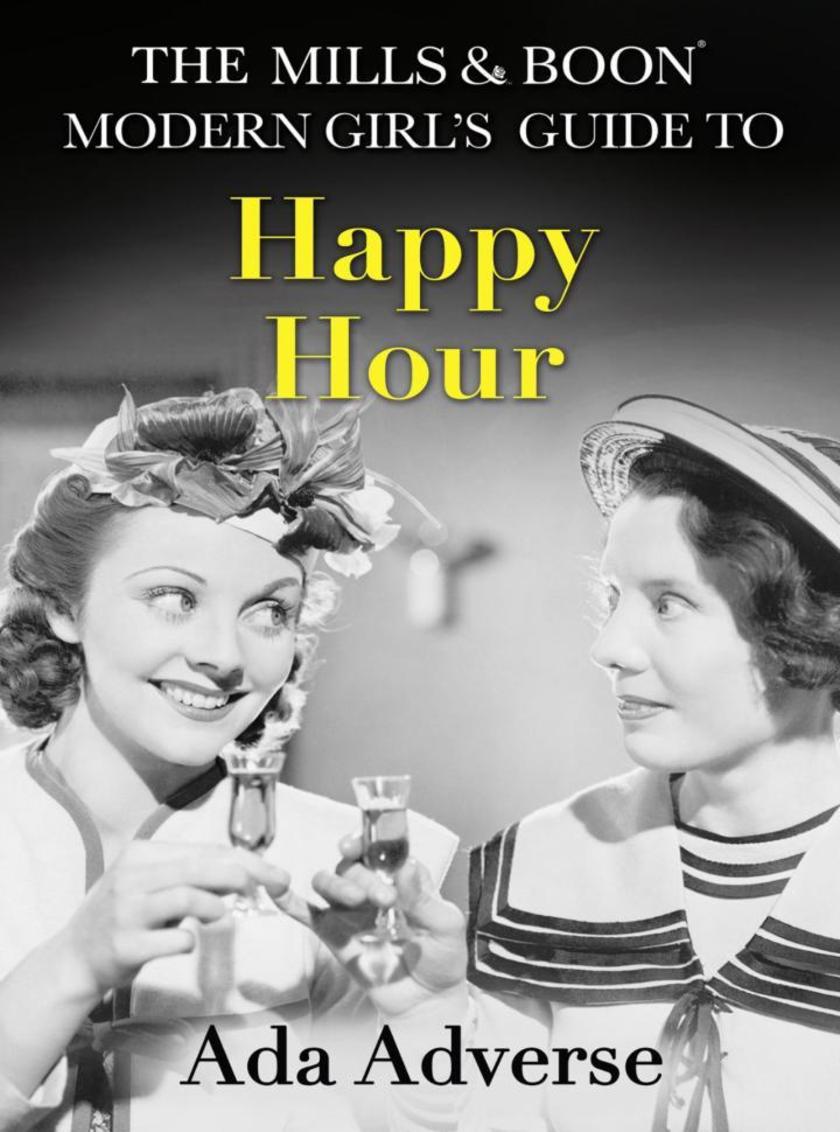
The Mills & Boon Modern Girl’s Guide to:Happy Hour:How to have Fun in Dry Januar
¥51.50
Ada Adverse was brought up in a deeply puritanical household where looking at a cake or using words containing more than one vowel were considered decadences punishable by a night in the coal cellar. But at fifteen she ran away from home and is now the world’s leading authority on Having Fun, which is definitely an actual job, she has ‘Fungineer’ printed on her business cards to prove it, though in retrospect she should have been more clear that this does not mean she specialises in mushrooms. Ada’s hobbies include topiary, mazes, homing pigeons, flea circuses, forming imaginary bands in her head, embalming things, tattoos, pylons, and the films of Billy Wilder. Ada’s dislikes include predatory mcaws, getting out the wrong side of the bed, collections of masks, and porcelain dolls with realistic teeth.

Sole Survivor
¥53.76
Passion, adventure, struggle for survival and love for life – on a remote island. You’re fed up with your office job, your flatmate, your bank manager and yourself. Fate throws you a lifeline. You’re now the sole inheritor of a cottage on a remote island off New Zealand. Do you take it? Of course you do. So, off sets Rosie Trethewey, not knowing what she’s in for but pretty certain it can’t be worse than what she’s got. She’s not counted on her reclusive neighbours: a traumatised refugee of the war in Burma, and a misanthrope of an ex-policeman. They can’t abide each other, let alone the thought of a newcomer. And a woman at that. But you can’t survive on an island without some degree of contact. Rosie is the catalyst that forces the loners to come to terms with themselves, each other and the encroaching world.
Flying High
¥53.76
The winners of the 1993 IAN ST JAMES AWARDS. The Ian St James Awards enabled new writers from every walk of life to break into print. 1993’s collection introduced more new writers than ever before, with six short stories and ten longer pieces. Entertaining, thought provoking, original, each of these stories is a winner, selected from thousands of entries from all over the world.
Harvey Keitel
¥53.76
Originally published in 1997 and now available as an ebook. It has not been possible to include the illustrations in the electronic edition. Perhaps the bravest and most inspiring actor of his generation, Harvey Keitel has made his menacing presence felt in some of the greatest cult movies ever, from Scorsese's Mean Streets and Taxi Driver to Tarantino's Reservoir Dogs and Pulp Fiction. With over fifty films to his name, a dozen of them since 1992, Keitel is one of the most ubiquitous and sought-after actors in Hollywood. Yet unlike so many of his contemporaries, he constantly surprises with daring and risk-taking performances in ground-breaking films such as Bad Lieutenant, The Last Temptation of Christ, The Piano and Smoke. Since his tough childhood in Brooklyn, Keitel's life has been a dramatic and unconventional as his screen roles. 'Harvey Keitel: The Art of Darkness 'tells, for the first time, the story of the rollercoaster career and turbulent personal life of this most powerful performer.
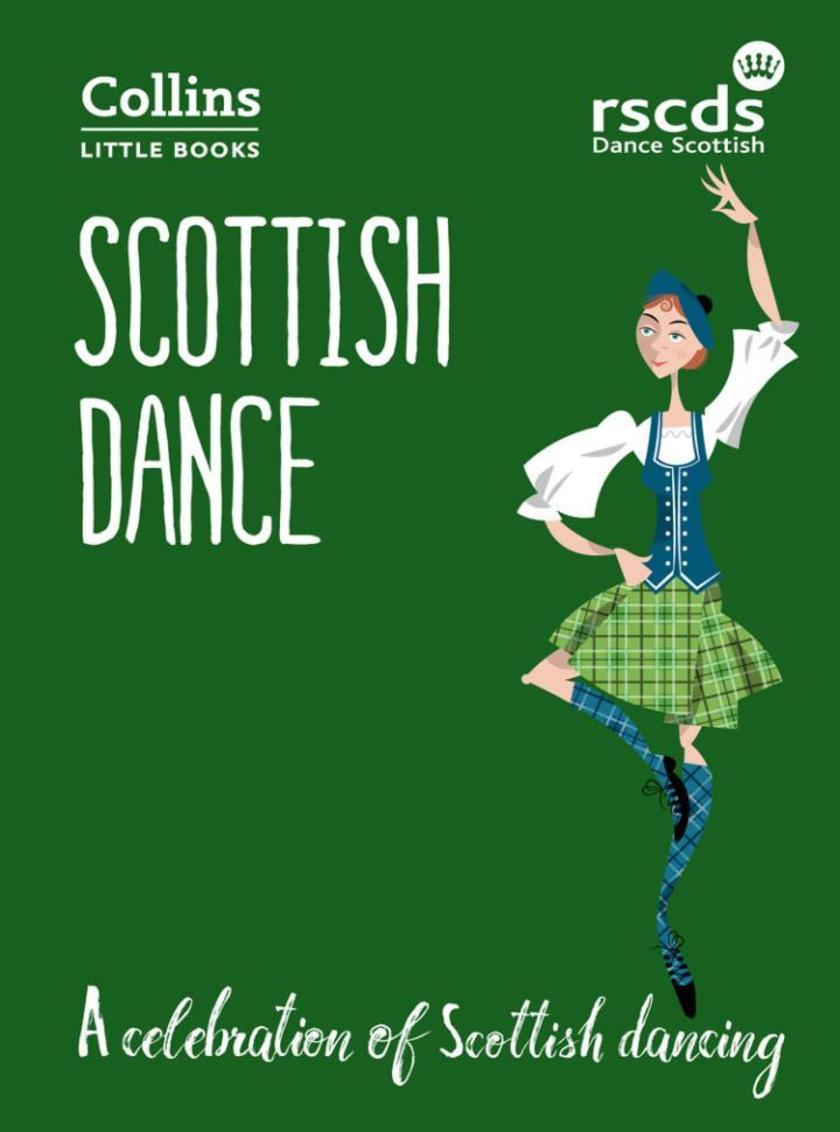
Scottish Dance: A celebration of Scottish dancing (Collins Little Books)
¥44.24
The Royal Scottish Country Dance Society (Charity No. SC 016085; Company No. SC480530), is dedicated to promoting Scottish Country Dance. The Society exists to promote and develop Scottish country dancing worldwide for the benefit of present and future generations. It has a world-wide network of Branches and Affiliated Groups, with a small administrative team at its central office in Edinburgh.

Stanley Spencer (Text Only)
¥115.56
Stanley Spencer (1891 – 1959) has recently been recognised by a wide general public, as well as by art historians, as probably the greatest English painter of the twentieth century. His strange and thrilling settings of biblical and semi-biblical scenes, his grippingly realist portraits, his intense English landscapes, hang in pride of place in our national collections and fetch ever-escalating prices at auction. Although there have been many books about Spencer, Pople's biography is the first to give a thoroughly convincing and coherent account of the life and psyche of the man who produced these extraordinary pictures. Pople has not only had the co-operation of Spencer's daughters and remaining friends' he has had unrestricted access to the artist's letters, diaries and other writings, and has spent ten years unravelling the familiar but so often impenetrable mysteries we see on the canvas. His analysis demonstrates that there never was as artist for whom life and art were so much of a piece, and that without understanding Spencer's doings and circumstances, we have no hope of understanding his paintings.
The Journey (Guardians of Ga’Hoole, Book 2)
¥57.09
The brave owls of Ga'Hoole are back in their second mythic adventure as they strive to preserve owldom from the evil that lurks around them. Join the owls in their quest for the Great Ga'Hoole Tree, the legendary place where ordinary owls are transformed into the heroes that guard the owl kingdom. Out of the darkness a hero will rise… It began as a dream. A quest for the Great Ga’Hoole Tree, a mythic place where each night an order of owls rises to perform noble deeds. There Soren, Gylfie, Twilight and Digger hope to find inspiration to fight the evil that dwells in the owl kingdom. The journey is long and arduous for Soren, Gylife, Twilight and Digger. When they finally arrive, they realize that the journey has barely started and that greater challenges lay ahead. If they succeed in following in the footsteps of their leaders, they will soon become true Ga'Hoolian owls– honest, brave, true and wise.
PCOS Diet Book: How you can use the nutritional approach to deal with polycystic
¥125.18
Colette Harris is Editor of Here’s Health. She discovered she had Polycistic Ovary Syndrome three years ago. Theresa Cheung is a full time writer with 5 health books already published in the US including a book on androgen disorders in women. She is author of Men and Depression. She is also a sufferer of PCOS
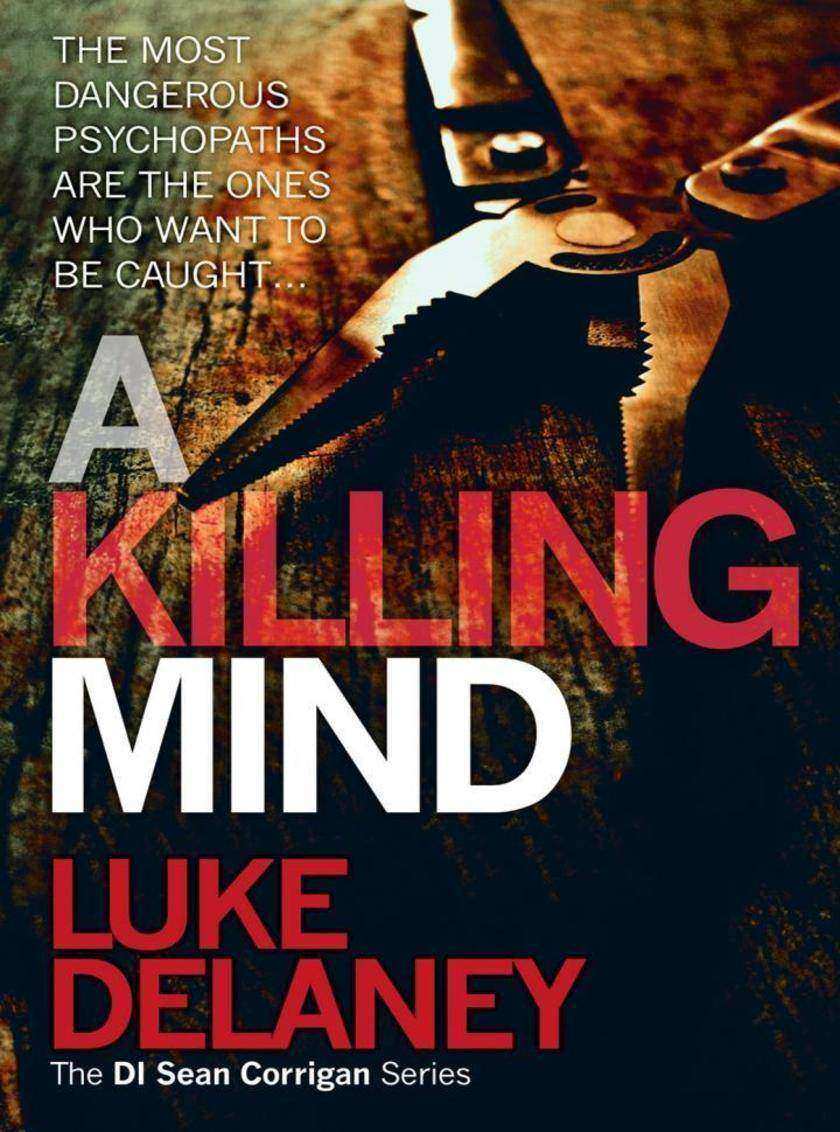
A Killing Mind (DI Sean Corrigan, Book 5)
¥66.22
The fifth novel in the DI Sean Corrigan series – authentic and terrifying crime fiction with a psychological edge, by an ex-Met detective. Perfect for fans of Mark Billingham, Peter James and Stuart MacBride. A serial killer stalks the streets… In the darkest corners of London, a killer is on the hunt. His murders are brutal. Teeth pulled out. Nails pulled out. Bodies abandoned. A detective follows his every move… DI Sean Corrigan of the Special Investigations Unit desperately tries to use his ability to understand the minds of killers before another victim is ruthlessly murdered. A clash of dangerous minds… Corrigan is all too willing to take deadly risks to track down his quarry, but this time the killer has set a trap, just for him. Will Corrigan stop the murderer in time, or is he about to become a victim himself?
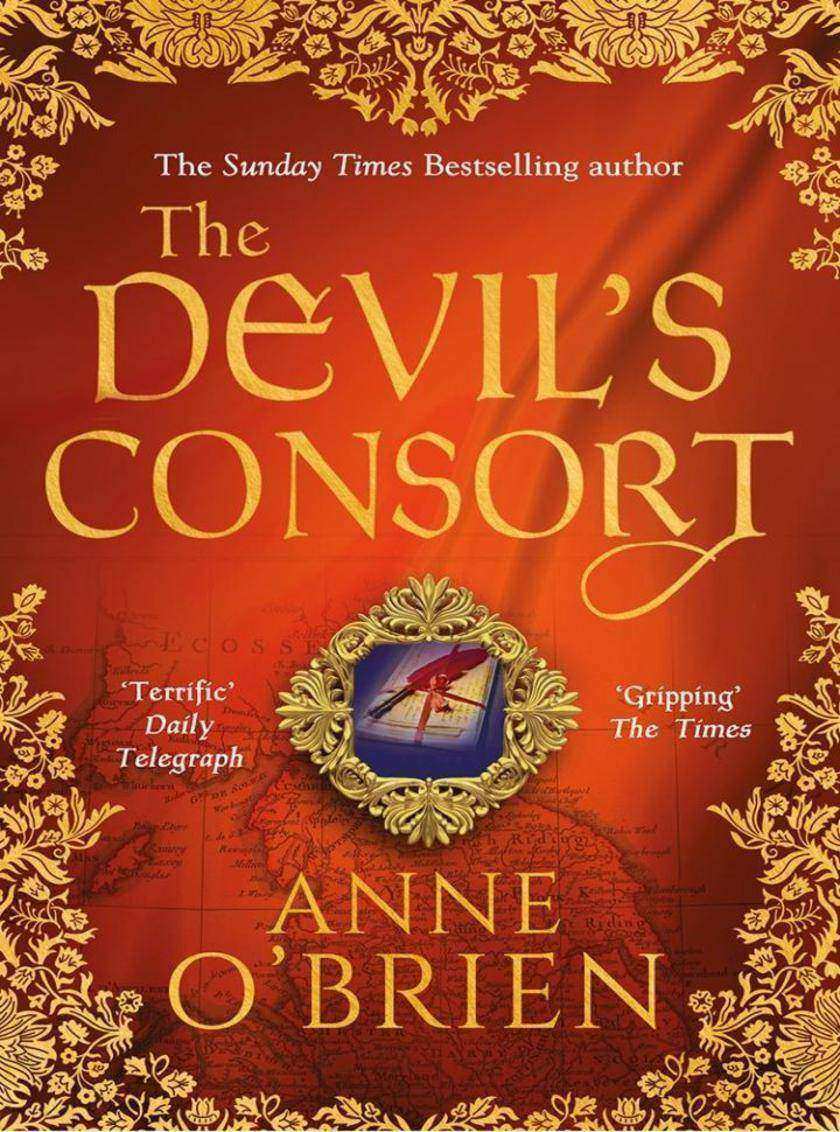
Devil's Consort
¥61.90
Anne O’Brien’s new novel, Queen of the North, is available to pre-order now England’s Forgotten Queens ‘Anne O’Brien has joined the exclusive club of excellent historical novelists.’ - Sunday Express ENGLAND'S MOST RUTHLESS QUEEN. July, 1137. In the baking sunshine of Bordeaux, Eleanor, Duchess of Aquitaine, eagerly awaits her first meeting with the prince who will become her husband. But Louis Capet is no fit match for educated, independent Eleanor. When he inherits the throne of France, it becomes clear that his monastic ways and indecisive rule could cost him his country – and his marriage. Determined to rule her own lands, Eleanor leads the men of Aquitaine on Crusade. The march to Outremer will make her the most scandalous woman in all of Christendom. And one chance meeting between Eleanor and Henry Plantagenet will change the fate of England – forever… Hers is a story of power, political intrigue, passion and love. Praise for Anne O’Brien: ‘One of the best writers around…she outdoes even Philippa Gregory’ The Sun ‘Her writing is highly evocative of the time period… O’Brien has produced an epic tale’ Historical Novel Society ‘Anne O’Brien’s novels give a voice to the “silent” women of history’ Yorkshire Post ‘Once again O’Brien proves herself a medieval history magician, conjuring up a sizzling, sweeping story’ Lancashire Evening Post ‘An exciting and intriguing story of love and historical politics. If you enjoy Philippa Gregory and Alison Weir you will love Anne O'Brien’ We Love This Book ‘A brilliantly researched and well-told story; you won’t be able to put this book down’ Candis ‘A fast paced historical drama that is full of suspense.’ Essentials
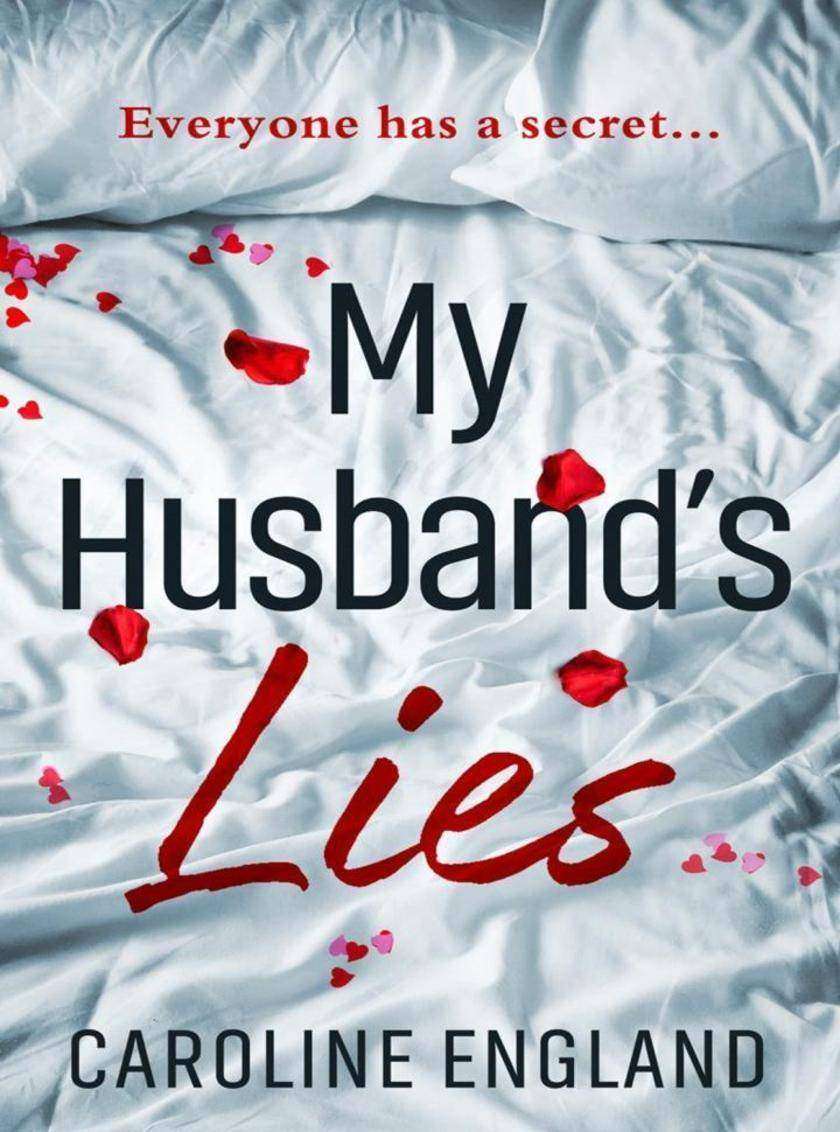
My Husband’s Lies
¥58.86
‘I was gripped immediately’ KATERINA DIAMOND, author of THE TEACHER ‘Terrific characterisation, great writing and twists to leave you dizzy.’ TERESA DRISCOLL, author of I AM WATCHING YOU Do you really know your friends? ** THE TOP 10 KINDLE BESTSELLER** On the afternoon of Nick and Lisa’s wedding, their close friend is found poised on a hotel window ledge, ready to jump. As the shock hits their friendship group, they soon realise that none of them are being as honest with themselves – or with each other – as they think. And there are secrets lurking that could destroy everything. Tense, disturbing and clever, My Husband’s Lies is a breath-taking read, perfect for fans of Lucy Clarke and Erin Kelly.

The Lightstone: The Silver Sword: Part Two (The Ea Cycle, Book 1)
¥66.61
From the author of Neverness comes a powerful new epic fantasy series. The Ea Cycle is as rich as Tolkien and as magical as the Arthurian myths. The world of Ea is an ancient world settled in eons past by the Star People. However, their ancestors floundered, in their purpose to create a great stellar civilisation on the new planet: they fell into moral decay. Now a champion has been born who will lead them back to greatness, by means of a spiritual – and adventurous – quest for Ea’s Grail: the Lightstone. His name is Valashu Elahad, and he is destined to become King. Blessed (or cursed?) with an empathy for all living things, he will lead his people into the lands of Morjin, into the heart of darkness, wielding a magical sword called Alkadadur, there to recover the mythical Lightstone and return in triumph with his prize. But Morjin is not to be vanquished so easily…
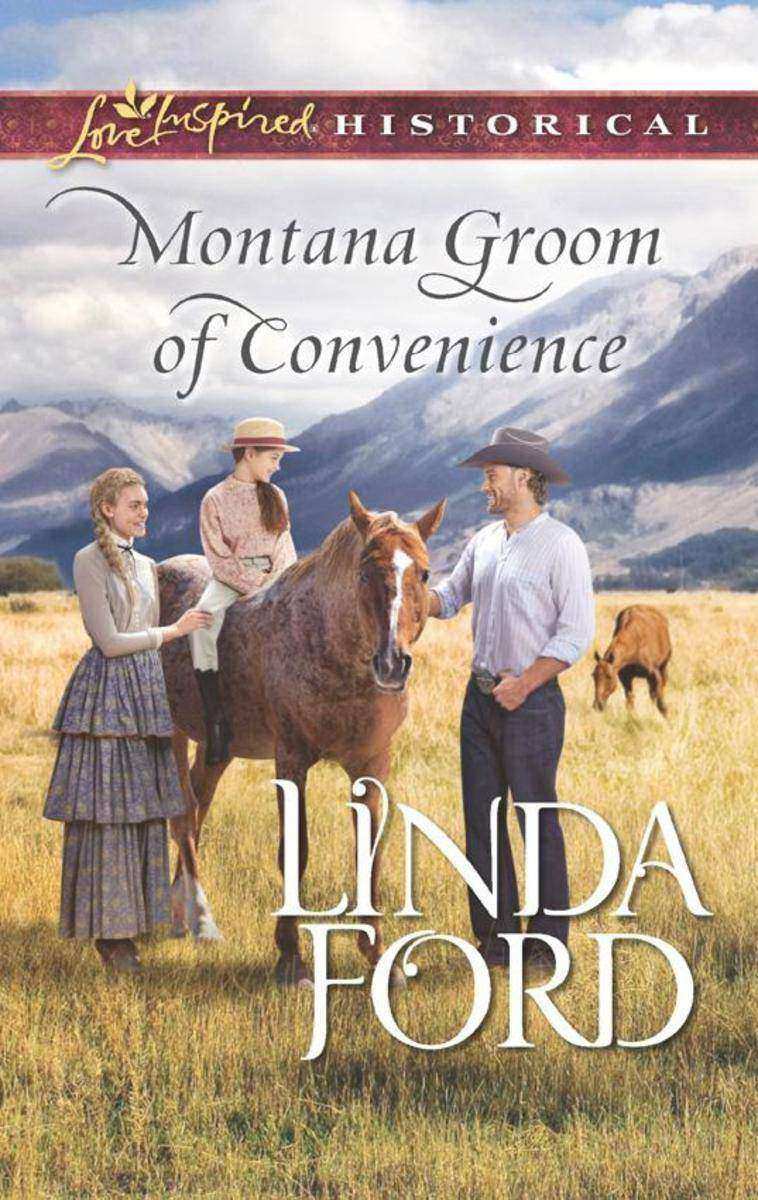
Montana Groom Of Convenience (Mills & Boon Love Inspired Historical) (Big Sky Co
¥39.63
Their Marriage Bargain Carly Morrison’s father issues an ultimatum: get married or lose her ranch. But while she can rope and ride as well as any man, leading one to the altar is another matter—until newcomer Sawyer Gallagher suggests a marriage of convenience. Their arrangement might be a sensible solution to her predicament but Carly’s growing feelings are a genuine complication. Desperate to provide a home for his orphaned sister, Sawyer takes a chance on lassoing himself to headstrong cowgirl Carly. He’s convinced he’s too hardened by life to love anyone…until their union is threatened. Is it too late to turn this practical partnership into a real Big Sky family?
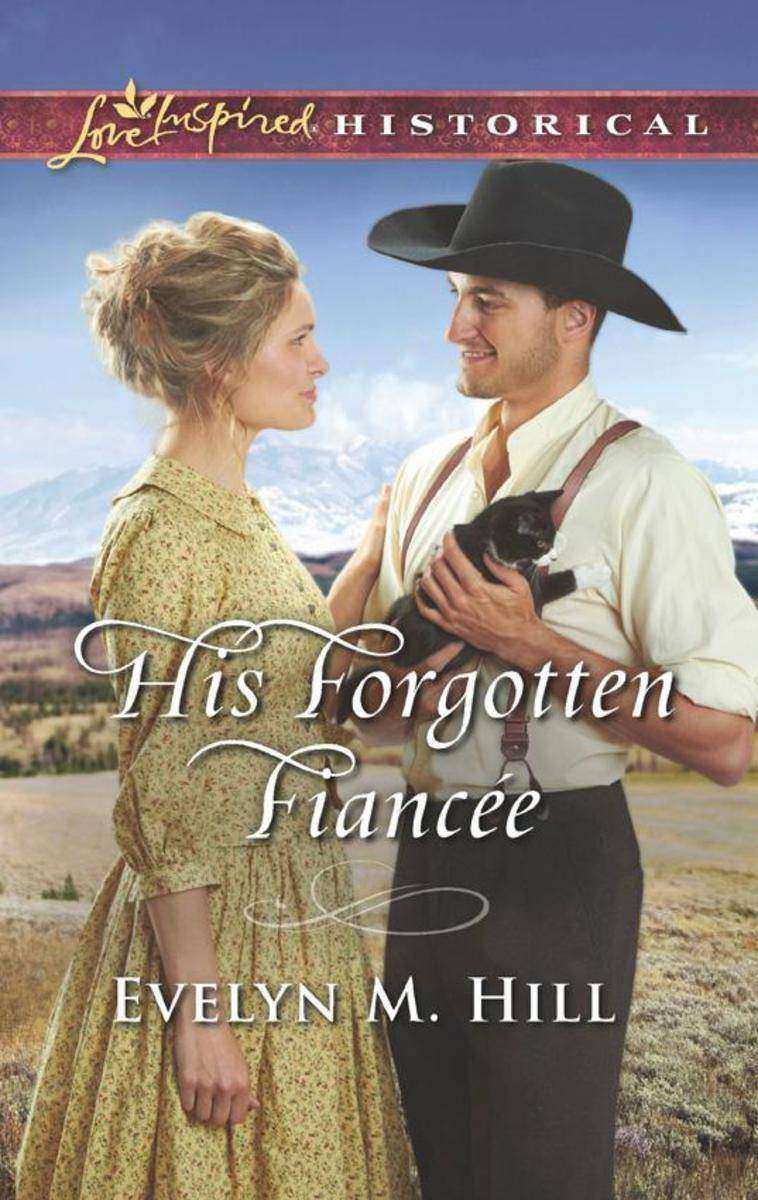
His Forgotten Fiancée (Mills & Boon Love Inspired Historical)
¥39.63
Suddenly Reunited Liza Fitzpatrick is stunned when her fiancé finally arrives in Oregon City—with amnesia. Matthew Dean refuses to honor a marriage proposal he doesn’t recall, and Liza is forced to consider he may not have loved her after all. But she needs his help now to bring in the harvest, and maybe she can help him remember… Matthew is attracted to the spirited Liza, and as she tries to help him regain his old memories, the new ones they’re creating together start to make him feel whole. Even as he falls for her again, though, someone’s determined to keep them apart. Will his memory return in time to save their future?


