


 购物车
购物车 个人中心
个人中心
Garden Natural History (Collins New Naturalist Library, Book 102)
¥192.67
In a much-anticipated addition to the New Naturalist library, Stefan Buczacki takes a broad look at the relatively unexplored world of the garden, and its relevance within the context of natural history overall. Though gardens are often viewed merely as artificial creations rather than easily accessible places to observe and encourage wildlife, ‘Garden Natural History’ rectifies this misconception. By viewing gardens within the wider context of the British ecological landscape, Buczacki follows the garden's development as a habitat within which vertebrates, invertebrates and native and alien plants alike have been introduced and to which they have adapted. ‘Garden Natural History’ offers a fascinating insight into the diversity of organisms and ecological processes that constitute the garden, whilst also highlighting the role of the gardener as conservator and showing how the garden can inspire all naturalists.

High Blood Pressure: Natural Self-help for Hypertension, including 60 recipes (E
¥82.01
This guide is a must for anybody who wants to control high blood pressure naturally. Sarah Brewer, respected doctor and Telegraph columnist, has teamed up with Michelle Berriedale-Johnson, a successful special diets cookery writer, to provide readers with a comprehensive self-treatment plan that includes 60 mouth-watering recipes. Sales Handles: Heart disease is the number one killer in the West and is closely linked to high blood pressure, or hypertension. High blood pressure can be triggered by many things and diet is one of the major contributing factors. This clear and accessible guide provides an easy-to-follow nutritional plan that shows readers how to prevent and control high blood pressure by changing their eating habits. Dr Sarah Brewer also gives readers medically up-to-date information on high blood pressure, what causes it and how to control symptoms. The book also reviews all the orthodox and complementary treatments that are available. 60 simple recipes from special diets expert Michelle Berriedale-Johnson allow sufferers to control their condition while still enjoying their food.

The Playboy Prince (Fast Fiction)
¥11.77
Fast Fiction Hot - short, sexy reads Ella Jamison would do almost anything for her job. After her boss, architect Chase Bryant, rescued her from a humiliating situation, Ella devoted herself to his firm. But now he's asking Ella to escort the Playboy Prince around New York City. Ella despises arrogant, self-centered men like Philippe Montvidant. But the firm needs his account, and the firm comes first. Philippe knows all about duty. His playboy act has given his tiny country much-needed publicity. Too bad the press and people like Ella only see the headlines, and never get to know the true man. And for some reason, Philippe desperately wants Ella to know the real him. But if he manages to open her eyes, will she like what she sees?

The Secret of Cherokee Cove (Mills & Boon Intrigue) (Bitterwood P.D., Book 5)
¥31.10
Detective Walker Nix knew there was more to Bitterwood’s police chief’s ‘accident’ and that someone wanted his boss dead. But when the victim’s beautiful sister, US Marshal Dana Massey, insisted on becoming involved, Nix had a hunch his case – and his heart – was in trouble…
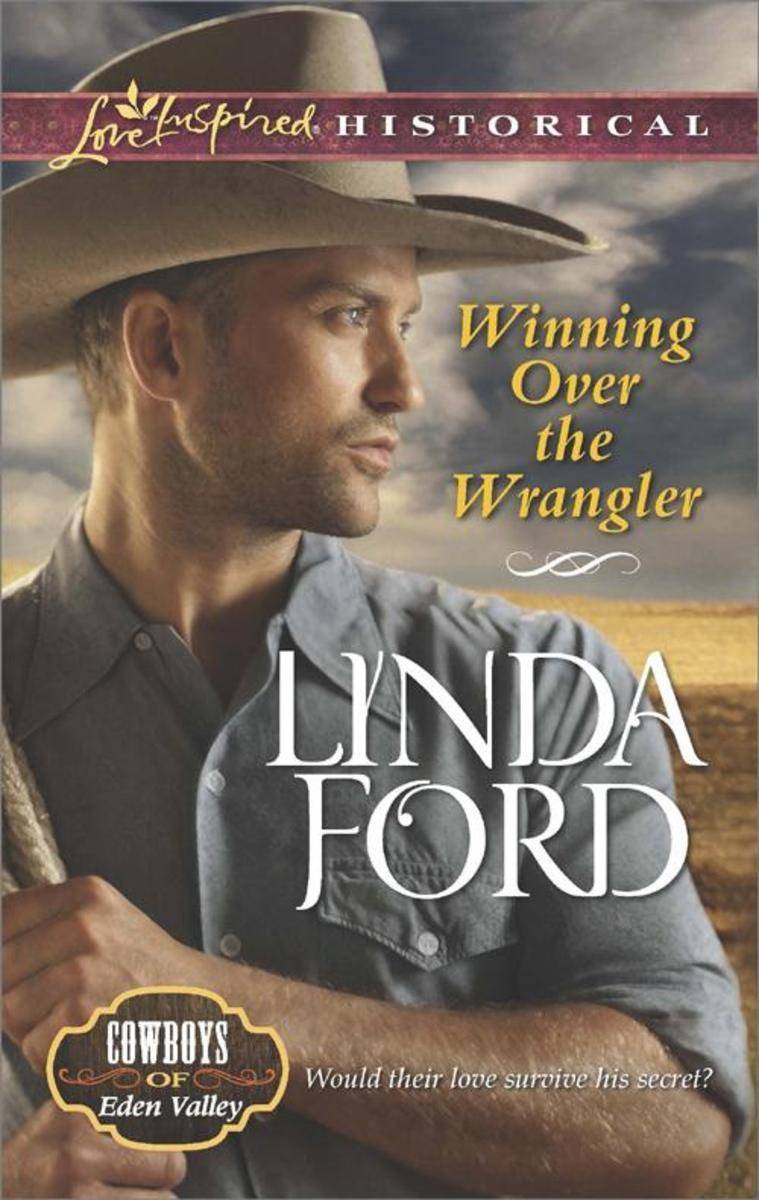
Winning Over the Wrangler (Mills & Boon Love Inspired Historical) (Cowboys of Ed
¥31.10
A COWBOY WITHOUT A NAME The only thing Brand Duggan’s outlaw kin ever gave him was an undeserved reputation. Once he’s through breaking horses, he’ll leave Eden Valley. Staying means risk—and heartache. And he has no business falling for a refined English miss like Sybil Bannerman. The rugged cowboy who rescues her from a stampede is just the kind of man Sybil Bannerman’s editor wants her to write about. Yet she has no idea how big a secret Brand Duggan carries, until her life is threatened. Despite the evidence against him, Sybil can’t walk away—for the man who lassoed her heart is the one she’ll love forever… Cowboys of Eden Valley: Forging a future in Canada’s west country
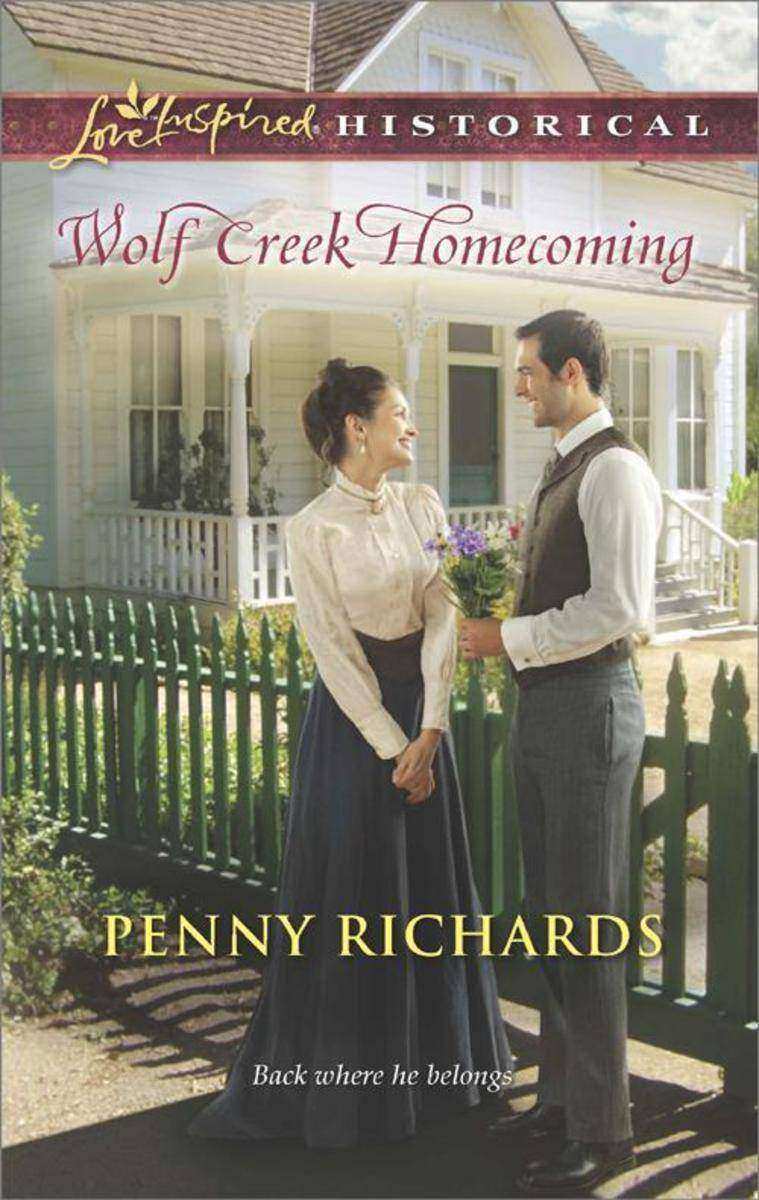
Wolf Creek Homecoming (Mills & Boon Love Inspired Historical)
¥31.10
ALL ROADS LEAD TO HOME Gabe Gentry used to live entirely in pursuit of carefree pleasure. It cost him his relationship with his brother, and with the one woman who believed in him. Now, with new-found faith, he’s coming home to Wolf Creek, Arkansas, hoping to find redemption and forgiveness, and maybe even a second chance at love. Physician Rachel Stone never thought she’d lay eyes on Gabe again. After their brief time together, Gabe disappeared, leaving Rachel devastated and secretly pregnant with his son. His return stirs up her bitterness…and her attraction. But Gabe’s already burned her once, how can she trust him again, now that her son’s heart is on the line as well?
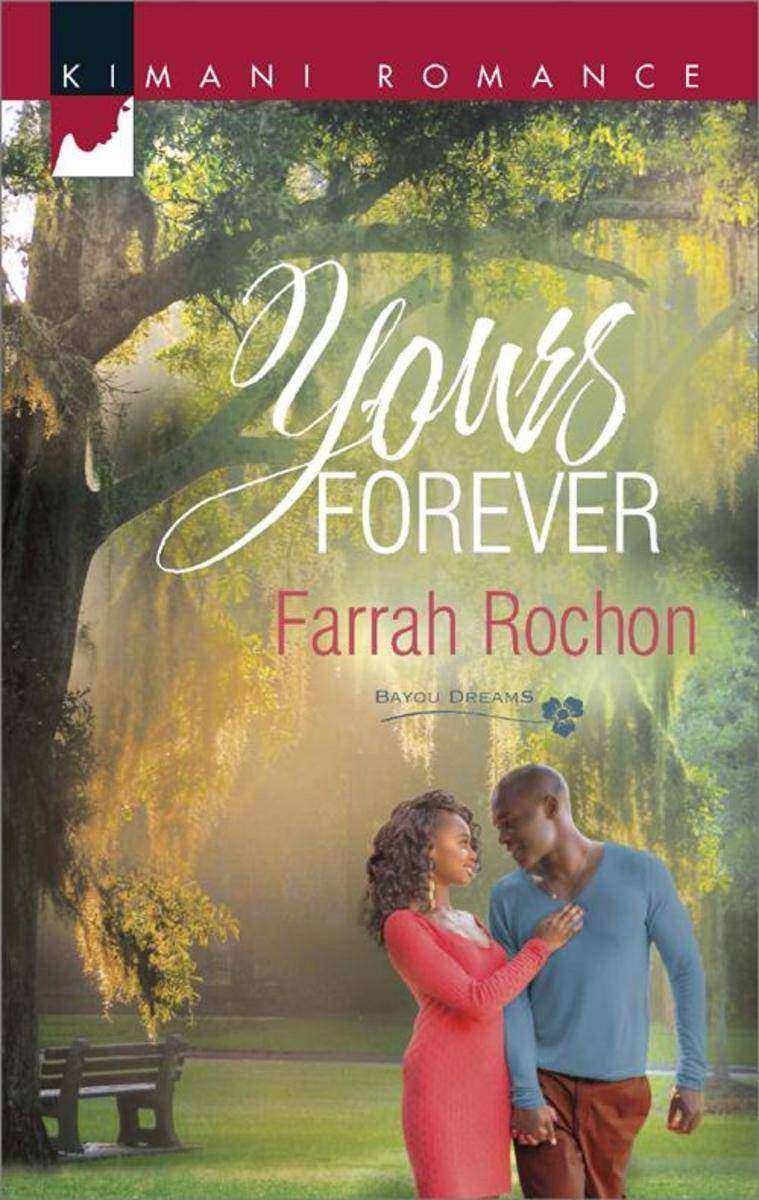
Yours Forever (Mills & Boon Kimani) (Bayou Dreams, Book 3)
¥30.90
Can the sins of the past . . . Louisiana powerhouse attorney Matthew Gauthier has spent a lifetime safeguarding his prominent family’s scandalous history. So when Tamryn West makes it her mission to dig up the past, Matthew must do everything in his power to stop her. But his plan to distract the alluring history professor begins to send his own passions raging out of control. . . . Become the hope of the future? Tamryn came to the town of Gauthier to find the diary that could be the missing link to her grandmother and her enduring legacy. In the process, she stumbles on the secrets of another family—secrets Matt will protect at any cost. As his sensual touch awakens Tamryn’s deepest desires, will a revelation that could make her career cost Matt his political dreams–and their future together?
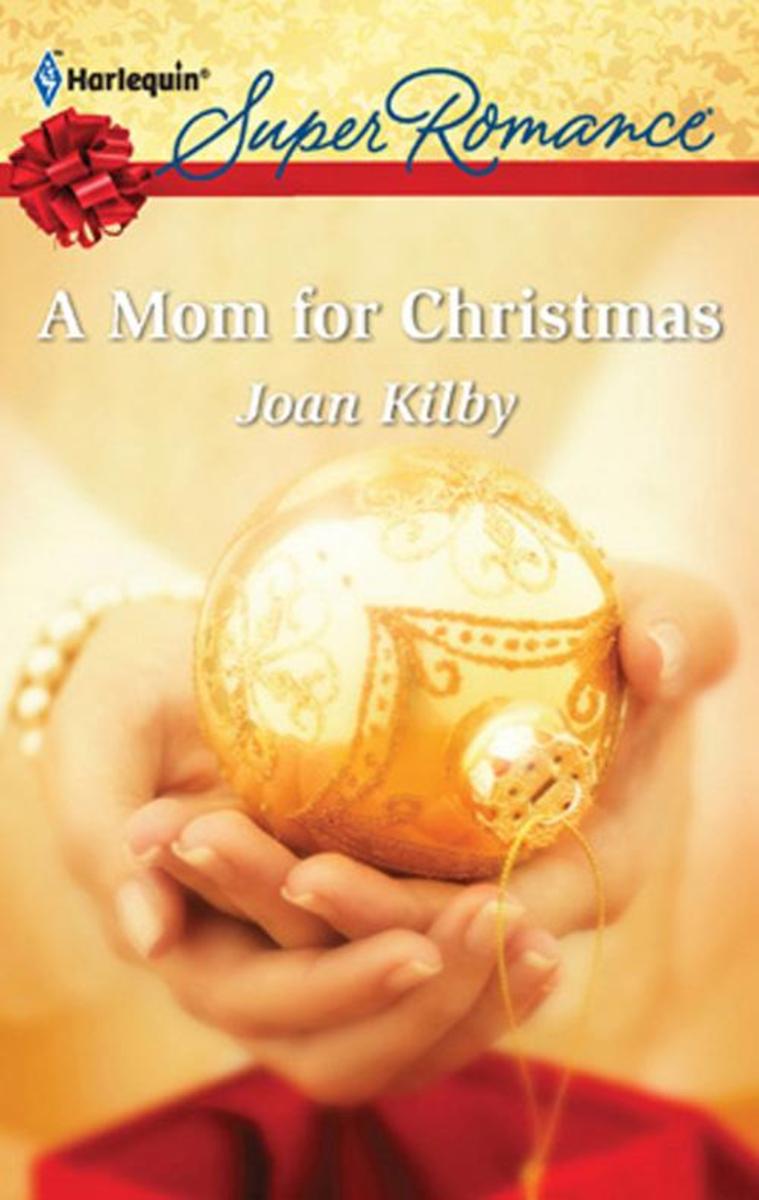
A Mom for Christmas (Mills & Boon M&B) (The Wilde Men, Book 3)
¥27.27
Ski patroller Aidan Wilde doesn't get too festive during the holiday season. Not since his wife, Charmaine, fell to her death off Whistler Mountain on Christmas Eve six years ago. Though the whole town had gossiped about his failure to save Charmaine, Aidan has been able to hide the horrifying circumstances of that day from his daughter, Emily. Until Charmaine's cousin, Nicola, returns home. While digging up the truth and finding some unexpected answers, Nicola works her way into Emily's heart and unexpectedly wins over Aidan, too. Might this single dad really be ready to let go of the past and give his daughter the one thing she really wants for Christmas–a mom?

Ask Anyone (A Trinity Harbor Novel, Book 2)
¥50.62
A merry-go-round horse and an armed guard in his front yard–along with half the town–is not what Bobby Spencer expects to wake up to. So with his quiet Sunday morning ruined, he isn't feeling very kindly toward the woman responsible. But Jenna Pennington Kennedy is desperate. She needs to capture Bobby's attention so he'll hire her to plan the town's new riverfront development. It's just the sort of thing that could prove to her father she's a responsible woman, not the reckless kid of old. The last thing Bobby wants in his life is a sexy single mom with grand ambitions. And Jenna doesn't need any more roller-coaster romances. But in Trinity Harbor, love has a way of defying expectations–ask anyone.
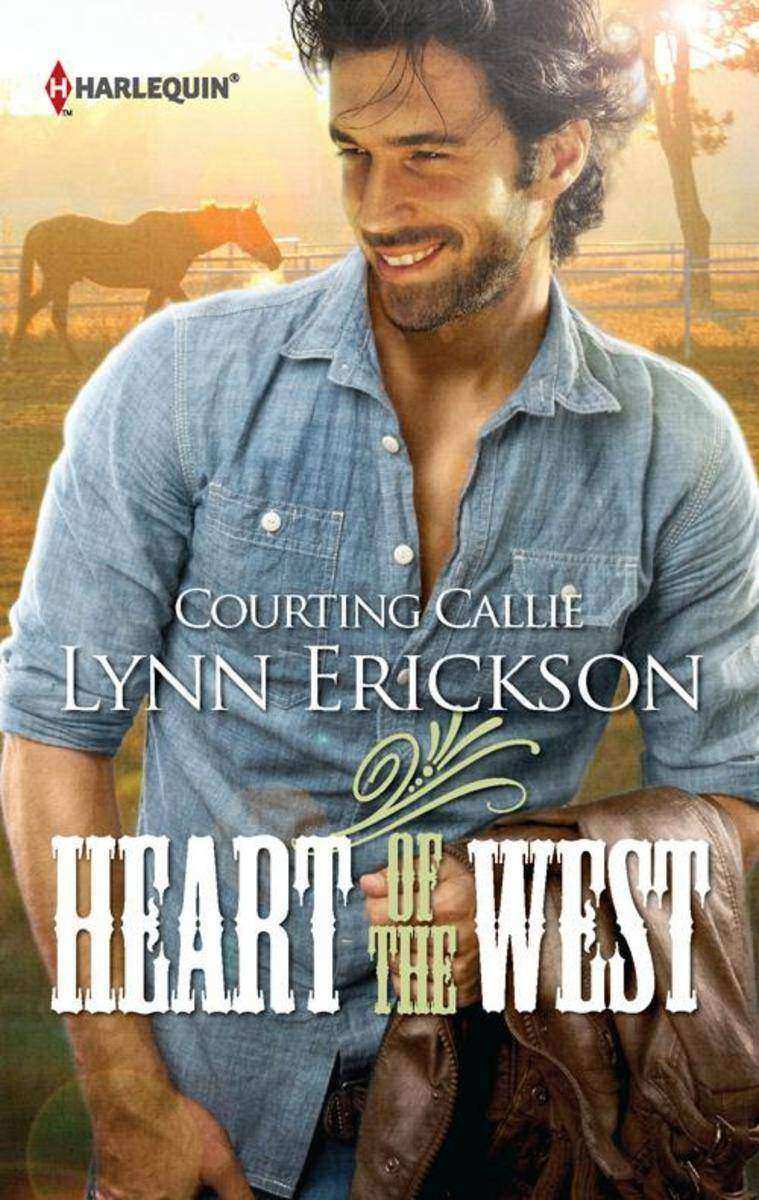
Courting Callie (Mills & Boon M&B) (Heart of the West, Book 2)
¥27.27
The Lost Springs Ranch for troubled boys is at stake, and it's a man's duty to give back… Bachelor #2 Name: Mase LeBow, 34 Occupation: Homicide detective, Denver Biggest Achievement: Living to adulthood after a too-wild adolescence Widower Mase LeBow figures Callie Thorne's remote equine therapy ranch is the best place to protect his son. So he's determined to charm her after she "buys" him for a date at the Lost Springs Bachelor Auction. But her insistence on helping his withdrawn boy gets past his defenses…and that can't happen. Falling in love with Callie when he's the star witness in a murder trial would be a huge mistake.
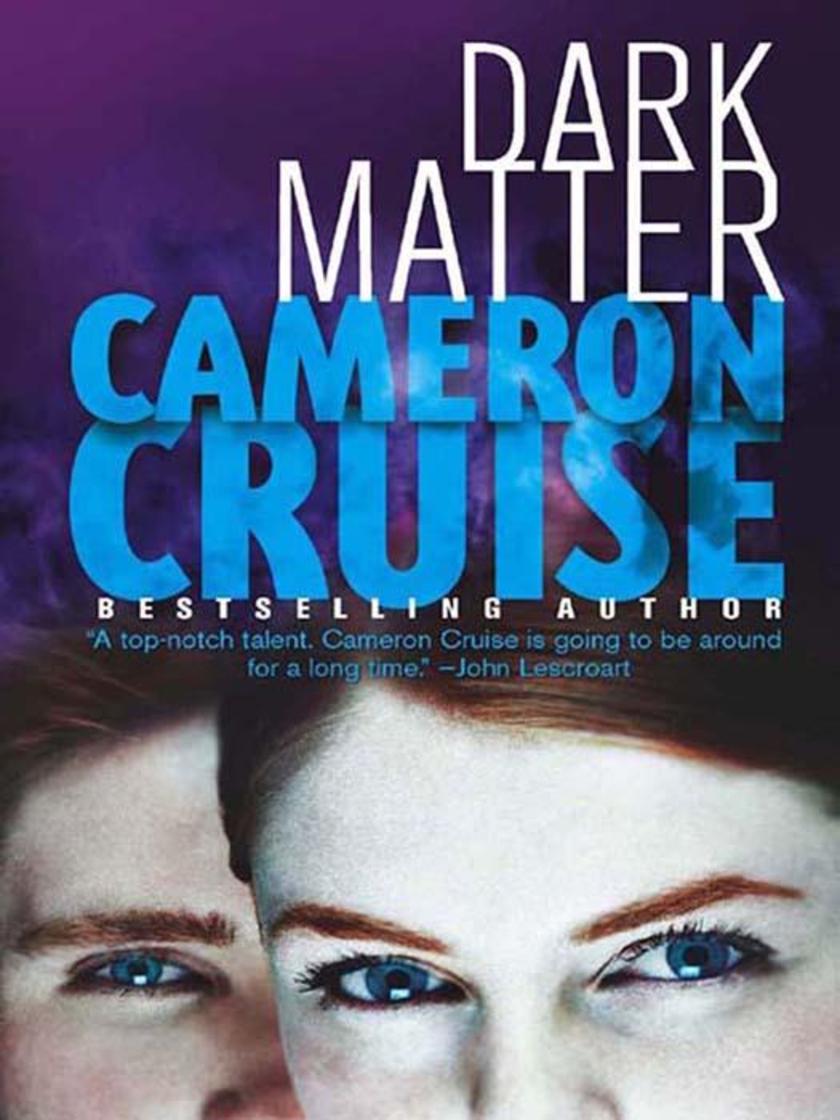
Dark Matter
¥51.50
There are those among us whose mental capacity is so evolved that they are able to tap into abilities that are beyond this world. Often diagnosed as autistic, these medical marvels have led quiet lives, ignored by science. Until now. One by one, these special "Indigo children" are disappearing and turning up dead. Now a boy handcuffed in a basement awaits his turn while two predators fulfill a mission for a madman. Caring for her own autistic brother, FBI agent Carin Barnes is driven to find the missing boy and hunt down his abductors–psychic twins Adam and Evie. At the command of their father, the pair are collecting children for torturous experiments he believes will lead to the evolution of the human race. But in order to succeed, they need one powerful element…something that Carin and her brother possess…matter that elevates some minds to the highest levels of intelligence–and drags others to the deepest pits of hell.
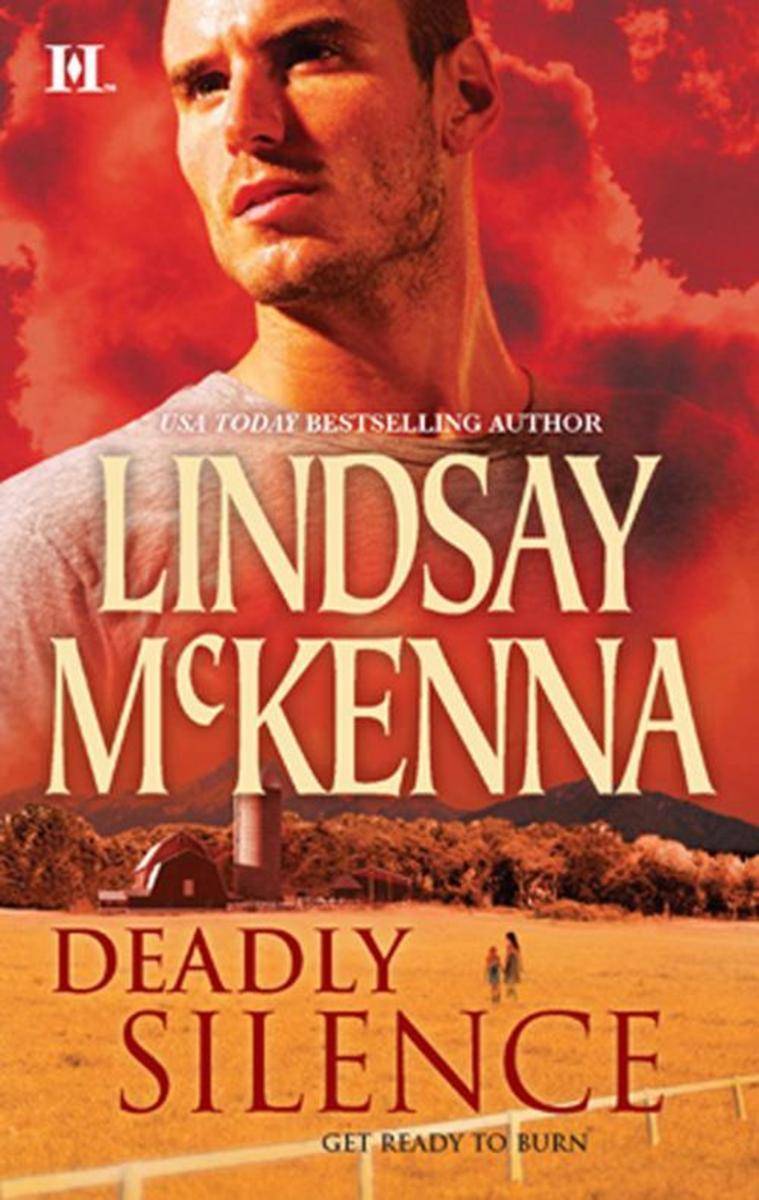
Deadly Silence (Mills & Boon M&B)
¥54.74
Lieutenant Matt Sinclaire has always loved fighting fires–until the fateful day when the flames came for his family. Arson took his wife and has left him alone with an eight-year-old daughter too traumatized to speak–and the ruins of his life are proving difficult to rebuild. When U.S. Forest Ranger Casey Cantrell is assigned to Jackson Hole, Wyoming, the last thing she expects to find is a wounded firefighter and his damaged daughter. But after a chance encounter in the woods, she finds herself becoming almost a mother to the girl. Now, two years after the fire, Matt feels on the verge of finally getting his little girl back, and even of finding love again. But can he protect them from the evil that stripped him of his life once before?
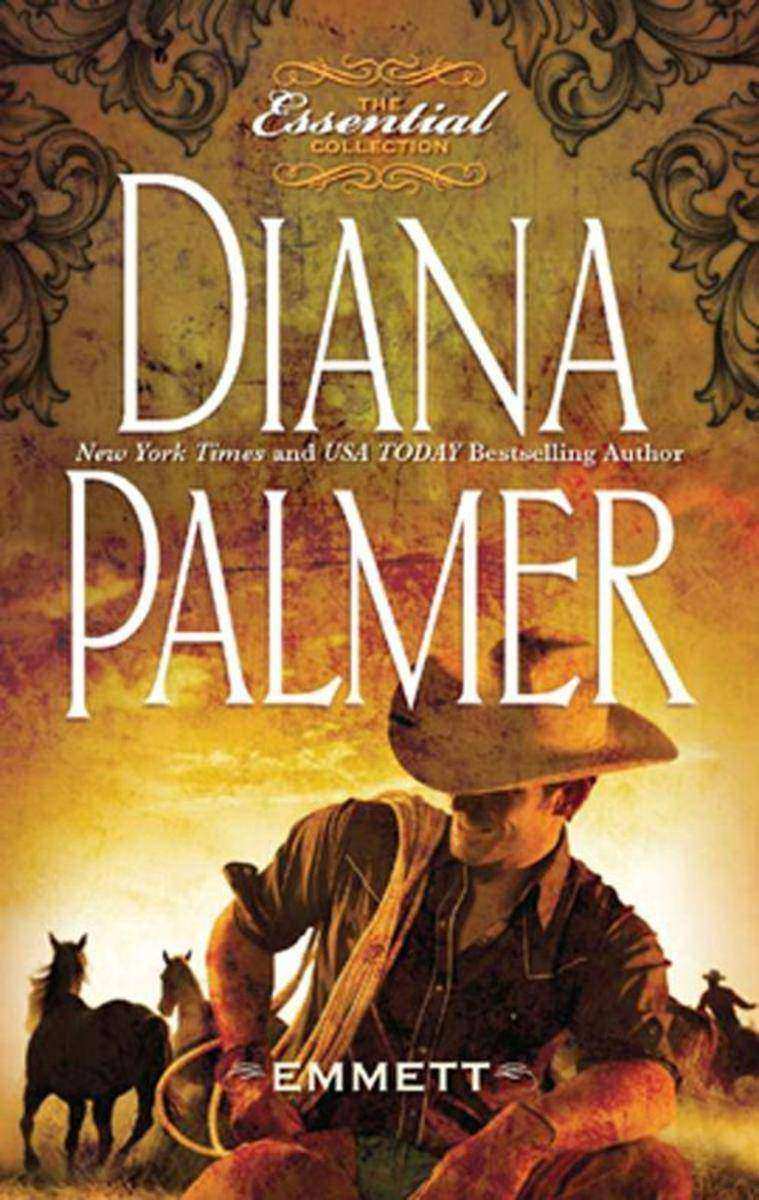
Emmett (Mills & Boon M&B) (Long, Tall Texans, Book 10)
¥27.27
Single dad Emmett Deverell thought moving to Jacobsville, Texas, would mean "quality time" with his children. Then he realized the truth–his kids were uncontrollable! He knew the three little rapscallions needed a woman's influence. But the only female available was Melody Cartman…and Emmett trusted her about as far as he could throw her. Melody's new charges were a force to be reckoned with. But it was their father who proved a handful. That sexy wink of his was enough to send a woman into orbit. She knew Emmett would never forgive her past, though, which was definitely a problem. Because being part of Emmett's family was a habit Melody didn't want to break.

Faithfully Yours (Mills & Boon Vintage Love Inspired)
¥31.10
TEMPORARILY YOURS Taking a new teaching job wasn't as easy as Gillian Langford had hoped. First she clashed with the school's proper–but very handsome–new principal, Jeremy Nivens. Then her aunt decided Jeremy needed a little matchmaking. Now everyone in town believed Gillian would soon be walking down the aisle, leaving her little choice but to go along with the "engagement." But pretending to be Jeremy's intended wasn't difficult at all–which truly had the unlucky-in-love Gillian frightened. For though she had decided never to risk her heart again, Gillian knew Jeremy could change her mind…if she dared give him the chance. FAITH, HOPE & CHARITY: With a little help from these matchmaking ladies, romance is sure to bloom for three very lucky couples. Welcome to Love Inspired?–stories about life, faith and love that will lift your spirits and gladden your heart. Meet men and women facing the challenges of today's world and learning important lessons about life, faith and love.
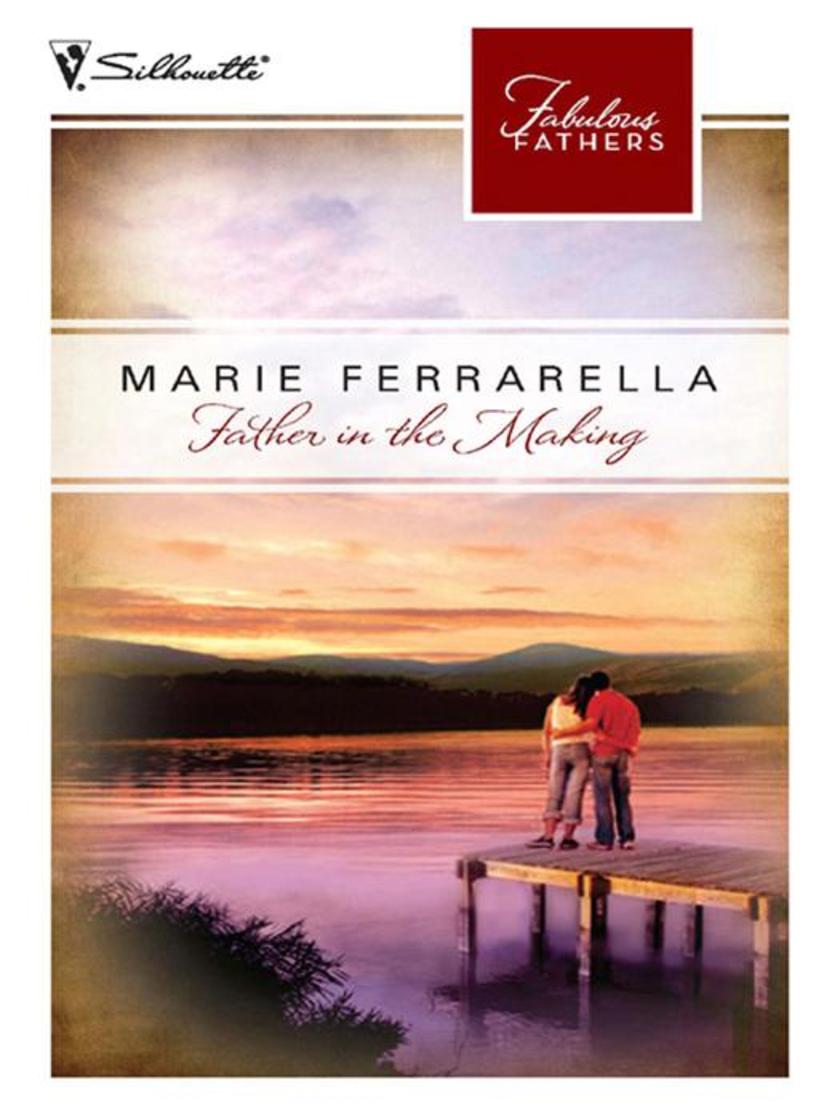
Father in the Making (Mills & Boon M&B) (Fabulous Fathers, Book 25)
¥27.27
It wasn't Blaine O'Connor's fault he'd never learned how to be a full-time father. But now that his son has nobody else, he intends to do his best. Trouble is, that means taking "helpful advice" from a breathtakingly beautiful woman who thinks he has no business raising a child…. Blaine O'Connor isn't going to be Father of the Year. Yet Bridgette Rafanelli feels she owes it to her godchild to give his wayward dad some badly needed lessons in child raising. But as it turns out, this much-too-charming man is the one teaching her a thing or two–about love!
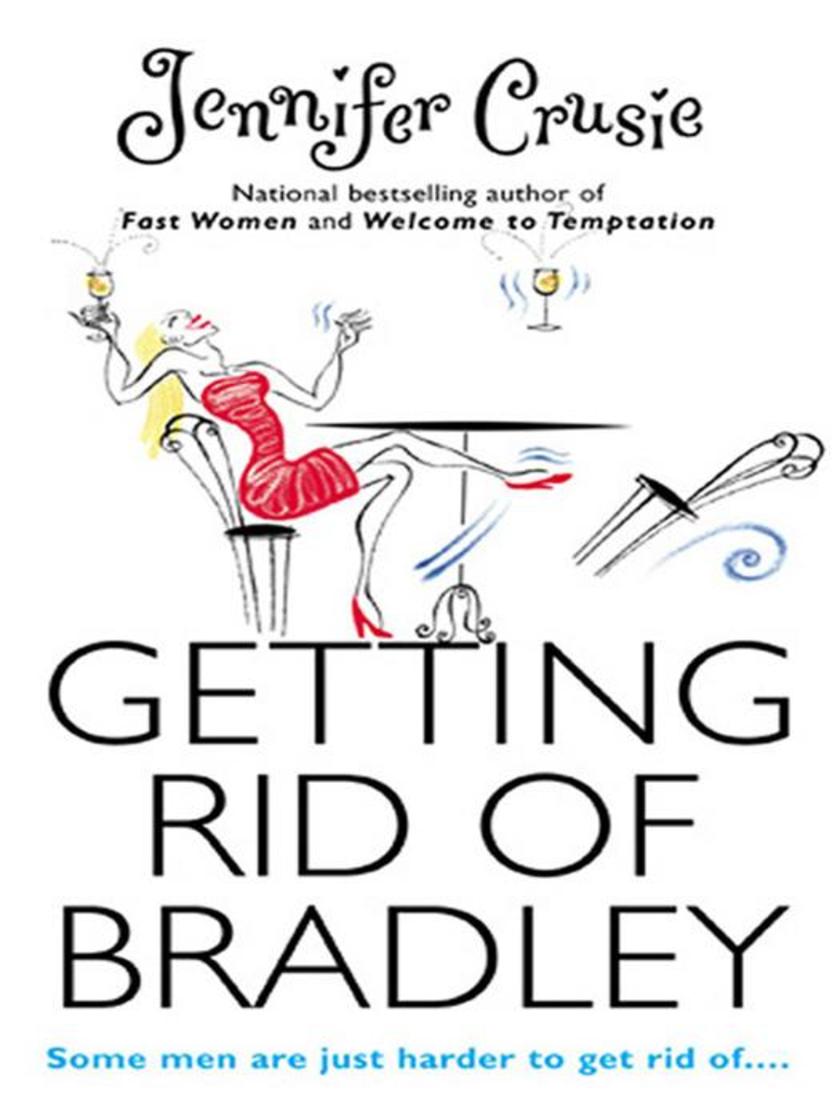
Getting Rid of Bradley (Mills & Boon M&B)
¥27.27
Lucy Savage is not having a good week. Her cheating husband, Bradley, lobbed the final insult when he stood her up in divorce court. A dye job gone wrong has left her hair green. And someone is trying to kill her. To top it off, sexy cop Zack Warren is certain that the very same man Lucy is trying to wash right out of her hair is the same Bradley he wants to arrest for embezzlement. When someone shoots at her and then her car blows up, Zack decides she needs twenty-four-hour police protection. Next thing Lucy knows, Zack has moved in to her big Victorian house, making them both sleepless…and not just from things that go bump in the night!
Grouse (Collins New Naturalist Library, Book 107)
¥231.22
With less than twenty species worldwide and only four British and Irish species, the grouse is surprisingly well-known. Its habitats are diverse and relatively remote – ranging from deep forests, through open moorland, to Scotland’s highest peaks. ‘Grouse: The Natural History of British and Irish Species’ covers four of the most emblematic species of our upland regions. Collectively they have the most fascinating life histories of any bird group, individually they have their own stories to tell: the ptarmigan is a resident of our highest mountain areas, the black grouse is famous for its extraordinary mating displays, the capercaillie is one of our largest birds and the red grouse, whilst no-longer one of the few British endemics, is one of the most heavily researched species. All four face similar problems, including habitat loss, predators, pests, disease and food shortage. This is compounded by issues of managed animal populations and controversy surrounding the commercial worth of grouse. This volume in the New Naturalist series, written by two of the world's leading grouse specialists, offers a fascinating insight into the natural history and biology of these birds, including aspects of their behaviour, the historical relevance of their names, the reasons behind population fluctuations and international conservation efforts.

Kandahar Cockney: A Tale of Two Worlds
¥72.99
The remarkable and touching story of a singular friendship between the author (an affluent Western correspondent) and his Pashtun interpreter who meet in an Afghan war-zone and resume their friendship when Mir becomes an asylum seeker in London’s East End. In the spring of 1997, James Fergusson, a young freelance British correspondent, encounters a local Pashtun interpreter named Mir in rebel-controlled Afghanistan. They soon become firm friends, with Mir an invaluable guide not only to the battle zone, but to the country's complex politics, culture and traditions. Not long after James’s return home, Mir and his family are forced to flee Afghanistan, fearing for their lives. When Mir arrives in London seeking asylum, it is to James that he turns for help. Now their roles reverse: the guided becomes the guide as James introduces Mir to the bewildering customs of the infidel West. Yet in many ways it is Mir who remains the guide – this time to a side of his own homeland that James had never noticed or engaged with before. He discovers whole communities of Afghans scattered throughout London, and the shadow economy in which asylum seekers are forced to work. He accompanies Mir through the labyrinthine asylum system, with its endless round of tribunals, appeals, delays and disappointments; and introduces him to the important things in life like Tesco’s, bank holiday weekends and the seaside. James Fergusson’s moving and remarkable portrait of a singular friendship gives a human face to one of the most tangled and emotive issues of our time. Powerfully evoking the no-man's land between the Third and the First Worlds, between Islam and the West, ‘Kandahar Cockney’ also places a very contemporary story in a greater historical context, showing how surprisingly enduring the legacy of Britain’s colonial era really is.

Dartmoor (Collins New Naturalist Library, Book 111)
¥385.34
New Naturalist Dartmoor explores the complex and fascinating history of one of southern England's greatest National Parks, an area of enormous interest to naturalists and tourists alike. Dartmoor is said to be the loneliest wilderness in England. This has been said more often of Dartmoor than any other part of our country. Traditionally in the world of fiction as well as that of fact, Dartmoor has been renowned as a vast and empty moorland area, the property of nature rather than of man. It has always been the public's idea of a lonely place. Not many generations ago it was regarded with a certain amount of awe and nowadays it is one of our most important centres of recreation, an island in upland England of abundant interest to the naturalist. In 1951 it became a National Park, one of the first of several places that have been so designated in Great Britain, helping to conserve and promote both its beauty and cultural heritage. Spanning miles of open moorland, whilst also hiding small secluded river valleys, rare plants and endangered birds, Dartmoor is a place of variety, and has evolved in the public's mind from a forbidding place to that of romance and mystery. In the latest addition to the long-running New Naturalist series, Ian Mercer sets out to explore every aspect of this important area of southern Devon. Focusing not only on its extensive history and physical landscape, but also its cultural place within Great Britain, this is both a comprehensive and engaging look at the wild and rugged landscape that has inspired so many poets, painters and musicians over countless centuries.
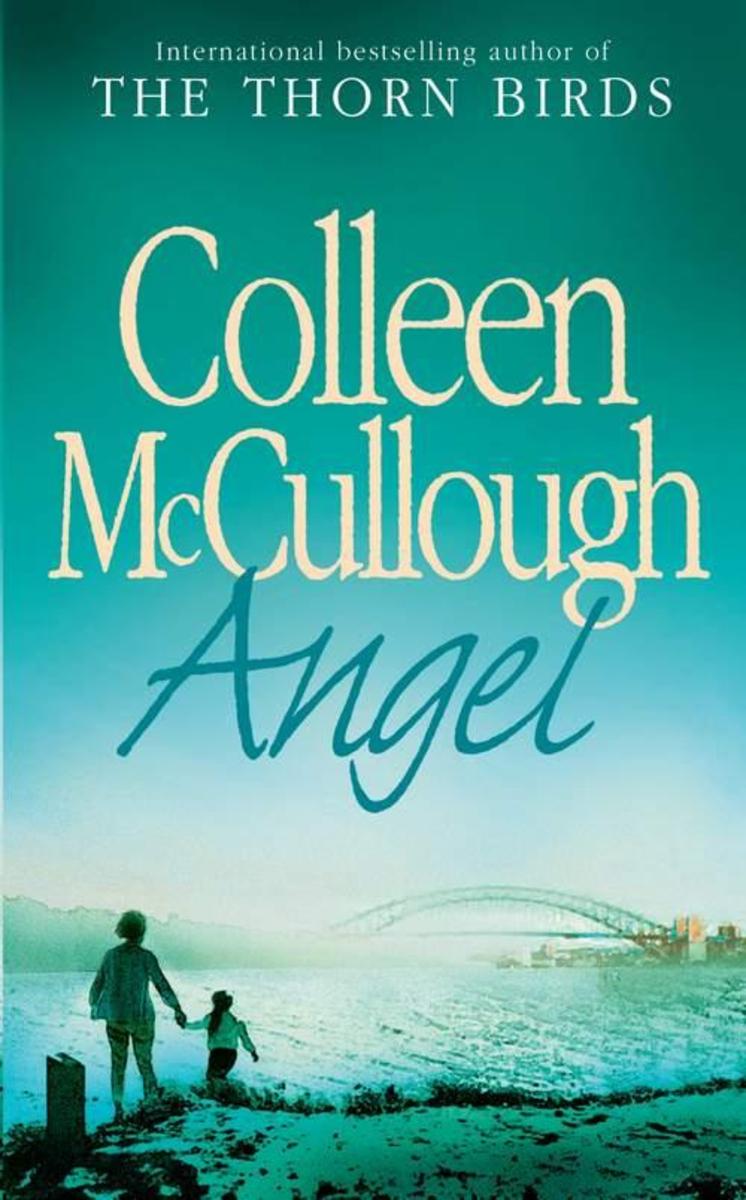
Angel
¥45.62
The bestselling author of THE THORN BIRDS returns with a novel of laughter, passion and more than a little magic … 1960, Sydney's Kings Cross. Harriet Purcell leaves her conventional, respectable home and respectable, passionless boyfriend and moves into a rooming house owned by Mrs. Delvecchio Schwartz. There, Harriet finds a life she relishes – excitement, adventure and passion. Mrs. Delvecchio Schwartz makes a living from telling fortunes, and is mother to 4-year-old Flo. Beautiful little Flo is mute, and Harriet comes to love her as if Flo were her own – and must protect her at all costs when tragedy strikes… Angel is Colleen McCullough at her vintage best, drawing on her own experiences of living in the Cross in the 1960s and writing of a world that has long gone. Most of all, it is a tale of a woman's love for a child, and what she is prepared to endure to ensure her survival.
On, Off
¥57.09
The captivating new novel from the international bestselling author of The Thorn Birds. It is 1965, and in Holloman, Connecticut, someone is preying on the innocent… At a prestigious research centre for the neurosciences, fondly known by its staff as ‘the Hug’, parts of a mutilated body are discovered. Very soon Lieutenant Carmine Delmonico of the Holloman police learns that a string of horrifying disappearances, each fitting the same modus operandi as the body found at the Hug, has been occurring throughout the state. Then another body is found and the medical staff become prime suspects…. With the Hug's hierarchies of power in turmoil and every member of its staff hiding something, Delmonico delves into the lives and pasts of each and every employee. It is the case of his career, and he is determined to solve it. But how do you find a monster who leaves no clues and is always two steps ahead?


