


 购物车
购物车 个人中心
个人中心

Nicholas Nickleby
¥8.09
This Tribeca Press edition includes the full original text as well as exclusive images exclusive to this edition and an easy to use interactive table of contents.
Paradise Lost
¥8.09
This Tribeca Press edition includes the full original text as well as an easy to use interactive table of contents.

The Brothers Karamazov
¥8.09
This Tribeca Press edition includes the full original text as well as an easy to use interactive table of contents.

The Cowboy and the Rancher's Daughter:5
¥24.44
A Western Historical Romance Book 5 in a Series of 5 With their problems behind them, Jake Talley and Clara Fuller can finally start planning for the future. Or so it seems. From behind the bars of his jail cell, their adversary still plots to destroy them and all they hold dear. A newcomer who appears to be above suspicion joins the team. Soon the love birds learn the hard way that when greed secretly taints innocence, no one wins. Edward Sinclair plays his last trump card to put an end to the rivalry once and for all. Will his plan work or will true love win once and for all? "What an awesome western romance book...from the beginning I was rooting for Jake and Clara against Edward Sinclair." In The Cowboy and the Rancher's Daughter Short Story Series, Clara Fuller inherits her father’s ranch and quickly learns being in charge is not going to be all that easy. Raised around cattle, she knows the business inside and out, but few men are willing to work for a lady rancher. Once a drifter, Jake Talley has finally found a place to call home. As the foreman of the Fuller Ranch, he doesn’t mind taking orders from a woman. He’s willing to do whatever it takes to help Clara Fuller succeed. Edward Sinclair is a successful ranch owner who wants more. He’s used to getting what he wants, and few have dared to try and stand in his way. One piece of property is all he needs to have complete control of the county. There’s only one problem; the land belongs to Clara Fuller. That’s all right; he’s never met a problem yet he couldn’t erase.

The Big Book of Ice Cream and Fancy Goodies
¥8.09
Big Kitchen Series is proud to bring you The Big Book of Ice Cream and Other Frozen Goodies. This full edition is all you will ever need for your Ice Cream recipes. Including the most loved recipes as well as some more unusual ideas, you can be sure that you will never be stuck for a n ice cream or frozen goody to make ever again! It is packed with great ideas and variety. Be sure to check out other new titles from the Big Kitchen Series releasing throughout 2014.
Dealing With Mental Illness Book 2:Stress and PTSD
¥8.09
Dealing With Mental Illness Book 2 contains two books about two of the most overlooked mental ailments. Most people believe that Stress is normal and cannot do any long term harm. Stress can kill you if you overlook it and Post Traumatic Stress Disorder can go undiagnosed for years. It can do damage to your body and finances in ways that you are totally unaware of. ?Dealing with Stress is perhaps the most important thing that you will ever do. Stress -Dealing with Stress will offer you a comprehensive overview of what stress is and how to deal with it both in terms of its effect biologically, chemically and emotionally. The thing about stress it that it is perhaps the number one cause of other mental illnesses such as Depression and PTSD. It can do tremendous damage to your physical health as well. Stress can lead to weight gain or serious weight loss. Stress can cause heart attacks and strokes. If you do not learn how to manage and to deal with stress it can kill you. The good news is that stress can be managed with medication, exercise and simple activates that you will be introduced to in my book Stress, Dealing With Stress. Dealing with Post Traumatic Stress There was a time not so long ago when someone suffered a great trauma or a tragic event the sufferer was expected to get over it. The idea that real and lasting damage had been done was dismissed. Soldiers who suffered from what was called battle fatigue were called cowards and those who did not quickly get over a lo ss or a serious trauma were considered weak. Since then we have learned to call this and so much more post-traumatic stress disorder, that mental injuries are as real as physical ones. In this book I hope to explore the common types of this disorder. How to recognize it in yourself and others and the road back from it. I suffered through many years of nightmares and flashbacks before discovering that this was not normal, that I was suffering from this ailment. I found a way to deal with my PTSD and hopefully you will too.

Flappers and Philosophers
¥8.09
This Point Blank Classics edition includes the full original text as well as an easy to use interactive table of contents.

To Get Ukraine
¥90.03
Since Maidan in Kyiv and Russian presence in the Crimea, Ukraine has never been the same. In 2014, the country is deeply divided by the conflict imposed on the Ukrainians. But since nobody actually asked the nation, author Oleksandr Shyshko decided to take matters into his own hands and look for the answer to the ultimate question – who are the Ukrainians and what do they want. Shyshko spent his time researching the national identity of native Ukrainians, and as he went he stumbled on a discovery that led to yet another question – where is Ukraine going, the so-called Quo vadis? of the Ukrainian people. His findings and critical comments gave birth to this new book that is now for the first time being published in English. To Get Ukraine.
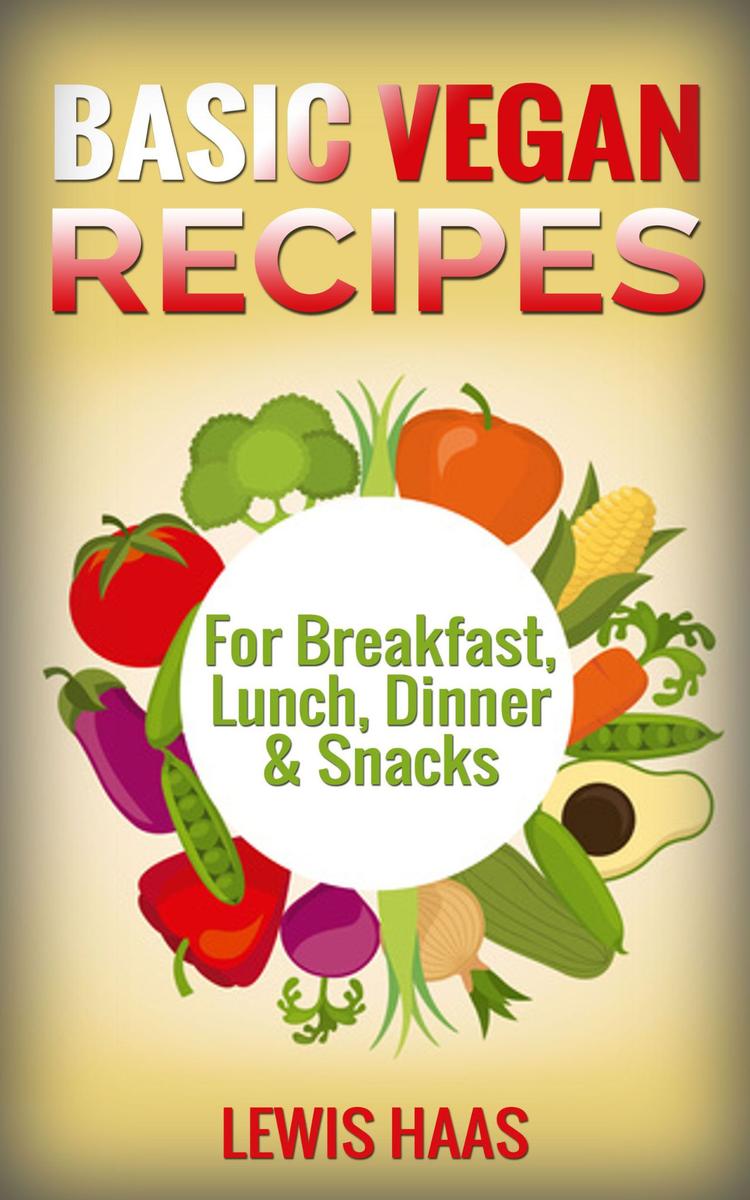
Basic Vegan Recipes:For Breakfast, Lunch, Dinner & Snacks
¥24.44
Cheap Yet Delicious Vegan Recipes in Under 30 Minutes! Basic Vegan Recipes is a plant-based cookbook that will bring you tasty dishes to satisfy any appetite. With over 30 vegan recipes, you will have plenty of vibrant, flavorful meals that will fill you up, keep you healthy and excited for your next meal. Basic Vegan Recipes?includes: ·Cheap ingredients with tantalizing flavors·Quick hacks the best chefs use but won't share·Ways to cut corners on meals without sacrificing the taste·Vegan adaptations of meat-based dishes (HINT: no meat necessary)·Use of raw ingredients that actually improve your health·Scientific data to support the benefits of veganism·So much more! Start Cooking on the Cheap TODAY! Scroll Up & Click the Buy Button RIGHT NOW!

Prisoner
¥90.03
A handful of families, several generations, more than a few wars. Moscow, Kabul, Barcelona. Anna Nemzer announces herself on the literary scene boldly and loudly with this debut novel about the insane, unspeakable nature of war, about human fears, treachery, lies, fateful coincidences and destinies during warfare, when there is no room left for love. The protagonists survived the war and are rescued from captivity. They are not able, however, to leave the experiences of the war behind them and move on with their lives. The novel explores what happens once the conflict is over, as they learn to live without the war, with all their loves, passions and weaknesses.
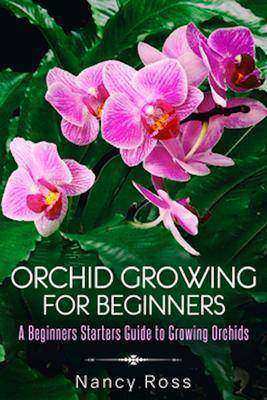
Orchid Growing for Beginners:A Beginners Starters Guide to Growing Orchids
¥38.62
WANT TO LEARN THE INS AND OUTS OF ORCHID GROWING FOR BEGINNERS? Here Is A Preview Of What You'll Learn... Why Should I Grow Orchids? What My Orchid Needs Important Growing Requirements for Your Orchids Re-potting Your Orchids Propagation to Help Grow More Orchids Much, Much, More!
MEAN Blueprints
¥334.25
Unlock the power of the MEAN stack by creating attractive and real-world projectsAbout This Book·Build six optimum end-to-end web applications using the M.E.A.N stack·Follow the advanced Angular.js 2 application structure to build more scalable and maintainable apps·Integrate an authorization system into your application and reuse existing code from projectsWho This Book Is ForIf you are a web developer with a basic understanding of the MEAN stack, experience in developing applications with JavaScript, and basic experience with NoSQL databases, then this book is for you.What You Will Learn·Build modern, end-to-end web applications by employing the full stack web development solution of MEAN·Learn NoSQL databases and separate the client logic from the server code·Build a complex application from start to finish and work with monetary data in MongoDB·Handle a multi-user type system and authorize your users to access control list·Implement a chat application from scratch using Socket.IO·Create distributed applications and use the power of server-side rendering in your applications·Extend a project with a real-time bidding system using WebSocketsIn DetailThe MEAN stack is a combination of the most popular web development frameworks available—MongoDB, Angular, Express, and Node.js used together to offer a powerful and comprehensive full stack web development solution. It is the modern day web dev alternative to the old LAMP stack. It works by allowing AngularJS to handle the front end, and selecting Mongo, Express, and Node to handle the back-end development, which makes increasing sense to forward-thinking web developers. The MEAN stack is great if you want to prototype complex web applications.This book will enable you to build a better foundation for your AngularJS apps. Each chapter covers a complete, single, advanced end-to-end project. You'll learn how to build complex real-life applications with the MEAN stack and few more advanced projects. You will become familiar with WebSockets and build real-time web applications, as well as create auto-destructing entities. Later, we will combine server-side rendering techniques with a single page application approach. You'll build a fun project and see how to work with monetary data in Mongo. You will also find out how to a build real-time e-commerce application.By the end of this book, you will be a lot more confident in developing real-time, complex web applications using the MEAN stack.Style and approachThis book is filled with independent hands-on projects that teach you how to build real-life end-to-end complex web applications using the MEAN stack.

A-Z Guide How to Make Bath Bombs:Easy Guide on Masterfully creating beautiful ba
¥32.62
There are many uses of bath bombs, the primary one being the feeling of being pampered and indulged. You feel relaxed after a few minutes in such an environment. Create a spa-like atmosphere. Add music, take a book and soak in. Or have something hot to drink or just wear a face mask. By the time you finish the bath, your mask would do its job and help you look great. Bath bombs that have essential oils like eucalyptus oil help you with sinus relief. Just use warm water in the tub and drop in a bomb and relax. Other bath bombs with specific essential oils help you relieve muscle pain and improve sleep. Use bath bombs for aromatherapy, which will make you feel less stressed and more awake. It will reduce anxiety and lift depression and leave you energized and lively. Hence, choose the bath bombs accordingly. You can also display a bath bomb in a nice cool dish in the bathroom. It will disintegrate slowly and act as an air freshener with a nice subtle fragrance.

The Home Workout Plan:How to Master Butt Exercises in 30 Days
¥23.14
Are you sick of having a saggy bottom, fluffy rump or no butt at all? Wouldn’t it be perfect to have a simple step-by-step plan to get your backside into bikini-ready shape? Then, The Home Workout Plan: How to Master Butt Exercises in 30 Days has your answer in a short, concise book you can read in less than an hour. That way you can get a firm understanding of what you need to do and get your butt into great shape NOW! In this health and fitness short read, you’ll get: ·31 simple exercise with modifications·Butt exercises ideal for anyone from the beginner to the athlete·Brief and straightforward instructions of each exercise·A reliable and customizable 30-day workout plan·Helpful guidelines and tips to get the most from your workouts·Over 30 full-color pictures to clarify instructions·And, much more! Grab Your Copy Now & Get Your Butt in Shape TODAY!
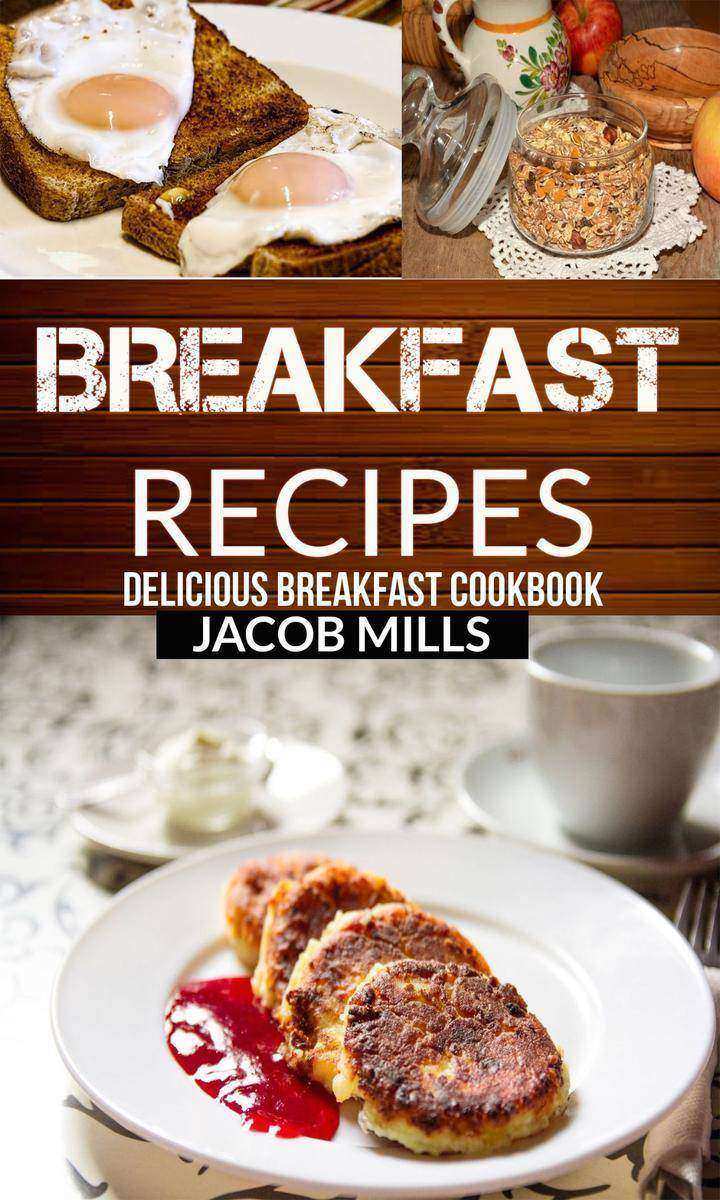
Breakfast Recipes:Delicious Breakfast Cookbook
¥24.44
In this breakfast cookbook, you’ll find only the very best and most delicious breakfast recipes the world over. Get ready to discover some stunning breakfast dishes. These breakfast recipes are mouth wateringly delicious. You will revisit these wonderful recipes time and again. All these recipes are tried, tested and perfectly adapted for home cooking. Eating a nutritious and tasty breakfast every day will surely put a spring in your step! This book was written especially for those who would like to enjoy their mornings with a different breakfast meal every day. It was also written for those who would like to start living a healthy lifestyle and not skip the most important meal of the day anymore. In this book you will learn the importance of eating a healthy breakfast and how to make healthy breakfast choices. You will also get plenty of breakfast ideas to last you for weeks! There are breakfast ideas for those who are following the gluten-free diet, energizing recipes for those who live an active lifestyle, tasty options for vegetarians, unusual yet popular breakfast ideas, and recipes for breakfast smoothies and shakes for people who are on the go. All of these recipes are easy to follow and can be done in any amateur kitchen. You do not have to worry about what to put in your meal plan anymore because everything that you need is here! The best part about all of these recipes is that even kids will love them. All of the ingredients are natural and can easily be found in any grocery store, plus you will not have a problem finding substitutes depending on your diet or taste.

The Chest and Arms Workout Plan:Firm, Tone, and Tighten Your Upper Body
¥38.62
The Ultimate Chest and Arms Exercise & Fitness Program - Discover How You Can Build A Solid Upper Body Faster TODAY! If you hate working out and having to exercise; if you feel like your workouts and exercises are long and boring; or if you feel like your workouts and exercises aren't doing anything for you... Then, The Chest and Arms Workout Plan is just for you! This book shows you how to firm, tone and tighten your upper body including how to: -Start losing weight without working out as hard -Begin burning all that stubborn fat, especially chest and arm fat -Say goodbye to jiggly arms and other problematic areas in your upper body -Say goodbye to long, dull, boring workouts and exercises -Get excited about having to exercise and workout - EVERY TIME! The Chest and Arms Workout Plan is chock full of exercises, instructions, full-color pictures and over 20 workout programs to keep your exercise routine fun, exciting and successful. Get Your Copy Today!
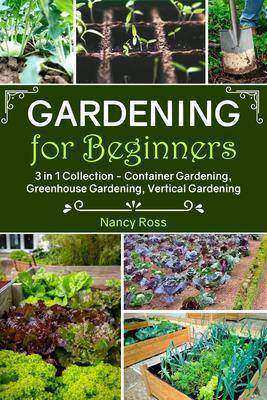
Gardening for Beginners
¥38.62
WANT TO LEARN THE INS AND OUTS OF GARDENING FOR BEGINNERS? Here Is A Preview Of What You'll Learn About Container Gardening... Getting the Containers for Your Garden Creating a Good Environment for the Container Plants Choosing the Right Time to Plant The Best Plants to Grow in Your Container Garden Tips for Helping Your Plants to Thrive Much, Much, More! Here Is A Preview Of What You'll Learn About Greenhouse Gardening... Setting Up a Greenhouse Garden Growing Plants in Your Greenhouse Ways to Control the Climate in the Greenhouse Some of the Best Planting Methods in the Greenhouse How to Get Rid of the Pests Much, Much, More! Here Is A Preview Of What You'll Learn About Vertical Gardening... Setting Up the Base You Need in Your Garden Working on the Maintenance of Your Vertical Garden Making Room for the Plants Picking Out the Right Plants Some Tips for Your Vertical Garden Much, Much, More!
Swift 3 New Features
¥222.81
A fast-paced guide to get you up and running with Swift 3 and its new featuresAbout This Book·Get up to date with the latest changes to Swift 3·Make your life easier by knowing how to port your Swift code to the latest version·Learn how to write programs that work on most of the major platforms such as iOS and LinuxWho This Book Is ForThe book is for those who are familiar with Swift but are in need of clear guidance on what's changed in the latest version and the new features.What You Will Learn·Migrate a Swift 2.2 project to Swift 3·Understand the workings of Swift Package Manager·Interact with Cocoa libraries when importing Objective C to Swift·Explore the function and operator changes new in Swift 3·Work with the advanced type changes, attribute improvements, and floating point type improvements in Swift·Discover the changes in the Swift API and see how Objective-C can be manipulated in the current API·Implement the new features central to Swift Testing and understand the new debug features·Create server-side applications using Swift 3In DetailSince Swift was introduced by Apple in WWDC 2015, it has gone on to become one of the most beloved languages to develop iOS applications with. In the new version, the Swift team aimed to take its adoption to the next level by making it available for new platforms and audiences.This book will very quickly get you up to speed and productive with Swift 3. You will begin by understanding the process of submitting new feature requests for future versions of Swift. Swift 3 allows you to develop and run your applications on a Linux machine. Using this feature, you will write your first Linux application using the debugger in Linux. Using Swift migrator, you will initiate a conversion from Swift 2.2 to Swift 3.Further on, you will learn how to interact with Cocoa libraries when importing Objective C to Swift. You will explore the function and operator changes new to Swift 3, followed by Collection and Closure changes. You will also see the changes in Swift 3 that allow you write tests easier with XCTest and debug your running code better with new formats as well. Finally, you will have a running server written completely in Swift on a Linux box.By the end of the book, you will know everything you need to know to dive into Swift 3 and build successful projects.Style and approachThe book takes a tutorial-based approach offering an overview of the new features introduced in the latest version of Swift. It includes relevant examples of how code and concepts change when it comes to working on Swift 3 compared to previous versions.

February:A Screenplay
¥8.09
In FEBRUARY, together, Sergeant Femi Kolawole and investigative journalist Chioma Okafor solves Emeka's Valentine-day murder, and on doing so, Chioma is exposed to Femi's heroic personality, which makes her eventually fall in love with him.The Plot:Chioma Okafor, a young investigative journalist, is pressured by her over-ambitious mother into an unwanted romantic relationship with Uche, a young sophisticated university lecturer. Chioma yields to her mother’s pressure, hoping she would eventually fall in love with Uche as her mother assured, but she never did. On a Valentine date with Uche, Chioma gets a glimpse of what her relationship has been missing, as she feels love for the first time with Emeka, a handsome stranger who’s unfortunately expecting a baby with Amara, a girl who Uche used to date in university. Uche turns a relationship that he intended to blow up into an engagement on Valentine's day, into a blood bath before midnight. Chioma who survives the near-death experience, narrates her Valentine dilemma to Femi, a clever Police Sergeant. The Twist:Everybody thinks Uche died that night, but a strange text message sent from Chioma’s phone to Emeka, triggers a series of twisted events, which proves that the jealous and malicious Uche is still alive and in the wind, and that the life of Chioma is hanging down by a thin thread. The ultimate question is: 'Since Uche is alive, then who is the man laying lifeless in the mortuary?' Chioma is certainly not pleased with the answer. Femi forcefully becomes Chioma’s personal bodyguard, while he hunts down Uche, an innocent-looking man who Femi had met a day ago and poorly judged. Follow Femi as he uncovers this intriguing murder mystery that nobody even knew happened.The Play:The screenplay starts with a scene of a couple whose faces aren’t revealed to the screen, laying MOTIONLESS in a wrecked car, covered in their own blood, and ends in a conference room, as Chioma calls Femi to tell him how she feels about him.FEBRUARY is a unique blend of romance, comedy, suspense, and adventure. A beautifully crafted story of love, jealousy, betrayal, conspiracy, and ambition.

Goody Two Shoes
¥48.74
Goody Two Shoes is the story of the little girl who overcomes many obstacles by always choosing what is right and fair. Beautifully illustrated, this book was originally published in 1888 by the McLoughlin Bros.

Traumatic Incident Reduction and Primary Resolution of the Post-Traumatic Stress
¥24.44
"Traumatic Incident Reduction (TIR) and Primary Resolution of the Post-Traumatic Stress Disorder" provides a brief discussion illuminating the concept of PTSD: how it arises, what maintains it, how it progresses to increasingly constrain a person's life. PTSD also involves faulty thinking, but focus on such present-time reactions is ineffective without addressing the original trauma. PTSD is the consequence of attempts to avoid re-experiencing. Traumatic Incident Reduction (TIR) is a technique for overcoming this tendency, allowing the sufferer to experience the traumatic incident in a special, safe way. In the case of multiple traumas, this can be complex, needing to deal with each. It is necessary to find the original trauma, which invariably has led to more recent ones, and fully resolve it in one sitting. This provides complete relief from the burden of the past trauma. An individual session, designed to handles a single incident, may take between 20 minutes and 3 hours (average 1.5 hours). The primary incident may be obvious to the sufferer, or hidden. People with anxiety problems but no flashbacks may find forgotten traumas, the resolution of which through "Thematic TIR" can eliminate current symptoms. Currently occurring emotional and somatic symptoms are traced back in time until a root incident is found. Emotion and thinking are intertwined: correcting one will correct the other. TIR focuses on the emotion. Once the trauma is fully processed, the person is able to think rationally about it. Dr. Moore is a licensed marriage and family therapist, school psychologist and mental health counselor with graduate degrees in counseling psychology from Lehigh (1965) and Walden (1977) Universities. He is a Fellow and Diplomate of the American Board of Medical Psychotherapists; a Diplomate of the International Academy of Behavioral Medicine, Counseling and Psychotherapy. With over thirty years of practice, seventeen as Director of the Institute for Rational Living in Florida, he has co-edited or contributed to six popular books by Albert Ellis; authored chapters on various applications of Cognitive Behavior Therapy and Traumatic Incident Reduction for professional texts by Windy Dryden, Larry Hill and Janet Wolfe; hosted his own nationally syndicated daily talk radio program; and produced over three hundred psychologically-topical news and public service segments for radio and television. "Dr Moore's monograph will guide you in deciding whether you will benefit from TIR, and may inspire you to train to become a 'facilitator' who can help others with this powerful family of techniques." --Bob Rich, PhD, www.anxiety-and-depressionhelp.com For more information about TIR and PTSD, please visit www.TIR.org


