


 购物车
购物车 个人中心
个人中心
?jjeli vadászat
¥69.41
Nemzeti t?rténelmünk dics?séges helyszíne az egri vár, amelynek 1552-es ostroma során kétezer hazaszeret? ember gy?zedelmeskedett kétszázezer k?ny?rtelen idegen támadó felett. Hiába a múló id?, Bornemissza Gerg?ék legendája minduntalan b?vk?rébe vonja az épp feln?vekv? nemzedékeket. ?m az Egri csillagok nem csupán a magyar emberek kedvenc olvasmánya: Gárdonyi Géza is a legjobb m?vének tartotta a sodró lendület? regényt. A Manó K?nyvek Klassz!-sorozatában Nógrádi Gergely az eredeti cselekményt k?vetve, ám r?videbb formában meséli újra a klasszikus irodalom gy?ngyszemeit, azzal a céllal, hogy a remekm?vek a mai fiatalok számára is érthet? és szerethet? olvasmányok legyenek. Ugyanakkor a kiadó nemcsak a nagy nemzeti legendák megismertetéséért, de az értékes írói ?r?kség megóvásáért is síkra száll: a sorozat k?teteit számos, az eredeti regényekb?l kiemelt sz?vegrészlet gazdagítja.
Twilight in Italy
¥8.01
*** BELLWETHER-D?JAS REG?NY ***Egyedül Rachel, egy dán édesanya és egy fekete édesapa gyermeke éli túl azt a családi tragédiát, amely egy végzetes reggelen k?vetkezett be chicagói házuk tetején.A kislány új gyámot kap, az afroamerikai nagyanyjával egy t?bbnyire feketék lakta k?z?sségbe kerül, ahol világosbarna b?re, kék szeme és szépsége miatt folyamatosan a figyelem k?zéppontjába kerül. Ez a figyelem végigkíséri, ahogy cseperedik és próbálja feldolgozni a gyászát, mik?zben lassan megérti, hogy az anyja titka és tragédiája milyen kapcsolatban áll saját bizonytalan identitásával.A fiatal félvér lány megrázó és szívbemarkoló t?rténete a társadalom rassz- és osztályfelfogását veszi célba, és a Washington Post a megjelenés évében az év regényének választotta a társadalmi igazságossággal kapcsolatos témákkal foglalkozó legjobb irodalmi kéziratért járó Bellwether-díjas írást.?A lány az égb?l – szárnyal… Energiájáról az élénk színekkel megrajzolt szerepl?k gondoskodnak, s az, ahogyan egymást látják. Durrow-nak fantasztikus füle van a párbeszédekhez, képes egyetlen sorral remények és félelmek egész tárházát életre kelteni.”– New York Times ??géretes debütálás… [Durrow] modern t?rténetet sz?tt identitásról és túlélésr?l.”– The Washington Post ?Komplex és komoly regény a félvér amerikaiak életér?l… Magával ragadó és elgondolkodtató olvasmány”– Minneapolis Star Tribune ?Megindító, csodálatos els? regény… Durrow er?t sugárzó regénye méltó rá, hogy helyet kapjon az amerikai életérzés klasszikus t?rténetei k?z?tt.”– The Miami Herald Durrow Rachelje fiatal félvér n?, akit semmiképp sem neveznék tragikus szerepl?nek. Bár bonyolult utat tesz meg az elidegenedés és a kétségbeesés útveszt?jében, végül olyan n?vé érik, akinek saját hangja van, és nyitott a világ számtalan lehet?ségére… Emelkedj fel! Szárnyalj! Lépj tovább! Elegáns csomagolásban ezt az üzenetet kapja kézhez az olvasó.” – The Huffington Post ?Feszes próza, konfliktusos végkifejlet, és mély reflexió rasszizmusra és faji identitásra: ezek visszhangoznak a m?ben, anélkül, hogy az politikai vagy bármilyen más túlságosan konkrét üzenetet k?zvetítene, mik?zben a t?rténet egyszerre m?k?dik mind modern feln?ttéválási meseként, mind releváns társadalmi kommentárként.”– Publishers Weekly
The Wintry Peacock
¥8.01
– A rosszak gyztek – kérdezte csalódottan a lány. Lecvekelt, és a kórházfolyosó fehérre festett falához simult, mintha ezzel is jelezni akarná, hogy nem hajlandó annyiban hagyni a dolgot. – Ez nem gyerekmese, kislány! A küzdelem gyakran a gonosz boszorka és a tzokádó sárkány kzt dl el – tárta szét a kezét Varga –, a bátor lovag már az elején meghalt szifiliszben.” Egyetlen, kiskaliber golyó a fejbe. A tettes profi bérgyilkos. Varga László nyomozó ügyész számára nagyon hamar személyes kérdéssé válik a megbízó felkutatása: három olyan n is belekeveredik az ügybe, aki fontos neki. A hajsza tbb szálon fut, a víg zvegy, az ukrán kokaincsempészek és a polgármester is célkeresztbe kerül. A fejesek legszívesebben eltussolnák az egészet, de a helyi média lecsap a botrányra. Kzben Varga félreérthetetlen üzenetet kap: jobban tenné, ha visszavenne az elánból. s még a helyi futballcsapat bennmaradása is tle függ. Egyszer féltékenység, alvilági leszámolás vagy politikai gyilkosság Melyik az a pont, ahol Varga végre rájn, hogy bábként rángatják Albert Levente krimisorozatának els ktete. Hiteles karakterek, váratlan fordulatok, elképzelt vidéki nagyváros, foci, szerelem, gasztronómia és humor. Sok humor.

The Ladybird
¥7.93
A tévéproducer Laurie Moran boldog, amikor A gyanú árnyékában cím?, megoldatlan b?nügyekkel foglalkozó reality-drámájának kísérleti epizódja sikert arat. ?s most megtalálta az ideális esetet, mely a k?vetkez? rész témája lehet: ez A Hamupip?ke-gyilkosság. Amikor Susan Dempsey-t, a gy?ny?r? és tehetséges Los Angeles-i egyetemistát holtan találták, a gyilkosság számos kérdést vetett fel. Miért parkolt az autója kilométerekre a holttestét?l? Megjelent egyáltalán azon a meghallgatáson, amelyre egy felt?rekv? filmrendez? várta az otthonában? Miért akarja Susan barátja elkerülni a kapcsolatukra vonatkozó kérdéseket? ?sszefüggésben volt az elt?nése egy ellentmondásos egyházzal? Ragyogó m?szaki érzéke miatt állt k?zel a számítástechnika-tanárához, vagy t?bbr?l volt szó? ?s miért hiányzott Susanr?l az egyik cip?je, amikor felfedezték a holttestét? Laurie tudja, hogy a t?rténet t?kéletesen alkalmas a képerny?re, kül?n?sen, hogy a korábbi gyanúsítottak k?z?tt ott vannak Hollywood elitjének tagjai és a technika milliárdosai. De vajon a gyilkos is így gondolja-e? Mary Higgins Clark és Alafair Burke? ?rengeteg intrikát és izgalmat” szállítanak a sorozat új, idegfeszít? darabjában. - Publishers Weekly Talán a perg? iram, talán a sokrét? karakterek miatt, de az els? oldaltól az utolsóig találgat az olvasó.? – Booklist

D.A.C. - Egy új élet
¥56.57
Szakhmáry Zoltán, a tehetséges fiatal f?ldbirtokos t?bb száz hold f?ld?n gazdálkodik a Kiskunságon. Nem éri be az elmaradott f?ldm?vel?i módszerekkel, modernizálni akar. Mindezt azonban úgy, hogy k?zben saját társadalmi osztályához is ragaszkodik, ? dzsentriként akar mintagazdaságot létrehozni. A lehetetlent kísérti, mint egyébként minden dolgában. Ezt tetézi magánéleti konfliktusa: szeretik a n?k, és ? is odavan a szerelemért, de afféle "egyasszonyos ember", mondta róla maga Móricz. Olyan ember, akinek egyszerre csak egy n? fér meg a vágyaiban: bárhogy rajong is a feleségéért, ha mégis beleszeret valaki másba, akkor már csak érte, a szeret?jéért fog megveszekedni, élni és halni.

A világ legszebb mosolya
¥56.98
Bárdos András évtizedeken át az egyik legismertebb és legfoglalkoztatottabb televíziós riporter volt Magyarországon. Dolgozott a Magyar Televízióban, az RTL Klubon és a TV2-n is, vezetett két minisztereln?k-jel?lti vitát. A Rádió Krónika-m?sorai, Napk?zi, Naptévé, RTL-Híradó, Akták, Tények, Jó estét Magyarország - t?bb ezer interjút készített a k?zélet szerpl?ivel, politikusokkal. 1995 óta tanít a Színház- és Filmm?vészeti Egyetemen, t?bbek k?z?tt kommunikációt is.?Sokat tud a hazugságról, pályája során hallott eleget. Pamela Meyer hazugságról, a hazugság felismerésér?l szóló k?nyvéhez írt el?szavában arról írt, mi t?rténne, ha csak egyetlen napig igazat mondanánk. Ez az e-füzet Bárdos irónikus, mégis halálosan komoly el?szavát tartalmazza a Verj át, ha tudsz cím? k?nyvh?z.
Sherlock, Lupin és ?n 3.: A skarlátv?r?s rózsa rejtélye
¥58.94
Egy nyugtalan képzelet? koldusfiúcska a XVI. századi London nyomortanyáin k?nyveket olvas, és királyokról álmodik… ?rdekl?dése egy napon egészen a királyi palotáig sodorja, és egyszerre csak bent van a pompás termekben, s a vele egyid?s királyfi játékból ruhacserét ajánl, csak egy-két pillanatra. Nos, ez a játék, kül?nféle félreértések miatt, valóságra fordul! A koldusfiú hónapokon át élheti a királyfiú fenséges, de cseppet sem irigylésre méltó életét, a királyfiú pedig sz?rny? megaláztatások és szenvedések k?zt kénytelen ismereteket, emberséget és b?lcsességet gy?jteni elj?vend? országlása idejére. Mark Twain részrehajlás nélkül mindkét sorsnak a legalaposabban végére járt, mint aki maga is hol koldusnak, hol királyfinak álmodja magát…

?breszd fel a benned rejl? géniuszt
¥73.25
Ebben a k?nyvben semmi sem az, aminek látszik.Louise, a fiatal titkárn? talán élete férfijával találkozik egy bárban, de a csók korainak bizonyul, kül?n?sen, miután hétf?n a munkahelyén megpillantja új f?n?két, Davidet – aki persze nem más, mint a férfi a bárból. ?s naná, hogy felesége van. Ami ezután t?rténik, az minden, csak nem megjósolható. Hiába kombinál az olvasó, el?bb-utóbb leesik neki, hogy ebben a szokványosnak látszó szerelmi háromsz?gben igazából semmi sem szokványos. ?s felesleges lenne arra intenünk, hogy inkább ne kedveljen meg egyetlen szerepl?t sem – úgyis képtelen lesz ellenállni. Mígnem egy ponton, amikor a legjobban aggódik majd az illet? sorsa miatt, ráébred: nem is ?t kellett volna féltenie!Sarah Pinborough regénye nem egy szerelmes t?rténet, egy krimi és egy thriller szimpla keveréke. Sokkal félelmetesebb annál. Mert Pinborough regénye elkísér. ?s nem hagy nyugodni. Ne higgy ennek a k?nyvnek!Ne higgy a szerepl?knek!Ne higgy saját magadnak se!?s t?rténjen bármi, senkinek se áruld el a végét! Sarah Pinborough az Egyesült Királyság egyik méltán népszer?, sokszoros díjnyertes romantikust?rténet- és krimiírója, akinek neve az egész világon ismert. Ne higgy a szemének! cím? regényét 19 nyelvre fordítják le, s a magyar kiadást már hetekkel az angliai bemutató után kezükbe vehetik az olvasók.Sarah Pinborough - er? és kecsesség. Egy irodalmi kaméleon! ― Neil GaimanPinborough írása élénk és érzelmileg vibráló. Nem tudtam letenni. ― Stephen KingT?kéletesen kidolgozott karakterek, páratlan írói munka, és egy cselekmény, ami teljes bizonytalanságban tart. A vége pedig úgy fejbe vág, mint mikor a mesében rázuhan egy zongora a nyúl fejére. Engem nem k?nny? leny?g?zni, de ez a k?nyv megtette. ― Joanne HarrisA Ne higgy a szemének! egy s?tét, hátborzongató hangulatú, letehetetlen k?nyv, brilliáns befejezéssel. Hamarosan rajongani fogsz Sarah Pinboroughért! ― Harlan CobenCsavaros pszichológiai thriller. A m?faj sokat látott olvasói is csak találgatnak - az utolsó oldalig. ― Publishers Weekly

A maffia ?lelésében
¥57.55
Elképeszt? lélektani thriller – a Hátsó ablak találkozása a Holtodiglannal. Rachel ingázó, minden reggel felszáll ugyanarra a vonatra. Tudja, hogy minden alkalommal várakozni szoktak ugyanannál a fénysorompónál, ahonnan egy sor hátsó udvarra nyílik rálátás. Már-már kezdi úgy érezni, hogy ismeri az egyik ház lakóit. Jess és Jason, így nevezi ?ket. A pár élete t?kéletesnek t?nik, és Rachel sóvárogva gondol a boldogságukra. ?s aztán lát valami megd?bbent?t. Csak egyetlen pillanatig, ahogy a vonat tovahalad, de ennyi elég. A pillanat mindent megváltoztat. Rachel immár részese az életüknek, melyet eddig csak messzir?l szemlélt.? Meglátják; sokkal t?bb ?, mint egy lány a vonaton. Paula Hawkins els? thrillere azonnal a bestsellerlisták els? helyezettje lett. Harmincnégy országban megjelent, vitathatatlan, hogy az elmúlt évek legnagyobb sikerk?nyvét tartja kezében az olvasó.
Cserebogár úrfi a tengeren
¥8.83
A m?vek világa Mikszáth gyermekkorát idézi f?l egyszer? t?rténetekkel, falusi alakokkal, háttérben a gy?ny?r? tájjal, a fenséges természettel" – írja az el?szóban Kaiser László. Mikszáth korai elbeszél? m?vészetének két tünd?kletes darabja A tót atyafiakban (1880) a népélet tragikus és m?vészi szemlélése Arany János balladak?ltészetéhez hasonlítja Mikszáth stílusát, akit a legnagyobb magyar írok sorában tartunk számon. A jó palócok (1881) kis t?rténetek tudatos kompozíciójából áll ?ssze. Számos forrásból ered?, t?bb helyszínhez k?thet? valós t?rténetek (zsánerképek) szervez?dnek ciklussá a k?tet lapjain, azt az írói meggy?z?dést sugallva, hogy a halál nem egyenl? a pusztulással, de azt is, hogy a sors független az emberi akarattól. A palóc t?rténetek gy?jteménye a romantikus népiesség záró darabja. H?sei: Olej bacsa és Lapaj, a híres dudás, Bede Anna és a pogány Filcsik feledhetetlenek. T?rténeteiknek babonás modernségét Mikszáth a józan megfigyelés, a csaknem pozitivista kriticizmussal ellenpontozza.
10.32.
¥34.25
A Dublinban nevelkedett John Kavanagh vékony dongájú k?ly?k volt, akit az iskolában rendszeresen kínoztak és vertek a társai. Miután tinédzserként egyszer ?sszeverték az utcán, mert próbált egy járókel? védelmére kelni, úgy d?nt?tt, megtanulja megvédeni magát. Nem sokkal kés?bb már sportolókat edzett egy apró pajtában, és megszervezte ?rország els? kevert harcm?vészeti rendezvényeit. Aztán egy napon egy pimasz k?ly?k sétált be az edz?termébe. Conor McGregornak hívták. Az ír fiú a semmib?l érkezett, és néhány év alatt a világ egyik legismertebb sportolója lett… Két súlycsoportban is világbajnoki címet szerzett… Ma már egymilliárd forintért száll ketrecbe, és felkerült a világ legjobban keres? sportolóinak százas listájára… Szórakoztató stílusával, hipszter külsejével igazi médiasztár lett, és arra készül, hogy meccseivel futballstadionokat t?lt meg…Ebben a k?nyvben John Kavanagh két leny?g?z? élett?rténetet mesél el: a sajátját és McGregorét, mik?zben végigk?veti az MMA robbanásszer? elterjedését az egész világon. Kavanagh a ?Gy?zz vagy tanulj!” mottót a zászlajára t?zve már nemcsak a világ egyik legelismertebb trénere, hanem képvisel?je egy eszmének, amelynek lényege a kitartás, és a pozitív világszemlélet. Mert mik?zben ott állt az egész világ csodálatát kivívó McGregor mellett a legnehezebb pillanatokban és legnagyobb diadalok perceiben is, megtanulta, mit jelent a becsvágy, a fegyelem, a csalódás – mit jelent beteljesíteni valakinek az álmait. "Mindenkinek, aki tudni szeretné, hogyan k?vesse az álmait – egészen a célig." – Tony Parsons"Vannak emberek, akik képesek a feje tetejére állítani a világot. John Kavanagh és Conor McGregor ilyenek." – S. Kovács ?dám A szerz?r?lJohn Kavanagh, a Straight Blast Gym ?rország vezet?je, a világ egyik leghíresebb kevert harcm?vészeti edz?je. Versenyz?i k?z?tt találjuk a UFC pehely- és k?nny?súlyú bajnokát, Conor McGregort.

A boszorkánymester
¥14.39
Pride And Prejudice, the story of Mrs. Bennet's attempts to marry off her five daughters is one of the best-loved and most enduring classics in English literature. Excitement fizzes through the Bennet household at Longbourn in Hertfordshire when young, eligible Mr. Charles Bingley rents the fine house nearby. He may have sisters, but he also has male friends, and one of these—the haughty, and even wealthier, Mr. Fitzwilliam Darcy—irks the vivacious Elizabeth Bennet, the second of the Bennet girls. She annoys him. Which is how we know they must one day marry. The romantic clash between the opinionated Elizabeth and Darcy is a splendid rendition of civilized sparring. As the characters dance a delicate quadrille of flirtation and intrigue, Jane Austen's radiantly caustic wit and keen observation sparkle.

Eltitkolt múlt: A reményt senki sem veheti el!
¥57.14
A Pulitzer-díjas Michael Chabon újabb irodalmi remekm?vel jelentkezik igazságról és hazugságról, családi legendákról és egzisztenciális kalandokról, valamint azokról az er?kr?l, amelyek el akarnak bennünket pusztítani. A regény vallomás egy ?regember halálos ágyáról. A szerz? egy egész kort zsugorít egyetlen életbe, és egyetlen életet egyetlen hétbe a háború el?tti Philadelphia zsidó nyomornegyedeit?l Németország elfoglalásáig, egy floridai nyugdíjas falutól egy New York-i b?rt?nig, az amerikai ?rprogram aranykorától ?az amerikai évszázad” alkonyáig. Egy élet sodró, megható, tragikomikus, alaposan kikutatott és abszolút fiktív átirata, egy olyan életé, amely átível a huszadik század s?tét szívén. A k?nyv egy olyan hazugság, amely igazat mond, olyan kitaláció, ami tény; Michael Chabon legmerészebb és legmegindítóbb m?ve. ? A Ragyog a hold cím? k?nyv nemzetk?zi díjai, elismerései: NEW YORK TIMES BESTSELLER Winner of the Sophie Brody Medal ? An NBCC Finalist for 2016 Award for Fiction ? ALA Carnegie Medal Finalist for Excellence in Fiction ? Wall Street Journal’s Best Novel of the Year ? A New York Times Notable Book of the Year ? A Washington Post Best Book of the Year ? An NPR Best Book of the Year ? A Slate Best Book of the Year ? A Christian Science Monitor Top 15 Fiction Book of the Year ? A New York Magazine Best Book of the Year ? A San Francisco Chronicle Book of the Year ? A Buzzfeed Best Book of the Year ? A New York Post Best Book of the Year iBooks Novel of the Year ? An Amazon Editors' Top 20 Book of the Year ? #1 Indie Next Pick ? #1 Amazon Spotlight Pick ? A New York Times Book Review Editors’ Choice ? A BookPage Top Fiction Pick of the Month ? An Indie Next Bestseller

Szent László király élete
¥8.83
gy vagyok, hogy az apám és anyám kztti szex idevarázsolt, és most ezt egy halálos balesetnek vélem és nyilvánítom, és várom a halált, amibe bele fogok halni... Az ezen két pont kztti idt a lehet legboldogabban szeretném leélni. Gyakran ez sikerül” – vallja Feldmár András nmagáról. Szerz- és beszélgettársával, Büky Dorottyával is ezt a témát járják krül, utat mutatva nekünk, tévelygknek, segítve minket eligazodni nmagunk bels labirintusában. Hátha mi, a figyelmes olvasók a sorok mgé nézve rádbbenünk: valójában minden feltett kérdés rólunk és minden válasz nekünk szól, a mi kudarcainkról, a mi kétségeinkrl, a mi szenvedéseinkrl, a mi életünkrl. s, nem utolsósorban, a mi lehetségeinkrl. Arra, hogyan találjunk vagy teremtsünk magunknak olyan krnyezetet, amely muszájból kttt kompromisszumok nélkül is befogad bennünket, miként a borsót a héja.
Szulejmán és a magyar udvarh?lgy
¥57.31
1893, London. Amikor Cora Seaborne és Francis nev? fia megérkezik Essexbe, ott az a szóbeszéd járja, hogy az egykor a lápvidéken garázdálkodó s emberéleteket k?vetel? mitikus sz?rny, az essexi Kígyó újra felt?nt Aldwinter egyházk?zségének partjainál. Lelkes természetbúvárként Corát t?zbe hozza a hír, hisz talán egy eleddig ismeretlen állatfaj példányáról van szó. A lény nyomait k?vetve ismerkedik meg Aldwinter papjával, William Ransome-mal, akivel ellentmondásos érzelmeket táplálnak egymás iránt, míg végül a legváratlanabb módon alakítják át a másik életét. Az essexi kígyó cím? k?nyvet számos irodalmi díjra jel?lték, megjelenése óta t?bb mint egy éve az eladási listák elején szerepel a k?nyv az Egyesült Királyságban. Az ?v K?nyve - The WaterstonesBritish Book Award gy?zteseThe Sunday Times Bestseller Mint els?számú bestsellert és a 2016-os Waterstones Book of the Yeart Az essexi kígyót további nyolc díjra jel?lték, k?ztük a 2017-es Costa K?nyvdíjra és a 2017-es Bailey’s Women’s Prize for Fictionre. Sarah m?veit tizenegy nyelvre fordítják le, a Guardiannek és a The Financial Timesnak ír recenziókat. Kend?zetlenségében magával ragadó regény, melyben vágy és hit gabalyodik egymásba a lápon, de az igazi csoda a barátság. Sarah Perrynek megvan az a rendkívüli adottsága, hogy elk?vesse a prózával az elképzelhetetlent - más szóval olyan író, aki érti az életet. (Jessie Burton, a Babaház úrn?je és a Múzsa cím? k?nyv szerz?je) Az essexi kígyó élvezetes olvasmány: egy rendkívül tehetséges szerz? intelligens, magával ragadó munkája. (Sarah Waters, A szobalány cím? k?nyv szerz?je ) Ett?l a k?nyvt?l vágyat kapunk rá, hogy jobb emberré váljunk. (Justine Jordan, The Guardian)
Egy bolond száz bajt csinál
¥14.39
A Buenos Aires-i h?ségben olvad a jégpáncél, amelybe évekkel ezel?tt zártam magam szégyenemben, amiért már nem vagyok fiatal… ?jjel-nappal tangózom! A testemen rég nem látott izmok rajzolódnak ki újra, az arcomról elt?nik a keménység, amellyel egész életemben azt üzentem a világnak, hogy er?s vagyok. Ha egyszer?bben akarnám kifejezni, amit érzek, azt mondanám: itt boldog vagyok! Megengedem magamnak, amit azel?tt soha: k?vetem a férfit, megadóan és feltétel nélkül. Táncolok, érzek, azaz élek! Pár hét alatt fokozatosan hántotta le rólam a rétegeket ez a város. Eleinte csak a h?ség: levettem zárt, hosszú ujjú ruhámat, és felvettem egy ujjatlan, mélyen dekoltáltat. Majd j?tt a meglepetés, hogy tetszem – így, ahogy vagyok! Bátran érezhetem magam megint szépnek, amir?l otthon már leszoktam. Túl az ?tvenen, ujjatlan ruhában, szarkalábakkal a szemem alatt. Ezen a helyen N? vagyok a férfiak szemének tükrében. Buenos Airesben az élet újra felkért egy táncra… ?desanyám k?nyvtáros volt egy vidéki kisvárosban, és iskola után sokat vártam rá a munkahelyén. Egyszer elhatároztam, hogy a teljes gyerekk?nyvtárat végigolvasom, válogatás nélkül. A pár év alatt aztán alaposan ?sszen?ttünk, a k?nyvek és én. Talán nem véletlen, hogy végül magam is az írást választottam hivatásul. 2011-ben végigjártam az El Caminót, ami új fejezetet nyitott az életemben. Egy másik, boldogabb élet kapuja tárult ki el?ttem, amely tele van csodával. Igaz t?rténeteimmel szeretném másoknak is megmutatni, hogy igenis lehet ezt másképpen is…
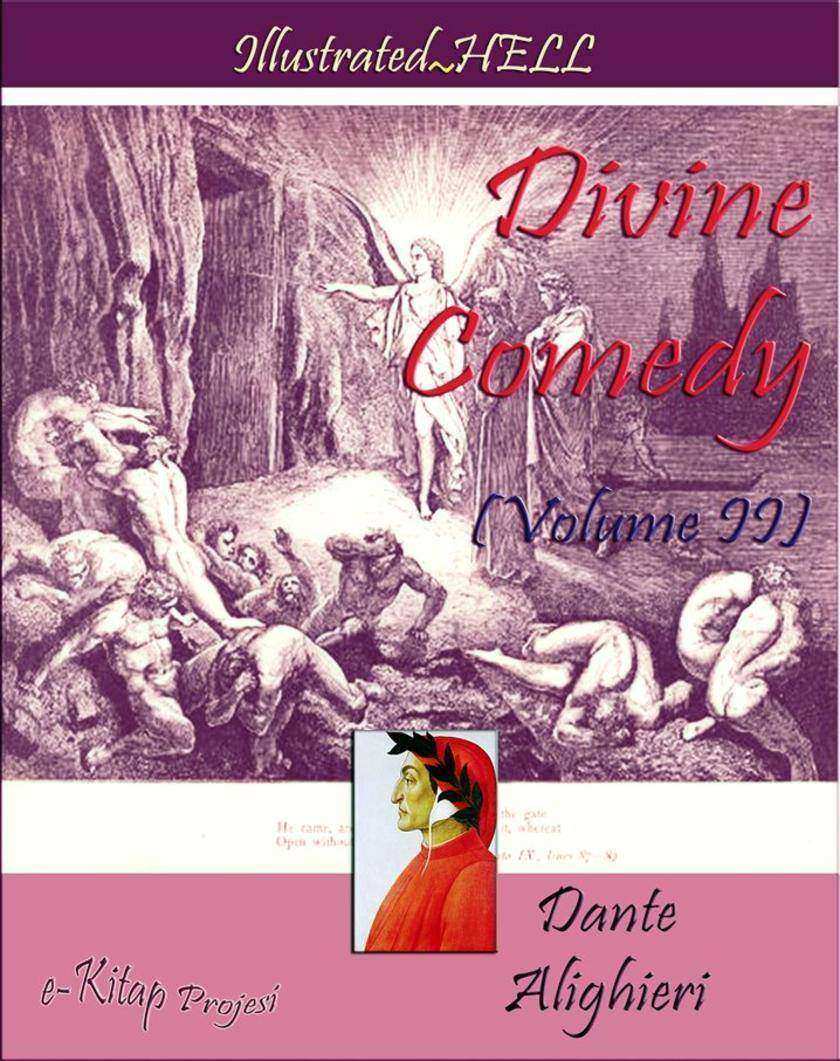
Divine Comedy (Volume II): Illustrated Hell
¥18.74
Micrographia is a historic book by Robert Hooke, detailing the then thirty-year-old Hooke's observations through various lenses. Published in September 1665, the first major publication of the Royal Society, it was the first scientific best-seller, inspiring a wide public interest in the new science of microscopy. It is also notable for coining the biological term cell. Observations: Hooke most famously describes a fly's eye and a plant cell (where he coined that term because plant cells, which are walled, reminded him of a monk's quarters). Known for its spectacular copperplate engravings of the miniature world, particularly its fold-out plates of insects, the text itself reinforces the tremendous power of the new microscope. The plates of insects fold out to be larger than the large folio itself, the engraving of the louse in particular folding out to four times the size of the book. Although the book is best known for demonstrating the power of the microscope, Micrographia also describes distant planetary bodies, the wave theory of light, the organic origin of fossils, and various other philosophical and scientific interests of its author. Publication: Published under the aegis of The Royal Society, the popularity of the book helped further the society's image and mission of being "the" scientifically progressive organization of London. Micrographia also focused attention on the miniature world, capturing the public's imagination in a radically new way. This impact is illustrated by Samuel Pepys' reaction upon completing the tome: "the most ingenious book that I ever read in my life." Hooke also selected several objects of human origin; among these objects were the jagged edge of a honed razor and the point of a needle, seeming blunt under the microscope. His goal may well have been as a way to contrast the flawed products of mankind with the perfection of nature (and hence, in the spirit of the times, of biblical creation). About Author: Robert Hooke (1635 – 1703) was an English natural philosopher, architect and polymath.His adult life comprised three distinct periods: as a scientific inquirer lacking money; achieving great wealth and standing through his reputation for hard work and scrupulous honesty following the great fire of 1666, but eventually becoming ill and party to jealous intellectual disputes. These issues may have contributed to his relative historical obscurity. He was at one time simultaneously the curator of experiments of the Royal Society and a member of its council, Gresham Professor of Geometry and a Surveyor to the City of London after the Great Fire of London, in which capacity he appears to have performed more than half of all the surveys after the fire. He was also an important architect of his time – though few of his buildings now survive and some of those are generally misattributed – and was instrumental in devising a set of planning controls for London whose influence remains today. Allan Chapman has characterised him as "England's Leonardo".Robert Gunther's Early Science in Oxford, a history of science in Oxford during the Protectorate, Restoration and Age of Enlightenment, devotes five of its fourteen volumes to Hooke.Hooke studied at Wadham College during the Protectorate where he became one of a tightly knit group of ardent Royalists led by John Wilkins. Here he was employed as an assistant to Thomas Willis and to Robert Boyle, for whom he built the vacuum pumps used in Boyle's gas law experiments. He built some of the earliest Gregorian telescopes and observed the rotations of Mars and Jupiter. In 1665 he inspired the use of microscopes for scientific exploration with his book, Micrographia. Based on his microscopic observations of fossils, Hooke was an early proponent of biological evolution. He investigated the phenomenon of refraction, deducing the wave theory of light, and was the first to suggest that matter expands when heated and that air is made of small particles separated by relatively large distances. He performed pioneering work in the field of surveying and map-making and was involved in the work, though his plan for London on a grid system was rejected in favour of rebuilding along the existing routes. He also came near to an experimental proof that gravity follows an inverse square law, and hypothesised that such a relation governs the motions of the planets, an idea which was subsequently developed by Newton.
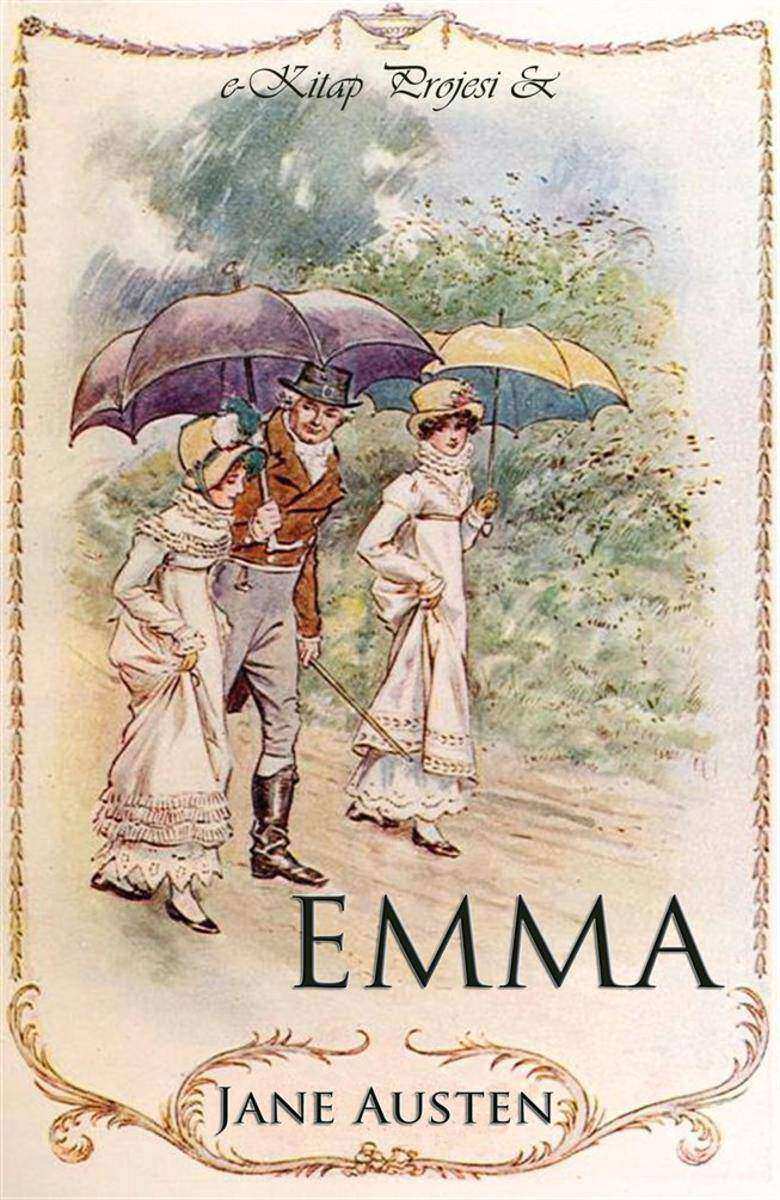
Emma
¥23.30
A few years ago, while visiting or, rather, rummaging about Notre-Dame, the author of this book found, in an obscure nook of one of the towers, the following word, engraved by hand upon the wall:— ? ? ? ? ? ? ? ANArKH. These Greek capitals, black with age, and quite deeply graven in the stone, with I know not what signs peculiar to Gothic caligraphy imprinted upon their forms and upon their attitudes, as though with the purpose of revealing that it had been a hand of the Middle Ages which had inscribed them there, and especially the fatal and melancholy meaning contained in them, struck the author deeply. He questioned himself; he sought to divine who could have been that soul in torment which had not been willing to quit this world without leaving this stigma of crime or unhappiness upon the brow of the ancient church. Afterwards, the wall was whitewashed or scraped down, I know not which, and the inscription disappeared. For it is thus that people have been in the habit of proceeding with the marvellous churches of the Middle Ages for the last two hundred years. Mutilations come to them from every quarter, from within as well as from without. The priest whitewashes them, the archdeacon scrapes them down; then the populace arrives and demolishes them. Thus, with the exception of the fragile memory which the author of this book here consecrates to it, there remains to-day nothing whatever of the mysterious word engraved within the gloomy tower of Notre-Dame,—nothing of the destiny which it so sadly summed up. The man who wrote that word upon the wall disappeared from the midst of the generations of man many centuries ago; the word, in its turn, has been effaced from the wall of the church; the church will, perhaps, itself soon disappear from the face of the earth. It is upon this word that this book is founded.
?tinapló: Wesselényi Miklós utazása Széchenyi Istvánnal, 1821-1822
¥28.78
Janka a csinos, 31 éves pincérn? legh?bb vágya, hogy belépjen életébe a nagy szerelem. Amikor megismerkedik Dáviddal, a híres énekessel, úgy érzi, benne megtalálta azt, akit mindig is keresett. Kapcsolatuk mégsem alakul felh?tlenül, bármilyen szenvedélyesen szerelmes is a popsztárba. Ahogy egyre jobban megismeri Dávidot, kiderül a férfi s?tét oldala. Janka azonban nem tud t?le elszakadni... A regény?arra keresi a választ, hogy milyen egy bántalmazó férfi és egy bántalmazói kapcsolat. Hogyan lehet egy ilyen kapcsolaton túljutni és ?nmagunkra találni annak ellenére, hogy képtelennek érezzük magunkat az elszakadásra? Hogyan lehet egy fájdalmas kapcsolaton túl is újra boldognak lenni?
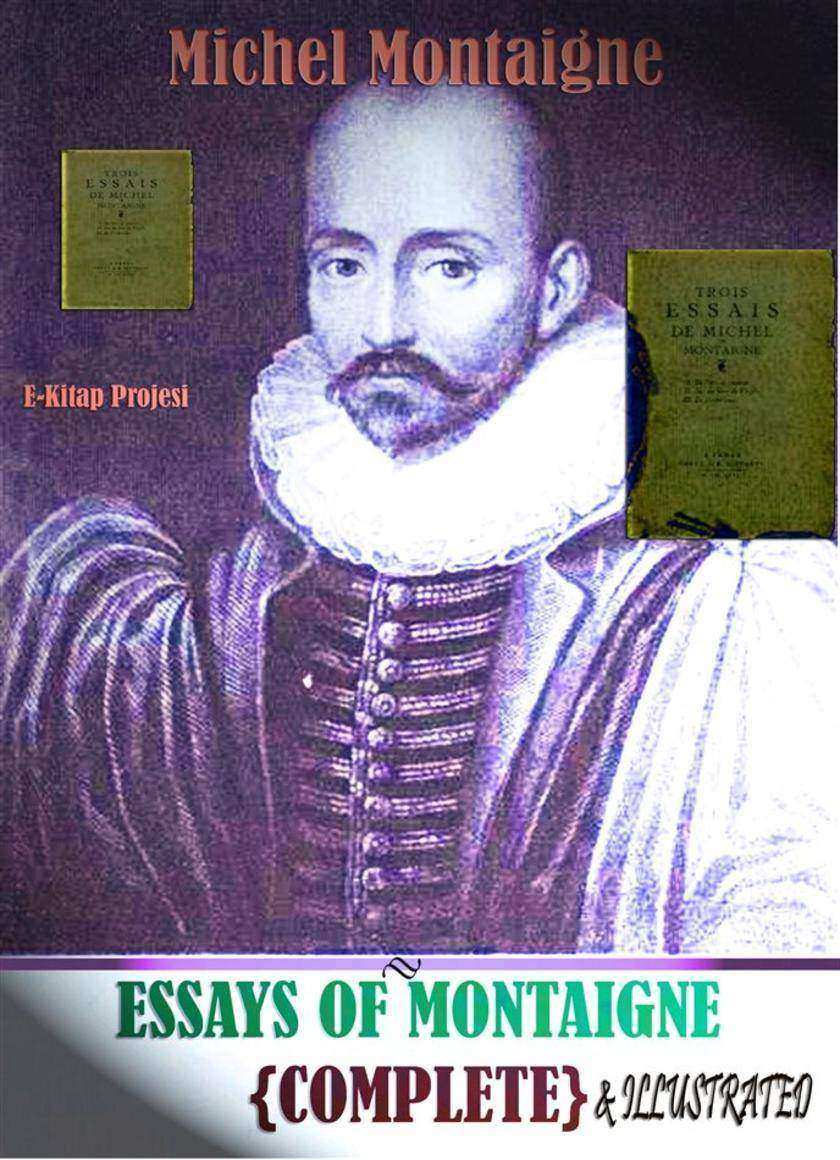
Essays of Montaigne: {Complete & Illustrated}
¥37.36
The Odyssey (Greek:Odysseia) is one of two major ancient Greek epic poems attributed to Homer. It is, in part, a sequel to the Iliad, the other work ascribed to Homer. The poem is fundamental to the modern Western canon, and is the second oldest extant work of Western literature, the Iliad being the oldest. It is believed to have been composed near the end of the 8th century BC, somewhere in Ionia, the Greek coastal region of Anatolia. The poem mainly centers on the Greek hero Odysseus (known as Ulysses in Roman myths) and his journey home after the fall of Troy. It takes Odysseus ten years to reach Ithaca after the ten-year Trojan War. In his absence, it is assumed he has died, and his wife Penelope and son Telemachus must deal with a group of unruly suitors, the Mnesteres or Proci, who compete for Penelope's hand in marriage. It continues to be read in the Homeric Greek and translated into modern languages around the world. Many scholars believe that the original poem was composed in an oral tradition by an aoidos (epic poet/singer), perhaps a rhapsode (professional performer), and was more likely intended to be heard than read. The details of the ancient oral performance, and the story's conversion to a written work inspire continual debate among scholars. The Odyssey was written in a poetic dialect of Greek—a literary amalgam of Aeolic Greek, Ionic Greek, and other Ancient Greek dialects—and comprises 12,110 lines of dactylic hexameter. Among the most noteworthy elements of the text are its non-linear plot, and the influence on events of choices made by women and serfs, besides the actions of fighting men. In the English language as well as many others, the word odyssey has come to refer to an epic voyage. The Odyssey has a lost sequel, the Telegony, which was not written by Homer. It was usually attributed in Antiquity to Cinaethon of Sparta, but in one source was said to have been stolen from Musaeus by Eugamon or Eugammon of Cyrene (see Cyclic poets). ABOUT AUTHOR: Homeros, In the Western classical tradition, Homer (Ancient Greek: Homeros) is the author of the Iliad and the Odyssey, and is revered as the greatest of ancient Greek epic poets. These epics lie at the beginning of the Western canon of literature, and have had an enormous influence on the history of literature. When he lived is unknown. Herodotus estimates that Homer lived 400 years before his own time, which would place him at around 850 BC, while other ancient sources claim that he lived much nearer to the supposed time of the Trojan War, in the early 12th century BC. Most modern researchers place Homer in the 7th or 8th centuries BC. The formative influence of the Homeric epics in shaping Greek culture was widely recognized, and Homer was described as the teacher of Greece. Homer's works, which are about fifty percent speeches, provided models in persuasive speaking and writing that were emulated throughout the ancient and medieval Greek worlds. Fragments of Homer account for nearly half of all identifiable Greek literary papyrus finds. PeriodFor modern scholars "the date of Homer" refers not to an individual, but to the period when the epics were created. The consensus is that "the Iliad and the Odyssey date from around the 8th century BC, the Iliad being composed before the Odyssey, perhaps by some decades," i.e. earlier than Hesiod, the Iliad being the oldest work of Western literature. Over the past few decades, some scholars have argued for a 7th-century BC date. Oliver Taplin believes that the conclusion of modern researchers is that Homer dates to between 750 to 650 BC. Some of those who argue that the Homeric poems developed gradually over a long period of time give an even later date for the composition of the poems; according to Gregory Nagy for example, they only became fixed texts in the 6th century BC. The question of the historicity of Homer the individual is known as the "Homeric question"; there is no reliable biographical information handed down from classical antiquity. The poems are generally seen as the culmination of many generations of oral story-telling, in a tradition with a well-developed formulaic system of poetic composition. Some scholars, such as Martin West, claim that "Homer" is "not the name of a historical poet, but a fictitious or constructed name."
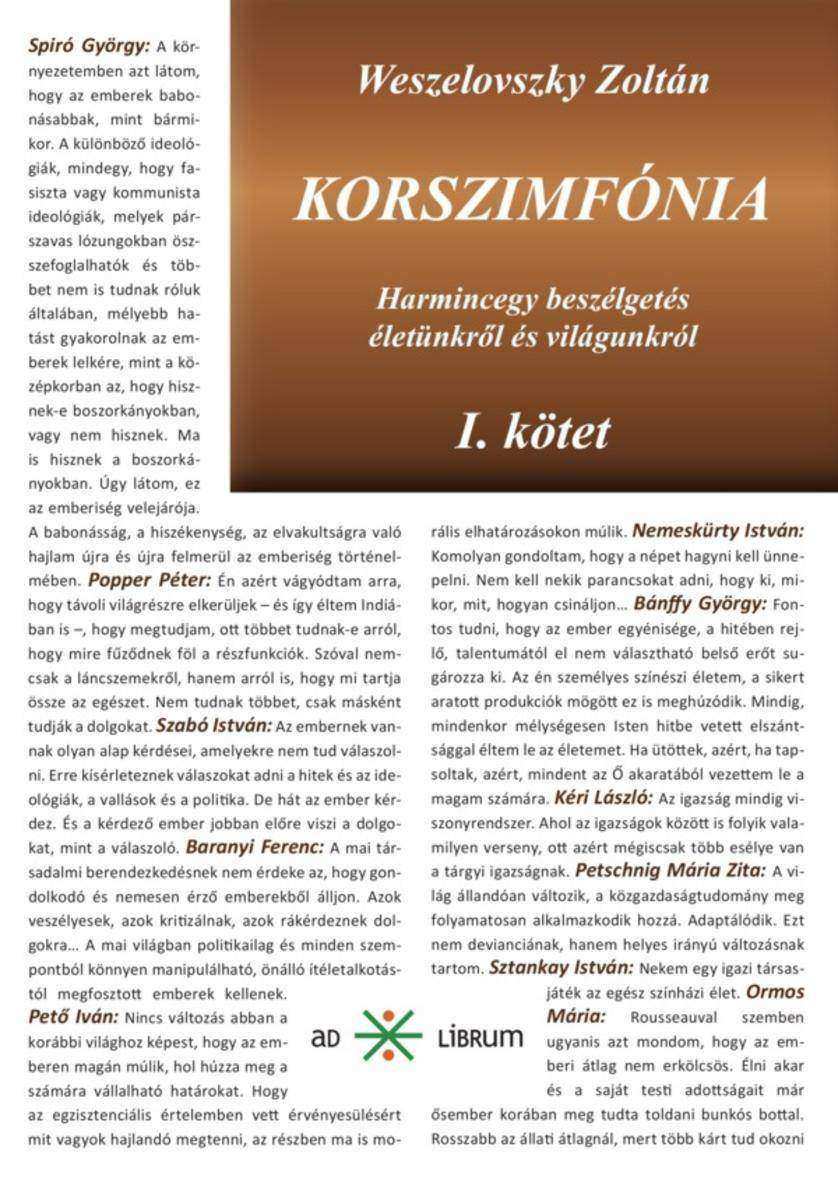
Korszimfónia: Harmincegy beszélgetés életünkr?l és világunkról
¥28.78
Bels? irányt?nk ahhoz az élethez vezet el, amelyr?l mindig is álmodtunk. Célunk felé tartva ráismerünk azokra a pontokra, ahol irányt kell változtatnunk, hogy kihasználhassuk teljes bels? potenciálunkat. Ez az inspiráló utazás minden életterületen átvezet: segít, hogy felismerjük életfeladatunkat, hogy meghozzuk a helyes d?ntéseket, hogy megvalósítsuk legrejtettebb vágyainkat. A híres életmódtanár ezúttal gyakorlati útmutatót ad ahhoz, miként menedzselhetjük sikeresen a saját életünket. "Már maga az a felismerés, hogy minden élethelyzetben igent mondhatok az életre, hihetetlenül gazdaggá tette a hétk?znapjaimat. ?jra meg újra próbára tettem, hogyan tudom az éveken át gy?jt?tt élettapasztalatokat és az új látásmódot alkalmazni, és az eredmények mindig azt igazolták, hogy minden egyes esetben lehetséges változást elérni. ?ppen csak meg kell teremteni a változás el?feltételeit." (a Szerz?) A K?nyvjelz? magazin 2015. májusi számában megjelent cikk: Okosabban kéne élni


