


 购物车
购物车 个人中心
个人中心
Neverland
¥57.14
Atunci c?nd Rosemary Harper se al?tur? echipajului de pe Wayfarer, a?tept?rile nu ?i sunt foarte mari. Dincolo de peticele pe care ar trebui s? le capete c?t mai cur?nd, Wayfarer este o nav? m?runt?, aparent lini?tit?, r?t?cit? ?n birocra?ia megacorpora?iilor ?i, cel mai important, potrivit? pentru ca Rosemary s? se distan?eze de problemele din trecut. Iar personalit??ile at?t de distincte ?i rasele at?t de diverse ale noilor s?i colegi (de la excesiv de amabila Sissix, la Kizzy ?i Jenks, perechea nedesp?r?it? de tehnicieni ce c?rpesc m?runtaiele navei) pot fi ?n acela?i timp ?i motiv pentru certuri haotice, ?i baza unor noi prietenii care ar fi p?rut imposibil de legat. Una peste alta – locul perfect pentru ea. Totul p?n? ce Ashby, nobilul c?pitan, accept? comisionarea unei lucr?ri extrem de profitabile: construirea unui tunel hiperspa?ial c?tre o planet? ?ndep?rtat?. Oportunitatea le-ar asigura tuturor independen?a financiar?, asta dac? ar putea supravie?ui lungului ?i primejdiosului drum prin galaxia marcat? de o pace fragil?. ?ns? Rosemary nu este singura care are secrete de ascuns, iar ?ntreg echipajul va descoperi c? spa?iul este vast, iar propria nav? cu adev?rat mic?… ?Un tur de for?? profund ?i uman.“ — The Guardian ?Un roman care poate readuce ?ncrederea ?n science-fiction.“ — Tor.com ?Mai mult dec?t orice, este scris cu pl?cere ?i pl?cut de citit.“ — Claire North Nominalizare la premiile Kitschies 2015 pentru ?Cel mai bun debut“ Nominalizare la Baileys Women’s Prize for Fiction 2016 Nominalizare la Tiptree Award 2015 Nominalizare la British Fantasy Awards 2016, categoria ?Best Newcomer“ Nominalizare la premiile Arthur C. Clarke 2016 Nominalizare la Grand Prix de l’Imaginaire 2016 pentru ?Cel mai bun roman ?ntr-o limb? str?in?“

Joan of Arc
¥8.09
Tanara Oriana moare intr-un accident, chiar in ziua nuntii ei. Pentru oricine, acesta ar parea sfarsitul. Nu si pentru ea. Se intoarce ca recuperator de suflete, insa nu la vechea viata si familie, pentru care trebuie sa ramana moarta, ci la una cu totul noua. Rasfatul si confortul, considerate garantate mai inainte, se duc acum pe Apa Sambetei. Va trebui sa lupte pentru a-i salva pe ceilalti, dar si pe sine. Apar noi prieteni, noi dusmani si… prima iubire? Exista viata dupa moarte? Unii vor spune ca da, altii ca nu. Dar exista un raspuns la care cu siguranta nu v-ati gandit. Exista recuperatorii de suflete. Smulsi din existentele lor, sunt aruncati in altele, neintrebati de nimeni, fara sa li se ceara acceptul. Trebuie doar sa se supuna legilor celor de Dincolo. Iar unii aleg razvratirea…
Vinova?i f?r? vin?
¥57.14
Viata de student la psihologie a lui Leinad se imparte intre sesiuni si baute ocazionale cu prietenii. Nimic iesit din comun. Pana intr-o zi cand, accidental, intra in posesia unui stick USB. Din curiozitate si, din nefericire pentru el, verifica fisierele stocate pe micul obiect. Afla informatii incredibile despre o societate secreta care facea experiente medicale pe oameni, fara ca acestia sa-si fi dat acceptul. Faptul ca ajunge sa cunoasca o tanara, studenta si ea, genul de fata peste care nu dai in fiecare zi, sufletista si inimoasa, complica si mai mult situatia tanarului, mai ales dupa ce afla ca noua lui cunostinta sufera de o boala ce ii poate fi fatala. Santaje, urmariri, situatii tragi-comice, din loc in loc, si un umor proaspat va vor determina sa deveniti fanii acestei serii.
The Wonderful Wizard of Oz
¥8.09
De milenii, Veghetorii ii apara pe oameni de strigoi si de creaturile lumii de dincolo. Ana ignora regulile ce le obliga pe Veghetoare sa-si aleaga tineri la fel ca ele si intra intr-o relatie cu un barbat fermecator, dar cu un trecut intunecat. Iubitul ei ascunde insa un secret care o va pune fata in fata cu cele mai negre cosmaruri ale ei. Acesta este in realitate fiul conducatorului, un Veghetor care a fost izgonit din familie dupa ce s-a aflat ca s-a dedat unor practici interzise. Dar asta nu e cea mai mare problema a Anei...
A Christmas Carol
¥8.09
Sorina este o adolescent atipica. Uneori uita. Uneori isi pierde cunostinta. Uneori se sufoca. Desi se implica in problemele infantile ale prietenilor ei si are o viata normala, Sorina traieste din intrebari si dorinta de a capata raspunsuri. Nu isi descifreaza identitatea, iar acest lucru o macina, iar halucinatiile care ii produc un rau atat phisic, cat si fizic, nu ii dau pace. Adrian este caracterizat de o veselie incredibila. Inconjurat de secrete si incertitudini, acesta face tot posibilul sa ii redea bucuria. Dar afectiunea lui ii da de banuit Sorinei si aceasta se trezeste intreband de ce un baiat pe care abia l-a cunoscut se comporta de parca ar cunoaste-o de o viata? Ii spune ca o sa ramana mereu langa ea. I-a mai promis cineva acest lucru. Dar cine?
Felinarium
¥65.32
Romanul 2666 este scris ?n ultimii trei ani ai lui Bola?o, ?ntr?o curs? contra cronometru cu moartea. Alc?tuit din cinci p?r?i pe care autorul, ?ntr?o ?ncercare de a asigura viitorul financiar al copiilor s?i, le inten?iona publicate drept cinci romane separate, 2666 a ap?rut totu?i drept o singur? carte, valoarea literar? a ansamblului fiind mult prea mare pentru a fi divizat din ra?iuni comerciale. Toate cele cinci p?r?i contribuie la configurarea unui spa?iu ?n care crima ?i literatura sunt dou? fe?e ale aceluia?i mister. Ora?ul Santa Teresa din de?ertul Sonora, la grani?a Mexicului cu SUA, este scena unor crime ?n serie ?mpotriva femeilor, dar ?i destina?ia final? a celui mai important scriitor german al secolului trecut, Benno von Archimboldi (personaj fictiv). ?n Chile a c??tigat Premiul Altazor ?n 2005. ?n SUA a c??tigat National Book Critics Circle Award ?n 2009 (premiu acordat postum). ?Trebuie s? ascul?i ce spun femeile. [...] Nimeni nu d? aten?ie acestor asasinate, dar ?n ele se ascunde secretul lumii.“ ?La 40 de ani dup? ce García Márquez a zguduit literatura din temelii cu Un veac de singur?tate, Bola?o o face din nou. 2666 este, pur ?i simplu, epocal. F?r? ?ndoial?, prima carte mare a secolului XXI.“ The Complete Review ?Nu un roman, ci un breviar al timpurilor prezente, un imens manual de doliu ?i de melancolie. Un De profundis baroc ?i enigmatic, crima pasional? a unui om care a murit de ?i pentru literatur? ?i care las? supravie?uitorilor aceast? carte, a?a cum o armat? ?nvins? p?rjole?te p?m?ntul ?n urma ei.“ Olivier Mony, Le Figaro ?Data viitoare c?nd mai auzi?i pe cineva vorbind de “moartea romanului“, da?i?i ?n cap cu 2666. ?i apoi pune?i?l s??l citeasc?. Cinci c?r?i ?ntr?una singur?, des?v?r?it ?ntre?esute nu doar prin idei recurente ?i personaje, ci ?i printr?un umor toren?ial, o profund? umanitate ?i o verv? dezl?n?uit?, capodopera postum? a acestui magician [...] trebuie s? se afle ?n orice bibliotec? demn? de acest nume.“ Boyd Tonkin, The Independent

Anomalii
¥73.49
Muzica ?i atmosfera fantastic? leag? cele nou? povestiri din acest volum ?ntr?un fascinant concert literar. Dintr?un camion rul?nd sub ploaie, spre uimirea trec?torilor, se revars? sunetele unei pre?ioase orgi Carolina. Un b?iat dement p?ze?te cu sfin?enie un clavecin abandonat de uzurpatoarea unui vechi castel. Membrii unui cor bisericesc cap?t? un ajutor nea?teptat c?nd le lipse?te un glas. Strig?tele puternice ale unui fost c?nt?re? de oper? o trezesc pe sora lui din cel mai profund somn. Fiecare povestire e ca o cutie muzical? pe care trebuie s?o ?ntorci cu chei?a ei ca s??i auzi melodia subtil?. Doamna Cati Giurgiu a scris o carte de un farmec rareori ?nt?lnit azi ?n literatura rom?n?.
Un lung drum spre o planeta mica si furioasa
¥81.67
Aceste cinci eseuri pot constitui un (incomplet) tratat de literatur? comparat? care are ?n vedere ca termen de referin?? deschiderile teoretice diversificate din ultimul deceniu al secolului trecut ?i ?nceputul noului secol. Caracterul fluid al no?iunii face din comparatism o mitologie plural? at?ta vreme c?t lipse?te o teorie general unificatoare. Imposibilitatea de a-i legitima pe deplin obiectul, indeterminat ?i imprecis, l-a f?cut pe Charles Bernheimer s? defineasc? literatura comparat? drept o ??tiin?? anxiogenic?“. Este literatura comparat? o disciplin? autonom? sau, dimpotriv?, una anexat? studiilor culturale care nu dispun de o justificare teoretic?? Direct sau indirect, cartea lui Vasile Voia, profesor la Facultatea de Litere a Universit??ii Babe?-Bolyai, a luat forma unui discurs polemic. Comparatismul modern maximalist, renun??nd la rigorile anacronice ale comparatismului francez, p?n? la a uita de text ca obiect estetic, a devenit domeniul predilect al tuturor diletantismelor ?i formelor estetice ?n care dispare orice rigoare. Vasile Voia se situeaz? principial de partea pozi?iei ferme exprimate de Adrian Marino, ?n descenden?a lui René Wellek ?i René Etiemble, a profesorilor de la Yale, Harold Bloom ?i Peter Brooks, care au militat pentru men?inerea canonului tradi?ional occidental ?i a esteticului ca valoare primordial? a operei literare.

White Fang
¥8.09
n unele momente, mintea omeneasc depete att limitele simurilor, ct i pe cele ale gndirii obinuite, intrnd pe trmul altor realiti. Pentru minte, visele n sine constituie realiti solide, precum starea normal de veghe. n vis, ca i n starea de veghe, percepem o multitudine de sentimente i emoii, precum i situaii de o realitate de necontestat, care ne influeneaz modul de comportament i fora vital. Numai c, atunci cnd ne trezim, ne dm seama c totul a fost doar o iluzie. Mintea, care n sine este un instrument, ajunge, prin puterea pe care i-o acordm n mod incontient, s ne subjuge i s ne manevreze dup propriile nchipuiri, fcnd acest lucru inclusiv n somnul cu vise. ns, n somnul adnc mintea nu mai este prezent, iar atunci cnd ne trezim nu mai avem nimic care s ne aminteasc de acea perioad. Totui, chiar i n somnul adnc exist ceva care ne nsoete, fcndu-ne s intuim c existm chiar i n acea perioad n care mintea este absent. Dup cei 10-12 ani ghidai de o persoan a crei identitate a rmas chiar i acum necunoscut, realiznd care este adevrata noastr natur, toate aceste metode i tehnici aplicate de mine i scrise aici n carte mi se par inutile. ns mi dau seama c la acel moment dac mi-ar fi spus doar att: tii c exiti“, Eti contient c exiti“ i Ai avut vreun moment n care nu ai existat“, nu cred c a fi neles nimic i simplitatea adevratei mele naturi (care este i a voastr) ar fi fost, ca de obicei, trecut cu vederea de minte.
Prevenirea cancerului. 10 reguli obligatorii pentru s?n?tate ?i via?? lung?
¥49.62
Jurnalul de fa?? este relatarea captivant? a expedi?iei lui Fridtjof Nansen c?tre Polul Nord. Autorul alterneaz? observa?iile ?tiin?ifice ?i notele de jurnal cu fotografii ?i desene, dar ?i cu ?nregistrarea celor mai profunde tr?iri care l-au b?ntuit pe t?n?rul explorator pe t?r?murile temute ale Nordului ?nghe?at. Dup? ce primul volum a prezentat ?nceputul expedi?iei ?i aventurile navei Fram, cel de-al doilea volum descrie palpitanta c?l?torie de cincisprezece luni cu s?niile, ?ntreprins? de Friedtjof Nansen ?i de locotenentul Johansen. Ace?tia au pornit la drum pe un teren necunoscut, ajung?nd mai aproape de Polul Nord dec?t orice explorator de p?n? atunci. Istorisirea aventurilor lor se ?ncheie cu deriva navei Fram ?i revenirea ?n Norvegia, ?n august 1896.
Chaos: Am murit, din fericire 2
¥44.96
Tr?im ?ntr-o societate modern?, tehnologizat? la maximum. Avem acces rapid la informa?ii ?n diferite forme. Nici nu ne mai putem imagina via?a altfel!Dar ne ?ndep?rt?m tot mai mult de spiritualitate…Ap?rut? la Editura Adenium, O inim? de broscu?? vrea s? ne aminteasc? (?ntr-o form? original?), c? ?n multe din col?urile p?m?ntului, religia ?i-a pus amprenta ?n mod hot?r?tor asupra istoriei ?i civiliza?iei. Confrunt?rile ideilor personajelor, originalitatea acestora, momentele lor de medita?ie, confesiunile pe care ?i le fac sunt tot at?tea ipostaze ?n care cititorii se pot reg?si cu u?urin??.Pe m?sur? ce vom ?nainta ?n acest foileton, prefa?at de scriitorul ie?ean Liviu Antonesei, pove?tile eroilor vor deveni din ce ?n ce mai complexe, ceea ce ne ?ndrept??e?te s? afirm?m c? O inim? de broscu?? poate fi considerat? o carte de ?nv???tur?, un mic tratat (de altfel) de filosofie, o POVESTE PENTRU TOATE V?RSTELE.Peni?a aurie, ?nger sau c?l?u?, primul volum al seriei O inim? de broscu?? semnat? Gheorghe V?rtosu deschide drumul unei incursiuni ?ntr-o lume cu totul inedit? a copil?riei, a prieteniei ?i a credin?ei curate ?n Dumnezeu. ?nscris? ?n curentul realismului magic, aceast? lucrare aduce ?n prim-plan personaje inedite. Dialogurile lor, medita?iile, confesiunile pe care ?i le fac – o micu?? Pic?tur? de S?nge, un Viermi?or de M?tase ?i un Puricel – sunt tot at?tea situa?ii ?n care fiecare dintre cititori se vor reg?si cu u?urin??.?nv???tura final? a acestui volum relev? faptul c? Peni?a aurie, acest instrument simplu, ?inocent“ la prima vedere, are de fapt o putere inimaginabil?: ajuns? ?n m?na ginga?? a unui artist, poate da na?tere unor lucruri minunate: poezii, opere inestimabile… Dup? cum, ajuns? ?n m?na unui decizionar, a unui justi?iar poate anula libertatea sau chiar via?a oricui.
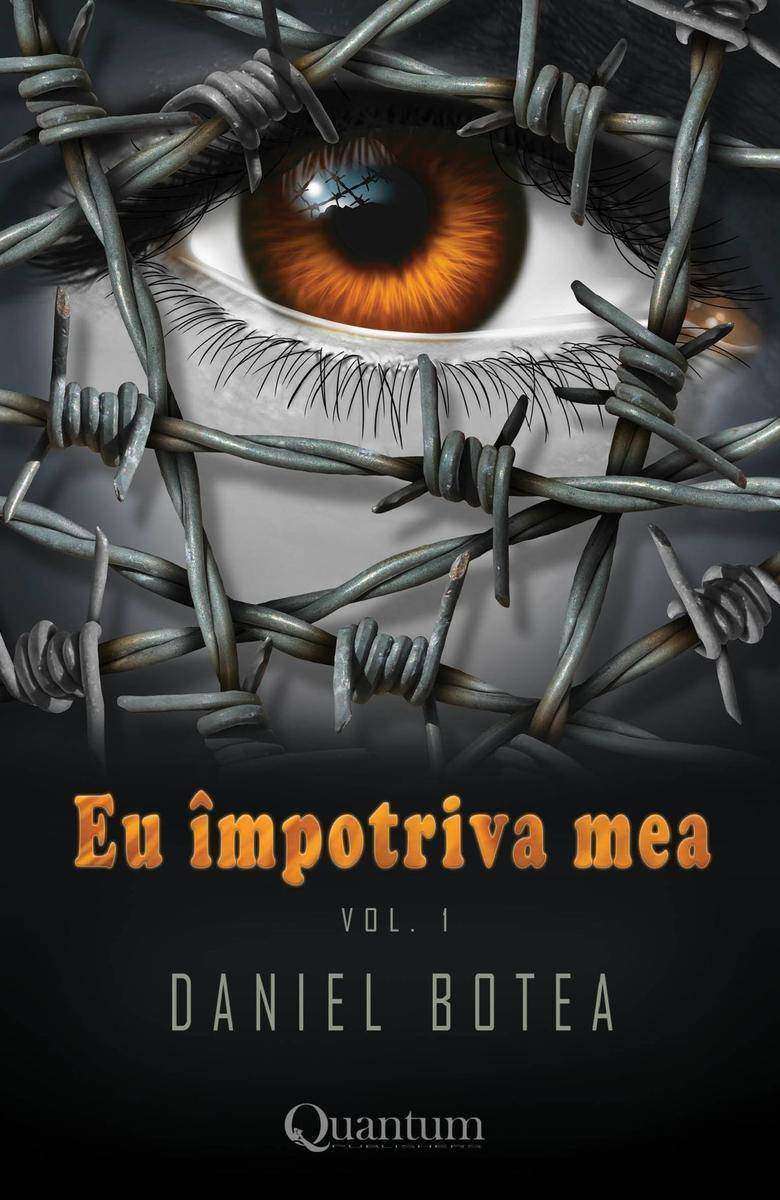
Eu ?mpotriva mea vol. 1
¥36.79
Lucrarea Cum s? fii un bun p?rinte ne ?nva?? cum s? ne cre?tem copiii frumos, f?r? s? ?ip?m la ei, f?r? s?-i agres?m fizic, verbal ori psihic.Totodat?, ea ne pune ?n fa?? o oglind? pentru a ne vedea ?i a ne ?n?elege pe noi ?n?ine (copiii p?rin?ilor no?tri!), pentru a ?i ?n?elege pe p?rin?i, dar ?i pentru a afla cum s? ne construim o leg?tur? sufleteasc? adev?rat? cu copiii, bazat? pe iubire, pe respect ?i pre?uire.Cartea a ap?rut anterior sub titlul Eu te-am f?cut, eu te omor, autoarea renun??nd la acest titlu la sugestia cititorilor c?r?ii.
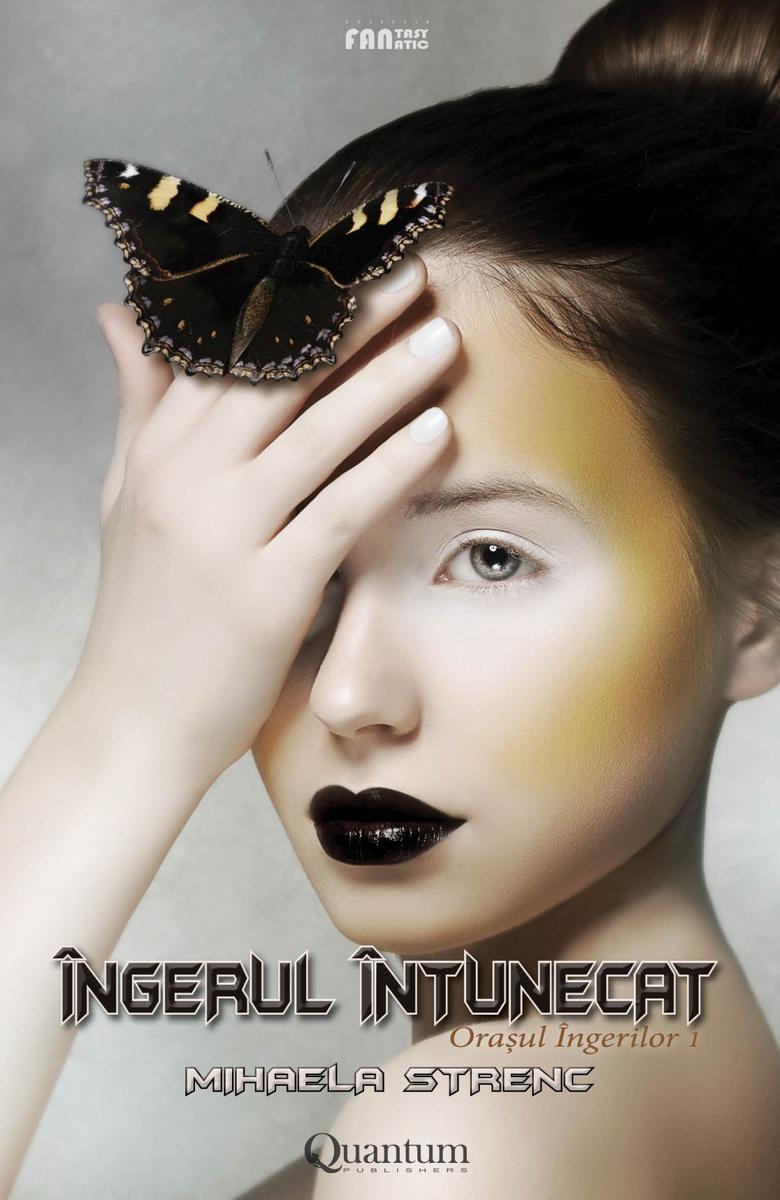
?ngerul ?ntunecat: Ora?ul ?ngerilor - vol. 1
¥36.79
Pentru a avea o s?n?tate optim? trebuie ?n primul r?nd s? ne aliment?m s?n?tos. Alimenta?ia pe baz? de crudit??i ?nseamn? a tr?i altfel, ?ntr-un mod cu totul nou, inedit, ?nseamn? a te bucura pe deplin de via??, de alimente, de roadele gr?dinii, de natur?, de rela?ii frumoase, da, pentru c? faci economie mare de timp, e?ti mai s?n?tos, iar timpul respectiv ?l po?i petrece ?mpreun? cu cei dragi. S?n?tatea ta va avea numai de c??tigat. Ce perspectiv? promi??toare pentru via??!Lucrarea cuprinde 400 de re?ete din crudit??i, de la salate, supe, paste, sosuri p?n? la b?uturi ?i deserturi, toate preparate din legume ?i fructe proaspete ?i nuci ?i semin?e.La sf?r?itul c?r?ii exist? ?i un supliment – o sec?iune de re?ete preparate termic care pot completa un meniu alc?tuit ?n cea mai mare parte din crudit??i.
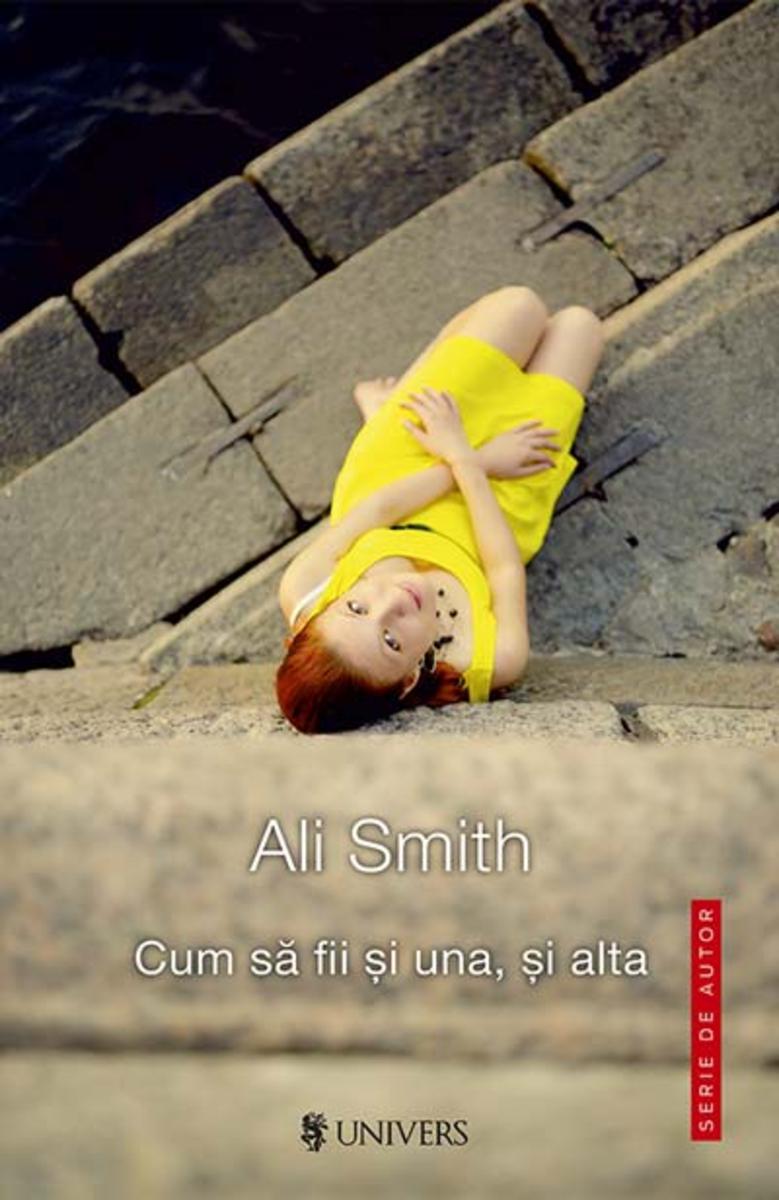
Cum s? fii ?i una, ?i alta
¥57.14
Volumul de fa?? din seria Eminescu, poem cu poem ne dezva?? de toate vechile obiceiuri de interpretare care au prezentat ?n limbaj de lemn poeziile eminesciene. Alex. ?tef?nescu ne face din nou cuno?tin??, de data aceasta ?n cuvinte simple ?i idei proaspete, cu unele dintre cele mai cunoscute poezii din literatura rom?n?. Analiza sa cuprinde observa?ii fresh ?i referin?e culturale pe gustul elevilor, tinerilor ?i iubitorilor de literatur? care (re)descoper? ast?zi crea?ia eminescian?.

B?iatul care a furat calul lui Attila
¥24.44
Volumul de fa?? din seria Eminescu, poem cu poem ne dezva?? de toate vechile obiceiuri de interpretare care au prezentat ?n limbaj de lemn poeziile eminesciene. Alex. ?tef?nescu ne face din nou cuno?tin??, de data aceasta ?n cuvinte simple ?i idei proaspete, cu unele dintre cele mai cunoscute poezii din literatura rom?n?. Analiza sa cuprinde observa?ii fresh ?i referin?e culturale pe gustul elevilor, tinerilor ?i iubitorilor de literatur? care (re)descoper? ast?zi crea?ia eminescian?.
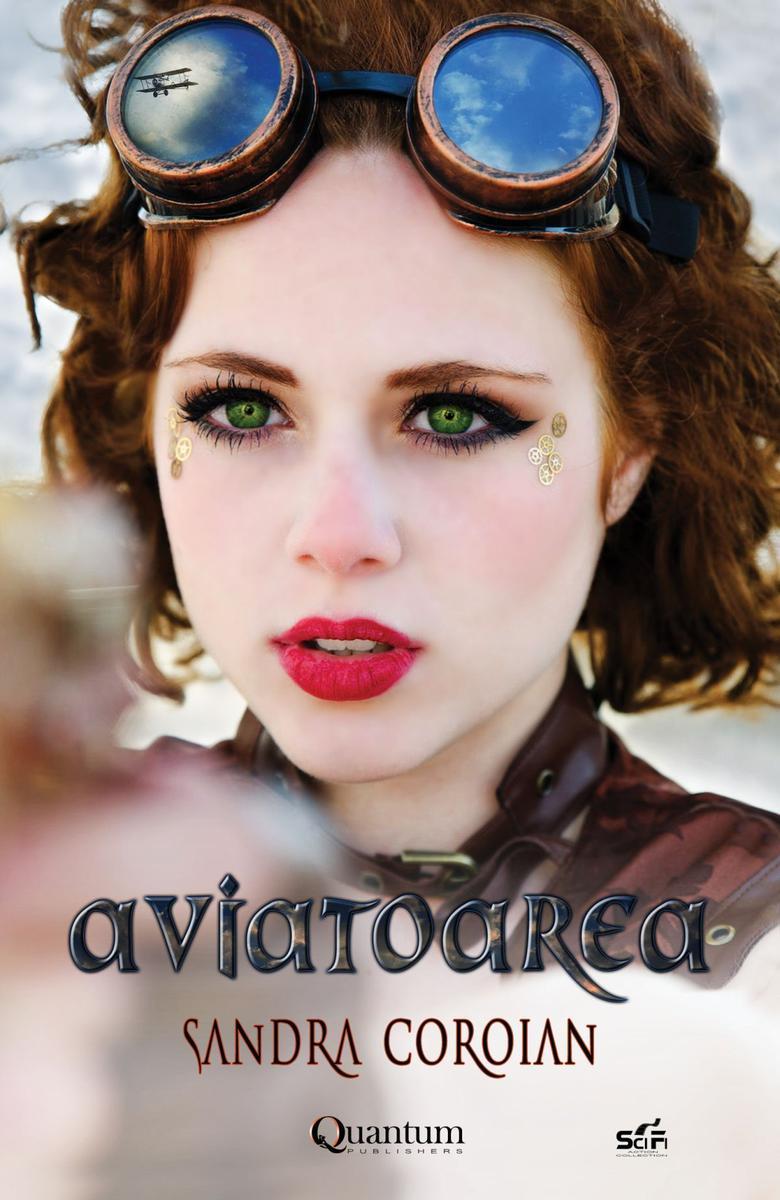
Aviatoarea
¥36.79
Discursul poetic preios i limpede, lipsit de dramatism nvluie tragismul existenial, sugernd, peste fragmentarismul unei existene, viziunea izbvitoare, ascensional, pur, emanat de raza logosului integrator. Poezia fr evenimente pe care o scrie Liviu Antonesei aspir spre perfeciune formal...“ – Cezar IvnescuDac n-ar fi existat teroarea cenzurii, dac n-ar fi existat ceaushima, dac n-ar fi existat teama redactorilor de carte, dac n-ar fi existat delatorii, aa ar fi artat cartea aprut n 1989 la Cartea Romneasc, sub titlul Pharmakon. Dar, dac toate acestea n-ar fi existat, ar mai fi fost ea oare scris Imposibil de rspuns. Nu-mi rmne, deci, dect s m bucur c toate cele care au existat – i nc multe altele – nu mai exist i, pn la urm, cartea (bun sau rea, asta vor decide cititorii i criticii) apare aa cum am gndit-o, aa cum s-a scris de-a lungul a zece sau cincisprezece ani. Nici eu nu tiu de cnd dateaz cel mai vechi poem din volum. mi amintesc numai c o prim versiune a acestui manuscris a fost depus prima dat la o editur n 1979-1980. De-atunci, manuscrisul a tot fost modificat pn a ajuns la aceast form definitivat n primvara anului 1988, depus la editur i aprut n anul urmtor mai mult dect njumtit. Aa a fi vrut s apar atunci. Aa o voi lsa, deci, s fie tiprit acum, indiferent de imperfeciunile ce le voi fi observat ntre timp. Este limpede c, din acest moment, volumul de debut n poezie Pharmakon nu mai exist.“ – Liviu Antonesei
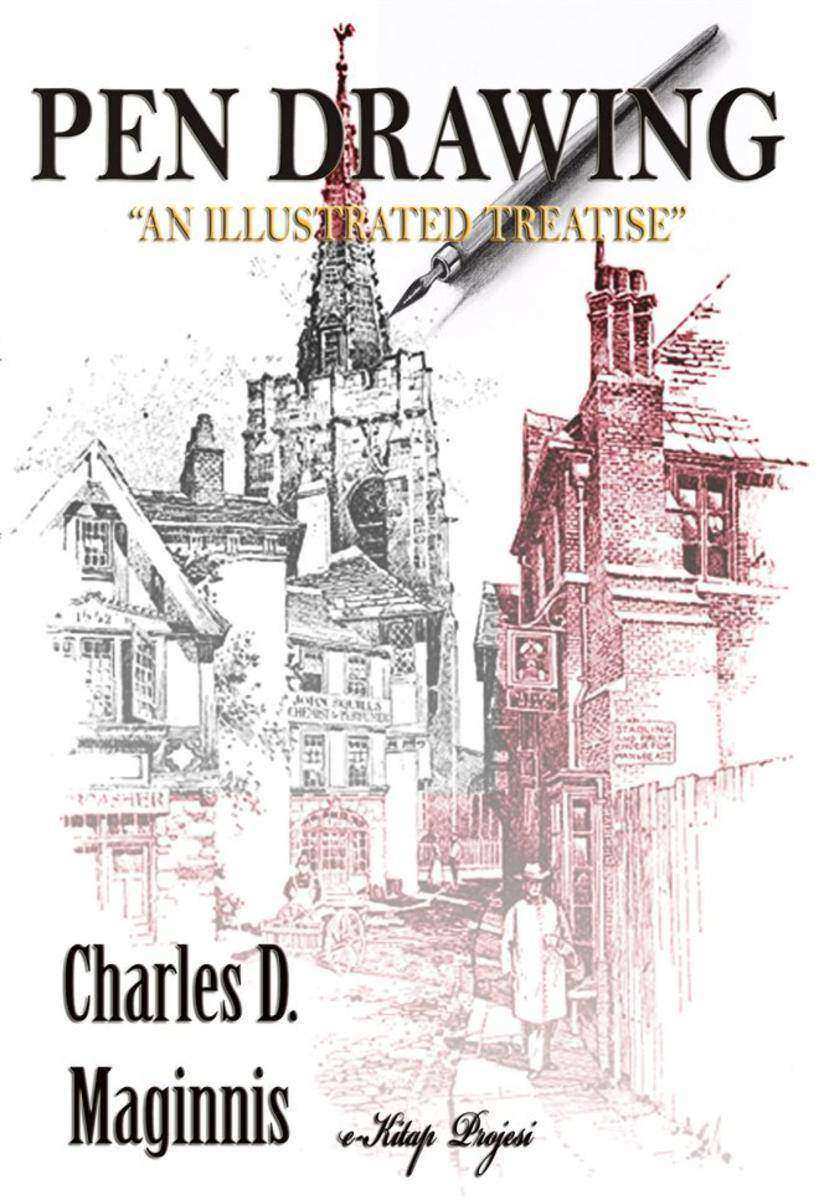
Pen Drawing: "An Illustrated Treatise"
¥18.74
The book's protagonist is an English scientist and gentleman inventor living in Richmond, Surrey in Victorian England, and identified by a narrator simply as the Time Traveller. The narrator recounts the Traveller's lecture to his weekly dinner guests that time is simply a fourth dimension, and his demonstration of a tabletop model machine for travelling through it. He reveals that he has built a machine capable of carrying a person, and returns at dinner the following week to recount a remarkable tale, becoming the new narrator.In the new narrative, the Time Traveller tests his device with a journey that takes him to A.D. 802,701, where he meets the Eloi, a society of small, elegant, childlike adults. They live in small communities within large and futuristic yet slowly deteriorating buildings, doing no work and having a frugivorous diet. His efforts to communicate with them are hampered by their lack of curiosity or discipline, and he speculates that they are a peaceful communist society, the result of humanity conquering nature with technology, and subsequently evolving to adapt to an environment in which strength and intellect are no longer advantageous to survival. Returning to the site where he arrived, the Time Traveller is shocked to find his time machine missing, and eventually works out that it has been dragged by some unknown party into a nearby structure with heavy doors, locked from the inside, which resembles a Sphinx. Later in the dark, he is approached menacingly by the Morlocks, ape-like troglodytes who live in darkness underground and surface only at night. Within their dwellings he discovers the machinery and industry that makes the above-ground paradise possible. He alters his theory, speculating that the human race has evolved into two species: the leisured classes have become the ineffectual Eloi, and the downtrodden working classes have become the brutish light-fearing Morlocks. Deducing that the Morlocks have taken his time machine, he explores the Morlock tunnels, learning that they feed on the Eloi. His revised analysis is that their relationship is not one of lords and servants but of livestock and ranchers. The Time Traveller theorizes that intelligence is the result of and response to danger; with no real challenges facing the Eloi, they have lost the spirit, intelligence, and physical fitness of humanity at its peak. Meanwhile, he saves an Eloi named Weena from drowning as none of the other Eloi take any notice of her plight, and they develop an innocently affectionate relationship over the course of several days. He takes Weena with him on an expedition to a distant structure that turns out to be the remains of a museum, where he finds a fresh supply of matches and fashions a crude weapon against Morlocks, whom he fears he must fight to get back his machine. He plans to take Weena back to his own time. Because the long and tiring journey back to Weena's home is too much for them, they stop in the forest, and they are then overcome by Morlocks in the night, and Weena faints. The Traveller escapes only when a small fire he had left behind them to distract the Morlocks catches up to them as a forest fire; Weena is presumably lost in the fire, as are the Morlocks. The Morlocks use the time machine as bait to ensnare the Traveller, not understanding that he will use it to escape. He travels further ahead to roughly 30 million years from his own time. There he sees some of the last living things on a dying Earth, menacing reddish crab-like creatures slowly wandering the blood-red beaches chasing butterflies in a world covered in simple lichenous vegetation. He continues to make short jumps through time, seeing Earth's rotation gradually cease and the sun grow larger, redder, and dimmer, and the world falling silent and freezing as the last degenerate living things die out.
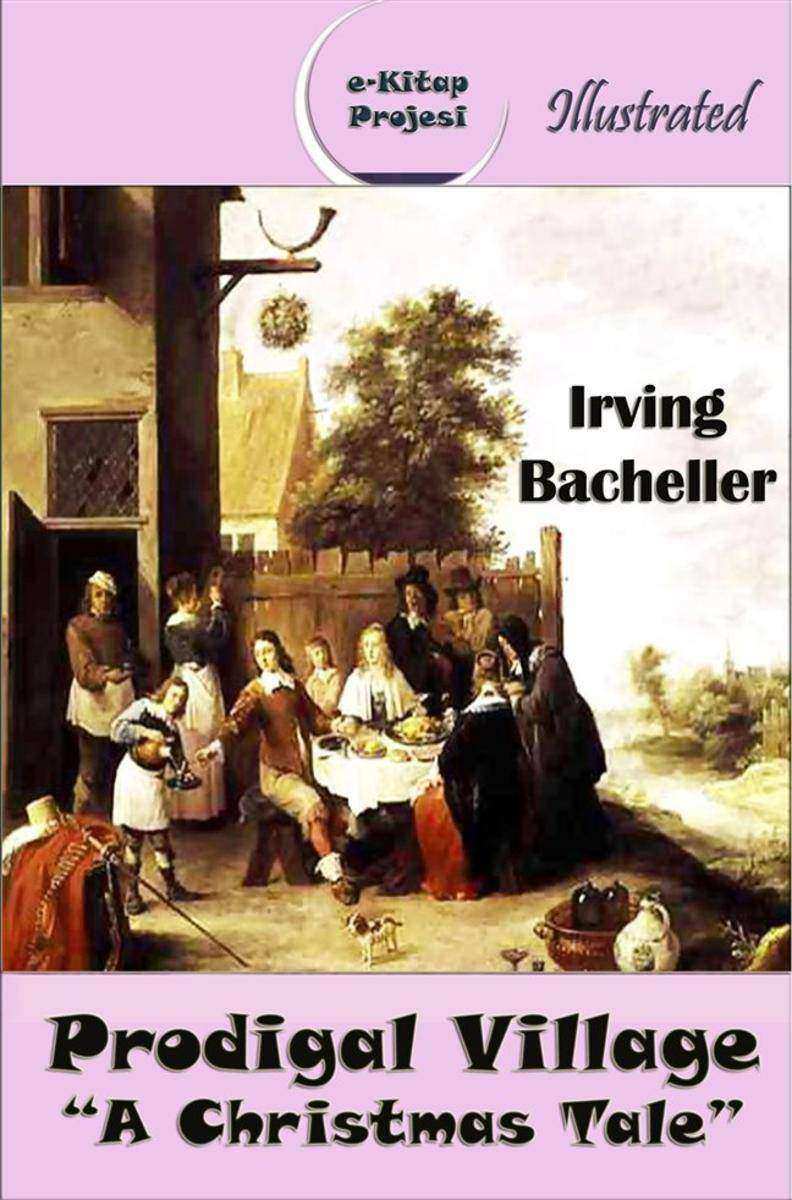
Prodigal Village: "A Christmas Tale"
¥18.74
Through the Looking-Glass, and What Alice Found There (1871) is a novel by Lewis Carroll (Charles Lutwidge Dodgson), the sequel to Alice's Adventures in Wonderland (1865). The themes and settings of Through the Looking-Glass make it a kind of mirror image of Wonderland: the first book begins outdoors, in the warm month of May (4 May), uses frequent changes in size as a plot device, and draws on the imagery of playing cards; the second opens indoors on a snowy, wintry night exactly six months later, on 4 November (the day before Guy Fawkes Night), uses frequent changes in time and spatial directions as a plot device, and draws on the imagery of chess. In it, there are many mirror themes, including opposites, time running backwards, and so on. Short Summary: Alice is playing with a white kitten (whom she calls "Snowdrop") and a black kitten (whom she calls "Kitty")—the offspring of Dinah, Alice's cat in Alice's Adventures in Wonderland—when she ponders what the world is like on the other side of a mirror's reflection. Climbing up on the fireplace mantel, she pokes at the wall-hung mirror behind the fireplace and discovers, to her surprise, that she is able to step through it to an alternative world. In this reflected version of her own house, she finds a book with looking-glass poetry, "Jabberwocky", whose reversed printing she can read only by holding it up to the mirror. She also observes that the chess pieces have come to life, though they remain small enough for her to pick up. Upon leaving the house (where it had been a cold, snowy night), she enters a sunny spring garden where the flowers have the power of human speech; they perceive Alice as being a "flower that can move about." Elsewhere in the garden, Alice meets the Red Queen, who is now human-sized, and who impresses Alice with her ability to run at breathtaking speeds. This is a reference to the chess rule that queens are able to move any number of vacant squares at once, in any direction, which makes them the most "agile" of pieces. The Red Queen reveals to Alice that the entire countryside is laid out in squares, like a gigantic chessboard, and offers to make Alice a queen if she can move all the way to the eighth rank/row in a chess match. This is a reference to the chess rule of Promotion. Alice is placed in the second rank as one of the White Queen's pawns, and begins her journey across the chessboard by boarding a train that literally jumps over the third row and directly into the fourth rank, thus acting on the rule that pawns can advance two spaces on their first move.
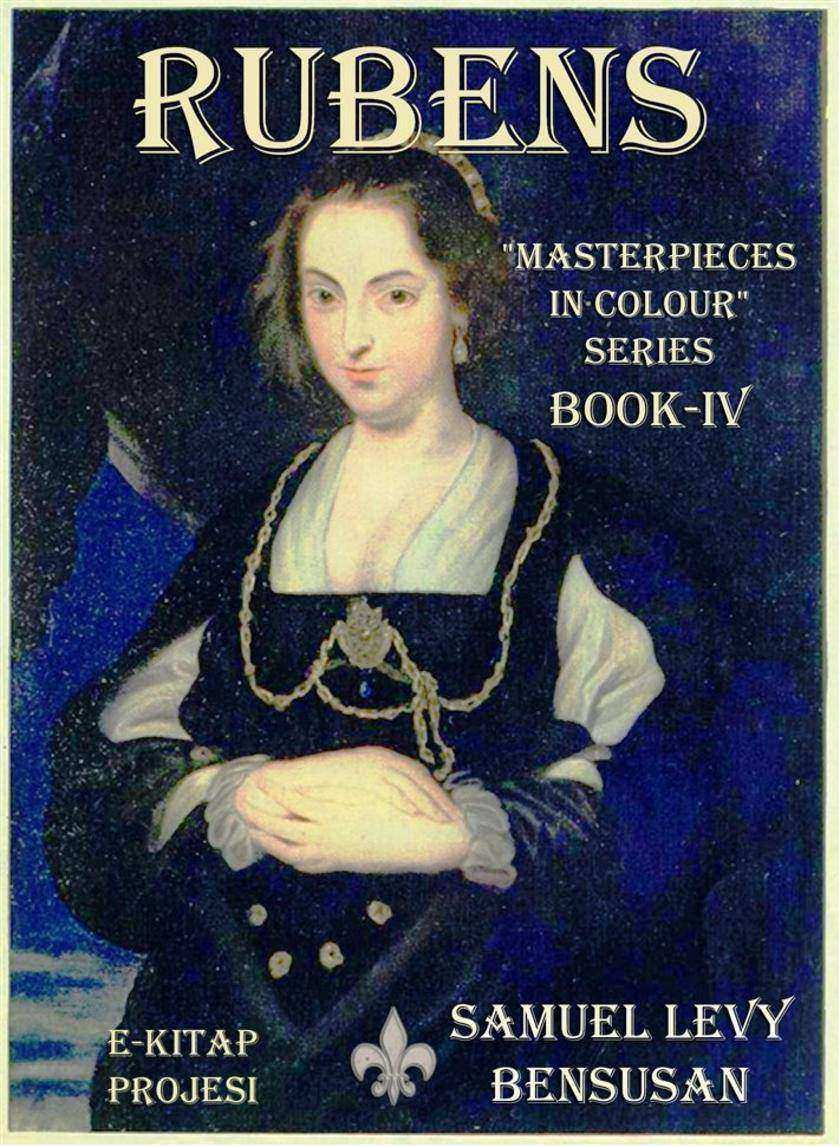
Rubens: "Masterpieces in Colour" Series: Book-IV
¥28.04
In “True Ghost Stories,” Mr. Carrington presents a number of startling cases of this character; but they are not the ordinary “ghost stories”—based on pure fiction, and having no foundation in reality. Here we have a well-arranged collection of incidents, all thoroughly investigated and vouched for, and the testimony obtained first-hand and corroborated by others. The chapter on “Haunted Houses” is particularly striking. The first chapter deals with the interesting question, “What is a Ghost?” and attempts to answer this question in the light of the latest scientific theories which have been advanced to explain these supernatural happenings and visitants. It is a book of absorbing interest, and cannot fail to grip and hold the attention of every reader—no matter whether he be a student of these questions, or one merely in search of hair-raising anecdotes and stories. He will find them here a-plenty! The following little book endeavors to bring together a number of “ghost stories” of the more startling and dramatic type,—but stories, nevertheless, which seem to be well authenticated; and which have been obtained, in most instances, at first hand, from the original witnesses; and often contain corroborative testimony from others who also experienced the ghostly phenomena. Some of these incidents, indeed, rise to the dignity of scientific evidence; others are less well authenticated cases,—but interesting for all that. These have been grouped in various Chapters, according to their evidential value. Chapters II. and III. contain well-evidenced cases, some of which have been taken from the Proceedings and Journals of the Society for Psychical Research (S. P. R.), or from Phantasms of the Living, or from other scientific books, in which narratives of this character receive serious consideration. Chapter V., on the contrary, contains a number of incidents which,—striking and dramatic as they are,—cannot be included in the two earlier Chapters, as presenting real evidence of Ghosts; but are published rather as startling and interesting ghost stories. Chapter IV., devoted to “Haunted Houses,” contains brief accounts of the most famous Haunted Houses, and of the phenomena which have been witnessed within them. Appendix A gives a list of a few of the important “Historical Ghosts,” Appendix B describes the “Phantom Armies” lately seen by the Allied troops in France—while Appendix C lists a number of books of Ghost Stories which the interested reader may care to peruse. A short Glossary, at the beginning of the book, explains the meaning of certain terms used,—which are not, perhaps, ordinarily met with in books of this character. In the Introductory Chapter, I have endeavored to explain, very briefly, the nature and character of Ghosts; what they are; and the various scientific theories which have been brought forward, of late years, to explain Ghosts. I hope that this may prove of interest to the reader; in case it does not do so, he is invited to “skip” directly to Chapter II., which begins our account of “True Ghost Stories.” I wish to express my thanks in this place to the Council of the English S. P. R. for special permission to quote and to summarize several striking cases here reproduced; also to Miss Estelle Stead, for permission to utilize several cases previously printed at length in Mr. Wm. T. Stead’s collections of Ghost Stories. H. C. [Author]

Jókedvet adj!
¥57.31
A regény Jókai munkásságának ahhoz a Fekete gyémántokkal megkezdett irányzatához kapcsolódik, melyben a modern ?nagyvilági” életet kívánta ábrázolni. A m? szerkezetileg két lazán ?sszefügg? részre tagolódik. Az els?, A ?tegnap” 1848-49-ben játszódik. F?h?se Illavai Ferenc, igazi Jókai alak: csúnya, de rettenthetetlenül bátor, m?velt, szerény, okos és jóságos. Gyámfiát és egyben unoka?ccsét, Opatovszky Kornélt t?bbsz?r kimenti kül?nféle halálos veszedelmekb?l, noha méltatlan rá, hogy ?r?k?séül megtartsa. Nagy szolgálatot tesz a gróf Tarnaváry családnak, életüket és vagyonukat is megmenti…. A második rész, A ?ma”: az 1860-as évek eleje, a Schmerling-korszak. Mind az Opatovszky-, mind a Tarnaváry-birtok t?nkrement az oktalan spekulációban és az egymással vívott harcban… A regény b?velkedik az izgalmas fordulatokban, ezért szerkezeti és jellemzési gyengéi ellenére kit?n? olvasmány.
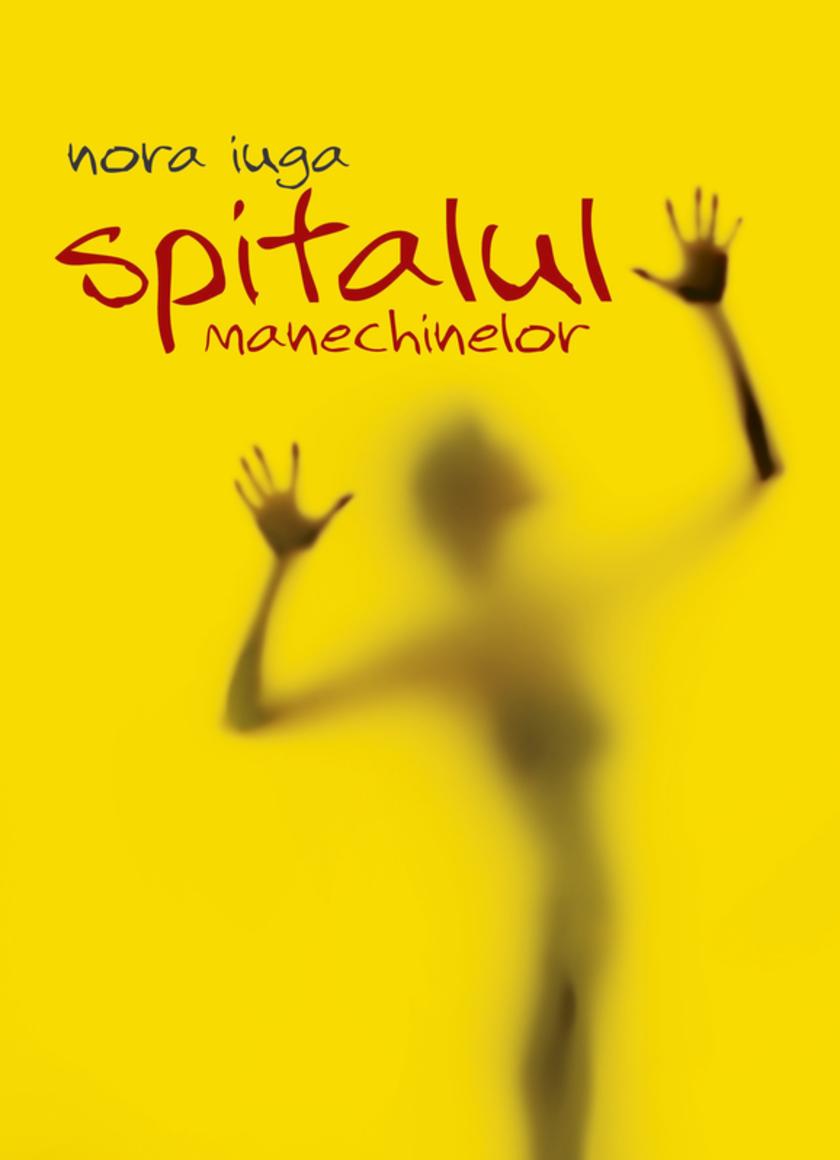
Spitalul manechinelor
¥8.09
Snt fericit de aceast regsire n literatur a lui InimRea, cum snt bucuros c, din ntmplare, i-am fost cumva un martor privilegiat, publicnd acum aproape patru ani n Timpul primele pagini din Cas pe pmnt i susinnd publicarea celor Cteva idei despre fericire la Editura T. Iar acum, Adenium i reediteaz unul din romanele deja publicate, care va fi, cum am scris deja c sper, urmat de altele. Cum nc mai trim n era Navigatorului, i urez lui InimRea vnt bun la pup!“ – Liviu Antonesei


