


 购物车
购物车 个人中心
个人中心
Practical Network Automation: Leverage the power of Python and Ansible to optimi
¥297.10
Get More from your Network with Automation tools to increase its effectiveness. About This Book Get started with network automation (and different automation tasks) with relevant use cases Apply software design principles such as Continuous Integration and DevOps to your network toolkit Guides you through some best practices in automation Who This Book Is For If you are a network engineer looking for an extensive guide to help you automate and manage your network efficiently, then this book is for you. What You Will Learn Get the detailed analysis of Network automation Trigger automations through available data factors Improve data center robustness and security through specific access and data digging Get an Access to APIs from Excel for dynamic reporting Set up a communication with SSH-based devices using netmiko Make full use of practical use cases and best practices to get accustomed with the various aspects of network automation In Detail Network automation is the use of IT controls to supervise and carry out every-day network management functions. It plays a key role in network virtualization technologies and network functions. The book starts by providing an introduction to network automation, SDN, and its applications, which include integrating DevOps tools to automate the network efficiently. It then guides you through different network automation tasks and covers various data digging and reporting methodologies such as IPv6 migration, DC relocations, and interface parsing, all the while retaining security and improving data center robustness. The book then moves on to the use of Python and the management of SSH keys for machine-to-machine (M2M) communication, all followed by practical use cases. The book also covers the importance of Ansible for network automation including best practices in automation, ways to test automated networks using different tools, and other important techniques. By the end of the book, you will be well acquainted with the various aspects of network automation. Style and approach A clear, concise, and straightforward book that will enable you to automate networks and improve performance.


科技铸剑—军事科技与现代战争
¥19.99
本书旨在通过梳理、总结当前在军事领域中广泛应用的科学技术,展示它们在战争中的应用及影响,揭示军事科技对战争胜负、国防建设及国家发展的重要意义,从而在民众中树立科技强军的重要思想,实现全民国防教育和科普教育的结合。全书共分为六章,介绍了不同历史时期军事科技发展的主要历程,并对当代具有代表性的军事科技行全面重介绍,同时结合实例,分析了军事科技在现代局部战争中的运用,随之对信息时代各国的新军事变革行介绍,*后对未来新军事科技与未来战争行超前展望。本书集科普性、趣味性、学术性于一体,是一部观明确且易读的军事科普读物。
扩大出口与推进贸易强国建设研究
¥13.99
本书立足于党的十九大提出的“推贸易强国建设、推动形成全面放新格局”的对外放战略目标,循着突出新特色、分析新问题、启发新思路的思想框架,分析我国的出口贸易现状以及存在的问题,着眼于当前我国的自贸区建设、“一带一路”建设以及对外合作与援助项目的展情况,结合近期我国与美国的贸易摩擦,总结出如何推贸易强国建设的政策建议。本书有助于读者厘清我国出口贸易的发展历程,了解如何把我国建成贸易强国,还能为相关决策机构提供有力参考。
国际关系视野下的难侨救助问题研究
¥11.99
本书以时间为序,着重研究1918—2017年历届中国政府救助海外难侨的具体过程及其所涉及的国际关系。全书分四章,探讨北洋政府救助俄属远东地区难侨、新中国政府救助印度被拘难侨、印尼“排华”与中国政府对难侨的救助,以及21世纪中国政府救助海外侨民的重要行动相关的史实、背后所涉及的国际关系,阐述中国政府如何在当地动荡的局势下保护与救助深陷困境的海外侨民,具有一定的学术参考价值。
经济与社会研究丛书·南粤炊烟—2018广东千村调查实录
¥25.99
广东千村调查项目是由暨南大学经济与社会研究院发起,暨南大学社会调查中心与共青团暨南大学委员会共同主办的全省性调查项目,项目组前往3000余户农村家庭,深乡村收集高质量一手数据研究三农问题,实现学术研究与政策研究的有机结合,为广东省乃至全国的乡村振兴建言献策。本书共分七部分,*部分介绍了广东千村调查的缘起和部分研究报告,后六部分按调查行的先后顺序由项目各部分参与者提供真实记录手稿,记录历史,折射现实,为乡村提供更加真实的侧面写照。
世界华侨华人研究文库·全球化下的侨民战略与发展研究:以美国、爱尔兰和印度为例
¥17.99
本书为国家社科基金项目成果。侨务工作是中国对外交流活动中重要的工作之一,研究和借鉴其他国家在侨务工作上的经验有利于我国侨务工作的展。全书选取当今世界上具有代表性的发达、次发达和发展中国家的美国、爱尔兰及印度三个国家为例,系统阐述美国侨民战略的内容、实施机制和实施效果及其对我国侨民战略的启示,并以2008年经济危机为切来分析爱尔兰侨民战略,厘清侨民战略与爱尔兰经济发展的内在逻辑,同时探讨印度侨民战略的提出背景与内容、机制、主要措施及效果。本书力求对我国侨民政策的制定、修订、完善及侨务活动的展具有一定的借鉴意义。
铁心力量
¥13.30
本书围绕“守初心、担使命、找差距、抓落实”的总要求,用通俗的语言,阐述了对“不忘初心、牢记使命”深刻内涵的理解和探索;表达了共产党人要铁心向党,不忘初心,牢记使命,锻炼力量;论述了广大党员领导干部应自觉用党的理论武装头脑,不断提高个人思想政治素质,锤炼忠诚干净担当的政治品格,提高为民服务解难题的本领;对新时代中国共产党员怎样做到“不忘初心、牢记使命”提供了理论指导和生动范例。全书内容通俗易懂,可以作为展“不忘初心、牢记使命”主题教育的参考读物。

怎样起草文稿
¥29.00
文稿是党的路线方针政策和工作部署的重要载体。文稿要有政治性、思想性、理论性、指导性,要从全局的高度和领导的角度思考和把握问题,力求体现党的路线方针政策,体现把方向、议大事、谋全局的原则,体现从宏观思考问题、指导实践的要求。 作者长期在中央纪委和中央办公厅从事文稿的起草工作,因此对政治性文稿,特别是领导讲话、调研报告、政策文件等文稿的起草积累了大量经验。本书是作者对于多年工作经验的分享,阅读本书有利于提高文稿起草水平,更有利于在工作中文稿的质量。希望这本书能够对各级党政机关、各个部门、各类企事业单位的文稿起草人员有所帮助。
中国特色社会主义理论体系研究(马克思主义研究论库·第二辑)
¥53.40
经过40年的发展,中国特色社会主义理论成为一个内容丰富、结构完整、系统科学的体系。为了整体呈现其发展历程和理论深度,本书在结构上创新性地采取了纵向研究与横向研究相结合的方式。首先,揭示科学内涵。说明了中国特色社会主义理论体系的基本内涵和重要特质,概括了它的思想精髓、理论主题、核心问题,并着重分析其历史地位和重要影响。其次,行纵向研究。分析了中国特色社会主义理论体系的孕育阶段、奠基阶段、丰富阶段、形成阶段、新发展阶段在理论体系形成中的重要地位和重大影响,同时梳理了各个阶段理论创新的历史脉络和发展程。*后,展横向研究。分析了坚持和发展中国特色社会主义的总任务、发展阶段、根本动力、总体布局、依靠力量、祖国统一、内部保障、外部条件和领导力量等关键问题,说明了中国共产党如何坚持科学社会主义基本原则、结合中国国情构建了科学的理论体系,中国特色社会主义理论体系为什么是放的、发展的等问题。
当代中国行政改革(“认识中国·了解中国”书系)
¥19.00
坚持以人民为中心,转变政府职能,深化简政放权,创新监管方式,增强政府公信力和执行力,建设人民满意的服务型政府,是新时代中国行政改革的目标。有麻宝斌教授领衔撰著的《当代中国行政改革》一书系统阐释了改革放以来中国行政改革的发展路径和发展方向。全书首先简要介绍了中国行政体制的历史沿革、理论基础、特征、环境等内容,并概述了改革放以来中国行的八次行政体制改革;而从政府组织机构改革、干部人事制度改革、法治政府建设、服务型政府建设、政府效能提高等角度,重分析了历次行政体制改革的背景、改革所取得的成效和还存在的不足之处;*后,从职能转变、大部门体制改革、行政层级与行政区划、依法行政、公共服务五个方面,展望了中国行政改革的未来发展趋势。
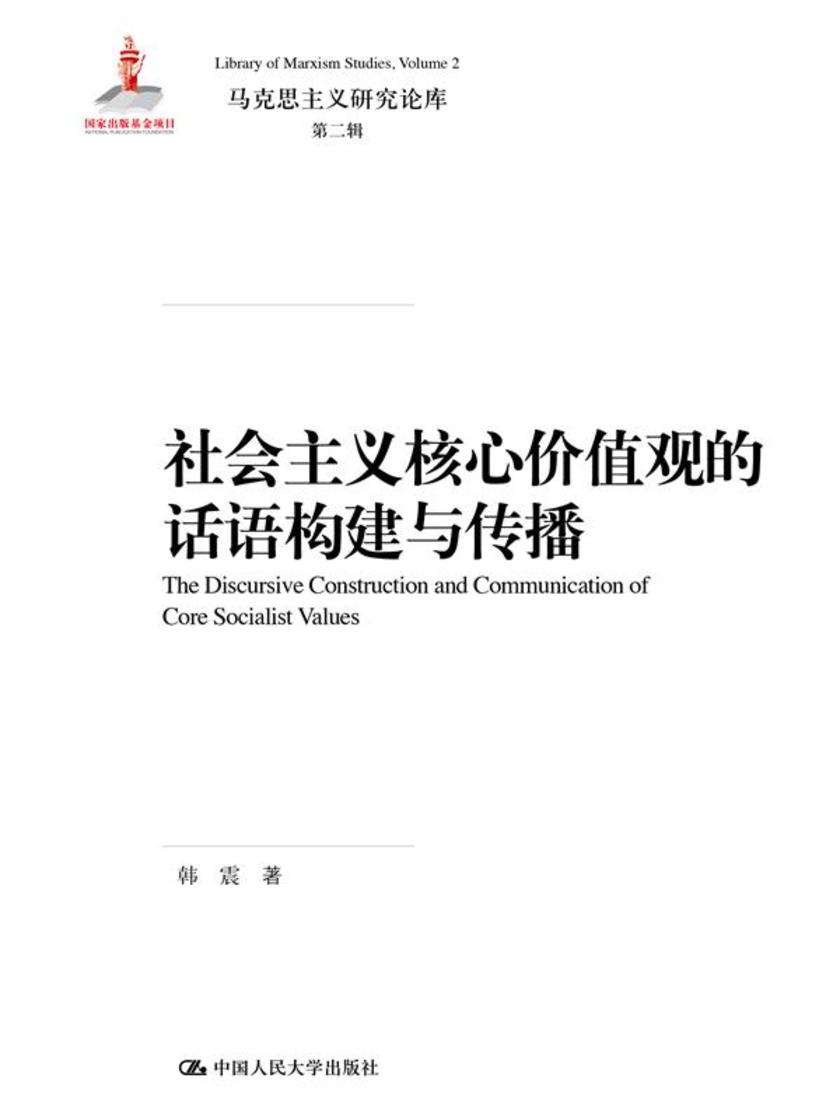
社会主义核心价值观的话语构建与传播(马克思主义研究论库·第二辑)
¥15.60
本书聚焦社会主义核心价值观的话语构建与传播中的话语创新,从中华民族的复兴与社会主义核心价值观、构建反映时代变化发展的话语体系、对外文化和价值观传播中的话语创新、基于人类命运共同体新理念的中国外交价值观四个方面,深阐释和回答在社会主义核心价值观与文化传播中,如何创新话语体系,构建反映时代发展变化的话语体系;如何立足中国传统文化,推动话语方式创新;如何在网络和新媒体时代加强价值观传播,把握好话语策略;如何在跨文化视域中阐释中国道路、中国理论、中国制度、中国文化,增国际社会对中国发展程的理解。
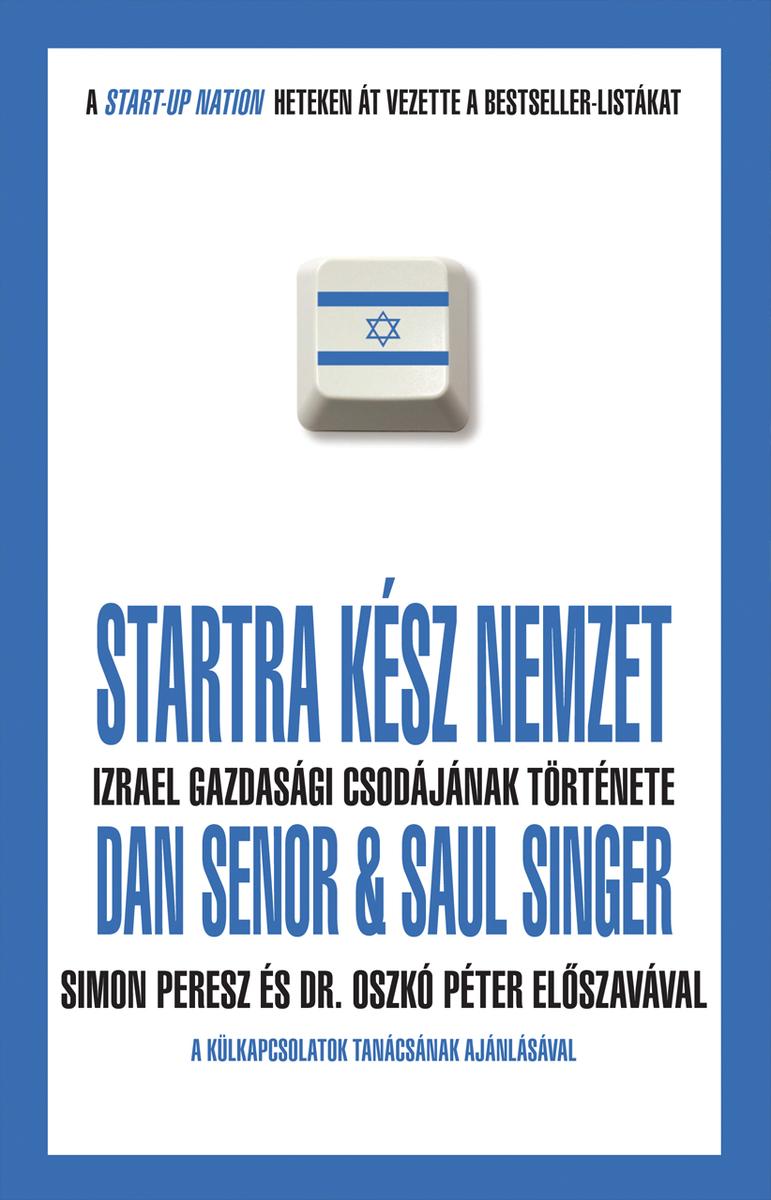
Startra kész nemzet: Izrael gazdasági csodájának t?rténete
¥71.69
The Americans live in a democratic state of society, which has naturally suggested to them certain laws and a certain political character. This same state of society has, moreover, engendered amongst them a multitude of feelings and opinions which were unknown amongst the elder aristocratic communities of Europe: it has destroyed or modified all the relations which before existed, and established others of a novel kind. The—aspect of civil society has been no less affected by these changes than that of the political world. The former subject has been treated of in the work on the Democracy of America, which I published five years ago; to examine the latter is the object of the present book; but these two parts complete each other, and form one and the same work. I must at once warn the reader against an error which would be extremely prejudicial to me. When he finds that I attribute so many different consequences to the principle of equality, he may thence infer that I consider that principle to be the sole cause of all that takes place in the present age: but this would be to impute to me a very narrow view. A multitude of opinions, feelings, and propensities are now in existence, which owe their origin to circumstances unconnected with or even contrary to the principle of equality. Thus if I were to select the United States as an example, I could easily prove that the nature of the country, the origin of its inhabitants, the religion of its founders, their acquired knowledge, and their former habits, have exercised, and still exercise, independently of democracy, a vast influence upon the thoughts and feelings of that people. Different causes, but no less distinct from the circumstance of the equality of conditions, might be traced in Europe, and would explain a great portion of the occurrences taking place amongst us. I acknowledge the existence of all these different causes, and their power, but my subject does not lead me to treat of them. I have not undertaken to unfold the reason of all our inclinations and all our notions: my only object is to show in what respects the principle of equality has modified both the former and the latter. Some readers may perhaps be astonished that—firmly persuaded as I am that the democratic revolution which we are witnessing is an irresistible fact against which it would be neither desirable nor wise to struggle—I should often have had occasion in this book to address language of such severity to those democratic communities which this revolution has brought into being. My answer is simply, that it is because I am not an adversary of democracy, that I have sought to speak of democracy in all sincerity. Men will not accept truth at the hands of their enemies, and truth is seldom offered to them by their friends: for this reason I have spoken it. I trust that my readers will find in this Second Part that impartiality which seems to have been remarked in the former work. Placed as I am in the midst of the conflicting opinions between which we are divided, I have endeavored to suppress within me for a time the favorable sympathies or the adverse emotions with which each of them inspires me. If those who read this book can find a single sentence intended to flatter any of the great parties which have agitated my country, or any of those petty factions which now harass and weaken it, let such readers raise their voices to accuse me. The subject I have sought to embrace is immense, for it includes the greater part of the feelings and opinions to which the new state of society has given birth. Such a subject is doubtless above my strength, and in treating it I have not succeeded in satisfying myself. But, if I have not been able to reach the goal which I had in view, my readers will at least do me the justice to acknowledge that I have conceived and followed up my undertaking in a spirit not unworthy of success. A. De T.
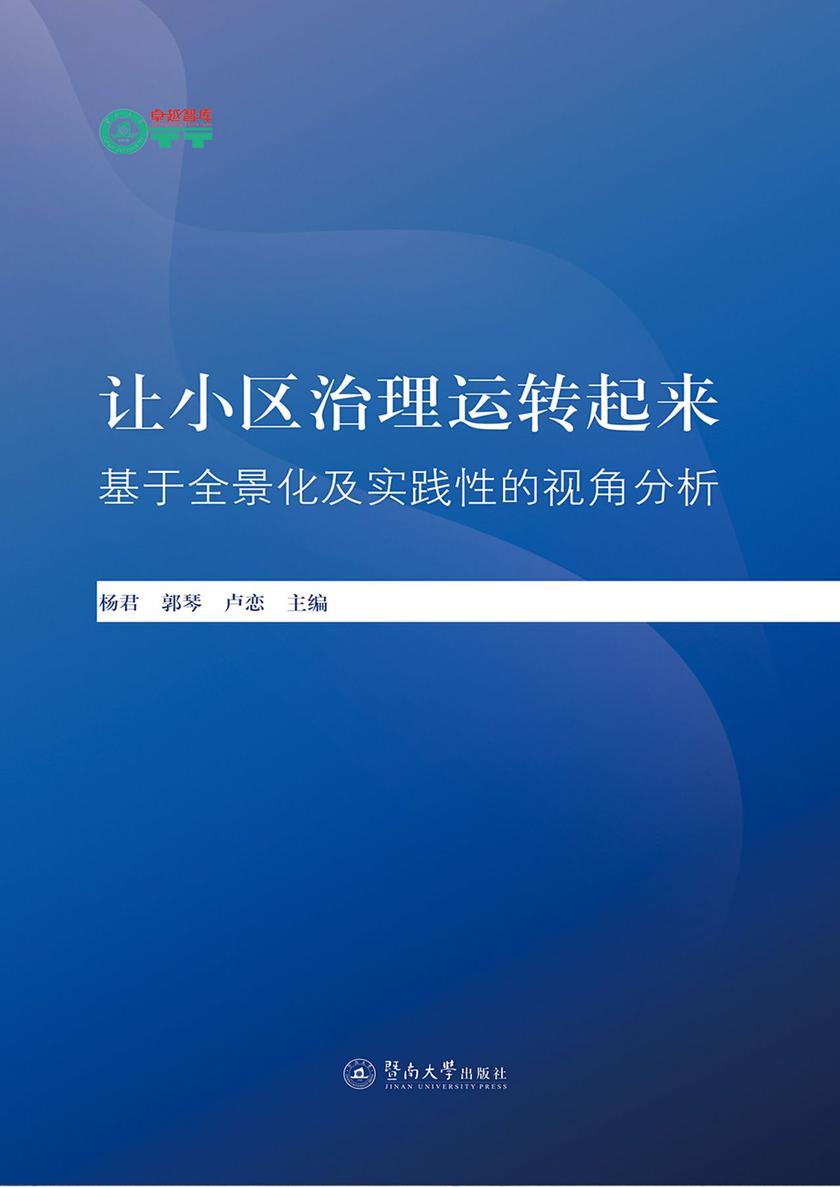
暨南卓越智库丛书·让小区治理运转起来—基于全景化及实践性的视角分析
¥10.99
本书基于中国商品房小区数量快速增加、业主与物业企业之间矛盾频发的客观状况,对小区治理特别是业主自治,进行了有效的探索和研究。作者通过大量事例与数据,对中国各城市的小区治理情况进行全景式展示,探索小区治理的创新典型案例,弥补现有的政策创新空白。同时,全书在分析总结小区治理的现状、现存焦点问题及实践经验的基础上,梳理小区治理的政策法律变迁,力图呈现中国小区治理的整体面貌和变迁轨迹,并对小区治理的发展提供切实可行的建议。
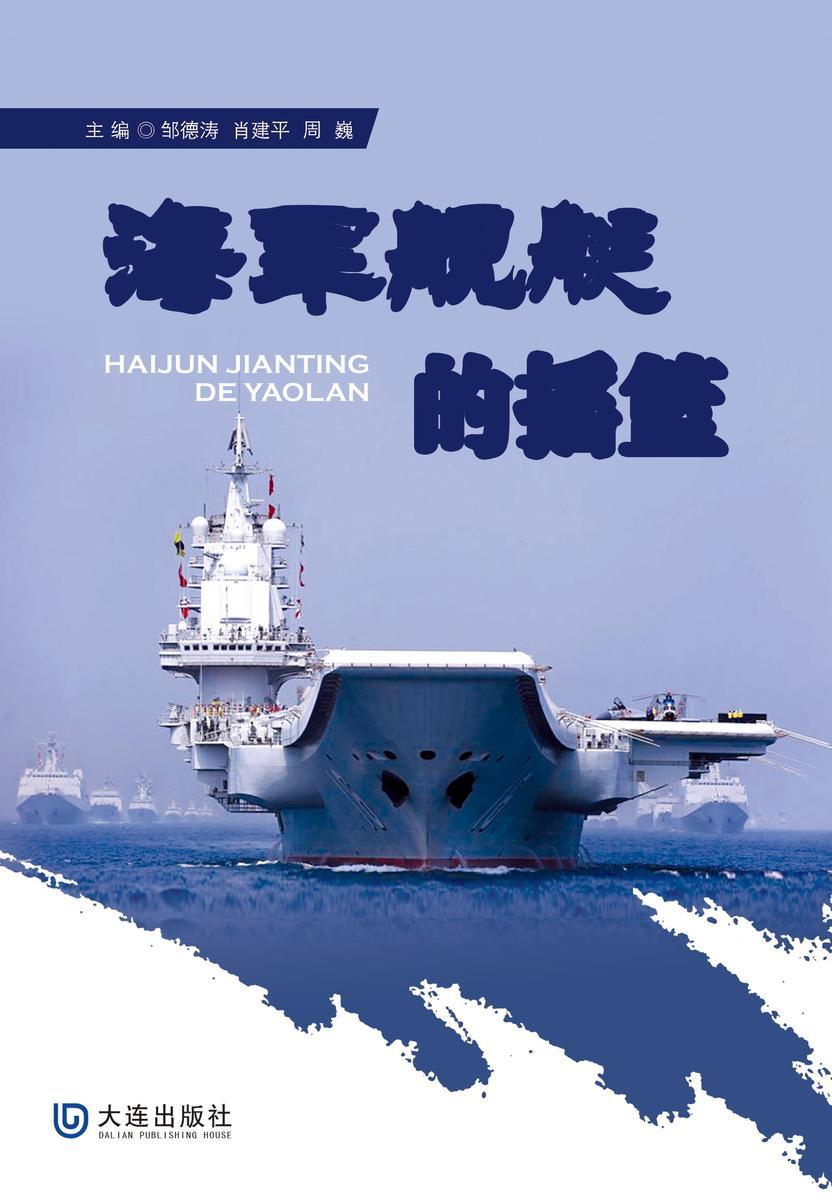
海军舰艇的摇篮
¥29.00
本书辑录了自上世纪50年代初以来大船集团建造的不同型号的巍峨巨舰,旨在反映海军舰艇发展历史上取得的辉煌成就,让更多的人了解历史,了解国防现代化建设成果,展望祖国未来。
民营企业与商会组织党建工作案例选编
¥17.61
民营企业与商会党组织是党的基层组织的重要组成部分,是确保党的路线方针政策和决策部署贯彻落实的基础。本书旨在通过总结民营企业和商会党建工作经验,拓展新时代民营企业与商会组织党建工作思路,为持续推动非公有制经济领域党的组织和党的工作覆盖,发挥民营企业和商会党组织在促非公有制经济健康发展和非公有制经济人士健康成长中的积极作用提供有益借鉴。
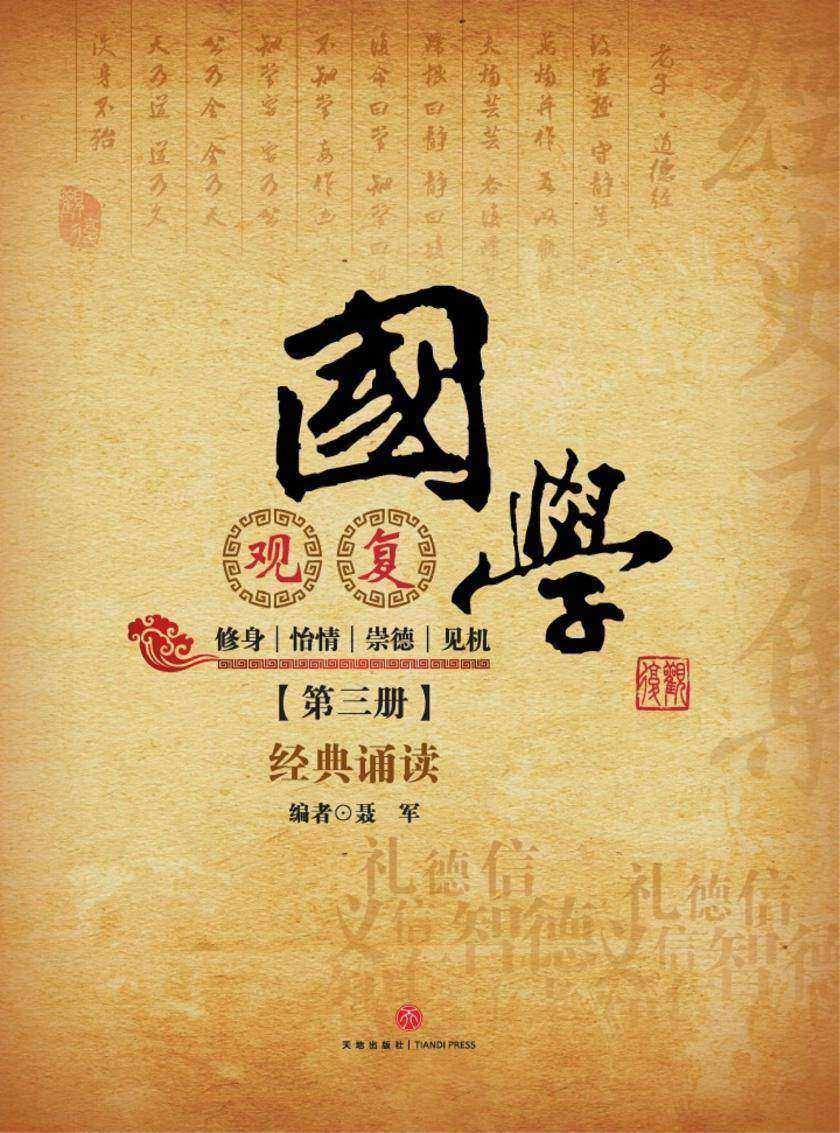
观复国学·第三册
¥79.18
本套书计划分四册出版,本书为第三册,由“经典细读”“诗心文韵”“国史概览”三部分组成。内容涉及中国传统文化经史子集四大部类。“经典细读”部分按儒家、道家、法家、墨家线索推进,贯彻童蒙养正、广泛涉猎的原则,对传统典籍加以整理、编排,力图给青少年一代以完整的母语文化思想体系。“诗心文韵”部分对应集部,主要以文人个体为单位进行深阅读,以一组组诗文展示文人生涯及创作,引导学生深度走进一个个历代文人,反省人生,积累诗词歌赋,绚美人生。“国史概览”本册主要对《史记》进行深阅读,以国别为线,深度解读。

The Eternal Husband
¥40.79
Alexei Ivanovich Velchaninov is a land owner who stays in Saint Petersburg for a trial about a piece of land. He receives a visit from Pavel Pavlovich Trusotsky, an old acquaintance who recently became a widower. Velchaninov had an affair with Trusotsky's wife Natalia, and he realizes that he is the biological father of Liza, Trusotsky's eight year old daughter. Velchaninov, who doesn't want Liza to be raised by an alcoholic, brings Liza to a foster family. The novel ranks among his best works because of its style and structure. Alfred Bem described it as one of the most complete works by Dostoyevsky in regards to its composition and development.
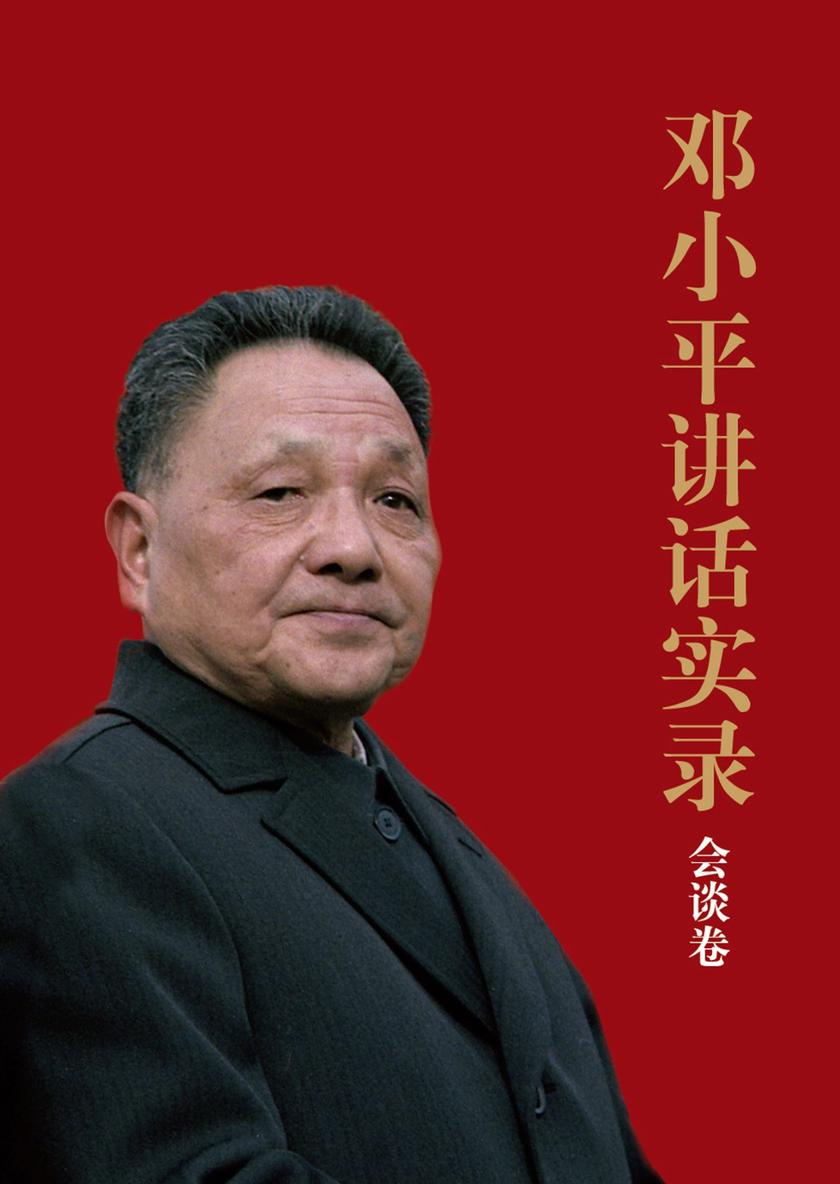
邓小平讲话实录:会谈卷
¥22.99
本书记录了从1964年到1990年,邓小平会见外国元首和中外记者时的谈话内容,涉及中国的改革放、对外交往政策、台湾问题、香港问题、西藏问题、对*的评价等问题。
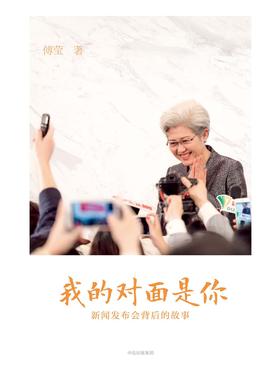
我的对面是你:新闻发布会背后的故事
¥39.99
傅莹女士,2013-2017年担任全国人大会议新闻发言人,也曾担任驻英国等国大使和外交部副部长。书中展现的是,她作为一名新闻发言人,如何向中外媒体介绍中国的内政外交;作为一名外交官,如何面对国际上的各种误解和成见,如何客观平和地介绍中国。 全书分三部分,共七章。*部分“解构2017年全国人大新闻发布会”,分别从民法典、环保、个人信息保护、反腐败、国防费、妇女儿童保护、中国的国际角色等七方面,再现了作者是如何在发布会上回应各方关切的。第二部分“新闻发布会背后的故事”,条分缕析发布会的准备过程,呈现了一位发言人是怎样“炼”成的。第三部分“新闻发布会之外的故事”,主要谈作者参加一些国际论坛的体会,比如慕尼黑安全会议和瓦尔代俱乐部会议;回顾了北京奥运会火炬伦敦传递等事件以及其间与国外媒体交道的经历。这本书对思考如何做好公共和国际传播,如何与世界相处,具有一定的现实意义和参考价值。
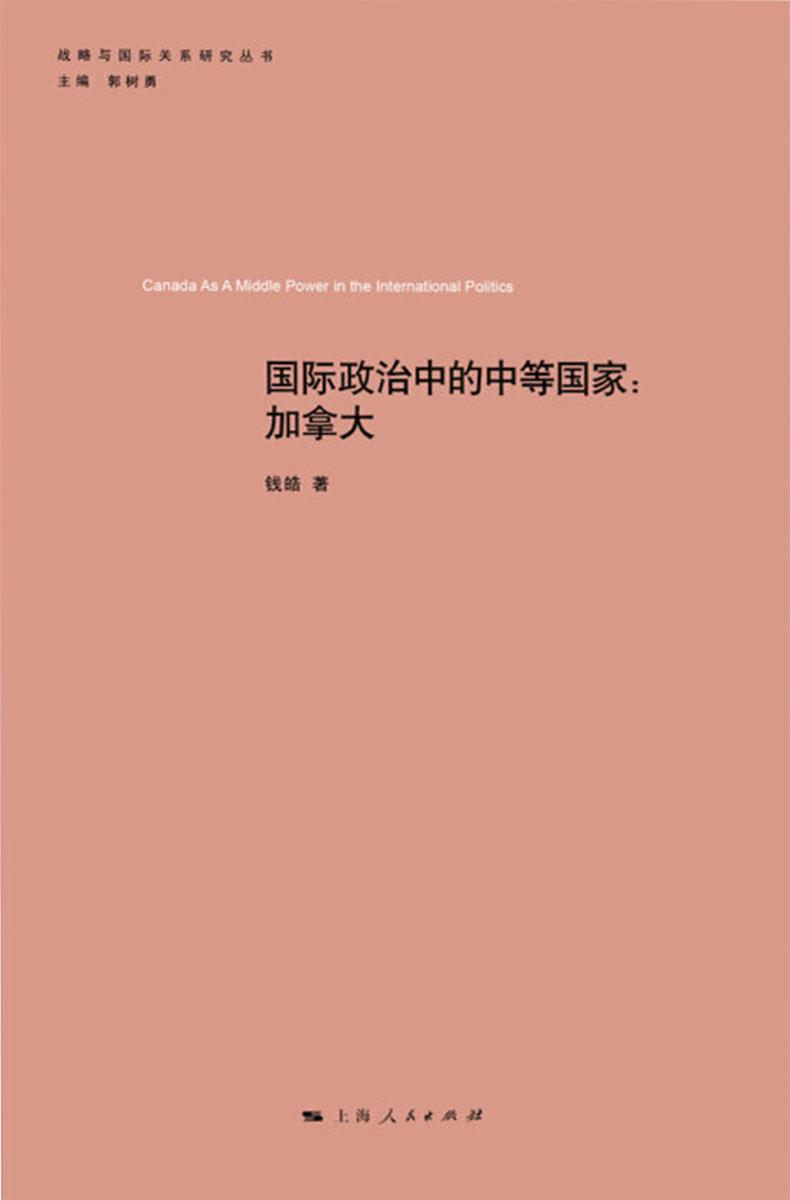
国际政治中的中等国家:加拿大
¥21.00
本书以加拿大的中等国家外交思想与国内政治文化为研究主轴,分析与探究了加拿大的“多边外交”的偏好以及自我定位国际政治(危机)中的“斡旋者”和“修复者”的内在政治文化的因素,并对加拿大在全球治理中的“悄悄贡献者”和“影子行为体”角色行了全方位的考察和研究。作者兼顾了当前的中加关系态势,对加拿大涉华智库和知华派以及中加关系的历史发展也行了全面梳理。本书为中国学者、政策决策者以及智库专家和读者提供了*、*系统的加拿大国别研究的专业知识和文本。
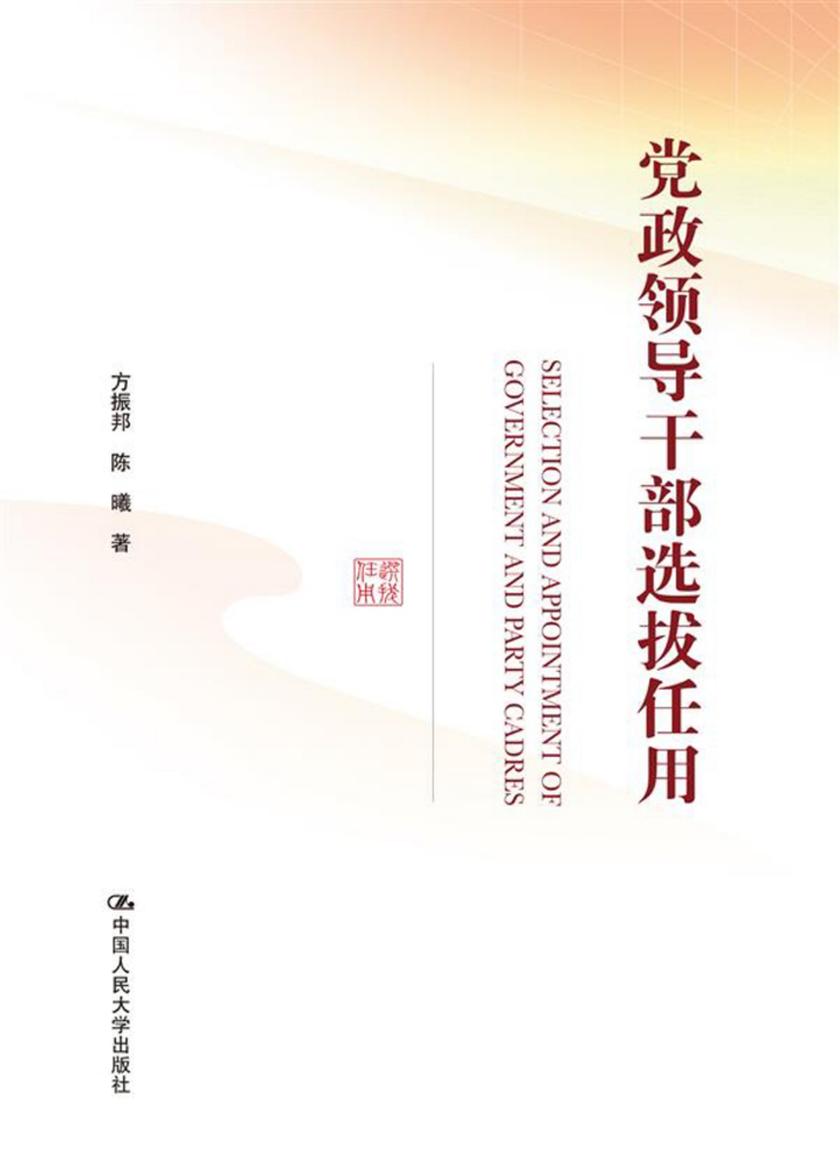
党政领导干部选拔任用
¥29.00
本书以建党以来重要历史时期和事件为线索,系统回顾了领导干部选拔的发展历程,全面总结了领导干部选拔工作在一个世纪的历史变迁中积累的成功经验,深探讨了领导干部选拔工作的制度演变、体系发展、比较优势、探索创新等内容,为一步推动干部人事制度改革走向深、推干部管理工作科学化和国家治理能力现代化建言献策。


