


 购物车
购物车 个人中心
个人中心
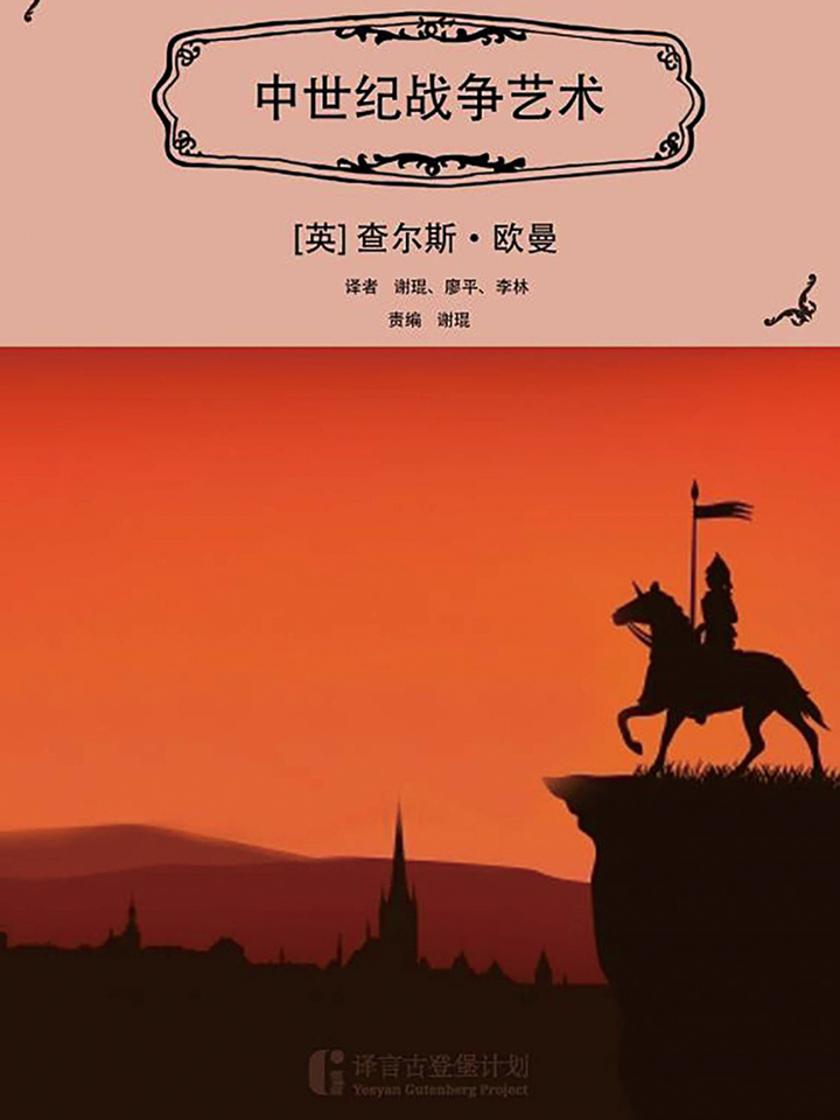
中世纪战争艺术:公元378至1515年
¥7.99
自公元378年亚德里亚堡会战哥特骑兵横扫东罗马帝国军,至1515年马里尼亚诺战役法军火炮击破瑞士方阵,从苏格兰高地到斯拉夫草原,一千多年岁月里欧洲战场的壮阔波澜,被浓缩在了《中世纪战争艺术》短短数万词的篇幅中,逻辑主线脉络清晰,重要战役分析详尽,读来让人拍案,掩卷回味无穷。本书是英国军事历史学家查尔斯?欧曼爵士(Sir Charles William Chadwick Oman KBE,1860 – 1946)的成名作,直至二十世纪六十年代,关于这一主题的作品能超越其上的也不多见。中文版根据1885年版译出。在欧曼的年代,学术著作与“业余爱好者读物”之间不像今天那样泾渭分明,他的《中世纪战争艺术》讲究文采,可读性强,专业研究者和普通爱好者读来均能获益匪浅。

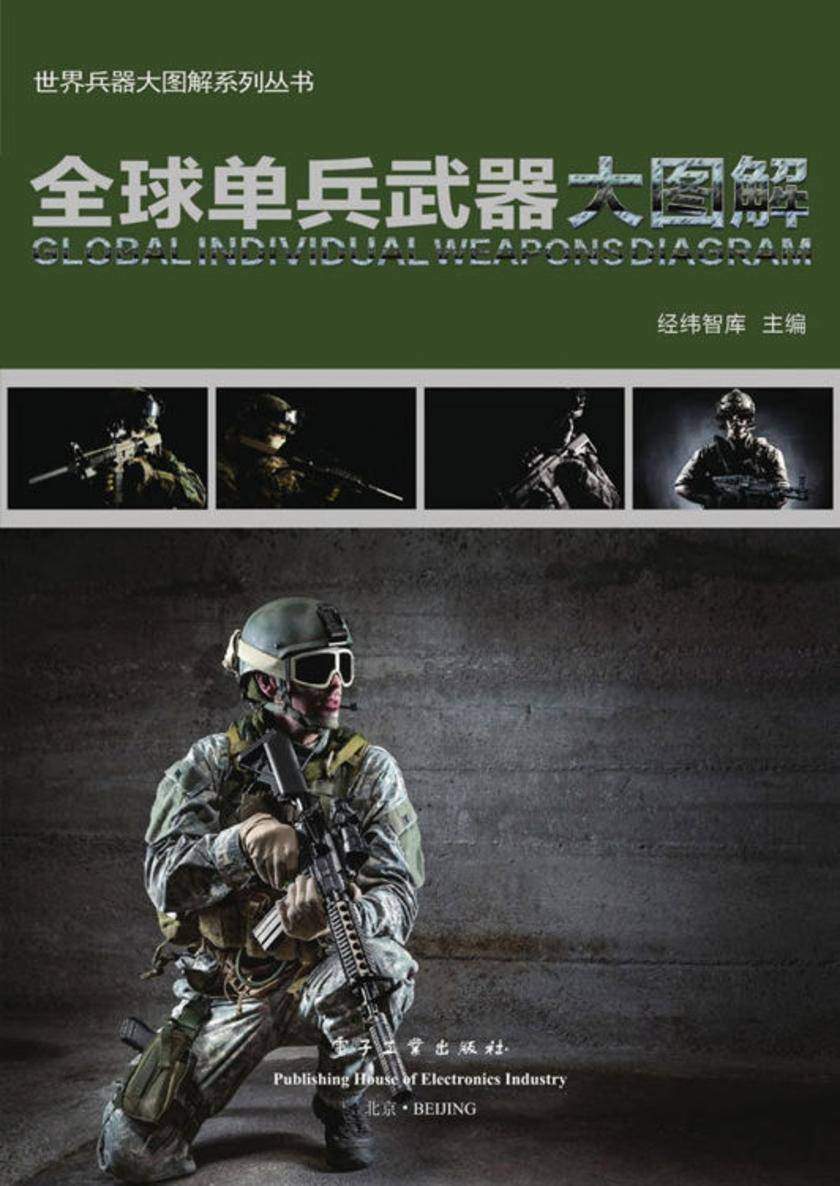
全球单兵武器大图解
¥20.99
本书精心选取了世界各国近百种*为经典与优秀的单兵武器装备,通过深浅出的文字、高清美观的图片对武器行了全方位展示,让读者能在*时间识别和欣赏这些单兵武器装备。为提升读者的阅读体验,我们还介绍了每款武器的趣闻轶事和衍生型号等,以此提升全书内容的全面性、趣味性和观赏性。本书内容紧扣军事专业知识,读者朋友们在熟悉武器结构、作战性能的同时,还能了解每款武器的趣闻轶事,图文并重的内容搭配特别适合作为广大军事爱好者的参考资料和青少年朋友的军事门读物。
乡村振兴与中国特色城乡融合发展
¥4.00
本书基于马克思主义的公平理论和城乡关系学说,紧密结合中国农村40年改革发展的实践特别是十八大以来完善城乡关系的不断探索,运用现代发展经济学的分析框架,认真梳理了我国“三农”政策的历史演进,回顾总结了“三农”工作的经验教训,在分析了城乡融合发展的现实基础并借鉴了国外城乡融合发展之有益做法的基础上,着重探讨了中国在进入新时代的全新背景下,实施乡村振兴战略进而实现中国特色城乡融合发展的目标体系、动力机制、可行路径和制度保障及制度创新,对全面建成小康社会和实现城乡融合发展提供了相应的理论支撑和可操作的实践思路。
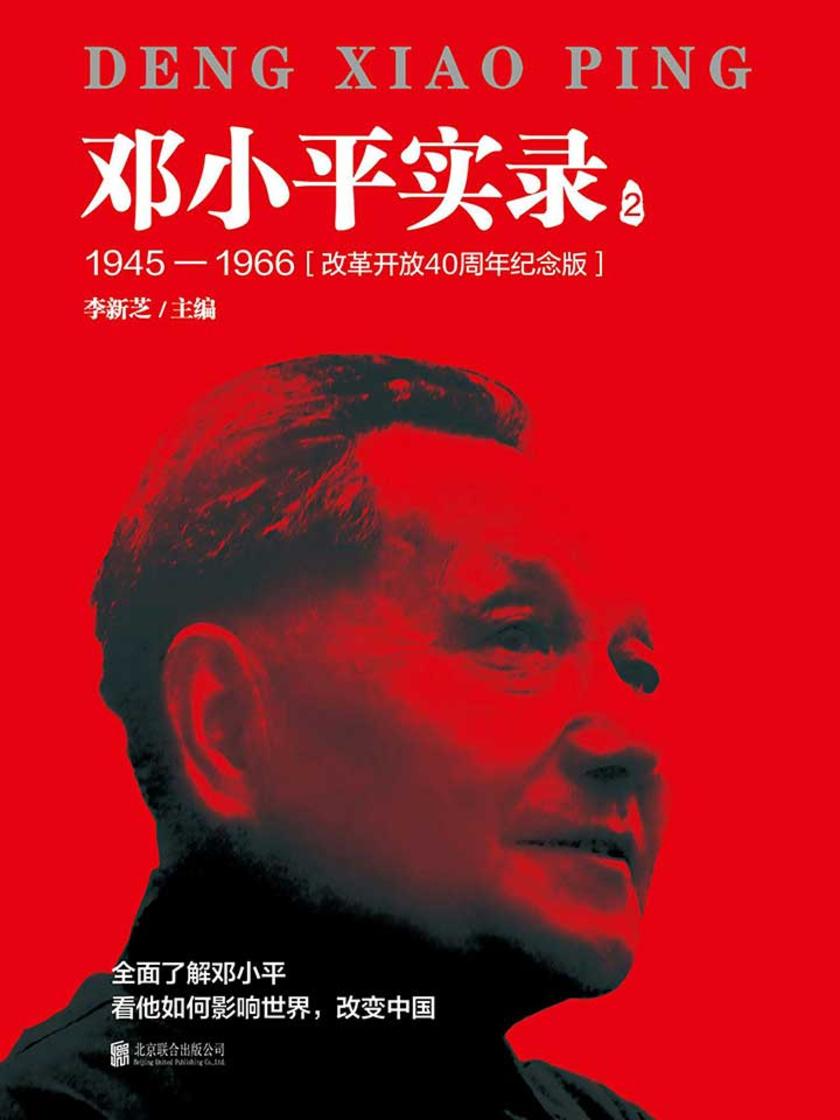
邓小平实录2:1945—1966(改革开放40周年纪念版)
¥19.46
《邓小平实录》由中央文献研究室专家倾力创作,在体例上按时间顺序编排,共分四卷十编,每一编又分为历程、交往、珍闻三个部分,从多角度翔实地记述了邓小平从出生、成长到参加革命、参与和领导国家建设的各个时期的经历,全面再现了一代伟人光辉而曲折的一生。 本书收录了邓小平的秘书、同事、战友等身边人的一手资料,真实还原了领袖人物之间的交往、关系,以及重大事件的策划、发生始末,深度披露了邓小平在历次战争、革命、运动中起落的真相,全景式描述了邓小平的改革心路与实践历程,以及中国建设、外交大战略的形成。 本卷为第二卷,讲述了1945—1966年邓小平兵出鲁西南、挺大别山、逐鹿中原、参加淮海战役、管南京、军大西南、和平解放西藏、担任十年总书记等经历,同时记录了邓小平与朱德、贺龙、陈毅、陈赓、费孝通、吴晗等人的交往与情谊,以及邓小平巧渡黄河、鏖战羊山集、强渡汝河、批评“五里腿”、陷遵义会议纪念馆风波、提出“猫论”等逸闻趣事。
孟德斯鸠论政制衰败
¥29.00
《孟德斯鸠论政制衰败》为“经典与解释”辑刊总43期,论题部分集五篇文章,其中四篇谈孟德斯鸠对政制衰败的论述,一篇谈孟德斯鸠对两种自由概念的论述。孟德斯鸠《罗马盛衰原因论》和《论法的精神》都涉及孟氏对政制衰败的关注,但是,《罗马盛衰原因论》不是一部诚布公的作品,没有声明其意图,与孟德斯鸠另外两部主要著作截然有别。相比之下,《论法的精神》极其全面地考察了几乎所有有关政治制度生活的内容。作为一位现代思想家(和一位自由主义者),孟德斯鸠深信每一种政制都具有衰败的必然趋势。 本书其余各篇也各有看,比如《卡拉马佐夫兄弟》解读一篇,从《药地炮庄》看司马迁的庄学一篇,“旧文”部分录《三国蜀经学》。
新时代党员干部的法治思维
¥20.81
总书记多次强调指出,领导干部要把对法治的尊崇、对法律的敬畏转化成思维方式和行为方式,做到在法治之下、而不是法治之外、更不是法治之上想问题、作决策、办事情。 本书系统讲解了党员领导干部需要具备的法治思维,如人权思维、宪法和法律至上思维、有限政府思维、控权思维和正当程序思维等。并将讲解的重放在了如何运用法治思维上。书中贯穿了很多生动的小案例,能够帮助读者更加准确地理解和把握法治思维。
牢记使命:中国共产党为什么能砥砺奋进
¥22.80
本书紧扣党的十九大精神,以鲜活的语言、清新的文风,从中国共产党为什么能担当历史使命、中国共产党为什么能贡献治国理政的中国智慧、中国共产党为什么能实现民族伟大复兴、中国共产党怎样认识和领导人民群众、中国共产党怎样驾驭意识形态、中国共产党为什么能领导中国政治发展等十个方面,深探讨改革放以来尤其是中国特色社会主义新时代以来,中国共产党如何牢记使命、砥砺奋,带领人民取得光辉成就;全方位解读在社会主要矛盾已经悄然发生变化、人民对美好生活的向往更加多样化的今天,中国共产党如何创中国特色社会主义新局面,担负为中国人民谋幸福、为中华民族谋复兴的历史使命。
马克思主义执政党的历史、理论与实践(马克思主义研究论库·第二辑)
¥69.92
《马克思主义执政党的历史、理论与实践》将共产党执政置于共产主义者同盟成立和《共产党宣言》发表170多年来国际共产主义运动的历史长河中,置于中国共产党成立90多年来展自身建设,领导革命、建设和改革的历史程中,置于当今世界各类政党应对挑战、治国理政的国际比较中,全面研究和论述马克思主义创始人关于执政党的理论与实践,苏联东欧国家关于执政党的理论与实践,新民主主义革命和新中国成立初期执政党的理论与实践,改革放新时期执政党的理论与实践等一系列重大问题。在此基础上,从历史方位、主题主线、总体布局、根本目标等方面,分析和概括中国共产党人对马克思主义执政党的理论创新,力求深化和拓展对马克思主义执政理论的历史发展与实践运用这个时代课题的研究。
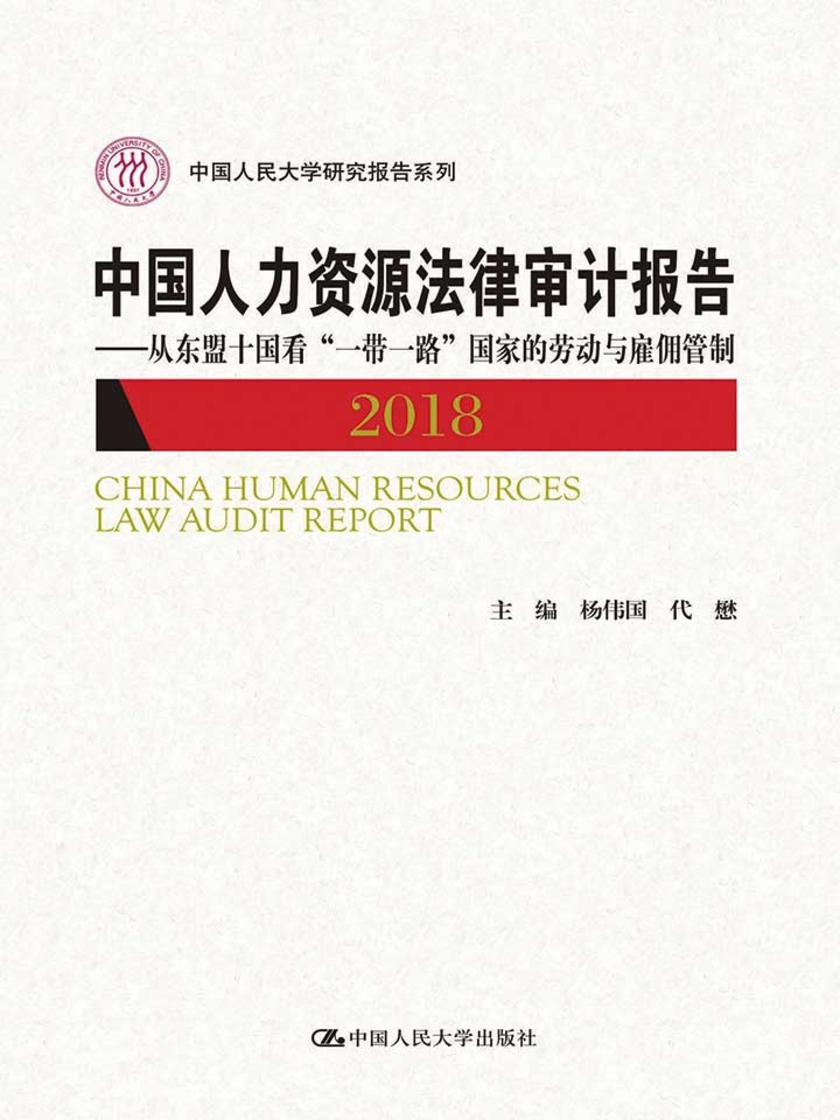
中国人力资源法律审计报告2018——从东盟十国看“一带一路”国家的劳动与雇佣管制(中国人民大学研究报告系列)
¥28.80
本报告是“中国人力资源审计系列报告”的第四部,在前三部报告的基础上继续完善了涵盖全国31个省、自治区和直辖市人力资源法律法规的量化指标数据库,可为地方政府制定和执行改革计划提供有益的政策研究和咨询支持。
改革开放与当代中国智库(“认识中国·了解中国”书系)
¥22.80
清华大学朱旭峰教授的《改革放与当代中国智库》一书立足于中国改革放40年,系统审视了中国智库在改革放过程中的发展历程和现实作用,并深分析了新时代多元化的中国智库体系及智库运行体系中的新主体,以期全面认识中国特色新型智库的现状、问题及未来的发展方向。本书提出了新时代中国智库建设的十大关键词,即专业、影响、独立、创新、务实、竞争、合作、激励、监督、国际化,对于建设中国特色新型智库具有重要的启发意义。
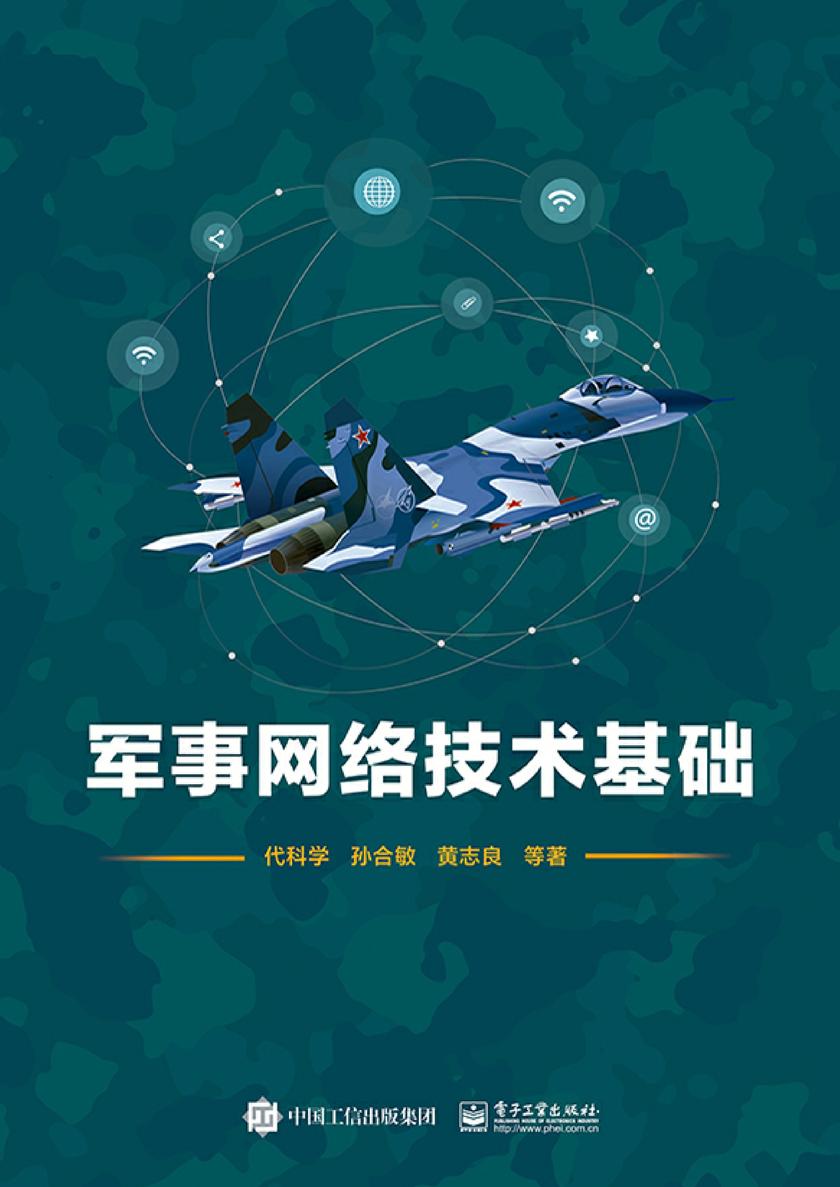
军事网络技术基础
¥22.46
本书以军事信息系统网络为主要背景,介绍与之相关的计算机网络基本知识和基础技术。本书内容主要包括军事网络基本概念、计算机网络基本原理、数据通信基础技术、局域网和广域网典型技术与设备,以及军事网络服务、网络管理、网络安全等方面的知识和技术。
Medicina bun?. Solu?ii naturale sigure pentru peste 75 de probleme de s?n?tate g
¥90.84
Ce greu este orice nceput! Dar necesar, de neocolit. Nu tim cum va fi sfritul, nu tim nici mcar ce form va lua drumul, dect n linii mari; dar pentru c suntem aici, pe acest pmnt i pe acest continent, Europa, trebuie s re-ncepem, moralitatea noastr va fi cea a luptei i a onestitii n lupt. Avem libertatea, adevrat, n sfrit o avem, a sosit att de trziu nct, dei o pipim i o simim, pare incredibil. Dar ea nu este mai mult dect o form, o form goal ce va trebui umplut...“ (Nicolae Breban)

A Little Frog’s Heart: The Coming of Age
¥50.93
Volumul reprezint? o binevenit? interogare a reziden?ei adev?ratului spirit democratic, tezaurizat nu ?n institu?iile reprezentative ale statului, ci ?n societate. Numai aici se afl? garan?ia reu?itei democratice a unui popor, pentru c? nimic nu poate asigura libertatea perpetu? a na?iunii mai mult dec?t permanenta responsabilizare a cet??enilor cu privire la destinul politic al comunit??ii ?n care tr?iesc.

Petru ?i Pavel
¥65.32
Volumul este o culegere de articole publicate ini?ial pe platformele Contributors.ro ?i LaPunkt.ro, precum ?i ?n revista de cultur? contemporan? Timpul, ce au ?n vedere realitatea politic?, social? ?i literar? actual? sau recent?. Cititorii vor avea ocazia rememor?rii unor importante evenimente din aceste zone, cum ar fi ?nfruntarea politic? ocazionat? de alegerile preziden?iale din 2014, protestele legate de Ro?ia Montana, drama din clubul ?Colectiv“, dar ?i controversele generate de acordarea Premiului Na?ional ?Mihai Eminescu“ – Opera Omnia.
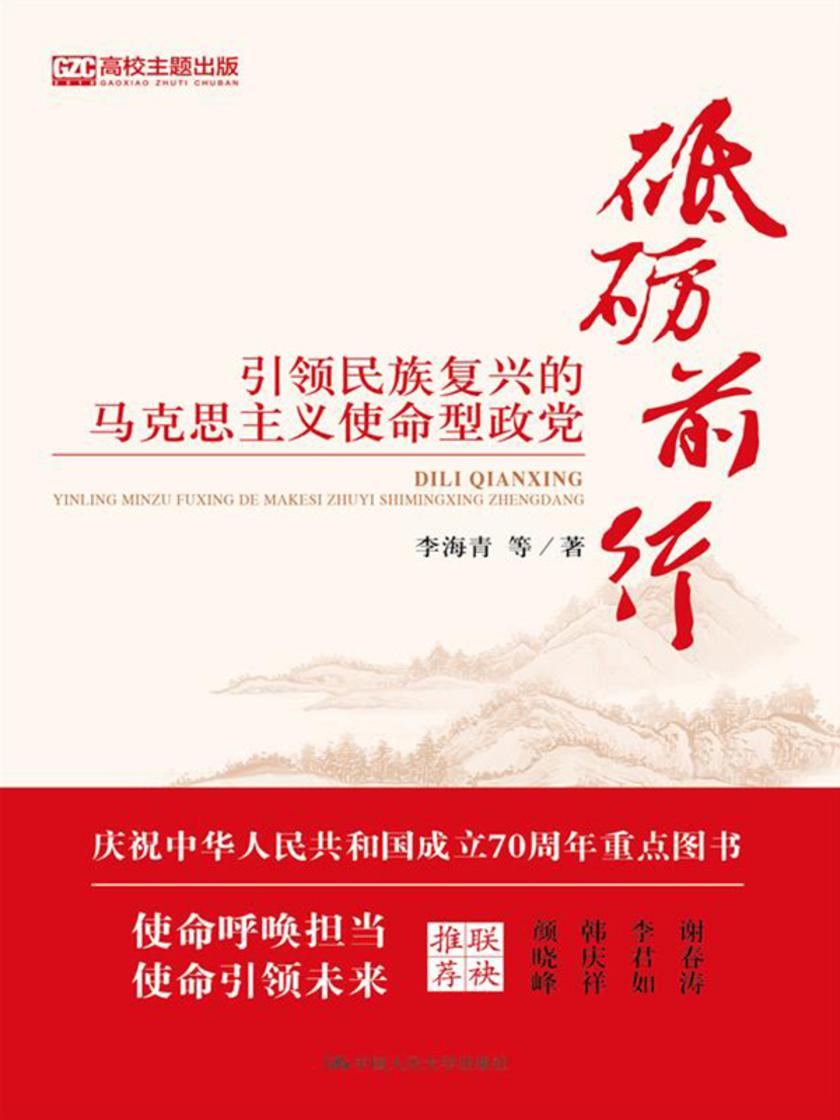
砥砺前行——引领民族复兴的马克思主义使命型政党
¥29.40
实现中华民族伟大复兴的重任历史性地落在了中国共产党身上。近百年来,中国共产党不忘初心、牢记使命、砥砺前行,充分展现了马克思主义使命型政党的主体意识与责任担当。作为国内*本系统研究马克思主义使命型政党的专著,本书结合历史与现实、理论与实践,在概念诠释的基础上,从对历史规律的深刻把握、对思想建党的高度重视、对制度治党的持续探索、对群众路线的自觉坚持、对党性修养的严格要求、对人类社会的使命承担、对思想方法的系统掌握七个方面对马克思主义使命型政党行了系统阐释。全书观鲜明,理论上具有创新性,实践中也具有较强的现实启示意义。

Быстрое консервирование. Холодное и горячее.
¥17.74
Ця книга — про економ?ку як просту науку, яку здатен збагнути кожен. Автор — корейський економ?ст Ха-Юн Чан? — показу? нам ?закритий? св?т економ?ки, що прихову?ться в?д загалу за купою чисел, заплутаних формул та незрозум?лих терм?н?в. У книз? стверджу?ться: знатися на економ?ц? може ? повинен кожен.??Серед усього ?ншого автор розм?ркову? над причинами св?тово? кризи 2008 року, над тим, чи справд? люди б?дн?, бо л?нив?, а ус? багат? — працьовит?, а також чи може кра?на досягти економ?чних усп?х?в, перестрибнувши через етап ?ндустр?ал?зац??. ? все це — доступною, подекуди жарт?вливою, мовою.??
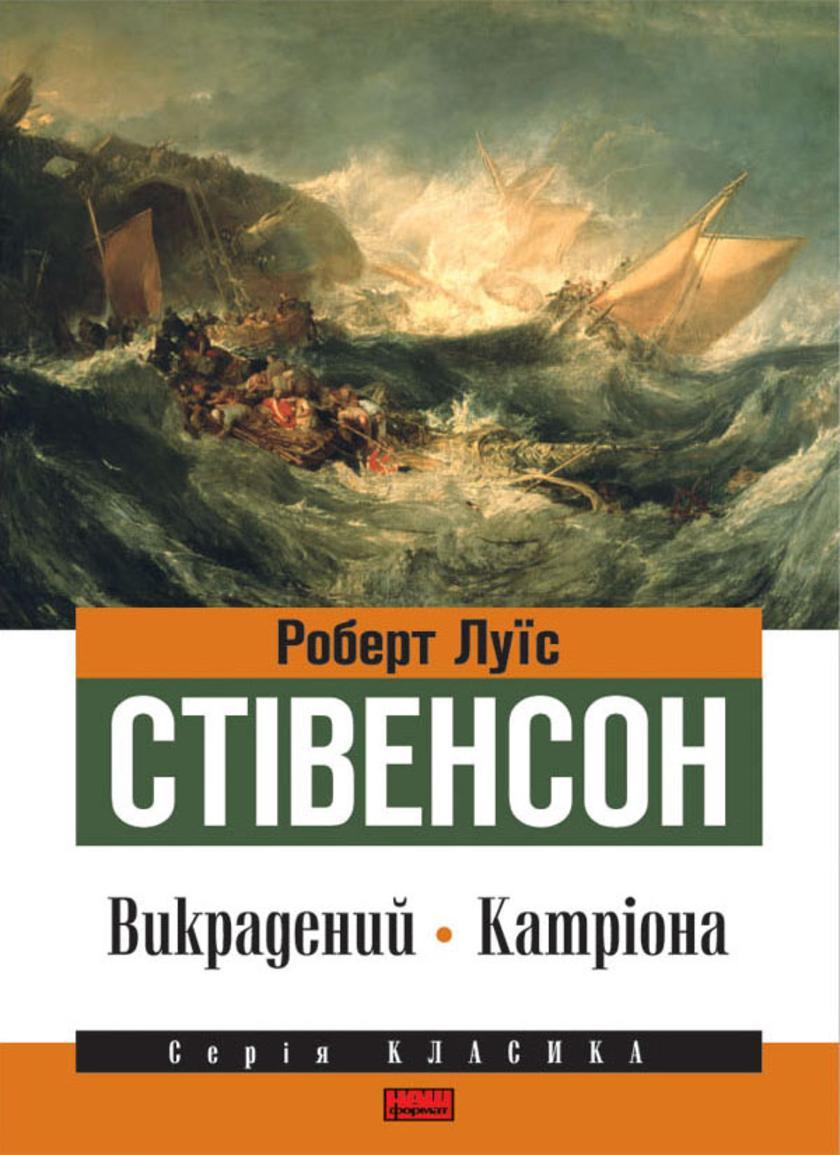
Викрадений. Катр?она
¥5.72
O livro analisa como o imigrante foi institucionalizado como amea?a existencial à Uni?o Europeia, sobretudo a partir dos anos 1990. Além de legisla??o e medidas securitárias, como controle de fronteiras e vistos, o livro se debru?a sobre discursos políticos que identificam a imigra??o como um problema de seguran?a, com campanhas de partidos extremistas e casos de racismos contra mul?umanos e indivíduos de origem romana na UE. Mostra como esse processo se vincula à resistência do Estado Na??o como lugar de identidade política e condi??o de cidadania.
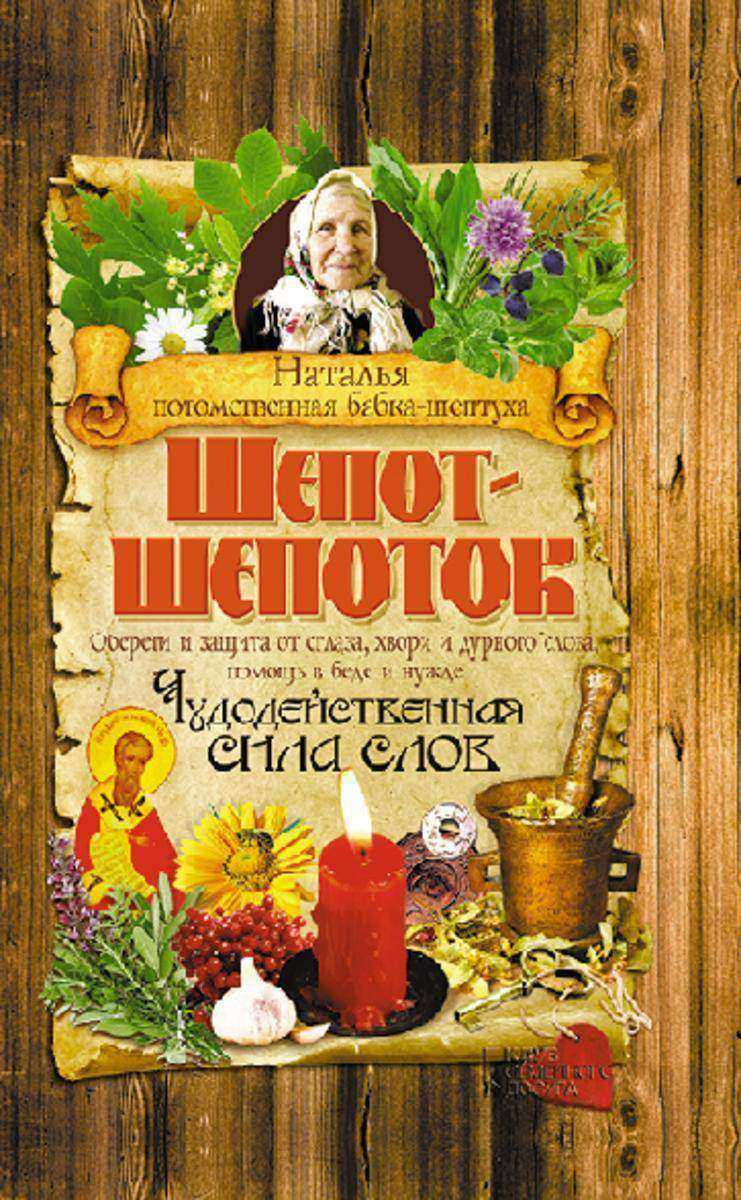
Шепот-шепоток. Чудодейственная сила слов
¥17.74
Mykola Riabchuk, a renowned Ukrainian public intellectual and political analyst, has been closely following and commenting on political developments in Ukraine since the early years of its independence. His best essays, collected within this book, focus primarily on the years of the presidency of Victor Yanukovych which were marked by a state capture, democratic recession and creeping authoritarian consolidation. An astute analysis of political processes combined with a sound essayistic narrative make the book essential reading for political scientists, students, and all those interested in the region.
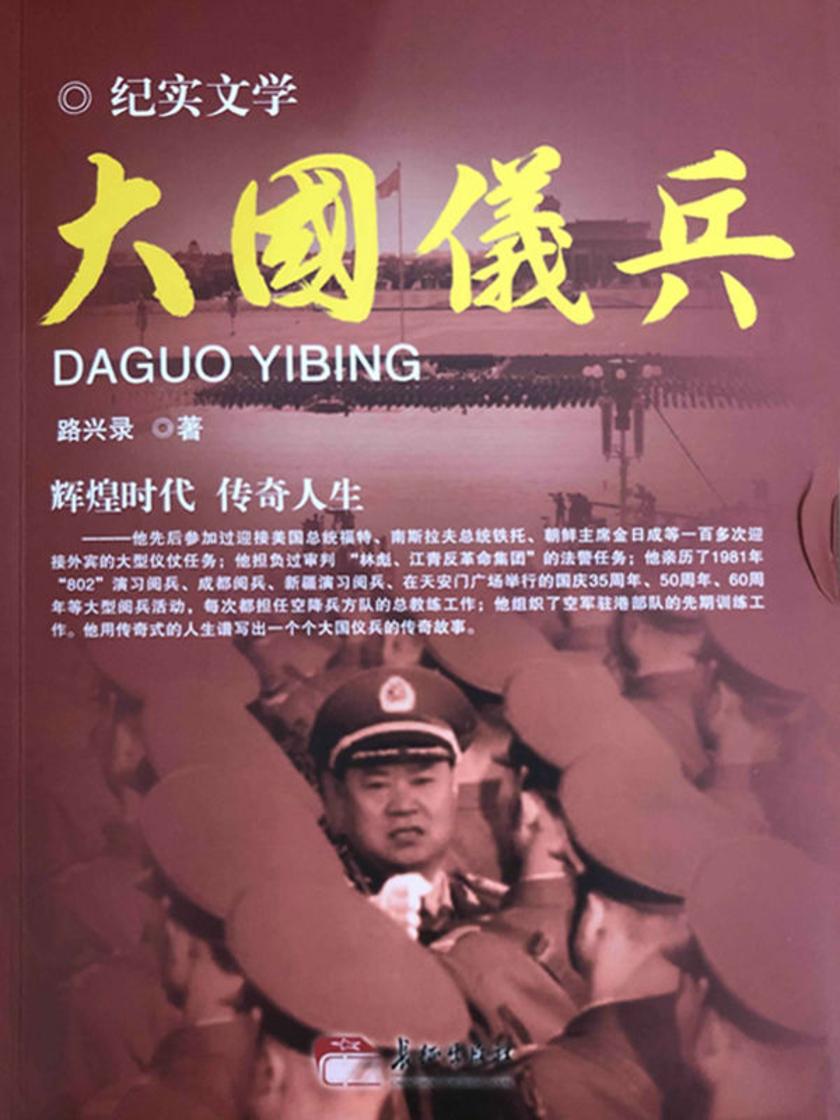
大国仪兵
¥9.99
大国仪兵
England, My England
¥8.01
Dbbenetes és elspr" Elton JohnA drogellenes háború dbbenetes trténetének els elbeszélése. Bátor nemzetkzi tudósítás, melyben az írót személyes érintettség vezérelte a kábítószerfüggség témájában.2015-ben már pontosan egy évszázada lesz, hogy az Egyesült llamok hadat üzent a kábítószernek. De nincs okunk gyzelmi táncot lejteni. A drogellenes háború centenáriumi évében Johann Hari újságíró a saját szemével látja, miként züllik el egyik kzeli rokona, valamint volt barátja is a kokain és a heroin miatt és talán maga is a drogfüggség felé sodródik. De milyen is valójában a drogellenes háború Mi Hari szerepe, és melyik trténetben A merész tudósító egy két éven át tartó, húszezer mérfldes útra indult ennek a harcnak a frontvonalán, hogy kiderítse, mit jelent a drogellenes háború világszerte, és hogyan léphetnénk túl rajta.A kábulat ára drámai, személyes trténetekre épül. Hari saját trténetére, és azokéra, akikkel kutatómunkája és interjúi során megismerkedik: egy transzszexuális brooklyni kokaindíler, aki tudni akarja, ki lte meg az anyját, és egy mexikói anya, aki éveken át kereste a sivatagban a lánya gyilkosát. Egy gyerek, akit a holokauszt idején egy budapesti gettóból csempésztek ki, és aki segített feltárni a függség tudományos magyarázatát. Uruguay elnke, aki éveket tlttt katonai brtnben, és aki legalizálta a marihuánát, hogy megpróbáljon gátat szabni az országában dúló erszaknak.A kábulat ára erteljes, lendületes és meggyz knyv, mely képet ad arról, mennyire pusztítóak a drogok is, és a kormányok drogellenes erfeszítései is. Egy emberibb jvt mer álmodni.Johann Hari írt tbbek kztt a New York Times, az LA Times, a Guardian, a Le Monde, a Slate, a New Republic és a Nation lapokban. Kilenc éven át volt az Independent rovatvezetje, és kétszer nyerte el az Amnesty International UK Az év újságírója címét. Az Editorial Intelligence- tl Az év kulturális kommentátora, a Stonewall-tól pedig Az év meleg újságírója díjat is megkapta. A kábulat ára az els knyve.
Peregrin prin patria cuvintelor
¥90.84
O parte, o bun parte, poate chiar cea mai consistent i interesant parte a dizidenei ori rezistenei scriitorilor romni n raporturile lor cu puterea comunist zace n arhive: Arhivele Securitii, Arhivele Naionale, Arhivele Comitetului Politic Executiv al C.C. al P.C.R., arhivele Consiliului Culturii i Educaiei Socialiste, arhivele i documentele Direciei pentru Pres i Tiprituri .a. Gem arhivele de atta rezisten. Scriitorii i condeierii romni, n marea lor majoritate, i-au dobndit o trainic celebritate n partea noastr de lume, prin scrisori. n lumea lui Caragiale, tradiia petiiei este la ea acasa. Partidul Comunist Romn, Nicolae Ceauescu nusi au ncurajat aceasta form de rezisten, printr-o rubrica special aprut sptmnal n oficiosul partidului, Scnteia. Rubrica se intitula Scrisori adresate conducerii Partidului, tovarului Nicolae Ceauescu, personal“ i ea, aceast rubric, devenise un fel de zid al plngerii unde oamenii se spovedeau sptmnal semnalnd primului dizident al rii“ neregulile din viaa lor de zi cu zi, apsrile pe care le ndurau eroic din partea stpnilor din satrapiile n care era mprit Romnia i pe timpul dictaturii comuniste.“O culegere de documente n care figureaz eroi, mai puin eroi ai zilelor noastre i alte personaje greu ncadrabile n categorii distincte, aidoma unor personaje dostoievskiene. O carte fundamental, de istorie direct care ateapt s fie scris.


