


 购物车
 个人中心

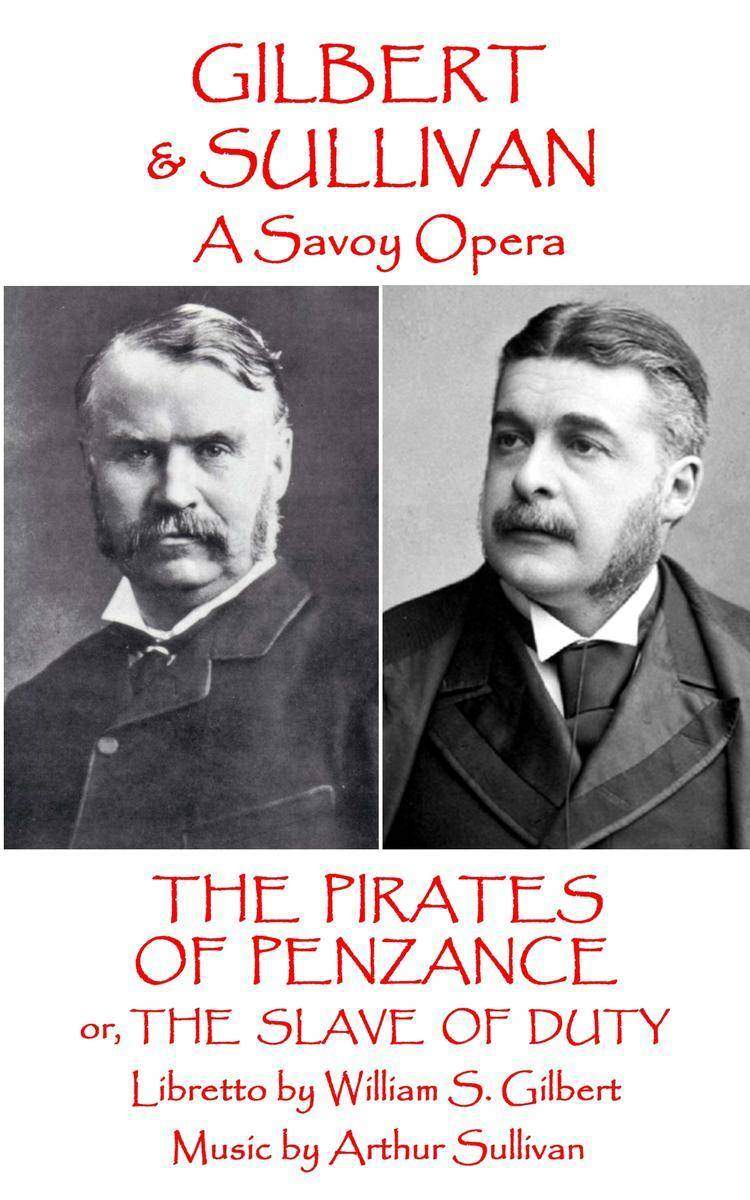
Pirates of Penzance - or The Slave of Duty
¥26.98
The partnership between William Schwenck Gilbert and Arthur Seymour Sullivan and their canon of Savoy Operas is rightly lauded by all lovers of comic opera the world over. Gilbert's sharp, funny words and Sullivan's deliciously lively and hummable tunes create a world that is distinctly British in view but has the world as its audience. Both men were exceptionally talented and gifted in their own right and wrote much, often with other partners, that still stands the test of time. However, together as a team they created Light or Comic Operas of a standard that have had no rivals equal to their standard, before or since. That's quite an achievement. To be recognised by the critics is one thing but their commercial success was incredible. The profits were astronomical, allowing for the building of their own purpose built theatre - The Savoy Theatre. Beginning with the first of their fourteen collaborations, Thespis in 1871 and travelling through many classics including The Sorcerer (1877), H.M.S. Pinafore (1878), The Pirates of Penzance (1879), The Mikado (1885), The Gondoliers (1889) to their finale in 1896 with The Grand Duke, Gilbert & Sullivan created a legacy that is constantly revived and admired in theatres and other media to this very day.
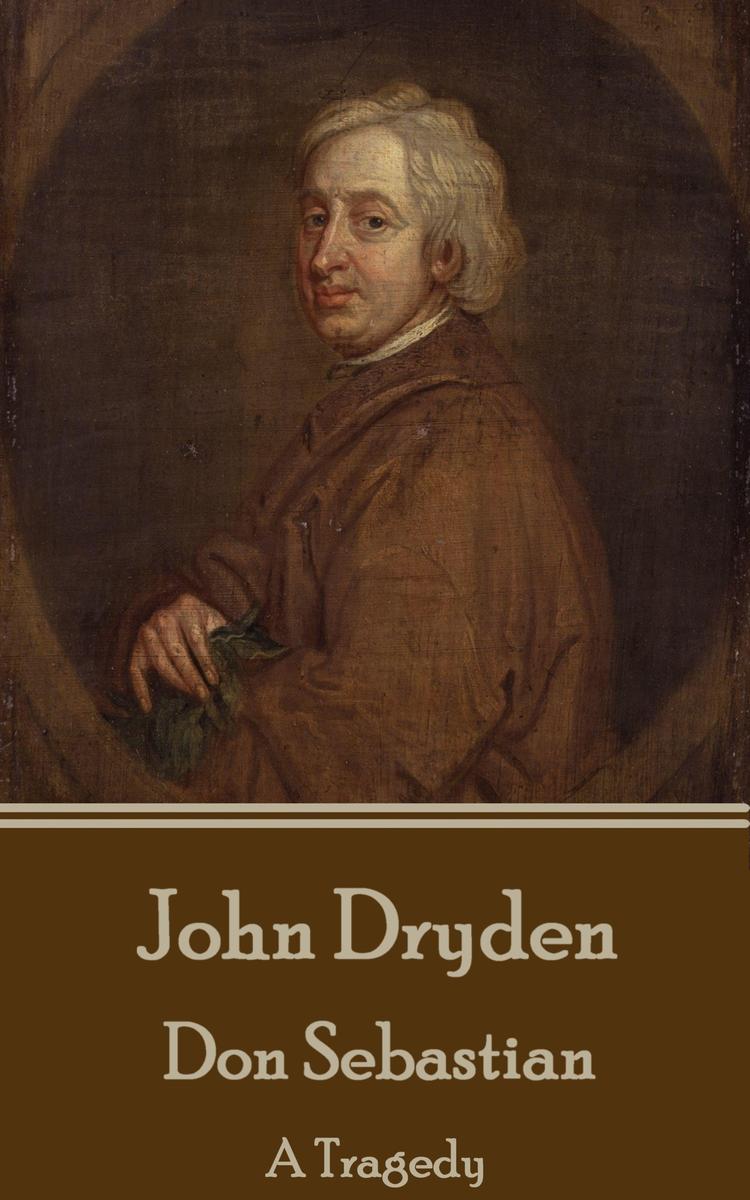
Don Sebastian - A Tragedy
¥26.98
John Dryden was born on August 9th, 1631 in the village rectory of Aldwincle near Thrapston in Northamptonshire. As a boy Dryden lived in the nearby village of Titchmarsh, Northamptonshire. In 1644 he was sent to Westminster School as a King's Scholar. Dryden obtained his BA in 1654, graduating top of the list for Trinity College, Cambridge that year. Returning to London during The Protectorate, Dryden now obtained work with Cromwell's Secretary of State, John Thurloe. At Cromwell's funeral on 23 November 1658 Dryden was in the company of the Puritan poets John Milton and Andrew Marvell. The setting was to be a sea change in English history. From Republic to Monarchy and from one set of lauded poets to what would soon become the Age of Dryden. The start began later that year when Dryden published the first of his great poems, Heroic Stanzas (1658), a eulogy on Cromwell's death. With the Restoration of the Monarchy in 1660 Dryden celebrated in verse with Astraea Redux, an authentic royalist panegyric. With the re-opening of the theatres after the Puritan ban, Dryden began to also write plays. His first play, The Wild Gallant, appeared in 1663 but was not successful. From 1668 on he was contracted to produce three plays a year for the King's Company, in which he became a shareholder. During the 1660s and '70s, theatrical writing was his main source of income. In 1667, he published Annus Mirabilis, a lengthy historical poem which described the English defeat of the Dutch naval fleet and the Great Fire of London in 1666. It established him as the pre-eminent poet of his generation, and was crucial in his attaining the posts of Poet Laureate (1668) and then historiographer royal (1670). This was truly the Age of Dryden, he was the foremost English Literary figure in Poetry, Plays, translations and other forms. In 1694 he began work on what would be his most ambitious and defining work as translator, The Works of Virgil (1697), which was published by subscription. It was a national event. John Dryden died on May 12th, 1700, and was initially buried in St. Anne's cemetery in Soho, before being exhumed and reburied in Westminster Abbey ten days later.
Twelfth Night - Better a witty fool, than a foolish wit.
¥11.67
The life of William Shakespeare, arguably the most significant figure in the Western literary canon, is relatively unknown. Shakespeare was born in Stratford-upon-Avon in 1565, possibly on the 23rd April, St. George's Day, and baptised there on 26th April. Little is known of his education and the first firm facts to his life relate to his marriage, aged 18, to Anne Hathaway, who was 26 and from the nearby village of Shottery. Anne gave birth to their first son six months later. Shakespeare's first play, The Comedy of Errors began a procession of real heavyweights that were to emanate from his pen in a career of just over twenty years in which 37 plays were written and his reputation forever established. This early skill was recognised by many and by 1594 the Lord Chamberlain's Men were performing his works. With the advantage of Shakespeare's progressive writing they rapidly became London's leading company of players, affording him more exposure and, following the death of Queen Elizabeth in 1603, a royal patent by the new king, James I, at which point they changed their name to the King's Men. By 1598, and despite efforts to pirate his work, Shakespeare's name was well known and had become a selling point in its own right on title pages. No plays are attributed to Shakespeare after 1613, and the last few plays he wrote before this time were in collaboration with other writers, one of whom is likely to be John Fletcher who succeeded him as the house playwright for the King's Men. William Shakespeare died two months later on April 23rd, 1616, survived by his wife, two daughters and a legacy of writing that none have since yet eclipsed.
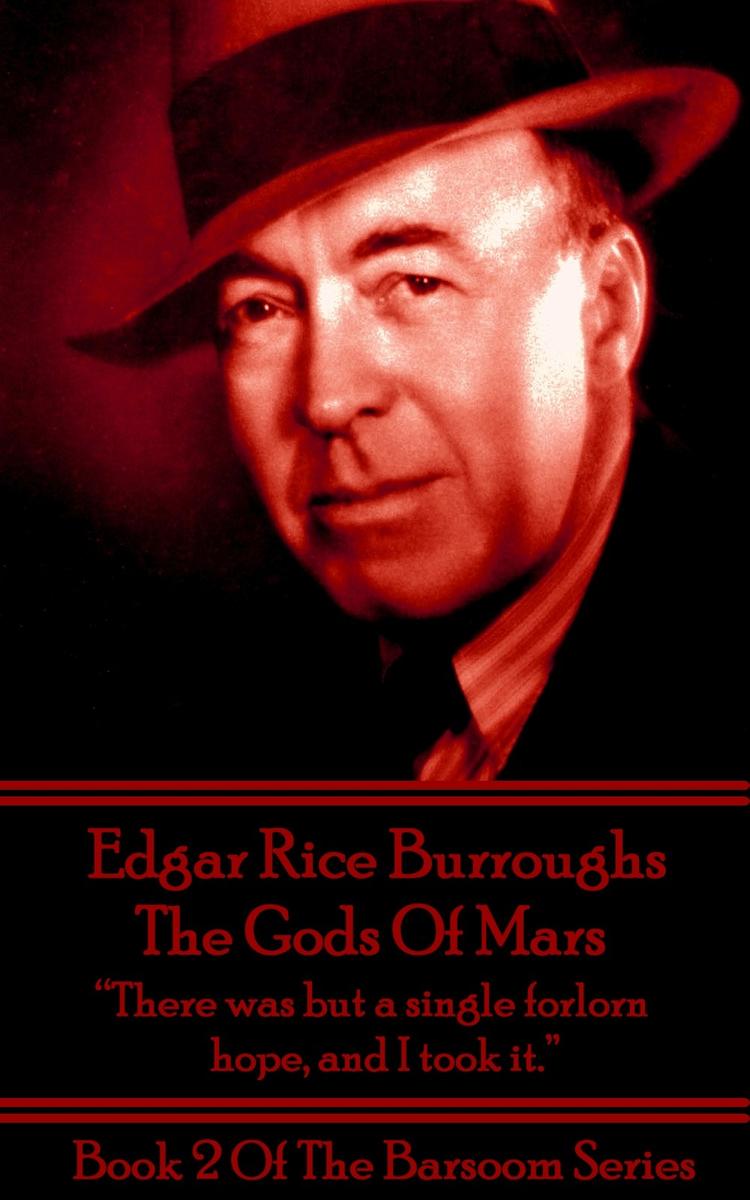
Gods Of Mars - There was but a single forlorn hope, and I took it.
¥35.22
Edgar Rice Burroughs was born on September 1, 1875, in Chicago, Illinois. His early career was unremarkable. After failing to enter West Point he enlisted in the 7th Calvary but was discharged after heart problems were diagnosed. A series of short term jobs gave no indication as to a career path but finally, in 1911, married and with two young children, he turned his hand to writing. He aimed his works squarely at the very popular pulp serial magazines. His first effort 'Under The Moons Of Mars' ran in Munsey's Magazine in 1912 under the pseudonym Norman Bean. With its success he began writing full time. A continuing theme of his work was to develop series so that each character had ample opportunities to return in sequels. John Carter was in the Mars series and there was another on Venus and one on Pellucidar among others. But perhaps the best known is Tarzan. Indeed Burroughs wanted so much to capitalise upon the brand that he introduced a syndicated Tarzan comic strip, movies and merchandise. He purchased a large ranch north of Los Angeles, California, which he named "e;Tarzana."e; The surrounding communities outside the ranch voted in 1927 to adopt the name as their own. By 1932 Burroughs set up his own company to print his own books. Here we publish the second in the Barsoom series and its enduring hero John Carter 'The Gods of Mars'. Another cultural classic.
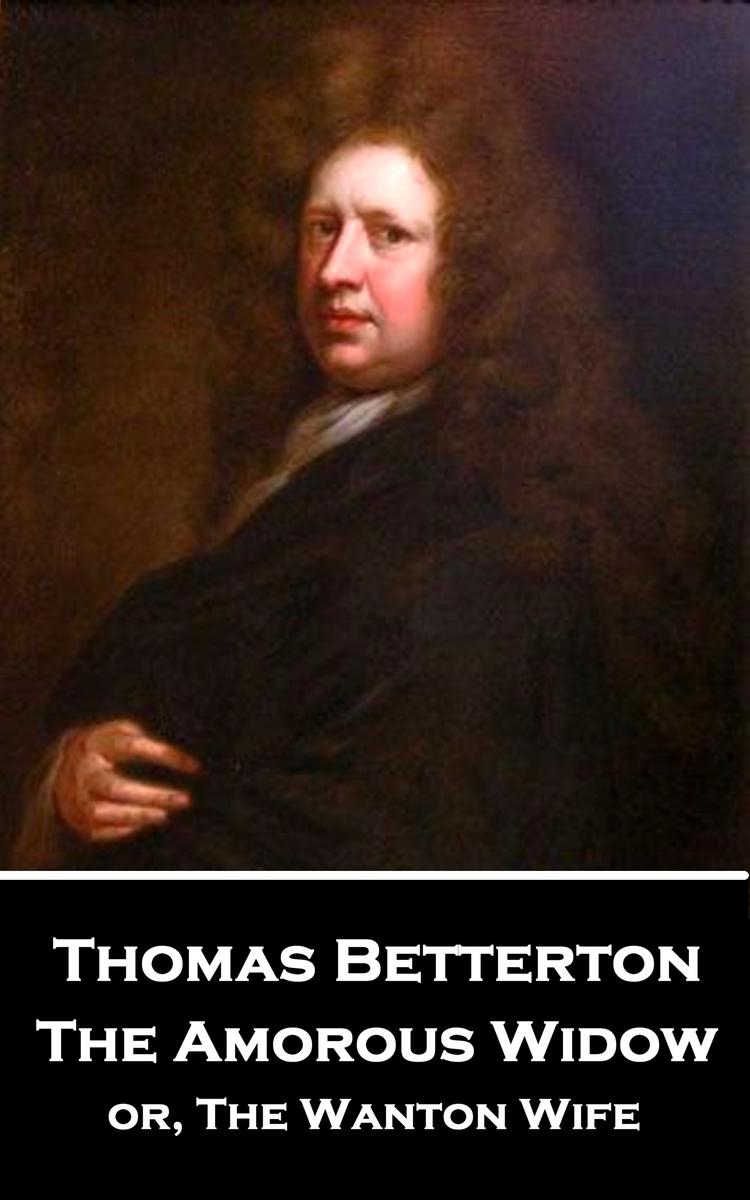
Amorous Widow - or, The Wanton Wife
¥15.21
Thomas Patrick Betterton was born around 1635 in London.As can be understood exact records of much of his early life do not exist.We know he was apprenticed to John Holden, Sir William Davenant's publisher, and later John Rhodes, a bookseller, whose previous career was that of wardrobe-keeper at the Blackfriars Theatre. In 1659, Rhodes obtained a license to set up a company of players at the Cockpit Theatre in Drury Lane; and when the theatre re-opened the following year Betterton made his first stage appearance.By all accounts he was talented and was soon performing the leads. In 1661 a new theatre opened in Lincoln's Inn Fields. Davenant, the patentee of the Duke's Company, engaged Betterton and Rhodes's company to perform his 'The Siege of Rhodes'. Betterton was by now a public favourite and a royal favourite and keen on improving the presentation of plays and the management of theatres. Charles II sent him to Paris to examine stage improvements and then introduced the shifting scenes that replaced the tapestry backgrounds of English theatre.In 1662 Betterton married the actress Mary Saunderson. She and Betterton played opposite each other in a production of Hamlet' she played Ophelia, to his Hamlet. They were also invited to teach the children from noble and royal families to perform John Crowne's 'Calisto', 1675, in the last Stuart court Masque.Betterton was taller than average, athletic, with a strong rather melodious voice which was wonderfully dexterious. His repertory included Shakespearian roles, in versions adapted by Davenant, Dryden, Shadwell and Nahum Tate. In them his performances were praised. He played Lear opposite Elizabeth Barry's Cordelia in Tate's modified version of Shakespeare's 'King Lear'. Betterton was also the author of several popular adaptations.After Davenant's death in 1668, Betterton was the manager and director of the Duke's Company, and from the merger of London's two theatre companies in 1682, he continued these functions in the new United Company. However, in 1695, as this theatrical monopoly worsened conditions of the actors they all walked out. They set up a co-operative company in Lincoln's Inn Fields under Betterton's leadership. The first production was the premiere of Congreve's 'Love for Love' with Betterton as Valentine and Anne Bracegirdle as Angelica. After several years, audiences dwindled, profits fell and Betterton now older and stricken with gout decided to retire from the stage. At his benefit performance, where he again played Valentine in 'Love for Love, the profits are said to have been over GBP500.Betterton's career behind the stage was almost transformative. He invented new stage machines at Dorset Garden Theatre, transposed 'The Prophetess' into an opera, and introduced French singers and dancers to the Restoration stage. He also built the first permanent theatre fully equipped with Italianate machinery. Additionally, he invested in remodeling the tennis court in the Lincoln's Inn Fields and built a new theatre there. His salary was now topped up by a small "e;rent"e; fees for each performance played there.Betterton worked with all of the most significant playwrights of his age and performed with the first generation of English actresses. It is said that Betterton had more than 120 different roles at his command from heroic drama, Jonsonian comedy, comedies of manners, tragicomedies by Beaumont and Fletcher, and tragedies, comedies and histories by Shakespeare. At the age of seventy-five, he claimed, "e;He was yet learning to be an actor."e; Three days before his death at seventy-five, he made his last appearance on the stage in 1710, as Melantius in 'The Maid's Tragedy'. Thomas Betterton died on April 28th 1710. He was buried in Westminster Abbey.
Playboy Of The Western World
¥20.60
In 1896 JM Synge met W. B. Yeats, who encouraged Synge to live for a while in the Aran Islands and then return to Dublin and devote himself to creative work. In 1897 Synge suffered his first attack of Hodgkin's disease, a form of untreatable cancer at the time, and also had an enlarged gland removed from his neck. In 1898, he spent his first summer on the Aran Islands and then continued for the next five collecting stories and folklore and perfecting his Irish but continued to live in Paris for the rest of the year. During this period, Synge wrote his first play, When The Moon Has Set. In 1903, Synge left Paris and moved to London. He had written two one-act plays, Riders to the Sea and The Shadow of the Glen the previous year. The Shadow of the Glen was performed at the Molesworth Hall in October 1903. Riders to the Sea was performed at the same venue in February the following year. The play widely regarded as his masterpiece, The Playboy of the Western World, was first performed in the Abbey on 26 January 1907. The comedy attracted a hostile reaction from the Irish public and thereafter a riot ensued. Described as "e;an unmitigated, protracted libel upon Irish peasant men, and worse still upon Irish girlhood"e;. Yeats returned from Scotland to address the crowd on the second night, and decided to call in the police. Press opinion soon turned against the rioters and the protests petered out. Synge died of Hodgkin's disease just weeks short of his 38th birthday on March 24th 1909 trying to complete his last play, Deirdre Of The Sorrows. He was buried in Mount Jerome Graveyard, Dublin.

Wasps - Evil events from evil causes spring
¥11.67
The reality is that little is known of Aristophanes actual life but eleven of his forty plays survive intact and upon those rest his deserved reputation as the Father of Comedy or, The Prince of Ancient Comedy. Accounts agree that he was born sometime between 456BC and 446 BC. Many cities claim the honor of his birthplace and the most probable story makes him the son of Philippus of gina, and therefore only an adopted citizen of Athens, a distinction which, at times could be cruel, though he was raised and educated in Athens. His plays are said to recreate the life of ancient Athens more realistically than any other author could. Intellectually his powers of ridicule were feared by his influential contemporaries; Plato himself singled out Aristophanes' play The Clouds as a slander that contributed to the trial and condemning to death of Socrates and although other satirical playwrights had also caricatured the philosopher his carried the most weight. His now lost play, The Babylonians, was denounced by the demagogue Cleon as a slander against the Athenian polis. Aristophanes seems to have taken this criticism to heart and thereafter caricatured Cleon mercilessly in his subsequent plays, especially The Knights. His life and playwriting years were undoubtedly long though again accounts as to the year of his death vary quite widely. What can be certain is that his legacy of surviving plays is in effect both a treasured legacy but also in itself the only surviving texts of Ancient Greek comedy.
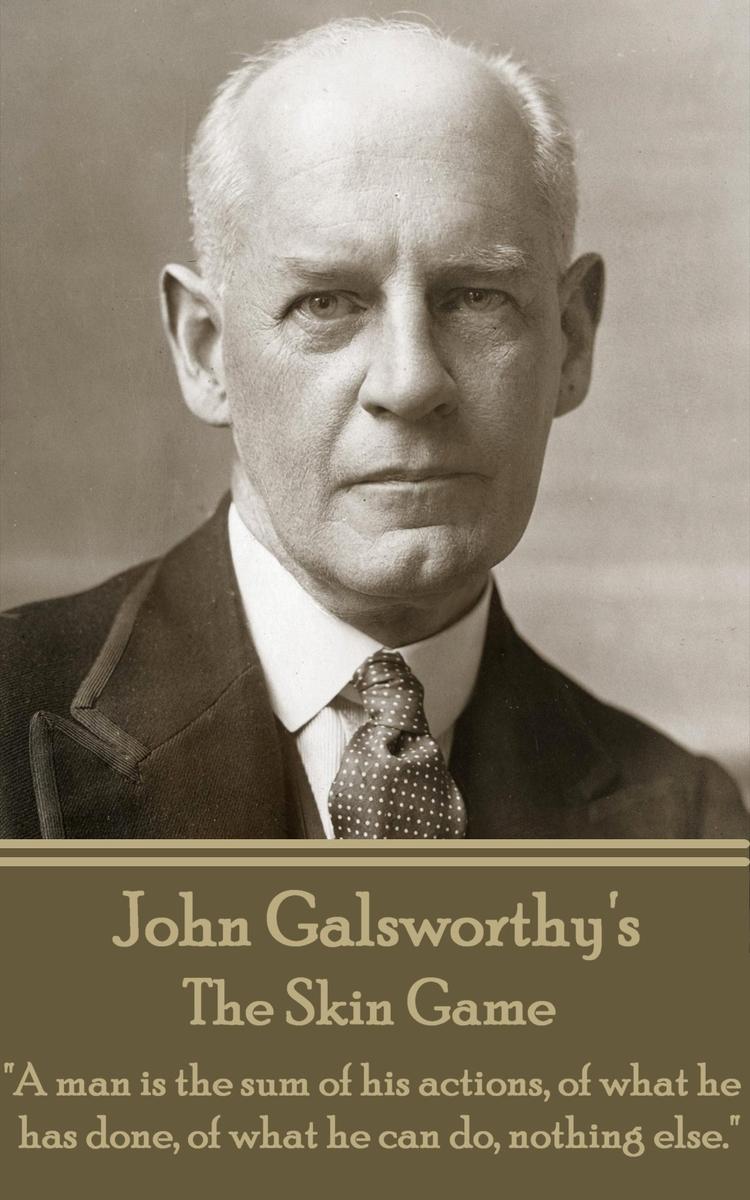
Skin Game - A man is the sum of his actions, of what he has done, of what he can
¥29.33
John Galsworthy first published in 1897 with a collection of short stories entitled "e;The Four Winds"e;. For the next 7 years he published these and all works under his pen name John Sinjohn. It was only upon the death of his father and the publication of "e;The Island Pharisees"e; in 1904 that he published as John Galsworthy. His first play was The Silver Box, an immediate success when it debuted in 1906 and was followed by "e;The Man of Property"e; later that same year and was the first in the Forsyte trilogy. Whilst today he is far more well know as a Nobel Prize winning novelist then he was considered a playwright dealing with social issues and the class system. We publish here 'The Skin Game' a great example of both his writing and his demonstration of how the class system worked at the time. He was appointed to the Order of Merit in 1929, after earlier turning down a knighthood, and awarded the Nobel Prize in 1932 though he was too ill to attend. John Galsworthy died from a brain tumour at his London home, Grove Lodge, Hampstead on January 31st 1933. In accordance with his will he was cremated at Woking with his ashes then being scattered over the South Downs from an aeroplane.
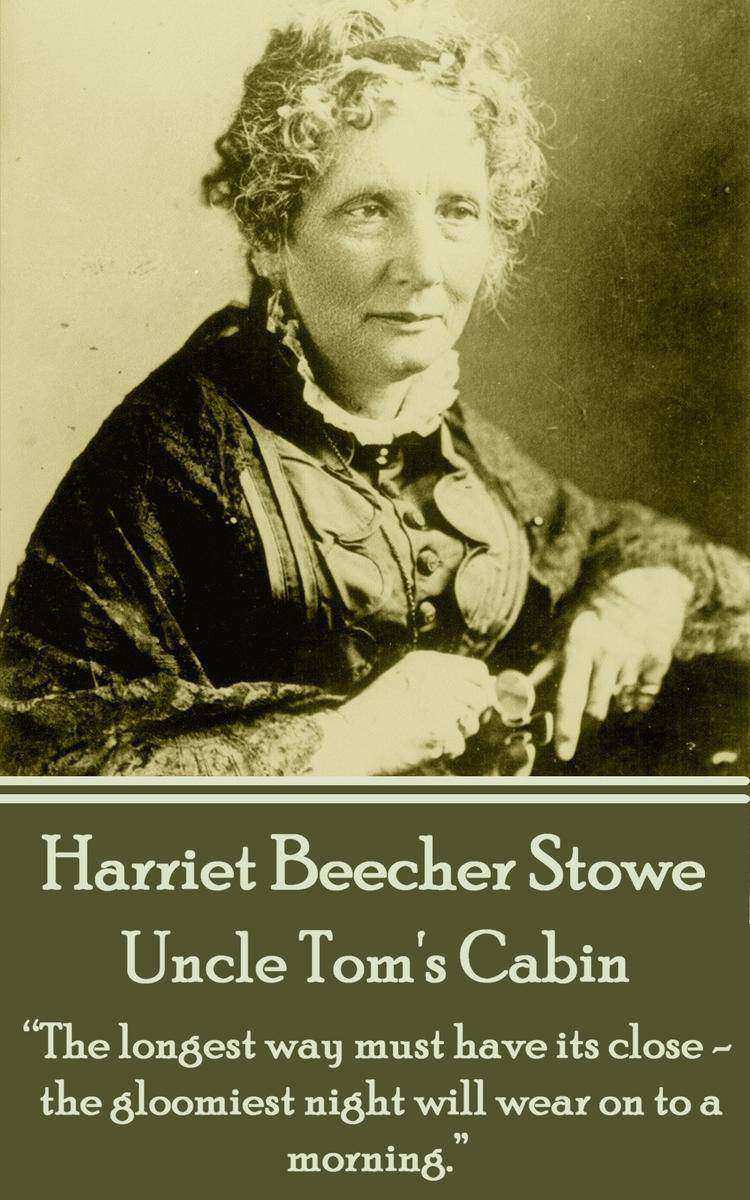
Uncle Tom's Cabin - We first make our habits, then our habits make us.
¥41.10
Harriet Elisabeth Beecher Stowe was born in Litchfield, Connecticut, on June 14th 1811. Over the course of her Life Harriet wrote more than twenty books including travel memoirs and collections of letters and articles. Her stand out work is undoubtedly 'Uncle Tom's Cabin' about the life of African Americans under slavery. It reached millions as both a book and a play and was influential in setting both the tone and the agenda for anti slavery forces in the North and for unyielding anger in the South. When she was invited to the White House by Lincoln he is rumoured to have said "e;so you are the little woman who wrote the book that started this great war."e; In the 1870s, Stowe's brother, Henry Ward, also an abolitionist, was accused of adultery and a national scandal ensured. Harriet fled to Florida unable to bear the attacks on her brother, who she believed innocent. Harriet was among the founders of the Hartford Art School, which later became part of the University of Hartford. She was also influential in the call for women to have a better standing in society and considered the cause as just as necessary as the abolition of slavery. With the death of her husband Calvin Stowe in 1886, after a half century together, Harriet's own health started to decline rapidly. By 1888 it was reported in The Washington Post that due to dementia she had started "e;writing Uncle Tom's Cabin over again. She imagined that she was engaged in the original composition, and for several hours every day she industriously inscribed long passages of the book, almost word for word, unconsciously from memory, the authoress imagining that she composed the matter as she went along. To her diseased mind the story was brand new and she frequently exhausted herself with labor which she regarded as freshly created."e; Harriet Beecher Stowe died on July 1, 1896, at age eighty-five in Hartford, Connecticut. She is buried in the historic cemetery at Phillips Academy in Andover, Massachusetts.
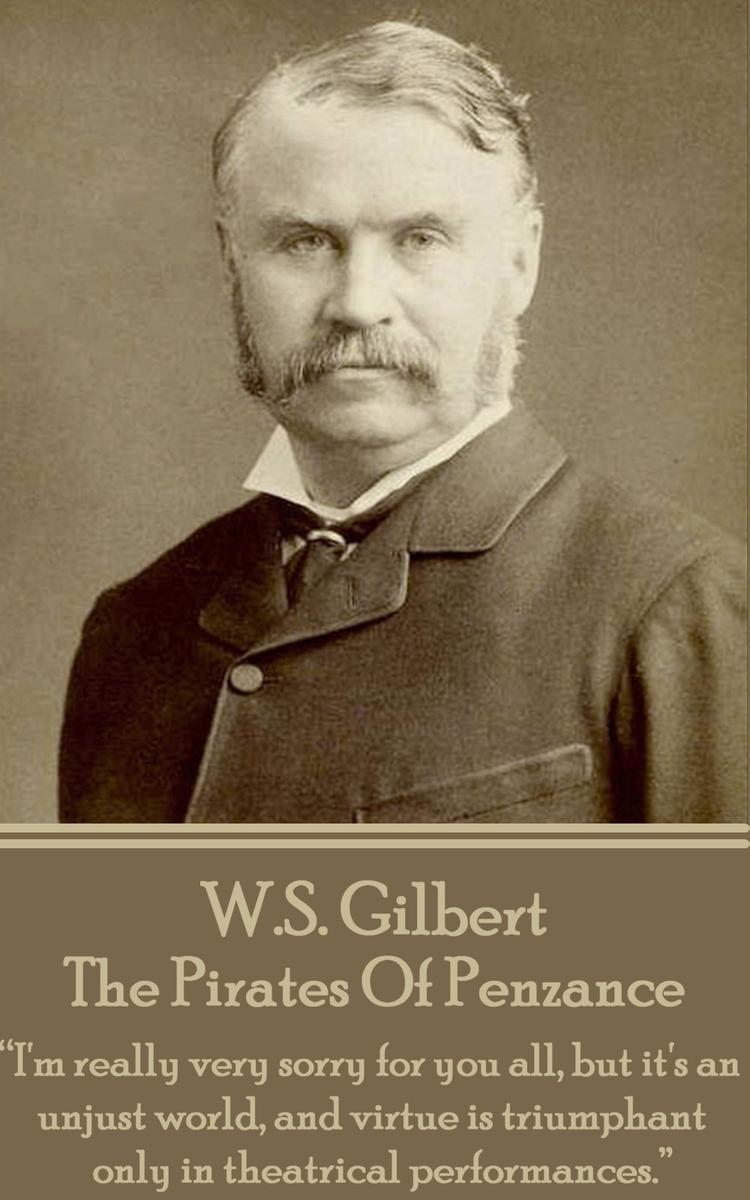
Pirates Of Penzance
¥15.21
Sir William Schwenck Gilbert was born at 17 Southampton Street just off the Strand in London on November 18th 1836. He was a man of a great many talents; dramatist, librettist, poet and illustrator. Of course he is better known as the collaborator with Arthur Sullivan of 14 light comic operas under that world famous moniker Gilbert & Sullivan. They continue to be performed and to entertain millions every year from commercial theatres down to amateur dramatic societies and schools. Here we publish his libretto for The Pirates Of Penzance.
Much Ado About Nothing
¥17.56
William Shakespeare was born in Stratford-upon-Avon in late April 1565 and baptised there on 26th April. He was one of eight children. Little is known about his life but what is evident is the enormous contribution he has made to world literature. His writing was progressive, magnificent in scope and breathtaking in execution. His plays and sonnets helped enable the English language to speak with a voice unmatched by any other. William Shakespeare died on April 23rd 1616, survived by his wife and two daughters. He was buried two days after his death in the chancel of the Holy Trinity Church. The epitaph on the slab which covers his grave includes the following passage, Good friend, for Jesus's sake forbear, To dig the dust enclosed here. Blessed me the man that spares these stones, And cursed be he that moves my bones. Here we publish his comedy from 1598 'Much Ado About Nothing'.
Master Builder (1892)
¥23.45
Henrik Ibsen (20th March, 1828 - 23rd May, 1906) is often referred to as the father of realism and ranked just below Shakespeare as Europe's greatest ever playwright especially as his plays are performed most frequently throughout the world after Shakespeare's. Ibsen was Norwegian and although set his plays in Norway, he wrote them in Danish and lived mot of his professional life in Italy and Germany. His affect on the theatre is still evident today and shapes the distinction of plays being art as opposed to entertainment since he broke down all previous traditions and explored issues, developed characterisation, revealed uncomfortable truths, challenged assumptions and brokedown facades in ourselves as well as society. These factors are clearly demonstrated in the Master Builder which is about Halvard Solness, an incredibly successful builder whose success is due to a lucky series of events which he had conceived and wished for but not actually done anything to make happen. These fortuitous occurrences for him and misfortunes for his competitors makes Solness think that he is divinely blessed to allow him to build churches and that all his wishes will come true. He confides these beliefs to a young woman he originally met as a child and together they fantasise about this magic power. At the same time his wife is uninterested in his buildings but consumed with grief over the loss of her two sons. Solness is ultimately destroyed by this infatuation for the younger woman together with his belief in his own infallibility making this Ibsen work a realistic tragedy with a thought provoking moral to the tale.
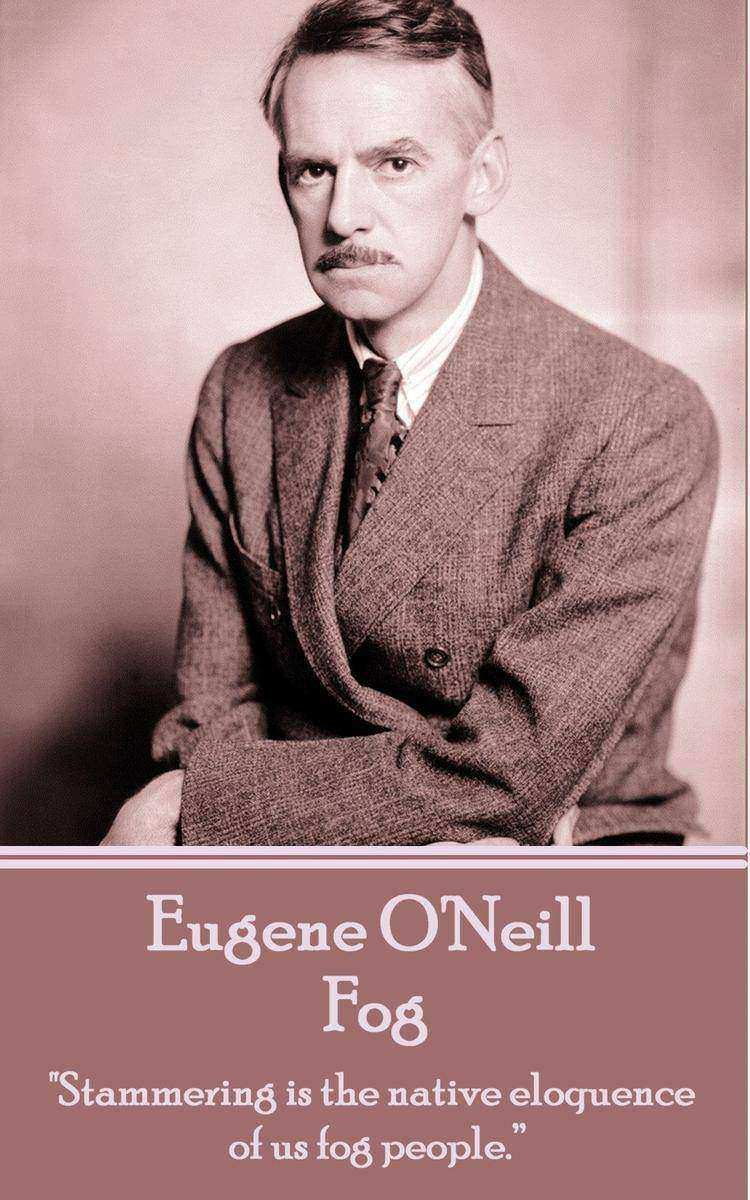
Fog - Stammering is the native eloquence of us fog people.
¥14.03
Eugene Gladstone O'Neill was born on October 16, 1888 in a hotel bedroom in what is now Times Square, New York. Much of his childhood was spent in the comfort of books at boarding schools whilst his actor father was on the road and his Mother contended with her own demons. He spent only a year at University - Princeton - and various reasons have been given for his departure. However whatever his background and education denied or added to his development it is agreed amongst all that he was a playwright of the first rank and possibly America's greatest. His introduction of realism into American drama was instrumental in its development and paved a path for many talents thereafter. Of course his winning of both the Pulitzer Prize (4 times) and the Nobel Prize are indicative of his status. His more famous and later works do side with the disillusionment and personal tragedy of those on the fringes of society but continue to build upon ideas and structures he incorporated in his early one act plays. Eugene O'Neill suffered from various health problems, mainly depression and alcoholism. In the last decade he also faced a Parkinson's like tremor in his hands which made writing increasingly difficult. But out of such difficulties came plays of the calibre of The Iceman Cometh, Long Day's Journey Into Night, and A Moon for the Misbegotten. Eugene O'Neill died in Room 401 of the Sheraton Hotel on Bay State Road in Boston, on November 27, 1953, at the age of 65. As he was dying, he whispered his last words: "e;I knew it. I knew it. Born in a hotel room and died in a hotel room."e;
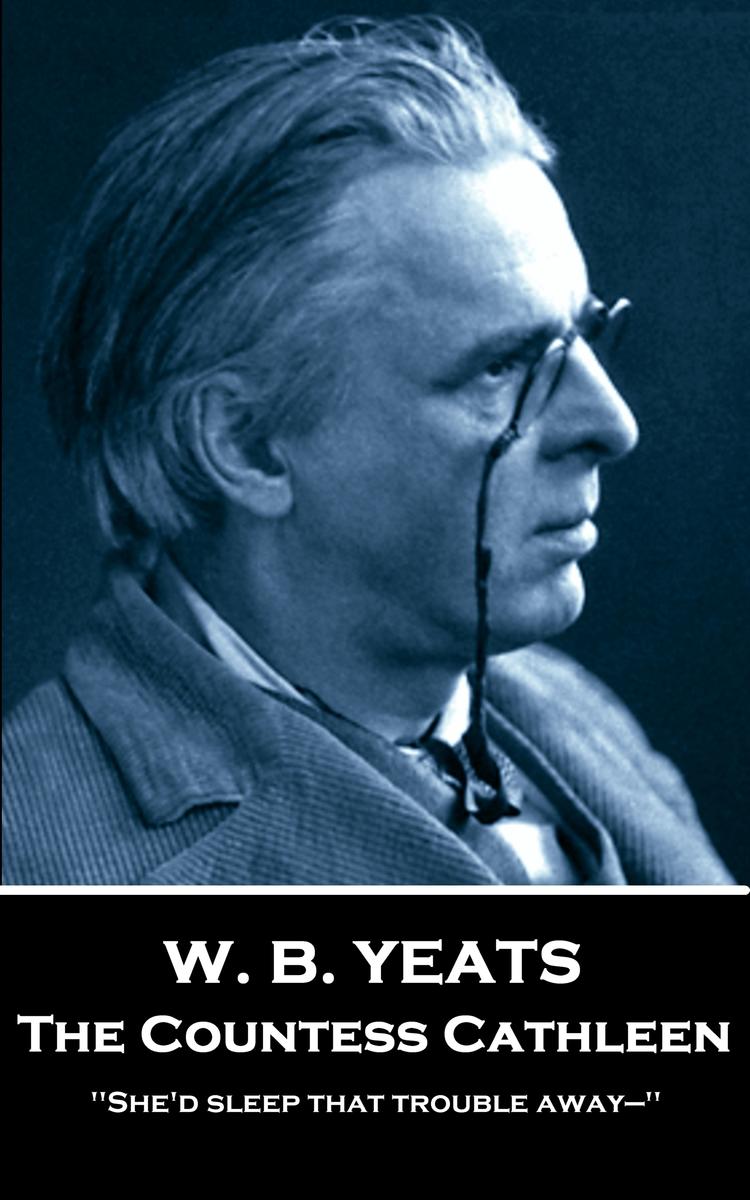
Countess Cathleen - 'She'd sleep that trouble away-''
¥16.38
William Butler Yeats (1865 - 1939) is best described as Ireland's national poet in addition to being one of the major twentieth-century literary figures of the English tongue. To many literary critics, Yeats represents the 'Romantic poet of modernism,' which is quite revealing about his extraordinary style that combines between the outward emphasis on the expression of emotions and the extensive use of symbolism, imagery and allusions. Yeats also wrote prose and drama and established himself as the spokesman of the Irish cause. His fame was greatly boosted mainly after he received the Nobel Prize in Literature in 1923. His life was marked by his many love stories, by his great interest in oriental mysticism and occultism as well as by political engagement since he served as an Irish senator for two terms. Today, although William Butler Yeats's contribution to literary modernism and to Irish nationalism remains incontestable.
Adventures of Sherlock Holmes (Mermaids Classics)
¥35.22
The Adventures of Sherlock Holmes by Arthur Conan Doyle (1859-1930) is a collection of twelve short stories about a detective which was first published in 1892.Mermaids Classics, an imprint of Mermaids Publishing brings the very best of old classic literature to a modern era of digital reading by producing high quality books in ebook format. All of the Mermaids Classics epublications are reproductions of classic antique books that were originally published in print format, mostly over a century ago and are now republished in digital format as ebooks. Begin to build your collection of digital books by looking for more literary gems from Mermaids Classics.
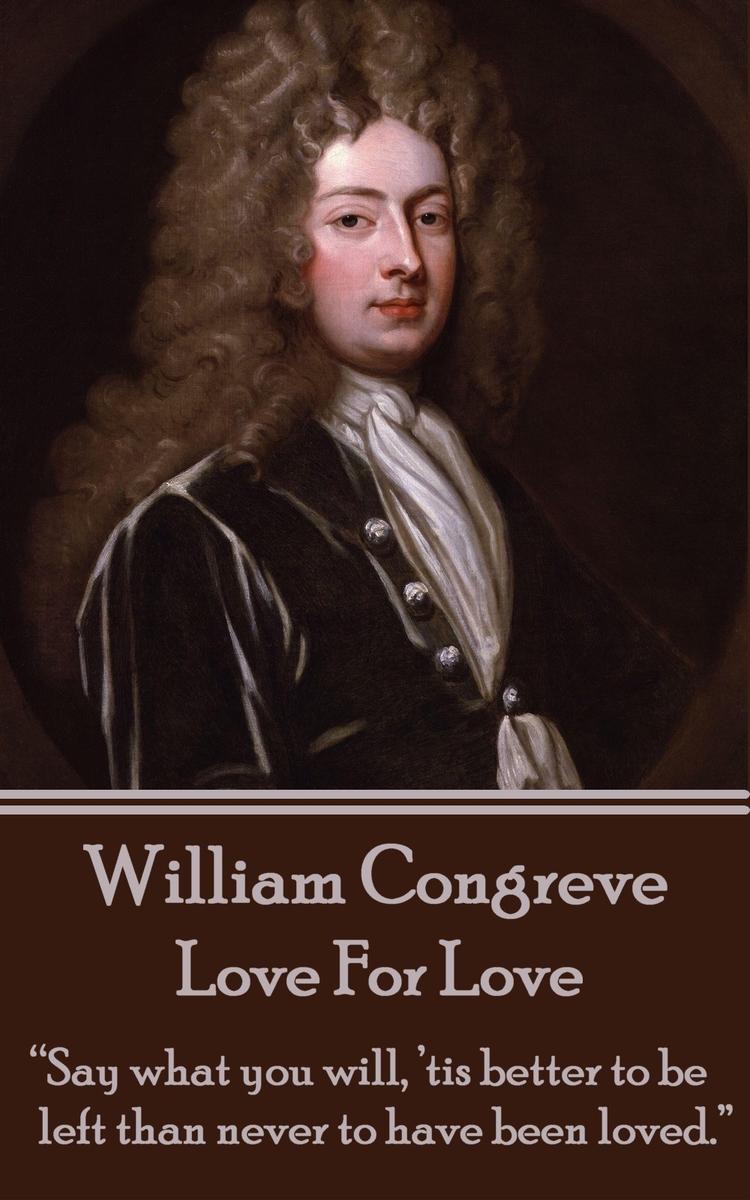
Love For Love - Say what you will, 'tis better to be left than never to have bee
¥26.98
William Congreve was born in Bardsey, West Yorkshire, England on January 24th 1670. He spent his childhood in Ireland, where his father, a Cavalier, had settled during the reign of Charles II. Congreve was educated at Trinity College in Dublin; there he met Jonathan Swift, who would be his friend for the remainder of his life. Upon graduation, he matriculated in the Middle Temple in London to study law, but felt himself pulled toward literature, drama, and the fashionable life. A great admirer of John Dryden William wrote some of the most popular plays of the Restoration including such classics as The Old Bachelor (1693), The Double Dealer (1694), Love for Love (1695), The Mourning Bride (1697) and The Way of the World (1700 and all by the age of 30. However by 1700 public tastes had turned their back on his high brow comedies and so he was restricted to the occasional poem and some translation (notably Moliere's Monsieur de Pourceaugnac) and also turned from theatre to politics even collecting various minor positions in Tory Government despite being a Whig. William never married though enjoyed a long list of friendships with prominent actresses and noblewomen. By 1710, he suffered both from gout and from cataracts on his eyes. Congreve suffered a carriage accident in late September 1728, from which he never recovered and died in London on January 19th 1729, and is buried in Poets' Corner in Westminster Abbey.
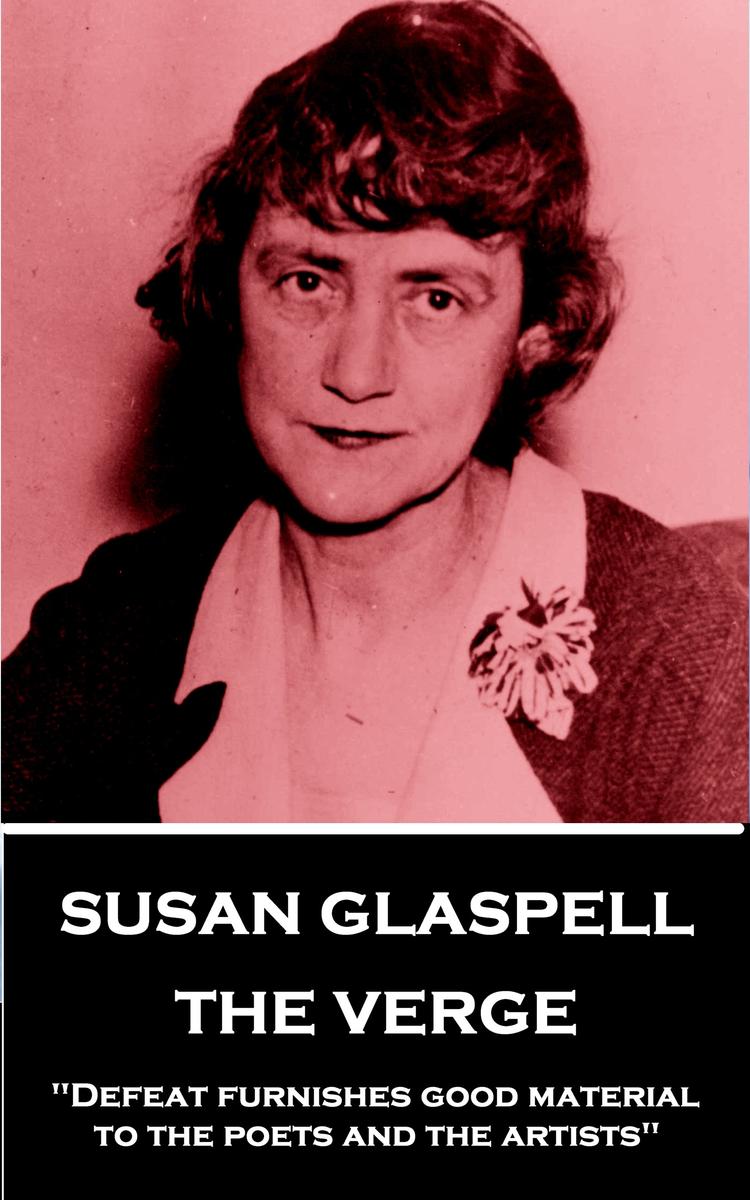
Verge - Defeat furnishes good material to the poets and the artists
¥26.98
Susan Keating Glaspell was born on July 1st, 1876 in Davenport.Glaspell, a precocious child was an active student at Davenport High School where she took an advanced course of study. By age eighteen she was earning a regular salary at the local newspaper as a journalist, and by twenty she was the author of a weekly 'Society' column.At twenty-one Glaspell enrolled at Drake University. A philosophy major, she also excelled in debate competitions, and represented Drake at the state tournament in her senior year.The day after her graduation, Glaspell again worked as a reporter, still a rare position for a woman. She was assigned to cover the state legislature and murder cases.At twenty-four, after covering the conviction of a woman accused of murdering her abusive husband, Glaspell abruptly resigned and moved back to Davenport, and with it, a hoped for career writing fiction.Her stories were published by many periodicals, including Harper's and Munsey's.Moving to Chicago she wrote her first novel, The Glory of the Conquered, in 1909. It was a best-seller.As was Glaspell's second novel, The Visioning, published in 1911 and her third, Fidelity in 1915. Each novel also received glowing reviews.With her husband Glaspell founded the Provincetown Playhouse devoted to plays that were more able to reflect contemporary American issues. Her first play, Trifles (1916), was based on the murder trial she covered as a young reporter in Des Moines. She wrote twelve groundbreaking plays over seven years for the company. By 1918 Glaspell was considered one of America's most significant new playwrights.However, the impact and critical success of Glaspell's theatre work did not unfortunately make financial sense. Therefore she continued to submit short stories in order to support her and her husband during their years with the theater.In 1931 she wrote the excellent play, Alison's House, for which she received the Pulitzer Prize.In 1936 Glaspell moved to Chicago as the Midwest Bureau Director of the Federal Theater Project. When that finished she returned to Cape Cod using the Mid-West experience in her last three novels which were increasingly focused on the region, on family life, and on theistic questions; The Morning is Near Us (1939), Norma Ashe (1942), and Judd Rankin's Daughter (1945).Susan Keating Glaspell died of viral pneumonia in Provincetown on July 28, 1948.
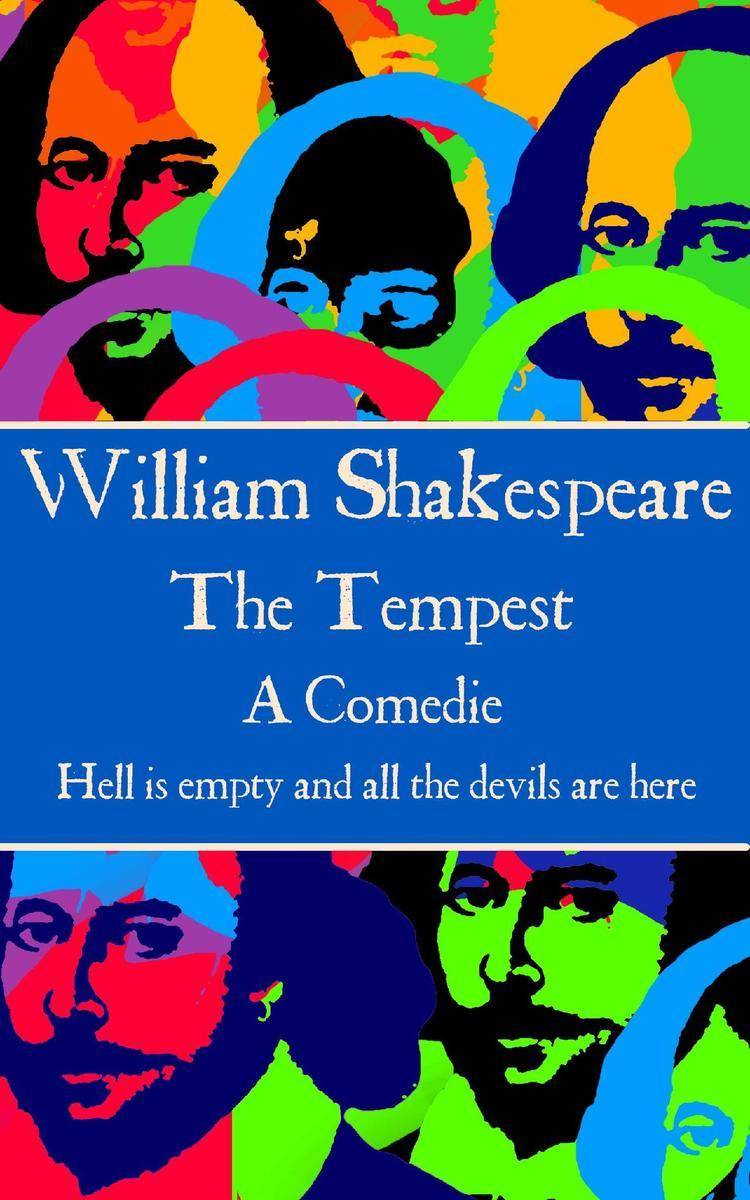
Tempest - Hell is empty and all the devils are here.
¥11.67
The life of William Shakespeare, arguably the most significant figure in the Western literary canon, is relatively unknown. Shakespeare was born in Stratford-upon-Avon in 1565, possibly on the 23rd April, St. George's Day, and baptised there on 26th April. Little is known of his education and the first firm facts to his life relate to his marriage, aged 18, to Anne Hathaway, who was 26 and from the nearby village of Shottery. Anne gave birth to their first son six months later. Shakespeare's first play, The Comedy of Errors began a procession of real heavyweights that were to emanate from his pen in a career of just over twenty years in which 37 plays were written and his reputation forever established. This early skill was recognised by many and by 1594 the Lord Chamberlain's Men were performing his works. With the advantage of Shakespeare's progressive writing they rapidly became London's leading company of players, affording him more exposure and, following the death of Queen Elizabeth in 1603, a royal patent by the new king, James I, at which point they changed their name to the King's Men. By 1598, and despite efforts to pirate his work, Shakespeare's name was well known and had become a selling point in its own right on title pages. No plays are attributed to Shakespeare after 1613, and the last few plays he wrote before this time were in collaboration with other writers, one of whom is likely to be John Fletcher who succeeded him as the house playwright for the King's Men. William Shakespeare died two months later on April 23rd, 1616, survived by his wife, two daughters and a legacy of writing that none have since yet eclipsed.

Justice - Life calls the tune, we dance.
¥29.33
John Galsworthy first published in 1897 with a collection of short stories entitled "e;The Four Winds"e;. For the next 7 years he published these and all works under his pen name John Sinjohn. It was only upon the death of his father and the publication of "e;The Island Pharisees"e; in 1904 that he published as John Galsworthy. His first play was The Silver Box, an immediate success when it debuted in 1906 and was followed by "e;The Man of Property"e; later that same year and was the first in the Forsyte trilogy. Whilst today he is far more well know as a Nobel Prize winning novelist then he was considered a playwright dealing with social issues and the class system. We publish here 'Justice' a great example of both his writing and his demonstration of how the class system worked at the time. He was appointed to the Order of Merit in 1929, after earlier turning down a knighthood, and awarded the Nobel Prize in 1932 though he was too ill to attend. John Galsworthy died from a brain tumour at his London home, Grove Lodge, Hampstead on January 31st 1933. In accordance with his will he was cremated at Woking with his ashes then being scattered over the South Downs from an aeroplane.
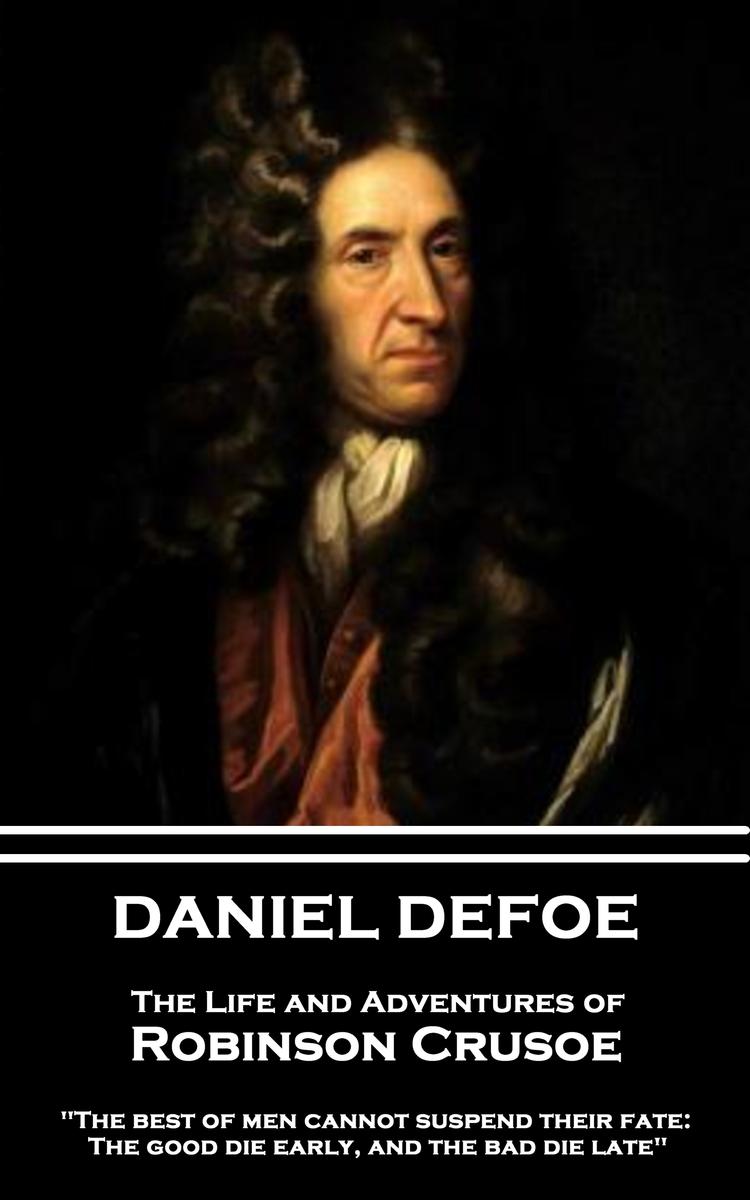
Life and Adventures of Robinson Crusoe - The best of men cannot suspend their fa
¥29.33
Daniel Defoe is most well-known for his classic novels Robinson Crusoe and Moll Flanders. Born around 1660, he was also a journalist, a pamphleteer, a businessman, a spy. His life was long and colourful, and the breadth of his work, still highly regarded, is infused with similar vigour. It is said that only the bible has been printed in more languages than Robinson Crusoe. Defoe is also noted for being one of the earliest proponents of the novel. He was extremely prolific and a very versatile writer, producing several hundred books, pamphlets, and journals on various topics including politics, crime, religion, marriage, psychology and the supernatural. He was also a pioneer of economic journalism though was made bankrupt on more on one occasion and usually mired in debt. In later life Defoe was often most seen on Sundays when bailiffs and the like could legally make no move on him. Allegedly it was whilst hiding from creditors that he died on April 24th, 1731. He was interred in Bunhill Fields, London.
Little Eyolf (1894)
¥23.45
Henrik Ibsen (20th March, 1828 - 23rd May, 1906) is often referred to as the father of realism and ranked just below Shakespeare as Europe's greatest ever playwright especially as his plays are performed most frequently throughout the world after Shakespeare's. He was Norwegian and although set his plays in Norway, he wrote them in Danish and lived most of his professional life in Italy and Germany. His affect on the theatre is still evident today and shapes the distinction of plays being art as opposed to entertainment since he broke down all previous traditions and explored issues, developed characterisation, revealed uncomfortable truths, challenged assumptions and brokedown facades in ourselves as well as society. These factors are clearly demonstrated in Little Eyolf a play that explores the complex family dynamics surrounding the Allmer family through their injured son Eyolf. Alfred, Eyolf's father decides to abandon his work to concentrate on looking after Eyolf who has lived a sheltered life due to the paralysis in one of his legs. Whilst Eyolf yearns normal boyish pursuits, Alfred wants to develop his mind so he can satisfy himself and overcome his physical restrictions with intellectual pursuits. Tragedy befalls and the ensuing exploration of grief and guilt make for a revealing and poignant drama.


