


 购物车
购物车 个人中心
个人中心

Motor Mouth
¥56.07
Miami is still freakin' humid. The nights are even hotter. And there's a body on ice. And that's just the beginning of this adrenaline-rush of a hot-wired ride from phenomenal number one New York Times bestselling author Janet Evanovich.A woman with a taste for speed and a talent for breaking the rules, Barney also knows a little too much about cheating. First there was Hooker and that salesclerk. Now she's convinced one of the competitors is up to no good on the track. Snooping to find evidence, Hooker and Barney "borrow" a NASCAR hauler. Turns out, the hauler is carrying two race cars and a dead guy. It looks like Barney and Hooker are facing multiple counts of grand theft auto and homicide.So buckle up as Barney, Hooker, a 150-pound bundle of Saint Bernard love named Beans, and the Super Cigar Ladies Felicia and Rosa shift into gear on a wild race around South Florida and Concord, North Carolina.Everything you always wanted to know about righteous indignation, stealing an eighteen-wheeler, and sex in the fast lane.

Skinwalkers
¥69.16
Three shotgun blasts explode into the trailer of Officer Jim Chee of the Navajo Tribal Police. But Chee survives to join partner Lt. Joe Leaphorn in a frightening investigation that takes them into a dark world of ritual, witchcraft, and blood—all tied to the elusive and evil "skinwalker." Brimming with Navajo lore and sizzling suspense, Skinwalkers brings Chee and Leaphorn, Hillerman's bestselling detective team, together for the first time.

The Dark Wind
¥69.16
A corpse whose palms and soles have been "scalped" is only the first in a series of disturbing clues: an airplane's mysterious crash in the nighttime desert, a bizarre attack on a windmill, a vanishing shipment of cocaine. Sgt. Jim Chee of the Navajo Tribal Police is trapped in the deadly web of a cunningly spun plot driven by Navajo sorcery and white man's greed.

Running Scared
¥56.07
In the scorching heat of the Southwestern desert, a frightened old man knows his time is quickly running out . . . as the lethal secret he protects can be hidden no longer.Risa Sheridan knows everything about gold—its mysteries, its allure, its perils. Her boss, Shane Tannahill—owner of the ultra-successful Las Vegas gambling mecca, the Golden Fleece—is addicted to the stuff. Now an ancient Celtic piece is being offered to Shane for his collection, with the promise of more to come, and the casino owner is hooked. But though she shares Shane's enthusiasm, Risa is wary—because something about this particular artifact is mysterious and troubling, something that says "stay away." It is a voice that should be heeded, because soon people are dying all around them. And whether it's an ancient curse that has taken hold of their lives or the simple, murderous greed of unscrupulous adversaries, there is suddenly no place in the surreal, blinding glitter of Vegas for Risa and Shane to hide . . . The most dazzling, spine-tingling combination of adventure, thrills, and sensuality yet from the gold standard in contemporary suspense fiction.
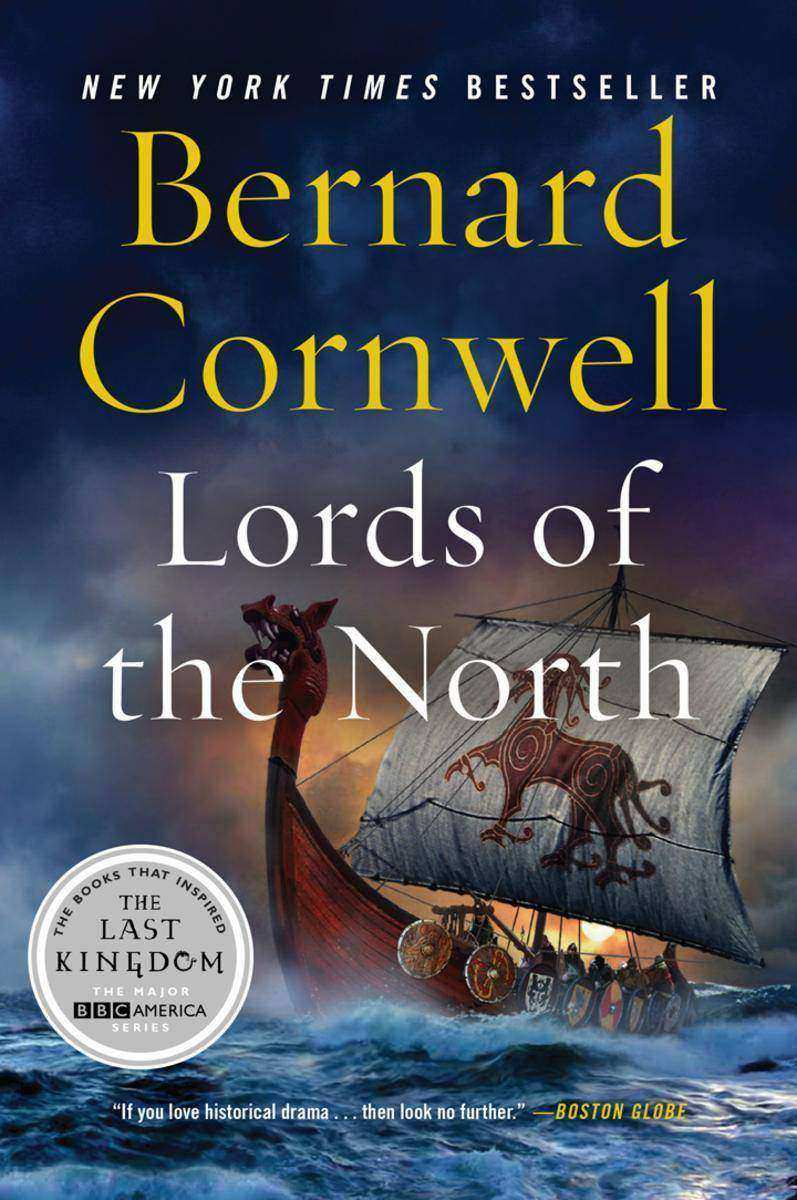
Lords of the North
¥94.10
The year is 878. Uhtred, the dispossessed son of a Northumbrian lord, has helped the Saxons of Wessex defeat the invading Danes. Now, finally free of his allegiance to the victorious, ungrateful King Alfred, he is heading home to rescue his stepsister, a prisoner of Kjartan the Cruel in the formidable Danish stronghold of Dunholm. Uhtred's best hope is his sword, Serpent-Breath, for his only allies are Hild, a West Saxon nun fleeing her calling, and Guthred, a slave who believes himself king. Rebellion, chaos, fear, and betrayal await them in the north, forcing Uhtred to turn once more, reluctantly, to the liege he formerly served in battle and blood: Alfred the Great.
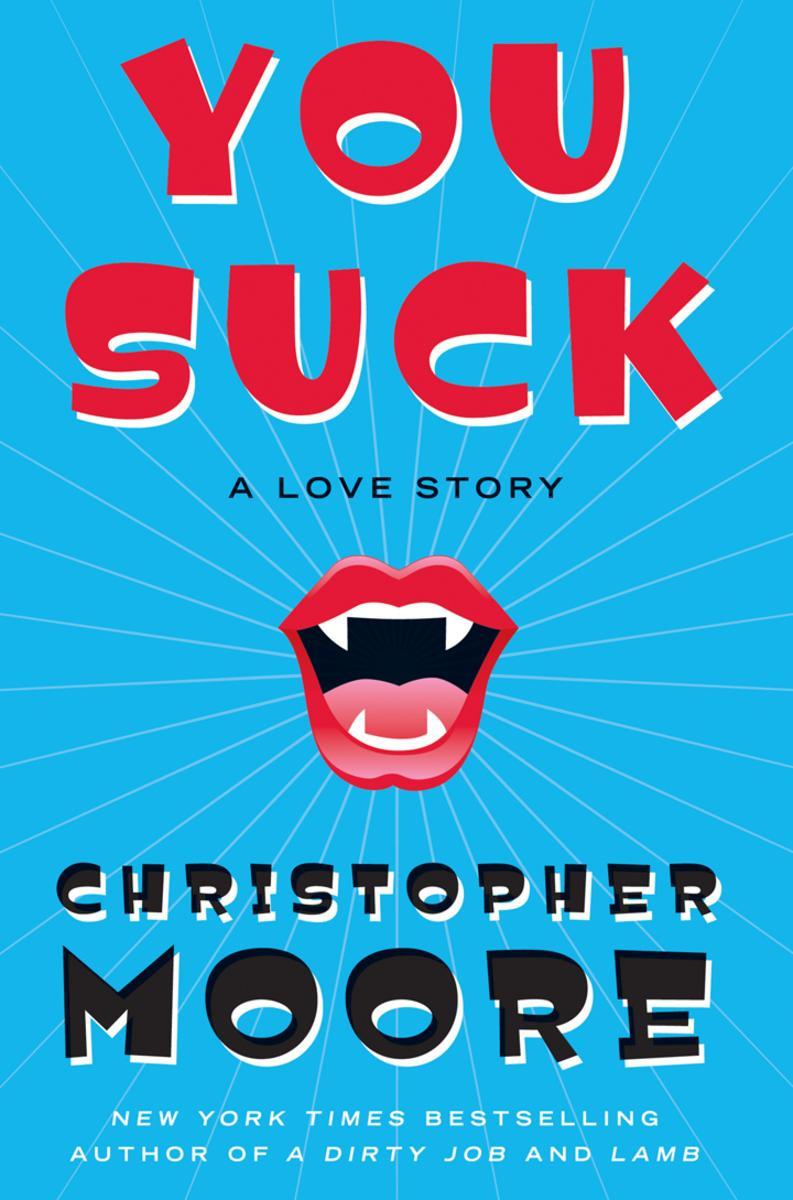
You Suck
¥78.32
Being undead sucks. Literally.Just ask C. Thomas Flood. Waking up after a fantastic night unlike anything he's ever experienced, he discovers that his girlfriend, Jody, is a vampire. And surprise! Now he's one, too. For some couples, the whole biting-and-blood thing would have been a deal breaker. But Tommy and Jody are in love, and they vow to work through their issues.But word has it that the vampire who initially nibbled on Jody wasn't supposed to be recruiting. Even worse, Tommy's erstwhile turkey-bowling pals are out to get him, at the urging of a blue-dyed Las Vegas call girl named (duh) Blue. And that really sucks.
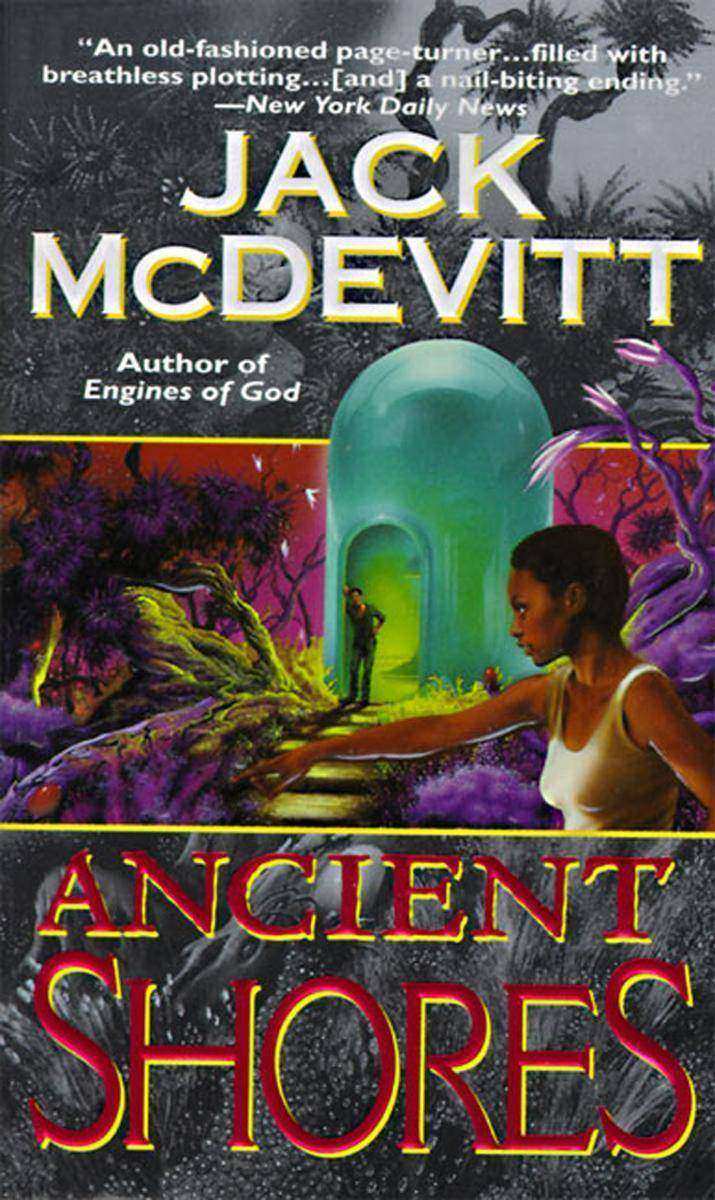
Ancient Shores
¥55.31
It turned up in a North Dakota wheat field: a triangle, like a shark's fin, sticking up from the black loam. Tom Lasker did what any farmer would have done. He dug it up. And discovered a boat, made of a fiberglass-like material with an utterly impossible atomic number. What it was doing buried under a dozen feet of prairie soil two thousand miles from any ocean, no one knew. True, Tom Lasker's wheat field had once been on the shoreline of a great inland sea, but that was a long time ago -- ten thousand years ago.A return to science fiction on a grand scale, reminiscent of the best of Heinlein, Simak, and Clarke, Ancient Shores is the most ambitious and exciting SF triumph of the decade, a bold speculative adventure that does not shrink from the big questions -- and the big answers.
Gold
¥88.56
Gold is the final and crowning achievement of the fifty-year career of science fiction's transcendent genius, the world-famous author who defined the field of science fiction for its practitioners, its millions of readers, and the world at large.The first section contains stories that range from the humorous to the profound, at the heart of which is the title story, "Gold," a moving and revealing drama about a writer who gambles everything on a chance at immortality: a gamble Asimov himself made -- and won. The second section contains the grand master's ruminations on the SF genre itself. And the final section is comprised of Asimov's thoughts on the craft and writing of science fiction.
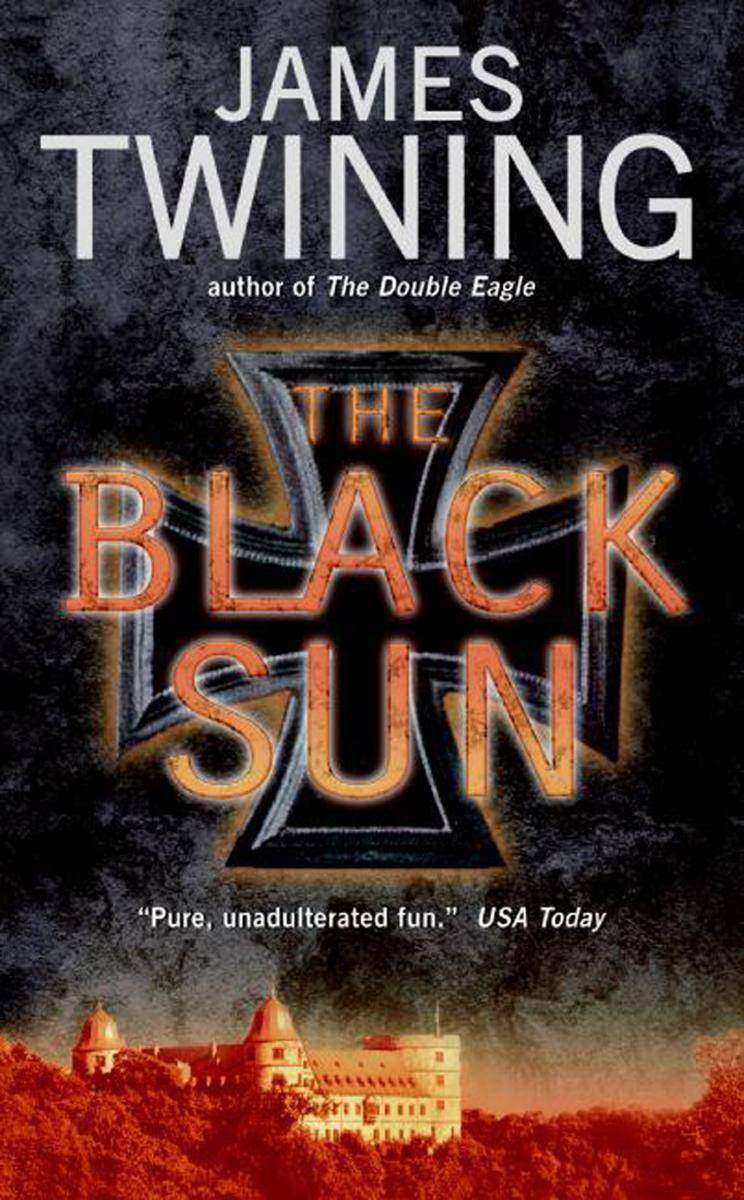
The Black Sun
¥56.07
It is a secret that has been hidden for more than a half century. . . . The clues have been scattered across the globe. Now someone has begun to piece them together—and the future of the world depends on his being stopped in time.In Maryland, a vicious gang breaks into the National Cryptologic Museum and steals a Nazi Enigma machine. In a London hospital, an Auschwitz survivor is murdered in his bed, his killers making off with a macabre trophy—his severed left arm. In Prague, a seemingly worthless painting is stolen from a synagogue. Three cities. Three puzzling thefts. Could there possibly be a connection?When former art thief Tom Kirk is first asked to investigate, the Prague theft certainly seems unremarkable enough—until the stolen painting turns up alongside the amputated human arm. As Tom digs deeper into the past, both items appear to be elements in an elaborate trail of clues laid down in the dying days of the Third Reich by a secret order of SS knights—clues that stretch from the remote mountains of Idaho to the snowy streets of St. Petersburg and ultimately lead to a fabled treasure lost in the ashes of war.Spurred on by the sinister light of the Black Sun emblem, ghosts from his past, and the poisonous manipulations of a deadly enemy, Tom finds himself trapped in a situation where the greatest prize of all is life itself—and not just his own. . . .
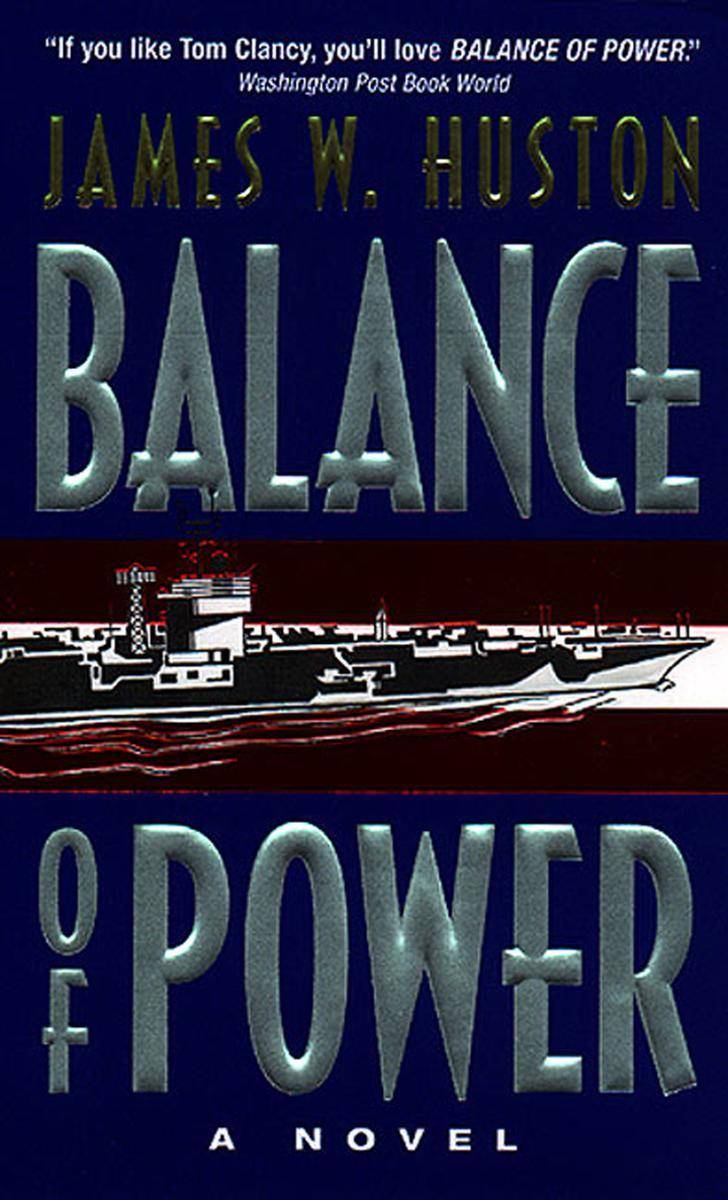
Balance of Power
¥69.16
Off the coast of Indonesia, an American cargo ship has been seized by terrorists, its captain kidnapped and its crew mercilessly slaughtered. In Washington, a peace-loving President's refusal to punish the transgressors has enraged the sitting Congress, led by a wrathful Speaker of the House.An ambitious young congressional assistant, Jim Dillon has discovered a time bomb hidden away in America's Constitution—a provision that could be used to wrest power from the Chief Executive, a long-forgotten law that could incite a devastating constitutional crisis . . . and plunge the country into chaos.Now, as a battle group steams toward a fateful confrontation in the Java Sea—commissioned by Congress and opposed by the President—Dillon finds himself in the center of a firestorm that rages from the highest court in the land to the killing fields half a world away. Suddenly there is much more at stake than the life of a single surviving hostage and a superpower's military credibility—as a great nation prepares for war . . . against itself.

Ties That Bind
¥70.10
Phillip Margolin -- author of the smash New York Times bestsellersWild Justice and Gone, But Not Forgotten -- returns with a thrilling tale of politics, secrets, and murder . . .Amanda Jaffe was a rising star of Portland's legal community, until a run-in with a psychopath left her scared and craving anonymity. But her new case promises to keep her in the spotlight -- and in danger. Defending the accused murderer of a U.S. senator will place her and those she loves directly in the path of a deadly cabal with ambitions that extend all the way to the presidency of the United States . . .

Aftermath
¥83.92
One phone call from a concerned neighbor has inadvertently led police to Terence Payne, the elusive serial killer known only as "Chameleon." Now Payne is in custody, perhaps dying, and a long nightmare appears to be over at last. But is it?For Alan Banks—currently head of the local police force—too many questions remain unanswered at the chamber of horrors the press will dub the "House of Payne." Because the darkness has not yet lifted, the casualties are still mounting . . . and there are still monsters loose in the world.Showcasing the dark forces of human nature, master of suspense Peter Robinson is at the height of his storytelling powers in a novel that will leave readers guessing until the final page.
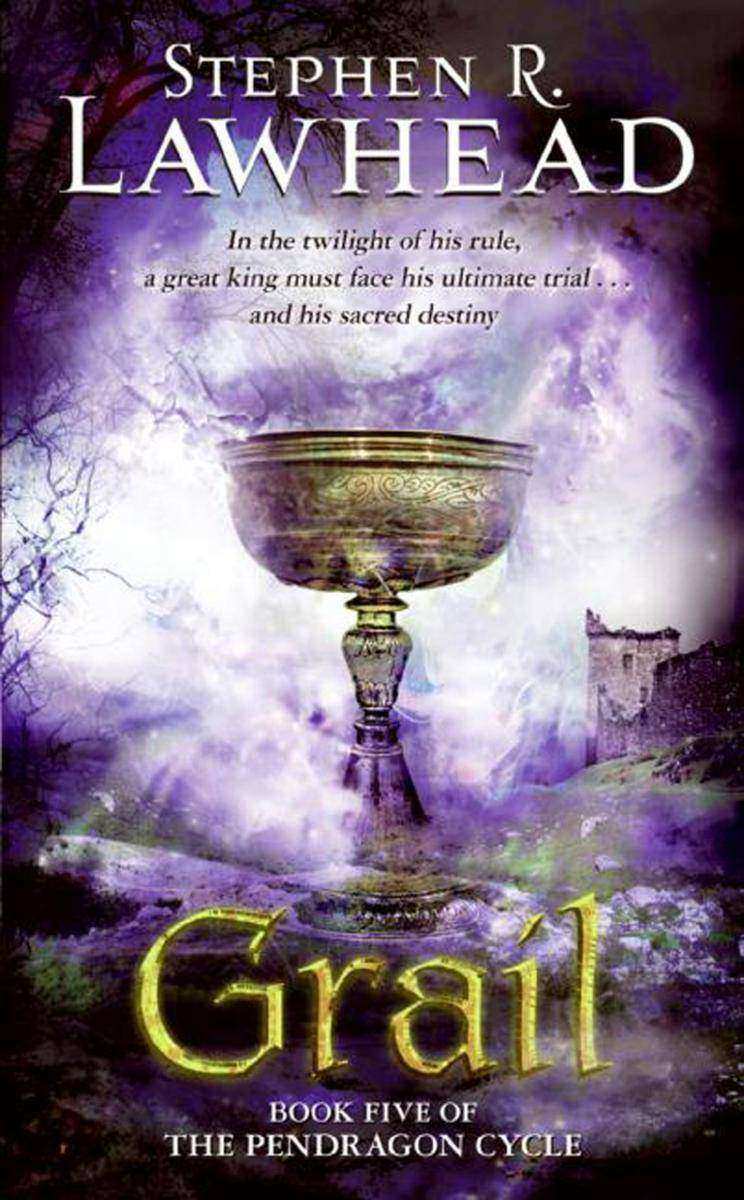
Grail
¥55.31
The legend of King Arthur has been told many times—but never with the strength and resonance, passion and richness granted it in Stephen R. Lawhead's masterfulPendragon CycleDrought, plague, and war have left the Isle of the Mighty battered and its heart, the beloved Arthur, grievously injured—until a secret relic is brought before the dying KIng; a Holy Grail that heals his wounds and restores his vigor.But soon evil enters the royal court in the guise of a beautiful maiden; a soulless, malevolent force capable of seducing the King's loyal champion, confounding the sage whom some call Merlin, and carrying the sacred Grail—and Arthur's adored Queen—off into the dark unknown. And now Arthur faces the greatest challenge of his sovererignty: a quest of recovery that must lead the noble liege through realms of magic and the undead, on a trail that winds inexorably toward a grim confrontation with his most foul nemesis . . . and his destiny.Drought, plague and war have left the Isle of Mighty battered and its heart, the beloved Arthur, grievously injured. But, astonishingly, the High King lives—his wounds healed and vigor restored by a sacred and secret relic: the Holy Grail.At Ynys Avallach, a dying Arthur was miraculously renewed. And now, in this time of rampant disease and death, the great king wants to share the Grail's curative powers with all who require it. A shrine will be built to house the holy treasure—and Arthur's fabled Kingdom of Summer will at long last come to be.But evil has entered the royal court in the guise of a beautiful maiden. Unbeknownst to Arthur, to his devoted warriors, to his adored Gwenhwyvar. . .even to the bard Myrddrin, the sage Emrys whom some have called "Merlin," malevolent forces, soulless and cunning, seduce the King's most loyal champion. And in an unthinkable unguarded moment, the Grail is carried off, vanishing somewhere into the dark unknown.Now Arthur faces the greatest challenge of his sovereig.
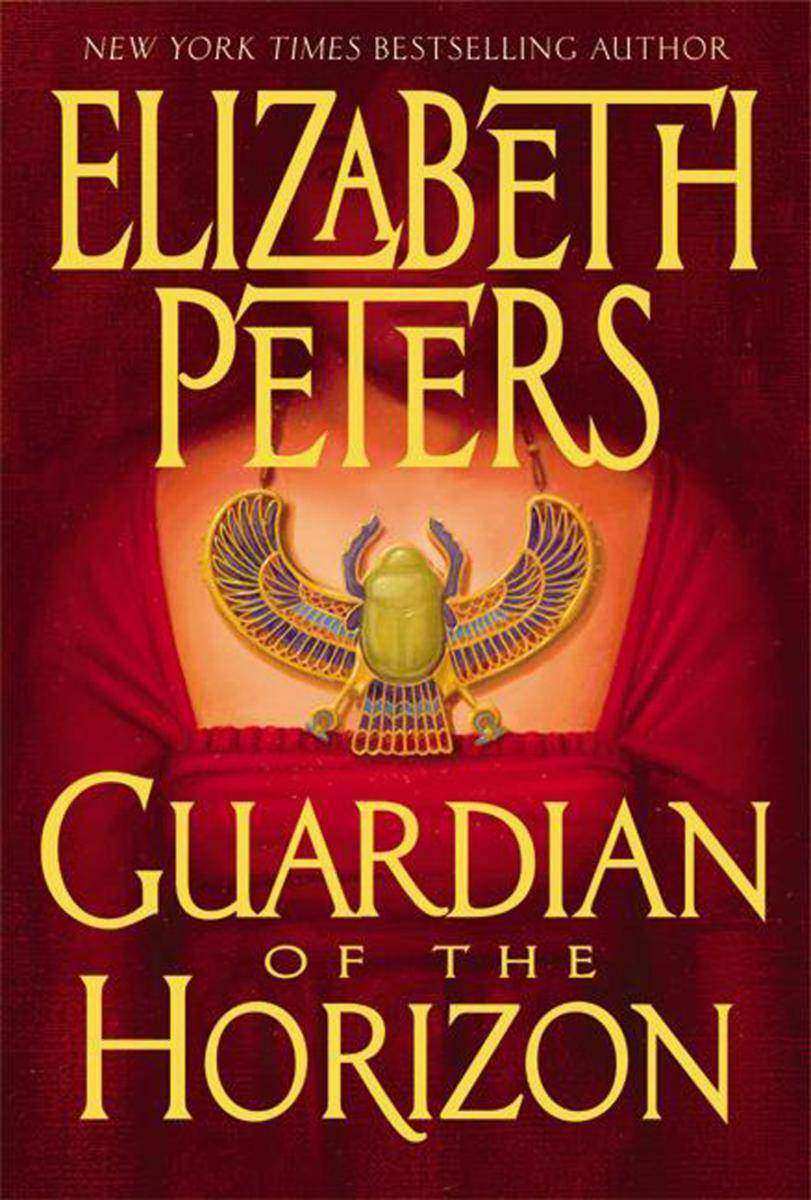
Guardian of the Horizon
¥70.10
Readers have long wondered what befell the Emerson clan during the years before the Great War. Now, at last, the silence is broken and the truth revealed of a perilous journey to a secret and mysterious place hidden deep in the heart of the unforgiving desert. An adventure prompted by loyalty to an endangered friend -- and spurred on by lies and treachery -- it leads Amelia Peabody and her intrepid family into a nest of vipers lying in wait at a remote mountain fortress. And when a dark past and a shocking mystery are ultimately discovered, a loved one may be lost forever.

20th Century Ghosts
¥90.51
Imogene is young, beautiful . . . and dead, waiting in the Rosebud Theater one afternoon in 1945. . . . Francis was human once, but now he's an eight-foot-tall locust, and everyone in Calliphora will tremble when they hear him sing. . . . John is locked in a basement stained with the blood of half a dozen murdered children, and an antique telephone, long since disconnected, rings at night with calls from the dead. . . .Nolan knows but can never tell what really happened in the summer of '77, when his idiot savant younger brother built a vast cardboard fort with secret doors leading into other worlds. . . .The past isn't dead. It isn't even past. . . .
Getting Started with ResearchKit
¥80.65
Enter the era of medical research using mobile devices with the help of this guide on ResearchKit!About This BookCreate a simple clinical research app using most aspects of ResearchKitBuild a simple survey with various data types with the results printed on the screen.A step-by-step guide introducing Apple's ResearchKit and techniques to incorporate it into various apps.Who This Book Is ForThis book is aimed at medical researchers with basic iOS coding knowledge and iOS developers looking to create clinical research apps.What You Will LearnLearn to create customized consent formGet introduced to two backend services: a simple backend server using Sinatra and Sage BridgeBuild a custom task (a conditional survey example) and a navigable taskGet an Overview of ResearchKit's open source repository and App CoreInteraction with the hardware of the device including the gyro and the motion sensorsLearn the basics of this revolutionary technologyGet introduced to the barebones app and learn to write your first codeIn DetailResearchKit is an open source software development framework from Apple that lets you easily create mobile applications for clinical research studies. ResearchKit provides you the ability to orchestrate the administration of tasks and recording of the results. ResearchKit provides tasks in order to perform informed consent, active tasks, and surveys.Starting with the basics of the ResearchKit framework, this books walks you through the steps of creating iOS applications that could serve as the basis of a clinical research mobile app.This book will introduce readers to ResearchKit and how to turn your iPhone into into a clinical research tool. The book will start off by installing and building the research framework in line with the researcher's needs; during this, the reader will learn to embed ResearchKit in the application and create a small task.After this, the book will go a little deeper into creating modules for surveys, consents, and so on. The book will also cover the various aspects of privacy and security with regard to participant data, and how to build dashboards for visualizing medical data and results in line with the researcher's requirements: data backends, JSON serialization and deserialization, and so on.Readers will be able to fully utilize ResearchKit for medical research, will be able to get more and more patients to participate in their surveys, and will gain insights from the surveys using the dashboards created.Style and approachA hands-on guide with ample screenshots for you to follow and learn about ResearchKit. Each topic is explained sequentially and placed in context so that you can get a better understanding of every step in the process of creating clinical research apps.
Cocos2d Cross-Platform Game Development Cookbook - Second Edition
¥90.46
Develop games for iOS and Android using Cocos2d with the aid of over 70 step-by-step recipesAbout This BookLearn to efficiently use Cocos2d to develop cross-platform games, and have them work on iOS as well as AndroidGet acquainted with industry-wide professional tools such as Glyph Designer, Texture Packer, and Physics Editor, as well as using the Swift/ Sprite builder implementation of Cocos2dUse the easy-to-follow recipes to develop as well as deploy games to the Playstore and the App StoreWho This Book Is ForThis book is for intermediate game developers and especially the ones who are generally curious to find out what’s new in Cocos2d v 3.3.What You Will LearnBuild custom sprites with custom animations for the gameBuild interactivity into your game by adding gestures and touch interactionsUnderstand AI enemy programming and path finding to make games more excitingAdd physics to your game to make it more lively and interactiveGet familiar with the Swift and Sprite builder implementations along with Objective-C programmingPerform hassle-free deployment of games built in iOS onto AndroidAdd effects and particle systems to make the game more colorfulIn DetailCocos2d is the world’s leading game development framework for developing iOS games. With the introduction of Swift and Spritebuilder, it has become easier than ever to develop the games of your dreams without much effort. With Cocos2d, you can also deploy the game on Android, thereby maximizing profit and reducing development and porting costs.The book starts off with a detailed look at how to implement sprites and animations into your game to make it livelier. You will then learn to add scenes to the game such as the gameplay scene and options scene and create menus and buttons in these scenes, as well as creating transitions between them. From there on, you will get an understanding of how to program user interactions such as tapping, holding, and swiping. You’ll then add accelerometer inputs and physics to the scene, and make objects respond back to the inputs. A game is practically incomplete without audio being added, so this will be covered next.The next section will include ways to add Artificial Intelligence to enemies in the game, allowing them to patrol, chase, and shoot in a projectile manner. You will then learn to use NSUserDefault to save and load game progress, and create and access files using JSON, Plist, and XML files for custom storage and retrieval of data. Then you will learn to add dynamic lighting to your game and will use industry-wide tools such as Texture Packer, Glyph Designer, Physics Editor, Particle Designer, and Sprite Illuminator to create more visually appealing and performance-optimized games.Towards the end of the book, we dive into Apple’s latest programming language—Swift, highlighting the major differences between Objective C and Swift. The book culminates with taking your existing game developed for iOS and porting it to Android, showing you how to install the Android Xcode plugin as well.Style and approachThe book is written in an extremely lucid and step-by-step manner; it can be understood easily by anyone. The topics included are broken down into individual chapters so you can refer to the specific chapter to get answers on the subject you are interested in.
Test-Driven iOS Development with Swift
¥71.93
Create fully-featured and highly functional iOS apps by writing tests firstAbout This BookLearn test-driven principles to help you build apps with fewer bugs and better designsBecome more efficient while working with Swift to move on to your next project faster!Learn how to incorporate all of the principles of test-driven development (TDD) in to your daily programming workflowWho This Book Is ForIf debugging iOS apps is a nerve-racking task for you and you are looking for a fix, this book is for you.What You Will LearnImplement TDD in swift application developmentGet to know the fundamentals, life cycle, and benefits of TDDExplore the tools and frameworks to effectively use TDDDevelop models and controllers driven by testsConstruct the network layer using stubsUse functional tests to ensure the app works as plannedAutomate and streamline the building, analysing, testing, and archiving of your iOS appsIn DetailTest-driven development (TDD) is a proven way to find software bugs early. Writing tests before your code improves the structure and maintainability of your app.Test-driven iOS Development with Swift will help you understand the process of TDD and how it impacts your applications written in Swift. Through practical, real-world examples, you’ll start seeing how to implement TDD in context. We will begin with an overview of your TDD workflow and then deep-dive into unit testing concepts and code cycles. We will showcase the workings of functional tests, which will help you improve the user interface. Finally, you will learn about automating deployments and continuous integration to run an environment.Style and approachThis is an easy-to-follow example-driven tutorial, packed with lots of tips and tricks that explore TDD bit-by-bit in the process of making an iOS application.
Learning Cython Programming - Second Edition
¥63.21
Learn the fundamentals of Cython to extend the legacy of your applicationsAbout This BookLearn how to extend C applications with pure Python codeGet more from Python – you’ll not only learn Cython, you’ll also unlock a greater understanding of how to harness PythonPacked with tips and tricks that make Cython look easy, dive into this accessible programming guide and find out what happens when you bring C and Python together!Who This Book Is ForThis book is for developers who are familiar with the basics of C and Python programming and wish to learn Cython programming to extend their applications.What You Will LearnReuse Python logging in CMake an IRC bot out of your C applicationExtend an application so you have a web server for rest callsPractice Cython against your C++ codeDiscover tricks to work with Python ConfigParser in CCreate Python bindings for native librariesFind out about threading and concurrency related to GILExpand Terminal Multiplexer Tmux with CythonIn DetailCython is a hybrid programming language used to write C extensions for Python language. Combining the practicality of Python and speed and ease of the C language it’s an exciting language worth learning if you want to build fast applications with ease.This new edition of Learning Cython Programming shows you how to get started, taking you through the fundamentals so you can begin to experience its unique powers.You’ll find out how to get set up, before exploring the relationship between Python and Cython. You’ll also look at debugging Cython, before moving on to C++ constructs, Caveat on C++ usage, Python threading and GIL in Cython. Finally, you’ll learn object initialization and compile time, and gain a deeper insight into Python 3, which will help you not only become a confident Cython developer, but a much more fluent Python developer too.Style and approachThis practical and a fast-paced guide gives you all the information you need to start programming using Cython.
Mastering Puppet - Second Edition
¥90.46
Master Puppet for configuration management of your systems in an enterprise deploymentAbout This BookThis book is an advanced guide to using and deploying Puppet 4 in your organization with a special focus on issues faced in larger enterprise deploymentsFrom an experienced author, learn to deal with scaling, performance, and multiple developers with the help of real-world examplesThis is the most up-to-date guide on Puppet, and covers the advanced concepts of Puppet 4Who This Book Is ForThis book is for those who have intermediate knowledge of Puppet and are looking to deploy it in their environment. Some idea how to write simple modules for configuration management with Puppet is a prerequisite for this book.What You Will LearnScale out your Puppet infrastructure using proxying techniquesAutomate your code promotion workflow using Git and r10kSolve real-world problems using public modules from the Puppet ForgeUse Hiera to separate the data of your configuration from the code of your configurationWrite your own custom facts in RubyExtend Puppet with your own custom facts, modules, and typesUse exported resources to orchestrate change between machinesDebug a puppetserver using Java techniquesIn DetailPuppet is a configuration management system and a language. It was written for and by system administrators to manage large numbers of systems efficiently and prevent configuration drifts.Mastering Puppet deals with the issues faced when scaling out Puppet to handle large numbers of nodes. It will show you how to fit Puppet into your enterprise and allow many developers to work on your Puppet code simultaneously. In addition, you will learn to write custom facts and roll your own modules to solve problems. Next, popular options for performing reporting and orchestration tasks will be introduced in this book. Moving over to troubleshooting techniques, which will be very useful. The concepts presented are useful to any size organization.By the end of the book, you will know how to deal with problems of scale and exceptions in your code, automate workflows, and support multiple developers working simultaneously.Style and approachThis book is a step-wise guide packed with examples to help you configure complex systems in Puppet.
Unreal Engine 4 Game Development Essentials
¥80.65
Master the basics of Unreal Engine 4 to build stunning video gamesAbout This BookGet to grips with the user interface of Unreal Engine 4 and find out more about its various robust featuresCreate dream video games with the help of the different tools Unreal Engine 4 offersCreate video-games and fully utilize the power of Unreal Engine 4 to bring games to life through this step-by-step guideWho This Book Is ForIf you have a basic understanding of working on a 3D environment and you are interested in video game development, then this book is for you. A solid knowledge of C++ will come in handy.What You Will LearnDownload both the binary and source version of Unreal Engine 4 and get familiar with the UIGet to know more about the Material Editor and how it worksAdd a post process to the scene and alter it to get a unique look for your sceneAcquaint yourself with the unique and exclusive feature of Unreal Engine 4—BlueprintsFind out more about Static and Dynamic lighting and the difference between various lightsUse Matinee to create cut scenesCreate a health bar for the player with the use of Unreal Motion Graphics (UMG)Get familiar with Cascade Particle EditorIn DetailUnreal Engine 4 is a complete suite of game development tools that gives you power to develop your game and seamlessly deploy it to iOS and Android devices. It can be used for the development of simple 2D games or even stunning high-end visuals. Unreal Engine features a high degree of portability and is a tool used by many game developers today.This book will introduce you to the very popular Unreal 4 engine with hands-on instructions to build stunning video games. You will begin by creating a new project or prototype by learning the essentials of Unreal engine, then you’ll get an understanding of how the World Browser can help to improve performance of our game. Next, we’ll create a level of detailed models and materials to further improve performance. After that, you’ll see how to import textures, create different materials, and see what materials can do in terms of post-processing. Finally, you will get acquainted with the Paper2D tool and the blueprints system to further increase our project's performance with Engine’s scalability tools.Style and approachThis step-by-step guide will help you gain practical knowledge about Unreal Engine through detailed de*ions of all the tools offered by Unreal Engine.


