


 购物车
购物车 个人中心
个人中心
Saratoga Trunk
¥88.56
The basis for the classic film starring Gary Cooper and Ingrid Bergman, Saratoga Trunk unfolds the story of Clio Dulaine, an ambitious Creole beauty who more than meets her match in Clint Maroon, a handsome Texan with a head for business -- and an eye for beautiful young women. Together they do battle with Southern gentry and Eastern society, but in their obsession to acquire all they've ever wanted, they fail to realize they already have all they'll ever need -- each other.

Killer Chameleon
¥49.57
Former D.C. cop Leigh Ann Warren is starting a new job and looking forward to a blissful wedded life. But someone is not willing to let her escape so easily -- a lethal adversary with a grudge who's determined to make Leigh Ann pay ... and keep paying.What begins as a series of petty harassments quickly escalates into more serious crimes, as a stranger driven by hate and unburdened by conscience steals Leigh Ann's identity to threaten her extended family. And when her invisible enemy graduates to murder, Leigh Ann realizes that there's only one way to take back her life and stop the terror: She must beat a killer at her own twisted game.
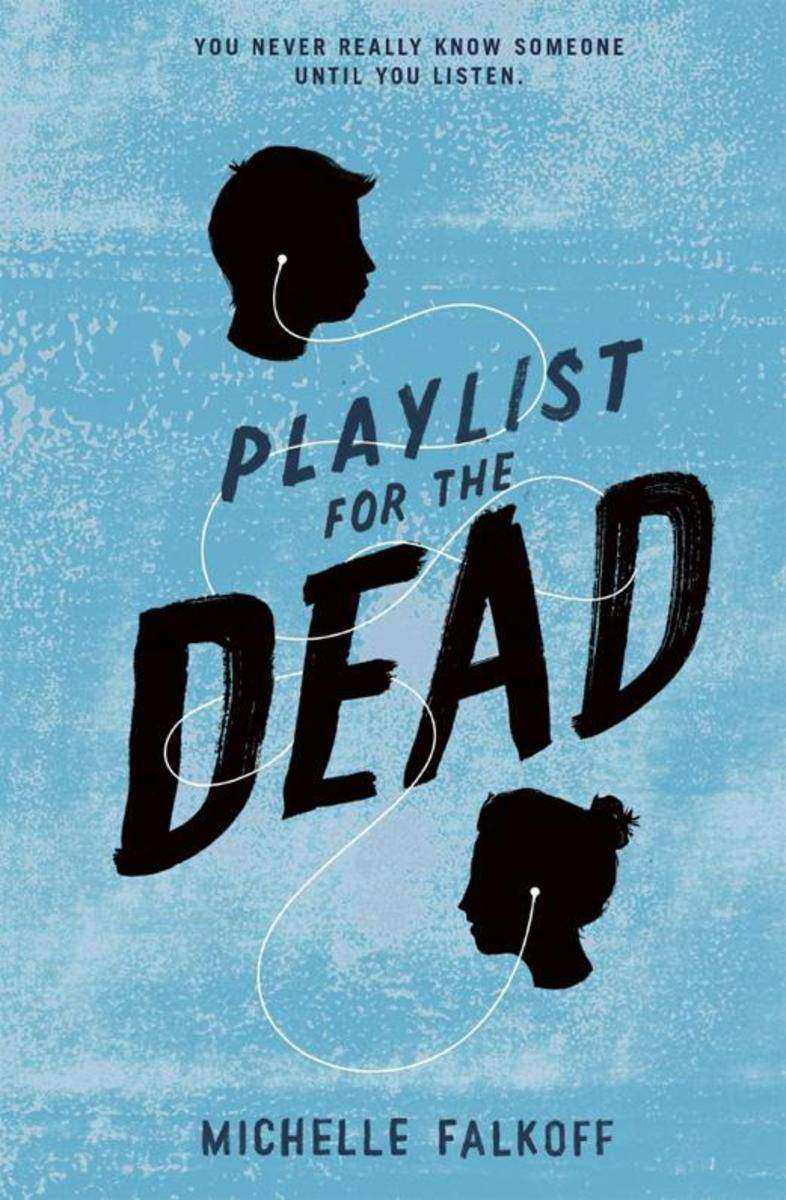
Playlist for the Dead
¥55.93
Part mystery, part love story, and part coming-of-age tale in the vein of The Perks of Being a Wallflower and The Spectacular Now.There was a party. There was a fight. The next morning, Sam's best friend, Hayden, was dead. And all he left Sam was a playlist of songs and a suicide note: For Sam—listen and you'll understand. To figure out what happened, Sam has to rely on the playlist and his own memory. But the more he listens, the more he realizes that his memory isn't as reliable as he thought. And it might only be by taking out his earbuds and opening his eyes to the people around him that he'll finally be able to piece together his best friend's story. And maybe have a chance to change his own.Playlist for the Dead is an honest and gut-wrenching first novel about loss, rage, what it feels like to outgrow a friendship that's always defined you—and the struggle to redefine yourself. But above all, it's about finding hope when hope seems like the hardest thing to find.
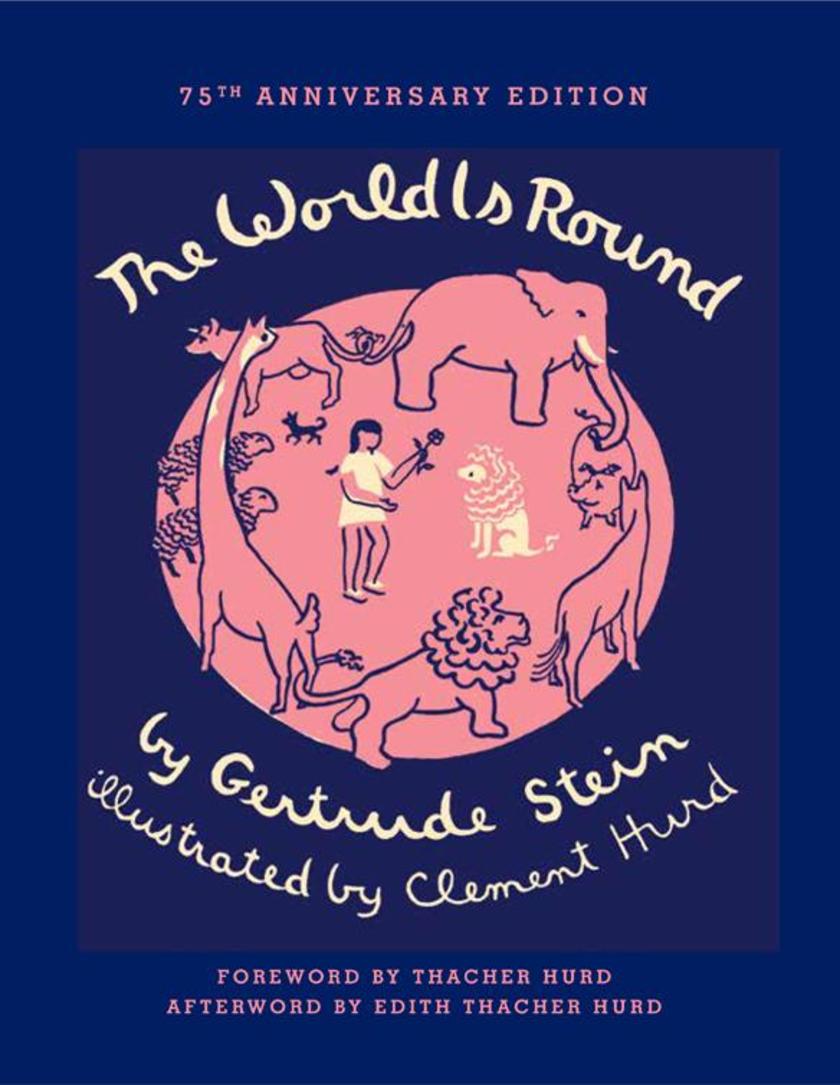
The World Is Round
¥110.71
Published to commemorate its 75th anniversary, The World Is Round brings back into print the classic story created by Gertrude Stein and Clement Hurd.Written in her unique prose style, Gertrude Stein's The World Is Round chronicles the adventures of a young girl named Rose—a whimsical tale that delights in wordplay and sound while exploring the ideas of personal identity and individuality. This stunning volume replicates the original 1939 edition to a T, including all of Clement Hurd's original blue-and-white art printed on the rose-pink paper that Stein insisted upon. Also featured here are two essays that provide an inside view to the making of the book. The first, a foreword by Clement Hurd's son, author and illustrator Thacher Hurd, includes previously unpublished photographs and sheds light on a creative family life in Vermont, where his father and mother, author Edith Thacher Hurd, often collaborated on children's books. The second essay, an afterword by Edith Thacher Hurd, takes readers behind the scenes of the making of The World Is Round, including the numerous letters exchanged between Hurd and Stein as well as images of Stein with the real-life Rose and her white poodle, Love.
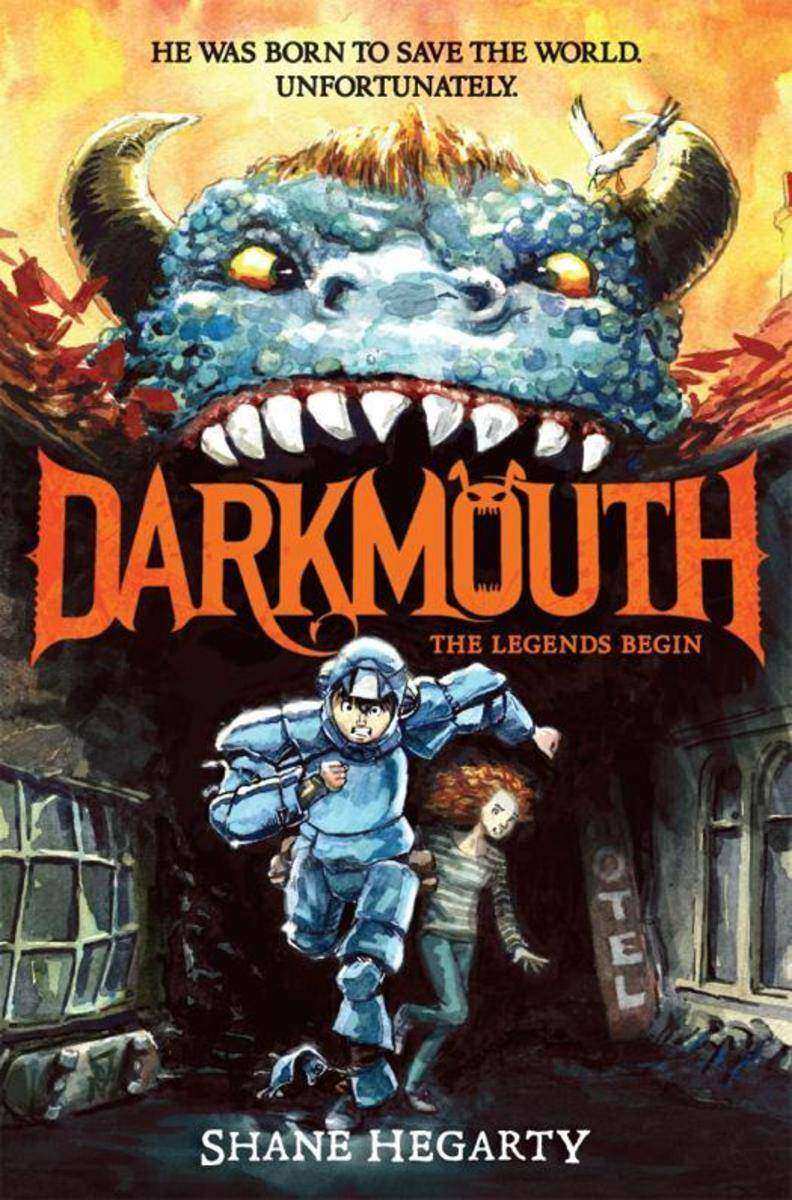
Darkmouth #1: The Legends Begin
¥44.85
Discover a new middle grade series full of madcap adventure, mythological creatures, humor, and heart. The world's unlikeliest hero is also its only hope in this spirited tween fantasy debut, perfect for fans of How to Train Your Dragon and The Hero's Guide to Saving Your Kingdom.For generations, Finn's family has protected Darkmouth from the fierce magical creatures known as Legends. Now the Legends are plotting a major attack, and it's Finn's turn to defend his hometown. So it's too bad he's the worst Legend Hunter in history.

Sheltering Rain
¥90.77
From the New York Times bestselling author of Me Before You comes the touching, unforgettable story of three generations of Irish women faced with the fundamental truths of love, duty, and the unbreakable bond that unites mothers and daughtersEstranged from her mother since she ran away from her rural Irish home as a young woman, Kate swore an oath that she'd always be a friend to her daughter, Sabine. But history has a way of repeating itself, and Kate now faces an ever-widening chasm between herself and her daughter. With Sabine about to make her own journey to Ireland to see her grandmother, Kate is left wondering how they ever made it here, and what she can do to close the gap between them.For Joy, seeing her granddaughter is a dream come true. After the painful separation from Kate, she's looking forward to having time with Sabine. Yet almost as soon as the young woman arrives, the lack of common ground between them deflates her enthusiasm. And when Sabine's impetuous, inquisitive nature forces Joy to face long-buried secrets from her past, she realizes that perhaps it's time to finally heal old wounds.

Slim Down Now
¥88.56
Get ready to put aside all your calorie counting, appetite suppressing, no-pain-no-gain diets. Cynthia Sass, author of S.A.S.S. Yourself Slim and coauthor of Flat Belly Diet!, introduces the surprising superfood that is the secret to weight loss. Called “pulses,” this unique class of protein-rich carbs (including filling and satisfying lentils, beans, and chickpeas) actually boosts calorie- and fat-burning, whittles away belly fat, prevents snack attacks, and creates long-lasting energy. Plus, they’re gluten free, readily available, and affordable!In Slim Down Now, Cynthia Sass reveals the scientifi cally demonstrated power of pulses, which she has incorporated into a dynamic, fl exible weight-loss plan that focuses on how these supershredders can ultimately transform your body.The 30-day challenge asks you to put aside your usual weight-loss methods and adopt an entirely new approach to food, health, and weight management. You start with the four-day Rapid Pulse, where you make one simple recipe (a pudding!) daily for four days . . . but in those four days, you’ll lose up to 8 pounds! Then, you move on to the Daily Pulse, a 26-day program where you include one serving of pulse each day. Sass’s plan includes a simple DIY meal-building strategy you’ll love, as well as delicious, deprivation-free recipes, including a savory veggie quiche, garlicky shrimp scampi, and even oven-roasted potatoes. In fact, there is an entire chapter on desserts, including mouth-watering brownie bites and mini pumpkin spice muffi ns. The meal plan includes grocery lists and restaurant options and can be followed by gluten-free eaters, vegans, vegetarians, and omnivores alike.?In addition to this new approach to eating, Sass reveals that less exercise rather than more can actually be the key to successful weight loss. Forget feeling pressure to spend hours on an elliptical or at exhausting boot camp classes. With this program, exercise becomes a more organic part of your day, rather than that nagging item on your to-do list. Bonus: you’ll also learn a simple five minute technique that will boost your mood and overall happiness.?Sound too good to be trueWe promise it’s not. Get started today, and see the pounds melt away.
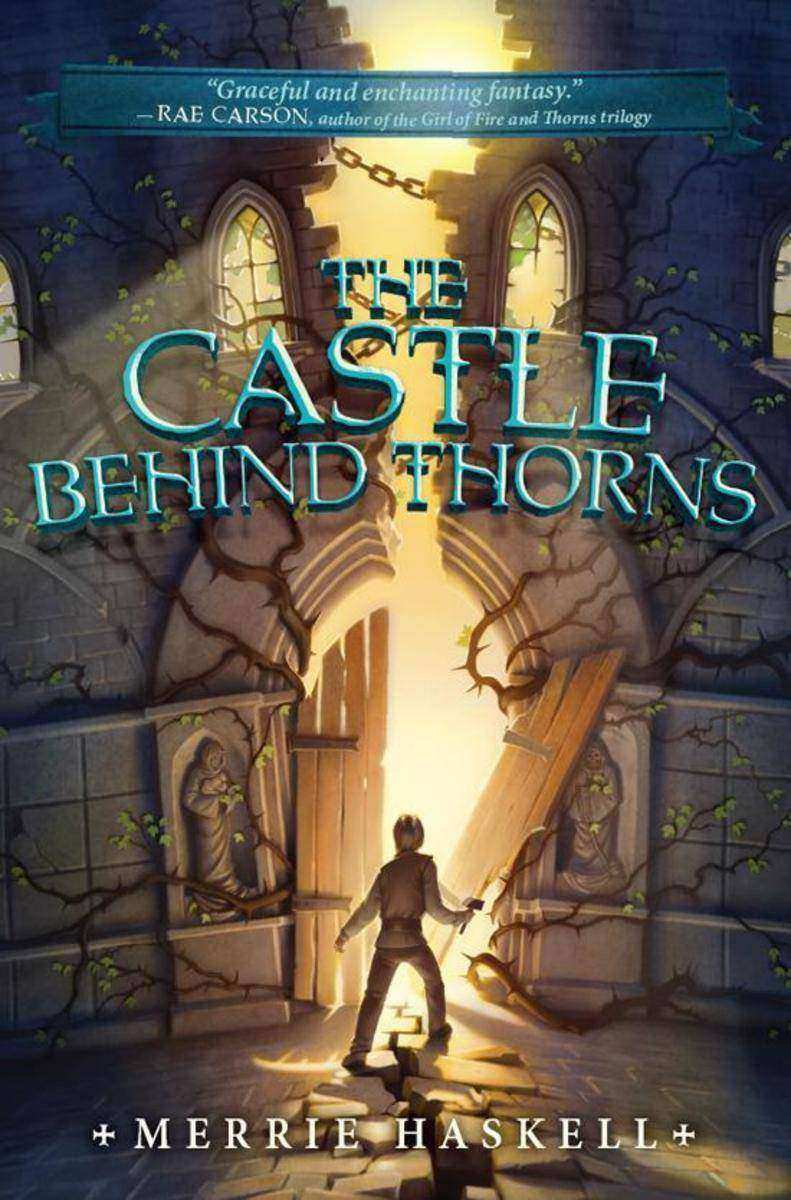
The Castle Behind Thorns
¥39.24
This magical adventure set in an enchanted castle surrounded by thorns tells a tale of the power of memory and story, forgiveness and strength, and the true gifts of craft and imagination. By the acclaimed author of?The Princess Curse?and?Handbook for Dragon Slayers, this original fantasy is perfect for fans of Gail Carson Levine, Karen Cushman, and Shannon Hale.When blacksmith apprentice Sand wakes up in a ruined castle, he has no idea how he got there, but the thorny brambles that surround the walls prevent him from leaving. As he begins to fix up the castle in order to survive, everything he touches somehow works better than it should. Then, as he continues to explore, Sand discovers the castle’s secrets, including its long lost heir, Perrotte. Together they must fully repair the broken castle if they ever want to leave.
Grandmother's Tale And Selected Stories
¥95.17
There is no better introduction to R.K. Narayan than this remarkable collection of stories celebrating work that spans five decades. Characters include a storyteller whose magical source of tales dries up, a love-stricken husband who is told by astrologers he must sleep with a prostitute to save his dying wife, a pampered child who discovers that his beloved uncle may be an impostor or even a murderer. Standing supreme amid this rich assortment of stories is the title novella. Told by the narrator's grandmother, the tale recounts the adventures of her mother, married at seven and then abandoned, who crosses the subcontinent to extract her husband from the hands of his new wife. Her courage is immense and her will implacable -- but once her mission is completed, her independence vanishes. Gentle irony, wryly drawn characters, and themes at once Indian and universal mark these humane stories, which firmly establish Narayan as one of the world's preeminant storytellers.
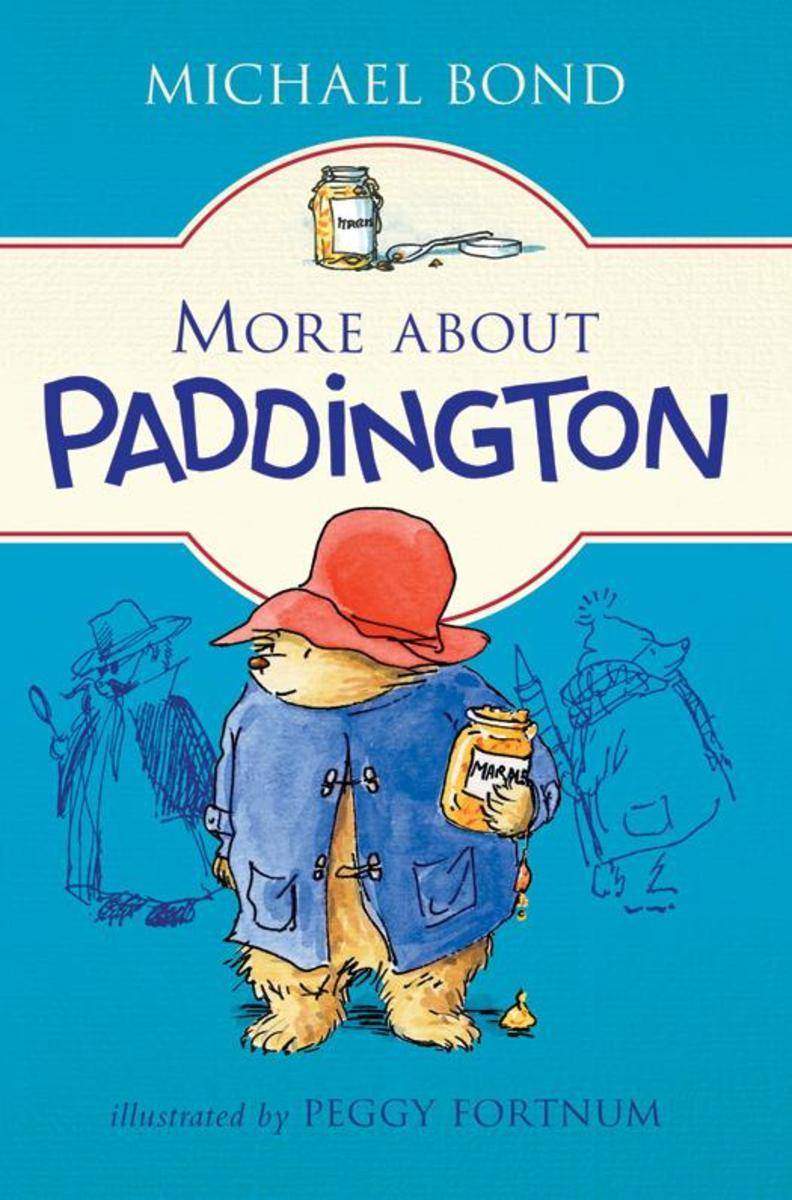
More about Paddington
¥33.63
Paddington Bear becomes a celebrity when he takes portraits of the Brown family with a very old camera. Thanks to the unique results, a local shop puts the photos on display. And that's just the first adventure this extraordinary bear finds himself in. From wallpapering to mystery-solving, Paddington does it all with the sense of wonder and playful charm that readers have come to love.First published in 1959, More about Paddington is the second novel by Michael Bond chronicling the adventures of this classic character. Paddington has warmed the hearts of generations of readers with his earnest good intentions and humorous misadventures. This brand-new paper-over-board edition of the classic novel contains the original text by Michael Bond and illustrations by Peggy Fortnum.
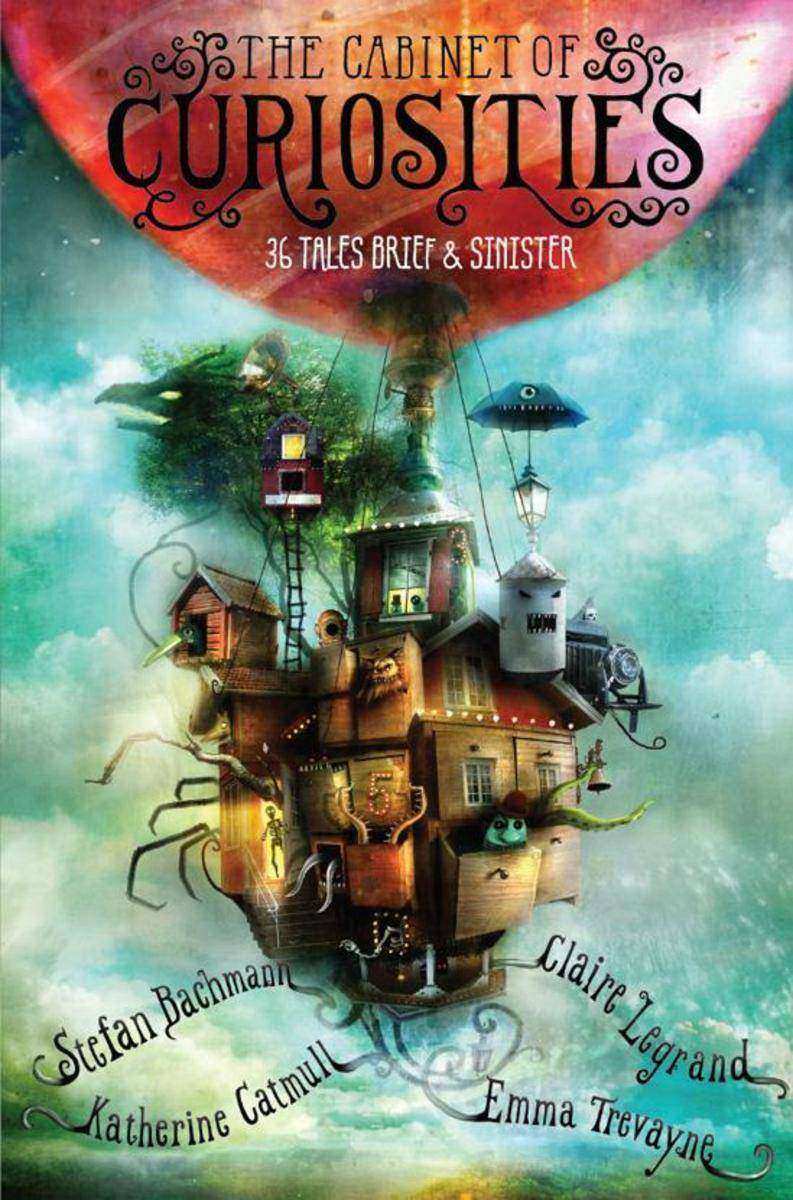
The Cabinet of Curiosities
¥38.72
A collection of thirty-six forty eerie, mysterious, intriguing, and very short stories by the acclaimed authors Stefan Bachmann, Katherine Catmull, Claire LeGrand, and Emma Trevayne. The Cabinet of Curiosities is perfect for fans of Alvin Schwartz's Scary Stories to Tell in the Dark and anyone who relishes a good creepy tale. Great for reading alone or reading aloud at camp or school!The book features an introduction and commentary by the authors and black-and-white illustrations throughout.
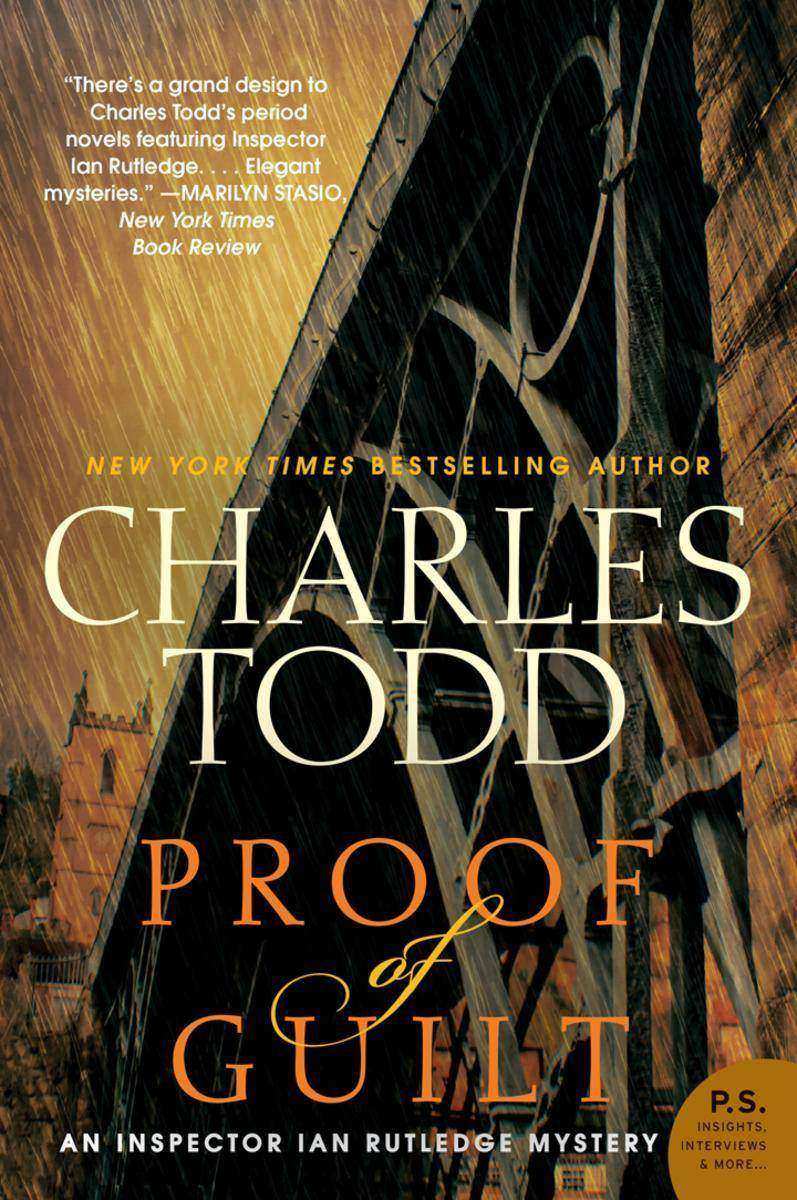
Proof of Guilt
¥90.51
Scotland Yard's Ian Rutledge must contend with two dangerous enemies in this latest complex mystery in the New York Times bestselling seriesLondon, summer 1920. An unidentified body appears to have been run down by a motorcar and Ian Rutledge is leading the investigation to uncover what happened. While the signs point to murder, vital questions remain: Who is the victimAnd where, exactly, was he killed?One small clue leads Rutledge to a firm built by two families, famous for producing and selling the world's best Madeira wine. Lewis French, the current head of the English enterprise, is missing. But is he the dead manAnd does either his fiancée or his jilted former lover have anything to do with his disappearance—or possible deathWhat about his sisterOr the London office clerkIs Matthew Traynor, French's cousin and partner who heads the Madeira office, somehow involved?The experienced Rutledge knows that suspicion and circumstantial evidence are not proof of guilt, and he's going to keep digging for answers. But that perseverance will pit him against his supervisor, the new acting chief superintendent. When Rutledge discovers a link to an incident in the French family's past, the superintendent dismisses it, claiming the information isn't vital. He's determined to place the blame on one of French's women despite Rutledge's objections. Alone in a no-man's-land rife with mystery and danger, Rutledge must tread very carefully, for someone has decided that he, too, must die so that cruel justice can take its course.

Fountain of St. James Court; or, Portrait of the Artist as an Old Woman The
¥88.56
"Is it a crime to liveTo create happiness for yourself through your own work?"How do writers and painters get their ideasAnd what are the hard realities of such seemingly glamorous and romantic livesIn her groundbreaking new novel, New York Times bestselling author Sena Jeter Naslund explores the transformative power of art, history, and love in the lives of creative women.It's midnight on St. James Court, at the heart of which is a beautiful fountain sculpture of Venus rising from the sea. Kathryn Callaghan has just finished the first draft of her novel about renowned painter ?lisabeth Vigée-Le Brun, a survivor of the French Revolution who was hated for her sympathetic portraits of Marie Antoinette. Although the manu* is complete, its author remains haunted by ?lisabeth's experiences, which are revealed in Sena Jeter Naslund's ingenious novel-within-a-novel interleaved with the chronicle of a day in the life of Kathryn Callaghan. Despite being separated by time, place, and culture, Kathryn and ?lisabeth possess similar gifts and burdens: uncompromising aesthetic codes, fierce pride in their artistic expression, and unwavering love and sacrifice for their children. And before the next midnight rolls around, Kathryn will have confronted personal danger as frightening as the butchery that ?lisabeth faced during the Reign of Terror. Each woman will be called upon and tested; each will, like Venus, rise triumphantly above the expectations of her world.In this, her compelling and intimate ninth book, Sena Jeter Naslund presents the reader with an eye-opening alternate vision of The Artist: not an angry young man but a woman of age and hard-won experience who has created for herself, against enormous odds, a fulfilling life of thoroughly realized achievement.

The Wonder Bread Summer
¥83.03
It's 1983 in Berkeley, California. Twenty-year-old Allie Dodgson is a straitlaced college student working part-time at a dress shop to make ends meet. But when the shop turns out to be a front for a dangerous drug-dealing business, Allie finds herself on the lam, speeding toward Los Angeles in her best friend's Prelude with a Wonder Bread bag full of cocaine riding shotgun and a hit man named Vice Versa on her tail. You can't find a more thrilling summer read!
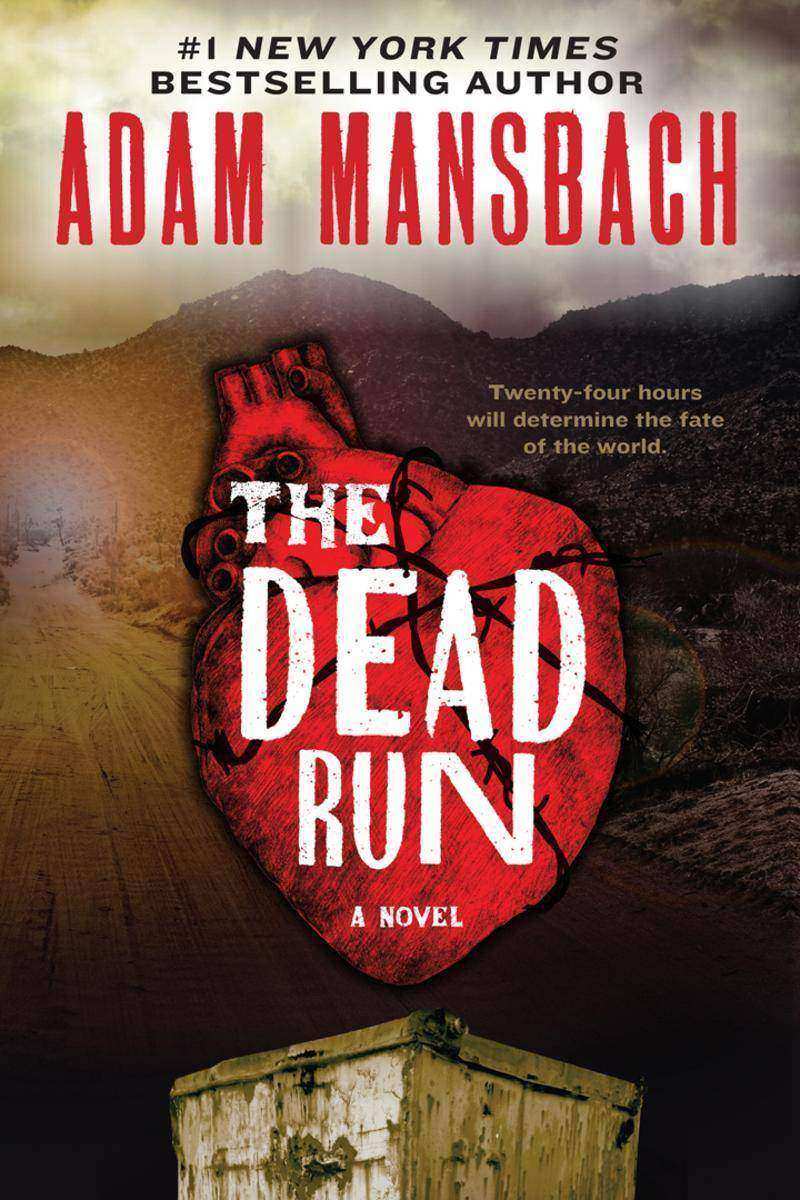
The Dead Run
¥56.07
Adam Mansbach, the acclaimed #1 New York Times bestselling author of Go the F**k to Sleep and Rage Is Back, turns to a new tale of suspense, horror, and supernatural actionWrongfully imprisoned in a Mexican jail, outlaw-with-a-conscience Jess Galvan accepts a devil's bargain: transport a sinister package across the border in twenty-four hours for the jail's mythical—and terrifying—bogeyman El Cucuy. If Jess can make it across alive and give the iron box to cult leader Aaron Seth, he will be free and able to regain custody of his estranged daughter.But as Jess navigates a blighted desert full of deadly surprises, girls go missing on both sides of the border and bodies begin to surface. It's a deadly epidemic of crime that plunges small-town sheriff Bob Nichols into a monster of an investigation he's not equipped to handle, especially when sixteen-year-old Sherry disappears.An ancient evil has awoken in the empty wastelands along the border and now everyone—the innocent and the guilty alike—must face their deepest fears as epic myth and human malice combine to bring forth the end of the world as we know it.With The Dead Run, acclaimed author Adam Mansbach mixes horror, the supernatural, and suspense to deliver a chilling, high-octane adventure.

Tales of Accidental Genius
¥83.03
A master storyteller’s vision reawakens us to the human experience in this diverse, haunting, and unexpectedly humorous new collection of short fiction from Simon Van Booy—his first since Love Begins in Winter, winner of the Frank O’Connor International Short Story Award.“She believed it was a gift to never truly know the self. We are not who we think we are, nor how others see us. Long before death, we die a thousand times at the hands of a definition.”In his first book of short stories since Love Begins in Winter, for which he won the Frank O’Connor International Short Story Award), bestselling author Simon Van Booy offers a collection of stories highlighting how human genius can emerge through acts of compassion. Through characters including an eccentric film director, an aging Cockney bodyguard, the teenage child of Nigerian immigrants, a divorced amateur magician from New Jersey, and a Beijing street vendor who becomes an overnight billionaire, Tales of Accidental Genius contemplates individuals from different cultures, races—rich and poor, young and old—and reveals how faith and yearning for connection helps us all transcend darkness of fear and misfortune.
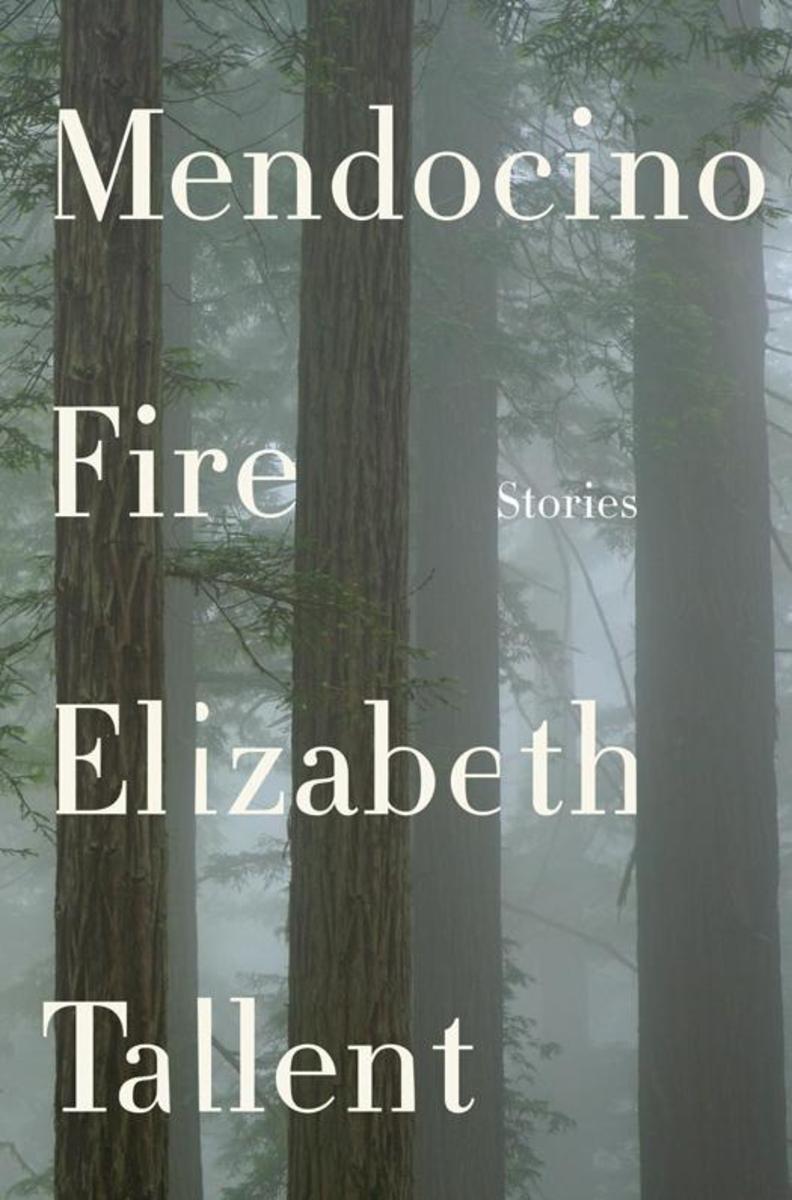
Mendocino Fire
¥90.51
The long-awaited return of a writer of rare emotional wisdomThe son of an aging fisherman becomes ensnared in a violent incident that forces him to confront his broken relationship with his father. A woman travels halfway across the country to look for her ex-husband, only to find her attention drawn in a surprising direction. A millworker gives safe harbor to his son's pregnant girlfriend, until an ambiguous gesture upsets their uneasy equilibrium. These and other stories—of yearning, loss, and tentative new connections—come together in Mendocino Fire, the first new collection in two decades from the widely admired Elizabeth Tallent. Diverse in character and setting, rendered in an exhilarating, exacting prose, these stories confirm Tallent's enduring gift for capturing relationships in moments of transformation: marriages breaking apart, people haunted by memories of old love and reaching haltingly toward new futures. The result is a book that reminds us how our lives are shaped by moments of fracture and fragmentation, by expectations met and thwarted, and by our never-ending quest to be genuinely seen. Profound yet elemental, Mendocino Fire marks the welcome return of a sage and surprising voice in American fiction.
![The Quinoa [Keen-Wah] Cookbook](https://platform-permanent.ddimg.cn/pt-media-info-soa-resource/digital/product/63/28/1900546328_ii_cover.jpg?version=fee85d06-5ee2-4077-acf9-e53959dcdc6e)
The Quinoa [Keen-Wah] Cookbook
¥132.87
Kale. Cupcakes. Sriracha. Bacon-wrapped . . . anything. Each passing year seems to bring with it a new culinary darling, an ingredient or dish that enjoys a moment in the limelight—making its mark on restaurant menus, grocery store shelves, and, yes, in cookbooks.Quinoa is the latest heir to the food-trend throne, and with good reason: the protein-packed, gluten-free seed is a bona fide superfood. But while the nutritional attributes of quinoa are widely acknowledged, its ability to entice has, until now, been debated. Enter The Quinoa Cookbook, in which you will find more than seventy-five recipes that utilize quinoa in unexpected, creative, and delicious ways. From Nutty Quinoa Granola to Breakfast Coconut Quinoa; Roasted Peppers with Lamb-Quinoa Stuffing to Matzo Ball–Style Quinoa Soup; Charred Romaine Greek Salad with Quinoa-Crusted Feta to Quinoa, Sweet Potato, and Walnut Veggie Burgers; Quinoa, Cashew, and Orange Blossom Brittle to Quinoa PB&J Cookies; The Quinoa Cookbook will inspire you to reconsider your go-to quinoa dishes. You will also discover the tricks to cooking quinoa perfectly; learn how to make your own quinoa flour, flakes, and puffs; master the art of swapping in quinoa for other starches, like rice and pasta; and find out how to use quinoa in both savory and sweet applications, including baked goods.After all, quinoa is here to stay—so why not have some fun with it?
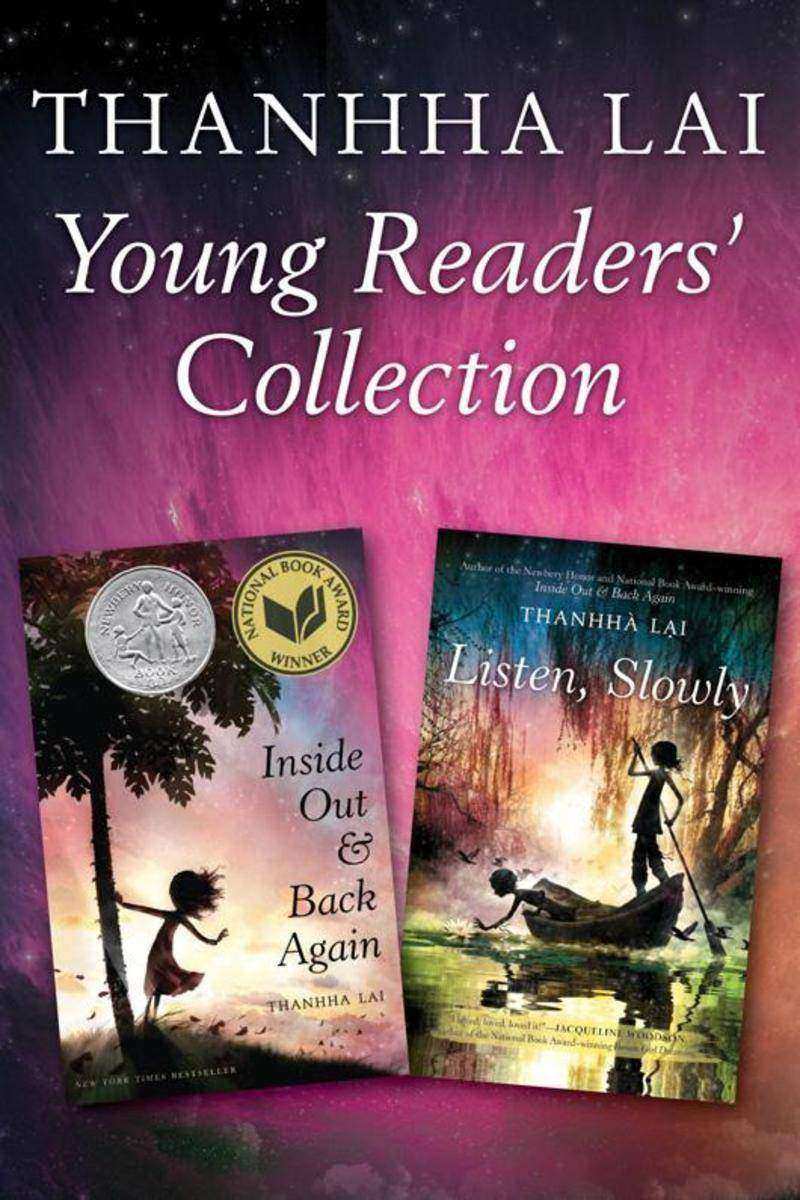
Thanhha Lai Young Readers' Collection
¥107.82
Acclaimed New York Times bestselling author Thanhha Lai won the National Book Award for Young People's Literature and the Newbery Honor for her debut novel, Inside Out and Back Again. This collection includes Inside Out and Back Again along with her newest novel, Listen, Slowly. Inside Out and Back Again: Inspired by the author's childhood experience of fleeing Vietnam after the Fall of Saigon and immigrating to Alabama, this coming-of-age debut novel told in verse has been celebrated for its touching child's-eye view of family and immigration. For all the ten years of her life, Hà has only known Saigon: the thrills of its markets, the joy of its traditions, and the warmth of her friends close by. But now the Vietnam War has reached her home. Hà and her family are forced to flee as Saigon falls, and they board a ship headed toward hope. In America, Hà discovers the foreign world of Alabama: the coldness of its strangers, the dullness of its food . . . and the strength of her very own family.Listen, Slowly: Twelve-year-old Mia's parents are sending her, along with her father, on a trip to Vietnam so she can learn more about her roots—and also help her grandmother figure out what really happened to Mia's grandfather during the Vietnam War. Since Mia barely knows the language or customs, she is desperately counting down the days until she can go back home. But the next few weeks are a life-changing experience. As time passes, Mia begins to have a change of heart, growing closer to her family and developing an understanding of a culture and an entire world which that she never really knew about.

Dorothy Must Die: The Other Side of the Rainbow Collection
¥327.12
There's a new wicked witch in Oz—and her name is Dorothy. The Wonderful Wizard of Oz meets Kill Bill in this edgy, fast-paced, fantasy-adventure series from New York Times bestselling author Danielle Paige. The first two novels and three novellas are available together here for the first time:Dorothy Must Die: Oz has turned into a savage dystopia under Dorothy's rule—and now a new girl from Kansas must take her down. Amy Gunn been recruited by the Revolutionary Order of the Wicked. Her mission: Remove the Tin Woodman's heart. Steal the Scarecrow's brain. Take the Lion's courage. And—Dorothy must die.The Wicked Will Rise: With the Revolutionary Order of the Wicked scattered across Oz, Amy Gumm is on her own in the twisted fairyland. As she searches the kingdom in the hopes of destroying Dorothy once and for all, Amy realizes that nothing is what it seems in Oz and everyone has their own agenda.This collection also contains the three prequel novellas No Place Like Oz, The Witch Must Burn, and The Wizard Returns.

My Year with Eleanor
¥94.10
After losing her high-octane job as an entertainment blogger, Noelle Hancock was lost. About to turn twenty-nine, she'd spent her career writing about celebrities' lives and had forgotten how to live her own. Unemployed and full of self-doubt, she had no idea what she wanted out of life. She feared change in fact, she feared almost everything. Once confident and ambitious, she had become crippled by anxiety, lacking the courage required even to attend a dinner party until inspiration struck one day in the form of a quote on a chalkboard in a coffee shop:"Do one thing every day that scares you." Eleanor RooseveltPainfully timid as a child, Eleanor Roosevelt dedicated herself to facing her fears, a commitment that shaped the rest of her life. With Eleanor as her guide, Noelle spends the months leading up to her thirtieth birthday pursuing a "Year of Fear." From shark diving to fighter pilot lessons, from tap dancing and stand-up comedy to confronting old boyfriends, her hilarious and harrowing adventures teach her about who she is, and what she can become lessons she makes vital for all of us.


