


 购物车
购物车 个人中心
个人中心

Stepping Out Within
¥53.88
Stepping Out Within by Robert W. Olsen has de*ive copy which is not yet available from the Publisher.

You Send Me
¥91.71
The daughter of an over-protective father, Millicent Anderson has never been permitted an ounce of freedomher father has kept her completely sheltered from boys, and even quashed her dream of being a teacher. But when a family trip leads her to tiny Moose Falls, Montana, and she catches sight of bad boy Johnny Pickett, her heart flips -- and before she knows it, she's breaking all the rules to be near him. In Johnny's arms, Millie discovers passion, and Millie is just what Johnny needs to heal after war. When her father tries to separate them by dangling her old dreams before her, however, Millie's forced to make a choice: Will she choose the love of her family and the opportunity to build a career -- or will she leave everything behind for the hot guy she's fallen for?

Always to Remember
¥108.99
Branded a traitor and imprisoned for refusing to fight for the Confederacy, Clayton Holland returns home to Cedar Grove, only to be spurned by the townspeople, except for vengeful Meg Warner, who finds her hatred and grief transformed by love.

Schools Without Fail
¥90.77
The author of the bestselling Reality Therapy offers daring recommendations to "shake up educators" (Alexander Bassin).
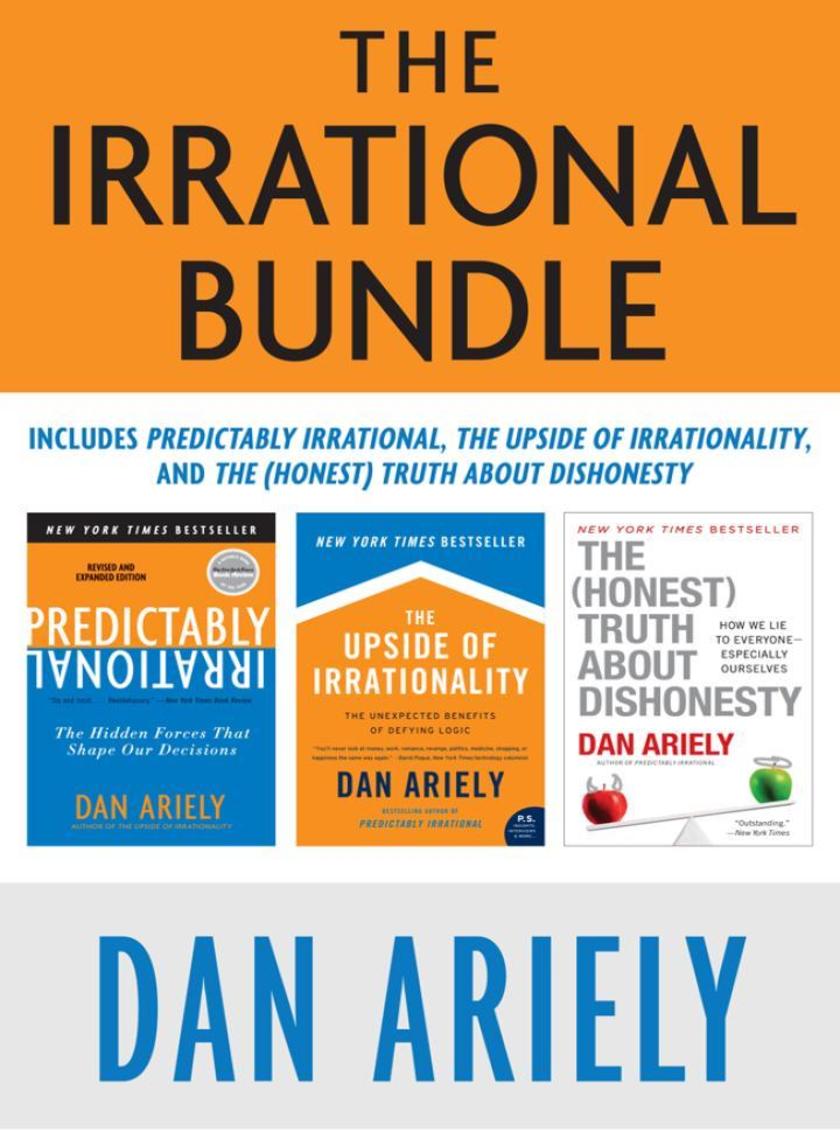
The Irrational Bundle
¥323.63
Dan Ariely's three New York Times bestselling books on his groundbreaking behavioral economics research, Predictably Irrational, The Upside of Irrationality, and The (Honest) Truth About Dishonesty, are now available for the first time in a single volume.

The Official Narnia Cookbook
¥65.33
The only OFFICIAL Narnia cookbook! Explore over 60 illustrated recipes inspired by the classic fantasy series The Chronicles of Narnia. Illustrations in this ebook appear in vibrant full color on a full-color ebook device, and in rich black-and-white on all other devices.From the White Witch's spellbinding Turkish Delight to the centaurs' mouthwatering oatcakes and the Dryads' favorite gooseberry fools, each recipe in The OFFICIAL Narnia Cookbook is a culinary tribute to the overwhelming influence The Chronicles of Narnia has had on generations of readers. With anecdotes by C. S. Lewis's stepson, Douglas Gresham, and illustrations by the original artist, Pauline Baynes, this is a delicious way to expand your journey into Narnia whether you are a fan of the books or like to cook and read about food.Enjoy these treats with any or all of the seven books from The Chronicles of Narnia The Magician's Nephew; The Lion, the Witch and the Wardrobe; The Horse and His Boy; Prince Caspian; The Voyage of the Dawn Treader; The Silver Chair; and The Last Battle.
Crow Dog
¥83.03
From the co-author of Lakota Woman, which has sold more than 150,000 paperback copies, comes a compelling account detailing the unique experiences and spiritual knowledge accumulated by four generations of powerful medicine men.
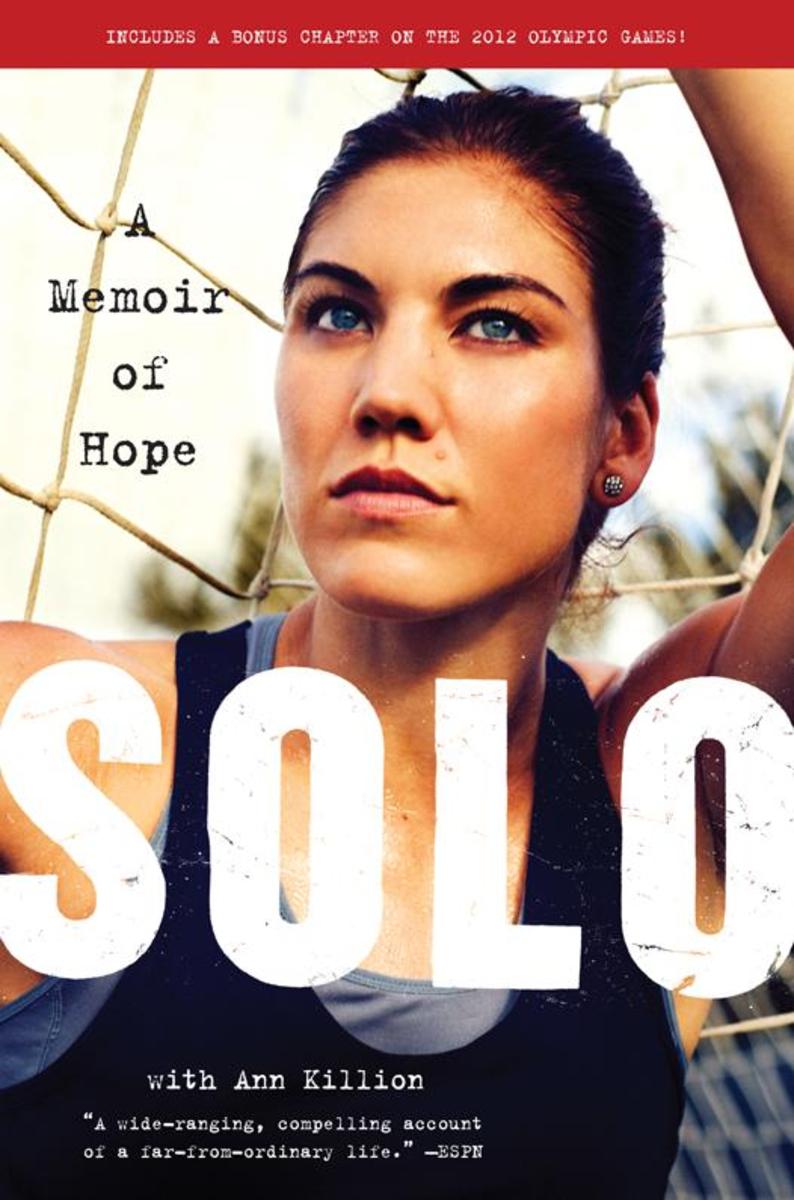
Solo
¥84.16
The Glass Castle meets A League of Their Own in Solo, a candid and moving memoir about family, loss, and reconciliation from Hope Solo, the supremely talented, headline-making goalkeeper for the U.S. women’s national soccer team. During the 2011 Women’s World Cup, Solo became an idol, role model, and sex symbol to a new generation of young American sports enthusiasts, inspiring the kind of intense devotion not seen since the days of Mia Hamm. An Olympic gold medalist and arguably America’s sexiest athlete, Hope has been featured on the cover of Sports Illustrated (twice), in ESPN: The Magazine, and as a contestant on the hit ABC television show Dancing with the Stars, and her poignant, compelling, and profoundly inspiring personal history will score big with her legion of fans.

The Alpha Woman Meets Her Match
¥83.03
For the first time ever: a liberating guide to life and love that tells successful women that they can find the right partner without having to change or settle and then shows them how to do itIn the twenty-first century, women are outpacing men in education and career advancement. Yet amazingly, successful women are constantly being told that their professional achievements might doom their chances of marriage and family. Don't believe the alarmist, negative hype, advises top relationship therapist Dr. Sonya Rhodes. Data show that today's Alpha women ambitious, self-assured, and hardworking are hardly fated to be spinsters. On the contrary, by rethinking outmoded gender roles, women can have better relationships than ever before. A clinical psychologist with more than thirty years' experience, Dr. Rhodes shares her secrets to helping women triumph in love by finding men who will appreciate and complement their strengths.Challenging gender stereotypes associated with the terms Alpha and Beta, she advises the Alpha woman to look past the overly competitive, domineering Alpha male for a man who is not threatened by her strengths but is communicative, responsible, and collaborative. Just as Alpha women aren't demanding bitches, Beta men aren't passive wimps. Demonstrating that nearly everyone is a combination of both qualities, Dr. Rhodes includes a comprehensive test to help readers define where they (and their partners) are on the Alpha-Beta spectrum. This tool will give women more options and help them make better choices.More than just offering advice about romance, The Alpha Woman Meets Her Match explores the dramatic shifts in our culture, and how these can bring women greater empowerment in both their love lives and their careers.

Hank Aaron and the Home Run That Changed America
¥88.56
Baseball has witnessed more than 125,000 home runs. Many have altered the outcome of games, and some have decided pennants and become legend. But no dinger has had greater impact than Hank Aaron's 715th home run. His historic blast on April 8, 1974, lifted him above Babe Ruth on the all-time list, an achievement that shook not only baseball but our nation itself. Aaron's magnificent feat provoked bigotry and shattered prejudice, inspired a generation, emboldened a flagging civil rights movement, and called forth the demons that haunted Aaron's every step and turned what should have been a joyous pursuit into a hellish nightmare.In this powerful recollection, Tom Stanton penetrates the myth of Aaron's chase and uncovers the compelling story behind the most consequential athletic achievement of the past fifty years. Three decades after Hank Aaron reached the pinnacle of the national pastime, and now as Barry Bonds makes history of his own, Stanton unfolds a tale rich with drama, poignancy, and suspense to bring to life the elusive spirit of an American hero.
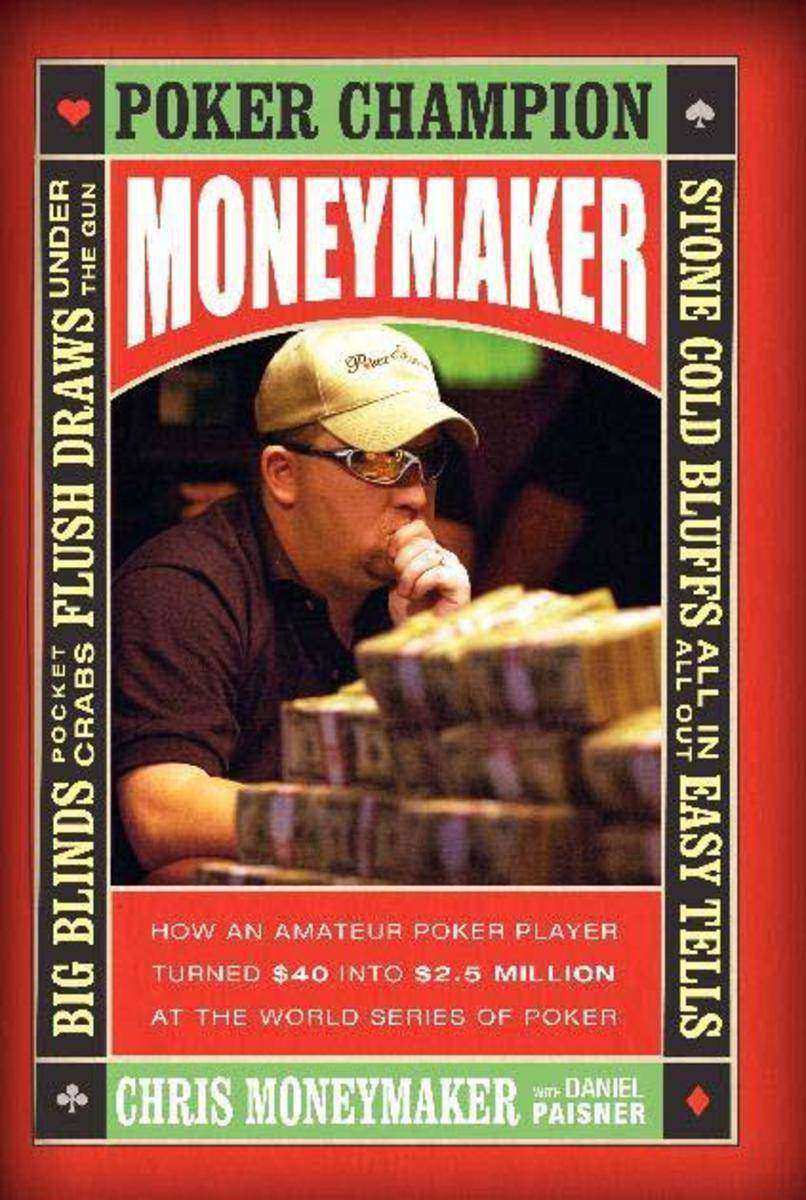
Moneymaker
¥88.56
In 2004 the number of entrants -- and the winning pool -- at the World Series of Poker tripled, thanks in large part to Chris Moneymaker, an amateur player who came out of nowhere to win the 2003 Series, and prove to newcomers and poker pros alike that anything is possible with a chip and a chair.Moneymaker was a young accountant from Tennessee who loved to gamble but only took up cards after college. Three years later he was playing a $40 game of online Texas Hold 'Em and won a coveted seat at the 2003 World Series of Poker. Borrowing money to get to Las Vegas, he entered his first real-time tournament and spent the next four days battling for a top spot at the final table.Filled with everything from his early gambling ventures to a play-by-play of his major hands at the World Series of Poker, Moneymaker is a gripping, fast-paced story for anyone who has ever dreamed of winning it big.
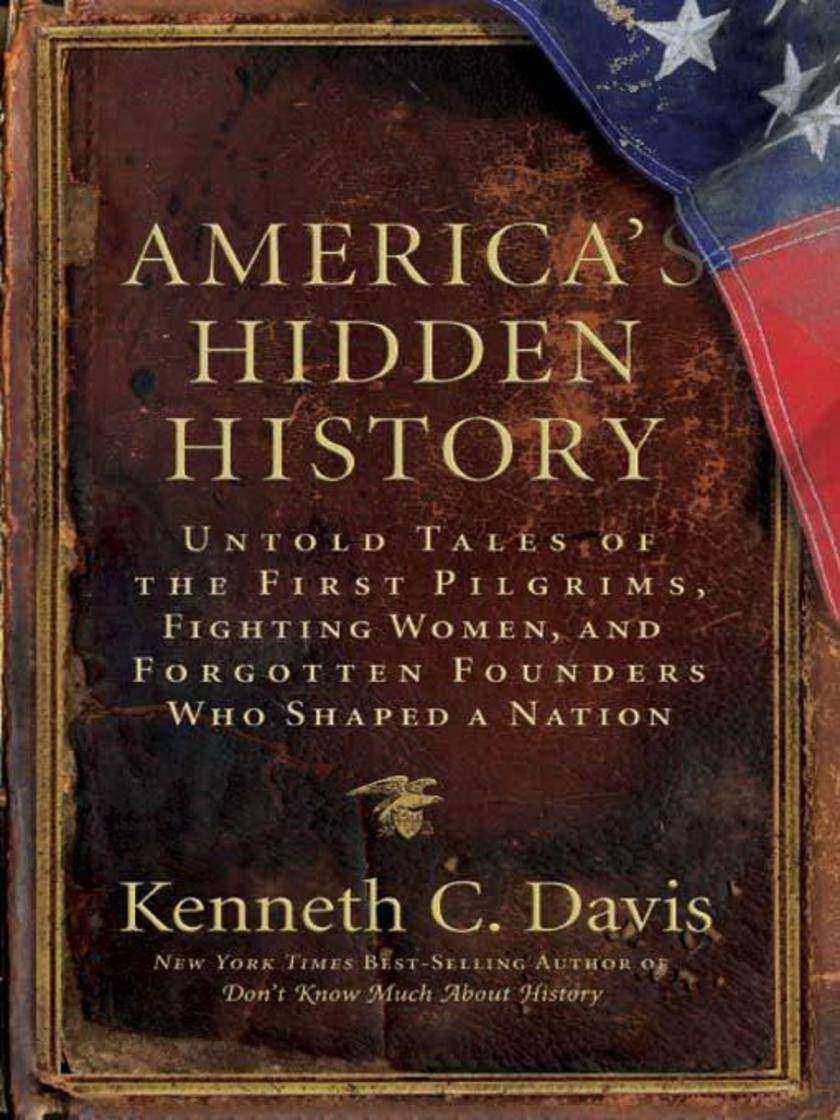
America's Hidden History
¥95.11
Kenneth C. Davis, author of the phenomenal New York Times bestseller Don't Know Much About History, presents a collection of extraordinary stories, each detailing an overlooked episode that shaped the nation's destiny and character. Davis's dramatic narratives set the record straight, busting myths and bringing to light little-known but fascinating facts from a time when the nation's fate hung in the balance.Spanning a period from the Spanish arrival in America to George Washington's inauguration in 1789, America's Hidden History details these episodes, among others: The story of the first real Pilgrims in America, who were wine-making French Huguenots, not dour English Separatists The coming-of-age story of Queen Isabella, who suggested that Columbus pack the moving mess hall of pigs that may have spread disease to many Native Americans The long, bloody relationship between the Pilgrims and Indians that runs counter to the idyllic scene of the Thanksgiving feast The little-known story of George Washington as a headstrong young soldier who committed a war crime, signed a confession, and started a war! Full of color, intrigue, and human interest, America's Hidden History is an iconoclastic look at America's past, connecting some of the dots between history and today's headlines, proving why Davis is truly America's Teacher.
For the Thrill of It
¥94.10
It was a crime that shocked the nation: the brutal murder in Chicago in 1924 of a child by two wealthy college students who killed solely for the thrill of the experience. Nathan Leopold and Richard Loeb were intellectuals too smart, they believed, for the police to catch them. When they were apprehended, state's attorney Robert Crowe was certain that no defense could save the ruthless killers from the gallows. But the families of the confessed murderers hired Clarence Darrow, entrusting the lives of their sons to the most famous lawyer in America in what would be one of the most sensational criminal trials in the history of American justice.Set against the backdrop of the 1920s a time of prosperity, self-indulgence, and hedonistic excess in a lawless city on the brink of anarchy For the Thrill of It draws the reader into a world of speakeasies and flappers, of gangsters and gin parties, with a spellbinding narrative of Jazz Age murder and mystery.
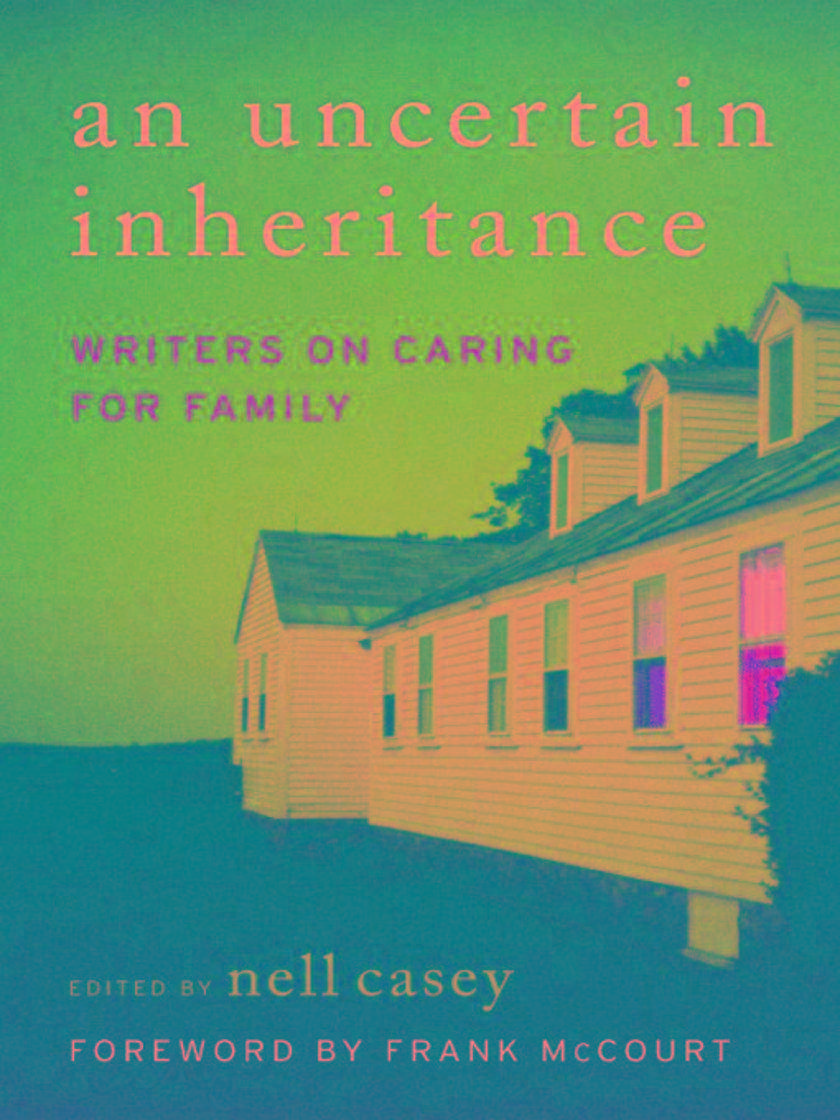
An Uncertain Inheritance
¥90.77
In this eloquent collection of essays from the editor of the national bestseller Unholy Ghost: Writers on Depression contributors reveal their experiences in caring for family through illness and death Today, thirty million people look after frail family members in their own homes. This number will increase drastically over the next decade as baby boomers tiptoe toward old age; as soldiers return home from war wounded, mentally and physically; as a growing number of Americans find themselves caught between the needs of elderly parents and young children; as medical advances extend lives and health insurance fails to cover them. This compelling book offers both literary solace and guidance to the people who find themselves witness to and participants in the fading lives of their intimates.Some of the country's most accomplished writers offer frank insights and revelations about this complex relationship. Julia Glass describes the tension between giving care to her two young sons and needing care after being diagnosed with breast cancer; Ann Harleman explores her decision to place her husband in an institution; Sam Lipsyte alternates between dark humor and profound understanding in telling the story of his mother's battle with cancer; Ann Hood wishes she'd had more time as a caregiver, to prepare herself for the loss of her daughter; Andrew Solomon examines the humbling experience of returning as an adult to be cared for by his father; cartoonist Stan Mack offers an illustrated piece about the humor and hell of making his way through the medical bureaucracy alongside his partner, Janet; Julia Alvarez writes about the competition between her and her three sisters to be the best daughter as they tend to their ailing parents. An Uncertain Inheritance examines the caregiving relationship from every angle children caring for parents; parents caring for children; sib-lings, spouses, and close friends, all looking after one another to reveal the pain, intimacy, and grace that take place in this meaningful connection.
Evolution's Captain
¥88.56
Evolution's Captain is the story of a visionary but now forgotten English naval officer but for whom the "Darwinian Revolution" would never have occurred. When Captain Robert FitzRoy, the twenty-six-year-old captain of the H.M.S. Beagle, set out for Tierra del Fuego in the fall of 1831, he invited a young naturalist to accompany him. That twenty-two-year-old gentleman was Charles Darwin, and perhaps no single voyage in history had a greater impact on how we would come to understand the world -- in both religious and scientific terms. When the Beagle's first captain committed suicide while at sea in 1828, he was replaced by a young naval officer of a new mold. Robert FitzRoy was the most brilliant and scientific sea captain of his age. He used the Beagle, a survey vessel, as a laboratory for the new field of the natural sciences. But his plan to bring four "savages" home to England to civilize them as Christian gentlefolk backfired when scandal loomed over their sexual misbehavior at the Walthamstow Infants School. FitzRoy needed to get them out of England fast, and thus was born the second and most famous voyage of the Beagle. FitzRoy feared the loneliness of another long voyage -- with madness in his own family, he was haunted by the fate of the Beagle's previous captain -- so for company he took with him the young amateur naturalist Charles Darwin. Like FitzRoy, Darwin believed, at the beginning of the voyage, in the absolute word of the Bible and the story of man's creation. The two men spent five years circling the globe together, but by the end of their voyage they had reached startlingly different conclusions about the origins of the natural world. In naval terms, the voyage was a stunning scientific success. But FitzRoy, a fanatical Christian, was horrified by the heretical theories Darwin began to develop. As these began to influence the profoundest levels of religious and scientific thinking in the nineteenth century, FitzRoy's knowledge that he had provided Darwin with the vehicle for his sacrilegious ideas propelled him down an irrevocable path to suicide. This true story -- part biography, part sea drama, and a subtle study of one of the defining moments in the history of science -- reads like the finest historical fiction. It is a chronicle of the remarkable chain of events without which Darwin would most likely have lived and died an obscure English country parson with a fondness for collecting beetles.
Fire to Fire
¥88.56
Mark Doty's Fire to Fire collects the best of his seven books of poetry, along with a generous selection of new work. His signature style encompasses both the plainspoken and the artfully wrought, as one of contemporary American poetry's most lauded, recognizable voices speaks to the crises and possibilities of our time.
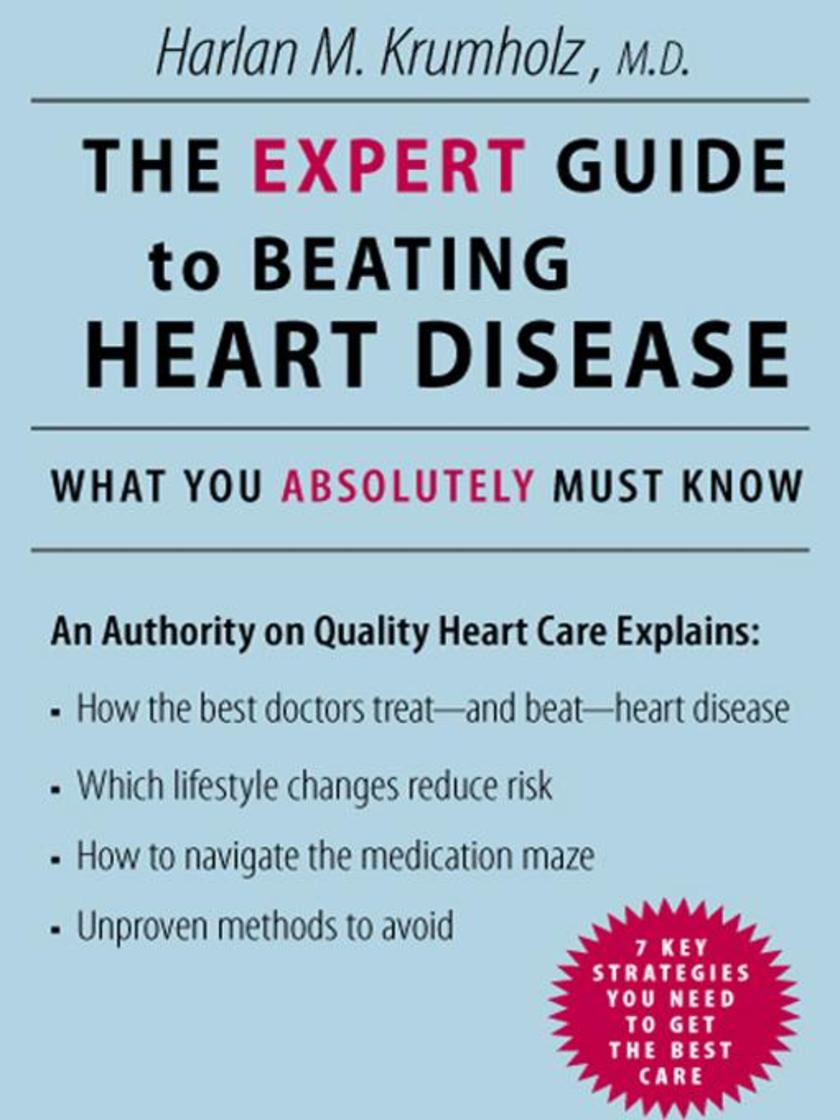
The Expert Guide to Beating Heart Disease
¥90.77
What Do the Best-Trained Doctors Do to Beat Heart DiseaseIn today's avalanche of medical information, how can you distinguish between proven evidence and unfounded claimsThis is the first book to translate key medical data into clear guidelines capturing the highest treatment standards for heart disease. Renowned cardiovascular expert Dr. Harlan Krumholz presents seven strategies for reducing cardiac risk what professionals agree really works. In this indispensable handbook, he also profiles care alternatives from supplements to stress reduction as well as treatments on the horizon. A "Tools for Success" section helps you track blood pressure, cholesterol, exercise, and weight.

Mind of the Raven
¥95.11
Heinrich involves us in his quest to get inside the mind of the raven. But as animals can only be spied on by getting quite close, Heinrich adopts ravens, thereby becoming a "raven father," as well as observing them in their natural habitat. He studies their daily routines, and in the process, paints a vivid picture of the ravens' world. At the heart of this book are Heinrich's love and respect for these complex and engaging creatures, and through his keen observation and analysis, we become their intimates too.Heinrich's passion for ravens has led him around the world in his research. Mind of the Raven follows an exotic journey from New England to Germany, and from Montana to Baffin Island in the high Arctic offering dazzling accounts of how science works in the field, filtered through the eyes of a passionate observer of nature. Each new discovery and insight into raven behavior is thrilling to read, at once lyrical and scientific.
How Can I Forgive You?
¥88.56
Until now, we have been taught that forgiveness is good for us and that good people forgive. Dr. Spring, a gifted therapist and the award-winning author of After the Affair, proposes a radical, life-affirming alternative that lets us overcome the corrosive effects of hate and get on with our lives without forgiving. She also offers a powerful and unconventional model for genuine forgiveness one that asks as much of the offender as it does of us.This bold and healing book offers step-by-step, concrete instructions that help us make peace with others and with ourselves, while answering such crucial questions as these: How do I forgive someone who is unremorseful or deadWhen is forgiveness cheapWhat is wrong with refusing to forgiveHow can the offender earn forgivenessHow do we forgive ourselves for hurting another human being?

Common Ground
¥96.50
Inspired by their popular USA Today column, conservative Cal Thomas and liberal Bob Beckel unmask the hypocrisy of the issues, organizations, and individuals that have created and deepened the partisan divide at the center of American politics, and make a strategic case for why this bickering must stop. Thomas and Beckel explain how bipartisanship and consensus politics are not only good for the day-to-day democratic process but also essential for our nation's future well-being. Entertaining and informative, funny and healing, Common Ground is a must-read for all concerned citizens.
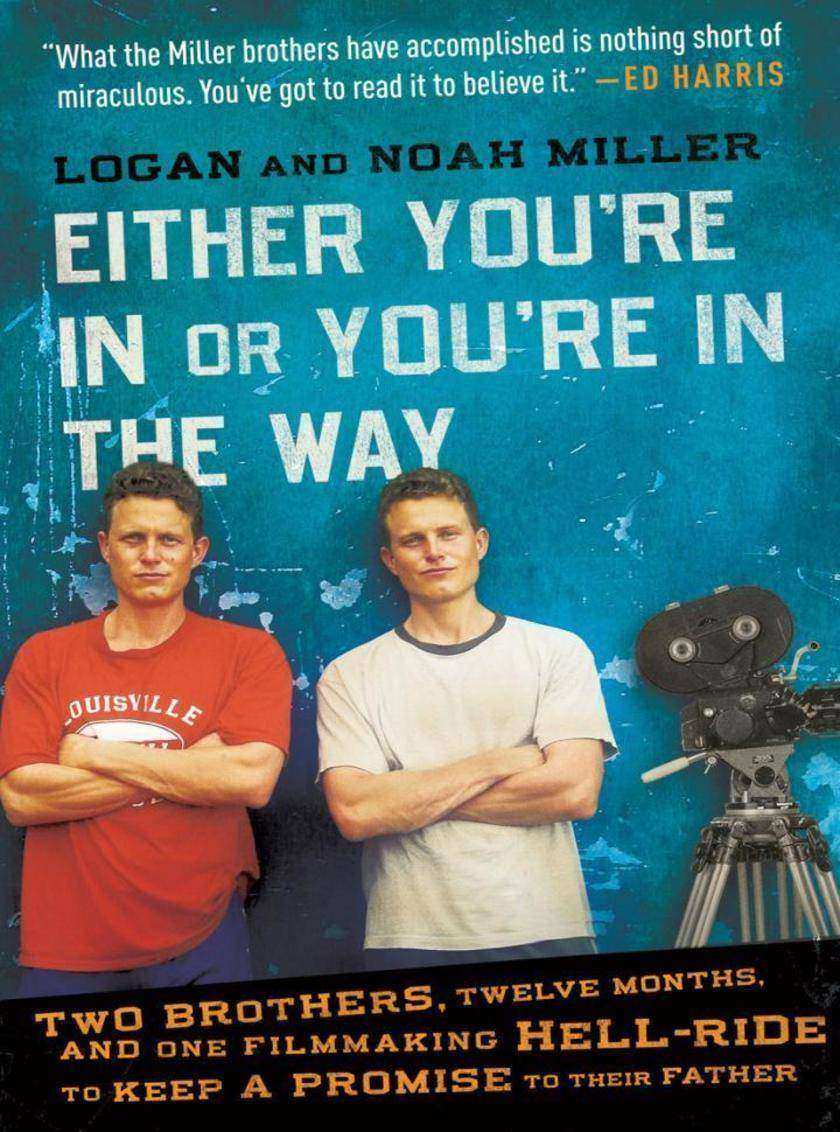
Either You're in or You're in the Way
¥90.77
The hilarious, implausible, and touching story of twin brothers accomplishing the impossible making a feature film (with a cast and crew with 11 Academy Awards and 26 nominations) with no experience, no money and no contacts.When identical twin brothers Logan and Noah Miller's homeless father died alone in a jail cell, they vowed, come hell or high water, that their film, Touching Home, would be made as a dedication to their love for him. Either You're in or You're in the Way is the amazing story of how without a dime to their names nor a single meaningful contact in Hollywood they managed to write, produce, direct, and act in a feature film alongside four-time Academy Award-nominated actor Ed Harris and fellow nominees Brad Dourif and Robert Forster. Either You're in or You're in the Way tells of the desperate struggle of two sons fighting to keep a vow to their father, and in so doing, creating a better life for themselves. A modern-day Horatio Alger on steroids, this fast-paced thrill ride of heartbreak and redemption will both captivate and inspire.


