


 购物车
购物车 个人中心
个人中心
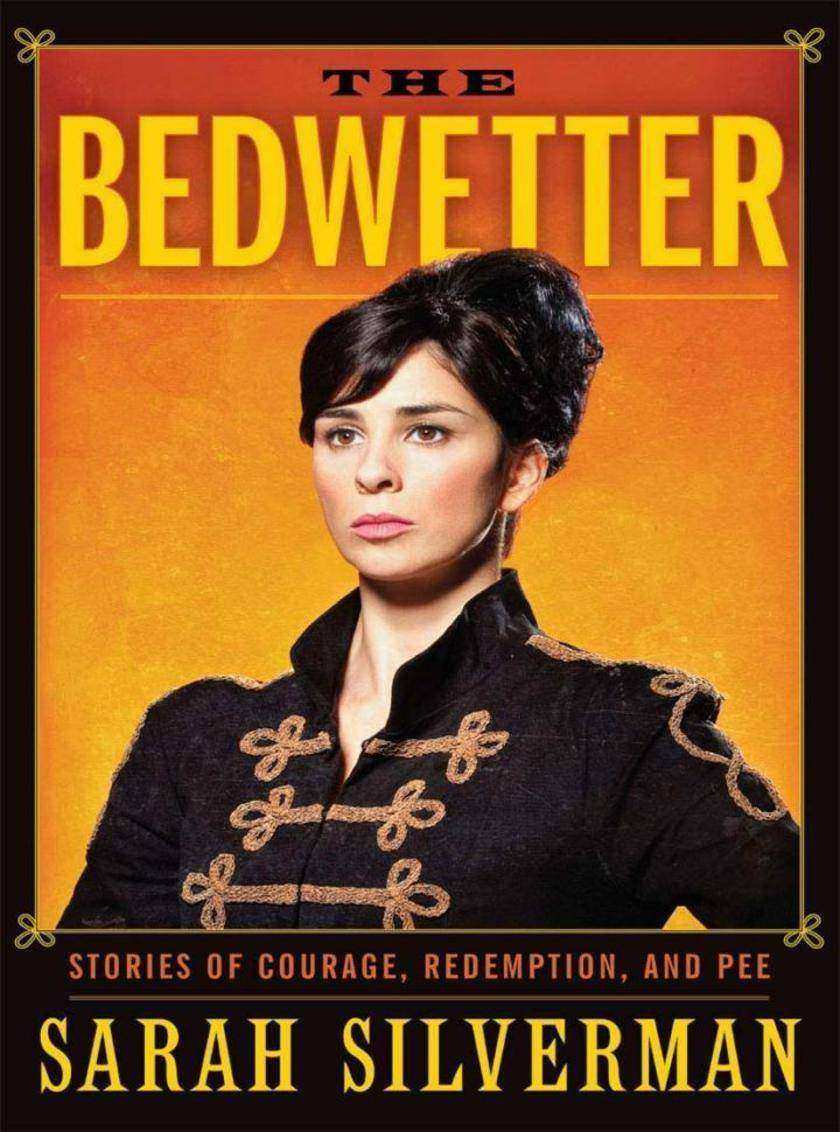
The Bedwetter
¥94.10
Warning from publisher to reader: At HarperCollins, we are committed to customer satisfaction. Before proceeding with your purchase, please take the following questionnaire to determine your likelihood of enjoying this book:1. Which of the following do you appreciate?(a) Women with somewhat horse-ish facial features.(b) Women who, while not super Jew-y, are more identifiably Jewish than, say, Natalie Portman.(c) Frequent discussion of unwanted body hair. 2. Are you offended by the following behavior?(a) Instructing one's grandmother to place baked goods in her rectal cavity.(b) Stripping naked in public eleven times in a row.(c) Stabbing one's boss in the head with a writing implement. 3. The best way to treat an emotionally fragile young girl is:(a) Murder the main course of her Thanksgiving dinner before her very eyes.(b) Tell her that her older sister is prettier than she, and then immediately die.(c) Prevent her suicide by recommending she stay away from open windows. If you read the above questions without getting nauseous or forming a hate Web site, you are ready to buy this book! Please proceed to the cashier.
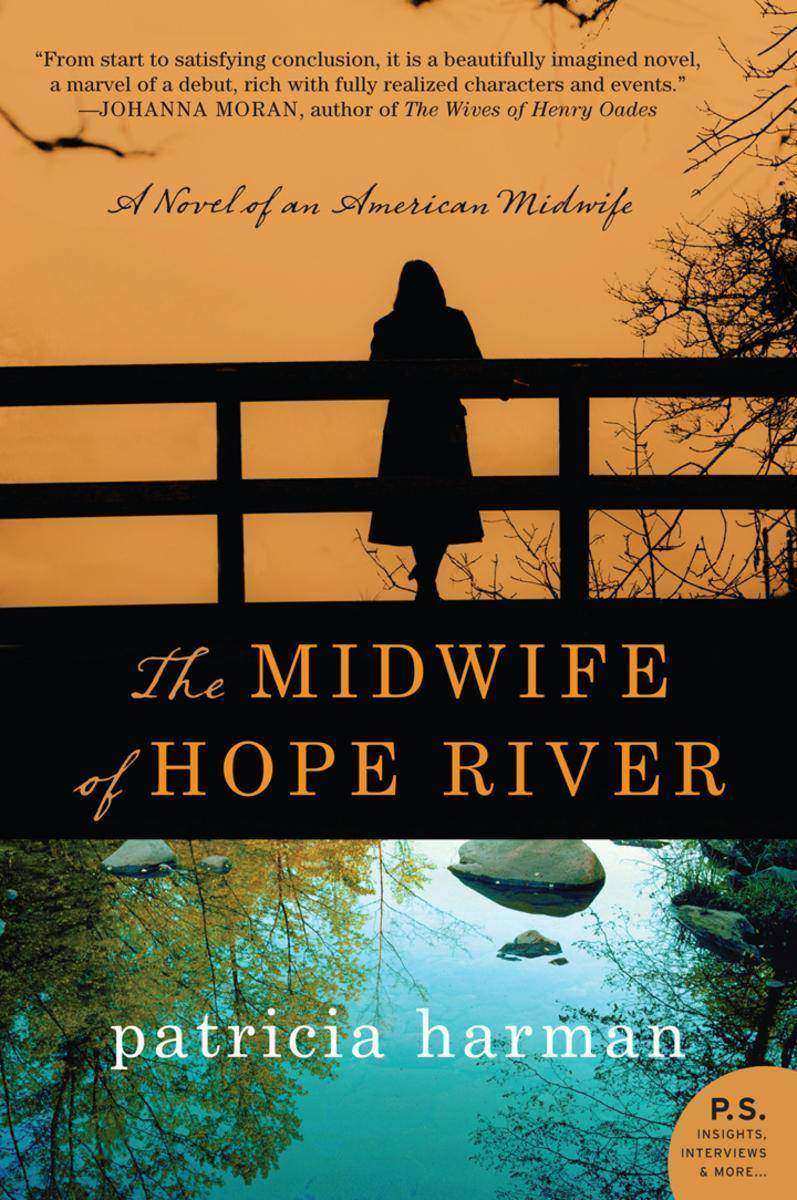
The Midwife of Hope River
¥94.10
Midwife Patience Murphy has a gift: a talent for escorting mothers through the challenges of bringing children into the world. Working in the hardscrabble conditions of Appalachia during the Depression, Patience takes the jobs that no one else wants, helping those most in need—and least likely to pay. She knows a successful midwifery practice must be built on a foundation of openness and trust—but the secrets Patience is keeping are far too intimate and fragile for her to ever let anyone in.Honest, moving, and beautifully detailed, Patricia Harman's The Midwife of Hope River rings with authenticity as Patience faces nearly insurmountable difficulties. From the dangerous mines of West Virginia to the terrifying attentions of the Ku Klux Klan, Patience must strive to bring new light and life into an otherwise hard world.
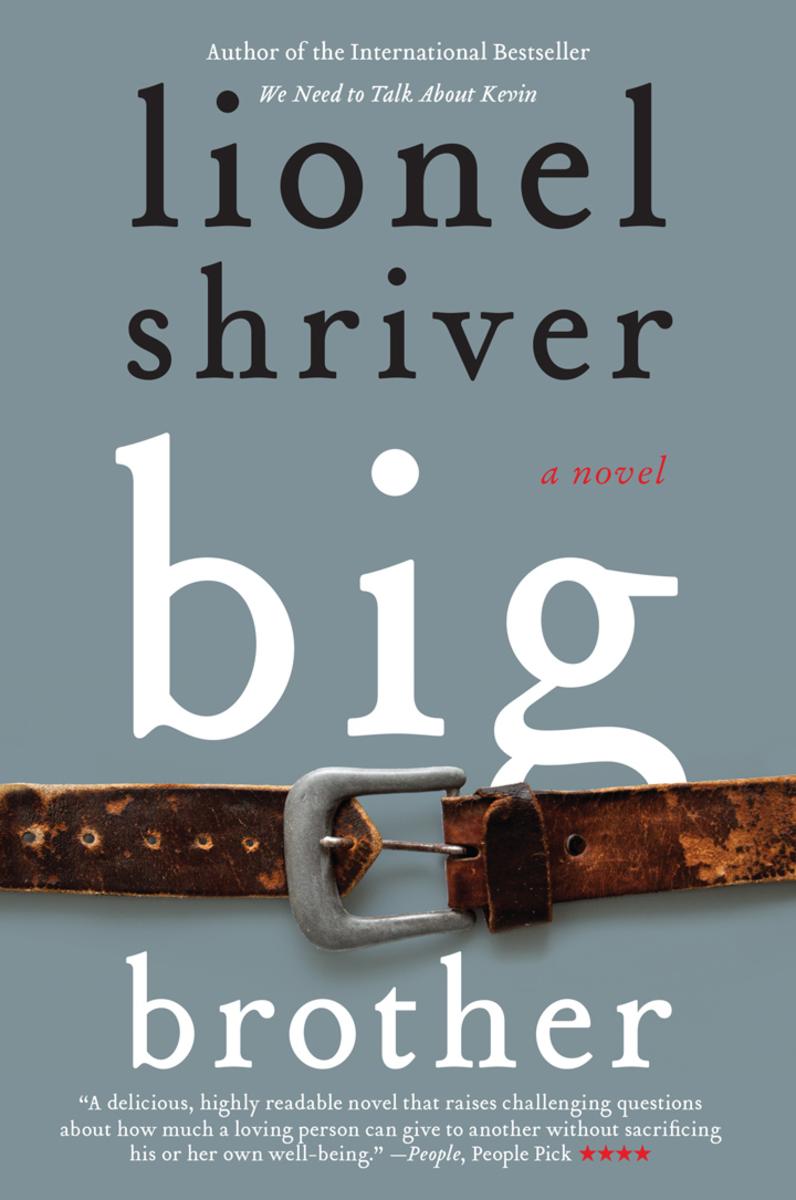
Big Brother
¥88.56
From the acclaimed author of the National Book Award finalist So Much for That and the international bestseller We Need to Talk About Kevin comes a striking new novel about siblings, marriage, and obesity.When Pandora picks up her older brother Edison at her local Iowa airport, she literally doesn't recognize him. In the four years since the siblings last saw each other, the once slim, hip New York jazz pianist has gained hundreds of pounds. What happened?And it's not just the weight. Imposing himself on Pandora's world, Edison breaks her husband Fletcher's handcrafted furniture, makes overkill breakfasts for the family, and entices her stepson not only to forgo college but to drop out of high school.After the brother-in-law has more than overstayed his welcome, Fletcher delivers his wife an ultimatum: It's him or me. Putting her marriage and adopted family on the line, Pandora chooses her brother—who, without her support in losing weight, will surely eat himself into an early grave.Rich with Shriver's distinctive wit and ferocious energy, Big Brother is about fat—an issue both social and excruciatingly personal. It asks just how much we'll sacrifice to rescue single members of our families, and whether it's ever possible to save loved ones from themselves.
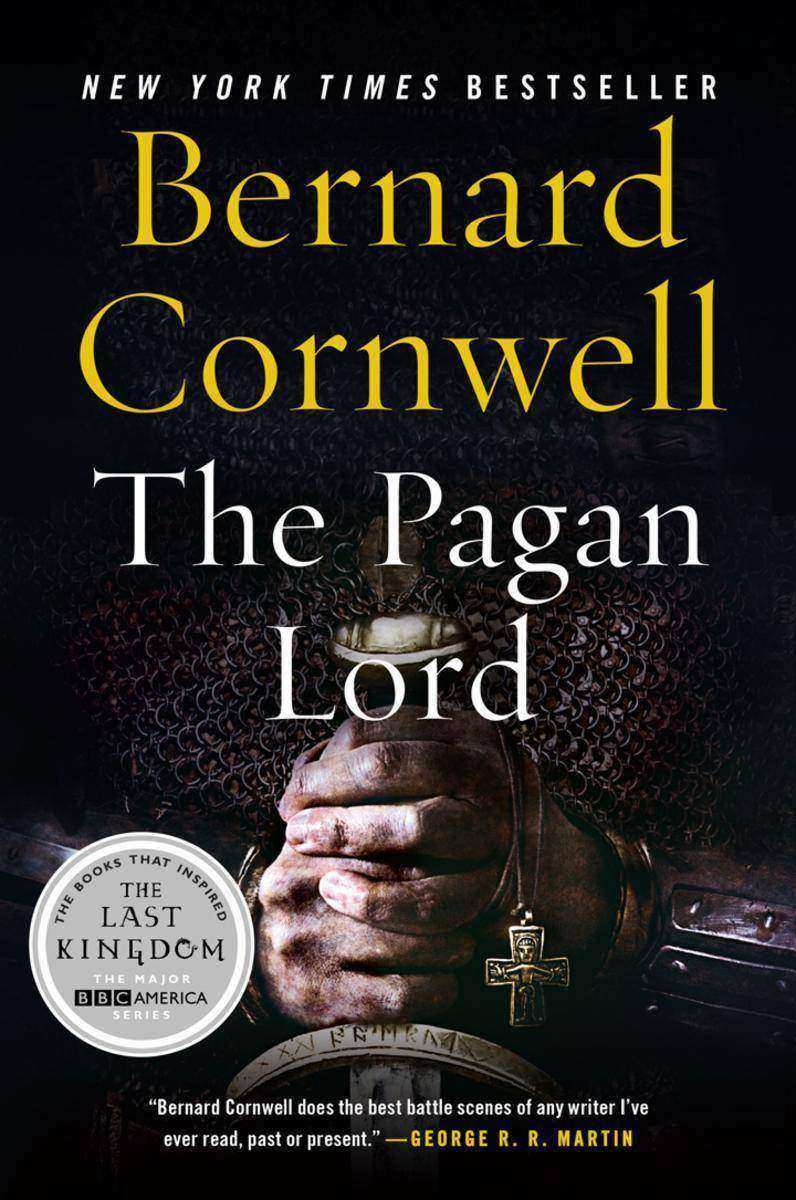
The Pagan Lord
¥94.10
Bernard Cornwell—"the most prolific and successful historical novelist in the world today" (Wall Street Journal)—returns to his Saxon Tales saga with the epic story of divided loyalties, bloody battles, and the struggle to unite Britain.At the onset of the tenth century, England is in turmoil. Alfred the Great is dead and his son Edward reigns as king. Wessex survives but peace cannot hold: the Danes in the north, led by Viking Cnut Longsword, stand ready to invade and will never rest until the emerald crown is theirs.Uhtred, once Alfred's great warrior but now out of favor with the new king, must lead a band of outcasts north to recapture his old family home, the impregnable Northumbrian fortress Bebbanburg.Loyalties will be divided and men will fall as each Saxon kingdom is drawn into the bloodiest battle yet with the Danes—a war that will decide the fate of every king, and the entire English nation.With The Pagan Lord, New York Times bestselling author Bernard Cornwell, "the reigning king of historical fiction" (USA Today), continues his magnificent epic of the making of England during the Middle Ages, vividly bringing to life the uneasy alliances, violent combat, and deadly intrigue that gave birth to the British nation.

The Devil's Bag Man
¥55.31
From Adam Mansbach, the acclaimed #1 New York Times bestselling author of Go the F**k to Sleep, comes an electrifying and horrifying action-adventure tale set in the dangerous terrain of the Tex-Mex borderlandIn The Dead Run, outlaw with a conscience Jess Galvan made a devil's bargain with El Cucuy, a fearsome, five-hundred-year-old Aztec priest and major crime kingpin determined to bring about hell on earth. Now, months later, Galvan is trapped in his own personal hell, his mind infested with the soul of this ancient monster. No longer able to trust his own judgment, he is estranged from his daughter, Sherry—and from his own body. His every moment is a battle to keep the evil priest at bay. But there is a silver lining—Cucuy's presence has endowed Galvan with superhuman strength and endurance.Meanwhile, separated from Galvan and shell-shocked by her confrontation with Cucuy, Sherry is living with Sheriff Bob Nichols and his now girlfriend, psychologist Ruth Cantwell. The only bright spot in her life is her dashing new-to-town boyfriend. And in the bowels of Ojos Negros prison, a territory once controlled by the ancient priest, the drug cartels are at war with one another and on the hunt for Galvan—who must find a way to exorcise his inner demon in time to save the world from annihilation.In this chilling sequel to The Dead Run, #1 New York Times bestselling author Adam Mansbach mixes horror, the supernatural, and gritty suspense to create a high-concept adventure filled with nasty bad guys, fearsome magic, and an unlikely hero who is caught between worlds but determined to save this one.
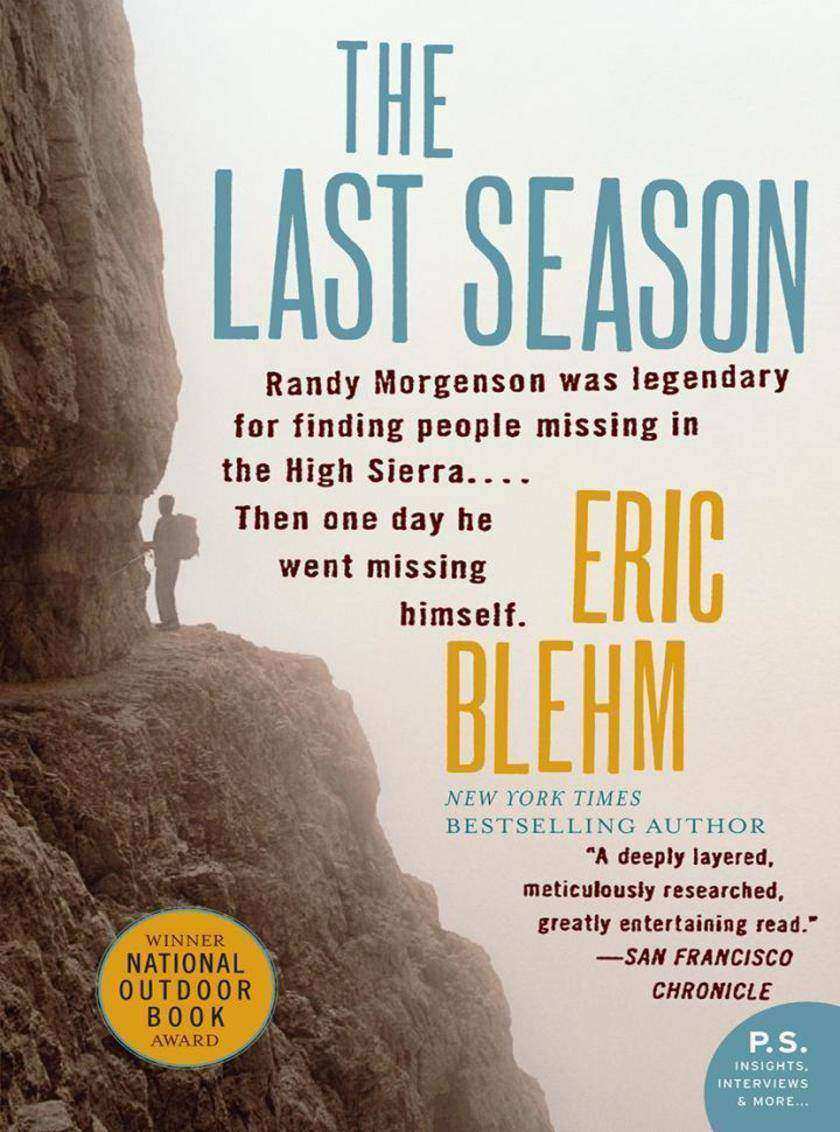
The Last Season
¥95.39
Destined to become a classic of adventure literature, The Last Season examines the extraordinary life of legendary backcountry ranger Randy Morgenson and his mysterious disappearance in California's unforgiving Sierra Nevada mountains as perilous as they are beautiful. Eric Blehm's masterful work is a gripping detective story interwoven with the riveting biography of a complicated, original, and wholly fascinating man.
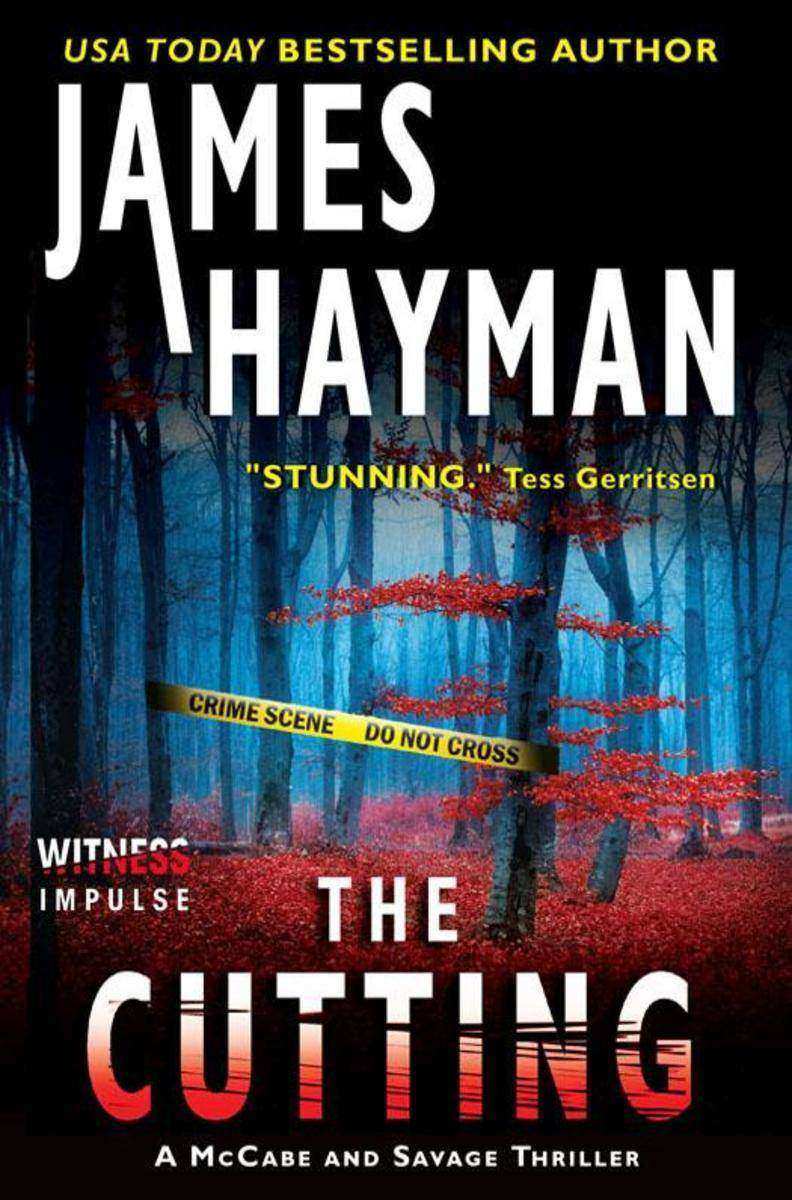
The Cutting
¥66.50
The first novel in the nationally bestselling McCabe and Savage series—perfect for fans of John Sandford and CJ Box.Someone is stealing the hearts of beautiful women... Detective Mike McCabe moved from a top homicide job with the NYPD to Portland, Maine to leave his failed marriage and suspicions of wrongdoing behind, and to find a more peaceful life for himself and his 13 year old daughter. But the small New England city is not nearly as safe as he thought. On a warm September night, a missing high-school athlete is found dead in a scrap metal yard, her heart removed from her body with surgical precision. As outrage over the killing spreads, a young business woman disappears while out on a morning jog. McCabe is certain both crimes are the work of one man—a murderer skilled in cardiac surgery who is using his scalpel to target young women. With the clock ticking, McCabe and his partner Maggie Savage find themselves in a desperate race against time to find and rescue the missing woman before she becomes the next victim of the sadistic killer's blade.

AWOL
¥83.03
Military service was once taken for granted as a natural part of good citizenship, and Americans of all classes served during wartime.Not anymore.As Kathy Roth-Douquet and Frank Schaeffer assert in this groundbreaking work, there is a glaring disconnect between the "all volunteer military" and the rest of us. And as that gap between the cultural "elite" and military rank-and-file widens, our country faces a dangerous lack of understanding between those in power and those who defend our way of life.In America, it is increasingly the case that the people who make, support, or protest military policy have no military experience. As a result, the privileged miss the benefits of military service -- leadership, experience helpful to their future roles in public life, and exposure to a broader cross section of citizens -- while the military feels under-supported and morally distanced from the rest of the country. And when only a handful of members of Congress have military experience or a personal link to someone in uniform, perhaps it becomes too easy (or too hard) to send the military into combat.Based on research and including the voices of many young military members who understand firsthand the value of service, AWOL is also a very personal book. Frank Schaeffer, father of a former enlisted Marine, knows the anguish and pride that millions of American parents feel every day as their children are off fighting a war in a foreign land. Kathy Roth-Douquet, wife of a career officer, has experienced the struggle of trying to keep the family together with a husband at war as well as the often untold satisfaction of raising children in an ethic of service. To the authors and numerous other families who are intimately acquainted with the glory and the sacrifice of military service, America needs a wake-up call before it's too late.

The First 30 Days
¥83.03
The First 30 Days reveals the nine principles of change that will revolutionize how you face transition times. With real-life stories, practical exercises, and inspiring action points, this book teaches the skills you need to face or make any change in your life, including how to: Use your Change Muscle Combat fear, doubt, and all your change demons Get in touch with your spiritual side Create a plan that will get you results
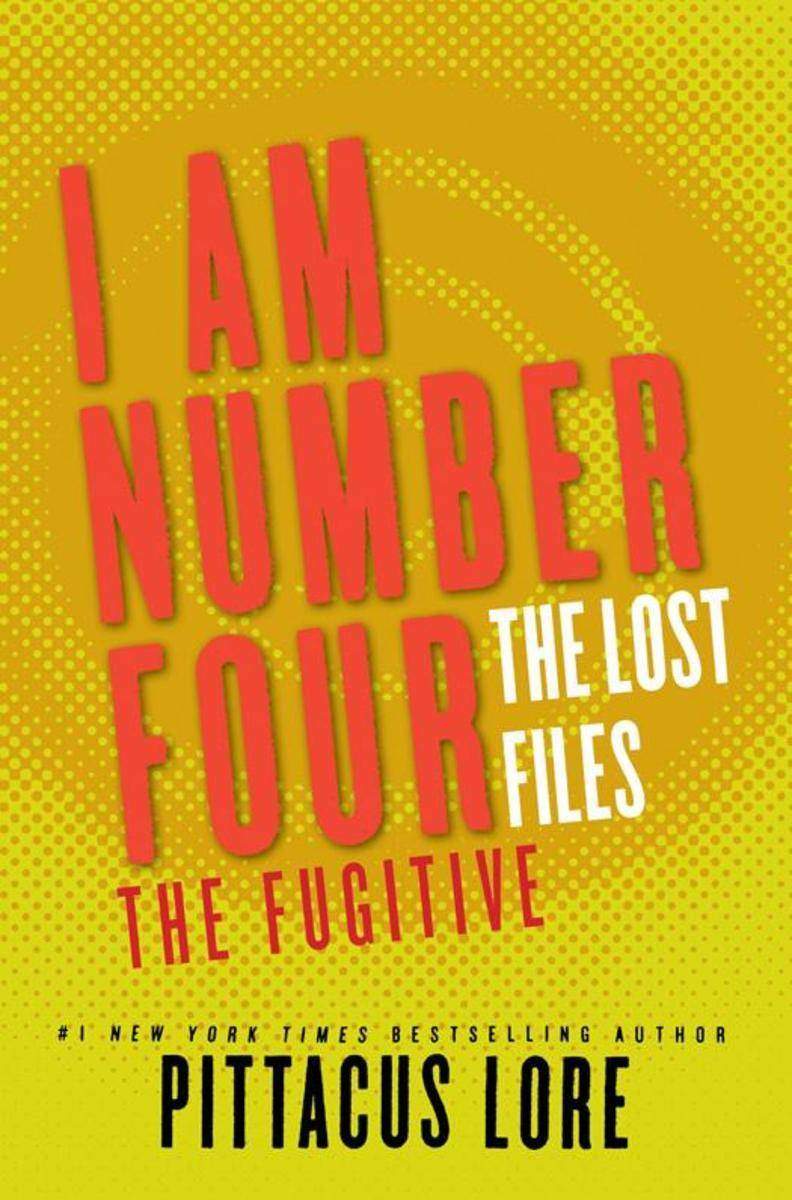
I Am Number Four: The Lost Files: The Fugitive
¥87.15
In this exhilarating one-hundred-page companion novella to the New York Times bestselling I Am Number Four series, Mark James is on the run—and on the wrong side of the law—but he'll do whatever it takes to save Sarah Hart and help the Garde.A sequel to I Am Number Four: The Lost Files: Return to Paradise, this novella picks up with Mark racing to Dulce, New Mexico, evading capture from both the Mogadorians and the FBI. On the road, his mysterious new ally—a fellow blogger from They Walk Among Us who Mark knows only by the screen name GUARD—sends him a care package to help in his quest to find Sarah. Inside is a stack of cash, high-tech equipment, and some seriously advanced weaponry, all begging Mark to once again ask the question: Just who exactly is this guyAs Mark gets closer to tracking down Sarah, he also gets closer to discovering the identity of this enigmatic figure who seems to know so much about the Loric. When the truth about GUARD is finally revealed, nothing will ever be the same.
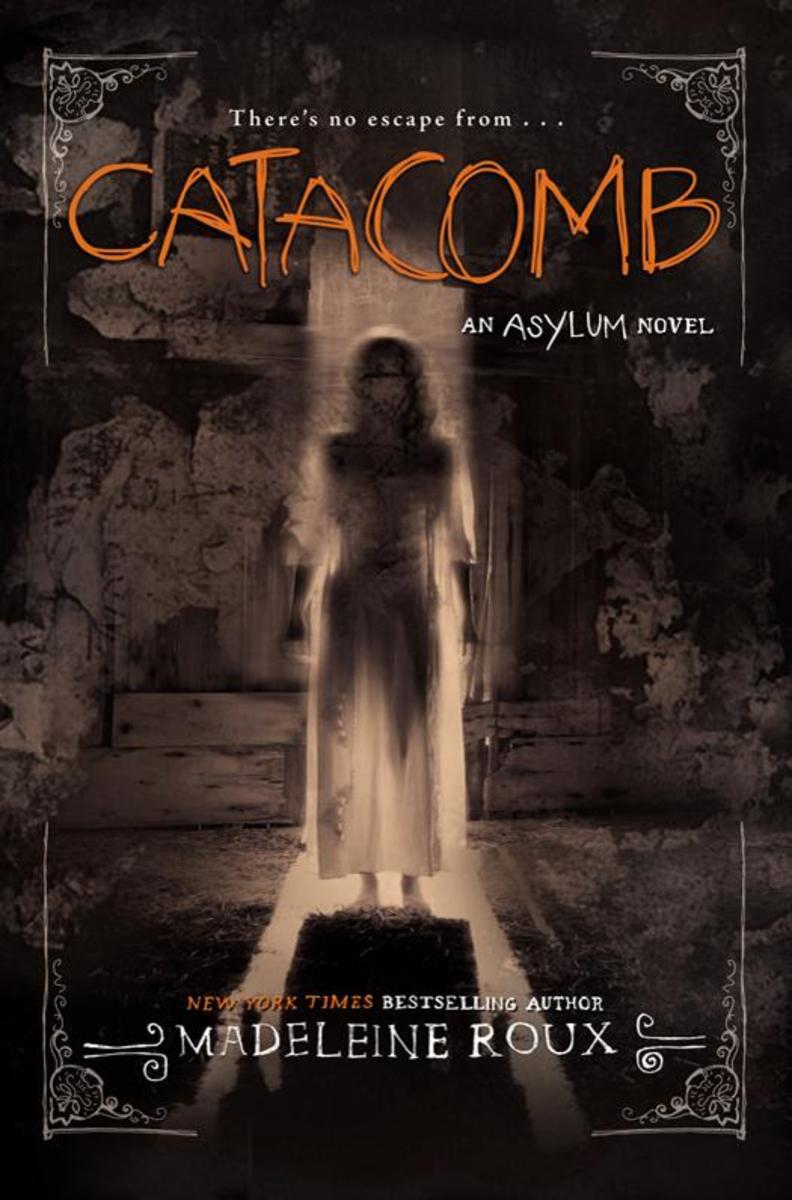
Catacomb
¥61.52
The heart-stopping third book in the New York Times bestselling Asylum series follows three teens as they take a senior year road trip to one of America's most haunted cities, uncovering dangerous secrets from their past along the way. With all the thrills, chills, and eerie found photographs that led Publishers Weekly to call Asylum "a strong YA debut," Catacomb is perfect for fans for Miss Peregrine's Home for Peculiar Children.Sometimes the past is better off buried.Senior year is finally over. After all they've been through, Dan, Abby, and Jordan are excited to take one last road trip together, and they're just not going to think about what will happen when the summer ends. But on their way to visit Jordan's uncle in New Orleans, the three friends notice that they're being followed . . . and photographed. Then Dan starts receiving messages from someone he didn't expect to hear from again—someone who died last Halloween.When the trio arrives in New Orleans and the strange occurrences only escalate, Dan is forced to accept that everything that has happened to him in the past year may not be a coincidence, but fate—a fate that ties Dan to a group called the Bone Artists, who have a sinister fascination with notorious killers of the past.Now Dan's only hope is that he will make it out of his senior trip alive.
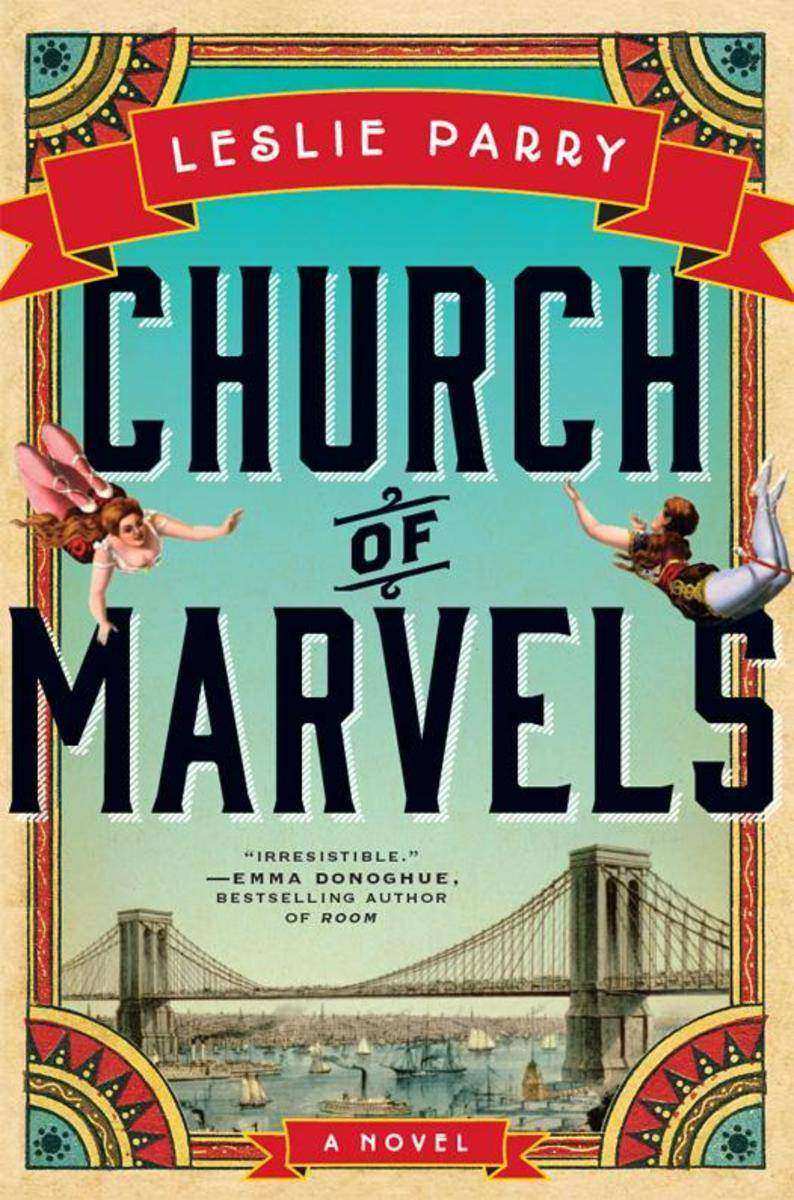
Church of Marvels
¥88.56
A ravishing first novel set in vibrant, tumultuous turn-of-the-century New York City, where the lives of four outsiders become entwined, bringing irrevocable change to them allNew york, 1895. Sylvan Threadgill, a night-soiler cleaning out the privies behind the tenement houses, finds an abandoned newborn baby in the muck. An orphan himself, Sylvan rescues the child, determined to find where she belongs.Odile Church and her beautiful sister, Belle, were raised amid the applause and magical pageantry of the Church of Marvels, their mother's spectacular Coney Island sideshow. But the Church has burnt to the ground, their mother dead in its ashes. Now Belle, the family's star, has vanished into the bowels of Manhattan, leaving Odile alone and desperate to find her.A young woman named Alphie awakens to find herself trapped across the river in Blackwell's Lunatic Asylum–sure that her imprisonment is a ruse by her husband's vile, overbearing mother. On the ward she meets another young woman of ethereal beauty who does not speak, a girl with an extraordinary talent that might save them both.As these strangers' lives become increasingly connected, their stories and secrets unfold. Moving from the Coney Island seashore to the tenement-studded streets of the Lower East Side, a spectacular human circus to a brutal, terrifying asylum, Church of Marvels takes readers back to turn-of-the-century New York–a city of hardship and dreams, love and loneliness, hope and danger. In magnetic, luminous prose, Leslie Parry offers a richly atmospheric vision of the past in a narrative of astonishing beauty, full of wondrous enchantments, a marvelous debut that will leave readers breathless.
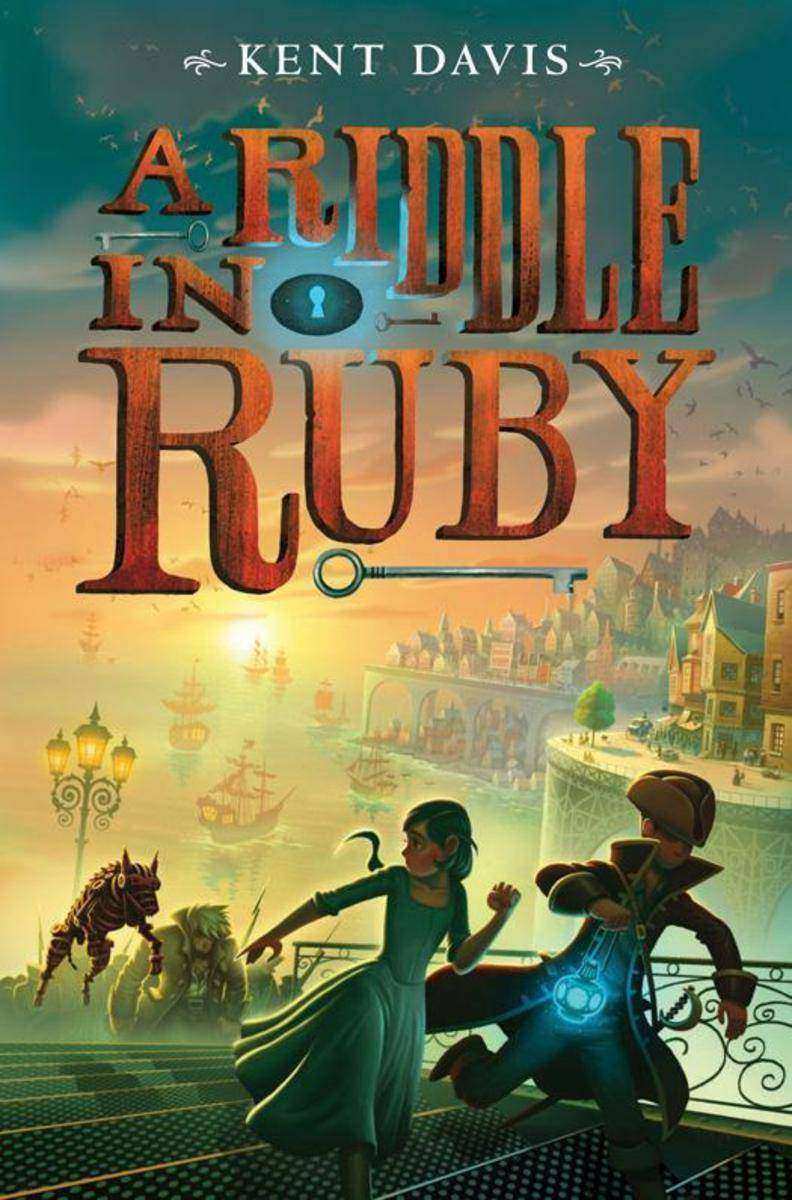
A Riddle in Ruby
¥44.85
Ruby is a thief-in-training and a keeper of secrets—ones she doesn't even know herself. A Riddle in Ruby is the first book in a witty and fast-paced fantasy-adventure trilogy for fans for Jonathan Stroud, Septimus Heap, and The Very Nearly Honorable League of Pirates.Ruby Teach, daughter of a smuggler and pirate, has been learning how to swindle and steal and pick the most complex locks for as long as she can remember. But a collision with aristocratic young lord Athen sends her spinning into chaos. Little did she know that her whole life has been spent in hiding from nefarious secret societies and the Royal Navy . . . who are both now on her trail. In this debut middle grade adventure, Kent Davis weaves a rip-roaring tale through an alternate colonial Philadelphia. A world where alchemy—that peculiar mix of magic and science—has fueled the industrial revolution. With this highly original setting, a cast of fully rounded characters and rapid-fire, funny dialogue, A Riddle in Ruby will call to mind fantasy greats like Diana Wynne Jones and Terry Pratchett.
Unfinished Business
¥88.56
Based on over twenty-five years of spirit communication and thousands of professional readings, world-famous medium James Van Praagh shares with readers the personal regrets, misgivings, remorse, and, most important, the advice of the dead who have chosen him as a medium. These spirits have a great deal to say about what they have learned and discovered on the other side and how we, the living, can benefit from their experiences.Unfinished Business is filled with shocking and emotional stories of Van Praagh's communication with loved ones who cross over the barrier between the living and the dead to send messages to those whom they have left behind. Through these pro-found true stories, Van Praagh guides us on an adventure into the spirit world. The lessons for the living that he has learned from these experiences range from the dangers of emotional baggage caused by guilt, fear, and regret to the importance of karma, forgiveness, and taking responsibility for our actions. Van Praagh shares with us now the wisdom that, without him, we would only gain after death.Van Praagh writes: "When people shed their physical bodies at death, their spiritual selves see life from a whole new perspective. It's as if they had Lasik surgery. They can finally take off their glasses and see everything more clearly. "Spirits understand why certain situations had to happen. They are able to recognize the value of others, even their enemies, and what they had to learn from them. They also realize how they could have skipped certain mistakes by not letting their egos get in the way. After crossing into the light, spirits are ever eager to share their newfound knowledge with the living, and I am fortunate to be a beneficiary of spirits' wisdom and guidance, and I am happy to share their insights with you."
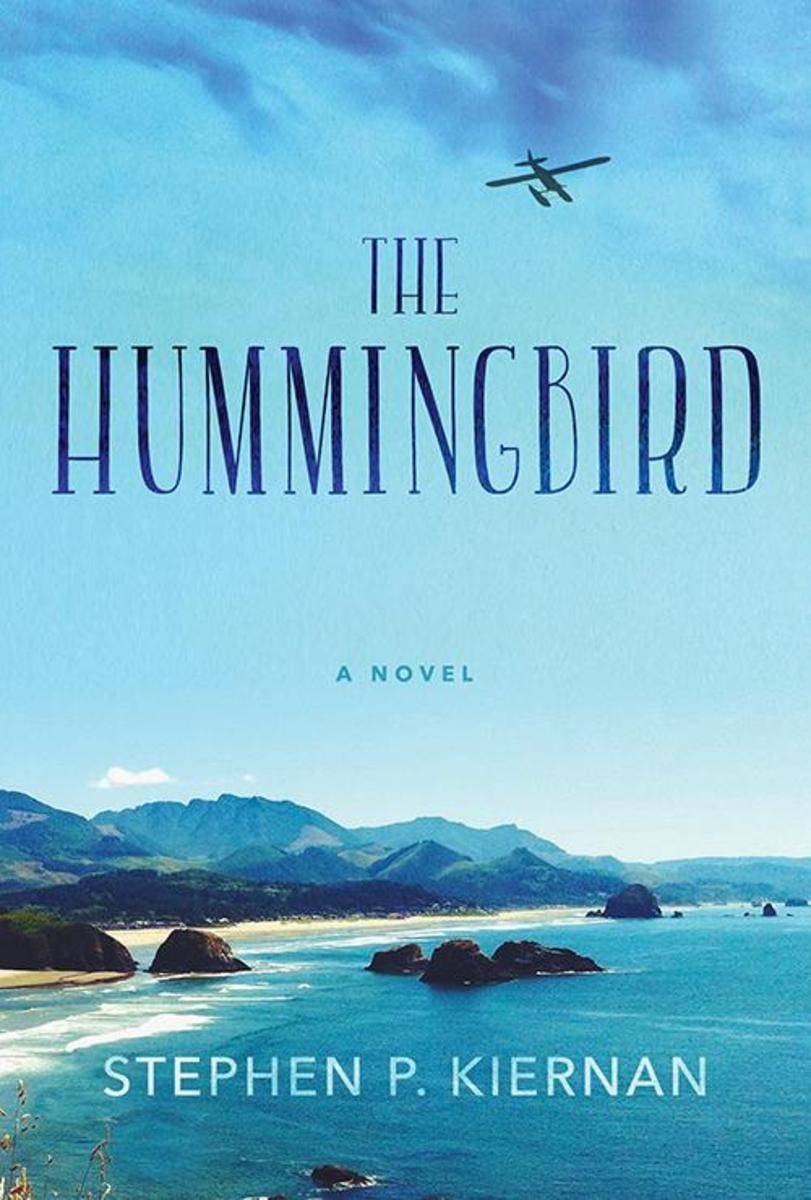
The Hummingbird
¥88.56
Deborah Birch is a seasoned hospice nurse who never gives up—not with her patients, not in her life. But her skills and experience are fully tested by the condition her husband, Michael, is in when he returns from his third deployment to Iraq. Tormented by nightmares, anxiety, and rage, Michael has become cold and withdrawn. Still grateful that he is home at last, Deborah is determined to heal him and restore their loving, passionate marriage.But Michael is not her only challenge. Deborah's primary patient is Barclay Reed, a retired history professor and fierce curmudgeon. An expert on the Pacific Theater of World War II, Barclay is suffering from terminal kidney cancer and haunted by ghosts from his past, including the academic scandal that ended his career.Barclay's last wish is for Deborah to read to him from his final and unfinished book—a little-known story from World War II that may hold the key to helping Michael conquer his demons. Together, nurse, patient, and soldier embark on an unforgettable emotional journey that transforms them all, offering astonishing insights into life and death, suffering and finding peace.Told with piercing empathy and heartbreaking realism, The Hummingbird is a masterful story of marital commitment, service to country, the battles we fight for those we love, learning to let go, and finding absolution through wisdom and acceptance.
From Every End of This Earth
¥84.16
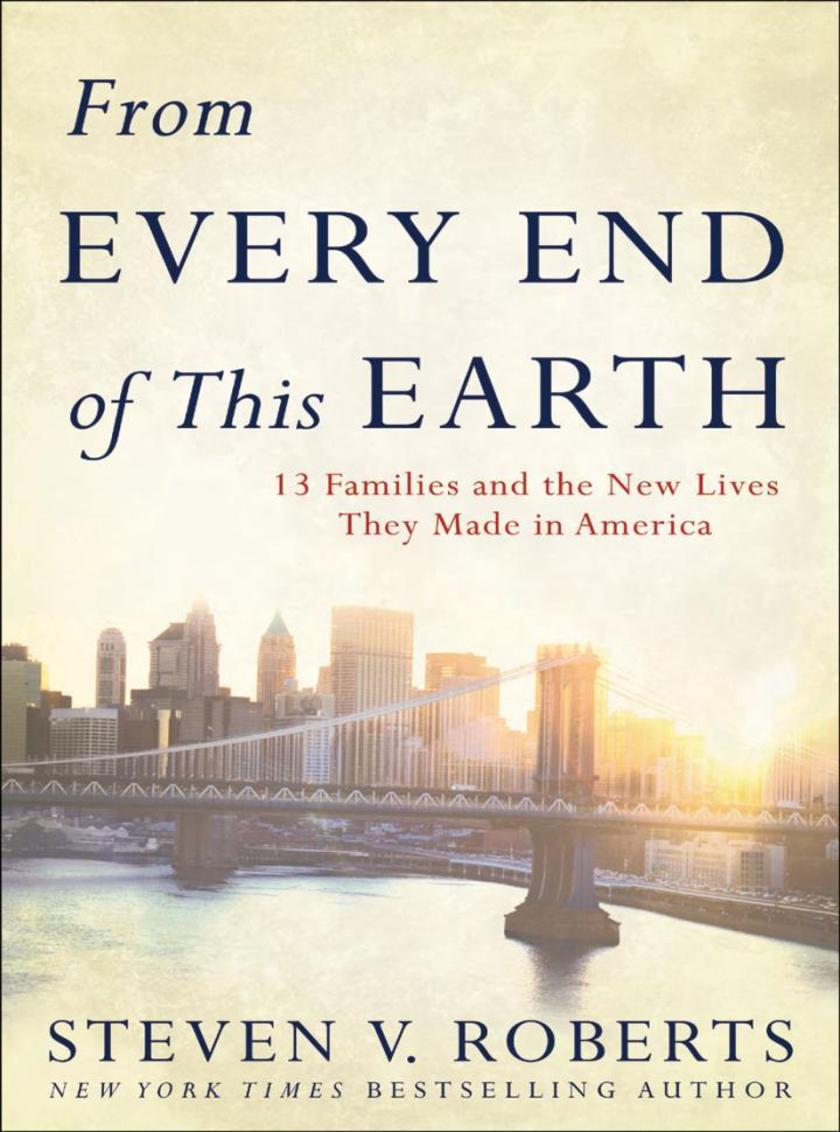
New York Times bestselling author Steven V. Roberts follows the stories of thirteen families in this poignant, eye-opening look at immigration in America today. America is a nation of immigrants. But what does it mean to be an immigrant in the United States todayIn some ways, the experience has never changed all newcomers feel the pain of separation. In other ways, it has changed drastically families maintain strong business ties to their home countries and speak daily with their relatives on cell phones. Attitudes about the great melting pot have taken a sharp turn toward insularity in recent years. The 9/11 attacks and recent waves of undocumented workers seem to have eroded America's long-standing belief in the value of immigration. Yet the families in this book conclusively demonstrate that critics are wrong, and that in the age of Barack Obama, the son of an immigrant from Kenya, newcomers "from every end of this earth" continue to renew America's greatness, every day, with their courage and character.Having shared his own family's story in My Fathers' Houses, distinguished journalist Steven V. Roberts now profiles immigrants from China and Afghanistan, Mexico and Sierra Leone, who have journeyed to our shores in pursuit of the same dream that propelled his own grandparents to leave Russia and Poland a century ago. He combines compelling interviews and meticulous research to produce an engaging, wonderfully clear, and accessible narrative that explores each family's original yet deeply resonant story.As the political debate rages on, Roberts offers an essential and timely look at today's immigrant accounts, and sheds light on the enormous contributions these individuals continue to make to the fabric and future of America.

I Love Crab Cakes!
¥123.45
Where do you get the best crab cakesAsk one hundred different people and you'll likely get one hundred different answers. Some swear by classic Chesapeake Bay crab cakes, and some by spicy Creole crab cakes, while others maintain that Pacific Northwest crab cakes can't be beat. In I Love Crab Cakes!, award-winning chef and cookbook author Tom Douglas brings the best of East, West, and Gulf coasts to the table and proves that the most delicious crab cakes of all come straight from your home kitchen.Tom thoroughly examines every thorny, crab cake–related issue. Bread crumbs, cracker crumbs, panko, or no crumbs at allWhat kind of crabmeat: Dungeness, king, or Peeky ToeAre the best crab cakes pan-fried, deep-fried, or not even cooked?Tom offers up dozens of his famous crab cake recipes, including classic crab cakes from East and West, North and South, plus newer innovations such as Wild Ginger Crab Cakes, Pesto Risotto Crab Cakes, and Crab Louie Cheesecakes. There are crab cake sandwiches, breakfast crab cakes, and crab cake sauces and salsas.
Death Takes Passage
¥55.31
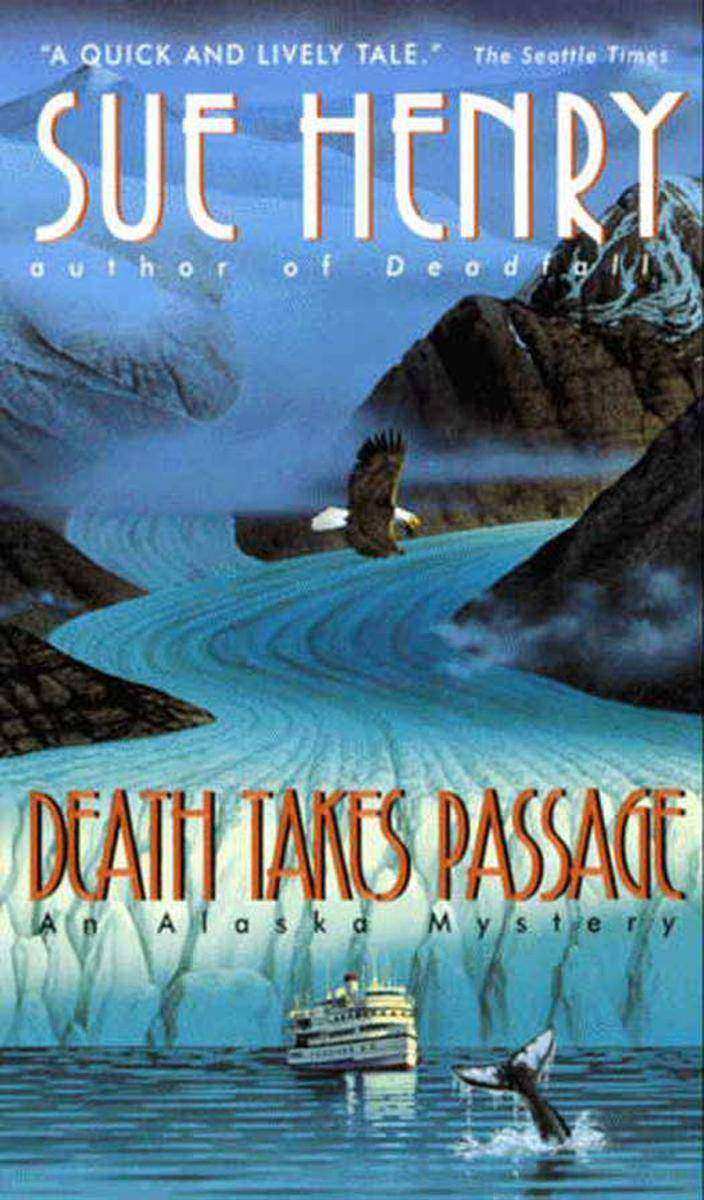
History is repeating itself on hundred years later on Alaska's breathtaking Inside Passage. Re-creating the famous Voyage of 1897, the Spirit of '98 is setting sail from Skagway, Alaska, en route to Seattle, Washington, carrying two tons of Yukon gold. Alaska State Trooper Alex Jensen and his love, famous female "musher" Jessie Arnold, are among the excited participants. The Grim Reaper is a passenger as well.Dressed in period coustoume, Gold Rush buff Alex Jensen is only too happy to be representing the Troopers on this historic journey through a giant maze of scenic straits, harbors, and inlets. But the strange disappearance -- and probable death -- of a crew member pulls Alex rudely back to the present. As the only law officer in the vicinity, it is now his duty to unravel a twisted skein of lies, greed, and lethal shipboard secrets -- before the Spirit's fateful encounter with murderers abroad a stolen ketch writes a grim new chapter in Alaska's history.
The Princess of Cortova
¥39.24
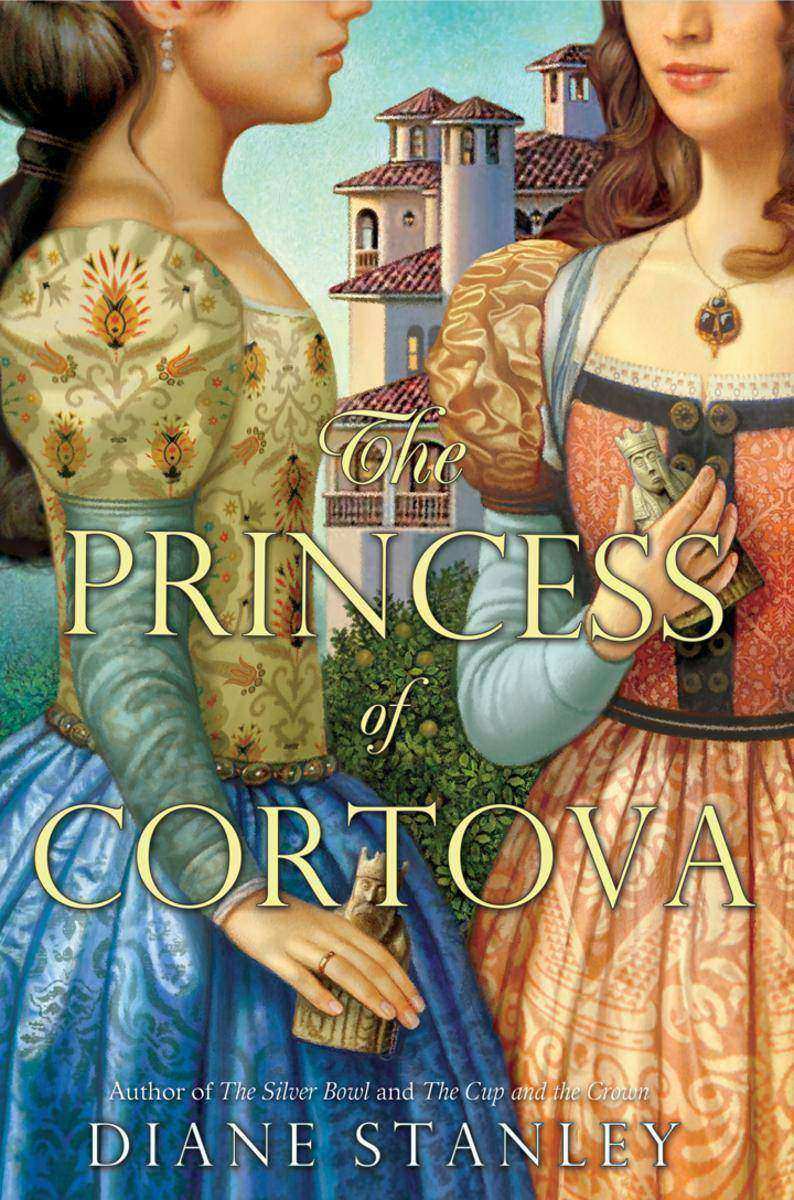
Molly's exciting story concludes in this final book of Diane Stanley's acclaimed trilogy, which began with The Silver Bowl and The Cup and the Crown—a perfect series for fans of Megan Whalen Turner.With tensions rising between the kingdoms of Westria and Austlind, Molly and Tobias accompany King Alaric to Cortova, where he hopes to form an alliance with the powerful King Gonzalo—an alliance that would be sealed by Alaric's marriage to Gonzalo's daughter, the beautiful princess Elizabetta. But the devious Gonzalo has plans of his own. Upon arriving in Cortova, Alaric is shocked to find that there is already another suitor vying for Princess Elizabetta's hand: his own cousin, Prince Rupert of Austlind.As the days pass, Alaric, Molly, and Tobias find themselves trapped in a suspenseful game of courtly intrigue that soon takes a dangerous turn. For once, Molly's magical visions are little help—they reveal nothing beyond hazy threats. Everything turns around Princess Elizabetta, but is she truly a friend or simply another player in her father's crafty game?

Thornhill
¥55.93
Thornhill is the second book in a supernatural mystery trilogy perfect for readers who love Richelle Meade and HBO's hit drama True Blood. Kathleen Peacock's extraordinary follow-up to her debut novel, Hemlock, features heart-stopping action and a sizzling romance.Mackenzie's new love, Kyle, plans to turn himself in to the Lupine Syndrome Registration Bureau and enroll in a rehabilitation camp, where he can live with other werewolves. But Mac refuses to accept his decision, especially since the camps are rumored to be torturous. When she follows him there, she uncovers dangerous secrets buried within the walls of Thornhill—a prison for the young and infected—and realizes that the risk to the people she loves is greater than ever before.
On Her Majesty's Behalf
¥83.03
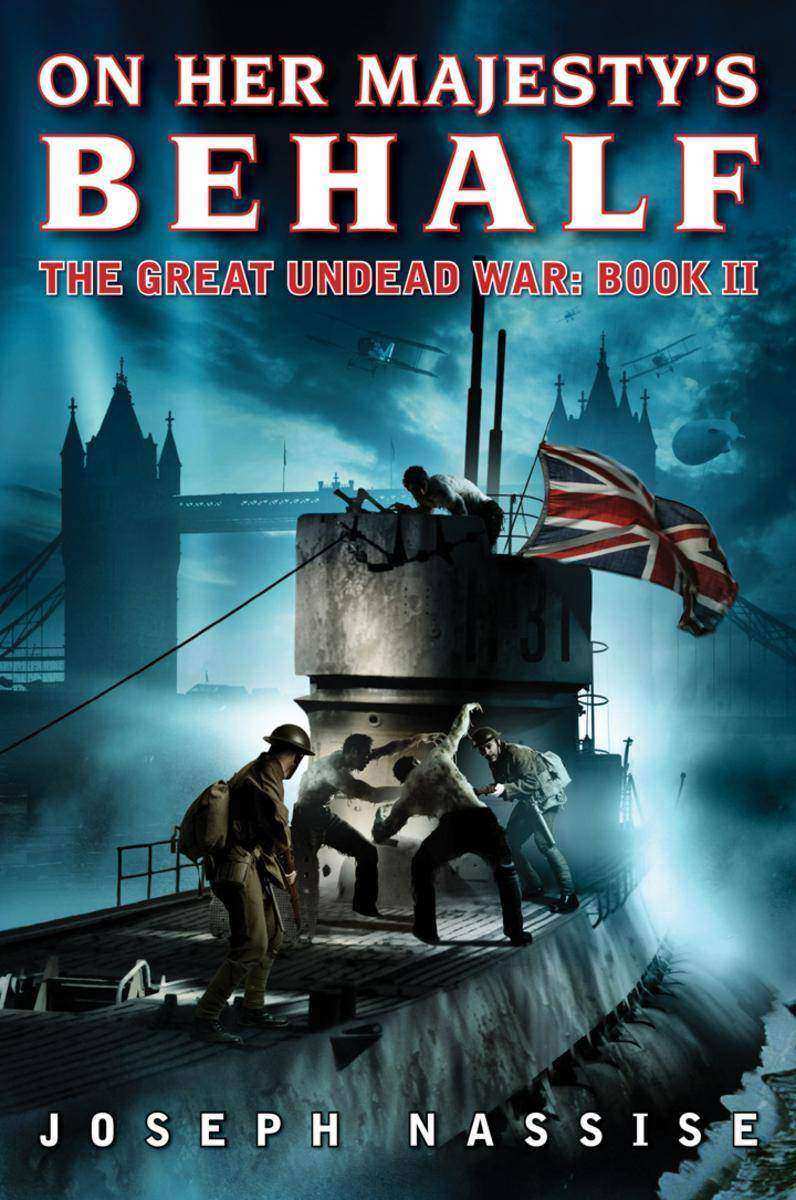
After a surprise attack on London and New York, the Germans introduced a new type of gas—corpse gas—a revolutionary weapon that resurrected the bodies of the dead.For those who survived the killing fields of France, the danger has only just begun. Veteran Major Michael “Madman” Burke and his company have just been assigned a daring new mission by the president himself: rescue the members of the British royal family. But Manfred von Richthofen, the undead Red Baron and newly self-appointed leader of Germany, is also determined to find the family.In the devastated, zombie-infested city of London, Burke and his men will face off in an unholy battle with their most formidable opponent yet: a team of infected super soldiers—shredders—who have greater speed and strength than their shambler predecessors. If they don’t succeed, all of Britain will fall into undead enemy hands.


