


 购物车
购物车 个人中心
个人中心

Girls to the Front
¥94.10
Girls to the Front is the epic, definitive history of Riot Grrrl the radical feminist uprising that exploded into the public eye in the 1990s and included incendiary punk bands Bikini Kill, Bratmobile, Heavens to Betsy, and Huggy Bear. A dynamic chronicle not just a movement but an era, this is the story of a group of pissed off girls with no patience for sexism and no intention of keeping quiet.
When Children Grieve
¥94.10
To watch a child grieve and not know what to do is a profoundly difficult experience for parents, teachers, and caregivers. Yet, there are guidelines for helping children develop a lifelong, healthy response to loss.In When Children Grieve, the authors offer a cutting-edge volume to free children from the false idea of "not feeling bad" and to empower them with positive, effective methods of dealing with loss.There are many life experiences that can produce feelings of grief in a child, from the death of a relative or a divorce in the family to more everyday experiences such as moving to a new neighborhood or losing a prized possession. No matter the reason or degree of severity, if a child you love is grieving, the guidelines examined in this thoughtful book can make a difference.

The Knight in History
¥83.03
"A carefully researched, concise, readable, and entertaining account of an institution that remains a part of the Western imagination."--Los Angeles Times

The Vitamin E Factor
¥84.16
It is too early to conclude that vitamin E has all the beneficial effects attributed to it, but even if only 25% of current expectations were to be fulfilled, vitamin E would become an important weapon against a range of chronic diseases.The book is not simply scientific and education but also a please to read.
The Heart of Addiction
¥83.03
Nobody has had an answer for why people with addictions continue to repeat them -- until now.For more than twenty years, distinguished psychiatrist Dr. Lance Dodes has been successfully helping people master their addictions -- alcoholism, compulsive gambling, smoking, sexual addiction, and more with a radical approach. Dr. Dodes describes how all addictions have, at their heart, unrecognized emotional factors that explain: Why we feel the impulse Why we feel it when we do What alternatives (really) work in that critical moment In this refreshing book filled with compelling case studies, Dr. Dodes debunks several such widely accepted myths as:Addictions are fundamentally a physical problem. People with addictions are different from other people. You have to hit bottom before you can get well. You are wasting your time if you ask "why" you have an addiction.
Mistress of the Elgin Marbles
¥84.16
The remarkable Mary Nisbet was the Countess of Elgin in Romantic-era Scotland and the wife of the seventh Earl of Elgin. When Mary accompanied her husband to diplomatic duty in Turkey, she changed history. She helped bring the smallpox vaccine to the Middle East, struck a seemingly impossible deal with Napoleon, and arranged the removal of famous marbles from the Parthenon. But all of her accomplishments would be overshadowed, however, by her scandalous divorce. Drawing from Mary's own letters, scholar Susan Nagel tells Mary's enthralling, inspiring, and suspenseful story in vibrant detail.
The Last Run
¥88.56
It was a desperate mission that made front-page headlines and captured the attention of millions of readers around the world. In January 1998, in the dead of an Alaskan winter, a cataclysmic Arctic storm with hurricane-force winds and towering seas forced five fishermen to abandon their vessel in the Gulf of Alaska and left them adrift in thirty-eight-degree water with no lifeboat. Their would-be rescuers were 150 miles away at the Coast Guard station, with the nearby airport shut down by an avalanche.The Last Run is the epic tale of the wreck of the oldest registered fishing schooner in Alaska, a hellish Arctic tempest, and the three teams of aviators in helicopters who withstood 140-mph gusts and hovered alongside waves that were ten stories high. But what makes this more than a true-life page-turner is its portrait of untamed Alaska and the unflappable spirit of people who forge a different kind of life on America's last frontier, the "end of the roaders" who are drawn to, or flee to, Alaska to seek a final destiny.
The Last Face You'll Ever See
¥85.05
In fascinating detail, Ivan Solotaroff introduces us to the men who carry out executions. Although the emphasis is on the personal lives of these men and of those they have to put to death, The Last Face You'll Ever See also addresses some of the deeper issues of the death penalty and connects the veiled, elusive figure of the executioner to the vast majority of Americans who, since 1977, have claimed to support executions. Why do we do itOr, more exactly, why do we want to?The Last Face You'll Ever See is not about the polarizing issues of the death penalty -- it is a firsthand report about the culture of executions: the executioners, the death-row inmates, and everyone involved in the act. An engrossing, unsettling, and provocative book, this work will forever affect anyone who reads it.
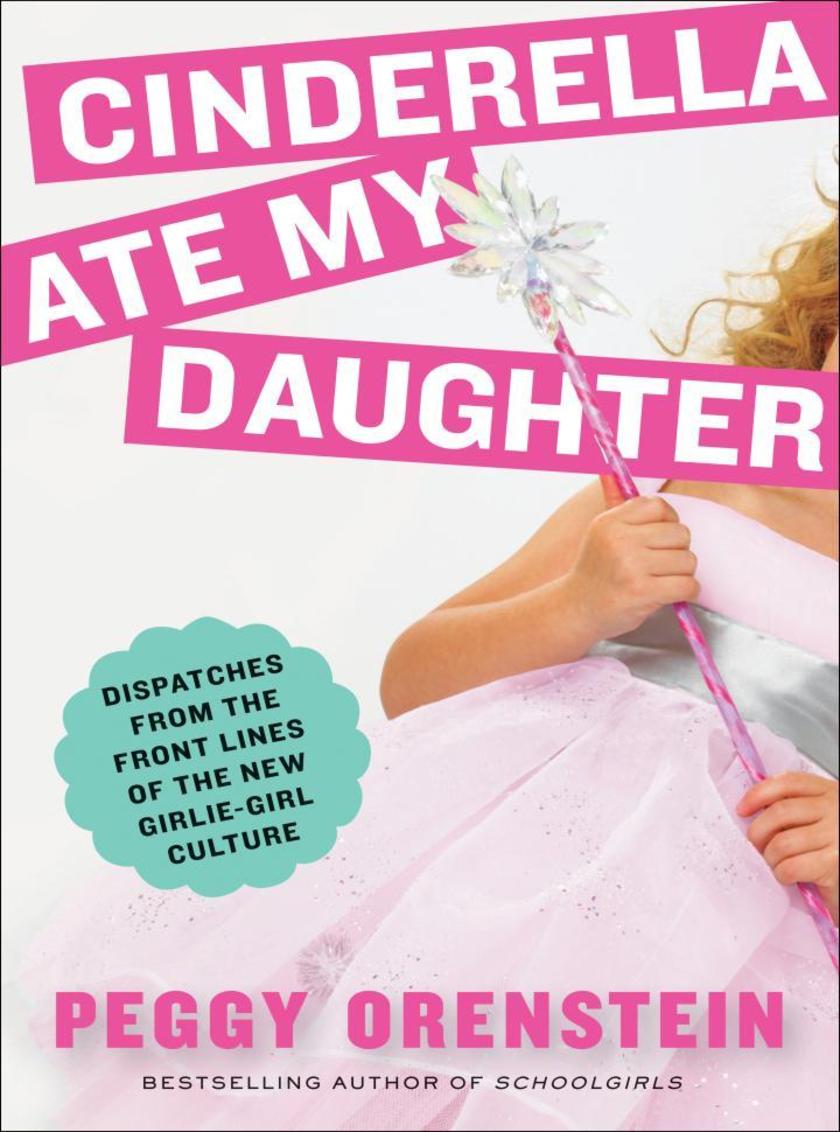
Cinderella Ate My Daughter
¥88.56
The acclaimed author of the groundbreaking bestseller Schoolgirls reveals the dark side of pink and pretty: the rise of the girlie-girl, she warns, is not that innocent. Pink and pretty or predatory and hardened, sexualized girlhood influences our daughters from infancy onward, telling them that how a girl looks matters more than who she is. Somewhere between the exhilarating rise of Girl Power in the 1990s and today, the pursuit of physical perfection has been recast as a source the source of female empowerment. And commercialization has spread the message faster and farther, reaching girls at ever-younger ages.But, realistically, how many times can you say no when your daughter begs for a pint-size wedding gown or the latest Hannah Montana CDAnd how dangerous is pink and pretty anyway especially given girls' successes in the classroom and on the playing fieldBeing a princess is just make-believe, after all; eventually they grow out of it. Or do theyDoes playing Cinderella shield girls from early sexualization or prime them for itCould today's little princess become tomorrow's sexting teenAnd what if she doesWould that make her in charge of her sexuality or an unwitting captive to it?Those questions hit home with Peggy Orenstein, so she went sleuthing. She visited Disneyland and the international toy fair, trolled American Girl Place and Pottery Barn Kids, and met beauty pageant parents with preschoolers tricked out like Vegas showgirls. She dissected the science, created an online avatar, and parsed the original fairy tales. The stakes turn out to be higher than she or we ever imagined: nothing less than the health, development, and futures of our girls. From premature sexualization to the risk of depression to rising rates of narcissism, the potential negative impact of this new girlie-girl culture is undeniable yet armed with awareness and recognition, parents can effectively counterbalance its influence in their daughters' lives.Cinderella Ate My Daughter is a must-read for anyone who cares about girls, and for parents helping their daughters navigate the rocky road to adulthood.
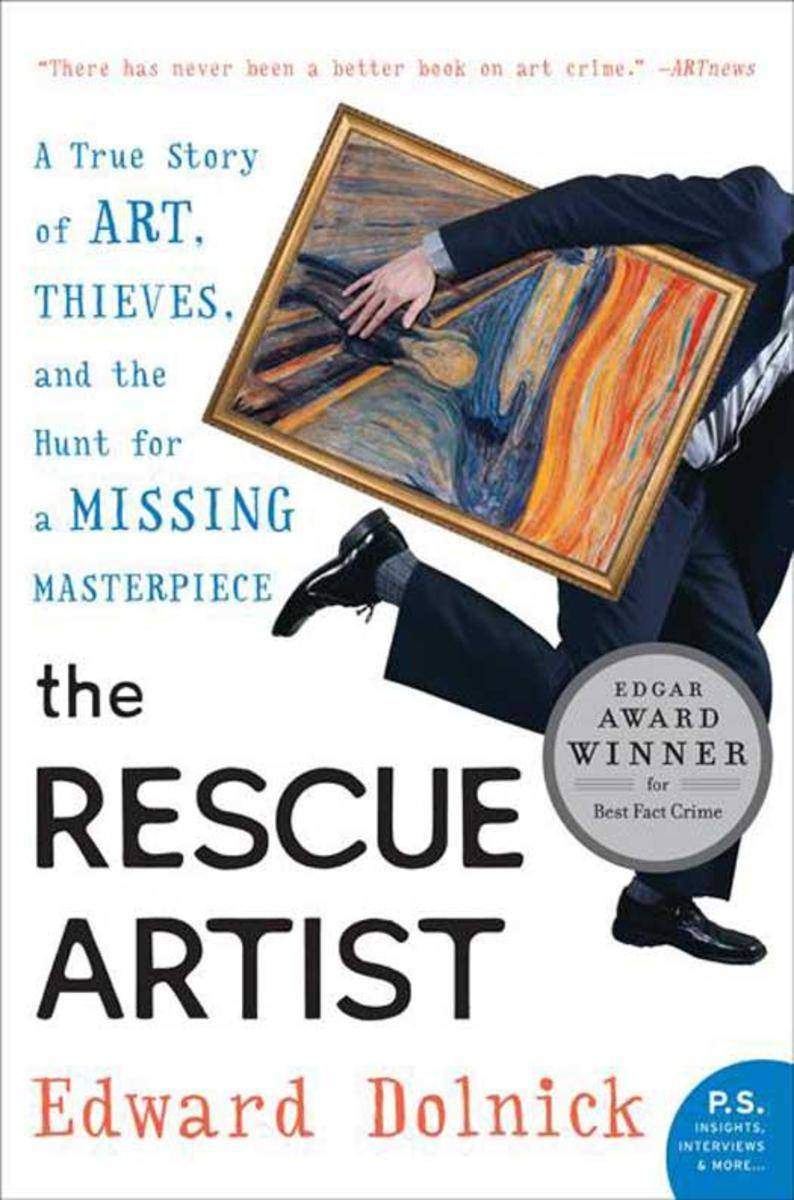
The Rescue Artist
¥83.03
In the predawn hours of a gloomy February day in 1994, two thieves entered the National Gallery in Oslo and made off with one of the world's most famous paintings, Edvard Munch's Scream. It was a brazen crime committed while the whole world was watching the opening ceremonies of the Winter Olympics in Lillehammer. Baffled and humiliated, the Norwegian police turned to the one man they believed could help: a half English, half American undercover cop named Charley Hill, the world's greatest art detective.The Rescue Artist is a rollicking narrative that carries readers deep inside the art underworld -- and introduces them to a large and colorful cast of titled aristocrats, intrepid investigators, and thick-necked thugs. But most compelling of all is Charley Hill himself, a complicated mix of brilliance, foolhardiness, and charm whose hunt for a purloined treasure would either cap an illustrious career or be the fiasco that would haunt him forever.
Breaking Addiction
¥88.56
Finally a road map to recovery from the nation's most original thinker on addiction In his revolutionary book The Heart of Addiction, Dr. Lance Dodes examined the underlying emotions that drive addictive behaviors whether drinking, gambling, sex, or eating. Now, in Breaking Addiction, Dodes presents a comprehensive guide outlining seven critical steps to overcome addiction, based on his findings.Through his practice and research, Dodes has found that virtually every addictive act is preceded by feelings of helplessness. In his refreshingly clear style, Dodes incorporates case stories to illustrate exactly how these feelings set addiction in motion, how to recognize the path toward addiction and then how to take back control.Many people, discouraged by current treatments, have been hungry for an approach that digs addiction up by its roots. Since the publication of The Heart of Addiction, Dodes's ideas have been incorporated by therapists and treatment centers around the country, and are taught by universities and training centers for clinicians.With special sections for both families and health-care professionals, Breaking Addiction is poised to be the handbook for a new, comprehensive, and in-depth understanding of addiction.
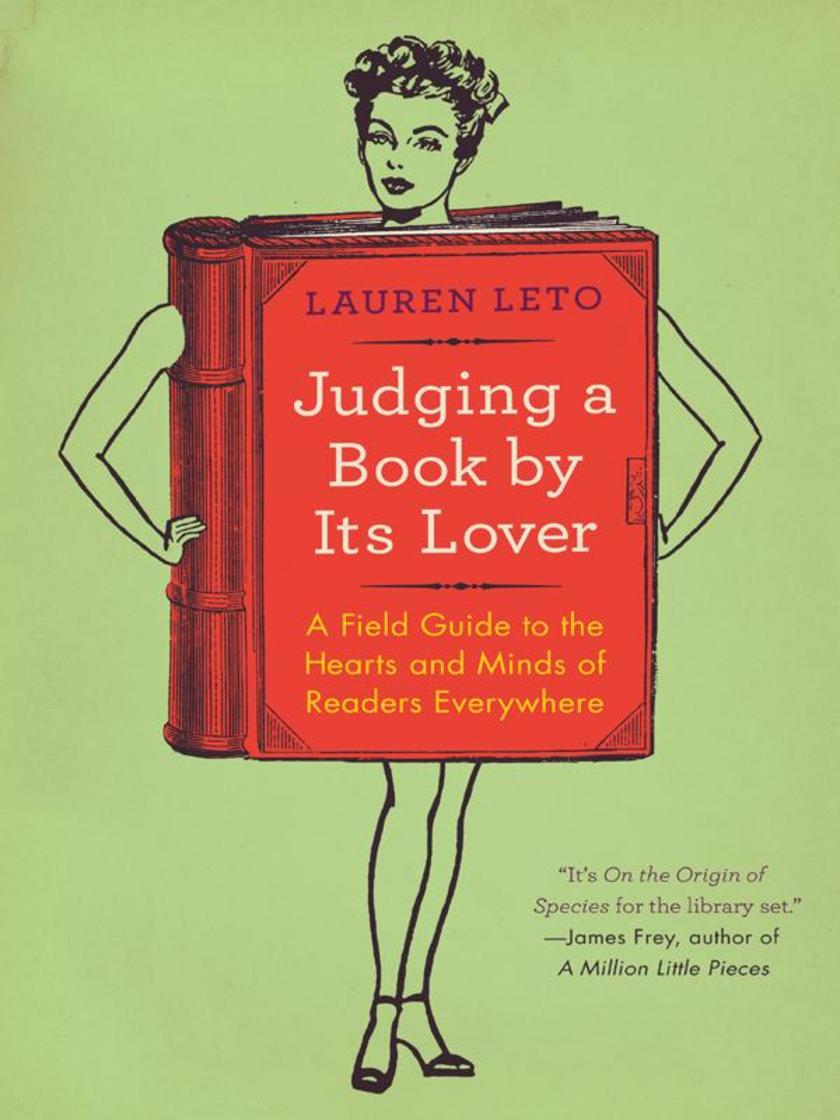
Judging a Book By Its Lover
¥84.16
Want to impress the hot stranger at the bar who asks for your take on Infinite JestDying to shut up the blowhard in front of you who’s pontificating on Cormac McCarthy’s “recurring road narratives”Having difficulty keeping Francine Prose and Annie Proulx straightFor all those overwhelmed readers who need to get a firm grip on the relentless onslaught of must-read books to stay on top of the inevitable conversations that swirl around them, Lauren Leto’s Judging a Book by Its Lover is manna from literary heaven! A hilarious send-up of—and inspired homage to—the passionate and peculiar world of book culture, this guide to literary debate leaves no reader or author unscathed, at once adoring and skewering everyone from Jonathan Franzen to Ayn Rand to Dostoyevsky and the people who read them.
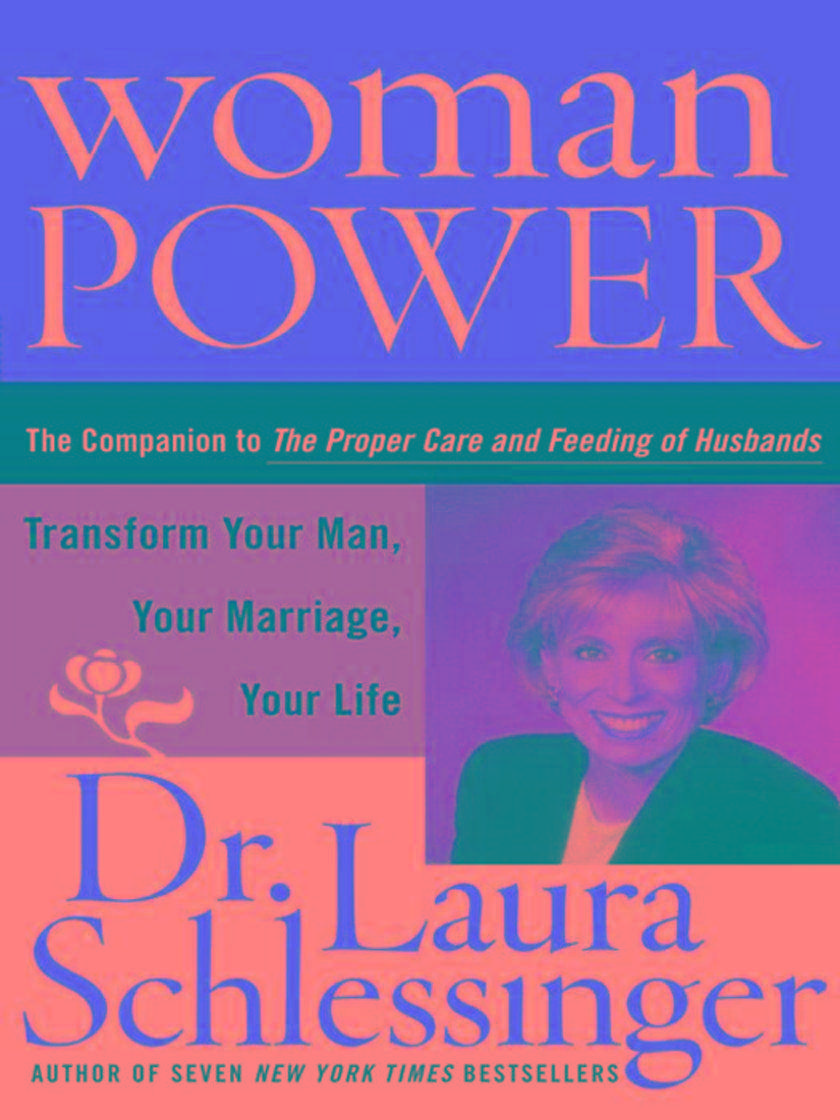
Woman Power
¥90.77
Woman Power: for the woman who wants to ensure for herself -- and for her man -- the marital happiness and success everyone dreams of! The immediate feedback to Dr. Laura Schlessinger's seventh bestseller, The Proper Care and Feeding of Husbands, affirmed that Dr. Laura helped hundreds of thousands of readers make good marriages even better and saved many from the brink of divorce. Now, due to overwhelming response from her readers and listeners who wanted to know more about the special power women have to transform their husbands, their marriages, and their lives, Dr. Laura has written Woman Power. Through a series of provocative chapters and Q&As, Dr. Laura guides women on how to assess what is valuable and what is vulnerable in their marriages, and stimulates women to think about what is really important about being a woman, a wife, and a mother. In addition, readers will find inspirational stories and tips, thought-provoking essays, and plenty of room for entries, thoughts, and journals. There are even fascinating Q&As for husbands and wives to do together!
Anam Cara
¥94.10
Discover the Celtic Circle of Belonging John O'Donohue, poet, philosopher, and scholar, guides you through the spiritual landscape of the Irish imagination. In Anam Cara, Gaelic for "soul friend," the ancient teachings, stories, and blessings of Celtic wisdom provide such profound insights on the universal themes of friendship, solitude, love, and death as: Light is generous The human heart is never completely born Love as ancient recognition The body is the angel of the soul Solitude is luminous Beauty likes neglected places The passionate heart never ages To benatural is to be holy Silence is the sister of the divine Death as an invitation to freedom
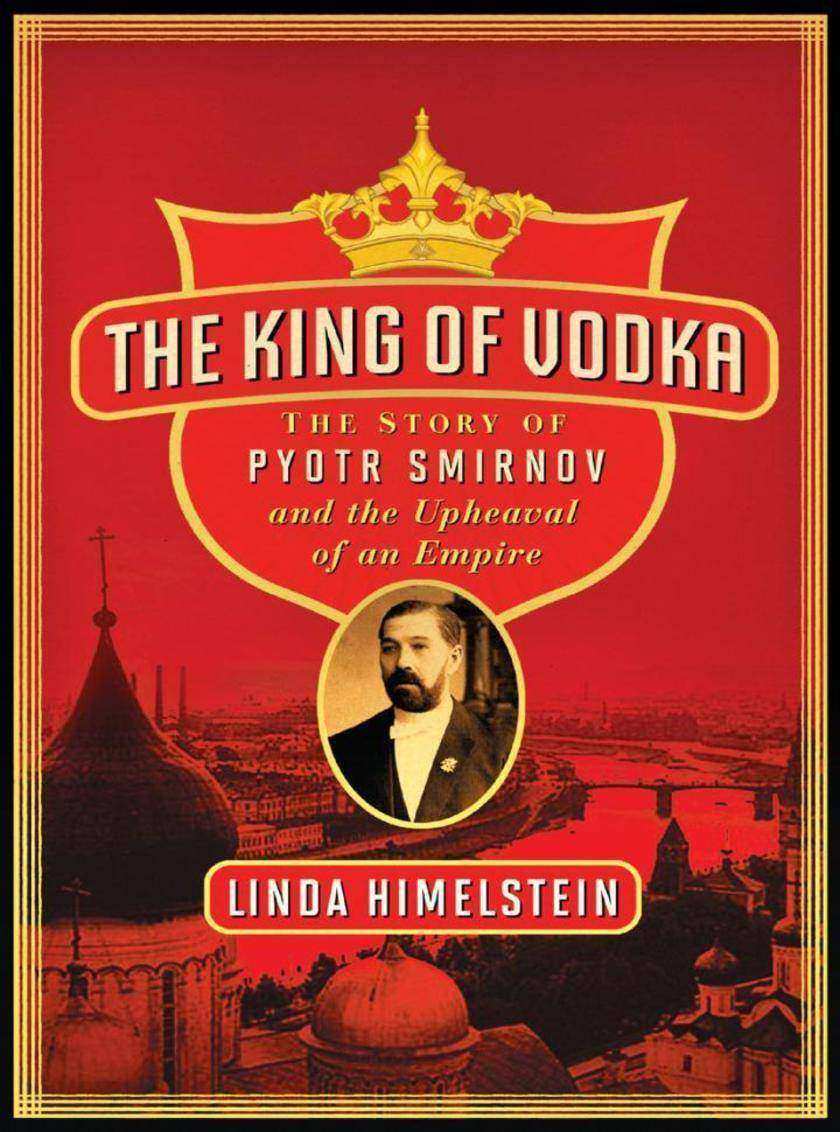
The King of Vodka
¥101.00
In this sweeping history of vodka scion Pyotr Smirnov and his family, distinguished journalist Linda Himelstein plumbs a great riddle of Russian history through the story of a humble serf who rose to create one of the most celebrated business empires the world has ever known. At the center of this vivid narrative, Pyotr Smirnov comes to life as a hero of wonderful complexity a man of intense ambition and uncanny business sense, a patriarch of a family that would help define Russian society and suffer from the Revolution's aftermath, and a loyalist to a nation that would one day honor him as a treasure of the state.Born in a small village in 1831, Smirnov relied on vodka a commodity that in many ways defines Russia to turn a life of scarcity and anonymity into one of immense wealth and international recognition. Starting from the backrooms and side streets of 19th century Moscow, Smirnov exploited a golden age of emancipation and brilliant grassroots marketing strategies to popularize his products and ensconce his brand within the thirsts and imaginations of drinkers around the world. His vodka would be gulped in the taverns of Russia and Europe, praised with accolades at World Fairs, and become a staple on the tables of Tsars. His improbable ascent set against a sobriety crusade supported by Chekhov and Tolstoy, mounting political uprisings and labor strikes, the eventual monopolization of the vodka trade by the state would crumble amidst the chaos of the Bolshevik revolution. Only a set of bizarre coincidences including an incredible prison escape by one of Smirnov's sons in 1919 would prevent Smirnov's legacy from fading into oblivion.Set against a backdrop of political and ideological currents that would determine the course of global history from the fall of the Tsars to the rise of Communism, from vodka's popularization by none other than James Bond to Smirnoff's emergence as a multi-billion dollar brand Smirnov's story of triumph and tragedy is a captivating historical touchstone. The King of Vodka is much more than a biography of an extraordinary man. It is a work of narrative history on an epic scale.
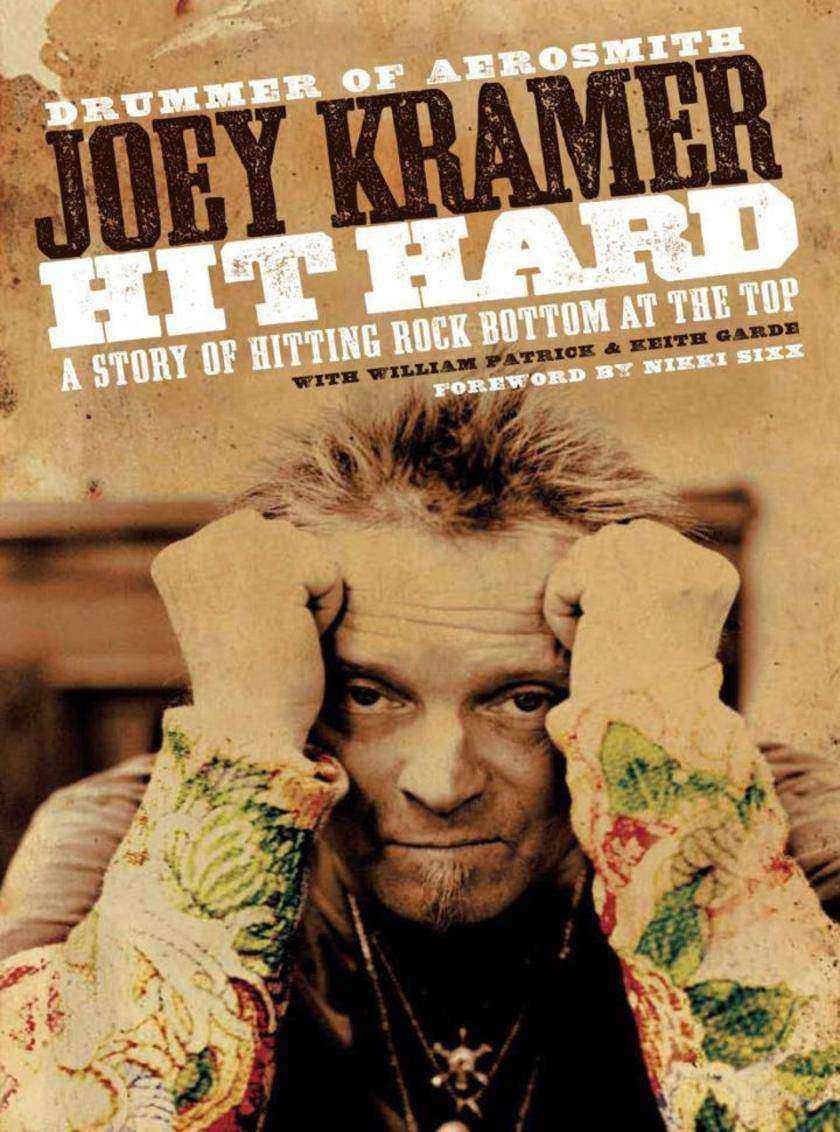
Hit Hard
¥88.56
In 1997, amid Aerosmith's sold-out world tour and number one album release, word about Joey's troubles was reported in the press.Despite the advice he had received to play it down, Joey revealed in an interview his ongoing struggles with depression. The response from fans and people battling those same internal demons was overwhelming. Joey who has been the drummer in Aerosmith since it was founded in 1970 and is the first member of the band to release his own book now tells the complete story: the early days of the band, glamorous drug-addled events leading up to their eventual sobriety, battles within his family and among bandmates, and the explosive internal dynamics in Aerosmith that continue to unleash a fury of endless creativity. This is not just another rock 'n' roll memoir. In addition to the never-before-told Aerosmith war stories that abound in the book, Hit Hard unpacks the history of a rock star who was both fragile and tough, who after years of insane wildness became willing to accept help and finally kick a serious alcohol and drug addiction, only to find that the real terrors and hard work were still ahead. It's the story of an average kid from an average American suburb who went through physical and emotional trauma. It's about years of depression and the nervous breakdown at the height of the band's comeback success. Ultimately, Hit Hard is about how Joey recognized his confusion between love and abuse, awakening to the kind of self-acceptance and compassion that make relationships possible in the "real world" as a member of the biggest band in American history.
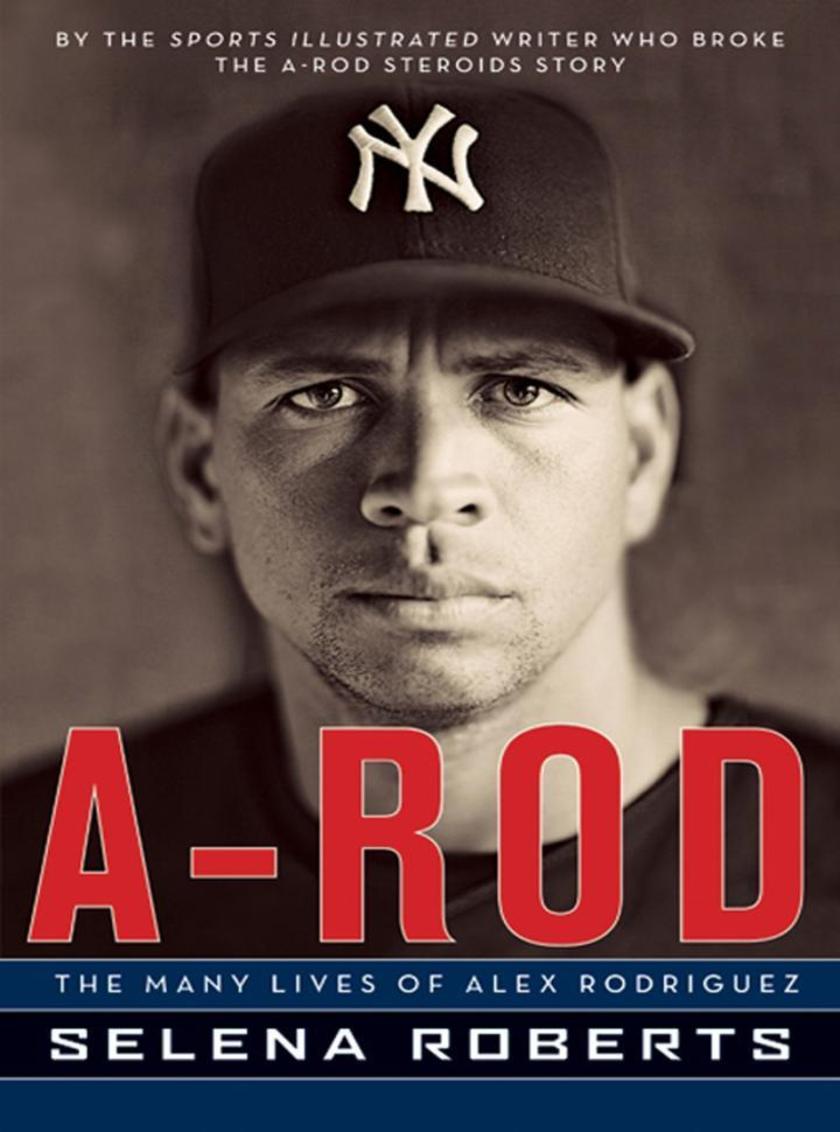
A-Rod
¥90.77
Alex Rodriguez is the highest-paid player in the history of baseball, a once-in-a-generation talent poised to break many of the sport's most hallowed records. In 2007 he became the youngest player, at 32, ever to hit 500 home runs, solidifying his status as the greatest player in the modern game, and months later he signed a contract that would keep him with the Yankees through the end of his career. His reputation changed drastically in February 2009 when Selena Roberts broke the news in Sports Illustrated that A-Rod had used performance-enhancing drugs during his 2003 MVP season with the Texas Rangers. Her report prompted a contrite Rodriguez to admit illegal drug use during his 2001–2003 seasons with the Rangers, who had signed him to the most expensive contract in Major League Baseball history. Although he admitted to three seasons of steroid use, the man teammates call "A-Fraud" was still hiding the truth. In the first definitive biography of Alex Rodriguez, Roberts assembles the strands of a bizarre and extraordinary life: from his boyhood in New York and the Dominican Republic through his near-mythic high school career and fast track to the big leagues, the whole of A-Rod's career mirrors the rise and fall of the steroid generation. Roberts goes beyond the sensational headlines, probing A-Rod's childhood to reveal a man torn by obligation to his family and the pull of his insatiable hedonism, a conflict--epitomized by his relationship with Madonna and devotion to Kabbalah--that led to the end of his six-year marriage. Roberts sheds new light on A-Rod's abuse of performance-enhancing drugs, a practice he appears to have begun as early as high school and that extended into his Yankee years. She chronicles his secretive real estate deals, gets inside the negotiations for his latest record-breaking contract with the Yankees, and examines the insecurities that compel him to seek support from a motivational guru before every game. In A-Rod, Roberts captures baseball's greatest player as a tragic figure in pinstripes: the man once considered the clean exception of the steroid generation revealed as an unmistakable product of its greed and dissolution.
The Dancing Wu Li Masters
¥99.65
With its unique combination of depth, clarity, and humor that has enchanted millions, this beloved classic by bestselling author Gary Zukav opens the fascinating world of quantum physics to readers with no mathematical or technical background. "Wu Li" is the Chinese phrase for physics. It means "patterns of organic energy," but it also means "nonsense," "my way," "I clutch my ideas," and "enlightenment." These captivating ideas frame Zukav's evocative exploration of quantum mechanics and relativity theory. Delightfully easy to read, The Dancing Wu Li Masters illuminates the compelling powers at the core of all we know.
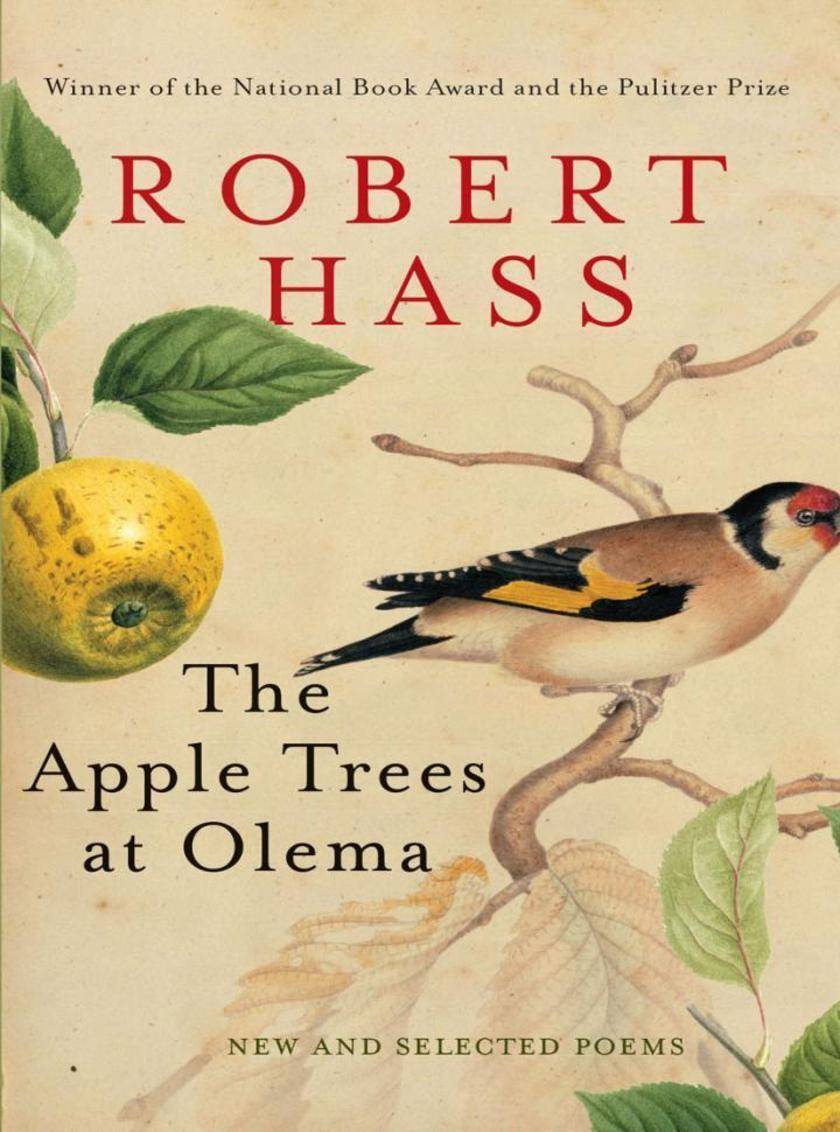
The Apple Trees at Olema
¥94.10
The Apple Trees at Olema includes work from Robert Hass's first five books Field Guide, Praise, Human Wishes, Sun Under Wood, and Time and Materials as well as a substantial gathering of new poems, including a suite of elegies, a series of poems in the form of notebook musings on the nature of storytelling, a suite of summer lyrics, and two experiments in pure narrative that meditate on personal relations in a violent world and read like small, luminous novellas. From the beginning, his poems have seemed entirely his own: a complex hybrid of the lyric line, with an unwavering fidelity to human and nonhuman nature, and formal variety and surprise, and a syntax capable of thinking through difficult things in ways that are both perfectly ordinary and really unusual. Over the years, he has added to these qualities a range and a formal restlessness that seem to come from a skeptical turn of mind, an acute sense of the artifice of the poem and of the complexity of the world of lived experience that a poem tries to apprehend.Hass's work is grounded in the beauty of the physical world. His familiar landscapes San Francisco, the northern California coast, the Sierra high country are vividly alive in his work. His themes include art, the natural world, desire, family life, the life between lovers, the violence of history, and the power and inherent limitations of language. He is a poet who is trying to say, as fully as he can, what it is like to be alive in his place and time. His style formed in part by American modernism, in part by his long apprenticeship as a translator of the Japanese haiku masters and Czeslaw Milosz combines intimacy of address, a quick intelligence, a virtuosic skill with long sentences, intense sensual vividness, and a light touch. It has made him immensely readable and his work widely admired.
The House of Harper
¥95.39
The epic story of a publishing giantIn 1817 four young brothers opened a printing shop in downtown Manhattan. Two centuries later, their small enterprise has grown into one of the world's largest and most successful publishing houses. The Harper brothers and their sons and successors created a grand cultural institution that has become a cornerstone of America's literary heritage.Eugene Exman's classic history, published in 1967, The House of Harper is the fascinating account of the birth and growth of a magnificent literary empire. Richly detailed, it is filled with portraits of dynamic publishers and editors, with remarkable anecdotes about the legendary artists and authors whose works they championed and brought to the general public Charles Dickens, George Eliot, Herman Melville, Mark Twain, Winslow Homer, Henry James, Edna St. Vincent Millay, Thomas Wolfe, and Aldous Huxley, to name but a few. More than the enthralling saga of a successful business venture, it is a story of the shaping of American literature and culture.
How to Raise a Child with a High EQ
¥88.56
Studies show that emotional intelligence -- the social and emotional skills that make up what we call character -- is more important to your child's success than the cognitive intelligence measured by IQ. And unlike IQ, emotional intelligence can be developed in kids at all stages.Filled with games, checklists and practical parenting techniques, How to Raise a Child with a High EQ will help your child to cope with -- and overcome -- the emotional stress of modern times and the normal problems of growing up.


