


 购物车
购物车 个人中心
个人中心
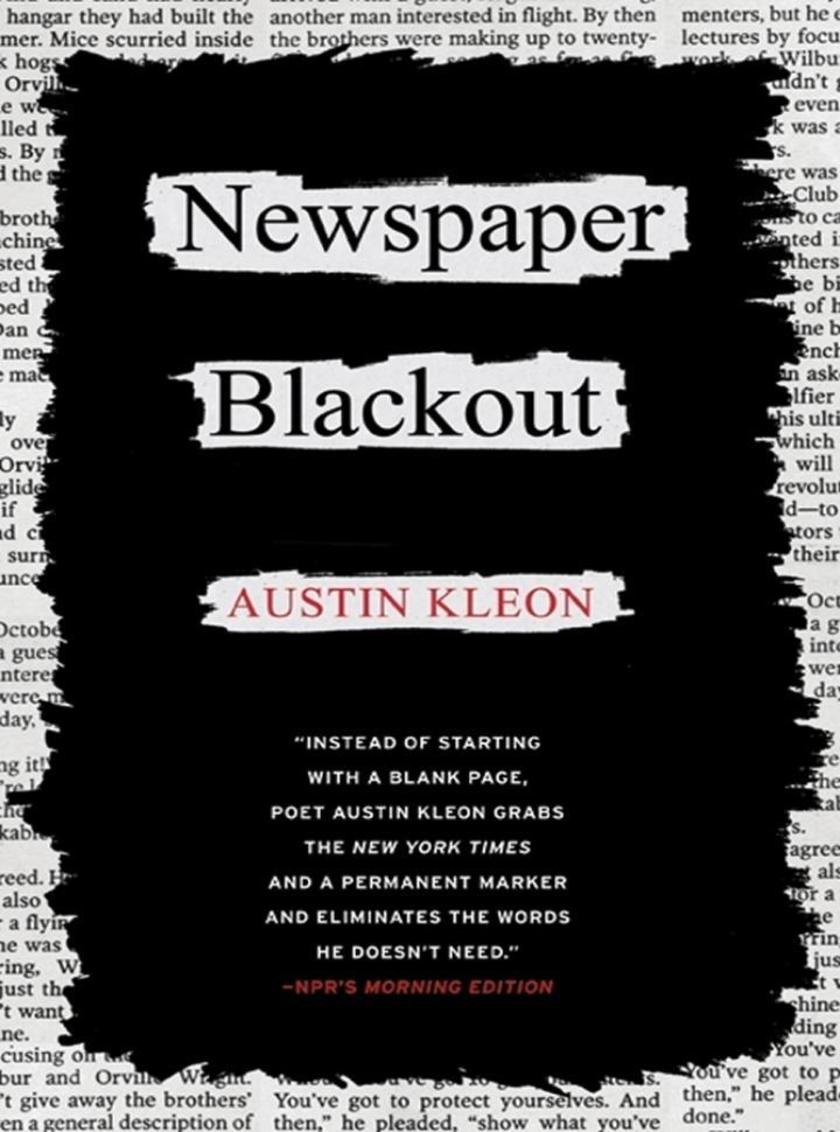
Newspaper Blackout
¥88.56
Poet and cartoonist Austin Kleon has discovered a new way to read between the lines. Armed with a daily newspaper and a permanent marker, he constructs through deconstruction eliminating the words he doesn't need to create a new art form: Newspaper Blackout poetry. Highly original, Kleon's verse ranges from provocative to lighthearted, and from moving to hysterically funny, and undoubtedly entertaining. The latest creations in a long history of "found art," Newspaper Blackout will challenge you to find new meaning in the familiar and inspiration from the mundane.Newspaper Blackout contains original poems by Austin Kleon, as well as submissions from readers of Kleon's popular online blog and a handy appendix on how to create your own blackout poetry.
Beginning to Heal
¥77.49
There's nothing as wonderful as starting to heal, waking up in the morning and knowing that nobody can hurt you if you don't let them.Beginning to Heal offers hope and guidance for all survivors starting the healing journey. No matter how great your pain today, you can not only heal but thrive. Based on the authors' bestseller The Courage to Heal, this Revised Edition of Beginning to Heal takes you through the key stages of the healing process, from crisis times to breaking the silence, grief, and anger, to resolution and moving on. It includes inspirational highlights, clear explanations, practical suggestions, and compelling accounts of survivors' pain, their strength, and their triumphs.
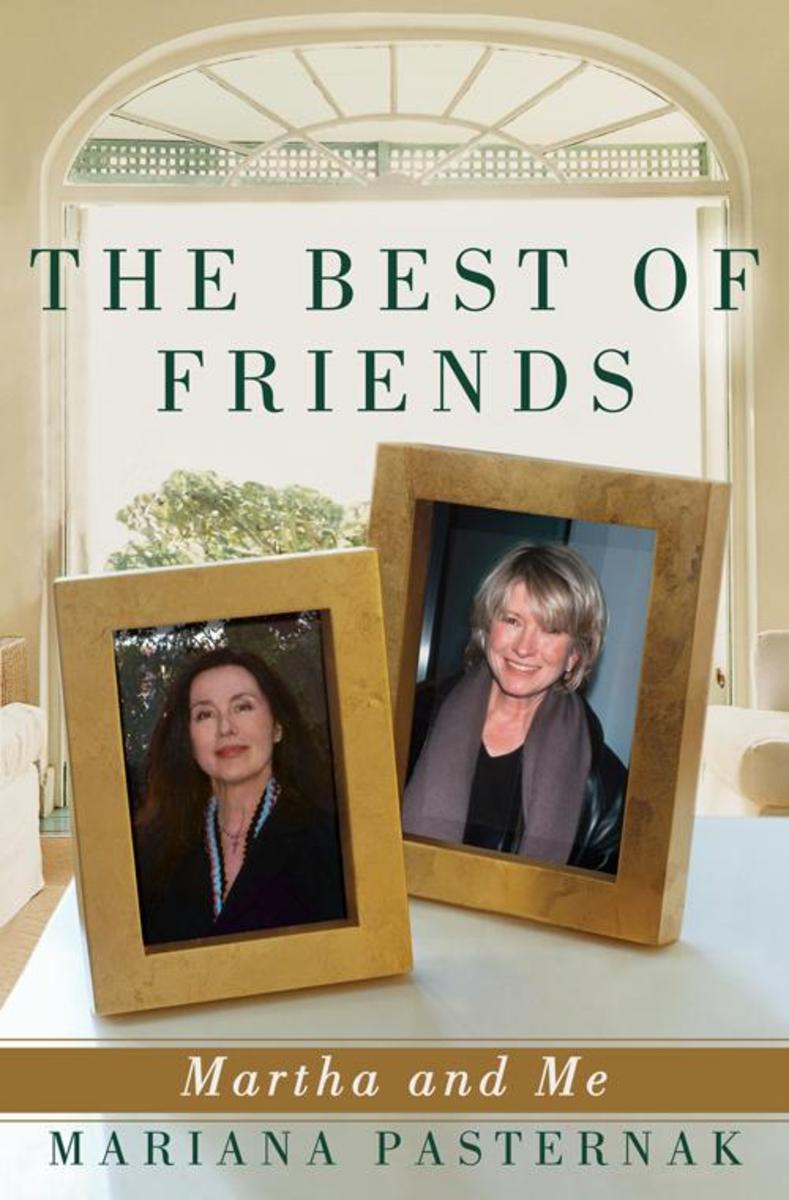
The Best of Friends
¥90.77
Set in a world of luxury and power, this is the story of two remarkable women and a friendship that changed both their lives forever.For more than two decades, Mariana Pasternak and Martha Stewart were nearly inseparable. They first met over a garden gate in Westport, Connecticut, two suburban wives wedded to successful men but with grand aspirations of their own. Their bond only deepened after their marriages ended in divorce. Struggling as a single mother, but drawn into a seductive world of privilege and adventure, Pasternak watched with admiration as her friend built an empire that would make her one of the richest women in America.A European migr with sophisticated tastes, Pasternak helped to smooth Stewart's rough edges, while Stewart drew Pasternak into a rarefied world, where together they navigated the sometimes hilarious and often difficult challenges of being single. The depth of their friendship not only benefited them both but also influenced how they defined themselves, through good times and bad. Friendship between women is never simple and this one was no exception.With Stewart's newfound success and Pasternak's zest for adventure, the two women's friendship was based on their mutual quest for wonder and discovery. They rode horses through the desert dunes of Egypt, hiked the winding Inca Trail to the mysterious Machu Picchu, paddled at night in dugout canoes through the Amazonian jungle. They toasted the good life with thin-stemmed champagne glasses and sipped jade dew" green tea in Martha's Turkey Hill kitchen. This was no ordinary life.As time passed, money, men, and the arrogance of wealth frayed the bonds they had built so carefully over more than twenty years. The final break came when Pasternak was called as a witness in the high-profile trial that brought about Stewart's conviction and prison sentence. Pasternak's deeply personal memoir tells the story of their friendship with honesty and candor, reflecting on the power of such intense relationships to change our lives, and the devastating aftermath when those relationships end.
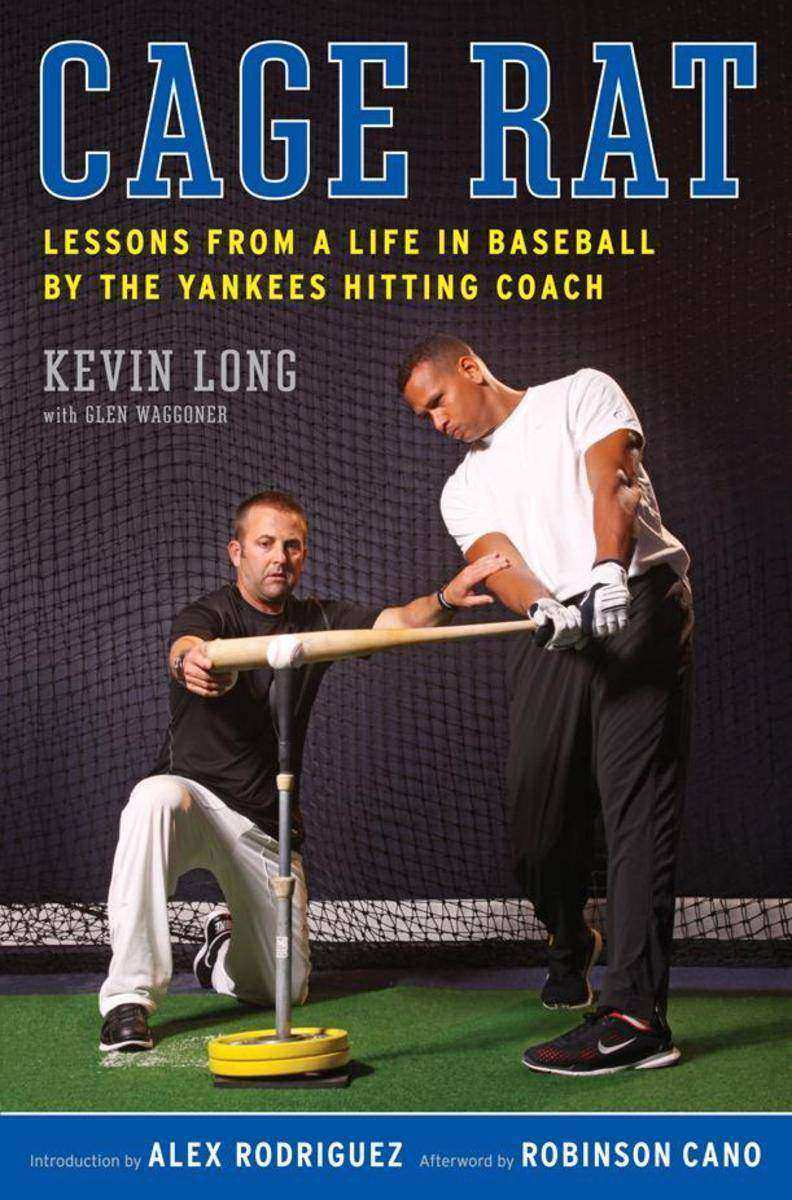
Cage Rat
¥90.77
From Yankees hitting coach Kevin Long the man who coaches all-stars like Derek Jeter, Alex Rodriguez, and Robinson Cano comes this indispensable guide to hitting, full of practical advice, behind-the-scenes baseball action, and an enduring, inspiring love for America's national pastimeThe legendary Ted Williams often said that "hitting a baseball is the most difficult thing to do in sport." If hitting a baseball is that hard to do, imagine trying to teach how to hit. Yankees hitting coach Kevin Long does just that every day to some of the best players in the game.In Cage Rat, Long draws on more than twenty years of experience playing and coaching professional baseball to demonstrate to readers the techniques, practices, and habits of great hitting. From bat angle to grip, and from plate coverage to athletic stance and hitting drills, Long takes us into the Yankees' batting cage, where he shows us how major-league players hone their hitting and refine their skills. Not just a practical guide to hitting, Cage Rat is also a dynamic, engaging, and moving portrait of a man realizing his goals. From his early days in the minor leagues to his major league dreams of playing with the Kansas City Royals, from the dramatic decision to turn to coaching to the fateful call from the New York Yankees, Kevin Long's story is a quintessentially American narrative that celebrates hard work, perseverance, and a positive attitude.Chock-full of practical advice, behind-the-scenes action, instructional photographs, and inspirational stories, Cage Rat is a must-read for aspiring players, Yankees fans, and anyone who loves baseball.

To the Heart of the Nile
¥95.39
In 1859, at age fourteen, Florence Szász stood before a room full of men and waited to be auctioned to the highest bidder. But slavery and submission were not to be her destiny: Sam Baker, a wealthy English gentleman and eminent adventurer, was moved by compassion and an immediate, overpowering empathy for the young woman, and braved extraordinary perils to help her escape. Together, Florence and Sam -- whose love would remain passionate and constant throughout their lives -- forged into literally uncharted territory in a glorious attempt to unravel a mysterious and magnificent enigma called Africa.A stunning achievement, To the Heart of the Nile is an unforgettable portrait of an unforgettable woman: a story of discovery, bravery, determination, and love, meticulously reconstructed through journals, documents, and private papers, and told in the inimitable narrative style that has already won Pat Shipman resounding international acclaim.
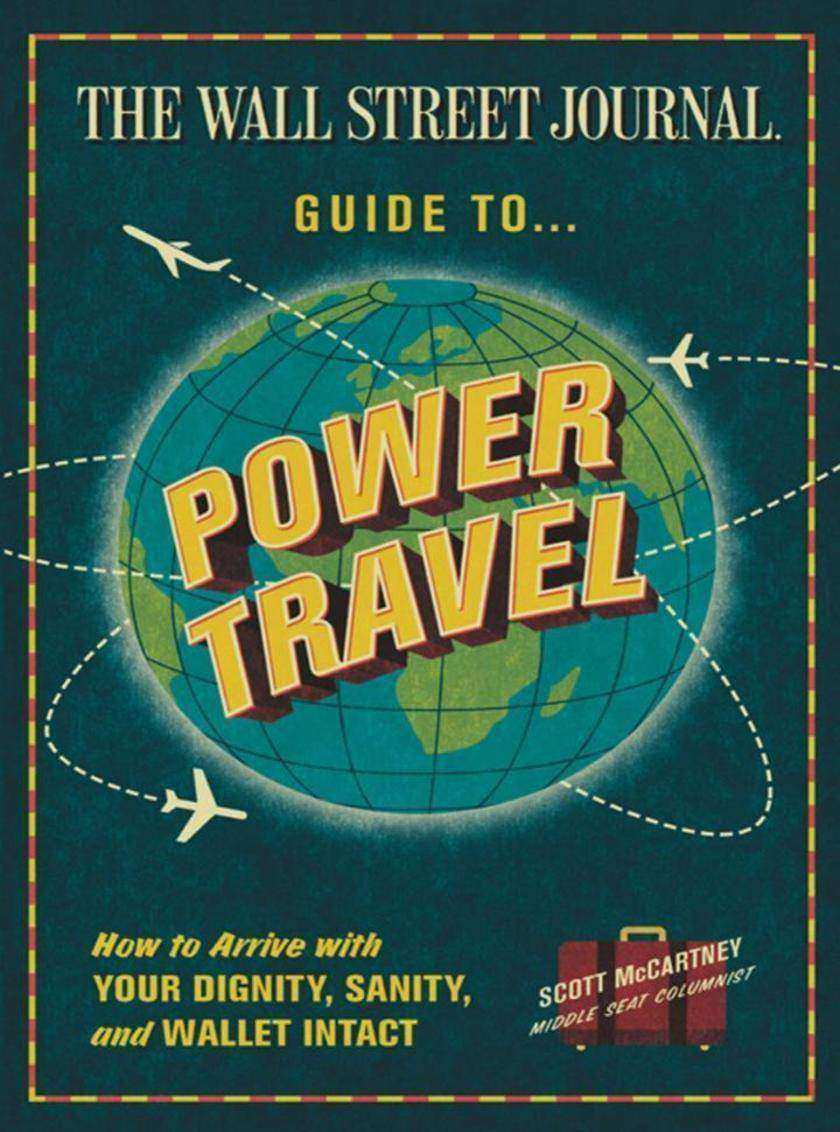
The Wall Street Journal Guide to Power Travel
¥95.39
Imagine a world without late planes, missed connections, lost luggage, bumped passengers, cramped seating, high fees and higher fares, surly employees, and security lines. . . . Ordinary travel is an extraordinary ordeal. Yet despite the high prices and huge hassles, travel is essential along with the need for tips, tricks, and techniques to improve the journey. The Wall Street Journal Guide to Power Travel is an entertaining road trip and a helpful guide, drawn from Scott McCartney's popular Middle Seat column, which explains why bad things happen to good travelers and what you can do to improve your lot. Expert advice and tips include: How to get cheap fares, first-class upgrades, and better seats. How to minimize chances of lost luggage and what to do when baggage doesn't show up. How to avoid delays, get around TSA bottlenecks, and minimize the chances you'll get stuck at some distant airport and what to do if you do get stuck. How to complain to an airline and get some attention, right down to what to ask for in compensation and how to get the government's attention.
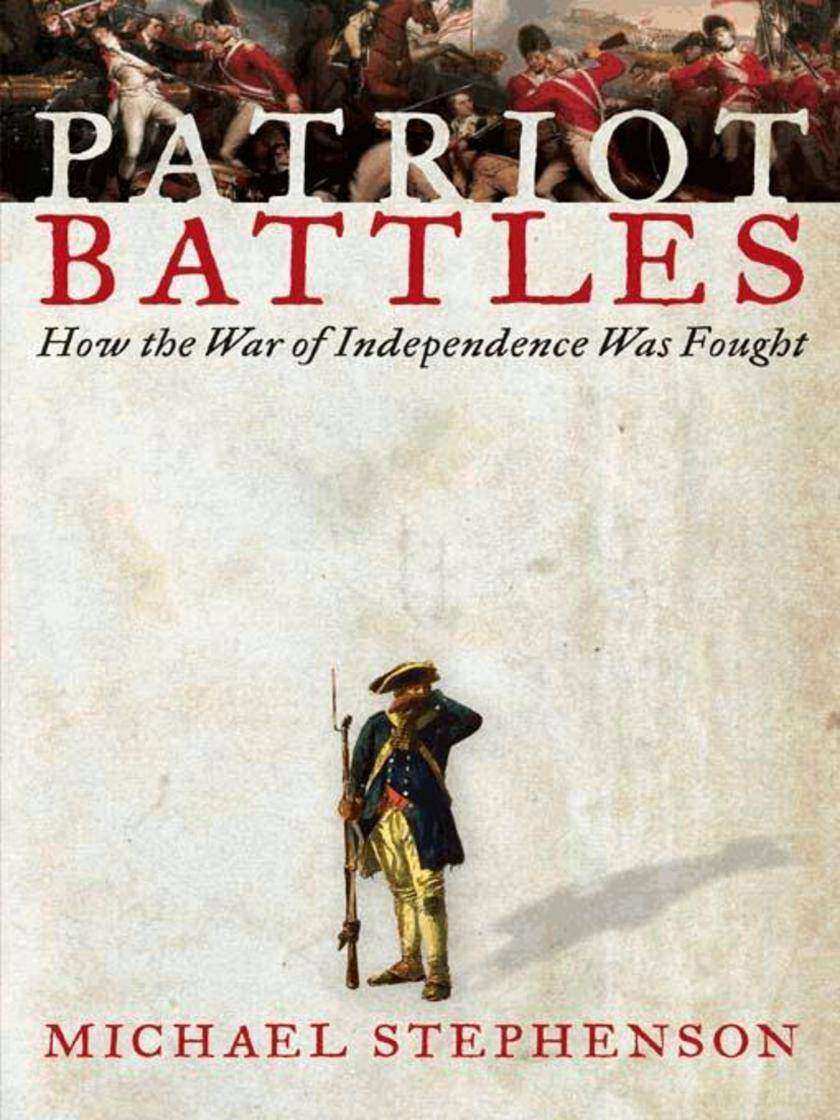
Patriot Battles
¥95.39
Drawing on hundreds of specialist sources, contemporary and archival, Patriot Battles is the comprehensive one-volume study of the military aspects of the War of Independence. The first part of the book offers a richly detailed examination of the nuts and bolts of eighteenth-century combat: For example, who fought and what motivated them, whether patriot or redcoat, Hessian or FrenchmanHow were they enlisted and trainedHow were they clothed and fedWhat weapons did they use, and how effective were theyWhen soldiers became casualties or fell ill, how did medical services deal with themWhat roles did loyalists, women, blacks, and Indians play?The second part of the book gives a closer look at the war's greatest battles, with maps provided for each. Which men were involved, and how manyWhat was the state of their morale and equipmentWhat parts did terrain and weather playWhat were the qualities of the respective commanders, and what tactics did they employHow many casualties were inflictedAnd no less important, how did the soldiers fightThroughout, many cherished myths are challenged, reputations are reassessed, and long-held assumptions are tested. For all readers, Patriot Battles becomes not only one of the most satisfying and illuminating works to be added to the literature on the War of Independence in many years but also a refreshing wind blowing through some of its dustier corridors.

The Women Jefferson Loved
¥107.76
Throughout his life, Thomas Jefferson constructed a seemingly impenetrable wall between his public legacy and his private life, a division maintained by his family and the several traditional biographies written about this founding father. Now Virginia Scharff breaks down the barrier between Jefferson's public and private histories to offer an intriguing new portrait of this complicated and influential figure, as seen through the lives of a remarkable group of women.Scharff brings together for the first time in one volume the stories of these diverse women, separated by race but related by blood, including Jefferson's mother, Jane Randolph; his wife, Martha; her half sister, Sally Hemings, his slave mistress; his daughters; and his granddaughters. "Their lives, their Revolutions, their vulnerabilities, shaped the choices Jefferson made, from the selection of words and ideas in his Declaration, to the endless building of his mountaintop mansion, to the vision of a great agrarian nation that powered his Louisiana Purchase," Scharff writes. Based on a wealth of sources, including family letters, and written with empathy and great insight, The Women Jefferson Loved is a welcome new look at this legendary American and one that offers a fresh twist on American history itself.
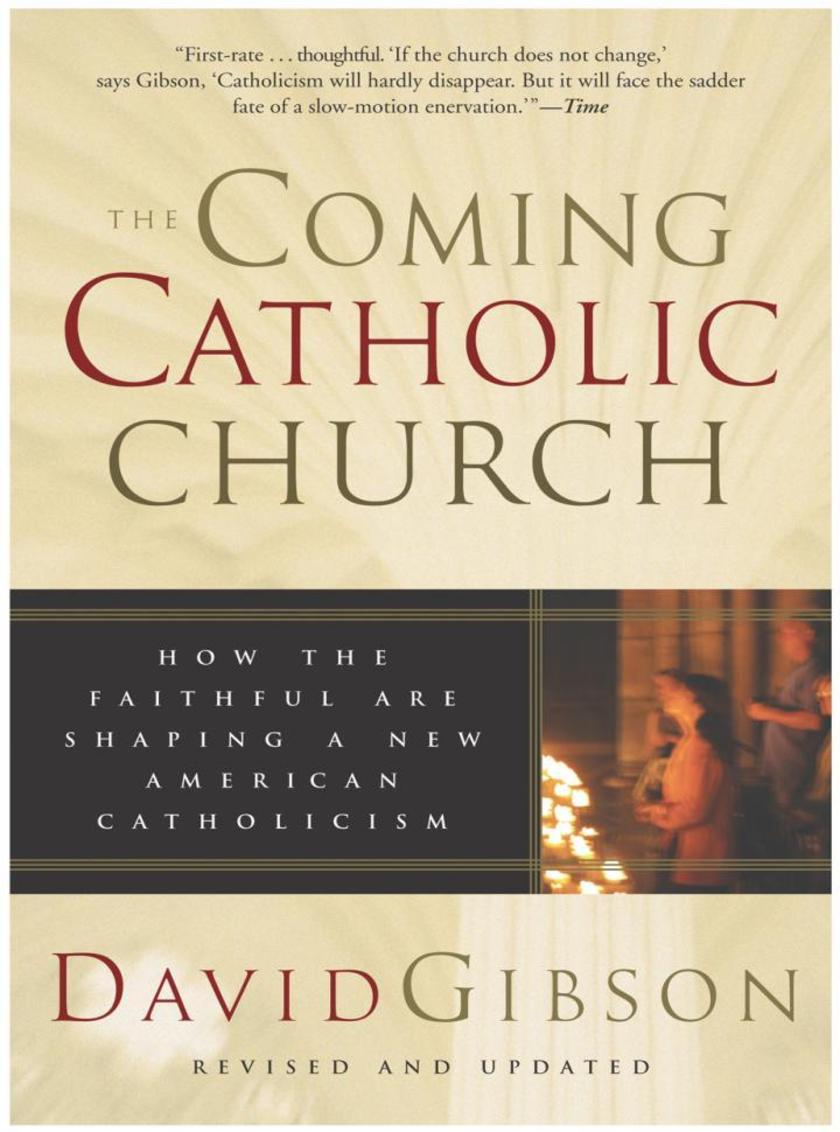
The Coming Catholic Church
¥83.93
Rather than chronicling the well-reported sexual abuse scandal or advocating a particular reform agenda, David Gibson shows how the crisis in the church is unleashing forces that will change American Catholicism forever.

Elementary Algebra
¥90.54
Prepared for students by renowned professors and noted experts, here are the most extensive and proven study aids available, covering all the major areas of study in college curriculums. Each guide features: up-to-date scholarship; an easy-to-follow narrative outline form; specially designed and formatted pages; and much more.

Introduction to Calculus
¥90.54
Master Your Coursework with Collins College OutlinesThe Collins College Outline for Introduion to Calculus tackles such topics as funions, limits, continuity, derivatives and their applications, and integrals and their applications. This guide is an indispensable aid to helping make the complex theories of calculus understandable. Completely revised and updated by Dr. Joan Van Glabek, this book includes a test yourself seion with answers and complete explanations at the end of each chapter. Also included are bibliographies for further reading, as well as numerous graphs, charts, illustrations, and examples.The Collins College Outlines are a completely revised, in-depth series of study guides for all areas of study, including the Humanities, Social Sciences, Mathematics, Science, Language, History, and Business. Featuring the most up-to-date information, each book is written by a seasoned professor in the field and focuses on a simplified and general overview of the subje for college students and, where appropriate, Advanced Placement students. Each Collins College Outline is fully integrated with the major curriculum for its subje and is a perfe supplement for any standard textbook.

Spanish Grammar
¥90.54
Unlike traditional textbooks, which leave students without a clear understanding of the different tenses and moods, the Collins College Outline for Spanish Grammar is organized conceptually, explaining in detail subjunctive and imperative moods, passive voice, negatives, idioms, and the rules of accentuation. With sections on articles, adjectives, nouns, and verbs, along with a comprehensive vocabulary appendix for quick and easy reference, this is the essential guide to understanding Spanish. Completely revised and updated by Professor Ana Fairchild, this book includes a test yourself section with answers and complete explanations at the end of each chapter. Also included are bibliographies for further reading, as well as numerous vocabulary lists, exercises, and examples.The Collins College Outlines are a completely revised, in-depth series of study guides for all areas of study, including the Humanities, Social Sciences, Mathematics, Science, Language, History, and Business. Featuring the most up-to-date information, each book is written by a seasoned professor in the field and focuses on a simplified and general overview of the subject for college students and, where appropriate, Advanced Placement students. Each Collins College Outline is fully integrated with the major curriculum for its subject and is a perfect supplement for any standard textbook.
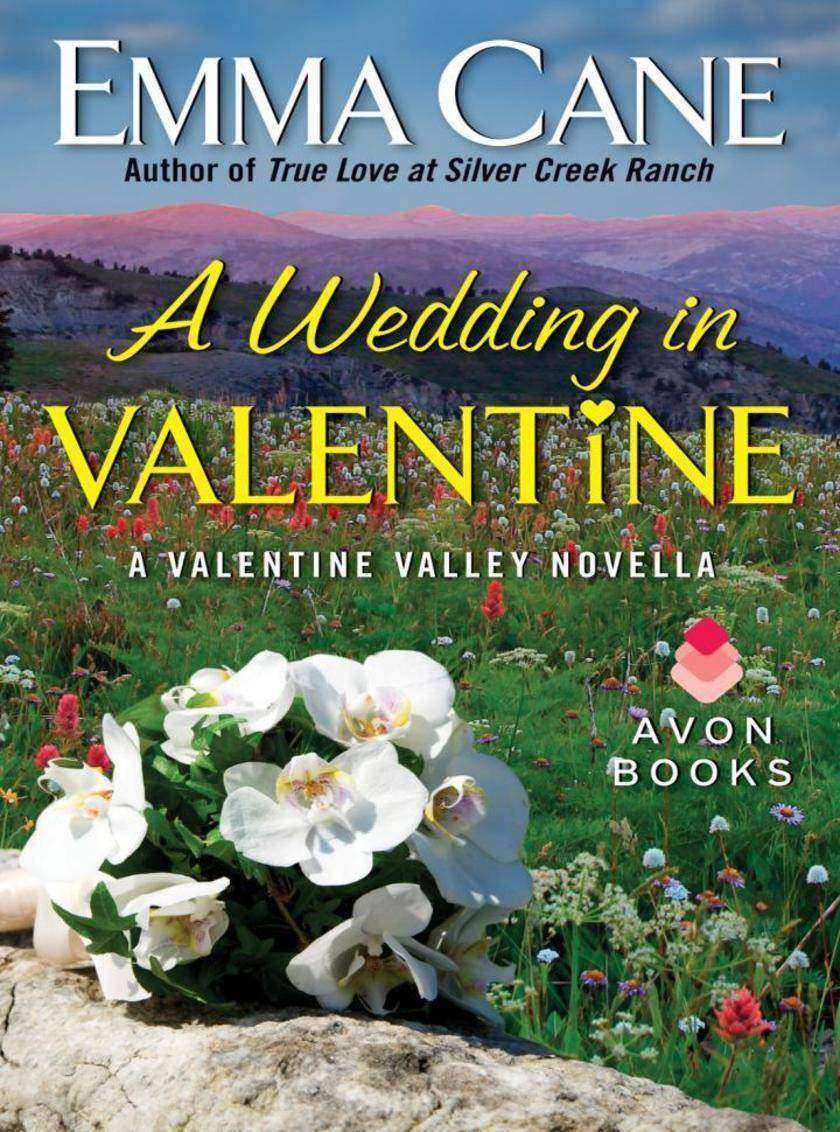
A Wedding in Valentine
¥27.91
It's the wedding all of Valentine Valley has been waiting for!Bridesmaid Heather Armstrong arrives for Nate and Emily's big weekend only to discover that one of the ushers is the man she had a close encounter with when they were trapped by a blizzard seven months ago and he's the bride's brother!Cowboy Chris Sweet never forgot the sexy redhead, although she disappeared without a trace. At first the secret creates a divide between them, but as they grow closer during the romantic weekend, will Heather dare risk her heart again?
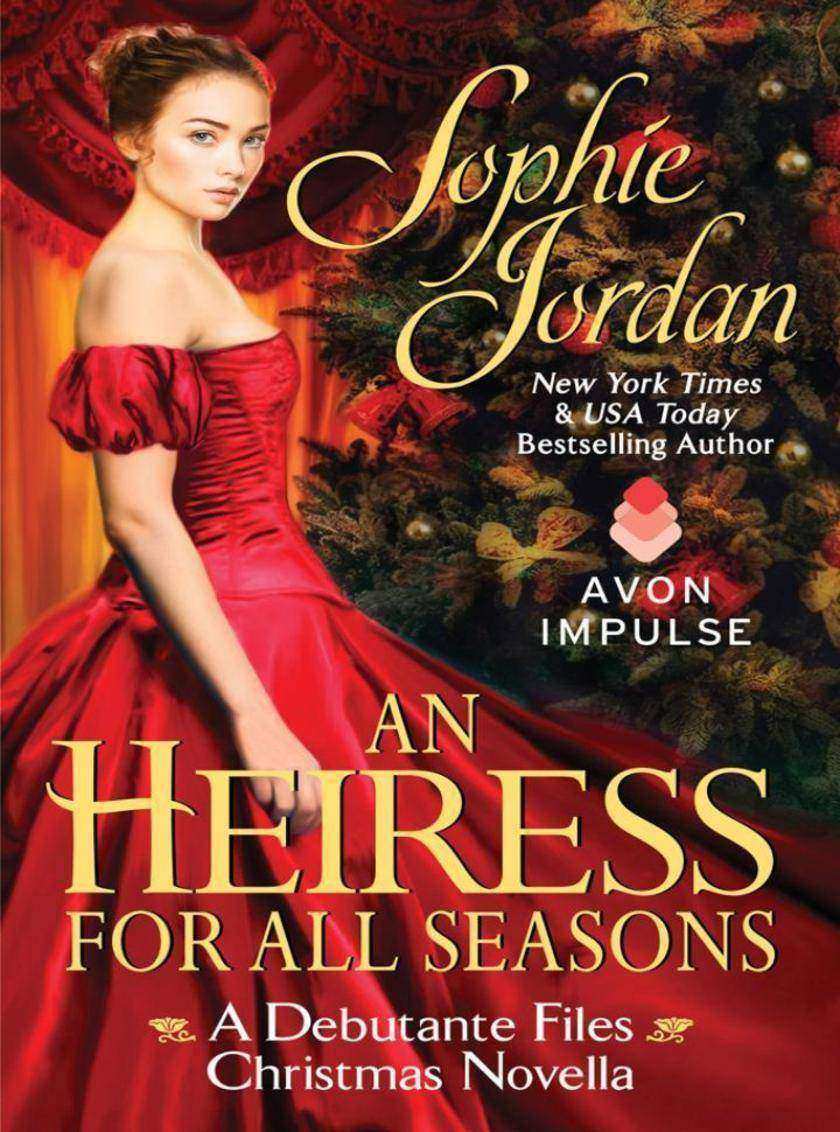
An Heiress for All Seasons
¥27.91
When a holiday blizzard brings together a pair of reluctant lovers, the result threatens their reputations … and may cost them their hearts. Feisty and independent American heiress Violet Howard swears she'll never wed a crusty British aristocrat. Will, the Earl of Merlton, is determined to salvage his family's fortune without succumbing to a marriage of convenience. But when a snowstorm leaves Violet and Will stranded and alone, their sudden chemistry will challenge good intentions. Seized by a desire that burns through the night, they'll toss reservations aside in favor of the heat found in each other's arms. Will their passion survive the stormWill they realize they've found a love to last them through all seasons?
Legend
¥55.31
As teenagers, Raine Beaumont and Joseph Colorado tasted the joys of first love, until her father's lies destroyed their fragile bond. Now, twelve years later, Raine receives news that will take her back to her hometown of Oracle, Arizona, where she will face her lost love again.Haunted by the memory of the boy she once adored, Raine was not prepared for the mysterious, seductive man before her. For deep in Joseph's eyes lies a power that binds him to his Apache heritage, a power that promises to heal all wounds and restore long lost dreams . . . and love.
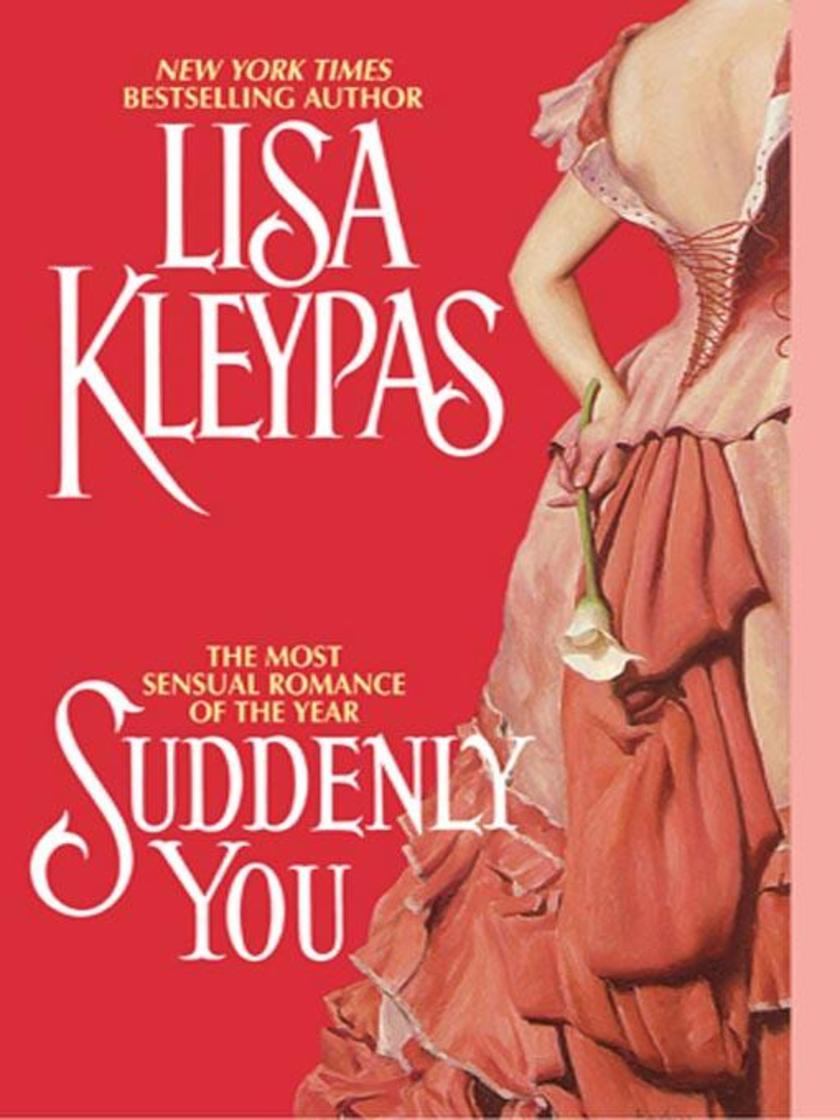
Suddenly You
¥62.90
She was unmarried, untouched and almost thirty, but novelist Amanda Briars wasn't about to greet her next birthday without making love to a man. When he appeared at her door, she believed he was her gift to herself, hired for one night of passion. Unforgettably handsome, irresistibly virile, he tempted her in ways she never thought possible...but something stopped him from completely fulfilling her dream.Jack Delvin's determination to possess Amanda became greater when she discovered his true identity. But gently-bred Amanda craved respectability more than she admitted, while Jack, the cast-off son of a nobleman and London's most notorious businessman, refused to live by society's rules. Yet when fate conspired for them to marry, their worlds collided with a passionate force neither had expected...but both soon craved.

The Marriage Lesson
¥55.31
Lesson #1: Never Tempt a Lady Become a brideNever! Lady Marianne Shelton has come to London to experience life, and marriage is not part of her plan. To finance her independent future, the pretty country miss pens a series of anonymous stories. Soon they are the talk of the ton-and only she knows that her wicked hero is based on none other than bold, brash Thomas Effington, the future Duke of Roxborough.Lesson #2: Never Deny a Marquess, Thomas has been thrust into le of Marianne's protector. When she threatens to experience life with the first willing rogue to come along, he decides the best recourse is to tutor her himself. And when he accidentally compromises her honor, he's willing to accept their only recourse: a wedding. Marianne claims she wants no part of marriage, but her intoxicating allure and disarming willingness make her irresistible. And now Thomas is determined to teach her a lesson: that true love will last forever.
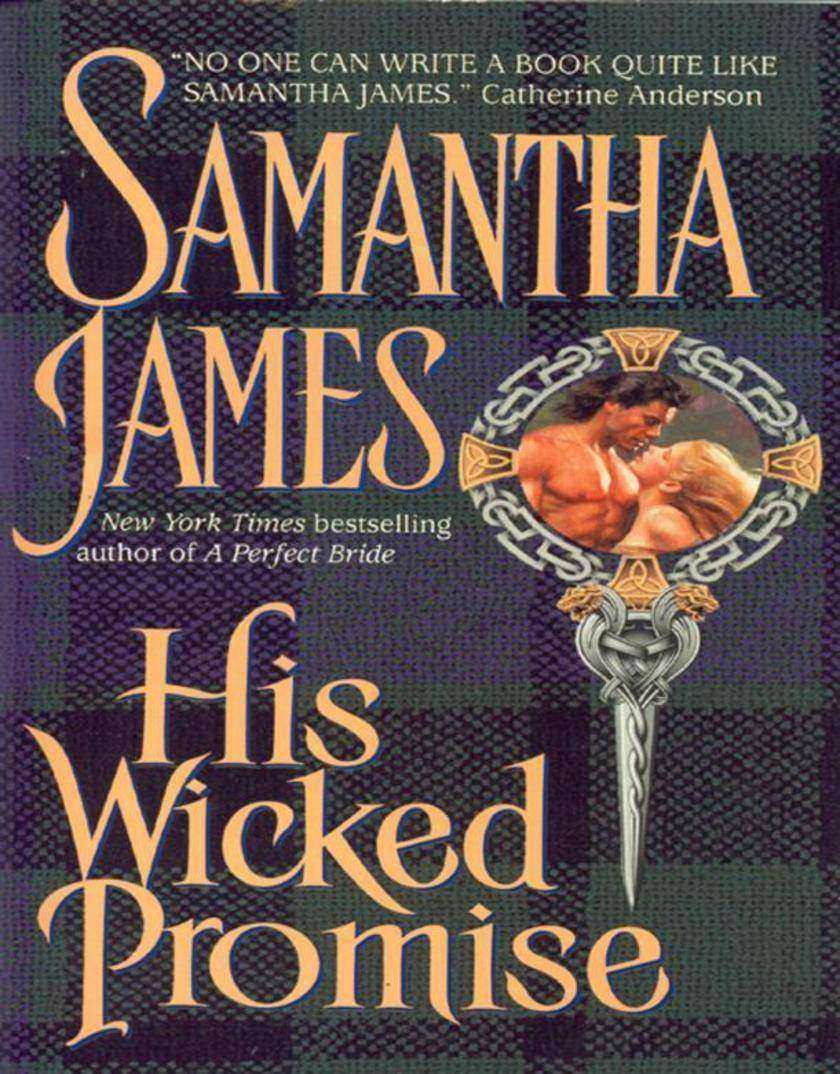
His Wicked Promise
¥55.31
He would take her as his bride...but could she give her heart in return?When Egan MacBain takes beautiful Glenda MacKay as his bride, it appears that he's done so for the noblest of reasons. In truth, he has vowed at last to claim the woman he's always loved--yet once lost--to another man. But the rugged Highlander is determined to keep his passion hidden while he woos her with his gentle caress and wicked kisses. For he will not have an unwilling wife and will only show his tenderness once she is tamed.Although Glenda has agreed to the marriage, she's only done so to gain the protection of Egan's name. Yet this young widow of the once-powerful clan MacKay never expected that vows of love would leave her lips again, nor did she believe she'd ever hold any man so dear. But suddenly she finds herself succumbing to the strong, silent warrior who fills her with trepidations and a fevered, forbidden yearning to fulfill his wicked promise of the love--and the child--she aches for in the depths of the soul.

A Descent Into Hell
¥55.91
Bright, attractive, and both from good families, University of Texas college student Colton Pitonyak and vibrant redhead Jennifer Cave had the world at their beckoning. Cave, an ex-cheerleader, had just landed an exciting new job, while a big-money scholarship to UT's prestigious business school lured Pitonyak to Austin. Yet the former altar boy had a dark, unpredictable streak, one that ensnared him in the perilous underworld of drugs and guns. When Jennifer failed to show up for work on August 18, 2005, her mother became frightened. Sharon Cave's search led to Colton's West Campus apartment, where Jennifer's family discovered a scene worthy of the grisliest horror movie. Meanwhile, Colton Pitonyak was nowhere to be found.A Descent Into Hell is the gripping true story of one of the most brutal slayings in UT history and the wild "Bonnie and Clyde-like" flight from justice of a cold-blooded young killer and his would-be girlfriend, who claimed that her unquestioning allegiance to Pitonyak was "just the way I roll."

Gemstone
¥55.31
New York Times bestselling author Barbara Delinsky shares her special magic in this poignant tale, first published in 1983, of past mistakes and second chances.It's been eight years since Sara McCray has seen her ex-husband, Jeff Parker, after she fled their San Francisco mansion and stifling life controlled by his domineering mother. But the naive young bride has returned a confident woman with her own business. Jeff, too, has changed. Since his mother's death he's become his own man, masterfully in control of the family business and estate.When they meet, the strong attraction that brought them together long ago is reawakened. But when Jeff asks Sara to stay, his offer has little to do with romance. Now Sara must decide: Does she dare be just a business partner with a man she's never stopped lovingOr does she turn her back on what may be her one chance for happiness?

Broken
¥55.91
The first novel in New York Times bestselling author Cynthia Eden's sizzling LOST series introduces the Last Option Search Team, an elite unit that must protect the only surviving victim of a serial killer. Ex-SEAL and LOST founder Gabe Spencer is accustomed to the unusual in his job. But when knockout Eve Gray steps into his office, he's rattled. For the mysterious woman is a dead ringer for the heiress thought to be the latest prey of the serial killer who goes by the name Lady Killer.When Eve awoke in an Atlanta hospital, her past was a blank slate. Then she recognized her own face in the newspaper and vowed to learn the truth. Determined to confront the nightmares hidden in her mind, she never expects to find a partner in Gabe.As Gabe and Eve work together, their explosive attraction becomes irresistible. Gabe knows that his desire for Eve is growing too strong, bordering on a dangerous obsession, but nothing pulls him away from her. And when another Eve lookalike disappears, Gabe vows to protect Eve at all costs. While Eve may have forgotten the killer in her past, it's clear he hasn't forgotten her.


