


 购物车
购物车 个人中心
个人中心
Anam Cara
¥94.10
Discover the Celtic Circle of Belonging John O'Donohue, poet, philosopher, and scholar, guides you through the spiritual landscape of the Irish imagination. In Anam Cara, Gaelic for "soul friend," the ancient teachings, stories, and blessings of Celtic wisdom provide such profound insights on the universal themes of friendship, solitude, love, and death as: Light is generous The human heart is never completely born Love as ancient recognition The body is the angel of the soul Solitude is luminous Beauty likes neglected places The passionate heart never ages To benatural is to be holy Silence is the sister of the divine Death as an invitation to freedom
How to Raise a Child with a High EQ
¥88.56
Studies show that emotional intelligence -- the social and emotional skills that make up what we call character -- is more important to your child's success than the cognitive intelligence measured by IQ. And unlike IQ, emotional intelligence can be developed in kids at all stages.Filled with games, checklists and practical parenting techniques, How to Raise a Child with a High EQ will help your child to cope with -- and overcome -- the emotional stress of modern times and the normal problems of growing up.
The Modern Jewish Mom's Guide to Shabbat
¥95.16
Bringing the family together every Friday night for the Shabbat meal has helped many families connect with each other, even as children grow into their teens and beyond. Having experienced the joys of Shabbat and witnessed how it has brought her family together, Meredith L. Jacobs now brings us THE MODERN MOM'S GUIDE TO SHABBAT. Written in conversational style from one modern Jewish mom to another, THE MJM'S GUIDE will be funny and warm, brightly colored and easy to read, filled with delicious, easy recipes and family art projects, while also challenging readers with summaries of the weekly Torah portion and suggested family discussion topics, compelling readers to include discussion in their dinner as a vehicle for connecting with their children–both teaching and learning from them. It will be informative and accessible throughout. Shabbat is a wonderful way to ensure that in this day of ridiculous schedules and pressures, that we have at least one meal per week together as a family. Shabbat is the time we turn the outside world away and connect with each other. Unlike other holidays, Shabbat is not once a year, it's once a week, giving us fifty–two chances a year to connect with our children. Whether you are reform, conservative, or modern orthodox, newly converted or non–Jewish in an inter–faith marriage, THE MODERN JEWISH MOM'S GUIDE TO SHABBAT will teach us about traditions, making new ones, and most importantly, how to connect with our children.
Why It's Great to Be a Girl
¥55.94
Why It's Great to Be a Girl is a must-have for every girl from six to sixteen! Chock-full of fascinating facts, enlightening girl-knowledge, and important historical milestones even a list of great books written by women here is a guaranteed self-esteem booster for young females everywhere . . . and it's lots of fun too! After all, what girl wouldn't feel great about herself knowing that: girls hear better than boys girls drive better than boys girls' bodies are stronger than boys' in every way, except for muscles girls are less susceptible to major diseases and, according to many anthropologists and archaeologists, girls actually "civilized" humankind! So get ready for an eye-opening journey through the awesomeness of girldom with the ultimate guide to why being a girl is the ultimate in cool!
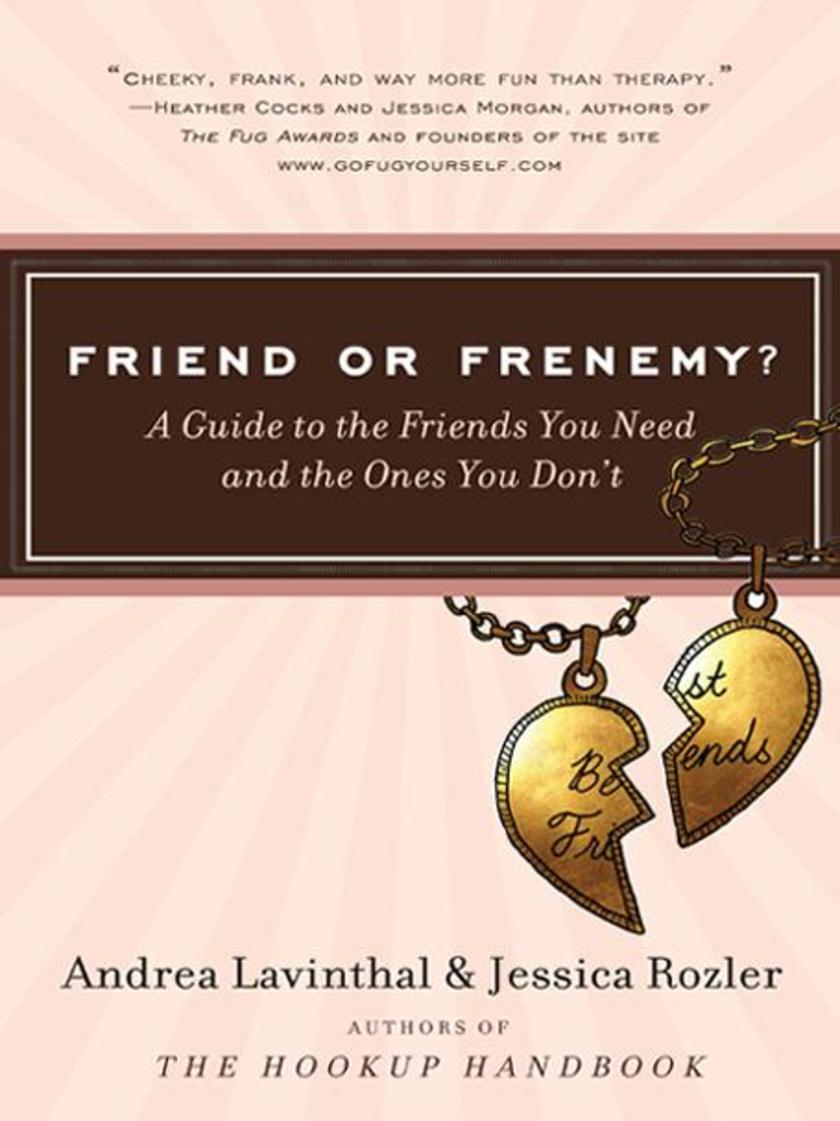
Friend or Frenemy?
¥83.93
How do you finally break free from a fair-weather bud who flees the scene as soon as a new guy comes aroundHow do you know which friends make it into your framilyWith tips for making and breaking, maintaining and sustaining your friendships, plus stories from real women, Friend or Frenemyexplores how great friends get us through hard times and dishes out advice about dumping the users, losers, and abusers. In this era of instant communication, relationships are not necessarily easier. Friend or Frenemyalso looks at how texting, MySpacing, and other modes of instant communication are oh-so-convenient but sometimes make it harder to make meaningful connections.With tons of wit and loads of charm, Lavinthal and Rozler are sure to get you thinking about friendship as if for the first time reminding us why our BFFs are often the most important people in our lives.

Good Catholic Girls
¥95.11
The widely exposed transgressions of priests within the Catholic Church stunned the faithful and sent a new surge of energy through the progressive church reform movement in the United States. Despite the movement's growing profile, the world has only recently learned that Catholic women are the driving force behind reform. Good Catholic Girls is a lively account of these courageous women, as seen through the eyes of an impassioned journalist, Angela Bonavoglia. They include Joan Chittister, the Benedictine nun who refused to obey a Vatican order not to speak at an international conference for women's ordination groups; Mary Ramerman, ordained a Catholic priest before 3,000 jubilant supporters; Frances Kissling, whose fight for women's reproductive rights has shaken the Church at its highest levels; Barbara Blaine, a priest abuse survivor who created the nation's most powerful voice for victims; and Sister Jeannine Gramick, who built a pioneering ministry to gays and lesbians, despite Vatican orders to silence her and ban her work.Backed by supporters worldwide, these and other women are rethinking Catholic theology, changing the face of ministry, and resurrecting the lost lives of female church leaders. As Bonavoglia shows, the hierarchy ignores them at its peril.

The Eldercare Handbook
¥101.00
In this comprehensive and accessible guide, long-term care expert Stella Henry helps readers navigate the daunting logistics and powerful emotions of making care decisions for an elderly parent or loved one. Drawing from her 36 years as a registered nurse and a nursing home administrator, as well as her experience caring for both her parents (both of whom suffered the ravages of Alzheimer's disease), Henry tackles all the tough issues: spotting the warning signs of dementia, redefining sibling roles, doing a walk-through at an assisted living facility or nursing home, making the move, and coping with "take me home!" demands.She also explains the medical, legal, and insurance maze. In a time when almost 10 million Americans currently need long-term care, The Eldercare Handbook is an essential read.
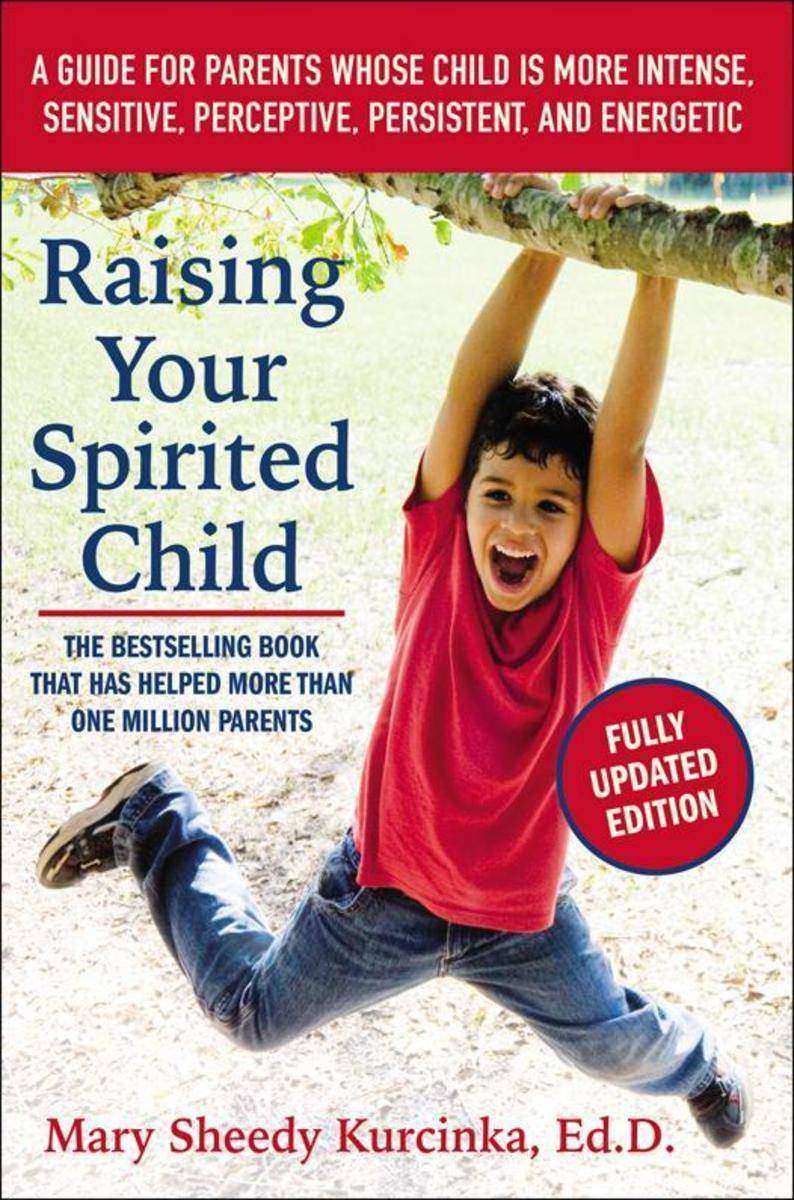
Raising Your Spirited Child, Third Edition
¥106.31
The spirited child—often called "difficult" or "strong willed"—possesses traits we value in adults yet find challenging in children. Research shows that spirited children are wired to be "more"; by temperament, they are more intense, sensitive, perceptive, persistent, and more uncomfortable with change than the average child. In this newly revised third edition of the award-winning classic, Dr. Mary Sheedy Kurcinka provides vivid examples of real-life challenges and a refreshingly positive viewpoint. Within these pages you will find: New strategies for managing intensity levels—not just the spirited child's, but yours too A simple, four-step program for peaceful bedtimes, mealtimes, holidays, and many other commonly challenging situations A focus on your child's strengths Steps for teaching your child how to be a problem solver and how to work with others Updated guidance on establishing clear limits And more! Charts and quick tips make this newly updated edition an indispensable guide for fostering a supportive, encouraging, and loving environment for children.
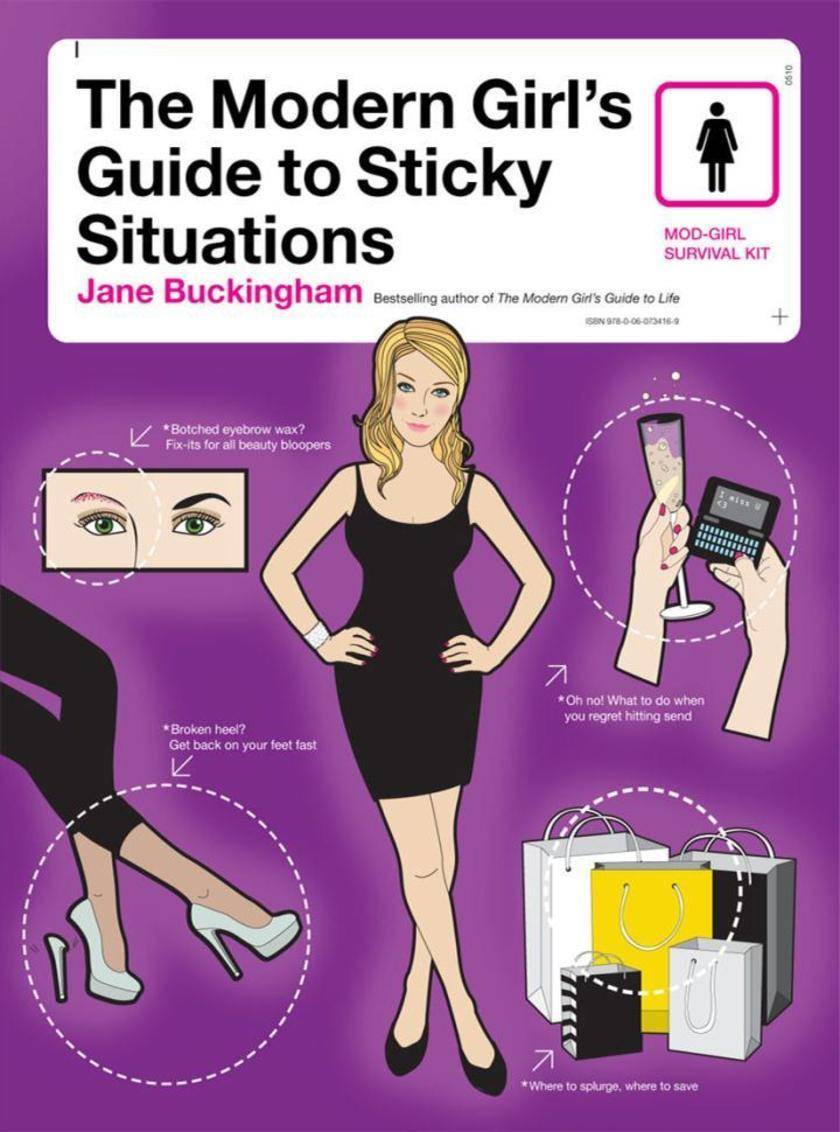
The Modern Girl's Guide to Sticky Situations
¥110.71
This is the book to grab when . . . you're pulling your hair out, screaming like a banshee, blubbering with frustration, or hyperventilating because you just don't know what to do!Jane Buckingham, author of The Modern Girl's Guide to Life, is back with a collection of helpful quick fixes for the deserving gal with the best intentions who gets caught in sticky situations. Here are warm, witty, and eminently wise solutions to those everyday problems that pop up as a result of impulsive actions or just plain bad luck helpful hints on what to do if you: Send an e-mail you instantly regret Botch your self-tan Discover your best friend's husband is cheating on her Break your corkscrew while opening your only bottle of wine Run into your ex and need to look hot, fast! Are expected to name your baby after a family member with an awful name And that's just a small sampling of the scenarios for which Jane Buckingham offers solutions in The Modern Girl's Guide to Sticky Situations. So if you find yourself in a pickle . . . just leave it to Jane!
Love Wins Companion
¥78.32
For those looking to go deeper with Rob Bell's bestselling pioneering book Love Wins, this companion offers: Insights and commentary by theologians, Bible scholars, scientists, and pastors Deep analysis of all relevant Bible passages on heaven, hell, and salvation Detailed chapter summaries, discussion questions, and Bible studies for individuals, groups, and classes Excerpts from works throughout Christian history illustrating the variety of teachers also debating the issues Bell wrestles with New material by Bell on his mission for the book and how people can take the next step

What Mama Taught Me
¥84.16
Millions of viewers of Tony Brown's Journal, the longest-running series on PBS, know Tony Brown as an advocate for self-reliance and self-enrichment. Now, in his most personal book yet, he introduces us to the woman who brought him up and taught him the seven core values he lives by to this day: reality, knowledge, race, history, truth, patience, and love. What Mama Taught Me states that only by understanding one's place in the world can one become free in mind and spirit, which is the path to true success. Brown argues that by following other people's rules, we betray ourselves and our desires, resulting in a vicious cycle of disconnection, unhappiness, and spiritual death. Enhanced by the homespun storytelling he heard as a child, this is Brown's personal recipe for achievement, imparting values that provide a blueprint for reaching success and happiness -- on one's own terms.
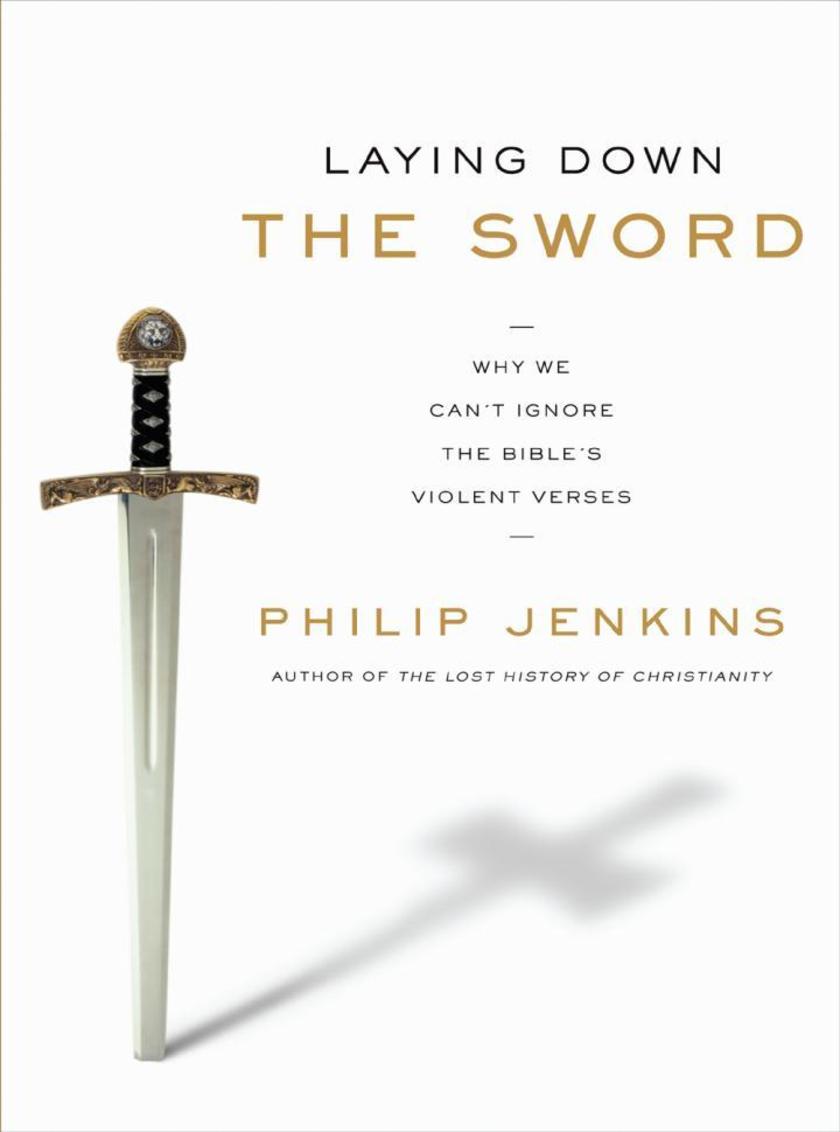
Laying Down the Sword
¥90.77
Commands to kill, to commit ethnic cleansing, to institutionalize segregation, to hate and fear other races and religions all are in the Bible, and all occur with a far greater frequency than in the Qur’an. But fanaticism is no more hard-wired in Christianity than it is in Islam. In Laying Down the Sword, one of America’s best scholars of religion” (The Economist) explores how religions grow past their bloody origins, and delivers a fearless examination of the most violent verses of the Bible and an urgent call to read them anew in pursuit of a richer, more genuine faith.Christians cannot engage with neighbors and critics of other traditions nor enjoy the deepest, most mature embodiment of their own faith until they confront the texts of terror in their heritage. Philip Jenkins identifies the holy amnesia” that, while allowing *ural religions to grow and adapt, has demanded a nearly wholesale suppression of the Bible’s most aggressive passages, leaving them dangerously dormant for extremists to revive in times of conflict. Jenkins lays bare the whole Bible, without compromise or apology, and equips us with tools for reading even the most unsettling texts, from the slaughter of the Canaanites to the alarming rhetoric of the book of Revelation.Laying Down the Sword presents a vital framework for understanding both the Bible and the Qur’an, gives Westerners a credible basis for interaction and dialogue with Islam, and delivers a powerful model for how a faith can grow from terror to mercy.
Say What You Mean and Mean What You Say!
¥73.71
Parents have it tough. Kids have it tough, too. And few people are in a better position to guide readers through these tough times than Judge Glenda Hatchett. As chief presiding judge of one of the largest juvenile court systems in the country, she gained a front-row perspective on the hot-button social issues of our time -- including drug and alcohol abuse, truancy, date rape, and school violence. As presiding judge on the hit television series Judge Hatchett, she continues to build bridges between parents and their lost, angry, and alienated teens. And, as a parent, she's turned her professional experiences to personal advantage, helping her own children navigate through some of the more difficult dilemmas facing young people today.Using her experiences as a judge and a parent, Judge Hatchett shares with readers seven simple strategies to becoming more involved in a child's life and maintaining a strong relationship. Including concrete examples and illuminating anecdotes, Judge Hatchett says what she means and means what she says in this essential guide to raising safe, smart, and successful children ... even in the tough times.
Beginning to Heal
¥77.49
There's nothing as wonderful as starting to heal, waking up in the morning and knowing that nobody can hurt you if you don't let them.Beginning to Heal offers hope and guidance for all survivors starting the healing journey. No matter how great your pain today, you can not only heal but thrive. Based on the authors' bestseller The Courage to Heal, this Revised Edition of Beginning to Heal takes you through the key stages of the healing process, from crisis times to breaking the silence, grief, and anger, to resolution and moving on. It includes inspirational highlights, clear explanations, practical suggestions, and compelling accounts of survivors' pain, their strength, and their triumphs.
Working Mothers 101
¥72.99
Motherhood comes naturally.Working motherhood doesn't. So admit it. You need some help. Though there's not a full-time nanny inside this book, there's information on how to find one. This is the book for you if you can't spare even five minutes to use your common sense. It's all laid out for you in how-to, when-to lists and plenty of stories from mothers like you that will help you get it all together.Well . . . as together as it's ever going to be. Here's where you'll learn everything you need to get your life in order: How to create a home where people actually hang up their jackets What to do with all those indispensable spelling tests and toddler works of art How to decide which type of child care is best for you at any given moment How to sort out the times you really have to be at your child's school How a time-crazed mother can make, keep and entertain friends How to sign up for and transport children to after-school activities, sports, music lessons and play dates when you can't be at any of them What to tell your boss when you don't want to travel so much The lost art of raising respectful children The best way to date your husband The first rule of convenience for birthday parties Eleven ways to take care of yourself without taking any extra time And, finally, delegating responsibilities you thought were yours and yours alone This practical strategy is for the millions of working mothers struggling to make it all work.Don't let your guilt slow you down. Katherine Wyse Goldman interviewed hundreds of mothers to come up with the tips, plans of action and decisions that have worked for career women around the country. Here's everything you need when you want to get control of your time, your life and your future. Here's how to make your home run as smoothly as a Fortune 500 corporation.

Hometown Heroes
¥84.28
All across America, ordinary people are going out of their way to help one another and make our country a better place. Unheralded, unrecognized, and often taken for granted, these citizens continue their good deeds, happy just to make a difference.Hometown Heroes tells the stories of fifty such people from all over America, including Moody, Alabama, Ellisville, Illinois, and Lander, Wyoming. Spanning ages fourteen to ninety-three, the heroes inside this book show that it's never too early or too late to lend a helping hand and make inspiring choices. Capturing the true spirit of America one of generosity, courage, and tireless devotion these heroes warm our hearts and reveal a face of America we rarely hear about.
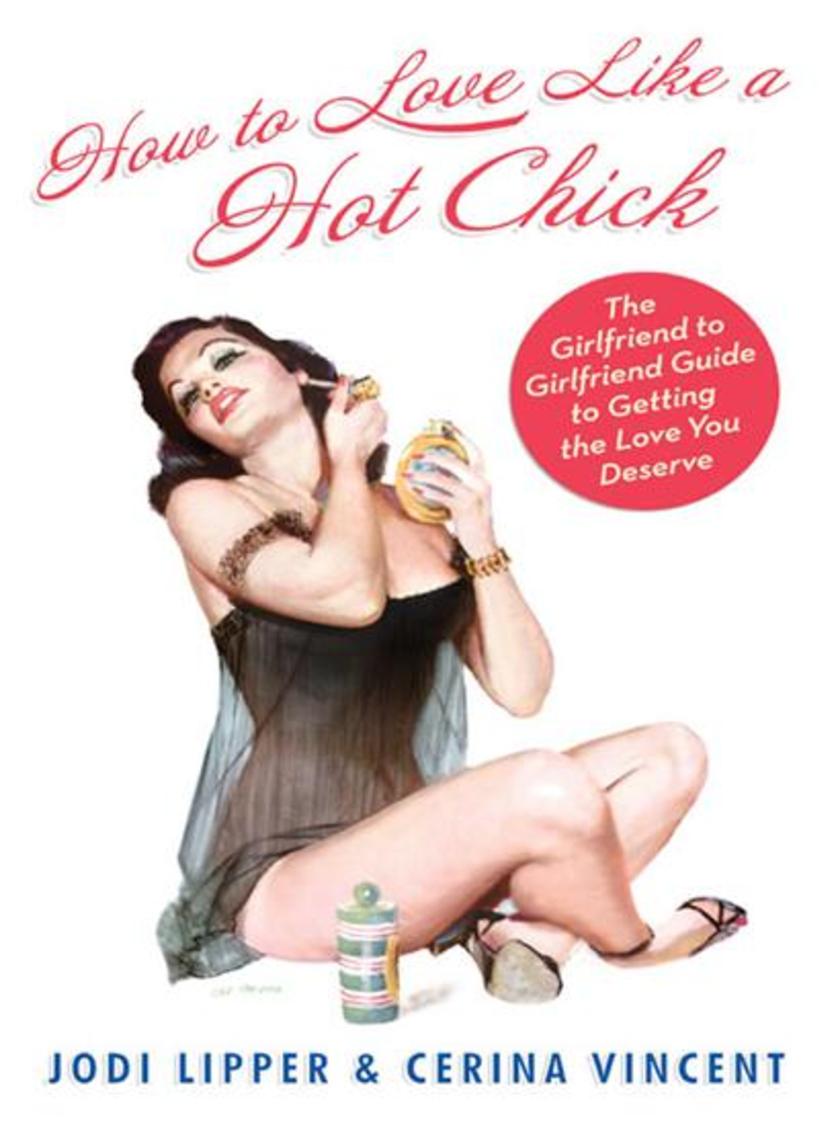
How To Love Like a Hot Chick
¥84.16
Hot Chick: A confident, passionate, honest woman. . . . You want to be around her to soak up those good vibes. The duo that taught you to embrace your body and indulge without guilt in How to Eat Like a Hot Chick is back to remind you of something that will transform your love life forever you are a Hot Chick! With their feisty humor and uplifting message, Jodi Lipper and Cerina Vincent will help you figure out what you want, how to get it, and why you shouldn't settle for anything less. Most important, they'll make the entire process a lot more fun with their advice on the hidden joys of being single, how to send out magical Hot Chick vibes and interpret your date's vibes, falling in love without freaking out, tactful dumping procedures, survival techniques for heart-wrenching breakups, and much more.Whether you're single, dating, in a relationship, or so confused you don't know what your status even is, How to Love Like a Hot Chick will have you laughing your way through dating and relationship issues and tackling them like the sexy, fabulous woman you deserve to be.
Cycle Savvy
¥88.56
Should I be concerned if my cycles are rarely 28 daysWhy do I often feel so emotional before my periodAnd how can I know when my period's really going to start?! If you're a teenage girl, you've probably asked yourself these questions and many more. Now Cycle Savvy has the answers that will help you understand what is really happening with your body on a day-to-day basis. It's the first book specifically designed to teach young women about the practical benefits of charting their cycles. Explore the fascinating world of ovulation, fertility, and why you even have periods at all! And learn all about the body signals, mood changes, and other signs that accompany your cycle. With charming illustrations, fun brainteasers, confidence builders, sample charts, and first-person tales of experiences that every girl can relate to, Cycle Savvy takes the mystery out of your amazing body.
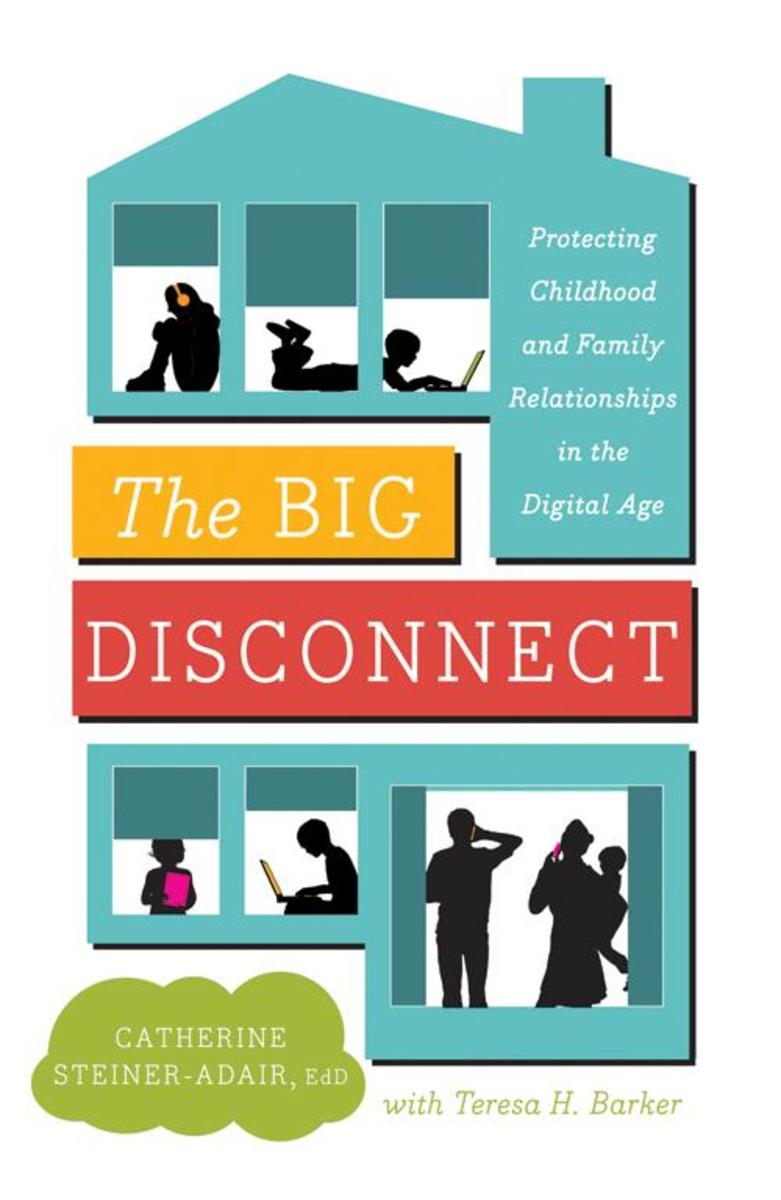
The Big Disconnect
¥95.39
Have iPads replaced conversation at the dinner tableWhat do infants observe when their parents are on their smartphonesShould you be your child's Facebook friendAs the focus of family has turned to the glow of the screen children constantly texting their friends, parents working online around the clock everyday life is undergoing a massive transformation. Easy availability to the Internet and social media has erased the boundaries that protect children from the unsavory aspects of adult life. Parents often feel they are losing a meaningful connection with their children. Children are feeling lonely and alienated. The digital world is here to stay, but what are families losing with technology's gain?As renowned clinical psychologist Catherine Steiner-Adair explains, families are in crisis around this issue, and even more so than they realize. Not only do chronic tech distractions have deep and lasting effects, but children desperately need parents to provide what tech cannot: close, significant interactions with the adults in their lives. Drawing on real-life stories from her clinical work with children and parents, and her consulting work with educators and experts across the country, Steiner-Adair offers insights and advice that can help parents achieve greater under-standing, authority, and confidence as they come up against the tech revolution unfolding in their living rooms.We all know that deep connection with the people we love means everything to us. It's time to look with fresh eyes and an open mind at the disconnection we are experiencing from our extreme device dependence. It's never too late to put down the iPad and come to the dinner table.
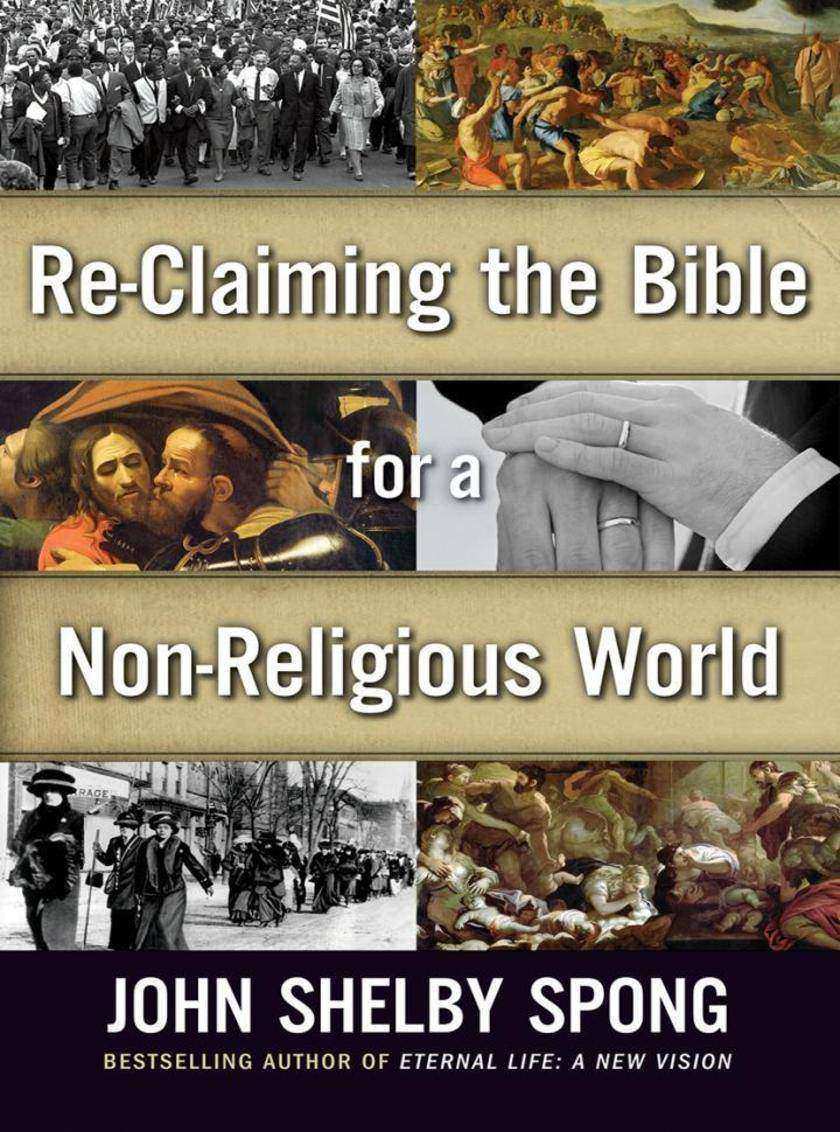
Re-Claiming the Bible for a Non-Religious World
¥94.10
For two hundred years, scholars have been analyzing one of the most important books ever written the Bible and overturning much of what we once thought we knew. Everyday Christians, however, are not privy to this deeper conversation. It is for these people that renowned bishop and author John Shelby Spong presents Re-Claiming the Bible for a Non-Religious World, a book designed to take readers into the contemporary academic debate about the Bible.A definitive voice for progressive Christianity, Spong frees readers from a literal view of the Bible. He opens the possibility that some of the characters in the New Testament are imaginary composites or even literary creations such as Joseph, the earthly father of Jesus; Judas Iscariot; Nicodemus; the Samaritan woman by the well; and Lazarus who was raised from the dead. He presents the Bible as an ever-changing and always growing story. He demonstrates that it is possible to be both a deeply committed Christian and an informed twenty-first-century citizen.In this thorough, substantive guide, Spong explores the origin and essential meaning of each of the individual books in the Bible, examining the background, the context, the level of authenticity and even the trustworthiness of the messages found there. He explains why these particular books, written between two and three thousand years ago, came to be regarded as authoritative and preserved as sacred; he traces the pathway that biblical religion has traveled as it evolved through the centuries, and he shows how people have misused many of these texts in the service of their prejudices.Reaching far beyond the familiar Sunday-school stories that have provided the content of most people’s biblical knowledge, Spong’s journey into the heart of the Bible is his attempt to call his readers into their own journeys into the mystery of God. One does not,” he asserts, have to twist one’s brain into a first-century pretzel in order to take the Bible seriously in this increasingly non-religious world.”
Emergency
¥95.11
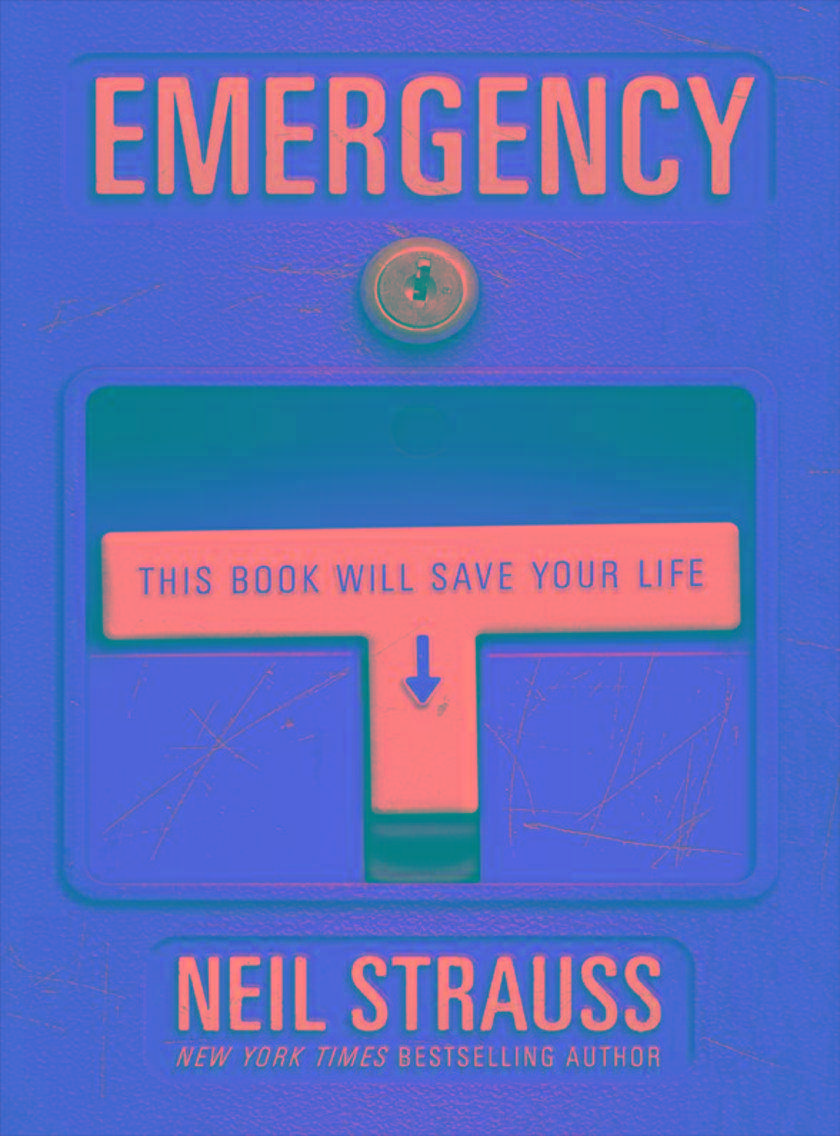
Featuring all new material not included in the print edition, including: two deleted chapters, the contents of Neil's Bugout Bag, a disaster survival cheat sheet on how to survive 35 catastrophic events, and ten emergency-preparedness myths that can kill you.Terrorist attacks. Natural disasters. Domestic crackdowns. Economic collapse. Riots. Wars. Disease. Starvation.What can you do when it all hits the fanYou can learn to be self-sufficient and survive without the system.**I've started to look at the world through apocalypse eyes.** So begins Neil Strauss's harrowing new book: his first full-length worksince the international bestseller The Game, and one of the most original-and provocative-narratives of the year.After the last few years of violence and terror, of ethnic and religious hatred, of tsunamis and hurricanes and now of world financial meltdown Strauss, like most of his generation, came to the sobering realization that, even in America, anything can happen. But rather than watch helplessly, he decided to do something about it. And so he spent three years traveling through a country that's lost its sense of safety, equipping himself with the tools necessary to save himself and his loved ones from an uncertain future. With the same quick wit and eye for cultural trends that marked The Game, The Dirt, and How to Make Love Like a Porn Star, Emergency traces Neil's white-knuckled journey through today's heart of darkness, as he sets out to move his life offshore, test his skills in the wild, and remake himself as a gun-toting, plane-flying, government-defying survivor. It's a tale of paranoid fantasies and crippling doubts, of shady lawyers and dangerous cult leaders, of billionaire gun nuts and survivalist superheroes, of weirdos, heroes, and ordinary citizens going off the grid.It's one man's story of a dangerous world–and how to stay alive in it.Before the next disaster strikes, you're going to want to read this book. And you'll want to do everything it suggests. Because tomorrow doesn't come with a guarantee...


