


 购物车
购物车 个人中心
个人中心
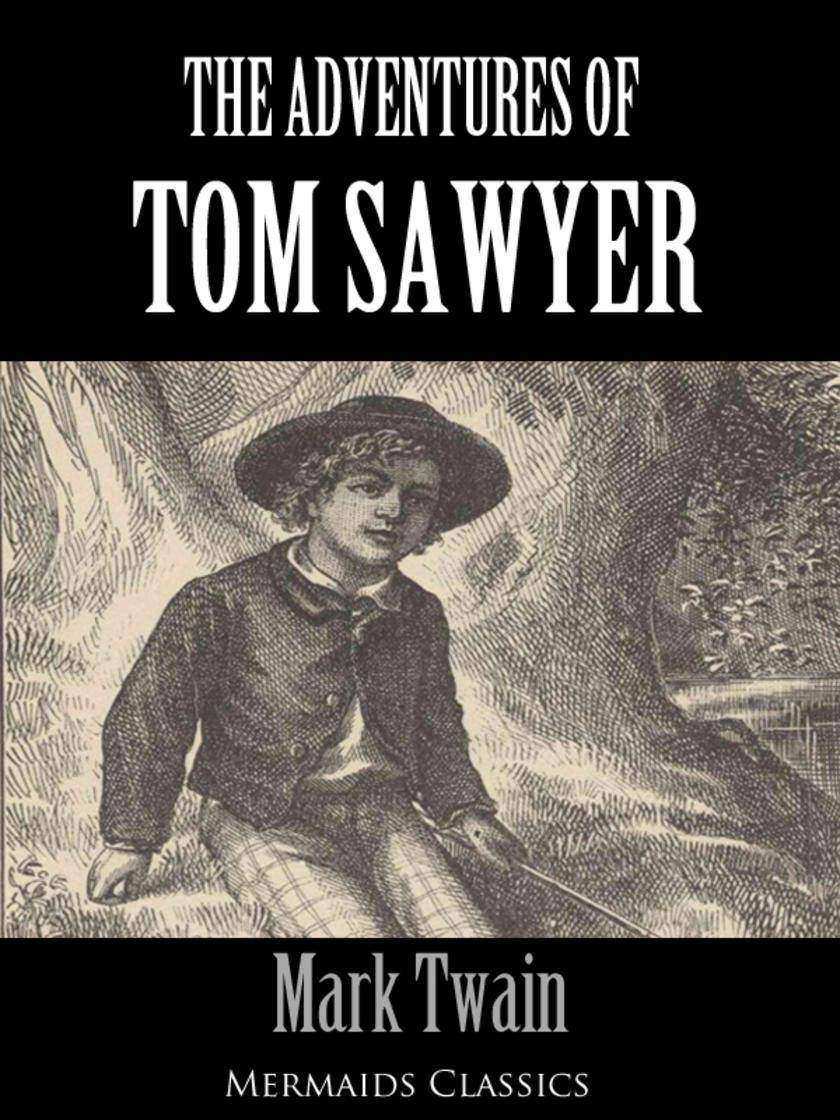
Adventures of Tom Sawyer (Illustrated) - An Original Classic (Mermaids Classics)
¥35.22
The Adventures of Tom Sawyer by Mark Twain (aka Samuel Langhorne Clemens) (1835 1910) is a childrens novel first published in 1876. The scene is set around the 1940s along the Mississippi river (St Petersburg) and is about a young boy called Tom who gets up to all sorts of mischief. This Mermaids Classics epublication is a reproduction of the 1884 edition by The American Publishing Company. Mermaids Classics, an imprint of Mermaids Publishing brings the very best of old book classics to a modern era of digital reading by producing high quality books in ebook format.

Twelve Adventures Of Sherlock Holmes
¥29.33
If ever a writer needed an introduction Arthur Conan Doyle would not be considered that man. After all, Sherlock Holmes is perhaps the foremost literary detective of any age. Add to this canon his stories of science fiction and his poems, his historical novels, his political campaigning, his efforts in establishing a Court Of Appeal and there is little room for anything else. Born in Arthur Conan Doyle was born on 22 May 1859 at 11 Picardy Place, Edinburgh, Scotland. From 1876 - 1881 he studied medicine at the University of Edinburgh following which he was employed as a doctor on the Greenland whaler Hope of Peterhead in 1880 and, after his graduation, as a ship's surgeon on the SS Mayumba during a voyage to the West African coast in 1881. Arriving in Portsmouth in June of that year with less than GBP10 (GBP700 today to his name, he set up a medical practice at 1 Bush Villas in Elm Grove, Southsea. The practice was initially not very successful. While waiting for patients, Conan Doyle again began writing stories and composed his first novel The Mystery of Cloomber. Although he continued to study and practice medicine his career was now firmly set as a writer. And thereafter great works continued to pour out of him. Here we have twelve stories about the great detective Mr Sherlock Holmes.
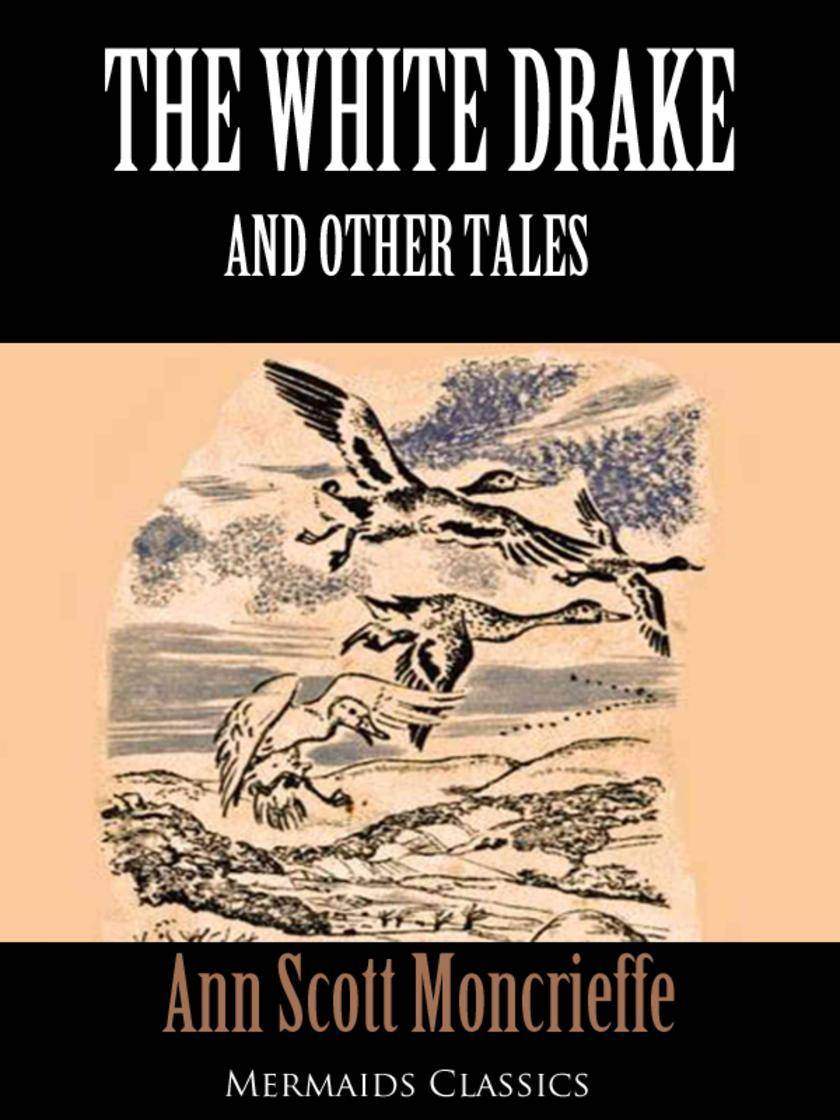
White Drake and Other Tales (Mermaids Classics)
¥35.22
The White Drake and Other Tales by Ann Scott-Moncrieff (1914-1943) is childrens book which was first published in 1936. It was illustrasted by Rojan and contains a volume of short stories including:- THE WHITE DRAKE- FIRKIN AND THE GREY GANGSTERS (EIGHT CHAPTERS)- FURTHER ADVENTURES OF FIRKIN- THE SHEEP WHO WASNT A SHEEPMermaids Classics, an imprint of Mermaids Publishing brings the very best of old classic literature to a modern era of digital reading by producing high quality books in ebook format. All of the Mermaids Classics epublications are reproductions of classic antique books that were originally published in print format, mostly over a century ago and are now republished in digital format as ebooks. Begin to build your collection of digital books by looking for more literary gems from Mermaids Classics.
Anna Karenina
¥11.67
ANNA KARENINA, the ORIGINAL 1901 English translation by Constance Garnett and written by Russian writer Leo Tolstoy (1828 - 1910) is considered as one of the greatest novels ever written and Tolstoys first true novel. It is divided into eight parts and was initially published between the years 1873 to 1878 in a publication called The Russian Messenger as serial installments. The main character Anna is married into Russian aristocrat and later has a love affair with a handsome military officer Count Vronsky. Some major themes include marriage, fidelity, passion and jealousy set in nineteenth century Russian high society.This digital edition is beautifully formatted with an active Table of Contents that goes directly to each chapter and all eight parts of the story. Mermaids Classics, an imprint of Mermaids Publishing brings the very best of old book classics to a modern era of digital reading by producing high quality books in ebook format.
Pollyanna (Mermaids Classics)
¥35.22
Pollyanna (1913) by Eleanor H Porter (1868-1920) is a classic childrens novel based on a young orphan named Pollyanna who is sent to live with her strict aunty in New England town. Pollyanna transforms the lives of the people in the town by lifting their spirits by following her game called The Glad Game which her father had taught her one Christmas where she was expecting to receive a doll in a barrel but instead she found crutches. A disappointed Pollyanna quickly absorbed her fathers comment to be glad about the crutches because we didnt need to use them. A cheerful Pollyanna viewed life from this angle and taught the locals how to be grateful and happy with what they have until one day tragedy strikes where Pollyanna loses the use of her legs and she no longer wants to play her game. The entire town gather to help cheer little Pollyanna.Mermaids Classics, an imprint of Mermaids Publishing brings the very best of old classic literature to a modern era of digital reading by producing high quality books in ebook format. All of the Mermaids Classics epublications are reproductions of classic antique books that were originally published in print format, mostly over a century ago and are now republished in digital format as ebooks. Begin to build your collection of digital books by looking for more literary gems from Mermaids Classics.
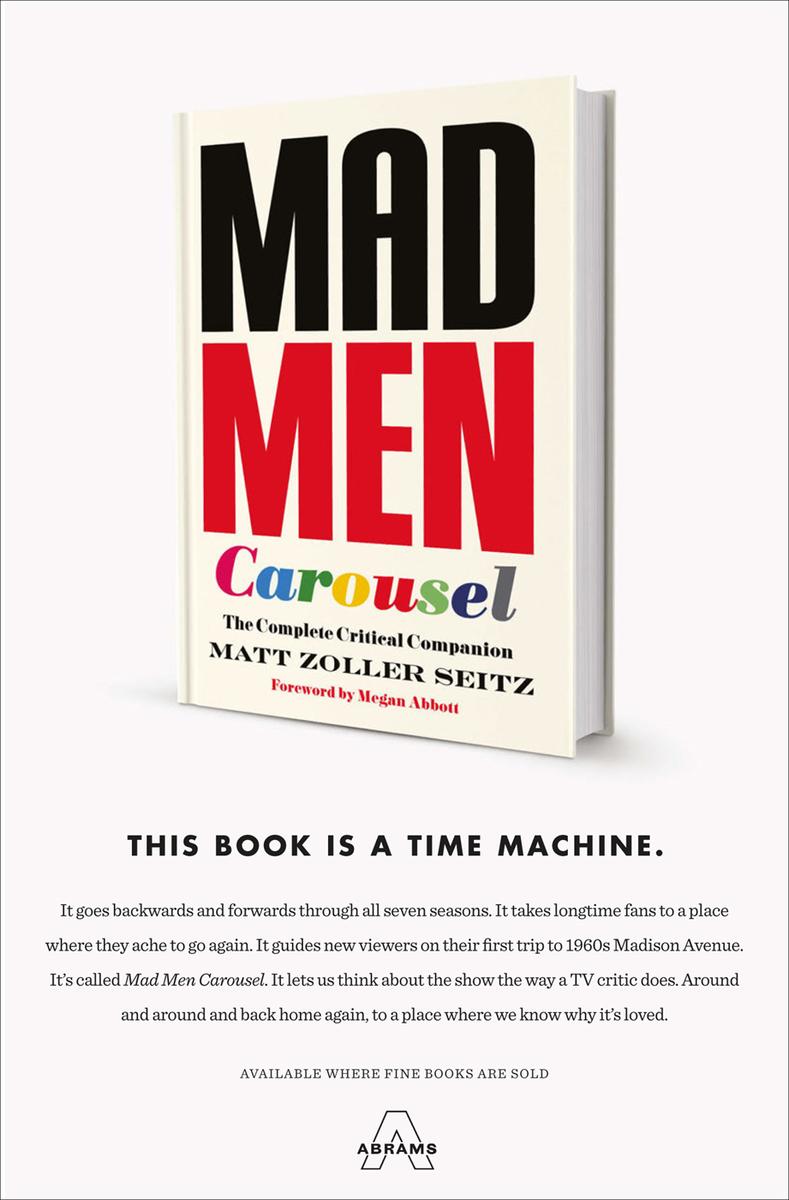
Mad Men Carousel - The Complete Critical Companion
¥138.52
Mad Men Carousel is an episode-by-episode guide to all seven seasons of AMC'sA Mad Men. This book collects TV and movie critic Matt Zoller Seitzs celebrated Mad Men recapsaas featured onA New YorkA magazine'sA VultureA blogafor the first time, including never-before-published essays on the shows first three seasons. Seitzs writing digs deep into the shows themes, performances, and filmmaking, examining complex and sometimes confounding aspects of the series. The complete seriesaall seven seasons and ninety-two episodesais covered. A Each episode review also includes brief explanations of locations, events, consumer products, and scientific advancements that are important to the characters, such as P.J. Clarkes restaurant and the old Penn Station; the inventions of the birth control pill, the Xerox machine, and the Apollo Lunar Module; the release of the Beatles Revolver and the Beach Boys Pet Sounds; and all the wars, protests, assassinations, and murders that cast a bloody pall over a chaotic decade.A A Mad Men Carousel is named after an iconic moment from the shows first-season finale, aThe Wheel,a wherein Don delivers an unforgettable pitch for a new slide projector thats centered on the idea of nostalgia: athe pain from an old wound.a This book will soothe the most ardent Mad Men fans nostalgia for the show. New viewers, who will want to binge-watch their way through one of the most popular TV shows in recent memory, will discover a spoiler-friendly companion to one of the most multilayered and mercurial TV shows of all time.A It's the perfect gift for Mad MenA fans and obsessives. Also available from Matt Zoller Seitz: The Oliver Stone Experience, The Wes Anderson Collection: Bad Dads, The Wes Anderson Collection: The Grand Budapest Hotel, and The Wes Anderson Collection. A
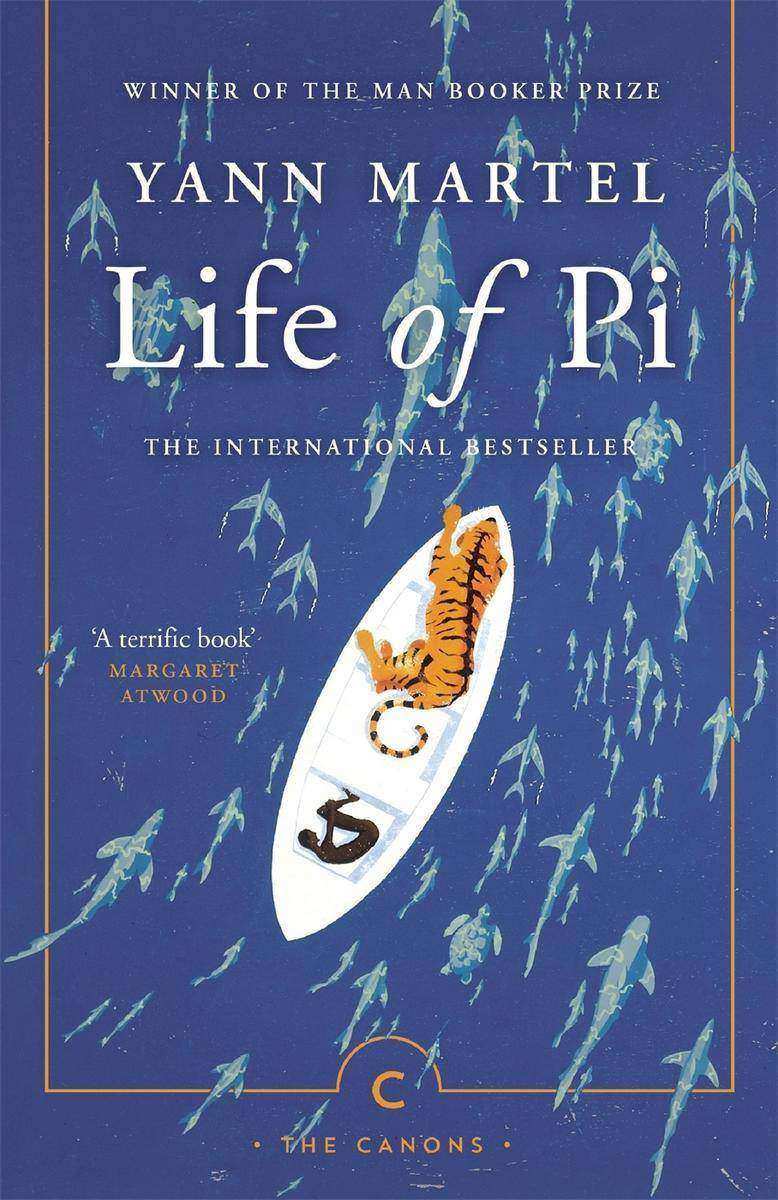
Life Of Pi
¥70.53
One boy, one boat, one tiger . . . After the tragic sinking of a cargo ship, a solitary lifeboat remains bobbing on the wild, blue Pacific. The only survivors from the wreck are a sixteen year-old boy named Pi, a hyena, a zebra (with a broken leg), a female orang-utan -- and a 450-pound Royal Bengal tiger. The scene is set for one of the most extraordinary and best-loved works of fiction in recent years.
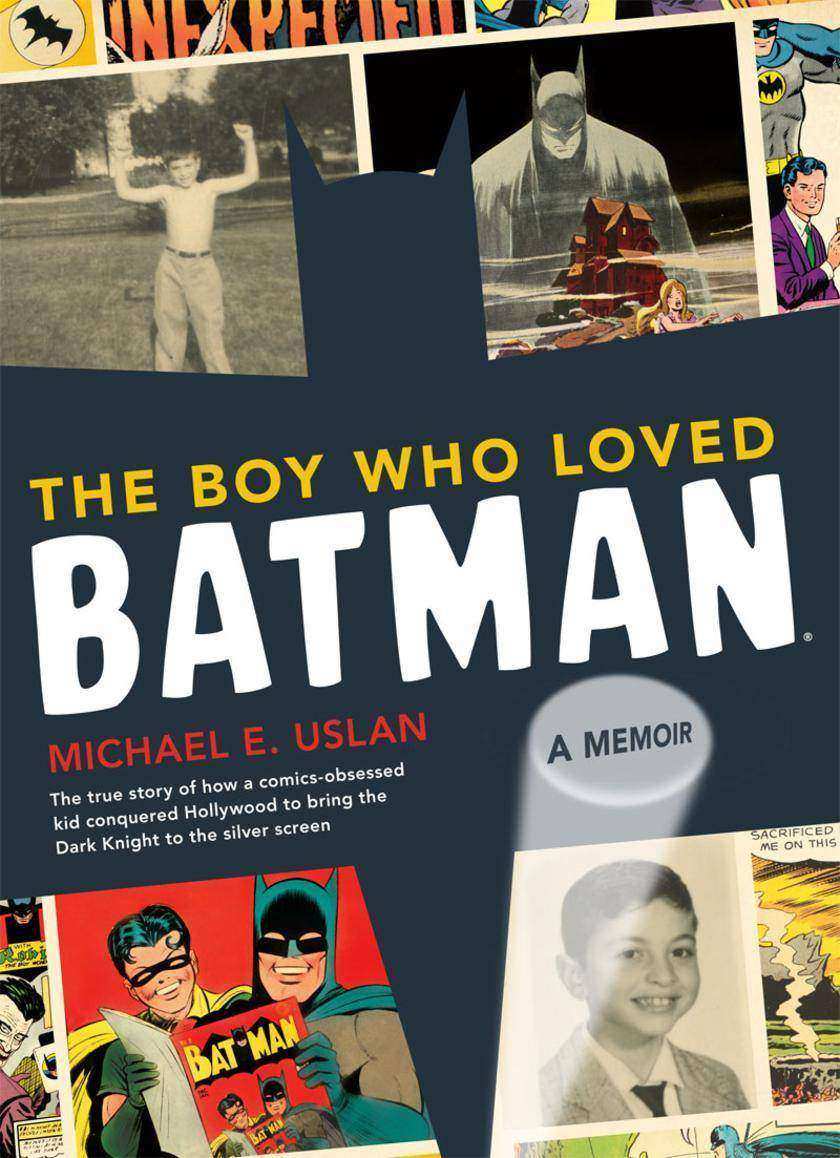
Boy Who Loved Batman - A Memoir
¥200.03
Is any superhero cooler than Batman? He s a crime-fighting vigilante with a tragic past, a lawless attitude, and a seemingly endless supply of high-tech gadgetry. In this fully illustrated memoir, author Michael Uslan recalls his journey from early childhood fandom through to the decades he spent on a caped crusade of his own: to bring Batman to the silver screen as the dark, serious character he was at heart. Uslan's story traces his path from the wilds of New Jersey to the limelight of Hollywood, following his work as Executive Producer on every Batman film from Tim Burton s 1989 re-envisioning to 2012's The Dark Knight Rises. Through it all, he helped to create one of the most successful pop culture franchises of all time.
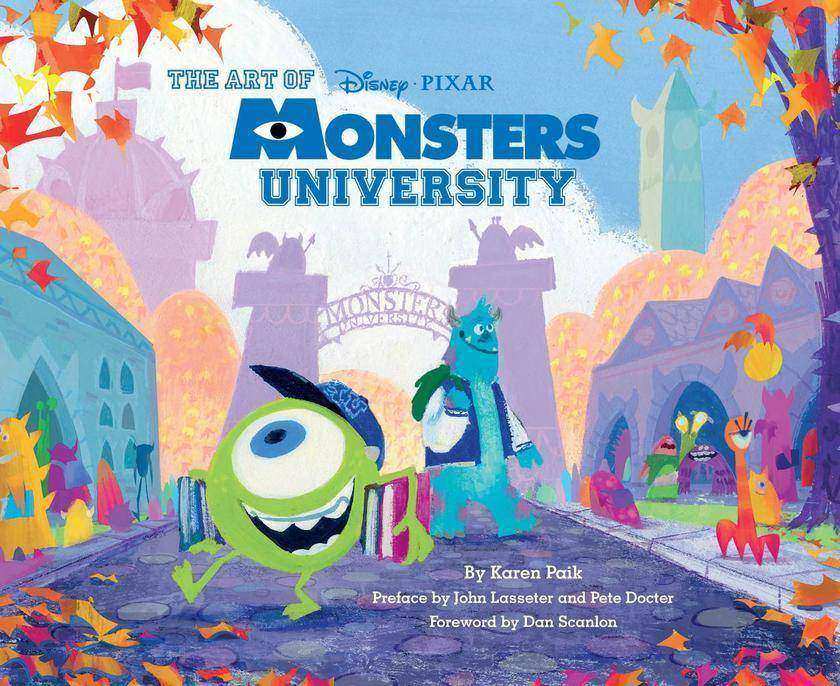
Art of Monsters University
¥305.97
In Monsters, Inc. (2001), Pixar Animation Studios introduced audiences to the #1 scaring team, Mike and Sulley, and the monstrous world behind our bedroom closet doors. In this prequel to the much-loved classic, Mike and Sulley meet for the first time at Monsters Universitywhere they are joined by a few familiar faces and a host of delightful new charactersas they seek to attain degrees in scaring. Author Karen Paik goes behind the scenes to interview the film's many artists for the ultimate inside look at the conception and production of this highly anticipated film. Featuring full-color concept art including character sculpts, color scripts, storyboards, and more, The Art of Monsters University fully explores the process of creating this new and expanded Monsters universe.
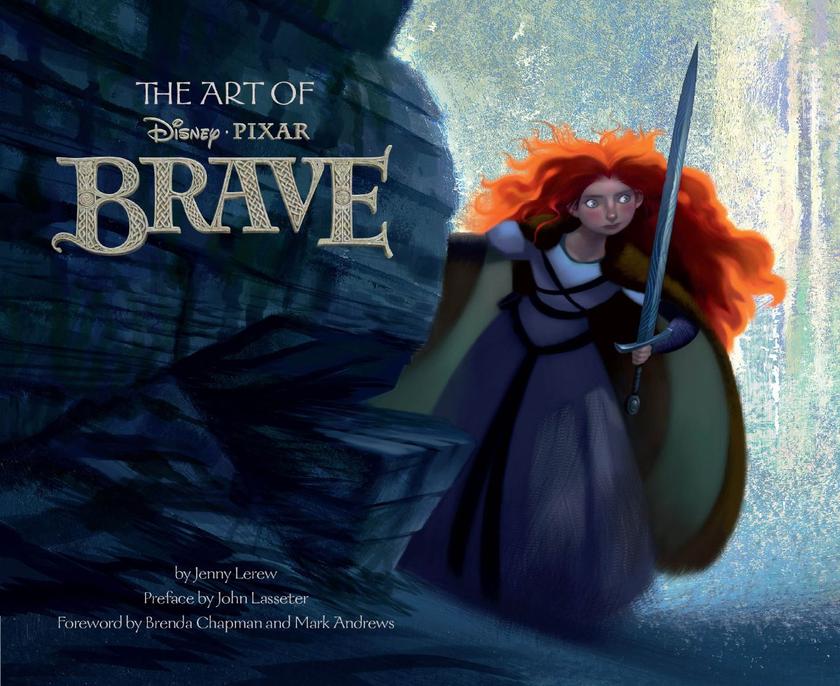
Art of Brave
¥305.97
Brave is Pixar's thirteenth feature film, but it marks two big firsts for the award-winning animation studio. It's Pixar's first feature film driven by a female lead and its first set in an ancient historical period. Against a backdrop of castles, forests, and highlands, Brave follows the fiery Merida as she clashes with the duty of her royal life and embarks on a journey through the rugged landscape of the dark ages of Scotland. At once epic and intimate, the latest Pixar masterpiece weaves a story of magic, danger, and adventure and the fierce bonds of family. Featuring behind-the-scenes interviews with the film's many artists and filmmakers, The Art of Brave showcases the gorgeous concept art that went into the making of this movie, including color scripts, storyboards, character studies, environment art, sculpts, and more. A Foreword by Brenda Chapman and Mark Andrews, the film's directors, and a preface by Chief Creative Officer John Lasseter shed light on the creation of this landmark film.
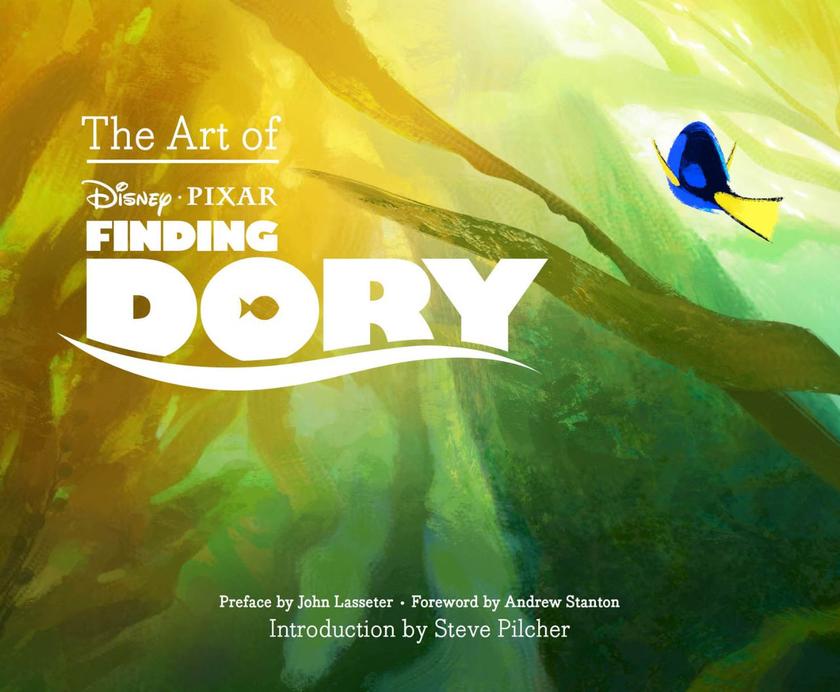
Art of Finding Dory
¥305.97
What can Dory remember? Who are her parents? In Finding Dory, Pixar Animation Studios sets out to answer these questions, to the delight of Finding Nemo fans. The Art of Finding Dory offers a look at the creative process behind the making of this much-anticipated sequel, shining a light on the many inspiring and beautiful layers of creation the artists at the studio explored during years of development.Copyright 2016 Disney Enterprises, Inc. and Pixar. All rights reserved.

Funny! - Twenty-Five Years of Laughter from the Pixar Story Room
¥223.57
From Toy Story to The Good Dinosaur, some of the most iconic and hilarious moments in Pixar's films were first conceived by the artists featured in this book. But there are hundreds of gags that don't make it past the cutting room floor, like Frozone cooling some beers with his breath and Sadness wearing mom jeans. Funny! explores this material in depth, showcasing classic moments from all of Pixar's films to date, plus never-before-published illustrations and doodles from the Pixar archives. With an introduction by veteran story man Jason Katz, this book is a must-have for any Pixar fan.Copyright 2015 Disney Enterprises, Inc. All rights reserved.
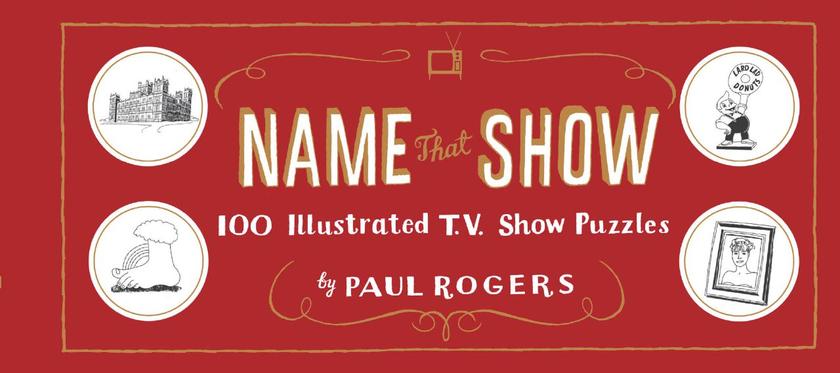
Name That Show - 100 Illustrated T.V. Show Puzzles
¥82.31
It's never been easier to discover and binge on new and classic TV shows, and never before have so many great series been available on screens large and small. This entertaining puzzle book by the author of Name That Movie celebrates the current golden age of television viewership with wit and style. Celebrated illustrator Paul Rogers tests readers' visual knowledge to identify each of 100 series through a sequence of six line drawings depicting places, vehicles, objects, and even fashion details ranging from the obscure to the iconic. Complete with answer key and index, this ebook is as fun to play solo as it is with fellow TV fans.
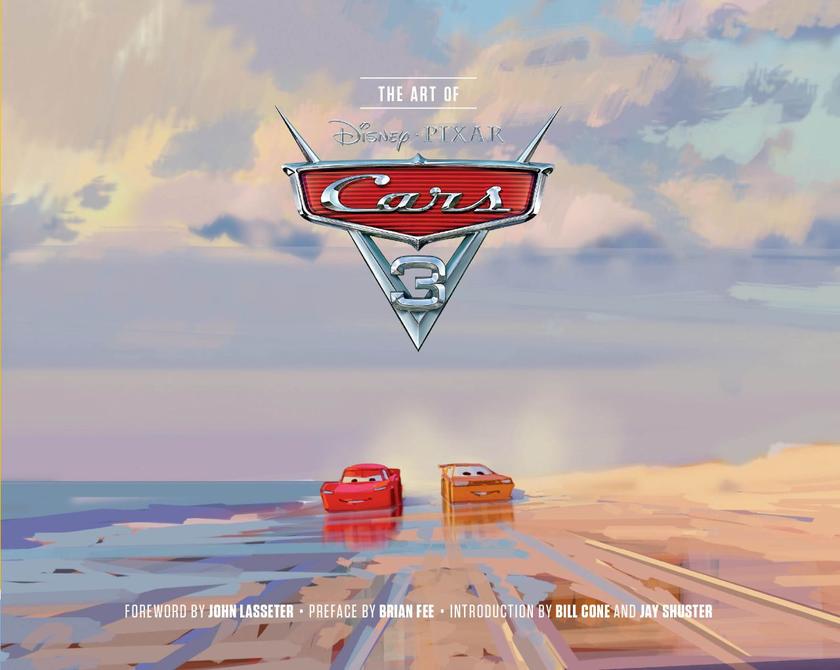
Art of Cars 3
¥305.97
Pixar Animation Studios presents The Art of Cars 3, a behind-the-scenes look at the concept art from the latest film in the popular Cars series. Fascinating storyboards, full-color pastels, digital paintings, and more offer a unique perspective into the beloved world of Lightning McQueen and his friends, new and old. With a preface by John Lasseter, foreword by director Brian Fee, and an introduction by production designers Bill Cone and Jay Shuster, The Art of Cars 3 is a scenic road trip through a masterfully animated film.Copyright 2017 Disney Enterprises, Inc. and Pixar. All rights reserved.
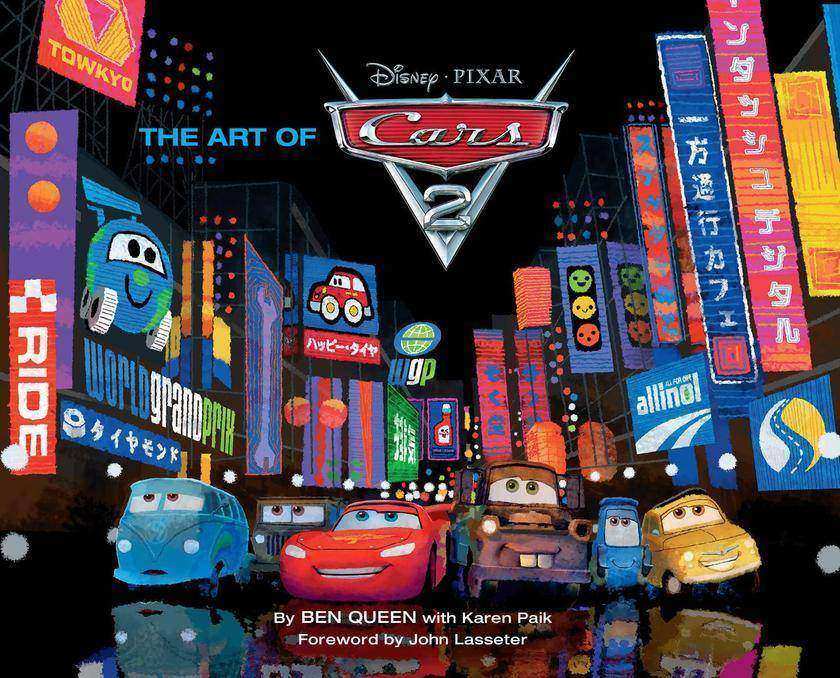
Art of Cars 2
¥305.97
Cars 2 is a globetrotting, high-octane ride through the world of Lightning McQueen, his best friend Mater, and an international collection of completely new characters. The Art of Cars 2 follows the development of the second installment in the Cars series, from the first story concepts and the filmmakers' worldwide research to the intricate "e;carified"e; details that make up the unique Cars 2 universe. Featuring the behind-the-scenes concept art that went into the film's creation--including color scripts, storyboards, character studies, environmental art, sculpts, and more--as well as a forward by director and racecar-enthusiast John Lasseter, The Art of Cars 2 celebrates the art and intrigue of this amazing new Pixar film.
Aristonenes - or, The Royal Shepherd
¥16.38
Anne Kingsmill was born in April 1661 (an exact date is not known) in Sydmonton, Hampshire.Throughout her life Anne was involved in several Court cases that dragged on for years. These involved both a share of her parents estate for her education and later her and her husband's share of an inheritance.In 1682, Anne became a maid of honour to Mary of Modena (wife of James, Duke of York, later King James II) at St James's Palace.Anne's interest in poetry began at the palace, and she started writing her own verse. The Court however was no place for a woman to display any poetic efforts. Woman were not considered suitable for such literary pursuits.At court, Anne met Colonel Heneage Finch. A courtier as well as a soldier. The couple married on 15th May 1684.

Medea - 'Let Medea fare in silence and darkness''
¥14.03
Lucius Annaeus Seneca, more readily known as Seneca the Younger, was born at Cordoba in the Roman province of Baetica in Hispania in approx 4 BC.Seneca attests that he was taken to Rome at a young age and educated in literature, grammar, and rhetoric; the standard education of high-born Romans. He also received philosophical training.Much of his life is not well documented but accounts do lean towards a pattern of ill-health at times. His breathing difficulties are thought to be the result of asthma and during his mid-twenties he contracted tuberculosis.He was sent to Egypt to live with his aunt, whose husband, Gaius Galerius, was Prefect of Egypt. In 31 AD he returned to Rome with her and, with her influence, was elected quaestor and with it the right to sit in the Roman Senate.Seneca's early career as a senator was successful and he was fulsomely praised for his oratory. A story related that emperor Caligula was so offended by Seneca's oratorical success that he ordered him to commit suicide. Seneca's ill-health prevented that.In 41 AD, Claudius became emperor, and Seneca was promptly cited by the new empress Messalina of adultery with Julia Livilla, the sister of Caligula and Agrippina.After trial the Senate pronounced a death sentence, which Claudius then commuted to exile. Seneca was to now spend the next eight years in Corsica. From this period of exile survive two of his earliest works-both consolations.In 49 AD Agrippina married her uncle Claudius, and through her Seneca was recalled to Rome. Agrippina appointed him, as tutor to her son, the future emperor Nero.Nero's early rule, during which he followed the advice of Seneca and Burrus, was competent. However, within a few years both Seneca and Burrus had lost their influence.In 58 AD the senator Publius Suillius Rufus made a series of public attacks on him saying that, Seneca had acquired a personal fortune of three hundred million sestertii. In response, Seneca brought a series of prosecutions for corruption against him. Suillius was dispatched into exile.After Burrus's death in 62 AD, Seneca's influence further declined. He adopted a quiet lifestyle at his country estates, concentrating on his studies and seldom visiting Rome. It was during these final few years that he composed two of his greatest works: 'Naturales Quaestiones'-an encyclopedia of the natural world; and his 'Letters to Lucilius'-which document his philosophical thoughts.In AD 65, Seneca was caught up in the aftermath of the Pisonian plot to kill Nero. Nero ordered him to kill himself. Seneca followed tradition by opening several veins in order to bleed to death. It was a sad conclusion for a man who has been called the first great Western thinker on the complex nature and role of gratitude in human relationships.
Malcontent - 'People don't forget. Nothing gets forgiven''
¥15.21
John Marston was born to John and Maria Marston nee Guarsi, and baptised on October 7th, 1576 at Wardington, Oxfordshire.Marston entered Brasenose College, Oxford in 1592 and earned his BA in 1594. By 1595, he was in London, living in the Middle Temple. His interests were in poetry and play writing, although his father's will of 1599 hopes that he would not further pursue such vanities.His brief career in literature began with the fashionable genres of erotic epyllion and satire; erotic plays for boy actors to be performed before educated young men and members of the inns of court.In 1598, he published 'The Metamorphosis of Pigmalion's Image and Certaine Satyres', a book of poetry. He also published 'The Scourge of Villanie', in 1598. 'Histriomastix' regarded as his first play was produced 1599. It's performance kicked off an episode in literary history known as the War of the Theatres; a literary feud between Marston, Jonson and Dekker that lasted until 1602.However, the playwrights were later reconciled; Marston wrote a prefatory poem for Jonson's 'Sejanus' in 1605 and dedicated 'The Malcontent' to him. Beyond this episode Marston's career continued to gather both strength, assets and followers. In 1603, he became a shareholder in the Children of Blackfriars company. He wrote and produced two plays with the company. The first was 'The Malcontent' in 1603, his most famous play. His second was 'The Dutch Courtesan', a satire on lust and hypocrisy, in 1604-5.In 1605, he worked with George Chapman and Ben Jonson on 'Eastward Ho', a satire of popular taste and the vain imaginings of wealth to be found in the colony of Virginia.Marston took the theatre world by surprise when he gave up writing plays in 1609 at the age of thirty-three. He sold his shares in the company of Blackfriars. His departure from the literary scene may have been because of further offence he gave to the king. The king suspended performances at Blackfriars and had Marston imprisoned.On 24th September 1609 he was made a deacon and them a priest on 24th December 1609. In October 1616, Marston was assigned the living of Christchurch, Hampshire.He died (accounts vary) on either the 24th or 25th June 1634 in London and was buried in the Middle Temple Church.
Phoenix - If he were not as he is, he would be better than himself.
¥23.45
Thomas Middleton was born in London in April 1580 and baptised on 18th April. Middleton was aged only five when his father died. His mother remarried but this unfortunately fell apart into a fifteen year legal dispute regarding the inheritance due Thomas and his younger sister. By the time he left Oxford, at the turn of the Century, Middleton had and published Microcynicon: Six Snarling Satirese which was denounced by the Archbishop of Canterbury and publicly burned. In the early years of the 17th century, Middleton wrote topical pamphlets. One - Penniless Parliament of Threadbare Poets was reprinted several times and the subject of a parliamentary inquiry. These early years writing plays continued to attract controversy. His writing partnership with Thomas Dekker brought him into conflict with Ben Jonson and George Chapman in the so-called War of the Theatres. His finest work with Dekker was undoubtedly The Roaring Girl, a biography of the notorious Mary Frith. In the 1610s, Middleton began another playwriting partnership, this time with the actor William Rowley, producing another slew of plays including Wit at Several Weapons and A Fair Quarrel. The ever adaptable Middleton seemed at ease working with others or by himself. His solo writing credits include the comic masterpiece, A Chaste Maid in Cheapside, in 1613. In 1620 he was officially appointed as chronologer of the City of London, a post he held until his death. The 1620s saw the production of his and Rowley's tragedy, and continual favourite, The Changeling, and of several other tragicomedies. However in 1624, he reached a peak of notoriety when his dramatic allegory A Game at Chess was staged by the King's Men. Though Middleton's approach was strongly patriotic, the Privy Council silenced the play after only nine performances at the Globe theatre, having received a complaint from the Spanish ambassador. What happened next is a mystery. It is the last play recorded as having being written by Middleton. Thomas Middleton died at his home at Newington Butts in Southwark in the summer of 1627, and was buried on July 4th, in St Mary's churchyard which today survives as a public park in Elephant and Castle.
Moon And Sixpence
¥29.33
William Somerset Maugham was born on 25 January 1874 and was to become a playwright and novelist of staggering talent. Losing both his parents at age 10, he was raised by a paternal uncle. Maugham eventually trained and qualified as a doctor. The first run of his first novel, Liza of Lambeth, published in 1897, sold out so rapidly that Maugham gave up medicine to write full-time. During World War I he was recruited into the British Secret Service. The Moon And Sixpence is one of his greatest works. Told in episodic form it looks into the mind and soul of Charles Strickland, a middle-aged stockbroker who abruptly abandons both wife and children to pursue a career as an artist.
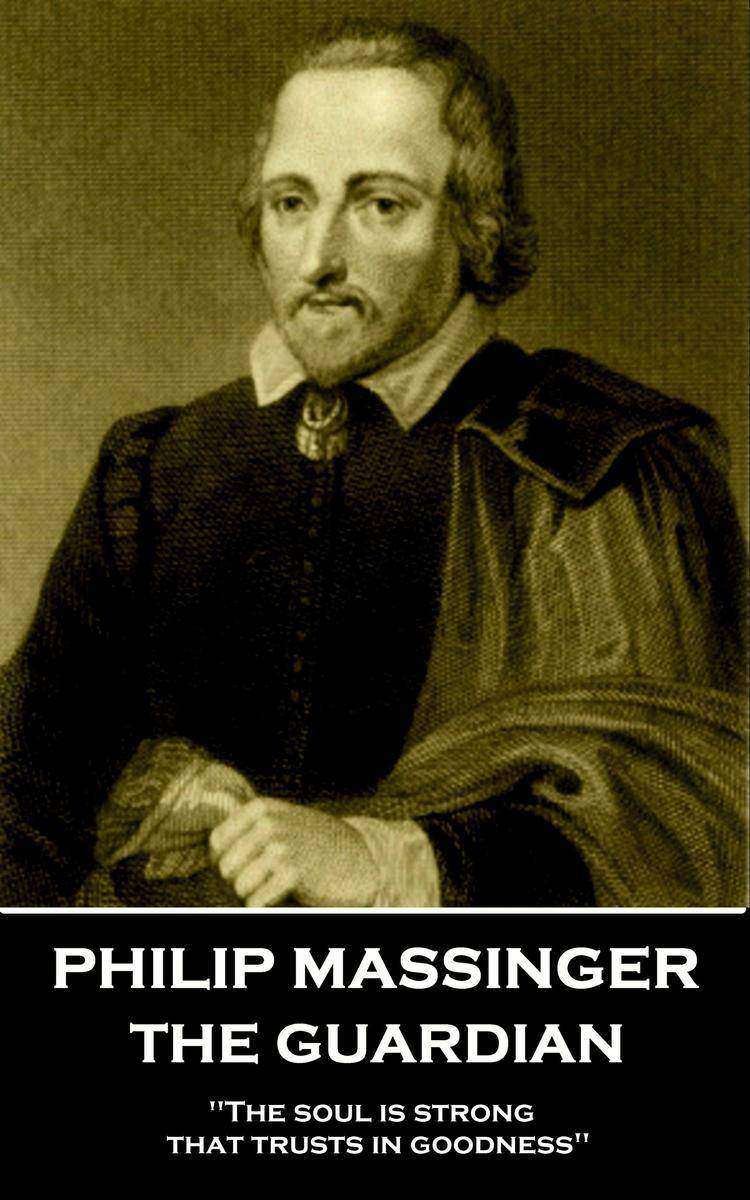
Guardian - The soul is strong that trusts in goodness
¥23.45
Philip Massinger was baptized at St. Thomas's in Salisbury on November 24th, 1583.Massinger is described in his matriculation entry at St. Alban Hall, Oxford (1602), as the son of a gentleman. His father, who had also been educated there, was a member of parliament, and attached to the household of Henry Herbert, 2nd Earl of Pembroke. The Earl was later seen as a potential patron for Massinger.He left Oxford in 1606 without a degree. His father had died in 1603, and accounts suggest that Massinger was left with no financial support this, together with rumours that he had converted to Catholicism, meant the next stage of his career needed to provide an income.Massinger went to London to make his living as a dramatist, but he is only recorded as author some fifteen years later, when The Virgin Martyr (1621) is given as the work of Massinger and Thomas Dekker.During those early years as a playwright he wrote for the Elizabethan stage entrepreneur, Philip Henslowe. It was a difficult existence. Poverty was always close and there was constant pleading for advance payments on forthcoming works merely to survive.After Henslowe died in 1616 Massinger and John Fletcher began to write primarily for the King's Men and Massinger would write regularly for them until his death.The tone of the dedications in later plays suggests evidence of his continued poverty. In the preface of The Maid of Honour (1632) he wrote, addressing Sir Francis Foljambe and Sir Thomas Bland: "e;I had not to this time subsisted, but that I was supported by your frequent courtesies and favours."e;The prologue to The Guardian (1633) refers to two unsuccessful plays and two years of silence, when the author feared he had lost popular favour although, from the little evidence that survives, it also seems he had involved some of his plays with political characters which would have cast shadows upon England's alliances.Philip Massinger died suddenly at his house near the Globe Theatre on March 17th, 1640. He was buried the next day in the churchyard of St. Saviour's, Southwark, on March 18th, 1640. In the entry in the parish register he is described as a "e;stranger,"e; which, however, implies nothing more than that he belonged to another parish.


