


 购物车
购物车 个人中心
个人中心

Jane Austen's Names
¥170.69
In Jane Austen's works, a name is never just a name. In fact, the names Austen gives her characters and places are as rich in subtle meaning as her prose itself. Wiltshire, for example, the home county of Catherine Morland in Northanger Abbey, is a clue that this heroine is not as stupid as she seems: according to legend, cunning Wiltshire residents caught hiding contraband in a pond capitalized on a reputation for ignorance by claiming they were digging up a "e;big cheese"e;-the moon's reflection on the water's surface. It worked.In Jane Austen's Names, Margaret Doody offers a fascinating and comprehensive study of all the names of people and places-real and imaginary-in Austen's fiction. Austen's creative choice of names reveals not only her virtuosic talent for riddles and puns. Her names also pick up deep stories from English history, especially the various civil wars, and the blood-tinged differences that played out in the reign of Henry VIII, a period to which she often returns. Considering the major novels alongside unfinished works and juvenilia, Doody shows how Austen's names signal class tensions as well as regional, ethnic, and religious differences. We gain a new understanding of Austen's technique of creative anachronism, which plays with and against her skillfully deployed realism-in her books, the conflicts of the past swirl into the tensions of the present, transporting readers beyond the Regency.Full of insight and surprises for even the most devoted Janeite, Jane Austen's Names will revolutionize how we read Austen's fiction.

The Checkout Girl
¥81.03
How much do you know about what really goes on at your local supermarket? We see them every week and they are privy to some of our most intimate secrets - those we wouldn't even share with our closest friends. To us they are the anonymous helpers for whom nothing is too much trouble. But for them, every customer has a part in a gripping soap-opera of lovers' tiffs, family feuds and extraordinary innuendos - turning the daily life of a checkout girl into a hilariously entertaining farce. As we began to contend with the recession, Tazeen Ahmad realised that the supermarket checkout was the perfect place to gauge how the nation was coping with increasing job cuts, sky-high food prices and a billion pound hole in our economy. The answer, it turns out, was with white bread, ice cream and lots and lots of potatoes. Sworn at, flirted with and at the receiving end of endless customer rants, The Checkout Girl is the deliciously gossipy memoir of life on the supermarket conveyor belt where each one of us has unwittingly had a walk-on part. Reading her story will change the way you shop forever.

A Big Little Life
¥66.22
Dean Koontz’s first ever nonfiction book, the deeply moving story of his life with his good dog Trixie Dean Koontz is known for exploring the dark side of human nature in his fiction. But his softer, playful side comes out when he talks about his beloved dog, Trixie, a golden retriever. Trixie had a special place in Dean's heart. And now, in this, his first non-fiction book, Dean opens his heart to his readers to give us memories of Trixie, of the glorious dog who changed him and changed his life. There's everything in this memoir: adventure, mischief, emotion, and sadness too. Dean will talk with joy about the many gifts Trixie gave him – and the lessons she taught – and he'll talk with sadness at losing his beloved pet. The loss of a dog is a heartbreak that's been experienced by a great many people, and Dean's delving into that loss is a powerful part of this book, and a cathartic experience for those of us who have loved and lost an animal companion. Trixie had a big little life and lives for ever in Dean’s heart … and in these pages.
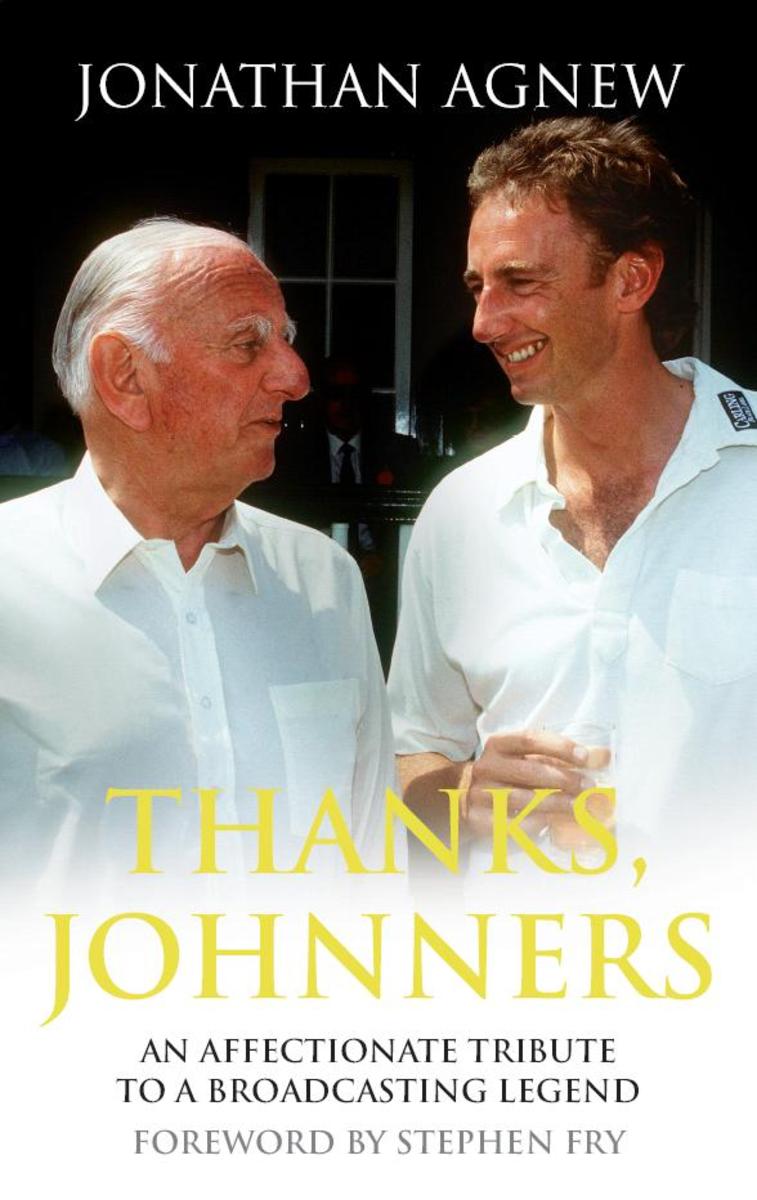
Thanks, Johnners: An Affectionate Tribute to a Broadcasting Legend
¥72.30
Perfect for cricket fans everywhere, Thanks Johnners is a warm and witty tribute to Brian Johnston and his time at the helm of Test Match Special. The Test Match Special on-air incident, in which Jonathan Agnew's comment on Ian Botham's attempt to avoid stepping on his stumps – "He just couldn't quite get his leg over" provoking prolonged fits of giggles, most notably from Brian Johnston, has been voted the greatest piece of sporting commentary ever. The friendship between "Aggers" and "Johnners" became immortalised through that broadcasting classic, but there was a far deeper bond between the two men, as this fascinating book reveals. Jonathan Agnew had grown up to the sound of Johnston, Arlott, and a young Martin-Jenkins et al on TMS as he followed his father around on the family farm, ear glued to the transistor radio, but the two men met formally only when Agnew joined the BBC team at Headingley in 1991. Thus began a great working partnership which, fuelled by a mutual passion for the noble game, bridged the generation gap and ended only with Johnston's sudden death in 1994. As this book demonstrates so convincingly, Johnners's wit, warmth and sense of fun was a feature not only of his cricket commentaries, but also in the way he lived his life. His influence on "Aggers" is clearly recognisable in the same amiable and informal manner in which his successor presents Test Match Special today. Thanks, Johnners is a rich blend of biography and anecdote, of antics and dramas on and off the pitch, in and out of the commentary box, its pages filled with stories about the great names of cricket including Fred Trueman, Geoffrey Boycott, Vivian Richards, Michael Holding and Ian Botham. Just as TMS is the sound of summer, so Thanks, Johnners is the fresh breeze rippling the long grass of remembered pleasures.

The Other Side of Israel: My Journey Across the Jewish/Arab Divide
¥63.27
The pioneering autobiographical story of a British Zionist in her fifties who moves to Israel and chooses to live among 25,000 Muslims in the all-Arab Israeli town of Tamra, a few miles from Nazareth. Susan Nathan’s revelatory book about her new life across the ethnic divide in Israel is already creating international interest. At a time when Middle Eastern politics (in many ways central to the current world disorder) have become mired in endless tit-for-tat killings, Susan Nathan is showing – by her own daily example – that it is perfectly possible for Jews and Arabs to live peacefully together in a single community, recognising their common humanity. The author’s familiarity with the former injustices of apartheid South Africa enables her to draw telling comparisons with the state of Israel. The increasing segregation of, and discrimintation against, the million-strong Arabic population of Israel is something she witnesses at first hand, but in describing her experiences in Tamra she is as observant of Arab frailties as of Jewish oppression. Written with warmth, compassion and humour, ‘The Other Side of Israel’ is one courageous woman’s positive life-enhancing response to a situation in which entrenched attitudes lead only to more violence and bloodshed.
Tony Visconti: The Autobiography: Bowie, Bolan and the Brooklyn Boy
¥72.40
A name synonymous with ground-breaking music, Tony Visconti has worked with the most dynamic and influential names in pop, from T.Rex and Iggy Pop to David Bowie and U2. This is the compelling life story of the man who helped shape music history, and gives a unique, first-hand insight into life in London during the late 1960s and '70s. This memoir takes you on a roller-coaster journey through the glory days of pop music, when men wore sequins and pop could truly rock. Featuring behind-the-scenes stories of big names such as Bowie, Visconti's unique access to the hottest talent, both on stage and off, for over five decades is complemented by unseen photographs from his own personal archive, offering a glimpse at music history that few have witnessed so intimately. Soon after abandoning his native New York to pursue his musical career in the UK, Visconti was soon in the thick of the emerging glam rock movement, launching T.Rex to commercial success and working with the then-unknown David Bowie. Since his fateful move to the land of tea and beer drunk straight from the can, Visconti has worked with such names as T.Rex, Thin Lizzy, Wings, The Boomtown Rats, Marsha Hunt, Procol Harum, and more recently Ziggy Marley, Mercury Rev, the Manic Street Preachers and Morrissey on his acclaimed new album 'Ringleader of the Tormentors'. Even Visconti's personal life betrays an existence utterly immersed in music. Married to first to Siegrid Berman, then to Mary Hopkin and later to May Pang, he counts many of the musicians and producers he has worked with as close friends and is himself a celebrated musician.
You’ll Miss Me When I’m Gone: The life and work of Eric Morecambe
¥147.35
To mark the 25th anniversary of Eric Morecambe’s death, You’ll Miss Me When I’m Gone is the first book to cover Eric’s whole life and untimely death, including unseen family photographs and new insights by Eric’s son Gary Morecambe. Published in the 25th anniversary year of Eric Morecambe’s death, You’ll Miss Me When I’m Gone is a celebration of Eric Morecambe’s life in words and previously unseen personal family photographs. Eric Morecambe and Ernie Wise are to this day still regarded as Britain’s most successful and best loved comedy duo, and their television shows from the 1970’s and 80’s are undoubtedly their finest work. For the first time, Eric Morecambe’s whole life, from his earliest days in his home-town of Morecambe right up to his death in Gloucestershire in 1984 are appraised by his son Gary. Included are photographs not seen by the family until recently – poignantly one of Eric at a friend’s wedding the day before he would collapse and die on stage. As the final and definitive book on Eric Morecambe,You’ll Miss Me features interviews with those who knew and loved Eric, including his wife Joan, Ronnie Corbett, Hamish McColl who wrote and starred in The Play What I Wrote and a foreword by Judi Dench. ’You’ll miss me when I’m gone’ was Eric’s oft repeated plaintive remark when he’d been annoying the Morecambe family with his gags.The irony is that, 25 years after his death, the viewing nation still misses Eric Morecambe.
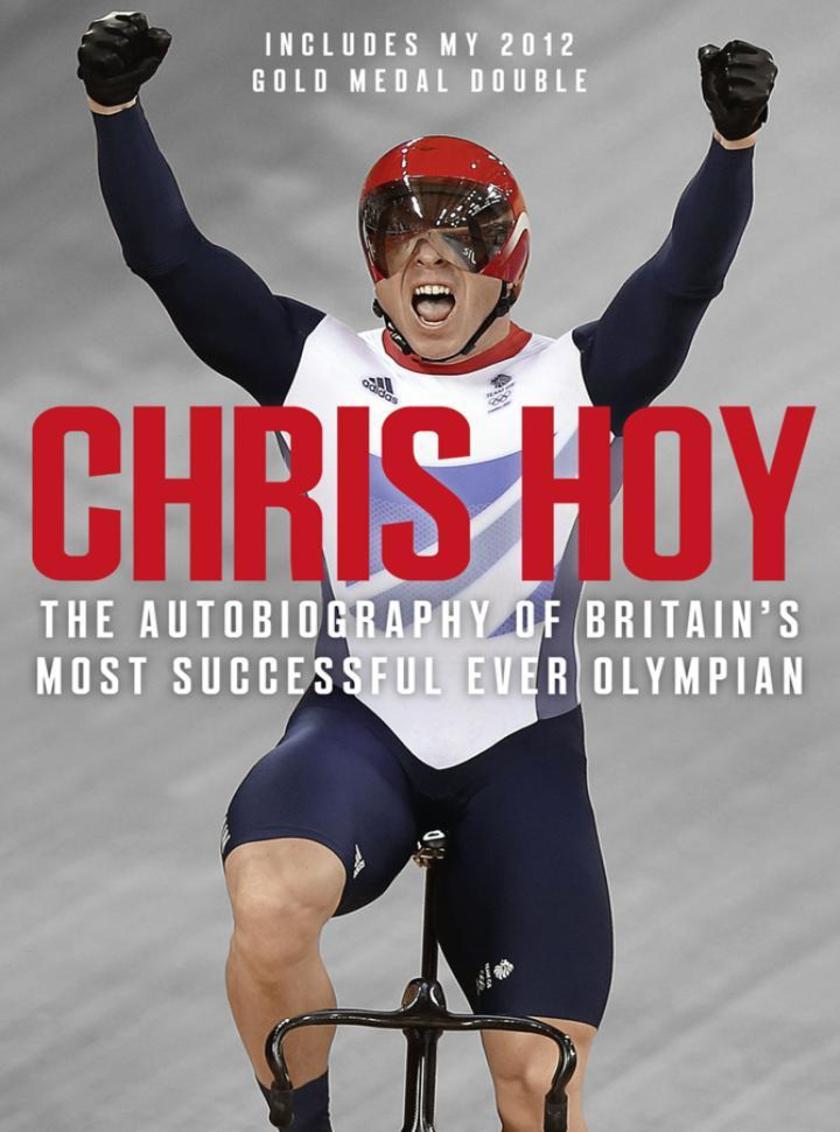
Chris Hoy: The Autobiography
¥68.67
Fully updated to include Sir Chris Hoy’s incredible, record-breaking golds at London 2012 (making him his country’s greatest ever Olympian), this is the story of a sporting legend in his own words. Fully updated to include Sir Chris Hoy’s incredible, record-breaking golds at London 2012 (making him his country’s greatest ever Olympian), this is the story of a sporting legend in his own words. This 33-year-old cycling fanatic from Murrayfield in the suburbs of Edinburgh defied the doubters who thought he would struggle when his specialist discipline, the 1km time trial, was dropped from the Olympics, and went on to reinvent himself as a track cycling sprinter and triple Olympic gold medallist in Beijing. His return to these shores sparked unprecedented celebrations and real admiration that here was a role model who was the epitome of all things that are good in sport. What makes a champion in sport? In his autobiography, Hoy returns to his roots as a child fully engaged with the BMX craze of the Eighties; when, even as a seven year old his will to succeed allied to an unyielding mental strength set him apart from other youngsters of his age. A promising rower and rugby player in school, it was when he joined his first local cycling club and spent most weekends of the year competing in national events from Blackpool to Bristol that the seeds of his future career were sown. With the devoted support of his family, Hoy drove himself to the pinnacle of his sport at the same time as British track cycling established itself as a pioneering force on the world stage. In the wake of his unparalleled achievements at London 2012, which filled the whole country with pride, there is no sporting icon better placed to demonstrate what it takes to reach the top than Chris Hoy.

Shakespeare Only
¥206.01
Three decades of controversy in Shakespeare studies can be summed up in a single question: Was Shakespeare one of a kindOn one side of the debate are the Shakespeare lovers, the bardolatrists, who insist on Shakespeare's timeless preeminence as an author. On the other side are the theater historians who view modern claims of Shakespeare's uniqueness as a distortion of his real professional life.In Shakespeare Only, Knapp draws on an extraordinary array of historical evidence to reconstruct Shakespeare's authorial identity as Shakespeare and his contemporaries actually understood it.He argues that Shakespeare tried to adapt his own singular talent and ambition to the collaborative enterprise of drama by imagining himself as uniquely embodying the diverse, fractious energies of the popular theater. Rewriting our current histories of authorship as well as Renaissance drama, Shakespeare Only recaptures a sense of the creative force that mass entertainment exerted on Shakespeare and that Shakespeare exerted on mass entertainment.
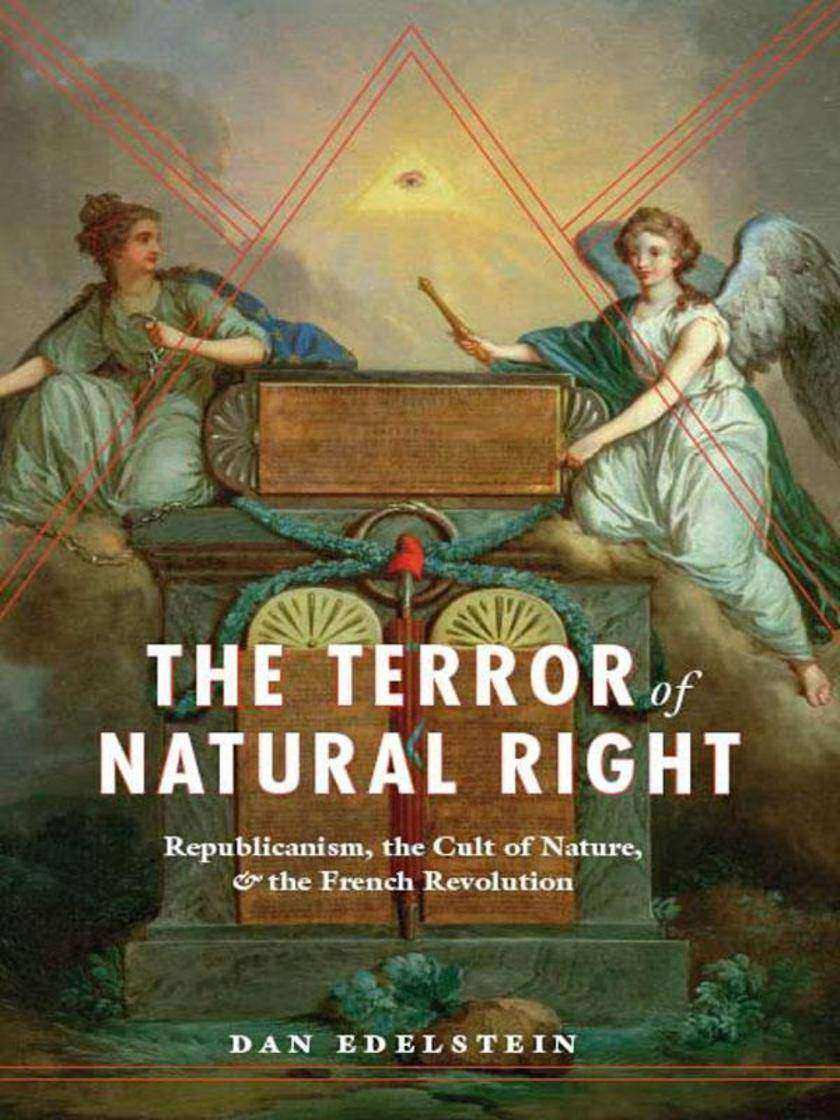
Terror of Natural Right
¥253.10
Natural right-the idea that there is a collection of laws and rights based not on custom or belief but that are "e;natural"e; in origin-is typically associated with liberal politics and freedom. In The Terror of Natural Right, Dan Edelstein argues that the revolutionaries used the natural right concept of the "e;enemy of the human race"e;-an individual who has transgressed the laws of nature and must be executed without judicial formalities-to authorize three-quarters of the deaths during the Terror. Edelstein further contends that the Jacobins shared a political philosophy that he calls "e;natural republicanism,"e; which assumed that the natural state of society was a republic and that natural right provided its only acceptable laws. Ultimately, he proves that what we call the Terror was in fact only one facet of the republican theory that prevailed from Louis's trial until the fall of Robespierre.A highly original work of historical analysis, political theory, literary criticism, and intellectual history, The Terror of Natural Right challenges prevailing assumptions of the Terror to offer a new perspective on the Revolutionary period.
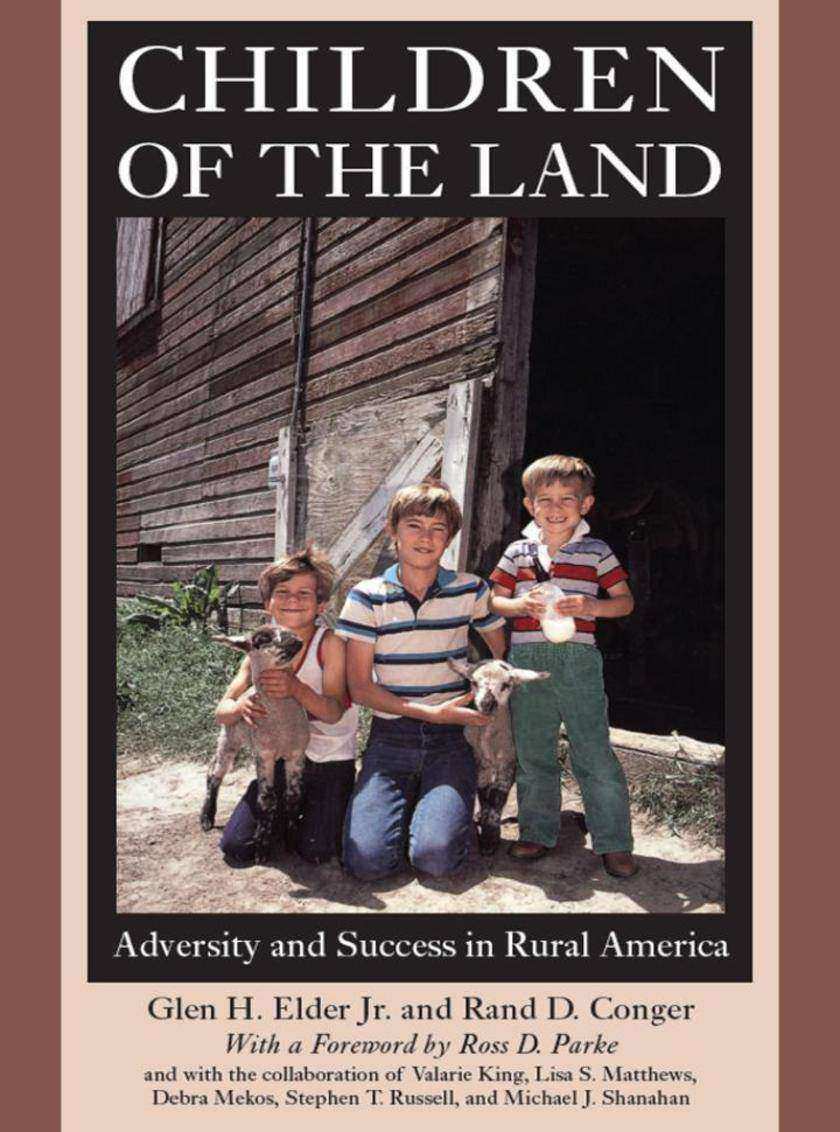
Children of the Land
¥288.41
A century ago, most Americans had ties to the land. Now only one in fifty is engaged in farming and little more than a fourth live in rural communities. Though not new, this exodus from the land represents one of the great social movements of our age and is also symptomatic of an unparalleled transformation of our society.In Children of the Land, the authors ask whether traditional observations about farm families-strong intergenerational ties, productive roles for youth in work and social leadership, dedicated parents and a network of positive engagement in church, school, and community life-apply to three hundred Iowa children who have grown up with some tie to the land. The answer, as this study shows, is a resounding yes. In spite of the hardships they faced during the agricultural crisis of the 1980s, these children, whose lives we follow from the seventh grade to after high school graduation, proved to be remarkably successful, both academically and socially.A moving testament to the distinctly positive lifestyle of Iowa families with connections to the land, this uplifting book also suggests important routes to success for youths in other high risk settings.
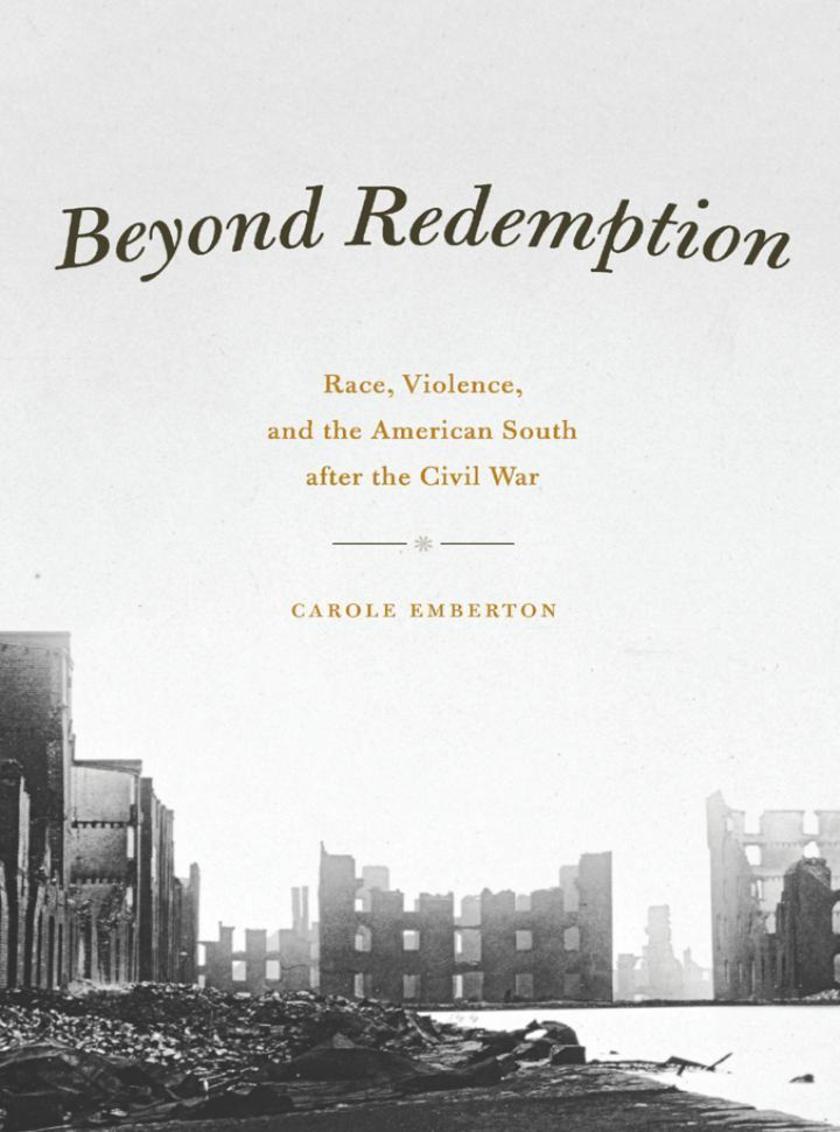
Beyond Redemption
¥223.67
In the months after the end of the Civil War, there was one word on everyone's lips: redemption. From the fiery language of Radical Republicans calling for a reconstruction of the former Confederacy to the petitions of those individuals who had worked the land as slaves to the white supremacists who would bring an end to Reconstruction in the late 1870s, this crucial concept informed the ways in which many people-both black and white, northerner and southerner-imagined the transformation of the American South.Beyond Redemption explores how the violence of a protracted civil war shaped the meaning of freedom and citizenship in the new South. Here, Carole Emberton traces the competing meanings that redemption held for Americans as they tried to come to terms with the war and the changing social landscape. While some imagined redemption from the brutality of slavery and war, others-like the infamous Ku Klux Klan-sought political and racial redemption for their losses through violence. Beyond Redemption merges studies of race and American manhood with an analysis of post-Civil War American politics to offer unconventional and challenging insight into the violence of Reconstruction.
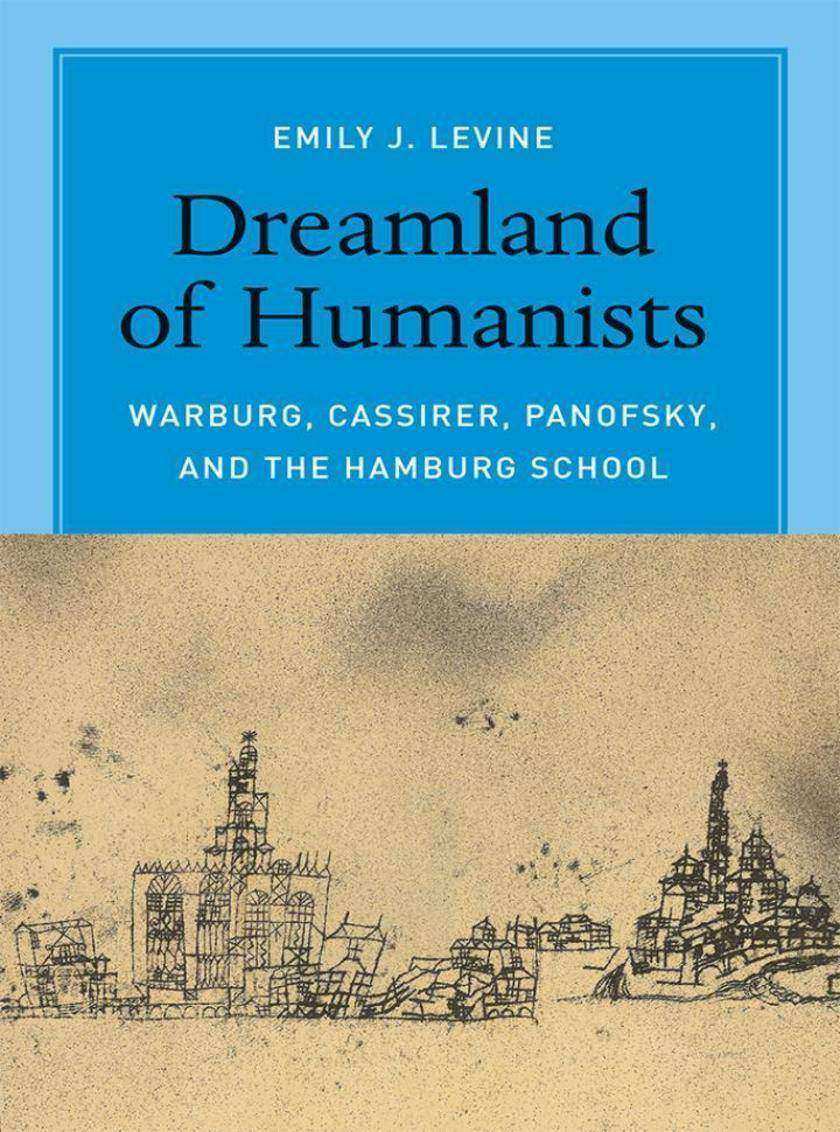
Dreamland of Humanists
¥223.67
Deemed by Heinrich Heine a city of merchants where poets go to die, Hamburg was an improbable setting for a major intellectual movement. Yet it was there, at the end of World War I, at a new university in this commercial center, that a trio of twentieth-century pioneers in the humanities emerged. Working side by side, Aby Warburg, Ernst Cassirer, and Erwin Panofsky developed new avenues in art history, cultural history, and philosophy, changing the course of cultural and intellectual history in Weimar Germany and throughout the world.In Dreamland of Humanists, Emily J. Levine considers not just these men, but the historical significance of the time and place where their ideas took form. Shedding light on the origins of their work on the Renaissance and the Enlightenment, Levine clarifies the social, political, and economic pressures faced by German-Jewish scholars on the periphery of Germany's intellectual world. By examining the role that context plays in our analysis of ideas, Levine confirms that great ideas-like great intellectuals-must come from somewhere.?

Designs on the Contemporary
¥182.47
Designs on the Contemporary?pursues the challenge of how to design and put into practice strategies for inquiring into the intersections of philosophy and anthropology. Drawing on the conceptual repertoires of Max Weber, Michel Foucault, and John Dewey, among others, Paul Rabinow and Anthony Stavrianakis reflect on and experiment with how to give form to anthropological inquiry and its aftermath, with special attention to the ethical formation and ramifications of this mode of engagement. ?The authors continue their prior explorations of the contemporary in past works: How to conceptualize, test, and give form to breakdowns of truth and conduct, as well as how to open up possibilities for the remediation of such breakdowns. They offer a surprising and contrasting pair of case studies of two figures who engaged with contemporary breakdowns: Salman Rushdie and Gerhard Richter. Approaching Richter's artistic struggles with form and technique in the long wake of modernism and Rushdie's struggles to find a narrative form-as well as a form for living-to respond to the Iranian fatwa issued against him, they show how both men formulated different new approaches to anthropology for the twenty-first century.
Corn Wolf
¥182.47
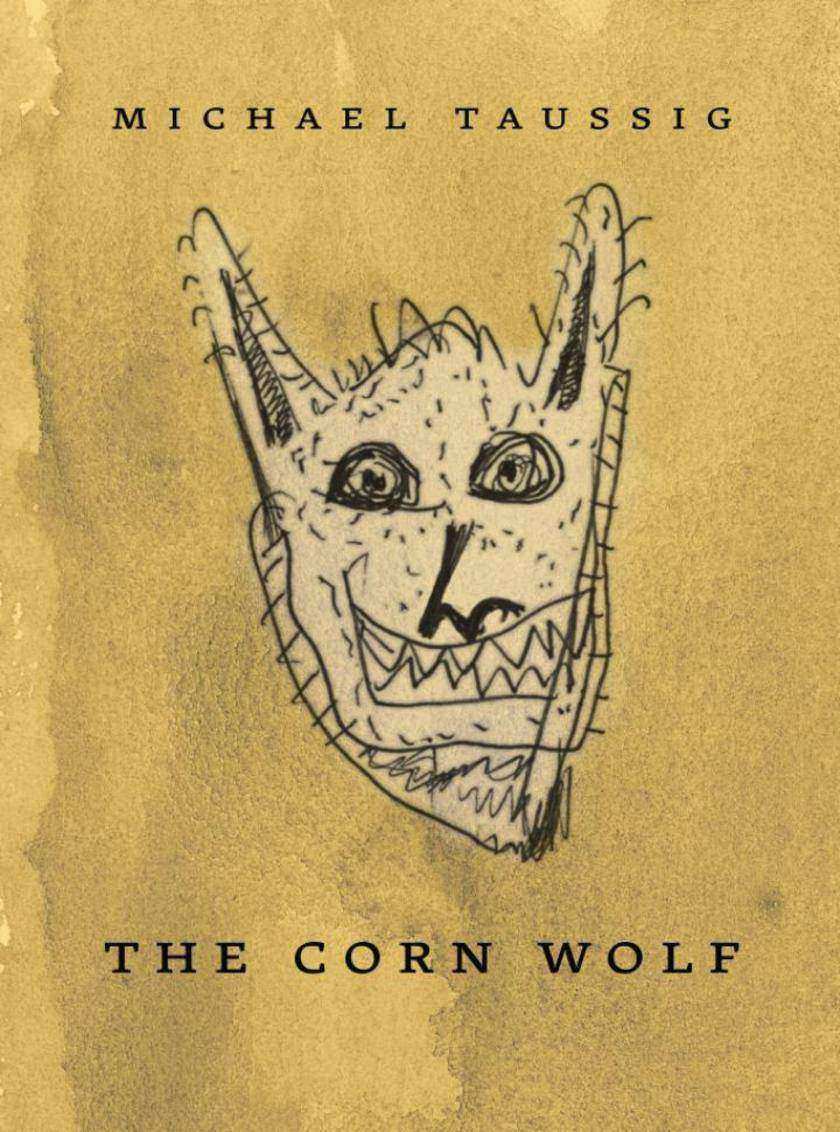
Collecting a decade of work from iconic anthropologist and writer Michael Taussig, The Corn Wolf pinpoints a moment of intellectual development for the master stylist, exemplifying the "e;nervous system"e; approach to writing and truth that has characterized his trajectory. Pressured by the permanent state of emergency that imbues our times, this approach marries storytelling with theory, thickening spiraling analysis with ethnography and putting the study of so-called primitive societies back on the anthropological agenda as a way of better understanding the sacred in everyday life.The leading figure of these projects is the corn wolf, whom Wittgenstein used in his fierce polemic on Frazer's Golden Bough. For just as the corn wolf slips through the magic of language in fields of danger and disaster, so we are emboldened to take on the widespread culture of academic-or what he deems "e;agribusiness"e;-writing, which strips ethnography from its capacity to surprise and connect with other worlds, whether peasant farmers in Colombia, Palestinians in Israel, protestors in Zuccotti Park, or eccentric yet fundamental aspects of our condition such as animism, humming, or the acceleration of time. ?A glance at the chapter titles-such as "e;The Stories Things Tell"e; or "e;Iconoclasm Dictionary"e;-along with his zany drawings, testifies to the resonant sensibility of these works, which lope like the corn wolf through the boundaries of writing and understanding.?
These Kids
¥206.01
Few would deny that getting ahead is a legitimate goal of learning, but the phrase implies a cruel hierarchy: a student does not simply get ahead, but gets ahead of others. In These Kids, Kysa Nygreen turns a critical eye on this paradox. Offering the voices and viewpoints of students at a "e;last chance"e; high school in California, she tells the story of students who have, in fact, been left behind.?Detailing a youth-led participatory action research project that she coordinated, Nygreen uncovers deep barriers to educational success that are embedded within educational discourse itself. Struggling students internalize de*ions of themselves as "e;at risk,"e; "e;low achieving,"e; or "e;troubled"e;-and by adopting the very language of educators, they also adopt its constraints and presumption of failure. Showing how current educational discourse does not, ultimately, provide an adequate vision of change for students at the bottom of the educational hierarchy, she levies a powerful argument that social justice in education is impossible today precisely because of how we talk about it.

Bewilderment
¥147.15
Winner of the 2012 National Book Award for Poetry.To read David Ferry's Bewilderment is to be reminded that poetry of the highest order can be made by the subtlest of means. The passionate nature and originality of Ferry's prosodic daring works astonishing transformations that take your breath away. In poem after poem, his diction modulates beautifully between plainspoken high eloquence and colloquial vigor, making his distinctive speech one of the most interesting and ravishing achievements of the past half century. Ferry has fully realized both the potential for vocal expressiveness in his phrasing and the way his phrasing plays against-and with-his genius for metrical variation. His vocal phrasing thus becomes an amazingly flexible instrument of psychological and spiritual inquiry. Most poets write inside a very narrow range of experience and feeling, whether in free or metered verse. But Ferry's use of meter tends to enhance the colloquial nature of his writing, while giving him access to an immense variety of feeling. Sometimes that feeling is so powerful it's like witnessing a volcanologist taking measurements in the midst of an eruption.?Ferry's translations, meanwhile, are amazingly acclimated English poems. Once his voice takes hold of them they are as bred in the bone as all his other work. And the translations in this book are vitally related to the original poems around them.?From Bewilderment:OctoberThe day was hot, and entirely breathless, soThe remarkably quiet remarkably steady leaf fallSeemed as if it had no cause at all.The ticking sound of falling leaves was likeThe ticking sound of gentle rainfall asThey gently fell on leaves already fallen,Or as, when as they passed them in their falling,Now and again it happened that one of them touchedOne or another leaf as yet not falling,Still clinging to the idea of being summer:As if the leaves that were falling, but not the day,Had read, and understood, the calendar.

Clayfeld Holds On
¥147.15
from "e;Clayfeld's Farewell Epistle to Bob Pack"e; Beneath this mellow harvest moon,I can still picture you-a boy contentjust fishing with his father from a ledgeabove a foaming stream. The flailing troutyou caught is packed in gleaming ice;the pink stripe all along its sideis smeared across black shiny dotsthat seem to shine with their own light.I'm sure that you can picture mewith equal vividness, and though we're notidentical, there is a sensein which I am inventing youas much as you're inventing me.?In Clayfeld Holds On, Robert Pack offers his readers a comprehensive portrait of his longtime protagonist Clayfeld, who is also Pack's doppelgnger, his alternate self, enacting both the life that the poet has lived and the life he might have lived, given his proclivities and appetites. Poet and protagonist, taken together, are self and consciousness of self, the historical self and the embellished story of that literal self.Written with a masterly ear for rhythm, and interweaving narrative and lyrical passages, the poems recount Clayfeld's formative memories while exploring concepts such as loyalty, generosity, commitment, as well as cosmic phenomena such as the big bang theory and black holes. Through all of this, Pack attempts to find purpose and meaning in an indifferent universe, and to explore the labyrinth of his own proliferating identity.
This New Yet Unapproachable America
¥141.26
Stanley Cavell is a titan of the academic world; his work in aesthetics and philosophy has shaped both fields in the United States over the past forty years. In this brief yet enlightening collection of lectures, Cavell investigates the work of two of his most tried-and-true subjects: Emerson and Wittgenstein. Beginning with an introductory essay that places his own work in a philosophical and historical context, Cavell guides his reader through his thought process when composing and editing his lectures while making larger claims about the influence of institutions on philosophers, and the idea of progress within the discipline of philosophy. In "e;Declining Decline,"e; Cavell explains how language modifies human existence, looking specifically at the culture of Wittgenstein's writings. He draws on Emerson, Thoreau, and many others to make his case that Wittgenstein can indeed be viewed as a "e;philosopher of culture."e; In his final lecture, "e;Finding as Founding,"e; Cavell writes in response to Emerson's "e;Experience,"e; and explores the tension between the philosopher and language-that he or she must embrace language as his or her?"e;form of life,"e; while at the same time surpassing its restrictions. He compares finding new ideas to discovering a previously unknown land in an essay that unabashedly celebrates the power and joy of philosophical thought.?
Simone
¥141.26
Eduardo Lalo is one of the most vital and unique voices of Latin American literature, but his work is relatively little known in the English-speaking world. That changes now: this masterful translation of his most celebrated novel, Simone-which won the 2013 Romulo Gallegos International Novel Prize-will introduce an English-language audience to this extraordinary literary talent.A tale of alienation, love, suspense, imagination, and literature set on the streets of San Juan, Puerto Rico, Simone tells the story of a self-educated Chinese immigrant student courting (and stalking) a disillusioned, unnamed writer who is struggling to make a name for himself in a place that is not exactly a hotbed of literary fame. By turns solipsistic and political, romantic and dark, Simone begins with the writer's frustrated, satiric observations on his native city and the banal life of the university where he teaches-forces utterly at odds with the sensuality of his writing. But, as mysterious messages and literary clues begin to appear-scrawled on sidewalks and walls, inside volumes set out in bookstores, left on his answering machine and under his windshield wiper-Simone progresses into a cat-and-mouse game between the writer and his mystery stalker. When the eponymous Simone's identity is at last revealed, the writer finds in the life of this Chinese immigrant a plight not unlike his own. Traumatized and lonely, the pair moves towards bittersweet collaborations in passion, grief, and art.

Invisible
¥211.90
If offered the chance-by cloak, spell, or superpower-to be invisible, who wouldn't want to give it a tryWe are drawn to the idea of stealthy voyeurism and the ability to conceal our own acts, but as desirable as it may seem, invisibility is also dangerous. It is not just an optical phenomenon, but a condition full of ethical questions. As esteemed science writer Philip Ball reveals in this book, the story of invisibility is not so much a matter of how it might be achieved but of why we want it and what we would do with it.In this lively look at a timeless idea, Ball provides the first comprehensive history of our fascination with the unseen. This sweeping narrative moves from medieval spell books to the latest nanotechnology, from fairy tales to telecommunications, from camouflage to ghosts to the dawn of nuclear physics and the discovery of dark energy. ?Along the way, Invisible tells little-known stories about medieval priests who blamed their misdeeds on spirits; the Cock Lane ghost, which intrigued both Samuel Johnson and Charles Dickens; the attempts by Victorian scientist William Crookes to detect forces using tiny windmills; novelist Edward Bulwer-Lytton's belief that he was unseen when in his dressing gown; and military efforts to enlist magicians to hide tanks and ships during WWII. ?Bringing in such voices as Plato and Shakespeare, Ball provides not only a scientific history but a cultural one-showing how our simultaneous desire for and suspicion of the invisible has fueled invention and the imagination for centuries.In this unusual and clever book, Ball shows that our fantasies about being unseen-and seeing the unseen-reveal surprising truths about who we are.


