


 购物车
购物车 个人中心
个人中心
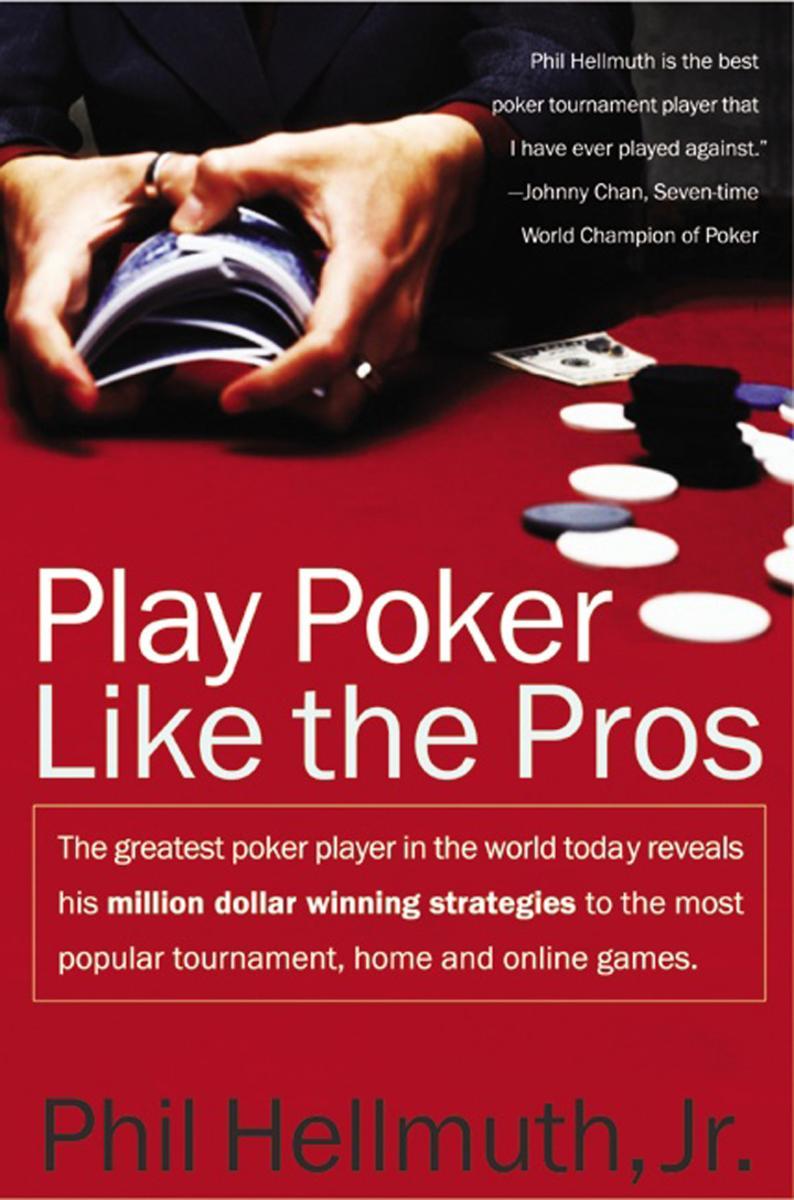
Play Poker Like the Pros
¥88.56
In Play Poker Like the Pros , poker master Phil Hellmuth, Jr., demonstrates exactly how to play and win -- even if you have never picked up a deck of cards -- the modern games of poker, including: Texas Hold'em, Omaha, Seven-Card Stud, and Razz. Phil Hellmuth, Jr., a seven-time World Champion of Poker, presents his tournament-tested strategies to beat any type of player, including: The Jackal (crazy and unpredictable) The Elephant (plays too many hands) The Mouse (plays very conservatively) The Lion (skilled and tough to beat) Play Poker Like the Pros begins by laying out the rules and set-up of each game and then moves on to easy-to-follow basic and advanced strategies. Hellmuth teaches exactly which hands to play, when to bluff, when to raise, and when to fold. In addition Hellmuth provides techniques for reading other players and staying cool under pressure. There are also special chapters on how to beat online poker games and an inside look at tournament play.
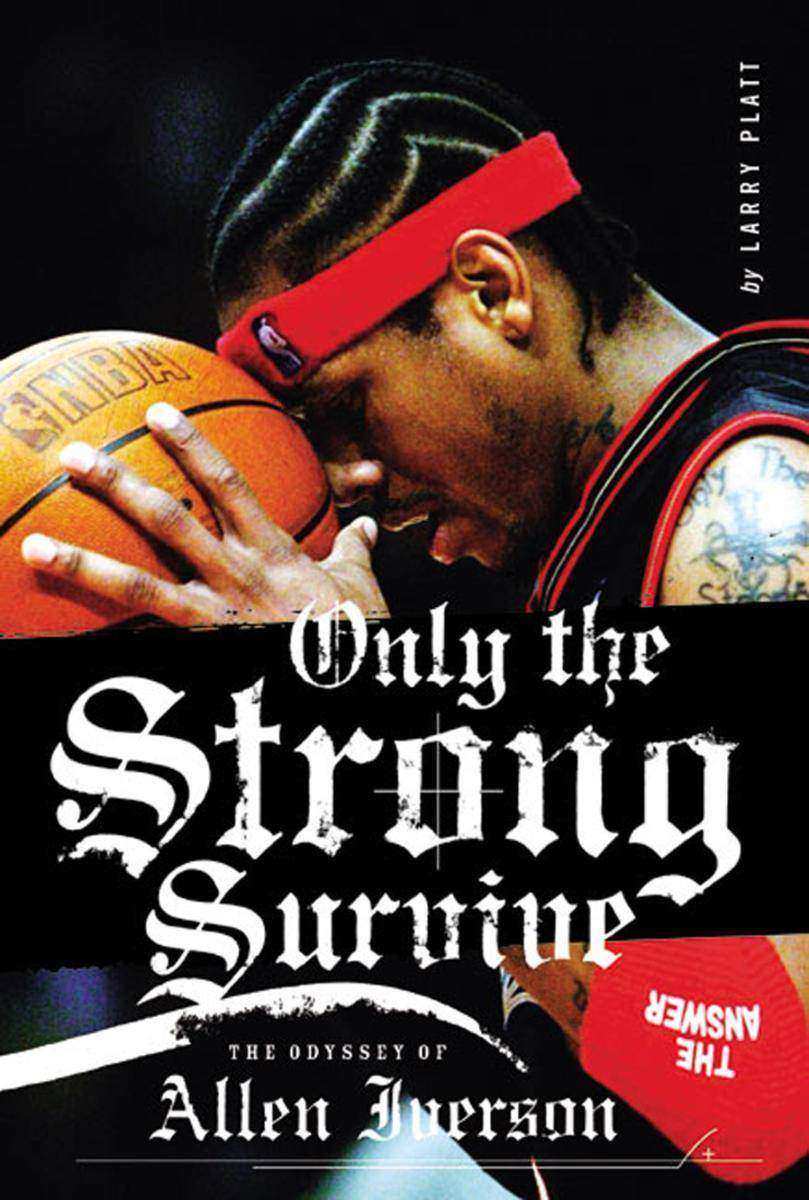
Only the Strong Survive
¥83.03
Part sports star, part antihero, part hip-hop icon, Allen Iverson has managed to cross over into the mainstream of American culture -- without compromise. Defiantly tattooed, with his hair in cornrows, the six-foot Philadelphia 76ers point guard is one of the most recognizable and controversial stars of the sports world. His meteoric rise from a troubled childhood in the ghetto to NBA superstardom has been marked by five straight playoff appearances, including a finals berth in 2001 and an MVP award. From his rap sheet to his rap album, fans and journalists alike hound his every move. But never before has a biographer presented a full portrait of this complicated and intensely private star -- a man whose loyalty to his family, the streets, and his friends trumps any other concern. Filled with exclusive interview material and unprecedented access to many of Iverson's inner circle, Only the Strong Survive is the first in-depth look at the truth behind this newly minted legend.

When Strangers Marry
¥56.07
Lysette buried her face against Max's throat. "But he's going to take me away. Don't let him, don't -- " "You're not going anywhere," Max interrupted. "Calm yourself, Lysette. It's not good for you to become excited." His possessiveness made her strangely giddy. As far as he was concerned, she was his, and no one was going to take her away from him. Max stared at Etienne. His voice was soft, but it contained a note that chilled Lysette's blood. "If you so much as disarrange a hair on her head, I'll tear you apart." Lysette couldn't believe it, but she didn't care about her ruined reputation. The only thing that mattered was that she wouldn't have to marry Etienne.
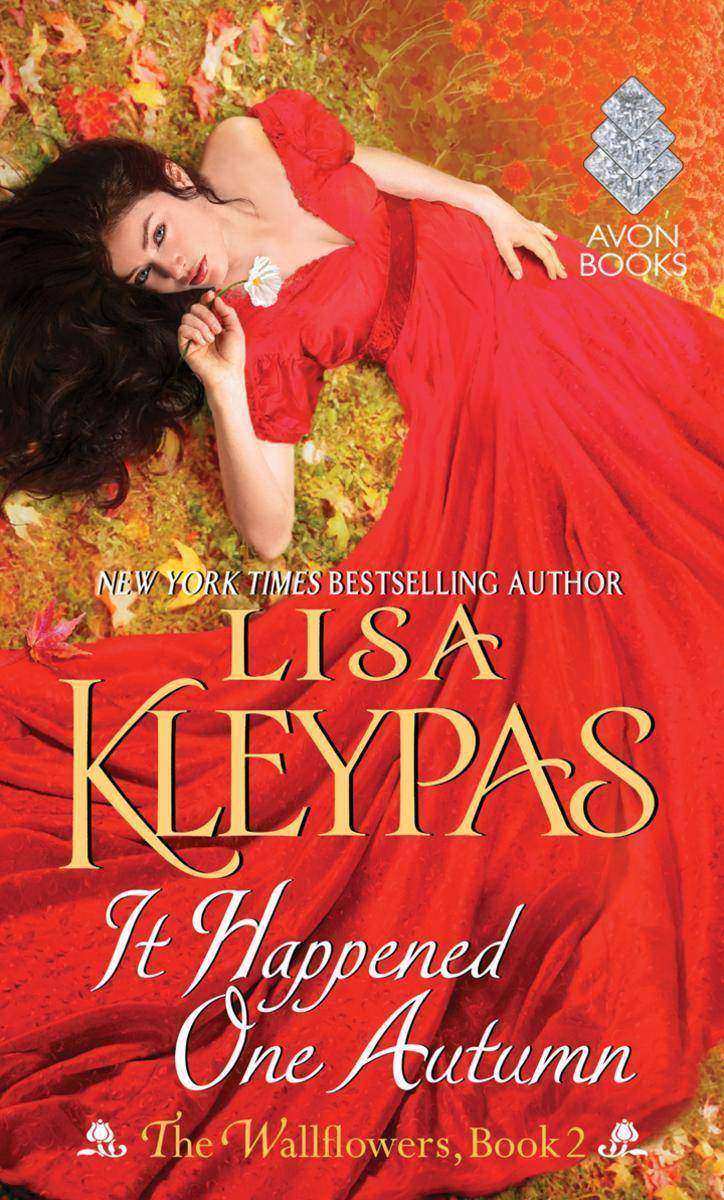
It Happened One Autumn
¥42.03
Four young ladies enter London society with one necessary goal:they must use their feminine wit and wiles to find a husband. So they band together, and a daring husband-hunting scheme is born. It Happened at the Ball... Where beautiful but bold Lillian Bowman quickly learned that her independent American ways weren't entirely "the thing." And the most disapproving of all was insufferable, snobbish, and impossible Marcus, Lord Westcliff, London's most eligible aristocrat. It Happened in the Garden; When Marcus shockingly -- and dangerously swept her into his arms. Lillian was overcome with a consuming passion for a man she didn't even like. Time stood still; it was as if no one else existed thank goodness they weren't caught very nearly in the act! It Happened One Autumn... Marcus was a man in charge of his own emotions, a bedrock of stability. But with Lillian, every touch was exquisite torture, every kiss an enticement for more. Yet how could he consider taking a woman so blatantly unsuitable as his bride?

Little Chapel on the River
¥88.56
Forced from her downtown Manhattan apartment by the terrorist attack of September 11, journalist Wendy Bounds was delivered to Guinan's doorstep -- a legendary Irish drinking hole and country store nestled along the banks of the Hudson River in the small town of Garrison, New York -- by a friend. Captivated by the bar's charismatic but ailing owner and his charming, motley clientele, Bounds uprooted herself permanently and moved to tiny Garrison, the picturesque river town they all call home. There she became one of the rare female regulars at the old pub and was quickly swept up into its rhythm, heartbeat, and grand history -- as related by Jim Guinan himself, the stubborn high priest of this little chapel. Surrounded by a crew of endearing, delightfully colorful characters who were now her neighbors and friends, she slowly finds her own way home. Beautifully written, deeply personal, and brilliantly insightful, Little Chapel on the River is a love story about a place -- and the people who bring it to life.

Desert Flower
¥83.03
Waris Dirie leads a double life -- by day, she is an international supermodel and human rights ambassador for the United Nations; by night, she dreams of the simplicity of life in her native Somalia and the family she was forced to leave behind. Desert Flower, her intimate and inspiring memoir, is a must-read for anyone who has ever wondered about the beauty of African life, the chaotic existence of a supermodel, or the joys of new motherhood.Waris was born into a traditional Somali family, desert nomads who engaged in such ancient and antiquated customs as genital mutilation and arranged marriage. At twelve, she fled an arranged marriage to an old man and traveled alone across the dangerous Somali desert to Mogadishu -- the first leg of an emotional journey that would take her to London as a house servant, around the world as a fashion model, and eventually to America, where she would find peace in motherhood and humanitarian work for the U.N.Today, as Special Ambassador for the U.N., she travels the world speaking out against the barbaric practice of female genital mutilation, promoting women's reproductive rights, and educating people about the Africa she fled -- but still deeply loves.Desert Flower will be published simultaneously in eleven languages throughout the world and is currently being produced as a feature film by Rocket Pictures UK.
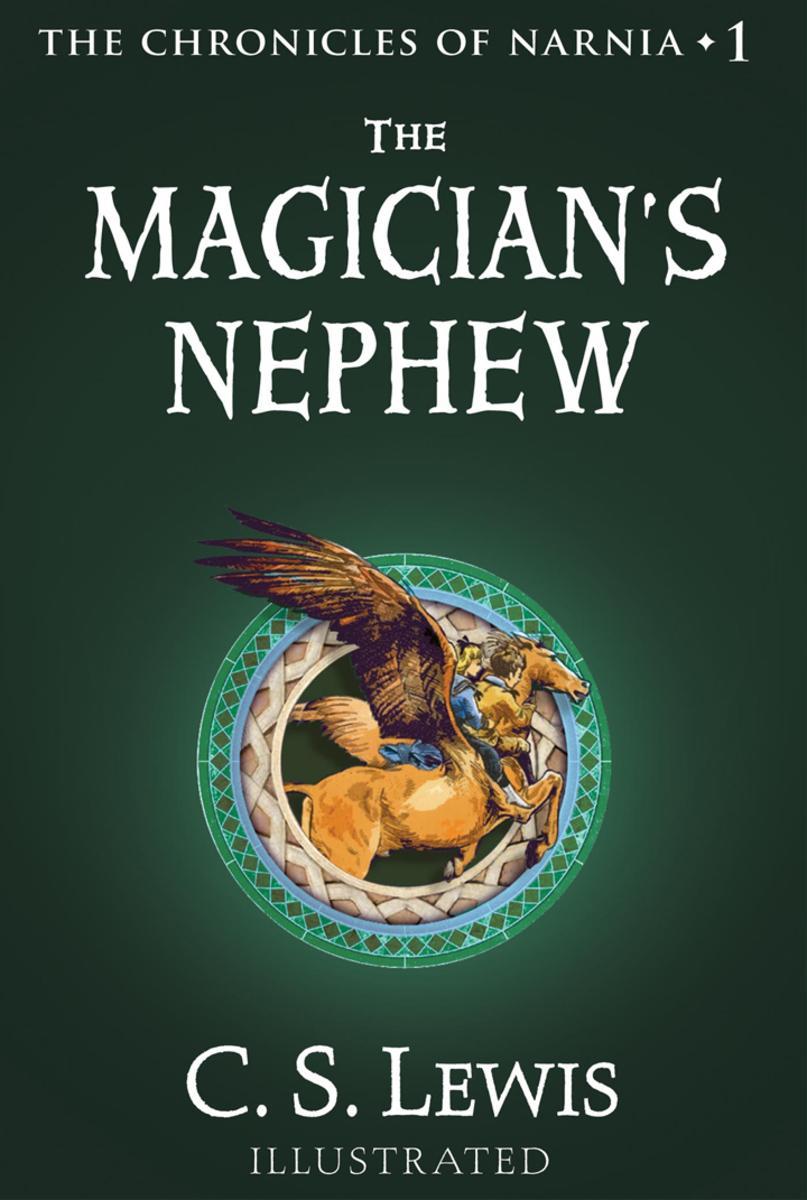
The Magician's Nephew 纳尼亚传奇1(彩色插图版)
¥50.33
Illustrations in this ebook appear in vibrant full color on a full color ebook device, and in rich black and white on all other devices. Narnia . . . where Talking Beasts walk . . . where a witch waits . . . where a new world is about to be born. On a daring quest to save a life, two friends are hurled into another world, where an evil sorceress seeks to enslave them. But then the lion Aslan song weaves itself into the fabric of a new land, a land that will be known as Narnia. And in Narnia, all things are possible. The Magician Nephew is the first book in C.S. Lewis The Chronicles of Narnia, a series that has become part of the canon of classic literature, drawing readers of all ages into a magical land with unforgettable characters for over fifty years. This is a stand-alone novel, but if you would like to journey back to Narnia, read The Lion, the Witch and the Wardrobe , the second book in The Chronicles of Narnia.
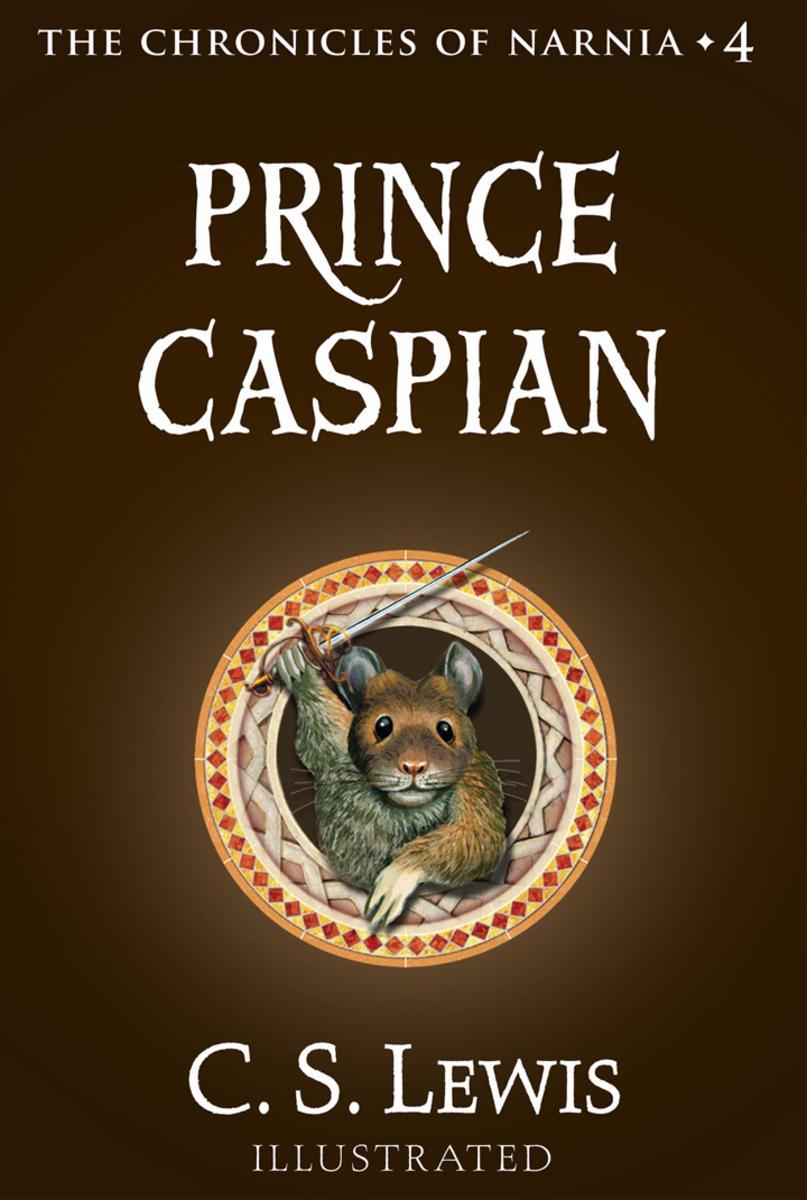
Prince Caspian 纳尼亚传奇4(彩色插图版)
¥50.33
Illustrations in this ebook appear in vibrant full color on a full color ebook device, and in rich black and white on all other devices. Narnia . . . where animals talk . . . where trees walk . . . where a battle is about to begin. A prince denied his rightful throne gathers an army in a desperate attempt to rid his land of a false king. But in the end, it is a battle of honor between two men alone that will decide the fate of an entire world. Prince Caspian is the fourth book in C.S. Lewis The Chronicles of Narnia, a series that has become part of the canon of classic literature, drawing readers of all ages into a magical land with unforgettable characters for over fifty years. This is a stand-alone novel, but if you would like to see more of Lucy and Edmund adventures, read The Voyage of the Dawn Treader , the fifth book in The Chronicles of Narnia.

Does the Noise in My Head Bother You?
¥94.10
"I've been mythicized, Mick-icized, eulogized and fooligized, I've been Cole-Portered and farmer's-daughtered, I've been Led Zepped and 12-stepped. I'm a rhyming fool and so cool that me, Fritz the Cat, and Mohair Sam are the baddest cats that am. I have so many outrageous stories, too many, and I'm gonna tell 'em all. All the unexpurgated, brain-jangling tales of debauchery, sex & drugs, transcendence & chemical dependence you will ever want to hear." The son of a classical pianist straight out of the Bronx of old Archie comics, Steven Tyler was born to be a rock star. Weaned on Cole Porter, Nat King Cole, Mick and his beloved Janis Joplin Tyler began tearing up the streets and the stage as a teenager before finally meeting his "mutant twin" and legendary partner Joe Perry. In this addictively readable memoir, told in the playful, poetic voice that is uniquely his own, Tyler unabashedly recounts the meteoric rise, fall, and rise of Aerosmith over the last three decades and riffs on the music that gives it all meaning. Tyler tells what it's like to be a living legend and the frontman of one of the world's most revered and infamous bands the debauchery, the money, the notoriety, the fights, the motels and hotels, the elevators, limos, buses and jets, the rehab. He reveals the spiritual side that "gets lost behind the stereotype of the Sex Guy, the Drug Guy, the Demon of Screamin', the Terror of the Tropicana." And he talks about his epic romantic life and his relationship with his four children. As dazzling, bold, and out-on-the-edge as the man himself, Does the Noise in My Head Bother Youis an all-access backstage pass into this extraordinary showman's life.
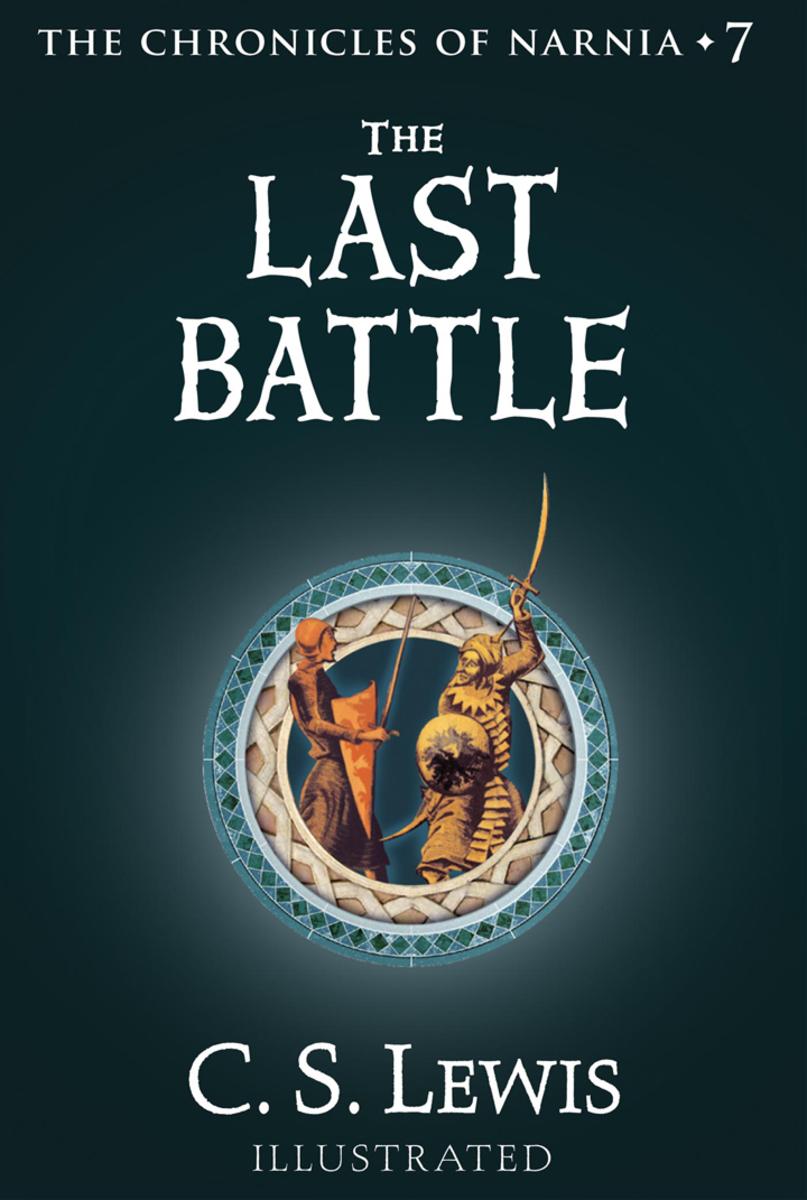
The Last Battle 纳尼亚传奇7(彩色插图版)
¥50.33
Illustrations in this ebook appear in vibrant full color on a full color ebook device, and in rich black and white on all other devices. Narnia . . . where lies breed fear . . . where loyalty is tested . . . where all hope seems lost During the last days of Narnia, the land faces its fiercest challenge not an invader from without but an enemy from within. Lies and treachery have taken root, and only the king and a small band of loyal followers can prevent the destruction of all they hold dear in this, the magnificent ending to The Chronicles of Narnia. The Last Battle is the seventh and final book in C.S. Lewis The Chronicles of Narnia, a series that has become part of the canon of classic literature, drawing readers of all ages into a magical land with unforgettable characters for over fifty years. A complete stand-alone read, but if you want to relive the adventures and find out how it began, pick up The Magician Nephew , the first book in The Chronicles of Narnia.
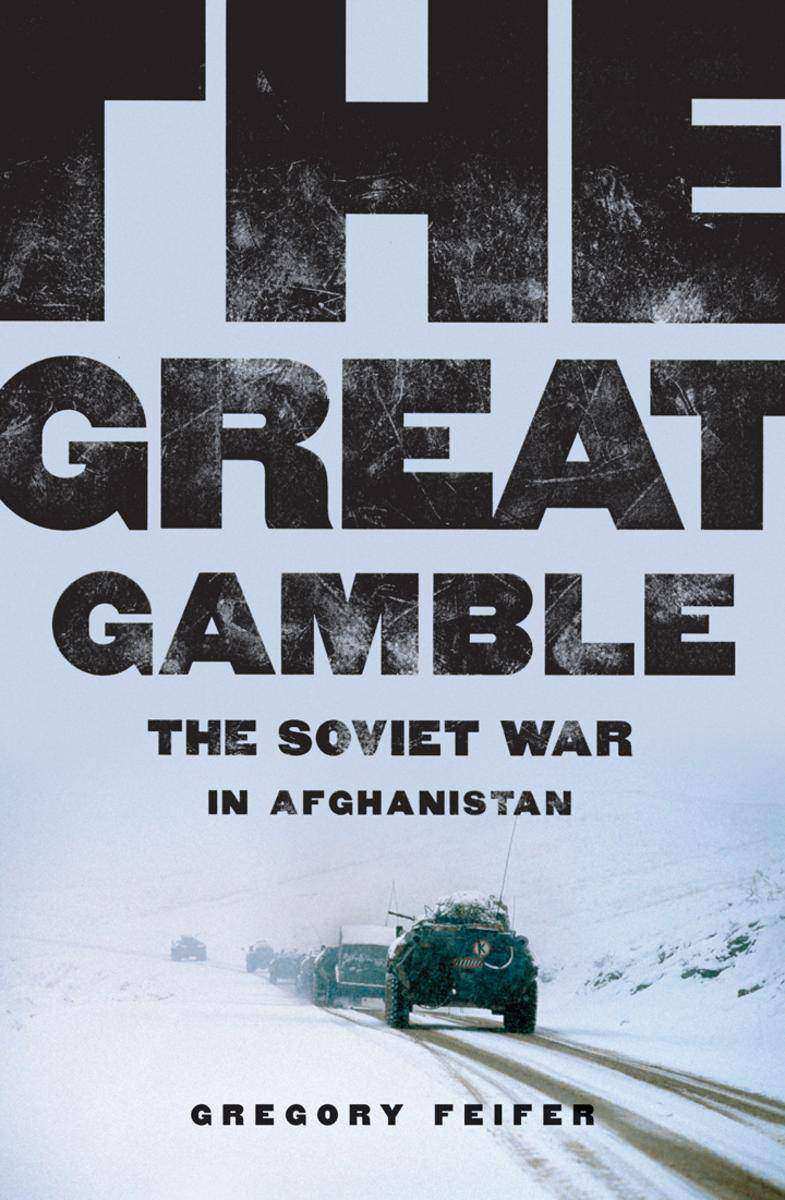
The Great Gamble
¥95.11
The Soviet war in Afghanistan was a grueling debacle that has striking lessons for the twenty-first century. In The Great Gamble , Gregory Feifer examines the conflict from the perspective of the soldiers on the ground. In gripping detail, he vividly depicts the invasion of a volatile country that no power has ever successfully conquered. A riveting account as seen through the eyes of the men who fought in the war, The Great Gamble tells an unforgettable story full of drama, action, and political intrigue whose relevance in our own time is greater than ever.

Shonen Manga
¥145.91
A step-by-step guide to all the tricks-both freehand and digital-to creating the best manga characters, Shonen Manga is a fun, easy to read manga manual for artists of all ages and languages. Focusing on Shonen-style manga and anime (a genre targeting young boys-”Shonen” means young boy, referring to elementary through grade school age groups), Shonen Manga is a practical, hands-on guide to learning the skills of action-packed drawing. It includes detailed information on how to apply digital colour, 3D designs, vectorial drawing, and a host of other fascinating and useful design applications. Each project in Shonen Manga includes step-by-step instructions specifying software, tools, and professional tricks to achieve the gritty eyes, roaring faces, and clenched fists of teen heroes, martial art masters, ninja girls, and violent samurai, integral to the Shonen genre. Shonen Manga will walk an audience of manga artists, illustrators, and graphic designers through the basic stages of manga production, beginning with black-and-white sketches and ending with vibrant, fully costumed characters.
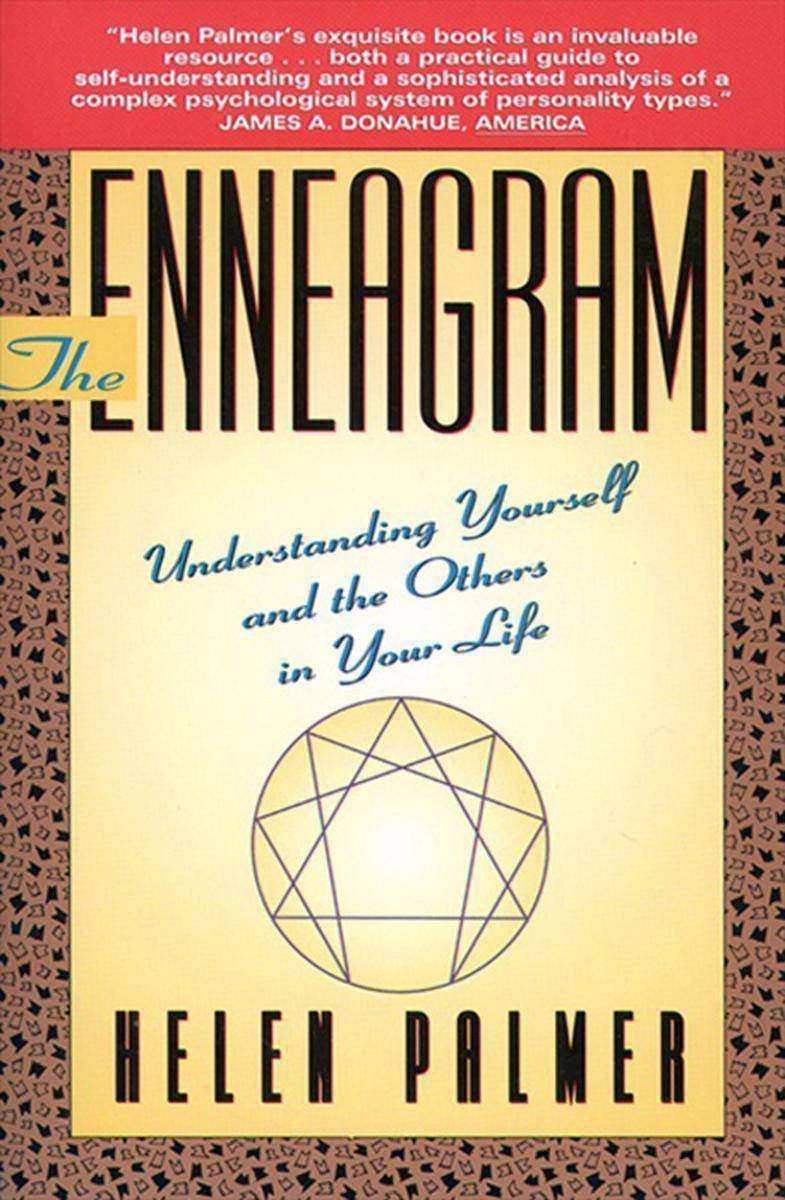
The Enneagram
¥101.00
It would be impossible for most of us to spend a day without coming into direct or indirect contact with dozens of people family, friends, people in the street, at the office, on television, in our fantasies and fears. Our relationships with others are the most changeable, infuriating, pleasurable and mystifying elements in our lives. Personality types, based on the ancient system of the Enneagram, will help you to enjoy more satisfying and fulfilling relationships in all areas of your life by introducing you to the nine basic personality types inherent in human nature. This knowledge will help you better understand how others think and why they behave as they do, as well as increasing your awareness of your own individual personality. Written by the leading world authority on the Enneagram, it offers a framework for understanding ourselves and those around us, as well as a wealth of practical insights for anyone interested in psychology, counselling, teaching, social work, journalism and personal management.
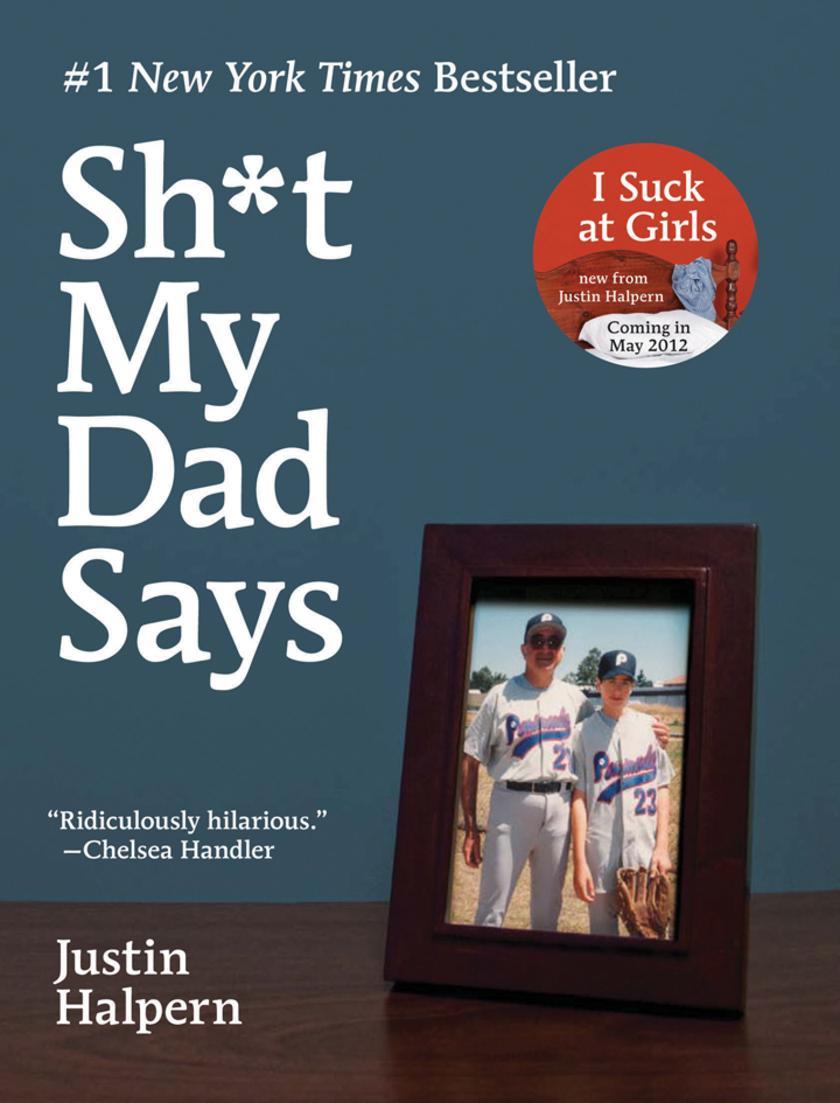
Sh t My Dad Says
¥95.11
After being dumped by his longtime girlfriend, twenty-eight-year-old Justin Halpern found himself living at home with his seventy-three-year-old dad. Sam Halpern, who is "like Socrates, but angrier, and with worse hair," has never minced words, and when Justin moved back home, he began to record all the ridiculous things his dad said to him: "That woman was sexy. . . . Out of your leagueSon, let women figure out why they won't screw you. Don't do it for them." "Do people your age know how to comb their hairIt looks like two squirrels crawled on their heads and started fucking." "The worst thing you can be is a liar. . . . Okay, fine, yes, the worst thing you can be is a Nazi, but then number two is liar. Nazi one, liar two." More than a million people now follow Mr. Halpern's philosophical musings on Twitter, and in this book, his son weaves a brilliantly funny, touching coming-of-age memoir around the best of his quotes. An all-American story that unfolds on the Little League field, in Denny's, during excruciating family road trips, and, most frequently, in the Halperns' kitchen over bowls of Grape-Nuts, Sh*t My Dad Says is a chaotic, hilarious, true portrait of a father-son relationship from a major new comic voice.
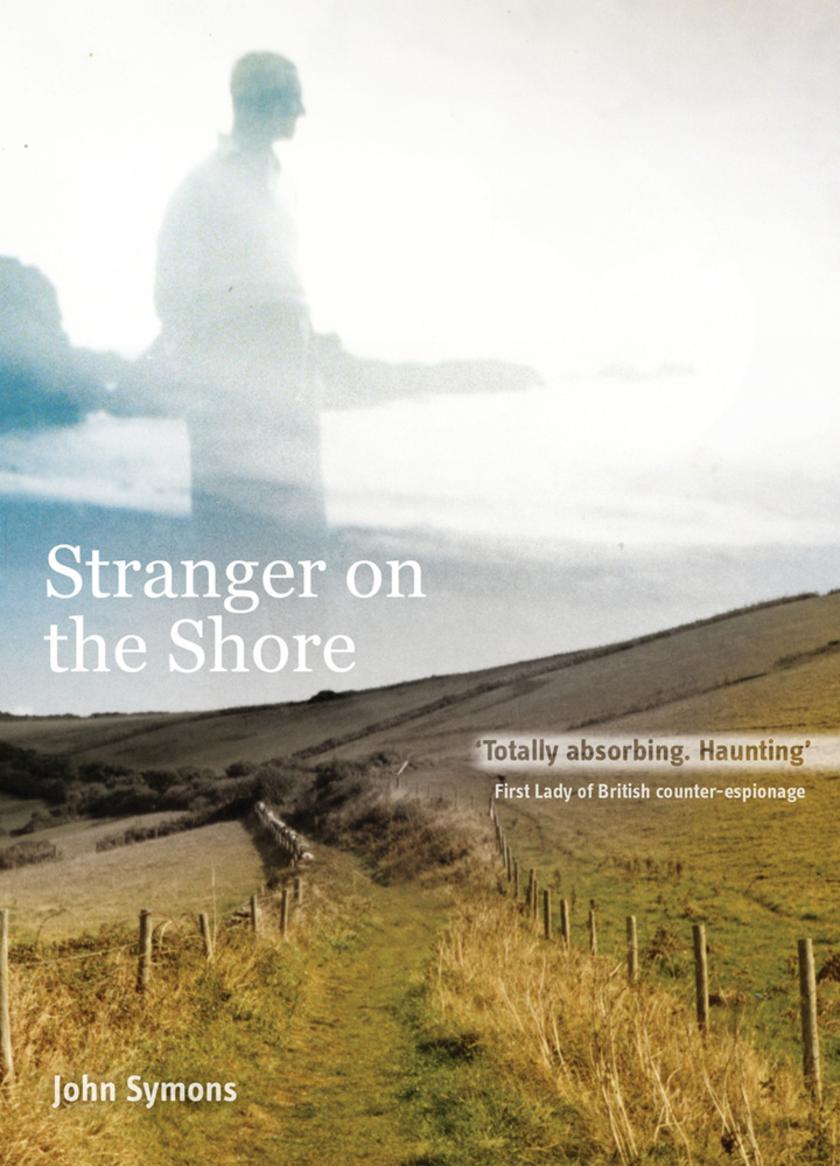
A Stranger On The Shore
¥24.44
Tracing the life of the author’s father, this passionate, vivid memoir follows him through his childhood in the west of England, his successful 25-year career in the Indian Army prior to the country’s independence in 1947, and his final years in Devonshire, where he raised a family while the symptoms of Huntington’s disease gradually set in. Born of a family of impoverished Cornish fishermen, he and his six sisters cared for their dying mother after losing their father at the start of the First World War, before Huntington’s reared itself in their lives and led to the early death of three of the siblings. An absorbing, tense story of an emerging family crisis, this is an inspiring narrative showing that, through courage and faith in the face of great adversity, peace can be found. William Symons was born in Newlyn in 1878. Following family tradition he became a fisherman and a member of the Royal Naval Volunteer Reserve. In 1914, following some early action at sea in the First World War, he died at the age of 36 yrs, leaving a widow and seven children, a boy and six girls. Unknown to him, and to his family, he left another legacy. In his body he carried a faulty gene, which, if inherited, could lead to Huntington’s chorea, a disease that normally becomes apparent in middle age. William died before symptoms appeared but the disease, known at the time as St Vitus Dance, was to claim the lives of a number of his descendants. This book chronicles the life of his eldest child, and only son, William John, who was 12 years old at the time of his father’s death. There was a small naval pension and William earned what pennies he could in his spare time until he left school the following year aged 13 years and went to work, initially for Dick Bath, the coal merchant. Somehow the family managed to stay together even after the death of his mother, Florence Louisa, from tuberculosis in 1921. They attended St. Peter’s Church, where the vicar, Mr Phelps, knew the family well and gave them his support. In 1919 William (always known as ‘Jack’ in the family) signed on as a soldier in the Duke of Cornwall’s Light Infantry and thus started a lifetime career in the Army and, from 1922, a long period of service in India. Mr Phelps helped him to weigh everything up and arrive at the decision to make this move. And so the story unfolds’. Eventually, at the age of 70 years, chorea would claim his life, but it was a life that saw a lot of happiness. Not least the birth of his two sons. The elder of these, John Symons, is the writer of this book.
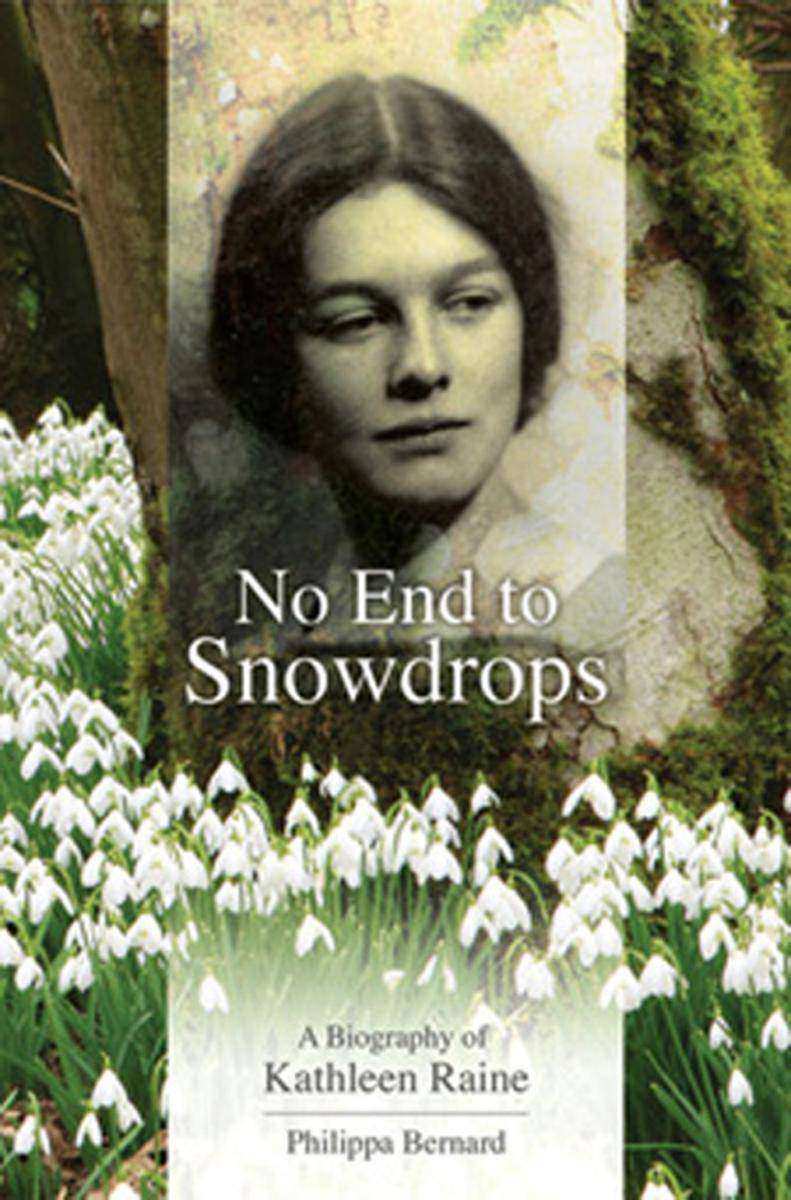
No End to Snowdrops A Biography Of Kathleen Raine
¥24.44
This authorised biography of the poet Kathleen Raine tells the story of how she developed from a small girl, who knew at the age of eight that she wanted only to write poetry, into a world-renowned poet and literary scholar. Philippa Bernard follows Kathleen Raine’s struggle against the constrictions of her suburban childhood to her exciting days at Girton College in the twenties, where she became friends with many brilliant writers, artists and scientists, including William Empson, Julian Trevelyan, Jakob Bronowski and the film maker Humphrey Jennings, friendships which lasted all her life. After a short marriage to Hugh Sykes Davies, she eloped with the poet Charles Madge to live in Blackheath where two children were born. An affair led to a break with Charles, who was involved at the time with Inez Spender, wife of the poet Stephen, and at the outbreak of war in 1939, she ran away with her children to the Lake District to the home of Michael Roberts and his wife Janet Adam Smith. Taking a cottage near Ullswater, she found a peaceful seclusion which enabled her to write some of her finest poetry, but found it difficult to support her family. Leaving the children with her friend, the art patron Helen Sutherland, she moved to London. In a room off the Tottenham Court Road, she came to know Sonia Brownell (later to marry George Orwell) who introduced her to the artists and writers of the Fitzrovia set, Dylan Thomas, Cyril Connolly and Rex Whistler among them, and including the strange figure of Tambi – James Tambimuttu – who published her first book of poems, Stone and Flower. Kathleen had already achieved much critical acclaim and published several volumes of poetry when she met through Tambi the naturalist and explorer Gavin Maxwell. She fell disastrously in love with him, but his homosexuality, which she understood from the beginning of their relationship, proved too much of an obstacle, for she totally failed to understand that this delightful companion, whose love of all natural things matched her own, completely failed to reciprocate the warmth of feeling that overwhelmed her. The title of his book, Ring of Bright Water, centred around his beloved otters at his home in Scotland, was taken from a poem of hers. An intensive period of research on the poet William Blake led to the publication of Blake and Tradition, marking Kathleen out as a leading Blake scholar. This was followed by works on Coleridge, Yeats and Thomas Taylor. Towards the end of her long life Kathleen Raine founded the journal Temenos with the help of Prince Charles, who became a good friend. She travelled to India, was honoured with the Queen’s Gold Medal for Poetry and made a Companion of Honour. Philippa Bernard met her as a neighbour in Chelsea where she and her husband owned an antiquarian bookshop. In this book she assesses sympathetically the work of Kathleen Raine, but does not hesitate to throw a critical light on this unusual woman of the highest intellect who loved her children deeply but deserted them to follow her instincts, who had an entirely practical attitude to the world about her, but who pursued a spiritual path, and who achieved so much in the world of literature and poetry.
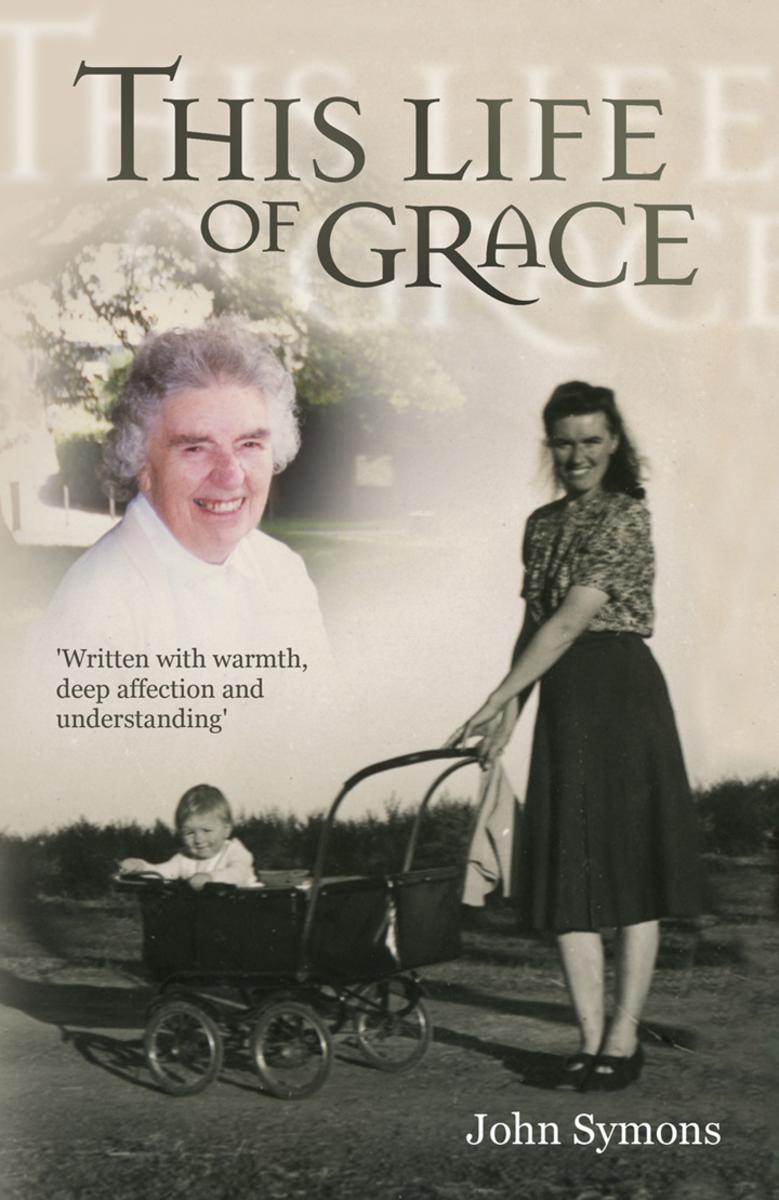
This Life Of Grace
¥24.44
This Life of Grace is a biography and a history. It tells the story of Grace Jarrold, the youngest of eight children, who lived for almost ninety years in the village of Plympton in Devon. It also tells the story of the village over the last century, beginning with the Great War of 1914-1918, school life at that time as revealed in original documents, the building of ‘homes fit for heroes’ in the 1920s, and the General Strike of 1926. It describes the dwindling of the old ‘upstairs-downstairs’ life, the approach of the Second World War and the Blitz of Plymouth. After the tranquil period of fifteen years that followed the War, things changed at great speed. The influence of farming declined, leading to the closure of Plympton Market in 2002. The village grew to ten times its size at the time of Grace’s birth and it was absorbed into the City of Plymouth. All the events are recorded as they affected local people. Grace is at the heart of the story, much of it told in her words, related remarkably to the author in frank conversations as she relived her life when it was drawing to its close, during almost three years in a hospital bed. The life of her husband, Major William John Symons, of the Indian Army, is told by the same author in Stranger on the Shore, published in 2009. In a pre-publication review, Peter Smith of Crane Books, writes, ‘I liked This Life of Grace even more than Stranger, which I had found engrossing and very moving. This Life of Grace is written with such warmth and deep affection and understanding, bringing the characters vividly to life. Grace was a person of dignity and humility, an unusual combination, to which I felt a sense of eloquence, wit and humour should be added. She was very much a Grace.’
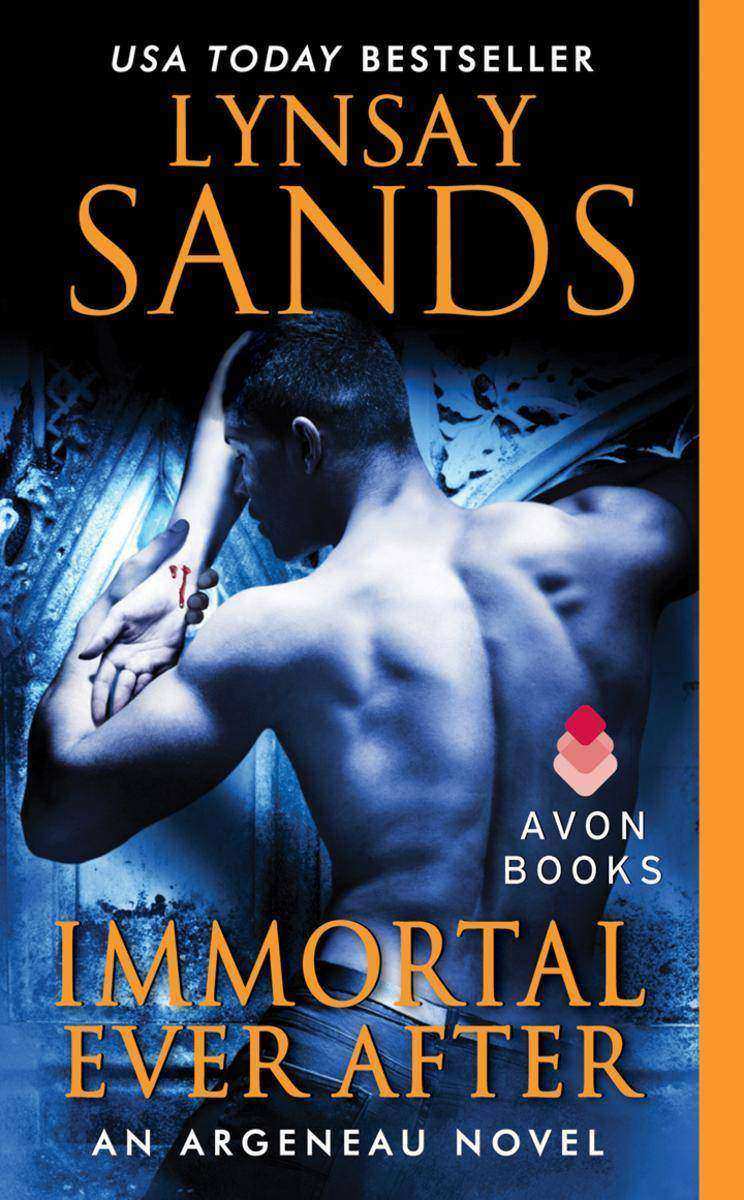
Immortal Ever After
¥56.07
New York Times bestselling author Lynsay Sands delivers a wickedly fun Argeneau novel featuring a vampire ready to claim his mate and the beauty who resists her fate! A kiss doesn’t mean eternity . . . Valerie Moyer doesn’t believe in vampires until she is kidnapped by a fanged psychopath! After escaping her bloodthirsty captor, she through with creatures of the night. Until she finds herself under the protection of the darkly handsome Anders. Not only is she expected to accept that Anders is immortal, but also that she is the woman destined to be his life mate! . . . Or does itAnders felt a connection to Valerie from the moment he cradled her bruised body in his arms. But before he claims her, he must destroy the vampire who almost stole her from him forever. His job would be easier if Valerie didn’t fight him every step of the way. Still, Anders loves a challenge, and the green-eyed beauty is worth fighting for!
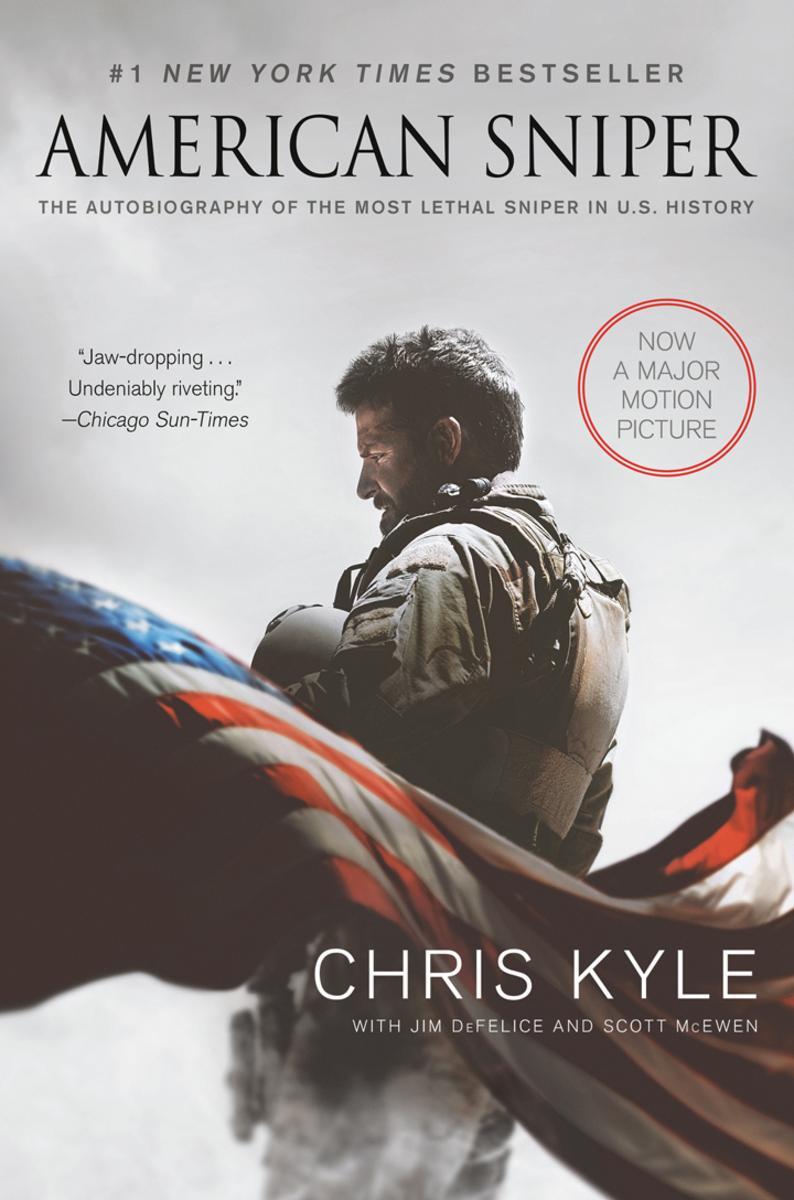
American Sniper
¥69.16
NOW A BLOCKBUSTER MOTION PICTURE DIRECTED BY CLINT EASTWOOD NOMINATED FOR SIX ACADEMY AWARDS, INCLUDING BEST PICTURE He is the deadliest American sniper ever, called “the devil” by the enemies he hunted and “the legend” by his Navy SEAL brothers . . . From 1999 to 2009, U.S. Navy SEAL Chris Kyle recorded the most career sniper kills in United States military history. The Pentagon has officially confirmed more than 150 of Kyles kills (the previous American record was 109), but it has declined to verify the astonishing total number for this book. Iraqi insurgents feared Kyle so much they named him al-Shaitan ( the devil ) and placed a bounty on his head. Kyle earned legendary status among his fellow SEALs, Marines, and U.S. Army soldiers, whom he protected with deadly accuracy from rooftops and stealth positions. Gripping and unforgettable, Kyle masterful account of his extraordinary battlefield experiences ranks as one of the great war memoirs of all time. A native Texan who learned to shoot on childhood hunting trips with his father, Kyle was a champion saddle-bronc rider prior to joining the Navy. After 9/11, he was thrust onto the front lines of the War on Terror, and soon found his calling as a world-class sniper who performed best under fire. He recorded a personal-record 2,100-yard kill shot outside Baghdad; in Fallujah, Kyle braved heavy fire to rescue a group of Marines trapped on a street; in Ramadi, he stared down insurgents with his pistol in close combat. Kyle talks honestly about the pain of war of twice being shot and experiencing the tragic deaths of two close friends. American Sniper also honors Kyles fellow warriors, who raised hell on and off the battlefield. And in moving first-person accounts throughout, Kyles wife, Taya, speaks openly about the strains of war on their marriage and children, as well as on Chris. Adrenaline-charged and deeply personal, American Sniper is a thrilling eyewitness account of war that only one man could tell.
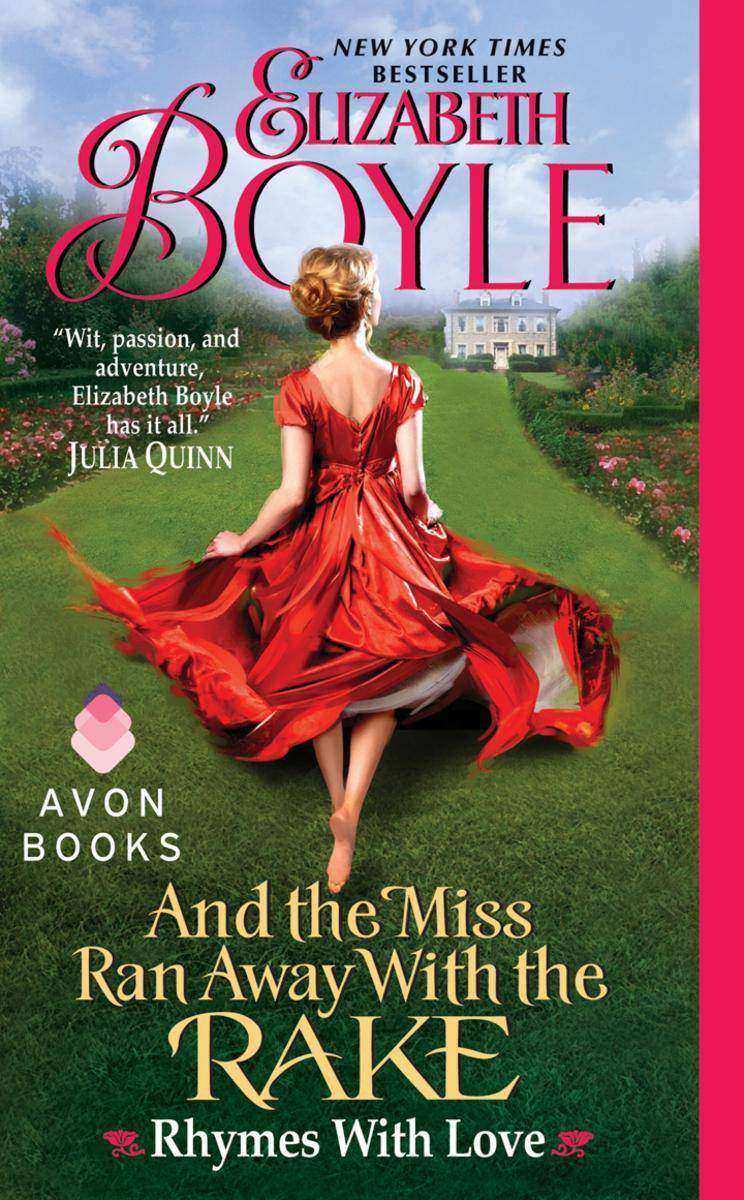
Avon
¥55.31
Sensible gentleman of means seeks a sensiblelady of good breeding for correspondence, and indue consideration, matrimony. Which is exactly the sort of advertisement that makespractical-to-a-fault Daphne Dale's heart flutter. A sensiblegentleman, in her estimation, is the perfect match,and she's even more convinced once she's exchanging sensiblyromantic letters with her very appropriate suitor. That is,until Lord Henry Seldon strays into her path. He's everythingshe's vowed to avoid a rakish charmer whose verytouch seduces her practical sensibilities and her resolve. Lord Henry Seldon was not amused when his nephewplaced an advertisement to find him a wife. Yet he couldn'tresist replying to the note from "Miss Spooner." And oncehe discovers he's corresponding with none other thanthe disarming Daphne Dale, he finds it's too late to disavowhis heart. Now it is up to Henry to prove to Daphne just howinsensible and powerfully passionate true love can be . . .

Londoners
¥95.11
Five years in the making, Londoners is a fresh and compulsively readable view of one of the world's most fascinating cities a vibrant narrative portrait of the London of our own time, featuring unforgettable stories told by the real people who make the city hum. Acclaimed writer and editor Craig Taylor has spent years traversing every corner of the city, getting to know the most interesting Londoners, including the voice of the London Underground, a West End rickshaw driver, an East End nightclub doorperson, a mounted soldier of the Queen's Life Guard at Buckingham Palace, and a couple who fell in love at the Tower of London and now live there. With candor and humor, this diverse cast rich and poor, old and young, native and immigrant, men and women (and even a Sarah who used to be a George) shares indelible tales that capture the city as never before. Together, these voices paint a vivid, epic, and wholly original portrait of twenty-first-century London in all its breadth, from Notting Hill to Brixton, from Piccadilly Circus to Canary Wharf, from an airliner flying into London Heathrow Airport to Big Ben and Tower Bridge, and down to the deepest tunnels of the London Underground. Londoners is the autobiography of one of the world's greatest cities.


