


 购物车
购物车 个人中心
个人中心
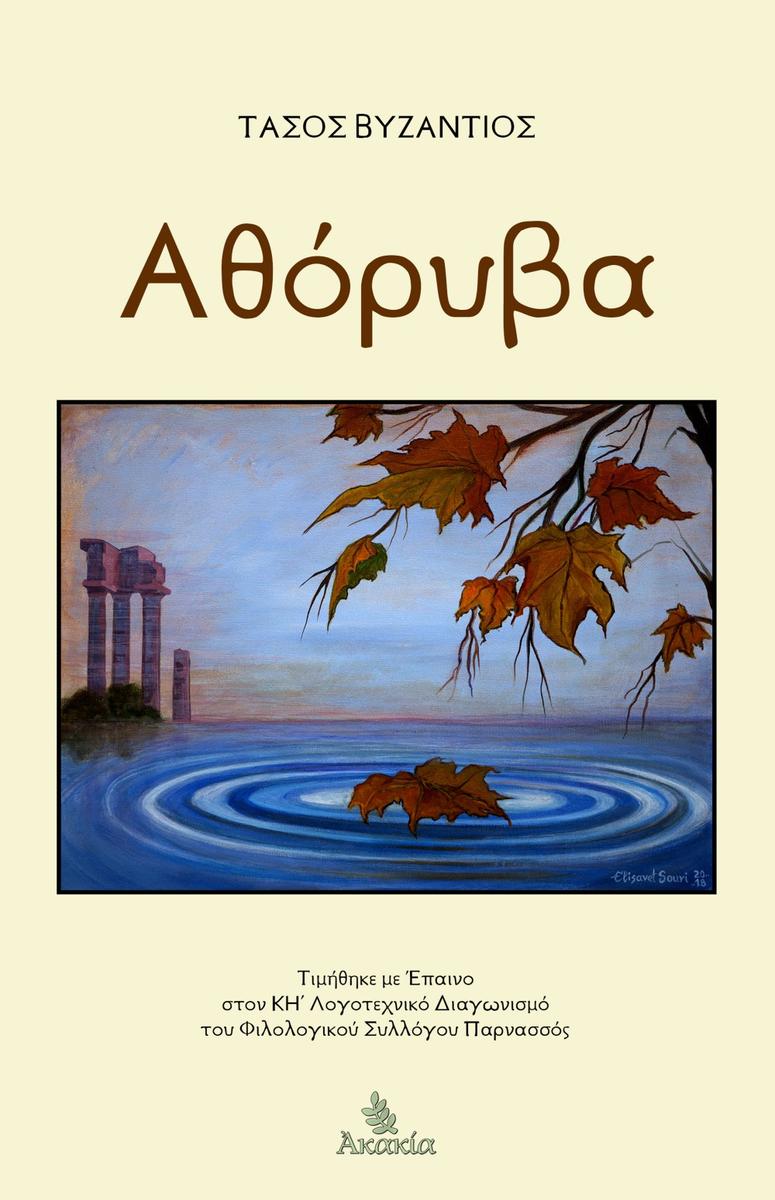
ΑΘΟΡΥΒΑ
¥52.40
Η Πο?ηση, οι εμπνε?σει? και τα μην?ματα που προσωπικ? και αυθ?ρμητα εκπ?μπονται απ? την ψυχ? του ποιητ? δ?σκολα περιγρ?φονται και αναλ?ονται. Ο Γι?ργο? Σεφ?ρη? δεν ?θελε να μιλ? και να εξηγε? τ?ποτα απολ?τω? για τα ποι?ματ? του. Ο Euros Bowen ?λεγε πω? ?η Πο?ηση δεν ε?ναι λ?ξει?, αλλ? ο χορ?? τη? φωτι???! Την παραλληλ?ζει δε με τη φωτι?, ?χι με την ?ννοια τη? καταστροφ?? και τη? απ?λειψη?, αλλ? με την εξαιρετικ? ?ννοια του καυτηριασμο?, τη? κ?θαρση? και επομ?νω? τη? θεραπε?α?. Κι αυτ? τα στοιχε?α προσφ?ρονται π?ντα... αθ?ρυβα!
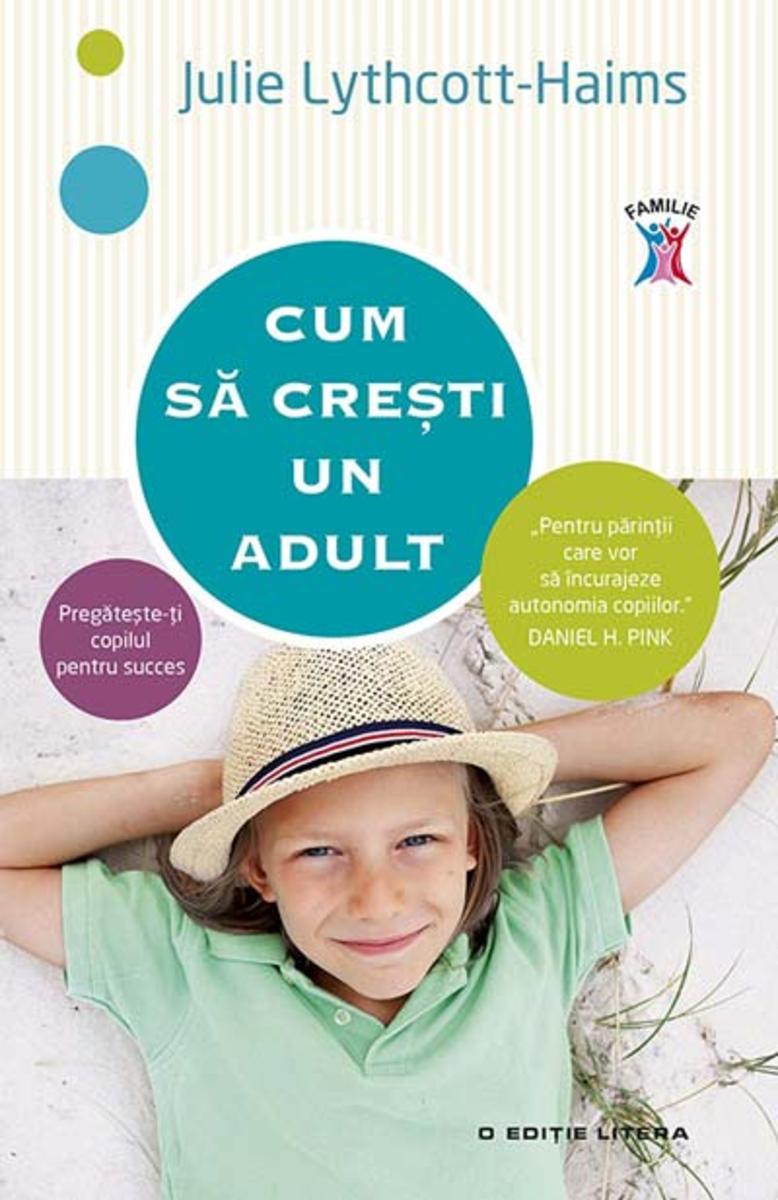
Cum s? cre?ti un adult. Preg?te?te-?i copilul pentru succes
¥67.53
n noaptea dinaintea zilei n care mplinea 40 de ani, Rich Roll a avut revelaia nspimnttoare a viitorului su. Cntrind cu aproape 25 de kilograme mai mult dect normalul i incapabil s urce cteva scri fr s gfie, a putut s vad care era rezultatul stilului su de via complet sedentar – i ce fel de schimbare trebuie s adopte pentru a obine rezultate reale. Adoptnd o nou rutin care punea pe primul loc nutriia din plante si antrenamentele zilnice, Rich s-a transformat – n doar cteva luni – dintr-un brbat total ieit din form, ntr-o adevrat mainrie“ destinat sportului de anduran. Omul ultra relateaz cltoria remarcabil a lui Rich spre linia de start a competiiei de elit Ultraman, care i supune pe cei mai n form oameni din lume la un calvar de peste 500 de kilometri strbtui not, pe biciclet i n alergare. i, dup acest test, Rich a trecut cu succes de unul chiar mai dificil: EPIC5 – cinci triatloane pe distana folosit la competiia Ironman, fiecare dintre ele pe o insul diferit din arhipelagul Hawaii, toate finalizate n mai puin de o sptmn. Omul ultra este un portret minunat despre ceea ce poate realiza puterea voinei. Ne provoac pe toi s ne gndim din nou la ce suntem capabili s realizm i ne ndeamn, implicit i explicit, s trecem la treab“.

William the Conqueror
¥27.88
ALTHOUGH Rouen is now very far before all the other cities of Normandy in point of magnitude and importance, and though Rollo, in his conquest of the country, made it his principal headquarters and his main stronghold, it did not continue exclusively the residence of the dukes of Normandy in after years. The father of William the Conqueror was Robert, who be-came subsequently the duke, the sixth in the line. He resided, at the time when William was born, in a great castle at Falaise. Falaise, as will be seen upon the map, is west of Rouen, and it stands, like Rouen, at some distance from the sea. The castle was built upon a hill, at a little distance from the town. It has long since ceased to be habitable, but the ruins still remain, giving a picturesque but mournful beauty to the eminence which they crown. They are often visited by tra-velers, who go to see the place where the great hero and conqueror was born.??It was about 870 that Rollo was banished from Norway, and a few years after that, at most, that he landed in France. It was not, however, until 912 that he concluded his treaty of peace with Charles, so as to be fully invested with the title of Duke of Normandy. He was advanced in age at this time, and, after spending five years in settling the affairs of his realm, he resigned his dukedom into the hands of his son, that he might spend the remainder of his days in rest and peace. He died in 922, five years after his resignation.??He was only ten years old when his father was assassinated. He became involved in long and arduous wars with the King of France, which compelled him to call in the aid of more Northmen from the Baltic. His new allies, in the end, gave him as much trouble as the old enemy, with whom they came to help William contend; and he found it very hard to get them away. He wanted, at length, to make peace with the French king, and to have them leave his dominions; but they said, "That was not what they came for." Richard had a beautiful daughter, named Emma, who afterward became a very important political personage, as will be seen more fully in a subsequent chapter.?Richard died in 996, after reigning fifty-four years.

Biruitorii mor?ii
¥81.67
n doar civa ani, tefan Manasia a devenit una dintre cele mai importante figuri ale poeziei noastre de azi. i nu m refer aici doar la activitatea lui poetic propriu-zis (dac lsm la o parte plachetele underground, autorul a publicat deja trei volume), ci i la prezena pregnant n spaiul public(istic).“ – Alex Golditefan Manasia dispune – i n noul volum se vede cu ochiul liber – de o capacitate enorm de a experimenta. De altfel, poetul este cunoscut nc de la Amazon ca un mptimit al stilisticii glam. Poezia luxuriant, baroc, domolit i mprosptat de o estetic a onestitii discursului definesc, acum la al patrulea volum, anarhismul livresc al autorului.“ – tefan Baghiu

Váláshelyzet: Egy féltékeny feleség dilis ámokfutása
¥51.26
Babits Mihály remekbe szabott válogatása és ezek m?fordításai 1947-ben jelent meg az Officina Kiadó gondozásában. Az Erato példás munka, mely hozza az eredeti nyelv? változatot, legyen az g?r?g, latin, olasz, francia, vagy angol nyelv?. Manapság az a generáció, mely egyként képes a digitális világban eligazodni és g?r?g, vagy latin nyelven olvasni és érteni, megszámlálhatóan kicsiny lélekszámú. Ezért úgy d?nt?ttünk, hogy elhagyjuk az eredeti változatban megtalálható g?r?g és latin nyelv? verseket és csak Babits magyar nyelv? m?fordítását k?z?ljük abban a sorrendben, ahogy az egykori k?tet oldalain megjelentek. Reméljük, hogy a digitális világ szerelemre, lírára fogékony és olvasni kedvel? lakói értékelik vállalkozásunkat. Jó olvasást, és felr?ppen? szerelmes sóhajokat kívánunk.
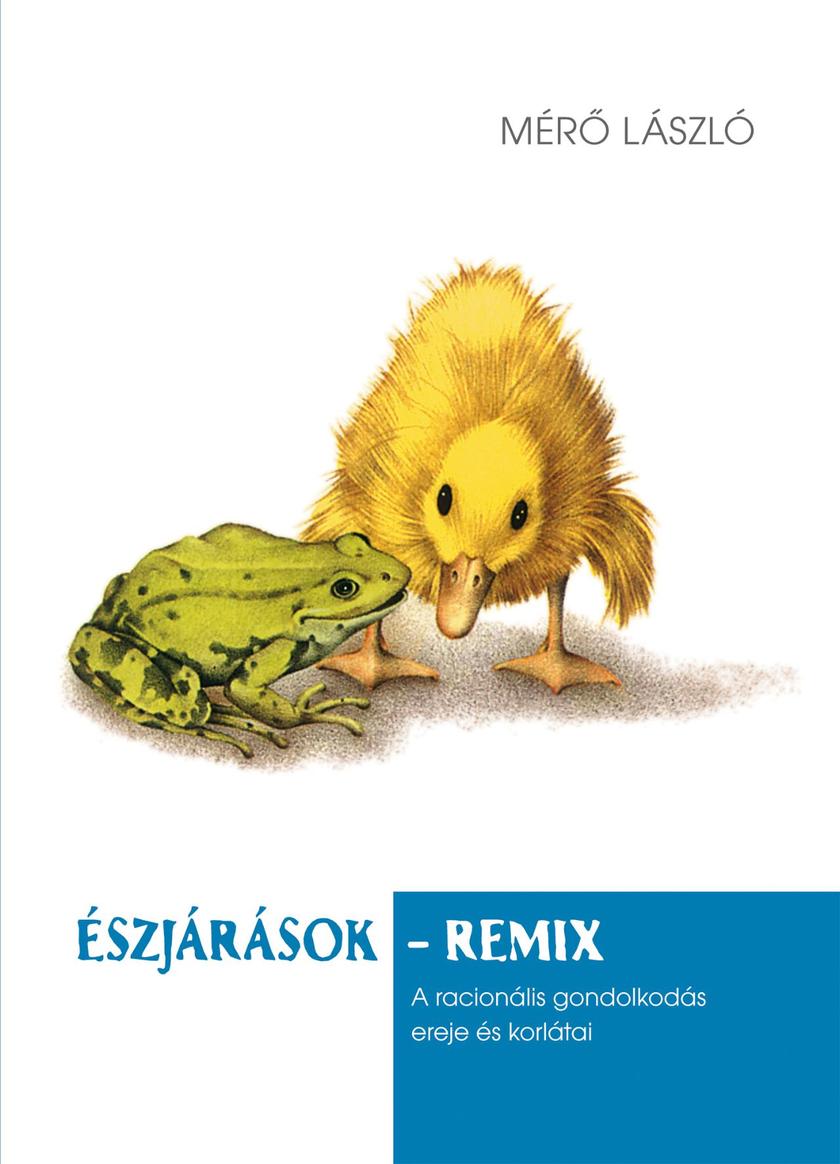
?szjárások-remix
¥66.87
Rónai Egon nagy siker? m?sorának legérdekesebb beszélgetéseib?l szerkesztett k?tetet. Vendégei a magyar kulturális, gazdasági és politikai élet legjavából kerültek ki. Az elgondolkodtató interjúkkal most k?nyv alakban találkozhat az olvasó. ?… remekül tudok élni, mert nagyon boldog tudok lenni, ha kisüt a nap… De ahogy múlik az id?, változik, mert tudja, jól vagyunk megteremtve. Fiatalon még sokkal k?nnyebben átlépünk tragédiákat… Ilyenkor meg már sokkal jobban nyomaszt az emberi szenvedés. Hihetetlen, hogy mit tudunk kitalálni egymás ellen!”/ T?r?csik Mari/?A kapitalista piacgazdaságban nincs teljes foglalkoztatás, az a szocializmusban volt, amikor a kapun belüli munkanélküliség formájában eltüntették a kapun kívüli munkanélküliséget. Teljesen értelmetlen azzal a tudatot torzítani, és az embereket ilyen értelemben butítani, hogy teljes lesz a foglalkoztatás.”/ Bokros Lajos/?Rengeteg telefonviccet meg egyebeket csináltam, szeretem az életben is a váratlan helyzeteket, ilyen pánik szituációkban elég jól viselkedem. Azt szoktam mondani, hogy velem koccanni autóval, az egy mámor a másiknak. Mert én r?h?gve szállok ki, nem ordítok, hogy maga barom.” /Szilágyi János/?Más id?k voltak, az igaz. 2002-t?l t?rt el valami ebben az országban. 2002-ben, amikor nagyon sokad magammal felültem oda a tribünre, Orbán Viktor beszéde m?gé, akkor ez nagyon érdekes hatással volt a k?rnyezetemre.” /Kovács ’Kokó’ István/ Rónai Egon újságíró, televíziós-rádiós m?sorvezet?. Ahogy mondja, 50 éves, de 60 éve van a szakmában: 15 év az írott sajtóban, 25 a rádiózásban, 20 a televízióban. Pályafutását a Népsportnál kezdte, azután a rádiózás k?vetkezett, a Magyar Rádió, majd a Danubius Rádió, amelynek alapító tagja, kés?bb program- és hírigazgatója volt. Vezette a Budapest Rádiót és a PontFM Rádiót. 2000-ben bábáskodott a Sport1 TV indulásánál is, ahol aztán egy évtizedet t?lt?tt. Ezután csábította el jelenlegi munkahelye, az ATV. Ezek mellett másfél évtizeden át tanította a rádiós utánpótlást, k?zben 12 éven át reklámügyn?kséget is vezetett. Az ATV-ben a Start! cím?, reggeli politikai magazin mellett Csatt címmel vitam?sort vezet. A k?tet beszélgetéseinek az alapja a 2011 óta minden héten - jelenleg is - jelentkez? portrém?sora, a Húzós.
Arta de a iubi
¥48.97
Heyman ?vát 1944-ben, Nagyváradon hurcolták el?bb gettóba, majd Auschwitzba, ahol személyesen Mengele küldte a halálba. Tizenhárom éves volt. Titkos naplóját édesanyja találta meg, aki k?nyvvé formálta, és kiadta. ?gy lett ?va naplója a holokauszt egyik legmegrázóbb dokumentuma. Az olykor érezhet? anyai beavatkozástól a napló még drámaibb, még megrázóbb lett, f?ként, mert tudjuk: a megjelenés után ?va édesanyja mély depresszióba esett, majd ?ngyilkos lett. A napló azóta megjelent angolul, héberül, néhány évvel ezel?tti, ?va lányom cím?, magyar kiadása után pedig németül, franciául, spanyolul és baszk nyelven is. "Pedig, kis naplóm, én nem akarok meghalni, én még akkor is élni akarok, ha egyedül az egész k?rzetb?l csak én maradhatnék itt. ?n egy pincében, vagy egy padláson, vagy bármilyen lyukban is kivárnám a háború végét, én, kis naplóm, még a kancsi csend?rt?l, aki elvitte a lisztet t?lünk, még attól is hagynám magam megcsókolni, csak ne ?ljenek meg, csak hagyjanak élni!"A család elhurcolásáról Zsolt Béla: Kilenc koffer c. k?nyvében írt, melyet "Az emberi becstelenség krónikája" - ként tart számon a The Observer.
Probleme vitale
¥24.44
Da. E despre mine. E despre tine. E despre noi. Din toate p?r?ile ?i toate direc?iile. Despre falimentul moral ?i trezirea spiritului. Despre cum e s? ui?i ?i c?t de bine e s? ??i reaminte?ti. (Beatrice, activist) Un volum de poezii despre poezia ?i nepoezia vie?ii. Mai degrab? despre ce omoar? poezia vie?ii. De citit dac? sunte?i odihni?i ?i cu chef de introspec?ie. Aten?ie, poate s? doar?. (Mihaela, manager) Am frunz?rit-o cu trufia c? nu e despre mine. Am citit-o cu teama c? ar putea fi despre mine. Am recitit-o cu ambi?ia s? nu devin? despre mine. (Ioana, manager formare) Am deschis cartea, am r?sfoit, am citit. Apoi am ?nchis Outlook-ul ?i m-am g?ndit la lucruri simple: prieteni, muzic?, sine. (Andrei, copywriter) Am avut permanent senza?ia c? navighez pe valuri, fel de fel de valuri, valuri peste valuri de via??, valuri cu gloata mijlocie, prins? ?n caden?a asta a noastr?, modern? ?i golit? de rost personal. (Carmen, strategic planner) O oglind? care reflect? ?n cuvinte propria via?? – care via??? – multiplicat? ?n mii de alte trupuri, care tr?iesc aceea?i nesf?r?it? ?zi a c?rti?ei“. (Sylvia, marketing manager) Mi-a transmis impresia de oper? rock, sau, m? rog, cum s-ar putea numi a?a ceva pe muzic? de Parov Stelar, Nicholas Jarr ?i al?ii mai de acum. (?tefan, student) ?Auzi, de ce nu scrie nimeni poezie despre corporati?ti?“ m-a ?ntrebat un prieten acum vreo cinci ani. La vremea aceea am pufnit ?n r?s de mi-a dat ?pri?ul pe nas, dar, anul trecut, mi-am dat seama c? se poate. Tocmai terminasem Saga – bilete la clasa din mijloc, un poem epic, ironic ?i ?ntins pe vreo 30 de pagini. Despre iubirea dintre doi corporati?ti, desp?r?i?i ?n adolescen?? ?i reg?si?i la disperare, pe la 30 de ani ?i ceva, cu ocazia unui infarct. L-am rugat pe Paul Hitter, ale c?rui desene cu miz? social? ?i tu?e cinice m? atr?geau demult, s? ilustreze c?teva scene din istoria celor doi eroi ai poemului. Au ie?it 7 desene care nu doar ajut? textul, ci duc povestea mai departe, o cresc ?i o dezvolt?. Din vagonul de accelerat Timi?oara-Bucure?ti p?n? pe malul m?rii, Paul a transcris vizual o hart? a nelini?tilor, fricilor, la?it??ilor ?i speran?elor unei genera?ii care a ?mb?tr?nit ?nainte de vreme, dar care ?nc? sper? la evadare. Saga – bilete la clasa din mijloc este o carte-album despre noi ?i despre voi, despre cei ce umplu sta?ia Pipera la 7 diminea?? ?i despre cei care r?d de ei ?ntorc?ndu-se din club, despre cei adu?i la nebunie de creditul ipotecar ?i cei ?ntor?i victorio?i ?i ar?i din Goa sau de la festivaluri. Este poezie pentru c? sunte?i poezie, este scris? pentru c? trebuia scris? ?i este desenat? ca s? nu mai existe niciun dubiu.“ (T?u?ance)

Ultima vr?jitoare din Transilvania. Vol. 1 - Contesa Aneke
¥40.79
Debut?nd cu volumul Mandala (Editura Vinea, 2005), Oana C?t?lina Ninu n-a ratat aproape niciunul dintre premiile care i-au ie?it in cale. O recunoa?tere, f?r? ?ndoial?, meritat?, ?ntruc?t vorbim despre cel mai semnificativ debut liric din anul respectiv. [...] Oric?t de rebele, reprezent?rile se topesc ?ntr-o sintax? aluvionar?, corodat? prin dialogism ?i nivelat? prin directe?e. De altfel, ?n Mandala, fracturat nu e at?t discursul, care se deruleaz? lent ?i f?r? intersti?ii vizibile, c?t universul reprezent?rilor, care suport? o macera?ie organizat? din partea unei viziuni schizoide. Poemele C?t?linei Ninu descriu, cu o fervoare incandescent?, cele mai diverse forme de mutilare, ?n slujba c?rora eul liric pune la b?taie un arsenal impresionant (foarfece, ace, ?urubelni?e, col?i, unghii, bricege, lame, epilatoare, v?traie etc.), care l-ar face s? p?leasc? de invidie pe un anumit conte austriac. ?i nu e de mirare, de vreme ce figura central? a Mandalei se prezint?, ?nc? din primul text al volumului, drept ?femeia foarfec?“. (Andrei Terian, ?n Ziarul de duminic?)?Fuga de feminitate“, exorcizarea umorilor feminine ?i a corporalit??ii maligne devine miza actului poetic, prin care femeia real? e ?nlocuit? prin ?femeia inscrip?ionat?“. El are ?ns? caracterul unei vivisec?ii, presupune scormonirea nemiloas? a fibrelor ?i a ?esuturilor, e o autotortur? aproape cu neputin?? de ?ndurat, astfel ?nc?t privirea introspectiv?, care scormone?te ca un bisturiu ?n profunzimea plasmei organice cunoa?te momente de relaxare, deplas?ndu-se (ca in ciclul Nu e timpul,fato) de la spectacolul visceralit??ii ?n criz? la filmul cotidianului. Acum, Oana C?t?lina Ninu abordeaz? reportajul autenticist, care cap?t? ?ns? aspectul ?picturilor metafizice“, unde realul e ?textualizat“, realc?tuit, devenind suportul reveriei thanatice, c?ci poeta descrie ?cet??i ale mor?ilor“, evoc? ritualuri funerare grote?ti sau sortilegii sanguinare. (Octavian Soviany ?n Luceaf?rul)Mandala este ?i una dintre figurile ini?ierii. Poezia se scrie ?mpotriva limbajului dat, ?mpotriva sensului uzat, cu sufletul, dar ?mpotriva lui, cu trupul, dar ca mortificare a trupului, cu durere, ca singur vaccin al durerii prin smulgerea ei din trup ?i a?ezarea ei ?n pagin?. (Alex Matei ?n Observator cultural)Poemele se sus?in unele pe altele ?ntr-o ordine nu mecanic?, de domino, ci subversiv?: ?povestea“ ?nainteaz? exclusiv de la un ciclu la altul. ?n interiorul secven?elor, numai discurs: fragmentele narative sunt sincopate ori deturnate. O anume urgen?? a durerii, o panic? reverberat? fiziologic ?n prima parte a volumului (mandala) cedeaz? locul unei aluviuni de repro?uri distante mim?nd refrenul (nu te mai preface ana), apoi unei terapii solitare, cu oscila?ii ?i indecizii (nu e timpul fato). Iat? o radiografiere par?ial? a zonelor liminare. P?n? aici, nu de pu?ine ori scabrosul corporal (sexual sau nu, dup? caz) conserv? atmosfera co?maresc?, comparabil? aceleia din Capriciile lui Goya. (Cosmin Ciotlo? ?n Rom?nia literar?).
Caietul Roxanei ?i alte Jurnale
¥40.79
S?nge albastru nu mai exist? pe pia?a de carte de zeci de ani. De fapt, de la debut, din 1969. C?nd scriu aceste r?nduri, ?nc? nu mi-am rev?zut ?i recitit cartea. Aproape c? pot spune c? nu am habar ce am scris ?n S?nge albastru. ?i nici nu cred c? a? putea fi obiectiv? fa?? de valoarea estetic? a c?r?ilor mele de ?nceput. Nu-mi amintesc s? fi scris cineva, vreun critic, c?t ar fi fost el de neverosimil, despre carte. E?ecul a fost total. To?i colegii de v?rsta mea debutaser? deja, cu brio. Pentru ei ?ncepuser? vremurile recunoa?terii ?i ale privilegiilor. Eu s?pam, ca o c?rti?? kafkian?, bolnav? ?i oarb?, prin p?m?ntul poeziei din capul meu. ?tiu, doar, c? n-am putut dintr-o pudoare (ne)verosimil? s?-mi exhib sentimentele legate de boala care nu m? l?sa s? respir. Aveam tuberculoz? pulmonar? sever?. Am fost inocent?. S?nt ?i acum, dar altfel. A venit Alex Goldi?, un t?nar critic de aproximativ treizeci de ani, care a readus ?n scen? S?nge albastru, un gest exorbitant ?i riscant din partea lui, pentru care ?i mul?umesc. (Angela Marinescu)De peste patru decenii, Angela Marinescu a r?mas una dintre cele mai excentrice figuri ale poeziei rom?ne?ti, de ne?ncadrat ?n nici o poetic? genera?ionist?. ?n S?nge albastru, excelentul volum de debut din 1969 (care m? face s? m? ?ntreb unde s?nt str?lucitele debuturi de alt?dat?), t?n?ra poet? r?sturna abstractismul panteist ?i livresc à la Nichita St?nescu sau Ana Blandiana ?ntr-un imaginar dens ?i grav, ?nc?rcat de fantasme sexuale ?i funerare. Simbolurile ascensiunii, ale tinere?ii ?i ale purit??ii, tipic ?aizeciste, f?ceau loc unui con?inut poetic ponderabil ?i impudic. Ce ?mp?rt??ea poezia Angelei Marinescu cu versurile colegilor de genera?ie era, poate, doar o anumit? calofilie barbian? a formei, la care va renun?a pe parcurs. Cu optzeci?tii are autoarea Blindajului final ?i mai pu?ine lucruri ?n comun, c?ci formula ei poetic? e tot ce poate fi mai str?in ?nscen?rilor textuale. E explicabil, a?adar, faptul c? tocmai postura de outsider o recomand? pe Angela Marinescu drept mam? absolut? a autenticismului rom?nesc. (Alex Goldi?)
Alchimia fericirii
¥16.27
vine un tractor, un T 82.5 din Bielorusia,nimeni din cei prezen?i nu am mai v?zut a?a ceva –un tractor care s? planteze cartofi,ne apropiem cu fric? de el,femeile se tem s? urce ?n locurile de unde s? pun? cartofii ?ntr?un tub,le apuc? panica, iau ?n m?ini c?te o sap??i zic c? mai bine planteaz? cu propriile m?ini,e prea periculos acest tractor,nu ?tie nimeni cum merge,e dintr-un alt viitor,tractorul ?sta e un fel de monstru Frankenstein,?l atingem ?i apoi fugim de l?ng? el speria?i
Experimente privind via?a de dup? moarte
¥73.49
Homo brucans e o carte interdisciplinar?, multifa?etat?, de ?inut? preponderent hermeneutic?, axat? pe teme legate de interpretarea Vechiului ?i Noului Testament (eseuri pe Decalog, pe personalitatea Sf. Pavel sau pe semnifica?ia mitic? ?i religioas? a cenu?ei), pe R?zboiul Rece, Revolu?ia Rus? ?i Contracultura anilor ‘60 (eseuri despre decantarea mediatic? ?n Rom?nia a revoltelor studen?e?ti din anul 1968, futuri?ti, violen?a lui Lenin sau despre The White Negro al lui Norman Mailer), pe aspecte structurale ale literaturii rom?ne din perioada de dup? Revolu?ia din decembrie 1989 (teme de genul: impactul lui Silviu Brucan asupra mentalit??ii postrevolu?ionare, identitarul rom?nesc difuz pe Internet, dinamica genera?ional? a literaturii rom?ne, rolul dinamizator al lui Marin Mincu ?i Adrian Marino), pe psihoistorie (cu un portret al lui Loyd deMause ?i o radiografie a concep?iilor sale). ?n final, cartea se ?ncheie cu decantarea eseistic? a unei c?l?torii ?n India, prilej de evocare a personalit??ii lui Mircea Eliade.
92 de pove?ti cu c?r?i
¥40.79
Ceea ce surprinde i fascineaz din capul locului n Ppdia electric este naturaleea cu care erban Axinte i transcrie viziunile. Discursul su nu are nimic contrafcut, strident, literar; din contr, poetul las impresia c nu face dect s repertorieze ct mai neutru, cu o precizie de grefier, o lume care i se ofer de-a gata i care, n ultim instan, l cuprinde. E drept c asemenea fotograme, care nu pot fi captate dect n stri liminale, precum visul, hipnoza, beia sau demena, au un aspect halucinant i misterios, de underworld rsrit parc din aburii alcoolului ori cufundat ntr-o memorie lichefiat. Numai c acest efect nu provine din anularea, ci tocmai din dilatarea percepiei comune, din celulele surescitate ale retinei care descoper nu att o irealitate imediat, ct o realitate remixat, n care lucrurile pot fi i aa, i altminteri. N-a putea bga mna-n foc c lumea i-a mai ieit i de aceast dat lui erban Axinte aa cum a vrut. Poezia, ns – cu siguran.“ – Andrei Terianerban Axinte este, dup cum tie toat lumea, unul dintre cele mai bune produse ale criticii literare din ultimul deceniu. Cronicar la Observator cultural, el este i autorul uneia dintre cele mai ambiioase sinteze recente – Definiiile romanului. De la Dimitrie Cantemir la G. Clinescu, o morfologie istoric a romanului romnesc care merit cu prisosin o receptare en fanfare.ns, pe de alt parte, taman faptul c toat lumea tie cine e criticul literar erban Axinte nu-i face un PR prea grozav poetului erban Axinte, cu toate c cel din urm e egalul absolut n drepturi al celui dinti. Lucrul s-a vzut i la precedenta sa carte de poezie, Lumea i-a ieit cum ai vrut (Vinea, 2006) – recomandat de prefaa empatic a lui Doris Mironescu, volumul n-a avut totui receptarea pe care ar fi meritat-o. Iar acum, dup cum se vede, scriu la rndul meu o prefa empatic, spernd din toat inima c Ppdia electric va fi o carte mai norocoas.(...)Ppdia electric e construit din trei cicluri (ca i Lumea i-a ieit aa cum ai vrut, de altfel – ceea ce poate s sugereze un anumit pattern arhitectural urmrit cu schepsis), intitulate decoct, bulb i acele electrice; ei bine, poemele tuturor acestor trei cicluri sunt inervate de imagini remarcabile, deseori de-a dreptul memorabile – citez aproape la ntmplare: s ni se ridice din inim o lumin att de puternic nct custura lumilor s nu se mai vad (acele electrice), ceva crete acum din mine, / cineva sufl asupra mea / cu miliarde de fotoni. // aura / nflorete din bulbul cretetului meu / ntr-o uria ppdie electric (ppdia electric), de ce i este fric, atta timp ct stai acolo, / nimic nu te poate atinge. // ce vd n tine, ce vd n tine, // un cimitir n care toi dumnezeii pmntului / i-au lsat morii s nfloreasc (de ce i este fric) .a.m.d. Sunt, toate, imagini de o mare frumusee, cu care empatizezi instantaneu i te fac s stabileti cu textul de sub ochi acel contract de ncredere despre care vorbea cndva Borges ca de o condiie sine qua non a lecturii de poezie.(...) Aadar, dac inem s-l etichetm generaionist pe erban Axinte, nu putem dect conchide c e cel mai atipic doumiist. Cu excepia obsesiei pentru hapax-ul existenial, nimic nu-l leag de generaia sa: nici poetica, nici maniera, nici tehnica. O atipie profund transpare din tot scrisul lui poetic; or, dup cum se tie, atipicii sunt ntotdeauna ctigtori pe termen lung.“ – Radu Vancu

S?nge albastru
¥8.09
Aceast? carte este ?n limba englez?.?In My Loved Japan, [...] the Romanian poet Clelia Ifrim offers a very fine imaginative response to the tragedy that overtook northeast Japan earlier this year.As far as I know the writer has never visited Japan, though she has long connections with it through haiku, and haiku poets.“A river of tears — to whom belongs this silence after the earthquake?“; “Not a voice or sound but this moon path on the waves — fishermen's village“;“Hobby horse sinking in the depth of the ocean to make its farewell.“?From David Burleigh, Best Books of 2011: Close-up on a People’s Disaster, in Japan Times, at http://www.japantimes.co.jp/text/fb20111225a5.html.
Vindecarea oboselii. Cum s? ?nvingi epuizarea ?i s? te sim?i excelent
¥73.49
Un limbaj poetic direct, cu mesaje clare, ne?nv?luite ?n v?lurile dense ale figurilor de stil. Totul ?ns? aureolat de o feminitate sensibil?.?Nicoleta Popa scrie pentru c? nu poate altfel. ?i o face ?n regimul urgen?ei, f?r? brizbrizuri, f?r? menajamente, f?r? s?-i pese prea mult de ce zic cei din jur, fiindc? are ceva de m?rturisit. E detectabil chiar un sadism al adev?rului ?n versuri, necesar asemeni oxigenului ca s? r?m?n? un om ?ntreg. ??i analizeaz? condi?ia de femeie, vitupereaz?, se t?nguie, este fireasc?, nu plictise?te. Volumul de fa?? e mai cuminte dec?t anteriorul, sulfurosul Fragmente din inima mea. S? fie o etap? intermediar?, o trecere spre un alt palier al spunerii poetice? Nu m? ?ncumet la un r?spuns. Aceast? pite?teanc? e de re?inut ?n r?ndul poetelor care conteaz? ?n literatura rom?n?.“ (Alexandru Petria)?O seduc?toare feminitate sclipe?te prin versurile din spatele acestei coperte. Nu trebuie dec?t s? deschizi oriunde ?i o s? te sim?i sigur mi?cat. Dar nu trebuie s? deschizi dac? nu te sim?i preg?tit s? te la?i ?mbog??it de efluviile sensibilit??ii… de spiritul acestei poete. Aferim.“ (Stoian G. Bogdan).
Poezii
¥8.09
FLUX PERMANENT Scene ?i secven?e cur??ate de resorturile sugestiilor automate sunt eroii poeticii Ioanei Geac?r. ?pe scaunul de la cinema las? dinadins trandafirul/ lumina se va stinge/ ?i doar lic?ririle dinspre ecran sau dinspre u?a deschis?/ ?i vor m?ng?ia genunchii“ (?Cinema“) astfel de imagini ale singur?t??ii aflate ?n permanent? rela?ie cu tot ceea ce este ?n jur lumineaz? noul volum al Ioanei Geac?r. P?n? ?i titlul c?r?ii sale de la Casa de Pariuri Literare func?ioneaz? dup? aceea?i dinaminc? a izol?rii ?n mijlocul lucrurilor. Singur?tatea unui titlu ??Recviem pentru nuca verde? e un titlu de poem care m? b?ntuie de c?teva zile ?i uite unde a r?s?rit! Am pus si eu un nuc l?ng? bloc, c??iva ar?ari, plopi, tei, dar nu s-a prins dec?t un m?r care s-a dovedit a fi dud ?n cele din urm?. Toate vr?biile din cartier m? iubesc.“ scria Ioana Geac?r ?n urm? cu 5 ani pe un site literar. ?ntre timp, titlul acela pare s? fi preluat controlul asupra unui ?ntreg volum de poezii. Un volum ?n care nu este niciun poem care s? fie explicit recviem ?i nici de nuci nu vine vorba dec?t ?n interiorul cuv?ntului ?siNUCIdere“ sau c?nd ?sinuciga?ul alege din libr?rie c?teva c?r?i de pus sub picioare“. Verde ?n ce prive?te, ?ns?, felurile ?n care apare culoarea ?verde“ ?n volumul de fa?? al Ioanei Geac?r se pot scrie pagini consistente. De la fluturele care ??i schimb? culoarea, la ?zidul crescut ca un mu?chi“ cu op?iuni de ?tergere ro?ii ?i verzi, sau la acoperi?urile sm?l?uite ?n acela?i poem (?printre ruinurile T?rgovi?tei“), ?n amestecul cromatic al trupurilor dintre blocuri, sau ?mirosul de verde“ din ?emo?ii ?n ghips“, ochiul ?ncol?cit ?i rochia mamei, acela?i motiv leag? stabilizeaz? traseul poetic parcurs ?n aceast? carte care ?ncepe cu ?the end“ ?i se ?nchide cu ?ziua abia a-nceput“, ?naintea finalului ?ioana deseneaz? raze la sf?r?itul caietului de poezii“. Poveste vs. prezen?a uman? Multe poeme din acest volum alterneaz? personalul ?i impersonalul, articolul nehot?r?t ?i m?rci ale posesivit??ii la distan?? de c?teva versuri. Dac? ar fi s? aleg un mecanism care s? fie responsabil pentru demersul poetic al Ioanei Geac?r acesta ar fi tocmai amendarea jocului literar gratuit. Fie c? preia desf??ur?ri nostalgice ori tablouri ale purit??ii, nara?iunile sunt pulverizate aici pentru a face loc unui contur uman: ?mi-e team?/ c? dac? z?mbesc fa?a mi se va descompune“ (?humpty dumpty“). ?ntr-un volum ?n care singurele cuvinte scrise cu majuscule sunt T?rgovi?te, Breughel cel B?tr?n sau Hieronymus Bosch ?i unde nu exist? nici m?car o singur? virgul?, reperele poeziei sunt puse la ?ncercare, iar ?ncercarea suprem? este leg?tura dintre elemente aparent disparate, dintre m?rci ale fragilit??ii ?i ipostaze brutale, o c?utare expresiv? ?n flux permanent.
Publius Ovidius Naso. Drama releg?rii la Tomis
¥40.79
"Volumul Picaj al Ioanei Miron e de fapt un poem amplu scris parc? sub imperiul aceleia?i st?ri, una a dezordinii interioare, a hausului existen?ial. Poezia ?ncearc? s? pun? ordine ?ntr-o lume dezmembrat? ?i schizoid?. Spa?iile psihice sunt ?n acord cu toate acele lucruri dezlocuite de sens. Cea care a decis s? dep??easc? un oarecare prag existen?ial are nevoie de o propulsare spre altceva cu adev?rat autentic ?i plin de con?inut. De aici, un r?zboi interior, o tenta?ie a punctului zero, un picaj. Cartea nu descrie traiectoria descendent? a unui spirit din ce ?n ce mai lucid. Nu e vorba aici de o probu?ire, dup? cum ar putea sugera titlul. Confruntarea cu limita (suportabilit??ii?) stimuleaz? ?nfiriparea unei dimensiuni material-spiritual?. Materialitatea dur?, abraziv?, t?ioas? poate fi ?n?eleas? ?n dou? feluri: ca nevoie de echilibru, de fixitate ?i, mai plauzibil, ca o ?ngreunare a spiritului dornic de libertate. Dincolo de toate acestea, timpul cunoa?te reprezent?ri clar delimitate:? ?ncet ?ncet ne facem loc aici/ o s? ne aciu?m mai bine/ cine ne spune cu adev?rat cine suntem cine o s? ne descopere/ de ce s? taci ?ine-m? bine minte/ ?mpreun? am scotocit prin d?rm?turi/ ?i cu toate astea n-ai dat impresia de nesiguran??/ s?-mi poveste?ti ce ?i c?nd/ cum ?i de ce se ?nt?mpl? s? mai ?i uit?m/ ?n lipsa concentr?rii aerul devine ?ngust/ & str?zile cu tot restul/ bitimul cald ?mp?ienjenit privirile ?ntinse/ un loc sigur ?n care te infiltrezi”." (?erban Axinte) "Poezia Ioanei Miron face chiar lucrurile pe care teoriile literare au ?ncercat mereu f?r? succes s? le explice. Alege diferite scenarii existen?iale ?i decupeaz? secven?ele relevante pentru circula?ia unei energii speciale. Face acest lucru chiar ?i atunci c?nd reformuleaz? mizele t?cerii: "am ?nv??at s? mim?m t?cerea/ despre noi ?i despre al?ii am ?nv??at/ s? fim o singur? gur? din care iese orice imbold orice/ striden??". Arta Ioanei Miron ?ine mai ales de injectarea cu for?? a unor expresii al c?ror sunet pare str?in de ceea ce ?tim deja c? este poezie ?i totul se ?nt?mpl? contur?nd circuite controlate poetic. Dintre variantele de titlu pe care Ioana Miron mi le-a ar?tat, "Blocaje tactile" era sintagma care mie mi se p?rea c? sugereaz? linia investiga?iei poetice din acest volum: "schimb?ri comune gesturi banale/ facem corp comun cu obiectele/ am stat pe iarb? important e s? fim ?n locuri cunoscute ?i/ sigur te-a? convinge/ s? ne ?nt?lnim la ?nt?mplare s? ?nlocuim/ aerul cu sufl?rile tale tactile/". S-ar putea s? m? fi ?n?elat, ?ns? picajul este numai cadrul acestui demers ?n care se ?nc?p???neaz? Ioana Miron, ?n ciuda tuturor celor care ?in s? rezume poezia la fluctua?iile ipocriziei militante." (R?zvan ?upa)

Dragoste n-are plural
¥65.32
Primul meu interviu cu Florian Lungu s-a consumat la sf?r?itul anului 1994, ?n c?m?ru?a sa de la cap?tul etajului IV din Radio, acolo unde cutiile cu benzile de magnetofon st?teau mai s? cad? peste el, printre ness-uri ?i ?ig?ri. Ideea era s? apar? ?n revista ?Panoramic Radio-TV” ?n jur de 5 ianuarie, c?nd e n?scut. ?i aceast? carte trebuia s? apar? pe 5 ianuarie 2016, dar n-a fost s? fie; ?ns? mai bine mai t?rziu… ?n fine, au trecut peste 20 de ani, eu am avut privilegiul – ca redactor TVR – s?-l intervievez ?nc? de multe ori, s? realizez chiar o emisiune la TVR Cultural, vreo doi ani, numit? ?Jazz Restitutio”, ?ntr-un studiou improvizat la Mo?u acas? – el antama invitatul, ?l aducea acolo, noi filmam dialogul dintre cei doi ?i ad?ugam imaginile de ilustra?ie, deopotriv? arhiv? ?i evenimente recente. Am tr?it momente inedite al?turi de candidul ?i glume?ul jazzman ?i jazzolog (de?i de c?nd se ?tie a luat aceast? muzic? ?n serios c?t i-a stat lui ?n putin??, ba ?i ?n exces, ceea ce i-a afectat s?n?tatea grav ?n mai multe r?nduri). Nu se pot uita bancurile lui Mo?u de la G?r?na, spuse pe marea scen?, ca ?i modul ?n care prezint? el sponsorii festivalului, martori sunt spectatorii (cu zecile de mii) de la fiecare edi?ie. ?n particular, eu p?strez mai multe amintiri: o tab?r? de jazz de la Jup?ne?ti, primul interviu filmat ?n care mi-a vorbit de Richard Oschanitzky, prima lui ?nt?lnire cu Alexander B?l?nescu (aranjat? de noi la un hotel, atunci c?nd muzicianul a lansat ?n concert discul ?Maria T”), dialogul s?u cu Johnny R?ducanu filmat ?n Club A pentru emisiunea ?Remix”, ori acela cu marele pianist Jancy Korossy, acas? la Mo?u, pentru ?Jazz Restitutio”… (Doru Ionescu)
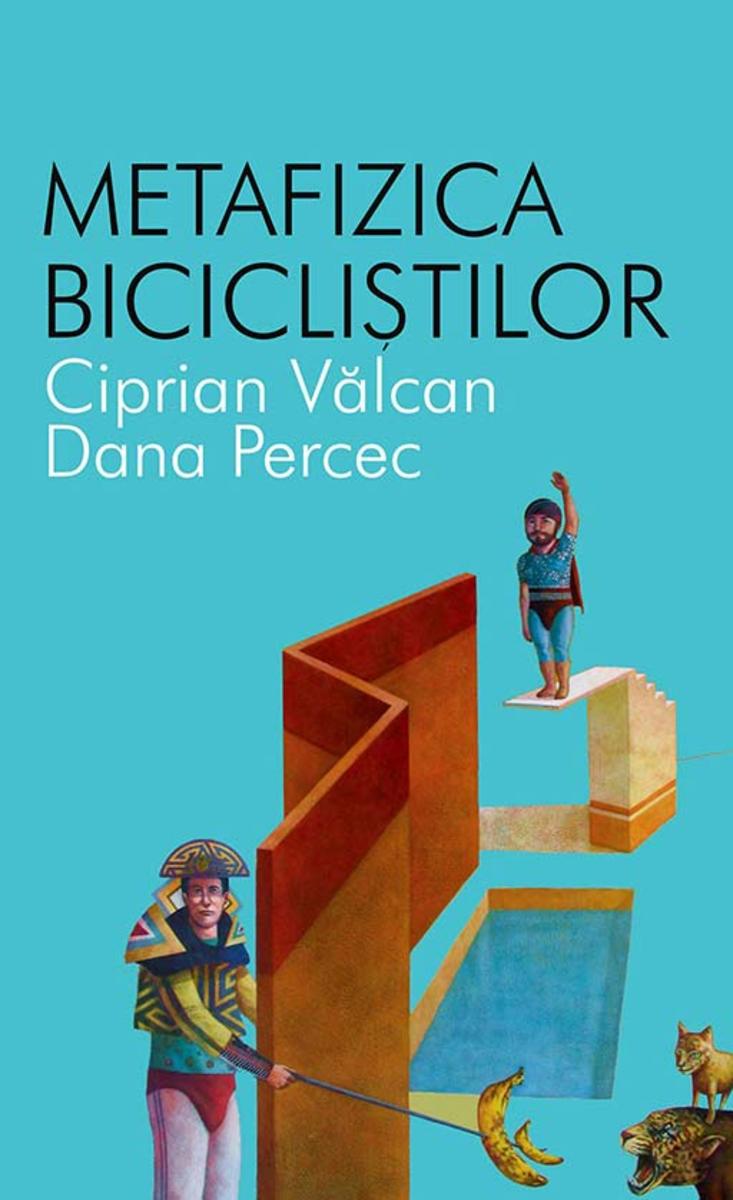
Metafizica bicicli?tilor
¥40.79
Volum nominalizat la sec?iunea ?Critic?. Istorie ?i Teorie Literar?“ – Premiile ?Observator cultural“, edi?ia a VI-a, 2012 Lucrarea de fa?? pleac? de la ideea c?, odat? cu sf?r?itul anilor ‘60/?nceputul anilor ‘70, se configureaz?, ?n context rom?nesc, o mi?care poetic? cu caracter experimentalist, care se ?ndep?rteaz? de paradigmele modernismului, urm?nd modelul avangardelor interbelice. Principiul fundamental al unei asemenea poezii trebuie c?utat ?n pragmatica ?tiin?ei contemporane, c?ci ea presupune elaborarea unor ?axiomatici“ (concretizate ?n abord?ri teoretice, programe ?i manifeste artistice), urmat? apoi de investigarea, printr-o mi?care de extensie, a limitelor, de c?utarea obstinat? a noului, care se raporteaz? la propria sa ?axiomatic?“ ?n calitate de diferen??, de ?paralogie“, extinz?ndu-i limitele, dar ?i problematiz?nd-o, printr-un demers care e constructiv ?i deconstructiv totodat?, contestatar ?i autocontestatar ?n acela?i timp.

Diabetul f?r? medicamente
¥90.84
volumul al III-lea dintr-un interviu de un cristian Trilogia lui Ion Cucu este, deopotriv?, o construc?ie editorial? ?i o demonstra?ie personal?. Ion Cucu nu e, cum s-a crezut, doar un fotograf, iar opera lui cap?t? o cu totul alt? dimensiune dac? iese din tiparul unui album oarecare sau al unei expozi?ii, fie ea ?i permanent?. Interviul ?i portretele spun mai mult dec?t povestea unor fotografii – ?mpreun?, acestea dezv?luie talentul, for?a, patimile ?i d?ruirea fotografului celor zece pre?edin?i. Ai Uniunii Scriitorilor. Pentru c? prin aceast? institu?ie s-a legitimat ?i se reg?se?te, ca artist fotograf, scriitorul Ion Cucu. Trilogia s-a sf?r?it, de-acum urmeaz? Istoria. (un cristian)

New York trilógia
¥65.15
Tudomásom szerint csak a ?A walesi bárdok” angol fordítása létezik, ezt t?bben is lefordították. Célom a fordításokkal az, hogy az angol nyelvterületen él?k is élvezhessék Arany verseit és remélem a fordítások megfelelnek ennek az igénynek. A Zichy-rajzok hozzájárulhatnak a k?tetben megjelen? versek ?fogyaszthatóságához”. – Tomschey Ottó As far as I know only the translation of ?The Welsh bards” exists, this was made by several translators. My aim with these translation was to make ?consumable” the ballads of Arany for people living in the English-speaking world and I do hope that my work will meets therequirements. The Zichy-drawings may contribute to the ?consumability” of the poems of this volume. – Otto Tomschey


