


 购物车
购物车 个人中心
个人中心
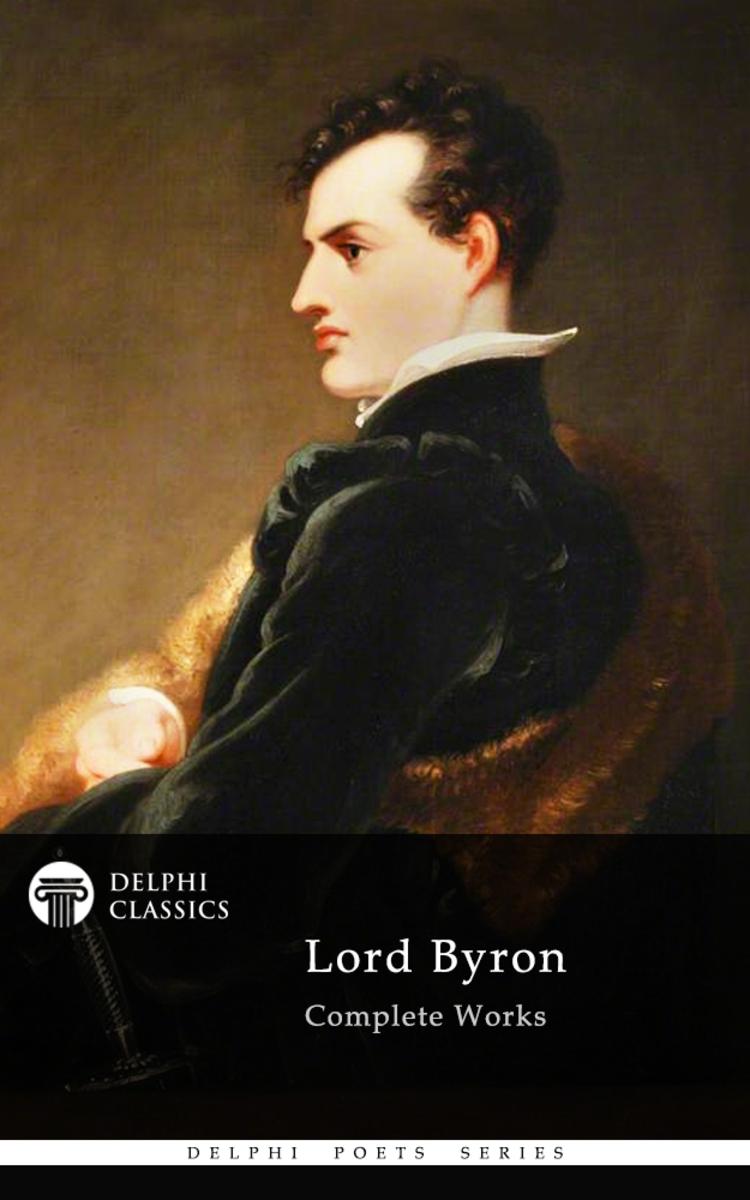
Delphi Complete Works of Lord Byron (Illustrated)
¥16.27
This is the sixth volume of a new series of publications by Delphi Classics, the best-selling publisher of classical works. Many poetry collections are often poorly formatted and difficult to read on eReaders. The Delphi Poets Series offers readers the works of literature’s finest poets, with superior formatting. This volume presents the complete poetical works of Lord Byron, with beautiful illustrations and the usual Delphi bonus material. * Beautifully illustrated with images relating to Byron’s life and works * Concise introductions to the poetry and other works * Images of how the poetry books were first printed, giving your eReader a taste of the original texts * Excellent formatting of the poems * Special chronological and alphabetical contents tables for the poetry * Easily locate the poems you want to read * Rare minor poems section * Byron’s vampire short story, appearing for the first time in digital print * Includes Byron’s journals and letters – spend hours exploring the poet’s personal correspondence * Features the first ever biography on Lord Byron by John Galt – discover the poet’s literary life * Scholarly ordering of texts into chronological order and literary genres * UPDATED with NCX toc feature allowing readers to skip forward or back to each poem using the EReader’s 5-way controller CONTENTS: The Poetry Collections HOURS OF IDLENESS CHILDE HAROLD’S PILGRIMAGE HEBREW MELODIES STANZAS FOR MUSIC OCCASIONAL PIECES, 1807-1824 DOMESTIC PIECES, 1816 SATIRES TALES DRAMAS BEPPO DON JUAN MINOR POEMS The Poems LIST OF POEMS IN CHRONOLOGICAL ORDER LIST OF POEMS IN ALPHABETICAL ORDER The Short Story FRAGMENT OF A NOVEL The Letters THE LETTERS AND JOURNALS OF LORD BYRON The Biography THE LIFE OF LORD BYRON by John Galt
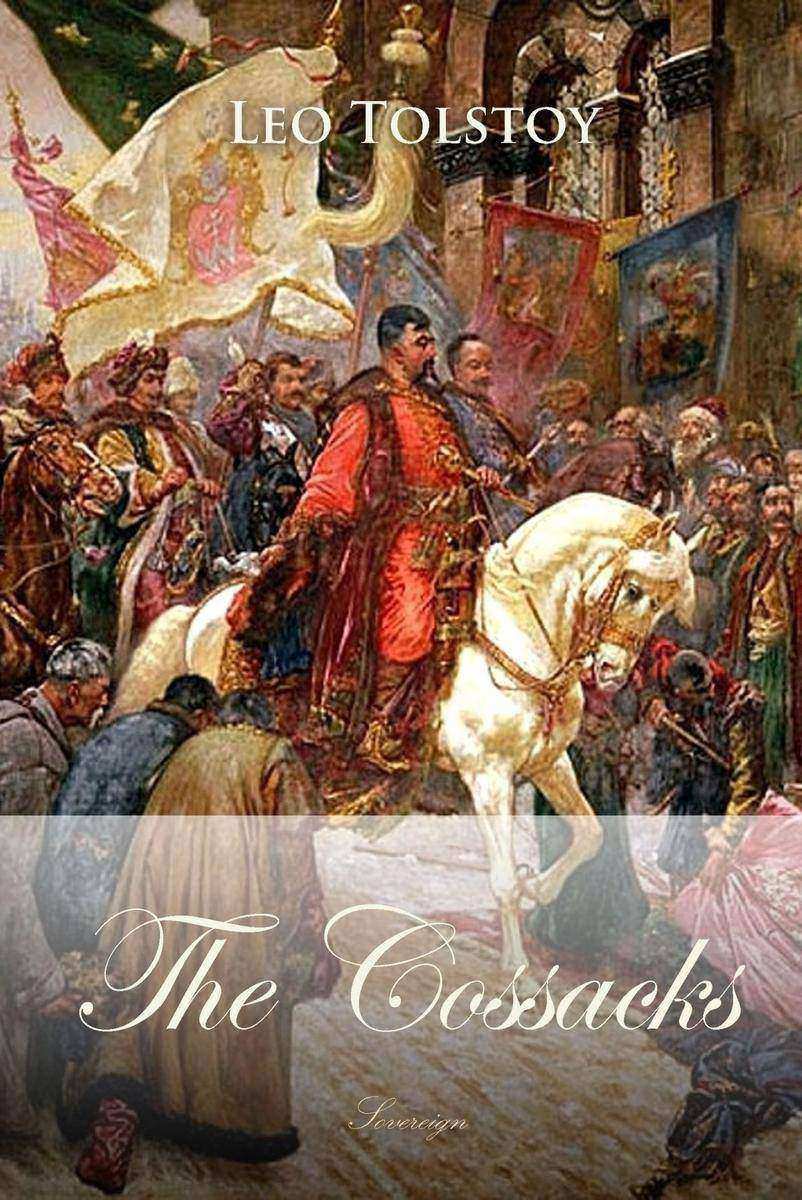
The Cossacks
¥40.79
Dmitri Olenin, a privileged disenchanted nobleman joins the army as a cadet, in the hopes of escaping the superficiality of his daily life. In his quest to find completeness, he naively hopes to find serenity among the simple people of the Caucasus. The novel is partially based on Tolstoy's own experiences in the Caucasus during the Caucasian War.
The Private Papers of Henry Ryecroft
¥40.79
The book is unusually divided into four seasons instead of chapters and represents a semi-fictional autobiographical work by George Gissing in which the author casts himself as the editor of the diary of a deceased acquaintance, selecting essays for posthumous publication. Observing how suitable many of the reflections were to the month with which they were dated.
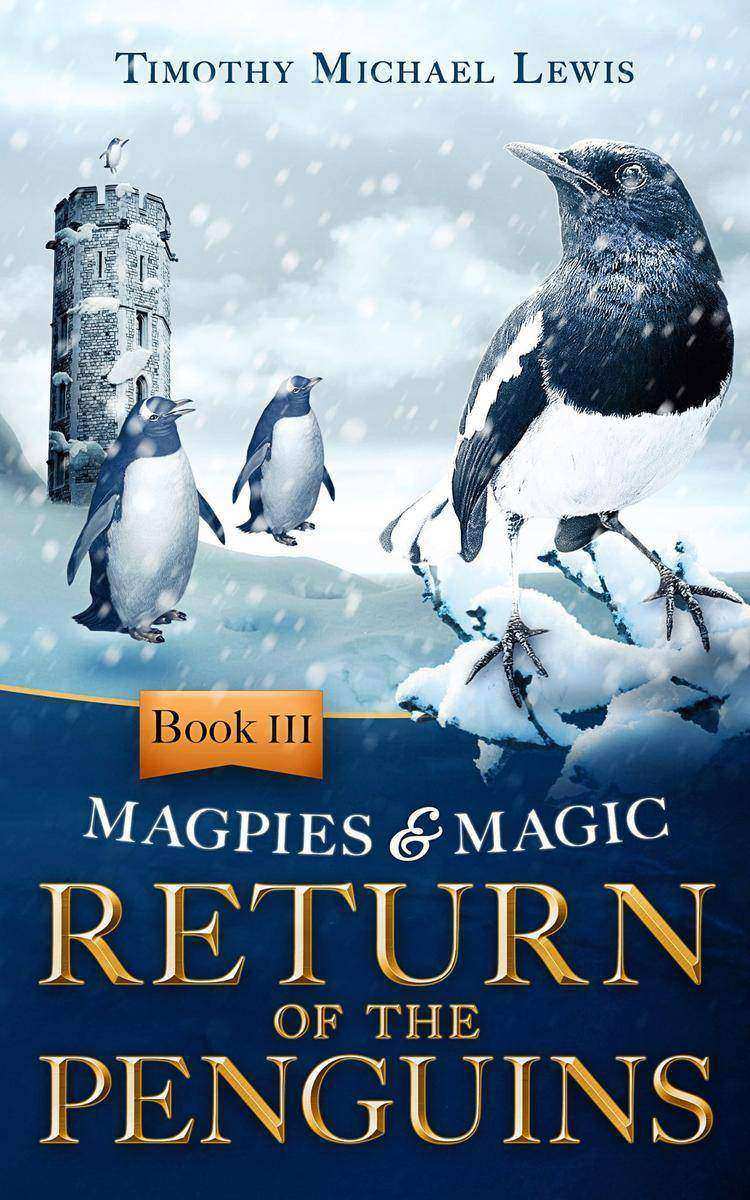
Return of the Penguins
¥32.62
Things are looking bleak for Malcolm and his adventurer friends. ?The Pentagram Council have been defeated and Diablo is now in full control of their forces. ?Casper is lost, presumed dead. Their victory in Asperios is looking increasingly hollow and Diablo is still possessing Stephanie's body. ?Is there any hope he can be vanquished? ?Is the last piece of the key safe? ?Will Malcolm ever be reunited with his love Stephanie? ?Find out in the third and final book in the Magpies and Magic series of books.

The Monkey's Paw
¥40.79
Three wishes are granted to the owner of the monkey's paw, but the wishes come with an enormous price for interfering with fate.

Ooh Matron!
¥31.07
*****Award Winning Nurse Memoir*** I am not sure what Florence Nightingale would have made of Sarah Jane! The story starts with a sixteen-year-old country girl who, for no apparent reason at the time, suddenly decided that she wanted to be a nurse. Sarah Jane was entering adulthood with no obvious career path in sight. She had planned a traditional, some would say old fashioned, future. Her vision was to leave school, find a job in a local store, get married and eventually have children. Then everything changed, as she embarked on a journey which would help to map out her future by offering opportunities in a variety of places and healthcare settings. Find out how Sarah Jane deals with births, deaths and everything in between with laughter, tears and humility in this touching, sometimes heartrending, superbly written memoir.? ‘Ooh Matron!’ is the first book in The Nomadic Nurse Series. Each book in the series takes you on a journey through medical specialisms and environments that formed part of Sarah Jane’s nursing career. Throughout the series Sarah Jane uses her trademark honest and entertaining writing style to share insights into her thoughts, reflections and the changes in her personal life and circumstances as she moves forward in her career. 5-star reviewers say: "I laughed out loud at the hilarious antics, and was sobered by the genuine emotional moments that all health professionals will recognise. This is a book that will make you laugh and cry and you’ll feel better for it - The perfect prescription." Bookworm "This funny, yet poignant nursing memoir has Sarah Jane's trademark honest writing style which shines through in every story she tells. From starting her student nurse training in Essex to coping with patients in happy, sad and heart-breaking situations. It gives you a young woman's view into the realities of entering the world of nursing in the 1980’s. A highly entertaining and informative memoir which was able to take me from laughing out loud to having welled tears of empathy."

The Voyage of the Beagle
¥8.09
The Voyage of the Beagle is the title most commonly given to reissues of the book written by Charles Darwin and published in 1839 as his Journal and Remarks, bringing him considerable fame and respect. This was the third volume of The Narrative of the Voyages of H.M. Ships Adventure and Beagle, and covers Darwin's part in the second survey expedition of the ship HMS Beagle, which set sail from Plymouth Sound on 27 December 1831 under the command of Captain Robert FitzRoy, R.N.. Due to the popularity of Darwin's account, the publisher reissued it later in 1839 as Darwin's Journal of Researches, and the revised second edition published in 1845 used this title. A republication of the book in 1905 introduced the title The Voyage of the "Beagle". ? While the expedition was originally planned to last two years, it lasted almost five—the Beagle did not return until 2 October 1836. Darwin spent most of this time exploring on land (three years and three months on land; 18 months at sea). ? The book is a vivid and exciting travel memoir as well as a detailed scientific field journal covering biology, geology, and anthropology that demonstrates Darwin's keen powers of observation, written at a time when Western Europeans were exploring and charting the whole world. Although Darwin revisited some areas during the expedition, for clarity the chapters of the book are ordered by reference to places and locations rather than by date. Darwin's notes made during the voyage include comments illustrating his changing views at a time when he was developing his theory of evolution by natural selection and includes some suggestions of his ideas, particularly in the second edition of 1845.
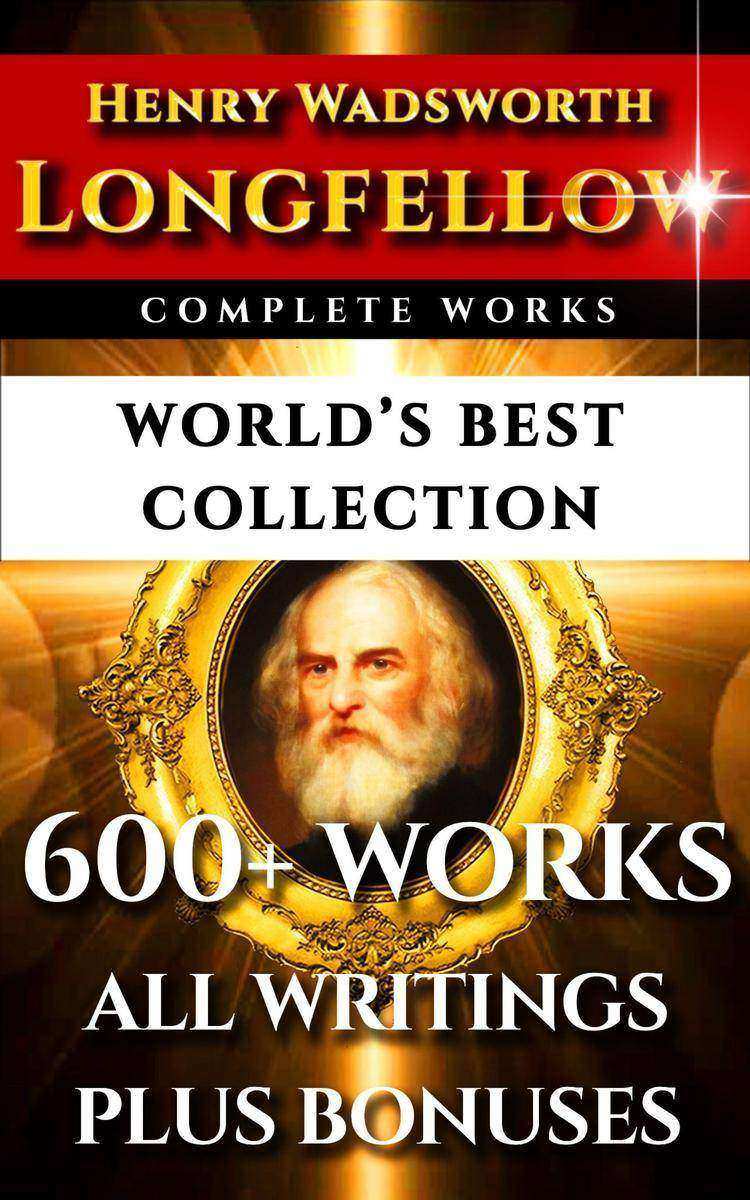
Longfellow Complete Works – World’s Best Collection: 600+ Works
¥8.09
Henry Wadsworth Longfellow Complete Works World's Best Collection This is the world’s best Longfellow collection, including the most complete set of Longfellow’s works available plus many free bonus materials. Henry Wadsworth Longfellow Henry Wadsworth Longfellow was an American poet and educator, a Professor at Harvard College. Longfellow wrote predominantly lyric poems, known for their musicality, presenting amazing stories of mythology and legend. He became the most popular American poet of his day and also had success overseas. The ‘Must-Have’ Complete Collection In this irresistible collection you get a full set of Longfellow’s work - more than 600 works, including All his poems, All his Epic Poetry, All his Prose, and All his poetry collections. Plus this collection includes a comprehensive biography so you can experience the life of the man behind the words. There is also free bonus material. Works Including: Prose Works, Including: Kavanagh Hyperion Poetical Works, Including: Evangeline Hiawatha The Wayside In Paul Revere’s Ride Legend Of Rabbi Ben Levi Christus: A Mystery Part I. The Divine Tragedy Part Ii. The Golden Legend Part Iii. The New England Tragedies Other Works, Including: Ultima Thule In The Harbor Birds Of Passage Flight the First to Flights the Fifth Voices Of The Night The Spanish Student Juvenile Poems. Translations - Full set of all Longfellow’s translations from Italian, French, Portuguese, German and Anglo-Saxon sources. Your Free Special Bonuses The Divine Comedy?- Longfellow’s translation of Dante’s Vision Of Inferno, Purgatory And Paradise, including Six Sonnets On Dante’s Divine Comedy By Longfellow himself. Henry Wadsworth Longfellow’s Life?- A biography of Milton’s intriguing life. A Visit To Hiawatha’s People?- Written by Alice Longfellow. Get This Collection Right Now This is the best Longfellow collection you can get, so get it now and start enjoying and being inspired by his world like never before!
Behind the Smile: Exceptional Poetic Renderings
¥65.32
Come, take a peek Behind the Smile; a world you’ve never known before awaits your pleasures for a while … there’s wonderment for you in store. ? From Free Verse poetry to Sonnets, Ballads, and many more poetic forms and styles, this incomparably amazing collection of 145 selected poems by master poet Richard W. Jenkins is not your everyday smattering of poetic jargon. They will captivate and embrace your senses, taking you on a metaphorical journey of inner exploration and sheer enthrallment that will entice you irresistibly back into their pages—time and again. Aficionados will appreciate the author’s breakdowns of the poems’ 52 forms, including some of his widely used originals. This treasure belongs within easy reach of every poetry lover. ? Whom could who feels what all we do not yearn a deeper bite, when each delicious taste we take flavors our world just right?
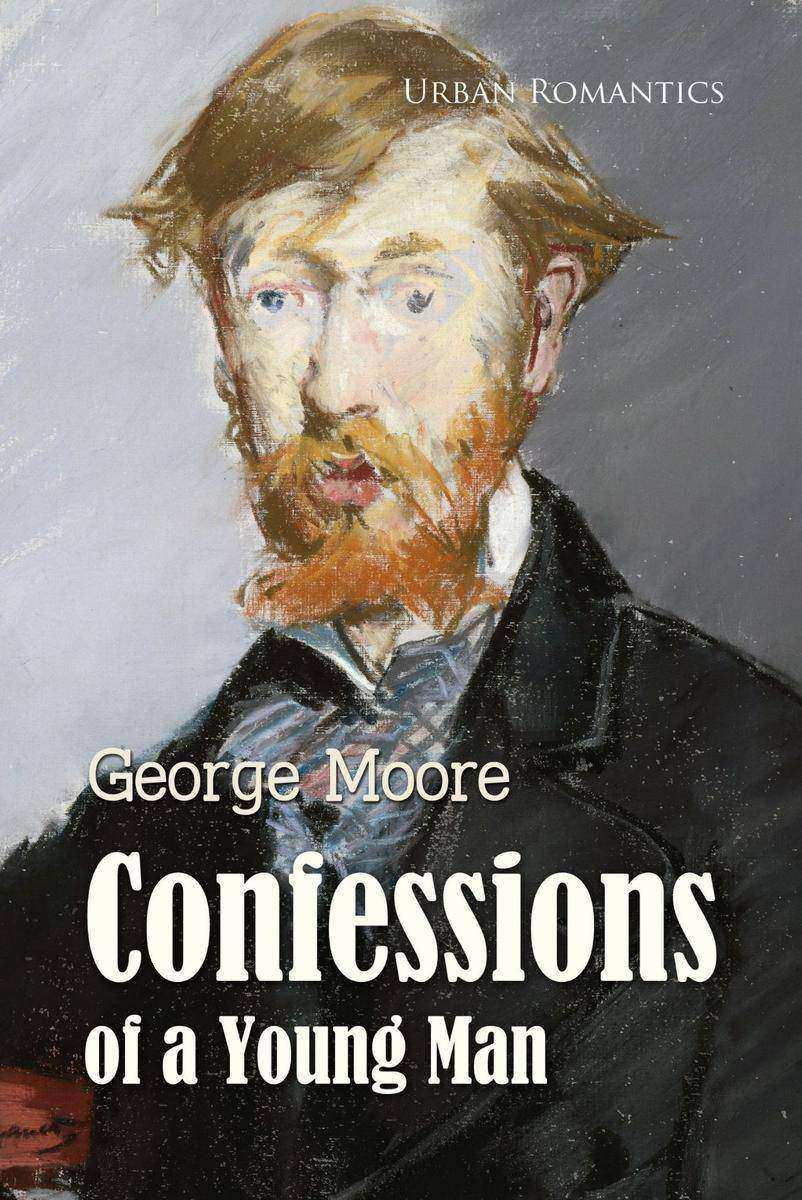
Confessions of a Young Man
¥40.79
The story follows a young man named Dayne mirroring author's own life experiences in bohemian art scene of emerging Parisian impressionism. These true confessions are often described as the most significant documents of the passionate revolt of English literature against the Victorian tradition. It is in a sense the history of an epoch. It represents one of the great discoveries of English literature —the discovery of human nature.

Complete Works of Lucretius (Illustrated)
¥16.27
The Roman Republic poet Lucretius’ epic poem ‘De Rerum Natura’ expounds the scientific theories of Epicurus, with the aim of dispelling fear of the gods and death, enabling man to attain peace of mind and happiness. The great work had a lasting influence on Virgil and the Augustan poets and remains one of the greatest achievements of Latin literature. Delphi’s Ancient Classics series provides eReaders with the wisdom of the Classical world, with both English translations and the original Latin texts. This comprehensive eBook presents Lucretius’ complete extant works, with beautiful illustrations, dual Latin and English text, informative introductions and the usual Delphi bonus material. (Version 1) * Beautifully illustrated with images relating to Lucretius’ life and works * Features the complete extant works of Lucretius, in both English translation and the original Latin * Concise introduction to the epic poem * Provides both verse (William Ellery Leonard) and prose (H. A. J. Munro) translations of ‘De Rerum Natura’ * Includes H. A. J. Munro’s celebrated prose translation * Excellent formatting of the texts * Easily locate the books you want to read with individual contents tables * Provides a special dual English and Latin text, allowing readers to compare the sections paragraph by paragraph – ideal for students * Features a bonus biography – discover Lucretius’ ancient world * Scholarly ordering of texts into chronological order and literary genres Please visit www.delphiclassics.com to browse through our range of exciting titles CONTENTS: The Translations ON THE NATURE OF THINGS: PROSE TRANSLATION ON THE NATURE OF THINGS: VERSE TRANSLATION The Latin Text CONTENTS OF THE LATIN TEXT The Dual Text DUAL LATIN AND ENGLISH TEXT The Biography LUCRETIUS by William Young Sellar Please visit www.delphiclassics.com to browse through our range of exciting titles
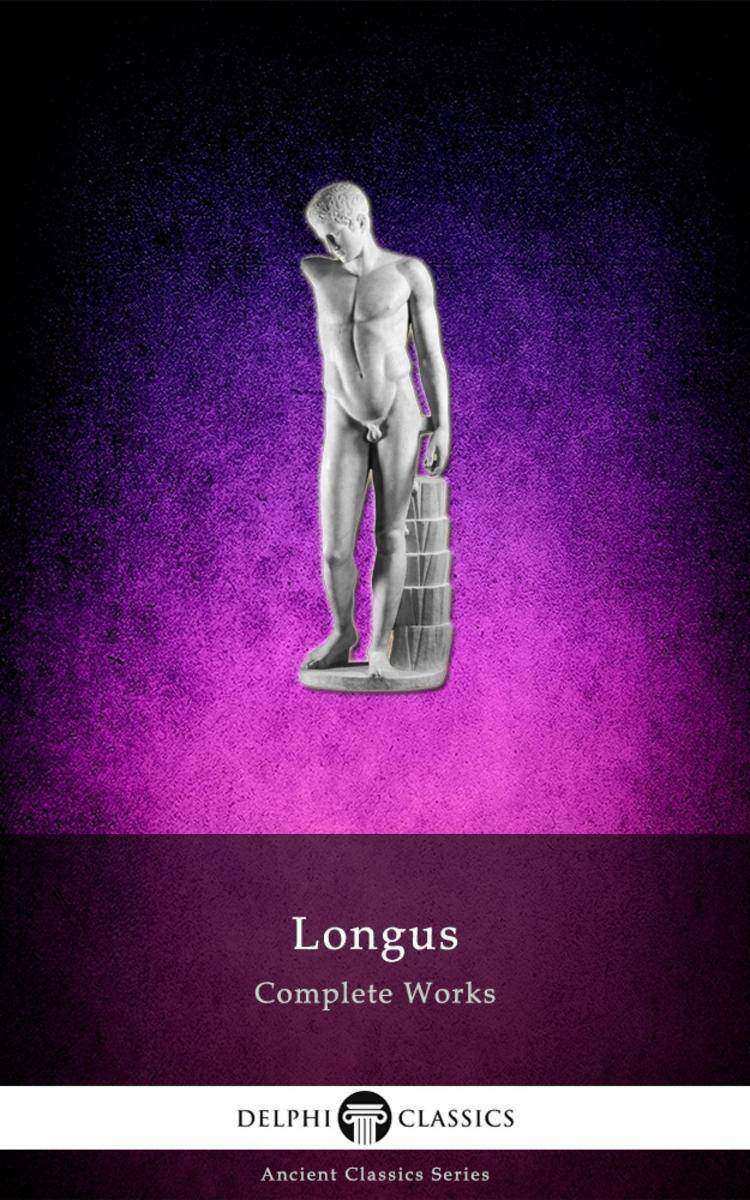
Complete Works of Longus (Illustrated)
¥16.27
Recognised as one of the most influential works of world literature, ‘Daphnis and Chloe’, written by the second century novelist Longus, is one of the earliest texts to explore in depth the gradual growth of a sexual relationship, charting the human and timeless journey from innocence to experience. Delphi’s Ancient Classics series provides eReaders with the wisdom of the Classical world, with both English translations and the original Greek texts. This comprehensive eBook presents Longus’ complete extant works, with beautiful illustrations, informative introductions and the usual Delphi bonus material. (Version 1) * Beautifully illustrated with images relating to Longus' life and works * Features the complete extant works of Longus, in both English translation and the original Greek * Concise introduction to the novel * Provides three different translations of ‘Daphnis and Chloe’ * Includes the revised translation by J. M. Edmonds, from the Loeb Classical Library edition of Longus — appearing here for the first time in digital publishing * Images of famous paintings that have been inspired by Longus’ novel * Excellent formatting of the texts * Easily locate the books you want to read with individual contents tables * Provides a special dual English and Greek text, allowing readers to compare the sections paragraph by paragraph – ideal for students * Features a bonus biography – discover Longus' ancient world * Scholarly ordering of texts into chronological order and literary genres Please note: some Kindle software programs cannot display Greek characters correctly; however the characters do display correctly on Kindle devices. Please visit www.delphiclassics.com to explore our range of Ancient Classics titles CONTENTS: The Translations DAPHNIS AND CHLOE: 1916 Loeb Classical Library Translation DAPHNIS AND CHLOE: 1890 Vizetelly Translation DAPHNIS AND CHLOE: 1896 Athenian Society Translation The Greek Text LIST OF GREEK TEXT The Dual Texts DUAL GREEK AND ENGLISH TEXTS The Biography INTRODUCTION TO LONGUS by J. M. Edmonds Please visit www.delphiclassics.com to browse through our range of exciting titles
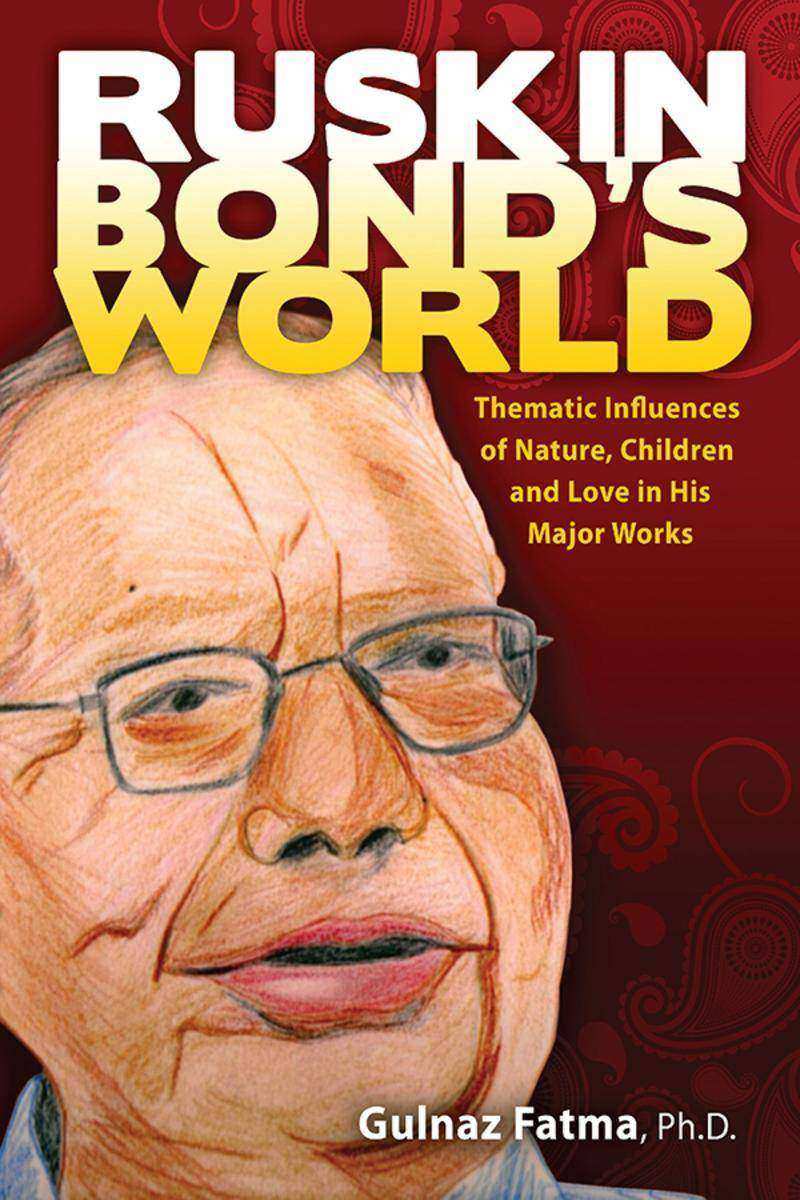
Ruskin Bond's World:Thematic Influences of Nature, Children, and Love in his Maj
¥48.74
Ruskin Bond has won the hearts of millions of readers with his countless charming short stories and introspective novels. From biographical tales about acting as a grandfather to children, to tales of unrequited love, the cross-cultural dimensions of Indian society, and the power and beauty of nature, Bond's more than forty novels and short story collections have made him an internationally acclaimed author. In Ruskin Bond's World, Indian scholar Gulnaz Fatma, Ph.D. sheds light on one of her country's greatest and most beloved storytellers, tracing the influences in his stories from a childhood in colonial India through his time spent in Britain and his life today among India's hills and mountains. She explores the biographical as well as the imaginary elements of his fiction and explores in detail the themes of nature, children, love, and animals in his novels and short stories. Throughout these pages is revealed Bond's love for humanity in all its variety, from honorable rogues to proud beggars, heartbroken lovers, and wise old men and women. "Gulnaz has successfully traced major themes in Bond's prolific work under the lenses of her careful examination, proving he is the product of his environment...a sincere study of Ruskin Bond." --Stephen Gill, Ph.D., author and poet laureate of Ansted University "I welcome this long overdue study of one of India's literary shining lights. Ruskin Bond's World opens the door to a deeper understanding of one author's imagination and deepest wisdom." --Tyler R. Tichelaar, Ph.D. and award-winning author of The Gothic Wanderer Literary Criticism: Asian - Indic www.ModernHistoryPress.com
The Napoleon of Notting Hill
¥40.79
The dreary succession of randomly selected Kings of England is broken up when Auberon Quin, who cares for nothing but a good joke, is chosen. To amuse himself, he institutes elaborate costumes for the provosts of the districts of London. All are bored by the King's antics except for one earnest young man who takes the cry for regional pride seriously – Adam Wayne, the eponymous Napoleon of Notting Hill.

The Man Who Was Thursday
¥40.79
Gabriel Syme is recruited at Scotland Yard to a secret anti-anarchist police corps. Lucian Gregory, an anarchistic poet, lives in the suburb of Saffron Park. Syme meets him at a party and they debate the meaning of poetry. Gregory argues revolt is the basis of poetry. Syme demurs, insisting the essence of poetry is not revolution, but rather law. He antagonizes Gregory by asserting the most poetical of human creations is the timetable for the London Underground.
The House of the Dead: Prison Life in Siberia
¥40.79
Aleksandr Petrovich lives through a spiritual re-awakening that culminates with his release from the prison camp. The narrator has been sentenced to penalty deportation to Siberia and ten years of hard labour for murdering his wife. Dostoyevsky skillfully portrays the inmates of the prison with sympathy for their plight, and admiration for their energy, ingenuity and talent.

Viy: English and Russian Language Edition
¥40.79
A young priest is preparing to spend three nights alone with the corpse of a dead witch and only his faith to protect him. He is ordered to supervise the waking of the dead witch in a small old wooden church of a remote village. Join the priest on his journey in this Sovereign Classic edition of Viy.
The Uncommercial Traveller
¥40.79
Join Dickens on his night walks through London and discover the hidden night life of Victorian society. Dickens often suffered from insomnia and used his night-time wanderings to collect impressions and ideas giving him an insight into some of the hidden aspects of Victorian London. He incorporated these discoveries into many sketches and stories of this book.
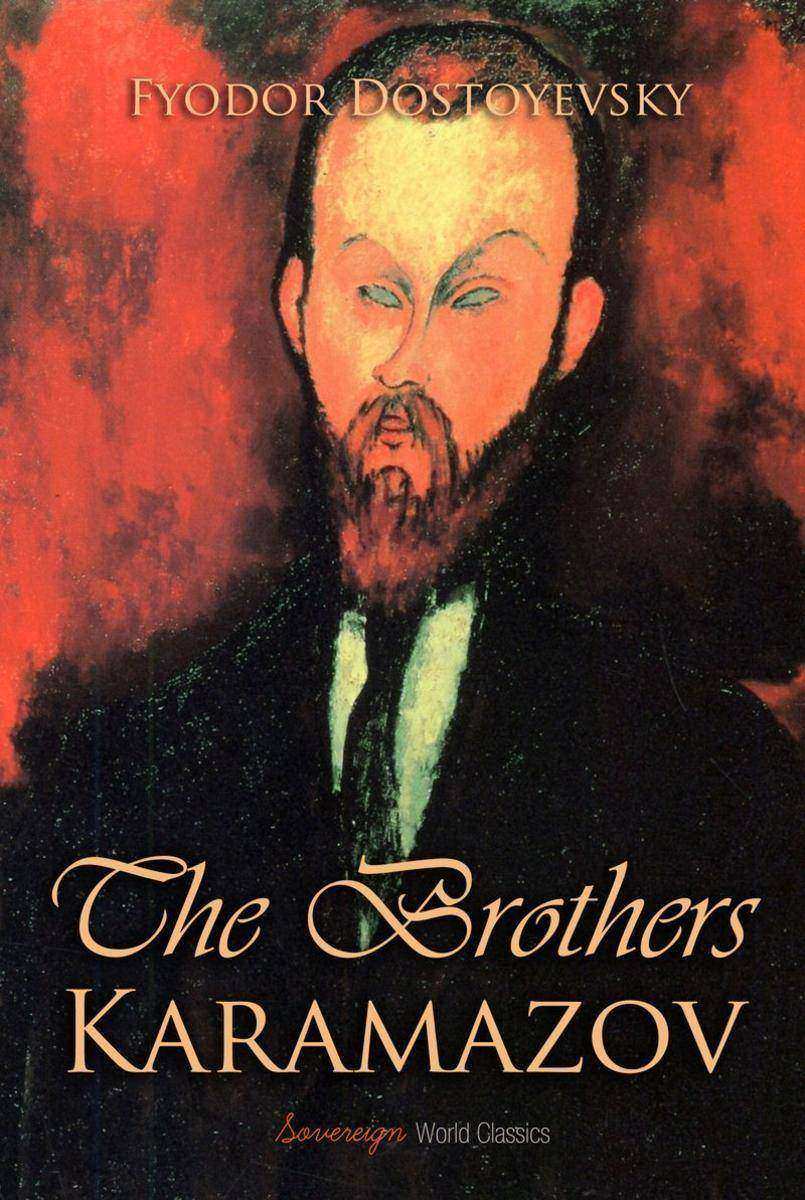
The Brothers Karamazov
¥40.79
The Brothers Karamazov is a passionate philosophical novel that enters deeply into the ethical debates of God, free will, and morality. It is a spiritual drama of moral struggles concerning faith, doubt, and reason, set against a modernizing new Russia. Dostoyevsky composed much of the novel in the old Russia, which is also the main setting of the novel. Since its publication, it has been acclaimed all over the world by intellectuals as diverse as Sigmund Freud, Albert Einstein, Ludwig Wittgenstein, Martin Heidegger, Cormac McCarthy and Kurt Vonnegut as one of the supreme achievements in literature.
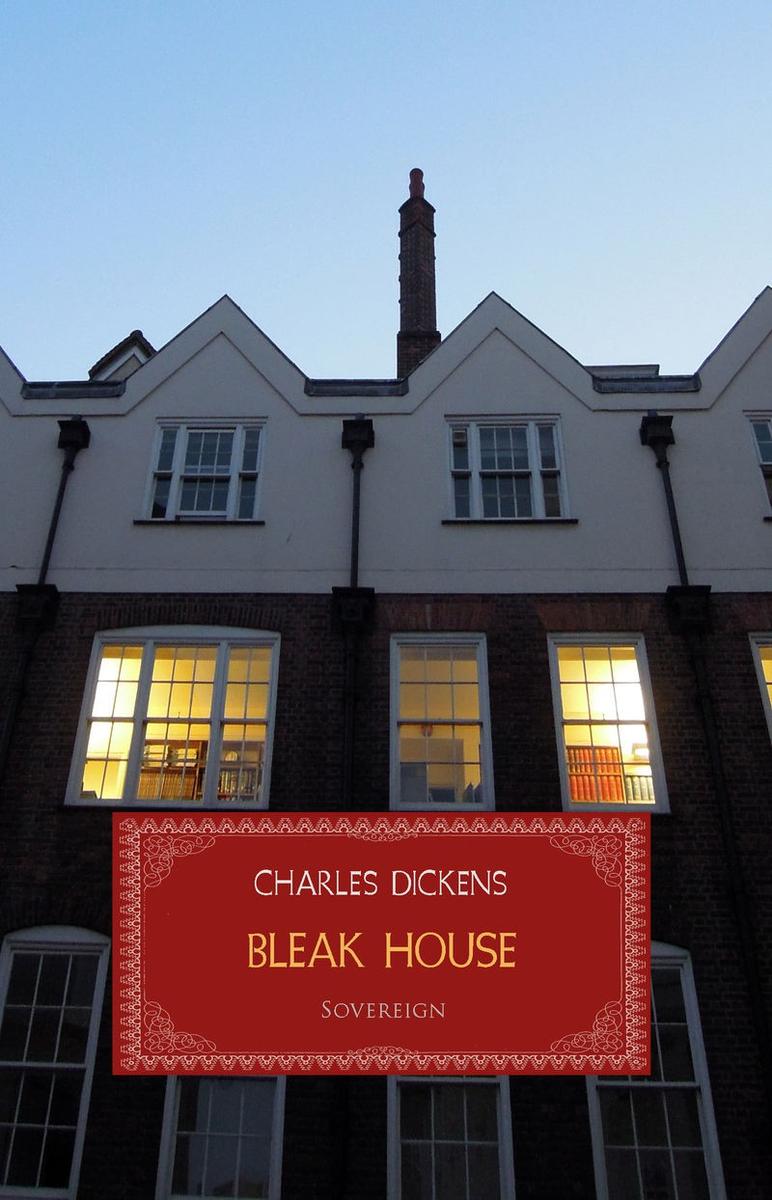
Bleak House
¥40.79
Bleak House is one of Dickens's finest novels, containing one of the most vast, complex and engaging arrays of minor characters and sub-plots in his entire canon. The story follows long-running litigation in England's Court of Chancery, Jarndyce v Jarndyce, which has far-reaching consequences for all involved. This case revolves around atestator who apparently made several wills.

Vanity Fair
¥40.79
Vanity Fair is one of the most distinguished works written by William Makepeace Thackeray. The novel satirises whole swaths of humanity while retaining a light touch. It also features Thackeray's most memorable character, the engagingly roguish Becky Sharp. The novel is considered a classic of English literature, presenting a panoramic portrait of English society of the time.


