


 购物车
购物车 个人中心
个人中心
C. S. Lewis: A Biography
¥76.91
This is the true story of C.S. Lewis – one of the greatest writers of the 20th-century – whose books for children and adults have become much loved classics. Part of the story of C.S. Lewis has been made famous through the film ‘Shadowlands’. Here this fascinating man’s entire life story is told by those who knew him personally. C.S. Lewis was born in Belfast in 1898 and was sent to England for a public school education with his elder brother, Warren. Lewis exhibited a genius for imagination and perception from his earliest years. Brought up in a Christian household, Lewis lost his faith in his teenage years but was to regain it, with reluctance, as a fellow at Magdalen College, Oxford. His faith subsequently influenced his writings. He became a vigorous champion of the Christian faith through classics such as ‘Mere Christianity’ and through his BBC broadcasts. His ‘Chronicles of Narnia’ became children’s classics and he was deluged with correspondence from his young readers. In his latter years he unexpectedly fell deeply in love with a divorced American, Joy Greshem, and married her, only to suffer the devastation of her death a few years later. C.S. Lewis died in 1963 at his home in Oxford. During his lifetime C.S. Lewis suggested to his friend, Roger Lancelyn Green, who was a fellow English scholar, that he would undertake his biography one day. After Lewis’s death in 1963 Lancelyn Green and Walter Hooper were approached by several of Lewis’s friends to write the biography. Warren Lewis, brother to Jack, contributed a great deal to the writing. The authors had at their disposal a vast collection of letters and diaries, as well as the recollections of many surviving family members and friends. Walter Hooper has enhanced the original text with additional material to provide a new, expanded edition which all C.S. Lewis fans will be keen to own.
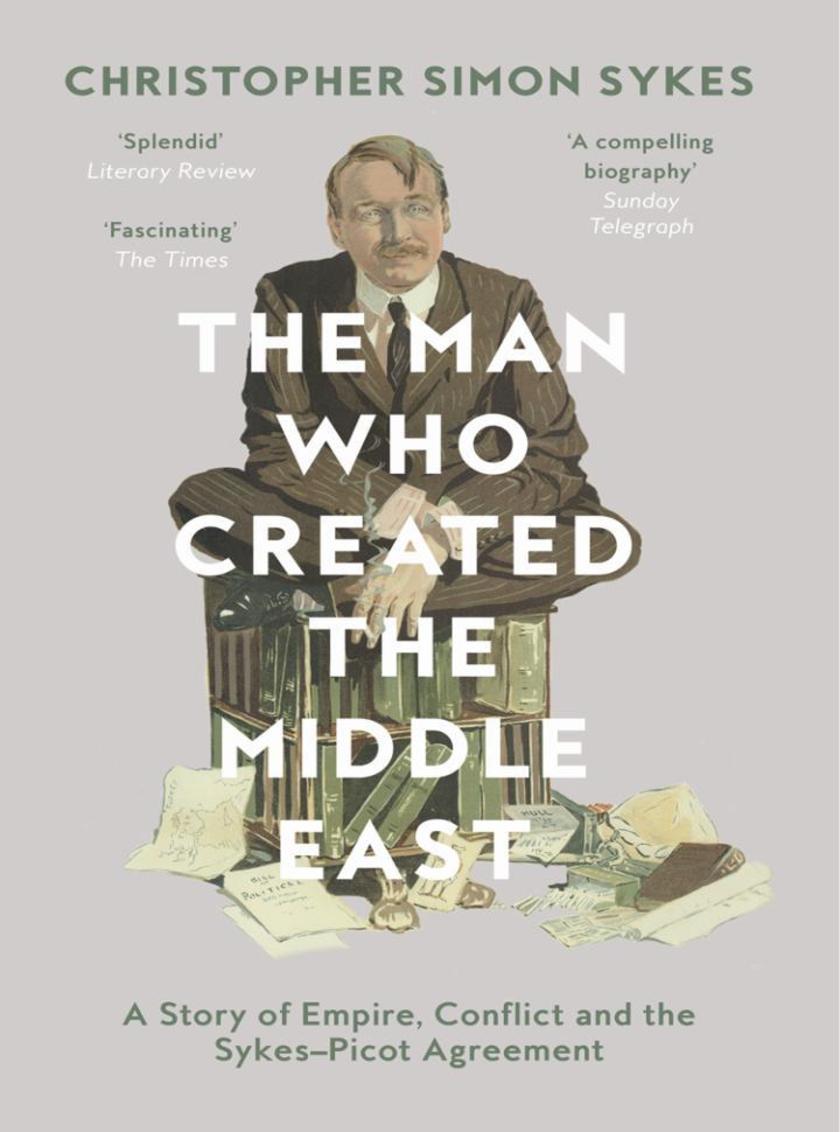
The Man Who Created the Middle East: A Story of Empire, Conflict and the Sykes-P
¥73.58
At the age of only 36, Sir Mark Sykes was signatory to the Sykes-Picot agreement, one of the most reviled treaties of modern times. A century later, Christopher Sykes’ lively biography of his grandfather reassesses his life and work, and the political instability and violence in the Middle East attributed to it. The Sykes–Picot agreement was drawn by the eponymous British and French diplomats in 1916 to determine the divide of the collapsing empire in the event of an allied victory in World War I. Excluding Arab involvement, it negated their earlier guarantee of independence made by the British – and controversy has raged around it ever since. But who was Mark Sykes? A century on, Christopher Simon Sykes reveals new facets of a misremembered diplomatic giant. Using previously undisclosed family letters and cartoons by his grandfather, he delivers a comprehensive and humbling account of the man behind one of the most impactful policies in the Middle East.
Heroes and Contemporaries (Text Only)
¥54.84
First published in 1983, Heroes and Contemporaries reveals a new aspect of David Gower’s personality – that of an astute and intelligent observer of the game and of his fellow players. In this book he has chosen a collection of the people in cricket he most admires and has written about them in conversational style, with immediacy and critical appreciation. Gower’s encounters with these people behind the scenes – some of the most important players of our time – give us insight into their characters, their strengths and weaknesses, an insight which we would not normally have just by observing them on the field or by reading newspaper reports. His views on the captaincies of Bob Willis, Mike Brearley and Ian Botham are especially revealing. There is also displayed in this book considerable understanding of the psychology of such contemporaries as Ian Botham and Geoff Boycott, and an important chapter is included on Ray Illingworth, Gower’s staunchest champion and sternest critic. Although Heroes and Contemporaries is basically about other people, it also tells us a great deal about David Gower himself.
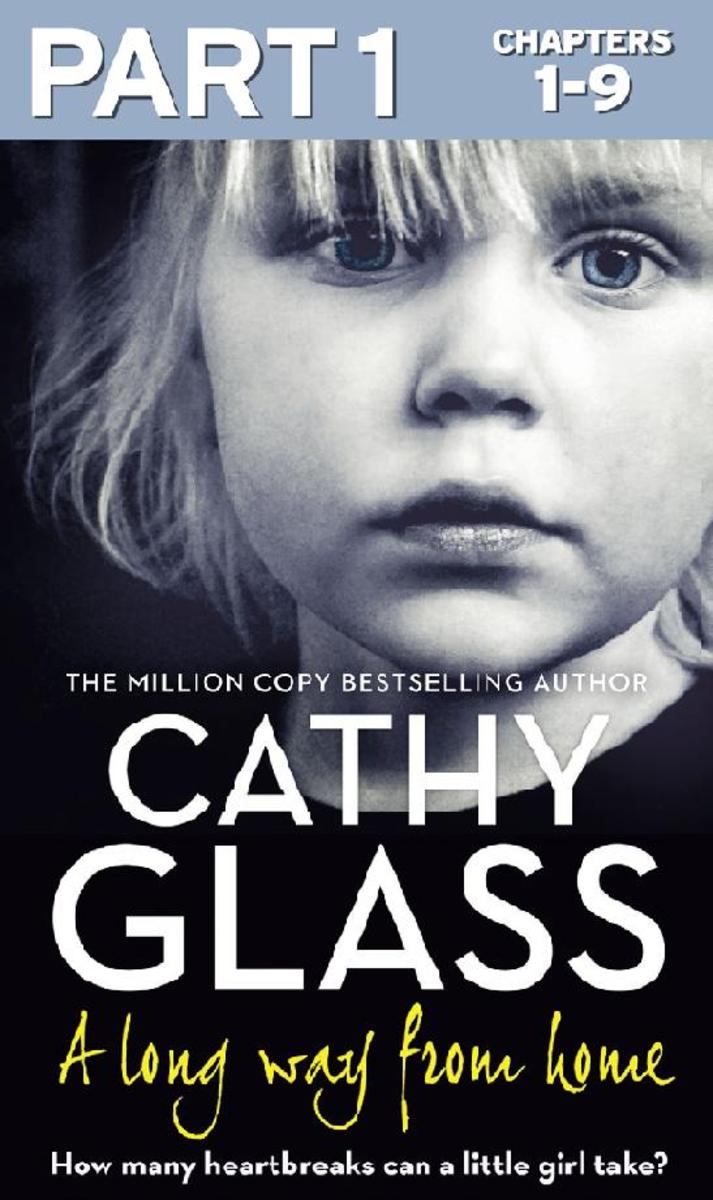
A Long Way from Home: Part 1 of 3
¥28.45
The true story of 2 year-old Anna, abandoned by her natural parents, left alone in a neglected orphanage. Elaine and Ian had travelled half way round the world to adopt little Anna. She couldn’t have been more wanted, loved and cherished. So why was she now in foster care and living with me? It didn’t make sense. Until I learned what had happened. … Dressed only in nappies and ragged T-shirts the children were incarcerated in their cots. Their large eyes stared out blankly from emaciated faces. Some were obviously disabled, others not, but all were badly undernourished. Flies circled around the broken ceiling fans and buzzed against the grids covering the windows. The only toys were a few balls and a handful of building bricks, but no child played with them. The silence was deafening and unnatural. Not one of the thirty or so infants cried, let alone spoke.
I Should Have Been at Work
¥53.76
First published in 2005 and now available as an ebook. Des Lynam’s autobiography gives a frank and opinionated insight into the man behind the myth. Des Lynam is one of Britain's best-loved and most successful personalities. Famously guarded about his private life, Des will attempt to set the record straight and talk about the ladies in his life, his childhood days in Ireland, as well as his early marriage and life in 70s London. Des takes us through his 30 years at the BBC from a reporter on local radio to the drama of his top-secret move to ITV which was front page news on every national newspaper. The World Cups, the Olympic Games including his reporting of the Israeli shootings in Munich. Following Muhammad Ali to his fights in Zaire, Malaysia and the USA. The Grand National that never was, the IRA threatened race. The programmes he turned down, the ones he wished he had! Des offers a candid account of life behind the scenes at the national broadcaster, the people he has met, the triumphs, the disasters. In the unique role of top presenter on both main channels, he tells of his 5 years at ITV, his reasons for going there and why his decision was justified but in other ways disastrous.
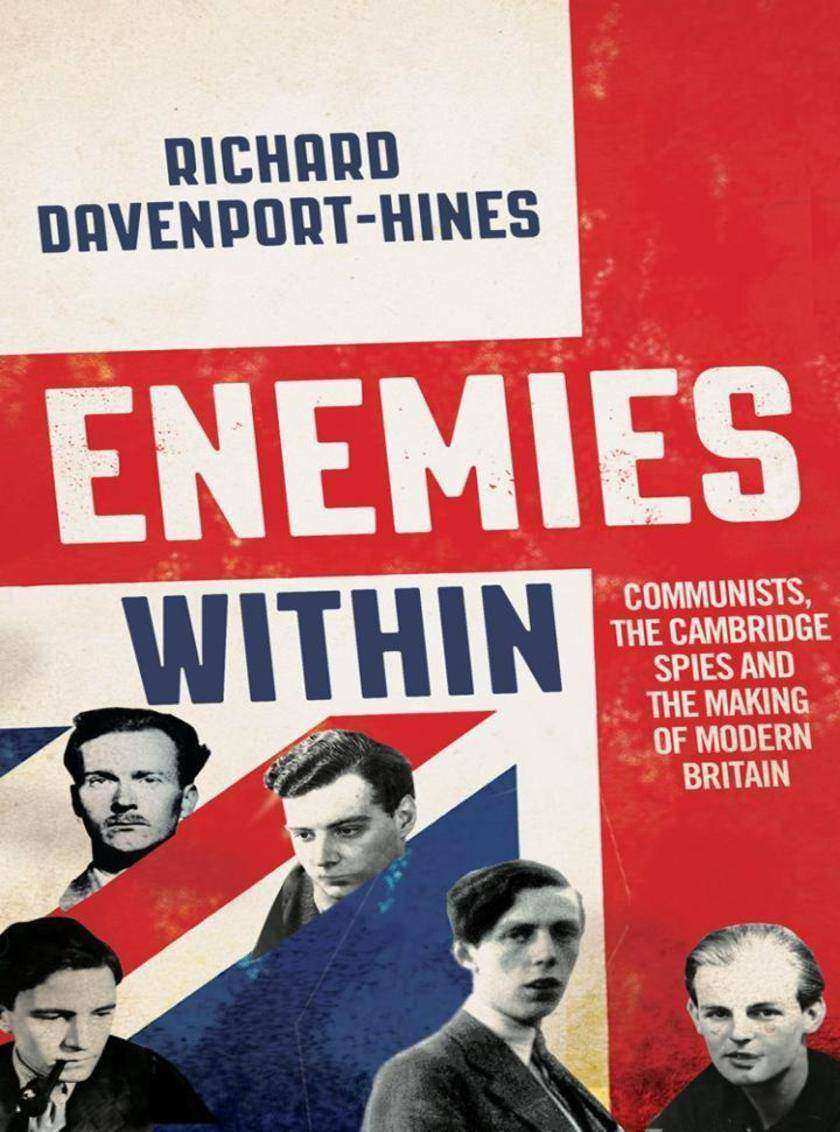
Enemies Within: Communists, the Cambridge Spies and the Making of Modern Britain
¥184.23
What pushed Blunt, Burgess, Cairncross, Maclean and Philby into Soviet hands? With access to recently released papers and other neglected documents, this sharp analysis of the intelligence world examines how and why these men and others betrayed their country and what this cost Britain and its allies. Enemies Within is a new history of the influence of Moscow on Britain told through the stories of those who chose to spy for the Soviet Union. It also challenges entrenched assumptions about abused trust, corruption and Establishment cover-ups that began with the Cambridge Five and the disappearance of Guy Burgess and Donald Maclean on the night boat to Saint-Malo in 1951. In a book that is as intellectually thrilling as it is entertaining and illuminating, Richard Davenport-Hines traces the bonds between individuals, networks and organisations over generations to offer a study of character, both individual and institutional. At its core lie the operative traits of boarding schools, the universities of Oxford and Cambridge, the Intelligence Division, Foreign Office, MI5, MI6 and Moscow Centre. Davenport-Hines tells many stories of espionage, counter-espionage and treachery. With its vast cope, ambition and scholarship, Enemies Within charts how the undermining of authority, the rejection of expertise and the suspicion of educational advantages began, and how these have transformed the social and political temper of modern Britain.
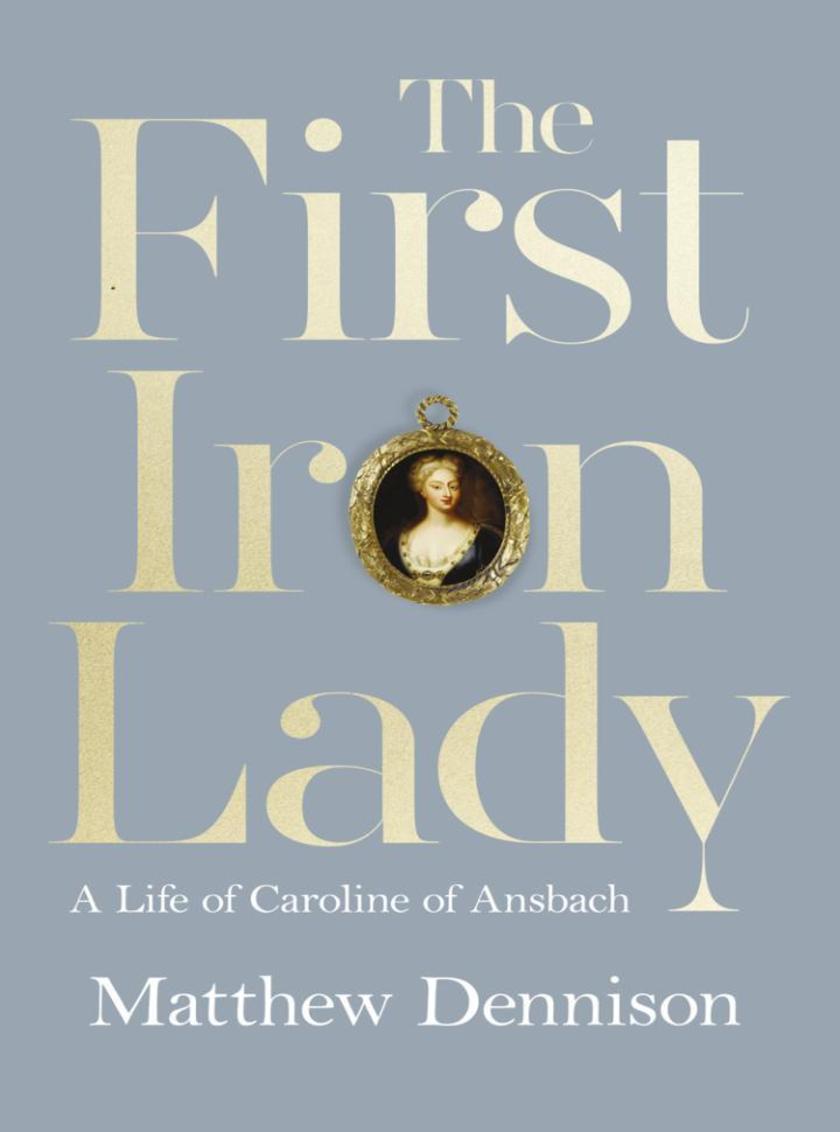
The First Iron Lady: A Life of Caroline of Ansbach
¥81.03
A brilliant study of a brilliant woman' LUCY WORSLEY History has forgotten Caroline of Ansbach, yet in her lifetime she was compared frequently to Elizabeth I and considered by some as ‘the cleverest queen consort Britain ever had’. The intellectual superior of her buffoonish husband George II, Caroline is credited with hastening the Enlightenment to Britain through her sponsorship of red-hot debates about science, religion, philosophy and the nature of the universe. Encouraged by Lady Mary Wortley Montagu, she championed inoculation; inspired by her friends Leibniz and Samuel Clarke, she mugged up on Newtonian physics; she embraced a salon culture which promoted developments in music, literature and garden design; she was a regular theatre-goer who loved the opera, gambling and dancing. Her intimates marvelled at the breadth of her interests. She was, said Lord Egmont, ‘curious in everything’. Caroline acted as Regent four times while her husband returned to Hanover, and during those periods she possessed authority over all domestic matters. No subsequent royal woman has exercised power on such a scale. So why has history forgotten this extraordinary queen? In this magnificent biography, the first for over seventy years, Matthew Dennison seeks to reverse this neglect. The First Iron Lady uncovers the complexities of Caroline’s multifaceted life: the child of a minor German princeling who, through intelligence, determination and a dash of sex appeal, rose to occupy one of the great positions of the world and did so with distinction, élan and a degree of cynical realism. It is a remarkable portrait of an eighteenth-century woman of great political astuteness and ambition, a radical icon of female power.
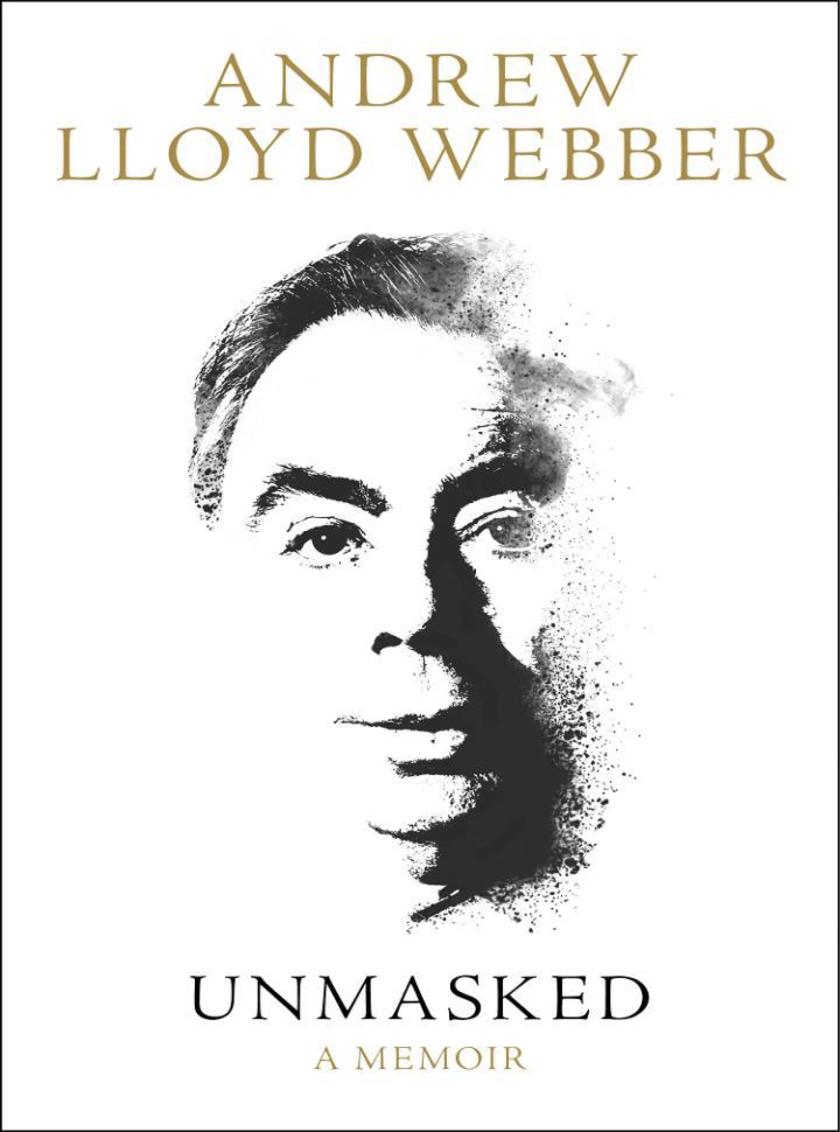
Unmasked
¥147.35
“You have the luck of Croesus on stilts (as my Auntie Vi would have said) if you’ve had the sort of career, ups and downs, warts and all that I have in that wondrous little corner of show business called musical theatre.” One of the most successful and distinguished artists of our time, Andrew Lloyd Webber has reigned over the musical theatre world for nearly five decades. The winner of numerous awards, including multiple Tonys and an Oscar, Lloyd Webber has enchanted millions worldwide with his music and numerous hit shows, including Jesus Christ Superstar, Evita, Cats, The Phantom of the Opera―Broadway’s longest running show―and most recently, School of Rock. In Unmasked, written in his own inimitable, quirky voice, the revered, award-winning composer takes stock of his achievements, the twists of fate and circumstance which brought him both success and disappointment, and the passions that inspire and sustain him. The son of a music professor and a piano teacher, Lloyd Webber reveals his artistic influences, from his idols Rodgers and Hammerstein and the perfection of South Pacific’s ‘Some Enchanted Evening,’ to the pop and rock music of the 1960s and Puccini’s Tosca, to P. G. Wodehouse and T. S. Eliot. Lloyd Webber recalls his bohemian London youth, reminiscing about the happiest place of his childhood, his homemade Harrington Pavilion―a make-believe world of musical theatre in which he created his earliest entertainments. A record of several exciting and turbulent decades of British and American musical theatre and the transformation of popular music itself, Unmasked is ultimately a chronicle of artistic creation. Lloyd Webber looks back at the development of some of his most famous works and illuminates his collaborations with luminaries such as Tim Rice, Robert Stigwood, Harold Prince, Cameron Mackintosh, and Trevor Nunn. Taking us behind the scenes of his productions, Lloyd Webber reveals fascinating details about each show, including the rich cast of characters involved with making them, and the creative and logistical challenges and artistic political battles that ensued. Lloyd Webber shares his recollections of the works that have become cultural touchstones for generations of fans: writings songs for a school production that would become his first hit, Joseph and the Amazing Technicolor Dreamcoat; finding the coterie of performers for his classic rock opera Jesus Christ Superstar; developing his first mega-hit, Evita, which would win seven Tonys Awards, including Best Musical; staking his reputation and fortune on the groundbreaking Cats; and making history with the dazzling The Phantom of the Opera. Reflecting a life that included many passions (from architecture to Turkish Swimming Cats), full of witty and revealing anecdotes, and featuring cameo appearances by numerous celebrities―Elaine Paige, Sarah Brightman, David Frost, Julie Covington, Judi Dench, Richard Branson, A.R. Rahman, Mandy Patinkin, Patti LuPone, Richard Rodgers, Norman Jewison, Milos Forman, Plácido Domingo, Barbra Streisand, Michael Crawford, Gillian Lynne, Betty Buckley, and more―Unmasked at last reveals the true face of the extraordinary man beneath the storied legend.

The Songaminute Man: How music brought my father home again
¥117.52
The nostalgic memoir of a young man, eldest of fourteen, growing up in 40s Wednesbury. The heartbreaking true account of his son struggling to come to terms with his father’s dementia. A tribute to the unbreakable bond between father and son. When Simon McDermott first noticed his dad Ted’s sudden flares of temper and fits of forgetfulness, he couldn’t have guessed what lay ahead. Then came the devastating, inevitable diagnosis. As Ted retreated into his own world, Simon and his mum Linda desperately tried to reach him until at last: an idea. Turning the ignition in his mum’s little runaround, Simon hit play on Ted’s favourite song Quando Quando Quando. And like that, they were just two mates driving around Blackburn, singing at the top of their lungs. Simon filmed their adventure, uploaded the video to YouTube and woke up to messages, tweets and his phone ringing off the hook. Their carpool karaoke had gone viral all the way across the globe. But a record deal, Pride of Britain Awards, over ?130,000 raised for The Alzheimer’s Society and a Top 10 single later, Simon was still losing Ted. That’s when he made a decision. His Dad – the storyteller of his childhood and his best friend – couldn’t tell his own story, so Simon would tell it for him. This is that story. Set in the heart of the Black Country just before WWII, and written with the help of Ted’s friends and family, The Songaminute Man recalls a boy who became a gutsy and fiercely loyal man. It remembers a childhood of sleeping top-to-toe, rationing, adventure in the woods and making-do-and-mending, a close-knit community, and a life-long passion for music. Full of poignant moments, the ups and downs of family life and treasured memories, The Songaminute Man is a story of two halves: a celebration of the man Ted was, and a powerful and moving account of caring for a loved one.
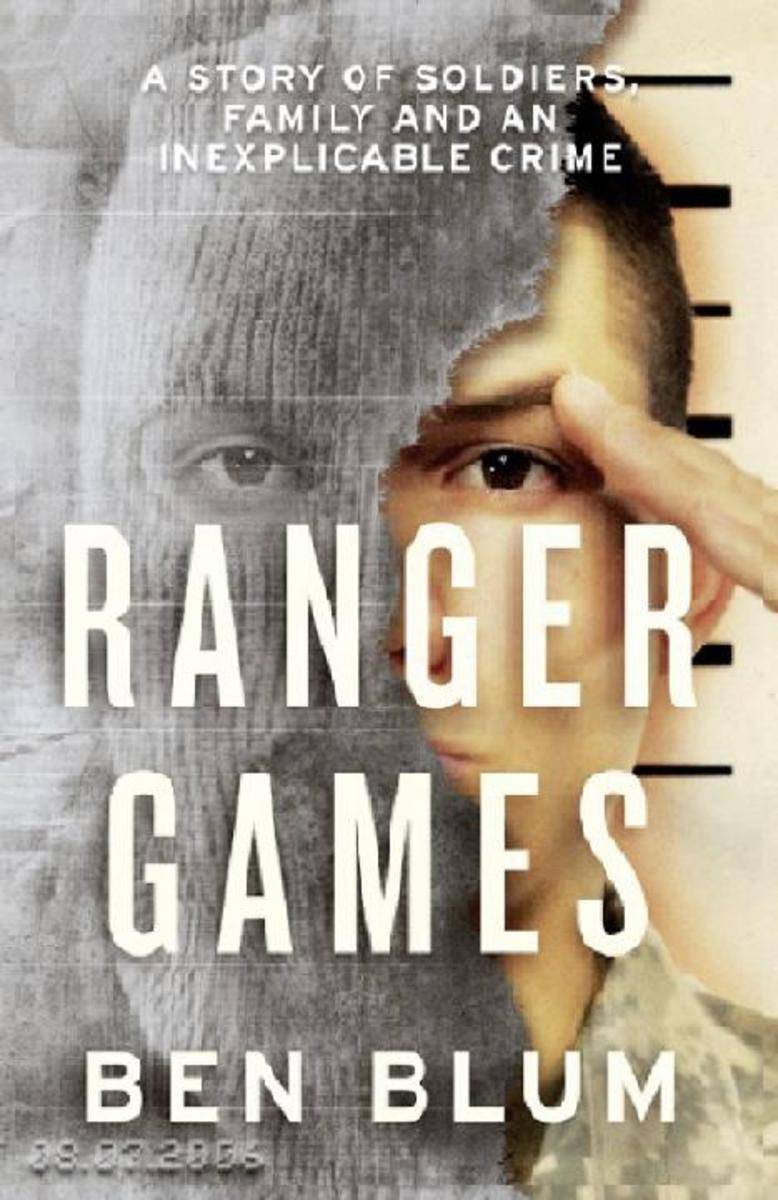
Ranger Games: A Story of Soldiers, Family and an Inexplicable Crime
¥125.18
A tense and layered true-crime story about an all-American soldier boy turned bank robber Alex Blum was a clean-cut all-American kid with one unshakeable goal in life: to serve his country in the military. He was accepted into the elite Rangers regiment, but on the first day of his leave before deployment to Iraq, Alex got into his car with two fellow soldiers and two strangers, drove to a local bank in Tacoma, and committed armed robbery. The Blum family was devastated and mystified. How could he have done such a thing? Alex’s attorney presented a defence based on the theory that trainee Rangers are indoctrinated on a level akin to the brainwashing in an extreme religious cult, and Alex insisted that he had believed the robbery was just another exercise in the famously daunting Ranger program. But Luke Elliot Sommer, the charismatic soldier behind the robbery, maintained that Alex knew exactly what he was doing, and had, in fact, planned it all with him. Who was lying? What had happened to Alex during those gruelling months of training? How accountable was he?

Our Frugal Summer in Charente: An Expat's Kitchen Garden Journal
¥31.88
Our Frugal Summer in Charente: An Expat's Kitchen Garden Journal
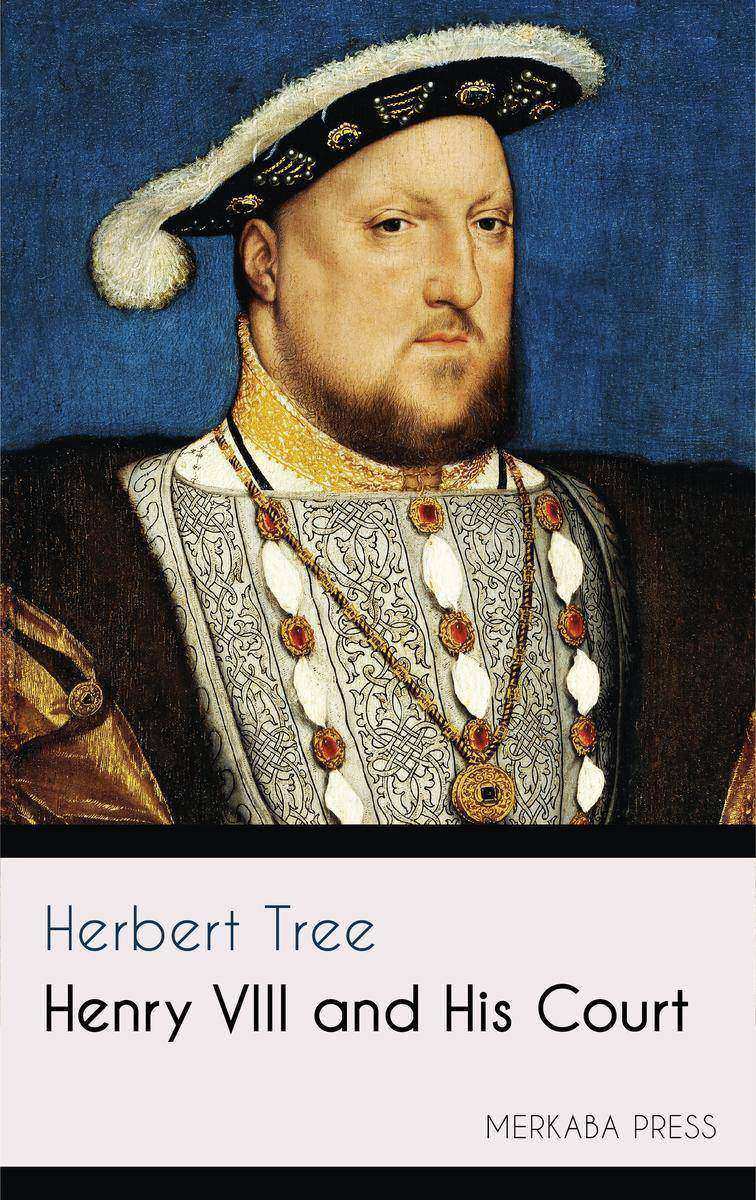
Henry VIII and His Court
¥8.09
Henry VIII and His Court
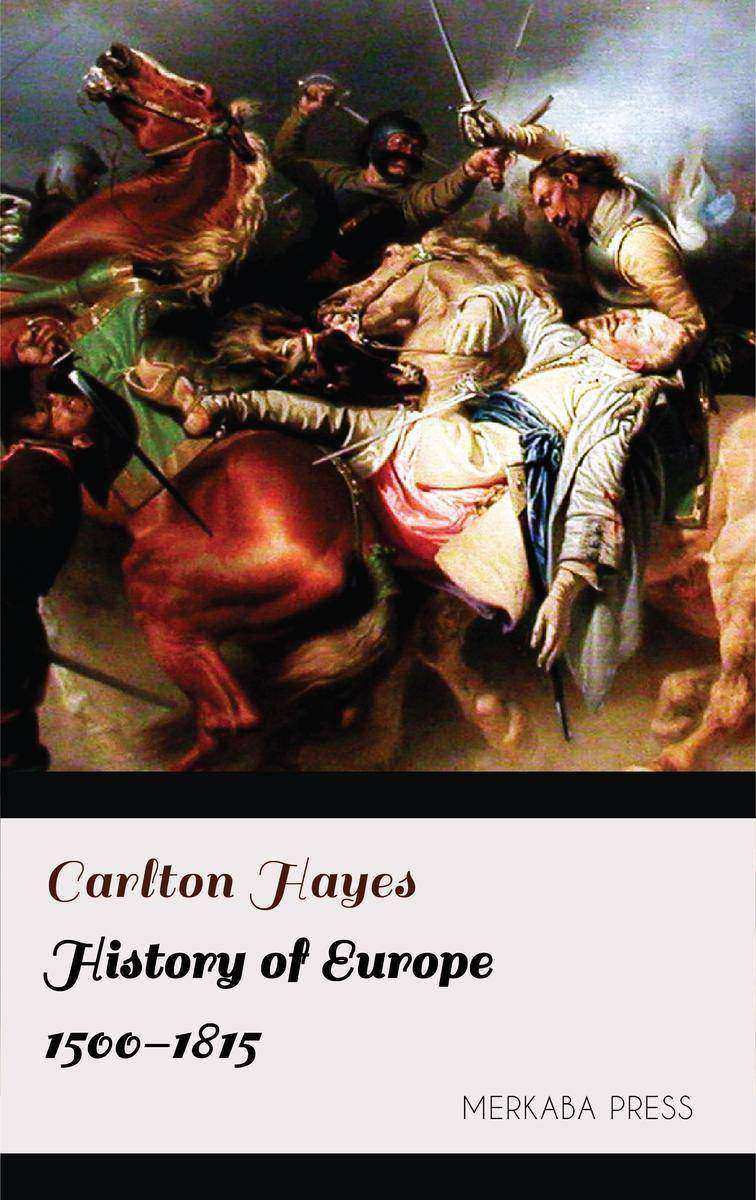
History of Europe 1500-1815
¥8.09
History of Europe 1500-1815
Learning Disabilities: What Parents Need to Know about How to Overcome Learning
¥23.30
Learning Disabilities: What Parents Need to Know about How to Overcome Learning Difficulties
Teaching Strategies to Motivate College Students
¥24.44
Teaching Strategies to Motivate College Students
The Art of Judging: Revealing Intentions while Predicting Behaviors
¥23.30
The Art of Judging: Revealing Intentions while Predicting Behaviors

In the Mountains: A novel written by Elizabeth von Arnim
¥28.61
In the Mountains: A novel written by Elizabeth von Arnim
New year`s milk
¥9.56
New year`s milk
What I Learned at Dartmouth, The $300,000 Education
¥32.62
What I Learned at Dartmouth, The $300,000 Education

Grocery Shopping Guide: How to Save More Money on Grocery Shopping
¥8.09
Grocery Shopping Guide: How to Save More Money on Grocery Shopping

45 DIY Natural Homemade Liquid Soap Recipes
¥32.62
45 DIY Natural Homemade Liquid Soap Recipes


