


 购物车
购物车 个人中心
个人中心
Geekspeak: Why Life + Mathematics = Happiness
¥66.22
The quirky offspring of ‘QI’ and ‘Freakonomics’, ‘Geekspeak’ melds ingenious statistical analysis with edifying trivia to explain away some curious facts of life. Curiosity is our human birthright, and destiny. As a species we are to prone to think, ruminate, reflect, cogitate, deliberate and philosophise. We do all these things, and why? To explain away the world around us, to find solace in knowledge, to answer all those seeming unanswerables: why are we here? Is there a God? Is there life after death? How many slaves on treadmills does it take to power my kettle? Yes, forget the Bible, ‘Geekspeak’ is the new oracle for 21st century living. Graham Tattersall, a confirmed and superior geek, has rescued maths from the prison of the classroom, imbued it with fresh new life, and put it to use in novel and unexpected ways. His ingenious, deceptively simple formula melds statistical analysis with personal experience and enlightening trivia to explain away some curious and oft-pondered mysteries of the world: how big is your vocabulary, how heavy is your house, do the dead outnumber the living, how powerful is a fly, how fast is a fart. With its recipe of sophisticated mathematical techniques, witty anecdotes and startling amount of learning, ‘Geekspeak’ is an essential tool for impressing friends, sounding intelligent and better understanding the fascinating world in which we live. Maths has a new champion, and the Geeks a new King.

Ting Tang Tommy
¥95.75
Good games are like good jokes. They get remembered and passed on from person to person. But sometimes they get forgotten. ‘Ting Tang Tommy!’ is about remembering the best games we’ve ever known This book sets out to prove that you can play games anywhere – on the beach, having dinner with friends, at a barbeque, with your family at Christmas. It will equip you with loads of simple, memorable games that you can share at any moment of the day – no equipment required. Beautifully produced and designed, ‘Ting Tang Tommy!’ is both a handbook of games and a personal exploration of them, full of potted histories and interesting facts. Each game featured has been tried and tested – and, most importantly, loved.
Mafia Princess
¥69.26
Marisa Merico, the daughter of one of Italy's most notorious Mafia Godfathers, was dazzled by her father, Emilio DiGiovine. To her he was all powerful, sophisticated and loving; to the rest of the world he was staggeringly ruthless. Marisa knew her father would do anything for her, but she hadn't expected just how much he would ask in return. Born to an English mother, Marisa turned her back on her quiet life in Blackpool to join her charming father, Emilio DiGiovine, who had spent years trying to tempt her back to Italy. Arriving in Milan, Marisa had no idea she was returning to the heart of one of the most notorious drugs, arms and money laundering empires in the world. At first her father shielded her from the family operations and Marisa was overwhelmed by the attention and gifts he lavished on her. But soon the temptation of a new recruit was too great and Marisa was drawn ever deeper into the family's sinister and brutal regime, witnessing things she was too scared to believe. The day she eloped with her father's chief henchman was the day her father decided she was ready to be initiated into the true nature of the family business. Suddenly Marisa saw there was no limit to what he would expect her to do for him. She knew it was wrong, she knew she had to get out, but she had no idea how she could break the sacred Coda Nostra – and survive. Marisa's extraordinarily story is the most powerful portrayal of a Mafia family to emerge in recent years. It's the perfect balance of shocking violence, dangerous betrayals and enduring love.

BANANAGRAMS?
¥45.13
Discover the secret hints, tips and winning ways of the BANANAGRAMS? bunch! This little book contains the insider secrets to help you become Top Banana … Packed with curious words and fascinating facts, the Collins Little Book of Bananagrams? is a treasure in itself. It's the perfect gift for word lovers and BANANAGRAMS? players of all ages the world over, and includes: Dozens of proper nouns that you CAN play – in any word game! Three ways to turn tiles that save VITAL seconds How to use UK & US spellings to IMPROVE your game The one thing you MUST do in your first move 19 games you can play with BANANAGRAMS? tiles The ESSENTIAL tip that buys time whenever you call "PEEL!" A dictionary of WEORDS?: Weird Words That Win Word Games … And DOZENS of other top tips to boost your BANANAGRAMS? playing power! Over 6 million copies of the game sold.
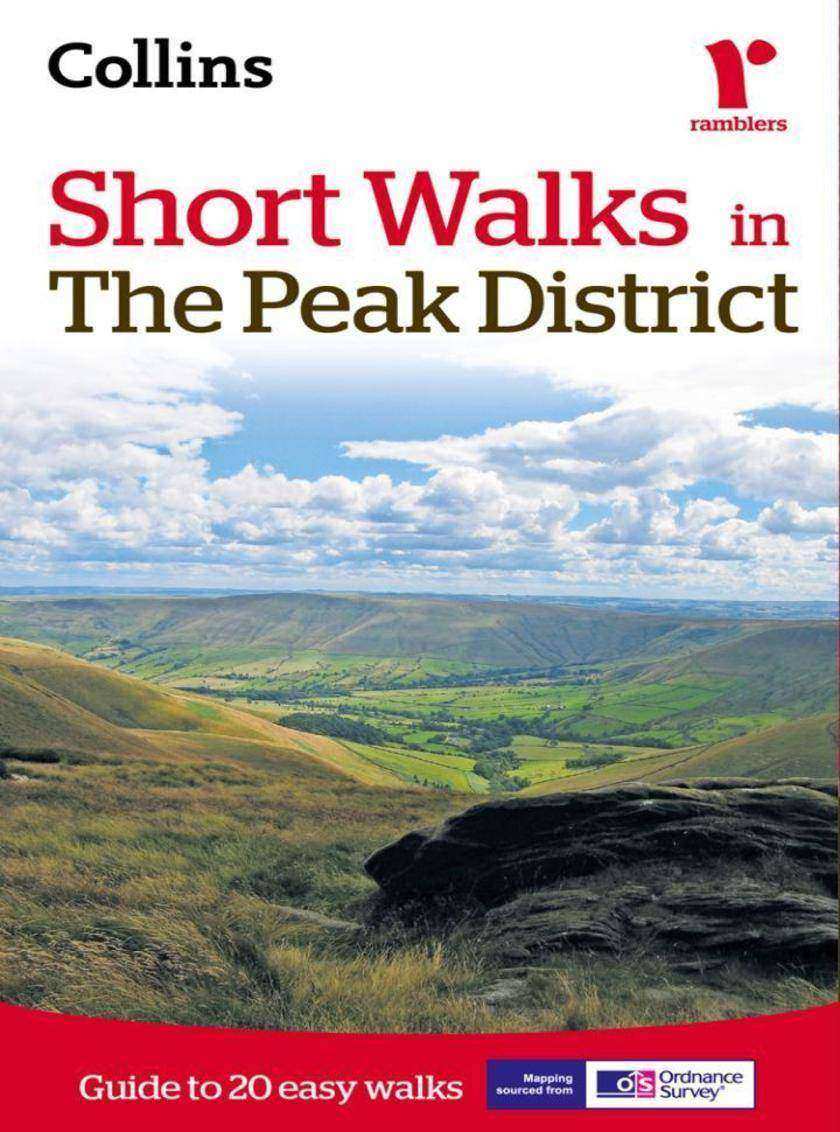
Short walks in the Peak District
¥44.24
The Peak District, with its gentle limestone White Peak and the wilder more dramatic gritstone Dark Peak, is a superb walking area. Explore the district with these 20 walks, all of which are 5 miles or under in length and can easily be completed in less than 3 hours. This guide, produced in co-operation with the Ramblers and featuring Ordnance Survey mapping, is the perfect way to really appreciate the stunning scenery of the Peak District. INCLUDES: ? 20 easy to follow walks which can be completed in 3 hours and under. ? Each walk has a detailed 1:25 000 Ordnance Survey map with the route clearly marked plus a detailed de*ion of the route. ? The walks have been chosen with issues like parking and refreshments in mind to make life easy for families. ? Packed with colour photographs of scenes you will see along the walk. The perfect guide for afternoon walks near to Chesterfield, Sheffield, Matlock, Buxton and Macclesfield.
Life in the Fast Lane: The Johnson Guide to Cars
¥72.99
He comes, he sees, he plays with the gadgets… Boris Johnson has been behind the wheel of some of the world’s fastest, most luxurious cars. He’s taken the Jaguar XKR-R for a spin around a posh public school; roared through Islington in the AC Cobra V8; and spent a weekend tearing through the lanes of Sussex in the splendour of the Mercedes S55 AMG. Now he’s going to reveal exactly what it was like. Pondering the fundamental questions – What does it feel like to be overtaken by a female driver when you’re behind the wheel of an Alfa Romeo? Can a car really precipitate a mid-life crisis? – Boris Johnson’s hilarious dispatches from life in the fast lane will appeal to anyone who’s found themselves behind the wheel of one of modern motoring’s finer specimens. But it’s not all glamour and gadgets. Because when he’s not baiting his Holloway neighbours with the Rolls Royce Corniche, we see Boris trying, and failing, to get to grips with the Smart car, and attempting to flee Kosovo in a Fiat Uno. Published together for the first time as a Paperback Original, these hilarious vignettes are vintage Boris: witty, candid and unique.
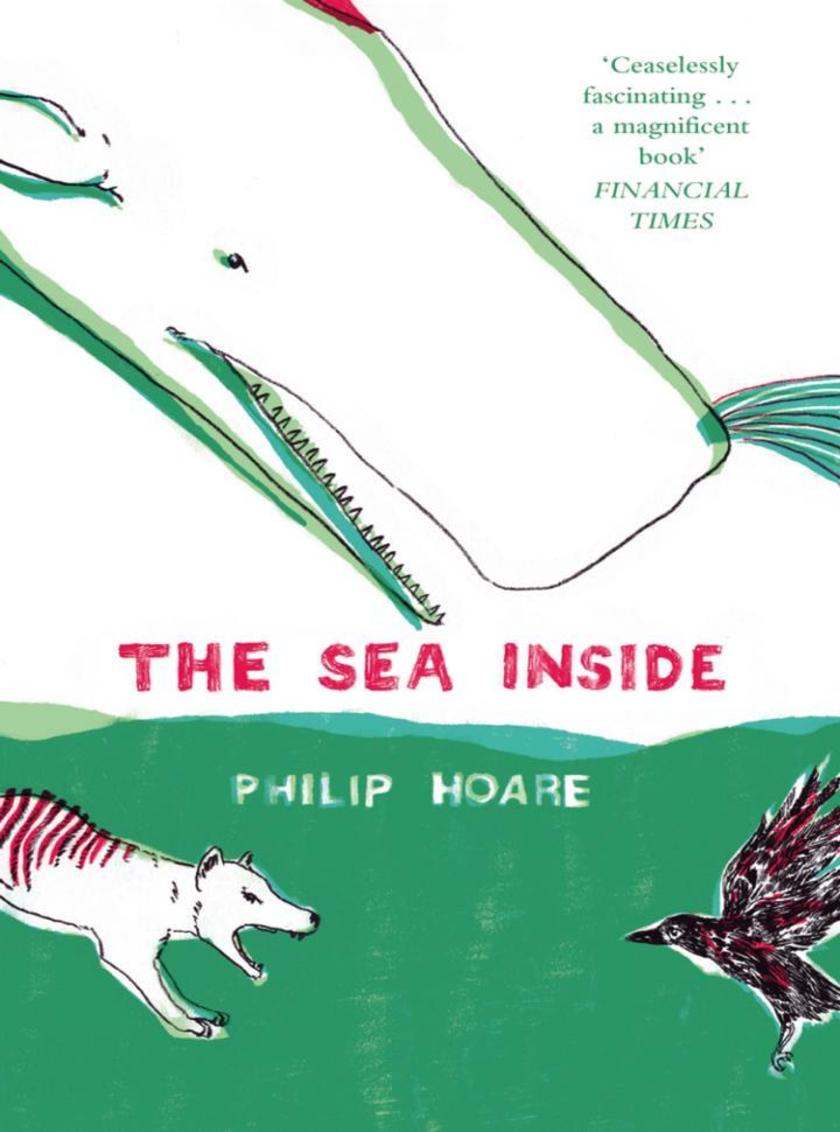
The Sea Inside
¥81.03
A startling new book, his most personal to date, from Philip Hoare, co-curator of ’Moby Dick: Big Read and winner of the 2009 Samuel Johnson Prize for ‘Leviathan’. The sea surrounds us. It gives us life, provides us with the air we breathe and the food we eat. It is ceaseless change and constant presence. It covers two-thirds of our planet. Yet caught up in our everyday lives, we barely notice it. In ‘The Sea Inside’, Philip Hoare sets out to rediscover the sea, its islands, birds and beasts. He begins on the south coast where he grew up, a place of almost monastic escape. From there he travels to the other side of the world – the Azores, Sri Lanka, New Zealand – in search of encounters with animals and people. Navigating between human and natural history, he asks what these stories mean for us now. Along the way we meet an amazing cast; from scientists to tattooed warriors; from ravens to whales and bizarre creatures that may, or may not, be extinct. Part memoir, part fantastical travelogue, ‘The Sea Inside’ takes us on an astounding journey of discovery.

Abraham Lincoln: A Play
¥8.09
This unique edition of Abraham Lincoln: A Play from Dead Dodo Vintage includes the full original text as well as exclusive features not available in other editions.

Szív-hangok 2.: Nem csak egy év
¥34.58
Проверенные веками рецепты целителей! ? Рецепты отваров, настоев, мазей из целебных трав ? Лечение недугов медом, глиной, яблочным уксусом, луком, чесноком ? Исцеление словом: заговоры и шепотки от болезней Народные знахари бережно хранят древние секреты лечения недугов, укрепления душевных сил и оздоровления всего организма. Сегодня эти секреты откроются вам. Благодаря лечебнику с огромным количеством народных способов исцеления травами, чистой водой, ягодами, медом, глиной и другими дарами природы, а также заговорам от сглаза, всякой напасти, злых слов и порчи, различных недугов вы избавитесь от:? простудных и воспалительных заболеваний ? болезней сердца, желудка, суставов ? головных болей, повышенного давления ? аллергии и болезней обмена веществ.Proverennye vekami recepty celitelej! ? Recepty otvarov, nastoev, mazej iz celebnyh trav ? Lechenie nedugov medom, glinoj, jablochnym uksusom, lukom, chesnokom ? Iscelenie slovom: zagovory i shepotki ot boleznej Narodnye znahari berezhno hranjat drevnie sekrety lechenija nedugov, ukreplenija dushevnyh sil i ozdorovlenija vsego organizma. Segodnja jeti sekrety otkrojutsja vam. Blagodarja lechebniku s ogromnym kolichestvom narodnyh sposobov iscelenija travami, chistoj vodoj, jagodami, medom, glinoj i drugimi darami prirody, a takzhe zagovoram ot sglaza, vsjakoj napasti, zlyh slov i porchi, razlichnyh nedugov vy izbavites' ot:? prostudnyh i vospalitel'nyh zabolevanij ? boleznej serdca, zheludka, sustavov ? golovnyh bolej, povyshennogo davlenija ? allergii i boleznej obmena veshhestv.
A kapitány
¥8.67
CURIOUS creatures of Animal Life have been objects of interest to mankind in all ages and countries; the universality of which may be traced to that feeling which "makes the whole world kin." The Egyptian records bear testimony to a familiarity not only with the forms of a multitude of wild animals, but with their habits and geographical distribution." The collections of living animals, now popularly known as Zoological Gardens, are of considerable antiquity. We read of such gardens in China as far back as 2,000 years; but they consisted chiefly of some favourite animals, such as stags, fish, and tortoises. The Greeks, under Pericles, introduced peacocks in large numbers from India. The Romans had their elephants; and the first giraffe in Rome, under C?sar, was as great an event in the history of zoological gardens at its time as the arrival in 1849 of the Hippopotamus was in London. The first zoological garden of which we have any detailed account is that in the reign of the Chinese Emperor, Wen Wang, founded by him about 1150 A.D., and named by him "The Park of Intelligence;" it contained mammalia, birds, fish, and amphibia. The zoological gardens of former times served their masters occasionally as hunting-grounds. This was constantly the case in Persia; and in Germany, so late as 1576, the Emperor Maximilian II. kept such a park for different animals near his castle, Neugebah, in which he frequently chased.Alexander the Great possessed his zoological gardens. We find from Pliny that Alexander had given orders to the keepers to send all the rare and curious animals which died in the gardens to Aristotle. Splendid must have been the zoological gardens which the Spaniards found connected with the Palace of Montezuma. The letters of Ferdinand Cortez and other writings of the time, as well as more recently "The History of the Indians," by Antonio Herrera, give most interesting and detailed accounts of the menagerie in Montezuma's park. The collections of animals exhibited at fairs have added little to Zoological information; but we may mention that Wombwell, one of the most noted of the showfolk, bought a pair of the first Boa Constrictors imported into England: for these he paid 75l., and in three weeks realised considerably more than that sum by their exhibition. At the time of his death, in 1850, Wombwell was possessed of three huge menageries, the cost of maintaining which averaged at least 35l. per day; and he used to estimate that, from mortality and disease, he had lost, from first to last, from 12,000l. to 15,000l. Our object in the following succession of sketches of the habits and eccentricities of the more striking animals, and their principal claims upon our attention, is to present, in narrative, their leading characteristics, and thus to secure a willing audience from old and young.
Anna Karenina: Illustrated
¥32.62
Hugh de Payens returns to Palestine—His death—Robert de Craon made Master—The second Crusade—The Templars assume the Red Cross—Lands, manors, and churches granted them in England—Bernard de Tremelay made Master—He is slain by the Infidels—Bertrand de Blanquefort made Master—He is taken prisoner, and sent in chains to Aleppo—the Pope confers vast privileges upon the Templars; —The knights, priests, and serving brethren of the order—Their religious and military enthusiasm—Their war banner called Beauseant—Rise of the rival religio-military order of the Hospital of St. John—Contests between Saladin and the Templars—Imprisonment and death of the Grand Master—The new Master and the Patriarch go to England for succour—Consecration of the Temple church at London. “We heard the tecbir, so the Arabs call Their shout of onset, when with loud appeal They challenge heaven, as if commanding conquest.” Hugh de Payens, having now laid in Europe the foundations of the great monastic and military institution of the Temple, which was destined shortly to spread its ramifications to the remotest quarters of Christendom, returned to Palestine at the head of a valiant band of newly-elected Templars, drawn principally from England and France. On their arrival at Jerusalem they were received with great distinction by the king, the clergy, and the barons of the Latin kingdom. Hugh de Payens died, however, shortly after his return, and was succeeded (A. D. 1136) by the Lord Robert, surnamed the Burgundian, (son-in-law of Anselm, Archbishop of Canterbury,) who, after the death of his wife, had taken the vows and the habit of the Templars.[6] At this period the fierce religious and military enthusiasm of the Mussulmen had been again aroused by the warlike Zinghis, and his son Noureddin, two of the most famous chieftains of the age. The one was named Emod-ed-deen, “Pillar of religion;” and the other Nour-ed-deen, “Light of Religion,” vulgarly, Noureddin. The Templars were worsted by overpowering numbers. The latin kingdom of Jerusalem was shaken to its foundations, and the oriental clergy in trepidation and alarm sent urgent letters to the Pope for assistance. The Lord Robert, Master of the Temple, had at this period (A. D. 1146) been succeeded by Everard des Barres, Prior of France, who convened a general chapter of the order at Paris, which was attended by Pope Eugenius the Third, Louis the Seventh, king of France, and many prelates, princes, and nobles, from all parts of Christendom. The second crusade was there arranged, and the Templars, with the sanction of the Pope, assumed the blood-red cross, the symbol of martyrdom, as the distinguishing badge of the order, which was appointed to be worn on their habits and mantles on the left side of the breast over the heart, whence they came afterwards to be known by the name of the Red Friars and the Red Cross Knights. At this famous assembly various donations were made to the Templars, to enable them to provide more effectually for the defence of the Holy Land. Bernard Baliol, through love of God and for the good of his soul, granted them his estate of Wedelee, in Hertfordshire, which afterwards formed part of the preceptory of Temple Dynnesley. This grant is expressed to be made at the chapter held at Easter, in Paris, in the presence of the Pope, the king of France, several archbishops, and one hundred and thirty Knights Templars clad in white mantles. The long Latin and French extracts from the old chronicles have also been discarded from the notes, but the historical references have been preserved to enable the reader, if he thinks fit, to study the quaint and curious language of the originals. By these means, and by enlarging the size of the page, the work has been compressed into a smaller compass, and the price reduced nearly one half. It is hoped that these alterations will be found to be improvements.
Чотири сезони (Chotiri sezoni)
¥35.56
Народные средства и рецепты лечения геморроя и варикоза, как и многих других хронических заболеваний, несмотря на простоту и доступность, станут надежной поддержкой медикаментозного лечения и самым эффективным средством профилактики. Продуманная и доступная лечебная диета с рецептами блюд на каждый день, рецепты отваров, настоек и мазей на лекарственных травах, продуктах пчеловодства, лечение лечебной глиной, с помощью соли, квасцов и металлов, водные процедуры, приемы массажа и самомассажа для снятия боли и облегчения симптомов заболевания при регулярном применении заметно и надолго улучшат ваше самочувствие.Narodnye sredstva i recepty lechenija gemorroja i varikoza, kak i mnogih drugih hronicheskih zabolevanij, nesmotrja na prostotu i dostupnost', stanut nadezhnoj podderzhkoj medikamentoznogo lechenija i samym jeffektivnym sredstvom profilaktiki. Produmannaja i dostupnaja lechebnaja dieta s receptami bljud na kazhdyj den', recepty otvarov, nastoek i mazej na lekarstvennyh travah, produktah pchelovodstva, lechenie lechebnoj glinoj, s pomoshh'ju soli, kvascov i metallov, vodnye procedury, priemy massazha i samomassazha dlja snjatija boli i oblegchenija simptomov zabolevanija pri reguljarnom primenenii zametno i nadolgo uluchshat vashe samochuvstvie.

Mobile Network Optimization: A Guide for 2G and 3G Mobile Network Optimization
¥98.02
Mobile Network Optimization: A Guide for 2G and 3G Mobile Network Optimization
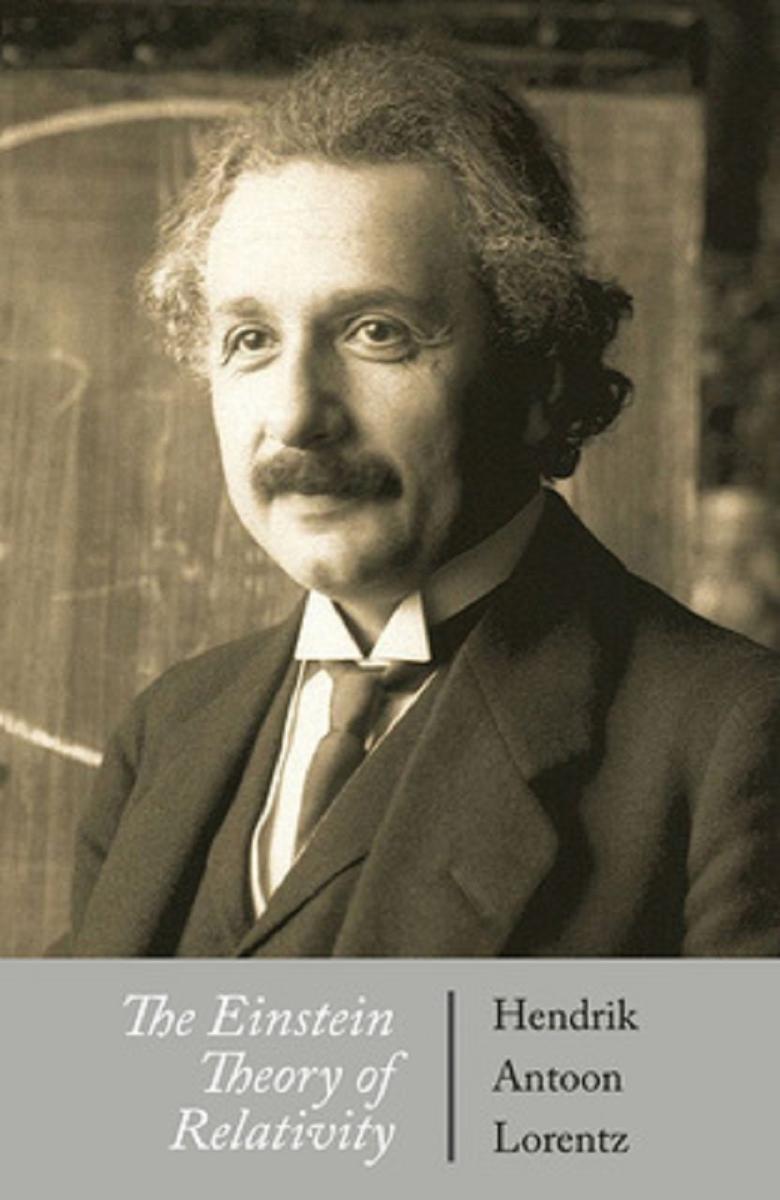
The Einstein Theory of Relativity
¥8.09
The Einstein Theory of Relativity
Mentally Calculate It: Gateways To Becoming A Human Calculator
¥32.62
Mentally Calculate It: Gateways To Becoming A Human Calculator
Synapse: A Tutorial Study Guide
¥40.79
Synapse: A Tutorial Study Guide
Scientific Methods: A Tutorial Study Guide
¥32.62
Scientific Methods: A Tutorial Study Guide
Action Potential: A Tutorial Study Guide
¥32.62
Action Potential: A Tutorial Study Guide

Be Your Own Doctor: Alternative Therapies For Conventional Prescriptions
¥24.44
Be Your Own Doctor: Alternative Therapies For Conventional Prescriptions
Ham Radio: From Beginner to Badass
¥24.44
Ham Radio: From Beginner to Badass

Wart Cure: A Complete Guide on How To Get Rid Of Warts For Good
¥24.44
Wart Cure: A Complete Guide on How To Get Rid Of Warts For Good


