


 购物车
购物车 个人中心
个人中心

Ting Tang Tommy
¥95.75
Good games are like good jokes. They get remembered and passed on from person to person. But sometimes they get forgotten. ‘Ting Tang Tommy!’ is about remembering the best games we’ve ever known This book sets out to prove that you can play games anywhere – on the beach, having dinner with friends, at a barbeque, with your family at Christmas. It will equip you with loads of simple, memorable games that you can share at any moment of the day – no equipment required. Beautifully produced and designed, ‘Ting Tang Tommy!’ is both a handbook of games and a personal exploration of them, full of potted histories and interesting facts. Each game featured has been tried and tested – and, most importantly, loved.
Geekspeak: Why Life + Mathematics = Happiness
¥66.22
The quirky offspring of ‘QI’ and ‘Freakonomics’, ‘Geekspeak’ melds ingenious statistical analysis with edifying trivia to explain away some curious facts of life. Curiosity is our human birthright, and destiny. As a species we are to prone to think, ruminate, reflect, cogitate, deliberate and philosophise. We do all these things, and why? To explain away the world around us, to find solace in knowledge, to answer all those seeming unanswerables: why are we here? Is there a God? Is there life after death? How many slaves on treadmills does it take to power my kettle? Yes, forget the Bible, ‘Geekspeak’ is the new oracle for 21st century living. Graham Tattersall, a confirmed and superior geek, has rescued maths from the prison of the classroom, imbued it with fresh new life, and put it to use in novel and unexpected ways. His ingenious, deceptively simple formula melds statistical analysis with personal experience and enlightening trivia to explain away some curious and oft-pondered mysteries of the world: how big is your vocabulary, how heavy is your house, do the dead outnumber the living, how powerful is a fly, how fast is a fart. With its recipe of sophisticated mathematical techniques, witty anecdotes and startling amount of learning, ‘Geekspeak’ is an essential tool for impressing friends, sounding intelligent and better understanding the fascinating world in which we live. Maths has a new champion, and the Geeks a new King.
Murder by Accident
¥447.34
Over fifty years ago, it became unfashionable-even forbidden-for students of literature to talk about an author's intentions for a given work. In Murder by Accident, Jody Enders boldly resurrects the long-disgraced concept of intentionality, especially as it relates to the theater.Drawing on four fascinating medieval events in which a theatrical performance precipitated deadly consequences, Enders contends that the marginalization of intention in critical discourse is a mirror for the marginalization-and misunderstanding-of theater. Murder by Accident revisits the legal, moral, ethical, and aesthetic limits of the living arts of the past, pairing them with examples from the present, whether they be reality television, snuff films, the "e;accidental"e; live broadcast of a suicide on a Los Angeles freeway, or an actor who jokingly fired a stage revolver at his temple, causing his eventual death. This book will force scholars and students to rethink their assumptions about theory, intention, and performance, both past and present.
Ecology and Evolution of Ant-Plant Interactions
¥282.53
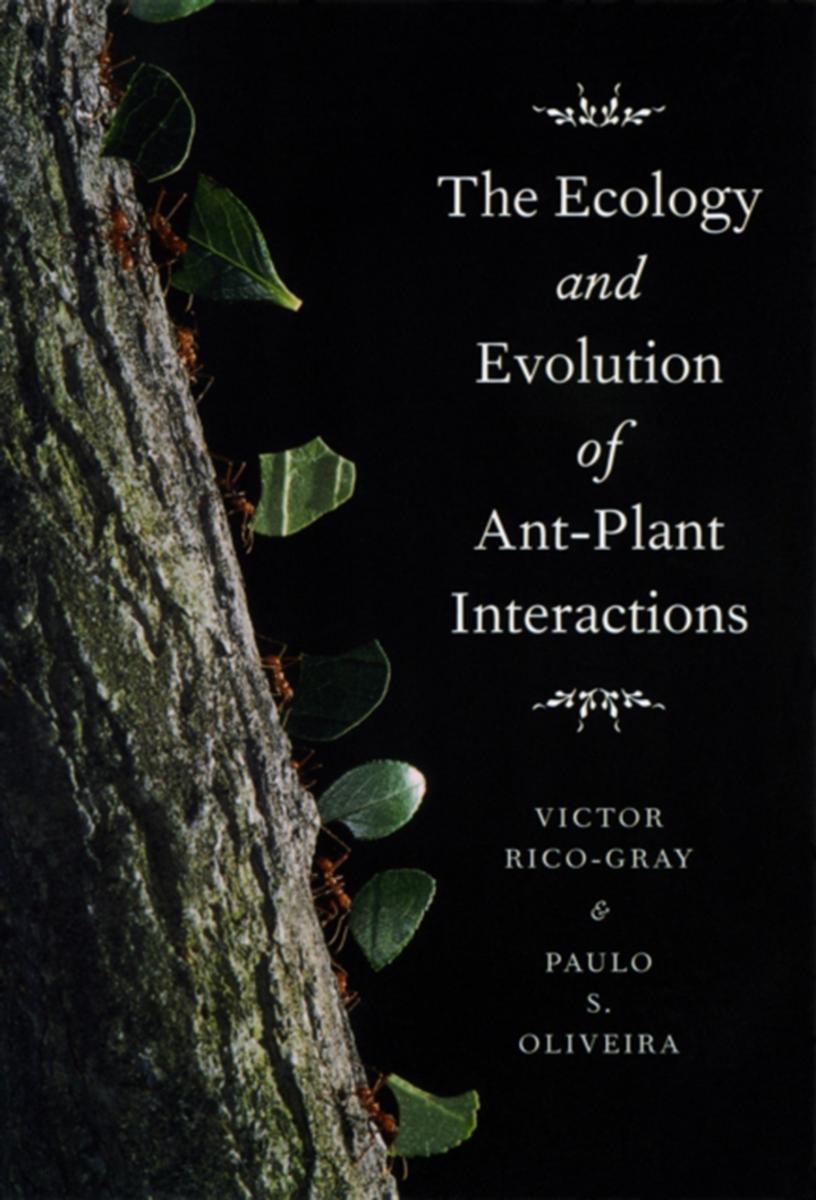
Ants are probably the most dominant insect group on Earth, representing ten to fifteen percent of animal biomass in terrestrial ecosystems. Flowering plants, meanwhile, owe their evolutionary success to an array of interspecific interactions-such as pollination, seed dispersal, and herbivory-that have helped to shape their great diversity. The Ecology and Evolution of Ant-Plant Interactions brings together findings from the scientific literature on the coevolution of ants and plants to provide a better understanding of the unparalleled success of these two remarkable groups, of interspecific interactions in general, and ultimately of terrestrial biological communities.The Ecology and Evolution of Ant-Plant Interactions synthesizes the dynamics of ant-plant interactions, including the sources of variation in their outcomes. Victor Rico-Gray and Paulo S. Oliveira capture both the emerging appreciation of the importance of these interactions within ecosystems and the developing approaches that place studies of these interactions into a broader ecological and evolutionary context. The collaboration of two internationally renowned scientists, The Ecology and Evolution of Ant-Plant Interactions will become a standard reference for understanding the complex interactions between these two taxa.
Man Who Flattened the Earth
¥311.96
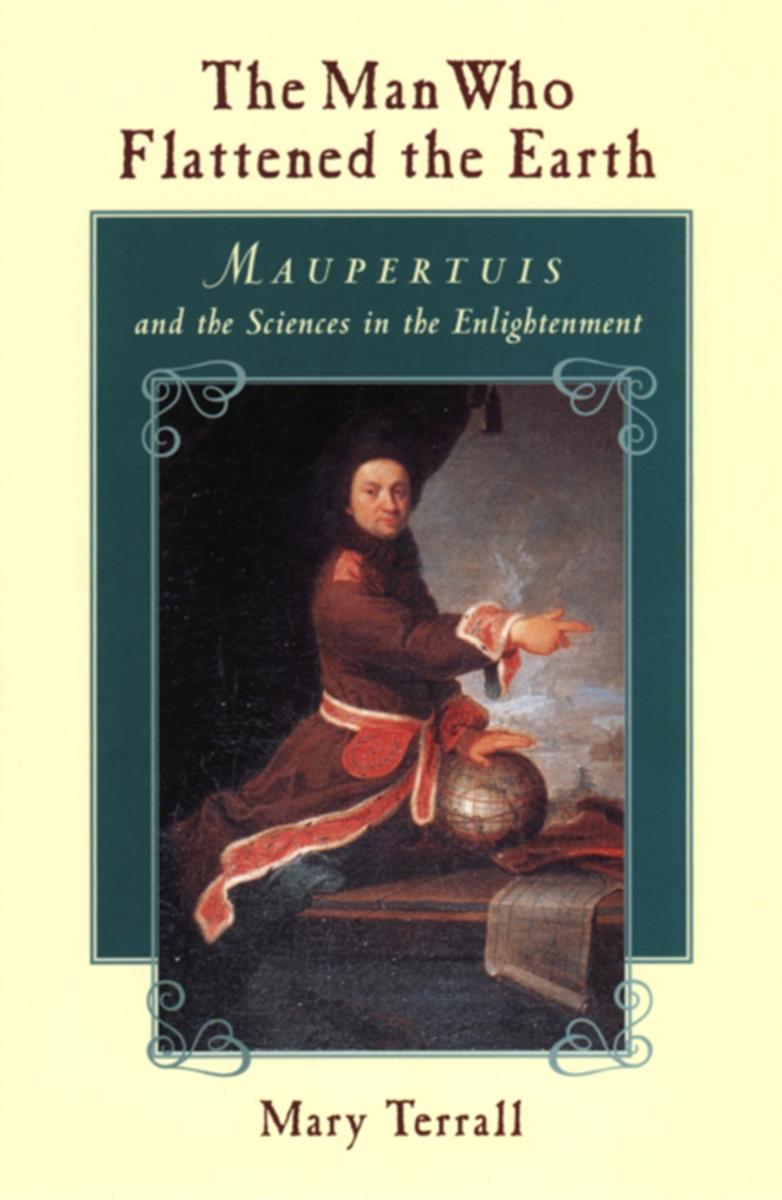
Self-styled adventurer, literary wit, philosopher, and statesman of science, Pierre-Louis Moreau de Maupertuis (1698-1759) stood at the center of Enlightenment science and culture. Offering an elegant and accessible portrait of this remarkable man, Mary Terrall uses the story of Maupertuis's life, self-fashioning, and scientific works to explore what it meant to do science and to be a man of science in eighteenth-century Europe.Beginning his scientific career as a mathematician in Paris, Maupertuis entered the public eye with a much-discussed expedition to Lapland, which confirmed Newton's calculation that the earth was flattened at the poles. He also made significant, and often intentionally controversial, contributions to physics, life science, navigation, astronomy, and metaphysics. Called to Berlin by Frederick the Great, Maupertuis moved to Prussia to preside over the Academy of Sciences there. Equally at home in salons, cafs, scientific academies, and royal courts, Maupertuis used his social connections and his printed works to enhance a carefully constructed reputation as both a man of letters and a man of science. His social and institutional affiliations, in turn, affected how Maupertuis formulated his ideas, how he presented them to his contemporaries, and the reactions they provoked.Terrall not only illuminates the life and work of a colorful and important Enlightenment figure, but also uses his story to delve into many wider issues, including the development of scientific institutions, the impact of print culture on science, and the interactions of science and government. Smart and highly readable, Maupertuis will appeal to anyone interested in eighteenth-century science and culture.”Terrall's work is scholarship in the best sense. Her explanations of arcane 18th-century French physics, mathematics, astronomy, and biology are among the most lucid available in any language.”-Virginia Dawson, American Historical ReviewWinner of the 2003 Pfizer Award from the History of Science Society
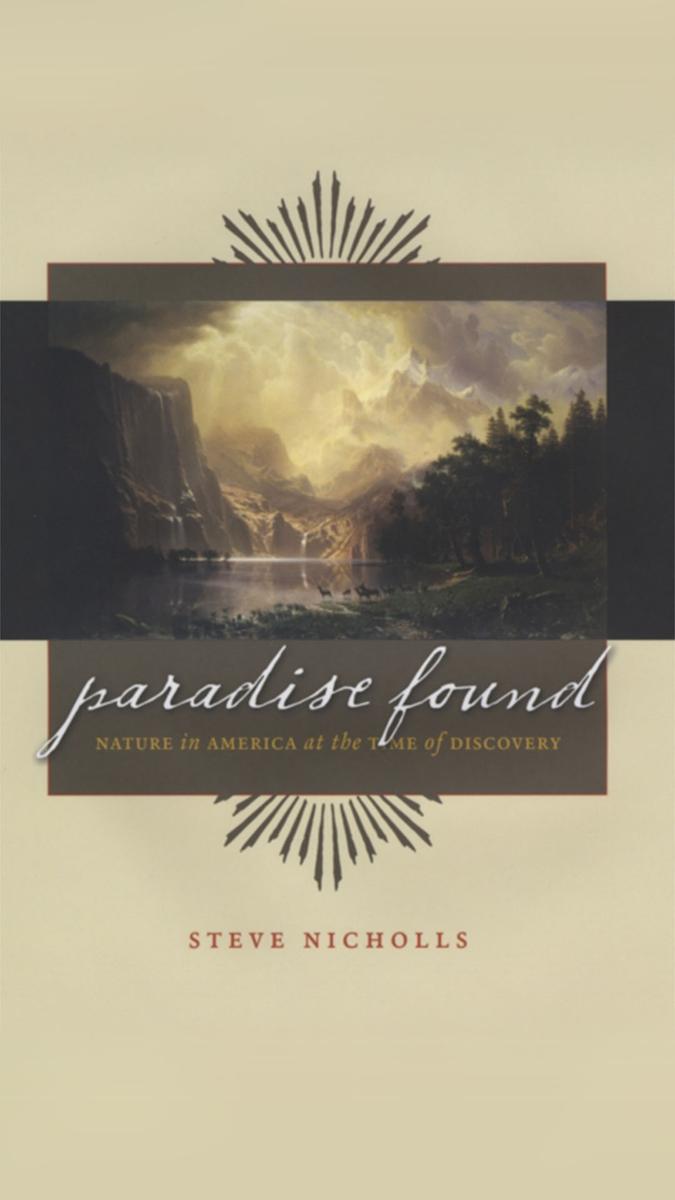
Paradise Found
¥147.15
The first Europeans to set foot on North America stood in awe of the natural abundance before them. The skies were filled with birds, seas and rivers teemed with fish, and the forests and grasslands were a hunter's dream, with populations of game too abundant and diverse to even fathom. It's no wonder these first settlers thought they had discovered a paradise of sorts. Fortunately for us, they left a legacy of copious records documenting what they saw, and these observations make it possible to craft a far more detailed evocation of North America before its settlement than any other place on the planet.Here Steve Nicholls brings this spectacular environment back to vivid life, demonstrating with both historical narrative and scientific inquiry just what an amazing place North America was and how it looked when the explorers first found it. The story of the continent's colonization forms a backdrop to its natural history, which Nicholls explores in chapters on the North Atlantic, the East Coast, the Subtropical Caribbean, the West Coast, Baja California, and the Great Plains. Seamlessly blending firsthand accounts from centuries past with the findings of scientists today, Nicholls also introduces us to a myriad cast of characters who have chronicled the changing landscape, from pre-Revolutionary era settlers to researchers whom he has met in the field.A director and writer of Emmy Award-winning wildlife documentaries for the Smithsonian Channel, Animal Planet, National Geographic, and PBS, Nicholls deploys a cinematic flair for capturing nature at its most mesmerizing throughout. But Paradise Found is much more than a celebration of what once was: it is also a reminder of how much we have lost along the way and an urgent call to action so future generations are more responsible stewards of the world around them. The result is popular science of the highest order: a book as remarkable as the landscape it recreates and as inspired as the men and women who discovered it.
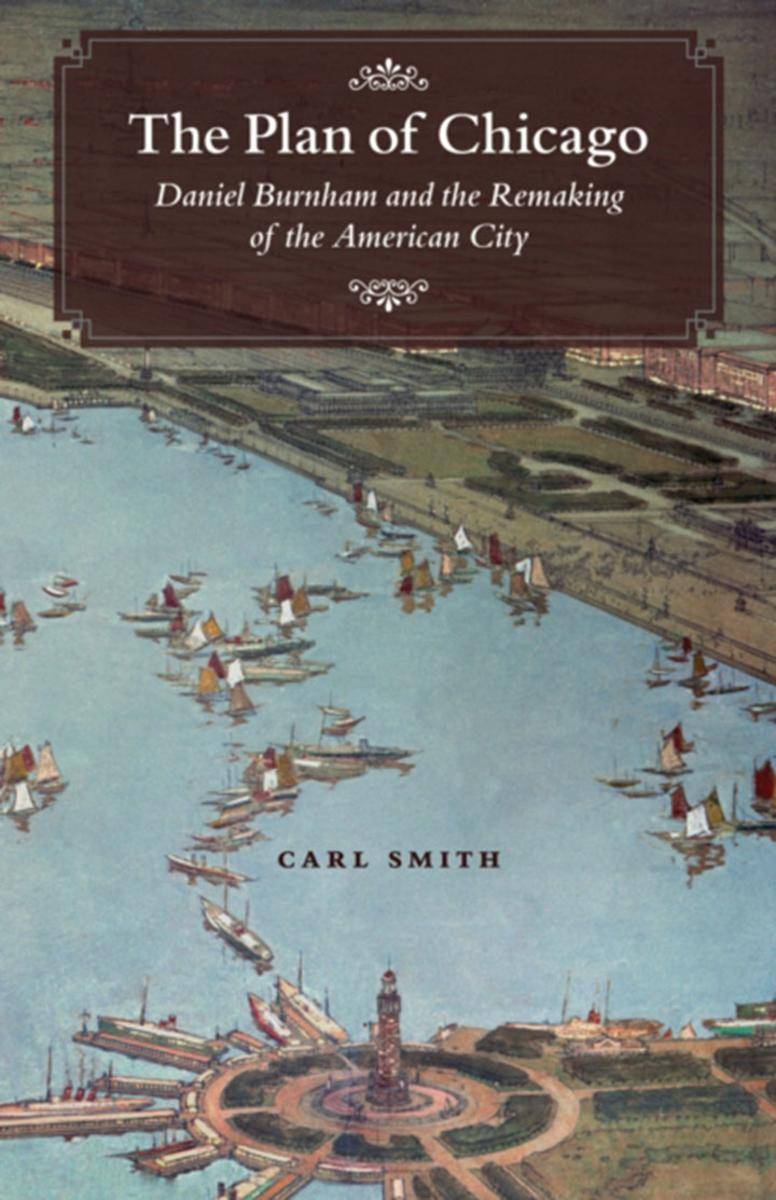
Plan of Chicago
¥100.06
Arguably the most influential document in the history of urban planning, Daniel Burnham's 1909 Plan of Chicago, coauthored by Edward Bennett and produced in collaboration with the Commercial Club of Chicago, proposed many of the city's most distinctive features, including its lakefront parks and roadways, the Magnificent Mile, and Navy Pier. Carl Smith's fascinating history reveals the Plan's central role in shaping the ways people envision the cityscape and urban life itself.?Smith's concise and accessible narrative begins with a survey of Chicago's stunning rise from a tiny frontier settlement to the nation's second-largest city. He then offers an illuminating exploration of the Plan's creation and reveals how it embodies the renowned architect's belief that cities can and must be remade for the better. The Plan defined the City Beautiful movement and was the first comprehensive attempt to reimagine a major American city. Smith points out the ways the Plan continues to influence debates, even a century after its publication, about how to create a vibrant and habitable?urban environment.?Richly illustrated and incisively written, his insightful book will be indispensable to our understanding of Chicago, Daniel Burnham, and the emergence of the modern city.
Music in German Philosophy
¥353.16
Though many well-known German philosophers have devoted considerable attention to music and its aesthetics, surprisingly few of their writings on the subject have been translated into English. Stefan Lorenz Sorgner, a philosopher, and Oliver Furbeth, a musicologist, here fill this important gap for musical scholars and students alike with this compelling guide to the musical discourse of ten of the most important German philosophers, from Kant to Adorno.Music in German Philosophy includes contributions from a renowned group of ten scholars, including some of today's most prominent German thinkers, all of whom are specialists in the writers they treat. Each chapter consists of a short biographical sketch of the philosopher concerned, a summary of his writings on aesthetics, and finally a detailed exploration of his thoughts on music. The book is prefaced by the editors' original introduction, presenting music philosophy in Germany before and after Kant, as well as a new introduction and foreword to this English-language addition, which places contemplations on music by these German philosophers within a broader intellectual climate.
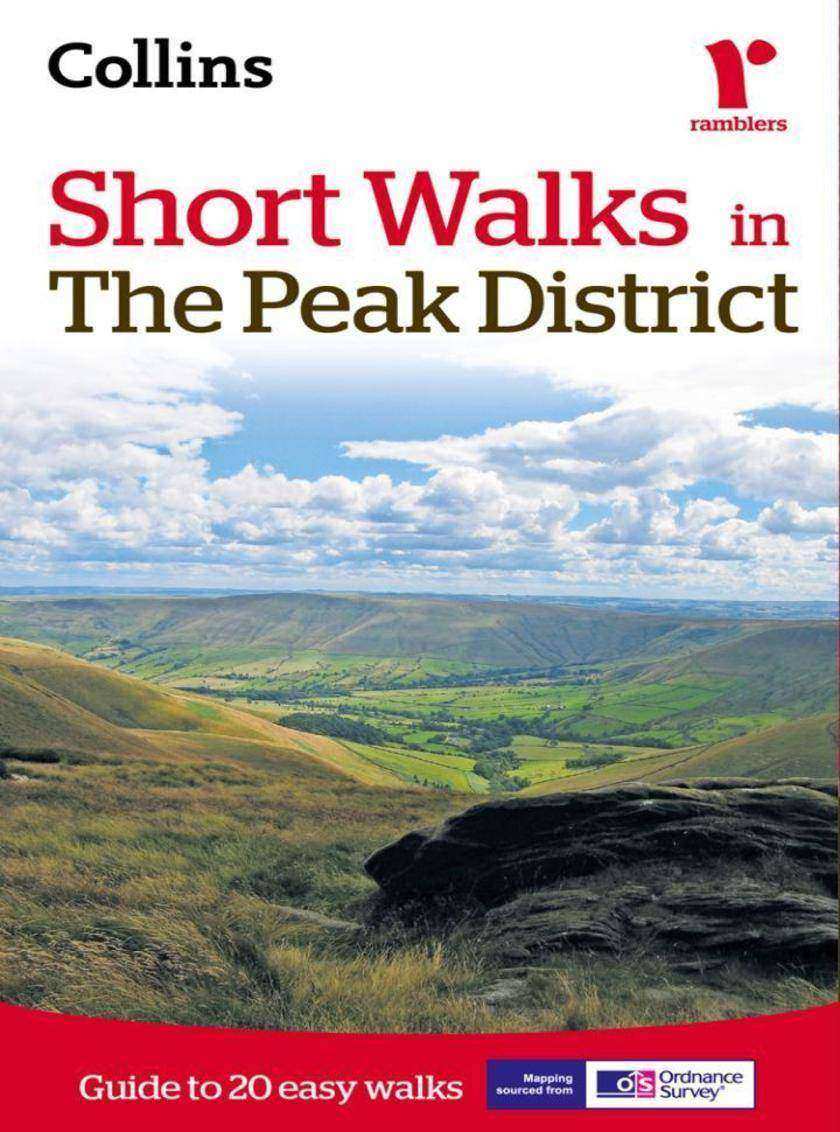
Short walks in the Peak District
¥44.24
The Peak District, with its gentle limestone White Peak and the wilder more dramatic gritstone Dark Peak, is a superb walking area. Explore the district with these 20 walks, all of which are 5 miles or under in length and can easily be completed in less than 3 hours. This guide, produced in co-operation with the Ramblers and featuring Ordnance Survey mapping, is the perfect way to really appreciate the stunning scenery of the Peak District. INCLUDES: ? 20 easy to follow walks which can be completed in 3 hours and under. ? Each walk has a detailed 1:25 000 Ordnance Survey map with the route clearly marked plus a detailed de*ion of the route. ? The walks have been chosen with issues like parking and refreshments in mind to make life easy for families. ? Packed with colour photographs of scenes you will see along the walk. The perfect guide for afternoon walks near to Chesterfield, Sheffield, Matlock, Buxton and Macclesfield.

The Times Improve Your Bridge Game
¥44.24
Based on The Times Bridge column, an extensive bridge guide aimed at the less experienced or social player who longs to improve their game, with instructive deals and tips, as well as a helpful Index. Andrew Robson, The Times Bridge Correspondent, is both a champion Bridge player and an inspired teacher. He teaches and tutors at his Bridge Club and has acquired great practical knowledge about how people learn to play Bridge. Based on Andrew Robson’s Friday column in The Times, common scenarios are presented with an outline of what actually happened, as well as what should have happened. Along with every deal is the very popular handy tip ‘If you remember just one thing…’, which features throughout the book. The first section of the book, ‘The Game’, is a basic outline providing the key to playing a sensible game of Bridge, subdivided into ‘Bidding’, ‘Declarer Play’ and ‘Defence’. The reader can either read ‘The Game’ first, paying particular attention to the tips, or they can dip in and out of the book, picking a common mistake at random, with the option to cross-reference to the same tip in ‘The Game’ section. Bridge is now reaching a new audience, and is being played by people of all ages. Let Andrew Robson help you to improve your game! Previously published as The Times Bridge: Common Mistakes and How to Avoid Them

BMW 5 & 6 Series E12 - E24 - E28 -E34 Restoration Tips and Techniques
¥245.17
A wealth of restoration tips and techniques covering E12, E24, E28, E34, 5 and 6 Series BMWs built between 1972 and 1995. Covers all models from 518 to M6. Advice is given on acquiring a good 5 & 6 Series model, plus tips on restoring, engines, bodywork, trim, electrics, suspension & much more.

Mercedes Benz & Dodge Sprinter CDI 2000-2006 Owners Workshop Manual
¥245.17
Easy to follow step by step instructions & advice which enables the owner to carry out many jobs himself for the Mercedes-Benz Sprinter Van & Camper Diesel. Models covered: 208 CDI, 308 CDI, 211 CDI, 311 CDI, 411 CDI, 213 CDI, 313 CDI, 413 CDI, 216 CDI, 316 CDI, 416 CDI with the 2.2 & 2.7 litre CDI Diesel (types 611 DELA & 612 DELA) From 2000 to 2006 with the commom rail injection system. A total of 232 fully illustrated pages.
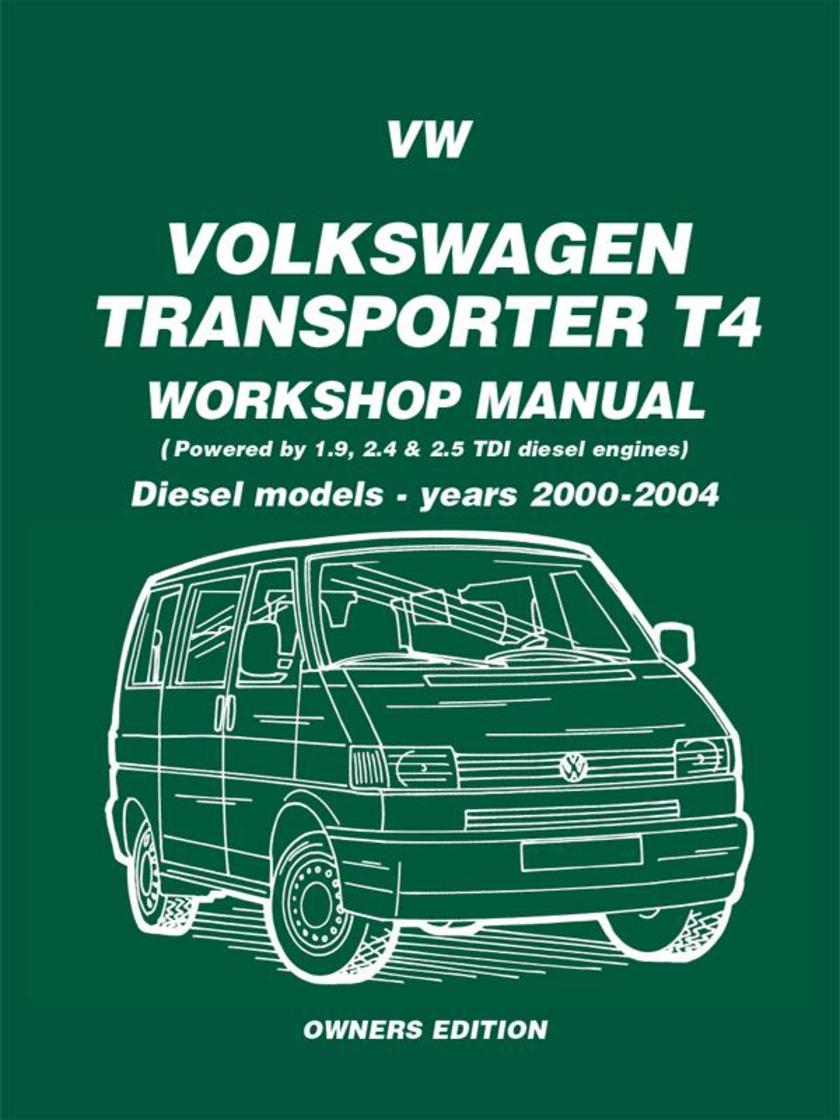
VW Transporter T4 (Petrol and Diesel - 1990-1995) Workshop Manual
¥245.17
Covers models from 1990 to 1995. Covering: short & long wheelbase, Van, Caravelle, Bus, 2.0 & 2.5-litre petrol and 1.9 & 2.4-litre diesel engines, clutch, suspension, fuel, ignition, steering, braking, electrics, bodywork, plus a fault-finding section. Covers manual only.

VW Transporter T4 Workshop Manual Diesel 2000-2004
¥245.17
Covers all T4 diesel vehicles from 2000 to the end of 2004, including Vans 800, 1,000, and 1,200, Caravelle CL and GL, Bus (long and short wheelbase). Engines covered: Diesel 1.9L, 2.4L & 2.5L TDI, with a manual gearbox only. 164 large pages including 11 pages of wiring & over 200 illustrations.
Fermat’s Last Theorem
¥73.58
I have a truly marvellous demonstration of this proposition which this margin is too narrow to contain.' It was with these words, written in the 1630s, that Pierre de Fermat intrigued and infuriated the mathematics community. For over 350 years, proving Fermat's Last Theorem was the most notorious unsolved mathematical problem, a puzzle whose basics most children could grasp but whose solution eluded the greatest minds in the world. In 1993, after years of secret toil, Englishman Andrew Wiles announced to an astounded audience that he had cracked Fermat's Last Theorem. He had no idea of the nightmare that lay ahead. In 'Fermat's Last Theorem' Simon Singh has crafted a remarkable tale of intellectual endeavour spanning three centuries, and a moving testament to the obsession, sacrifice and extraordinary determination of Andrew Wiles: one man against all the odds.
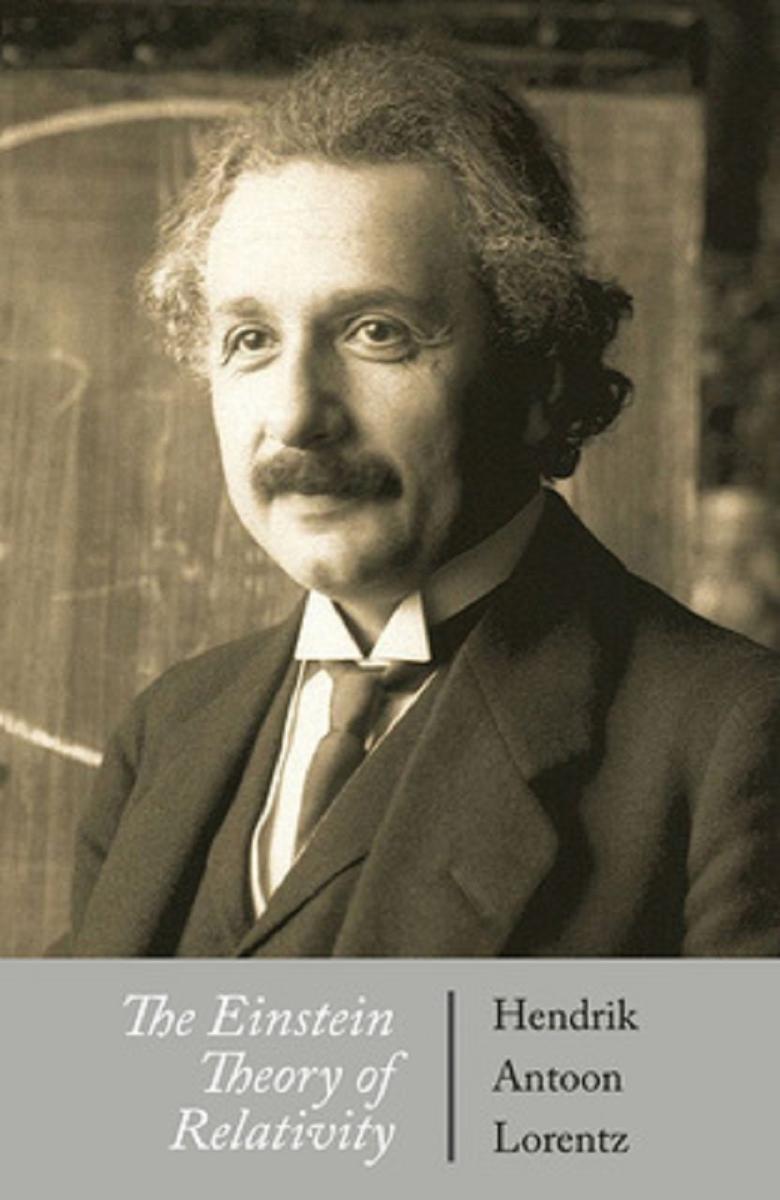
The Einstein Theory of Relativity
¥8.09
The Einstein Theory of Relativity

Mobile Network Optimization: A Guide for 2G and 3G Mobile Network Optimization
¥98.02
Mobile Network Optimization: A Guide for 2G and 3G Mobile Network Optimization
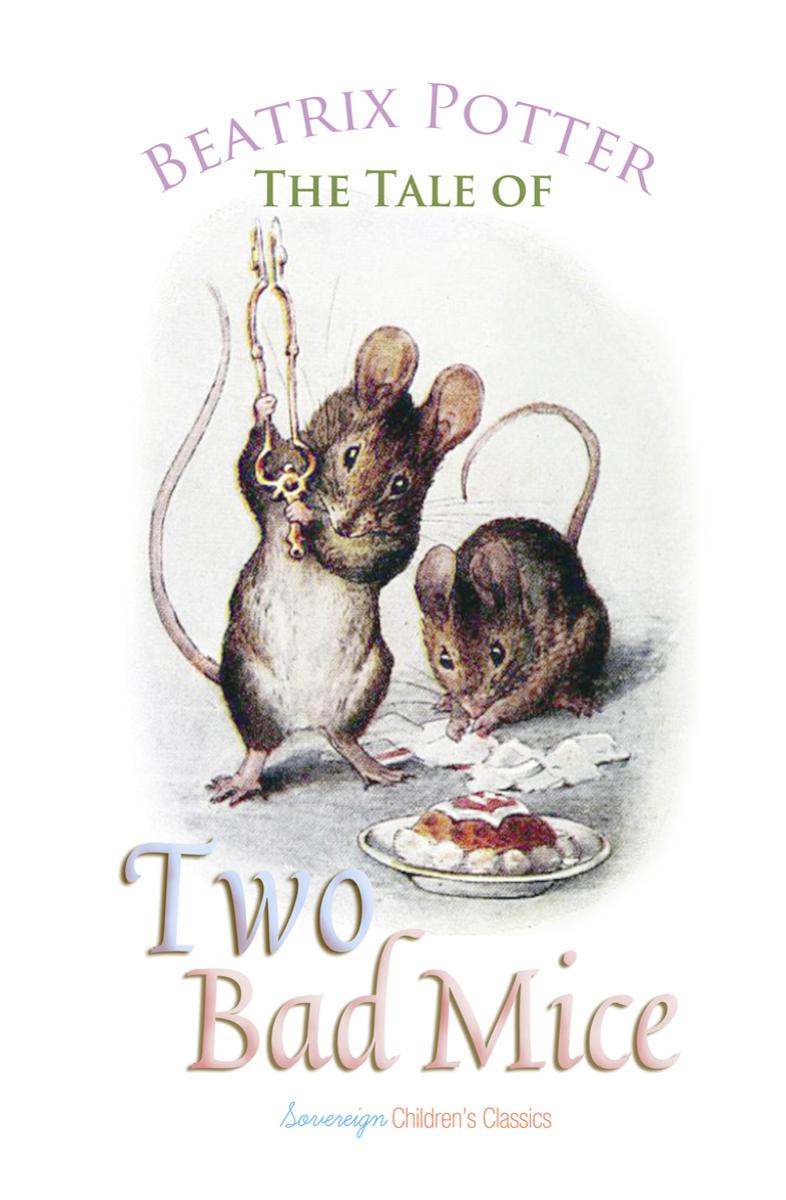
The Tale of Two Bad Mice
¥40.79
Once upon a time there was a very beautiful doll’s-house; it was red brick with white windows, and it had real muslin curtains and a front door and a chimney. One morning Lucinda and Jane had gone out for a drive in the doll’s perambulator. There was no one in the nursery, and it was very quiet. Presently there was a little scuffling, scratching noise in a corner near the fire-place, where there was a hole under the skirting-board.
The Travels of Ibn Fudayl
¥57.14
The Travels of Ibn Fudayl is a satirical tale written in the style of an academic who has translated a medieval manuscript. It comes complete with a foreword, introduction, bibliography and copious footnotes that poke fun at the pretentious world of academia, whilst chronicling Ibn Fudayl's experiences in Al-Andalus. In particular, how his search for wisdom leads him to meet the philosopher Al-Homsi, the world's most ignorant man. It is their friendship and love for worthless knowledge that enables Ibn Fudayl to reach the upper echelons of Andalusian society.

Stress Management
¥57.14
Stress Management
Delphi Works of W. B. Yeats (Illustrated)
¥8.09
This is the seventh volume of a new series of publications by Delphi Classics, the best-selling publisher of classical works. Many poetry collections are often poorly formatted and difficult to read on eReaders. The Delphi Poets Series offers readers the works of literature's finest poets, with superior formatting. This volume presents the poetical works and plays of W. B. Yeats, with illustrations and the usual Delphi bonus material. (Version: 1) * Beautifully illustrated with images relating to Yeats' life and works * Concise introductions to the poetry and other works * Ten poetry collections – the most poems possible due to US copyright restrictions * Images of how the poetry books were first printed, giving your eReader a taste of the original texts * Excellent formatting of the poems and plays * Special chronological and alphabetical contents tables for the poetry * Easily locate the poems you want to read * 19 plays, including rare dramas appearing for the first time in digital print * Features two autobiographies - discover Yeats' literary life * Scholarly ordering of texts into chronological order and literary genres Please note: to comply with US copyright restrictions, poetry collections, plays and autobiographical works published after 1922 cannot appear in this volume. Once these later works enter the US public domain, they will be added as a free update to the eBook. Please visit www.delphiclassics.com to browse through our range of exciting titles CONTENTS The Poetry Collections THE WANDERINGS OF OISIN AND OTHER POEMS THE COUNTESS KATHLEEN AND VARIOUS LEGENDS AND LYRICS THE WIND AMONG THE REEDS Poems from THE SHADOWY WATERS TWO NARRATIVE POEMS IN THE SEVEN WOODS THE GREEN HELMET AND OTHER POEMS RESPONSIBILITIES THE WILD SWANS AT COOLE MICHAEL ROBARTES AND THE DANCER The Poems LIST OF POEMS IN CHRONOLOGICAL ORDER LIST OF POEMS IN ALPHABETICAL ORDER The Plays THE COUNTESS CATHLEEN THE LAND OF HEART’S DESIRE DIARMUID AND GRANIA WHERE THERE IS NOTHING CATHLEEN NI HOULIHAN THE HOUR-GLASS THE POT OF BROTH THE KING’S THRESHOLD ON BAILE’S STRAND DEIRDRE THE UNICORN FROM THE STARS THE GREEN HELMET THE SHADOWY WATERS THE HOUR-GLASS (VERSE VERSION) AT THE HAWK’S WELL THE DREAMING OF THE BONES THE ONLY JEALOUSY OF EMER CALVARY THE PLAYER QUEEN The Autobiographies REVERIES OVER CHILDHOOD AND YOUTH THE TREMBLING OF THE VEIL


