


 购物车
购物车 个人中心
个人中心
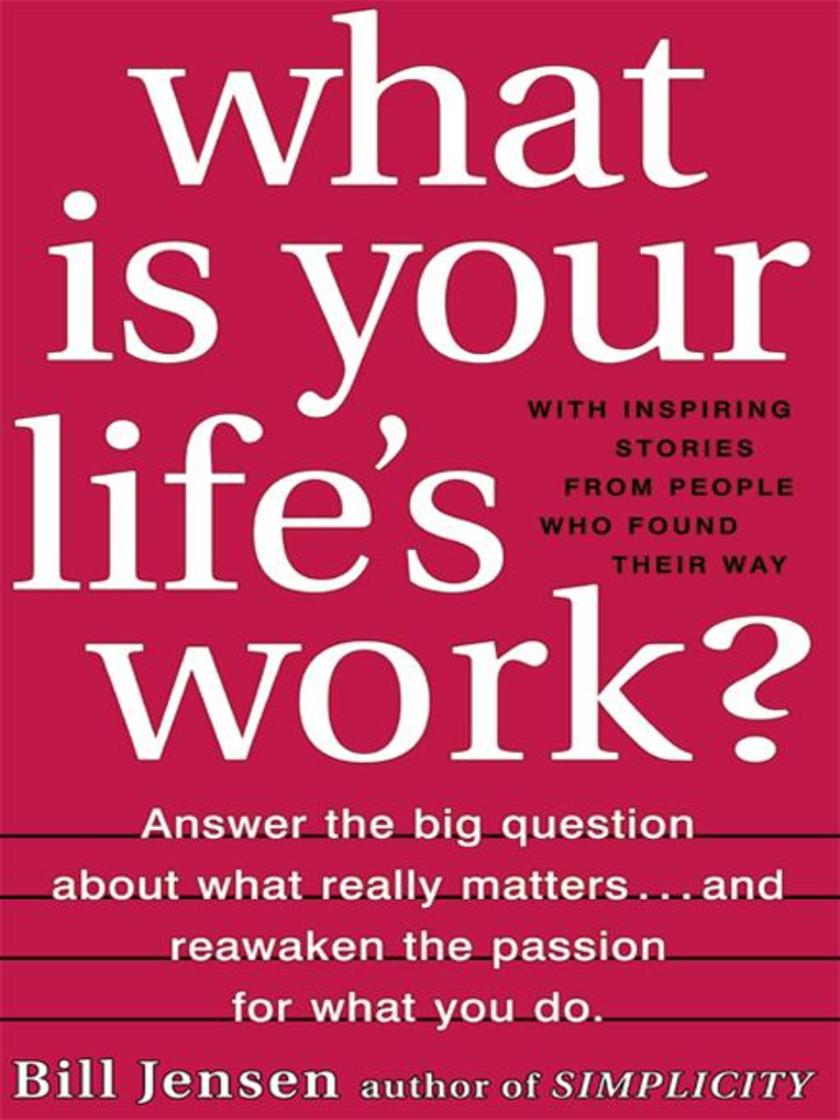
What is Your Life's Work?
¥128.85
What Is Your Life's Workcaptures a most extraordinary moment in each of our lives the time when we sit down with loved ones and attempt to answer the big question about what really matters. Bill Jensen has created a wonderfully practical space for you to explore who you are, what you stand for, what you believe in, what's risky, what's not, what's worth it, what you're struggling with, and what you've accomplished.He has captured the intimate exchanges between mothers and daughters, fathers and sons, and caring teammates all talking about what really matters at work, and in life. Their conversations are as real as yours would be: "Don't kiss tush, beware carnivorous sheep." "Honey, there are no shortcuts." "My daughter was limp with pain ... and I'm worried about deadlines. What was I thinking?!?!" "Speak up if you don't agree." "Be a respectful rebel." In What Is Your Life's Workyou will discover a new way to see and know who you are in today's more-better-faster world. Exposed is what usually stays private; the raw truths we've all experienced, the personal frailties and mistakes we'd like to hide, and the proudest achievements we'd like to celebrate.In the letters and work diaries of others, we see ourselves. In their struggles, we see our own.Bill Jensen has made it his life's work to battle corporate stupidity and help us all simplify our workdays, take more control, and rediscover our passions. As your trail guide and partner, he will take you through five distinct discoveries that thousands have encountered in finding their voices: Finding Yourself Finding the Lessons to Be Learned,the Questions to Be Asked Finding the Choices That Really Matter Finding the Courage to Choose Finding Joy, Serenity, and FulfillmentWhile it touches your heart and lifts your soul, What Is Your Life's Workdoes not shy away from difficult introspection. You are an active participant in this book. Yes, you will find value here stories of people like you, new ways of looking at what really matters, or simple confirmation that others have chosen the same path as you.But the ultimate takeaway asks something of you in return: Take something from this book and pay it forward. Start a new conversation with a loved one about what really matters about your own life's work.You will get back even more than you give. You will have brought these pages to life.

Alek
¥78.55
Since the day she was scouted by a modeling agent while shopping at a London street fair when she was just nineteen, Alek Wek's life has been nothing short of a fantasy. When she's not the featured model in print campaigns for hip companies, or gracing the cover of Elle, she is working the runways of Paris, New York, and Milan to model for the world's leading designers, including Karl Lagerfeld for Chanel. But nothing in her early years prepared her for the life of a model.Born in Wau, in the southern Sudan, Alek knew only a few years of peace with her family before they were caught up in a ruthless civil war that pitted outlaw militias, the Muslim-dominated government, and southern rebels against each other in a brutal conflict that killed nearly two million people. Here is her daring story of fleeing the war on foot and her escape to London, where her rise from young model to supermodel was all the more notable because of Alek's non-European looks. A probe into the Sudanese conflict and an inside look into the life of a most unique supermodel, Alek is a book that will inspire as well as inform.
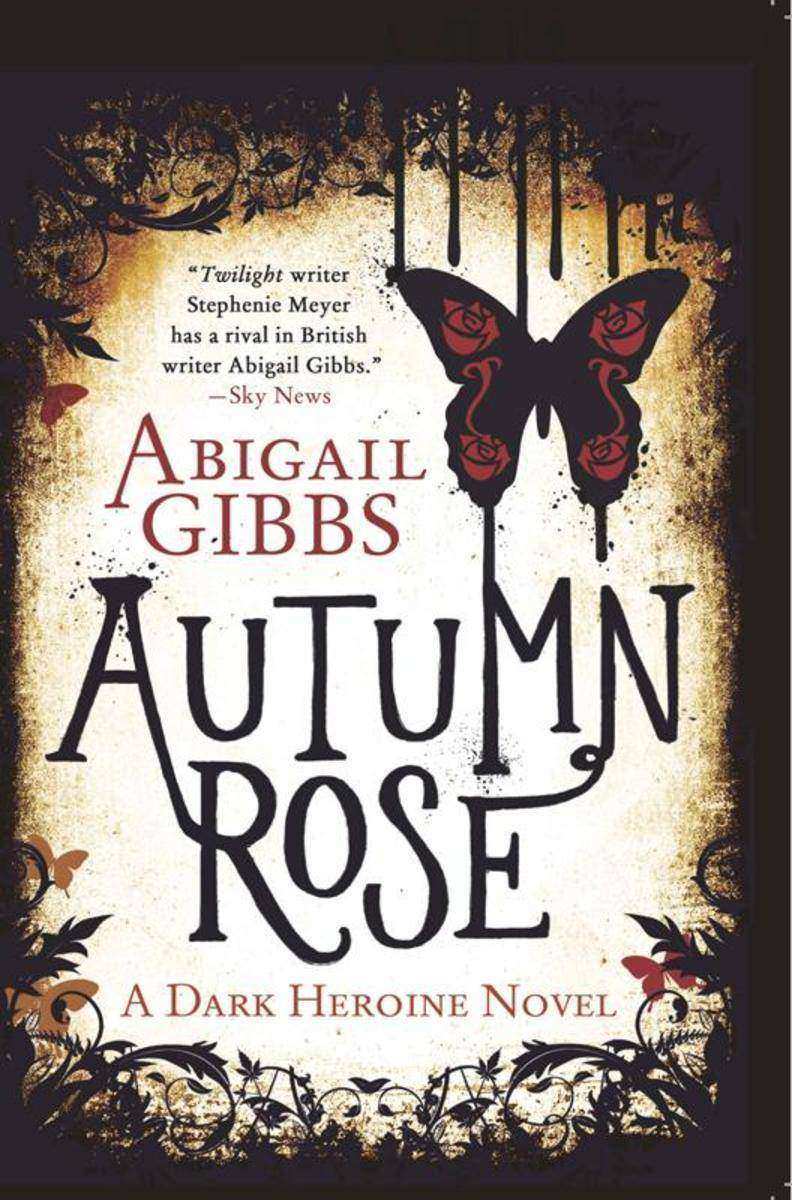
Autumn Rose
¥77.49
Autumn Rose has the chance to save the world she loves. But how much will she have to sacrificeAutumn Rose lives in a sleepy seaside town, but buried deep under the surface of her quiet life are dark secrets. Her grandmother is dead, murdered eighteen months ago, and the vibrant London social scene in which she was brought up is a world away. Even worse, at her new school she is shunned and condemned––all because of the swirling marks on her skin that prevent her from blending in with the crowd. Then the appearance at her school of a handsome young man—who has the same curious markings as Autumn—sends her world into turmoil. Suddenly the marks are deemed cool, and Autumn is thrust into the limelight. But her sudden popularity brings danger as her secrets threaten to come to light. And then there are her recurring dreams about a girl who is about to be seduced by a very dark prince . . . and Autumn must figure out how to save her before it is too late.
The Art of Mindfulness
¥54.46
This selection from Thich Nhat Hanh's bestselling The Art of Power illuminates the core Buddhist concept of mindfulness for the Western readerIn The Art of Mindfulness, one of the most revered Buddhist teachers in the world, Thich Nhat Hanh delivers a life changing practice to overcome our overdriven mind, to let go of preoccupations and multitasking and focus solely on the task at hand. By devoting 100% of our attention 100% of the time on what we are doing in the moment, we can alleviate suffering, fear, and anxiety. With the energy of mindfulness and the capacity of looking deeply, we can find the insights to transform and heal any situation.
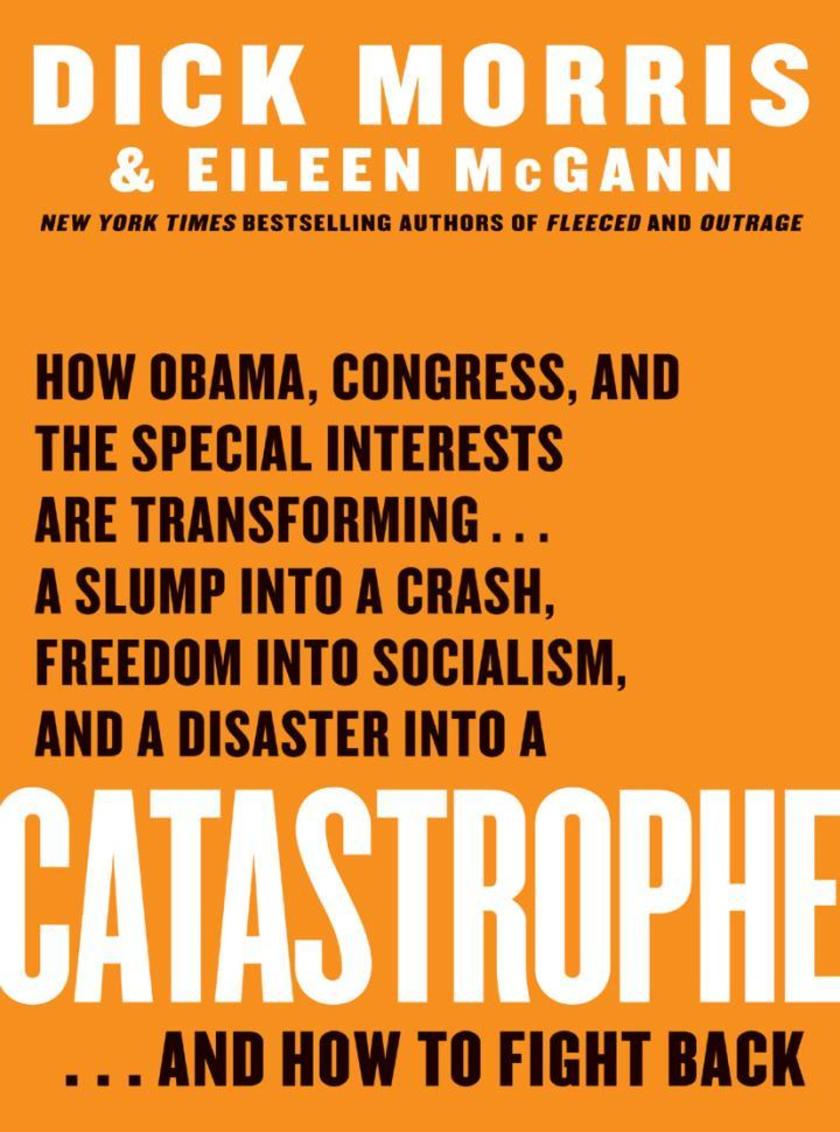
Catastrophe
¥90.77
It's time to take back our country.Now. It's that simple. It's that urgent.So begins Dick Morris and Eileen McGann's latest and most important book. They say that we must act before President Barack Obama fully implements his radical political agenda. Because after Obama has won his war on prosperity and canceled the war on terror, it will be too late to regain our liberty or our security.At a time when we needed a pragmatic centrist to lead us out of recession, we got a doctrinaire socialist who wants to use the crisis to put the government in charge of the economy and enact European socialism here in the United States. Cars, banks what's nextHe will keep at it until Washington governs every major business in America and sets all our salaries.It's a catastrophe.Dick Morris and Eileen McGann saw the meltdown coming. In their book Outrage, they called out the house of cards that was Fannie Mae. In Fleeced, they went after the credit card companies, the subprime mortgage lenders, and the hedge fund billionaires who conspired to wreck the economy and Barack Obama, whose policies, they predicted last summer, would "trigger a stock market crash." Now, in Catastrophe, Morris and McGann take a hard look at America in free fall and at how Obama is transforming a vulnerable America into a socialist state.They tell the truth about Obama and his radical policies: He will destroy our health care system so that no one gets adequate care. He designed his bank rescue plan to pave the way for nation-alization of the banks and socialization of the economy. He firmly believes in government control of our major industries he's already commandeered the banks and the automobile industry. He plans to reshape the political landscape to keep the left in power for decades by cooking the census, enfranchising illegal immigrants, muzzling talk radio, and coercing workers into unions. He is attacking those who fight terrorism while letting the terrorists go free. He gives aid to Hamas while Shariah Law threatens to take over America. He has repealed the Declaration of Independence and put us under a worldwide, European-dominated financial regulatory system. But Obama is not working alone. Morris and McGann spell out how Congress is complicit: How Senator Chris Dodd and Congressman Charlie Rangel use special interests and special friends for their own enrichment and glorification. How Ted Kennedy Jr. is exploiting his father's health care power. "This is no time for apathy or alienation or hopelessness," Morris and McGann remind us. "It's a time for action." And that action must begin now before it's too late.
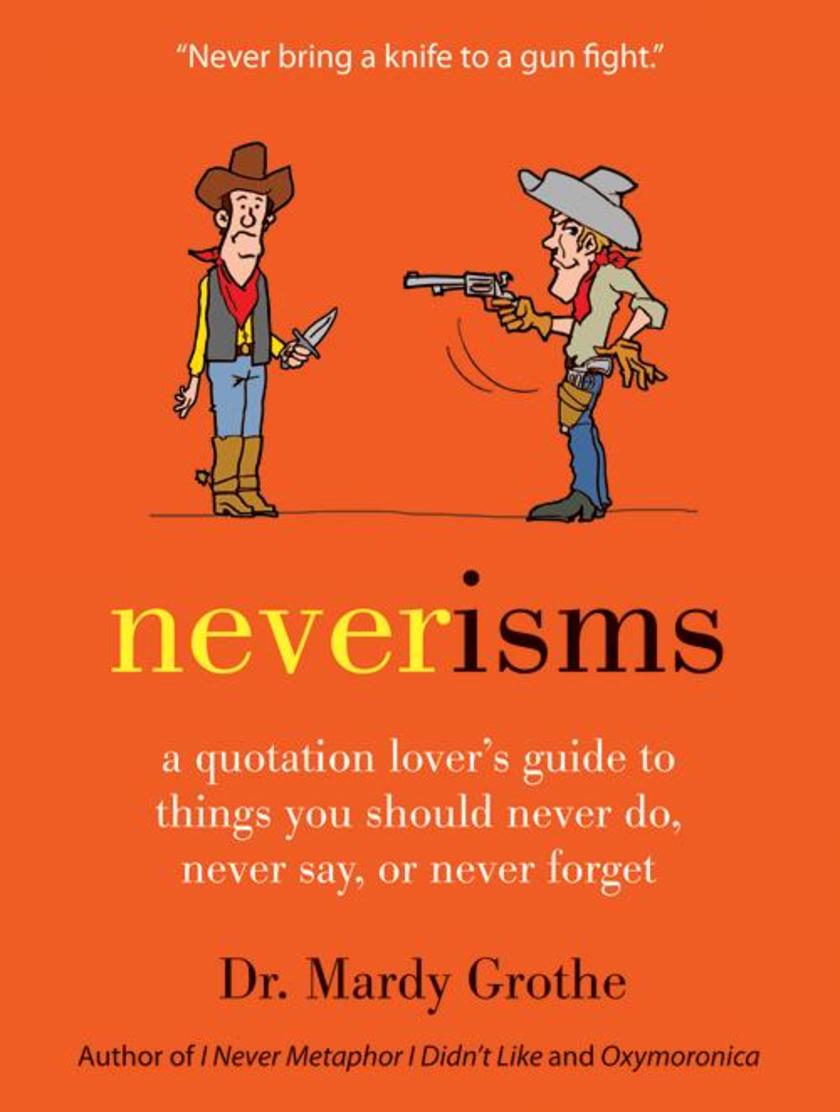
Neverisms
¥88.56
"Never let 'em see you sweat." "Never change diapers in mid-stream." "Never let a crisis go to waste." "Never ruin an apology with an excuse." "Never go to a doctor whose office plants have died." When we strongly encourage people to do something, it's called an exhortation. But what is the proper term for strongly discouraging peopleOne candidate is admonition. Another is dehortation, the opposite of exhortation. But perhaps the best term for an emphatic piece of dissuasive advice is neverism. You won't find the term in any dictionary (at least not yet) because quotation anthologist Dr. Mardy Grothe coined it himself for this collection of nearly two thousand quotable cautionary warnings. With the whimsical and witty intermixed with the serious and profound, contributors range from Aesop and Marcus Aurelius to John Wayne and Mae West. Grothe also tells the fascinating "back stories" of scores of classic quotations as well as the history of hundreds more that have never before appeared in a quotation anthology. Organized by topics such as Wit & Wordplay, Politics & Government, Sports, Stage & Screen, and The Literary Life, this is a book about quotations as well as a book of them. Neverisms is sure to delight quotation lovers and language aficionados everywhere.
Why Science Does Not Disprove God
¥94.10
The renowned science writer, mathematician, and bestselling author of Fermat's Last Theorem masterfully refutes the overreaching claims of the "New Atheists," providing millions of educated believers with a clear, engaging explanation of what science really says, how there's still much space for the Divine in the universe, and why faith in both God and empirical science are not mutually exclusive In recent years a highly publicized coterie of scientists and thinkers, including Richard Dawkins, the late Christopher Hitchens, and Lawrence Krauss, have vehemently contended that breakthroughs in modern science have disproven the existence of God, asserting we must accept that the creation of the universe came out of nothing, that religion is evil, that evolution fully explains the dazzling complexity of life, and more. However, in this much-needed book, veteran science journalist Amir Aczel profoundly disagrees and convincingly demonstrates that science has not, as yet, provided any definitive proof refuting the existence of God. Based on interviews with eleven Nobel Prize winners and many other prominent physicists, biologists, anthropologists, and psychologists, as well as leading theologians and spiritual leaders, Why Science Does Not Disprove God is a fascinating tour through the history of science and a brilliant and incisive analysis of the religious implications of our ever-increasing understanding of life and the universe. Throughout, Aczel reminds us that science, at its best, is about the dispassionate pursuit of truth not a weapon in cultural debates. Respectful of both science and faith and argued from the perspective of no single religious tradition Aczel's book is an essential corrective that should be read by all.
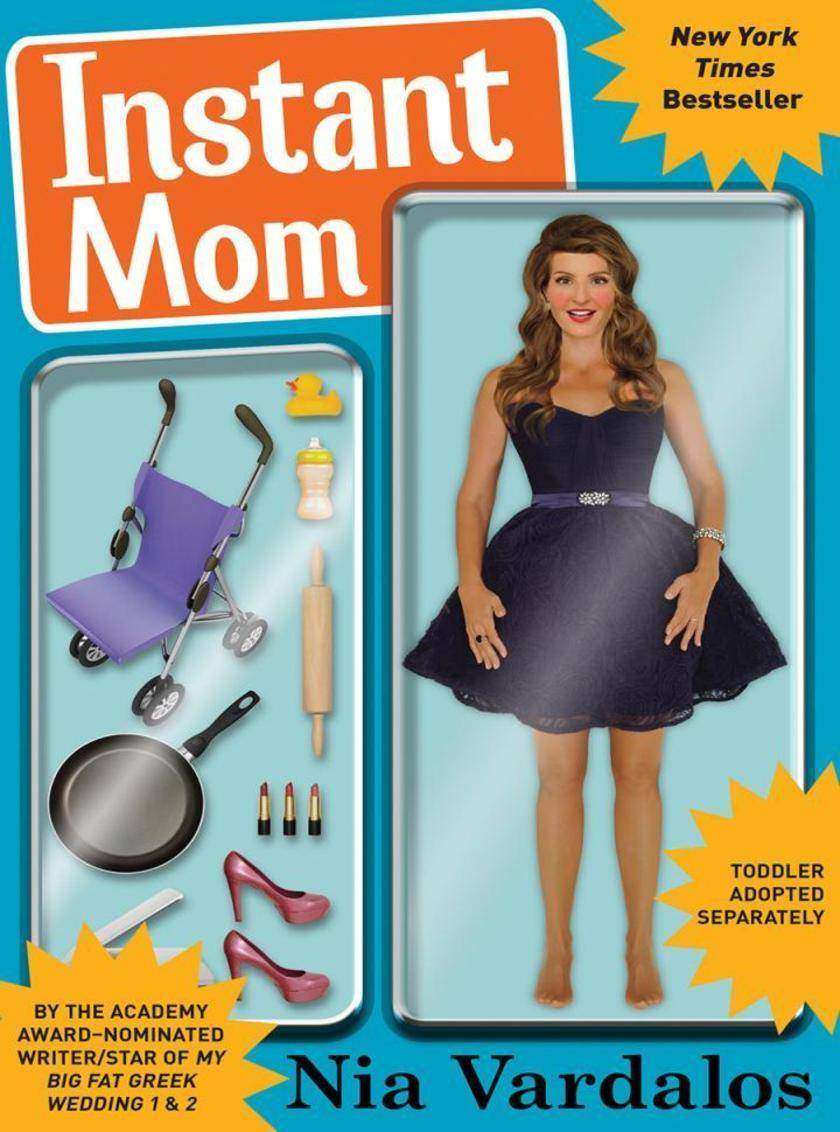
Instant Mom
¥88.56
For the first time, Nia Vardalos, writer and star of My Big Fat Greek Wedding, tells her hilarious and heartfelt bumpy-road-to-parenting story that eventually leads to her meeting an almost-three-year old girl who she knows instantly is her daughter.Vardalos chronicles it all with her signature wit and candor but also weaves in delicious behind-the-scenes Hollywood stories on the making of her films from working with Tom Hanks to meeting Oprah to having dinner with the Queen of England.In Instant Mom, Vardalos writes how moments after she finds out she has been nominated for an Academy Award, she is alone and en route to a fertility clinic, trying yet again for a chance at motherhood, wondering how long she can continue. When she finally adopts her daughter via American Foster Care, Vardalos reveals what really came next how, with only fourteen hours' notice, she and her husband transitioned their preschool aged daughter into their home. The Appendix includes information on how to adopt from all over the world. Vardalos will donate proceeds from the book sales to charities.In her memoir, Instant Mom, Vardalos reveals how she broke into the movie industry, became a working screenwriter and actress . . . and finally became a mom. Instantly.
The Little Big Things
¥94.10
#131 The Case of the Two-Cent CandyYears ago, I wrote about a retail store in the Palo Alto environs a good one, which had a box of two-cent candies at the checkout. I subsequently remember that "little" parting gesture of the two-cent candy as a symbol of all that is Excellent at that store. Dozens of people who have attended seminars of mine from retailers to bankers to plumbing-supply-house owners have come up to remind me, sometimes 15 or 20 years later, of "the two-cent candy story," and to tell me how it had a sizable impact on how they did business, metaphorically and in fact.Well, the Two-Cent Candy Phenomenon has struck again with oomph and in the most unlikely of places.For years Singapore's "brand" has more or less been Southeast Asia's "place that works." Its legendary operational efficiency in all it does has attracted businesses of all sorts to set up shop there. But as "the rest" in the geographic neighborhood closed the efficiency gap, and China continued to rise-race-soar, Singapore decided a couple of years ago to "rebrand" itself as not only a place that works but also as an exciting, "with it" city. (I was a participant in an early rebranding conference that also featured the likes of the late Anita Roddick, Deepak Chopra, and Infosys founder and superman N. R. Narayana Murthy.)Singapore's fabled operating efficiency starts, as indeed it should, at ports of entry the airport being a prime example. From immigration to baggage claim to transportation downtown, the services are unmatched anywhere in the world for speed and efficiency.Saga . . . Immigration services in Thailand, three days before a trip to Singapore, were a pain. ("Memorable.") And entering Russia some months ago was hardly a walk in the park, either. To be sure, and especially after 9/11, entry to the United States has not been a process you'd mistake for arriving at Disneyland, nor marked by an attitude that shouted "Welcome, honored guest."Singapore immigration services, on the other hand:The entry form was a marvel of simplicity. The lines were short, very short, with more than adequate staffing.The process was simple and unobtrusive.And:The immigration officer could have easily gotten work at Starbucks; she was all smiles and courtesy.And:Yes!Yes!And . . . yes!There was a little candy jar at each Immigration portal!The "candy jar message" in a dozen ways:"Welcome to Singapore, Tom!! We are absolutely beside ourselves with delight that you have decided to come here!"Wow!Wow!Wow!Ask yourself . . . now:What is my (personal, department, project, restaurant, law firm) "Two-Cent Candy"?Does every part of the process of working with us/me include two-cent candies?Do we, as a group, "think two-cent candies"?Operationalizing: Make "two-centing it" part and parcel of "the way we do business around here." Don't go light on the so-called substance but do remember that . . . perception is reality . . . and perception is shaped by two-cent candies as much as by that so-called hard substance.Start: Have your staff collect "two-cent candy stories" for the next two weeks in their routine "life" transactions. Share those stories. Translate into "our world." And implement.Repeat regularly.Forever.(Recession or no recession you can afford two cents.)(In fact, it is a particularly Brilliant Idea for a recession you doubtless don't maximize Two-Cent Opportunities. And what opportunities they are.)
Agatha Christie's Secret Notebooks
¥94.10
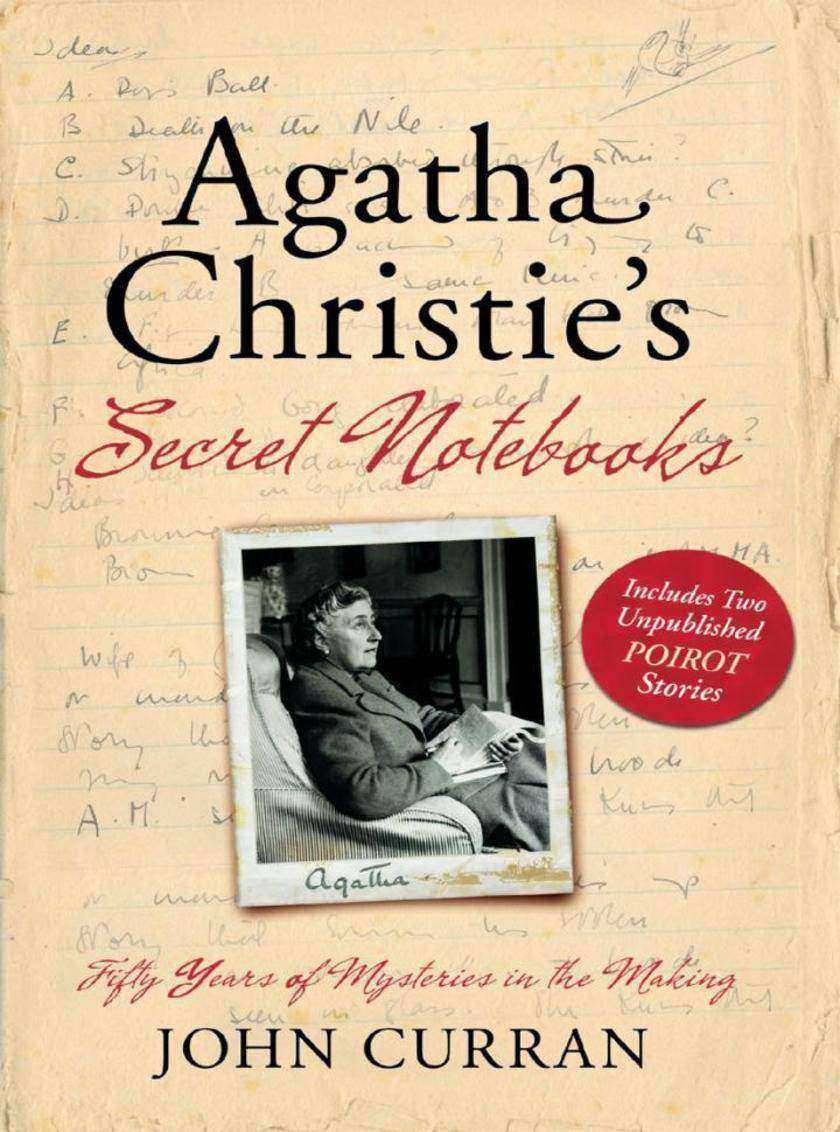
A fascinating exploration of the contents of Agatha Christie's seventy-three private notebooks, including illustrations and two unpublished Poirot stories When Agatha Christie died in 1976, at age eighty-five, she had become the world's most popular author. With sales of more than two billion copies worldwide, in more than one hundred countries, she had achieved the impossible more than one book every year since the 1920s, every one a bestseller.So prolific was Agatha Christie's output sixty-six crime novels, twenty plays, six romance novels under a pseudonym and more than one hundred and fifty short stories it was often claimed that she had a photographic memory. Was this trueOr did she resort over those fifty-five years to more mundane methods of working out her ingenious crimesFollowing the death of Agatha's daughter, Rosalind, at the end of 2004, a remarkable legacy was revealed. Unearthed among her affairs at the family home of Greenway were Agatha Christie's private notebooks, seventy-three handwritten volumes of notes, lists and drafts outlining all her plans for her many books, plays and stories. Buried in this treasure trove, all in her unmistakable handwriting, are revelations about her famous books that will fascinate anyone who has ever read or watched an Agatha Christie story.How did the infamous twist in The Murder of Roger Ackroyd really come aboutWhich very famous Poirot novel started life as an adventure for Miss MarpleWhich books were designed to have completely differ-ent endings, and what were theyWhat were the plot ideas that she considered but rejected?Full of details she was too modest to reveal in her own autobiography, this remarkable new book includes a wealth of excerpts and pages reproduced directly from the notebooks and her letters, plus, for the first time, two newly discovered complete Hercule Poirot short stories never before published.
The Friend
¥10.86
Like a billion people on earth, aspiring actress Piper Donovan is a fervent Facebook follower. But what she doesn't know is that a "friend" is following her. Possibly . . . stalking. A fan who starts by using the same beauty salon eventually comes closer—much closer—in this chilling short story.
The Theory of Death
¥70.10
New York Times bestselling author Faye Kellerman's beloved Decker and Lazarus have settled into life in quiet upstate New York, but they soon find themselves entangled in a case of underworld crime and calculating murderersIt has been almost a year since Greenbury's last murder. Peter Decker, a former Lieutenant for LAPD, has enjoyed the peace and slow pace of his new job with the sleepy upstate police department. The work has kept him engaged but without much stress. All that changes when he receives a phone call from his captain, Mike Radar.A male body, nude and nameless, is found deep within the local woods. It appears to be a suicide—single shot to the head, gun by his side—but until the coroner makes the final determination, Decker must treat the scene as a suspicious crime. The first thing he must do is identify the body—no easy task because of the small size of the department and lack of personal effects found with the body. But then Decker gets lucky. Out of the blue, Tyler McAdams, a former Greenbury detective and now a first-year law student, calls Decker up, asking him for free room and board while he studies for first-term finals. Of course, once McAdams hears about the intriguing case, his attentions shift from statutes to corpses.And when the body is finally identified, Decker and McAdams must penetrate into indecipherable upper echelons of mathematics and mathematical prodigies at Kneed Loft College. It turns out to be a dangerous sphere of scheming academics, secret cyphers, and hidden corruption where even harmless nerds can morph into cold, calculating geniuses. Decker and McAdams will have to employ all of their wits and gray matter to penetrate enigmatic formulas and codes to solve a dark, twisted tale created by depraved and evil masterminds.

Twelve Recipes
¥156.69
In this charmingly written, beautifully photographed and illustrated cookbook, the chef of Alice Waters's Chez Panisse offers basic techniques and essential recipes that will transform anyone into a confident home cookWhen Cal Peternell, the chef at Berkeley's legendary Chez Panisse, was helping his oldest son pack his things for college and beyond, he naturally set him up with the gear for a new kitchen: a nice skillet, a decent knife, a cutting board, and a colander. He also started writing. Just twelve recipes at first—reminders of foods they'd cooked together and enough to put together some good meals—but what started as a cookbooklet from a father for his sons has become, luckily for the rest of us, Twelve Recipes: a baker's dozen chapters on how to cook and eat well.Standards—toast, eggs, beans—are renewed with simple elegance and wit. More advanced and adventurous dishes are made accessible. Variations are allowed for and encouraged, rules are well explained and unenforced. Twelve Recipes is a cookbook that will get you into the kitchen and get your friends around the table; an essential and versatile book of recipes, and a book to read with pleasure in and out of the kitchen.
Vintage
¥83.03
At Hourglass Vintage in Madison, Wisconsin, every item in the boutique has a story to tell . . . and so do the women whose lives the store touches.Yellow Samsonite suitcase with ivory, quilted lining, 1950sA small-town girl with a flair for fashion, Violet Turner had always dreamed of owning a shop like Hourglass Vintage. But while she values the personal history behind each beautiful item she sells, Violet is running from her own past. Faced with the possibility of losing the store to an unscrupulous developer, she realizes that despite her usual self-reliance she cannot save it alone.Taffeta tea-length wedding gown with scooped neckline and cap sleeves, 1952Eighteen-year-old April Morgan is nearly five months along in an unplanned pregnancy when her hasty engagement is broken. When she returns the perfect vintage wedding dress to Violet's shop, she discovers a world of new possibilities, and an unexpected sisterhood with women who won't let her give up on her dreams. Orange silk sari with gold paisley design, 1968Betrayed by her husband, Amithi Singh begins selling off her vibrant Indian dresses, remnants of a life she's determined to leave behind her. After decades of housekeeping and parenting a daughter who rejects her traditional ways, she fears her best days are behind her . . . until she discovers an outlet for her creativity and skills with a needle and thread. An engaging story that beautifully captures the essence of friendship and style, Vintage is a charming tale of possibility, of finding renewal, love, and hope when we least expect it.
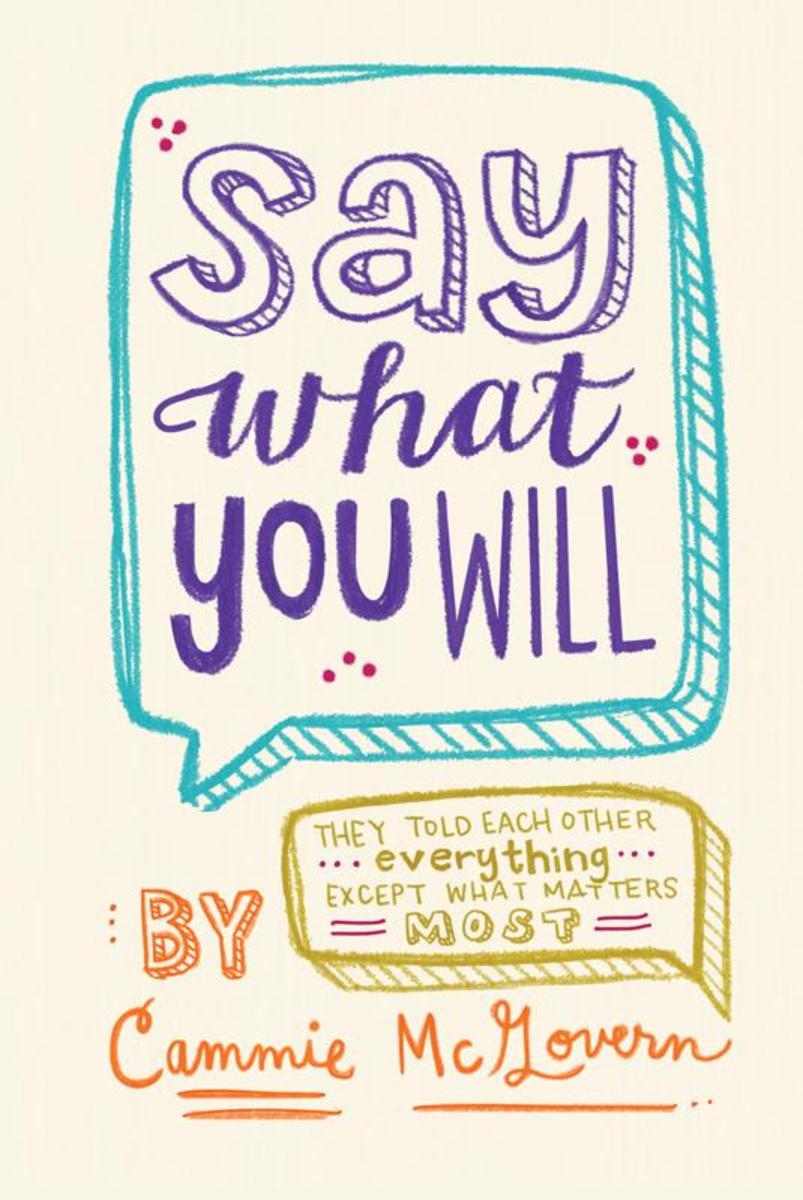
Say What You Will
¥55.33
John Green's The Fault in Our Stars meets Rainbow Rowell's Eleanor & Park in this beautifully written, incredibly honest, and emotionally poignant novel. Cammie McGovern's insightful young adult debut is a heartfelt and heartbreaking story about how we can all feel lost until we find someone who loves us because of our faults, not in spite of them.Born with cerebral palsy, Amy can't walk without a walker, talk without a voice box, or even fully control her facial expressions. Plagued by obsessive-compulsive disorder, Matthew is consumed with repeated thoughts, neurotic rituals, and crippling fear. Both in desperate need of someone to help them reach out to the world, Amy and Matthew are more alike than either ever realized.When Amy decides to hire student aides to help her in her senior year at Coral Hills High School, these two teens are thrust into each other's lives. As they begin to spend time with each other, what started as a blossoming friendship eventually grows into something neither expected.
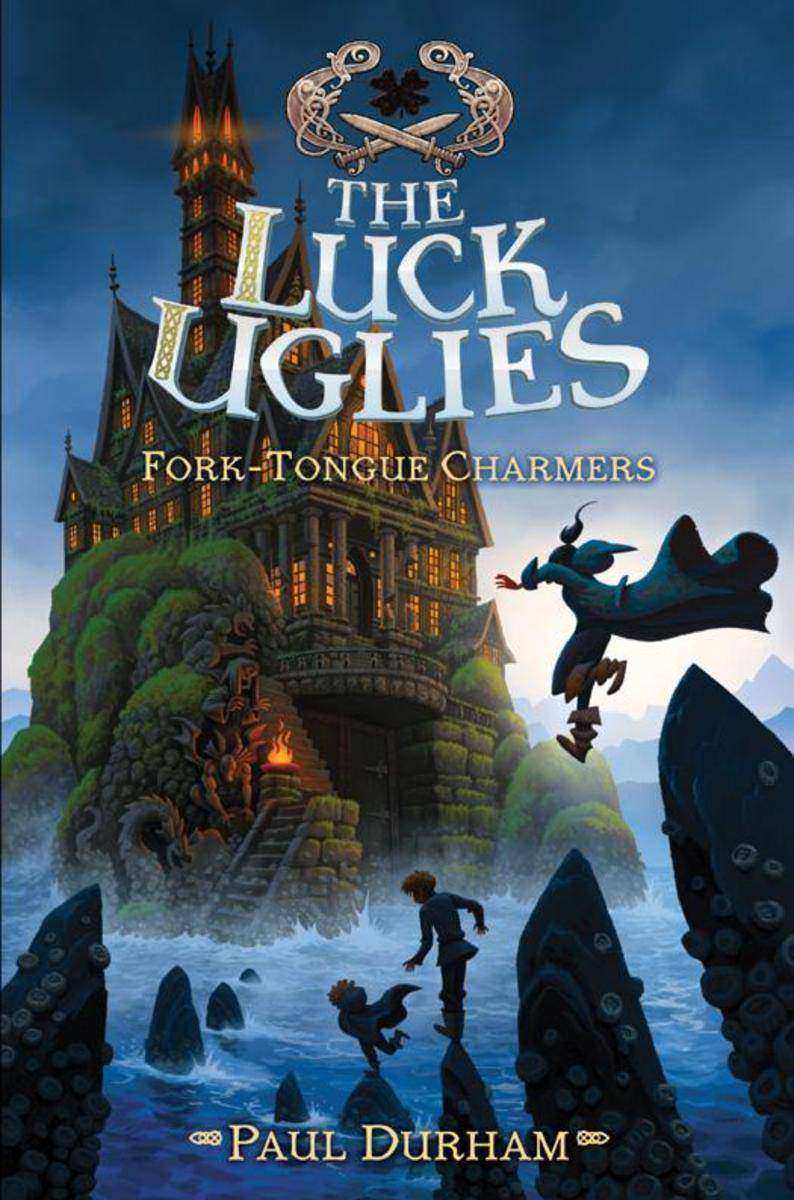
Luck Uglies #2: Fork-Tongue Charmers
¥44.25
The Luck Uglies face their greatest enemies in this thrilling sequel to the critically acclaimed first book in the series, hailed by Kirkus in a starred review as “a sparkling must-read”! The Luck Uglies is a perfect match for fans of Chris Colfer's Land of Stories books and Joseph Delaney's Last Apprentice series. This second installment ratchets up the humor, charm, and adventure, taking the series to brand-new heights!Rye O’Chanter was shocked to discover that her father was the leader of the notorious band of outlaws known as the Luck Uglies. Now she too has been declared a criminal in her own village, and she must flee to the strange and remote Isle of Pest while her father faces off against the Luck Uglies’ bitter rivals, the Fork-Tongue-Charmers, on the mainland.But all bets are off when the battle moves to the shores of Pest. To defeat the Fork-Tongue Charmers, Rye must defy a deranged earl, survive a test meant to judge the grit of the fiercest men, and lead the charge in defending the island against a strangely familiar enemy, which means uncovering some long-buried family secrets….The first Luck Uglies book was named an ALA Notable Children’s Book as well as a New York Public Library Title for Reading and Sharing, and it won the Cybil Award for Middle Grade Speculative Fiction.
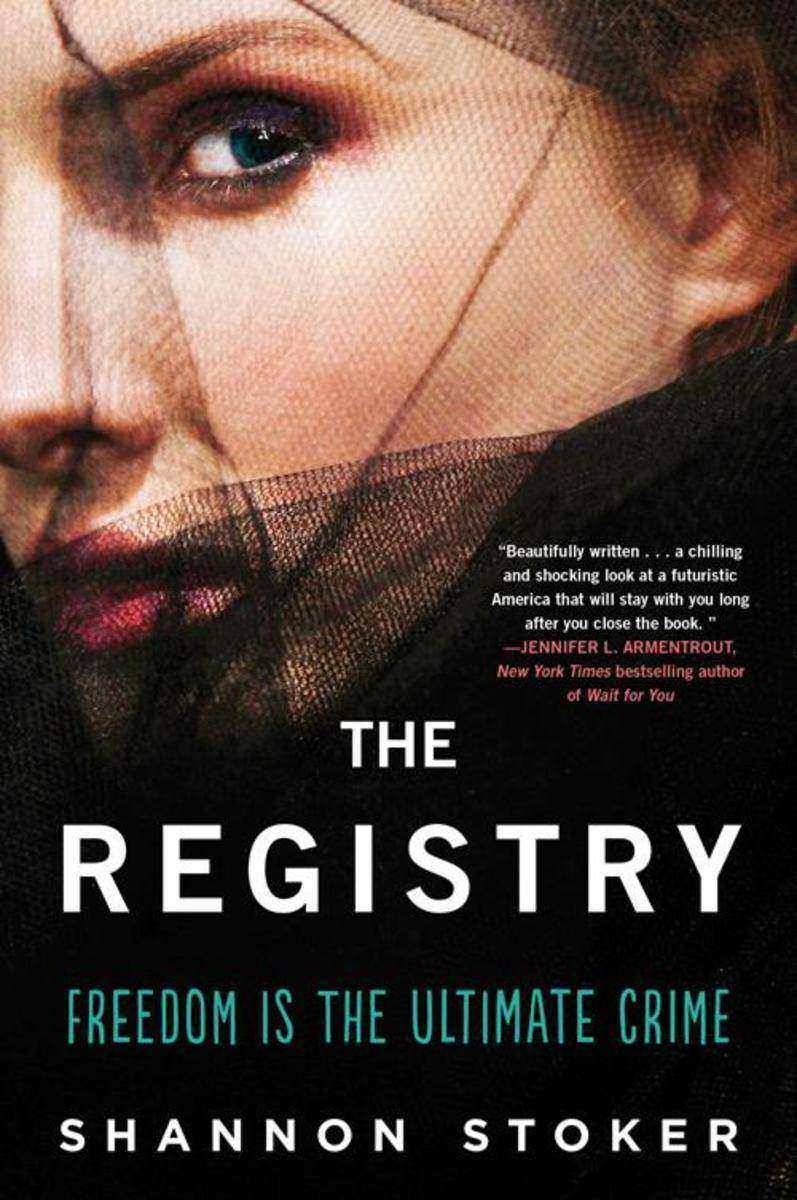
The Registry
¥83.03
Welcome to a safe and secure new world, where beauty is bought and sold, and freedom is the ultimate crimeThe Registry saved the country from collapse, but stability has come at a price. In this patriotic new America, girls are raised to be brides, sold at auction to the highest bidder. Boys are raised to be soldiers, trained to fight and never question orders.Nearly eighteen, beautiful Mia Morrissey excitedly awaits the beginning of her auction year. But a warning from her married older sister raises dangerous questions. Now, instead of going up on the block, Mia is going to escape to Mexico—and the promise of freedom.All Mia wants is to control her own destiny—a brave and daring choice that will transform her into an enemy of the state, pursued by powerful government agents, ruthless bounty hunters, and a cunning man determined to own her . . . a man who will stop at nothing to get her back.
The Devils of Loudun
¥90.77
Aldous Huxley's acclaimed and gripping account of one of the strangest occurrences in historyIn 1632 an entire convent in the small French village of Loudun was apparently possessed by the devil. After a sensational and celebrated trial, the convent's charismatic priest Urban Grandier—accused of spiritually and sexually seducing the nuns in his charge—was convicted of being in league with Satan. Then he was burned at the stake for witchcraft.In this classic work by the legendary Aldous Huxley—a remarkable true story of religious and sexual obsession considered by many to be his nonfiction masterpiece—a compelling historical event is clarified and brought to vivid life.

A Desire So Deadly
¥21.73
In this 50-page digital original novella, Suzanne Young extends the dazzling world of A Need So Beautiful and A Want So Wicked.Eighteen-year-old Claire Becks leads a charmed life surrounded by her loving family, great friends, and sexy boyfriend, Ezra. Claire is known for her great advice—and for how easily she puts others at ease. And although she feels occasional bouts of sadness she can't quite place, she is otherwise happy.Then one day a mysterious stranger walks into her family's bakery. Claire immediately senses something about Harlin—something tortured and dark. Even after he leaves, she can't stop thinking about him, inexplicably feeling like there is unfinished business between them.When Lucy, the new girl in town, starts to draw Claire into her world of darkness, Harlin realizes who Claire really is. But Claire will have to realize it too if she hopes to escape the fate of the Shadows.Epic Reads Impulse is a digital imprint with new releases each month.
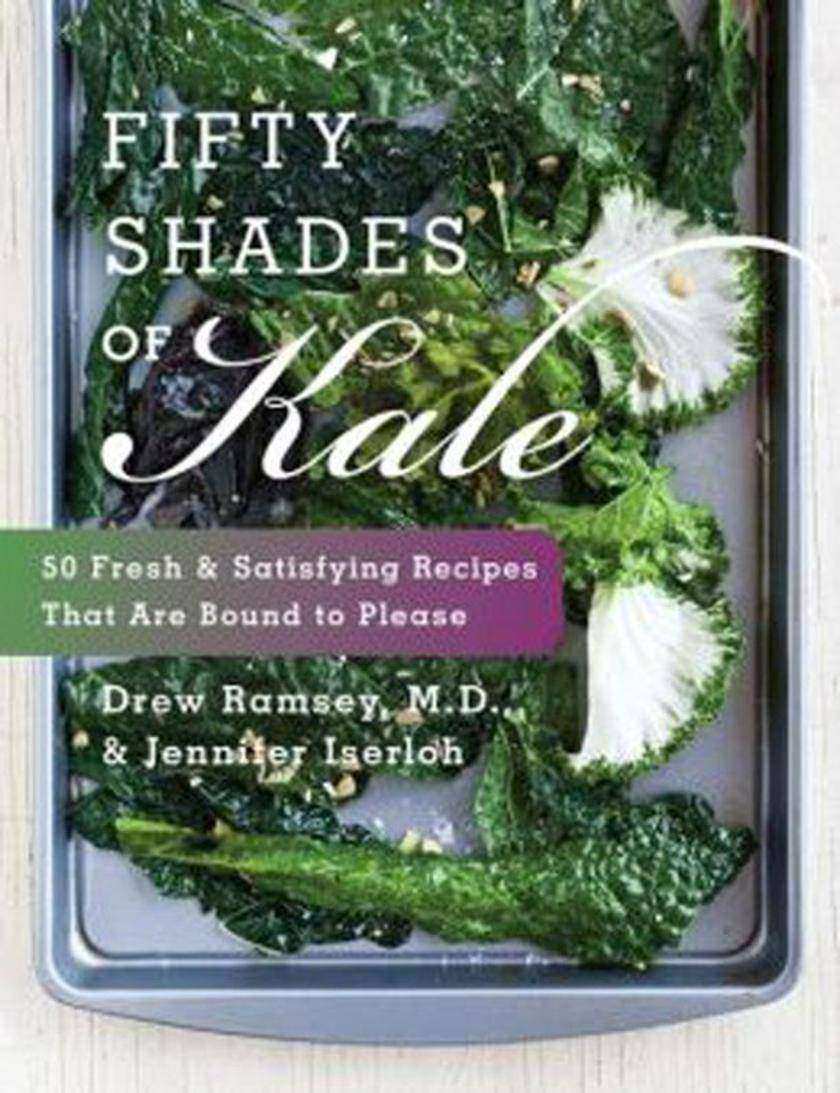
Fifty Shades of Kale
¥112.23
Nothing is sexier than a sharp mind atop a lean, healthy body. Few foods are able to deliver this promise like kale. She is the ideal plant in many ways: beautiful, versatile, nourishing, and downright delicious.And these days, she's become a pretty popular dish. Unfortunately, many of kale's admirers have fallen into the same boring routine: she's chopped and served raw, gently sautéed, lightly steamed, or juiced. Kale has been subjected to a lack of imagination—until now.In Fifty Shades of Kale, you'll discover fifty enticing new ways to enjoy one of Mother Nature's hottest properties. Linger in bed with a luscious Cheddar Kale Omelet; get your hands a little dirty with afternoon quickies like Zucchini and Kale Bites; turn up the heat with Chipotle Flank Steak with Lime, Black Beans, and Kale, or Spicy Mussels with Kale; and surrender to your most forbidden cravings with Chocolate Chip Kale Cookies or Kale and Black Cherry Sorbet.With fifty mouth-watering recipes for kale-centric breakfasts, starters, mains, cocktails, and desserts, Fifty Shades of Kale is certain to spice up your routine and show you how to experiment in the kitchen, cook yourself sexy, and indulge without guilt. Satisfaction guaranteed.
Burning Chrome
¥90.51
Best-known for his seminal sf novel Neuromancer, William Gibson is actually best when writing short fiction. Tautly-written and suspenseful, Burning Chrome collects 10 of his best short stories with a preface from Bruce Sterling, now available for the first time in trade paperback. These brilliant, high-resolution stories show Gibson's characters and intensely-realized worlds at his absolute best, from the chip-enhanced couriers of "Johnny Mnemonic" to the street-tech melancholy of "Burning Chrome."


