


 购物车
购物车 个人中心
个人中心
The King's Guard
¥10.71
Hector of Ventierra is the youngest commander of the Royal Guard in his kingdom's history. But before he was lord commander, he was a lowly squire. In this short fantasy novella, set in the world of The Girl of Fire and Thorns, Rae Carson introduces readers to Hector before he became the man Queen Elisa fell in love with. The King's Guard also includes a teaser chapter for The Bitter Kingdom, the conclusion to the Fire and Thorns trilogy.At fifteen years old, Hector is the youngest squire in the most elite military force in the country. And his first day is disastrous. Everyone assumes the only reason he was recruited is his close personal association with King Alejandro, not because he's really earned it.But Alejandro needs Hector for a secret mission, one that gives him the chance to prove to everyone—including himself—that he is worthy to be a Royal Guard. Hector must break into the ancient Fortress of Wind to retrieve something so important that the kingdom's future depends on it. What Hector finds in the fortress will stretch his bond of friendship with his king near to breaking. And it will prepare him to become the fearsome warrior and lord commander Elisa will never let go.A riveting prequel to Rae Carson's epic and acclaimed Fire and Thorns series.

Epic Reads Impulse
¥107.82
A short stand-alone digital novella set in the world of Leah Cypess's Nightspell, where ghosts exist alongside humans and nearly every lavish ball is part murder mystery.In the kingdom of Ghostland, every murdered soul comes back as a ghost, and every ghost has only one desire—vengeance. Emilie had everything she'd ever wanted—beautiful dresses, a perfectly decorated room, a party every night, and the eye of a nobleman. But then she's killed. And now she'll stop at nothing to find out who did it. No one in the palace of Ghostland is above suspicion—not even the people closest to her. This haunting fantasy novella is filled with supernatural thrills and surprising plot twists.Epic Reads Impulse is a digital imprint with new releases each month.
Plant Power
¥167.88
If you're looking to transition to a fully vegan lifestyle or you'd just like to incorporate more plant-based whole foods into your diet, Plant Power offers everything you need to know to transform your kitchen, plate, and life. From choosing the freshest whole foods and stocking a vegan pantry and refrigerator to streamlining meal preparation, this delicious cookbook delivers the recipes, strategies, and inspiration you need to make the very most of the healthiest ingredients nature has to offer.Plant Power promises you will have more fun in the kitchen, learn to prepare meals more intuitively and creatively, and gain a genuine appreciation for how downright delectable foods in their most elemental, unprocessed form can be. Bestselling author Nava Atlas will have you coming back for more as these recipes will soon become your new go-to favorites.

The Year She Left Us
¥90.77
The Kong women are in crisis. A disastrous trip to visit her "home" orphanage in China has plunged eighteen-year-old Ari into a self-destructive spiral. Her adoptive mother, Charlie, a lawyer with a great heart, is desperate to keep her daughter safe. Meanwhile, Charlie must endure the prickly scrutiny of her beautiful, Bryn Mawr–educated mother, Gran—who, as the daughter of a cultured Chinese doctor, came to America to survive Mao's Revolution—and her sister, Les, a brilliant judge with a penchant for ruling over everyone's lives.As they cope with Ari's journey of discovery and its aftermath, the Kong women will come face-to-face with the truths of their lives—four powerful, intertwining stories of accomplishment, tenacity, secrets, loneliness, and love. Beautifully illuminating the bonds of family and blood, The Year She Left Us explores the promise and pain of adoption, the price of assimilation and achievement, the debt we owe to others, and what we owe to ourselves. Full of pathos and humor, featuring a quartet of unforgettable characters, it marks the debut of an important new voice in American fiction.
Do Your Om Thing
¥149.48
Yoga, Meet Life.Sometimes an hour-long yoga class is the only chance we get to connect meaningfully with our bodies and our minds during a week otherwise full of work, family, and the daily grind. Have you ever wondered how would it feel to bring that experience of awareness and calm out of the yoga studio and into your everyday lifeAfter all, we know that practicing yoga can give us a leaner body and more sculpted limbs, but isn't its most important benefit the way it makes us feelIn Do Your Om Thing, master yoga teacher and creator of the popular blog OmGal.com Rebecca Pacheco shows us that the true practice of yoga is about much more than achieving the perfect headstand or withstanding an hour-long class in a room heated to 100 degrees. "Yoga is not about performance," she tells us, "it's about practice, on your mat and in your life. If you want to get better at anything what should you doPractice. Confidence, compassion, awareness, joy—if you want more of these—and who doesn't?—yoga offers the skills to practice them."In her warm, personal, and often hilarious prose, Rebecca translates yogic philosophy for its twenty-first-century devotees, making ancient principles and philosophy feel accessible, relatable, and genuinely rooted in the world in which we live today. And by illuminating how the guiding principles of yoga apply to our modern lives, Rebecca shows us that the true power of a yoga practice is not physical transformation, but mental and spiritual liberation.
The Appetite Solution
¥149.48
Dr. Joe Colella knows the science of weight loss. He has been helping thousands of patients lose weight—and keep it off—for over twenty years. And here's one of his secrets: any diet that leaves you feeling constantly hungry is almost certainly destined to fail.In fact, hunger should be your first clue that your diet isn't working. Sound crazyIt's not. There is science behind it, and in The Appetite Solution, Dr. Colella reveals what is holding you back from the weight loss you desire and provides a six-week, three-phase plan to help you start to shed those pounds in a sustainable way.His revolutionary "Appetite Scale" is a measurement that shows which foods lead to weight gain and cravings, no matter how much you've cut back on calories. Often, much of our weight gain comes from failing to recognize how many simple sugars we consume. Once aware of those secret saboteurs of weight loss, you'll begin the six-week plan. In phase one, you start to incorporate more protein into your diet. Phase two involves a progressive reduction of the simple sugars that lead to weight gain. And in phase three, you gradually begin to incorporate moderate exercise. This step-by-step process allows your body to adjust to the changes without going into survival mode and a decreased metabolism. This means you are increasing your metabolism for the long run, allowing you to slim down and maintain your ideal weight forever.After following the program in The Appetite Solution, you will have the metabolism of a teenager and no longer feel like you pack on pounds despite the yo-yo diet lifestyle you've experienced. Whether you have twenty pounds to lose or two hundred, Dr. Colella provides a practical and realistic way to control your appetite, lose weight, and stay healthy for the rest of your life.

The Last Second
¥10.86
Covert agent Zachary Griffin and FBI Special Agent Sydney Fitzpatrick are sidetracked from an ongoing investigation to follow up on a potential lead. In a small Arizona border town, gunrunning and drug trafficking into Mexico are a part of the landscape—but not when they're orchestrated by an officer in uniform. At least that's the story told to agents Griffin and Fitzpatrick.But the dirty cop is now missing, and his sister says he's innocent, a victim of a corrupt police department. She is convinced they set him up to take the fall, then killed him, and she can prove it—with help from a highly unusual witness. Suddenly an open-and-shut case seems anything but, and the clock is ticking as Griffin and Fitzpatrick take on an entire police department in a deadly match that could go up in smoke at the last second.
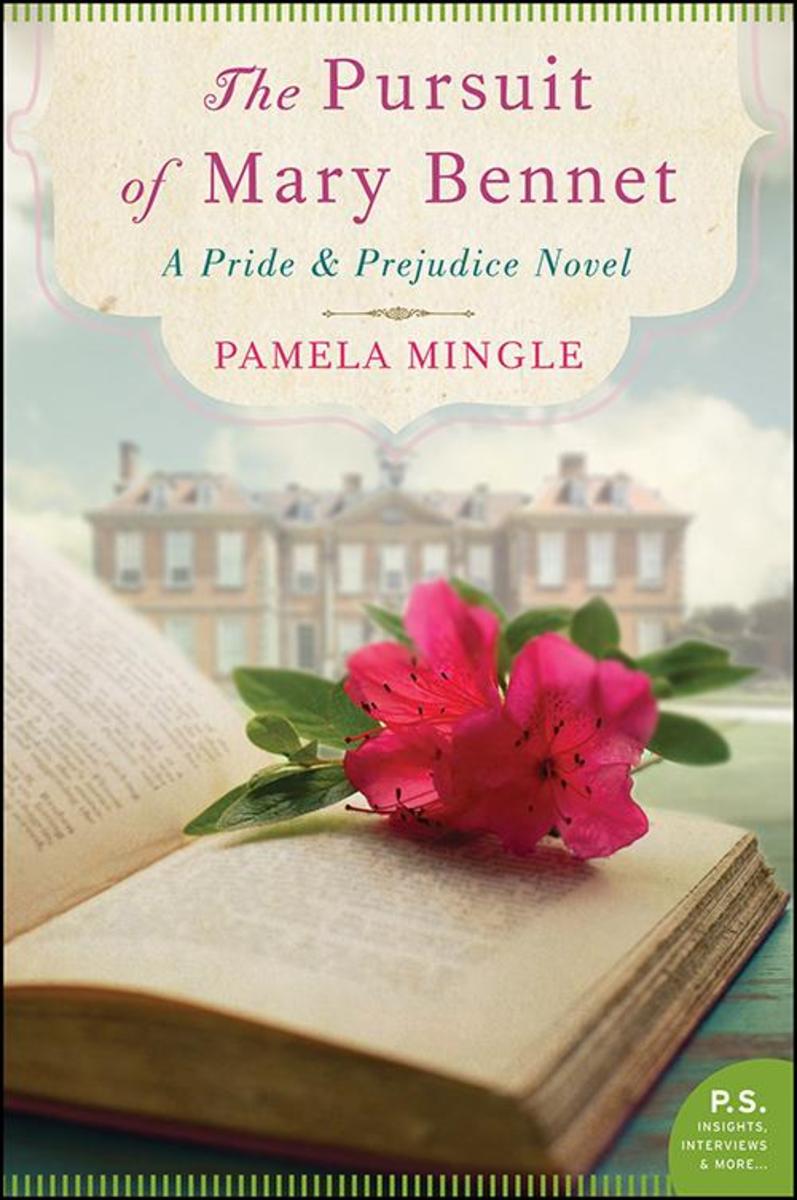
The Pursuit of Mary Bennet
¥88.56
The enthralling story of Pride and Prejudice's middle sister, Mary Bennet—an enchanting modern sequel to the beloved classicFor most of her life, Mary, the serious and unpolished third daughter of the Bennet family, has been overshadowed by her sisters—beautiful and confdent Jane and Elizabeth, and firtatious and lighthearted Lydia and Kitty. But with nearly all of her sisters married and gone from the household, awkward, unrefned Mary has blossomed into an attractive young woman with a quiet poise of her own.When a very pregnant Lydia unexpectedly returns to the Bennet home and scandalously announces she's left Wickham, Mary and Kitty are packed off to visit Jane and her husband, Charles Bingley, in Derbyshire. Yearning for the solitude of home, Mary is dismayed to discover Bingley's handsome and eligible friend Henry Walsh everywhere she turns. Unschooled in the game of love, Mary fnds Henry's warm attentions confounding. Is his interest genuine or does she foolishly mistake friendliness for something moreWith her heart and her future at risk, Mary must throw caution to the wind to fnd the truth—a journey of discovery that will teach her surprising lessons about herself and the desires of her heart.
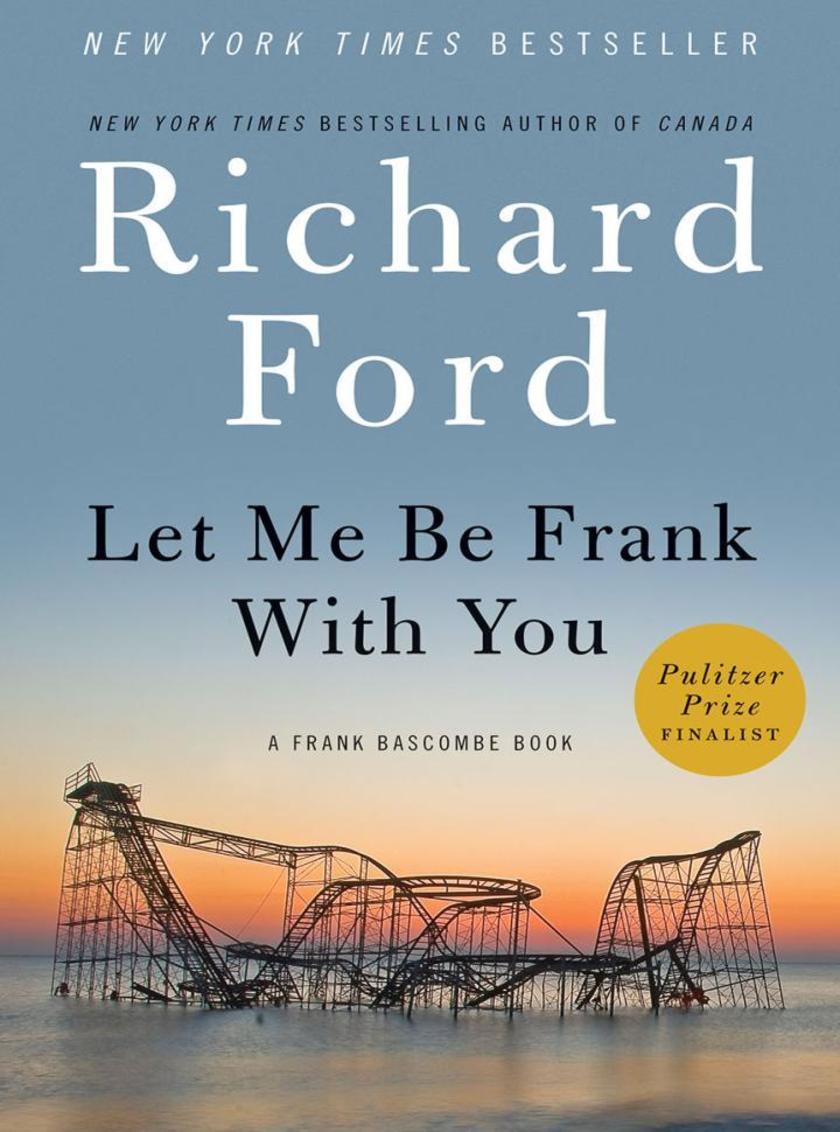
Ecco
¥156.69
A brilliant new work that returns Richard Ford to the celebrated fictional landscape that sealed his reputation as an American master: the world of Frank BascombeIn his trio of critically acclaimed, bestselling novels—The Sportswriter, the Pulitzer Prize and PEN/ Faulkner-winning Independence Day, and The Lay of the Land—Richard Ford, in essence, illuminated the zeitgeist of an entire generation, through the divinings and wit of his now-famous literary chronicler, Frank Bascombe, who is certainly one of the most indelible, provocative, and anticipated characters in modern American literature.Here, in Let Me Be Frank With You, Ford returns with four deftly linked stories narrated by the iconic Bascombe. Now sixty-eight, and again ensconced in the well-defended New Jersey suburb of Haddam, Bascombe has thrived—seemingly if not utterly—in the aftermath of Hurricane Sandy's devastation. As in all of the Bascombe books, Ford's guiding spirit is the old comic's maxim that promises if nothing's funny, nothing's truly serious. The desolation of Sandy, which rendered houses, shorelines, and countless lives unmoored and flattened, could scarcely be more serious as the grist for fiction. Yet it is the perfect backdrop and touchstone for Ford—and Bascombe. With a flawless comedic sensibility and unblinking intelligence, these stories range over the full complement of American subjects: aging, race, loss, faith, marriage, redemption, the real-estate crash—the tumult of the world we live in.Through Bascombe—wry, profane, touching, wise, and often inappropriate—we engage in the aspirations and sorrows, longings, achievements, and failings of American life in the morning of the new century. With his trademark candor and brimming wit, Richard Ford brings Bascombe fully back, in all his imperfect glory, to say (often hilariously) what all of us are thinking but few will voice aloud.Whether you've been a Bascombe insider since The Sportswriter or are encountering Ford's unforgettable inventions newly here, Let Me Be Frank With You is a moving, wondrous, extremely funny odyssey, showcasing the maturity and brilliance of a great writer working at the top of his talents.
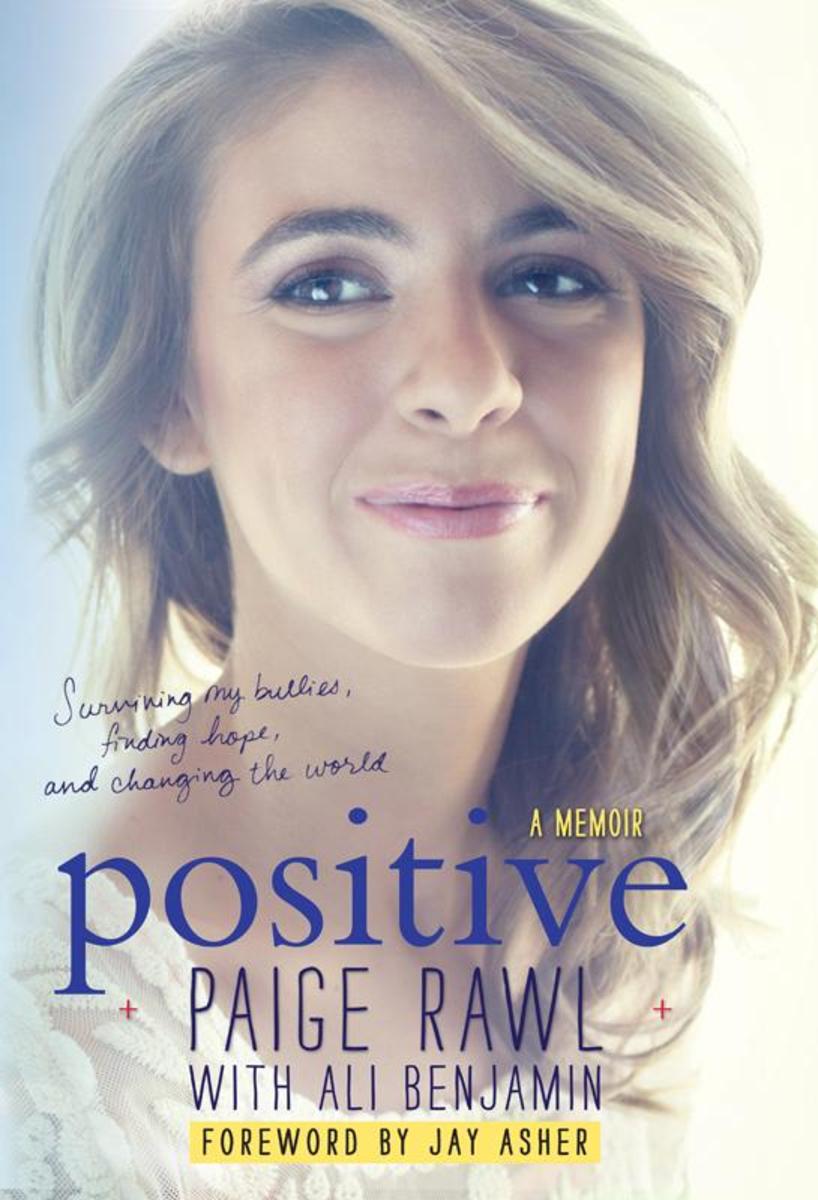
Positive
¥106.31
An astonishing memoir for the untold number of children whose lives have been touched by bullying. Positive is a must-read for teens, their parents, educators, and administrators—a brave, visceral work that will save lives and resonate deeply.Paige Rawl has been HIV positive since birth, but growing up, she never felt like her illness defined her. On an unremarkable day in middle school, she disclosed to a friend her HIV-positive status—and within hours the bullying began. From that moment forward, every day was like walking through a minefield. Paige was never sure when or from where the next text, taunt, or hateful message would come. Then one night, desperate for escape, fifteen-year-old Paige found herself in her bathroom staring at a bottle of sleeping pills.That could have been the end of her story. Instead, it was only the beginning. Paige's memoir calls for readers to choose action over complacency, compassion over cruelty—and above all, to be Positive.Includes twenty-five photos from Paige's personal collection throughout.Supports the Common Core State Standards
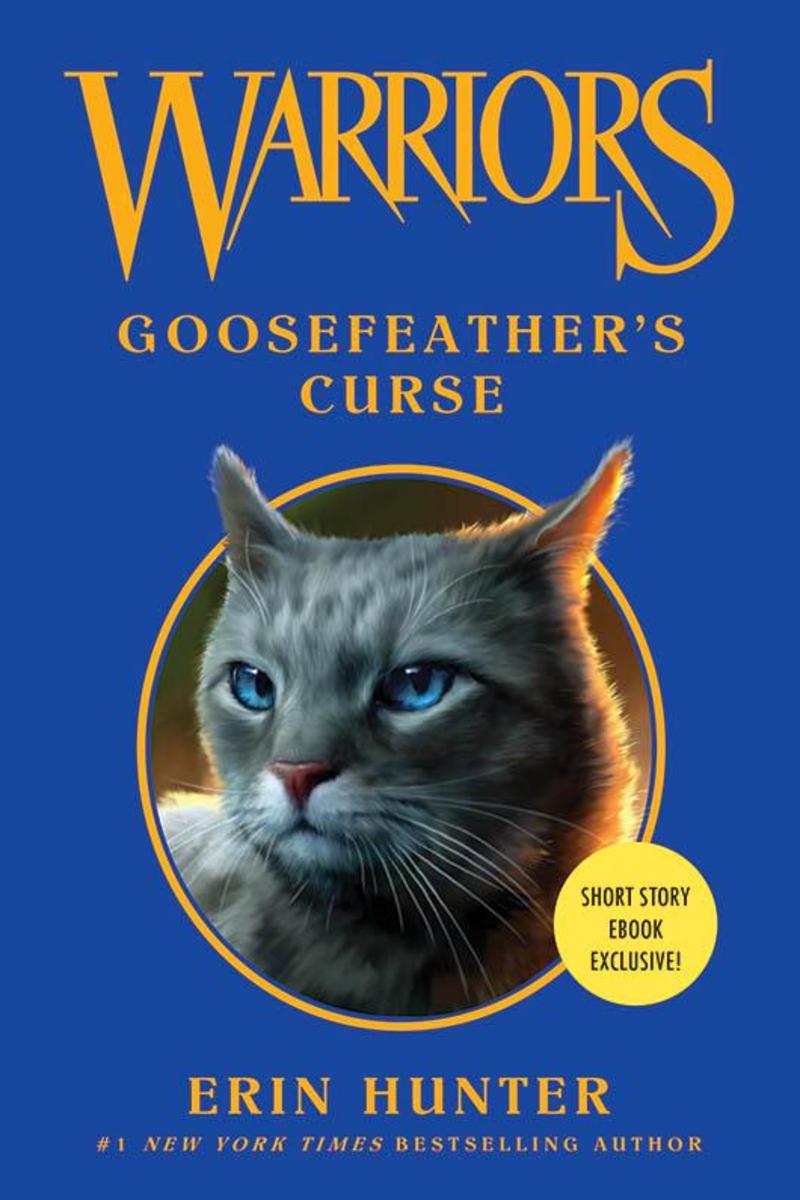
Warriors: Goosefeather's Curse
¥87.15
In this novella from the world of Erin Hunter's #1 nationally bestselling Warriors series, discover how Goosefeather learned of his dark and terrible future.Goosefeather is destined to be a medicine cat unlike any ThunderClan has ever known—but will he ever come to terms with a gift that feels like a curse?Warriors: Goosefeather's Curse also includes a teaser to Warriors Super Edition: Bluestar's Prophecy.
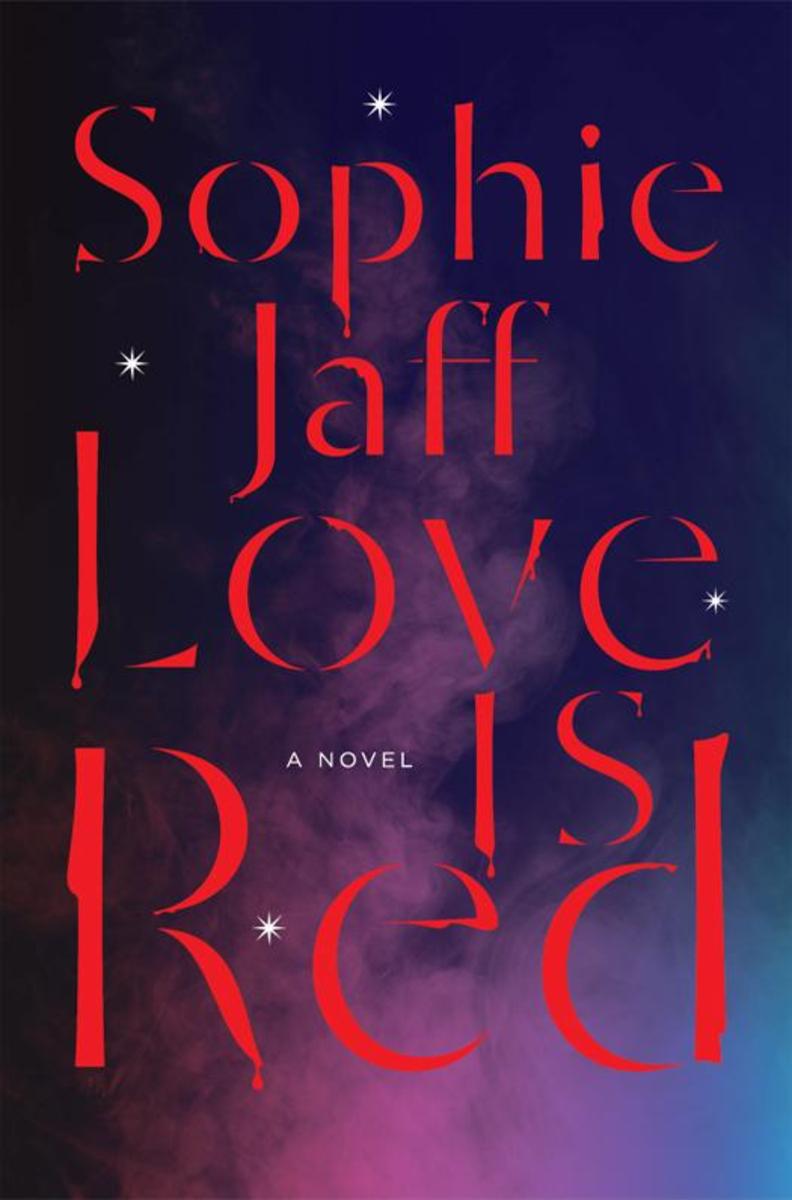
Love Is Red
¥90.51
Redefining the thriller's tale of the hunter and the hunted, This electrifying, hypnotically beautiful debut spins dark suspense and literary fantasy into a mesmerizing story of survival.Katherine Emerson was born to fulfill a dark prophecy centuries in the making, but she doesn't know it yet. However, one man does: a killer stalking the women of New York City, a monster the media dubs the "Sickle Man" because of the weapon he uses to turn his victims' bodies into canvases for his twisted art. People think he's the next Son of Sam, but we know how he thinks and how he feels . . . and discover that he is driven by darker, much more dangerous desires than we can bear to imagine. He takes more than just his victims' lives, and each death brings him closer to the one woman he must possess at any cost.Amid the city's escalating hysteria, Katherine is trying to unknot her tangled heart. Two very different men have entered her previously uneventful world—handsome and personable David, alluring yet aloof Sael—and turned it upside down. She finds herself involved in a complicated triangle . . . but how well does she really know either of them?Told from the alternating viewpoints of Katherine and the Sickle Man, Sophie Jaff's intoxicating narrative will pull you in and hold you close. As the body count rises, Katherine is haunted by harrowing visions that force her to question her sanity. All she wants is to find love. He just wants to find her.Ablaze with fear, mystery, and possibility, Love Is Red is the first book in the Night Song trilogy. With this unforgettable novel—one that combines the literary and the supernatural, fantasy and horror, the past and the present—Katherine's moment of awakening is here. And her story is only just beginning.

So Far from the Bamboo Grove
¥39.24
In the final days of World War II, Koreans were determined to take back control of their country from the Japanese and end the suffering caused by the Japanese occupation. As an eleven-year-old girl living with her Japanese family in northern Korea, Yoko is suddenly fleeing for her life with her mother and older sister, Ko, trying to escape to Japan, a country Yoko hardly knows.Their journey is terrifying—and remarkable. It's a true story of courage and survival that highlights the plight of individual people in wartime. In the midst of suffering, acts of kindness, as exemplified by a family of Koreans who risk their own lives to help Yoko's brother, are inspiring reminders of the strength and resilience of the human spirit.
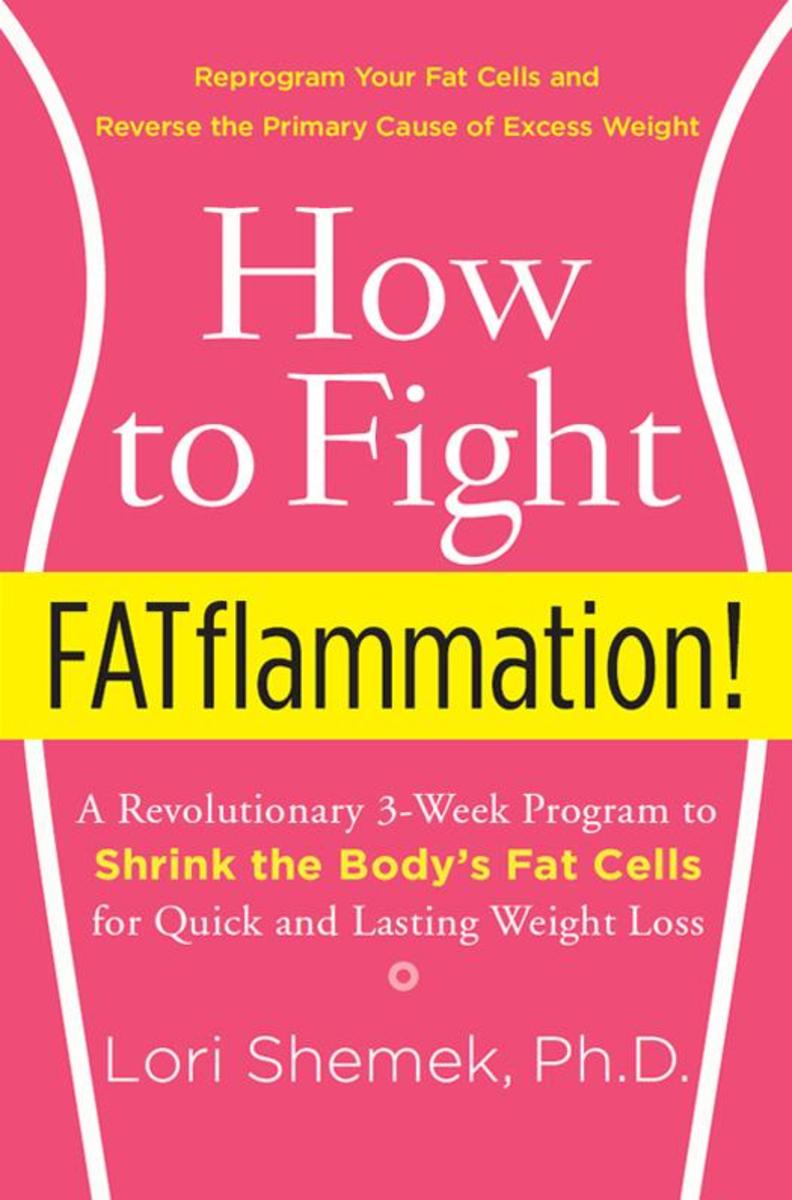
How to Fight FATflammation!
¥90.51
From a leading voice in health, nutrition, and fat-cell research comes a radical and revolutionary approach to losing weight, looking great, and achieving optimum health—simply by restoring your body's fat cells to their natural state.Are you consistently overweight, no matter what you doHave you tried everythingAre you plagued by stubborn fat hanging around your hips, thighs, and bellyWell, there's a reason for that. All those frustratingly pointless diets and exercise regimes have failed to address the root cause of weight gain.According to Dr. Lori Shemek, a successful diet isn't centered on calories or cardio. She says, "Cutting calories doesn't cut it." Our problems with fat are created because we eat foods that cause the body's natural fat cells to become inflamed. Sadly, the staples of the Standard American Diet—from pasta and bread to factory-farmed chicken and cattle, from sugar and artificial sweeteners to salad dressing and soft drinks—irritate our fat cells, causing chronic inflammation and chronically oversized fat cells. This irritation causes the body to store fat permanently, no matter how hard you exercise or how diligently you cut back on calories.Dr. Shemek calls this serious condition FATflammation, and only when you decrease the inflammation of the fat cells can you achieve the weight loss and optimum health you've been chasing. We need to forget about counting calories, counting points, fad diets, no-fat diets, and spending countless hours at the gym. There is a better and more satisfying way to lose the fat and maintain your desired weight. "If we want to fix our problems with fat," Shemek writes, "we need to reduce the inflammation in our fat cells." In How to Fight FATflammation Shemek reveals her revolutionary three-week program that helps reboot your body chemistry by returning your body's fat cells back to their natural, healthy state. In the process, she explains the critical importance of maintaining balance between good fats (omega-3) and bad fats (omega-6) and how a proper ratio of both will help boost your metabolism; in short, your body will burn fat simply by your eating the right kinds of fat. She also helps you eliminate from your diet the dreaded FATflammation Four—sugar, refined grains, high-fructose corn syrup, and artificial sweeteners. Here's your chance to shrink your fat cells and get the body you always wanted.
The Monogamy Myth
¥95.11
One of the most valuable survival guides for men or women recovering from a partner's affair.Featured on Oprah, 48 Hours, CNN, Fox News, and in USA TodayIn this landmark book, Peggy Vaughan helps us to understand the stages of suspicion, confrontation, and the healing process necessary to recover, including rebuilding self-esteem, the marriage/divorce dilemma, and seeking professional help. Packed with practical, time-tested advice and successful strategies, this authoritative guide reveals: You are not alone estimates are that at least 60 percent of men and 40 percent of women will have an extramarital affair. People from all walks of life have affairs devoted parents, religious individuals, regardless of income or social class. Our society contributes to the prevalence of affairs. An affair does not mean the end of a marriage. Recovery is fueled by honest, open discussion of the affair. Substantiated by case studies, ongoing research, and the author's own experience, this updated third edition includes information on the role of the Internet in relationships, shares the words of others who are recovering from affairs, and describes the six-step program for establishing communication between partners that can actually prevent affairs.
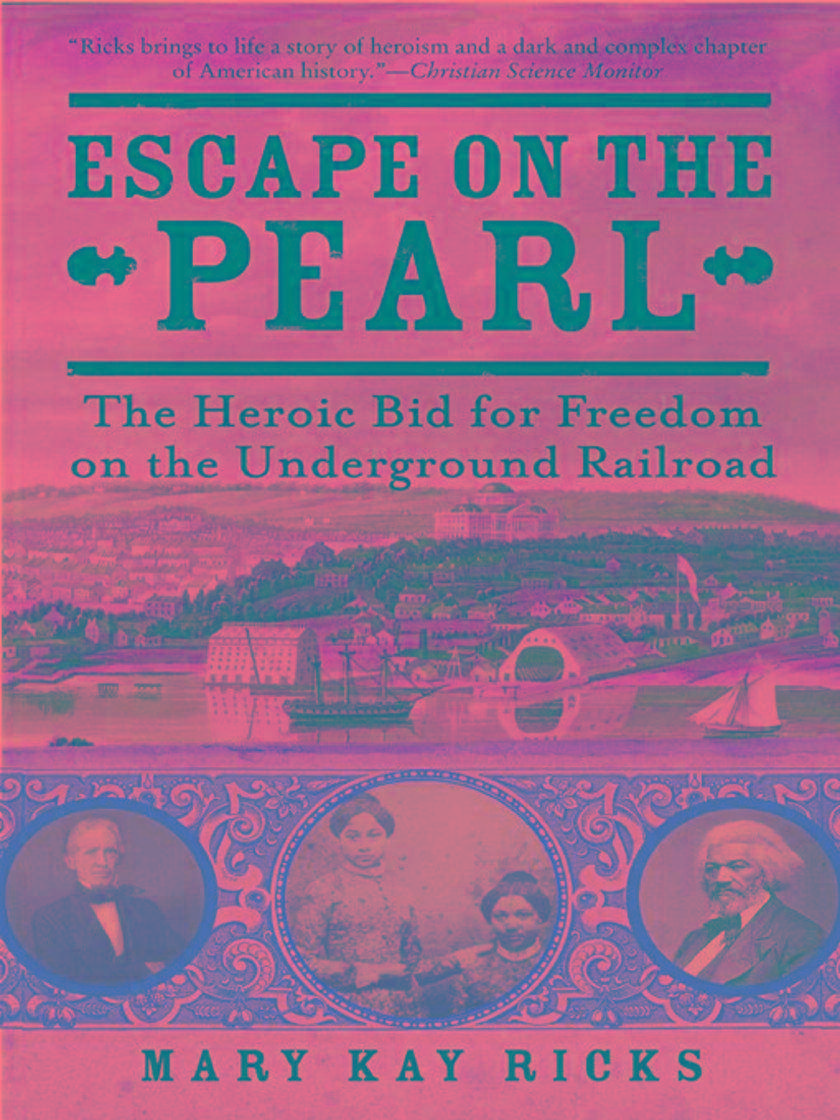
Escape on the Pearl
¥101.00
On the evening of April 15, 1848, nearly eighty enslaved Americans attempted one of history's most audacious escapes. Setting sail from Washington, D.C., on a schooner named the Pearl, the fugitives began a daring 225-mile journey to freedom in the North and put in motion a furiously fought battle over slavery in America that would consume Congress, the streets of the capital, and the White House itself.Mary Kay Ricks's unforgettable chronicle brings to life the Underground Railroad's largest escape attempt, the seemingly immutable politics of slavery, and the individuals who struggled to end it. Escape on the Pearl reveals the incredible odyssey of those who were onboard, including the remarkable lives of fugitives Mary and Emily Edmonson, the two sisters at the heart of this true story of courage and determination.
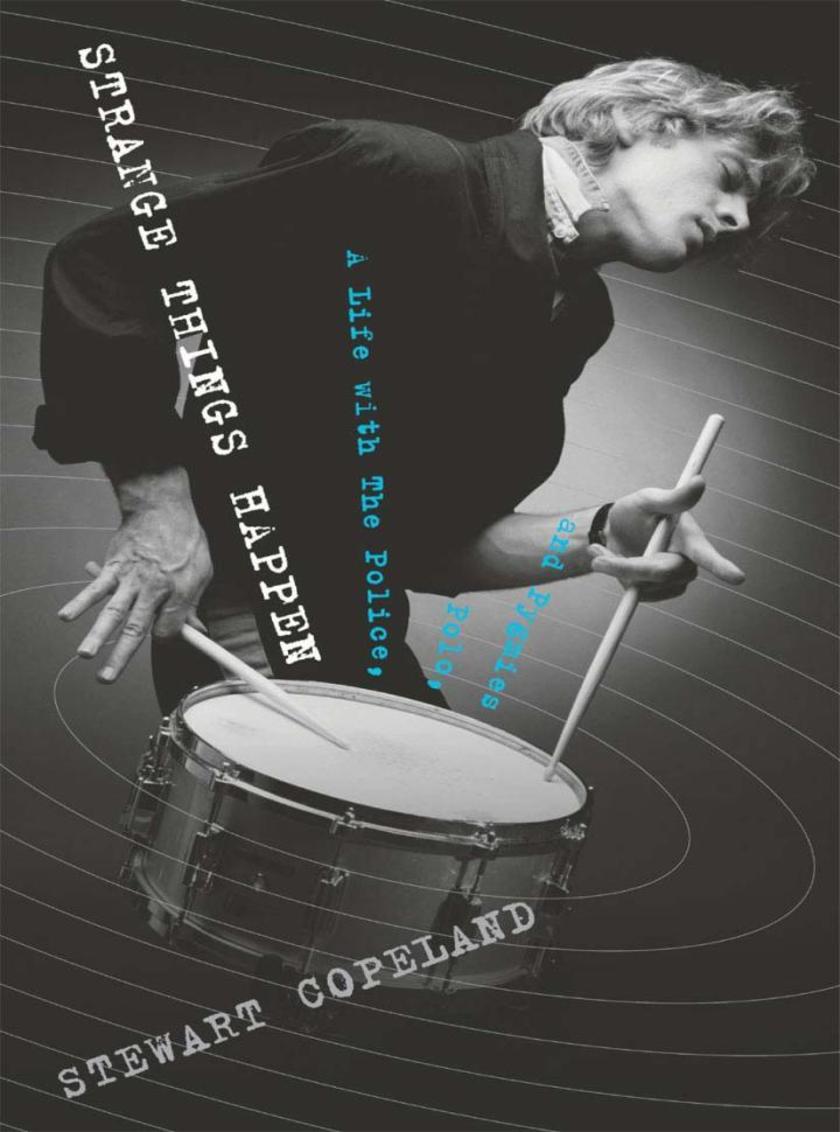
Strange Things Happen
¥83.03
When Stewart Copeland gets dressed, he has an identity crisis. Should he put on "leather pants, hostile shirts, and pointy shoes"Or wear something more appropriate to the "tax-paying, property-owning, investment-holding lotus eater" his success has allowed him to becomeThis dilemma is at the heart of Copeland's vastly entertaining memoir-in-stories, Strange Things Happen. The world knows Copeland as the drummer for The Police, one of the most successful bands in rock history. But they may not know as much about his childhood in the Middle East as the son of a CIA agent. Or be aware of his film-making adventures with the Pygmies in the deepest reaches of the Congo, and his passion for polo (Brideshead Revisited on horses). In Strange Things Happen we move from Copeland's remarkable childhood to the formation of The Police, their rise to stardom, and the settled-down life that followed. It ends with a behind-the-scenes view of The Police's extraordinarily successful reunion tour. It's a book of amazing anecdotes, all completely true, which take us backstage in a life that is fully lived.
Motherpeace
¥110.71
For over a decade, Motherpeace has been an inspiration and oracle for women all over the world. Motherpeace recovers the positive, nurturing peace-oriented values of prepatriarchal times, and brilliantly combines art, history, mythology, folklore, philosophy, and comparative religion with an informed spiritual and feminist perspective.Vicki Noble challenges us to celebrate our ancient peaceful heritage and to reclaim our right as a people to a life without war. The book is a vision of hope and transformation, made even more powerful by the vibrant pictorial images of the seventy-eight Motherpeace tarot cards.Motherpeace shows how traditional myths and symbols can provide ideas and images for understanding the meaning and power of the Goddess for women and men today.
The Greatest Music Stories Never Told
¥112.23
Did you know about: The ballet that sparked a riot The rock star who became an astrophysicist The song that saved Wheaties The man killed by his own conducting The controversy behind "Mary Had a Little Lamb"Prepare to be astonished, bewildered, and stupefied by the tantalizing tidbits of music history collected here: amazing stories about jazz, classical, country, rock 'n' roll, hip-hop, show tunes, composers, band names, song lyrics, instruments, technology, controversies, and more. Learn how the FBI spent years trying to decode the lyrics of one rock song. Discover how Watergate provided the inspiration for A Chorus Line. Find out how one megahit was born in a history class, while another was dashed off in a fit of anger at actor Robert De Niro. Meet the monk behind solfège, the aviation pioneer who created Muzak, and the prisoner who literally sang himself out of jail. Then there's the most important person in rock 'n' roll history—chances are you've never heard of him! Continuing the successful Greatest Stories Never Told series, Rick Beyer has delivered another classic volume for history and music buffs alike.
The Meaning of the Dead Sea Scrolls
¥138.41
The Dead Sea Scrolls, found in caves near the Dead Sea fifteen miles east of Jerusalem from 1947 to 1956, include the oldest existing biblical manu*s and the remarkable texts of the purist Jewish community at Qumran. The discovery of the scrolls has added dramatically to our understanding of the varieties of Judaism at the time of Jesus and the rise of Christianity, but has also prompted heated debate about the nature of these religions. As the monumental task of transcribing and translating the Dead Sea Scrolls is finally completed, people around the world are taking stock of the significance of these ancient documents. In this book, two of the world's leading experts on the scrolls reveal the complete and fascinating story in all its detail: the amazing discovery, the intense controversies, and the significant revelations. Drawing together all the evidence, this timely book explores: The discovery and dating of the scrolls Their relationship to the Hebrew Bible, Apocrypha, and New Testament Their messianic and apocalyptic messages The identity, nature, and theology of the Qumran community The nonbiblical scrolls Controversies surrounding the scrolls This comprehensive, up-to-date guide is the definitive introduction to all aspects of the scrolls, including their teachings, the community that created them, the world of Judaism, the origins of Christianity, our understanding of Jesus and the New Testament. Featuring photos of the original texts, the sites, and the scholars who deciphered them, and including illustrative passages from the scrolls, The Meaning of the Dead Sea Scrolls presents the most complete and accurate scholarship on the Dead Sea Scrolls available today.
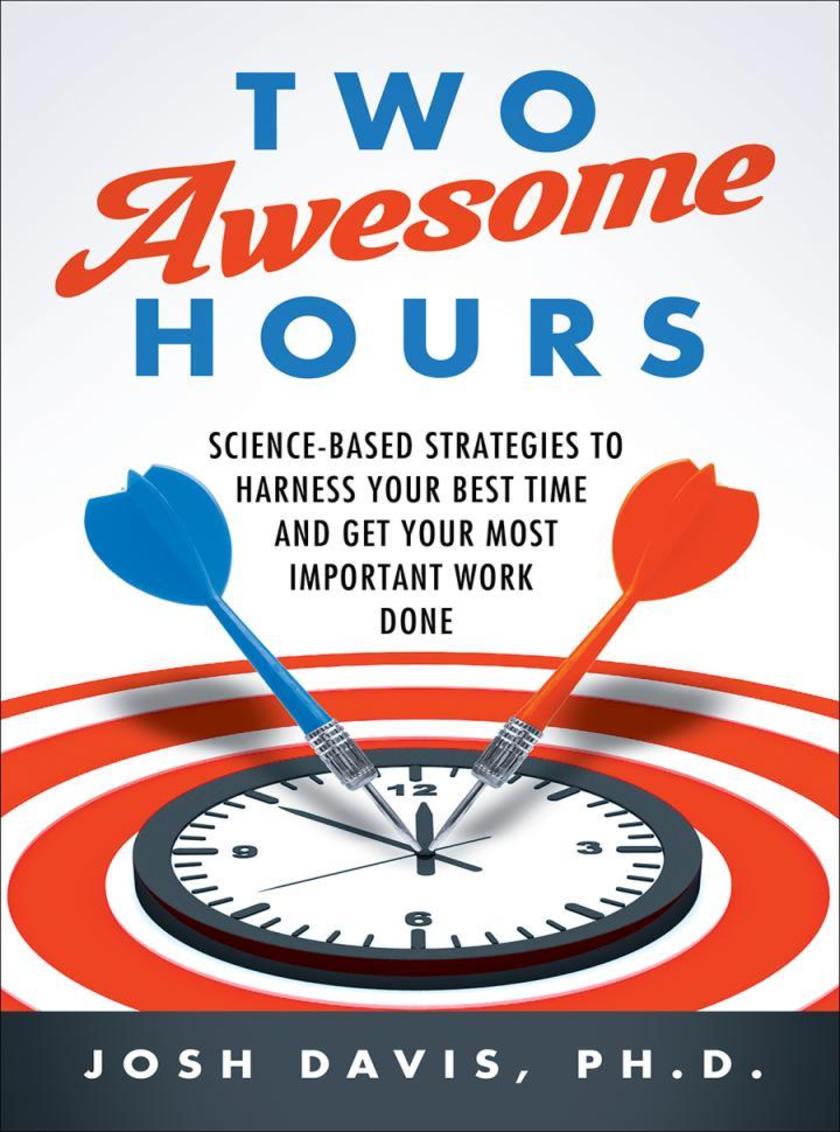
Two Awesome Hours
¥94.10
Whether we love our jobs or not, the amount of work on our plate has reached unsustainable levels. We start each workday anxious about how we will get it all done, and which important tasks will have to be sacrificed again so we can keep our heads above water. We often respond to our out-of-control to-do lists by focusing on being more efficient trying to get more done in less time.According to Josh Davis, Ph.D., we're going about it the wrong way. The answer is not to get more done faster, but rather to create the conditions for at least two awesome hours of peak productivity each day.Neuroscience and psychology research is revealing what those conditions are. Drawing on this research, Davis explains that our minds operate according to complex factors that, when leveraged the right way, can make us truly effective. Davis shows us five deceptively simple strategies to create the conditions for incredible productivity and to restore sanity and balance to our lives: Maximize the moments in our day when we are between tasks, intentionally choosing what to tackle next Schedule tasks based on their cognitive and emotional demands Learn how to direct attention Feed and move our bodies for short-term benefit Identify how our environment affects our focus and alertness We are capable of impressive feats of comprehension, motivation, and performance when our psychological and biological systems are functioning optimally. Two Awesome Hours will show us how to be our most productive every day.


