


 购物车
购物车 个人中心
个人中心
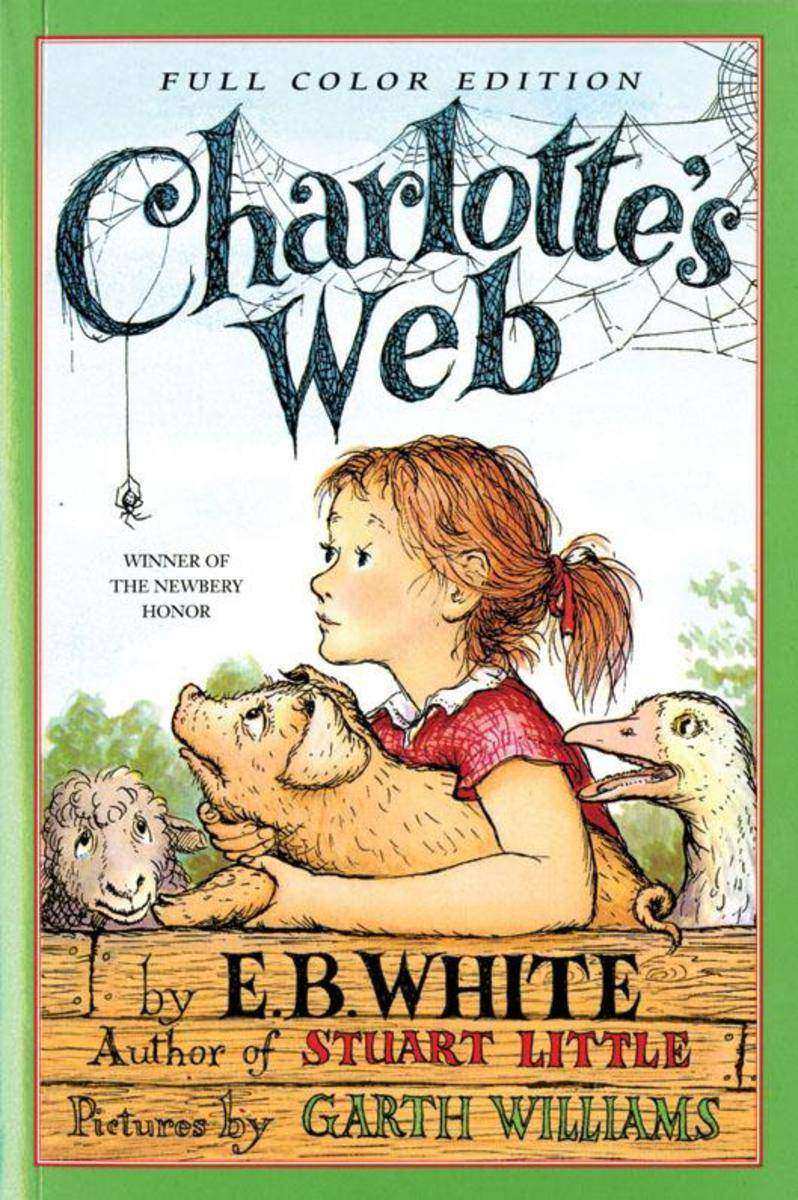
Charlotte's Web 夏洛特的网
¥49.79
Now available for the first time as an ebook! Illustrations in this ebook appear in vibrant full color on a full-color device and in rich black-and-white on all other devices.This beloved book by E. B. White, author of Stuart Little and The Trumpet of the Swan, is a classic of children's literature that is "just about perfect."Some Pig. Humble. Radiant. These are the words in Charlotte's web, high up in Zuckerman's barn. Charlotte's spiderweb tells of her feelings for a little pig named Wilbur, who simply wants a friend. They also express the love of a girl named Fern, who saved Wilbur's life when he was born the runt of his litter.E. B. White's Newbery Honor Book is a tender novel of friendship, family, and adventure that will continue to be enjoyed by generations to come. It contains beautiful, classic illustrations by Garth Williams, the acclaimed illustrator of E. B. White's Stuart Little and Laura Ingalls Wilder's Little House series, among many other books.Correlates to the Common Core State Standards in English Language Arts
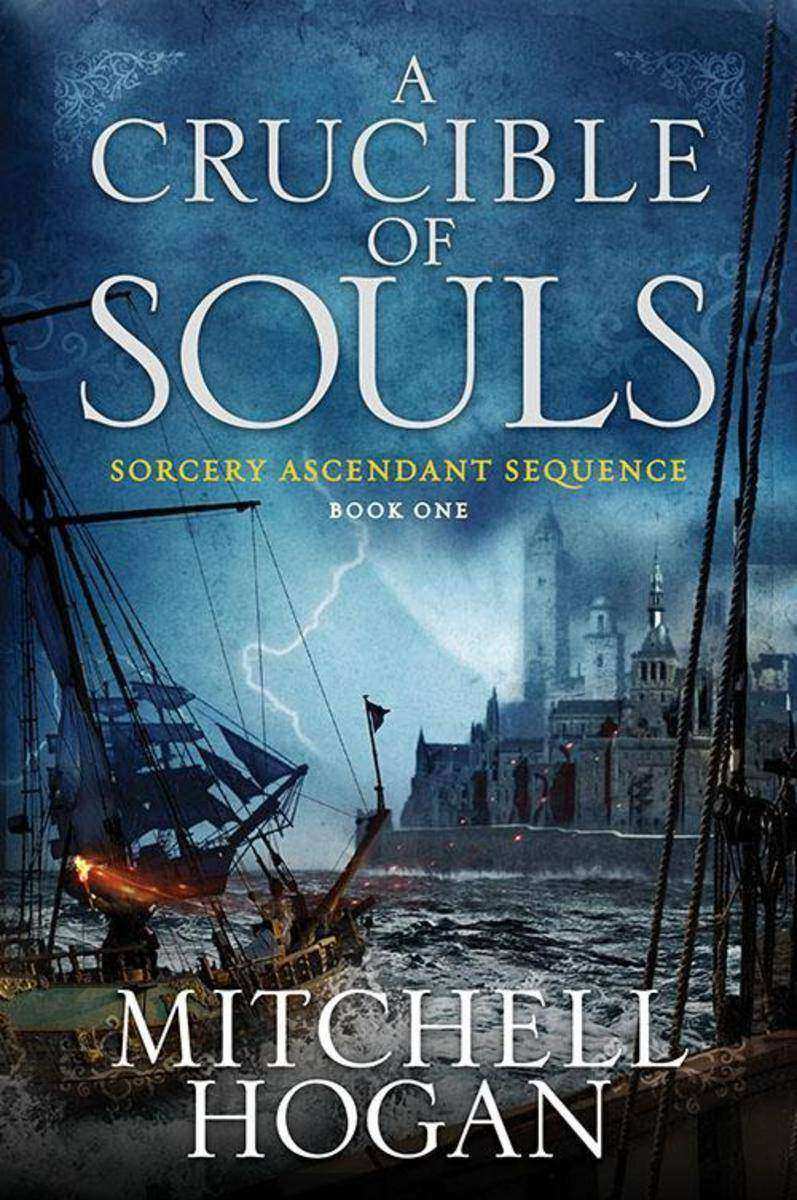
A Crucible of Souls
¥101.00
An imaginative new talent makes his debut with the acclaimed first installment in the epic Sorcery Ascendant Sequence, a mesmerizing tale of high fantasy that combines magic, malevolence, and mysteryAfter young Caldan's parents are brutally slain, the boy is raised by monks who initiate him into the arcane mysteries of sorcery.Growing up plagued by questions about his past, Caldan vows to discover who his parents were, and why they were killed. The search will take him beyond the walls of the monastery, into the unfamiliar and dangerous chaos of city life. With nothing to his name but a pair of mysterious heirlooms and a handful of coins, he must prove his talent to become apprenticed to a guild of sorcerers.But the world outside the monastery is a darker place than he ever imagined, and his treasured sorcery has disturbing depths he does not fully understand. As a shadowy evil manipulates the unwary and forbidden powers are unleashed, Caldan is plunged into an age-old conflict that will bring the world to the edge of destruction. Soon, he must choose a side—and face the true cost of uncovering his past.
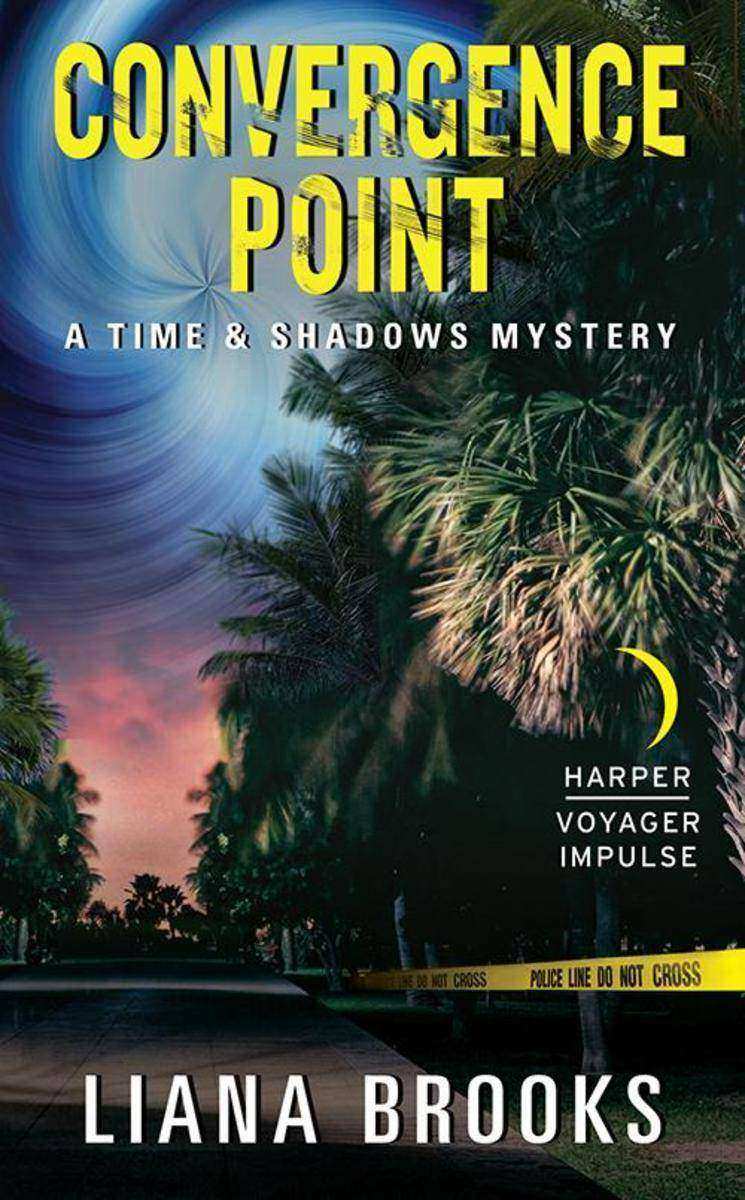
Convergence Point
¥48.39
A brand new Time & Shadows Mystery!Agent Samantha Rose has already died once…and knows the exact date she’ll die again.Having taken down a terrorist organization bent on traveling through time to overthrow the government, Sam figured she was done dealing with the unbelievable. Finally out of backwater Alabama, she’s the senior agent in a Florida district, and her life is back on track.Until a scientist is found dead. And then an eco-terrorist. And then a clone of herself…again.As the pieces start to fall together, they paint a picture that seems to defy everything they know about time and physics. But the bodies are all too real, and by partnering up with Agent MacKenzie once more, they might just figure out what’s going on. And when.

Stuart Little
¥44.73
Now available for the first time as an ebook! Illustrations in this ebook appear in vibrant full color on a full-color device and in rich black-and-white on all other devices.This beloved book by E. B. White, author of Charlotte's Web and The Trumpet of the Swan, is a classic of children's literature that features a very small mouse on a very big adventure. Stuart Little is no ordinary mouse. Born to a family of humans, he lives in New York City with his family. But when Stuart's best friend goes missing, he's determined to leave home and take an epic journey to find his friend.E. B. White's classic book is a tender novel of friendship, family, and adventure that will continue to be enjoyed by generations to come. It contains beautiful illustrations by Garth Williams, the acclaimed illustrator of E. B. White's Charlotte's Web and Laura Ingalls Wilder's Little House series, among many other books. Correlates to the Common Core State Standards in English Language Arts
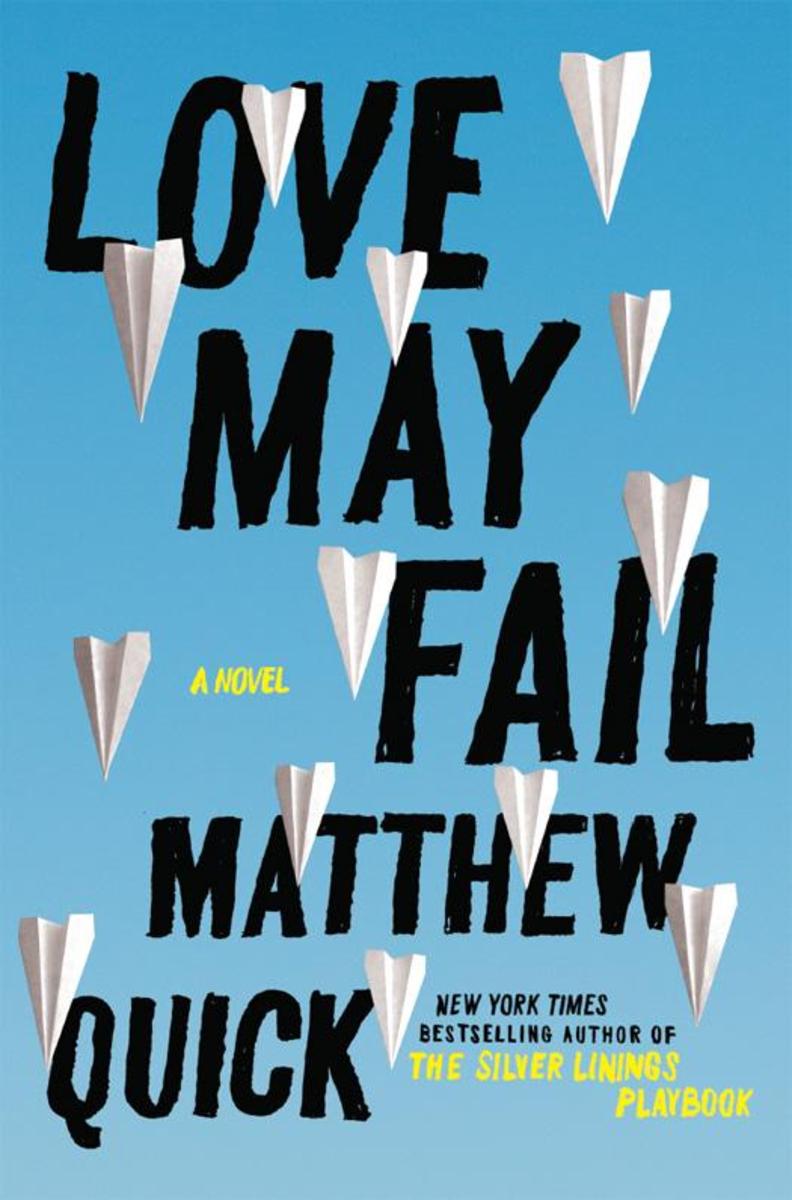
Love May Fail
¥90.51
"It doesn't matter how I got here. What I do with the puzzle pieces that are now in front of me—that's what matters.Save Mr. Vernon.My three-word quest.Why I'm here in this time and space."Portia Kane is having a meltdown. After escaping her ritzy Florida life and her cheating pornographer husband, she finds herself back in South Jersey, a place that remains largely unchanged from the years of her unhappy youth. Lost and alone, looking for the goodness she believes still exists in the world, Portia sets off on a quest to save the one man who always believed in her—and in all of his students: her beloved high school English teacher, Mr. Vernon, who has retired broken and alone after a traumatic classroom incident.Will a sassy nun, an ex–heroin addict, a metalhead little boy, and her hoarder mother help or hurt Portia's chances on this quest to resurrect a good man and find renewed hope in the human raceLove May Fail is a story of the great highs and lows of existence: the heartache and daring choices it takes to become the person you know (deep down) you are meant to be.
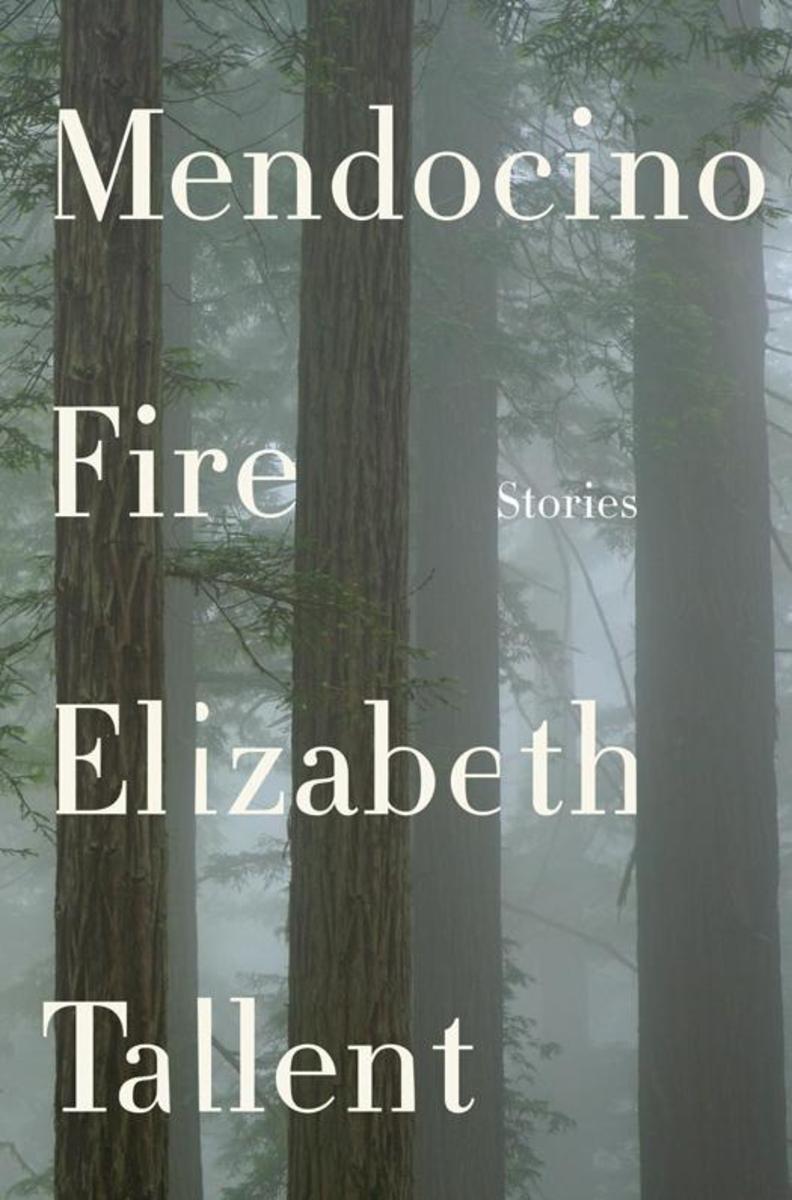
Mendocino Fire
¥90.51
The long-awaited return of a writer of rare emotional wisdomThe son of an aging fisherman becomes ensnared in a violent incident that forces him to confront his broken relationship with his father. A woman travels halfway across the country to look for her ex-husband, only to find her attention drawn in a surprising direction. A millworker gives safe harbor to his son's pregnant girlfriend, until an ambiguous gesture upsets their uneasy equilibrium. These and other stories—of yearning, loss, and tentative new connections—come together in Mendocino Fire, the first new collection in two decades from the widely admired Elizabeth Tallent. Diverse in character and setting, rendered in an exhilarating, exacting prose, these stories confirm Tallent's enduring gift for capturing relationships in moments of transformation: marriages breaking apart, people haunted by memories of old love and reaching haltingly toward new futures. The result is a book that reminds us how our lives are shaped by moments of fracture and fragmentation, by expectations met and thwarted, and by our never-ending quest to be genuinely seen. Profound yet elemental, Mendocino Fire marks the welcome return of a sage and surprising voice in American fiction.

Four: The Transfer
¥54.42
Complete your Divergent library with the Four stories!Fans of the Divergent series by #1 New York Times bestselling author Veronica Roth will be captivated by "Four: The Transfer," the first of four stories, each between fifty and seventy-five pages long, set in the world of Divergent and told from Tobias's perspective.In "The Transfer," readers witness Tobias's aptitude test, Choosing Day, and the moment he is given the infamous nickname "Four."
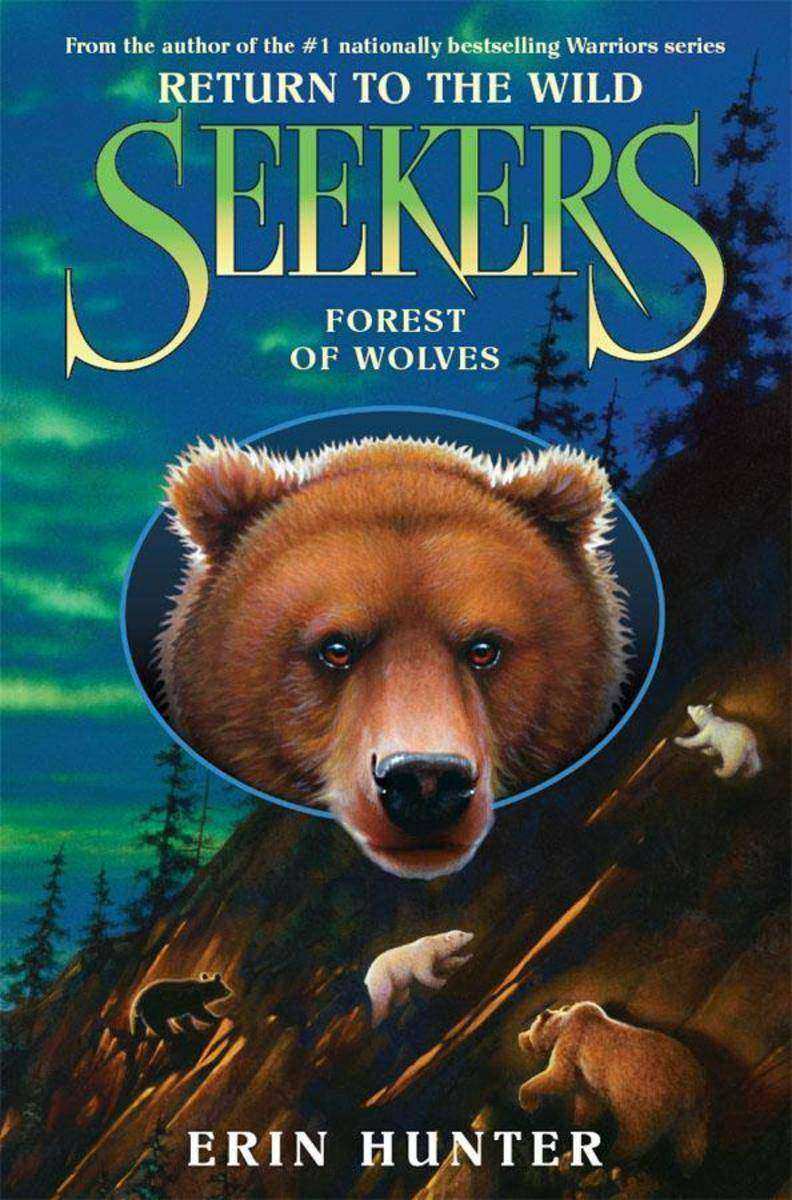
Seekers: Return to the Wild #4: Forest of Wolves
¥39.13
Erin Hunter's New York Times bestselling Seekers series continues in the fourth book in the Return to the Wild story arc. With its thrilling blend of action and suspense, this epic animal fantasy is perfect for fans of the #1 nationally bestselling Warriors series.After a harrowing journey, the four bears finally arrive at Toklo's former home. Toklo is thrilled to be in the mountains, surrounded by warm memories of his cubhood, but his homecoming has come at a price. Yakone is dangerously ill and may not survive. Meanwhile, Lusa is unsure of what her future holds. Is she ready to find her own way if it means leaving her friends—the only family she has left?Also includes a sneak peek at Seekers: Return to the Wild #5: The Burning Horizon!

Arthur, For the Very First Time
¥33.99
Arthur Rasby is ten years old and having the worst summer of his life. His parents don't listen to him, so he writes everything down -- everything that's real -- in his journal. But when he goes to stay with his Great-Aunt Elda and Great-Uncle Wrisby on their farm, his world is turned upside down. For the first time Arthur wonders what's real and what's not.His aunt and uncle do things Arthur's parents would never do -- like climbing out windows to sit in trees, singing to their pet pig, and speaking French to a pet chicken. Life on the farm happens much too fast to write down -- sometimes wonderful, sometimes terrible. Arthur begins to understand there is more than one way of seeing and doing and loving. And he realizes there's a whole world just waiting to be discovered.

Dorothy Must Die: The Other Side of the Rainbow Collection
¥327.12
There's a new wicked witch in Oz—and her name is Dorothy. The Wonderful Wizard of Oz meets Kill Bill in this edgy, fast-paced, fantasy-adventure series from New York Times bestselling author Danielle Paige. The first two novels and three novellas are available together here for the first time:Dorothy Must Die: Oz has turned into a savage dystopia under Dorothy's rule—and now a new girl from Kansas must take her down. Amy Gunn been recruited by the Revolutionary Order of the Wicked. Her mission: Remove the Tin Woodman's heart. Steal the Scarecrow's brain. Take the Lion's courage. And—Dorothy must die.The Wicked Will Rise: With the Revolutionary Order of the Wicked scattered across Oz, Amy Gumm is on her own in the twisted fairyland. As she searches the kingdom in the hopes of destroying Dorothy once and for all, Amy realizes that nothing is what it seems in Oz and everyone has their own agenda.This collection also contains the three prequel novellas No Place Like Oz, The Witch Must Burn, and The Wizard Returns.
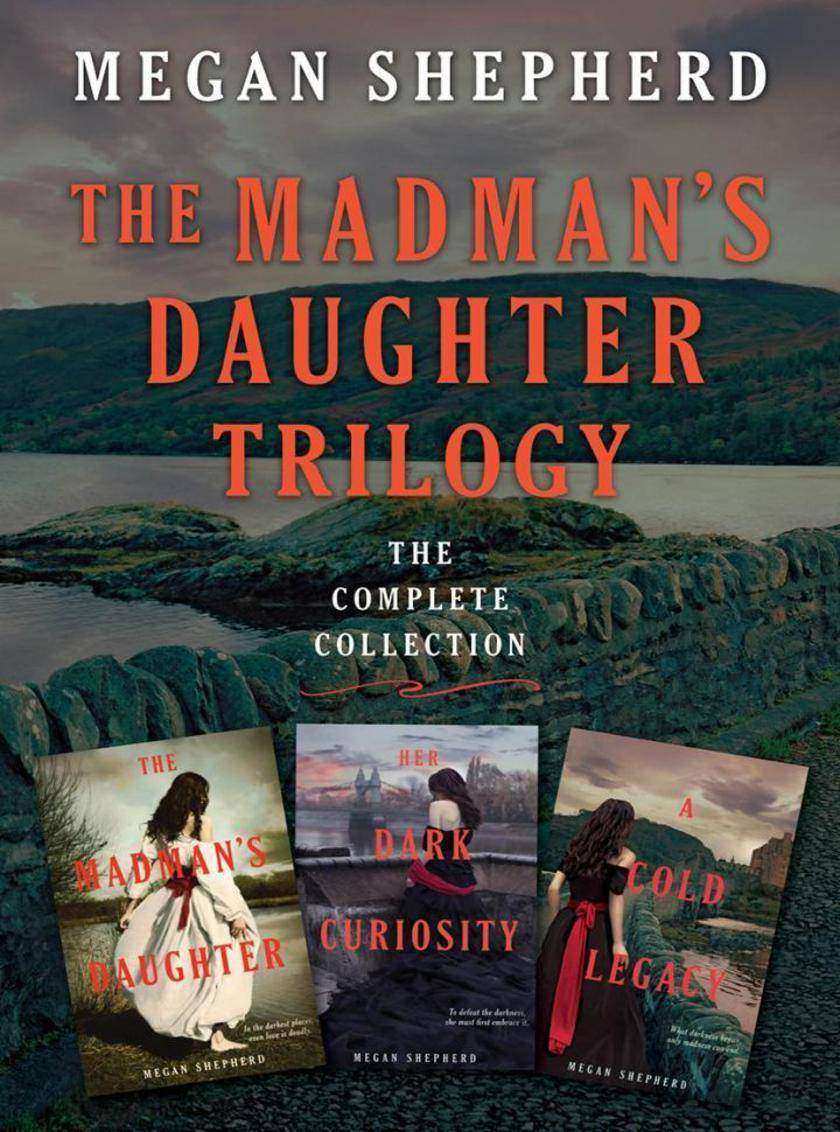
The Madman's Daughter Trilogy: The Complete Collection
¥261.65
Megan Shepherd's gothic suspense trilogy, inspired by the stories of H.G. Wells, Robert Louis Stevenson, and Mary Shelley, is perfect for fans of Libba Bray, Leigh Bardugo, and classic horror and science fiction. This collection also contains a sneak peek of The Cage, the first book in Megan Shepherd's gripping new series about teens held captive in a human zoo by an otherworldly race.The Madman's Daughter, inspired by The Island of Dr. Moreau, is the story of Dr. Moreau's daughter Juliet, who travels to her estranged father's island only to encounter murder, madness, and a scintillating love triangle.Her Dark Curiosity: Inspired by The Strange Case of Dr. Jekyll and Mr. Hyde, this tantalizing sequel explores the hidden natures of those we love and how far we'll go to save them from themselves.A Cold Legacy: With inspiration from Mary Shelley's Frankenstein, this breathless conclusion to the Madman's Daughter trilogy explores the things we'll sacrifice to save those we love . . . even our own humanity.
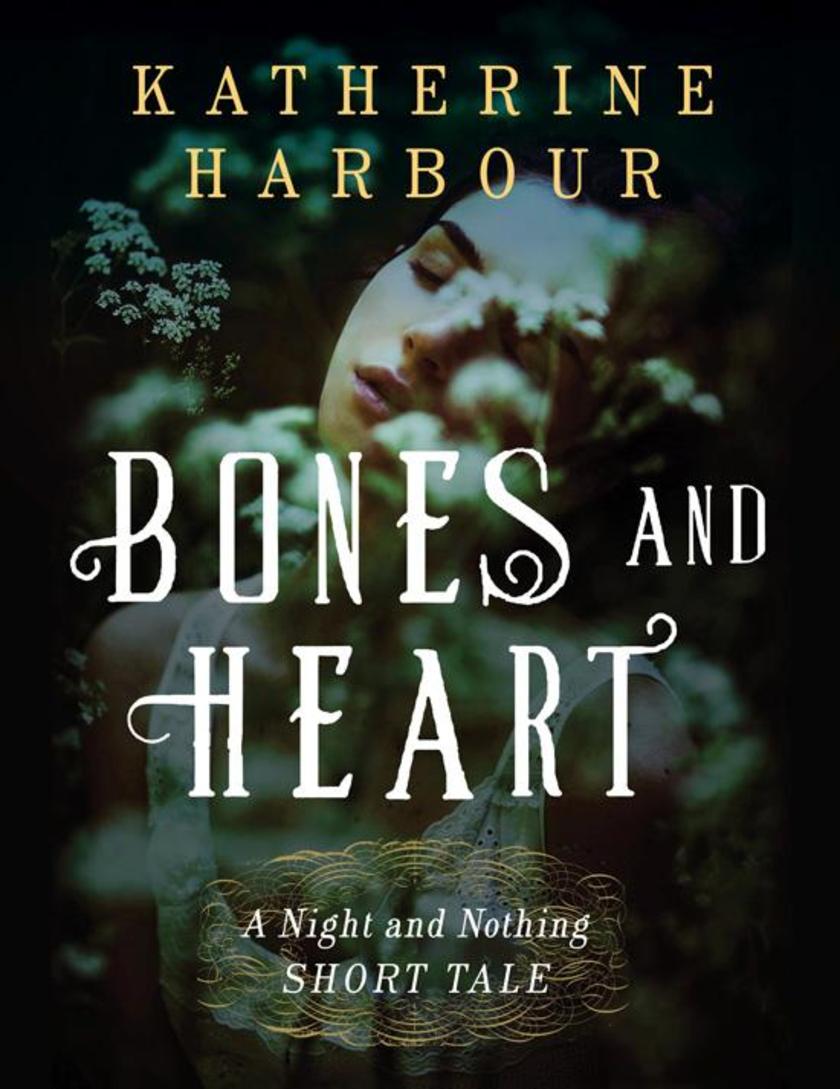
Bones and Heart
¥21.51
Bones and Heart by Katherine Harbour has de*ive copy which is not yet available from the Publisher.

Dead Ringer
¥66.50
Orchestra practice hits the wrong chord when a fellow musician is found dead, and violinist (and now amateur sleuth) Midori Bishop finds herself investigating more than just a new concerto in Sarah Fox's new cozy mystery, Dead RingerMidori Bishop's life is hitting all the right notes. She has her dream job playing violin in the Point Grey Philharmonic Orchestra, and is embarking on a new relationship with the symphony's hot maestro. But when Midori finds a cellist strangled to death during a rehearsal, the maestro soon becomes the number-one suspect and Midori his only supporter.Midori sets out to prove the maestro's innocence, but soon discovers that he and many others have secrets they would rather keep hidden. For someone who was only a ringer—a temporary member of the orchestra—the dead cellist had certainly made a lot of enemies. And as the investigation takes Midori closer to the truth, the killer gears up for a grand finale—with Midori as the intended victim.

A Fold in the Tent of the Sky
¥90.51
Struggling actor Peter Abbott is about to land the biggest role of his life. His audition for Calliope Associates—a clandestine private investigation firm made up of men and women with highly developed psychic abilities—requires only proof of Peter's psychic skills, no dramatic monologue. Business is booming until members of the group begin disappearing at the hands of fellow psychic Simon Haywood. His genius is matched only by Peter's, but Simon alone discovers a unique way to use his extrasensory skills to travel back in time, committing crimes without any trace. Simon's mind grows warped and paranoid as the universe strains against his tinkering. Terrified that his extracurricular voyages will be curtailed, he plans to "erase" his colleagues. But Simon's methods are not exactly cold-blooded; instead he goes back to the moment of his victims' conception and prevents them from being created. Because no one in the present day recalls he or she ever existed, he's not caught . . . until Peter realizes what's happening. Now time is running out as Simon's sociopathic travels are disrupting the universe, folding and twisting the constraints of matter to a near-breaking point and threatening to spin the entire cosmos out of control. A Fold in the Tent of the Sky takes murder into a new dimension as it races toward its electrifying, time-twisting climax.
Dear Thief
¥90.77
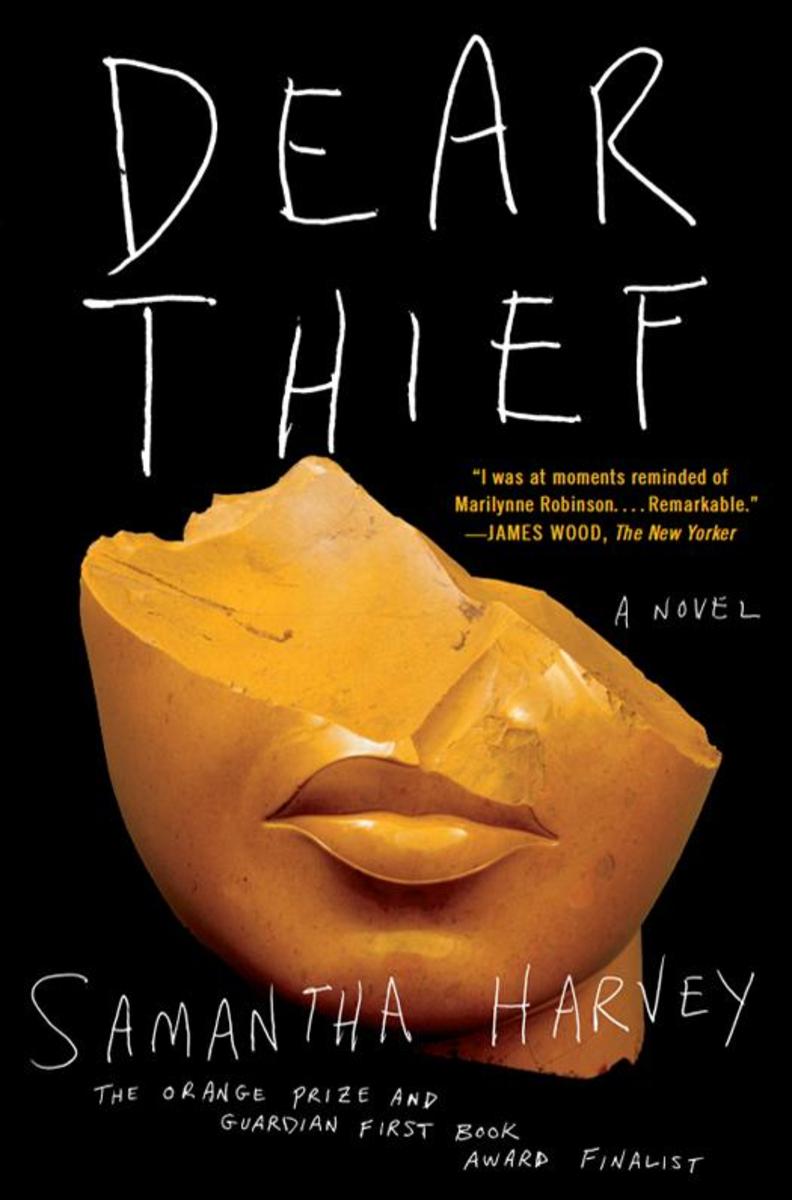
From acclaimed Orange Prize and Guardian First Book Award finalist Samantha Harvey, a stunning novel of female friendship, betrayal, and revenge"You were going to work your way into my marriage and you were going to call its new three-way shape holy," writes the unnamed narrator of Dear Thief.The thief is Nina, or Butterfly, who disappeared eighteen years earlier and who is being summoned by this letter, this bomb, these recollections, revisions, accusations, and confessions."Sometimes I imagine, out of sheer playfulness, that I am writing this as a kind of defence for having murdered and buried you under the patio."Dear Thief is a letter to an old friend, a song, a jewel, and a continuously surprising triangular love story. Samantha Harvey writes with a dazzling blend of fury and beauty about the need for human connection and the brutal vulnerability that need exposes."While I write my spare hand might be doing anything for all you know; it might be driving a pin into your voodoo stomach."Dear Thief is a rare novel that traverses the human heart in a striking and indelible way.

Sweetie Pie's Cookbook
¥110.71
Miss Robbie, star of the television show Welcome to Sweetie Pie's, shares dozens of her popular recipes.Miss Robbie is a great cook from a long line of great cooks. In her family, when it came to cooking, Miss Robbie was always by her mother's side as they prepared meals together for eight children. In this fashion, mouthwatering soul food recipes were passed down from generation to generation.The owner of the nationally acclaimed soul food restaurants Sweetie Pie's, Miss Robbie now shares her scrumptious recipes with you. In this appetizing spread, she presents classic soul food recipes such as Smothered Pork Chops, lip-licking Salmon Croquettes, crispy Fried Chicken, Mac and Cheese, and a huge surprise—Chitterlings (chitlins). She also offers creative variations on the tried-and-true, including Candied Carrot Soufflé, Roasted Brussels Sprouts with Garlic and Bacon, Oniony Roasted Corn, and Collard Greens. And, her desserts and breads are as flavorful as they sound—Sky-High Sweet Potato Pie and St. Louis Gooey Butter Cake.The celebrity chef welcomes you into her kitchen to experience more than 150 tasty foods as she shows what it means to put heart and "foot" into a dish.
The Oldest Trick
¥62.24
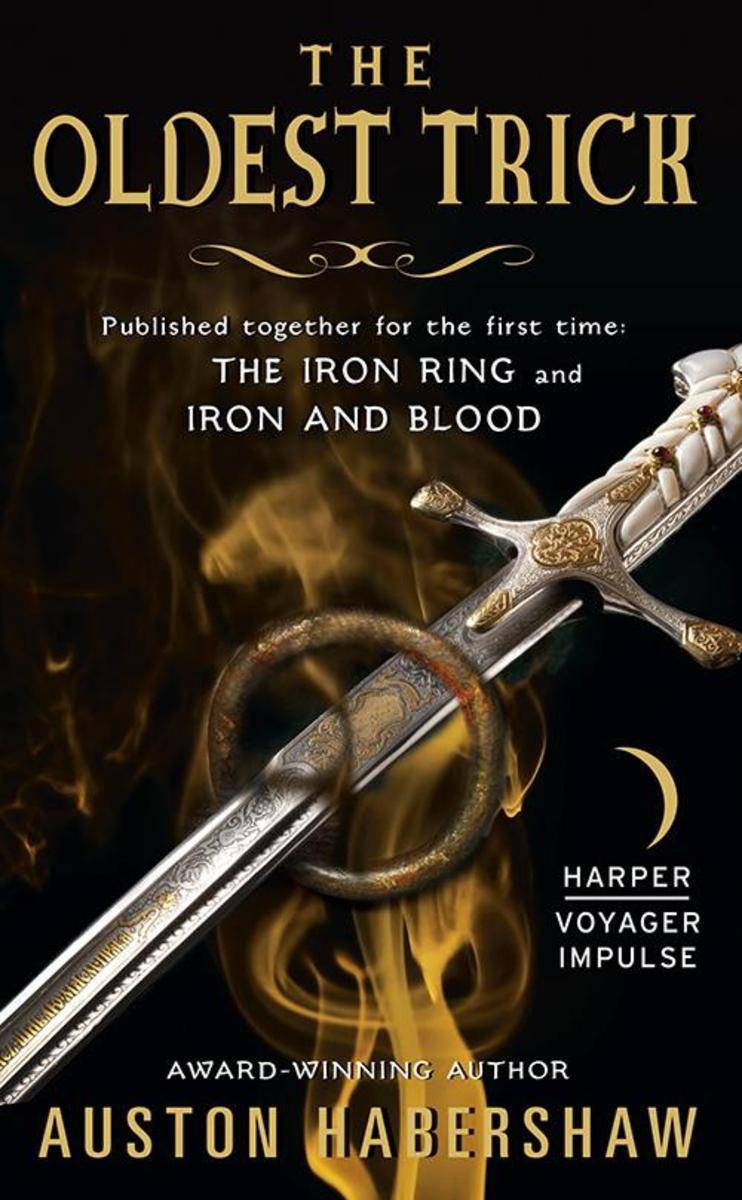
Compiled for the first time, The Oldest Trick comprises The Iron Ring and Iron and Blood in the Saga of the RedeemedTyvian Reldamar gets betrayed by his longtime partner and left for dead in a freezing river. To add insult to injury, his mysterious rescuer took it upon himself to affix Tyvian with an iron ring that prevents the wearer from any evildoing.Revenge just got complicated.On his quest to get even, Tyvian navigates dark conspiracies, dodges midnight assassins, and uncovers the plans of the ruthless wizard Banric Sahand. Tyvian will need to use every dirty trick in the book to avoid a painful and ignominious end, even as he learns to work with—and rely on—his motley crew of accomplices, including an adolescent pickpocket, an obese secret-monger, and a fearsome gnoll.

Epic Reads Impulse
¥53.88
No one ever said high school was easy. In this hilarious and heartwarming debut, one high school senior has to ask himself how much he's willing to give up in order to fit in.Kevin seems to have it all: he's popular, good looking, and on his way to scoring a college hockey scholarship. However, he's keeping two big secrets. The first is that he failed an assignment and is now forced to take the most embarrassing course ever--domestic tech. The second is that he is falling for his domestic tech classmate, Claire.As far as Kevin is concerned, Claire does have it all: she's funny, smart, beautiful, and confident. But she's off-limits. Because Kevin knows what happens when someone in his group dares to date a girl who isn't a cheerleader, and there's no way he is going to put himself—or Claire—through that.But steering clear of the girl of his dreams is a lot harder than Kevin thought…especially when a cooking project they are paired together for provides the perfect opportunity for things to heat up between them outside the classroom….Epic Reads Impulse is a digital imprint with new releases each month.
Stand Down
¥27.62
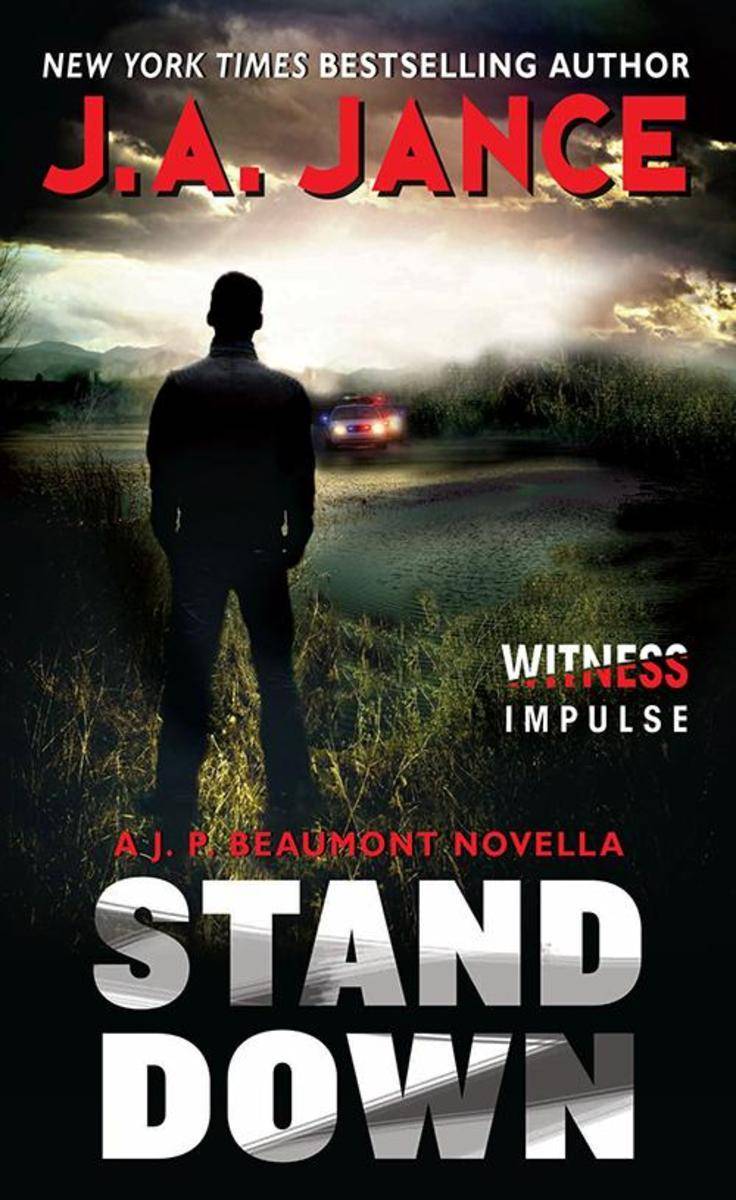
Life has shifted for J. P. Beaumont. After a tragic accident that devastated—and ultimately disbanded—his Special Homicide Investigaton Team, he accepts that he has left homicide detection behind at this point, but he has a lot of unanticipated free time on his hands. He's keeping busy with renovations on the new house that he and his wife, Mel Soames, the newly appointed chief of police in Bellingham, Washington, have bought. But new fixtures and paint palettes can occupy only so much of Beau's daily life, and Mel is encouraging him to return to where he is needed: investigating crimes.In the meantime, she is struggling to gain control of her new situation, cast into a department where some are welcoming—and some are not. It's been a few months, and the tension in the police department is rising, but Beau realizes Mel has to tackle things in her own way, so he refrains from advising. But when Beau shows up one afternoon to survey the construction at their new house and finds Mel's car there but no sign of her, his investigative instincts kick in. Suddenly he's back in the game—except this time, his heart is on the line as well as his professional dignity.

All Involved: Day Two
¥21.73
All Involved can either be read as a full-length eBook or in 6 serialized eBook-only parts.This is part 2 of 6, or DAY 2 of 6 days.At 3:15pm on April 29, 1991, a jury acquitted three white Los Angeles Police Department officers charged with using excessive force to subdue a black man named Rodney King, and failed to reach a verdict on the same charges involving a fourth officer. Less than two hours later, the city exploded in violence that lasted six days.A gritty and cinematic work of fiction, All Involved vividly re-creates this turbulent and terrifying time, through seventeen interconnected first-person narratives set in the wake of one of the most notorious and incendiary trials of the 1990s.

Instant Google Drive Starter
¥35.96
Get to grips with a new technology, understand what it is and what it can do for you, and then get to work with the most important features and tasks. This book is a Starter which teaches you how to use Google Drive practically. This book is perfect for people of all skill levels who want to enjoy the benefits of using Google Drive to safely store their files online and in the cloud. It’s also great for anyone looking to learn more about cloud computing in general. Readers are expected to have an Internet connection and basic knowledge of using the internet.


