


 购物车
购物车 个人中心
个人中心
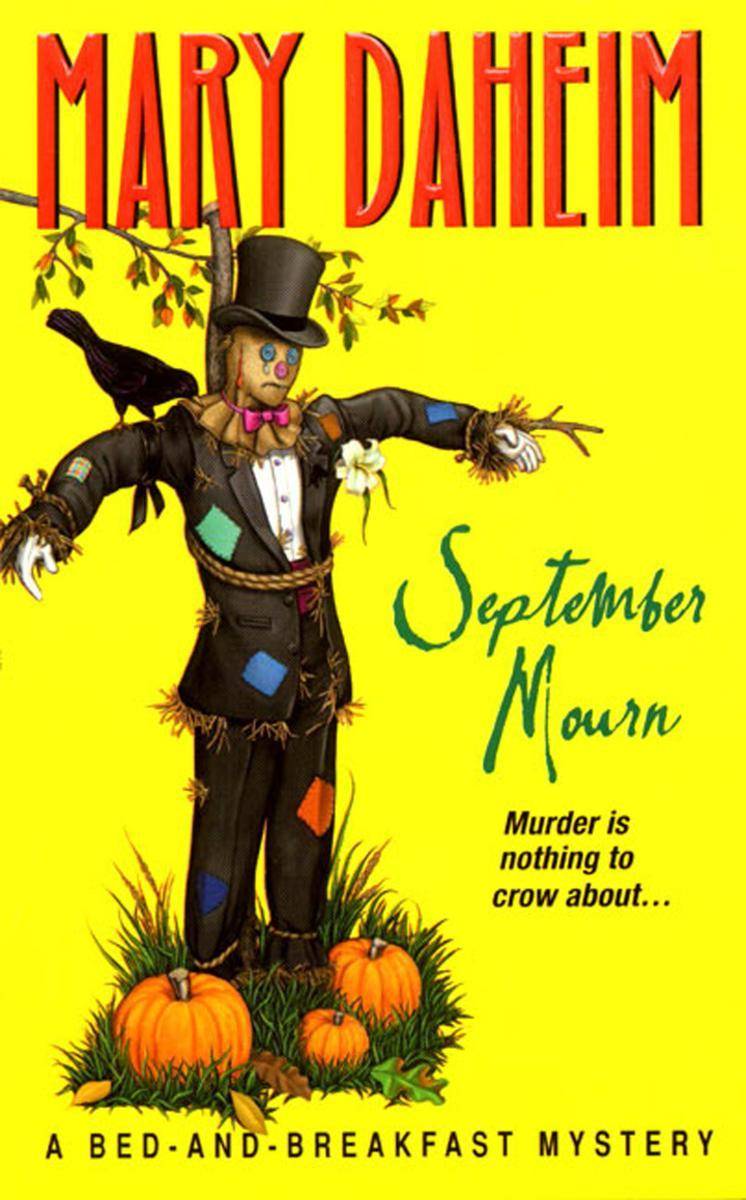
September Mourn
¥55.31
Fall has fallen upon Judith McMonigle Flynn, leaving her Hillside Manor nearly devoid of guests. And what better cure for the off-season blahs than a brief bout of BB sifting for a friend amid the quiet rustic splendor of secluded Chavez IslandJudith and cousin Renie both are more than ready for some relaxation. But their peace goes to pieces when Renie conks an odious interloping blowhard on the noggin with a heavy china dish-and, moments later, the woozy lout takes a fatal tumble down an inconvenient staircase. Judith suspects that death by dinnerware was not the real cause of this fellow's demise. But to prove her cantankerous cuz innocent, she'll have to uncover the real killer from among the motley island crew. And that could pile a lot more nastiness on Judith's plate than the harried bed-and-breakfast hostess can consume in one sitting!

Some Kind of Miracle
¥52.63
From the mega-bestselling author of Beaches , a new novel, available in mass market for the first time, once again celebrating female relationships. Two very different women fulfil a childhood promise to take care of one another no matter what.Dahlia Green is a struggling songwriter in Los Angeles who has fallen on hard times. She's had few of her songs recorded, but lately there's been a long pause between sales and she's starting to believe she'll never sell another song. As a child Dahlia and her cousin Annie wrote duets together as child play. Then Annie was diagnosed with schizophrenia and for all of her adult life has cycled in and out of mental hospitals where no one ever goes to visit her. Now twenty-five years later Dahlia has a chance to shine again by selling a song she and Annie wrote. So she tracks Annie in an institution and brings her home in hopes of convincing her to sign away her rights to the tune. But what starts out as a scheme to get ahead and exploit her cousin results in Dahlia putting someone else's needs above her own for the first time in her life. She fulfils a childhood promise made long ago to take care of one another no matter what.
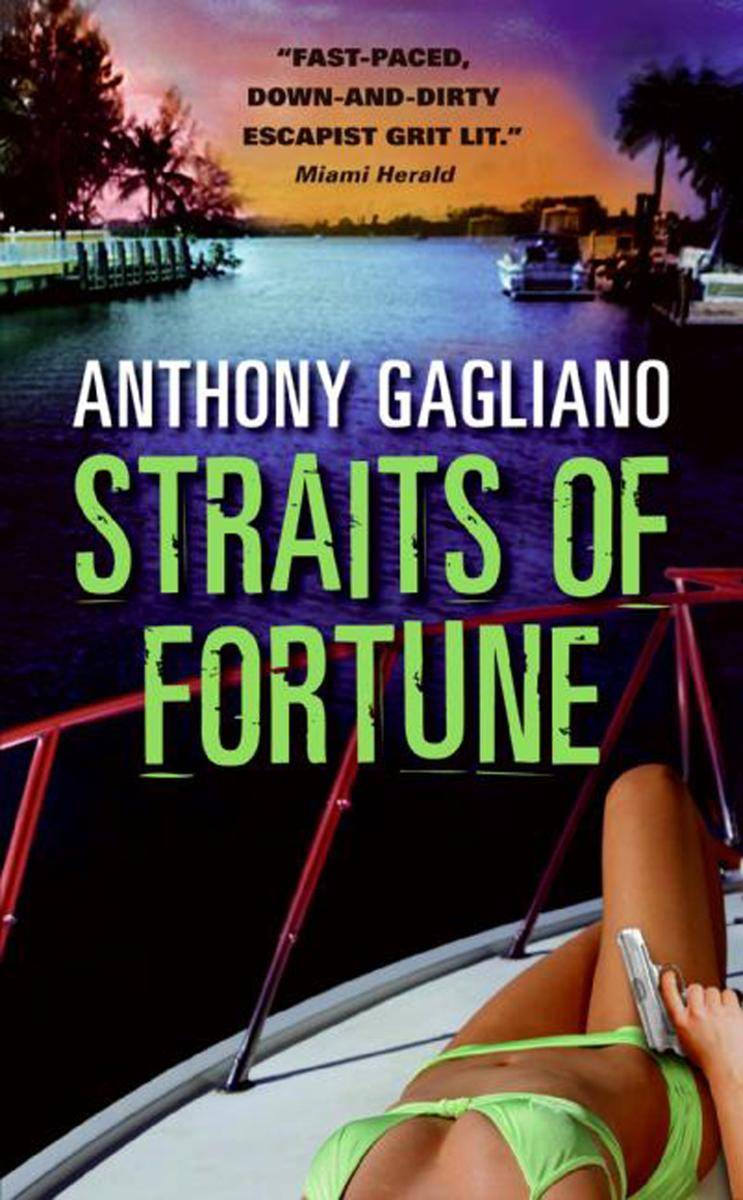
Straits of Fortune
¥56.07
Written in the classic noir tradition of Raymond Chandler's The Big Sleep , Straits of Fortune is a fast-paced and sometimes deadly adventure set in America's sexiest city. Ex-cop Jack Vaughn, the best thing to happen to crime fiction since Chandler's Philip Marlowe hung up his holster, moved from the gritty streets of New York to Miami to work as a personal trainer. The sun, sand, and tanned bodies of Miami are a welcome distraction from the haunting memory of another cop's death in New York. But when he becomes involved with millionaire businessman Colonel Patterson, he realizes his newfound peace is short-lived.The Colonel offers Jack a hundred grand to do a seemingly simple favor. But getting involved with the Colonel also means getting involved with his daughter, the exotic wild child Vivian, who once broke Jack's heart. Jack had sworn to forget her, but this memorable cast of characters lures him back into their double-dealing circle.The deeper he gets, the more Jack finds himself entangled in an ever-expanding web of lies, lust, and violence. A dark, hard-boiled look at the dangerous underbelly of glamorous Miami, Straits of Fortune is an unforgettable debut novel.

Weddings From Hell
¥56.07
Some marriages are made in heaven . . . Some are not.What happens when "the happiest day of your life" turns into a nightmareForget the drunken best man or the bridesmaid dresses from the '80s . . . none of these wedding day disasters can compare to a cursed bride determined to make it down the aisle, or a vampire who is about to disrupt your wedding.Join New York Times bestselling authors Maggie Shayne and Jeaniene Frost, USA Today bestseller Kathryn Smith, as well as Terri Garey in four unforgettable tales of unholy matrimony . . . where the grooms are dark, dangerous, and mostly dead, and to love and cherish till death takes on a whole new meaning.
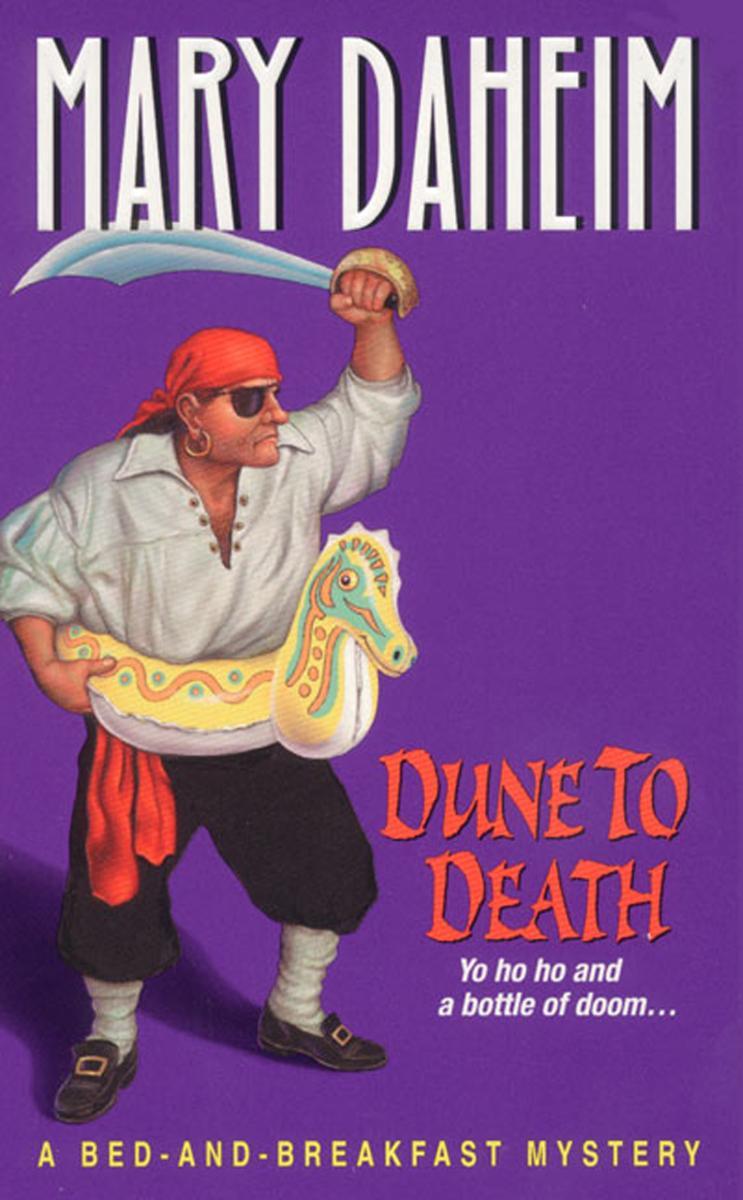
Dune to Death
¥49.05
Bed-and-breakfast hostess Judith McMonigle and her policeman beau Joe Flynn hgave finally gotten hitched-and they're off on a sunny honeymoon to beautiful Buccaneer Beach.But an unfortunate confrontation with a dune buggy run amok puts hubby Joe in hospital traction-leaving his beleaguered blushing bride stranded in paradise with a bad case of ennui by the sea. Luckily irrepressible cousin Renie has selflessly agreed to keep Judith company. And when the landlady of their cozy, costly cottage by the shore turns up dead in their living room, the cousins suddenly have a murderous mystery to keep them afloat. Rumors of a fortune in buried pirate gold add spice to their adventure. But digging up both a treasure and a killer is dirty business-and Judith and Renie might end up digging their own graves.
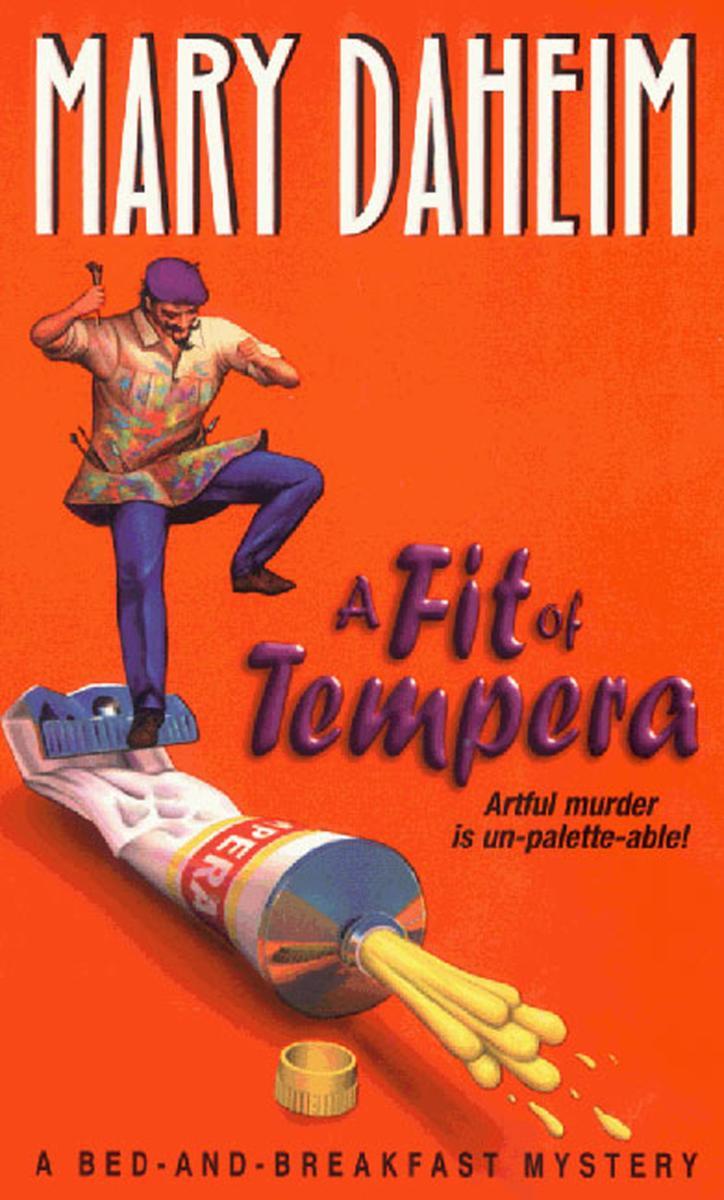
A Fit of Tempera
¥49.05
Van Gogh-ing...going...gone! Poor Judith McMonigle Flynn! All she wants is a much-needed break from the rigors of running Hillside Manor. But she and cousin Renie have barely set foot in their family's backwoods vacation cottage...and already they're having a brush with the local law. It appears someone has painted their neighbor, world-renowned artist Riley Tobias, permanently out of the picture. And the artful slayer has managed to frame luckless Judith for the crime! But the model amateur sleuth isn't about to sit still for this , as she and her cuz canvas the countryside in search of a killer. Judith is certain the culprit can be found in the rogues' gallery of oily agents, malicious mistresses, and crafty critics who inhabited the defunct da Vinci's surrealistic world. But the cousins could be painting themselves into a dangerous corner with this unofficial investigation...and setting themselves up for another fatal art attack.Poor Judith McMonigle Flynn! All she wants is a much-needed break from the rigors of running Hillside Manor. But she and cousin Renie have barely set foot in their family's backwoods vacation cottage...and already they're having a brush with the local law. It appears someone has painted their neighbor, world-renowned artist Riley Tobias, permanently out of the picture. And the artful slayer has managed to frame luckless Judith for the crime! But the model amateur sleuth isn't about to sit still for this, as she and her cuz canvas the countryside in search of a killer. Judith is certain the culprit can be found in the rogues' gallery of oily agents, malicious mistresses, and crafty critics who inhabited the defunct da Vinci's surrealistic world. But the cousins could be painting themselves into a dangerous corner with this unofficial investigation...and setting themselves up for another fatal art attack.Poor Judith McMonigle Flynn! All she wants is a much-needed break from the rigors of running Hillside Manor. But she and cousin Renie have barely set foot in their family's backwoods vacation cottage...and already they're having a brush with the local law. It appears someone has painted their neighbor, world-renowned artist Riley Tobias, permanently out of the picture. And the artful slayer has managed to frame luckless Judith for the crime! But the model amateur sleuth isn't about to sit still for this, as she and her cuz canvas the countryside in search of a killer. Judith is certain the culprit can be found in the rogues' gallery of oily agents, malicious mistresses, and crafty critics who inhabited the defunct da Vinci's surrealistic world. But the cousins could be painting themselves into a dangerous corner with this unofficial investigation...and setting themselves up for another fatal art attack.

The Mercenaries: Mad Dogs and Englishmen
¥56.07
Michael "Mad Dog" Hertzog lived for soldiering but he wasn't willing to die following the orders of bureaucrats and incompetents. Now he and his private army of warriors-for-hire are doing war Dog's way. Hertzog's right hand man has vanished . . . along with $30 million of Mad Dog's money. The evidence says a trusted British merc has gone rogue, but there may be a different, more virulent form of treachery at work here. There are answers waiting aboard a train racing east from Moscow, carrying Russian gangsters, stolen Siberian diamonds, a shadow team of Iranian agents . . . and a pair of nuclear warheads. Suddenly the stakes have gotten perilously high for Mad Dog, his team, and the world . . . as time ticks rapidly away on a terrifying plot to bathe the Middle East in nuclear fire.

Herself
¥78.32
Forty is fabulous for Tessa Craig. Heck, she has it all—a glamorous job as a political speechwriter, a Manhattan duplex, and a handsome boyfriend, Congressman David Weyburn, whose integrity, charisma, and good looks have made him his party's rising star. But her fabulosity fizzles when scandal strikes, and Tessa watches helplessly as her seemingly happy love life and successful career collapse like a house of cards. Tessa realizes it's time to embark on a new journey, one she should have made a long time ago. It's a trip that takes her to the Emerald Isle and back, leading her heart in unimagined directions. She makes new friends, unexpectedly adopts a new family (or do they adopt her?), and discovers unanticipated love with silver-tongued, green-eyed, aspiring pub owner, Jamie Doyle. And, most importantly, Tessa makes that uphill climb over the rainbow to find the ultimate pot of gold: Herself.
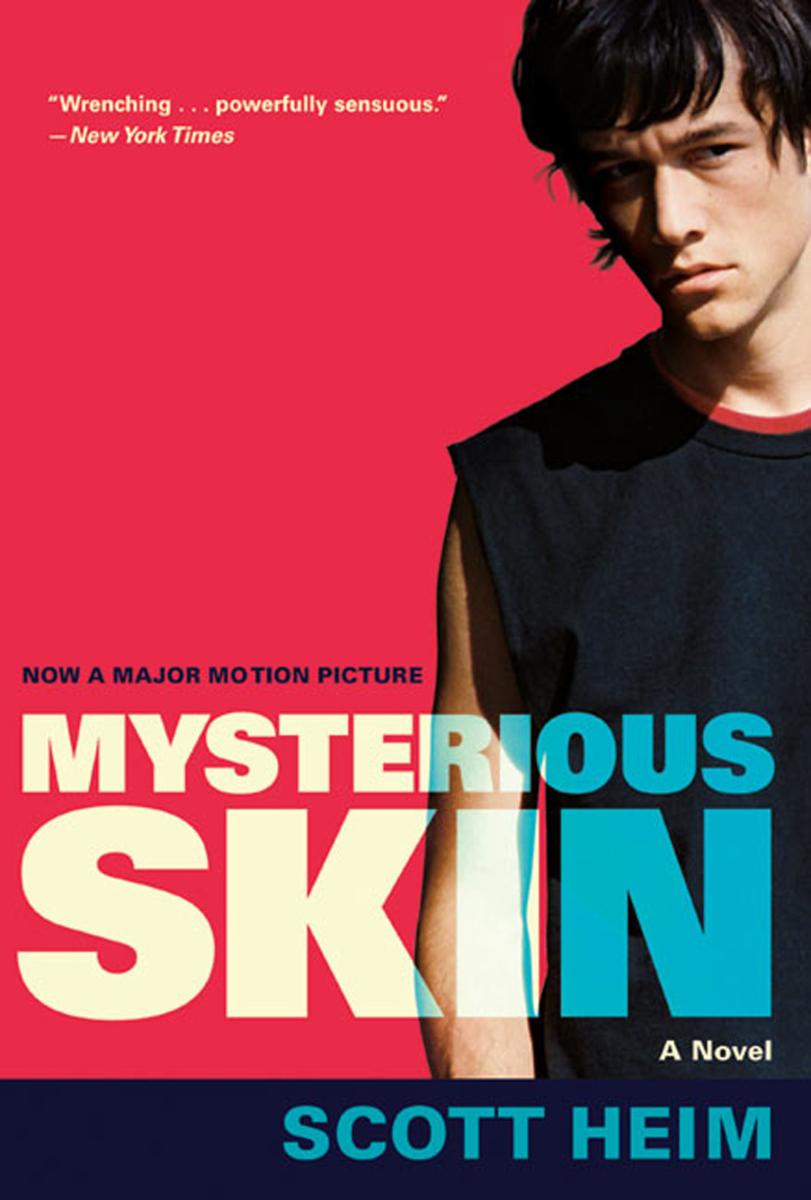
Mysterious Skin
¥90.77
At the age of eight Brian Lackey is found bleeding under the crawl space of his house, having endured something so traumatic that he cannot remember an entire five hour period of time. During the following years he slowly recalls details from that night, but these fragments are not enough to explain what happened to him, and he begins to believe that he may have been the victim of an alien encounter. Neil McCormick is fully aware of the events from that summer of 1981. Wise beyond his years, curious about his developing sexuality, Neil found what he perceived to be love and guidance from his baseball coach. Now, ten years later, he is a teenage hustler, a terrorist of sorts, unaware of the dangerous path his life is taking. His recklessness is governed by idealized memories of his coach, memories that unexpectedly change when Brian comes to Neil for help and, ultimately, the truth.
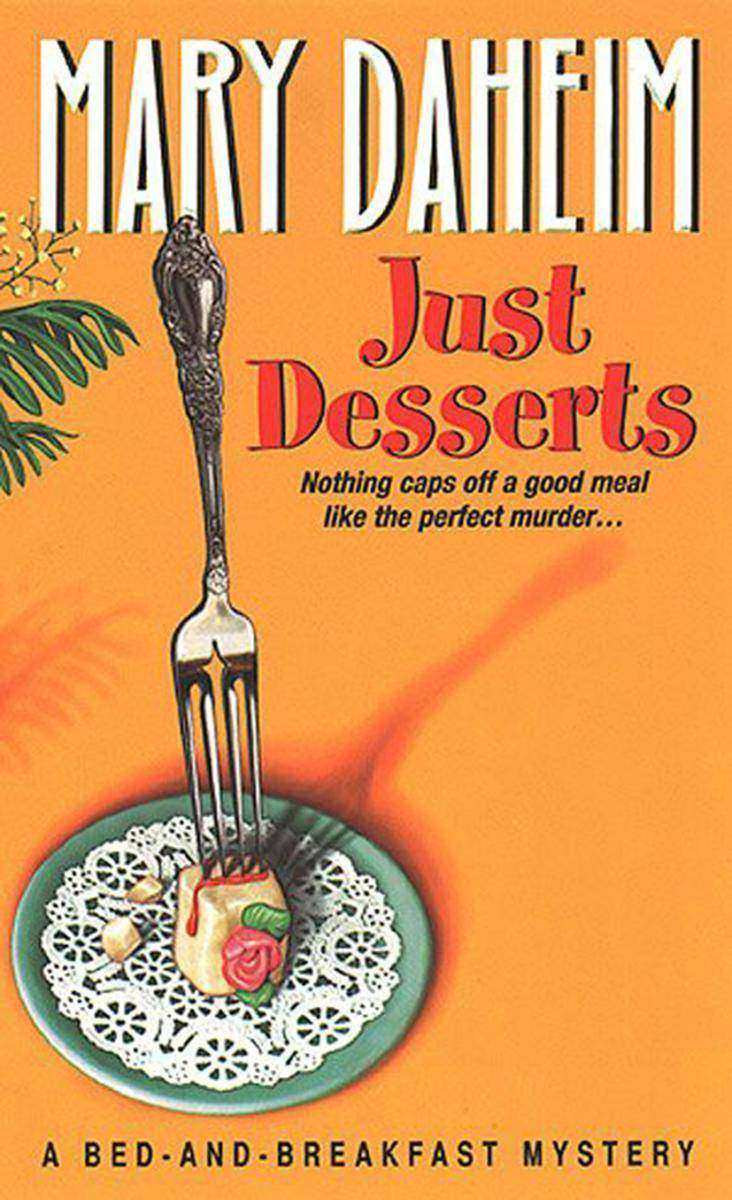
Just Desserts
¥55.91
When the garishly grotesque clan of wealthy carpet-sweeper magnate Otto Broadie sweeps down upon Judith McMonigle's Hillside Manor Inn, it looks like there'll be a wild night of drinking, dining, and fortune-telling in the offing. But when their soothsayer-for-hire Madame Gushenka drops dead after someone douses her tea leaves with bug killer, harried hostess Judith and her irrepressible cousin Renie are left to clean up the mess. One of the Brodie bunch would dearly love to sweep the Madame's murder under the rug, however, and that might mean eliminating the nosy Ms. McMonigle as well. But with the help of her one-time beau, policeman Joe Flynn, Judith is determined to rattle the dust off some closeted family skeletons, in order to coax a killer out of hiding before coffee is served.
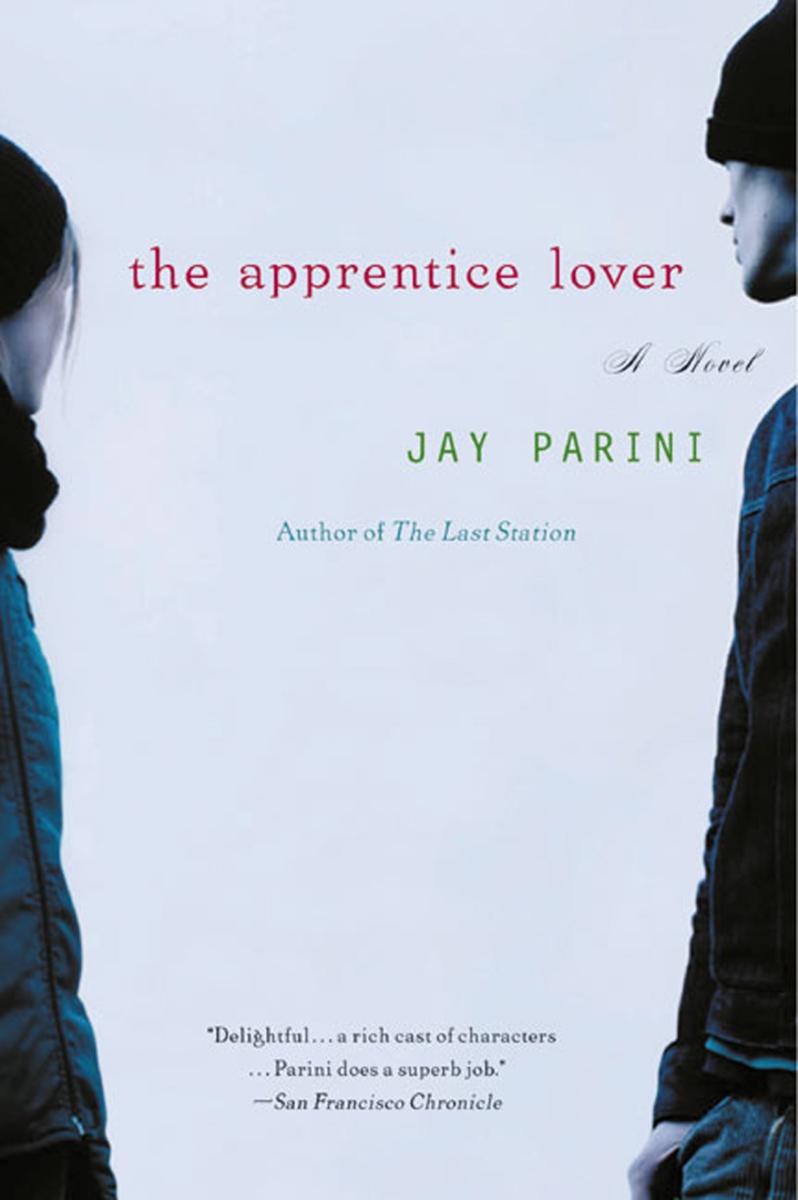
The Apprentice Lover
¥84.16
A poet and biographer, Jay Parini is also a novelist whose fiction has been acclaimed as "dazzli/ng," (Los Angeles Times) "achingly beautiful," (Washington Post) and "a subtle masterpiece" (John Bayley in the Times Literary Supplement). In his new novel, The Apprentice Lover, Parini evokes the gorgeous Mediterranean island of Capri during the summer of 1970 as the setting for a sensuous, deeply affecting story of a young American's coming into his own and reconciling himself with his past. When Alex Massolini's brother is killed in Vietnam, he drops out of Columbia University and leaves his conservative family behind for Capri to become secretary to Rupert Grant, a famous British novelist and poet, who dominates the island like a latter-day Prospero. Alex soon finds himself ensnared in a web of love affairs, friendships, and rivalries within the eccentric community that inhabits the idyllic beauty of the isolated Italian island. Among that group are the selfish, cunning, and brilliant Rupert Grant; his wife Vera, a charming and sophisticated social manipulator; the elusive Holly and the mysterious Marisa, who act as Grant's research assistants; the young philosophy student from the Sorbonne, Patrice LaRue; and Father Aurelio, who is desperate for parishioners. The Apprentice Lover traces a young American's enchantment and disenchantment-with his American past, with his new European mentor, and with the various characters on an island famous for its characters. As Alex stumbles upon intrigues and secrets, he tries to balance what others demand of him with his own nascent desires. His apprenticeship in love, literature, and life unfolds with a combination of Mediterranean clarity, wry humor, wit, and emotional power that only a master of fiction could orchestrate.

The Ships of Air
¥56.07
Known for her lush, intricate worlds and complex characters, acclaimed author Martha Wells has delighted readers with her extraordinary fantasy novels of daring and wit. With The Wizard Hunters she launched her most ambitious undertaking yet -- the return to the beloved world of the Nebula Award-nominated The Death of the Necromancer and The Fall of Ile-Rien. Now the saga continues in a triumph of suspense and imagination.Despite a valiant struggle against superior forces, the country of Ile-Rien has fallen to the onslaught of the relentless Gardier, a faceless army of sorcerers determined to conquer all civilization.To save the remnants of her country, former playwright Tremaine Valiarde undertakes an epic journey to stop the Gardier. Rescuing the proud ship Queen Ravenna from destruction, Tremaine and a resolute band of sorcerers and warriors set sail across magical seas on a voyage of danger and discovery. For the secret to defeating the enemy -- and to rescuing the world from the Gardier's inimitable hatred -- lies far beyond the walls of the world, and only the tenuous ties of friendship and honor will keep the band together.But the Gardier are not the only evil in this tumultuous world, and an ancient terror stalks the ornate rooms and shadowy decks of the Queen Ravenna -- a force so malevolent and enigmatic that even the growing power of the sorcerer's sphere may not be enough to save Ile-Rien from utter ruin.
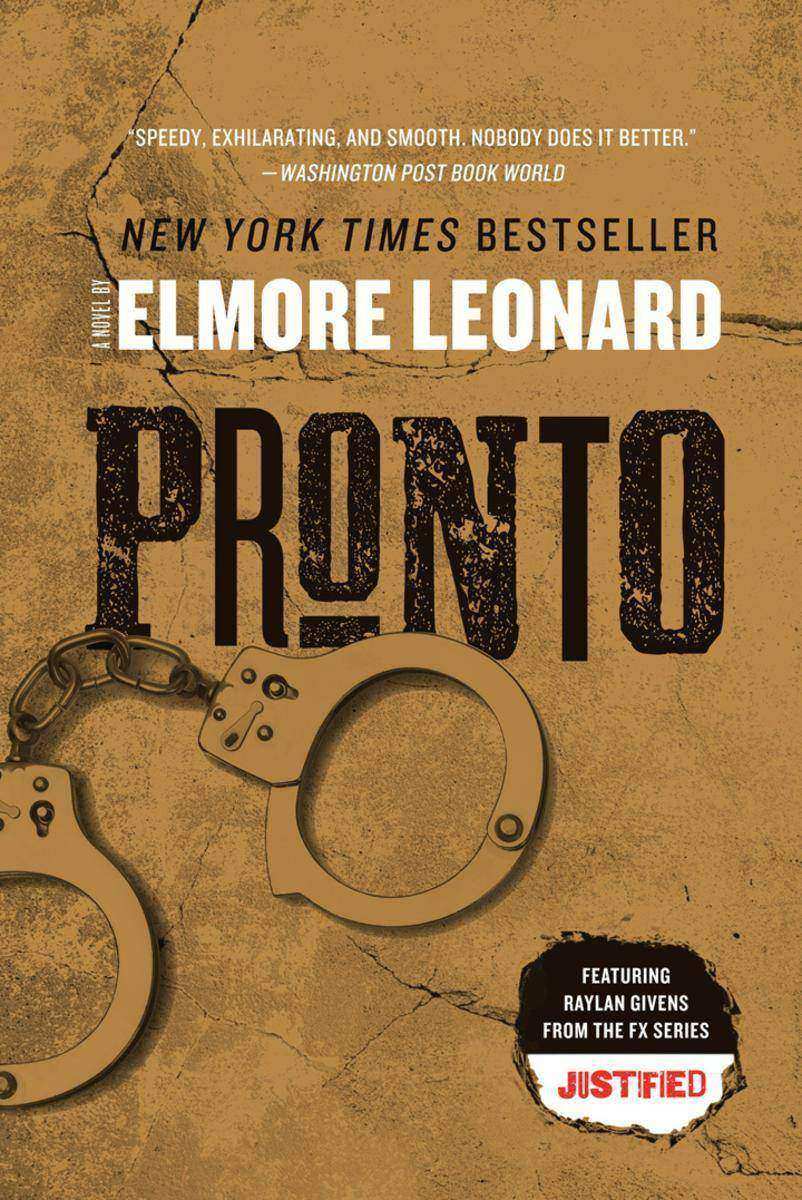
Pronto
¥95.39
The feds want Miami bookmaker Harry Arno to squeal on his wiseguy boss. So they're putting word out on the street that Arno's skimming profits from "Jimmy Cap" Capotorto—which he is, but everybody does it. He was planning to retire to Italy someday anyway, so Harry figures now's a good time to get lost. U.S. Marshal Raylan Givens knows Harry's tricky—the bookie ditched him once in an airport while in the marshal's custody—but not careful. So Raylan's determined to find the fugitive's Italian hideaway before a cold-blooded Sicilian "Zip" does and whacks Arno for fun. After all, it's a "pride thing"...and it might even put Raylan in good stead with Harry's sexy ex-stripper girlfriend Joyce.

Gold Coast
¥83.03
When he kicked off, Florida mob boss Frank DiCilia left his gorgeous widow Karen everything, but with strings attached. She loses the millions, the cars, the palatial Gold Coast mansion if she ever gets involved with another man. And there's a crazy cowboy-wannabe thug named Roland who's acting as Frank's eyes beyond the grave, making sure Karen doesn't dally, with serious muscle, if necessary. But now Cal Maguire's come into the picture. A sexy, street-smart Detroit ex-con, Cal's got a line and a scam for every occasion. And he's got the perfect plan for getting Karen DiCilia her money and her freedom ... if it doesn't get them both killed first.
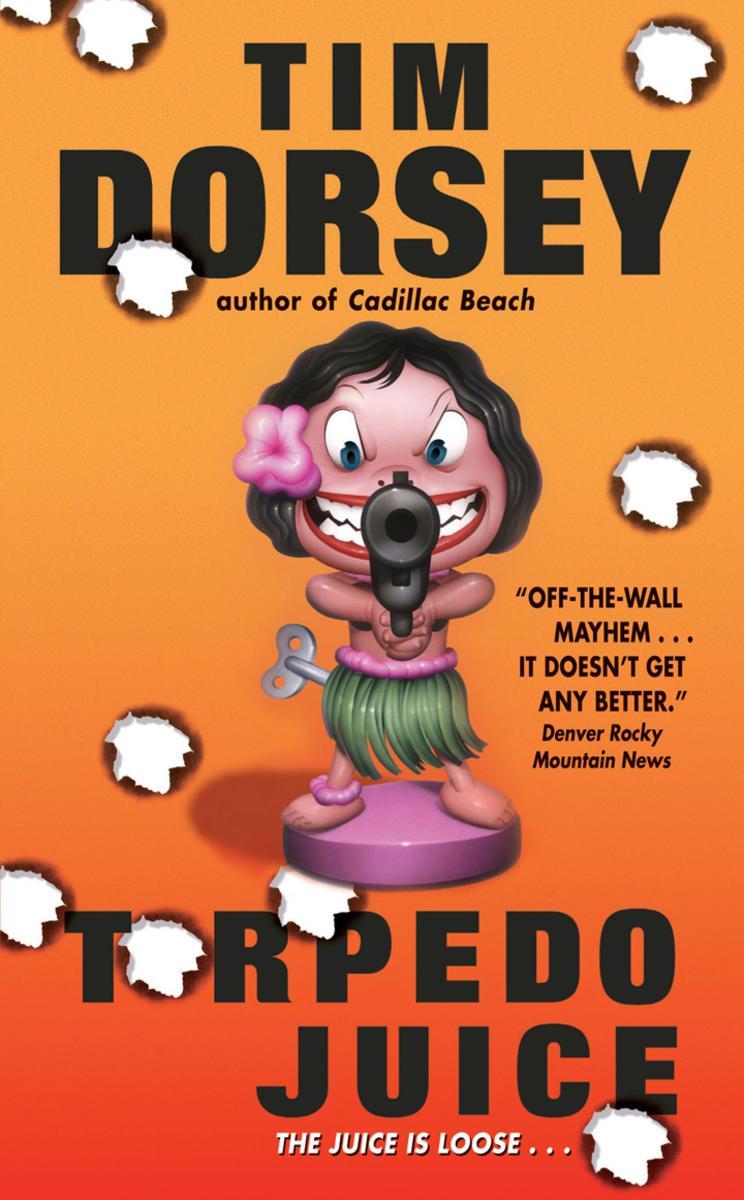
Torpedo Juice
¥55.31
The drinks are on Sunshine State historian/spree killer Serge A. Storms, who's decided it's high time he got married. So he's motoring down to the Florida Keys -- the ultimate end of the line -- in search of Ms. Right . . .and finding his doped-up basket case bud Coleman along the way. But for Serge, "getting hitched" doesn't necessarily mean "settling down" -- not when South Florida is crawling with slimeballs, swindlers, unrepentant jerks, and annoying bystanders whose ranks need some serious thinning.
The Ultimate Cook Book
¥139.90
Here's the ultimate of ultimates: nine hundred new recipes from Bruce Weinstein and Mark Scarbrough, the authors of the Ultimate cookbook series. With a quarter million books already in print, their series has followed a simple recipe to success: Give cooks hundreds of solid, basic recipes with thousands of ways to vary them, shake them up, and personalize them so that everyone can be an ultimate cook!With The Ultimate Cook Book, Weinstein and Scarbrough tackle everything from breakfast to barbecue, stir-fries to steaks, chilis to curries, and paellas to puddings. Pick your favorite, cook it as a solid basic, or vary it in hundreds of ways to make the dish your own. You've got years' worth of dishes and a world of cooking experiences ahead of you. What could be more fun?Take chicken, that ubiquitous blank canvas. Roast a whole bird to perfection. Bake it under a salt crust for a dramatic presentation. Roast chicken halves atop winter squash. Prepare a Greek-style casserole with leeks, pine nuts, and raisins. Stuff chicken breasts with a Moroccan-inspired mixture of couscous and spices. There are more than thirty ideas for preparing boneless, skinless chicken breasts. And ten things to do with a leftover roast chicken or that rotisserie bird purchased on the way home. Get the idea?This comprehensive, easy-to-use compendium is the ultimate in inspiration, the ultimate in possibilities. Start your Ultimate cookbook collection today—or round it out with The Ultimate Cook Book.
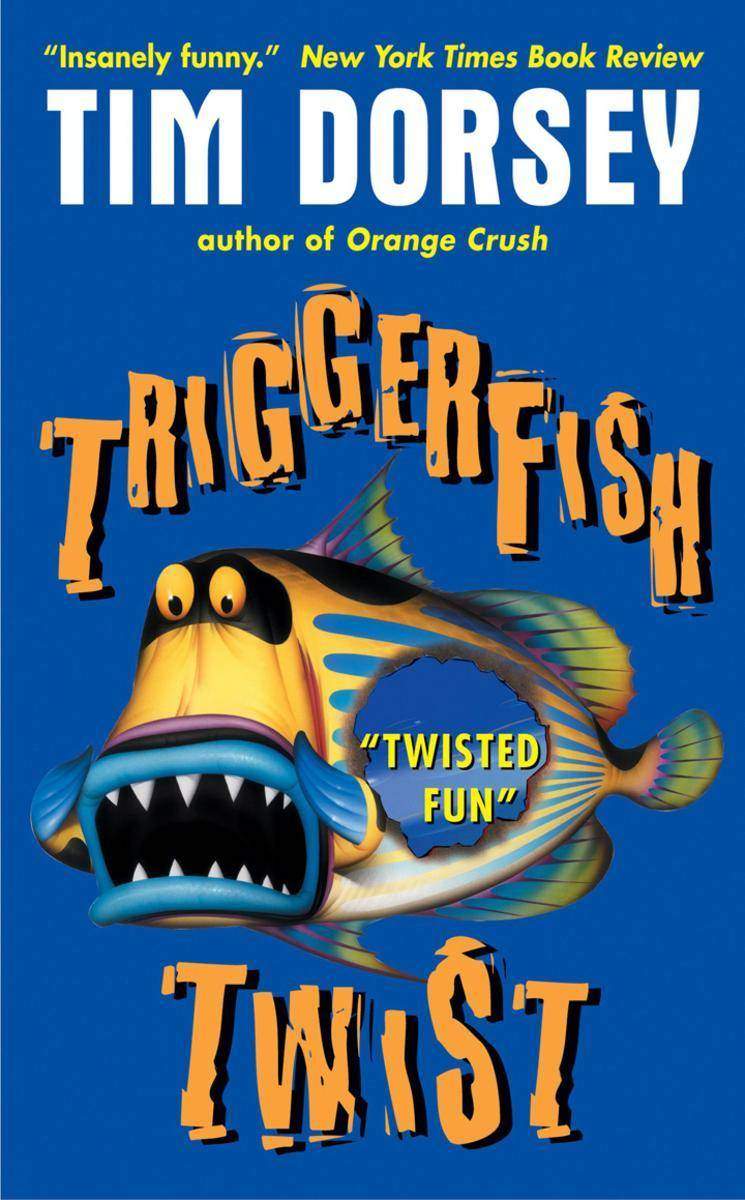
Triggerfish Twist
¥55.31
Ensconced in a lovely tropical villa on idyllic Triggerfish Lane, Jim Davenport anticipates the good life to come. But this isn't living -- it's Florida and the neighborhood is not quite what it seems. It's got overly aggressive Little League parents, drug-free Rastafarians, homicidal hookers, unnatural sex and casual violence. Oh, yes, and there's a psychopathic serial killer-cum-Sunshine-State folklorist named Serge A. Storms living directly across the street. So it's only a matter of time before Jim up and actually kills somebody ...
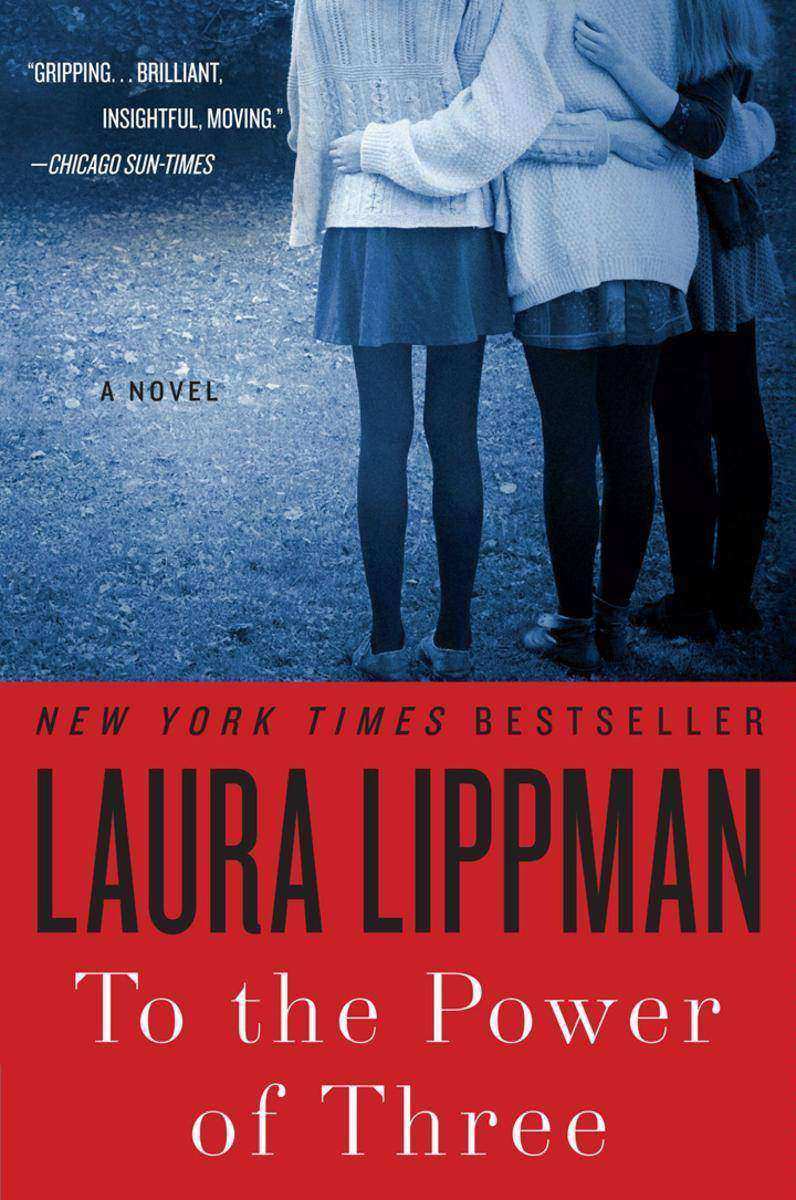
To the Power of Three
¥84.16
Josie, Perri, and Kat have been best friends since third grade—the athlete, the drama queen, and the popular beauty. Growing up in an affluent suburb of Baltimore, they enjoy privileges many teenagers are denied. But on the final day of school one of them brings a gun with her. And when the police break down the door of the high school girls' bathroom, locked from the inside, they find two of the friends wounded, one of them critically . . . and the third girl is dead.From multiple-award winner Laura Lippman, one of the most acclaimed authors of crime fiction writing today, comes a tale of secrets, friendship, and betrayal that illuminates a dark and chilling event with clarity and empathy.

The Bounty Hunters
¥55.31
The old Apache renegade Soldado Viejo is hiding out in Mexico, and the Arizona Department Adjutant has selected two men to hunt him down. One -- Dave Flynn -- knows war, the land, and the nature of his prey. The other is a kid lieutenant named Bowers. But there's a different kind of war happening in Soyopa. And if Flynn and his young associate choose the wrong allies -- and the wrong enemy -- they won't be getting out alive.

Bearwalker
¥44.85
As a member of the Mohawk Bear Clan, Baron has always been fascinated by bears—their gentle strength and untamed power. But the Bearwalker legend, passed down by his ancestors, tells of a different kind of creature—a terrible mix of human and animal that looks like a bear but is really a bloodthirsty monster. The tale never seemed to be more than a scary story. Until now.During a class camping trip deep in the Adirondacks, Baron comes face-to-face with an evil being that is all too real. Although he knows how the story ends in the legend, Baron must overcome this Bearwalker on his own terms.
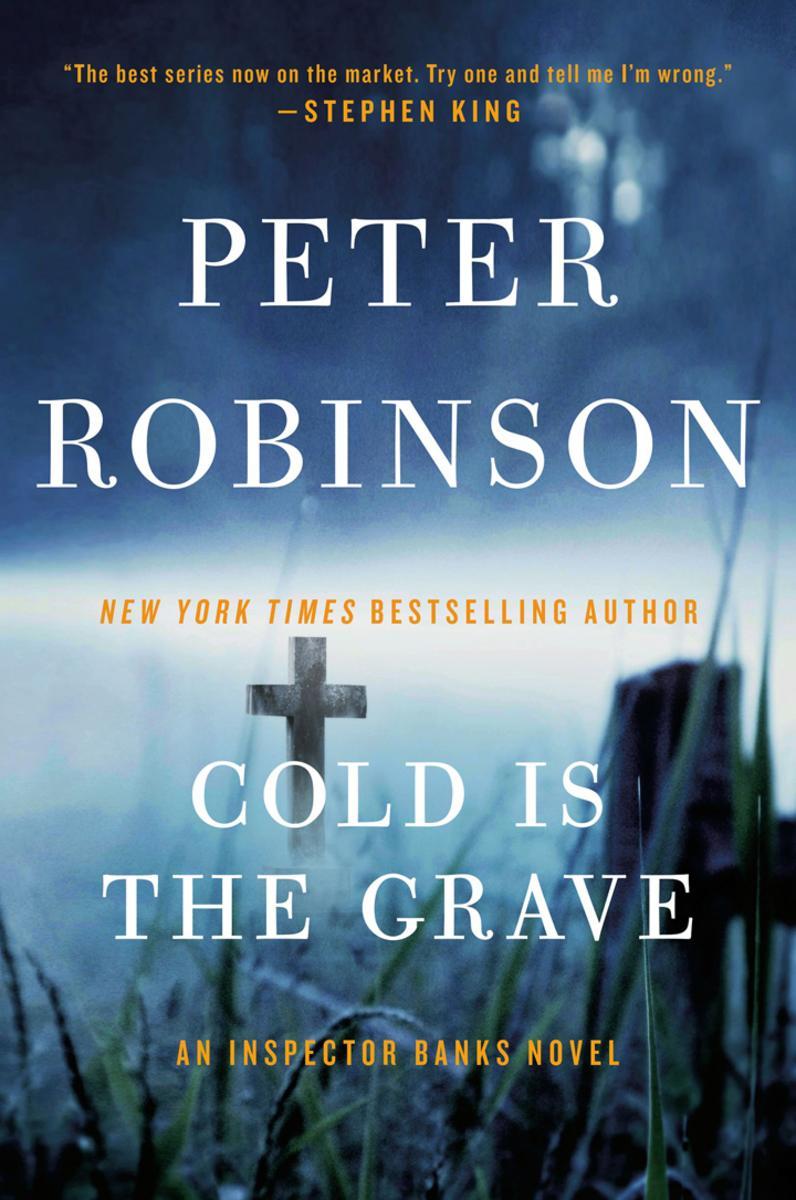
Cold Is the Grave
¥55.31
The nude photo of a teenage runaway shows up on a pornographic website, and the girl's father turns to Detective Chief Inspector Alan banks for help. But these are typical circumstances, for the runaway is the daughter of a man who's determined to destroy the dedicated Yorkshire policeman's career and good name. Still it is a case that strikes painfully home, one that Banks—a father himself—dares not ignore as he follows it's squalid trail into teeming London, and into a world of drugs, sex, and crime. But murder follows soon after—gruesome ,sensational, and, more than once—pulling Banks in a direction that he dearly does not wish to go: into the past and private world of his most powerful enemy, Chief Constable Jimmy Riddle.


