


 购物车
购物车 个人中心
个人中心
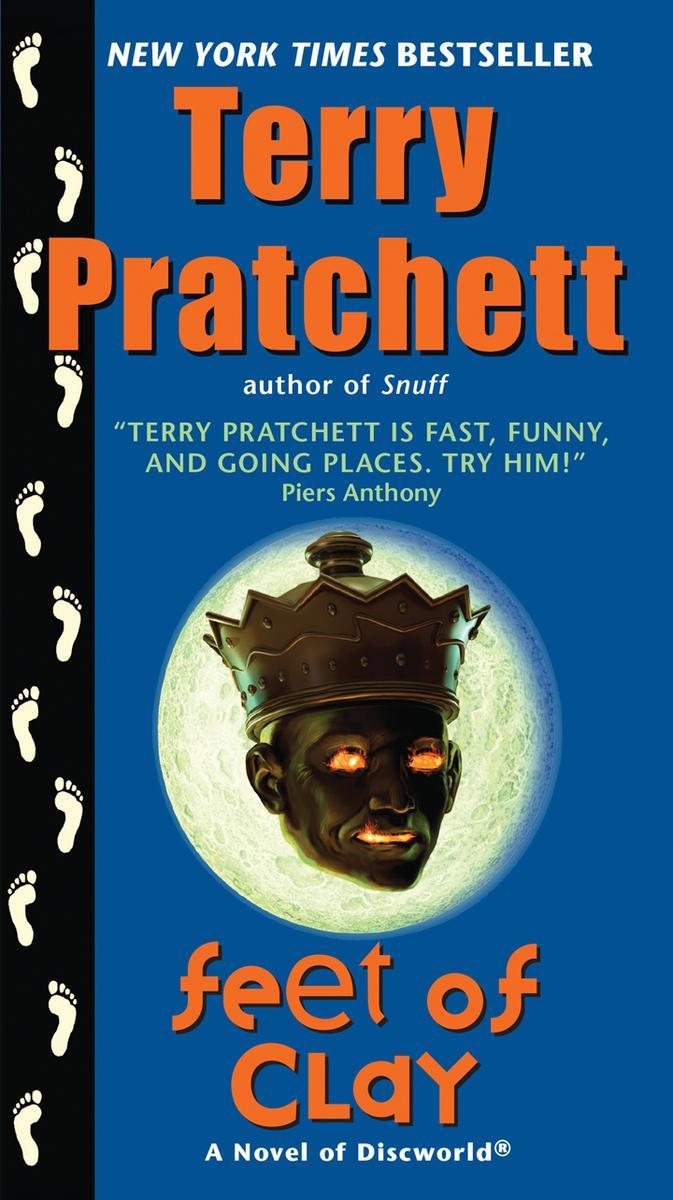
Feet of Clay
¥70.10
It's murder in Discworld! -- which ordinarily is no big deal. But what bothers Watch Commander Sir Sam Vimes is that the unusual deaths of three elderly Ankh-Morporkians do not bear the clean, efficient marks of the Assassins' Guild. An apparent lack of any motive is also quitetroubling. All Vimes has are some tracks of white clay and more of those bothersome "clue" things that only serve to muck up an investigation. The anger of a fearful populace is already being dangerously channeled toward the city's small community of golems -- the mindless, absurdlyindustrious creatures of baked clay who can occasionally be found toiling in the city's factories. And certain highly placed personages are using the unrest as an excuse to resurrect a monarchy -- which would be bad enough even if the "king" they were grooming wasn't as empty-headed as your typical animated pottery.
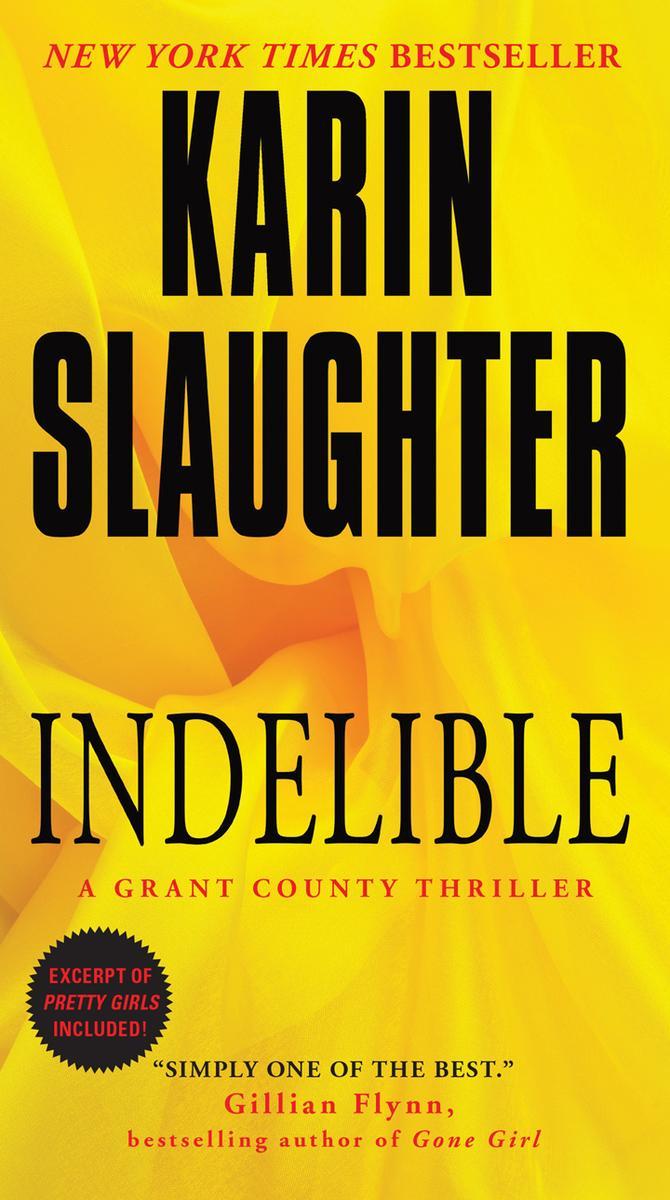
Indelible
¥69.90
Gillian Flynn says, "Karin Slaughter is simply one of the best thriller writers working today."Two armed men enter the police station in tiny Heartsdale, Georgia, and open fire. When the shooting stops, an officer is dead, Police Chief Jeffrey Tolliver is seriously wounded, and the survivors—including a class of grade-school children and medical examiner Sara Linton—are held hostage. In a tense standoff that could erupt at any moment into more bloodletting—with her ex-husband on the threshold of death—Sara must search for answers and an escape in the memories of a time at the start of their relationship when another brutal, shocking crime shattered their small-town world. Because the sins of the past have caught up with Sara and Jeffrey ... with a vengeance.

The Serpent on the Crown
¥69.16
Once again the incomparable New York Times bestselling master of suspense, Elizabeth Peters, brings an exotic world of adventure, intrigue, and danger to vivid life, in a tale as exciting, mysterious, and powerful as ancient Egypt.A unique treasure obtained by unscrupulous means, the small gold statuette of an unidentified Egyptian king is a priceless relic from a bygone era. But more than history surrounds the remarkable artifact—for it is said that early death will come to anyone who possesses it.Enjoying a world finally at peace, the Emersons have returned to the Valley of the Kings in 1922. With the lengthy ban on their archaeological activities lifted, Amelia Peabody and her family look forward to delving once more into the age-old mysteries buried in Egypt's ever-shifting sands. But a widow's strange story—and even stranger request—is about to plunge them into a storm of secrets, treachery, superstition . . . and murder.The woman, a well-known author, has come bearing an ill-gotten treasure—a golden likeness of a forgotten king—which she claims is cursed. Already, she insists, it has taken the life of her husband, and unless it is returned to the tomb from which it was stolen, more people will die.Intrigued by the mystery, Amelia and her clan resolve to uncover the secrets of the statue's origins, setting off on a trail that twists and turns in directions they never anticipated—and, perhaps, toward an old nemesis with unscrupulous new designs. But each step toward the truth seems to reveal another peril, suggesting to the intrepid Amelia that the curse is more than mere superstition. And its next victim might well be her irascible husband, Radcliffe, their beloved son, Ramses, his lovely wife, Nefret ... or Amelia Peabody herself.A novel filled with riveting suspense, pulse-pounding action, and the vibrant life of a fascinating place and time, The Serpent on the Crown is the jewel in the crown of a grand master, the remarkable Elizabeth Peters.
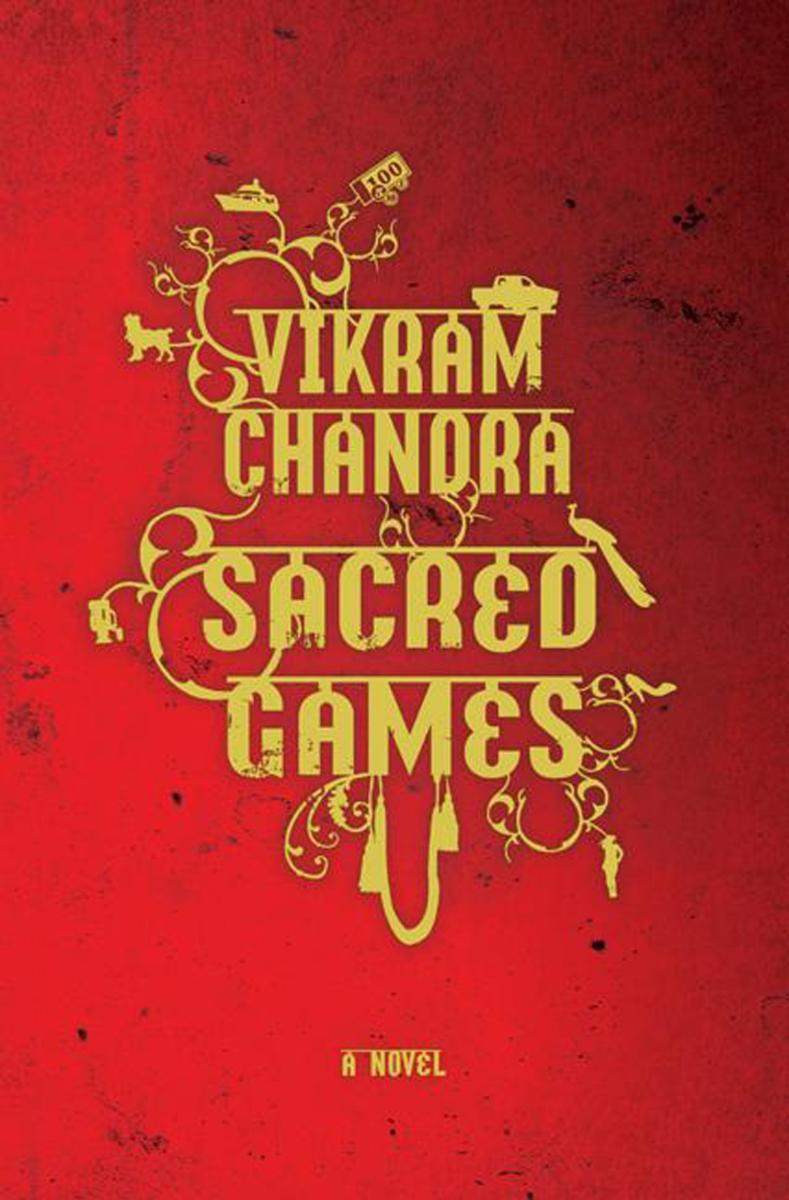
Sacred Games
¥99.65
Seven years in the making, Sacred Games is an epic of exceptional richness and power. Vikram Chandra's novel draws the reader deep into the life of Inspector Sartaj Singh—and into the criminal underworld of Ganesh Gaitonde, the most wanted gangster in India.Sartaj, one of the very few Sikhs on the Mumbai police force, is used to being identified by his turban, beard and the sharp cut of his trousers. But "the silky Sikh" is now past forty, his marriage is over and his career prospects are on the slide. When Sartaj gets an anonymous tip-off as to the secret hide-out of the legendary boss of G-Company, he's determined that he'll be the one to collect the prize. Vikram Chandra's keenly anticipated new novel is a magnificent story of friendship and betrayal, of terrible violence, of an astonishing modern city and its dark side. Drawing inspiration from the classics of nineteenth-century fiction, mystery novels, Bollywood movies and Chandra's own life and research on the streets of Mumbai, Sacred Games evokes with devastating realism the way we live now but resonates with the intelligence and emotional depth of the best of literature.
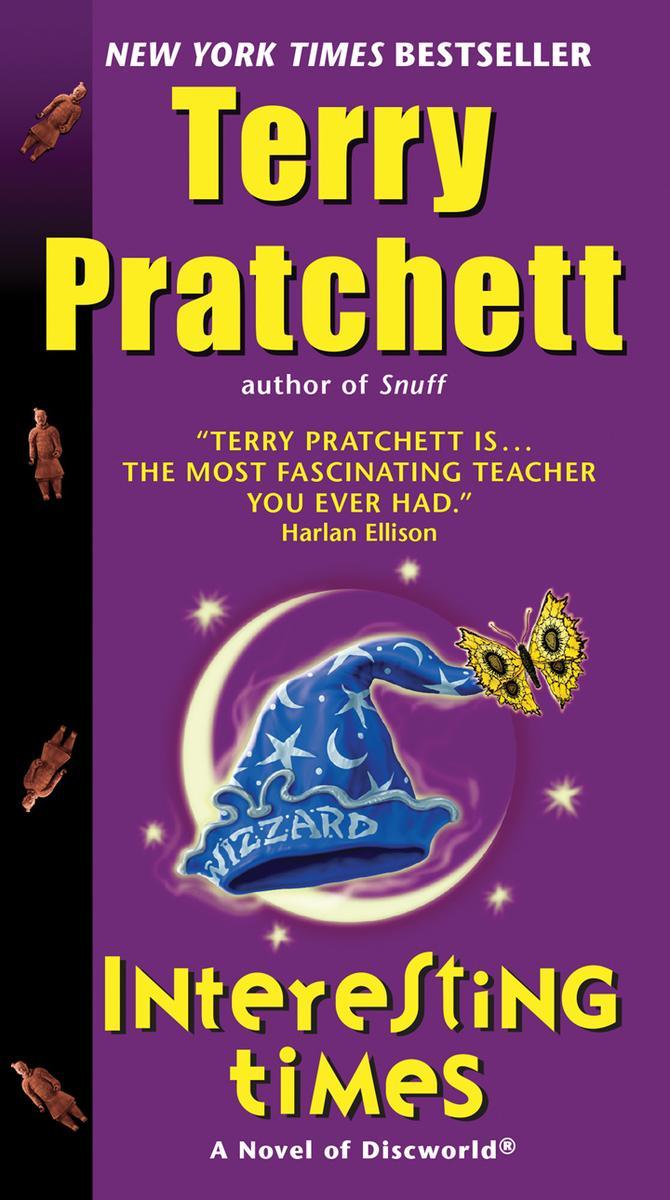
Interesting Times
¥70.10
"May you live in interesting times" is the worst thing one can wish on a citizen of Discworld -- especially on the distinctly unmagical sorcerer Rincewind, who has had far too much perilous excitement in his life. But when a request for a "Great Wizzard" arrives in Ankh-Morpork via carrier albatross from the faraway Counterweight Continent, it's he who's sent as emissary. Chaos threatens to follow the impending demise of the Agatean Empire's current ruler. And, for some incomprehensible reason, someone believes Rincewind will have a mythic role in the war and wholesale bloodletting that will surely ensue. (Carnage is pretty much a given, since Cohen the Barbarian and his extremely elderly Silver Horde are busily formulating their own plan for looting, pillaging, and, er, looking wistfully at girls.) However, Rincewind firmly believes there are too many heroes already in the world, yet only one Rincewind. And he owes it to the world to keep that one alive for as long as possible.

Double Shot
¥56.07
Caterer supreme Goldy Schulz has more on her plate than she can handle. Her ultra-charming, ultra-wealthy, and seriously psychopathic ex-husband, Dr. John Richard Korman (aka "the Jerk"), is free now that the governor of Colorado has commuted his prison sentence. And someone -- the Jerk, perhaps -- has taken great pains to sabotage Goldy's latest culinary endeavor, a post-funeral reception for a friend at a local lodge.But even more than the anonymous threats, rumors, and violence that have lately been directed Goldy's way, it's her discovery of a fresh corpse that really spoils the stew -- a murder that could tear her family to pieces, a murder that virtually everyone believes Goldy committed.True, she's been efficiently framed, but at least she's still breathing, which may not be the case for long, if she doesn't track down a killer who's cooked up a very nasty repast for Goldy and the people she loves.
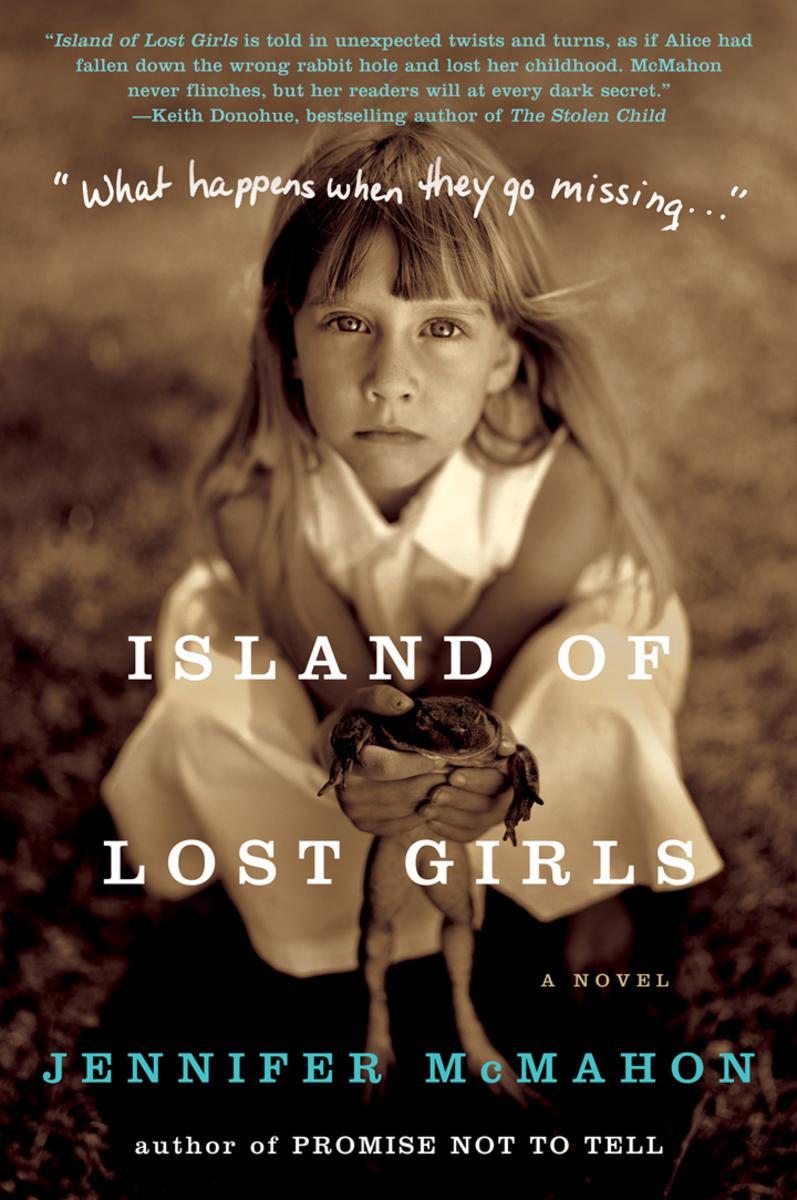
Island of Lost Girls
¥83.03
While parked at a gas station, Rhonda sees something so incongruously surreal that at first she hardly recognizes it as a crime in progress. She watches, unmoving, as someone dressed in a rabbit costume kidnaps a young girl. Devastated over having done nothing, Rhonda joins the investigation. But the closer she comes to identifying the abductor, the nearer she gets to the troubling truth about another missing child: her best friend, Lizzy, who vanished years before.From the author of the acclaimed Promise Not to Tell comes a chilling and mesmerizing tale of shattered innocence, guilt, and ultimate redemption.
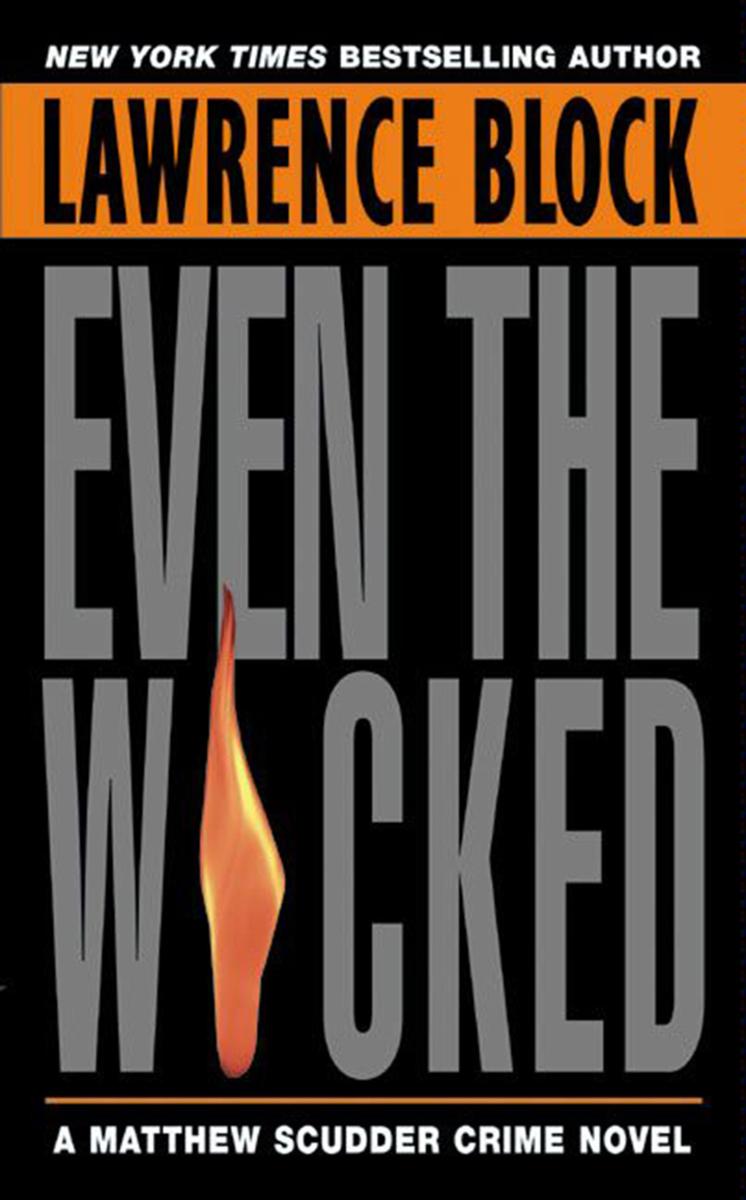
Even the Wicked
¥56.07
Matthew Scudder knows that justice is an elusive commodity in the big city, where a harmless man can be shot dead in a public place criminals fly free through holes in a tattered legal system. But now a vigilante is roaming among the millions, executing those he fees deserve to die. He calls himself "The Will of the People"—an ingenious serial killer who announces his specific murderous intentions to the media before carrying through on his threats. A child molester, a Mafia don, a violent anti-abortionist—even the protected and untouchable are being ruthlessly erased by New York's latest celebrity avenger.Scudder knows that no one is innocent—but who among us has the right to play GodIt is a question that will haunt the licensed p.i. on his journey through the bleak city grays, as he searches for the sanity in urban madness. . .and for a frighteningly efficient killer who can do the impossible.
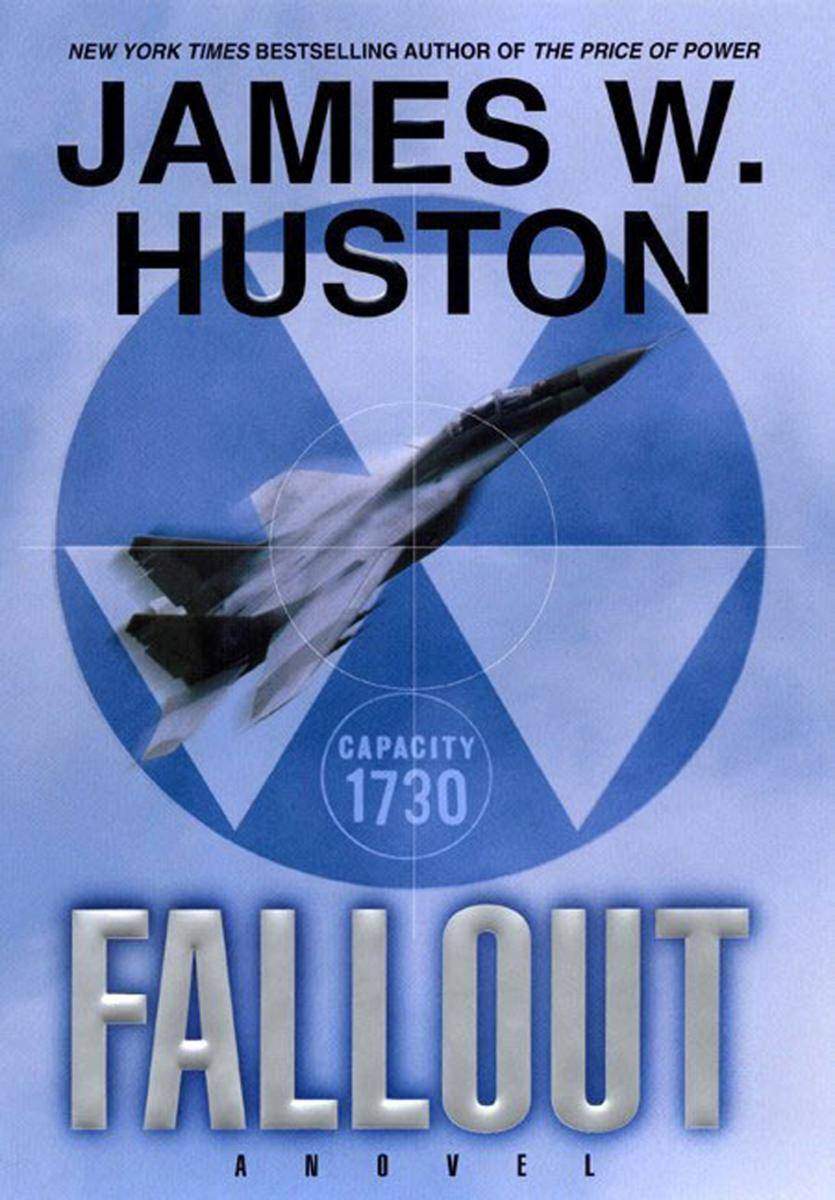
Fallout
¥55.31
Devastated at being reprimanded for a midair collision, TOPGUN instructor Luke Henry quits the Navy to start a private aerial combat school in the Nevada desert, where he and a number of his buddies, all former TOPGUN fliers -- part of the Old Bro network -- train fighter pilots for the U.S. government. Prior to leaving the Navy, Luke discovers that the United States has purchased twenty MiG-29s -- Russia's front-line fighter -- from Moldova, of the former Soviet Union. These are the very planes he wants to use for his own school, flying the Russian MiGs from an abandoned Air Force base.But Luke's lucrative contract with the U.S. government comes with a caveat: among his students are a group of Pakistani Air Force pilots -- handpicked by the Department of Defense -- whom he must instruct. Luke is hesitant to train fighters from another country in the skills he learned at TOPGUN, but he won't be allowed to start the school without agreeing. The school opens, but the closer he gets to these students, the more he suspects that they may have an entirely different, and malicious, agenda in mind. They have a bone to pick with the United States and may be using Luke's school as their Trojan Horse to get into the country and launch an attack that would cause more damage than that sustained at Pearl Harbor. It falls to Luke to discover their plan and to stop it before it spirals out of control.With Fallout James W. Huston scores big with his most riveting and thought-provoking thriller yet. Filled with exciting twists and turns and characters whose motivations will keep readers guessing until the startling conclusion, Fallout is a story of domestic terrorism that is as realistic as it is terrifying.
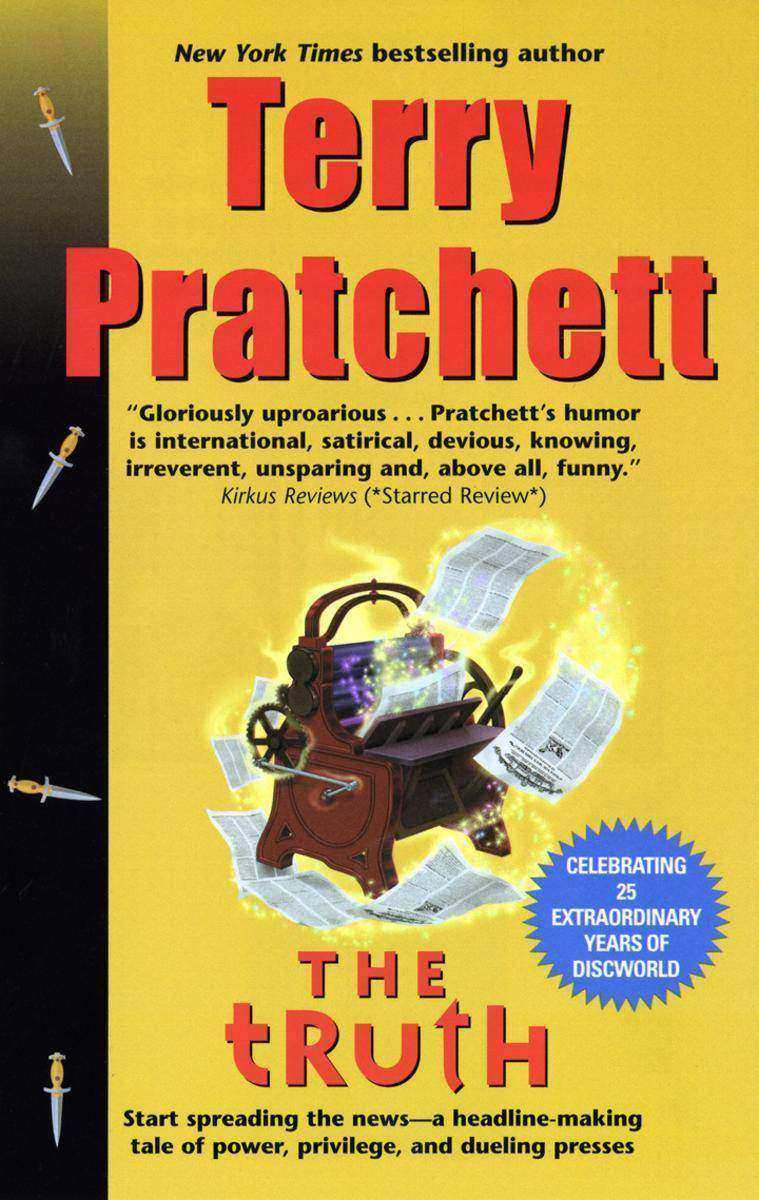
The Truth
¥70.10
The denizens of Ankh-Morpork fancy they've seen just about everything. But then comes the Ankh-Morpork Times, struggling scribe William de Worde's upper-crust, newsletter turned Discworld's first paper of record.An ethical joulnalist, de Worde has a proclivity for investigating stories -- a nasty habit that soon creates powerful enemies eager to stop his presses. And what better way than to start the Inquirer, a titillating (well, what else would it be?) tabloid that conveniently interchanges what's real for what sells.But de Worde's got an inside line on the hot story concerning Ankh-Morpork's leading patrician Lord Vetinari. The facts say Vetinari is guilty. But as William de Worde learns, facts don't always tell the whole story. There's that pesky little thing called the truth ...
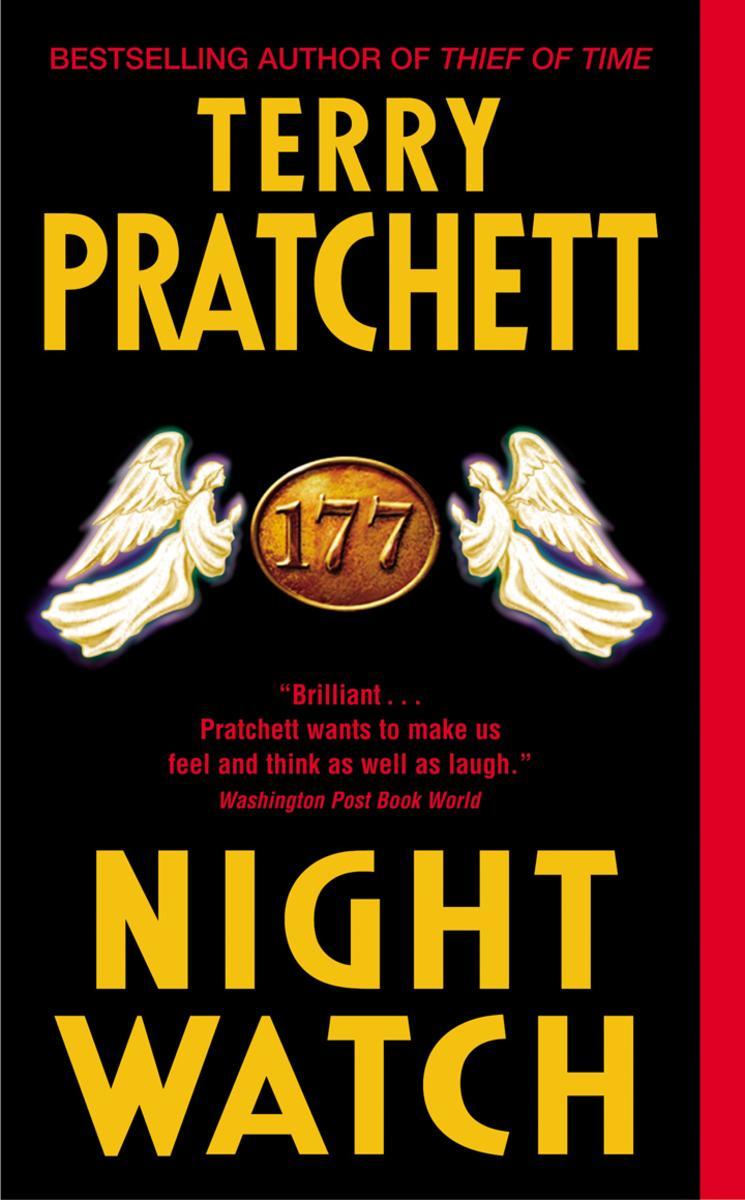
Night Watch
¥70.10
One moment, Sir Sam Vimes is in his old patrolman form, chasing a sweet-talking psychopath across the rooftops of Ankh-Morpork. The next, he's lying naked in the street, having been sent back thirty years courtesy of a group of time-manipulating monks who won't leave well enough alone. This Discworld is a darker place that Vimes remembers too well, three decades before his title, fortune, beloved wife, and impending first child. Worse still, the murderer he's pursuing has been transported back also. Worst of all, it's the eve of a fabled street rebellion that needlessly destroyed more than a few good (and not so good) men. Sam Vimes knows his duty, and by changing history he might just save some worthwhile necks—though it could cost him his own personal future. Plus there's a chance to steer a novice watchman straight and teach him a valuable thing or three about policing, an impressionable young copper named Sam Vimes.

Paragon Lost
¥55.91
Many legends have emerged from the shadows of Ironhall, yet surely none can surpass the greatness and glory predestined for Sir Beaumont—possessor of the purest and strongest of hearts, and a mind as quick, keen, and accurate as his sword. But the day he sets out in the service of the elderly Lord Wassail turns to a black one, and young Beau's journey ends in horror and blood . . . and disgrace. Banished from the King's Blades, he now faces a grim future as a homeless pariah, a creature to be shunned and despised. But redemption can come from unexpected directions and in unrecognizable guises. Approached in secret by the legendary Durendal, now Grand Master of the Order, the dishonored paragon is offered one last chance to win back his weapon and his place among his brothers in arms. But to do so, Beau must ride alone back through the icy gates of Hell . . . and do battle with the Devil himself.
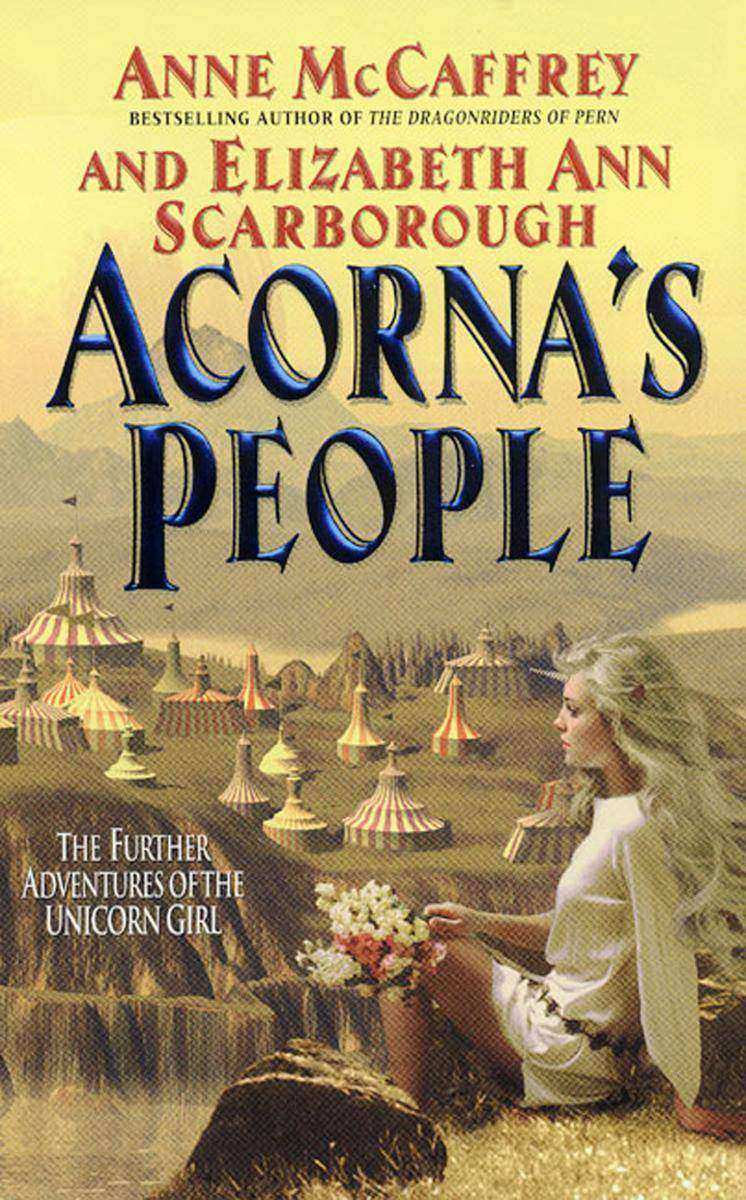
Acorna's People
¥56.07
Filled with adventure and wonder, Acorna's Peoplecontinues the enthralling saga of Acorna, the beautiful, brave, and kindhearted creature known as the Unicorn Girl."Welcome Home, Linyaari Child!"With the help of her "uncles" and the thousands of humans who love and admire her, Acorna has found her true people, the peaceful, telepathic Linyaari. But Acorna still has much to do before she can enjoy her new home. The legendary resting place of the lost Linyaari ancestors has yet to be found. And with the help of a rogue spacetrader and his feline sidekick, Acorna must strive to right an unspeakable wrong and defeat an enemy even crueler than the Khleevi. Along the way, she will at last uncover the Universe's most carefully guarded secret--the true nature of the ancient link between the Linyaari and the space-faring humans she has also come to think of as her "people."

Scots on the Rocks
¥55.31
When Judith and her cousin Renie go on vacation in a remote and possibly haunted Scottish castle owned by a rich whiskey distillery baron strange things start occurring. They meet Harry Gibbs, a dissolute young man who is estranged from his wife and is found smothered to death shortly after Judith and Renie arrive. His widow, Moira, is suspect No. 1, of course, but there are plenty to go around since Harry was a real jerk and wanted to run the petrol company Moira inherited from dear old dad. Suspects include Moira's bastard half-brother, Blackwell Petroleum's sleazy CEO, the wily comptroller, an even wilier corporate attorney, the whisky baron, Moira's former mother-in-law who mixes delicious jams along with her not-so-delicious poisons, Moira's apparent lover, and, last but not least, Chuckie, the dwarfish epileptic who runs around castle. There's a ghost, some goofy villagers, and enough suspects to overwhelm any police force, but no challenge is too daunting for the cousins.
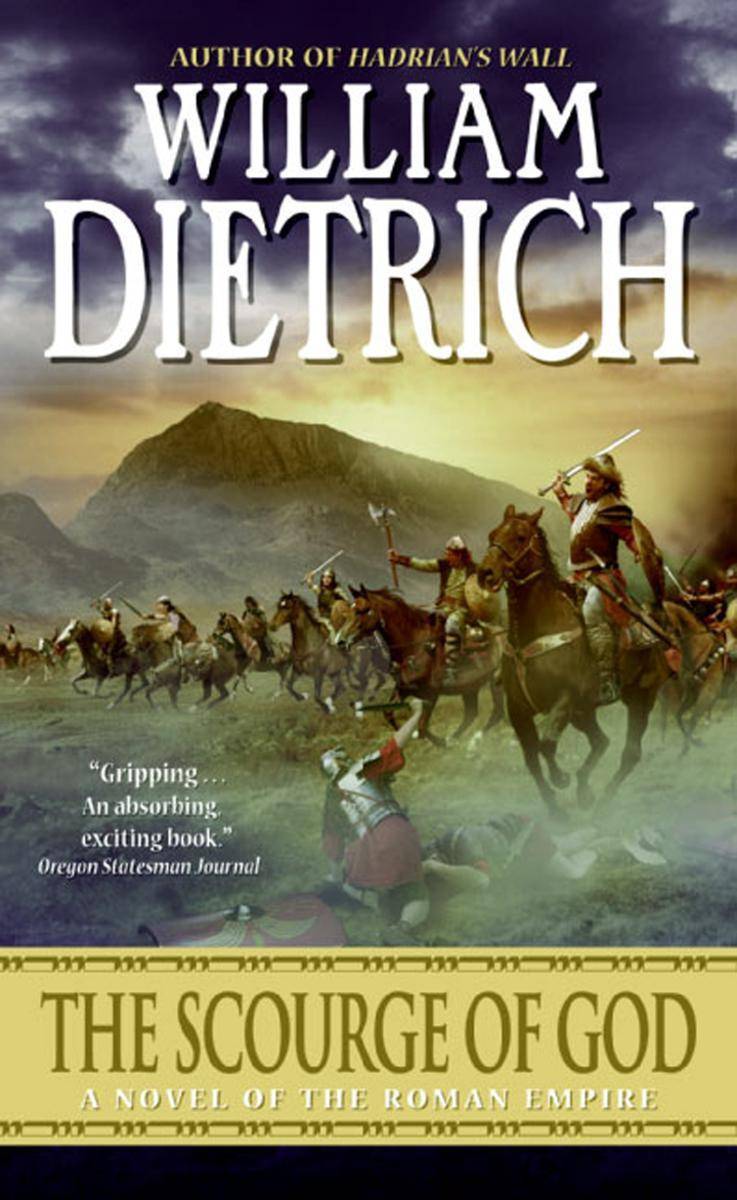
The Scourge of God
¥55.31
For fans of the movie Gladiator comes this bloody account of the clashing of civilizations, as Attila the Hun, "The Scourge of God," struggles to overthrow the Roman Empire. The Roman Empire is weakening. In 367 AD, approximately eight years after the great battle at Hadrian's Wall, Roman garrisons begin to hear rumors of barbarian tribes massing to the north. By 449 AD, Attila, the ruler of the Huns, has become the continent's most powerful monarch, his reputation in battle earning him the title "The Scourge of God." Anticipating an imminent attack by the Huns, Roman leaders negotiate with one of Attila's lieutenants, convincing him to play the part of assassin. He is joined on his mission by a Roman citizen, Jonas, an ambassador dispatched to negotiate a peace treaty with the Huns. When the plot is discovered, Jonas becomes a hostage, forced to fight for his captors if he wishes to remain alive. But he soon learns that Attila intends to conquer Rome itself, and is caught between two mighty empires, both poised for one of the greatest conflicts the world has ever seen. Jonas, knowing his life could be forfeit, has the potential to tip the battle in either direction––and his decision will alter the face of Western civilization. For readers of historically nuanced thrillers and adventure stories by authors like Bernard Cornwell and Colleen McCullough. For readers interested in Roman and Barbarian culture and warfare.
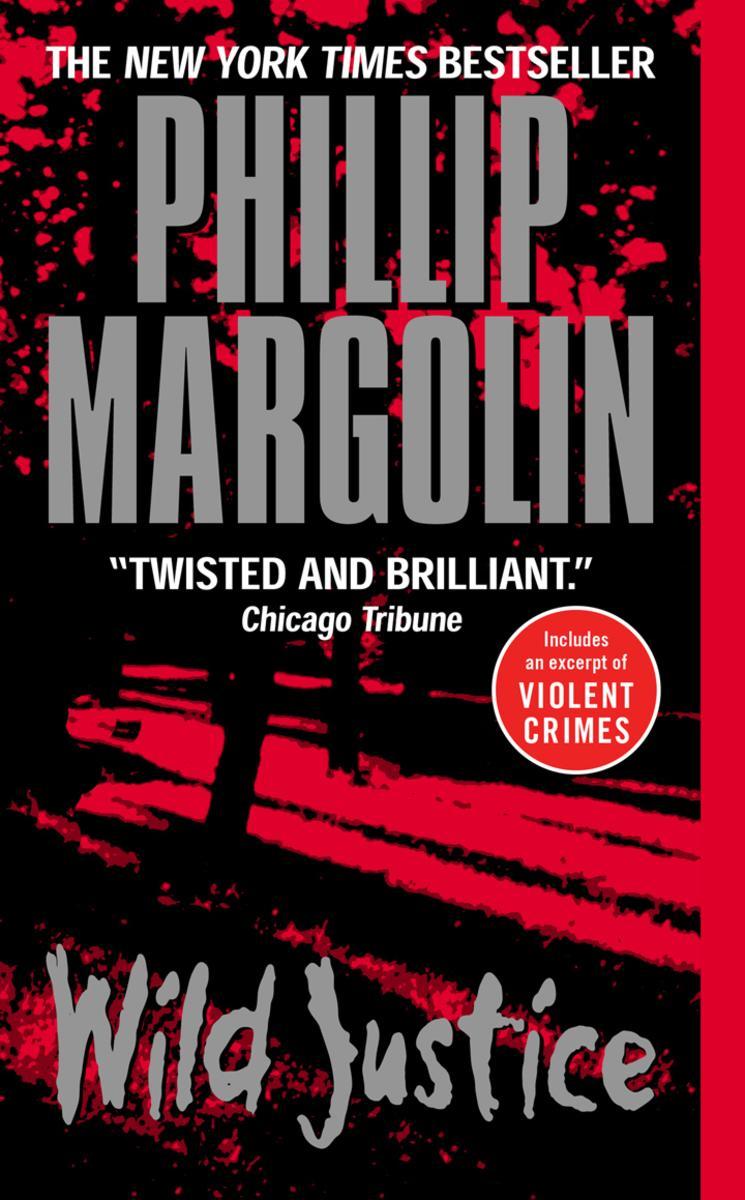
Wild Justice
¥70.10
Seven years ago, Phillip Margolin seized the imagination of thriller readers everywhere with his chilling breakout bestseller, Gone, but Not Forgotten. After five subsequent New York Times bestsellers, Margolin now returns to the haunting terrain of Gone, but Not Forgotten with a mesmerizing tour de force of psychological suspense, an electrifying tale of revenge and retribution that shows a master storyteller at the very peak of his craft.Thursday: Subject is still combative after four days of applied pain, sleep deprivation and minimal food.Vice squad detective Bobby Vasquez, for months on the trail of a slippery underworld figure, receives an anonymous tip that directs him to a mountain cabin. He races through the idyllic Oregon woods, expecting to close the book on a long-standing vendetta. What he finds instead opens a Pandora's box of horror that will haunt him to his dying day.8:10: Subject bound and gaffed and placed in upstairs closet at end of hall. Turned out lights in house, drove off, then parked and doubled back. Watched from woods.Within hours, Vincent Cordoni -- a brilliant surgeon with a history of violence and drug abuse -- is arrested for a heinous crime. Facing a seemingly insurmountable wall of evidence, he turns to Portland's top criminal defense attorney, Frank Jaffe-who, along with his ambitious daughter, Amanda, must put on an inspired defense. Amanda's first taste of criminal defense work is as intoxicating as it is chilling, but it raises moral questions she's loath to address. Is she defending an innocent manOr is she using her considerable skills to set a monster freeThen Cardoni disappears under bizarre circumstances. Four years later, a second set of murders has begun ....8:55: Subject exits house, naked and barefoot, armed with kitchen knife. Remarkable strength of character. Breaking her will be a challenge.Has Cardoni resurfaced to ply his deadly trade anewIs there a copycat killerOr has the real killer been someone else all alongThe police will do everything they can to stop Cardoni -- but they have to find him first.Following a twisting trail of clues, including a harrowing diary that clinically records the killer's horrible deeds, Amanda Jaffe and Bobby Vasquez join the hunt-and themselves become targets of the twenty-first century's first genuinely monstrous psychopath. :

The Rocky Road to Romance
¥55.31
Her tall, dark, and deliciously dangerous boss . . .When the delightful, daffy Dog Lady of station WZZZ offered to take on the temporary job of traffic reporter, Steve Crow tried to think of reasons to turn Daisy Adams down. Perhaps he knew that sharing the close quarters of a car with her for hours would give the handsome program director no room to resist her quirky charms. He'd always favored low-slung sportscars and high-heeled women, but that was before he fell for a free spirit who caught crooks by accident, loved old people and pets, and had just too many jobs! Loving Daisy turned Steve's life upside down, especially once he adopted Bob, a huge dog masquerading as a couch potato. But was Daisy finally ready to play for keeps?
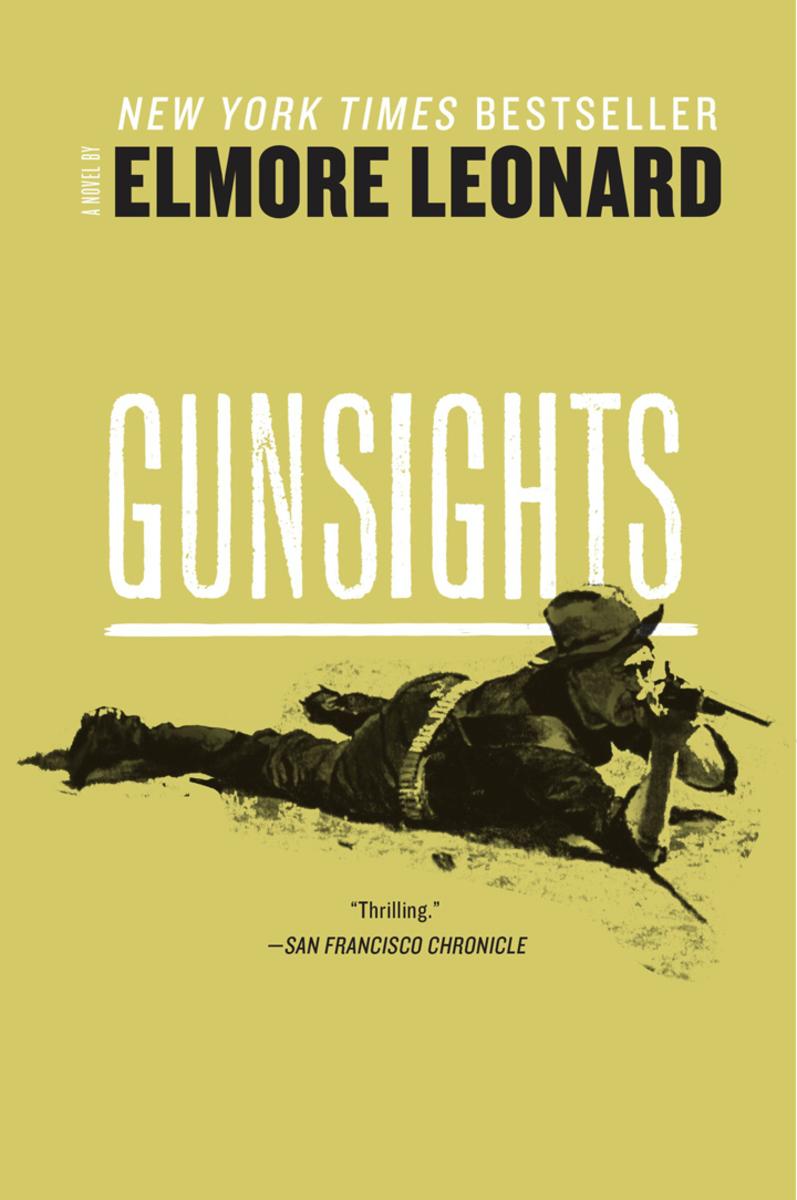
Gunsights
¥41.46
Brendan Early and Dana Moon have tracked renegade Apaches together and gunned down scalp hunters to become Arizona legends. But now they face each other from opposite sides of what newspapers are calling The Rincon Mountain War. Brendan and a gang of mining company gun thugs are dead set on running Dana and "the People of the Mountain" from their land. The characters are unforgettable, the plot packed with action and gunfights from beginning to end.

Skinwalkers
¥69.16
Three shotgun blasts explode into the trailer of Officer Jim Chee of the Navajo Tribal Police. But Chee survives to join partner Lt. Joe Leaphorn in a frightening investigation that takes them into a dark world of ritual, witchcraft, and blood—all tied to the elusive and evil "skinwalker." Brimming with Navajo lore and sizzling suspense, Skinwalkers brings Chee and Leaphorn, Hillerman's bestselling detective team, together for the first time.

Worst Fears Realized
¥69.16
Not a man to dwell on the past, Stone Barrington has no choice but to rattle old skeletons when the people closest to him start dying, and he has little to go on but the suspicion that the killer might be someone he once knew. The trip down memory lane isn't all bad though, for it reunites Stone with his ex-partner, Dino Bacchetti, now head of detectives in the nineteenth precinct.Trying to find a brilliant killer in a sea of old faces is difficult enough without Stone's former love, Arrington, now Mrs. Vance Calder, resurfacing too—especially when she sets off her own fireworks coming nose to nose with his latest flame, a Mafia princess as beautiful as she is dangerous.Caught on a thrill ride of a case that tests him as none has ever done before, Stone races to find a twisted madman with a taste for blood vengeance, with only a prayer to find him before Stone's worst fears are realized.

The Dark Wind
¥69.16
A corpse whose palms and soles have been "scalped" is only the first in a series of disturbing clues: an airplane's mysterious crash in the nighttime desert, a bizarre attack on a windmill, a vanishing shipment of cocaine. Sgt. Jim Chee of the Navajo Tribal Police is trapped in the deadly web of a cunningly spun plot driven by Navajo sorcery and white man's greed.


